...

Custom Dress Manufacturer for Brands Standardizing Dress Production

Standardize every approved detail before it reaches the production line.

Duolan helps established fashion brands convert design direction, fit standards, materials, workmanship, quality requirements, and packing rules into controlled production records for sampling, bulk manufacturing, and repeat orders.

  • 8 linked standards covering product files, fit, materials, workmanship, quality, packing, delivery, and reorder control.
  • Brand programs commonly involve 10-30 styles and 20,000-80,000 total pieces per order cycle.
  • 7 control gates from development review and PP approval through inline inspection, final packing, and reorder preservation.
  • 16 owned womenswear factories, 20+ long-term satellite factories, around 300 sewing lines, and 50+ quick-response and flexible lines.

Built for Structured Dress Programs and Repeat Production

Duolan works best with fashion organizations that already manage collections, buying calendars, technical files, sales channels, and repeat-order potential. The goal is not isolated garment making. The goal is a controlled path from design approval to repeatable production.

Established Fashion Brands

Brands with a defined product identity need suppliers who understand more than silhouettes. Development files, fit blocks, materials, workmanship, quality limits, packaging, and launch timing must remain connected. Duolan supports dress-led programs where approved details need to be repeated across colors, sizes, drops, and future orders without relying on verbal memory.

Product Development Teams

Product teams need clear answers on fabric behavior, pattern feasibility, support structure, opacity, lining, fit balance, and production risk. Duolan reviews design references, technical files, sample purpose, and target production route before development moves forward, helping teams separate visual preferences from measurable production standards.

Buying and Sourcing Teams

Buying and sourcing teams need traceable approvals, factory allocation logic, quality checkpoints, and reliable communication. Duolan organizes project information into review notes, sample stages, material records, PP approval points, production plans, inspection references, and packing confirmation so purchasing decisions rest on visible evidence.

Occasionwear Specialists

Occasion, party, going-out, and social-event dress programs carry higher risks than basic garments. Bust balance, drape, support, lining, decoration, zipper performance, skin comfort, and visual finish require category-specific control. Duolan’s dress focus supports brands where product value depends on both appearance and wearability.

Multi-brand Fashion Groups

Groups managing several labels often struggle with different specifications, quality definitions, and reporting methods. A shared development and production framework can preserve each label’s design identity while standardizing file structure, measurement rules, approval gates, defect handling, and packing records.

Long-term Supply Programs

Repeat production works only when the final pattern, approved BOM, fabric and trim references, PP basis, workmanship notes, quality findings, and packing records remain available. Duolan supports recurring programs where the first order becomes a controlled foundation for color extensions, length changes, related silhouettes, and future drops.

Why Dress Production Loses Consistency as Brands Scale

Production variation rarely starts with one large mistake. It develops when several small decisions are undocumented, differently interpreted, or updated in separate places. Multi-style dress programs increase the effect because materials, fit rules, decorative methods, and launch dates move at the same time.

Version Drift

A revised sample may be approved while the pattern, measurement sheet, BOM, or workmanship file still carries an earlier version. One outdated document can affect cutting, sewing, inspection, or packing. Version names, update dates, approved status, and file ownership need to remain clear from sample development through bulk release.

Sample-Bulk Gaps

A sample can look correct because an experienced sample maker adjusted details by hand. Bulk production needs repeatable instructions. Seam allowance, construction order, support placement, gathering ratio, zipper method, pressing, and finishing must be converted into production references before the line starts.

Material Substitution

A similar fabric or trim may create a different garment. Changes in weight, stretch, recovery, drape, opacity, surface finish, zipper strength, cup shape, boning, or lining can shift fit and appearance. Material alternatives require review and approval rather than informal replacement during purchasing.

Measurement Conflict

Fit comments lose value when measuring methods differ. Bust, waist, hip, body length, strap length, neckline depth, slit height, and stretched measurements need defined points and methods. A tolerance without a measuring method still creates disagreement between development, production, and inspection teams.

Quality Judgment Gaps

“Good quality” is not an inspection standard. Critical measurements, visible workmanship, defect classification, decoration security, pressing, shade variation, label position, barcode accuracy, and packing rules require agreed judgment criteria. Clear checkpoints reduce subjective decisions at the end of production.

Reorder Reset

Repeat orders often become new projects when records are incomplete. Material availability, color continuity, pattern changes, packing updates, and previous production issues must be reviewed before a reorder starts. Preserved records shorten re-development while protecting the approved result.

Eight Standards Behind Repeatable Dress Production

Standardization does not make every dress identical. It protects the approved identity of each style by giving design, sourcing, production, quality, and packing teams one measurable reference. Eight connected standards create a stronger base for multi-style development and repeat manufacturing.

Product File Standard

Style code, technical drawing, construction notes, colorways, size range, label plan, packing plan, and version status form the working identity of every style. Missing or conflicting information is reviewed before quoting, sampling, or bulk release.

Pattern and Fit Standard

The approved pattern, base size, fit priorities, balance points, support logic, and grading direction need one controlled version. Pattern changes should follow documented fit comments rather than informal sample-room adjustments.

Measurement Standard

Points of measure, measuring method, target values, tolerance, relaxed or stretched condition, and critical dimensions create a common language for fit approval and final inspection.

Material Standard

Fabric, lining, trims, components, color references, surface finish, stretch, recovery, opacity, weight, supplier details, and approved swatches are recorded in the BOM and material files.

Workmanship Standard

Seam type, stitch density, seam allowance, edge finish, zipper method, lining attachment, support construction, gathering, decoration, pressing, and visual acceptance points guide line production.

Sample Approval Standard

Prototype, fit sample, revised sample, salesman or photo sample, and PP sample serve different decisions. Approval status must state what is confirmed and what remains open.

Quality and Packing Standard

Inline checkpoints, critical measurements, defect classification, final inspection, labels, barcode, folding, polybag, assortment, carton marking, and shipping preparation require documented criteria.

Reorder Preservation Standard

Final pattern, approved BOM, PP basis, workmanship notes, quality findings, packing instructions, material history, and production lessons are retained for repeat orders and product extensions.

Compare Transactional Production with Controlled Manufacturing

A supplier may produce an attractive sample and still lack the structure needed for repeatable bulk orders. The comparison below focuses on how decisions are reviewed, recorded, approved, and carried into production.

Control AreaTransactional ProductionControlled Brand Production
Project IntakeFiles are accepted and quoted with limited technical review.Product intent, sample purpose, missing data, risk points, and production route are reviewed first.
Tech PackDocuments are passed to the sample room as received.Conflicts, missing specifications, version status, BOM links, and critical points are checked.
Sample RevisionComments are forwarded as a general list.Comments are grouped into fit, measurement, material, visual, construction, and production actions.
PP ApprovalOne garment is approved mainly by appearance.PP basis is linked to pattern, measurements, BOM, workmanship, labels, and packing requirements.
Bulk StartProduction begins after price and quantity confirmation.Bulk readiness is reviewed before materials, line allocation, and checkpoints are released.
Quality ControlMost issues are checked near completion.Material, cutting, first-piece, inline, finishing, measurement, and final packing points are controlled.
ReorderRequirements are explained again.Approved files, production findings, and packing records are reviewed and reused.

Dress Categories Need Different Production Standards

A single checklist cannot control every dress. Fit, fabric behavior, structure, finishing, and visual risk change by silhouette. Duolan develops product-specific control points so approved design details can be repeated in sampling, bulk production, and future orders.

Bodycon Dresses

Bodycon programs depend on controlled stretch, recovery, opacity, and bust-waist-hip balance. Fabric direction, lining, elastic tension, side-seam shape, hem recovery, and measurement condition need clear standards. A small change in material stretch can alter the whole fit block, so fabric approval and measurement method must stay linked.

Satin Dresses

Satin highlights every production decision. Grain direction, drape, seam tension, needle marks, puckering, lining, bias behavior, pressing temperature, hanger storage, and packing pressure affect the final surface. Approved material and finishing references should move together from sample stage to final packing.

Corset Dresses

Corset and bustier styles require precise cup position, underbust balance, boning route, seam shaping, back closure, lining, edge stability, and wearing support. Structure must be defined in both the pattern and workmanship file because visual similarity alone does not guarantee fit or security.

Mesh Dresses

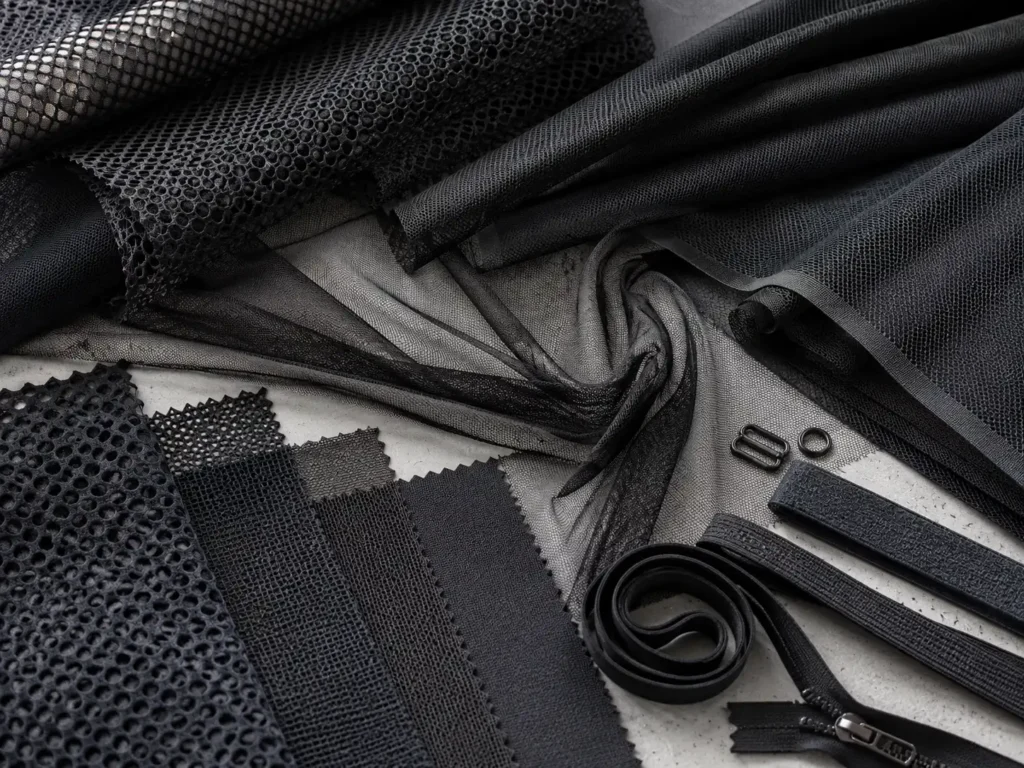
Mesh control includes stretch direction, print placement, transparency, seam stability, lining coverage, neckline recovery, panel alignment, and skin comfort.
Printed or layered mesh also needs strike-off, placement, shade, and cutting references before bulk production.

Sequin Dresses

Sequin direction, base-fabric stretch, weight, cutting loss, seam clearing, missing sequins, zipper areas, armholes, lining, skin contact, pressing, and packing protection all influence bulk consistency. Decoration standards need front, back, inside, and close-up references.

Halter Dresses

Halter styles must balance neckline tension, bust position, strap length, neck pressure, back opening, closure security, and support. Measurements need defined reference points because small changes can affect comfort and wearing stability.

Backless Dresses

Backless designs require controlled support points, tape or elastic placement, side-seam balance, neckline security, closure strength, and lining coverage. Pattern and trim decisions must work together to prevent gaping, slipping, or visible internal construction.

Occasion Dresses

Occasion dresses combine fit, visual finish, comfort, decoration, and delivery timing. Product standards often cover layered construction, lining, boning, lace placement, embellishment, hem finish, pressing, and protective packing. Every visible detail needs a repeatable production method.

From Brand Brief to Repeatable Dress Production

A structured production route keeps approvals connected. Duolan organizes each program around defined outputs so design decisions can move into sampling, bulk production, inspection, delivery, and repeat orders without losing context.

Development Review and Risk Mapping

Project intake starts with product type, design direction, target market, price position, sample purpose, expected quantity, size range, colorways, materials, launch timing, and known concerns. Duolan reviews whether the design, material, structure, and proposed production route support the intended result. 

Technical Alignment and Sample Planning

Technical drawings, measurement sheets, BOM, reference images, original samples, fabric ideas, and packaging requirements are organized into a usable development basis. Sample stages are defined according to the decision needed: prototype, fit review, visual review, salesman sample, photo sample, or PP basis.

Pattern, Material, and Construction Development

Pattern work, material sourcing, trim matching, fit priorities, structure, workmanship trials, and special-process tests move forward together.

High-risk points receive extra review before they become expensive changes in later stages. 

Revision and Production Readiness

Comments are categorized, technical files are updated, and the next sample has a defined purpose. Before bulk starts, approved sample status, BOM, measurements, workmanship, color, packing, order structure, and quality checkpoints are reviewed. 

Production, Quality, and Packing Control

Orders are broken down by style, color, size, quantity, complexity, material, and delivery priority. First-piece review, inline checkpoints, finishing, measurement inspection, label verification, packing checks, and final status records connect the approved standard to shipment. 

Reorder and Collection Extension

Final files, approved references, material history, production issues, corrective actions, and packing records are preserved. Reorders begin with a change review rather than a complete restart, supporting color extensions, length changes, related silhouettes, and seasonal programs.

Turning Tech Packs into Executable Production Standards

A tech pack becomes useful only when every function can read and apply it. Duolan reviews technical files as working production documents, not as attachments placed beside a sample request.

File Completeness and Conflict Review

A project review checks flat sketches, construction callouts, measurement specifications, BOM, fabric requirements, trims, colorways, labels, packaging, target quantity, and delivery expectations. Conflicting information is flagged before sampling. Examples include a drawing showing one neckline while construction notes describe another, or a BOM naming a zipper length that does not match the pattern. Review points include:

  • Style code and file version.
  • Front, back, and internal construction views.
  • Fabric and lining descriptions.
  • Trim specifications and placement.
  • Measurement points and tolerances.
  • Artwork, print, lace, or embellishment placement.
  • Label, barcode, and packing instructions.
  • Approval status and open questions.

Production Translation

Design language must become actions for :

  • pattern
  • cutting
  • sewing
  • finishing
  • inspection
  • packing

Terms such as “clean finish,” “soft drape,” “secure support,” or “minimal bulk” need technical interpretation. Duolan connects visual expectations with measurable references, approved materials, construction methods, and inspection points.
For example, “clean corset neckline” may require cup position, boning route, seam allowance, edge support, lining turn, topstitch visibility, and pressing method to be documented. A sketch alone cannot carry all of those decisions.

Version Control and Update Discipline

Each confirmed change should appear in the correct file. Fit comments may change pattern measurements. A fabric replacement may change seam handling or lining. A new zipper may change opening length and top closure. A packaging update may affect folding and pressing. Revision control prevents an old file from reaching a later stage. Recommended version fields:

  • Issue date.
  • Revision code.
  • Change description.
  • Responsible function.
  • Approval status.
  • Linked sample stage.
  • Bulk-use confirmation.
Fit Comments Become Production Records​

Standardizing Measurements, Grading, and Fit Tolerances

Measurements must describe how a dress is assessed, not only the target number. The same garment can produce different readings when measuring points, garment position, tension, or stretched condition are unclear. A shared method protects fit approval and inspection consistency.

Measurement Control by Dress Type

Dress TypeCritical MeasurementsMeasurement ConditionMain Production Risk
BodyconBust, waist, hip, body length, hem openingRelaxed and stretched where requiredFit shift caused by fabric stretch or recovery change
CorsetCup width, cup height, underbust, waist, back openingFlat, structured, and closure alignedSupport and cup position vary across sizes
HalterNeckline length, strap length, bust width, back dropStrap placed at approved wearing positionNeck pressure, bust shift, or unstable back opening
BacklessSide length, back depth, tape length, waist positionGarment aligned to approved support pointsGaping, slipping, or visible internal support
Satin SlipBust, waist, hip, strap, body length, bias dropGarment rested before measurementBias growth, seam distortion, or length variation
Mini DressBody length, waist position, hem opening, slitMeasured from defined HPS or neckline pointInconsistent visual length or restricted movement

Base Size and Grading Logic

A base size needs an approved fit purpose. Grading should preserve silhouette, support, neckline coverage, waist placement, hip balance, slit height, and garment length rather than enlarge every point mechanically. Complex corset, halter, backless, and bodycon styles may need differentiated grade rules around cups, straps, support panels, or stretch zones.

Tolerance and Inspection Method

Tolerance should reflect product function and risk. Critical support measurements usually need tighter control than low-risk decorative dimensions. Measuring methods should define garment position, point location, whether a curve follows the seam, whether elastic is relaxed, and whether a bias garment rests before measurement.

Building Repeatable Fit Through Controlled Pattern Development

A good pattern is not only a digital file. It is a record of balance, support, ease, fabric behavior, and approved wearing effect. Pattern control becomes especially important when a style moves from one sample maker to a production line or from one season to a repeat order.

Pattern Corrections Must Address Causes

A sample problem should be traced to its source. A gaping neckline may come from neckline shape, strap position, bust shaping, fabric recovery, lining tension, or closure placement. Removing width at one seam may hide the symptom while creating another problem.Duolan reviews fit comments through related factors:

  • Bust, waist, and hip balance.
  • Shoulder and strap position.
  • Neckline and armhole shape.
  • Side-seam direction.
  • Center-front and center-back balance.
  • Waistline and hem level.
  • Support, ease, and movement.
  • Fabric stretch, drape, and recovery.

Fit Comments Need File Updates

A successful sample revision should update the pattern, measurement specification, and relevant construction notes. When comments stay only in an email or marked photo, the approved result may not reach grading, bulk cutting, or final inspection.

A controlled revision record can include:

  • Comment category.
  • Technical cause.
  • Pattern action.
  • Measurement change.
  • Material or workmanship effect.
  • New sample objective.
  • Approval status.

Locking Fabric Performance Before Bulk Production

Dress fabric is not a visual choice alone. Weight, stretch, recovery, drape, opacity, shine, texture, shrinkage, and pressing behavior influence pattern balance, construction, fit, comfort, photography, and bulk stability. Duolan reviews material direction together with silhouette and production requirements.

Satin and Lustrous Wovens

Satin selection should consider fiber content, weave, weight, surface shine, snagging, grain direction, seam impression, pressing response, and bias behavior. A lighter satin may create the desired fluid movement but require stronger opacity control or a different lining. A heavier option may improve coverage while reducing the intended drape. Control records may include approved swatch, supplier reference, composition, weight range, color standard, shrinkage result, lining choice, grain direction, pressing note, and packing protection.

Mesh and Stretch Materials

Mesh needs clear stretch direction, recovery, transparency, print or flocking behavior, edge stability, and lining coverage. Bodycon mesh also requires compatibility between outer mesh and inner lining so both layers recover together. A mismatch can create twisting, bubbling, or fit distortion. Printed mesh programs may add strike-off approval, placement scale, color reference, panel alignment, and repeat direction. Bulk cutting needs a defined placement approach when the visual effect depends on artwork location.

Jersey and Bodycon Fabrics

Jersey and stretch woven materials need controlled weight, stretch percentage, recovery, opacity, handfeel, shrinkage, and color stability. Bodycon fit can change significantly when the bulk fabric has a different recovery rate from the sample fabric. Material approval should therefore connect to the pattern and size standard. Relaxed measurements, stretched measurements, seam elasticity, lining, and hem method may all depend on the approved fabric behavior.

Lace, Chiffon, Crepe, and Layered Fabrics

Lace requires motif direction, scallop use, placement, transparency, joining method, and lining decisions. Chiffon needs control of grain, layer movement, seam finish, hem method, and handling.
Crepe varies in drape, texture, recovery, and pressing response. Layered garments need coordinated shrinkage and movement between shell, lining, and support materials.

Trims and Components Must Remain Repeatable

Trims affect appearance, function, fit, durability, brand identity, and production consistency. A zipper, cup, boning strip, elastic, hook, label, or decorative component can change the garment even when the shell fabric and pattern remain unchanged.

Closures and Zippers

Zipper type, length, tape color, puller, tooth finish, strength, top closure, placement, and sewing method need confirmation. Satin and fitted dresses can show zipper waves or seam distortion when zipper construction is mismatched to fabric weight and stretch.

Cups and Support Components

Cup shape, size, thickness, position, color, and edge treatment influence bust balance and comfort. Boning material, width, length, route, casing, and end protection affect support and wearing safety. Power mesh, elastic, anti-slip tape, and internal waist support should remain hidden while performing consistently.

Decorative Trims

Lace trims, bows, ribbons, metal rings, rhinestones, pearls, beads, chains, and appliques need specification by size, finish, color, weight, placement, attachment, and testing requirement. Decoration choices should support the garment rather than overload the fabric or create uncomfortable internal surfaces.

Brand Labels and Packaging Components

Main labels, size labels, care labels, hangtags, stickers, barcodes, polybags, tissue, inserts, and cartons belong in the same controlled BOM. Language, fiber content, care symbols, placement, barcode data, assortment, and carton marks require review before packing begins.

BOM Lock and Alternative Approval

Every component should have an approved description, supplier or source reference, color, size, material, finish, placement, and status. When an item becomes unavailable, an alternative needs comparison for appearance, function, fit, lead time, cost, and bulk repeatability before substitution.

Trim Card as Line Reference

A physical or documented trim card gives purchasing, production, QC, and packing teams one shared reference. It can show actual components, color standards, placement notes, approved status, and linked style codes. The card should match the active BOM version.

Workmanship Standards Define the Finished Garment

Workmanship control should describe how the garment is built and how the result is judged. Stitching quality cannot be reduced to straight seams. Construction order, seam type, edge finish, support, pressing, and appearance all influence bulk consistency.

Seam Construction and Allowance

Seam type and seam allowance need to suit fabric weight, transparency, stretch, fraying, and visual requirements. A satin side seam may need tension and pressing control. Mesh may require elastic or stabilizing methods. Lace may need motif-aware joining. Stretch bodycon styles need seams that recover with the fabric.

Necklines, Armholes, and Openings

Necklines and armholes affect comfort, coverage, support, and visual symmetry. Edge treatment can include facing, lining turn, binding, elastic, tape, or clean finish. Back openings, keyholes, cut-outs, and slits need reinforcement, shape control, and defined end points. A production reference should show inside and outside construction. Close-up images are useful for areas where a short written instruction may be interpreted differently.

Lining and Internal Construction

Lining affects opacity, support, comfort, seam appearance, drape, and wearing movement. It should be specified by material, color, stretch, attachment, hem relation, and coverage area. Corset, mesh, sequin, and backless dresses often need different internal solutions even when the outer silhouette looks similar. Internal construction should remain clean and secure. Cups, boning, elastic, power mesh, hook-and-eye, anti-slip tape, and internal straps require controlled placement and finishing.

Hem, Pressing, and Final Appearance

Hem type depends on fabric, silhouette, movement, and visual level. Narrow hems, baby hems, blind hems, coverstitch, binding, or hand finishing can produce very different results. Pressing settings should protect shine, texture, pleats, sequins, lace, and structured areas. Final appearance standards can include seam smoothness, symmetry, drape, wrinkle level, pressing marks, thread trimming, decoration alignment, and hanger presentation.

Special Processes Need Trial, Approval, and Bulk Control

Print, embroidery, dyeing, pleating, rhinestone application, beading, and surface decoration add brand value only when appearance, comfort, lead time, and bulk repeatability remain controlled. Duolan works with established process partners and reviews each technique against fabric and production requirements.

Printing and Placement

Printed dresses may require artwork scale, repeat direction, strike-off approval, color standard, panel placement, cutting marker, and shade management. Placement-sensitive designs need reference points so visual balance remains stable across sizes.

Embroidery and Lace Placement

Embroidery density, backing, thread color, motif scale, stitch direction, edge finish, and placement affect drape and comfort. Lace placement needs motif alignment, symmetry, seam joining, scallop use, and lining coordination.

Pleating and Ruching

Pleat width, depth, direction, heat stability, return behavior, panel length, and seam relation should be defined. Ruching requires controlled gathering ratio, anchor points, elastic tension, symmetry, and stretch recovery.

Beading and Rhinestones

Pearls, beads, rhinestones, and metal decorations need review for weight, attachment strength, backing, skin contact, washing or care method, replacement allowance, and protective packing. Heavy decoration may require reinforced fabric or changed construction.

Dyeing and Surface Finish

Custom dyeing, gradient effects, washing, or surface treatment can affect shade, handfeel, shrinkage, strength, and lead time. Lab dips, trial panels, approved samples, batch comparison, and production buffers help control variation.

Sequin Construction

Sequin density, direction, base-fabric stretch, seam clearing, missing pieces, zipper areas, neckline and armhole edges, lining, pressing, and packing require dedicated control. The final standard should include both visible and internal references.

Standardization Starts Before the First Sample

A sample should answer a defined question. Starting development without a clear sample purpose often creates repeated rounds, mixed feedback, and unclear approval. Duolan establishes the development basis before pattern and sample work begins.

Define the Decision Required

A prototype may test overall design and construction. A fit sample evaluates balance, measurements, and wearing effect. A salesman or photo sample may prioritize presentation. A PP sample confirms the production basis. Each stage needs different materials, detail level, and approval criteria.Before development, the team confirms: Product type and intended occasion, Target silhouette and fit priority, Sample purpose, Base size and size range, Fabric and trim direction,  Visual finish requirements, Expected order scale, Launch and approval timing.

Review Feasibility Before Cost Accumulates

Some design details look simple in a sketch but create high production risk. Deep necklines, backless support, corset cups, bias satin, layered mesh, dense sequins, print placement, and special dyeing need early evaluation.

Duolan reviews whether the intended material, pattern, support, workmanship, and process can achieve the desired result at the planned production scale. Where needed, options are compared before the first sample.

Build a Sample Plan, Not Only a Sample Fee

A clear sample proposal can state what is included, what needs confirmation, what material route will be used, which risks require trial work, what approval points are expected, and how the sample can move toward production readiness. Lead time is set after style complexity and material readiness are reviewed. Standard woven or stretch dresses usually follow a shorter route than corset, sequin, custom-print, dyeing, or heavily embellished styles. Clear files and early material confirmation improve schedule control more than a rushed start. 

Converting Comments into Controlled Sample Revisions

Comments create value only when they become technical actions. Duolan organizes feedback by category, confirms unclear points, updates related files, and defines the objective of the next sample round.

Fit Adjustments

Fit comments may affect pattern shape, balance, ease, strap position, cup position, neckline, waist, hip, body length, slit, or hem. The revision should identify the cause and update both pattern and measurements where required.

Material Adjustments

A change in fabric, lining, zipper, elastic, cup, boning, lace, or decoration may influence pattern, construction, fit, cost, and lead time. Material comments are therefore linked to the BOM and relevant workmanship notes.

Visual Adjustments

Visual preferences such as a cleaner neckline, softer drape, fuller ruching, lower shine, denser decoration, or stronger shape need measurable or reference-based actions. Marked photos, approved swatches, close-up images, or revised construction notes can reduce subjective interpretation.

Production-related Issues

Some comments reveal bulk risk rather than sample appearance. A hand-tacked detail may not be suitable for line production. A decorative method may create high variation. A fabric may be difficult to replenish. Duolan separates such issues and proposes a production-ready alternative where needed.

Revision Summary

A revision summary can record the original comment, technical interpretation, action, affected file, expected result, open question, and next approval point. One organized record prevents different functions from working from separate email threads.

Next-round Objective

Every revised sample should have a clear goal: fit confirmation, visual refinement, material confirmation, size-set review, or PP readiness. A defined objective makes internal review faster and reduces repeated changes that move the project sideways.

Locking the PP Sample as the Production Basis

A PP sample is valuable only when it is connected to the complete production standard. Approving appearance without linking the pattern, measurements, BOM, workmanship, labels, and packing leaves too much room for bulk variation.

What the PP Basis Should Confirm

The PP stage should confirm the points needed for manufacturing and inspection:
  • Final silhouette and fit direction.
  • Approved pattern version.
  • Size specification and tolerance.
  • Shell fabric, lining, and trims.
  • Color and surface finish.
  • Construction and workmanship.
  • Decoration placement and security.
  • Labels and branded components.
  • Folding, polybag, and carton requirements.
  • Open points, if any, with written disposition.

Golden Sample and Supporting Records

The physical approved sample can serve as a visual and construction reference, but it should not stand alone. A production line needs files that explain how to repeat the result. QC needs measurable criteria. Purchasing needs approved material references. Packing needs label and assortment instructions. A controlled PP package may include:
  • Approved sample photographs.
  • Pattern version reference.
  • Final measurement sheet.
  • Locked BOM.
  • Fabric and trim card.
  • Workmanship detail sheet.
  • Label and packing confirmation.
  • Approval date and authority.

Reviewing Production Readiness Before Bulk Starts

Sample approval does not automatically mean the style is ready for line production. A bulk-readiness review checks whether every confirmed decision can be purchased, cut, sewn, inspected, packed, and repeated at the planned quantity.

Approval Status Review

The team confirms whether the current sample is fit approved, visually approved, a PP basis, or still pending refinement. Mixed approval language can lead to production starting with unresolved details.

Material Readiness

Fabric, lining, trims, colors, print or decoration, labels, and packing components are checked for approved status, supply route, quantity, timing, and known variation. Replacement rules are confirmed before purchasing proceeds.

Technical Readiness

Pattern, measurements, grading, BOM, workmanship, artwork, placement, label, and packing files are checked for active versions. Critical construction points and measurement points are highlighted for production and QC.

Order Structure

The order is broken down by style, color, size, quantity, delivery group, and priority. A program may involve 10-30 styles and 20,000-80,000 total pieces, so production readiness must be assessed by style rather than assumed across the whole order.

Risk and Trial Decision

Complex or high-risk styles may require first-piece confirmation, pilot production, process trials, or separate line allocation. Satin bias cuts, corset structures, dense decoration, placement print, and layered stretch materials often need additional control before scale-up.

Bulk Start Confirmation

The final output can summarize approved status, outstanding actions, material release, production route, inspection checkpoints, packing status, and target milestones. A clear release note helps every function start from the same decision.

Matching Each Style to the Right Production Path

Multi-style programs cannot be managed as one undifferentiated order. Duolan breaks production down by product complexity, materials, process needs, quantity, delivery priority, and quality risk, then assigns an appropriate manufacturing route.

Style and Order Decomposition

Every order is organized by style code, color, size, quantity, material, construction, special process, delivery group, and approved status. A 20-style program may contain simple satin slips, structured corset minis, printed mesh midis, sequin party dresses, and lined bodycon styles. Each group needs different preparation and line conditions.

Multi-style Visibility

Project updates should show the status of each style rather than one general percentage. A program can track sample approval, material readiness, pattern status, PP status, line allocation, cutting, sewing, finishing, inspection, packing, and shipment preparation by style or delivery group. 

Timeline Built from Approval Gates

A reliable delivery plan begins with launch or warehouse arrival and works backward through transport, final inspection, packing, finishing, sewing, cutting, material preparation, PP approval, and sample development. Complex products and custom processes need earlier decisions than standard styles. Specific sample and bulk lead times are reviewed after style complexity, material readiness, quantity, approval route, and packing requirements are known. A shorter promise has little value when approvals, materials, or special processes remain unresolved.

Factory and Line Matching

Duolan relies on 16 owned womenswear factories and 20+ long-term satellite factories. Core styles, high-risk construction, and development-sensitive work can be allocated where control and technical experience fit the product. Flexible capacity supports different production waves, repeat orders, and seasonal peaks. Around 300 sewing lines and 50+ quick-response and flexible lines provide options for standard production, test orders, repeat orders, and scale-up programs. Allocation depends on confirmed product and schedule requirements rather than a fixed route for every style.

Controlling Quality Before Problems Spread Across Bulk

Inline quality control protects approved standards while production is still adjustable. The aim is not to wait for a finished order and sort defects afterward. Material, cutting, construction, fit, and appearance issues should be identified at the earliest useful checkpoint.

Incoming Material and Shade Control

Fabric and trims are checked against approved references for type, color, visible quality, stretch or handfeel where relevant, and order identity. Roll or batch information may be recorded to support shade separation, cutting control, and later investigation.

Cutting and Bundle Control

Cutting checks can include grain direction, stretch direction, print or motif placement, sequin direction, lace matching, shrinkage allowance, component count, notches, numbering, and bundling. Errors at cutting stage affect the entire line and are difficult to correct later.

First-piece Confirmation

The first completed pieces are compared with approved references for measurements, silhouette, construction, workmanship, labels, and visual finish. High-risk styles may require a more detailed review before line production continues.

Inline Checkpoints

Inline checks focus on product-specific risks. Satin may require seam and pressing review. Corset styles require cup, boning, and support checks. Mesh needs coverage, alignment, and seam stability. Sequin styles need direction, missing pieces, seam clearing, and lining protection.

Corrective Action and Re-inspection

When a deviation is found, affected pieces or bundles are isolated, the cause is reviewed, the method is corrected, and repaired work is re-inspected. A repeated issue may require line instruction, machine adjustment, material review, or production method change.

Production Records

Inline records can include issue type, style, line, quantity affected, action taken, responsible function, re-inspection result, and whether the approved standard or technical file needs clarification. Records also support future repeat orders.

Confirming Final Quality, Labels, and Packing Accuracy

Final inspection confirms whether finished goods meet the agreed product and packing standard before shipment preparation. Product appearance, measurements, branded components, assortment, and carton information all influence the delivery received by the brand or warehouse.
Key grading checks​

Product Inspection

Final checks can cover appearance, measurements, workmanship, seam quality, decoration, closure function, lining, symmetry, pressing, stains, damage, loose threads, and product-specific risk points. Inspection scope and sampling method follow agreed brand, channel, or third-party requirements.
Fabric-Defects_

Defect Classification

Defects should be assessed by severity, function, visibility, safety relevance, and brand standard. A broken closure, major measurement deviation, missing decoration, severe shade difference, or incorrect label has a different effect from a minor removable thread. Shared definitions reduce subjective disputes.

Label and Barcode Verification

Main label, size label, care label, country or origin information, hangtag, barcode, sticker, price ticket, and placement are checked against approved files. Barcode data and style-color-size combinations need careful verification in multi-style and multi-color programs.

Folding and Polybag Standard

Folding method, tissue, hanger, protective layer, silica gel where requested, size sticker, warning text, polybag type, and seal method should protect the garment and fit the brand’s warehouse or retail process. Satin, sequins, structured cups, and decoration may need special packing protection.

Carton and Assortment Control

Packing ratio, color and size assortment, carton quantity, carton dimensions, net and gross weight, carton mark, purchase order information, and delivery group are checked before sealing. Mixed assortments need a clear packing list and carton identity.

Shipment Readiness Summary

A final quality and packing summary can record inspection status, corrective action status, packing completion, quantity confirmation, document readiness, and shipment preparation. Third-party inspection can be coordinated according to project requirements.

Preserving Approved Standards for Repeat Orders

Repeat production should begin with known standards and a controlled change review. Preserved files reduce re-development, but every reorder still needs confirmation of materials, color, production route, quantity, timing, and any requested improvements.

Final Pattern Record

The production pattern, grading basis, and approved fit version are retained with style identity and revision history. Any change made during bulk production should be recorded before a reorder uses the file.

BOM and Material History

The approved BOM, fabric and trim sources, color references, batch notes, substitutions, and material issues support future sourcing. If an original component is unavailable, the new option can be compared against the established standard.

Workmanship and PP Reference

Approved internal and external construction, critical detail photos, decoration methods, pressing, finishing, and PP references help a new production run reproduce the previous result.

Quality Findings

Inline and final issues, corrective actions, measurement findings, shade observations, packing errors, and improvement notes should inform the next order. Repeat production becomes stronger when previous lessons are used before line start.

Change Review

A reorder review asks what changed: color, size range, quantity, fabric batch, trim, label, packing, delivery window, fit, or construction. Changes are classified by effect on pattern, sample requirement, material approval, cost, timing, and quality control.

Collection Extension

A stable fit block and production standard can support related products. A satin slip may extend into a midi skirt or cami set. A corset dress can inform a corset top. A printed maxi can extend into a resort set. Extensions still require product-specific review, but they start from a controlled base.

Manufacturing Capacity Built Around Dress Programs

Duolan combines dress development experience, owned factories, flexible supporting capacity, and South China material and process resources. Scale is useful only when it protects product control, multi-style scheduling, and repeat-order continuity.

30+ Years Dress Experience

Leadership experience in fast-fashion womenswear development reaches back more than 30 years, covering dress design, fabric development, product research, construction, decorative processes, and commercial execution for Western fashion markets.

16 Owned Factories

Owned womenswear factories provide direct control for core styles, development-sensitive products, and production programs requiring closer coordination between sample, pattern, line, and quality teams.

20+ Satellite Factories

Long-term satellite factories add flexible capacity for production waves, repeat orders, seasonal volume, and style allocation. The model supports capacity expansion without treating every style as interchangeable.

12,000+ Workers

The wider supporting manufacturing network includes more than 12,000 workers across established production regions. Workforce scale supports multi-style programs and order peaks when production planning and factory matching are completed early.

Around 300 Sewing Lines

A broad line base allows production paths to be matched to style complexity, quantity, timing, and construction. Structured dresses, stretch dresses, woven dresses, decorated styles, and repeat programs may require different line conditions.

50+ Flexible Lines

Quick-response and flexible lines support test orders, launch orders, repeat production, and urgent replenishment where materials and approvals are ready. Flexibility does not replace planning; it works best when product standards are already locked.

Compliance Records and Quality Documentation Support

Global fashion programs need audit readiness, social responsibility records, product quality awareness, and the ability to follow market or brand-specific standards. Duolan separates existing audit records from project-specific standards that require coordination or testing.

SMETA Audit Record

Duolan’s factory system has completed SMETA audit and SMETA 2-Pillar audit, providing a recognized social audit basis for supplier evaluation and ongoing cooperation discussions.

Brand-specific Requirements

Production can be aligned with brand manuals covering product construction, measurement, defect classification, labels, packaging, inspection, and supplier communication. Requirements are reviewed by project rather than represented as one universal standard.

Testing Coordination

Where required, material or product testing can be coordinated according to AATCC, ASTM, OEKO-TEX related requirements, EN requirements, China GB standards, GOTS-related material documentation, or specific brand and market needs. 

Quality Records

Useful records may include material approval, measurement sheets, PP approval, inline findings, final inspection status, defect records, packing confirmation, and third-party inspection preparation. The exact document set follows the program’s control needs.

Supplier Evaluation Support

Buying and sourcing teams can request factory profile information, audit records, manufacturing scope, quality process explanation, sample-to-bulk workflow, and project-specific capability evidence before development or production begins.

Transparent Qualification Language

An available audit record is described as an available audit record. A standard that can be followed or coordinated is described as project support. A test that depends on material and market is confirmed through the relevant test scope. Clear language protects both sides during supplier approval.

Representative Dress Standardization Programs

The following anonymized profiles reflect Duolan’s current cooperation range: 10-30 styles per order cycle and 20,000-80,000 total pieces per brand program. Brand identities and commercial files remain confidential.

United States Occasionwear Program

Program profile: 18 styles, 42,000 pieces, 5 color families, sizes XS-XXL.

Initial condition:
The brand managed satin, corset, mesh, and fitted occasion dresses through several internal teams. Fit comments, material changes, and visual approvals were stored in separate files. Several styles had approved samples, but production references did not consistently show which pattern, BOM, and construction version was final.

Standardization work:
Duolan grouped the range by fit and construction risk, then created a style status list covering sample purpose, pattern version, size specification, BOM, PP status, and open issues. Corset styles received cup, boning, support, and back-closure checkpoints. Satin styles received grain, seam, pressing, and packing controls. Mesh styles received transparency, lining, stretch, and placement references.

Bulk route:
The 18 styles were divided into development-sensitive, standard woven, and high-risk structured groups. PP approval packages, pre-production points, first-piece checks, critical measurements, and final packing rules were linked to each group.

Program result:
The brand received a clearer production basis for all styles, a controlled release route into bulk, and preserved records for repeat colors and related occasion silhouettes.

corset

European Partywear Program

Program profile: 24 styles, 68,000 pieces, 4 delivery groups, sizes XXS-XXL.

Initial condition:
The range included sequin minis, ruched mesh dresses, embellished midis, and structured party dresses. Main risks included decoration variation, skin comfort, lining coverage, zipper handling, heavy surface weight, and late process approvals.

Standardization work:
Duolan separated material approval, craft trials, and garment approval. Sequin direction, seam clearing, missing-piece limits, neckline and armhole finishing, lining protection, and packing layers were defined. Ruching ratios and anchor points were recorded. Embellishment samples were reviewed for placement, weight, attachment, and reverse-side comfort before PP approval.

Bulk route:
Special-process work was scheduled before line start, with trial panels and approved process references. Styles were allocated by construction and delivery group. Inline checks focused on decoration, zipper areas, seam security, measurements, symmetry, and visual finish.

Program result:
The partywear range moved into four controlled production waves with separate checkpoints for special processes, line production, final appearance, and protective packing.

Party Dress Programs

Australian Resort Dress Program

Program profile: 12 styles, 28,000 pieces, 3 print stories, sizes 6-16.

Initial condition:
The collection combined printed maxi dresses, halter midis, satin slips, and lightweight sets. Main concerns were print scale, panel placement, color consistency, neckline security, maxi movement, fabric transparency, and launch timing.

Standardization work:
Artwork scale, repeat direction, strike-offs, color references, cutting placement, lining coverage, strap measurements, neckline tension, and hem methods were confirmed by style. Shared fabrics and trims were organized across the collection while preserving each silhouette’s construction needs.

Bulk route:
Printed styles followed a placement and shade-control route. Halter styles received strap, bust, and back-opening checkpoints. Satin styles received seam, pressing, and packing references. Delivery milestones were planned around campaign and warehouse timing.

Program result:
The collection received one connected standard covering print approval, fit, materials, construction, inspection, packing, and repeat-order records for future resort extensions.

Frequently Asked Questions About Standardized Dress Production

It includes controlled product files, pattern and fit references, measurement methods, material and trim records, workmanship standards, sample approval status, PP basis, production checkpoints, quality criteria, label and packing rules, and repeat-order records. The exact set depends on dress complexity and brand requirements.
Yes. A review can begin with current tech packs, measurement sheets, BOMs, sample photos, quality manuals, packing instructions, and known production issues. Duolan can identify missing links, conflicting versions, and areas requiring clearer approval or production references.
No. Send available materials, including reference images, original samples, technical drawings, fabric direction, size standards, or current production files. Duolan will review what is available and identify the next information needed for sampling or bulk evaluation.
Tolerance is reviewed together with garment function, fabric behavior, measuring method, and critical fit points. A useful standard defines the point of measure, garment position, relaxed or stretched condition, target value, and acceptable range.
The approved sample is connected to the active pattern, measurement sheet, BOM, material references, workmanship details, PP approval, pre-production points, first-piece review, inline checkpoints, final inspection, and packing confirmation.
Key items include approved sample status, fabric, lining, trims, colors, pattern version, measurements, grading, workmanship, artwork or decoration, labels, packaging, order breakdown, production route, quality checkpoints, and open actions.
Comments are grouped into fit, measurements, materials, visual changes, construction, production risk, labels, and packing. Related patterns, specifications, BOMs, and notes are updated before the next sample or bulk decision.
Yes. Programs commonly cover 10-30 styles. Shared standards can organize file structure, approvals, measurements, BOM control, quality language, and packing, while product-specific controls remain separate for satin, corset, mesh, bodycon, sequin, and other constructions.
Final patterns, approved BOMs, PP references, workmanship notes, quality findings, packing records, and production lessons are preserved. Reorders begin with a change review covering materials, color, size, quantity, construction, labels, packing, timing, and previous improvements.
Timing is reviewed after product complexity, material readiness, sample purpose, approval route, quantity, production allocation, quality requirements, packing, and delivery method are understood. Duolan avoids using one fixed timeline for every dress program.

Send Your Dress Production Standards for Review

Share the files and project information already available. Duolan will review the product direction, standardization gaps, sample or bulk status, material and fit risks, production route, and next approval steps. Clear information allows a more useful response on development scope, quotation basis, production feasibility, and timing.
Useful project information includes:

  • Company or brand name and website.
  • Product category and style list.
  • Tech packs, reference images, or original sample photos.
  • Fabric, lining, and trim direction.
  • Size range, base size, and measurement standard.
  • Target quantity by style, color, and size.
  • Current sample or production status.
  • Known fit, quality, or consistency concerns.
  • Label, barcode, and packing requirements.
  • Target launch, warehouse, or delivery date.
  • Existing QC manual or supplier standard.

Available materials do not need to be perfect before review. Send the current version, and Duolan will identify what should be clarified before sampling, bulk release, or repeat production.


Start Your Apparel Development Project

OEM/ODM Manufacturing Support for Fashion Brands

Share your collection details, estimated quantities, target market, development timeline, and technical requirements. The production team will review your request and provide a tailored manufacturing solution based on your product category, fabric selection, construction needs, and delivery schedule.

Fashion Manufacturing Support with Scalable Production Capacity

From sample development to bulk production, Duolan supports fashion brands with confidential OEM/ODM manufacturing, stable quality management, flexible production planning, and coordinated multi-factory execution for seasonal and capsule collections.

Need Direct Assistance?

Seraphinite AcceleratorOptimized by Seraphinite Accelerator
Turns on site high speed to be attractive for people and search engines.