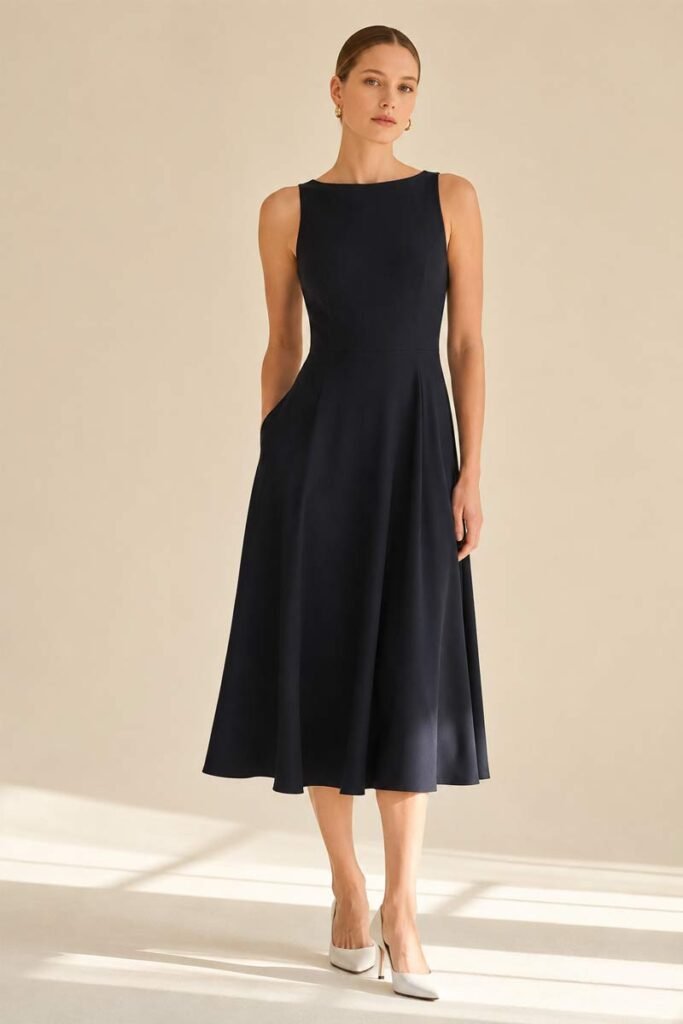
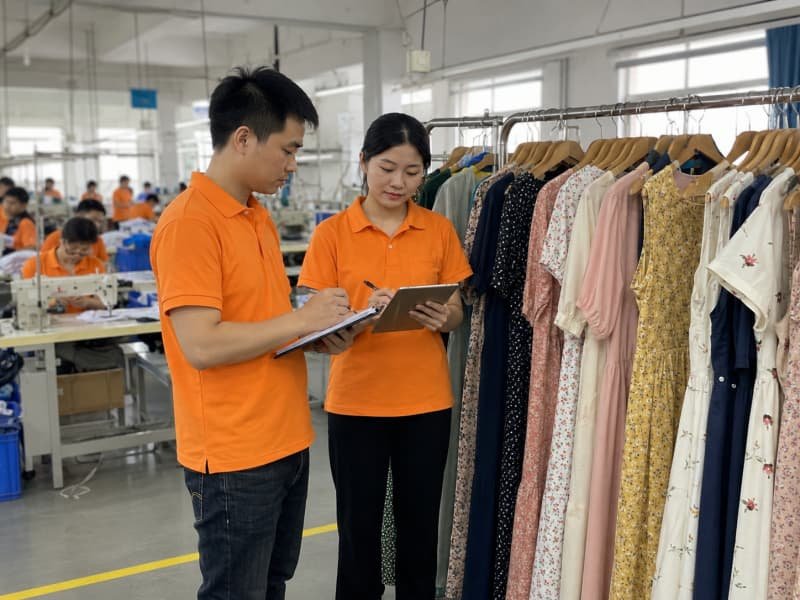
...

Custom Dress Manufacturer for Brands Building a Reliable Supplier Base

A dress-focused development and manufacturing partner for brands strengthening category depth, production resilience, and long-term supply continuity.

  • 4 supplier roles supported: category specialist, development partner, scalable production source, and qualified secondary source.
  • 9 supplier-review areas connected across development, materials, fit, sampling, production, quality, compliance, delivery, and repeat orders.
  • Typical multi-style programs cover 10-30 styles with combined order plans of approximately 20,000-80,000 pieces.
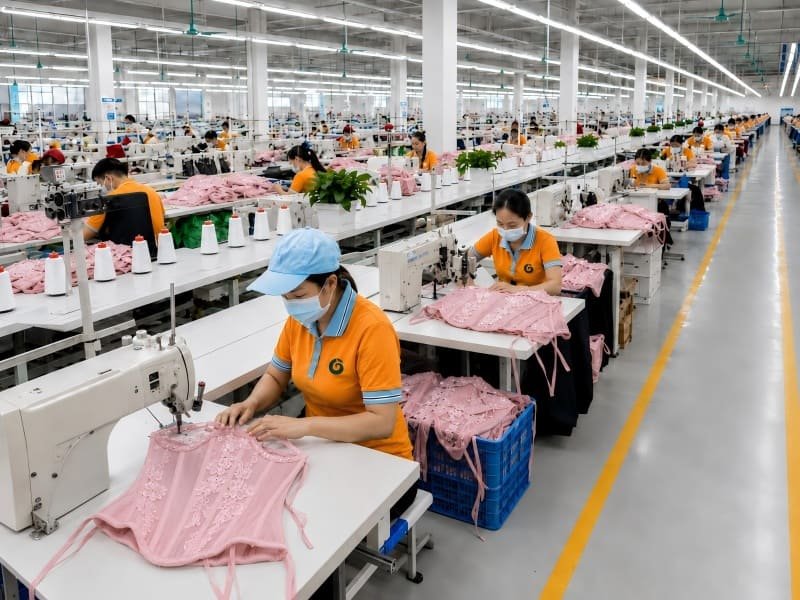
  • 16 owned womenswear factories and 20+ coordinated satellite factories support controlled allocation by product risk, process, quantity, and delivery priority.

Built for Established Fashion and Product Teams

Reliable supplier development starts with a clear operating fit. Duolan works best with organized fashion programs that have defined product direction, approval responsibilities, launch targets, and a serious path from sampling into repeatable production.

Fashion Brand Teams

Brand teams need a manufacturing partner able to protect product identity while supporting commercial growth. Duolan reviews silhouette, market position, target quality, planned quantity, launch timing, and repeat potential before development moves forward. The objective is not merely to make a dress that resembles a reference. The objective is to create a product route capable of supporting campaign presentation, sell-through, replenishment, and later color or collection extensions.

Buying Teams

Buying teams require comparable information, disciplined approvals, and clear responsibility. Duolan organizes material status, sample stage, quantity basis, workmanship, packing, inspection, delivery terms, and open risks so commercial decisions are made on defined production conditions. Structured records also make internal approvals easier when several departments must review cost, quality, compliance, and timing.

Product Development Teams

Product teams focus on design translation, fabric response, pattern balance, fit comments, sample progression, and production feasibility. Duolan connects creative intent with technical decisions involving drape, support, stretch, opacity, lining, closure, construction, size range, and workmanship. Comments are translated into pattern, measurement, BOM, and construction updates rather than remaining as informal messages.

Sourcing Offices

Sourcing offices need factory visibility, audit readiness, production-path clarity, consistent reporting, and risk control across multiple programs. Duolan can support supplier evaluation through capability information, development records, factory evidence, project reviews, production planning, quality checkpoints, and shipment documentation according to the project scope.

Multi-Brand Groups

Multi-brand groups often share supply resources while preserving separate fit, quality, pricing, packaging, and product language. Duolan can coordinate common fabric or trim resources where appropriate while keeping brand-specific patterns, measurements, approvals, BOM versions, QC points, labels, and reports separated.

Dress Category Leaders

Occasionwear, partywear, going-out, resort, vacation, and fitted-dress programs require category knowledge beyond general garment sewing. Duolan is positioned around fashion dresses and related collection pieces, with attention to material behavior, visual impact, wear security, structured support, complex details, and sample-to-bulk continuity.

How Duolan Fits Into Your Supplier Network

A reliable supplier base normally includes different manufacturing roles. Duolan can be evaluated for a defined role first, then expanded according to sample accuracy, production performance, communication, quality results, and repeat-order stability.
Silhouette and Wearer Positioning​

Dress Category Specialist

Duolan can support fashion dress categories requiring closer control of silhouette, fabric, fit, support, lining, closure, decoration, and finishing. Category specialization is valuable when an existing general apparel source performs well on basic items but lacks sufficient depth for satin, mesh, sequin, corset, bodycon, halter, backless, party, or occasion styles.
  • Product risk reviewed by dress type
  • Fabric behavior linked to pattern decisions
  • Workmanship standards built around visible details
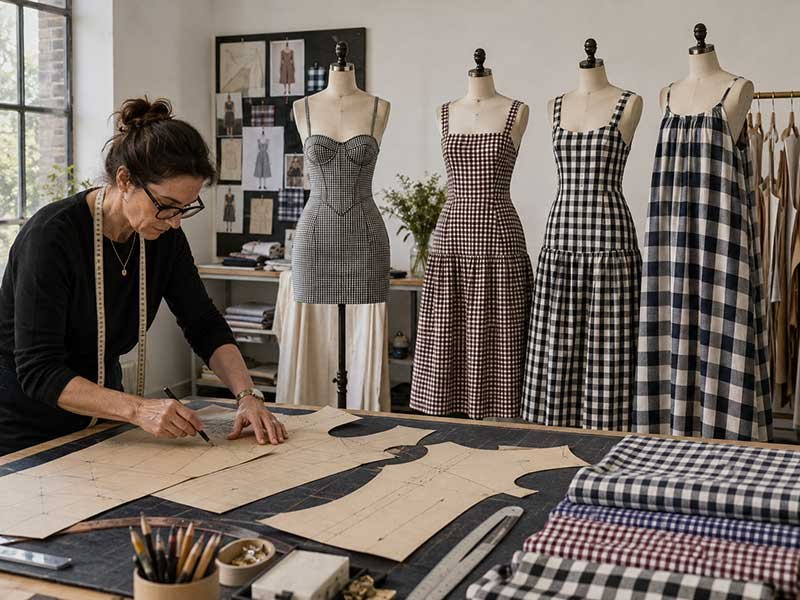
Development Partner

A development supplier needs to interpret a tech pack, reference image, original sample, or collection brief and turn it into a structured sample plan. Duolan can review design feasibility, material direction, pattern requirements, fit priorities, hidden construction, special processes, approval stages, and bulk implications before the first sample is released.
  • Reference review before pattern work
  • Sample purpose defined by stage
  • Comments transferred into production records

Scalable Production Source

Approved products need a manufacturing route that can support launch quantities, repeat orders, and scale-up without losing the original standard. Duolan uses owned factories for core control and coordinated capacity for volume balancing, repeat production, process-specific work, and calendar pressure under shared approval and QC requirements.
  • Production allocation by risk and complexity
  • Multi-style order breakdown
  • Repeat and replenishment planning

Qualified Secondary Source

Adding a second source reduces dependence on one factory, one region, or one production calendar. Duolan can begin with selected pilot styles, representative constructions, or a specific dress category. Performance can then be reviewed across sample interpretation, quality, timing, reporting, packing, and repeatability before broader allocation.
  • Pilot before wider transition
  • Representative styles selected by risk
  • Expansion based on measured performance

Evaluate a Dress Manufacturer on Equal Conditions

A supplier comparison becomes useful only when every candidate is reviewed against the same product basis, evidence requirements, and performance expectations. The matrix below connects common sourcing questions with the records Duolan can prepare or discuss during qualification.

Evaluation AreaKey QuestionEvidence or Review BasisDuolan Control Focus
Dress specializationDoes the supplier understand the exact dress categories?Relevant samples, construction details, material examplesCategory-specific development and risk review
Development abilityCan design direction become a production-ready sample?Tech pack review, pattern work, sample notes, revisionsFeasibility, pattern, fit, workmanship, bulk readiness
Material controlCan fabric and trims remain stable from sample to bulk?Swatches, specifications, approvals, lot recordsComposition, weight, width, color, stretch, opacity, availability
Fit controlCan approved fit transfer across sizes?POM chart, pattern version, grading, size-set reviewMeasurement method, tolerance, proportion, movement, support
Bulk consistencyCan the approved sample become a repeatable standard?PP sample, BOM, workmanship file, first-piece reportMaterial locking, operation standards, inline control
Capacity and timingCan multiple styles move without calendar confusion?Style list, allocation plan, milestones, factory routeOrder breakdown, line matching, critical-path planning
Quality managementAre defects controlled before final inspection?Material checks, first-piece, inline and final recordsRisk-based checkpoints by product and process
Compliance supportCan project-specific requirements be prepared early?Audit files, testing scope, labels, packing manualRequirement review before sampling and production
CommunicationAre versions, comments, approvals, and changes traceable?Brief, revision summary, approval log, status reportOne recorded project basis across departments
Repeat continuityCan later orders preserve pattern, materials, and finish?Reorder file, approved references, previous QC findingsVersion control, material history, corrective-action records

Dress Specialization Protects Product and Supply Reliability

General sewing capacity does not automatically equal reliable fashion-dress capability. Dresses concentrate visual, fit, material, and wear risks in areas where small deviations can become visible in photography, fittings, reviews, returns, and repeat orders.

Silhouette and Body Balance

A dress is judged as one continuous shape. Neckline, bust, waist, hip, length, slit, shoulder, strap, and hem influence each other. A local correction can move tension elsewhere. Pattern review therefore looks at front-back balance, body contour, garment length, movement, fabric growth, and visual proportion together rather than treating each measurement as an isolated number.

Support and Wearing Security

Corset, strapless, halter, backless, low-neck, cut-out, and fitted dresses need controlled support. Cups, boning, stay tape, elastic, lining, closure placement, strap angle, and neckline tension must work as a system. A mannequin view alone cannot confirm security. Fit review should include standing, sitting, walking, arm movement, and the intended styling conditions.

Surface and Draping Quality

Satin, velvet, chiffon, crepe, lace, mesh, jersey, sequins, and embellished materials reveal different weaknesses. Seam pressure, needle marks, puckering, shine, transparency, growth, motif shift, decoration loss, and packing creases can alter the final appearance. Material decisions must therefore connect with construction, handling, pressing, inspection, and packing.

Production Repeatability

A skilled sample machinist can create an attractive prototype through manual judgment. Bulk production requires documented seam methods, measurements, notches, placement points, trim codes, pressing direction, repair rules, and QC checkpoints. Dress specialization becomes most valuable when the approved appearance can be explained and repeated by production teams.

Full-Size Commercial Fit

One base sample does not prove the whole size range. Grade rules must protect bust-waist-hip relationships, neckline coverage, strap length, torso proportion, slit height, waist position, and dress length. Fabric stretch and recovery also change how numerical measurements appear on the body.

Dress Categories Supported Across Brand Collections

Duolan’s product focus covers commercial fashion dresses and coordinated collection directions. Every category is reviewed through its own material, pattern, support, workmanship, quality, and packing requirements.

Mini Dresses

Mini dresses need precise front and back length, seat coverage, waist position, hem stability, slit control, and grading. Development should include standing, walking, sitting, and raised-arm review. Small measurement changes can alter both visual proportion and wear security, especially in fitted, low-back, cut-out, or lightweight styles.

Midi Dresses

Midi dresses depend on vertical balance. Waist height, skirt taper, slit placement, hem level, drape, and shoe styling influence the final line. Bias, viscose, satin, and soft woven fabrics may grow after hanging, so length and shell-lining balance should be checked after relaxation and finishing.

Maxi Dresses

Maxi dresses need controlled sweep, walking room, floor clearance, seam stability, even hems, and careful folding. Long panels amplify fabric torque and length variation. Printed, tiered, pleated, bias, and lightweight maxi styles also need direction, placement, packing, and post-hanging review.

Party Dresses

Party dresses often combine fitted silhouettes, cut-outs, ruching, mesh, sequins, crystals, satin, velvet, or shine. Visual impact must remain wearable. Development reviews opacity, lining, skin contact, stretch recovery, closure security, trim attachment, movement, and surface protection through production and packing.

Occasion Dresses

Occasion and wedding-guest programs require refined drape, controlled support, clean internal finishing, stable slits, and a polished surface. Satin, crepe, lace, velvet, mesh, and embellishment routes need different sewing, pressing, lining, and inspection standards. The focus remains event dressing rather than bridal gown construction.

Going-Out Dresses

Going-out dresses need a strong visual identity with commercial wearability. Open backs, shaped necklines, body contour, asymmetric panels, mini proportions, and statement details require controlled fit and security. Pattern and sample teams review coverage, movement, closure, opacity, and size progression together.

Resort Dresses

Resort and vacation dresses often use prints, lightweight wovens, soft jersey, halter necks, ties, fluid skirts, and open backs. Transparency, shrinkage, print placement, comfort, strap stability, packability, and wrinkle recovery influence development and delivery decisions.

Bodycon Dresses

Bodycon products rely on measured negative ease, stretch direction, recovery, opacity, seam extension, lining or power-mesh support, and measurement control. One fabric cannot be replaced with another solely by matching composition. Weight, construction, stretch curve, recovery, and surface all influence fit.

Structured Dresses

Corset, bustier, strapless, tailored, and paneled dresses require cup placement, boning, waist shaping, lining, seam support, closures, reinforcement, and clean internal finish. Fit approval should confirm support and comfort across movement, then verify whether the structure can be graded and repeated in production.

Build Structured Collections, Not Isolated Samples

A reliable supplier should support the logic of a collection as well as the details of each style. Multi-style programs need hierarchy, shared resources, risk separation, approval tracking, and a clear route from hero styles into commercial and repeatable products.

Define the Collection Architecture

Programs commonly combine image-led styles, commercial volume styles, accessible entry styles, and repeat candidates. Duolan reviews intended occasions, price bands, silhouette mix, length mix, color direction, fabric families, construction levels, and launch priorities before every style enters sampling at the same speed.

Group Shared Development Resources

Related styles can share a base fabric, lining, zipper, cup, boning route, fit block, color standard, or workmanship method. Shared elements reduce unnecessary fragmentation, but only when visual and technical requirements remain compatible. Each style still keeps its own pattern, measurements, BOM, sample status, and QC points.

Separate High-Risk Styles Early

Corset, heavy embellishment, special print, difficult mesh layering, complex drape, or sensitive satin styles should receive earlier trials and more approval time. Their critical path should not delay stable styles that can move faster. A risk group also helps determine which factory, sample team, or special-process resource should handle each item.

Plan 10-30 Styles by Priority

For programs of 10-30 styles, Duolan can organize development by launch priority, fabric family, fit family, complexity, campaign need, and repeat potential. Hero items may need photo-ready samples first. Stable commercial styles may progress into PP earlier. Late additions are reviewed against existing material and capacity commitments rather than inserted without impact analysis.

Connect Launch and Reorder Logic

An initial order of 20,000-80,000 pieces across a program needs more than a first shipment plan. Reorder continuity depends on retained patterns, approved fabric references, trim codes, color standards, workmanship records, packing files, and prior quality findings. Repeat potential should influence material reservation and production allocation from the start.

Fabric and Trim Engineering for Reliable Dress Programs

Material selection is not a swatch-library exercise. Duolan reviews how shell fabric, lining, support materials, trims, decoration, color, and supply conditions work together in the sample and in future bulk production.

Satin and Shine

Satin selection considers weave, weight, luster, drape, grain, snagging, needle marks, seam puckering, color depth, lining, pressing, and packing. Bias or draped styles require relaxation and length review. Pale colors need stronger opacity and handling control. A visually similar replacement may behave very differently during sewing and wear.
  • Review: weight, surface, drape, seam response
  • Bulk risk: shade, pressure marks, puckering, crease damage
  • Approval: swatch, sample, pressing and packing method

Mesh and Transparency

Soft mesh, power mesh, flocked mesh, embroidered mesh, glitter mesh, and stretch tulle vary in recovery, opacity, edge curl, strength, and skin feel. Development defines coverage zones, layer count, seam type, lining edge, neckline stabilization, print or embroidery placement, and interaction with fitted panels.
  • Review: stretch, recovery, transparency, edge behavior
  • Bulk risk: distortion, exposure, curling, seam bulk
  • Approval: layer test, body view, seam sample

Lace and Embroidery

Lace and embroidery need motif scale, repeat, direction, scallop use, backing, thread color, placement, and panel mapping. Joining without a visual rule can break motifs at center front, cups, waist, side seams, or hems. Cutting and sewing references should show where exact placement is required and where controlled variation is acceptable.
  • Review: motif, edge, direction, backing
  • Bulk risk: fraying, misalignment, tension, shade variation
  • Approval: placement map and lined sample

Jersey and Stretch

Stretch fabric must recover, not only extend. Weight, knit construction, stretch percentage, recovery, opacity, pilling, shrinkage, direction, and seam performance influence negative ease and grading.

Thin jersey can reduce material cost while increasing transparency, body-line exposure, seam waviness, and measurement drift.

  • Review: stretch curve, recovery, weight, opacity
  • Bulk risk: growth, seam wave, size variation
  • Approval: fitted sample and recovery check

Chiffon and Fluid Wovens

Chiffon, georgette, crepe, rayon, and other fluid wovens need drape, transparency, shrinkage, snagging, seam slippage, edge finish, print direction, and shell-lining balance review. Gather, pleat, tier, bias, and full-skirt constructions can change consumption and hem behavior significantly.
  • Review: drape, opacity, shrinkage, seam stability
  • Bulk risk: twisting, uneven hems, slippage, print movement
  • Approval: relaxed sample and wash or handling review

Velvet and Directional Surfaces

Velvet and directional fabrics require one-way cutting, pile control, color comparison, seam and pressing protection, and careful packing. Surface direction can change the apparent shade. Pressure marks and crushed areas may appear only after handling or carton compression.
  • Review: pile direction, usable width, surface recovery
  • Bulk risk: shade mismatch, shine, crushing
  • Approval: direction rule and packing trial

Sequins and Embellishment

Sequins, beads, pearls, rhinestones, and mixed decorations add weight, abrasion, seam-clearance, repair, and packing requirements. Density affects drape, fit, labor, and freight weight. Edge treatment, lining, reinforcement, missing-piece tolerance, and repair method should be agreed before full production.
  • Review: density, placement, attachment, skin contact
  • Bulk risk: shedding, scratching, weight distortion
  • Approval: surface panel, seam and repair standard

Linings and Support Trims

Lining, cups, boning, underwire, elastic, stay tape, zippers, hooks, sliders, and reinforcement often determine whether a dress feels secure and finished. Specifications should cover color, size, strength, softness, shrinkage, attachment, availability, and approved alternatives. Silent substitutions create avoidable bulk variation.
  • Review: function, compatibility, comfort, source
  • Bulk risk: support failure, show-through, breakage
  • Approval: trim board and construction sample

Pattern, Measurement and Fit Control Before Production

Pattern development turns design language into a repeatable garment system. Duolan connects silhouette, material behavior, body proportion, measurements, movement, grading, seam allowance, and construction rather than treating a size chart as a stand-alone instruction.

Define Critical Points of Measure

A fitted or structured dress may use approximately 20-35 controlled points of measure. Typical points include bust, underbust, waist, upper hip, full hip, front body length, back body length, neckline depth, armhole, strap length, dress length, slit height, hem sweep, and zipper length. Each point needs a defined measuring method.

Build the Base Pattern Around Fabric

Woven satin, stretch jersey, power mesh, lace, chiffon, velvet, and sequin surfaces cannot share one generic pattern route. Ease, negative ease, seam allowance, grain, bias, support, lining, and hem treatment depend on fabric behavior. A material change may require pattern correction and a renewed sample review.

Translate Fit Comments Technically

Comments should identify location, direction, amount, and priority. “Reduce center-front neckline gap by 1.0 cm” is more actionable than “make the top tighter.” Accepted comments are transferred into pattern, measurements, construction, and sample notes so the next version and production files remain aligned.

Evaluate Movement and Security

Static front photos are insufficient for halter, backless, mini, strapless, slit, bodycon, and occasion styles. Review can include standing, side view, back view, sitting, walking, arm movement, bending, and intended undergarment conditions. Fit approval balances visual effect, comfort, coverage, and stability.

Set Measurement Tolerances by Risk

Tolerance is not one universal number. Critical fitted points, strap lengths, neckline depth, cup placement, and waist position may require tighter control than full hems or relaxed widths. The approved specification should identify critical measurements, method, tolerance, and action when results fall outside the agreed range.

Size Grading for Commercial Dress Ranges

A balanced base sample does not guarantee balanced production sizes. Grade rules must preserve proportion, coverage, support, movement, design-line position, and fabric response across the agreed size range.

Bust-Waist-Hip Progression

Grade increments should reflect the intended body profile and silhouette. Bodycon, corset, fitted woven, and relaxed dresses require different relationships. Mechanical equal growth can move waist seams, distort panel lines, flatten cups, or create excess ease in the wrong body zone.

Vertical Proportion Control

Front and back body length, waist height, bust position, slit height, strap length, neckline depth, and total dress length do not always grow at the same rate. Mini, midi, and maxi designs need separate vertical logic so the category and visual proportion remain consistent.

Support Across Sizes

Cups, boning, underwire, elastic, anti-slip tape, closures, and lined panels may need changes beyond simple scaling. Larger or smaller sizes can require revised coverage, cup shape, reinforcement, strap width, or panel distribution to maintain security and comfort.

Fabric-Sensitive Grading

Stretch and recovery influence negative ease. Heavy embellishment reduces flexibility. Bias and fluid fabrics can grow in length. Lace motifs and border prints can shift visually after grading. Grade rules are reviewed against the approved material rather than copied from a previous style without validation.

Selected Size-Set Review

Fit-sensitive programs may use selected graded sizes or a size set before bulk cutting. The review checks measurements, proportion, neckline, armhole, waist, hip, strap, slit, length, support, and visual detail placement. Corrections are updated in both pattern and specification files.

Bulk Size Distribution

Quantity by size influences markers, cutting groups, packing ratios, SKU data, and carton planning. The final distribution should match the purchase order, barcode files, stickers, polybags, packing list, and warehouse instructions before packaging materials are released.

Sample Stages Built for Clear Brand Decisions

Sampling is a controlled approval sequence. Each stage should answer a defined technical or commercial question. Moving forward without closing the previous stage creates confusion between visual approval and production approval.

Project Review

Tech packs, reference images, original samples, collection notes, target market, quantity, size range, fabric direction, label, packing, and launch dates are organized first. Missing information and high-risk areas are listed before formal pattern or material work begins.

First Prototype

The first prototype checks overall silhouette, proportion, material response, construction route, major measurements, and visible design direction. Substitute materials or temporary details are recorded clearly. A prototype confirms direction, not automatic bulk approval.

Fit Sample

Fit samples review balance, body measurements, neckline, armhole, bust, waist, hip, length, slit, strap, support, movement, and wearing security. Comments are ranked by criticality and translated into specific technical corrections.

Revised Sample

Approved comments are transferred into updated patterns, measurements, BOM details, construction notes, and trim decisions before another sample is made. Revisions should close defined issues rather than create untracked design changes.

Photo-Ready Sample

Photo or campaign samples prioritize correct color, surface, drape, pressing, fit, opacity, visual details, and camera-facing finish. If non-bulk materials or temporary trims are used, differences remain documented. Photo approval does not replace PP approval.

Salesman Sample

Salesman samples support range reviews, showrooms, internal selling, or wholesale appointments. Multiple units require consistency in color, measurement, workmanship, and presentation. Their purpose and finish level should be defined before scheduling.

Pre-Production Sample

The PP sample should represent final shell, lining, trims, color, measurements, construction, labels, finish, and packing as closely as the production plan requires. Any open item is listed before bulk release.

Golden Reference

An approved or sealed reference supports production handover, first-piece comparison, inline inspection, final review, packing verification, and future repeat orders. The physical sample works with the BOM, measurements, pattern, workmanship file, and approval record.

Sample and Production Planning References

Timing starts after usable files, materials, and approval responsibilities are clear. Custom dyeing, printing, special trims, complex structures, broad size ranges, multiple revisions, peak-season loading, testing, and packing can extend the plan.

Initial Technical Review

A structured review commonly requires 1-3 working days when the project package is sufficiently complete. The output can include missing information, risk notes, sample purpose, material questions, and the next required approvals.
  • Main inputs: tech pack, references, quantity, size range
  • Main output: feasibility and missing-file list
  • Delay trigger: unclear construction or commercial scope

Standard First Sample

Straightforward fashion dresses commonly require around 7-15 working days after suitable sample materials and specifications are ready. Pattern complexity, fit sensitivity, custom color, print, and special trims can change the window.
  • Focus: silhouette, material response, construction
  • Approval: major visual and technical direction
  • Delay trigger: material sourcing or incomplete measurements

Complex First Sample

Corset, layered mesh, heavy embellishment, difficult satin drape, special lace placement, complex cut-outs, or mixed-material styles commonly require around 12-20 working days or a project-specific schedule.

  • Focus: structure, support, special workmanship
  • Approval: feasibility and controlled method
  • Delay trigger: trials, custom materials, major redesign

Sample Revision

A revision commonly requires around 5-10 working days after complete consolidated comments and materials are available. Major pattern reconstruction, new fabric, new trims, or added design features require a renewed timing review.
  • Focus: approved comments and root-cause correction
  • Approval: fit, measurements, appearance, construction
  • Delay trigger: fragmented or changing comments

PP Sample and Readiness

PP preparation commonly requires around 7-12 working days after final shell, lining, trims, measurements, labels, and construction are ready.

A bulk-readiness review should close open decisions before production release.

  • Focus: final production basis
  • Approval: material, fit, workmanship, branding, packing
  • Delay trigger: unconfirmed bulk materials or labels

Bulk Production Window

After approvals and material readiness, simple styles commonly use 15-20 days, standard styles 20-30 days, and complex styles 30-45 days as planning references. Final timing depends on quantity, style mix, process, inspection, packing, and factory allocation.
  • Simple: stable construction and ready materials
  • Standard: normal lining, trims, fit, and multi-size work
  • Complex: structure, mesh, satin, sequins, embroidery, special finish

Construction and Workmanship for Complex Fashion Dresses

Complex dresses need workmanship standards built around visible shape, internal support, movement, durability, and repeatability. The approved method should be clear enough for production supervisors and inspectors to recognize the correct result.

Corset Panel Construction
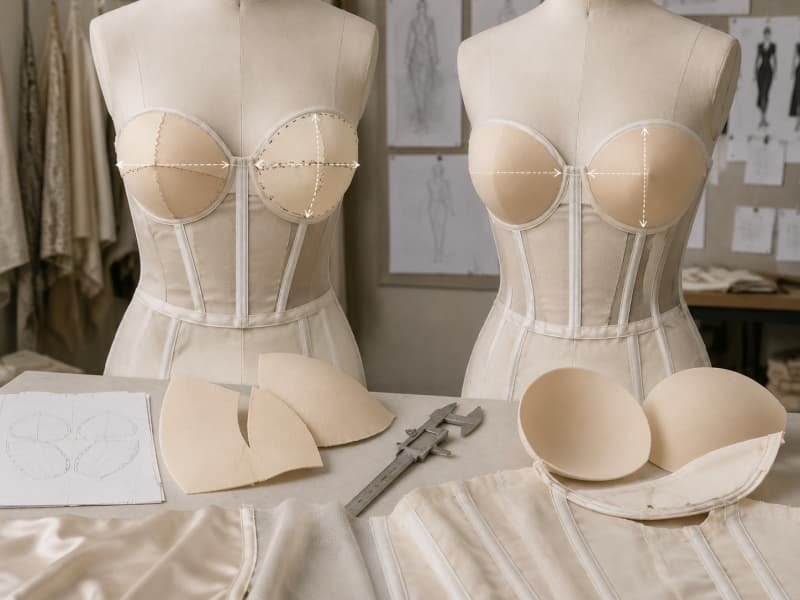
Corset panels require accurate seam alignment, cup position, waist shaping, boning channels, seam allowance control, and left-right symmetry. Boning should support the intended panel structure without twisting, creating points, or fighting the body. End protection, channel width, length, attachment, and lining integration are reviewed before production.

Bust Cups and Support

Cup width, height, projection, apex, edge shape, and attachment influence neckline fit and coverage. Thin satin may reveal cup edges. Mesh and lace may require controlled lining. A single molded cup may not suit every size. Cup and support decisions are assessed with shell fabric, neckline, closure, and size strategy.

Halter and Backless Stability

Halter designs transfer tension toward the neck and upper body. Backless styles reduce the areas available for support. Strap width, angle, tie length, closure, side coverage, neckline stabilization, elastic, cups, lining, and waist anchoring must work together. Wear testing is needed before approval.

Invisible Zipper Control

Invisible zippers must remain flat through waist seams, fitted curves, lining, and layered construction. Tape shrinkage, seam allowance, top-stop position, waist intersection, bottom reinforcement, and left-right alignment affect both function and appearance. Bulk checks cover operation, pull strength, seam waviness, and finished length.

Clean Necklines and Armholes

Clean edges may use facing, lining, binding, fold-over elastic, turn-through methods, or understitching. The route depends on fabric thickness, stretch, transparency, support, and design. Seam bulk, rolling edges, visible lining, neckline gaping, and armhole exposure are reviewed on the body and after pressing.

Lining Integration

Lining should support opacity, comfort, internal finish, and garment stability without pulling the shell or showing at openings and hems. Movement ease, attachment points, center-back pleats, hem clearance, slit treatment, and shrinkage compatibility matter. Structured dresses may need separate support and comfort layers.

Slits and Stress Points

High slits, side openings, cut-outs, narrow straps, hooks, and closure ends carry concentrated stress. Reinforcement must support movement without becoming visible or rigid. Slit height, overlap, lining, seam allowance, bartacks, tape, and inspection method are agreed against the approved fit and intended wear.

Hem and Final Shape

Rolled hems, narrow hems, blind hems, horsehair braid, facings, and shaped hems require different handling. Bias and fluid fabrics should settle before final leveling. Structured or full skirts need controlled sweep and pressing. Hem approval includes level, width, seam smoothness, lining clearance, and packing recovery.

Decorative Craft Controlled for Bulk Repeatability

Decoration adds market value only when placement, attachment, comfort, repair, and production consistency are defined. Duolan reviews the complete route from artwork or reference through sample trials, PP approval, sewing integration, inspection, and packing.

Sequin Placement

Sequin direction, motif, density, seam clearance, edge treatment, missing-piece tolerance, and repair method should be defined before cutting and sewing. Decoration near zippers, darts, cups, necklines, armholes, and side seams often needs clearing or hand finishing. Lining protects skin contact and internal seams.

Beading and Rhinestones

Beads, pearls, stones, and mixed embellishments add weight and point loads. Attachment strength, backing, spacing, symmetry, sharp edges, heat sensitivity, and spare-repair method need verification. Heavy areas can distort fit, so the pattern and support route may need adjustment after the decorated sample is reviewed.

Embroidery and Applique

Embroidery files require scale, stitch direction, thread, backing, placement, shrinkage, and edge review. Applique needs clean cutting, stable positioning, and attachment capable of surviving handling and care. Bulk approval should use the intended shell fabric because stiffness and distortion change across materials.

Print and Placement

Exclusive prints require artwork scale, repeat, color, base fabric, method, strike-off, placement, and panel interaction. Placement prints need reference points and tolerances. Border prints affect pattern layout and consumption. Bulk lots are compared against the approved color and print standard rather than screen images alone.

Pleating and Draping

Pleats, ruching, gathering, and drape need ratios, direction, anchor points, stitch methods, and final measurement references. A hand-shaped sample can hide production difficulty. Controlled templates, notches, operation order, and pressing rules help transfer the intended effect into consistent production.

Pearl and Mixed Surface Work

Pearls, beads, sequins, print, embroidery, or stones may be combined for stronger visual identity. Mixed methods require a clear order of operations and compatibility review. Heat, pressure, needle access, seam assembly, repair, weight, and packing protection can conflict if the sequence is not planned early.

Manufacturing Scale Connected to Product Control

Scale is useful only when it supports the right factory allocation, development density, process resources, quality control, and delivery continuity. Duolan’s manufacturing network is organized around fashion womenswear and dress programs rather than a single production point.

16 Owned Factories

Owned womenswear factories support direct control over core development, priority styles, sample-to-bulk transfer, production standards, and projects with higher material, fit, or workmanship sensitivity. Core allocation can remain close to the teams responsible for pattern, samples, approvals, and quality.

20+ Satellite Factories

Long-term coordinated factories add capacity for repeat orders, scale-up programs, calendar balancing, and process-specific production. Allocation follows style complexity, materials, workmanship, timing, quality requirements, and approved production standards rather than price alone.

12,000+ Supporting Workers

The broader production structure includes more than 12,000 workers across several manufacturing regions. A distributed network provides capacity buffering when multiple programs, seasonal peaks, replenishment orders, and different process requirements must move at the same time.

300 Sewing Lines

Company-provided group figures include approximately 300 sewing lines. The value lies in matching line skill and construction route to the dress category. A corset mini, satin slip dress, sequin occasion style, and soft jersey maxi should not be scheduled as one production family.

50+ Flexible Lines

More than 50 quick-response and flexible lines support development, launch orders, replenishment, and shorter production cycles where materials and approvals are ready. Flexible capacity still requires controlled standards; speed is not used as a substitute for fit, quality, or production readiness.

15,000-35,000 Monthly Sample Capacity

Company-provided monthly sample-development capacity is approximately 15,000-35,000 sample pieces or development instances across the wider system, depending on complexity and workload. High development density supports multi-style programs, but each project receives its own schedule based on materials, pattern work, revisions, and approval needs.

Production Paths Planned by Style, Risk and Timing

A multi-style order should not enter production as one undifferentiated block. Duolan breaks the program into controlled groups, matches each group to a suitable route, and works backward from approval and delivery dependencies.

Break Down the Order

The production team organizes style, color, size, quantity, shell, lining, trims, special processes, construction complexity, fit sensitivity, quality risk, packing, and required delivery.
A 20-style program may contain several production families with different preparation and inspection needs.

Classify Style Risk

Styles can be grouped as stable commercial construction, fit-sensitive, material-sensitive, special-process, quick-response, or high-risk. Classification determines whether the style needs a construction trial, pilot, first-piece check, specialist line, dedicated process partner, tighter inline inspection, or added approval time.

Match Factory and Line

Core owned factories can retain higher-control styles. Coordinated resources can support repeats, replenishment, scale-up, and process-specific work under approved standards. Allocation considers experience with the exact fabric, silhouette, support structure, decoration, sewing route, and finish rather than relying on available capacity alone.

Plan External Processes

Printing, embroidery, pleating, washing, dyeing, beading, or other specialist work may affect the critical path. Material movement, approval samples, process capacity, quality responsibility, and return timing are built into the milestone plan. External work is not treated as invisible time.

Work Backward From Delivery

The timeline starts from the required warehouse, campaign, or launch date and moves backward through freight handover, packing, final inspection, finishing, sewing, first-piece, cutting, material arrival, PP approval, and sample decisions. 

Preserve Reorder Options

For likely repeat styles, the plan can consider material continuity, trim reservation, pattern records, color standards, approved alternatives, and capacity needs. Reorder speed depends on preserved information and material availability, not only on production-line willingness.

Convert Approved Samples Into Repeatable Bulk Standards

Sample quality must be translated into records and checkpoints that production teams can follow. Duolan connects the physical reference with technical files, material records, operation details, inspection criteria, and change control.

Lock the Material Basis

Shell, lining, interlining, cups, boning, zippers, elastic, decoration, thread, labels, and packing materials are recorded by approved specification or physical reference. Color, weight or GSM where relevant, usable width, stretch, recovery, finish, source, and alternatives are controlled according to the product.

Lock Pattern and Measurements

The production pattern, grading, seam allowances, notches, drill points, shrinkage treatment, POM method, measurements, tolerance, and critical fit points form one approval basis. Any revision affecting fit or consumption must use a new dated version.

Lock Workmanship and Appearance

Seam type, stitch route, lining attachment, support structure, gathering ratio, pleat direction, embellishment density, placement, pressing, edge finish, repair, and final shape are linked to the approved sample and detail references. Operations should not depend on memory alone.

Control Production Changes

A change to fabric, trim, color, size range, decoration, construction, packing, testing, or delivery can affect cost, timing, fit, and quality. Proposed changes are reviewed and approved before use. Silent substitutions are not treated as routine production decisions.

Compare During Production

First-piece, inline, finishing, and final checks compare production against approved references and specifications. Measurements, surface, construction, symmetry, trim placement, support, labels, packing, and emerging defects are reviewed at the stage where correction remains possible.
SMETA Record

Preserve the Reorder File

The retained record can include final pattern, grading, measurement chart, approved material references, trim codes, workmanship notes, labels, packing, inspection findings, corrective actions, and approved changes. Repeat orders use the recorded basis rather than rebuilding the style from memory.

Quality Control Across Development and Bulk Production

Quality is built through connected checks rather than left for final inspection. Duolan organizes control around the product’s highest risks, the approved brand standard, and the stage where an issue can be corrected most effectively.

Development Quality Review

Before sampling, the team identifies material, pattern, support, construction, decoration, comfort, and production risks. A design may be visually attractive but unsuitable for bulk without changes. Early quality judgment prevents unstable decisions from becoming approved standards.

Incoming Material Control

Fabric and trims are reviewed against approved specifications and references. Relevant checks can include color, width, surface, defects, weight, stretch, recovery, shrinkage information, opacity, direction, trim size, finish, function, and batch consistency. Requirements vary by product and brand manual.

Cutting and Bundle Control

Approved pattern versions, markers, grain, direction, shade groups, cut quantities, notches, and bundle identification are checked before sewing. Directional satin, velvet, lace, prints, and embellished surfaces require additional placement and roll controls. Recut records help track material and quality impact.

First-Piece Approval

The first production garment confirms whether line setup reproduces the PP basis. Critical measurements, balance, seams, support, closures, decoration, lining, pressing, and labels are checked. Corrections are issued before defects spread across the order.

Inline Inspection

Inline checks focus on emerging production variation. Inspectors review critical operations, measurements, symmetry, seam quality, trim placement, support components, decoration, and workmanship at defined points. High-risk operations receive targeted attention rather than waiting for random final discovery.

Finishing and Appearance

Thread cleaning, pressing, shape, surface, stains, shine, puckering, wrinkles, lining, hems, decoration, and repairs are checked before packing. Satin, velvet, pleats, sequins, and structured garments need finish methods suited to the material rather than one universal pressing route.

Final Inspection

Final review follows the agreed inspection basis and can cover appearance, measurements, workmanship, function, labels, barcodes, SKU, packing ratios, cartons, and documents. Third-party inspection can be coordinated where required by the brand or purchase terms.

Corrective Action and Records

When an issue appears, the response should identify scope, root cause, affected quantity, correction method, verification, and prevention for later production. Reorder files should retain prior findings so recurring risks receive earlier attention.

Compliance and Documentation for Supplier Approval

Compliance preparation should begin before materials, labels, packing, and production are locked. Duolan has completed SMETA and SMETA 2-Pillar audit work and can review additional project-specific requirements according to the brand, product, material, destination, and appointed testing route.

Social Audit Records

Available SMETA and SMETA 2-Pillar information can support an initial supplier review. Additional audit or corrective-action requirements should be shared early so factory scope, validity, documents, and scheduling can be confirmed before order commitment.

Brand Vendor Manuals

Quality manuals, restricted-substance requirements, packing guides, label rules, barcode standards, inspection protocols, and supplier codes are reviewed by project. Requirements are translated into development, purchasing, production, QC, and packing actions rather than stored as general reference only.

Fabric and Material Testing

Testing may cover composition, dimensional stability, colorfastness, pH, formaldehyde, azo dyes, seam performance, or other requested items. The test list follows product risk, destination requirements, brand protocol, material claim, and appointed laboratory route.

Label Information

Fiber content, care instructions, country of origin, size, style, warning text, and other label information should match the final approved product and market requirements. Artwork is checked against confirmed material and packing data before bulk printing.

Restricted Substances

A brand RSL or chemical requirement should be provided before final material approval. Duolan can coordinate relevant supplier declarations or testing according to the project route. No blanket claim is made for every material without a defined source and verification basis.

Packaging Requirements

Polybag material, warning text, ventilation, recycled-content requests, stickers, hangers, tissue, inserts, cartons, marks, and warehouse labels are reviewed against garment protection and destination requirements. Packaging approval is linked to final SKU and quantity data.

Inspection Documents

Internal reports, measurement records, final inspection information, third-party inspection support, packing evidence, and corrective-action records can be organized according to the agreed scope. Required format and submission timing should be confirmed before production completion.

Shipping Documents

Commercial invoice, packing list, carton information, HS-code support, origin-related information, testing files, inspection reports, and forwarder handover documents are prepared according to trade terms and project responsibility.

Standard-Specific Support

Duolan’s manufacturing system can work with requirements related to BSCI, ISO 9001, AATCC, ASTM, OEKO-TEX, EN, China GB, GOTS, or specific brand standards where applicable. Certification, test, and claim status must be confirmed for the exact factory, material, and order.

Private-Label Packing, Delivery and Repeat Continuity

A reliable supplier base extends beyond sewing. Labels, SKU data, garment protection, cartons, shipment timing, and repeat-order records determine whether finished dresses arrive ready for the next commercial stage.

Main and Care Labels

Main labels, size labels, care labels, country-of-origin information, and other sewn labels are prepared from approved artwork and product data. Material, placement, seam method, softness, and reading direction should suit the garment. Label content must match the final composition and care route.

Hangtags and Barcodes

Hangtags, price tickets, barcode labels, security tags, and SKU data should match style, color, size, PO, and packing list information. File approval comes before mass printing. Scan or data checks can be added according to the project requirement.

Polybag and Protection

Polybag size, warning text, ventilation, sealing, recycled-material requirements, stickers, tissue, and inserts are selected around garment shape and market instructions. Satin needs crease and abrasion protection. Sequins need surface barriers. Structured dresses need support against crushing.

Folding and Hanger Packing

Mini, midi, maxi, pleated, corset, embellished, and fluid dresses require different folding or hanger routes. Fold lines, tissue, bust support, hem position, decoration, and pressure are considered. A packing trial can confirm presentation and recovery after compression.

Carton and Ratio Control

Carton marks, dimensions, gross weight, net weight, style, color, size ratio, PO, destination, and handling marks are checked against the packing instruction. Split shipments, multiple warehouses, and multi-brand programs require clear carton and batch separation.

Delivery Planning

Ex-factory, inspection, booking, freight handover, and destination dates are distinguished. Planning works backward from the required receiving or launch date. Express commonly uses 3-7 days, air 5-8 days, and sea 20-35 days as broad route references, subject to destination and customs.

Repeat-Order Records

Patterns, grading, measurements, material references, trims, decoration, workmanship, packing, prior inspection findings, and approved changes are retained for repeat planning. Reorders still require review of fabric lots, colors, supplier availability, quantities, and any proposed changes.

Scale-Up Readiness

When a proven style grows, the production route may need added lines, factory allocation, material reservation, inspection capacity, and staggered delivery. Scale-up should preserve the approved standard rather than assume the first production route can simply multiply without adjustment.

Supplier Risks Converted Into Defined Control Points

A strong supplier does not claim to remove every risk. Reliability comes from identifying where a program can fail, defining an early control action, and creating evidence before the same issue reaches a large quantity.

Design Translation Risk

A reference may omit hidden structure or measurements.

Control: feasibility review, detail questions, construction map, sample-purpose definition.

Outcome: fewer assumptions enter pattern and sample work.

Fabric Mismatch

The selected fabric may not support the intended drape, fit, opacity, or finish.

Control: swatch comparison, fabric-behavior review, lining and pattern impact assessment.

Outcome: material decisions are connected to garment performance.

Fit Instability

A dress may look correct from the front but fail during movement or across sizes.

Control: defined POMs, movement review, pattern correction, size-set or graded-size review.

Outcome: fit becomes a recorded technical standard.

Sample Rework

Fragmented comments can create repeated rounds without closing the root cause.

Control: consolidated comments, location-specific measurements, ranked priorities, revision summary.

Outcome: each revision has a defined purpose and approval basis.

Complex Workmanship

Decorative or structured details may depend on individual craft rather than a repeatable method.

Control: construction trials, operation references, first-piece confirmation, specialist allocation.

Outcome: workmanship moves from sample judgment into production instructions.

Sample-to-Bulk Difference

Bulk materials, trims, line methods, or pressing may differ from the approved sample.

Control: PP sample, BOM lock, material references, first-piece, inline inspection.

Outcome: approved details become manufacturing standards.

Capacity Overload

Seasonal programs may compete for the same material, process, factory, or line.

Control: order breakdown, factory allocation, milestone planning, capacity confirmation.

Outcome: delivery commitments reflect the actual production route.

Compliance Delay

Testing, labels, audit files, or packing rules may be raised too late.

Control: requirement review before material and label approval.

Outcome: compliance becomes part of planning rather than a pre-shipment emergency.

Communication Drift

Multiple versions and messages can send the wrong information into production.

Control: project summary, dated files, approval record, revision summary, escalation route.

Outcome: teams work from one controlled basis.

Packing Errors

Incorrect SKU, labels, ratios, or carton marks can block receiving.

Control: approved packing manual, barcode files, pre-pack review, carton verification.

Outcome: finished goods align with warehouse requirements.

Reorder Variation

Later orders may lose the original pattern, material, or workmanship standard.

Control: retained master file, material history, previous QC findings, change approval.

Outcome: repeats begin from a preserved record.

Single-Source Dependence

One factory or region may become a constraint during growth or disruption.

Control: staged supplier qualification, pilot styles, transparent factory allocation, secondary-source planning.

Outcome: supply resilience grows through verified alternatives.

A Controlled Path From Supplier Review to Production

A new supplier does not need to receive the entire dress program immediately. A staged qualification route allows sourcing and product teams to test the exact capabilities required before increasing allocation.

Capability Review

Review company positioning, dress categories, factory structure, development resources, quality system, audit foundation, production scale, material network, communication, and relevant evidence.

NDA and Brief

Confirm confidentiality, project ownership, available files, product scope, quantity, target market, size range, launch date, quality, compliance, packing, and evaluation objective.

Technical Assessment

Evaluate reference images, tech packs, original samples, fabric direction, pattern needs, fit risks, construction, special processes, and production feasibility before sampling.

Representative Sampling

Select styles that test the required supplier role. A pilot set may include one commercial style, one fit-sensitive style, one complex material style, and one special-process style.

Factory and File Review

Verify factory scope, production route, audit records, document control, QC process, process partners, capacity, and communication. Review evidence relevant to the proposed allocation.

Pilot Order

Use a controlled launch order to test PP readiness, first-piece, production consistency, reporting, final quality, packing, and delivery under real commercial conditions.

Performance Review

Measure sample accuracy, revision efficiency, material control, quality results, on-time milestones, communication, document accuracy, packing, and corrective action.

Role and Allocation Decision

Assign the supplier as category specialist, development partner, secondary source, replenishment source, or core production source according to demonstrated performance and strategic need.

Representative Dress Programs With Controlled Supplier Growth

The following anonymized program profiles reflect the scale and operating conditions Duolan commonly targets. Final results depend on approved designs, material readiness, production conditions, and shared project discipline.

US Contemporary Dress Program

Program profile: 18 styles and approximately 42,000 pieces across mini, midi, going-out, satin, mesh, and fitted dresses. The sourcing team wanted a qualified second source able to support rapid development without weakening fit, surface finish, or launch timing.
Development route: styles were divided by fabric family, fit sensitivity, and construction risk. Core commercial styles followed an earlier sample path, while satin, mesh, and structured styles received separate material and workmanship reviews. Consolidated comments were returned to pattern, measurements, and construction notes before PP.
Production controls: bulk-readiness review, factory allocation by style, first-piece confirmation for higher-risk items, inline measurement and workmanship checks, approved private-label files, and milestone reporting.
Program data:

  • 18 styles
  • 42,000 pieces
  • 5 major fabric families
  • 3 production-risk groups

Outcome direction: a staged supplier qualification route created evidence for future allocation and repeat planning rather than moving the full category at once.

European Occasionwear Program

Program profile: 12 styles and approximately 26,000 pieces across satin, lace, mesh, sequin, corset, and wedding-guest dresses. The main concern was preserving a refined appearance when multiple materials and decorative processes moved into bulk production.
Development route: shell, lining, support, cups, boning, zippers, lace placement, decoration, and pressing were reviewed by style. Construction or surface trials were used before full samples on the most sensitive details. Photo-ready and PP purposes remained separate so campaign approval did not replace the final production standard.
Production controls: approved material references, placement guides, first-piece checks, targeted inline control, repair rules for embellishment, surface protection, packing trials, and retained golden references.
Program data:
  • 12 styles
  • 26,000 pieces
  • 6 complex material or craft routes
  • 2-stage production release for high-risk items
Outcome direction: product teams received a clearer connection between visual approval and production approval, reducing unrecorded interpretation during scale-up.

Multi-Market Fashion Group

Program profile: 28 styles and approximately 76,000 pieces for two related fashion labels selling in North America, Europe, and Australia. Each label required separate fit, price, packaging, and reporting while selected supply resources could be shared.
Development route: common fabrics, linings, zippers, and cartons were reviewed where commercially suitable. Brand-specific patterns, fit blocks, trims, artwork, PP samples, QC points, barcodes, and packing instructions remained separated. Styles were prioritized by launch calendar, complexity, and repeat potential.
Production controls: two controlled product systems under one project governance route, versioned BOMs, factory disclosure, separate approvals, consolidated milestone reporting, carton segregation, and shipment planning by destination.
Program data:

  • 28 styles
  • 76,000 pieces
  • 2 brand standards
  • 3 destination groups

Outcome direction: shared manufacturing coordination improved visibility without blending brand-specific product standards.

Evidence Behind Development and Manufacturing Capability

Supplier claims should be supported by visible records. Duolan can organize non-confidential evidence according to the stage and qualification need, with sensitive files protected or anonymized where required.

Factory Overview

Factory exterior, production areas, sample rooms, pattern work, cutting, sewing, finishing, QC, packing, and shipment preparation provide a basic view of operating scope and product flow.

Sample Room Work

Reference review, fabric boards, patterns, garments on forms, measurement checks, fit comments, and revised samples show how development decisions are created and updated.

Pattern Records

CAD views, graded nests, POM diagrams, pattern correction comparisons, and production-pattern details demonstrate how fit and size decisions move beyond a physical sample.

Material Boards

Shell, lining, cups, boning, zippers, elastic, decoration, labels, and packing materials can be arranged as controlled boards linked to the style or program.

Sample Comparisons

First sample, revised sample, PP, and approved detail comparisons show what changed, why it changed, and which version became the production basis.

Measurement Evidence

Measurement photos, reports, tolerance records, size-set checks, and inline measurement data support fit and specification review.

Workmanship Details

Close-up images of seams, lining, support, closures, hems, decoration, pressing, and internal finishing allow technical teams to evaluate relevant capability.

First-Piece Records

First-piece notes and comparison images show how production setup was checked before volume increased on higher-risk styles.

Inline Quality Evidence

Inspection images and records demonstrate checks at operations where correction remains possible, including measurement, symmetry, seam, trim, support, and decoration.

Audit and Compliance Files

Available audit information, testing arrangements, label requirements, packing guides, and project-specific records support supplier qualification within the agreed confidentiality scope.

Packing Verification

Approved folding, polybags, labels, barcodes, ratio packs, carton marks, and shipment preparation show how finished garments are protected and identified.

Shipment and Reorder Records

Packing lists, carton summaries, previous quality findings, corrective actions, material history, and retained approval files support later replenishment or repeat production.

Frequently Asked Questions About Reliable Dress Suppliers

Yes. A staged route can begin with selected categories or representative styles. Duolan reviews the required supplier role, product risk, sample plan, quantity, quality, compliance, packing, and timing before recommending a pilot scope.
Begin with a capability review, confidentiality agreement, technical assessment, and representative sample set. Factory or document review can follow. A pilot order then tests PP readiness, production consistency, reporting, final quality, packing, and delivery under commercial conditions.
Useful inputs include tech packs, line sheets, reference images, original samples, size charts, fit comments, BOMs, fabric swatches, trim details, artwork, label files, packing manuals, quality standards, target quantities, and launch dates.
Yes. Reference images can start feasibility review, but hidden construction, measurements, fabric, lining, support, closure, workmanship, and back details still need clarification. A tech pack or original sample normally improves sample accuracy.
Comments are consolidated by location and priority, then translated into pattern, measurements, construction, BOM, or material actions. Updated versions receive dates and approval status so later sampling and production use the correct basis.
The approved sample is connected with final materials, pattern, grading, measurement chart, BOM, workmanship details, labels, packing, PP approval, first-piece checks, inline QC, and final inspection. Changes require review before production use.
Yes, when allocation is appropriate and the same approved files, material references, PP basis, operation standards, inspection points, reporting, and change controls are used. Higher-risk styles may remain under a more concentrated route.
After approvals and material readiness, simple styles commonly use 15-20 days, standard styles 20-30 days, and complex styles 30-45 days as planning references. Final timing depends on quantity, materials, process, factory route, inspection, and packing.
Duolan has SMETA and SMETA 2-Pillar audit background and can review project-specific audit, testing, label, packing, inspection, and documentation requirements. Exact status must be confirmed for the selected factory, material, and order.
Final pattern, grading, measurements, material references, trims, workmanship, labels, packing, prior inspection findings, corrective actions, and approved changes can be retained. Reorders still require material-lot, quantity, timing, and change review.

Evaluate Duolan for Your Dress Supplier Base

Send Duolan a supplier-evaluation or dress-program brief for an initial review. The most useful package includes your company and target markets, dress categories, intended supplier role, style count, estimated quantity, size range, fabric direction, quality requirements, launch calendar, compliance needs, label and packing standards, and current supply concern. Tech packs, reference images, original samples, line sheets, BOMs, size charts, fit comments, vendor manuals, packing guides, and previous quality findings can be uploaded when available.

Duolan will review product alignment, missing information, material and construction risks, sample stages, expected production route, factory allocation, quality checkpoints, timeline dependencies, and the evidence needed before quotation or pilot production. Confidential programs can begin under an NDA.

  • Company or group name, website, country, and target markets
  • Required supplier role: development, category, secondary, repeat, or scale-up
  • Dress categories, 10-30 style plans, and estimated total quantity
  • Tech packs, reference images, original samples, or collection boards
  • Fabric, trim, support, decoration, size, fit, and quality requirements
  • Sample dates, campaign dates, launch dates, and delivery destinations
  • Audit, testing, inspection, label, barcode, and packing requirements
  • Current supplier gap, production risk, or transition objective
Start Your Apparel Development Project

OEM/ODM Manufacturing Support for Fashion Brands

Share your collection details, estimated quantities, target market, development timeline, and technical requirements. The production team will review your request and provide a tailored manufacturing solution based on your product category, fabric selection, construction needs, and delivery schedule.

Fashion Manufacturing Support with Scalable Production Capacity

From sample development to bulk production, Duolan supports fashion brands with confidential OEM/ODM manufacturing, stable quality management, flexible production planning, and coordinated multi-factory execution for seasonal and capsule collections.

Need Direct Assistance?

Seraphinite AcceleratorOptimized by Seraphinite Accelerator
Turns on site high speed to be attractive for people and search engines.