...

Custom Dress Manufacturer for Brands Improving Delivery Reliability

Controlled dress development, production planning and shipment coordination built around brand launch dates and repeatable delivery standards.

Duolan supports established fashion brands managing multi-style dress programs where a missed approval, late fabric, weak production path or packing error can disrupt an entire launch calendar.

  • 10-30 styles commonly managed within one brand order, with total order volumes generally ranging from 20,000 to 80,000 garments.
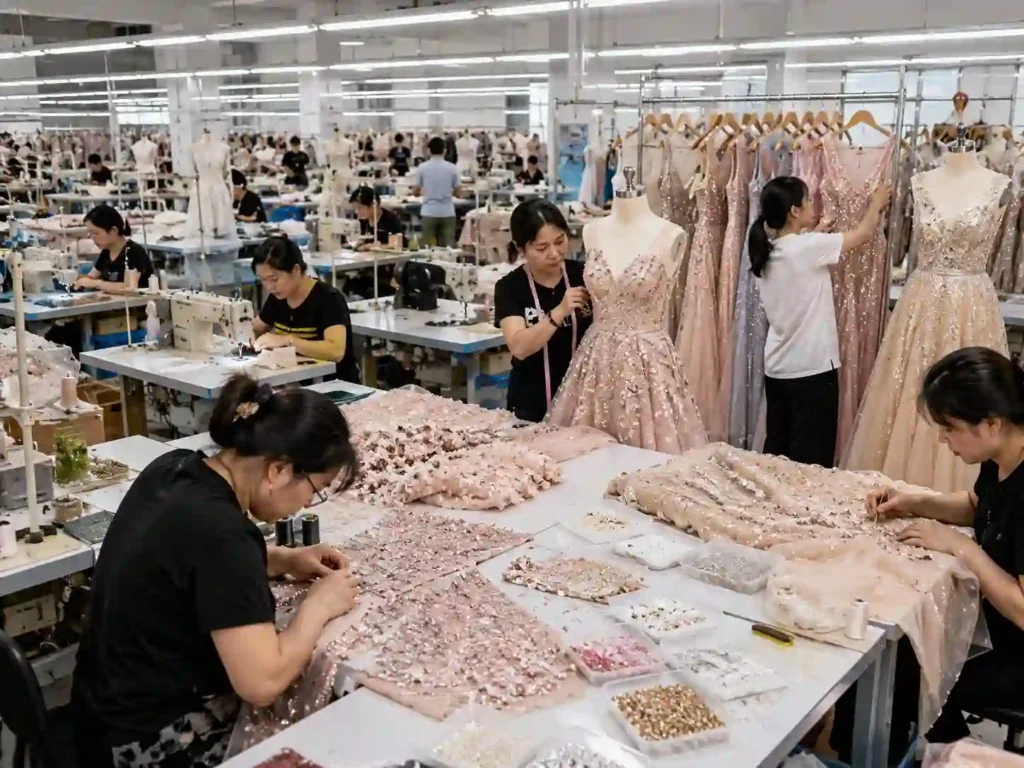
  • 16 owned womenswear factories and 20+ coordinated satellite factories for core control, capacity balancing and repeat-order expansion.
  • Approximately 300 sewing lines, including 50+ flexible and quick-response lines for different product and delivery priorities.
  • Reference bulk production ranges: 15-20 days for simpler styles, 20-30 days for standard styles and 30-45 days for complex styles, subject to material readiness and project requirements.
  • Bulk readiness review, production-path planning, milestone updates, inline quality control, final packing checks and shipment coordination are connected within one project flow.

Who Benefits From Delivery-focused Dress Manufacturing

Reliable delivery matters most when a brand manages planned launches, several styles, defined quality standards and future repeat orders. Duolan is structured for teams that need a manufacturing partner able to coordinate development and production as one controlled program.

Established Fashion Brands

Seasonal collections and recurring launches require more than sewing capacity. Product direction, sample approvals, materials, fit standards, production priorities and shipment windows must stay connected. Duolan supports brands with defined product positioning and structured release calendars, especially where dresses form an important commercial category.
The working method suits brands that expect clear documentation, measurable milestones and continuity between first orders and repeat production.

Buying and Production Teams

Buying and production teams often coordinate design, merchandising, quality, finance, logistics and warehouse requirements at the same time. A supplier must translate those inputs into one production path rather than treating every message as an isolated instruction.
Duolan reviews quantity, style complexity, approved standards, critical dates, inspection requirements and packing instructions before confirming the most suitable production route.

Product Development Teams

Development teams need samples that support decisions on fit, proportion, fabric behavior, structure, finishing and future bulk feasibility. A visually close sample can still create delivery risk when its construction cannot be repeated consistently at scale.
Duolan connects sample comments, pattern adjustments, material direction and workmanship decisions with the final production standard, reducing gaps between development and bulk.

Sourcing Offices and Groups

Sourcing offices and multi-brand groups require visibility across several programs, suppliers and shipment windows. They need clear responsibility for materials, production progress, inspection, packing, documents and freight coordination.
Duolan can support supplier evaluation, factory allocation, quality documentation, multi-style planning and structured updates for regional or global supply programs.

What Reliable Dress Delivery Really Requires

Delivery reliability is not measured only by the day cartons leave the factory. A dependable result combines realistic planning, production-ready approvals, complete materials, controlled quality, accurate packing and timely action when a risk appears.

Launch-date Alignment

Planning begins with the required warehouse or market date, then works backward through transport, inspection, packing, production, material arrival and sample approval. A production schedule becomes useful only when every major dependency is connected to the final selling window.

Production-ready Approval

An approved look is not always an approved production standard. Fit, measurements, fabric, lining, trims, workmanship, color, labels and packing points must be sufficiently clear before bulk starts. Open points are recorded and assigned rather than left to interpretation.

Material Readiness

Main fabric, lining, zippers, cups, boning, lace, elastic, labels and packaging can each affect the starting date. Reliable planning separates estimated production time from unconfirmed material time and identifies long-lead items before capacity is reserved.

Visible Milestones

Material arrival, cutting, first-piece review, sewing progress, inline inspection, finishing, final inspection and packing are treated as measurable stages. Updates show what is completed, what remains open and what may affect the agreed delivery route.

Quality-complete Shipment

A shipment is not ready simply because sewing is finished. Measurements, appearance, workmanship consistency, labels, barcodes, size stickers, polybags, carton marks, packing ratios and destination requirements must be checked against the agreed standard.

Early Exception Response

Late fabric, failed testing, approval delays, construction problems or capacity changes require early escalation. Duolan reviews available options, including style prioritization, alternative materials, line adjustment or split shipment, while protecting critical quality points.

How Duolan Builds Reliability Into Every Project

Delivery control starts before a production line is selected. Eight connected stages help align product decisions, material status, capacity, quality and shipment requirements around one agreed delivery route.

Brief Review
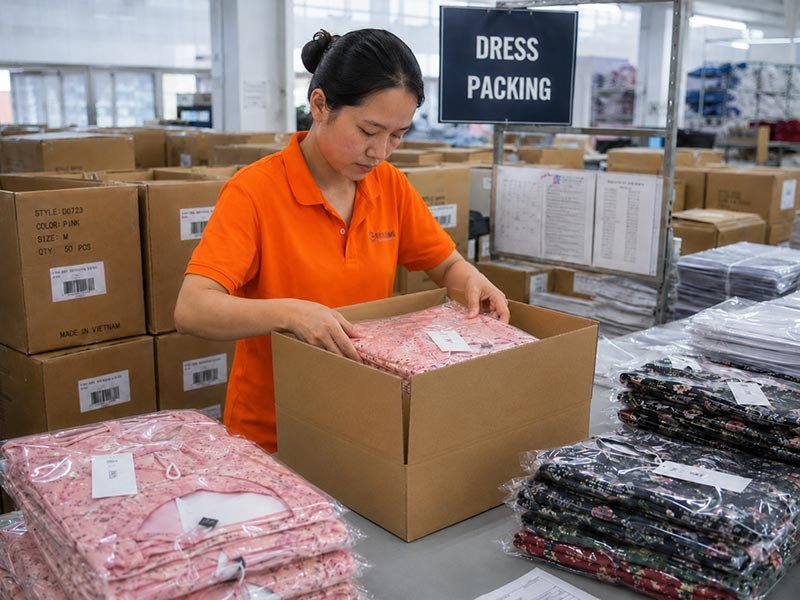
The project is reviewed by brand position, dress category, style count, target quantity, launch date, destination, available files and current approval status. Missing information is identified before a timeline is treated as reliable.

Risk Assessment

Fabric behavior, silhouette, fit, support structure, special workmanship, custom trims, testing and packing are assessed for time and execution risk. Complex items are separated from routine work instead of being hidden inside one general lead time.

Sample-to-Bulk Transition​

Sample Alignment

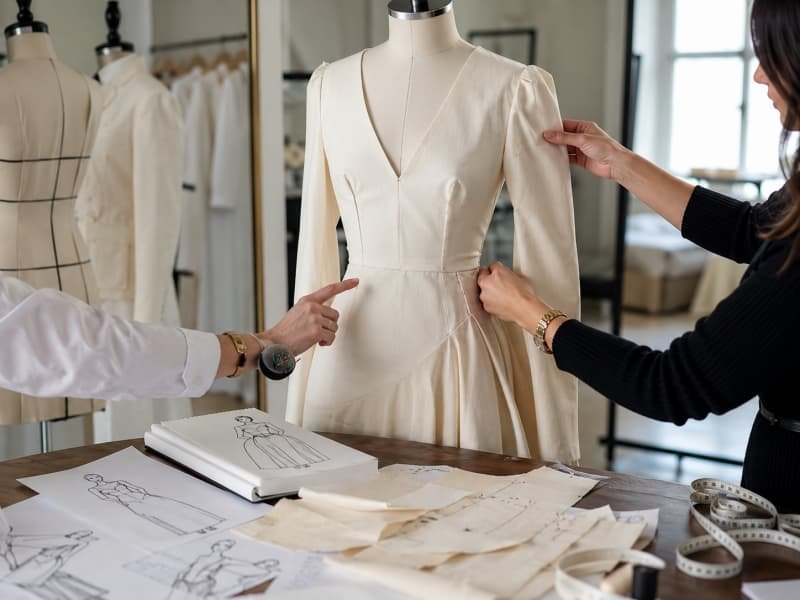
First samples, fit samples, revised samples, photo-ready samples and PP samples serve different decisions. The sample path is selected according to project stage, reducing unnecessary rounds while protecting the final production basis.

Material Locking

Fabric, lining, trims, colors, labels and packaging are reviewed against the approved direction and required arrival dates. Long-lead or custom items are tracked separately, with alternatives considered where appropriate.

Production Path

Styles are classified by complexity, material, construction and priority. Duolan decides whether a style needs a dedicated line, trial production, special-process support, multi-line planning or a separate factory route.

Capacity Allocation

Owned factories provide direct control for core or sensitive styles. Flexible lines support urgent priorities and repeat orders. Satellite factories add capacity for scale, seasonal peaks and suitable workmanship categories under coordinated standards.

Quality Protection

Material inspection, PP basis, first-piece confirmation, inline checks, finishing review, final inspection and packing control are linked to production milestones. Quality findings are addressed before they threaten the shipping window.

Shipment Coordination

Packing completion, third-party inspection, documents, booking and freight mode are coordinated with the agreed ex-factory target. Express, air, sea, FOB, CIF, DDP and split shipment options are reviewed according to cost and timing priorities.

Where Custom Dress Delivery Commonly Breaks Down

Most missed dates are created before the planned shipping week. Delays usually develop through unresolved samples, incomplete materials, unclear production standards, weak line allocation, late quality findings or packing details left until the final stage.

Late Sample Decisions

Repeated comments without a defined approval objective can consume the time reserved for bulk. The risk increases when a sample is reviewed only for appearance while fit, construction and production feasibility remain open. Clear sample purpose and consolidated comments protect the production calendar.

Unready Materials

Fabric color, print strike-off, lace matching, custom trims, zippers, labels or cartons may follow different lead times. When capacity is booked before material status is understood, production either waits or starts with incomplete information, creating avoidable schedule pressure.

Weak PP Standards

A PP sample should define the version bulk must follow. Vague approval around measurements, lining coverage, support structure, trim position or finishing allows production interpretation to vary. Problems then surface during inspection, when correction costs more time.

Wrong Line Allocation

A standard sewing line may not suit corset construction, delicate satin, mesh layering or dense embellishment. Matching style difficulty to the right factory, operators and process route is essential for stable output and realistic daily production targets.

Late Quality Rework

Final inspection cannot replace early control. Fabric defects, measurement drift, puckering, uneven gathering, unstable boning or label errors discovered near shipment may require rework across a large quantity. First-piece and inline checks prevent defects from spreading.

Packing and File Errors

Incorrect barcodes, carton ratios, assortment, carton marks or shipping documents can delay warehouse receiving even when garments are complete. Packing and document preparation must follow the same controlled timeline as production and inspection.

Delivery Planning for Different Dress Categories

Reliable timelines depend on product knowledge. Each dress direction creates different material, construction, inspection and packing risks, so one generic production schedule cannot serve every collection. 

Satin Dresses

Satin requires early control of weight, drape, color lot, shine, seam impression, needle marks and pressing. Bias-cut or draped styles may need pattern balancing and controlled handling before bulk. Packing must reduce crushing and hard fold lines, especially for photo-sensitive surfaces. A timeline should include fabric inspection, sewing trials, pressing approval and packing method confirmation before output is accelerated.

Sequin Dresses

Sequin projects require confirmation of base fabric, sequin direction, motif continuity, cutting loss, garment weight, skin contact, lining and attachment security. Dense embellishment can reduce sewing speed and increase inspection time. Production planning may separate cutting, sequin clearing, stitching, hand repair and final cleaning. Material availability and replacement panels also need preparation before bulk starts.

Mesh Dresses

Mesh delivery risk often comes from transparency, stretch direction, print placement, lining coverage and seam distortion. Each layer must be aligned with the approved visual and fit standard. Cutting and handling require control to prevent twisting or growth. Fit review should confirm bust, waist, hip and hem balance before the production quantity increases.

Lace Dresses

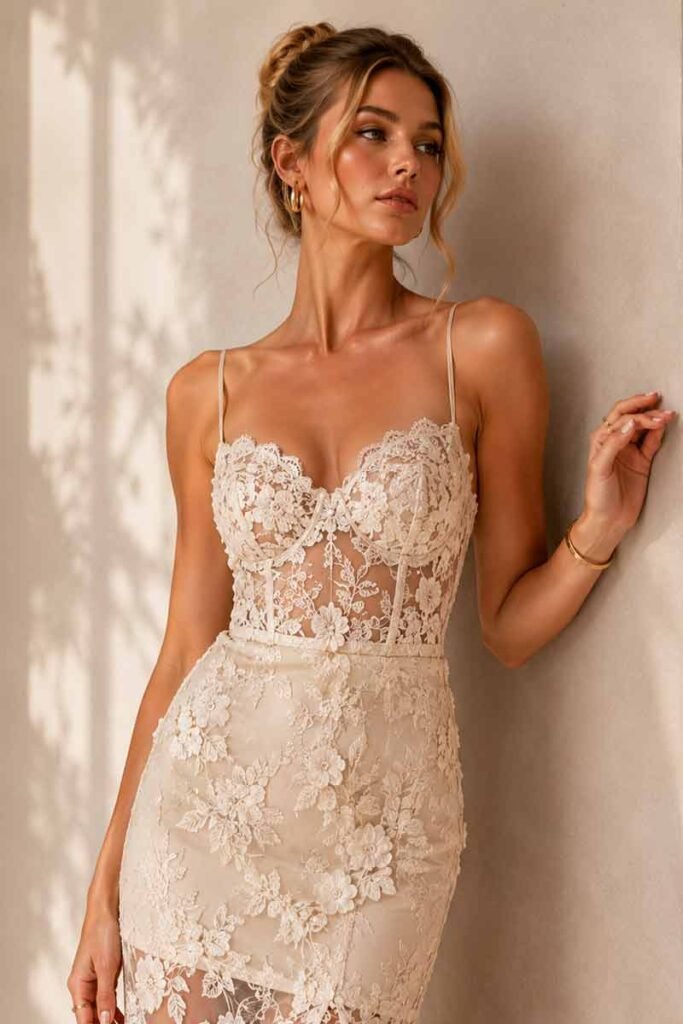
Lace programs depend on motif scale, direction, edge use, color matching, lining, seam placement and panel consumption. Engineered placement or scalloped edges can increase marker complexity and cutting time. Bulk planning should confirm whether joins remain visible, whether motifs must match and whether replacement yardage is available for repair or replenishment.

Corset Dresses

Corset construction introduces cups, boning, channels, support tape, underbust shape, waist suppression, closures and lining tension. Small pattern changes can affect comfort and visual balance. A production-ready standard should define cup position, boning length, seam allowance, zipper behavior and finished measurements. Trial production and first-piece approval are often more valuable than an aggressive start date.

Bodycon Dresses

Bodycon styles depend on fabric weight, stretch percentage, recovery, opacity and size-to-size balance. A fabric that looks correct on one sample can behave differently across sizes or after sewing. Bulk controls should cover seam waviness, hem recovery, bust and hip ease, lining interaction and measurement tolerance. Fabric relaxation and cutting direction can influence both fit and output.

Party Dresses

Partywear frequently combines fitted silhouettes, statement trims, gathering, ruching, cut-outs, metallic finishes or decoration. Several critical operations may be concentrated in one garment. Planning should identify the longest process, confirm visual standards under lighting and protect enough time for finishing, thread cleaning, embellishment repair and appearance inspection.

Occasion Dresses

Occasionwear must deliver a polished final appearance across silhouette, drape, support, lining, closure, hem and pressing. Longer lengths and structured bodices can require more inspection space and careful packing. A dependable schedule should include fit confirmation, movement review, finishing standard and destination-specific packaging before the final production plan is locked.

Planning Backward From the Brand Launch Date

A credible delivery plan starts with the commercial date, not an optimistic sewing estimate. Duolan maps approval, material, production, inspection, packing and freight stages backward from the required warehouse or market window.

Start With the Required Market Window

The first date to confirm is the required warehouse receiving, campaign, store launch or online drop date. Ex-factory timing is then calculated from the selected transport route and destination. Air, sea and split shipments create different booking and buffer requirements, so freight assumptions must be made before the production promise is finalized. For seasonal programs, styles may carry different priorities. Photo samples, hero styles, core commercial styles and later supporting styles do not always need the same completion date. Duolan can separate priorities so one complex style does not automatically hold the entire collection.

Build Approval and Material Buffers

Sample rounds, fit comments, color confirmation, print approval, custom trim development, fabric production and packaging artwork may follow separate timelines. Each open dependency is assigned a required decision date. A delayed decision is then visible as a schedule change rather than absorbed silently into the bulk period. A working calendar can include first sample, fit revision, photo-ready sample, PP sample, material booking, material arrival, cutting, first-piece confirmation, sewing, inline inspection, final inspection, packing, booking and dispatch. The level of detail depends on project complexity, but critical dependencies should never remain hidden.

Protect Quality and Freight Time

Production should not consume every available day. Inspection, correction, packing, carton checks, document review and booking need protected time. A schedule with no quality or freight buffer may look fast on paper but creates expensive recovery decisions later. Where launch timing is fixed, Duolan can review alternatives such as earlier material locking, style prioritization, separate factory routes, staged production, partial air shipment or split delivery. Any adjustment is evaluated against garment quality, cost and operational feasibility. 

Keeping Sample Development Aligned With Bulk Delivery

Sample time is part of delivery time. Each sample must answer a defined question and move the style closer to a repeatable production standard rather than creating another uncontrolled revision cycle.

First Prototype

Used to test the initial silhouette, proportion, construction and fabric direction. The first prototype should reveal major feasibility risks early, especially for corset, mesh, satin, cut-out or heavily draped styles.

Fit Sample

Used to evaluate body balance, ease, length, support, mobility and size-standard alignment. Comments are consolidated by priority so critical fit corrections are not mixed with minor visual preferences.

Revision Sample

Used to verify agreed pattern, construction or material changes. A revision summary records what changed, what remains open and which version becomes the next working basis.

Photo-ready Sample

Prepared for campaign, ecommerce or showroom use where appearance, finishing and color direction matter. Photo-ready approval does not automatically replace production readiness, so bulk points are reviewed separately.

Salesman Sample

Prepared for internal selling, wholesale presentation or range review. Consistency across a group of salesman samples helps merchandising and sales teams evaluate the collection as a coordinated offer.

PP Sample

Used as the final reference before bulk, with approved fabric, trims, measurements, workmanship and visual details as close to production conditions as possible. Remaining exceptions are documented before cutting begins.

Bulk Readiness Review Before Production Starts

A sample close to approval does not justify an automatic bulk start. Duolan checks whether product, material, measurement, workmanship and delivery requirements are sufficiently locked for controlled production.

Confirm the Current Approval Status

The review distinguishes fit confirmed, visual confirmed, PP basis and still pending refinement. A style may look commercially acceptable while one production-sensitive point remains open, such as lining coverage, boning position, seam allowance, label placement or zipper specification.
Separating approval types prevents a visual “yes” from being interpreted as permission to produce every detail unchanged.

Lock the Production Standard

The working standard covers fabric, lining, trims, color, measurements, workmanship, labels, packaging, inspection requirements and destination needs. Each element must either be approved or clearly identified as pending with an agreed resolution path.
For complex dresses, critical construction points may be supported by close-up photos, measurement diagrams, workmanship notes or a sealed reference sample. 

Match the Order to the Right Route

The order purpose is identified as launch order, test order, repeat order or scale-up order. Style count, quantity, delivery priority, material status and construction difficulty are then matched to one factory, several lines or a coordinated multi-factory route.
Core styles and high-risk styles may remain within owned factories for closer control. Suitable repeat or scale-up styles can use additional capacity after standards are confirmed.

Issue a Clear Start Basis

The outcome can be summarized through a Bulk Start Confirmation or Production Readiness Note. The record lists approved references, remaining actions, material status, planned route and key timeline assumptions.

A documented start basis reduces later disputes, protects production discipline and gives brand teams a clear point from which delivery performance can be measured.

Material Readiness Before Bulk Production

Fabric and trim timing can determine whether a reserved production window is usable. Duolan reviews specifications, approval status, sourcing route and arrival dates before treating the bulk schedule as confirmed.

Main Fabric

The review covers fiber composition, construction, weight, width, stretch, recovery, drape, opacity, handfeel, shrinkage, color and available quantity. Satin, mesh, lace, stretch jersey and embellished fabrics need different inspection and relaxation requirements. Color-lot or print approval dates are separated from production dates so cutting does not begin on assumptions.

Lining System

Lining affects opacity, comfort, support, drape and seam behavior. Its stretch and weight must suit the shell fabric and silhouette. Coverage is confirmed for mesh, lace, cut-out and fitted styles. Where partial lining or power mesh is used, placement and tension become part of the production standard.
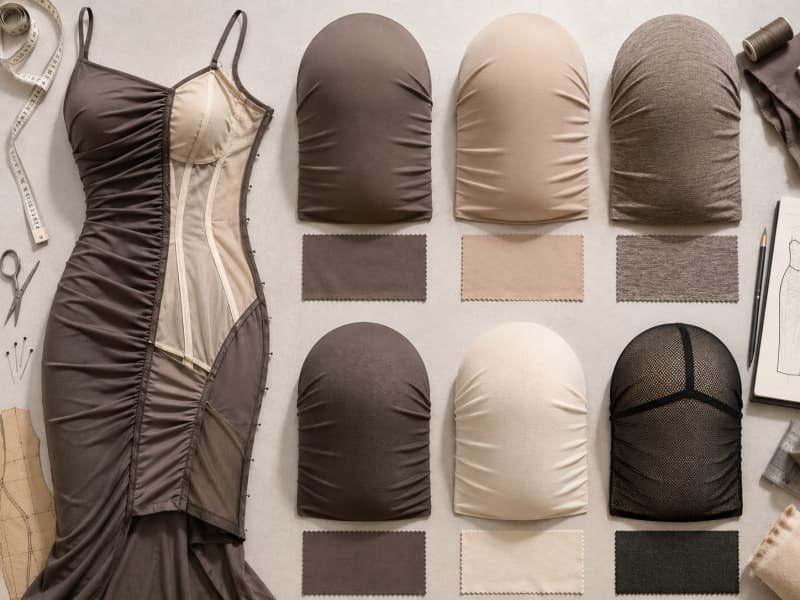
3Lining and Support Material Planning (1)

Closures and Support

Zippers, hooks, buttons, cups, boning, elastic, grip tape and support tape are checked by size, color, finish, strength and lead time. Small components can stop production when specifications remain unclear. Corset and strapless styles require particular attention to support components and replacement availability.

Decorative Trims

Lace appliques, beads, sequins, rhinestones, pearls, fringe and metal parts are reviewed for placement, weight, surface finish, attachment method and durability. Hand-applied details may require separate output planning and inspection time. Bulk availability must be confirmed before the garment route is fixed.
Label and Packing Records​

Labels and Packaging

Main labels, size labels, care labels, hangtags, barcodes, stickers, polybags, tissue, inserts and cartons follow artwork, material and approval timelines. Missing label or barcode files can delay packing after garments are complete, so packaging readiness is tracked alongside garment production.

Alternative Planning

When a material creates schedule or availability risk, Duolan can review close alternatives by appearance, weight, stretch, handfeel, price position and bulk availability. No substitution should enter production without approval. The purpose is to create options early, not to replace materials silently. 

How We Build the Right Production Path

Bulk production is divided by style, material, construction and priority before capacity is assigned. A structured route prevents complex work from being mixed into unsuitable lines and protects the delivery plan from avoidable bottlenecks.

Break the Order Down Before Scheduling

Each order is separated by style, color, size and quantity. The review identifies routine styles, complex styles, time-sensitive styles, high-risk workmanship and repeat styles. Material status, sample approval, packaging needs and inspection method are added to the same planning view. A program containing 10-30 styles may include very different production behaviors. A basic stretch dress, a boned corset dress and an all-over sequin dress should not be assigned the same daily target or line-start date.

Select the Appropriate Manufacturing Route

Suitable routes may include one dedicated line, controlled trial production, special-process support, embroidery or printing coordination, handwork preparation, multiple lines or multi-factory allocation. The route is selected according to product needs rather than available space alone. Owned factories are used for core control and sensitive styles. Satellite capacity can support appropriate categories, scale-up quantities and seasonal peaks after the approved standard is clear.

Set Milestones Around Critical Operations

The schedule identifies material inspection, cutting, first-piece confirmation, sewing, special workmanship, inline inspection, finishing, final inspection, packing and dispatch preparation. Operations with lower output or higher rework risk receive earlier attention. Daily output assumptions should reflect learning curve, operator skill, garment complexity and quality requirements. An ambitious target that ignores process reality does not improve delivery reliability.

Keep One Coordinated Responsibility Chain

Project management connects development, merchandising, materials, factory planning, quality, packing and logistics. Changes are recorded against the agreed production basis so one team does not act on an outdated version. For multi-factory programs, shared standards, reference samples, measurement rules, workmanship notes and inspection criteria support consistency across all production points.

Capacity Planning for Reliable Dress Delivery

Capacity adds value only when it is matched to the correct style, standard and date. Duolan combines core control, flexible lines and coordinated scale capacity rather than treating every factory as interchangeable.

Owned Factory Control

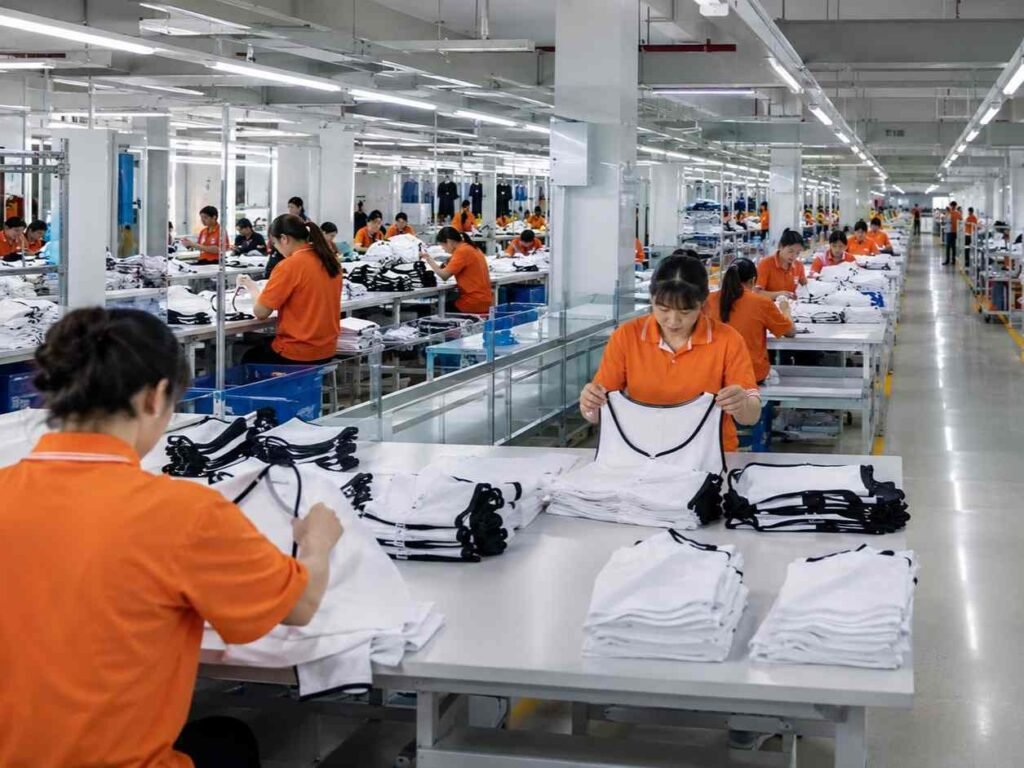
Duolan is supported by 16 owned womenswear factories. Core styles, development-sensitive programs and complex construction can remain under closer direct coordination, helping preserve the approved fit, workmanship and delivery priorities.

Stable Bulk Lines

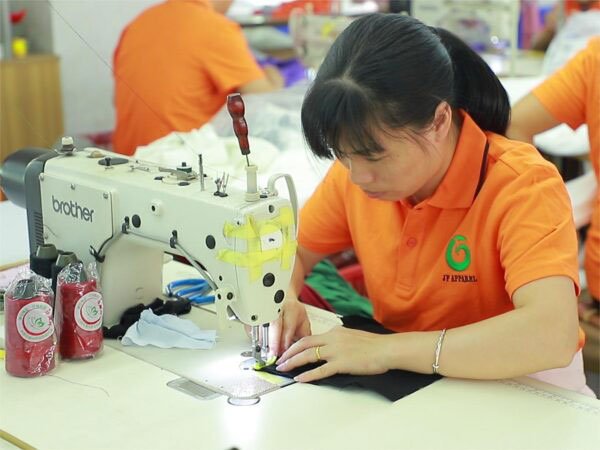
Approximately 300 sewing lines support planned production across different categories. Line allocation considers garment construction, operator capability, output expectation and inspection needs rather than relying only on open capacity.

Flexible Line Support

More than 50 flexible and quick-response lines can support selected urgent priorities, test quantities, repeat orders or controlled replenishment. Suitability is evaluated by material status and product complexity before timing is confirmed.
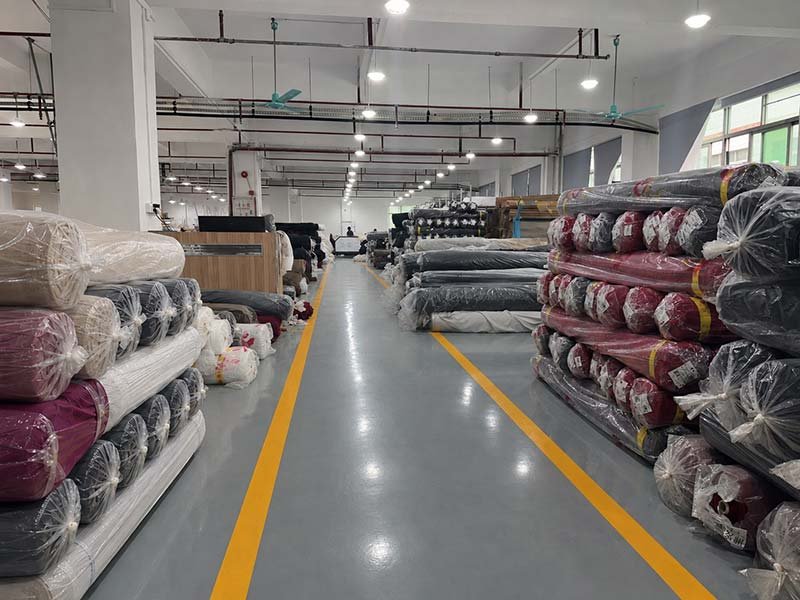
Fabric-Warehouse1-1 dl

Satellite Capacity

More than 20 long-term satellite factories add capacity for scale, seasonal peaks and suitable workmanship categories. Shared references and coordinated quality controls are required before production is distributed.

Coordinating Multiple Styles Without Losing Control

Dress programs of 10-30 styles require priorities, shared standards and visible decisions. Duolan coordinates development and production by role, complexity and launch importance rather than pushing every style through one identical route.

Hero Styles

Campaign or high-visibility styles receive earlier fit, fabric and workmanship review. Photo-ready and PP requirements are separated so marketing needs do not weaken the bulk standard.

Core Sales Styles

Commercial styles are planned around stable fit, repeatable construction and reliable material availability. Reorder potential is considered when patterns, BOMs and production records are organized.

Complex Craft Styles

Corset, sequin, mesh, lace, draped or embellished styles receive their own risk path, trial requirements and output assumptions. Difficult operations are identified before the line start.

Supporting Styles

Collection-supporting styles can follow a simpler route where construction and materials allow. Their timing is coordinated with hero and core styles to maintain a coherent launch.

Urgent Launch Styles

Time-sensitive styles are reviewed for material readiness, approval status and suitable line capacity. A shorter route is considered only when quality-critical stages remain protected.

Repeat and Scale Styles

Approved patterns, BOMs, workmanship notes and previous quality findings support faster planning for repeat production. Color, size ratio, material lot and packaging changes are still reviewed before reuse.

Production Timeline From Approval to Shipment

A reliable lead time is built from visible stages. The schedule below shows how approvals, materials, production, quality and packing connect before dispatch. Actual duration depends on style complexity, material status, quantity, inspection and freight requirements.

StageControl FocusOutput or DecisionSchedule Risk if Late
1. Bulk readinessApproval status, material direction, workmanship, packingBulk Start ConfirmationProduction begins with unresolved standards
2. Material bookingFabric, lining, trims, labels, packagingConfirmed sourcing planReserved capacity cannot be used
3. Material arrivalQuantity, color lot, width, defects, test needsMaterial readiness statusCutting and line start shift
4. Cutting preparationMarker, shrinkage, relaxation, size ratioCutting releaseMeasurement or consumption errors
5. First-piece checkFit, construction, workmanship, measurementsFirst-piece approvalDefects spread across production
6. Sewing productionOutput, operation balance, standardsDaily production progressBottlenecks remain hidden
7. Inline inspectionMeasurements, appearance, workmanshipCorrective actionsLate rework near shipment
8. FinishingThread cleaning, pressing, embellishment repairFinished garment standardAppearance fails final review
9. Final inspectionQuantity, quality, measurements, safety where applicableFinal quality statusShipment release is delayed
10. PackingLabels, barcodes, ratios, polybags, cartonsPacking status summaryWarehouse receiving problems
11. Booking and filesForwarder, documents, carton data, incotermShipment release planMissed booking or document hold
12. DispatchHandover, tracking, split-shipment sequenceDispatch confirmationDelivery sequence becomes unclear

Reference production ranges after materials and approvals are ready: 15-20 days for simpler styles, 20-30 days for standard styles and 30-45 days for complex styles. Longer material development, testing, handwork, special finishing or third-party inspection may extend the total calendar.

Visible Production Updates for Brand Teams

A dependable schedule needs evidence. Structured milestone updates help teams see completed work, pending decisions and risks requiring action without relying on vague statements such as “production is going well.”

Material Status

Update can cover booked quantity, arrival date, color approval, inspection result and missing components. Long-lead materials are separated from routine items so schedule exposure remains visible.

Cutting Status

Cutting release, size ratio, marker approval and completed quantity can be recorded. Early review confirms whether fabric behavior or shade grouping requires adjustment.

First-piece Review

Photos, measurements and critical workmanship points confirm whether the line is following the approved basis before production volume increases.

Sewing Progress

Progress is tracked by style or priority rather than one overall percentage. Bottlenecks, output variance and revised completion estimates are explained with the related action.

Quality and Finishing

Inline findings, corrective actions, pressing status, embellishment repair and final inspection preparation are connected to the target packing date.

Packing and Dispatch

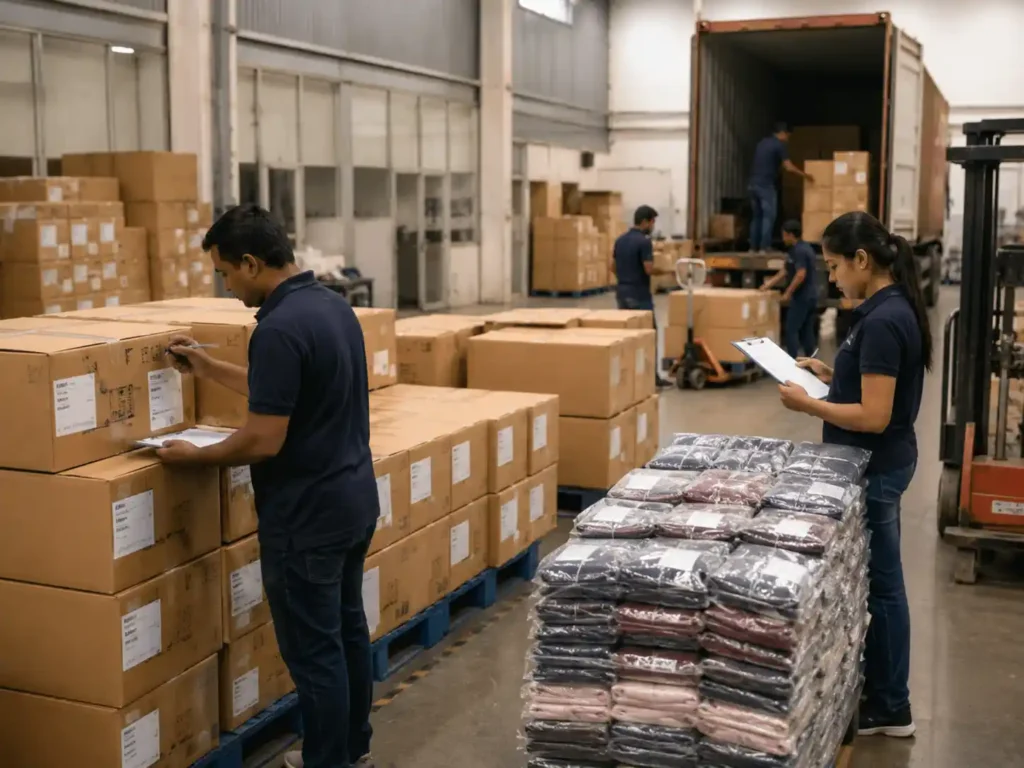
Packed quantity, carton completion, third-party inspection, booking, document status and shipment sequence are confirmed before handover.

Quality Control That Protects the Delivery Schedule

Quality control and delivery control are inseparable. Early checkpoints prevent defects from spreading, reduce late rework and protect the inspection, packing and shipment time reserved at the end of production.

Feasibility Review

Fabric, silhouette, support, trims and workmanship are assessed before sampling or bulk. Risks such as transparency, unstable drape, weak support or low-output operations are identified early.

Material Inspection

Fabric width, shade, defects, weight, stretch, shrinkage and appearance are checked according to project needs. Trim and packaging specifications are also verified before use.

PP Standard

The PP basis aligns fit, measurements, materials, construction, finishing and appearance. Approved exceptions are documented so production teams do not create their own interpretation.

First-piece Confirmation

The first completed garment from the line is reviewed for measurements, workmanship and visual balance. Corrections are made before higher output begins.

Inline Inspection

Checks during sewing monitor measurement drift, seam quality, construction accuracy and recurring defects. Corrective action is taken while the affected operation remains accessible.

Finishing Control

Pressing, thread cleaning, embellishment repair, shape, hem and surface appearance are reviewed. Satin, velvet, sequins and delicate trims require category-specific handling.

Final Inspection

Finished quantity is inspected against agreed standards, including measurement, workmanship, appearance and safety checks where applicable. Third-party inspection can be coordinated when required.

Packing Inspection

Labels, hangtags, barcodes, size stickers, polybags, assortment, carton marks and carton quantities are checked before shipment release.

Final Quality and Packing Readiness Before Shipment

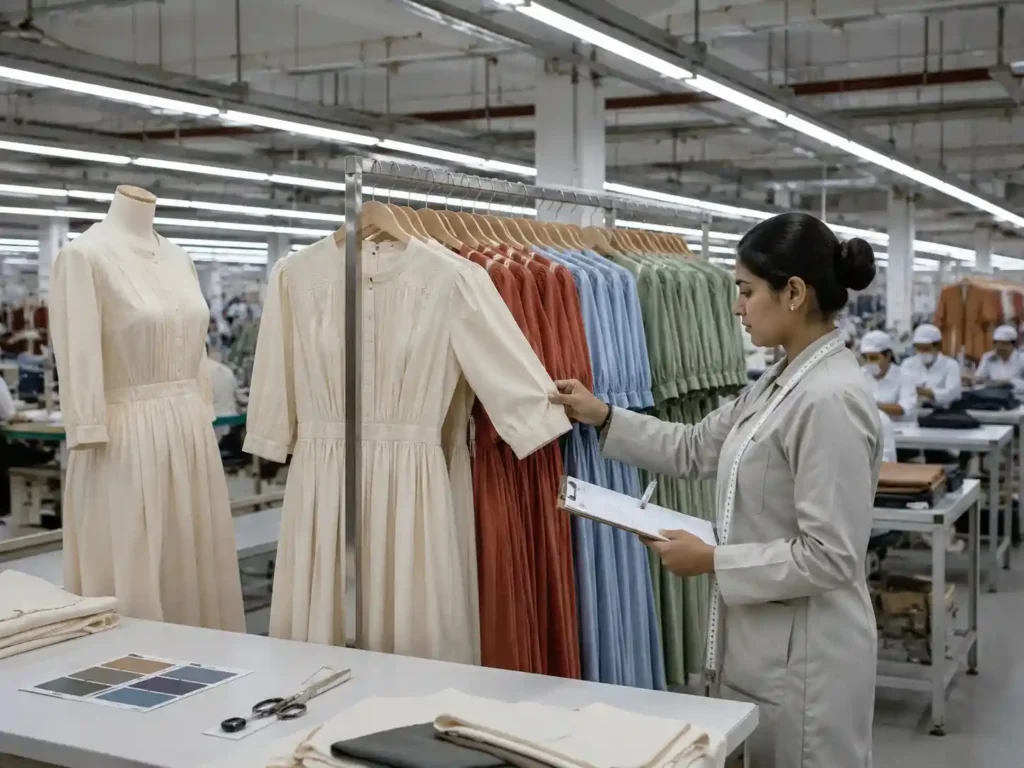
Production completion is not the final delivery decision. Duolan verifies garment status, packing accuracy, document readiness and destination requirements before cartons are released for shipment.
Garment Release Status

Finished quantity, color and size breakdown, measurements, appearance and workmanship consistency are reviewed. Outstanding repairs or shortages remain visible until closed.

Label and Barcode Control

Main labels, care labels, size labels, hangtags, barcodes and stickers are checked against approved files and placement instructions. Scan verification can be coordinated where required.

Packing and Cartons

Polybags, folding, tissue, inserts, assortment, carton ratio, carton marks and carton strength are checked according to the packing manual or agreed standard.

Shipment Release Files

Packing list, invoice details, carton data, forwarder instructions, third-party inspection status and shipment method are aligned before dispatch confirmation.

Shipment Planning Around Cost and Delivery Priorities

Freight is planned as part of the production project. Mode, destination, warehouse date, carton volume, booking availability and launch priority determine the most suitable delivery structure.

Express

Suitable for samples, urgent documents or limited critical quantities. Cost and dimensional weight are reviewed before dispatch.

Air Freight

Used when timing is more important than sea-freight cost. Carton planning, airport handling and destination clearance requirements need early confirmation.

Sea Freight

Suitable for larger quantities and planned programs with sufficient transit time. Booking, port schedule, cut-off dates and receiving windows are built into the calendar.

FOB

Duolan coordinates export preparation and handover at the agreed port while working with the nominated forwarder and document requirements.

CIF

Freight and insurance coordination can be reviewed to the destination port, subject to route availability and agreed commercial terms.

DDP

Door-delivery options can be assessed by destination, product value, quantity, customs route and local delivery conditions.

Split Shipment

Priority styles or quantities can ship earlier while remaining goods follow by another batch or mode, provided packing, documents and cost implications are approved.

Designated Forwarder

Duolan can coordinate booking, carton data, documents and handover with a brand-appointed forwarder, overseas warehouse or third-party receiving point.

Manufacturing Infrastructure Behind Reliable Delivery

Delivery reliability requires product focus, direct control, flexible capacity and coordinated support resources. Duolan combines dress development experience with a multi-factory womenswear manufacturing structure built for brand-level programs.

Dress-focused Expertise

Duolan concentrates on fashion dresses, occasion dresses, party dresses, resort and vacation dresses, fitted styles and specialized satin, mesh, sequin, halter, backless and corset directions. Category focus improves risk judgment before production.

Owned Factory Network

Sixteen owned womenswear factories support core control, product-sensitive programs and stable bulk production. Factory allocation is linked to style requirements rather than presenting one undifferentiated capacity figure.

Satellite Factory Support

More than 20 long-term satellite factories add capacity for suitable categories, seasonal peaks, scale orders and production buffering under coordinated references and quality expectations.

Production Line Base

Approximately 300 sewing lines provide a broad production base, while more than 50 flexible and quick-response lines support selected urgent, repeat and replenishment programs after readiness review.

Supply-chain Resources

Long-term fabric, trim, accessory and special-process resources support printing, embroidery, washing and other dress-related processes.Mature South China material markets strengthen sourcing and development response.

Compliance Foundation

Duolan factories have completed SMETA audit and SMETA 2-Pillar audit. Project teams can coordinate relevant quality, testing, social responsibility and material requirements according to brand and market needs.

Delivery Evidence Brand Teams Can Review

Reliable delivery should be supported by records, images and project outputs. Duolan can organize evidence around planning, materials, production, quality, packing and shipment while protecting confidential brand information.

Planning Evidence

Anonymized project timelines, style-priority lists, production-path summaries and bulk-start confirmations can show how dates and responsibilities were structured.

Material Evidence

Fabric cards, trim boards, color approvals, material inspection records and readiness summaries can demonstrate how production inputs were verified.

Production Evidence

Cutting images, first-piece records, work-in-progress photos, line status and milestone updates can show actual progress rather than general assurances.

Quality Evidence

Measurement records, inline inspection notes, final inspection images and corrective-action summaries can demonstrate how issues were found and closed.

Packing Evidence

Barcode checks, hangtag placement, polybag standards, carton marks, assortment checks and packed-carton images can confirm shipment readiness.

Shipment Evidence

Packing lists, booking milestones, split-shipment plans, forwarder handover records and dispatch confirmations can show how production moved into delivery.

Custom Dress Delivery Projects Managed With Control

The following anonymized project examples reflect common order structures handled for mature dress programs: 10-30 styles per order and total quantities between 20,000 and 80,000 garments. Brand names and sensitive commercial details remain confidential.

US Partywear Program

Region: United States. Program: 18 party and going-out dress styles, 42,600 garments across satin, mesh and sequin directions. Delivery challenge: several fabrics and special trims followed different approval dates, while five hero styles were needed earlier for a fixed promotional window.

Control actions: styles were divided into hero, core and supporting groups; sequin and mesh styles followed separate trial and quality routes; PP status and material arrival were tracked by style; five priority styles entered owned-factory production first; remaining styles followed the confirmed line plan. Packing and barcode checks were completed by style group.

Result: priority quantities shipped in the first planned batch, with the balance following under the agreed split-delivery structure. The collection retained one measurement, workmanship and packing standard across both batches.
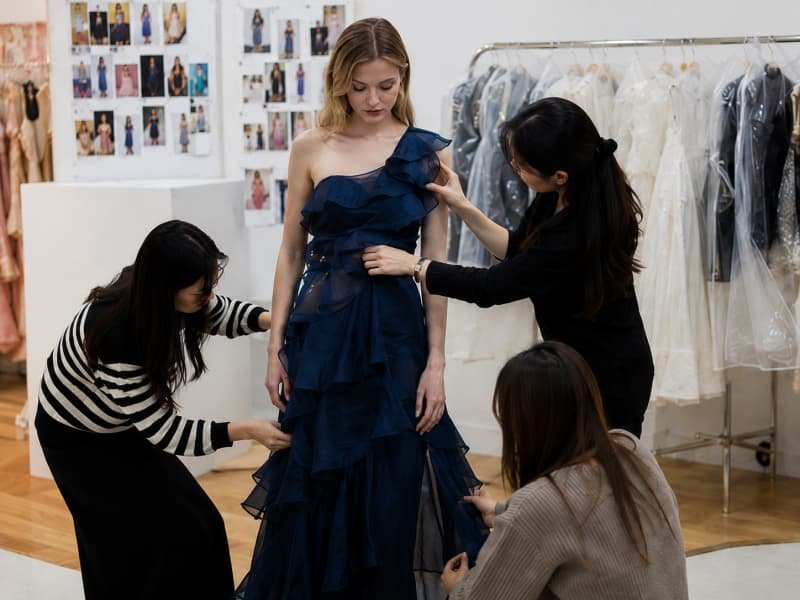
European Occasionwear Order

Region: Western Europe. Program: 24 occasion and wedding-guest dress styles, 68,400 garments. Delivery challenge: corset, satin and lace styles required different construction routes, while third-party inspection and warehouse booking dates allowed limited movement.

Control actions: corset styles received production-readiness review, support-component confirmation and first-piece checks; lace and satin fabrics were grouped by arrival risk; complex styles were allocated earlier starts; inline inspection findings were closed before final finishing; packing manuals and carton ratios were verified before the third-party inspection window.

Result: the program moved through one coordinated inspection and packing plan, reducing the risk of late style-level rework or incomplete assortment at the warehouse receiving stage.

12. Repeat Color and Replenishment Dresses

Repeat Ecommerce Collection

Region: North America. Program: 12 repeat and updated fitted-dress styles, 27,800 garments. Delivery challenge: previous bestsellers required faster replenishment, but new colors, revised size ratios and two material changes meant the earlier production record could not be reused without review.

Control actions: previous patterns, BOMs, QC findings and packing files were compared with the new order; unchanged styles moved to a repeat route; revised materials received fresh shrinkage, stretch and color checks; flexible lines were assigned after material readiness; the highest-demand colors were packed first for staged dispatch.

Result: repeat-production knowledge shortened planning without skipping new-order checks, while staged dispatch supported inventory priorities across the receiving network.

How Brands Evaluate a Reliable Dress Manufacturer

A supplier should be evaluated through evidence connected to product, capacity, quality and delivery. The framework below helps brand teams compare manufacturers beyond a general promise of fast production or on-time shipment.

Evaluation AreaWhat to CheckDuolan Evidence Direction
Dress developmentAbility to assess silhouette, fabric, fit, structure and production feasibilityDevelopment review, sample records, revision summaries
Sample controlClear purpose for prototype, fit, photo, salesman and PP samplesSample route, approval status, PP basis
Material coordinationSpecification, approval, lead time, inspection and alternativesFabric and trim cards, BOM, readiness status
Production disciplineOrder breakdown, line selection, first-piece control and milestonesProduction Path & Timeline Plan
Capacity planningSuitable capacity by category, complexity, quantity and dateOwned factories, flexible lines, coordinated satellite capacity
Quality managementEarly prevention, inline control, final inspection and packing checksQC checkpoints, inspection records, corrective actions
Delivery managementRealistic dates, visible progress, exception response and shipment planningMilestone updates, packing status, dispatch confirmation
Compliance readinessAudit foundation and ability to follow project-specific requirementsSMETA record and relevant project documentation

Frequently Asked Questions About Reliable Dress Delivery
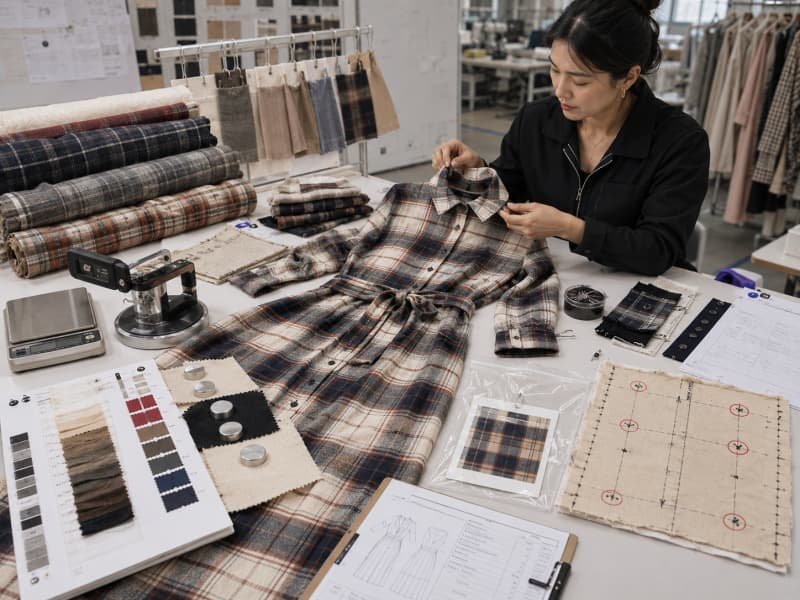
Reference bulk production ranges are 15-20 days for simpler styles, 20-30 days for standard styles and 30-45 days for complex styles after materials and approvals are ready. Total project time may also include sampling, fabric production, custom trims, testing, third-party inspection and freight.
The bulk period should begin only after the production basis is sufficiently clear and required materials are available or scheduled under an agreed plan. Duolan reviews sample status, measurements, workmanship, fabric, trims, packaging and inspection requirements before confirming the start basis.
Common factors include late sample comments, unapproved color or print, unavailable fabric, custom trim lead time, changed quantity, unresolved construction, failed testing, late packaging artwork, final inspection rework, booking changes or incomplete documents. Early risk review makes those dependencies visible.
Styles are grouped by priority, complexity, material and production route. Hero, core, complex, supporting, urgent and repeat styles can follow different milestones while remaining under one collection plan. Shared fabrics, trims and packing requirements are coordinated across the program.
The required level depends on project stage, but key points usually include fit, measurements, fabric, lining, trims, color, workmanship, labels, packaging and inspection standards. A PP sample or documented production basis is recommended for brand-level programs.
Material specifications, approval status, supplier lead time and required arrival dates are reviewed before the production route is finalized. Long-lead items are tracked separately. Suitable alternatives may be presented when availability threatens the calendar, subject to brand approval.
Yes. Urgent timing is assessed against sample approval, material readiness, style complexity, quantity, available lines, quality checkpoints and freight mode. A shorter route is considered only when critical controls remain protected. Some programs may suit priority or split-shipment planning.
Updates can cover material status, cutting, first-piece review, sewing progress, inline quality, finishing, final inspection, packing and dispatch. The exact format and frequency are agreed according to order complexity and the reporting needs of the brand team.
Split shipment can be reviewed when certain styles, colors or quantities carry higher launch priority. The plan must align packing ratios, documents, inspection, freight cost and warehouse receiving requirements. Each batch should remain clearly traceable.
Useful information includes tech packs or reference images, style count, quantity by style, target launch or warehouse date, destination, sample status, fabric direction, size range, special workmanship, packaging, inspection needs and preferred shipping terms.

Start Your Custom Dress Delivery Review

Share the information available for your dress program, even when several points are still under development. Duolan will review product category, style complexity, sample status, material readiness, order structure, quality requirements, target delivery date and destination before discussing a workable development and production route. A complete tech pack is useful, but reference images, original sample photos, size charts, fit comments, fabric direction, BOM files or packing manuals can also support an initial review. Formal timing and quotation depend on the final product basis, quantity and material status.

  • Company name, website, market and responsible contact
  • Dress categories and number of styles
  • Total quantity and quantity per style, color and size
  • Target launch date, warehouse date or required ex-factory date
  • Current sample or PP approval status
  • Fabric, lining, trim and special-workmanship direction
  • Quality, inspection, packing and barcode requirements
  • Destination, incoterm, forwarder and preferred shipment method
  • Files: tech pack, BOM, size chart, sample photos, label artwork and packing manual
Start Your Apparel Development Project

OEM/ODM Manufacturing Support for Fashion Brands

Share your collection details, estimated quantities, target market, development timeline, and technical requirements. The production team will review your request and provide a tailored manufacturing solution based on your product category, fabric selection, construction needs, and delivery schedule.

Fashion Manufacturing Support with Scalable Production Capacity

From sample development to bulk production, Duolan supports fashion brands with confidential OEM/ODM manufacturing, stable quality management, flexible production planning, and coordinated multi-factory execution for seasonal and capsule collections.

Need Direct Assistance?

Seraphinite AcceleratorOptimized by Seraphinite Accelerator
Turns on site high speed to be attractive for people and search engines.