
...

Custom Dress Manufacturer for Australian DTC Dress Brands

Dress development, sampling, fit control and scalable production for established Australian labels with defined launch calendars, active ecommerce channels and repeat-order plans.

  • Dress programs structured around 10-30 styles, coordinated colourways and brand-led release calendars.
  • Manufacturing planning suited to 20,000-80,000-piece brand orders across launch, replenishment and scale-up stages.
  • 16 owned womenswear factories, 20+ coordinated satellite factories, 300 sewing lines and 50+ quick-response lines.
  • Monthly development resources supporting 15,000-35,000 sample developments across multiple brands and product teams.
  • Dedicated focus on occasion, party, going-out, vacation, bodycon, corset, satin, mesh and embellished dresses.
  • China-based development and manufacturing support for Australian brands requiring stable fit, controlled bulk production and repeatable supply.

A Dress Manufacturing System Built for Brand Growth

Large production numbers only matter when each resource protects sample accuracy, multi-style coordination, launch timing and reorder consistency. Duolan links development depth with planned production paths for fashion dress programs.

16 Owned Factories

Core styles, complex constructions and development-sensitive programs can remain under direct factory control. Owned production bases provide stronger alignment between pattern, sample, workmanship standards, PP approval and bulk execution.

20+ Partner Factories

Long-term coordinated factories add capacity flexibility for repeat orders, scale-up runs and seasonal peaks. Production allocation follows style complexity, fabric, workmanship risk, quantity and delivery priority rather than random subcontracting.

12,000+ Workers

A broad production workforce supports multi-style programs where several dress categories, size ranges and colourways move in parallel. Capacity is planned around confirmed materials, PP status and launch windows.

300 Sewing Lines

Different lines can be matched to fitted dresses, light woven dresses, embellished styles, knit dresses, quick-response orders and repeat production. Line selection begins with construction risk and output stability.

50+ Quick Lines

Flexible lines support development follow-through, launch orders, urgent replenishment and shorter production paths when materials and standards are ready. Speed never replaces PP approval, material locking or quality checkpoints.

15,000-35,000 Samples

Monthly development capacity supports brands running several drops, capsules and seasonal programs. Sample volume is managed through project briefs, style tracking, staged comments and separate fit, photo, salesman and PP purposes.

Built for Established Australian DTC Dress Teams

Duolan works best with teams carrying a clear product identity, structured collection plans, measurable volume targets and a continuing need for development, production and replenishment support. Duolan is most suitable for brands with a defined collection direction, development plan, production target or repeat-order potential. Project evaluation begins with the product, materials, size system, quantities, target date and quality priorities.

DTC Dress Brands

Online-led labels need dresses strong enough for campaign imagery, product detail photography, reviews and repeat sales. Development must balance visual impact, wearability, cost structure and production repeatability.

Product Teams

Product teams need design intent translated into fabric, pattern, fit, construction and sample decisions. Clear comment handling and version control keep several styles moving without losing technical direction.

Buying Teams

Buying teams require dependable sample status, quotation logic, production readiness, inspection points and shipment planning. Decisions become easier when every style has an agreed stage and clear next action.

Sourcing Offices

Sourcing offices evaluate factory structure, social audit readiness, technical capability, documentation, quality systems and capacity planning. Duolan supports structured supplier review and project-specific evidence.

Fashion Groups

Multi-brand groups often manage different aesthetics, price bands and launch dates. Factory allocation, brand files and production standards must remain separated while shared resources stay efficient.

Regional Leaders

Established regional labels often expand through more frequent drops, stronger campaign calendars and repeat orders. Manufacturing support must grow without changing fit, workmanship or brand presentation.

What Australian DTC Dress Brands Need From Manufacturing

Direct-to-consumer dress businesses connect product decisions directly to photography, advertising, product reviews, returns, stock rotation and repeat purchasing. Manufacturing decisions therefore influence more than garment completion.

Distinct Product Direction

Strong online collections require recognisable silhouettes, fabrics, colours and details rather than interchangeable catalogue products. Development should preserve the brand language while improving production feasibility.

Photo-ready Samples

Campaign and ecommerce samples must present the intended drape, colour, proportion, surface detail and fit. Visual samples also need a clear path toward production standards, not a separate one-off construction.

Stable Fit System

Fit affects conversion, reviews and returns. Base-size balance, grading, stretch behaviour, bust position, waist shaping, garment length and lining coverage must follow the brand size system.

Launch Calendar Control

Photo shoots, product uploads, paid media, warehouse receiving and launch dates create fixed commercial milestones. Development and production should be planned backwards from those milestones.

Test-to-scale Path

Launch orders, repeat orders and scale-up orders need different production paths. Material availability, line allocation, inspection level and packing readiness should match the order stage.

Repeat-order Consistency

Bestsellers should not restart from zero. Pattern versions, BOM records, approved materials, workmanship points, QC notes and packing standards form a reusable production asset.

Control the Risks Behind Every Dress Launch

Every risk needs a visible control point before sampling, bulk production, shipment or reorder. Early decisions reduce avoidable revisions, missed launch windows and bulk inconsistency.

Dress Program RiskCommercial ImpactDuolan Control PointEvidence to Review
Design-to-sample mismatchThe sample misses the intended proportion, mood or market position.Development review covering silhouette, fabric, structure, sample purpose and production feasibility.Annotated reference, development note and sample brief.
Fabric and silhouette mismatchDrape, recovery, support or surface appearance weakens the design.Fabric behaviour review, swatch comparison, stretch or opacity checks and trim compatibility.Swatches, lab dips, test panels and mannequin review.
Unstable fit and gradingHigher returns, inconsistent reviews and weak repeat purchase.Base-size balance, fit comments, measurement control and graded-size review.Size chart, measurement report and fit correction record.
Photo sample not bulk-readyCampaign imagery represents a construction not suitable for scale.Separate photo purpose from production readiness; confirm BOM, seams, support and repeatability.Photo sample note, PP basis and bulk readiness checklist.
Sample-to-bulk differenceBulk garments drift from the approved sample in colour, fit or finish.Material locking, PP approval, first-piece confirmation, inline inspection and final comparison.Approved sample, BOM, colour record and QC report.
Delayed launch calendarMissed campaign, seasonal or warehouse receiving windows.Back-planned timeline linking approvals, material readiness, production, inspection and freight.Critical path schedule and milestone updates.
Reorder inconsistencyA bestseller returns with changed fit, colour or workmanship.Pattern version locking, BOM reuse, material recheck, previous QC review and reorder approval.Reorder file, colour comparison and batch review.

Dress Programs Developed Around Real Selling Occasions
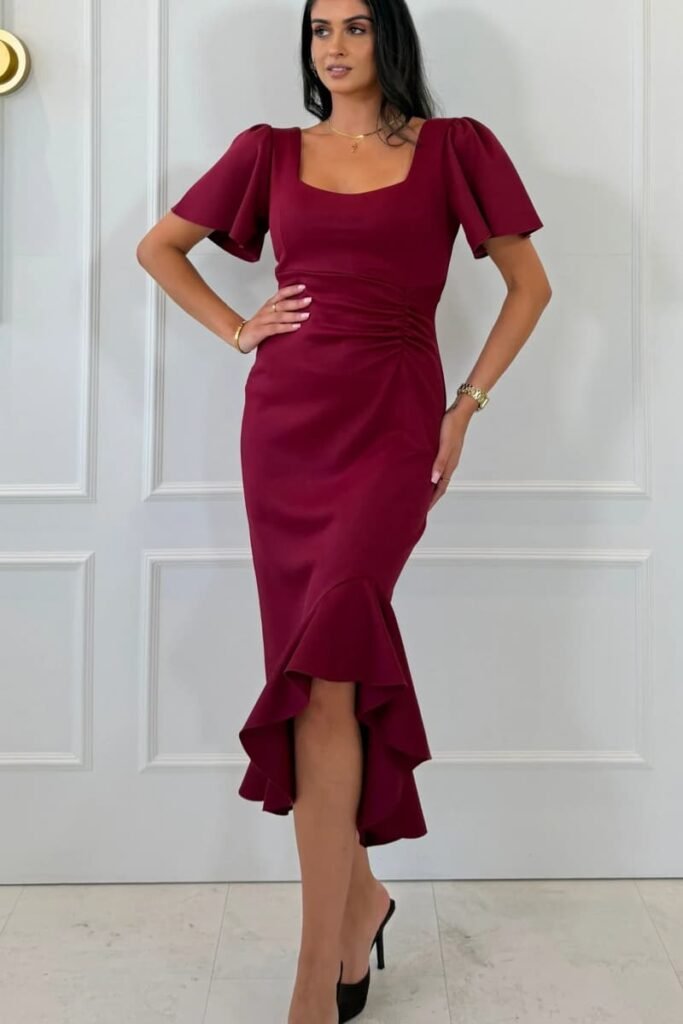
Product range matters when each category is linked to a specific wearing occasion, fit expectation, material behaviour and production risk. Duolan develops dress collections around how the garments need to look, fit, sell and repeat.

Occasion Dresses

Occasion dresses need refined proportion, controlled support and strong finishing at close viewing distance. Development usually reviews bust shaping, waist balance, lining coverage, zipper position and hem behaviour. Bulk standards should separate visual details from construction points so embellishment, pressing and packing remain consistent across sizes.

Party Dresses

Party dresses often combine fitted shapes, shine, stretch, cut-outs or decorative surfaces. Sample review should check movement, skin contact, transparency, seam strength and closure stability. Production planning must account for sequin direction, bead loss, special-machine capacity, inspection time and protective packing.

Going Out Dresses

Going-out dresses depend on strong product imagery and confident wearability. Common risks include side gaps, unstable straps, visible underwear lines, weak bust support and excessive riding-up. Pattern, elastic, lining and closure decisions should be reviewed together so visual impact does not create avoidable return reasons.

Vacation Dresses

Vacation dresses require lightness, movement and packability. Fabric opacity, wrinkle response, print placement, strap adjustability and colourfastness influence both online presentation and travel use. Collection planning can link several silhouettes through coordinated prints, colour families and repeatable base blocks.

Wedding Guest Dresses

Wedding guest collections sit between occasion polish and commercial wearability. Fabric handfeel, skirt movement, neckline balance, sleeve comfort and photographic colour need careful review. A collection usually benefits from related midi, maxi and fitted shapes sharing materials or colour stories without looking repetitive.

Bodycon Dresses

Bodycon dresses require more than smaller measurements. Stretch direction, recovery, fabric weight, opacity, lining, seam position and grading affect fit across sizes. Development should review bust, waist and hip balance, garment length under tension, zipper behaviour and recovery after wear or pressing.

Corset Dresses

Corset and bustier dresses depend on cup placement, underbust shape, boning path, side support, back closure and lining comfort. Small shifts can change both appearance and stability. Sampling should include close fit comments, structure testing and graded-size review before PP approval.

Satin Mesh Sequin

Satin, mesh and sequin products carry different technical risks. Satin shows needle marks and pressing damage; mesh needs coverage and seam control; sequins add weight, abrasion and repair points. Combining these materials requires a construction plan built around surface protection, comfort and repeatable workmanship.

Build a Cohesive Collection, Not Random Styles

A commercial dress collection needs a clear relationship between visual impact, selling depth, price architecture, sample priority and repeat potential. Duolan supports collection-level planning rather than treating every style as an isolated order.

Collection Role Structure

A balanced collection usually includes hero styles for campaign visibility, commercial styles for broader conversion, extension styles for colour or length coverage and repeat-potential shapes able to return across seasons. Each role influences development priority. A high-impact corset mini may need more fit rounds, while a commercial satin midi may need earlier fabric locking because several colourways are planned. For programs containing 10-30 styles, Duolan can separate the range into development waves. Wave one focuses on high-risk silhouettes and campaign styles; wave two advances commercial shapes sharing confirmed fabrics or blocks; wave three completes extensions, colour additions and lower-risk styles. The sequence reduces late surprises and gives product teams earlier visibility into the collection direction.
  • Hero styles: strong visual identity and higher development attention.
  • Commercial styles: wider wearability, price and conversion potential.
  • Extension styles: colour, length, sleeve or neckline variations.
  • Repeat styles: patterns and materials suitable for future replenishment.

Fabric and Colour Matrix

A collection becomes more coherent when fabrics and colours are planned as a system. One satin family can support a draped midi, bias-cut maxi and corset mini; one stretch knit can support a bodycon dress and coordinated set; one printed base cloth can appear across resort silhouettes. Shared materials can improve colour continuity and purchasing efficiency, but every silhouette still needs its own weight, stretch, lining and construction review. Colour planning should separate core shades, campaign colours and controlled extensions. Lab dips or bulk colour standards need to be reviewed under suitable lighting, especially for satin, pale mesh, bright reds, dark navies and print grounds. Online imagery can magnify shade variation, so material approval should consider both physical garments and digital presentation.
  • Core colours: dependable shades with repeat potential.
  • Campaign colours: visually strong shades linked to a launch story.
  • Extension colours: controlled additions for later drops or reorders.
  • Material families: shared fabrics with silhouette-specific construction.

Sample Priority and Launch

Sample priority should follow commercial purpose. Photo samples need visual completion for campaign dates. Fit samples need reliable measurements and construction. Salesman samples need close-view finishing. PP samples need locked materials, workmanship and packing references. Mixing every purpose into one sample often creates unclear approvals and repeated work.
A brand launching 18 styles may choose four campaign samples first, six fit-priority styles second and the remaining commercial extensions after key fabrics and blocks are confirmed. Duolan tracks each style by sample purpose, current status, pending decision and next milestone. The method protects the launch calendar while keeping later bulk standards clear.

  • Campaign sample: prioritises visual presentation and styling.
  • Fit sample: prioritises balance, movement and graded-size logic.
  • PP sample: prioritises repeatable materials and workmanship.
  • Reorder-ready style: retains approved production records.

From Design Direction to Production-ready Development

A sketch, reference image, original garment or collection mood carries different levels of information. Development begins by identifying what is confirmed, what is inferred and what still needs a decision.

Tech Pack Development

A complete tech pack gives a strong starting point, but a production review still checks whether fabric, construction, measurements, trims and target finish support the intended result. Duolan reviews front and back views, internal construction, size specification, grading basis, stitch or seam requirements, label placement, packaging and any market-specific testing instructions. Conflicts are raised before sampling. A neckline may need hidden support, a bias-cut skirt may need extra allowance for hanging, a boned bodice may require revised seam placement, or a selected fabric may not hold the intended shape. Clarifying those points early protects both sample timing and later costing.

Reference Image Development

Reference images communicate direction, not complete manufacturing information. Duolan breaks the reference into silhouette, proportion, fabric behaviour, structure, surface detail, closures, lining and expected fit. The team then identifies where decisions are needed: exact length, neckline depth, stretch level, cup structure, zipper type, seam placement, print scale or embellishment density. A useful output is a development note explaining the proposed construction path and any differences between visual inspiration and commercially workable production. Brands can then confirm priorities before pattern making begins.

Original Sample Review

An original garment allows direct inspection of proportion, measurements and workmanship, yet copying still requires material and production judgement. Fabric may no longer be available, hidden construction may need improvement, or the original fit may not match the brand size system. Duolan records garment measurements, internal structure, seam types, trims and finishing before proposing a development basis. A new version can preserve the desired aesthetic while adjusting fit, materials, cost or production stability. Approved changes should be documented so the future bulk standard does not drift back toward the original garment where improvements were required.

Collection Mood Development

A mood board needs translation into sellable styles. Duolan can support the process by grouping silhouette directions, likely fabric families, colour stories, technical difficulty and sample priority. The goal is not to invent a brand identity, but to convert an established direction into a manageable development program. Early feasibility review also identifies cost drivers. Complex cut-outs, heavy embellishment, fully boned structures, specialty dyeing and very low-yield fabric layouts can reshape the price architecture. Knowing those effects before sampling helps the brand decide where complexity creates real product value.

Fabric Decisions Protect Fit, Visuals and Bulk Quality

Fabric selection controls drape, opacity, support, movement, colour, construction and packing. Duolan evaluates materials against the intended silhouette and future production path rather than matching appearance alone.

Drape and Surface Control

Satin, viscose, chiffon, crepe and light woven fabrics react differently to seams, pressing, bias cutting and lining. A glossy satin can reveal needle marks, seam tension and zipper waviness. A soft viscose can grow during hanging. Chiffon can shift during cutting and expose uneven hems. Fabric review therefore looks at weight, weave, finish, surface sensitivity, shrinkage, colour consistency and garment structure. For draped or bias-cut dresses, test panels can show how the material hangs, whether the lining restricts movement and how long the garment should rest before final hemming. Bulk planning also considers roll variation, cutting direction and protective handling. A visually similar substitute may create a very different silhouette, so approval should be based on the garment result, not swatch appearance alone.

  • Review weight, handfeel, shine and surface sensitivity.
  • Check seam impression, pressing response and zipper behaviour.
  • Assess hang, growth and hem balance for bias-cut styles.
  • Confirm bulk shade and roll consistency before cutting.

Stretch and Recovery

Bodycon, fitted and mesh dresses depend on both stretch and recovery. Two fabrics with the same fibre content can perform very differently because of knit structure, yarn, weight and finishing. Duolan reviews horizontal and vertical stretch, recovery after extension, opacity under tension, shrinkage and heat response. Pattern measurements must reflect the fabric behaviour. Excessive negative ease can distort prints, create transparency or pull zippers. Insufficient negative ease can weaken the intended shape. Size grading also needs review because larger sizes may require changed seam positions, stronger support or adjusted lining rather than simple proportional enlargement.

  • Horizontal and vertical stretch percentage.
  • Recovery after wear, pressing and repeated handling.
  • Opacity at the expected wearing extension.
  • Pattern ease and grading aligned with fabric behaviour.

Support and Coverage

Corset, halter, strapless and backless dresses need a coordinated support system. Main fabric, fusible, lining, cups, boning, elastic, tape and closure must work together. A heavy outer fabric may need stronger internal support, while a light satin may require a softer construction to avoid visible bulk. Coverage decisions also affect fit and returns. Side gaps, low necklines, armholes, back openings and sheer panels should be checked on a fit model or mannequin from multiple angles. Clear fit priorities help decide whether the garment is designed for bra compatibility, internal support, adhesive support or a deliberate fashion fit.

  • Cup position and underbust shape.
  • Boning path and side support.
  • Lining coverage and skin comfort.
  • Elastic, tape and closure stability.

Decorative Material Control

Sequins, lace, beads, rhinestones and embroidery add visual value but also create weight, abrasion, needle damage and repair points. Development reviews motif placement, edge finishing, seam allowance clearance, zipper zones, underarm comfort, lining and packaging. Decoration density should also be checked against target cost and garment weight. Bulk control needs approved swatches or panels showing direction, spacing, attachment and colour. For repeat orders, decoration records should remain with the style file. Any replacement material must be compared for shade, size, shine, weight and attachment method before use.
  • Motif direction and placement map.
  • Attachment density and repair standard.
  • Skin-contact and underarm comfort.
  • Protective folding and packing method.

Fit and Size Development for Australian Dress Markets

An Australian size label alone does not create an Australian fit. Duolan develops around the brand size chart, target body profile, fabric behaviour, silhouette, wearing occasion and historical fit feedback.

Base Size and Measurements

Development starts with a clear base size and garment measurement chart. Key points include bust, underbust, waist, high hip, full hip, shoulder, armhole, neckline, strap, centre-front length, centre-back length, skirt length and slit position. Fitted dresses also require a defined relationship between body measurement and garment ease. Many programs use one base size for initial fit, followed by grading across 4-8 commercial sizes. The final range depends on the brand, product category and market. Stretch products may need separate negative-ease logic; corset products may need cup and support adjustments; relaxed resort dresses may rely more on length, neckline and armhole balance.
  • Confirm body chart and garment chart separately.
  • Define measurement method for every critical point.
  • Identify fixed, graded and fabric-dependent measurements.
  • Record tolerances only after fit and construction review.

Fit-critical Dress Points

A dress can match the measurement chart and still wear incorrectly. Bust position, waistline level, skirt fall, side-seam balance, neckline security and strap angle influence the overall fit. On fitted styles, fabric tension can move seams or shorten the garment. On halter and backless styles, the front may pull upward if neck tension or side shaping is not balanced. Fit review should include front, side and back images plus comments linked to measurable actions. “Too loose” becomes a defined reduction at a named point. “Neckline feels unsafe” becomes a change to depth, angle, elastic, tape or internal support. Clear translation keeps revisions controlled.
  • Bust apex and cup position.
  • Waist balance and side-seam level.
  • Armhole, neckline and side-gap coverage.
  • Strap length, angle and load.
  • Skirt fall, slit height and garment length.

Grading and Size Review

Grading should protect the design across the size range rather than enlarge every point at the same rate. Neckline depth, strap width, cup shape, boning position, slit height and embellishment placement may need controlled rules. Larger sizes can require stronger support or changed seam geometry. Small sizes can require reduced neckline or armhole exposure. For high-risk fitted or structured programs, Duolan can review selected graded sizes before bulk production. The chosen sizes depend on range width and construction risk. A size-set sample, measurement verification or graded pattern review can help identify problems before full cutting.

  • Grade silhouette and support, not measurements alone.
  • Check selected edge sizes where risk is higher.
  • Keep decoration and seam positions visually balanced.
  • Use approved measurement methods for bulk inspection.
Grading and Size Review (1)

Photo-ready and Production-ready Samples Serve Different Goals

DTC launches often need samples for campaign imagery before every bulk detail is locked. Clear sample purpose prevents visual approval from being mistaken for manufacturing approval.

Photo-ready Sample

Built to present silhouette, colour, drape, styling and surface detail for ecommerce imagery, campaign shoots or lookbooks. Review focuses on visual balance, model fit, garment movement and camera-facing details. Any temporary material, hand adjustment or unconfirmed construction should be recorded before the sample is treated as a production reference.

Production-ready Sample

Built to support PP approval and repeatable manufacturing. Review covers approved fabric and trims, measurements, construction, support, seams, labels, packing, BOM and workmanship references. The sample must be achievable across the planned size range and production quantity using the selected factory path.

A campaign sample can move ahead for photography while the PP path continues, provided open points are documented. Duolan records what is visually approved, what remains under fit or material review and what must be locked before bulk cutting.

A Controlled Sample Path for DTC Collections

Sampling becomes more predictable when materials, sample purpose, fit priorities and review responsibilities are defined before the first pattern is cut.

Brief Review

Duolan reviews product category, reference, tech pack, size chart, target fabric, colourways, quantity, launch date and sample purpose. Missing decisions are listed before costing and timing are finalised.

Feasibility Check

The team evaluates silhouette, fabric behaviour, support, trims, decorative processes, fit risk and bulk repeatability. High-risk points receive an early development proposal rather than a simple yes-or-no answer.

Material Direction

Available fabrics and trims are compared against handfeel, weight, stretch, opacity, colour, finish and target cost. Custom colour, print, embroidery or embellishment needs a separate preparation path.

Pattern and Proto

Pattern making begins from the confirmed development basis. The first sample tests proportion, construction, fabric response and major fit points. Internal review checks measurements and visible workmanship before dispatch.

Comments and Revision

Comments are converted into measurable pattern, fit, material or construction actions. A revision summary records what changed, why it changed and which points remain open for the next review.

PP and Bulk

After fit, materials and appearance approach approval, the project moves into PP or bulk readiness. BOM, workmanship, measurements, labels, packing and production checkpoints are aligned before cutting.

A common first-sample planning range for established dress programs is approximately 7-15 working days after the development basis and required materials are ready. Complex corsetry, beading, specialty dyeing, custom prints or unavailable fabrics require a separately agreed schedule. Revision timing depends on comment clarity, material changes and structural scope.

Engineering Complex Dress Details for Repeatable Production

High-impact dresses become commercially valuable only when structure, comfort, fit and workmanship remain repeatable across sizes and quantities. Complex details need an engineered construction path, not decorative improvisation.

Corset and Bust Support

Corset development begins with the relationship between neckline, cup, underbust, waist and back closure. Boning needs a defined path and termination point. Cups must align with the target body profile. Seam geometry should create shape without adding visible bulk. Lining, interfacing and binding influence both support and comfort. During sampling, Duolan reviews cup placement, bust containment, neckline stability, side support, centre-front balance, waist suppression and zipper or lacing behaviour. Fit comments should distinguish visual preference from support failure. A neckline can look correct on a mannequin yet move during sitting or walking, so wear testing and movement review are important. For grading, cups, boning and seam positions cannot simply scale at one ratio. Selected sizes may need revised support or seam control. PP approval should include internal close-ups and a construction reference so bulk sewing teams understand hidden standards.
  • Cup and apex alignment.
  • Boning path and channel width.
  • Underbust and side support.
  • Closure strength and lining comfort.

Halter and Backless Stability

Halter and backless dresses place more responsibility on neck straps, side shaping, underbust support and lower-back anchoring. Poor balance can create neck pressure, side gaps, upward pull or visible instability. Pattern development should consider how the garment is worn, whether a bra is expected and how much internal support is acceptable. Duolan reviews strap length, strap angle, elastic recovery, neckline depth, armhole and side coverage, back opening, closure position and lining edge. Clear measurement points are needed because small changes in strap length or side seam can strongly affect wear. For tie necks, the construction must also prevent twisting and excessive seam bulk. Bulk workmanship should control symmetry, strap attachment, topstitching, elastic tension and closure strength. Packing must prevent narrow straps from being crushed or twisted, particularly when garments move directly into ecommerce fulfilment.
  • Neck load and strap comfort.
  • Side-gap and armhole control.
  • Back opening and closure position.
  • Symmetry and strap attachment strength.

Satin Construction Control

Satin exposes technical mistakes quickly. Needle damage, puckered seams, zipper waves, pressure marks and uneven hems remain visible under studio lighting. Fabric selection should be matched with needle size, thread, stitch density, seam type, pressing method and lining. Cutting and bundling also need surface protection. Bias-cut satin requires additional control because panels can grow or twist. Grain direction, panel pairing, hanging time and hemming sequence influence the final balance. A finished sample should be reviewed after resting, not only immediately after sewing. Zippers and side seams need examination from front, side and back. During bulk production, shade separation, surface inspection, clean work areas, pressing covers and protective packing reduce avoidable damage. Final inspection should include reflected-light review for marks that may not appear under flat light.
  • Needle, thread and stitch density selection.
  • Bias growth and hem balance.
  • Zipper waviness and seam impression.
  • Pressing and packing surface protection.

Mesh and Embellishment

Mesh panels and embellished surfaces require accurate placement because visual imbalance is easy to see online. Mesh stretch, recovery, transparency and edge finishing affect coverage. Sequins, beads and rhinestones affect weight, skin contact, seam allowance and repair work. The construction plan should keep decoration away from high-friction or closure zones where possible. Duolan reviews motif direction, panel alignment, lining coverage, underarm comfort, zipper clearance, attachment density and seam reinforcement. Sample records should show acceptable variation and repair standard. Where embroidery or beadwork crosses size grades, motif scaling or placement rules may need separate control. Packing must prevent snagging, crushing and transfer. Tissue, sleeves, garment bags, careful folding or hanging can be selected according to garment weight and surface. Carton pressure should be considered before long-distance freight.
  • Mesh coverage and panel alignment.
  • Sequin direction and bead density.
  • Zipper clearance and seam reinforcement.
  • Repair standard and protective packing.

How Approved Samples Become Controlled Bulk Production

Sample approval becomes valuable only when every confirmed decision is transferred into materials, production instructions, line preparation, inspection and packing.

Bulk Readiness Review

Before bulk starts, Duolan checks the sample status: fit confirmed, visual confirmed, PP basis or still pending refinement. The order purpose is also defined as a launch order, repeat order, replenishment or scale-up program. Those distinctions affect risk, capacity and inspection planning. The review covers fabric, lining, trims, colour, measurements, workmanship points, labels, packaging, quantity and launch date. Any open item is listed with an owner and deadline. A style should not move into full cutting while a major material, fit or construction point remains ambiguous.

Material and Standard Locking

Approved fabric and trims are linked to the style through colour references, swatches, BOM versions and supplier information. The approved sample or PP sample becomes a visual and construction reference. Size specifications, stitch or seam details, label placement and packing instructions are aligned with the same version. For materials with batch sensitivity, bulk colour or handfeel is compared before cutting. Replacements require approval rather than silent substitution. A controlled change can still be made when necessary, but the commercial and technical effect needs review.

First-piece Confirmation

Complex corset, satin, mesh, sequin or multi-process styles may begin with first-piece confirmation, pilot production or key-operation testing. The goal is to verify line interpretation, machine settings, sequence, support, measurement and finish before output increases. First-piece review gives sewing and QC teams a shared standard. Corrections can be made while the quantity is still limited. The method is especially valuable where hidden structure or surface sensitivity cannot be understood from a flat specification alone.

Inline and Final Verification

Inline inspection follows critical operations instead of waiting for finished garments. Measurement, symmetry, support, closures, decoration and seam quality are checked at suitable points. Final inspection compares finished goods with approved standards, required sample size, packaging and carton information. Production records connect issues with corrective action. Where one defect repeats, the response should address the operation, machine, handling or instruction behind it. The same record supports future reorders and prevents known problems from returning.

Private Label Systems Ready for DTC Delivery

Brand presentation continues after sewing. Labels, barcodes, packing and warehouse information must remain accurate across styles, colours, sizes, channels and repeat orders.

Main Brand Label

Brand artwork, size, placement, fold and attachment method are confirmed against the garment construction. Satin or delicate garments may need softer labels or carefully chosen seams to protect comfort.

Size Label

Size coding must match the brand system and SKU data. Placement should remain consistent across lined, unlined, reversible or low-back garments without affecting wear or visibility.

Care Content Label

Fibre content, care instructions, country of origin and any required wording are prepared from confirmed material information and the brand artwork. Final responsibility remains aligned with the market and brand compliance requirements.

Hangtag System

Hangtags can carry style, colour, size, barcode, price or campaign information. String, seal, placement and protection are selected so tags do not mark satin, mesh or embellished surfaces.

Barcode and SKU

SKU logic should connect style, colour and size without duplication. Barcode readability, label location and carton information are checked before packing, especially for multi-warehouse or ecommerce fulfilment programs.

Individual Packing

Polybag, tissue, garment bag, hanger or folding method is selected according to surface sensitivity, garment length, decoration and fulfilment process. Warning text and ventilation can be added where required.

Carton Marking

Carton labels can include style, colour, size breakdown, quantity, gross and net weight, dimensions, destination and purchase order reference. Packing ratios should support warehouse receiving and stock handling.

Reorder Records

Approved label artwork, barcode format, folding method, carton marks and packing photos remain linked to the style file. Reorders can then repeat the same presentation without rebuilding instructions.

Quality Control Built Around Dress-specific Failure Points

Quality control becomes stronger when inspection points reflect the garment type, material and construction risk. Duolan combines material checks, production standards, inline review, measurement control and final appearance inspection.

Fabric and Material Inspection

Fabric inspection checks shade, width, surface, defects, stretch, handfeel and other agreed characteristics before cutting. Rolls may be separated by shade where necessary. Delicate satin, printed goods, mesh and embellished fabrics require additional handling and storage protection.
Trims are checked for colour, size, function and compatibility. Zippers, cups, boning, elastic, hooks, beads and labels should match the approved reference. Any alternative needs a controlled approval path.

Pre-production Standard Review

Before line production, approved sample status, BOM, measurements, workmanship, critical operations, labels and packing are reviewed with relevant teams. High-risk styles receive clear close-ups or operation notes. Complex points should be understood by production and QC before output begins.
A pre-production review also confirms inspection priorities. A bodycon style needs stretch and measurement control; a corset style needs support and symmetry; satin needs surface and pressing control; sequin products need attachment and comfort review.

Inline Workmanship Control

Inline checks focus on the stage where a defect can still be corrected efficiently. Seam quality, stitch balance, construction sequence, decoration, closure, reinforcement and measurements are checked during production. Findings should lead to operator guidance, machine adjustment, process correction or reinspection.
Inspection intensity can increase for newly introduced construction, complex styles or lines producing the product for the first time. Stable repeat orders can use historical issue records to focus attention on known risks.

Measurement and Fit Verification

Garment measurements are checked using an agreed method and tolerance. Fitted dresses need attention to bust, waist, hip, strap, length and openings. Structured dresses need support position and symmetry. Stretch garments should be measured without uncontrolled tension.
Where selected size-set samples are required, the review compares grading and appearance across sizes before broad cutting or during production. Measurement data should connect with the approved pattern version and sample.

Final Appearance and Packing

Final inspection covers workmanship, measurements, symmetry, surface condition, pressing, labels, barcode, folding, packing and carton information. Satin is reviewed for marks and waves; mesh for coverage and alignment; sequins for missing pieces and abrasion; corsets for shape and support; backless styles for straps and closures.
Packed garments are checked against the approved method. Protective materials, carton pressure and hanging requirements are reviewed according to product sensitivity and freight plan.

Back-plan Development From the Australian Launch Date

Launch timing should guide development, approvals, material booking, production, inspection, freight and warehouse receiving. A calendar built from factory convenience alone cannot protect a DTC release.

Commercial Milestone Mapping

The first planning step identifies campaign shoot, content delivery, product upload, warehouse receiving, launch date and any staged drop. Those dates define when photo samples, PP approval, bulk completion and freight need to occur. A brand may require campaign samples earlier than production samples, so both paths should be visible.
Public holidays, fabric production, custom colour, print, embroidery, testing, inspection and freight method all affect the critical path. Duolan builds a project schedule after the style list, sample purpose, material readiness and target date are known.

Development Wave Planning

For 10-30 styles, one launch can be divided into development waves. High-risk styles start first. Shared fabrics and established blocks can follow after early confirmation. Extensions can be developed later without holding every style behind the most complex garment.
The approach also helps campaign teams receive visual samples earlier while production teams continue PP preparation. Every wave keeps its own status, comments, open points and next decision.

Production and Freight Path

Bulk planning works backwards from the required warehouse date. Production duration depends on quantity, material readiness, complexity, line allocation and inspection. Freight can use courier, air, sea or a controlled split where commercial priorities justify it. The selection is made after carton volume, launch urgency and cost are known.
A split shipment should never become a substitute for poor planning. It is most useful when campaign, launch or replenishment quantities have a clear priority and packing records can keep each shipment traceable.

Approval Discipline

Late decisions create schedule risk even when production capacity is available. Material colour, fit, decoration, label artwork, barcode, packaging and shipping instructions should have named approval dates. Open points are escalated before they block the next stage.
Duolan provides staged updates so the brand team can see what is moving, what needs a decision and what may affect the target date. Clear approvals protect speed more effectively than repeated urgent messages after a milestone has passed.

Scale Multi-style Programs Without Losing Control
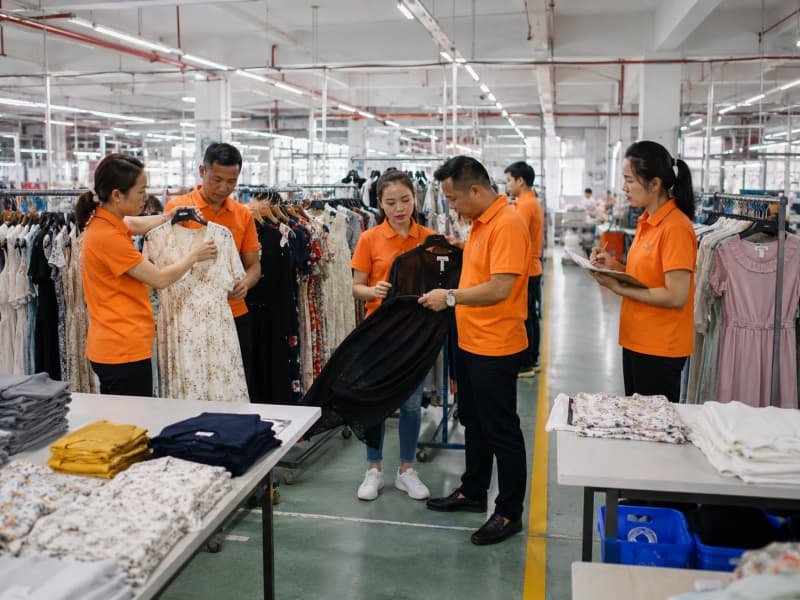
Capacity creates value only when the right style reaches the right production path at the right time. Duolan plans around complexity, materials, quantity, inspection and launch priority.

Owned Factory Control

Core styles, difficult constructions and products carrying significant fit or surface risk can be allocated within owned factories where development, production and quality teams maintain closer coordination. Factory selection also considers relevant sewing experience and current line load. Direct control is especially important for corset, satin, embellished, mesh and complex cut-out products where hidden construction or surface handling can affect final appearance.
JF Apparel sewing line 3 duolan

Quick-response Production

Flexible lines can support launch orders, replenishment and shorter production paths after materials and standards are ready. Quick response depends on a confirmed pattern, approved sample, available materials, clear size breakdown and protected capacity. Rapid output should not remove first-piece, inline or final checks. The most reliable speed comes from reusing confirmed product assets and avoiding repeated decisions.

Repeat and Scale-up

Repeat production can move faster when pattern, BOM, materials, measurements, workmanship and packing records are available. Scale-up orders still require capacity and material review because larger quantities can introduce new roll, shade, line and inspection risks. Duolan can separate launch, repeat and scale-up paths so a fast replenishment order does not disrupt a larger seasonal program or change the approved standard.

Special Process Coordination

Print, embroidery, dyeing, washing and decorative processes require external and internal milestones. Fabric availability, process sample, colour approval, panel placement, shrinkage and repair standards need to be aligned before sewing. Duolan coordinates long-term process resources and can route styles according to workmanship requirements. Production allocation remains linked to the approved development file rather than price or spare capacity alone.

Protect Bestselling Styles Across Reorders and Extensions

A confirmed bestseller should become a reusable production asset. Pattern, BOM, material, fit, quality and packing records reduce repeated work and protect consistency across future orders.

Reorder Reference Package

Duolan links the approved sample or PP reference with pattern version, size specification, BOM, fabric and trim records, workmanship points, QC notes, label artwork, packing instructions and previous comments. The package defines what must remain unchanged and which areas can be reviewed for improvement. Before a reorder, the team checks whether material, colour, trims, size ratio, quantity, delivery date or market requirement has changed. Reuse never means automatic production without review; it means starting from an established standard instead of rebuilding product knowledge.

Material and Colour Recheck

A repeat colour can vary by dye lot, yarn, finish or base fabric. Bulk colour and handfeel should be compared with the approved reference. For prints or embellishments, scale, placement, shine and attachment are also reviewed. Where original material is unavailable, a proposed replacement is evaluated against appearance, weight, stretch, recovery, opacity, shrinkage and construction. The brand can then approve the effect before bulk production.

Fit and Pattern Continuity

Pattern changes should be version controlled. A fit improvement made during the previous order must remain in the next pattern. Size specs, tolerances and measuring methods stay connected with the correct version. Historical return feedback or wear comments can also guide controlled improvements. Any change should be identified as an approved update rather than an unexplained deviation from the bestseller.

Bestseller Extensions

A strong core style can support new colours, new lengths, sleeve changes, neckline variations, coordinated tops or seasonal fabric updates. Extensions work best when the commercial reason is clear and construction changes are reviewed before assuming the original pattern can be reused unchanged. Duolan can separate low-risk colour extensions from structural modifications. The distinction protects speed while giving new versions the development attention they need.

Prepare Dress Orders for Australian Market Delivery

Market readiness combines factory documentation, material information, labels, packing, shipping records and brand-specific requirements. Requirements are reviewed per program rather than assumed from a generic checklist.

Preparation AreaDuolan CoordinationBrand Input Needed
Factory and social auditSMETA and SMETA 2-Pillar audit foundation; coordination for agreed supplier review and social responsibility documentation.Vendor manual, audit requirements and approval process.
Material and product testingCoordination for agreed tests such as composition, colourfastness, shrinkage, pH or product-specific performance.Testing standard, restricted substance requirements and market destination.
Care and content labelsArtwork review against confirmed fibre content, garment care, size coding, origin and required brand wording.Final artwork, language, legal review and approval responsibility.
Barcode and packingSKU structure, barcode placement, polybag, tissue, hanger, carton marks and warehouse packing ratios.SKU list, barcode data, packing guide and fulfilment requirements.
Brand-specific standardsImplementation of agreed workmanship, measurement, testing, packaging and inspection requirements.Quality manual, tolerances, approval samples and inspection level.
Shipping documentationCommercial invoice, packing list, carton information and agreed shipping records prepared with the nominated logistics path.Incoterm, consignee, forwarder, destination and document instructions.
Delivery planningCourier, air, sea or split-shipment planning based on launch priority, carton volume and warehouse date.Target receiving date, priority quantity and freight preference.

Why Established DTC Dress Brands Choose Development-led Manufacturing

A strong supplier decision goes beyond quotation, factory size or sample speed. The more important question is whether product knowledge can be transferred into stable samples, bulk orders and repeat production.

Dress-focused Development

Duolan concentrates on fashion dresses and related womenswear, with long-term experience in occasion, party, fitted, resort and decorative products. Category depth improves early risk recognition.

Fit Fabric Judgment

Pattern, fit and fabric decisions are reviewed together. Drape, stretch, recovery, support, opacity and surface behaviour guide development rather than appearance alone.

Production-ready Sampling

Sample purpose is defined as proto, fit, photo, salesman or PP. Approved decisions are converted into BOM, measurements, workmanship, labels and packing standards.

Multi-style Planning

Programs of 10-30 styles can be divided into development waves and production paths based on risk, materials, campaign priority and launch timing.

Reorder Standard Control

Pattern versions, BOM records, approved materials, QC notes and packing instructions remain available for repeat orders and bestseller extensions.

Documented Delivery

Project briefs, sample notes, revision summaries, bulk readiness checks, production plans and QC records keep decisions visible across teams and stages.

Dress Development Cases Built Around DTC Growth

The following anonymised structures reflect the scale and operating patterns commonly managed across established brand programs. Brand names and commercially sensitive details remain confidential.

Australian Occasionwear Collection

Program structure: 18 styles, 42,600 garments, 3-5 colourways per key style and an AU size range covering six commercial sizes. The range combined corset minis, draped satin midis, fitted mesh dresses and embellished occasion styles. Campaign photography required four visual samples before the full PP sequence was complete.
Main challenge: Several high-impact styles shared colours but used different base fabrics, making shade coordination difficult. Corset cup placement and backless stability also needed close fit review. A single development calendar would have held commercial styles behind the most complex garments.
Duolan response: The collection was divided into three waves. Four campaign styles moved first with documented open production points. Six fit-priority styles followed with base-size and selected graded-size review. Eight commercial extensions advanced after material families and core blocks were confirmed. Satin and mesh colours were controlled through separate lab-dip and bulk approval records. Corset styles received internal structure close-ups and first-piece confirmation before line output increased.
Result: All 18 styles entered bulk through defined PP or production-readiness paths. Twelve styles shipped in the first launch window, while six complex styles followed in a controlled second release. Pattern, BOM, colour, QC and packing records remained available for the next seasonal program.
  • 18 styles / 42,600 garments.
  • Six-size commercial range.
  • Three development waves.
  • Campaign and PP paths tracked separately.

Australian Resort Drop

Program structure: 24 styles, 63,200 garments, coordinated prints and solids across vacation dresses, relaxed midis, halter maxis and lightweight sets. The range was planned for a summer launch with campaign, warehouse and staged product-release dates.
Main challenge: Print placement, fabric opacity, shrinkage and colour relationships needed control across several silhouettes. The brand wanted a coherent collection without using one fabric weight for every style. Long dresses also required packing and carton planning to reduce crushing and excessive folds.
Duolan response: Fabrics were grouped by drape, opacity and silhouette need rather than print alone. Print strike-offs and colour standards were reviewed before sample cutting. High-risk halter and backless shapes moved first for fit; lower-risk relaxed styles followed after base materials were confirmed. The production plan separated lightweight printed goods, solid satin-like fabrics and knit support styles. Packing used silhouette-specific folding, tissue and carton ratios.
Result: Twenty-four styles moved through a shared colour and material matrix while retaining garment-specific construction. The order was packed in launch-priority groups, allowing the brand to receive campaign and first-release quantities before later colour extensions. Approved print, pattern and packing records supported a subsequent reorder discussion.
  • 24 styles / 63,200 garments.
  • Print and solid colour matrix.
  • Staged release packing.
  • Silhouette-specific material selection.

Bestseller Reorder Program

Program structure: 12 established styles, 28,800 garments in the first replenishment and a later 36,000-garment scale-up across new colours and updated size ratios. Products included bodycon midis, satin occasion dresses and two structured corset shapes.
Main challenge: The brand needed faster replenishment without accepting fit drift, colour inconsistency or silent material changes. Historical return feedback suggested improvements to strap length and lining coverage on two styles, while the core silhouettes needed to remain recognisable.
Duolan response: Pattern versions, BOMs, approved fabrics, measurement methods, QC points and packing records were reviewed before reordering. Two controlled fit changes were introduced as new pattern versions and approved before cutting. Repeat colours were compared with retained standards; new colours moved through lab-dip approval. Stable styles entered the repeat path, while changed styles received focused PP review.
Result: The 28,800-garment replenishment retained the approved brand standard while incorporating documented fit improvements. The later 36,000-garment order used the same production assets with updated colour and size information. Repeat and modified styles remained clearly separated, reducing confusion during production and inspection.

  • 12 styles / 28,800 garments.
  • 36,000-garment scale-up.
  • Pattern versions controlled.
  • New colours approved separately.

Frequently Asked Questions for Australian DTC Dress Brands

Yes. Duolan reviews design views, measurements, grading, materials, trims, construction, labels, packing and any testing instructions. Conflicts or missing decisions are raised before pattern making or final quotation.
Yes. Reference images are translated into silhouette, fabric, structure, fit, closures, lining and workmanship decisions. A development note can identify open points before sampling.
Quantity is reviewed by style, colour, fabric, size range, process, packing and order stage. Development, launch, repeat and scale-up orders can require different production paths and commercial conditions.
Yes. Development follows the brand body chart and garment specification. Fit, fabric stretch, silhouette, grading and selected size review are aligned with the intended Australian market.
Fit comments are converted into measurable pattern and construction actions. Bust, waist, hip, neckline, armhole, straps, length, lining and support are reviewed according to dress type.
A photo sample can support visual approval, but PP and bulk readiness still require confirmed materials, measurements, construction, BOM, labels, packing and production feasibility.
Programs can be divided into development waves and production paths. Each style carries a purpose, status, open decisions, next milestone and launch priority.
Yes. Main labels, size labels, care labels, hangtags, barcode labels, individual packing and carton marks can be developed from approved artwork and packing instructions.
Courier, air, sea or controlled split shipment can be coordinated according to carton volume, launch priority, destination and agreed trade terms. Final timing is confirmed per program.
Send available tech packs, references, original-sample photos, size chart, fabric direction, colourways, quantities, launch date, labels, packing requirements and known quality concerns.

Start Your Australian DTC Dress Development Project

Share the material already available, even when the project file is not complete. Duolan will review the product direction, fit and fabric risks, sample purpose, production path and next information needed for a more accurate response.

A strong project review usually includes:

  • Brand name, website and primary market.
  • Tech pack, reference images or original-sample photographs.
  • Dress category, number of styles and colourways.
  • Target fabric, trims, prints, embroidery or decorative work.
  • Size chart, fit priorities and any historical return feedback.
  • Target quantity, size ratio and planned order stage.
  • Campaign, warehouse receiving or launch date.
  • Label, barcode, packing, testing and inspection requirements.

Duolan will organise the information into a development or production review covering feasibility, open decisions, sample path, quantity basis, timeline and evidence needed before the next stage. Project files are handled for development and manufacturing evaluation.


Start Your Apparel Development Project

OEM/ODM Manufacturing Support for Fashion Brands

Share your collection details, estimated quantities, target market, development timeline, and technical requirements. The production team will review your request and provide a tailored manufacturing solution based on your product category, fabric selection, construction needs, and delivery schedule.

Fashion Manufacturing Support with Scalable Production Capacity

From sample development to bulk production, Duolan supports fashion brands with confidential OEM/ODM manufacturing, stable quality management, flexible production planning, and coordinated multi-factory execution for seasonal and capsule collections.

Need Direct Assistance?

Seraphinite AcceleratorOptimized by Seraphinite Accelerator
Turns on site high speed to be attractive for people and search engines.