Skip to content

Custom Dress Manufacturer for Australian Resort Wear Brands
Dress-focused development, sampling and scalable manufacturing for Australian resort labels with defined collection plans, launch calendars and repeat-order goals.
- 30+ years of fashion dress development experience supporting commercially focused womenswear programs.
- 16 owned womenswear factories backed by 20+ long-term satellite factories for core styles, repeat orders and seasonal volume.
- 12,000+ workers across the wider manufacturing network, with production routes matched by silhouette, material, workmanship and delivery priority.
- Resort dress support from fabric and print direction through pattern development, fit review, PP approval, bulk quality control and delivery coordination.
- SMETA 2-Pillar audited manufacturing system, with project-specific quality, testing and social compliance coordination available.
Built for Established Australian Resort Wear Brands
Brand and Creative Teams
Buying and Merchandising Teams
Product Development Teams
Product teams often manage several design directions at once. Duolan can begin from tech packs, sketches, reference images, original samples, moodboards, fabric ideas or previous fit comments. Each style is reviewed for silhouette, fabric compatibility, support, opacity, closure, workmanship and production feasibility. Missing information is identified early so sample revisions move toward a defined approval purpose.
What Australian Resort Wear Brands Should Verify
Strong resort manufacturing combines product understanding, disciplined development and controlled bulk execution. The following checks help sourcing and product teams compare potential partners on garment results, production risk and long-term collection support.
| Evaluation Area | What to Verify | Why It Matters | Duolan Approach |
|---|---|---|---|
| Dress specialization | Evidence of resort, vacation and fashion dress development rather than general garment claims. | Dress-specific fit, drape, lining and construction issues require focused experience. | Dress-focused review covering silhouette, wearing scenario, fabric behavior and bulk feasibility. |
| Fabric judgment | Ability to compare drape, opacity, shrinkage, wrinkle behavior, print definition and seam performance. | A fabric name alone does not predict the finished garment result. | Material direction is reviewed against structure, price band, colorways, care needs and production quantity. |
| Print control | Artwork scale, repeat, placement, strike-off approval, color direction and bulk shade consistency. | Print is often the visual identity of an Australian resort collection. | Print partners are coordinated through artwork review, strike-off confirmation, placement guidance and bulk comparison. |
| Pattern and fit | Development from the brand size chart, points of measure, fit model and intended ease. | Generic sizing can distort neckline, bust, back exposure and garment length. | Pattern corrections are recorded against fit comments and measurement priorities. |
| Sample purpose | Clear difference between first sample, fit sample, photo sample, salesman sample and PP sample. | A sample cannot be judged properly without a defined approval purpose. | Each sample round has a stated objective, review focus and next-step path. |
| Sample-to-bulk control | Material locking, approved workmanship, PP standard, first-piece review and inline checks. | Approved sample quality can be lost when production starts without locked standards. | Production readiness review links sample approvals with material, measurement, workmanship and packing requirements. |
| Multi-style capacity | Ability to run 10-30 styles without losing version, material or timing control. | Resort programs often combine hero pieces, commercial styles and repeat options. | Styles are classified by complexity, material route, approval status and launch priority before allocation. |
| Compliance and delivery | Audits, testing coordination, final inspection, packaging verification and shipment planning. | Supplier approval depends on documentation and controlled delivery as well as sewing quality. | SMETA 2-Pillar audited manufacturing system with project-specific inspection, compliance and logistics coordination. |
Control Resort Dress Risks Before Sampling and Bulk
Fabric-Silhouette Mismatch
Opacity and Lining Risk
Print Scale and Placement
Artwork may look balanced on a screen but appear oversized, fragmented or poorly centered after cutting. Repeat size, motif position, panel direction, border use and seam interruption are reviewed before bulk printing.
Placement-sensitive designs require clear approval points for front, back and key visual areas.
Halter and Backless Fit
Sample-Bulk Deviation
Seasonal Timing Compression
Late fabric approval, repeated sample changes or delayed PP confirmation can remove the buffer needed for quality control and shipping. Launch dates are converted into backward milestones for fabric, artwork, first sample, revision, photo sample, PP, production, inspection, packing and delivery.
Build a Commercial Resort Dress Collection
Create a Clear Collection Architecture
A resort range usually performs better when every style has a job. Hero pieces carry campaign imagery and signature print. Core sales dresses offer wearable silhouettes with broader size and occasion appeal. Premium pieces support higher price points through fabric, construction or decoration. Repeatable shapes allow additional colors, exclusive prints and replenishment after launch. Supporting styles complete the range without competing with the main commercial direction. Duolan can review a collection brief and group styles by silhouette family, material route and construction complexity. Grouping prevents unnecessary fabric fragmentation, reduces repeated development work and gives merchandising teams a clearer way to balance visual impact with sales depth.
Balance Hero Styles and Commercial Volume
Plan Materials Across the Range
Collection cohesion often depends on a disciplined material plan. Too many unrelated base fabrics create color mismatch, inconsistent handfeel, small material lots and complicated production scheduling. Duolan can map styles into material families such as light woven prints, structured cottons, fluid viscose qualities and elevated occasion fabrics. Shared linings, zippers, drawcords, buttons or label placements can also be standardized when design allows.
Common components improve approval clarity and repeatability while preserving style differences through color, print, cut and finishing. For 10-30 style programs, material mapping becomes a production tool as well as a design tool because it identifies which styles can move together and which need separate tests or specialist processes.
Set Sample Priorities Around Launch Needs
Not every style requires the same sample priority. Campaign and lookbook styles may need photo-ready approval first. Fit-critical halter, backless and wrap dresses may need early wear testing. Print-heavy styles need artwork and strike-off decisions before final visual samples. Commercial carryover shapes may move faster when an approved block or previous pattern basis is available. Duolan can organize a sample sequence around campaign dates, internal range reviews, sales meetings and bulk release. A clear sequence reduces the common problem of developing every style at the same speed while important decisions remain unresolved.
Design for Repeat Orders
Repeat potential should be considered during first development. Patterns, measurements, material references, print files, workmanship notes and packaging requirements need version control so a successful dress can return in new colors or quantities without rebuilding the standard. Duolan connects approved sample information with bulk records and repeat-order review. Material availability, shade continuity, print repeat, trim replacement and any previous production findings are checked before the next release. The result is a collection system capable of extending a strong silhouette rather than treating every order as an unrelated project.
Resort Dress Silhouettes We Develop
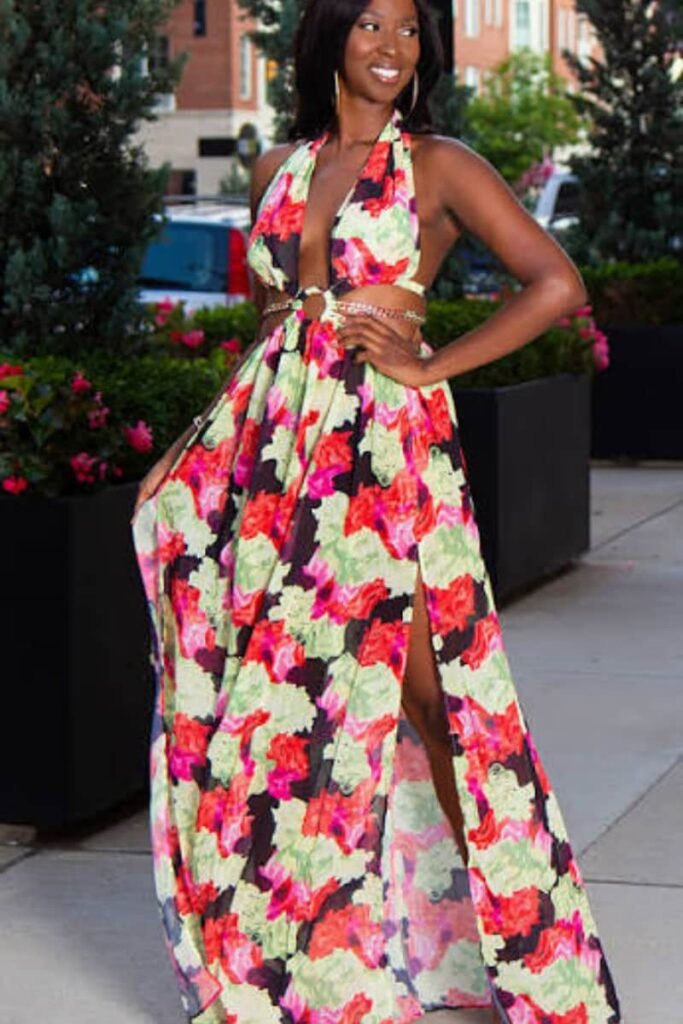
Printed Maxi Dresses

Resort Midi Dresses

Vacation Mini Dresses

Halter Dresses

Backless Dresses

Wrap Dresses

Tiered Dresses

Shirt and Relaxed Dresses
Relaxed dresses still require controlled shoulder width, armhole, collar, placket, pocket, side seam and hem balance. Cotton poplin, linen blends and softer woven qualities produce very different results. Clean pressing and stable button placement support a polished finish. The pattern can allow ease without appearing oversized or losing the intended proportion.
Plan Production Around Australian Resort Launch Dates
Work Backward from the Selling Window
Separate Campaign Samples from Bulk Standards
Protect Time for Approval and Quality Control
Plan Repeat Orders After Launch
Resort demand can change quickly after campaign exposure and early sales. Repeat readiness depends on material continuity, print file control, stored pattern versions, approved workmanship and available production capacity. Duolan reviews likely repeat styles during initial planning and records the standards needed for future release. A successful repeat order may require the same color, a new exclusive print or a revised quantity curve. Previous production findings, material batch differences and packaging updates are checked before the new run. Repeat production should be faster because the standard is controlled, not because earlier checks are removed.
Choose Fabrics by Resort Dress Performance
Resort fabric selection should begin with garment behavior. Breathability, drape, opacity, wrinkle response, print clarity, seam stability and care requirements all shape the final retail result and the bulk production route.

Match Drape and Body to the Silhouette

Control Opacity Without Losing Lightness
Light colors and sunlit wearing conditions expose opacity problems that may not appear under indoor sample-room lighting. Outer fabric, lining color, lining weight, seam allowance and body contact all influence coverage. A full lining can improve confidence but may reduce breathability or change drape. Partial lining can preserve movement but requires careful edge and length control. Duolan reviews the garment by zone. Bust, hip and upper thigh may need more coverage than sleeves, yokes or lower skirt panels. Backless and cut-out designs require lining patterns that stay hidden. Print density can also influence perceived transparency. The final solution should support wearing comfort, clean presentation and production repeatability.

Evaluate Wrinkle, Shrinkage and Care

Connect Material Choice with Production Scale
Compare Resort Dress Fabrics by Result and Risk
Material comparison becomes useful when it connects fabric behavior with silhouette, wearing conditions and bulk execution. The best option is the one that supports the design, retail position, care expectation and production plan.
| Material | Best Applications | Main Strength | Main Risk | Production Focus | Duolan Direction |
|---|---|---|---|---|---|
| Linen blend | Shirt dresses, relaxed midis, shaped minis | Breathable surface, natural resort character, useful body | Wrinkle variation, shrinkage, slub inconsistency | Pre-production shrinkage review, seam finish, pressing and packing | Use blend ratio and finish to balance natural appearance with stability. |
| Cotton voile | Light maxis, tiered dresses, sleeves, gathered shapes | Soft, breathable and easy to layer | Transparency and seam show-through | Lining plan, gathering control, hem finish and color coverage | Best where lightness is important and coverage is designed early. |
| Cotton poplin | Shirt dresses, fit-and-flare shapes, clean minis | Crisp silhouette, print clarity, reliable construction | Can feel rigid or create excess volume | Weight, wash finish, collar/placket support and wrinkle control | Choose softer or finer qualities for relaxed resort proportions. |
| Viscose / rayon | Fluid maxis, wraps, bias-inspired dresses | Soft drape and strong movement | Growth, shrinkage, twisting and handling variation | Grain control, relaxation, dimensional review and careful pressing | Suitable for fluid shapes when bulk behavior is controlled. |
| Chiffon | Layered maxis, sleeves, overlays, occasion-resort styles | Light movement and soft transparency | Slippage, fraying, seam visibility and static | Cutting control, seam method, lining, edge finish and pressing | Use where layered movement creates visible value. |
| Crepe | Midis, wraps, polished vacation dresses | Controlled drape, versatile surface and good recovery | Quality varies widely by fiber and finish | Needle choice, seam appearance, shrinkage and pressing | Compare actual garment behavior rather than relying on crepe name. |
| Tencel blend | Relaxed dresses, premium shirts, soft structured styles | Smooth hand, fluid fall and elevated surface | Possible growth, shade sensitivity and care limitations | Stability review, seam testing, finishing and packing | Strong for premium resort directions with controlled sourcing. |
| Printed polyester | Maxis, midis, travel dresses and high-color ranges | Print clarity, color range, dimensional stability and easy care | Can feel warm, shiny or static when quality is poorly selected | Surface, breathability, anti-static behavior and print handfeel | Select refined qualities that support the brand price position. |
Develop Prints and Finishes for Resort Collections

Repeat Print Development

Placement Print Control
Placement artwork requires defined reference points for neckline, waist, center front, center back and hem. Pattern changes can move the visual position, so artwork and paper pattern need to develop together. Bulk markers, panel direction and cutting tolerance are controlled to keep the motif within the approved visual zone.

Color and Strike-Off Review

Embroidery and Lace
Embroidery density, backing, thread tension and motif placement change fabric drape and skin comfort. Lace trims need compatible stretch, color, edge finish and seam application.
Decorative elements are reviewed for visible value, wash or wear risk, bulk repeatability and the effect on production time.

Beading and Embellishment

Dyeing and Finishing
Start with a Structured Development Review
What Your Team Can Send
Useful starting material includes a tech pack, flat sketch, reference image, original sample, moodboard, fabric idea, print artwork, size chart, previous fit comments, target quantity, price position and launch date. A complete pack improves accuracy, yet early-stage programs can still be reviewed from the strongest available references. Files should explain the intended product result rather than only listing garment components.
What Duolan Reviews
The review covers silhouette, fabric direction, lining, opacity, support, closure, print route, key measurements, construction complexity, sample purpose and production feasibility. Open points are separated into design decisions, material decisions, fit decisions and production risks. The response can then define what should be sourced, tested, patterned or clarified before a sample is started.
Translate Tech Packs into Controlled Dress Development
Define the Garment, Not Only the Sketch
Control Points of Measure and Tolerance
Connect Grade Rules with Design Stability
Maintain Version and Comment Control
Sample development produces updated measurements, pattern corrections, material changes and workmanship decisions. Version control prevents old information from re-entering later rounds. Duolan records the sample basis, received comments, completed changes, remaining open points and approval status. A revised tech pack or comment summary should distinguish confirmed decisions from proposals. When a sample becomes the PP basis, the related measurement, material, artwork and workmanship references need to match. Clear records reduce repeated mistakes and give both product and production teams a common standard.

Develop Resort Dress Fit from the Brand Size Chart
Duolan develops fit from the brand size chart, fit direction and target wearer rather than claiming a universal Australian block. Resort silhouettes need controlled ease, coverage and movement across open, relaxed and shaped designs.
Balance Bust, Waist and Hip
Resort fit may look relaxed while still requiring accurate balance. A shaped waist can rise when the bust length is short. A wrap can open when the overlap is insufficient. A fluid skirt can pull forward when hip ease or grain balance is wrong. Duolan reviews horizontal and vertical balance together, using measurements, mannequin checks and fit comments to identify whether an issue comes from pattern shape, ease, material behavior or construction.
Control Neckline and Armhole Coverage
Halter, square, plunge and open-back necklines require careful control around neckline length, strap angle, armhole coverage and side bust exposure. Gaping may come from excess neckline length, incorrect strap pull or insufficient shaping. Cutting away more fabric is rarely a complete solution. Pattern corrections need to preserve the design while improving stability and comfort.
Grade Length and Exposure Carefully
Mini length, back depth, slit height, wrap opening and tier position can change visibly across sizes. A fixed increase may produce too little coverage in one size or distort proportion in another. Duolan follows brand grade rules and flags design-sensitive points requiring review. For selected styles, size-set checking can confirm how exposure, support and garment length behave beyond the base size.
Turn Fit Comments into Pattern Actions
Useful comments identify the location, direction and intended result of a change. “Too loose” becomes clearer when linked to front neckline, side bust, waist or back. Photos, pin marks and measurements improve interpretation. Duolan translates comments into pattern corrections, records the change basis and checks whether the alteration affects lining, print placement, strap length, closure or grade rules.
Develop Samples That Can Move into Bulk Production
First Development Sample
Fit Sample
Revised Sample
Photo-Ready Sample
Salesman Sample
PP Sample
The PP sample links approved design with bulk production. Main fabric, lining, trims, measurements, construction, artwork, labels and key packing details should match the planned production basis. Duolan carries confirmed points into production briefing, first-piece review and inline checks rather than treating PP approval as a standalone event.
Construction Details That Make Resort Dresses Wearable
Resort dresses need clean visual lightness without losing security, comfort or repeatability. Internal construction, reinforcement and finishing choices determine whether an open or fluid design works beyond the sample room.

Halter Neck Reinforcement
Halter straps carry tension through the neckline and back. Reinforcement must protect the fabric without creating visible bulk. Strap width, tie length, hardware, button, hook or fixed closure are selected according to garment weight and intended adjustability. Bulk checks focus on attachment strength, symmetry and neckline stability.

Backless Stability
A backless dress often relies on waist anchoring, side shaping, strap direction and internal support. Low back depth needs consistent measurement.
Lining and clean finish should remain hidden from the outer edge. Movement checks help confirm the dress stays positioned while walking, sitting and raising the arms.

Adjustable Strap Control
Adjustable straps can improve fit flexibility but introduce hardware, loop strength and length consistency requirements. Sliders and rings need compatible scale, color and corrosion resistance.
Strap ends require clean security. Production inspection checks usable adjustment range and matched placement on both sides.

Invisible Zipper Finish
An invisible zipper should open smoothly, sit flat and preserve seam alignment. Lightweight or bias-moving fabrics may need stabilization around the zipper. Waist seams, print motifs and top edges must align.
Pressing needs control to avoid shine, impression or distortion around the insertion area.

Lining Coverage

Wrap Closure Security
Wrap ties and internal fastenings need to maintain overlap during movement. Tie position, length, attachment strength and internal button or snap options are reviewed with the brand fit direction.
Bulk standards protect overlap depth, neckline stability and consistent waist placement across sizes.

Gathering and Tier Balance

Clean Hem Finishing
Keep Approved Resort Samples Consistent in Bulk
Run a Production Readiness Review
Lock Materials and Workmanship
Use First-Piece and Inline Control
Protect Repeat-Order Consistency
A repeat order should use previous production information as a starting point. Duolan reviews approved patterns, measurement files, material references, artwork, workmanship standards, packing instructions and earlier quality findings. New material batches or colorways are compared with retained references where available. Repeat orders may still need updated approval when the fabric source changes, a color reacts differently or the quantity requires a different production route. Controlled reuse saves time while preserving the checks needed for a reliable result.
Manufacturing Capacity for Multi-style Resort Programs
16 Owned Factories
20+ Satellite Factories
12,000+ Workers
Multi-Region Support
Specialist Process Partners
10-30 Style Programs
Current brand programs commonly contain 10-30 styles and total order volumes of 20,000-80,000 pieces. Duolan separates styles by complexity, material family, approval stage and production route so multiple workstreams can move without losing collection control.

Quality Control for Resort Dress Production
Quality control begins with material and approval standards, not only final inspection. Duolan follows a controlled path through fabric review, pre-production confirmation, inline checks, finished-garment inspection and packing verification.
Inspect Materials Before Cutting
Fabric review covers visible defects, shade direction, usable width, print quality, handfeel and project-specific risks. Lightweight materials may require attention to slippage, transparency, marks or edge stability. Natural-look fabrics require agreement on acceptable slub, wrinkle and shade variation. Printed materials are checked for repeat, direction, color and obvious registration concerns.
Where shrinkage or dimensional behavior can affect fit and length, the required test or review is planned before bulk cutting. Linings and key trims are also compared for color, stretch, weight and compatibility. The purpose is to prevent known material differences from entering production unnoticed.
Confirm Standards Before the Line Starts
The latest approved sample, measurements, tolerance priorities, BOM, artwork, workmanship notes, labels, packing and special inspection requirements are reviewed before production. High-risk points are highlighted for the line and QC team.
A resort maxi may require hem and tier control. A halter dress may require strap strength and neckline checks. A pale dress may require opacity and lining comparison. A placement print may require panel reference. Production briefing should translate design and sample decisions into observable manufacturing standards.
Control Dress-Specific Risks Inline
Inline inspection checks construction while correction remains possible. Measurements are sampled at critical points. Visual balance, seam quality, gathering, zipper installation, strap position, print direction, lining behavior and reinforcement are reviewed according to style risk.
Duolan does not reduce quality to loose threads. A garment can be sewn cleanly and still fail when fit, drape, transparency or print placement differs from approval. Inline findings are recorded and corrective action is followed before the same issue spreads through the order.
Verify Finished Goods and Packing
Final inspection covers appearance, measurements, workmanship, stains, damage, print or embellishment, labels, size identification and packing. Garments are compared with approved references and project requirements. Packing checks include size and color assortment, hangtags, barcodes, polybags, protective tissue, carton marks and packing list alignment.
Third-party inspection can be coordinated when required. Duolan operates through a SMETA 2-Pillar audited manufacturing system and can work with project-specific quality, social responsibility, testing and product standard requirements based on the destination market and brand manual.
Resort Dress Programs Developed for Brand-level Production
Printed Resort Collection
Market: Australia
Program: 16 styles across printed maxi, midi and mini dresses
Order volume: 38,400 pieces across 6 color and print directions
Challenge: The range used two fluid base fabrics with different print behavior. Several motifs required scale adjustment for long maxi panels, while pale grounds created transparency concerns. Campaign samples had to be visually ready before final bulk print and lining approvals.
Duolan action: Styles were grouped by base fabric and print route. Artwork repeat and placement were reviewed against pattern panels. Strike-offs were compared for color, handfeel and motif scale. Lining coverage was adjusted by silhouette, and campaign sample status was separated from the PP basis. Bulk release used approved artwork references, material confirmation and first-piece print checks.
Result: The collection moved into production with one shared print approval system, consistent lining direction and clear style-level status. The brand extended four commercial shapes into additional colors for a later repeat program.

Halter and Backless Edit
Market: Australia and United States
Program: 12 halter, open-back and fitted vacation dresses
Order volume: 24,600 pieces
Challenge: Early references relied on dramatic low-back visuals, but several styles lacked stable bust and side coverage. Fixed straps created inconsistent fit across sizes, and two lightweight materials stretched around the neckline during sample handling.
Duolan action: Pattern review focused on neckline length, strap angle, side seam position, waist anchoring and lining shape. Selected styles moved to adjustable or revised strap solutions. Reinforcement was added only where needed to preserve a clean appearance. Fit comments were translated into pattern actions and checked against the brand size chart. A selected-size review was completed for the most exposure-sensitive styles before PP approval.
Result: The collection kept the intended open-back identity while improving movement security and size consistency. Nine styles entered the first production release, followed by three additional styles after final fit refinement.

Seasonal Resort Drop
Market: Australia
Program: 28 styles covering relaxed dresses, printed maxis, cotton midis and matching separates
Order volume: 72,000 pieces
Challenge: The range included four material families, several custom prints and different campaign priorities. All styles could not follow one timeline. Delayed artwork on hero products risked holding back commercial carryover shapes with earlier approvals.
Duolan action: The order was divided by material family, style complexity, sample status and launch role. Photo-critical hero pieces received a dedicated sample path. Approved commercial styles moved into material preparation earlier, while artwork-sensitive styles remained under controlled review. Production routes were assigned across owned factories and long-term manufacturing partners according to product capability. QC checkpoints were customized for print, length, opacity and shirt-dress construction.
Result: The program shipped in planned release groups rather than one congested final block. Commercial core styles reached the main delivery window, while later hero pieces followed the agreed campaign and shipment structure.

Packaging and Shipping Support for Australian Brands
Brand Presentation
Bulk Packing
Australian Delivery
Duolan can coordinate express, air or sea shipment under agreed trade terms and work with a nominated forwarder. Delivery planning considers campaign samples, main bulk, split shipments, inspection timing, customs documents, warehouse requirements and the cost-risk balance of the selected route.
Frequently Asked Questions About Resort Dress Manufacturing

Start Your Australian Resort Dress Program
Share your collection direction, available files and commercial plan with Duolan. The team will review product focus, material and fit requirements, sample path, production feasibility and the information needed for a useful quotation or supplier evaluation. Clear project information allows a more accurate response and helps separate immediate development actions from decisions that can wait until later stages.
Send what is currently available. A complete tech pack is helpful, but an early review can also begin from reference images, original sample photos, moodboards, fabric ideas or a collection brief.
- Brand website, target market and resort collection direction
- Tech packs, sketches, reference images or original sample photos
- Fabric, print, lining and trim direction
- Expected styles, colors, size range and total quantity
- Sample purpose, campaign date and target launch date
- Packing, inspection, delivery term and Australian destination