Skip to content

What is the Best Fabric Weight for Bodycon Dresses?
Your trusted Women’s Apparel Development & Manufacturing Partner from China
- Jerry
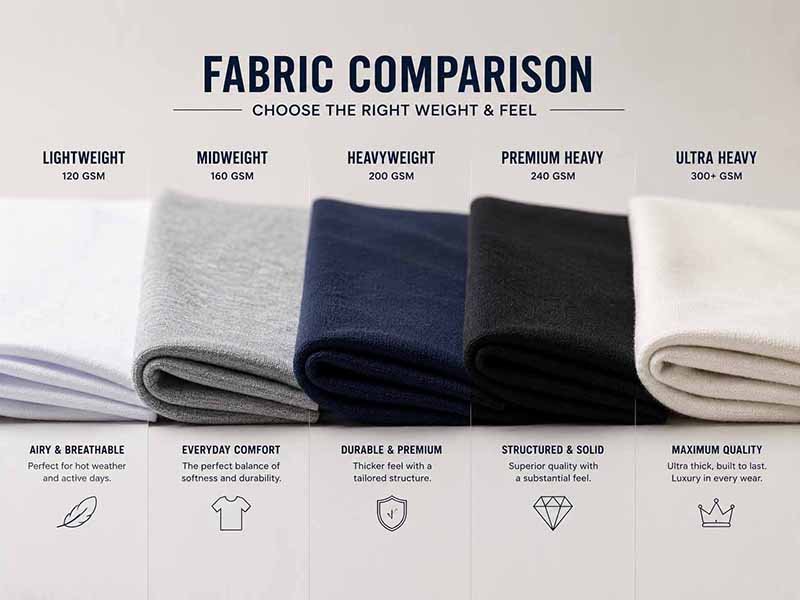
For most commercial bodycon dresses, 200–300 GSM is the best practical starting range, because it usually provides a workable balance of close fit, coverage, recovery, comfort and sewing stability. Lighter 160–220 GSM fabrics can suit summer, ruched or softer bodycon styles, while more supportive, structured or sculpting dresses often perform better around 280–400 GSM or above. However, there is no single “perfect” GSM for every bodycon dress. The best fabric weight is ultimately the lowest stable weight that can meet the actual fit, opacity, recovery and wear requirements of the intended silhouette, while also considering stretch direction, knit density, colour, lining, garment length and negative ease. Increasing weight beyond that point does not automatically improve quality; it may instead add stiffness, heat, seam bulk and unnecessary garment weight. The final decision should therefore be confirmed through stretch, recovery, opacity, shrinkage, fit and wear testing using the actual production fabric and colour.
What Fabric Weight Is Best?
For most commercial bodycon dresses, 200-300 GSM is the most useful starting range. Softer summer or ruched styles may work at 160-220 GSM, while supportive and sculpting dresses often need 280-400 GSM. The correct choice still depends on knit density, stretch, recovery, color, lining, garment length and the amount of negative ease built into the pattern.
What GSM Really Tells You
GSM means grams per square meter. It tells a development team how much a square meter of fabric weighs, giving mills, manufacturers and brands a common numerical reference. That makes GSM far more useful than vague requests such as “medium-heavy jersey” or “thick stretch fabric.” A target of 240 GSM with an agreed tolerance can be checked during sampling and incoming fabric inspection, while a subjective description cannot be controlled in the same way.
The number still has limits. GSM does not directly measure thickness, compression, softness, opacity or quality. A lofty brushed knit can feel thick while remaining easy to stretch and relatively transparent. A compact nylon-spandex double knit can feel thinner but offer better coverage and stronger recovery. Yarn size, stitch density, finishing, fiber blend and construction all influence how the weight is distributed and how the material behaves on the body.
For bodycon development, GSM should therefore sit beside several other specifications: composition, usable width, two-way or four-way stretch, stretch percentage in both directions, recovery after extension, shrinkage, surface finish and opacity at the intended wearing stretch. The number is a valuable filter, but the garment performance decides whether the fabric is actually suitable.
Practical Weight Ranges
Experienced product teams normally begin with a range rather than a single “perfect” number. The right band depends on whether the dress is meant to feel light and fluid, close and comfortable, smooth and supportive, or firmly sculpting. A summer mini with side ruching can perform well in a lighter knit because the gathers disguise local tension and the style needs easy movement. A clean white midi with no surface texture usually needs more coverage and control.
Desired Effect | Practical Starting GSM | Typical Construction | Critical Checks |
Soft and lightweight | 160-200 GSM | Single jersey, fine rib, lightweight interlock | Sheerness, edge curl, seat growth |
Everyday bodycon | 200-260 GSM | Compact jersey, stable rib, light double knit | Recovery, underwear lines, hem stability |
Smooth and supportive | 260-320 GSM | Interlock, Ponte, dense jersey | Heat, seam bulk, mobility |
Sculpting | 320-400 GSM | Dense double knit, compression knit | Pressure, zipper strain, range of motion |
Bandage-style structure | 400 GSM and above | Engineered elastic panels or heavy bandage knit | Garment weight, seam stress, comfort |
These ranges are practical development starting points, not universal standards. A dense 230 GSM fabric can outperform a loose 280 GSM knit in opacity and recovery. Color also changes the decision. Black may pass at a lower weight, while white, ivory and pale pastels often need a denser construction, a lining or a modest increase in GSM. Each approved colorway should be tested rather than assumed to behave like the darkest sample.
Match Weight to Dress Type
A bodycon dress is not one product category with one technical answer. A casual tank mini, a lined occasion midi and a sculpting party dress place different demands on the fabric. Lightweight styles benefit from softness and breathability, but the pattern must avoid excessive extension at the bust and seat. Everyday fitted dresses need a reliable balance of comfort and recovery. Occasion pieces usually require better surface smoothness, stronger color depth and more control around zippers, cups, cutouts or internal support.
Garment length also matters. A mini carries less total fabric mass but can ride upward when the knit is too slippery or stretches too easily. A midi must move around the knee without climbing or creating persistent horizontal folds. A maxi can become surprisingly heavy, especially when the fabric exceeds 300 GSM, and that weight may pull on straps, necklines and waist seams. The best GSM is therefore the lowest stable weight that passes the actual fit, opacity and wear requirements for the specific silhouette.
Design details can shift the answer as well. Ruching and prints may make a lighter material more visually forgiving. A clean column silhouette exposes every flaw and often benefits from a firmer base. Corset seaming, cups, boning and lined panels create extra layers, so an overly heavy shell can make the dress bulky. Open-back and halter styles need enough stability to hold their shape without relying on shoulder coverage. The fabric decision should be made with the finished construction in mind, not from a roll viewed in isolation.
When Heavier Is Not Better
Higher GSM can improve coverage and support, but it can also create new problems. Thick seam allowances may leave visible ridges along the side seam, neckline or zipper. Dense fabric can trap heat, reduce breathability and make a party dress uncomfortable after several hours. A heavy full-length garment may pull downward and distort the upper body. In gathered or ruched designs, extra weight can produce bulky folds instead of the soft drape shown in the original concept.
Cost is another consideration. Heavier fabric uses more material by mass and may increase freight weight, but the larger commercial risk is an incorrect hand feel. A minimal second-skin dress can lose its appeal if it feels like outerwear, while a supposed sculpting style can disappoint if it is too soft. The development target should not be “the heaviest fabric possible.” It should be a fabric that delivers the promised coverage, fit, recovery and comfort with no unnecessary weight.
A useful approval rule is to stop increasing GSM once the fabric passes the product requirements. It should remain acceptably opaque at target stretch, recover after repeated extension, sit cleanly at seams, allow normal sitting and walking, and remain dimensionally stable after the intended care process. Beyond that point, more weight may add cost and stiffness without adding value for the wearer.
How Does GSM Affect Fit?
GSM affects how closely a bodycon fabric follows the body, how strongly it smooths surface contours and how stable the dress remains during wear. Lighter fabrics usually cling and drape more freely; heavier compact knits tend to bridge small body irregularities and provide more support. Fit still depends on stretch direction, recovery, negative ease, seam placement and pattern balance.

Cling, Drape and Smoothness
Lightweight knits follow small changes in the body and undergarments. That can create an attractive second-skin effect, but it can also reveal bra edges, shapewear seams, pocket bags and local tension. A heavier compact knit has more body and often bridges these small variations, producing a smoother surface. This is one reason a 260 GSM double knit may look more polished than a 180 GSM jersey even when both garments measure correctly.
Drape is not controlled by weight alone. Viscose-rich fabrics can be relatively heavy and still fall fluidly, while a lighter compact synthetic knit may hold a firmer shape. The useful question is how the fabric behaves both vertically and under horizontal extension. Bodycon dresses need enough drape to move naturally, but excessive fluidity can make the material collect at the waist or grip the thighs. Too much firmness can create a tube-like silhouette and limit the intended softness.
Surface smoothness also changes with the knit structure. Single jersey tends to show more local tension and can curl at cut edges. Interlock and Ponte usually provide a more balanced surface. Rib knit breaks up visual tension through texture, which can be flattering, but the ribs may open widely over the hip. Fit approval should include front, side and back views while standing, sitting and walking, because a fabric that looks clean in a static image may behave very differently in motion.
Stretch, Recovery and Compression
Stretch describes how far a fabric can extend; recovery describes how well it returns. Both are more important to bodycon fit than GSM on its own. A heavy knit made with weak elastic yarn can still bag at the seat, while a lighter performance knit can recover cleanly after repeated movement. Product teams should record stretch in the width and length directions and check immediate as well as delayed recovery after the fabric is released.
A common calculation uses a marked 10 cm specimen. If it stretches to 15 cm, the fabric has 50% stretch in that direction. The specimen should then rest and be measured again. Any remaining length shows residual growth. There is no single acceptable number for every dress because casual jersey, fitted occasionwear and sculpting products make different promises. What matters is that the chosen requirement is defined and tested consistently.
Compression is often misunderstood. A fabric does not become sculpting merely because it is heavy. Compression comes from resistance to extension, strong recovery and the amount of negative ease in the pattern. A 320 GSM fabric that stretches very easily may cling without smoothing. A 280 GSM compact knit with controlled extension may provide more support. Stronger compression also affects comfort, zipper selection, seam strength and grading, so it should be designed rather than added casually.
Length and Garment Weight
The same fabric can behave differently in a mini, midi and maxi because the finished garment weight changes. A mini has less vertical load, but it is vulnerable to riding up when the fabric is light, smooth or highly elastic. A midi must pass the knee and recover after repeated walking. A maxi places continuous downward load on the upper body, which can lengthen straps, distort a halter neckline or pull a waist seam out of position.
Vertical stretch deserves special attention. Some knits are stable across the width but grow noticeably in length once the complete garment hangs for several hours. This is particularly important for viscose blends, heavy rib knits and full-length dresses. Development samples should be measured immediately after sewing, after hanging and after wear. The hem should be assessed again after laundering or steaming because finishing can release additional growth.
The total garment weight can be more informative than GSM alone. A 300 GSM mini may feel substantial but manageable, while the same material in a long-sleeve maxi can become physically heavy. Linings, cups, zippers, embellishment and double layers add further mass. When the finished piece feels heavier than the design requires, a slightly lighter but more stable knit often performs better than simply keeping the highest GSM available.
Pattern Adjustments by GSM
A pattern developed for one fabric should not automatically be used for another just because the composition looks similar. Changes in GSM, stretch and recovery alter the amount of negative ease the garment can tolerate. A softer, lighter fabric may need less reduction to avoid transparency and horizontal strain. A firmer double knit may need more opening at the neckline, a longer zipper or revised seam shaping so the wearer can dress comfortably.
Fit Variable | What to Record | Typical Effect on the Dress | Development Risk |
Crosswise stretch | Extension from a marked length | Controls ease over bust, waist and hip | Too much causes cling and growth; too little restricts dressing |
Lengthwise stretch | Vertical extension and hanging growth | Affects hem level, straps and neckline balance | Long dresses may lengthen during wear |
Recovery | Residual growth after release and rest | Controls seat, knee and waist stability | Poor return creates bagging |
Negative ease | Body measure minus garment measure | Creates close fit or compression | Excess reduction causes sheerness and seam strain |
Finished garment weight | Complete sample weight | Changes vertical pull and comfort | Heavy styles distort upper-body fit |
Pattern changes should be based on the approved production fabric, not only on the first sample yardage. Even a small shift in finishing can alter stretch and recovery. Critical fitted areas include the upper bust, under-bust, waist, high hip, full hip and thigh. Side seams should remain vertical, and the fabric should not form persistent drag lines. Grading must preserve the intended contour across sizes rather than applying mechanical increments that ignore how the fabric stretches on different body proportions.
For highly fitted styles, a short fit note is rarely enough. Clear photographs, measurements and comments should explain whether the issue comes from pattern shape, material extension or construction. That distinction prevents repeated corrections. Taking in a side seam may hide excess width in one size but create excessive tension in another. A better solution may be a different fabric, a revised panel line or a change in negative ease by body zone.
Which Fabrics Suit Each Weight?
Jersey suits softer bodycon dresses, rib knit adds texture and high stretch, Ponte and interlock provide smoother support, and scuba creates cleaner structure. Polyester-spandex and nylon-spandex usually offer dependable recovery, while viscose and cotton blends give a softer hand but often need closer growth and shrinkage control. Construction matters as much as the stated GSM.

Jersey and Rib Knit
Stretch jersey is widely used because it can create a soft, close fit at a practical cost. Lightweight single jersey around 160-200 GSM works for gathered, ruched or layered summer styles. Compact jersey around 200-260 GSM is usually more dependable for everyday fitted dresses because it offers better coverage and sewing stability. The main risks are edge curl, spirality, surface shine under tension and seat growth after prolonged wear.
Fiber blend changes the result. Viscose-spandex jersey feels fluid and cool but can grow if the structure and finishing are not well controlled. Cotton-spandex feels familiar and breathable, although it may retain moisture and lose a crisp surface after repeated washing. Polyester-spandex generally offers stable color and practical recovery. Nylon-spandex can feel smoother and more resilient, making it useful for premium fitted products and performance-influenced silhouettes.
Rib knit normally sits around 190-300 GSM for bodycon applications. Its vertical texture breaks up the surface and can make a close fit look more forgiving. However, the rib columns open under extension, so a fabric that appears dense on the cutting table may become visibly open across the hip. Teams should measure rib width before and after stretching, check opacity between the columns and monitor neckline or armhole growth. A stable medium-weight rib is safer for dresses than a lightweight rib originally developed for tops.
Ponte and Interlock
Ponte Roma is a strong option when the dress needs coverage, shape retention and a cleaner surface. It is a double-knit construction and commonly appears in practical bodycon ranges around 240-360 GSM. Ponte cuts more cleanly than single jersey, resists edge curling and usually supports stable seams. These characteristics make it suitable for polished fitted midis, office-to-evening dresses, autumn collections and occasion styles that need contour without an obvious shapewear feel.
Not every fabric sold as Ponte performs equally. Low-quality versions can pill, feel rubbery, lose recovery or develop shine. Rayon or viscose content may improve softness but can increase sensitivity to shrinkage and moisture. Polyester-rich Ponte often feels more stable but may be warmer. The approved quality should be tested for pilling, recovery, dimensional change, seam appearance and comfort rather than accepted on the basis of the fabric name.
Interlock is another balanced double knit. It tends to have a smooth face on both sides and can provide better stability and opacity than single jersey. Medium weights around 200-300 GSM are useful for fitted dresses that need softness with a more controlled surface. Interlock is often less bulky than heavy Ponte, which makes it useful for lined or layered constructions. Dense versions can still feel warm, so the final decision should consider sleeve length, season, lining and intended wearing environment.
Scuba and Bandage Knits
Scuba knit typically works in the 250-380 GSM area for structured bodycon dresses. Its smooth surface and firm body support clean panel lines, shaped necklines and sculptural details. It can produce saturated color and a modern, polished finish. The material is most successful when the structure is part of the design rather than a substitute for good pattern work. Soft ruching and delicate gathers often lose their character in an overly thick scuba.
Comfort is the main caution. Dense scuba can trap heat, especially in long sleeves, high necks or lined garments. Multiple layers create bulk at underarms, waist seams and concealed zippers. The fabric should be tested while sitting, walking and raising the arms, not only for appearance. Needle selection, stitch balance and zipper installation also need attention because thick synthetic layers can cause skipped stitches, tunneling or visible ridges.
Bandage-style fabrics are usually heavier and more resistant, often starting around 350 GSM and moving well above 400 GSM in engineered constructions. Their shaping effect may come from dense elastic panels rather than a conventional single fabric. This product category requires careful seam strength, pressure and mobility testing. A dress can look smooth while standing but feel excessively restrictive when sitting. The target should be controlled support, not maximum tightness.
Fiber Blends and Recovery
Nylon-spandex and polyester-spandex blends often provide the most reliable recovery for commercial bodycon programs, but the fiber label is not a performance guarantee. Elastane percentage, yarn quality, stitch formation, finishing temperature and fabric width all influence the result. Five percent elastane in one knit can behave very differently from five percent in another. The finished material must be tested rather than approved from composition alone.
Fabric Type | Useful Starting GSM | Best Suited To | Watch Closely |
Single jersey | 160-240 GSM | Soft minis, ruching, casual fitted dresses | Sheerness, curling, spirality |
Rib knit | 190-300 GSM | Textured tank, long-sleeve and casual bodycon styles | Rib opening, width growth, neckline distortion |
Interlock | 200-300 GSM | Smooth fitted styles and lined dresses | Heat, vertical growth, recovery |
Ponte Roma | 240-360 GSM | Polished midis, office and supportive occasionwear | Pilling, stiffness, reduced drape |
Scuba knit | 250-380 GSM | Structured party and sculptural bodycon dresses | Breathability, seam bulk, zipper appearance |
Bandage construction | 350 GSM and above | Firm shaping and compression-led silhouettes | Comfort, seam strain, finished garment weight |
Viscose-nylon-spandex blends are popular in compact knits because they combine softness with structure. Cotton-spandex offers a natural hand but may show more moisture retention and growth. Recycled synthetic blends can perform well, but the same testing rules apply. Product teams should compare actual recovery, pilling, shrinkage and opacity rather than treating one fiber family as automatically superior.
The most useful material choice is the one that continues to perform after dressing, movement, care and repeated wear. Initial hand feel can be persuasive but misleading. A fabric that feels soft in the showroom may lose shape after an hour. A firmer quality may relax slightly after finishing and become comfortable in the garment. Testing the finished color and production lot is the only reliable way to connect the blend description with the customer experience.
How Do You Prevent Sheerness?
Prevent sheerness by testing fabric at the dress’s real wearing extension, not in a relaxed state. Pale colors, loose knits and lightweight constructions often need greater stitch density, a modest GSM increase, lining or double layers. Opacity should be checked across the bust, seat and thigh under daylight, retail lighting and camera flash before the colorway is approved.

Test Opacity Under Stretch
A knit can look completely opaque while relaxed and become transparent as the loops open across the body. The highest extension often appears at the bust, full hip, seat and upper thigh. These areas should guide the test. A simple internal method uses a marked 10 cm section stretched to 12, 13 and 14 cm, representing 20%, 30% and 40% extension. A high-contrast card or printed grid placed behind the fabric makes changes easier to see.
The test should match the actual garment. If the finished hip measurement creates approximately 30% extension on the target body, reviewing the fabric at only 10% stretch says very little. Front and back surfaces should both be checked because some knits show different coverage. The test should also be repeated in each final color and, where relevant, after laundering or heat setting. Finishing can change compactness and opacity.
Photographs should be taken under consistent lighting and at a fixed distance. Daylight, bright retail lighting and camera flash can reveal different problems. Party and occasion dresses are frequently photographed, so flash performance matters. The aim is not to promise that every pale fitted dress will be invisible over every undergarment. It is to define an acceptable appearance for the product and verify that the approved construction meets it at realistic tension.
Light Colors and Flash
White, ivory, beige, pale pink and pastel bodycon dresses usually need more careful development than black. The contrast between skin, underwear and the fabric makes local stretching easier to see. Even when the same base quality is used, dyeing and finishing can alter the hand, density and perceived coverage. A black approval sample should never be treated as automatic approval for the white colorway.
Increasing GSM can help, but it is not the only answer. A denser knit at the same weight may provide better coverage. Finer yarns can create more even loop coverage. Reducing negative ease in high-tension zones may improve opacity without changing the material. Matching or skin-tone lining can solve the problem while preserving the outer fabric’s drape. Ruching, texture and prints reduce visual contrast, although they do not make a physically transparent fabric opaque.
Flash photography is particularly revealing because it can penetrate pale synthetic fabrics and highlight seam allowances, pocketing or cups. A sample should be photographed from the front, side and back with the intended lining and undergarment conditions. Internal components should match the color logic of the garment. A white shell over bright white cup foam may create visible edges, while a better-matched internal material can produce a cleaner result without adding excessive shell weight.
Lining and Double Layers
Lining is often more precise than simply choosing a heavier shell. A soft 190 GSM jersey may create beautiful ruching and movement, but replacing it with a 280 GSM fabric can make the folds bulky. A lightweight stretch lining can improve opacity while preserving the intended outer appearance. The lining can cover the full garment or only the bodice, skirt, seat or other high-risk zones.
The lining must stretch in harmony with the shell. If it has less extension, it can restrict movement, pull the outer fabric out of shape or break at the seam. If it is too loose, it may wrinkle under the dress and create visible ridges. Stretch direction, recovery and shrinkage should therefore be checked for both layers. The two materials should also be washed or finished together during development to reveal differential shrinkage.
Self-fabric double layers create a clean finish and consistent surface, but they can double the weight and heat. Power mesh is useful for targeted smoothing, although it can increase compression and may need softer seam finishing. Internal modesty panels help around cutouts, low backs and side openings. The correct solution depends on the product promise: a casual summer mini needs a lighter system than a supportive evening midi.
Construction That Improves Coverage
Pattern and construction can reduce sheerness even when the base fabric stays the same. Excessive negative ease concentrates tension and opens the knit. Redistributing ease through contour seams, curved panels or slightly revised measurements can produce a smoother result. Ruching and gathers break up the surface, while strategically placed double layers support the bust, waist or seat without adding weight everywhere.
Seam placement matters because seam allowances can show through pale fitted fabric. Wide, uneven allowances create visible ridges. Bulky overlock seams may be inappropriate under a smooth lightweight shell. Narrow, consistent allowances, suitable stitch density and careful pressing improve the outer appearance. Underwear-friendly design also matters: bra-compatible back heights, properly positioned cups and thoughtful lining edges reduce the chance that the wearer needs additional layers that become visible.
Prints and dark colors can make minor show-through less noticeable, but they should not be used to disguise a failed material. Fine stripes may reveal distortion around the body, and digital prints can “grin” when the knit opens and exposes a lighter base. Printed fabric should be tested for motif distortion, seam matching, color loss under stretch and opacity. A good bodycon dress is engineered so that the coverage remains acceptable before visual camouflage is considered.
How Should Brands Test and Specify GSM?
Brands should measure GSM from several fabric locations and combine it with stretch, recovery, opacity, shrinkage and wear testing. The technical pack should state target GSM, tolerance, composition, width, stretch direction, recovery and the approved quality reference. Bulk fabric, final color and pre-production fit should be confirmed before cutting begins, especially for pale or highly fitted styles.

Measure GSM Correctly
GSM is commonly checked with a calibrated cutter and a precision balance. The cutter removes a specimen of known area, and the weight is converted to grams per square meter. The method is straightforward, but the sampling plan determines whether the result is useful. A single piece from the roll edge can hide variation across the width or between different sections of the lot.
Readings should be taken from the left, center and right of the usable width and from more than one roll position. The average matters, but the spread between readings matters as well. A lot that averages 240 GSM can still create inconsistent garments if some sections are close to 220 GSM and others near 260 GSM. The brand and supplier should agree a tolerance that reflects the fabric type, finishing process and product risk.
Samples should be conditioned according to the company’s test procedure when accurate comparison is needed. Moisture, relaxation and finishing can influence the reading. Bulk fabric should be compared with the exact quality used for fit approval, not merely with a generic fabric code. Each color should be reviewed because dyeing and finishing can change compactness, width, hand feel and stretch even when the nominal construction remains the same.
Test Fabric as a System
A bodycon fabric is part of a system that includes pattern reduction, seams, lining, trims, care and wearer movement. GSM alone cannot confirm whether that system will work. Internal testing should include crosswise and lengthwise stretch, immediate and delayed recovery, opacity at target extension, dimensional stability, pilling, colorfastness, seam appearance and vertical hanging growth. The exact test plan should match the product rather than follow one checklist mechanically.
Wear testing is essential. A sample should be worn long enough to include sitting, walking, stairs, bending and repeated dressing. Measurements at the waist, hip, seat, knee and hem can be compared before and after wear. The team should record whether the fabric bags, rides up, twists, becomes shiny or feels excessively hot. These observations often reveal problems that a small laboratory strip cannot show.
The first prototype may expose a conflict between performance goals. A fabric can recover very well but feel too restrictive. A soft quality can be comfortable but show every undergarment edge. A lined version may solve opacity but trap heat. Development is the process of balancing these outcomes. The correct material is the one that meets the most important product requirements without creating a worse problem elsewhere.
Write a Useful Tech Pack
A useful tech pack describes the fabric in measurable terms. “Soft, thick, stretchy jersey” is not enough because each word is subjective. The material section should identify the approved supplier quality or reference sample, composition, target GSM, tolerance, usable width, knit construction, color standard, stretch in both directions, recovery expectation, finish, shrinkage limits and lining requirements.
Specification Item | What to Record | Why It Matters | Approval Stage |
GSM and tolerance | Target weight plus agreed allowable variation | Controls bulk consistency and hand feel | Fabric approval and incoming inspection |
Stretch and recovery | Width/length stretch plus residual growth method | Protects fit, comfort and shape retention | Lab review and fit sample |
Opacity | Pass condition at defined garment extension and color | Prevents show-through in fitted zones | Color sample and pre-production sample |
Shrinkage and growth | Care method, dimensional change and hanging check | Protects measurements and hem level | Before pattern lock and before bulk |
Approved reference | Supplier code, swatch, lot or sealed sample | Prevents unapproved substitution | Development through production |
Construction compatibility | Needle, stitch, seam, lining and zipper notes | Reduces puckering, bulk and seam failure | Prototype and pre-production review |
The tech pack should connect fabric performance with fit. Finished garment measurements at the bust, waist, high hip and full hip help the manufacturer estimate the actual extension on the intended body. For pale styles, the opacity requirement can state the test background and the target stretch rather than simply saying “not see-through.” For sculpting products, the pack should explain whether the aim is close fit, light support or firm compression.
An approved-substitute process is equally important. If the original fabric becomes unavailable, a replacement should not be accepted because it matches composition and GSM alone. It should be compared for width, stretch, recovery, opacity, finish and shrinkage, followed by a fit review where the risk is high. This prevents a seemingly minor sourcing change from altering the complete garment.
Control Sample-to-Bulk Consistency
Sample-to-bulk consistency begins before cutting. The production fabric lot should be checked against the approved sample quality for GSM, width, composition, shade, stretch, recovery and finish. Shrinkage should be known before final pattern markers are released. Pale colors, highly fitted silhouettes and fabrics with strong vertical growth deserve tighter attention because small material changes can become obvious on the body.
A pre-production sample made in the actual bulk fabric is the safest point for final confirmation. It should include the correct lining, zipper, cups, elastic, labels and key construction. Measurements, seam appearance, opacity and mobility should be reviewed together. When the style is difficult, a controlled first-piece or pilot run allows the team to confirm machine settings, handling methods and pressing before full production continues.
During production, roll and shade grouping help prevent visible variation between garment panels. Cutting teams should respect nap, direction and relaxation requirements. Inline inspection should focus on risks specific to bodycon dresses: measurement drift, seam puckering, skipped stitches, uneven hems, zipper waves, distorted necklines, transparency and lining tension. Final inspection should confirm both appearance and measurement, but the strongest control occurs earlier, when the material and method are still adjustable.
A stable process keeps the approved sample from becoming a one-off success. The goal is not only to create one attractive prototype, but to reproduce the same fit, surface and wearing experience across colors, sizes, production lines and repeat orders. That is where clear GSM specifications, fabric testing and disciplined pre-production work become commercially valuable rather than merely technical paperwork.
Share:
Our Services
Categories
Table of Contents
Here, developing fashion collections is more than manufacturing garments — it’s a collaborative process focused on transforming ideas into well-executed, market-ready products. From fabric sourcing and sample development to scalable production and delivery coordination, every stage is built to support quality, consistency, and efficient collection launches across global markets.