
Custom Dress Manufacturer for Australian Private Label Dress Brands
Dress-focused development, sampling and controlled bulk production for established Australian fashion labels, product teams and sourcing offices.
- 30+ years of fashion dress development experience supporting commercially focused womenswear programs.
- 16 owned womenswear factories, 20+ satellite factories, 300 sewing lines and 50+ quick-response lines across the manufacturing network.
- 15,000-35,000 sample developments per month, supporting 3,000-8,000 style development and sampling workflows across the group.
- Structured control from design review, fabric and trim coordination, pattern development and fit correction to PP approval, bulk QC and branded packing.
- China-based manufacturing for Australian private label collections, with project planning aligned to launch windows, freight arrangements and approved destination requirements.
Dress Manufacturing Built Around Established Australian Fashion Teams
Private Label Brands
Ecommerce Fashion Brands
Online-led fashion labels depend on strong visual presentation and reliable replenishment. Product photographs may create the first sale, but fabric behaviour, construction, measurements and finishing determine returns and repeat purchases. Duolan connects photo-ready development with production-ready standards so the delivered garment remains aligned with the approved version.
Product Development Teams
Buying And Sourcing Teams
Procurement and sourcing functions evaluate documentation, capacity, compliance, quality checkpoints, communication discipline and delivery readiness. Duolan provides a structured route through feasibility review, sample planning, bulk readiness, production allocation, inspection and shipment preparation rather than relying on informal verbal promises.
What Australian Dress Brands Need From A Manufacturer
Dress Category Depth
Accurate Development
Material Coordination
Fit And Grading
Bulk Consistency
Scalable Coordination
A 20-style launch program requires more than sewing capacity. Sampling priorities, material readiness, production paths, critical operations, QC checkpoints and packing schedules must be coordinated by style. Duolan uses owned factories, flexible lines and satellite capacity according to order stage and complexity.
Supply Risks And The Controls Applied Before Production
Experienced brand teams evaluate where a dress program can fail, not only whether a supplier can produce a first sample. Each risk below is linked to a defined control point and a clear production outcome.
| Risk | Duolan Control | Expected Outcome |
|---|---|---|
| Design-to-sample mismatch | Design and construction feasibility review | Key proportions, openings, support, fabric behaviour and sample purpose are clarified before pattern work begins. |
| Fabric and silhouette conflict | Fabric behaviour and trim review | Drape, stretch, transparency, weight, recovery, lining and bulk availability are checked against the intended shape. |
| Fit comments lose meaning | POM-based comment translation | Comments are linked to measurements, pattern balance and construction instead of being treated as surface alterations. |
| Approved sample changes in bulk | Material, BOM and workmanship locking | Production receives the approved references, measurement rules, construction points and packing instructions. |
| Complex details fail at scale | First-piece or pilot verification | Fit-sensitive and craft-sensitive operations are tested before the full quantity is released. |
| Multiple styles lose priority | Style-level production path planning | Orders are divided by style, colour, size, quantity, complexity and required delivery sequence. |
| Late approvals delay launch | Critical-path timeline control | Material, sample, PP, bulk, inspection, packing and freight approvals are mapped back from the target arrival date. |
| Repeat orders restart from zero | Pattern and production record preservation | Approved patterns, BOMs, material references, QC points and packing standards remain available for repeat production. |
Dress Development For Australian Fashion And Climate
Resort And Vacation Collections
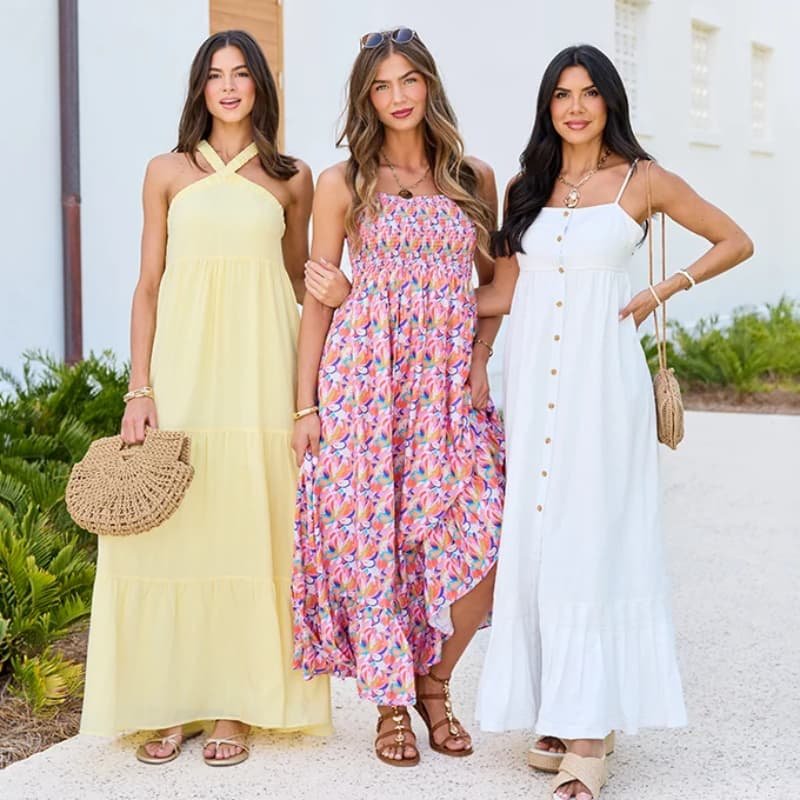
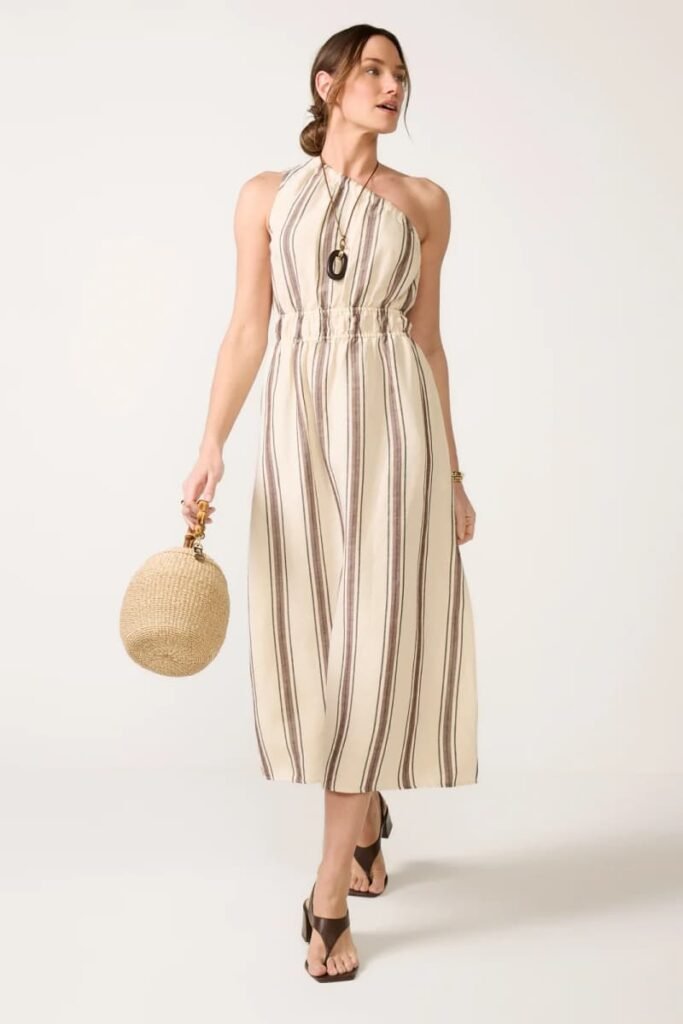
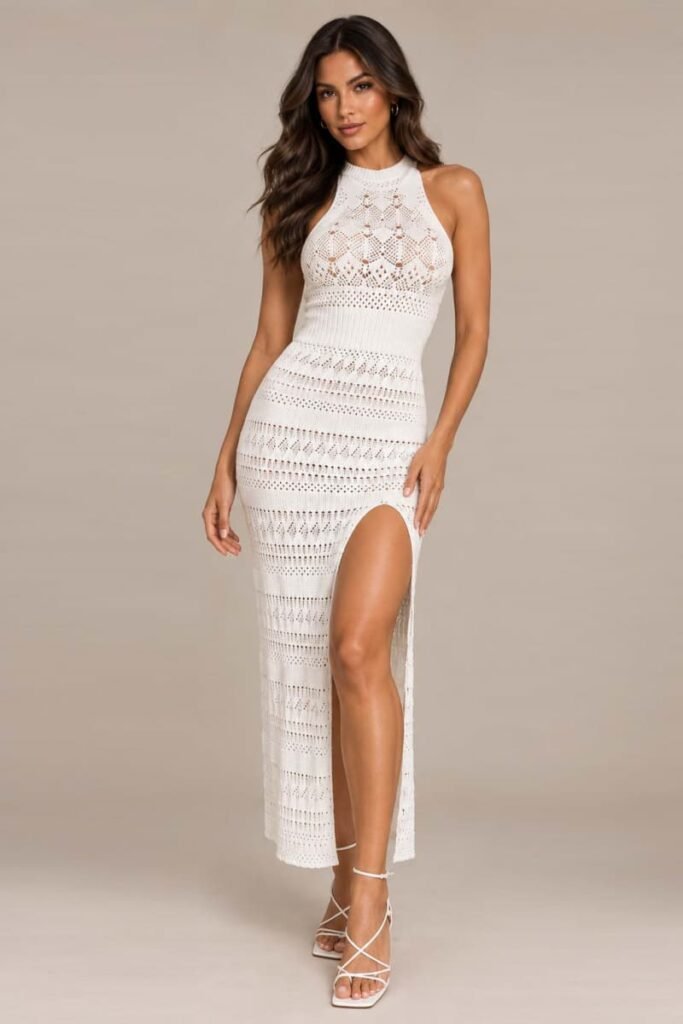
Resort dresses must feel light without becoming unstable or transparent. Maxi lengths need enough sweep for movement while avoiding excessive weight, twisting or hem distortion. Halter and backless shapes require secure load distribution across necklines, side seams, waist panels and closures. Printed fabrics also need scale and placement checks so motifs remain balanced across bodices, skirts and multiple sizes. Material planning normally considers viscose, rayon blends, cotton voile, linen blends, chiffon, georgette and lightweight crepe. Each option affects opacity, shrinkage, wrinkle recovery, drape and packing. A suitable resort fabric should recover after folding, support the intended silhouette and remain manageable during cutting and sewing.
Occasion And Wedding Guest Dressing
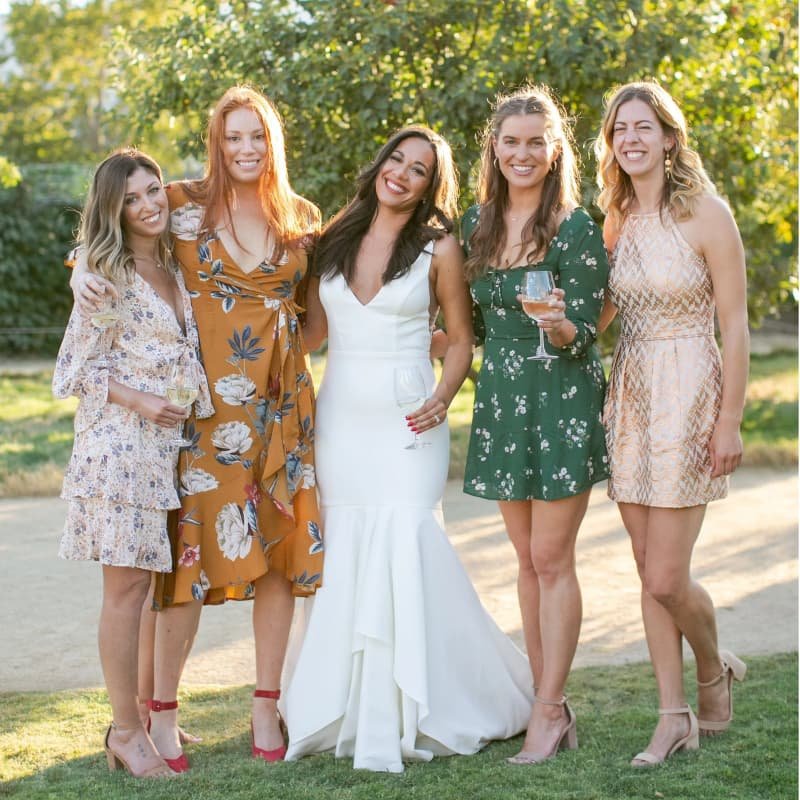
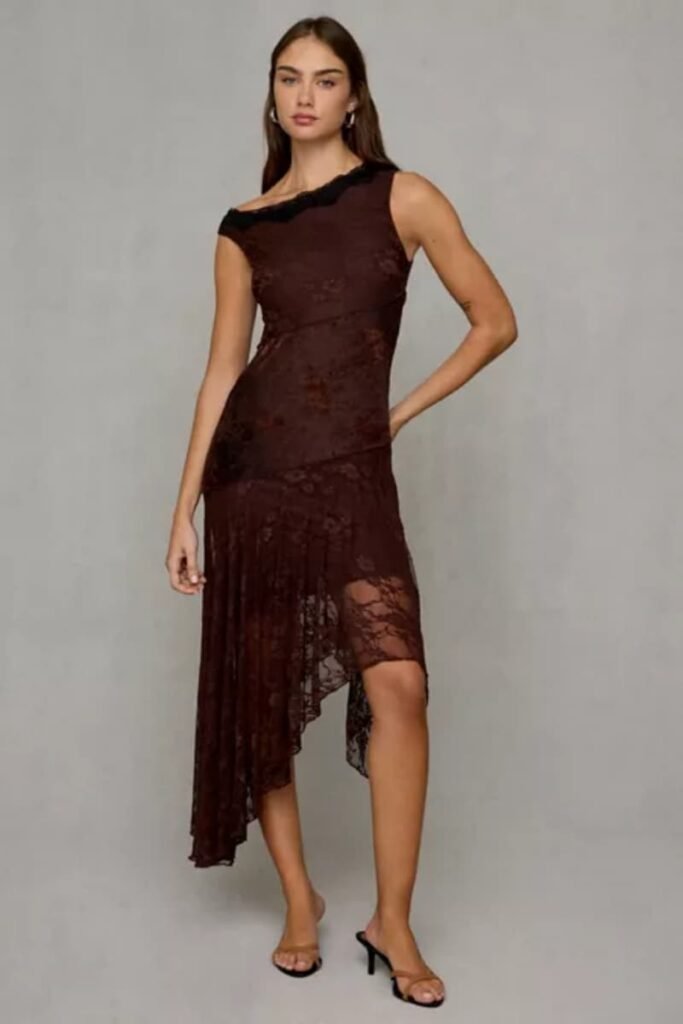
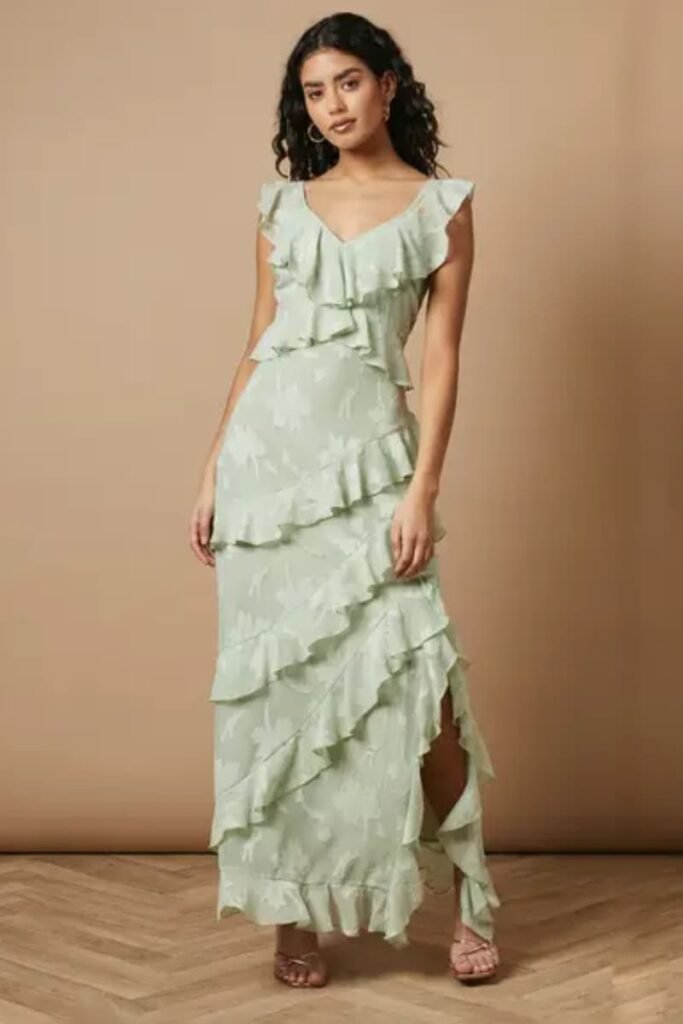
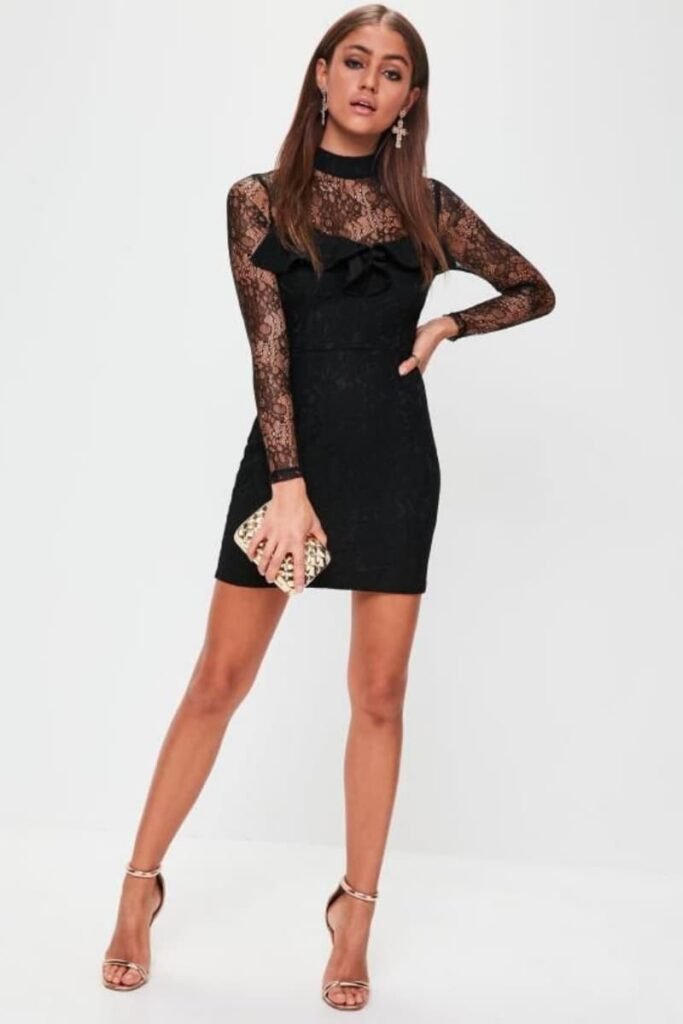
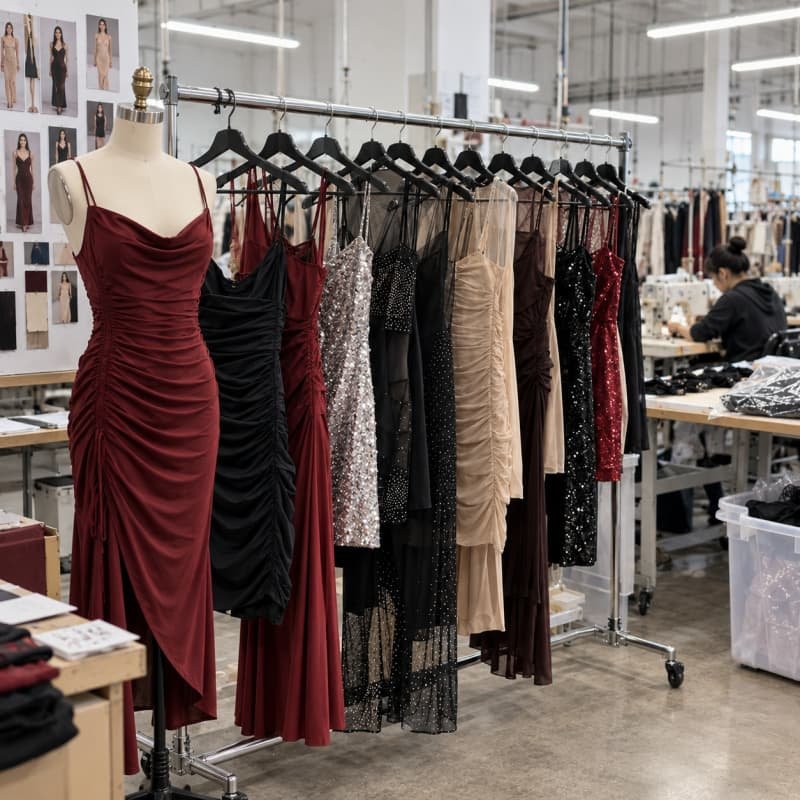
Australian occasionwear often moves between daytime ceremonies, evening receptions, cocktail events and destination weddings. Satin, crepe, lace, mesh and structured bodice designs must balance visual polish with comfort over several hours. Necklines, cups, boning, side seams, zippers and skirt movement require coordinated review because isolated corrections can change the entire fit.
Colour approval also carries commercial weight. Pale tones need transparency review, jewel tones need colour consistency under different light sources, and satins need careful shade assessment because surface reflection can exaggerate variation. Packaging and pressing standards should be confirmed before the order leaves the factory.
Summer, Festival And Going-Out Styles
Day-To-Night Ecommerce Dresses
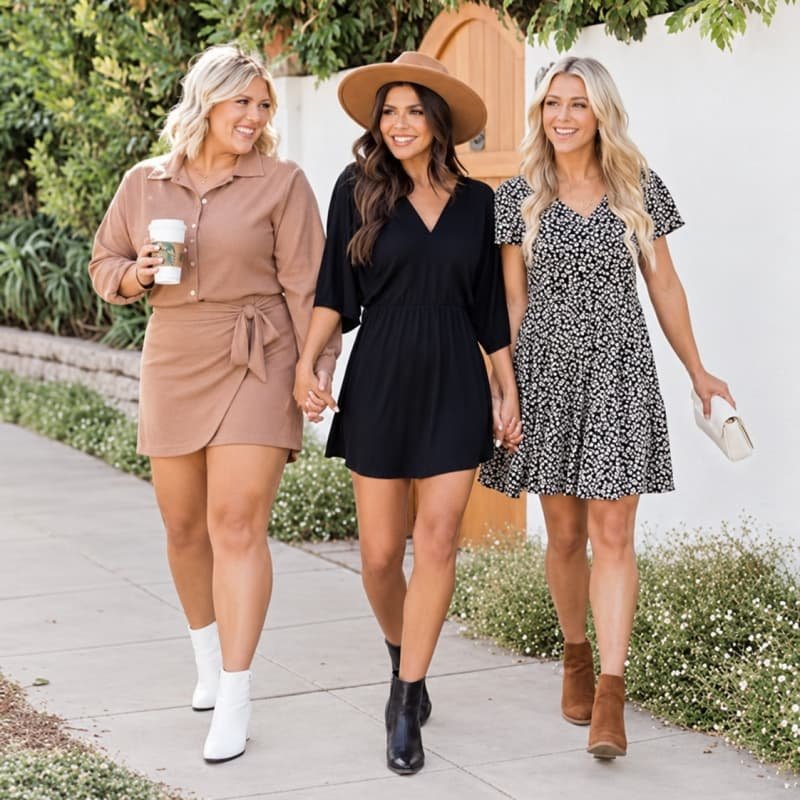
Many Australian online labels need dresses able to serve several occasions while remaining clear in product photography. Commercial shapes often depend on refined proportions rather than heavy decoration: neckline depth, waist position, skirt volume, sleeve balance and hem length must work together. Repeatable fit and reliable colour are especially important when a successful style is extended into new shades or seasonal fabrics. Duolan preserves approved pattern and product records so a validated silhouette can support colour extensions, sleeve changes, length changes or related styles without rebuilding every decision from the beginning.
Private Label Development Beyond Labels And Packaging
Product Direction
Fabric Standard
Fit Standard
Construction Standard
Brand Components
Bulk Quality Standard
Packing Standard
Reorder Standard
Patterns, BOM versions, material records, colour references, workmanship notes and quality history are retained to support extensions and repeat production.
Custom Dress Categories For Australian Private Label Collections
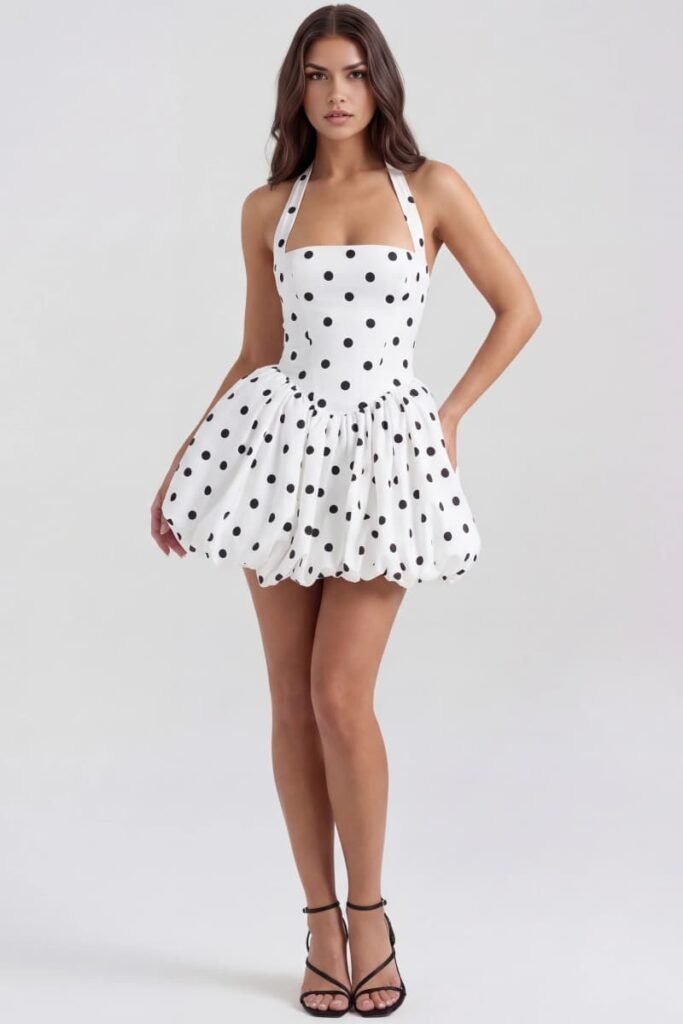
Mini Dresses
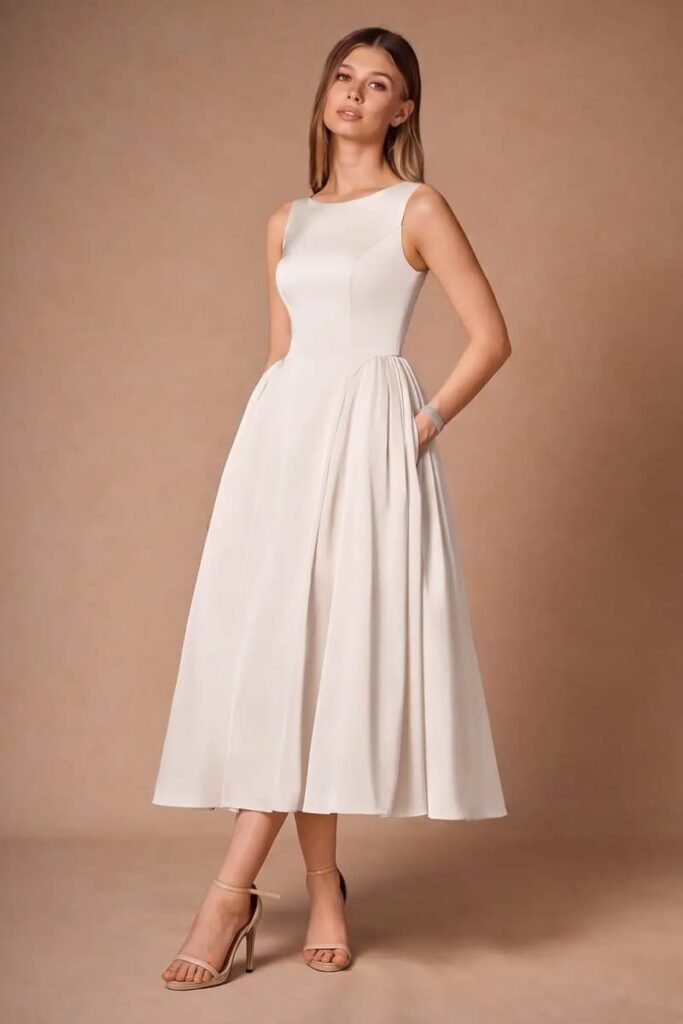
Midi Dresses
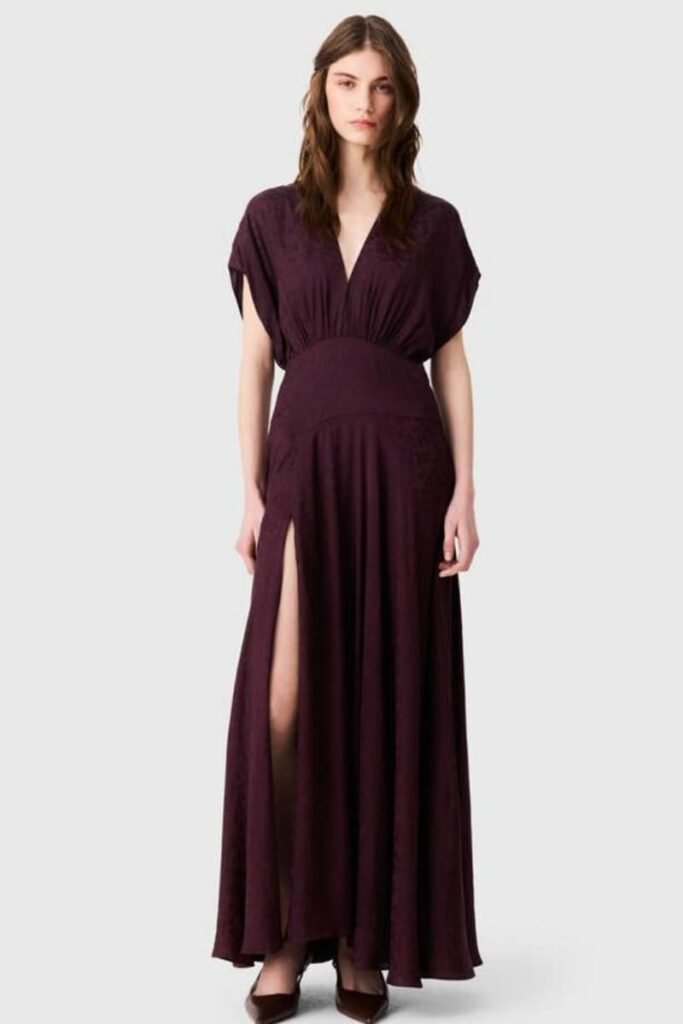
Maxi Dresses
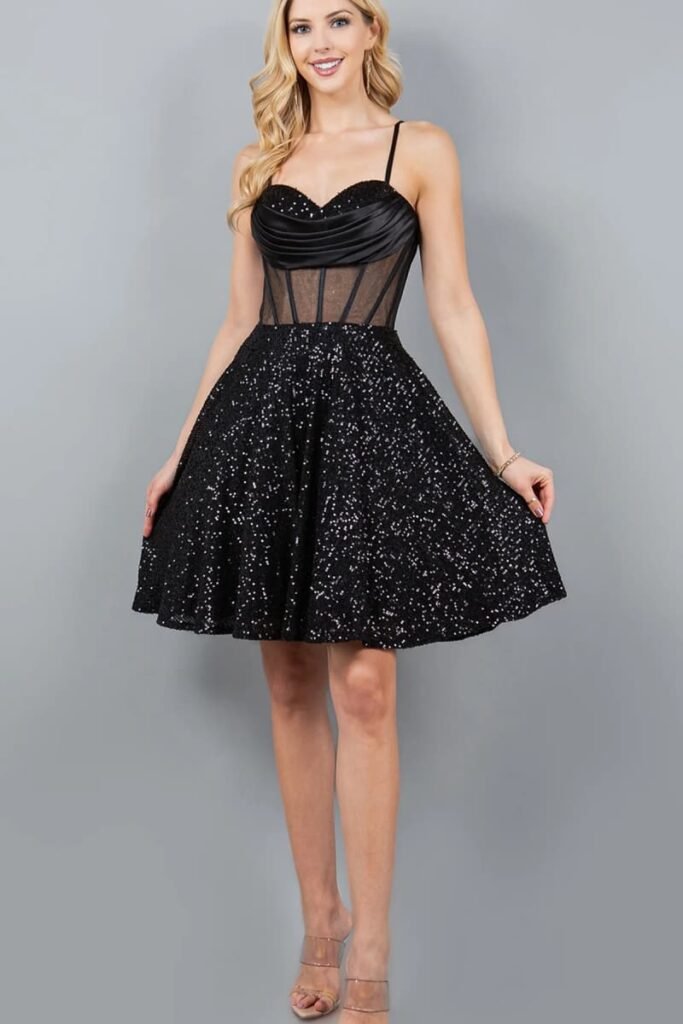
Party Dresses
Occasion Dresses
Wedding Guest Dresses
Vacation Dresses
Resort Dresses
Going Out Dresses
Bodycon Dresses
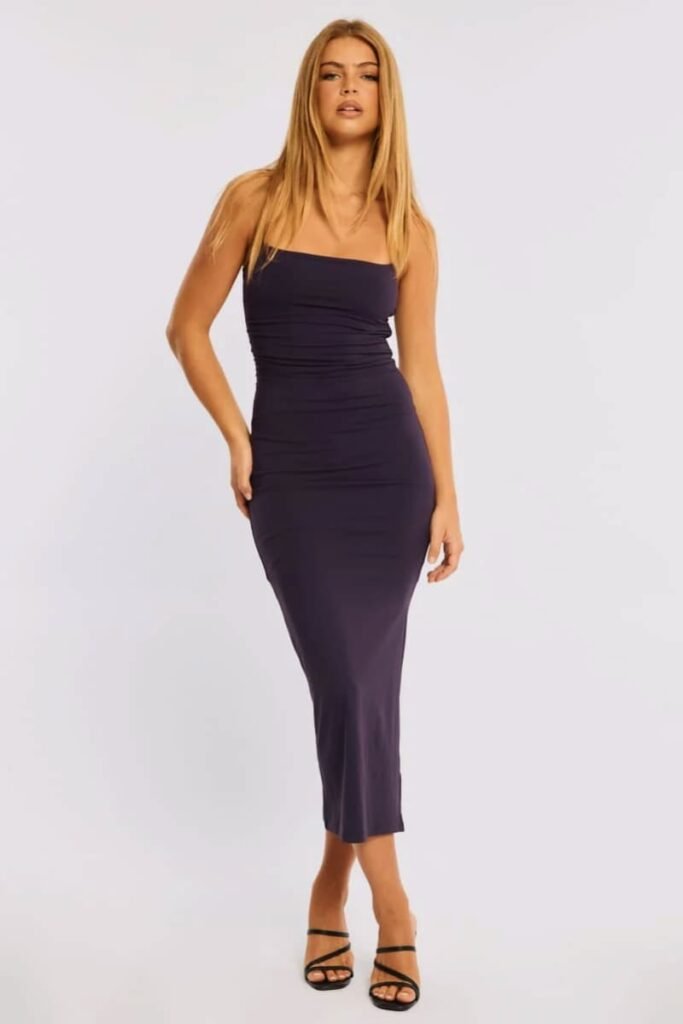
Bodycon development requires more than reducing measurements. Negative ease, fabric recovery, seam stretch, waist shaping and hem stability must be balanced. The fit standard is assessed on the intended fabric because the same pattern behaves differently across jersey, bandage knit and woven stretch.
Satin Slip Dresses
Corset Bustier Dresses
Building Commercial Collections Rather Than Isolated Styles
Define Each Style Role
A range performs better when every style has a commercial role. Image-led styles create visual identity, core commercial styles carry volume, margin-supporting styles balance the cost architecture, and repeatable shapes provide replenishment potential. Development priorities should follow those roles. A hero corset dress may need more sample rounds, while a validated midi block may move faster into colour extensions.
Duolan can group styles by complexity, fit sensitivity, material family and launch priority. The grouping influences sample order, material sourcing, approval timing and line allocation.
Control Silhouette And Colour Rhythm
A coherent collection normally balances mini, midi and maxi lengths, fitted and fluid shapes, covered and exposed constructions, solids and prints, and statement versus versatile products.
Colour planning also affects material minimums, dyeing, print development, photography and packing.
Coordinating several styles around shared fabric bases or trim systems can improve consistency and reduce fragmented sourcing, provided the shared materials suit every silhouette rather than being forced across the range.
Plan Development In Waves
All styles do not need to enter sampling on the same day. A 24-style program can be divided into high-risk development, proven commercial shapes and later colour or detail extensions. Early review of the highest-risk products protects the launch calendar because corset, satin, sequin, mesh and complex cut-out styles often require more technical confirmation than straightforward woven dresses.
Wave planning also helps the brand prepare photography, line reviews and purchasing decisions without waiting for every style to reach the same stage.
Preserve Reorder Assets
Approved patterns, size rules, BOMs, material references, colour records, workmanship notes, QC history and packing instructions should remain linked to each style.
Repeat production then begins with a controlled review of changes rather than starting from an unstructured reference.
A validated silhouette can support new colours, revised lengths, sleeve changes or related necklines while retaining the fit language that made the original style successful.
Start Development From The Information Already Available
Tech Pack Route
- Tech pack and BOM
- Size specification
- Artwork and label files
- Target quantity and delivery window
Reference Image Route
- Front, back and detail references
- Target fabric direction
- Fit description
- Required changes from the reference
Original Sample Route
- Physical sample or detailed photos
- Required improvements
- Target size range
- Material or cost changes
Sketch And Moodboard
- Sketches or CADs
- Collection mood
- Colour story
- Launch scenario
Fabric-Led Development
- Fabric swatch or specification
- Available colours
- Performance requirements
- Expected order structure
Collection Brief Route
Suitable for multi-style programs. Styles are grouped by complexity, sample priority, material family and launch sequence to form a coordinated development plan.
- Style count
- Range architecture
- Target price bands
- Campaign and arrival dates
Fabric And Trim Engineering For Fashion Dresses
Fluid Wovens And Satins
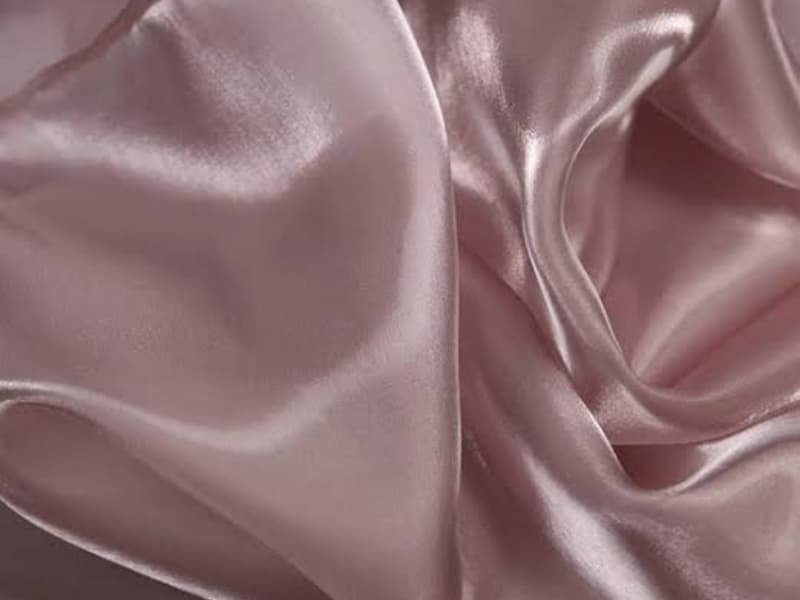
Satin, acetate blends, cupro-like fabrics, crepe, chiffon and georgette create elegant movement but expose technical weaknesses quickly. Grain direction changes drape; seam tension can create puckering; pressing can leave shine marks; lightweight pale colours can become transparent; and bias-cut sections may grow after hanging.
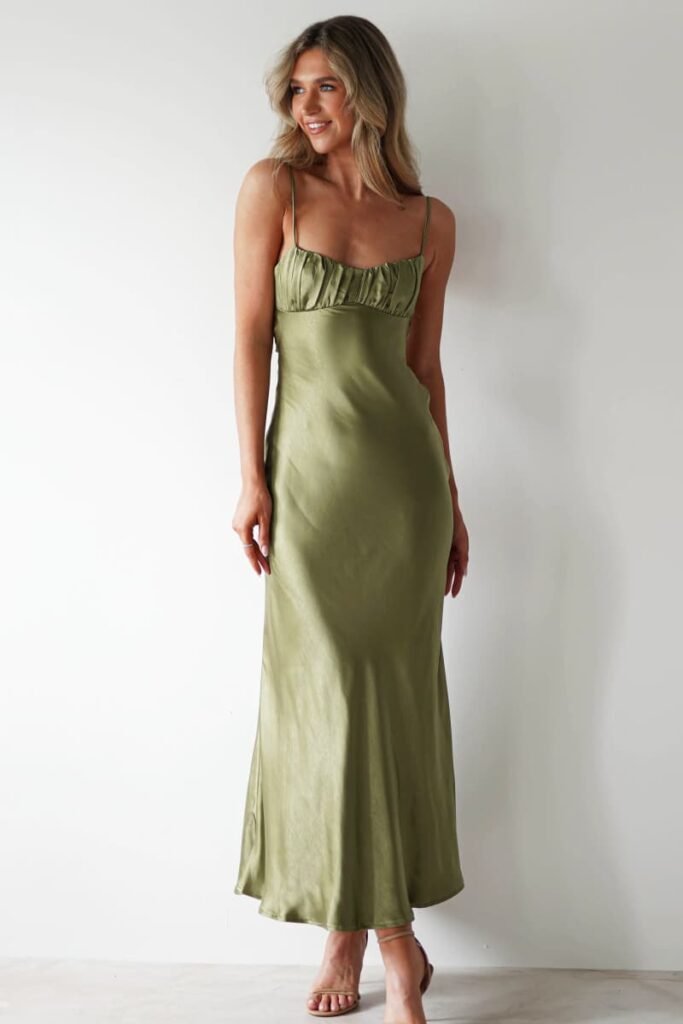
Before approval, material direction should be reviewed against silhouette and use. A slip dress may need neckline stabilisation, controlled strap construction and a hanging test. A satin corset dress may require a stable interlining so the shell retains a clean surface. A chiffon maxi dress may need layered opacity without excessive weight.
Bulk control includes shade and lot review, approved hand feel, shrinkage or relaxation considerations, surface handling and packing protection. Material locking is especially important when the sample uses a quality not readily available in the required volume.
Stretch Knits And Bodycon Materials
Jersey, rib, ponte, bandage knit and stretch woven fabrics must be assessed through stretch direction, extension percentage, recovery, weight and opacity. A fabric with high stretch but weak recovery may fit well during the first fitting and lose shape after wear. A heavier knit may improve coverage but change seam behaviour and comfort.
Pattern measurements cannot be separated from fabric performance. Negative ease, armhole shape, neckline tension, waist compression, hip movement and hem stability depend on the exact material. Test seams, reinforcement, zipper compatibility and elastic selection may be required before confirming the production route.
For repeat orders, fabric reference, composition, weight, stretch and colour information should be retained. Substituting a similar-looking fabric without fit review can change the entire garment result.

Mesh, Lace And Layered Fabrics
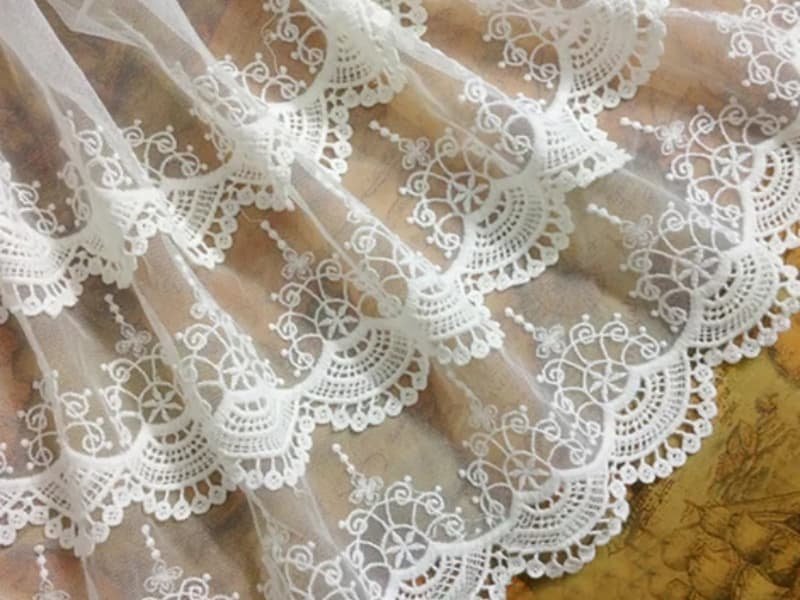
Mesh and lace introduce transparency, stretch variation, motif placement, edge treatment and skin-comfort questions. Lining boundaries must be designed rather than added at the end. A mesh panel can distort when joined to a stable fabric, while lace motifs may lose symmetry across seams or grading.
Development may include placement mapping, stretch compatibility checks, seam visibility review, elastic or binding selection and reinforcement around openings. For pale or open structures, coverage is assessed under movement and stronger lighting, not only on a static dress form.
Bulk planning must account for usable width, motif repeat, cutting yield and matching requirements. Those factors influence consumption and line efficiency more than the nominal fabric price alone.
Sequins And Decorative Materials
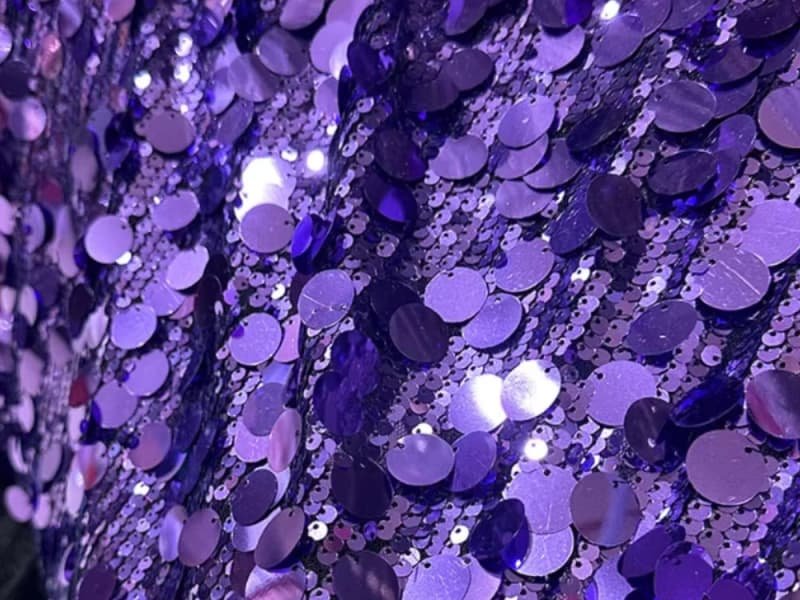
Sequin mesh, beaded fabrics, pearls, rhinestones and mixed decoration require controls for weight, shedding, abrasion, seam allowance, edge finishing and wearer comfort. Decorative density can change drape and may pull a garment out of balance. Sewing directly through dense decoration can damage needles, weaken the seam or create uncomfortable edges.
A production method may involve clearing decoration from seam allowances, securing loose ends, reinforcing attachment points, protecting the lining and defining acceptable surface variation. Packaging must prevent excessive rubbing, compression and snagging between garments.
Duolan has long-term development experience in decorative dress processes, including sequin combinations, pearl work, bead applications, rhinestone decoration and composite fashion treatments. Each method is evaluated for visual result and bulk repeatability.
Linings, Closures And Support
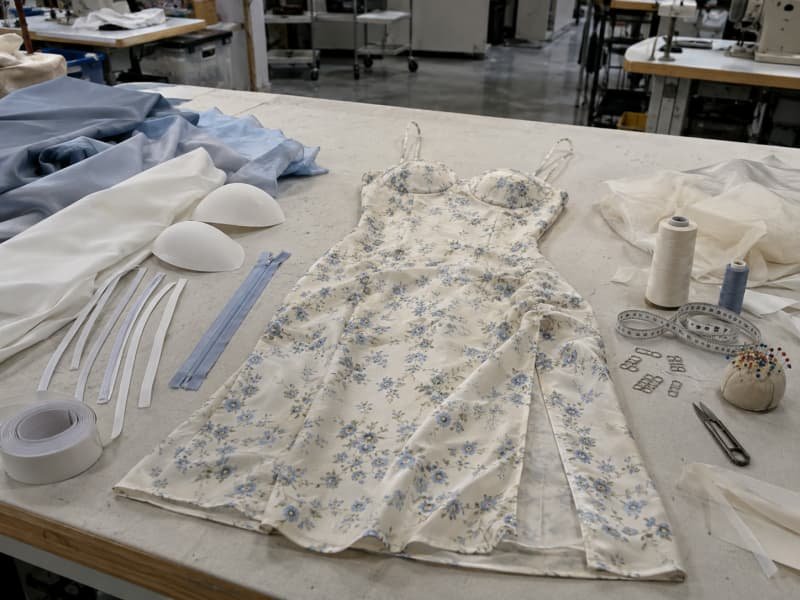
The supporting materials often determine whether a dress feels premium. Lining should match stretch, weight, opacity and comfort requirements. Zippers must suit seam thickness and load. Cups, boning, interlining, elastic, hooks, straps and binding need enough strength without creating visible bulk.
A corset dress, satin dress and mesh bodycon style cannot share one standard lining or zipper. The component system is reviewed as part of the garment structure, then carried into the BOM and approval sample. Branded labels and packaging are added after the product standard is stable, not used to compensate for an unresolved garment.
Compare Dress Fabrics By Result And Production Risk
Fabric selection should connect the intended visual result with fit, construction and bulk execution. The comparison below provides a starting framework; final decisions depend on the exact quality, finish, composition and dress structure.
| Material Direction | Visual Result | Suitable Dresses | Key Risk | Australian Range Fit |
|---|---|---|---|---|
| Satin / acetate blend | Fluid shine and polished drape | Slip, occasion, wedding guest | Puckering, snags, pressing marks, shade reflection | Strong for event and elevated ecommerce ranges |
| Crepe | Controlled drape with textured surface | Midi, occasion, work-to-event | Weight variation, shrinkage, seam balance | Versatile across seasons and channels |
| Chiffon / georgette | Light movement and layered volume | Maxi, resort, event | Transparency, fraying, uneven hems | Strong for warm-weather and occasion ranges |
| Viscose / rayon blend | Soft hand and fluid movement | Resort, printed maxi, day dresses | Shrinkage, twisting, colour and wrinkle control | Strong for vacation and summer dressing |
| Cotton / linen blend | Natural texture and breathability | Sundress, day, resort | Wrinkling, shrinkage, seam slippage | Relevant for relaxed premium summer ranges |
| Stretch jersey | Close fit and comfort | Bodycon, ruched, day-to-night | Recovery, opacity, seam stretch | Strong for fitted ecommerce programs |
| Mesh / lace | Transparency and visual layering | Party, occasion, panelled dresses | Motif placement, stretch mismatch, lining coverage | High visual value when structure is controlled |
| Sequin / embellished | Statement surface and light response | Party, event, holiday | Shedding, abrasion, weight, seam handling | Strong for event-led drops and campaign pieces |
Turning Dress Concepts Into Controlled Technical Details
Silhouette And Proportion
Openings And Wearability
Support And Internal Structure
Surface And Decorative Placement
Ruching, pleats, lace motifs, prints, sequins, pearls and rhinestones must follow the garment line. Placement is checked on the base size and considered through grading. Decorative elements near seams, zippers, darts or hems need enough clearance for construction and alterations. For repeated motifs, cutting yield and matching requirements affect cost. For scattered decoration, density and acceptable variation should be defined. Clear artwork, placement references and approval samples reduce subjective interpretation during bulk production.
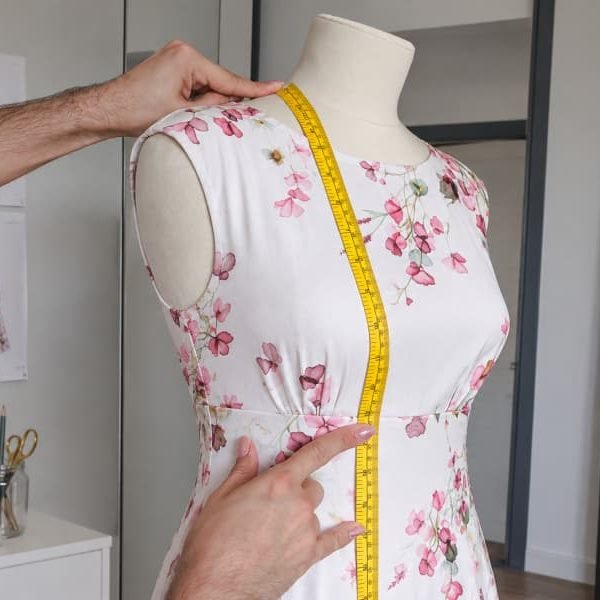
Pattern Measurement Grading And Fit Control
Duolan develops according to the brand-approved size specification and intended wearer profile. Fit control connects body shape, fabric behaviour, pattern balance, construction and grading rather than treating measurements as isolated numbers.
Establish The Base Size
The base size acts as the technical foundation for development. Before pattern work, the team confirms the supplied size chart, sample size, intended fit, garment ease and critical areas. Bodycon styles may use negative ease, woven occasion dresses may use controlled positive ease, and structured bodices may require different bust and waist relationships from a soft day dress.
Points of measurement need clear definitions. Waist placement, bust position, high hip, low hip, body length, skirt length, strap length, neckline drop and slit height can be measured in several ways. A diagram or measurement instruction prevents different teams from using different references.
Correct Pattern Balance
A fit comment such as “tight at bust” may come from insufficient width, incorrect cup shape, armhole tension, neckline stabilisation, seam placement or fabric stretch. Duolan reviews the underlying cause before changing the pattern. Surface pinning may improve one fitting but create new distortion in production.
Balance checks include front and back length, side-seam position, shoulder or strap load, waist level, skirt fall and grain direction. Corrections are carried into the pattern and updated specification so the approved result can be repeated.
Grade With Structure In Mind
Grading is not a uniform enlargement. Necklines, cups, boning, straps, cut-outs, slits and decorative placements may need controlled growth rules. A corset dress with seven production sizes should not move cup position or boning in the same way as a loose woven dress. Stretch products also require grading that protects compression and recovery.
Duolan follows the approved grading specification and reviews high-risk points where a mathematically correct grade may still create a poor visual result. Size-set review can be planned when product structure or range width requires additional confirmation.
A Structured Sample Development And Revision Process
Project And Feasibility Review
Pattern And First Sample
Comment Translation And Revision
Comments are organised into fit, measurement, material, construction, visual and workmanship categories. Each comment is translated into a pattern, specification, material or operation change.
Conflicting comments are clarified before revision so one adjustment does not undermine another approved area. For complex styles, staged updates may cover fabric behaviour, structural difficulty or a decision requiring early approval. Progress visibility helps the brand team review critical points before the entire sample is completed.
Photo Sample And PP Direction
A photo sample may prioritise visual accuracy for campaign work, while a PP sample must represent the approved production basis. The two purposes should not be confused. Before bulk, material, colour, measurements, trims, workmanship and packing direction are aligned through a production-readiness review. Duolan can support first prototype, fit sample, revised sample, salesman or photo sample and pre-production sample according to the project path. Timing remains project-specific because a standard jersey dress, a printed maxi and a sequin corset dress require different material and approval sequences.
What A Production-Ready Dress Sample Must Confirm
Fit And Measurements
- Base-size approval
- Critical POMs
- Pattern version
- Grading direction
Fabric And Colour
The approved fabric direction is identified by quality, composition, weight, stretch, hand feel, finish and colour reference where relevant.
- Bulk availability
- Shade approval
- Shrinkage or relaxation
- Surface handling
Lining And Trims
Lining, zipper, boning, cups, elastic, hooks, straps and decorative components are confirmed as part of the garment system.
- Supplier and quality reference
- Colour match
- Placement
- Strength and comfort
Construction Method
- Workmanship points
- Critical operations
- Pressing standard
- Pilot requirement
Technical Alignment
- BOM version
- Spec version
- Artwork version
- Approval record
Packing And QC Basis
Label placement, folding, polybag, barcode, assortment, carton mark and inspection points are confirmed for the shipment route.
- Packing instruction
- Critical defects
- Inspection method
- Final reference sample
Workmanship Controls For High-Risk Dress Structures
Satin And Slip Construction
Necklines and armholes may need stabilisation without creating visible stiffness. Narrow straps require secure attachment and consistent length. Linings should support opacity and comfort while allowing the shell to fall naturally. Packing needs soft folds, surface protection and enough carton space to reduce hard creases.
Corset And Bustier Engineering
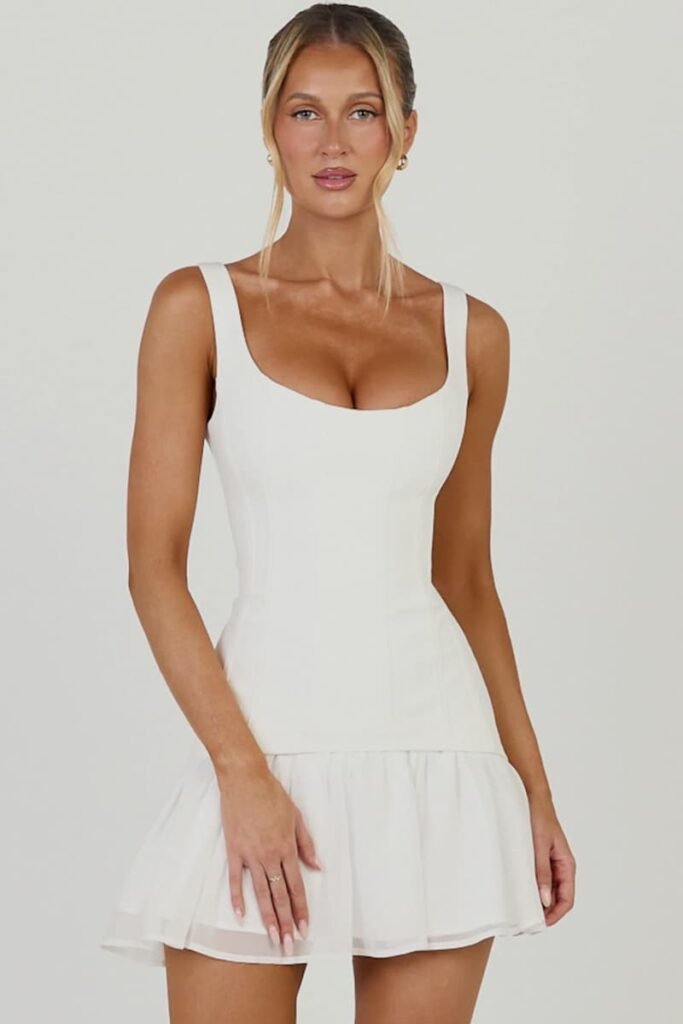
The zipper and surrounding seams carry significant load. Reinforcement, seam allowance and closure insertion are reviewed before bulk. For fit-sensitive products, a first-piece or pilot stage helps confirm that the approved structure can be repeated under production conditions.
Mesh And Lace Assembly
Mesh stretches and recovers differently from lace, lining or woven panels. Joining incompatible materials can distort necklines, armholes and seams. Stabilisation, elastic, binding and seam type are chosen according to the exact combination. Transparent areas are checked from several angles and through movement.
Lace motif placement is considered across the base size and grade. Symmetry, seam matching, edge motifs and usable width affect consumption. Cut edges, appliqué joins and internal seams should remain comfortable and visually controlled.
Sequin And Embellishment Handling
Dense decoration can interfere with cutting, sewing and seam pressing. Decoration may be cleared from seam allowances, loose threads secured and high-friction areas protected. Attachment quality is checked at edges, closures, armholes, side seams and hems where rubbing or movement can increase shedding.
Weight distribution matters. Heavy decoration on one panel can pull a dress off balance. Lining and internal support should account for the finished garment weight. Packing separates surfaces and avoids excessive compression that can break or imprint decoration.
Halter Backless And Bodycon Stability
Minimal-looking shapes often depend on hidden controls. Halter necklines need stable edge tension and comfortable load distribution. Backless styles may use internal elastic, grip tape, secure ties or reinforced side structures. Cut-outs require balanced openings that remain consistent after grading.
Bodycon seams must stretch without breaking and recover without rippling. Zippers, linings and decorative panels need compatible stretch. Opacity is reviewed at the intended fit because a fabric that appears solid when relaxed may become transparent when worn.
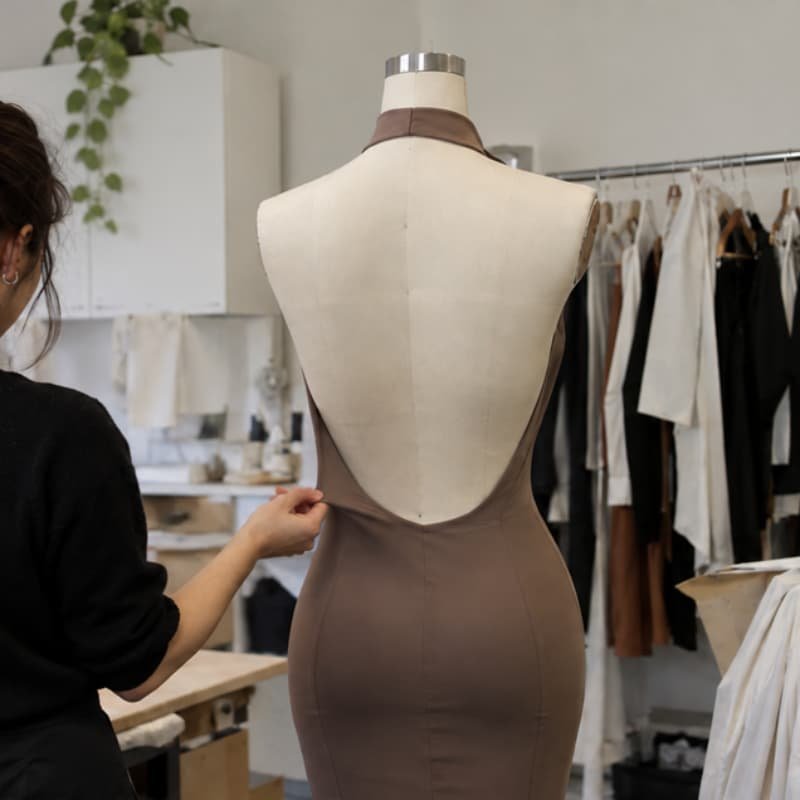
Controlling The Transition From Sample To Bulk
Bulk Readiness Review
Order Breakdown And Production Path
First-Piece And Pilot Verification
Controlled Production Updates
During production, critical measurements, workmanship points, material status and style priorities are followed through defined checkpoints. Issues are addressed while production is running rather than left until final inspection. For multi-style orders, progress is managed by priority and readiness, not only by total quantity. Project updates can cover material readiness, first-piece status, inline progress, inspection preparation, packing and shipment. When an approved change affects timing, the plan is re-locked so the brand team has a clear view of the revised path.
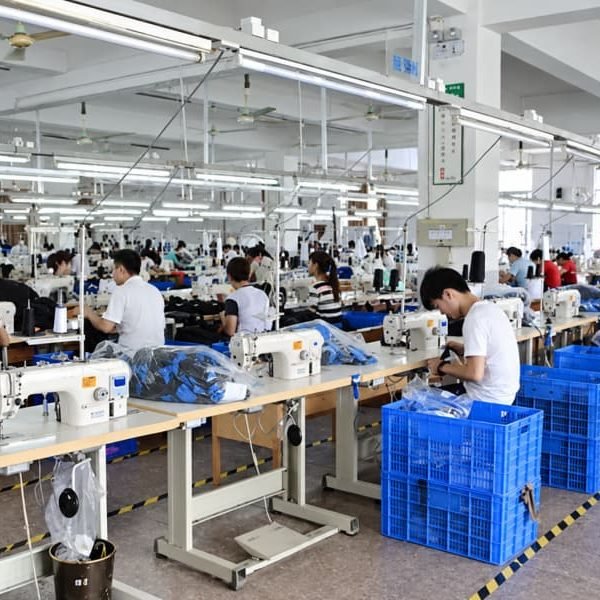
A Manufacturing Network For Multi-Style Dress Programs
Duolan combines owned control, flexible capacity and specialist support. Scale is valuable only when the manufacturing network can match style complexity, material readiness, quality requirements and launch timing.
Owned Factory Control
Sixteen owned womenswear factories form the core of the manufacturing system. Core styles, technically sensitive programs and projects requiring close development continuity can be matched to controlled production resources. The value lies in connecting sample knowledge, production planning and quality follow-up rather than treating factory count as a standalone claim.
Satellite And Regional Capacity
More than 20 long-term satellite factories and regional manufacturing bases in Guangxi, Guizhou, Sichuan and Jiangxi provide production flexibility. The associated manufacturing workforce exceeds 12,000 people across the supporting network. Capacity can be used for repeat orders, scale-up programs, seasonal peaks and differentiated production paths when approved standards and coordination are in place.
Production Lines And Development Density
The group operates 300 sewing lines and more than 50 quick-response and flexible lines, supported by sample trial lines and specialist process resources. Stable monthly capacity is stated at approximately 6.5 million garments, with peak capacity up to 10 million and an additional 1-2 million pieces of monthly allocation space.
Monthly sample development capacity reaches 15,000-35,000 style or sample instances, supporting approximately 3,000-8,000 style-development workflows. Those figures matter for brands managing many references, because development and bulk resources must remain coordinated during high-volume seasons.
Material And Special Process Resources
The South China manufacturing environment provides access to established fabric, trim, accessory, printing, embroidery, dyeing, washing and finishing resources. Duolan maintains multiple regular partners for printing, dip dyeing, embroidery and washing processes. The project team can match the process path to the dress style, visual requirement, quantity and timing.
Special processes remain subject to approval and production validation. Material and craft availability are confirmed for each project rather than assumed from a sample-only result.
How Quantity Cost And Timing Are Evaluated
Commercial terms are based on the complete project structure. Fabric, colour, trims, construction, size breakdown, packing, approvals and delivery priorities influence the starting quantity, unit cost and production route.
Project Quantity Logic
Quantity is assessed by style, colour, fabric minimums, special processes, line efficiency and the total collection structure.
A jersey midi and a sequin corset dress cannot use the same starting logic.
- Style and colour split
- Fabric and dye minimums
- Trim and packaging minimums
- Repeat-order plan
Cost Construction
- Material alternatives
- Construction simplification
- Shared components
- Collection price architecture
Development To Scale
Brand programs often move through development, launch, repeat and scale-up stages.
The production route can change as sales evidence and quantities grow, while the approved pattern and quality standard remain controlled.
- Development samples
- Launch quantity
- Repeat production
- Scaled allocation
Timeline Planning
- Target launch date
- Warehouse arrival
- Approval deadlines
- Shipping method
Quality Control From Fabric Receipt To Final Packing
Fabric Inspection
Pre-Production Review
First-Piece Check
Inline Inspection
Critical Operation Control
Corset structure, zippers, straps, cut-outs, mesh joins, sequin seams, satin pressing and other sensitive operations are monitored according to style risk.
A general checklist is not enough for every dress.
Measurement Review
Final Inspection
Final inspection can follow the brand-approved sampling level, AQL requirement or third-party protocol. Appearance, measurements, workmanship, labels, assortment and packing are assessed before shipment approval.
Packing Verification
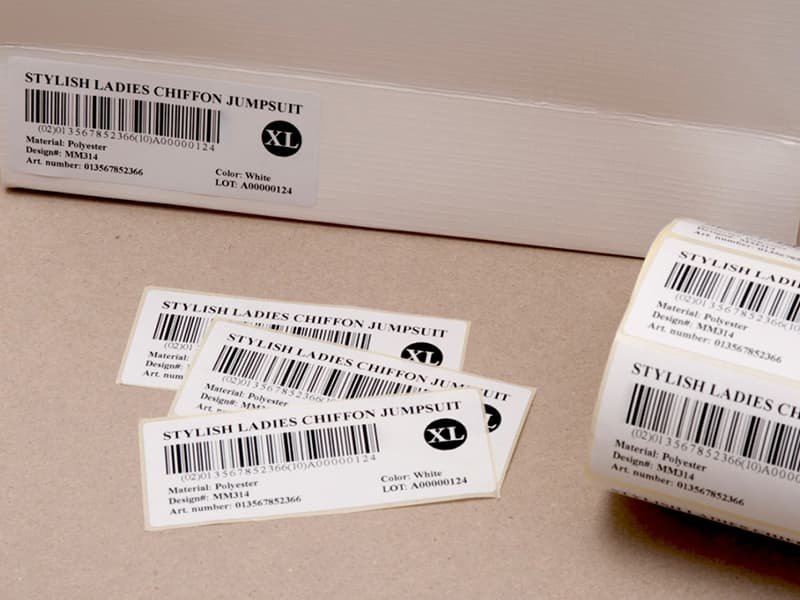
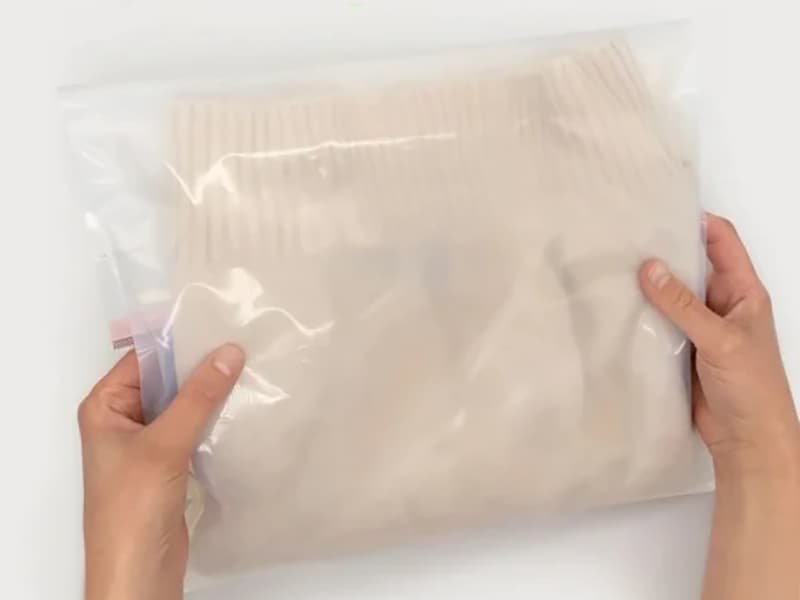
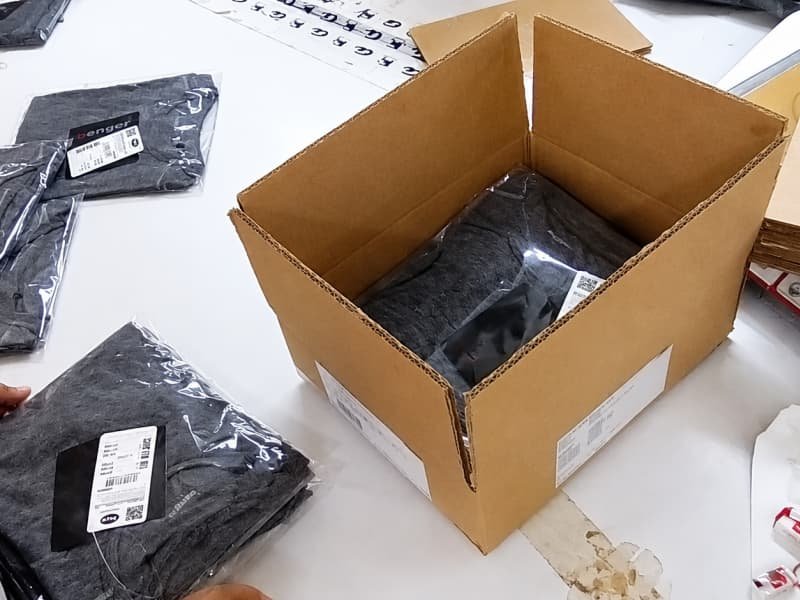
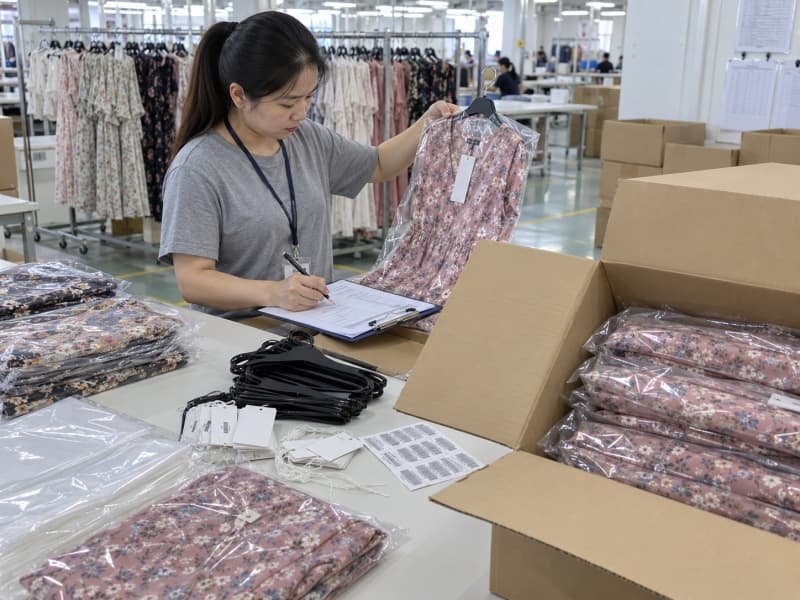
Style, colour, size, barcode, price ticket, polybag, assortment, carton quantity and carton marks are checked against the approved packing instruction. Protective methods are adapted for satin, sequins, corset structures and crease-sensitive garments.
Private Label Branding And Retail-Ready Packing
Brand components are managed as controlled order information. Artwork, placement, product data and packing instructions are verified so the delivered dresses arrive ready for the intended warehouse, ecommerce or retail workflow.
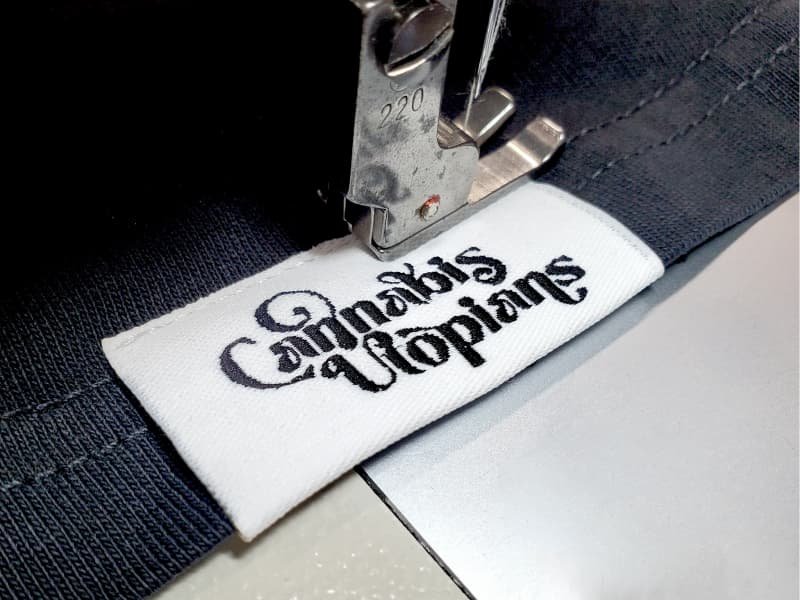
Main Woven Label
Size Label
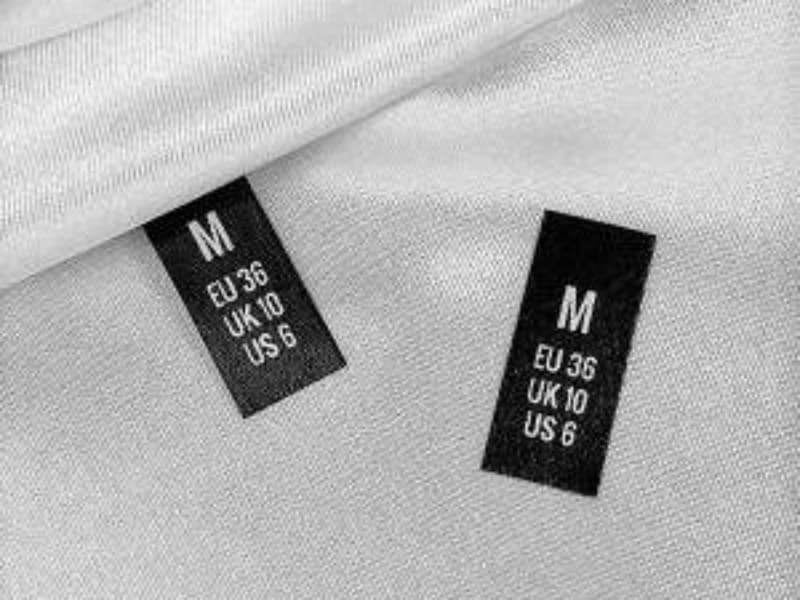
Size labels follow the approved size naming and placement.
Style and size information is cross-checked with the order breakdown to reduce mixed-size packing risk.
Care Fibre Label

Hangtag And Ticket
Barcode And Sticker
Protective Garment Packing
Assortment And Cartons
Packing Approval Record
A packing sample or instruction reference can confirm label positions, folding, polybag, stickers, ticketing and carton presentation before full packing begins.
Compliance Documentation And Supplier Onboarding Support
SMETA Audit Basis
- Audit record review
- Factory profile
- Corrective-action follow-up where applicable
Project Standards
- Applicable standard confirmation
- Material or product test request
- Approved laboratory route
Third-Party Inspection
Independent inspection can be arranged or supported according to the nominated agency, sampling plan, inspection date and shipment schedule.
- Inspection booking
- Sample and document access
- Corrective action and recheck
Supplier Questionnaire
- Supplier profile
- Manufacturing structure
- Quality and compliance overview
Design Confidentiality
- NDA review
- Controlled file sharing
- Project-specific access
Record Discipline
Version-controlled specifications, BOMs, approvals, changes and packing instructions reduce confusion between development, production and repeat orders.
- Approval records
- Change tracking
- Reorder file preservation
Planning Dress Orders For Delivery To Australia
Plan Backward From Arrival
The target warehouse or campaign date is mapped backward through freight, booking, final inspection, packing, bulk production, PP approval, material locking and sampling. Air, sea, courier or split shipment options create different timing and cost structures. Final planning is confirmed after the actual quantity, carton data, destination and freight arrangement are known. A delayed print, colour or trim approval can affect the entire critical path even when sewing capacity is available.
Prepare Accurate Shipment Data
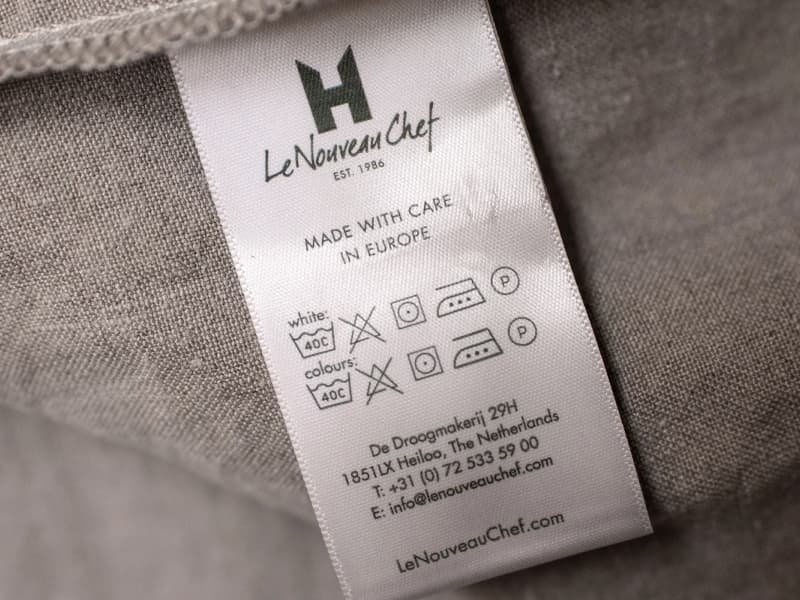
Packing lists, carton quantities, weights, dimensions, PO references, style, colour and size breakdowns are prepared according to the agreed process. Carton marks and barcode information should match the receiving warehouse or distribution instruction. Fibre, care and other market information are produced from the brand-approved artwork and applicable requirements. The brand remains responsible for approving legal wording for its destination and sales channel.
Protect Garments In Transit
Coordinate Freight And Changes
Duolan can work with the brand-appointed forwarder or an agreed logistics arrangement. Booking dates, handover information and shipment status are coordinated with the production and inspection plan. Fixed landed cost or transit commitments are not issued before route, incoterm, destination, season and cargo data are confirmed. When production or approval changes affect the handover date, the critical path is updated so commercial decisions can be made early.
Australian Private Label Dress Program Examples
The following anonymised program examples reflect the order structures Duolan is built to manage: 10-30 styles per program and total quantities commonly ranging from 20,000 to 80,000 pieces. Brand names and proprietary designs remain confidential.
Resort Collection Program
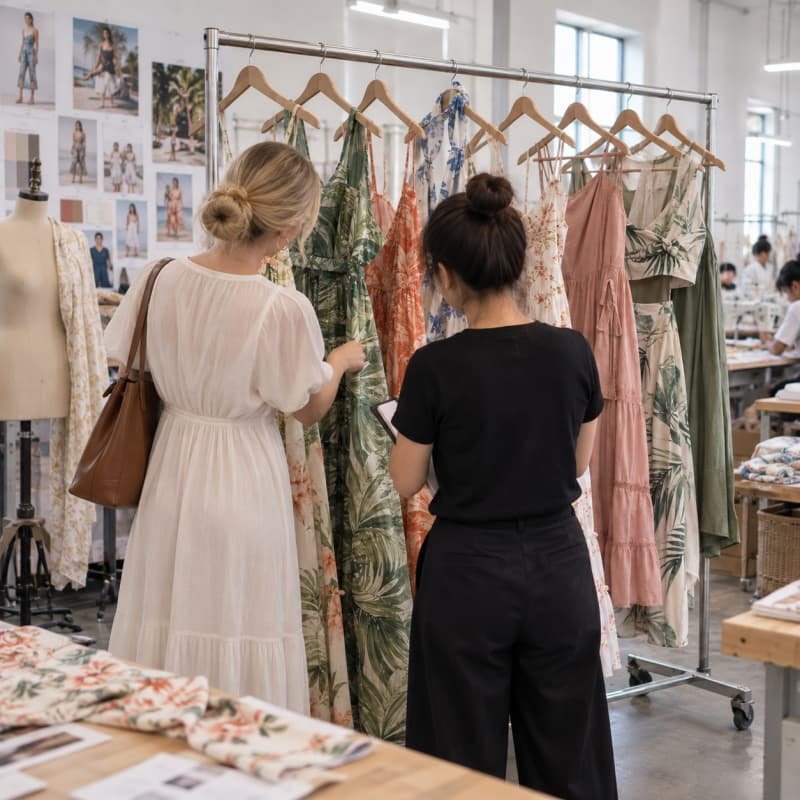
Region: Australia. Brand profile: established online resort and vacation label. Program: 18 styles and 36,400 garments across printed maxis, halter midis, sundresses and coordinated sets. The range used eight fabric bases, eleven print or colour directions and three planned delivery waves.
Challenge: light fabrics created transparency, print placement and wrinkle-recovery risks, while halter and backless styles required stable necklines and secure internal support. Several styles shared fabrics, but the silhouettes needed different lining and pattern approaches.
Duolan action: styles were grouped by material family and technical risk. High-risk maxis and halter products entered sampling first. Print scale, lining coverage, strap load and packing recovery were reviewed before PP approval. Bulk was separated into three production priorities linked to the launch sequence.
Result: all 18 styles moved through one coordinated production path, with approved print references, style-level packing instructions and reorder files retained for the next resort colour extension.
Occasionwear Launch Program
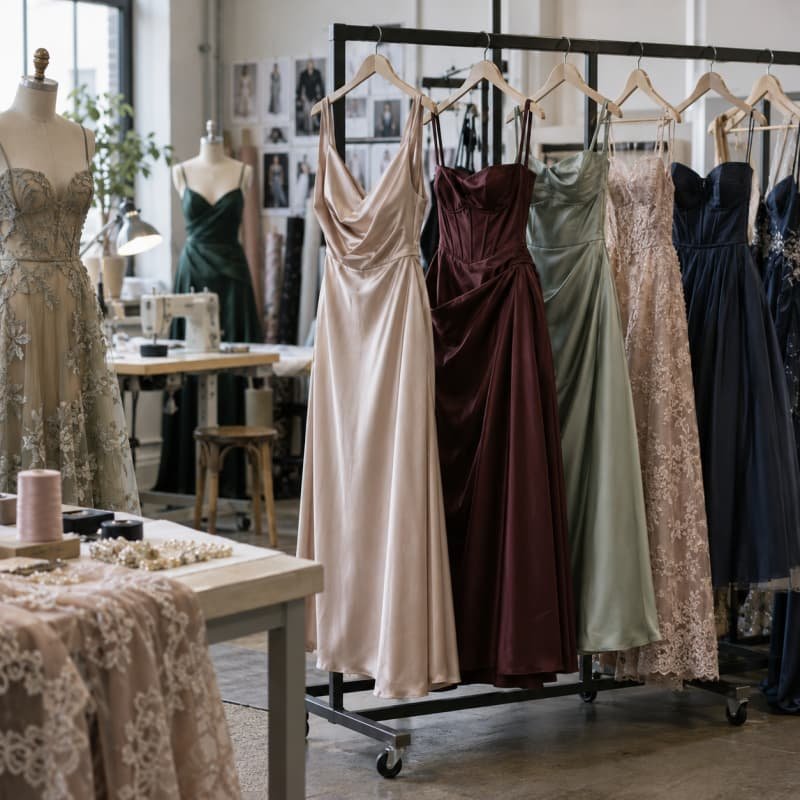
Region: Australia. Brand profile: occasion and wedding guest dress label. Program: 12 styles and 24,800 garments, including satin midi dresses, lace-panel styles, two corset silhouettes and three colourways in pale and jewel tones.
Challenge: seven styles were fit-sensitive, pale colours needed opacity control, and satin surfaces showed zipper and pressing variation. The corset products required cup, boning and waist balance verification before scale-up.
Duolan action: measurement priorities were confirmed against the supplied size chart. Fabric, lining and closure options were reviewed by style. The corset dresses used first-piece confirmation before full production, while satin operations received additional seam and pressing checkpoints. Packing methods were adjusted to reduce hard crease marks.
Result: the 12-style range entered a single approved quality framework, with separate critical-operation standards for satin, lace and corset products and a repeatable base for later colour replenishment.
Ecommerce Fashion Drop
Region: Australia. Brand profile: high-frequency ecommerce fashion label. Program: 28 styles and 72,000 garments across party, going-out, bodycon, mesh, sequin and day-to-night dresses. The commercial plan used three launch groups and a later replenishment option for validated styles.
Challenge: the program combined nine high-risk structures with faster commercial styles. Multiple teams issued sample comments, and production priorities needed to remain clear while materials arrived on different dates.
Duolan action: comments were organised by style and approval stage. Products were classified as fit-sensitive, material-sensitive, craft-sensitive or standard commercial. Owned factories handled the highest-risk styles, while flexible and satellite resources supported approved volume styles. Inline checkpoints focused on stretch recovery, mesh joins, sequin seams and branded packing accuracy.
Result: the range was prepared in three controlled shipment windows, with patterns, BOMs, approval records and QC notes preserved for replenishment and bestseller extensions.
How Fashion Teams Evaluate A Dress Manufacturer
Dress Specialisation
Development Judgement
Ask how design risks are identified before sampling, what inputs are required and how visual references are translated into pattern, material and construction decisions.
Pattern And Fit
Material Control
Sample-To-Bulk System
Multi-Style Capacity
Quality And Compliance
Reorder Discipline
Confirm whether pattern versions, material references, QC history and packing data are retained. Repeat production should begin from controlled records, not memory.
Frequently Asked Questions For Australian Dress Brands
Start Your Australian Private Label Dress Program
Send the available project information so Duolan can review the development and production path. Useful files include a tech pack, reference images, sketches, original sample photos, fabric direction, size chart, label artwork and packing requirements. Please also include the number of styles, estimated quantity by style, colourways, size range, target launch date, Australian delivery location and any compliance or inspection requirements. The review will focus on material and fit risks, sample stages, production readiness, order structure and the information still needed before accurate costing and scheduling. Confidential project files can be discussed under an NDA before detailed exchange.
- Name and company
- Email address
- Tel / WhatsApp (optional)
- Brand website or sales channel
- Dress categories and number of styles
- Estimated quantity, colours and size range
- Target launch date and Australian destination
- Message and file upload