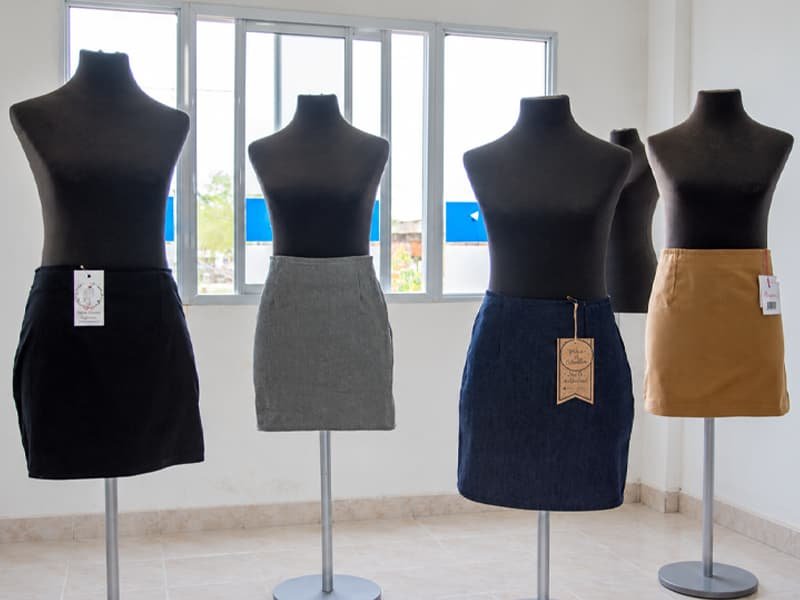
Bodycon Skirt Manufacturer
Custom bodycon skirt development built around stretch behavior, waist-to-hip balance, clean contour, size consistency and repeatable bulk production.
- 5 fit-critical areas reviewed: waist, high hip, full hip, skirt length and hem opening.
- 4 fabric behaviors checked: stretch direction, recovery, coverage and shape retention.
- 3 production references aligned: approved fit, first-piece standard and inline measurements.
- Custom development can begin from a tech pack, reference garment, design sketch, measurement specification or an established fit block.
- Mini, midi, maxi, ruched, slit, knit, lined and matching-set directions can be developed around brand-specific fit and fabric requirements.
What Established Brands Expect From Bodycon Skirt Manufacturing
Fit Engineering
Bodycon fit should follow a defined silhouette rather than rely on stretch fabric to correct an inaccurate pattern. Waist position, high-hip transition, full-hip curve, back shaping, side-seam position and hem opening all influence whether a skirt follows the body cleanly.
For an established brand, a useful manufacturing partner should be able to translate a desired fit into measurable pattern and sample decisions. A high-waisted sculpted mini requires a different balance from a soft jersey midi, while a fitted maxi needs enough lower-body movement to avoid excessive riding, twisting or restriction.
Fit review should therefore connect: Brand size standards with actual garment measurements, Fabric stretch and recovery with planned negative ease, Front and back hip shaping with side-seam balance, Skirt length with movement, hem opening and slit placement, Fit comments with pattern corrections rather than temporary sewing adjustments.
Material Control
Stretch alone does not define a suitable bodycon fabric. Two fabrics can extend to a similar length yet recover differently after wear, pressing or washing. Coverage can also change dramatically when a light-colored fabric stretches across the hip.
Material review should consider stretch direction, recovery, density, opacity, surface texture, shrinkage behavior, hand feel and the visual finish expected at the brand’s retail level. Jersey, compact knit, ponte-like constructions, rib structures and stretch mesh each create a different silhouette and require different pattern tension.
Material decisions also affect lining, waistband construction, zipper choice, hem method and seam elasticity. A stable fabric direction established during sampling gives pattern, sewing and QC teams a more reliable production reference.
Repeatable Production
A strong first sample has limited commercial value if later production cannot hold the same waist position, hip contour, skirt length and fabric behavior. Bodycon products are particularly sensitive because millimeters of seam movement or changes in material recovery are visible on the body.
Repeatable production depends on keeping several references connected: approved pattern, size specification, fabric standard, construction details, workmanship notes, measurement tolerances and production sample.
Production planning should also account for material-lot changes and different colorways. Black, ivory and lighter seasonal colors can behave differently even within a similar fabric family, especially in coverage and visual tension.
A reliable manufacturing route keeps approved fit decisions traceable from sample development through bulk inspection and later repeat orders.
Bodycon Skirt Styles Developed For Commercial Collections
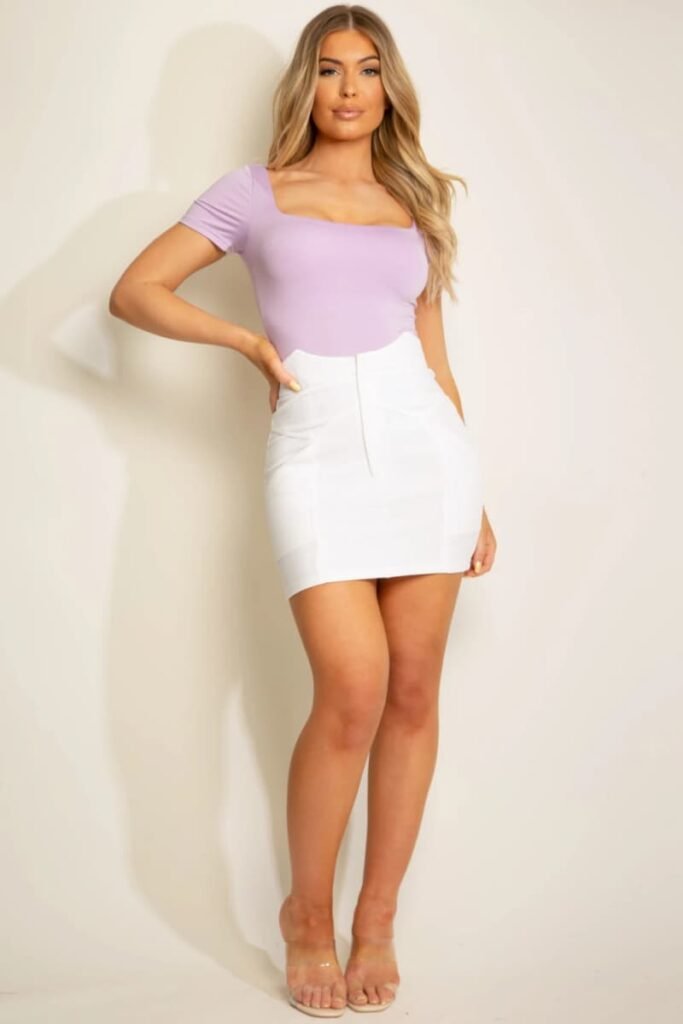
High-Waisted Mini
- Suitable directions include clean compact knit, ponte-like stretch, jersey and lined stretch constructions.
- Light colors require additional coverage checks.
- Shorter lengths require movement testing to confirm the skirt remains stable during walking and sitting.
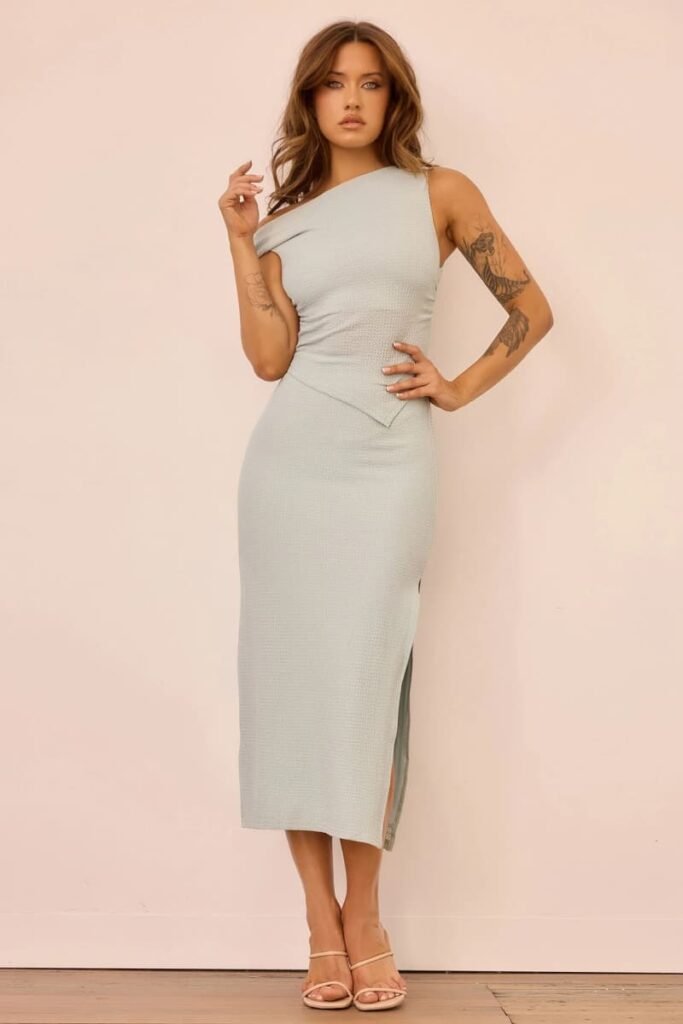
Sculpted Midi
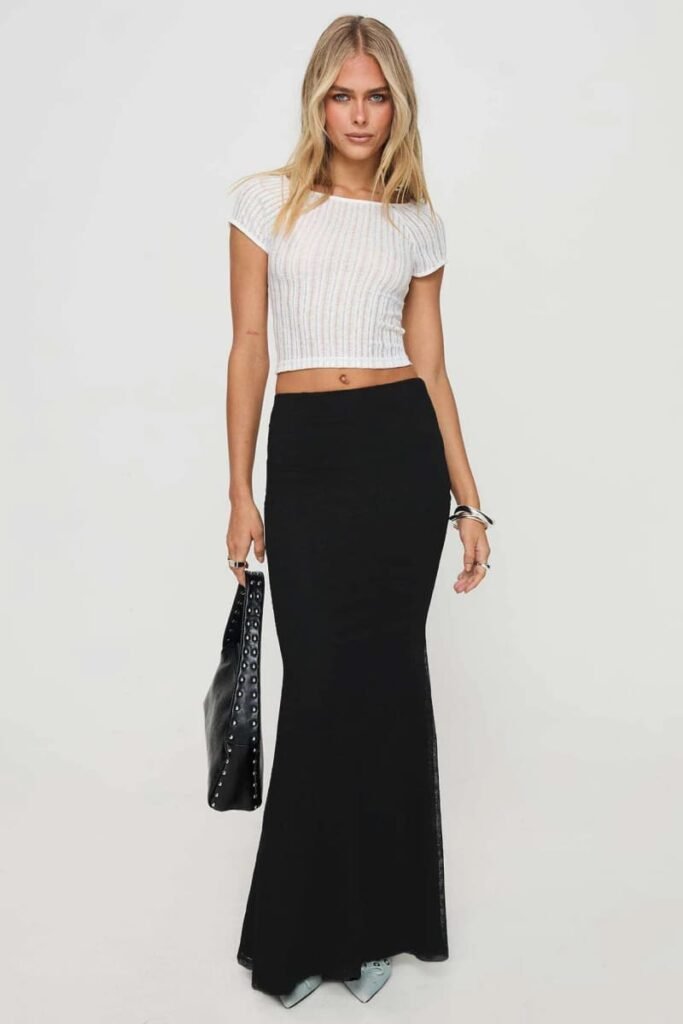
Fitted Maxi
A fitted maxi needs body definition through the upper section without turning the lower skirt into a restrictive tube. Hip contour, thigh allowance, knee transition, hem opening and slit placement must work as one system.
Stretch direction becomes especially important because vertical extension can change finished length after wearing or hanging. Side seams must remain straight rather than spiraling around the leg. When a back or side slit is used, reinforcement needs enough stability to prevent the opening from stretching during wear.
Fitted maxi development works well for evening, going-out and elevated knit collections where a controlled upper-body contour transitions into a cleaner, longer line.
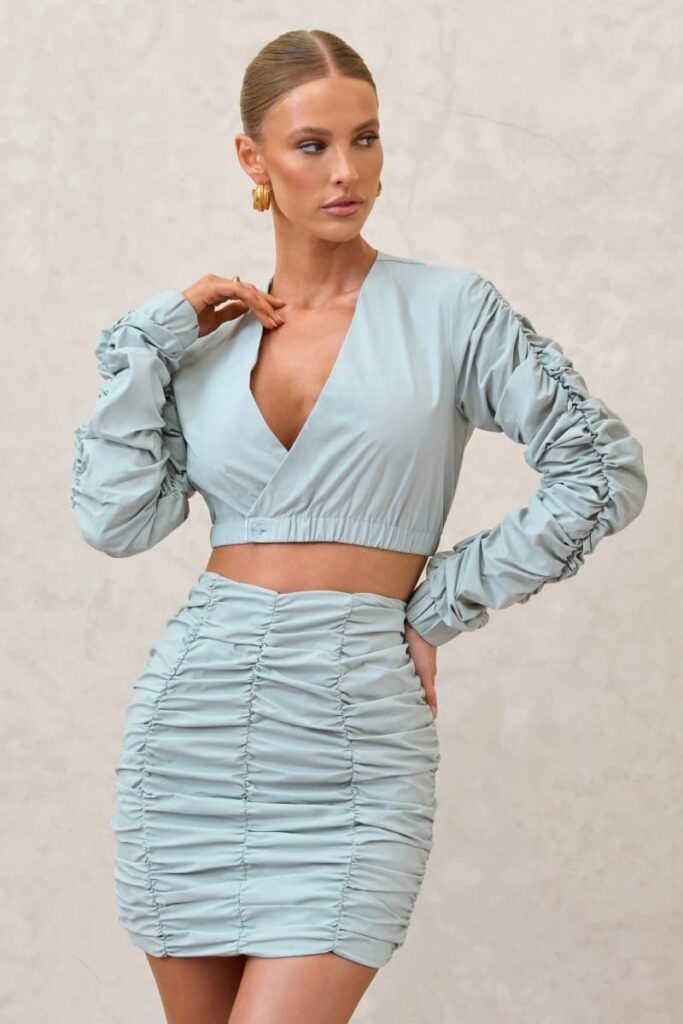
Ruched Bodycon Skirt
Ruching adds more than decoration. It changes fabric consumption, visual tension, side-seam length, elasticity and the way the skirt responds to different body shapes.
A successful ruched bodycon skirt needs controlled gathering rather than random fullness. Development should define the gathering ratio, placement, finished length and whether ruching is fixed into seams, elastic channels or adjustable drawcord structures.
Uneven gathering can make one side appear shorter or distort the hip line. Bulk QC therefore needs a repeatable reference for ruching density and placement.
Ruching can also provide useful visual flexibility across sizes, but it cannot replace accurate grading or stable waist-to-hip proportions.

High-Slit Bodycon
A slit changes movement, appearance and seam stress. On a fitted skirt, the opening is constantly influenced by hip tension, walking motion and stretch recovery.Development should establish slit height from a defined measurement point, determine whether the opening sits at the side, front or center back, and confirm reinforcement around the slit top.For midi and maxi lengths, a carefully positioned slit can improve movement without weakening the fitted silhouette. The final approval should consider standing appearance, walking movement and sitting position rather than evaluating the skirt only on a flat table.
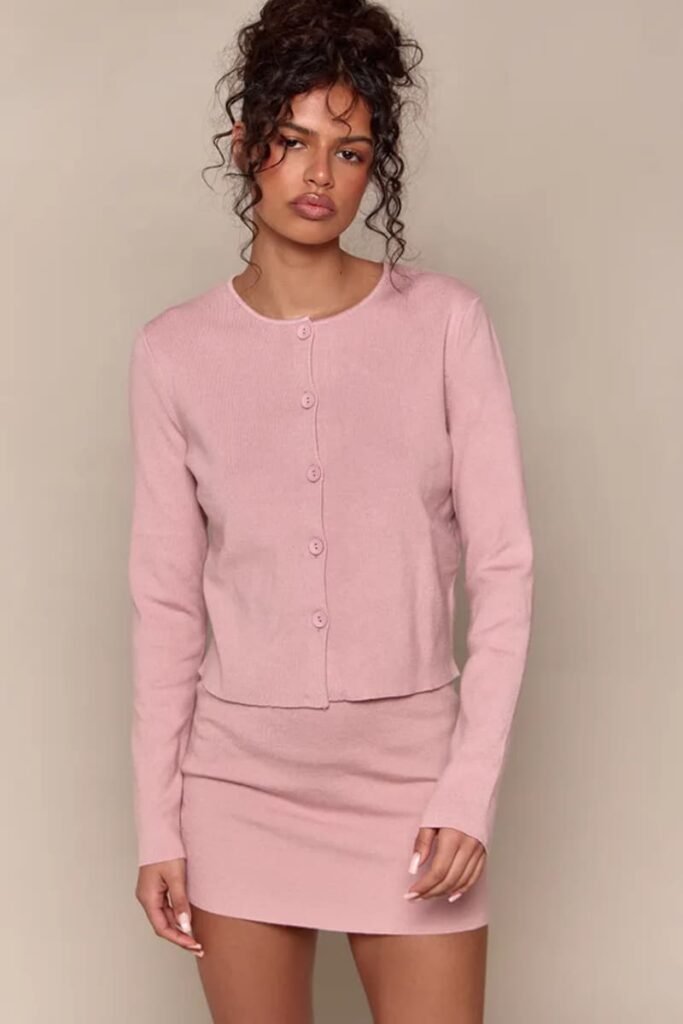
Compact Knit Skirt

Layered Mesh Bodycon
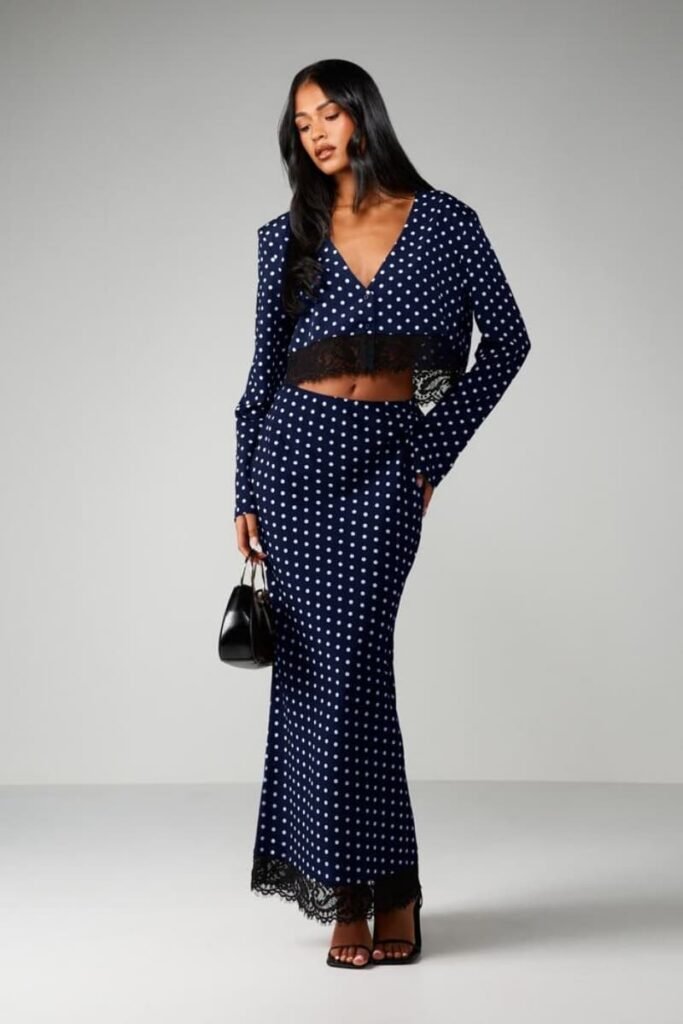
Matching Set Skirt
Common Bodycon Skirt Problems And Their Production Causes
Waist Gaping Or Rolling
- Waist curve and front/back distribution.
- Waistband height and internal construction.
- Elastic recovery after repeated extension.
- Seam bulk at side or center-back positions.
- Fit after sitting, walking and normal movement.
Hip Drag Lines
Side Seam Twisting
Skirt Ride-Up
A fitted skirt that continually moves upward creates poor wearing confidence even when waist and hip measurements sit within tolerance. Ride-up can result from excessive negative ease, insufficient hem opening, high friction between fabric and body, weak vertical recovery or an unbalanced waist-to-hip pattern.
Mini skirts require particular attention because a small movement changes the visible length quickly.
Midi and maxi skirts can also climb when the lower opening restricts walking. Review should include standing and movement rather than relying only on mannequin appearance. Adjustments may involve pattern tension, thigh allowance, hem circumference, slit placement or a different fabric construction.
Transparency Under Stretch
Fabric opacity should be assessed under the level of extension expected in the finished garment. A fabric that appears solid on a cutting table can become visibly sheer across the hip, particularly in white, ivory, pastel and other lighter colors. Coverage depends on material density, color, knit construction, recovery and the percentage of extension built into the pattern. Possible controls include: Selecting a denser fabric construction, Reducing excessive pattern tension, Adding a compatible lining or double layer, Adjusting seam allowance where internal layers become visible, Testing opacity in worn condition under normal lighting.Coverage decisions should be established during development rather than treated as an end-of-line inspection issue.
Hem And Slit Distortion
A wavy hem or unstable slit can make a fitted skirt look inexpensive even when the main body fits well.
Stretch fabrics react strongly to sewing tension, pressing temperature and handling during production.
Hem distortion may come from overfeeding, excessive thread tension or fabric being stretched while sewn. Slit openings can flare, twist or elongate when reinforcement is inadequate.
Production standards should define the intended hem method, seam elasticity, slit reinforcement and final pressing condition.
First-piece approval becomes especially useful for higher-risk fabrics because the team can verify the finished edge before releasing full-volume sewing.
Engineering Waist And Hip Fit For Bodycon Skirts
Building A Clean Waist-To-Hip Relationship
Bodycon development begins with the shape between the waistband and full hip rather than treating waist and hip as two isolated numbers. The vertical distance between both areas controls how rapidly the pattern expands, where pressure sits and whether the side seam remains straight.
A high-waisted skirt often needs stronger waist suppression and carefully distributed shaping through the back and side panels. A natural-waist fit can require less vertical shaping, while a lower rise changes high-hip exposure and the amount of contour required around the upper body.
Pattern review should consider:
- Finished waist measurement and waistband construction.
- High-hip width and its vertical location.
- Full-hip circumference and front/back distribution.
- Waist-to-full-hip depth.
- Center-back shaping.
- Side-seam angle.
- Fabric stretch direction.
A garment can match a specification and still look wrong if those values do not work together. For example, adding hip width without correcting the high-hip transition can leave excess fabric above the fullest point. Reducing the waist without reshaping the upper hip can create diagonal tension or waistband rolling.
Fit comments should therefore identify where the silhouette departs from the desired body line, then return the adjustment to the pattern. The goal is a repeatable fit block, not a one-off sample altered until it looks acceptable on one mannequin.
Controlling Negative Ease And Fabric Pressure
Negative ease describes how much smaller a fitted garment is than the body measurement it is designed to cover. No single negative-ease percentage works across every bodycon skirt because the correct amount depends on material stretch, recovery, density and the type of fit the brand wants.
A soft jersey intended to skim the body may require a different pattern relationship from a compact knit designed to sculpt. Stretch mesh worn over a lining introduces another variable because both layers need to extend and recover without fighting each other.
Development should separate three questions:
Can the fabric stretch far enough?
Maximum extension only shows whether the material can open to a certain length.
Can the fabric recover after extension?
Poor recovery can lead to bagging at the hip, seat or waistband after wear.
How much pressure feels appropriate?
A technically wearable garment can still feel too restrictive for the intended market.
Fit review should assess pressure around the waist and full hip, visual strain lines, seam position and recovery after the garment is removed from the body or mannequin.
Negative ease should never be used to hide an inaccurate pattern. If the garment needs excessive stretch to create the required shape, sample development should return to the waist and hip pattern before approving bulk production.
Balancing Movement Side Seams And Hem Opening
A bodycon silhouette must remain fitted without preventing normal movement. Skirt length changes the movement requirement considerably. A mini needs stability against riding, a midi requires enough stride through the thigh and hem, and a maxi may require a slit or adjusted lower opening.
Side seams provide one of the clearest visual indicators of fit balance. A seam moving forward can signal excess strain on the back or insufficient front allowance. A seam moving backward may indicate the opposite condition. Spiral movement can point toward fabric or cutting direction rather than only pattern shape.Movement review should include:
- Normal standing position.
- Walking stride.
- Sitting position.
- Recovery after movement.
- Slit opening behavior.
- Hem position.
- Waistband movement.
Hem opening should be evaluated against fabric extension rather than treated as an isolated circumference. A narrow opening in highly stable ponte behaves differently from the same measurement in a soft jersey.When a slit is used, height and placement become fit measurements. The opening should release movement while staying aligned with the intended silhouette.

Stretch Fabrics Selected Around Recovery Coverage And Shape
Jersey For Softer Commercial Bodycon Fits
- Single versus double-layer construction.
- Elastane content and actual recovery performance.
- Surface smoothness or texture.
- Color-dependent coverage.
- Shrinkage and wash behavior.
- Edge stability.
- Pilling risk.
- Hem response.
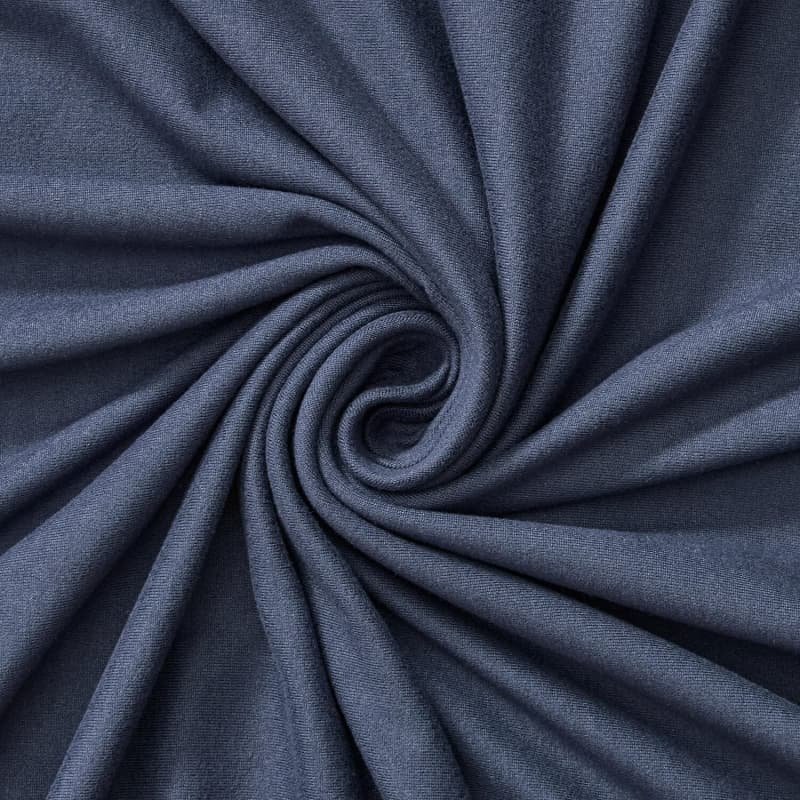
Compact Knits For Cleaner Sculpted Silhouettes
Compact and ponte-like stretch fabrics are useful when the intended skirt needs stronger coverage and a cleaner, more controlled outline. Greater structure can reduce surface show-through and can support high-waisted or office-to-evening silhouettes where a soft jersey would appear too casual. More structure also changes fit pressure. A dense knit with strong recovery can feel substantially firmer than a lighter jersey at the same finished waist and hip measurements. Pattern development should therefore check:
- Waist comfort after extended wear.
- High-hip transition.
- Full-hip pressure.
- Back shaping.
- Side-seam position.
- Hem movement.
- Slit opening.
- Seam bulk.
The waistband may be self-fabric, faced, elastic-supported or constructed with another internal method depending on the required finish. Every option changes thickness and pressure around the waist. Compact fabrics also make sewing quality highly visible. Uneven feeding or inappropriate seam tension can produce waviness along side seams and hems even when the base material is stable. A successful sculpted skirt balances support with wearability. Firm fabric should help hold the silhouette, not create unnecessary restriction or replace accurate pattern shaping.
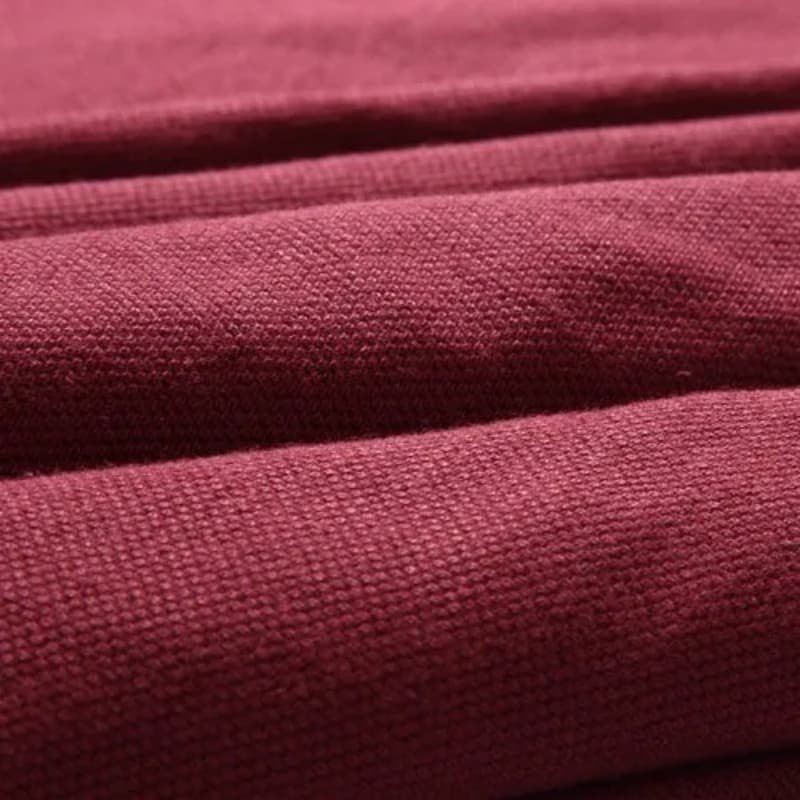
Rib Mesh And Layered Stretch Constructions
Rib knits, stretch mesh and layered combinations create more visual texture but add additional production variables.Rib structures can stretch differently according to the knit direction and may change width more noticeably during sewing, pressing or wear. Development should assess whether the rib returns evenly and whether the waistband or hem needs extra stabilization.
Stretch mesh requires a different approach. When used as an overlay, both layers need compatible extension and recovery. A stable lining under a highly elastic mesh can restrict movement, while an overly soft lining can distort the outer layer.Layered bodycon skirts should check:
- Outer and inner layer stretch compatibility.
- Transparency and coverage.
- Layer lengths under tension.
- Seam allowance visibility.
- Waistband attachment.
- Ruching or drape placement.
- Edge recovery.
- Color consistency between layers.
Printed or embellished mesh introduces further controls because motif placement, heat processing or applied decoration can change local stretch.Material selection should always return to the intended final silhouette.
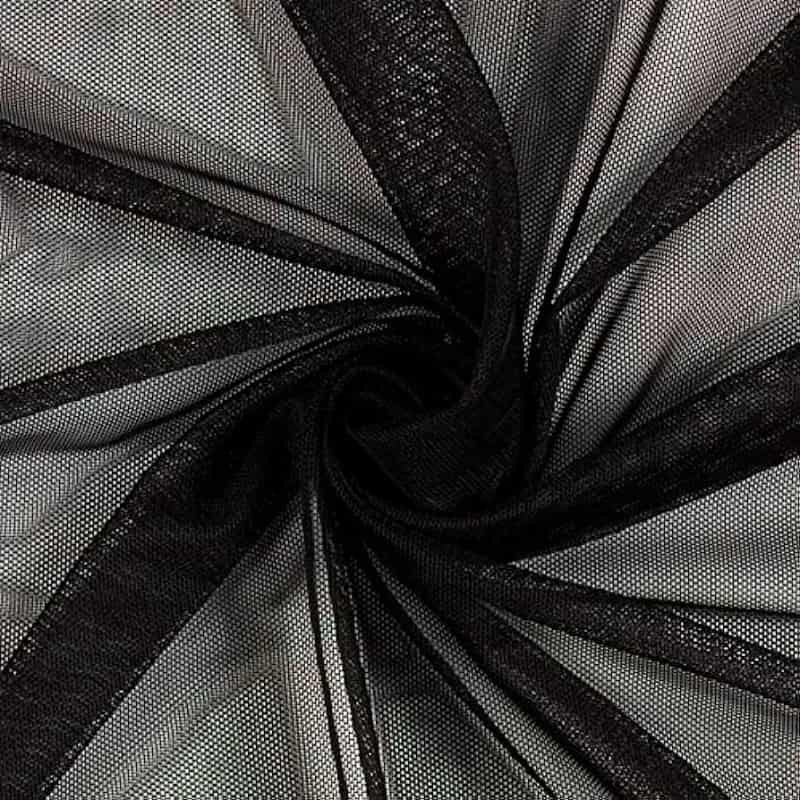
Matching Fabric Behavior With Bodycon Skirt Construction
Different stretch materials create different fit pressure, coverage and production risks. The matrix below provides a development framework for selecting a fabric direction before pattern approval rather than treating every stretch textile as interchangeable.
| Fabric Direction | Typical Bodycon Result | Main Development Focus | Common Risk | Suitable Controls |
|---|---|---|---|---|
| Soft Jersey | Fluid, close-fitting, commercial | Recovery, opacity, negative ease | Bagging, show-through, wavy hem | Fit test, opacity review, seam-tension check |
| Medium Jersey | Balanced stretch and coverage | Waist/hip fit, shrinkage, recovery | Size change after finishing | Fabric approval, wash review, PP measurement |
| Compact Knit | Cleaner, sculpted silhouette | Pressure, seam bulk, hem opening | Restrictive fit, seam waviness | Pattern adjustment, first-piece review |
| Ponte-Like Stretch | Structured fitted result | Waist shaping, side seam, slit | Excess compression | Fit review, movement test |
| Rib Knit | Textured fitted appearance | Width recovery, grain direction | Growth, twisting, uneven width | Cutting control, recovery review |
| Stretch Mesh | Sheer or layered visual effect | Lining compatibility, edge stability | Layer distortion, transparency | Layered fit test, coverage approval |
| Double-Layer Stretch | Stronger coverage and support | Layer recovery, seam bulk | Inner-layer dragging | Layer alignment, first-piece verification |
| Embellished Stretch | High-impact occasion finish | Local stretch, weight, attachment | Distortion, decoration loss | Process trial, area-specific QC |
Pattern Development Built Around Bodycon Skirt Tension
Start With The Real Fabric And Target Fit
Pattern development becomes more accurate when the team knows both the intended silhouette and the material behavior. A reference image may show a narrow waist and clean hip line, but the image does not reveal the original fabric recovery, body measurements or negative ease.
Development should first define whether the skirt should feel:
- Soft and body-skimming.
- Close and commercial.
- Sculpted and supportive.
- Structured through the waist.
- Highly elastic for going-out wear.
- Layered with mesh or lining.
The base pattern can then be adapted to the material selected for sampling.
Important pattern areas include front waist, back waist, high hip, full hip, center back, side seam, waist-to-hip depth, skirt length and hem opening. A zipper, side slit, ruching panel or asymmetric seam introduces additional shaping and stress points.
Front and back panels should not be treated as mirror halves. Body projection and posture create different requirements, particularly through the seat and back waist.
Stretch direction must also correspond with the cutting plan. A fabric offering greater widthwise extension can support body circumference while remaining more stable vertically. A fabric with significant vertical stretch may require additional attention to finished length and hanging behavior.
Engineer Waistbands Seams And Hip Shaping Together
Waistband construction and skirt body pattern should be developed as one fit system. A narrow self-fabric waistband behaves differently from a deeper faced waistband or an elastic-supported construction.
If the waistband recovers more strongly than the skirt body, pressure may concentrate at the top edge. If it recovers poorly, the waist can loosen during wear even while the hip remains fitted.
The pattern should also account for seam location. Side seams affect the visual contour and provide useful reference lines for fit evaluation. Center-back seams may support zipper insertion or additional shaping. Panel seams can distribute contour but require more careful alignment.
For ruched styles, gathering changes seam length and local tension. For slit styles, the pattern needs enough stability around the opening. For layered mesh, the outer and inner patterns may require different finished dimensions to avoid dragging.
Pattern review should therefore connect:
Waist shape → waistband structure → high hip transition → full hip shaping → seam position → lower opening.
Changes should be evaluated in sequence. Altering only one area can move tension elsewhere.
Convert Fit Comments Into Pattern Corrections
Effective sample revision should return visible fit problems to their root pattern cause.A skirt showing horizontal wrinkles below the waistband may need more than a wider waist. Excess or insufficient high-hip shaping could be responsible. A side seam moving forward at the full hip may require front/back redistribution rather than simply increasing total circumference.
Common correction paths include:
Waist gaping: reshape back or side waist, check waistband recovery and reassess high-hip transition.
Hip drag lines: redistribute ease, adjust side seam or back hip shape, then review fabric tension.
Ride-up: reassess negative ease, thigh allowance, hem opening and vertical recovery.
Twisted seam: check pattern balance, grain direction, cutting and sewing feed.
Uneven hem: review hip balance, side length, fabric drop and pressing.
Every confirmed correction should flow back into the pattern file and size specification. Temporary adjustments made only to the physical sample are difficult to reproduce during bulk production.
The aim is not to produce a single garment that looks acceptable. The aim is to establish a controlled pattern basis capable of supporting grading, PP approval, bulk production and future repeat orders.
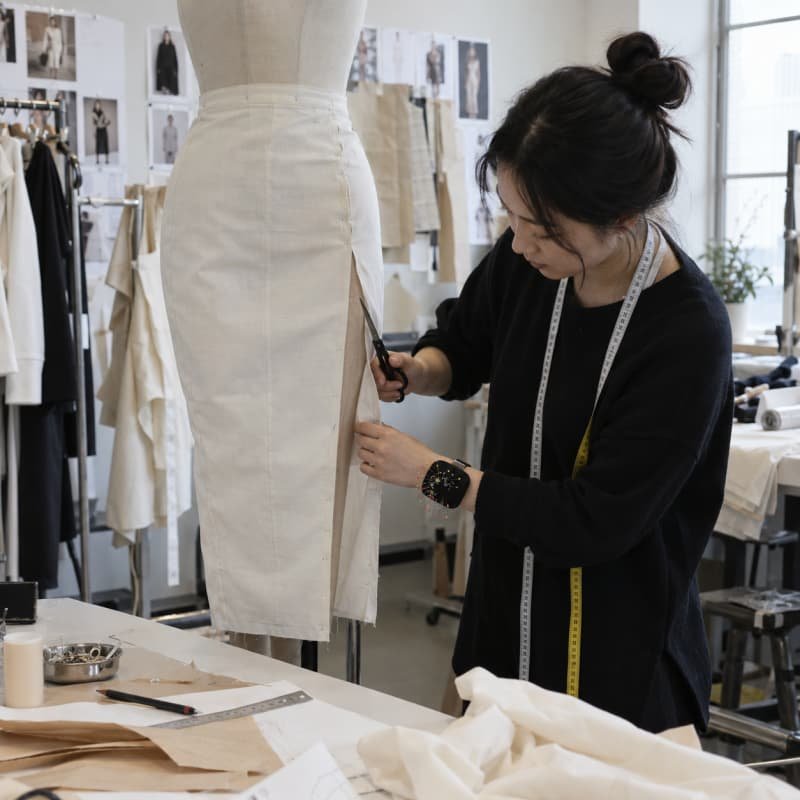
Size And Grading Standards For Fitted Skirt Programs
Full-size production requires more than adding the same amount to every measurement. Bodycon grading must preserve the waist-to-hip relationship, visual proportion, skirt length and lower opening while accounting for fabric stretch and the brand’s existing size architecture.
| Control Point | Development Purpose | Grading Focus | Bulk QC Method |
|---|---|---|---|
| Waist | Defines upper fit and pressure | Preserve brand waist progression | Measure relaxed garment consistently |
| High Hip | Controls upper-body transition | Avoid abrupt expansion across sizes | Fixed POM from waistband |
| Full Hip | Main fitted circumference | Balance front/back distribution | Flat measurement under agreed method |
| Waist-to-Hip Depth | Positions body shaping vertically | Maintain proportion across sizes | Measure from agreed waist reference |
| Skirt Length | Controls styling and coverage | Grade according to brand proportion | Same start and end reference points |
| Waistband Height | Affects pressure and visual line | Keep depth proportional and stable | Finished top-to-seam measurement |
| Hem Opening | Controls movement and lower silhouette | Maintain fitted look without restriction | Flat opening measurement |
| Slit Height | Controls movement and coverage | Preserve proportional placement | Measure from finished hem |
| Side Seam | Reveals pattern balance | Keep vertical relationship stable | Visual plus measurement check |
Workmanship Standards For Clean Bodycon Skirt Construction
Waistband Construction Must Stay Flat And Stable
The waistband sits at the most visible pressure point of many bodycon skirts. Poor construction can create rolling, rippling, twisting or an uncomfortable hard edge. Development should choose the construction according to fabric behavior and intended visual finish. Options can include self-fabric waistbands, faced structures, elastic-supported designs or clean internal finishes. The method should remain compatible with stretch around the body. Key controls include:
- Finished waistband height.
- Joining-seam elasticity.
- Recovery after extension.
- Side-seam alignment.
- Bulk at zipper joins.
- Top-edge stability.
- Internal finish.
- Pressing response.
A high-waisted skirt needs sufficient structural stability to stay in position without creating excessive pressure. A softer jersey skirt may require a different solution because a heavy internal structure can fight the drape of the main fabric. Construction should also consider color. Light fabrics can reveal internal seam allowances or elastic through the outer layer, requiring additional coverage review.
Stretch Seams Closures And Ruching Need Controlled Tension
Seams on a fitted garment remain under load during dressing and movement. A seam can appear straight on a table yet become restrictive, wavy or vulnerable to breakage when stretched.
Seam construction should be selected according to fabric extension, thickness and visual requirements. Overlock, coverstitch, multi-thread stretch construction or other suitable methods may be used according to the garment structure. Stitch density and thread tension must support the intended extension without creating a rigid line.
For concealed zippers, the area around the zipper needs enough stability to prevent waviness. Zipper tape can behave differently from stretch fabric, so pattern and sewing tension should be balanced.
Ruching introduces another control point. Gather volume, elastic tension and seam length should follow an approved reference. Too much tension can shorten the skirt or distort the side seam; too little can make the detail look inconsistent across production.
Workmanship review should always consider how the garment behaves while worn, not only how the sewing looks before stretching.
Hems Slits Linings And Pressing Complete The Silhouette
The lower edge often determines whether a fitted skirt looks clean in photographs and on the body. Stretch hems can wave when fabric is pulled during sewing, when tension is too high or when pressing changes the edge.
The hem method should create enough elasticity for dressing and walking while maintaining a flat visual line.
Slits need additional reinforcement because the top of the opening receives concentrated stress. Position, finished height, stitching and reinforcement should match the approved sample.
Lining requires similar attention. A lining that is too narrow restricts the outer garment; one that is too long can become visible below the hem. A lining with very different recovery may pull against the outer shell during wear.
Final pressing should shape the garment without flattening texture, glazing the surface or stretching edges. Bodycon skirts should be allowed to return to their natural condition before final measurement.
Clean workmanship therefore comes from coordinating sewing, finishing and fabric behavior rather than relying on final inspection to hide earlier production problems.
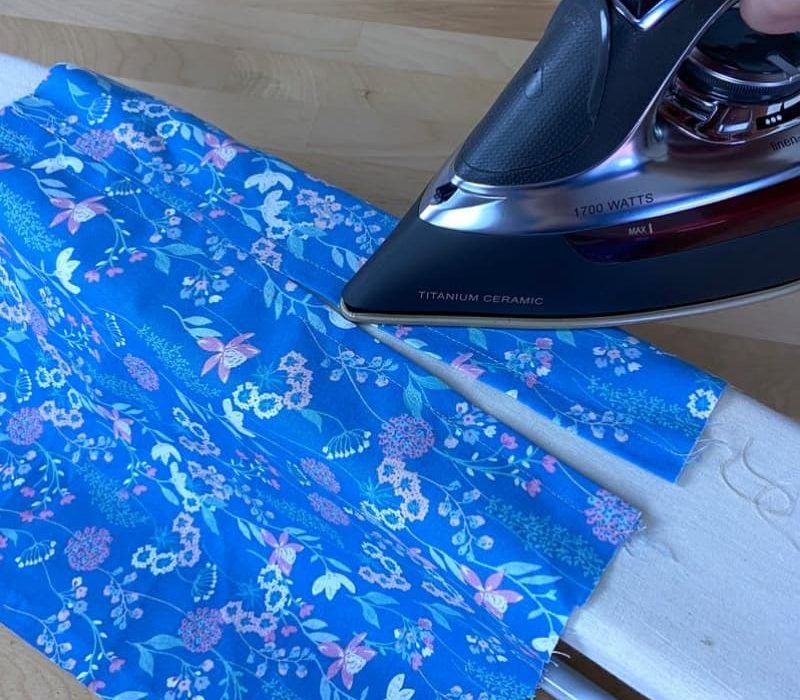
Design Details That Change Bodycon Skirt Development
Controlled Ruching
High Side Slits
A high slit introduces movement and visual length but also creates a stress point inside a fitted garment. Development should confirm slit location, top position, seam allowance, reinforcement and lower-body opening before approval. A slit that begins too low may restrict movement; one that sits too high can alter coverage and brand positioning. Placement also needs to remain proportional when sizes are graded. Production QC should check slit height from the same measurement reference and confirm the opening lies flat after pressing. For stretch fabrics, reinforcement should stabilize the top without creating an obvious rigid patch on the outside.
Asymmetric Hemlines
Asymmetric hems add movement and visual interest, but pattern balance becomes more demanding because front, side and back lengths intentionally differ. The development team should define every key length rather than relying on a general “asymmetric” instruction. Side seam transition, drape direction and hem finishing all influence whether the shape looks intentional. Stretch fabrics can also drop differently at longer sections. For bulk production, the approved pattern and measurement reference should make the asymmetry repeatable. Cutting accuracy and panel identification become especially important when left and right garment pieces are not interchangeable.
Concealed Zippers
Stretch Mesh Overlays
Lace-Up Details
Embellished Surfaces
Rhinestones, sequins, beadwork or applied trims create visual impact but can affect stretch, weight and comfort. An embellishment layout placed across a high-extension area may reduce local elasticity or create pressure against the body. Development should review decoration density, backing, attachment strength, edge placement and skin contact. The sample should also confirm whether the garment can stretch enough for dressing without damaging the decorative area. Bulk controls may include process trials, pull checks where relevant, placement inspection and protective packing.
Coordinated Matching Sets
Bodycon Skirt Sampling Built For Production Decisions
Lock The Development Basis Before Cutting The First Sample
- Waist and hip fit.
- Length and proportion.
- Fabric hand feel.
- Stretch and recovery.
- Coverage.
- Ruching or slit position.
- Construction method.
- Visual finish.
- Production feasibility.
Use The First Sample To Find Real Development Gaps
First-sample review should be diagnostic. The team compares the garment against the intended silhouette, measurement basis, fabric behavior and construction target.
For bodycon skirts, key review areas include waist pressure, high-hip transition, full-hip contour, side-seam position, front/back balance, length, hem opening and movement. Ruching, slits, mesh layers or zippers add their own checkpoints.
A useful sample review separates issues into categories:
Pattern: waist shape, hip distribution, side seam, length or lower opening.
Material: recovery, transparency, softness, surface or shrinkage behavior.
Construction: waistband, zipper, seam elasticity, hem or slit reinforcement.
Specification: measurement point, tolerance or grading logic.
Visual: proportion, ruching density, symmetry or finish.
Fit comments should then be converted into named actions. “Hip looks tight” is not enough. The team needs to determine whether the cause is insufficient measurement, front/back distribution, fabric pressure or another factor.
Every revision should move closer to a production standard rather than simply produce another version.
Move From Revised Sample To Production-Ready Approval
Once fit direction is confirmed, the sample needs to carry enough information for production teams to reproduce the result. A production-ready bodycon skirt should have a defined basis for:
- Approved pattern.
- Size specification.
- Fabric and color.
- Lining where required.
- Waistband construction.
- Zipper or fastening.
- Ruching or slit details.
- Hem method.
- Workmanship.
- Critical measurement tolerance.
- Label and packing requirements.
A PP or equivalent approval reference gives production and QC teams the same visual and technical standard before the line runs at volume. The transition also provides a final opportunity to ask whether a sample-only technique can be repeated reliably in bulk. A hand-adjusted detail, temporary fabric substitution or unrecorded construction decision should not enter full production without clarification.

Fit Correction From Sample Comments To Approved Pattern
Initial Fit Review
The style was a high-waisted ruched midi developed for a fitted separates program. The first sample was visually close to the design reference but revealed three issues during fit review: the back waist opened slightly away from the body, the side seam moved forward through the fullest hip, and the hem climbed during walking.
Flat measurements alone did not explain the result because the main fabric had sufficient extension.
Review focused on:
- Back-waist shaping.
- High-hip transition.
- Front/back hip distribution.
- Fabric recovery under wear.
- Lower opening and walking movement.
The sample remained useful because the problems were identified before grading and production planning.
Root Cause Review
The team traced the visible issues to more than one source. The back waist required a different curve rather than a general circumference reduction. Full-hip tension was distributed too heavily through the front panel, causing the side seam to shift.
The lower section also carried more negative ease than required for the fabric behavior, contributing to upward movement.
Instead of altering the finished sample superficially, comments were separated into pattern, measurement and fabric-behavior actions.
Key decisions included:
- Rebalancing front and back hip shaping.
- Refining the back-waist curve.
- Preserving the approved front silhouette.
- Rechecking hem opening under normal stride.
- Keeping ruching placement unchanged so visual intent remained intact.
Corrected Pattern
Pattern corrections were transferred into the digital pattern and reflected in the revised measurement reference. The side seam returned closer to a neutral vertical position and waist contact improved without adding excessive pressure.
The lower opening was adjusted to support walking movement while retaining the fitted visual line.
The revised sample was then reviewed under the same conditions as the first version rather than judged against memory.
That sequence created a traceable correction path:
Fit comment → root cause → pattern action → revised specification → second fit review.
The process prevented the same first-sample issues from being carried into grading.
Approval Result
After the revised fit was accepted, the approved waist/hip relationship and lower-skirt balance became the basis for grading and production preparation.
Ruching density, fabric direction, waistband construction and hem finish were also kept with the approval reference so the production line received more than a corrected paper pattern.
The result was a stronger production basis rather than a one-off altered sample.For a fitted product, the most valuable correction is one that can be repeated across:
- The full size range.
- Production colorways.
- First-piece approval.
- Inline measurement checks.
- Later repeat orders.
What Must Be Locked Before Bodycon Skirt Bulk Production
Approved Fit Reference
Fabric Standard
Pattern And Grading
Construction Standard
Material And Trim Record
QC And Packing Basis
Bodycon Skirt Quality Control From Fabric To Final Packing
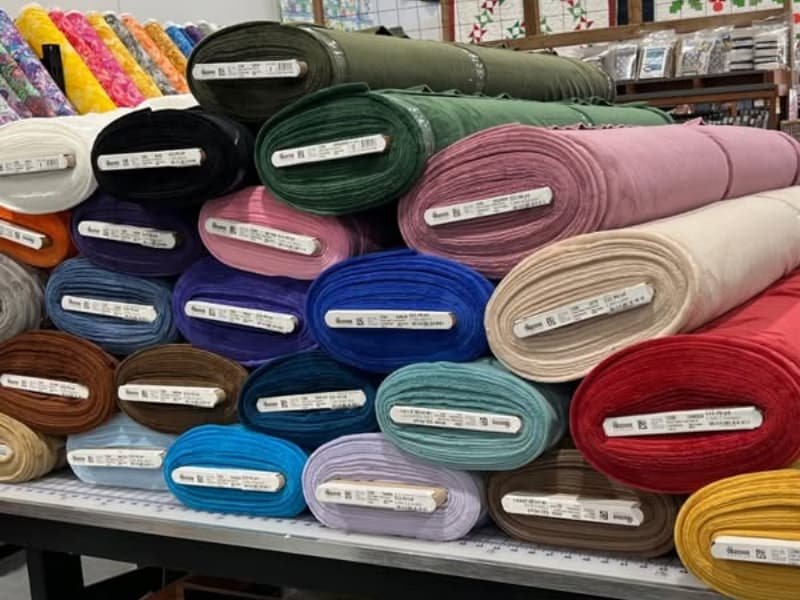
Fabric Lot Review
Bulk fabric can vary by lot in color, hand feel, stretch and recovery. For bodycon production, variation in recovery can change fit even when cut panels use identical patterns.
Material review should therefore compare production fabric with the approved direction before large-scale cutting.
Checks may include:
Color against the approved reference ,Surface and hand feel ,Stretch direction ,Recovery ,Width and usable condition ,Coverage for lighter colors ,Visible defects.
When a style uses lining or mesh overlay, both materials should be reviewed as one wearing system. A difference identified early can be evaluated before hundreds or thousands of garments are affected.
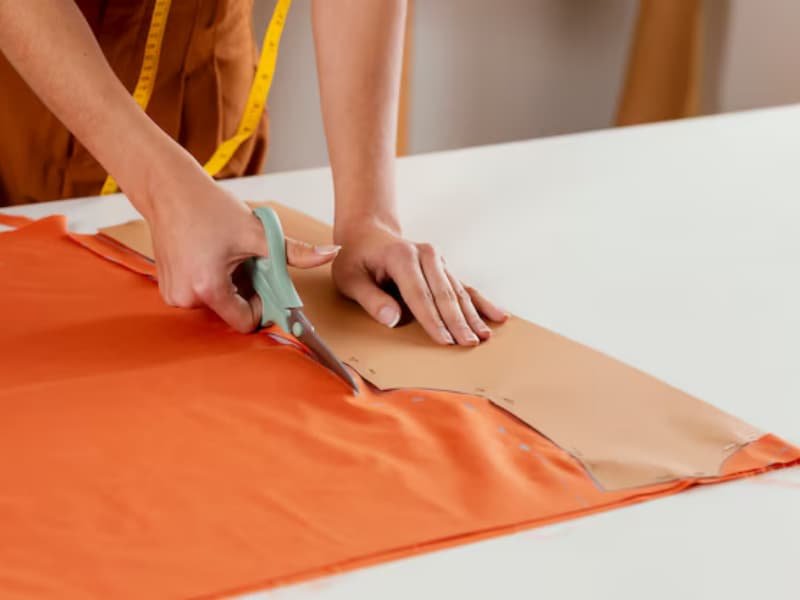
Cutting Direction Control
Cutting preparation should confirm marker orientation, fabric direction and panel identity before volume cutting begins. Directional ribs, textures, prints or mesh patterns add additional controls.
Panel numbering and bundle management help keep parts organized during sewing, particularly when several colorways or similar fitted styles run at the same time.
Accurate cutting also protects side-seam and hem balance. Sewing cannot fully correct a panel already distorted or cut against the intended stretch direction.
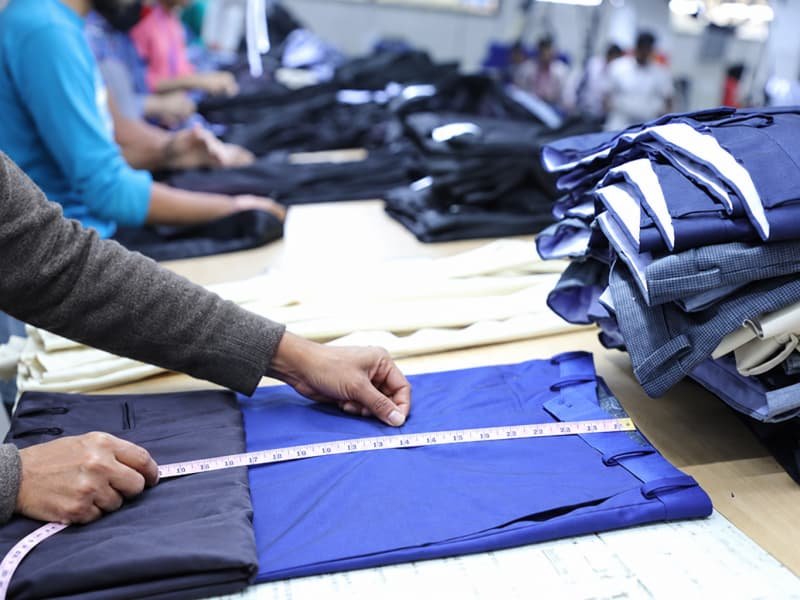
Inline Fit Measurements
Measurement methods must stay consistent. Fabric should be placed under the agreed condition rather than randomly stretched during inspection.
When an out-of-tolerance result appears, the team should determine whether the source is cutting, seam allowance, sewing tension, pressing or fabric behavior.
Finding a trend during production gives the line an opportunity to correct the process. Waiting until final inspection can turn a manageable adjustment into a larger rework problem.
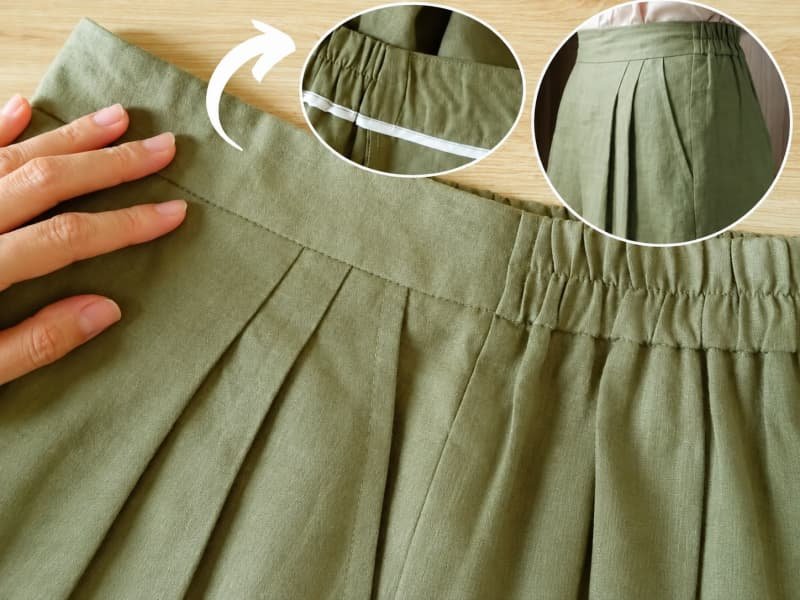
Seam And Waistband Stability
Visual seam quality should be checked under both relaxed and worn conditions where appropriate. A side seam may look smooth on a table and become wavy when extended.
Waistbands should stay flat and recover after normal stretching. Zipper areas should remain clean without obvious rippling or puckering.
Ruching needs consistent density and placement. Slit reinforcement should remain secure and visually balanced.
Inspection should also look for skipped stitches, open seams, broken threads and other standard workmanship issues, but bodycon QC goes further by checking whether the sewing method preserves the approved fit and stretch behavior.
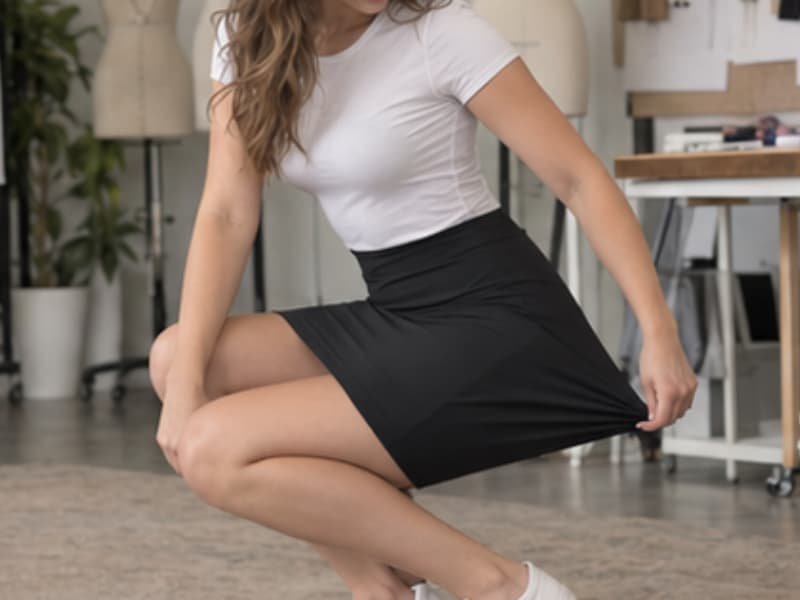
Recovery And Coverage
A bodycon skirt should be assessed for how the fabric responds after extension. Recovery problems can appear as loose areas around the seat, hip or waistband after handling.
Coverage also deserves specific attention in high-tension zones. Light colors and lower-density fabrics may become noticeably more transparent when stretched across the body.
Where required, fit or mannequin review can help expose issues not visible in flat inspection.
For layered garments, outer and inner layers should return together without bubbling or dragging.
Recovery and coverage are product-performance questions, not merely material descriptions, because both directly affect how the skirt looks after it reaches the wearer.
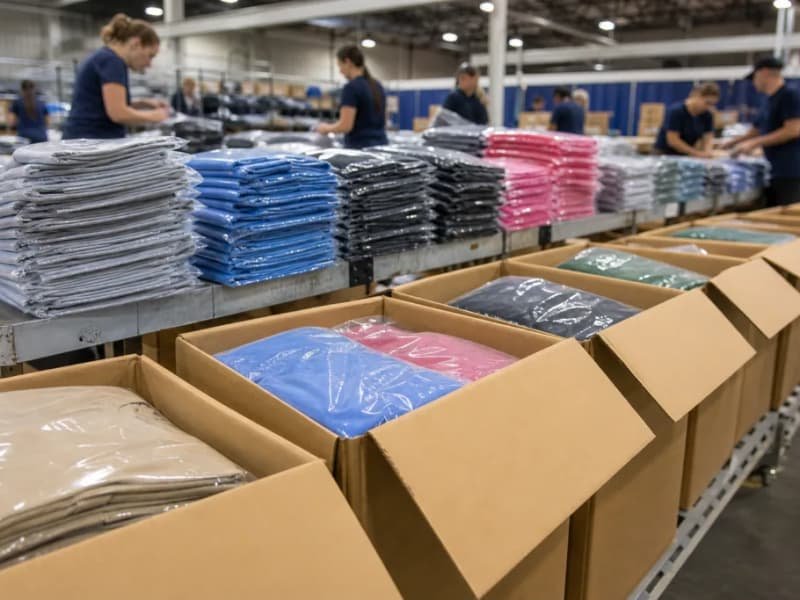
Final Appearance And Packing
Final inspection reviews measurements, workmanship and overall appearance against the approved standard. Side seams should remain balanced, hems should lie cleanly, ruching should appear intentional and slits should align correctly.
Pressing should leave the garment presentation-ready without stretching edges or creating surface marks.
Packing review then confirms labels, size stickers, barcodes, polybags, folding method and carton requirements according to the program.
For decorated, layered or sensitive fabrics, packing may require additional protection.
The final objective is not merely a garment that has finished sewing. The finished unit should be in the agreed condition for brand receiving, distribution and retail preparation.
Keeping Bodycon Fit Consistent Across Repeat Orders
Keep Approved References
Recheck New Fabric Lots
Preserve Pattern And Size Logic
Reuse Previous Quality Learning
Previous problems are useful production data. If an earlier order experienced waistband waviness, light-color transparency, zipper rippling or variation in slit height, the next production run should treat those points as known risks. A repeat-order review can therefore include previous inspection notes and corrective actions before sewing begins. The goal is not to assume the second run will automatically be easier. Material lots, production lines and schedules can change. A repeat order becomes more reliable when the team combines the original approved standard with the lessons recorded during earlier production.
An Anonymized Bodycon Skirt Collection Production Case
Program Structure Across Eighteen Fitted Skirt Styles
The development mix included:
- Clean high-waisted minis.
- Ruched mini and midi styles.
- Side-slit fitted midis.
- Compact-knit pencil shapes.
- Stretch jersey commercial styles.
- Matching skirt-and-top programs.
Color and fabric direction were also grouped before bulk preparation. Dark core colors created fewer coverage concerns, while ivory and lighter fashion colors required more attention to opacity. Structured stretch constructions used different pattern tension from softer jersey directions.
The resulting development map separated fit-block decisions from design-detail decisions. Ruching, slits, waistbands and surface details could then be developed without repeatedly rebuilding the core waist and hip relationship.
That approach reduced unnecessary variation and created a clearer path for grading, sample review and production planning across the collection.
Development Controls Before Releasing The Bulk Program
Development therefore grouped controls around each style family.
For fit-sensitive styles, the team reviewed:
- Waist and high hip: contact, pressure and transition.
- Full hip: contour and front/back balance.
- Side seam: vertical position during fit.
- Fabric: stretch direction, recovery and coverage.
- Length: standing appearance and movement.
- Design details: ruching, slit, zipper and waistband.
For higher-risk styles, first-piece or pilot verification provided another checkpoint before volume sewing.
A multi-style program becomes difficult when every development decision is held only in email comments. A controlled reference system allows pattern, sourcing, production and QC teams to understand which elements are shared across the collection and which require style-specific handling.
Bulk Execution Across Forty-Two Thousand Six Hundred Pieces
Bulk planning treated the program according to style complexity, material readiness and production risk rather than releasing all 42,600 pieces as one undifferentiated block.Core fitted styles could follow stable construction paths, while ruched, layered or higher-risk versions received additional workmanship checkpoints.
Inline QC emphasized fit-critical measurements and visible construction points. Material lots were checked before cutting, and the production team monitored waistband shape, side-seam balance, ruching consistency, slit position and hem presentation during the run.
The program also created a stronger basis for future extensions. Once a fit block, measurement method and fabric standard were proven, future colorways or related skirt designs could begin from an established reference rather than from zero.
The commercial value of the case was not simply the quantity produced. The stronger outcome was a repeatable structure connecting: fit block → fabric family → style detail → approved sample → bulk standard → repeat-order reference.
For established fashion brands managing frequent product drops, such continuity makes a supplier more useful across seasons than a factory capable of producing only one isolated style.

Manufacturing Capacity Supporting Multi-Style Fitted Skirt Programs
Core Manufacturing Control
Scalable Production Network
Development And Production Density
Bodycon Skirt Manufacturing Frequently Asked Questions
Send Your Bodycon Skirt Project For Development Review
Share the information your product team already has, whether it is a complete tech pack, an existing fitted skirt, reference images or an early collection direction. Duolan can review the style around waist-to-hip fit, fabric stretch and recovery, pattern requirements, grading, construction, production feasibility and expected bulk controls before the project moves forward.
For a more useful review, include:
- Brand or company name.
- Tech pack or reference images.
- Original sample photos if available.
- Target fabric or swatch direction.
- Sample size and full size range.
- Target quantities and colorways.
- Waist and hip fit requirements.
- Ruching, slit, mesh, zipper or trim details.
- Label and packaging requirements.
- Target launch or delivery window.
- Any previous fit, fabric or bulk-production concerns.
A clear brief allows the development team to identify missing specifications, higher-risk construction points and the most suitable route from pattern and sample development through production approval.