Skip to content
Private Label Dress Manufacturer
Private label dress development and production for established fashion brands with controlled product, branding, quality and delivery standards.
Duolan helps fashion brands turn dress concepts into brand-owned products through fabric sourcing, pattern development, sampling, private labels, hangtags, packaging, bulk production, QC and repeat delivery. We focus on dress programs that require product control, brand execution and long-term production discipline.
- 30+ years of womenswear development experience support dress-focused product interpretation and production decisions.
- 16 owned womenswear factories keep core dress projects closer to sampling and bulk control.
- 20+ satellite factories add flexible routing for repeat orders, seasonal volume and complex workmanship.
- 300 sewing lines support multi-style production across fitted, occasion, party and resort dresses.
- 50+ quick-response lines help manage active launches, urgent revisions and controlled reorder windows.
- 15,000–35,000 monthly sample capacity supports high-density collection development and revision programs.
- SMETA 2-Pillar audit record supports supplier evaluation for brand-level sourcing and compliance teams.







Private Label Dresses Require Product Discipline
Private label dress manufacturing is not only about sewing a brand label into a finished garment. For fashion brands, the real value comes from controlling the product before the label is attached: fabric, fit, silhouette, lining, trims, measurements, care information, hangtags, packaging and final delivery state.
Brand Ownership Starts Before Labeling
A private label dress must look, fit and arrive as part of a brand’s product system. That means the dress cannot be treated as a generic garment with a changed tag. The supplier needs to understand how the brand’s target customer wears the product, how the dress will be photographed, how it will be packed, and how the same style may be repeated or extended in future seasons.
Duolan approaches private label dress projects through product discipline first. We review the intended dress category, material behavior, fit direction, construction risk and brand finishing details before moving into sampling or bulk planning. A satin midi dress, mesh party mini, structured corset dress and resort maxi dress all require different development decisions. The label becomes meaningful only when the garment standard already supports the brand’s selling position, consumer expectation and repeat production plan.
Brand Presentation Needs Production Control
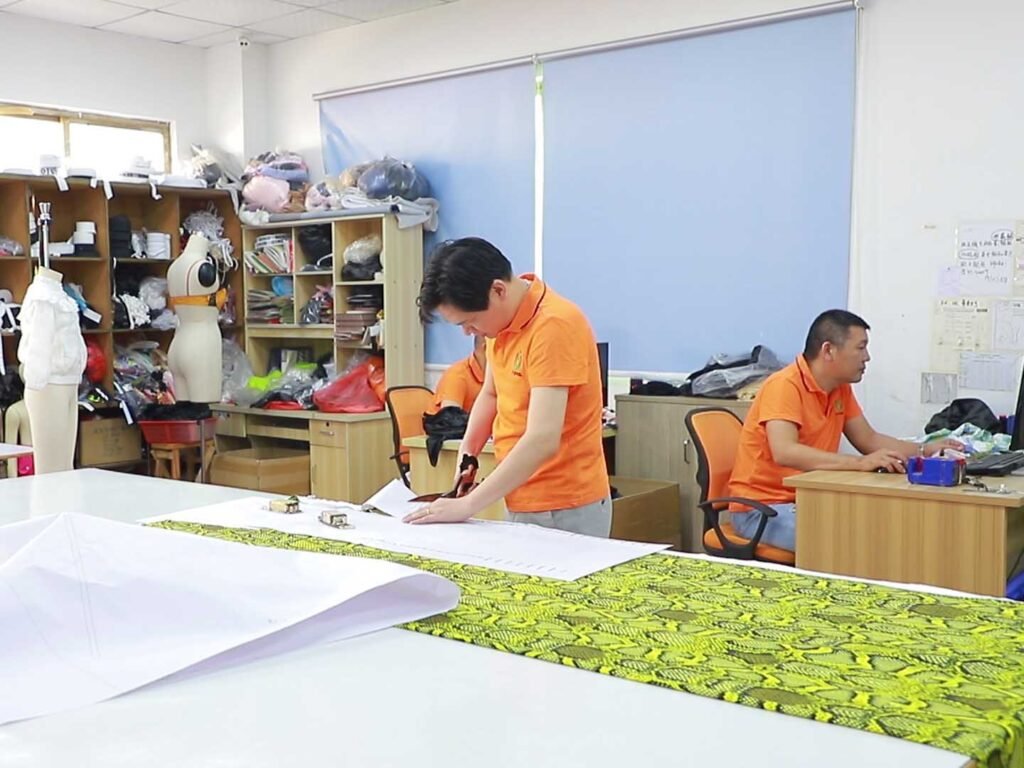
Private label execution includes main labels, care labels, size labels, hangtags, barcode stickers, polybags, folding methods, carton marks and packing ratios. However, these details cannot be managed as final-week add-ons. If label artwork, care content, barcode information or packing method is confirmed too late, the risk moves into production, inspection, warehouse receiving and launch timing.
Duolan connects brand presentation with garment production. Label placement must fit the dress structure; care content must match fabric and lining reality; packaging must protect delicate materials such as satin, mesh, lace, sequins and structured bodices. For established fashion brands, private label manufacturing is a controlled path from product development to sellable delivery, not a cosmetic branding step at the end of production.
Built for Brand-owned Dress Programs
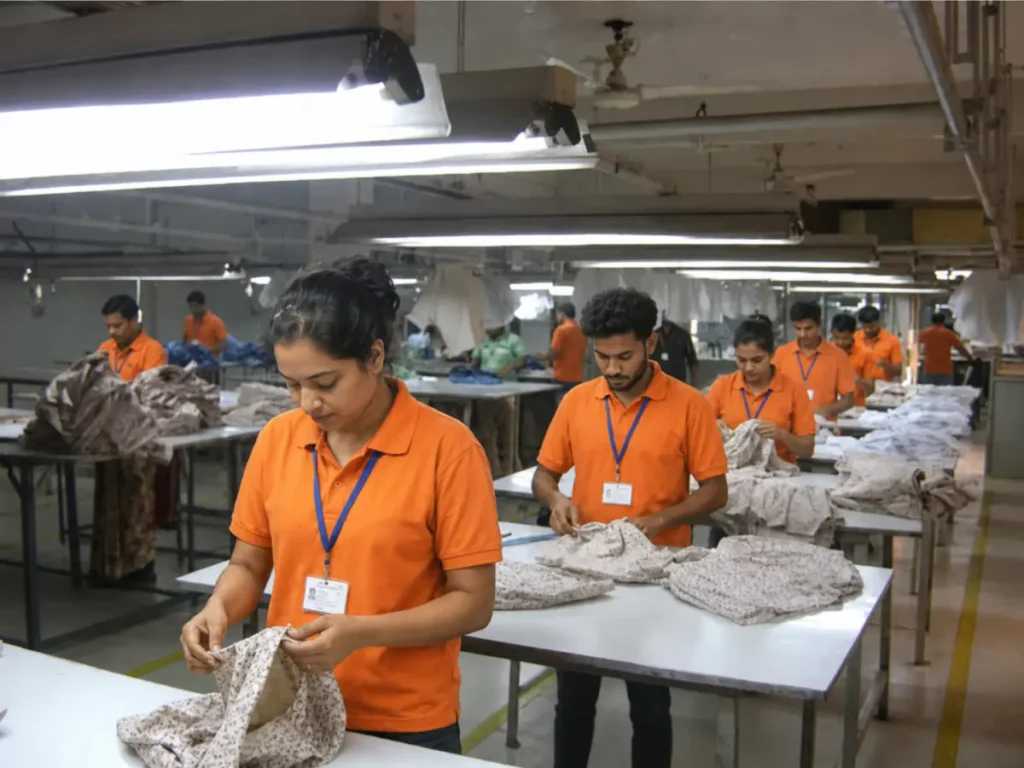
Duolan is best suited for fashion brands with clear product direction, launch plans, quality standards and repeat production potential. Private label dress manufacturing works best when brand, product, material, sample, packaging and delivery requirements are organized as one program.
Fashion Brand Teams
Fashion brand teams need private label dress production that protects brand identity across development, sampling, production and delivery. They usually work with seasonal calendars, internal approvals, product photography, ecommerce launches and repeat style planning.
- Duolan supports brand-owned dress products where fit, fabric, labels, hangtags, packaging and delivery instructions must work as one controlled standard.
- Projects are reviewed through dress category, material behavior, construction difficulty, label placement and final packing method before moving toward bulk production.
- The strongest fit is a brand team with planned collections, clear product expectations and the need for repeatable manufacturing records.
Product Development Teams
Product development teams need suppliers that can translate design direction into production-ready decisions. A reference image or sketch is only the starting point; fabric, pattern, structure and workmanship decide whether the style can be produced consistently.
- Duolan reviews tech packs, reference garments, original samples, fabric swatches and collection briefs to identify feasibility before sample work begins.
- Fit comments are translated into pattern, lining, construction and measurement adjustments instead of remaining as vague visual comments.
- Development is connected to bulk readiness, including PP sample standards, material locking, label files, packing instructions and QC checkpoints.
Sourcing Offices
Sourcing offices need suppliers that can pass practical supplier evaluation, communicate production risks clearly and support multi-style programs without losing control of details. The decision is rarely based on one sample alone.
- Duolan provides a manufacturing background supported by owned factories, satellite factory cooperation, production lines, sampling capacity and audit record.
- Supplier evaluation can include discussions around private labels, care labels, testing needs, production routing, inspection cooperation and delivery preparation.
- The page direction is built for sourcing teams that need evidence, process clarity and project records before approving a manufacturing partner.
Occasionwear Brands
Occasionwear brands need dresses that perform in visible social settings. Fabric drape, coverage, lining, fit, support, color, finishing and packing all affect the final consumer experience.
- Duolan supports wedding guest, cocktail, semi-formal, graduation, party, holiday and social-event dress programs without shifting into bridal gown positioning.
- Satin, mesh, sequin, lace, corset and fitted styles are reviewed through material behavior, support structure and sample-to-bulk control.
- Packaging and final presentation are treated as part of the product standard because occasion dresses must arrive polished and protected.
Ecommerce Dress Brands
Ecommerce fashion brands need dresses that photograph well, fit consistently, scan correctly and arrive warehouse-ready. A private label product must support selling, fulfillment and repeat order decisions.
- Duolan reviews barcode stickers, size labels, folding methods, polybag information, carton ratios and carton marks alongside garment QC.
- For high-frequency launches, sample records and production memory help reduce repeated corrections when proven styles are extended into new colors.
- Product consistency is especially important for fitted, satin, mesh and body-conscious dresses where customer returns can rise quickly if fit changes.
Multi-brand Groups
Multi-brand groups often develop different dress lines with separate brand identities, size expectations, packaging requirements and price positions. A single factory mindset is not enough for this structure.
- Duolan’s manufacturing system can support multiple dress programs through project separation, label file control, material records and production route planning.
- Each brand line may require different fit direction, fabric mood, hangtag style, packing method and QC tolerance.
- Long-term value comes from keeping each private label standard clear enough for repeat orders, color extensions and seasonal redevelopment.
Private Label, OEM, ODM and White Label
Private label dress manufacturing combines brand ownership with controlled product execution. It can include OEM or ODM development paths, but the final purpose is different: the dress must become a brand-owned product with confirmed garment standards, label information, packaging and delivery requirements.
| Cooperation Model | Brand Input | Duolan Execution | Best Fit |
|---|---|---|---|
| Private Label Dress | Brand direction, target dress category, label artwork, packaging requirements, launch timing and product standards | Development review, fabric sourcing, sampling, labels, hangtags, packaging, bulk production, QC and shipment preparation | Established fashion brands building branded dress lines |
| OEM Dress | Tech pack, size chart, BOM, artwork, material standard, packing instruction and inspection requirement | Pattern review, sample confirmation, material preparation, production execution, QC and packing according to confirmed files | Brands with complete technical documentation |
| ODM Dress | Market direction, reference styles, target price position, fabric preference and collection mood | Style proposal, fabric recommendation, sample development, construction review and private label finishing | Brands needing development support before bulk production |
| Full Custom Dress | Original concept, sketch, reference garment, sample photo or proprietary design direction | Feasibility review, pattern development, sample rounds, fabric matching and production readiness control | Brands building unique dress designs |
| White Label Dress | Existing generic product selection with limited change requirements | Limited branding or basic product adjustment where available | Not Duolan’s main positioning for brand-level private label programs |
Private Label Dress Product System
A strong private label dress program connects product development, branding, production and delivery. Duolan organizes the work by layers, so brand identity does not depend only on a label. The garment, material, fit, construction, label, hangtag, packing and QC record must support each other.
Product Standard Layer
| Control Area | Decision to Confirm | Why It Matters |
|---|---|---|
| Dress category | Party, occasion, satin, mesh, corset, fitted, resort, vacation or fashion set | Different categories require different fit, fabric, lining and production control |
| Fabric behavior | Drape, stretch, opacity, recovery, handfeel, shrinkage, color and weight | Fabric determines whether the dress can match the intended brand position |
| Fit direction | Body-conscious, structured, draped, relaxed, supported or movement-friendly | Fit determines wearability, return risk and repeat production consistency |
| Construction path | Lining, zipper, boning, straps, slit, ruching, sequin, lace or special finishing | Construction decides whether the approved sample can be reproduced in bulk |
Delivery Standard Layer
| Control Area | Decision to Confirm | Why It Matters |
|---|---|---|
| PP sample lock | Approved garment, trim card, label artwork, packing instruction and tolerance | Prevents bulk garments from drifting away from the approved sample |
| QC checkpoint | Fabric, cutting, sewing, measurement, labels, hangtags, packing and carton check | Controls both garment quality and private label execution |
| Carton information | Style code, size, color, ratio, barcode, quantity, weight and carton mark | Reduces receiving mistakes and shipment confusion |
| Reorder record | Pattern version, fabric lot, label files, packing method and QC notes | Helps repeat production and color extension run with fewer avoidable changes |
Private Label Dress Categories
Duolan focuses on private label dress categories where product development, fabric judgment, fit control and production discipline matter. The strongest fit is not generic clothing relabeling, but dress-led brand programs with repeat, seasonal or collection value.
Mini Dresses
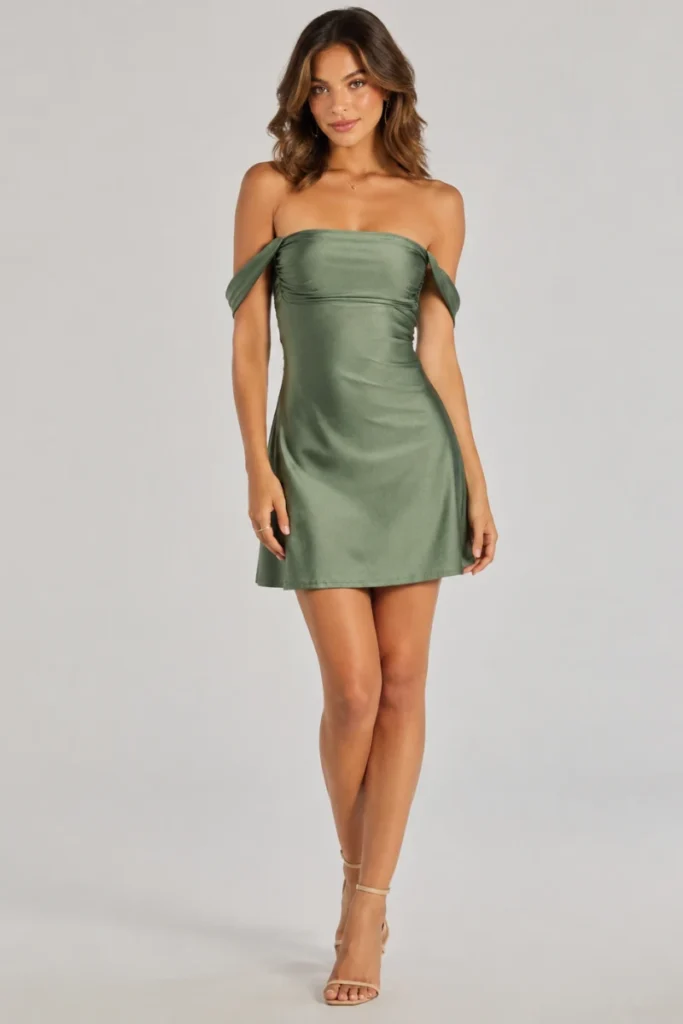
Mini dresses require careful proportion control because short length makes every decision more visible. Waist placement, hem width, lining coverage, strap angle and fabric stretch can change the whole product experience.
- Duolan reviews the intended wearing scenario before development, because a party mini, resort mini and fitted occasion mini require different fabric and support decisions.
- Critical points include safe length, lining coverage, zipper placement, hem stability, body balance and size grading across the selected market.
- Private label mini programs are strongest when the brand has a clear fit standard, photo direction and repeatable core silhouettes.

Midi Dresses
Midi dresses often carry a more polished brand image and are used across occasionwear, ecommerce fashion, resort and contemporary collections. The length creates both visual elegance and production risk.
- Duolan checks skirt fall, lining length, slit position, waist balance, fabric drape and hem stability before the style moves toward bulk production.
- Satin, jersey, mesh, lace and crepe midi dresses each require different cutting, sewing, pressing and packing approaches.
- A private label midi should remain consistent across sizes and colors, especially when it becomes a repeatable brand style.

Maxi Dresses
Maxi dresses require strong control over fabric weight, print placement, hem balance, lining, walking movement and packing protection. Long garments quickly reveal twisting, uneven cutting and poor finishing.
- Duolan reviews fabric drape, skirt volume, front-back balance, transparency, lining length and print direction before sample approval.
- Resort, vacation, occasion and formal maxi dresses require different standards for movement, coverage, packing and final presentation.
- For private label programs, carton packing and folding method must be planned carefully to reduce wrinkles and protect launch-ready appearance.
Party Dresses
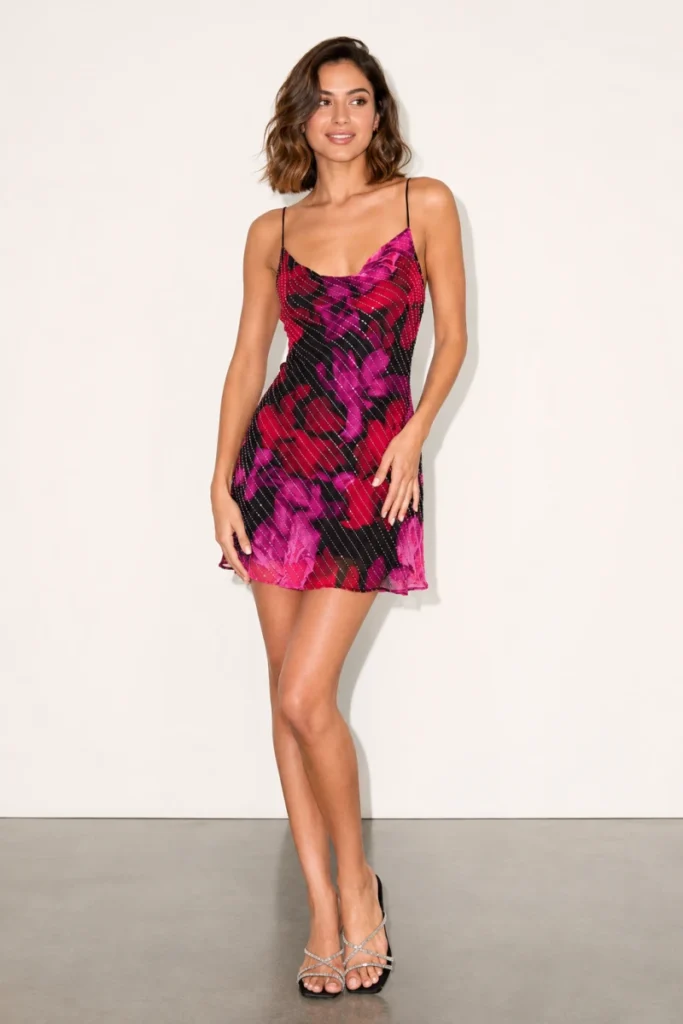
Party dresses need strong visual impact, but visual strength must be supported by fit, structure and construction. Cut-outs, mesh panels, sequins, bodycon shapes and halter necks can easily create production risk.
- Duolan evaluates support points, stretch recovery, lining coverage, zipper strength, sequin comfort and body balance before bulk approval.
- The goal is not to make the dress more complicated, but to keep the design wearable, stable and repeatable in production.
- Private label partywear programs work best when hero styles and commercial repeat styles are developed with different risk levels.

Occasion Dresses
Occasion dresses must feel refined enough for social events, photography and longer wearing time. Fabric, lining, structure, color and finish directly affect the consumer’s confidence.
- Duolan supports wedding guest, cocktail, semi-formal, graduation, holiday and social-event dress directions while avoiding bridal gown positioning as the main product route.
- Key controls include drape, opacity, support, lining comfort, color consistency, hem finish, packing protection and final inspection.
- Occasion private label programs often need photo-ready samples, PP sample discipline and careful delivery preparation before seasonal launch.

Bodycon Dresses
Bodycon dresses succeed when stretch, recovery, pattern tension, lining and seam elasticity work together. Tightness alone does not create a good fit.
- Duolan reviews fabric stretch rate, recovery, opacity, stitch elasticity, side seam balance and bust-waist-hip proportion during development.
- Critical risks include transparency, twisting side seams, weak recovery, uncomfortable compression and inconsistent grading across sizes.
- Private label bodycon programs benefit from repeatable patterns, fabric records and measurement controls for core styles and color extensions.
Satin Dresses
Satin dresses expose production quality quickly because light reflection reveals seam puckering, needle marks, pressing marks and packing creases. Satin must be handled as a sensitive material.
- Duolan checks satin weight, drape, opacity, cutting direction, seam tension, lining and pressing method before moving into bulk production.
- Sample approval must include surface evaluation under real light, not only garment shape on a hanger.
- Private label satin dresses need packing protection to keep the finished garment polished for ecommerce photography and customer delivery.
Mesh Dresses
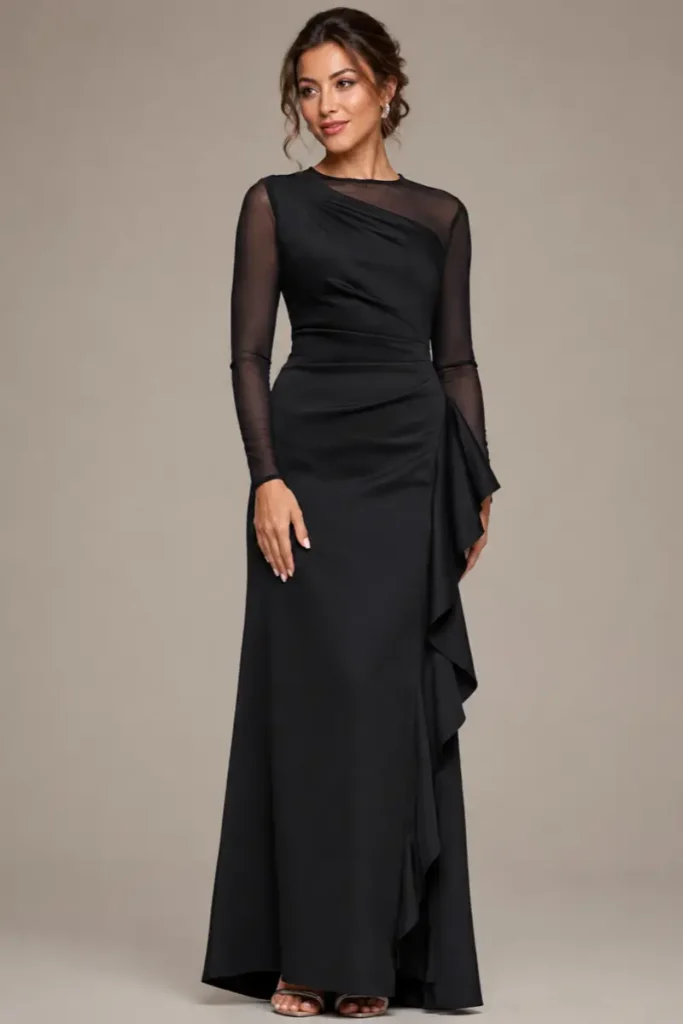
Mesh dresses require transparency planning, lining control, stretch review and edge finishing. A strong visual concept can fail if coverage zones and seam visibility are not designed carefully.
- Duolan reviews whether mesh is used as full body layer, sleeve, printed surface, insert, overlay or decorative panel.
- Key controls include stretch recovery, lining tone, coverage zone, binding, edge finish, print placement and skin comfort.
- For private label mesh dresses, the garment must look intentional and controlled rather than improvised or unfinished.
Satin Dresses
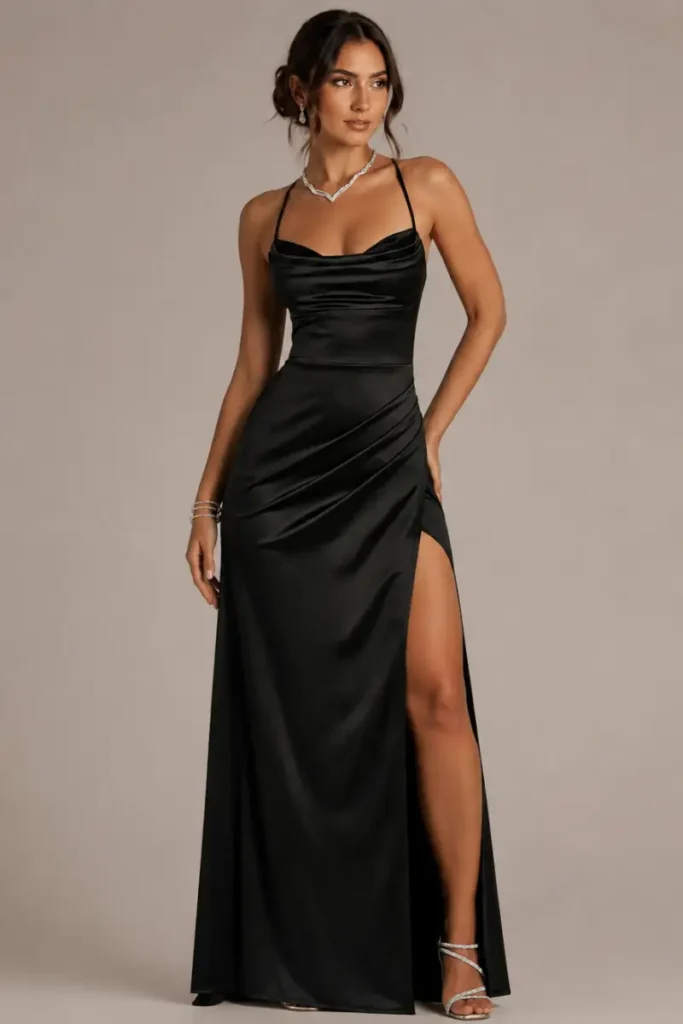
Satin dresses expose production quality quickly because light reflection reveals seam puckering, needle marks, pressing marks and packing creases. Satin must be handled as a sensitive material.
- Duolan checks satin weight, drape, opacity, cutting direction, seam tension, lining and pressing method before moving into bulk production.
- Sample approval must include surface evaluation under real light, not only garment shape on a hanger.
- Private label satin dresses need packing protection to keep the finished garment polished for ecommerce photography and customer delivery.
From Brand Direction to Production-ready Dress
Private label development begins when brand direction becomes specific enough for production decisions. Duolan can work from tech packs, original samples, reference images, fabric ideas or collection briefs, then convert the information into a controlled development and production path.
Direction Review and Feasibility
A brand may start with a reference image, but production decisions need more than visual similarity. Duolan reviews the intended dress category, target fabric, size range, price position, launch timing, label requirements and packing needs before confirming the best development path. A satin occasion dress, mesh party dress, fitted bodycon mini and vacation maxi each carry different material and construction risks.
- Product intent: Duolan identifies whether the style is a hero campaign piece, commercial core style, reorder candidate or seasonal extension.
- Feasibility check: Fabric behavior, lining, support structure, zipper, trim, label placement and packing method are reviewed before sampling.
- Project clarity: Stronger initial information helps reduce unnecessary sample rounds and improves quotation, timeline and production planning accuracy.
Sample Development and Revision
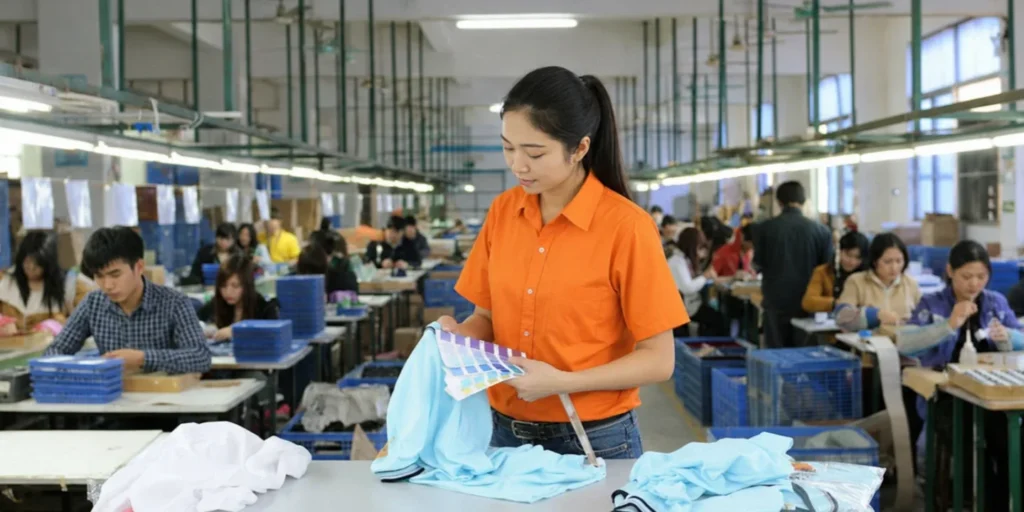
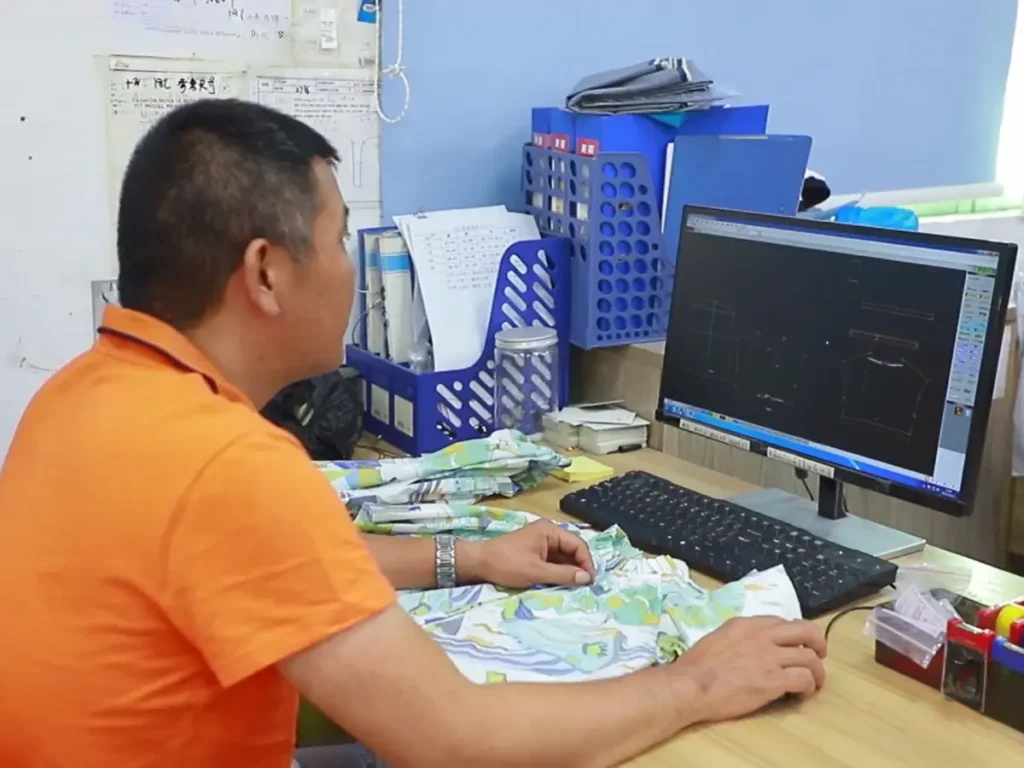
Sampling should create a decision-ready garment, not only an attractive prototype. Duolan prepares pattern logic, fabric direction, construction notes and sample objectives according to the product type. After the first sample, comments are translated into technical adjustments, such as neckline support, waist balance, lining coverage, hem correction, strap tension or fabric substitution.
- Pattern basis: Duolan treats pattern development as the structure behind visual identity, especially for fitted, corset, satin and mesh dresses.
- Revision logic: Comments are reviewed for production impact, because one change can affect fit, cost, construction and packing.
- Brand alignment: Each sample round should move closer to a product that matches the brand’s fit, fabric and presentation standard.
Bulk Readiness and Delivery
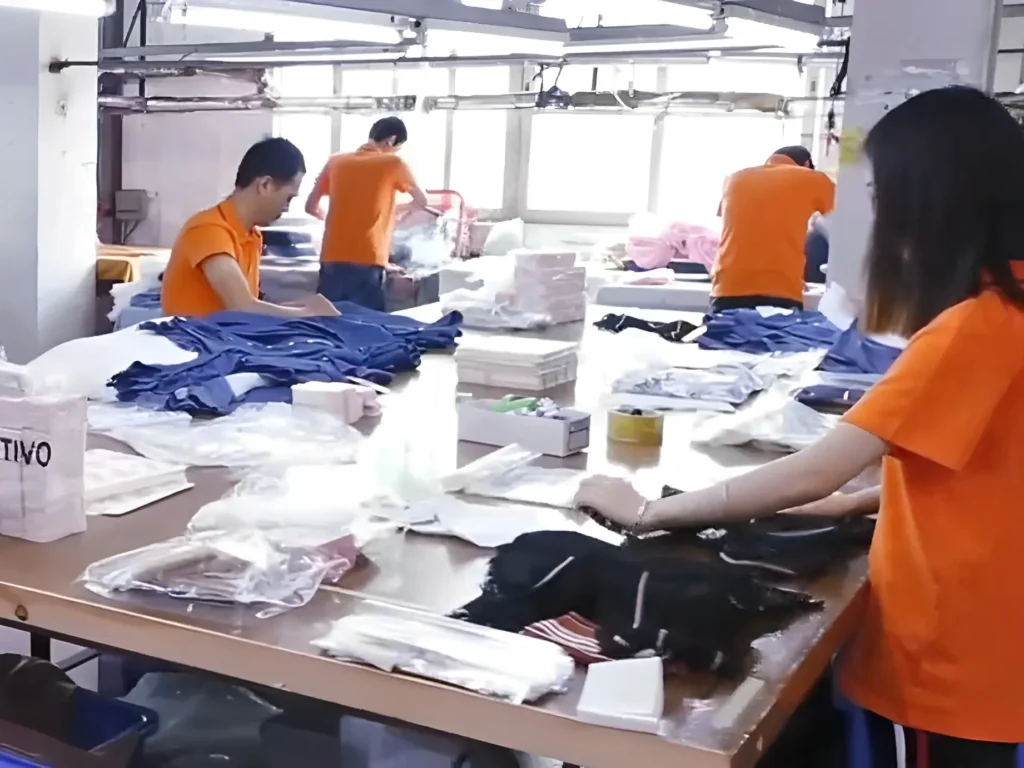
A private label dress is ready for bulk only when garment standard and brand execution standard are both locked. Duolan confirms approved sample, PP sample, fabric lot, trims, label artwork, care label content, hangtag files, barcode stickers, packing instruction, measurement tolerance and QC checkpoints before production moves forward.
- Production standard: PP sample confirmation prevents the approved design from being interpreted differently on the sewing floor.
- Brand standard: Labels, hangtags and packaging are checked as operational details, not decoration.
- Delivery standard: Packing ratio, carton mark, barcode, folding method and final inspection help the product arrive ready for warehouse or channel receiving.
Fabric and Construction Decisions
Fabric and construction decisions decide whether a private label dress can carry the brand’s price position and consumer expectation. Duolan reviews material behavior before sampling and bulk production, especially for satin, mesh, bodycon, corset, sequin, lace and resort styles.
| Dress Direction | Material Focus | Production Risk | Duolan Control |
|---|---|---|---|
| Satin Dresses | Drape, surface shine, weight, opacity, lining and pressing behavior | Seam puckering, needle marks, shine difference and packing creases | Fabric review, cutting protection, seam test, pressing method and packing control |
| Mesh Dresses | Stretch, transparency, lining match, print behavior and edge finish | Coverage mistakes, exposed seams, distortion and uncomfortable edges | Coverage zone review, lining selection, binding control and panel placement check |
| Bodycon Dresses | Stretch rate, recovery, thickness, opacity and seam elasticity | Over-tight fit, weak recovery, transparency and side seam twisting | Stretch test, pattern tension review, elastic stitch choice and measurement control |
| Corset Dresses | Boning, cup shape, lining, closure, support layer and zipper | Poor bust support, unstable cup position and uncomfortable internal structure | Inner structure review, boning channel control, support testing and PP sample lock |
| Sequin Dresses | Sequin density, direction, base fabric, lining and packing protection | Dropping sequins, skin irritation, seam thickness and surface damage | Sequin direction check, seam allowance cleaning, lining comfort and packing protection |
| Resort Dresses | Lightweight fabric, print scale, drape, color, transparency and wrinkle behavior | Print imbalance, see-through risk, uneven hem and packing wrinkles | Print placement review, lining plan, lab dip check and folding method control |
| Lace Dresses | Lace pattern, border, symmetry, lining color and transparency | Cheap-looking placement, asymmetric panels and lining mismatch | Lace placement planning, pattern symmetry check and lining color review |
| Fashion Sets | Fabric batch, top-bottom proportion, color consistency and packing ratio | Color difference, size pairing issues and inconsistent styling | Fabric lot control, set measurement review and packing ratio confirmation |
Labels, Hangtags and Packaging
A private label dress becomes a brand-owned product when the garment, label, hangtag, packaging and carton information are executed as one standard. Duolan helps brands organize these details early, so brand presentation is not separated from production control.

Main Label
The main label should match garment structure, brand positioning and wearing comfort. A satin dress may need a soft label; a backless style may need a hidden position; a stretch dress may need placement that does not affect recovery.
- Duolan checks label material, size, fold type, sewing position and skin contact before production starts.
- Main label placement is reviewed against neckline, lining, back opening, zipper position and garment stretch.
- The label should make the brand visible where appropriate without making the dress uncomfortable or visually heavy.

Care Label
The care label must match the real fabric composition, lining, country of origin, care symbols, size information and customer market requirements. Incorrect care content can create compliance issues and consumer complaints.
- Duolan reviews care label information against fabric, lining, trims and any special surface treatment used in the dress.
- Label softness, placement and attachment method are checked for comfort, especially on fitted, mesh, sequin and satin garments.
- Care content should be confirmed before bulk production to avoid relabeling delays or mismatched warehouse information.
Size Label
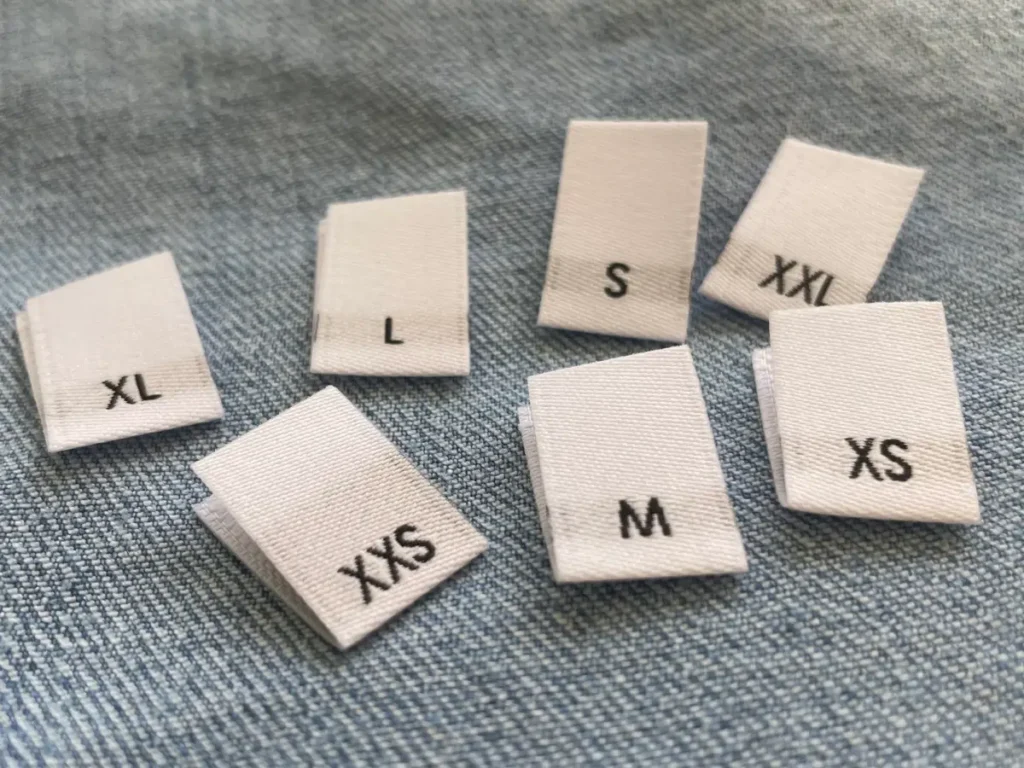
Size labels need to support selling, fulfillment and consumer understanding. For brands selling across US, UK, EU or AU markets, size information must match the agreed grading logic and packing data.
- Duolan checks size label content against approved size chart, carton ratio, barcode sticker and packing list.
- Placement should remain consistent across styles so warehouse and retail teams can identify products quickly.
- For multi-size private label programs, size label accuracy is part of final QC, not only a packaging detail.

Hangtag Set
Hangtags influence product presentation and warehouse handling. A private label dress may need brand hangtag, barcode tag, price tag, size tag, collection card, material note or retail instruction tag.
- Duolan confirms hangtag artwork, string, pin, barcode position, size code, style code and attachment location before production.
- Hangtag style should match brand positioning while still supporting scanning, receiving and sales channel requirements.
- For delicate dresses, attachment method must avoid fabric pulls, mesh damage, satin marks or sequin surface issues.

Unit Packaging
Unit packaging protects the dress and prepares it for retail, ecommerce or warehouse receiving. Satin, sequins, lace, mesh and structured dresses need different packing decisions.
- Duolan reviews polybag size, folding method, hanger option, tissue use, sticker placement and garment protection before shipment.
- Packaging should reduce creases, friction, label confusion and unnecessary handling during receiving.
- For private label programs, packaging is treated as part of the approved product standard.

Carton Packing
Carton packing affects shipment accuracy, warehouse receiving and launch timing. A correct garment in the wrong carton structure can still create operational problems.
- Duolan checks carton mark, carton ratio, style code, color, size breakdown, quantity, weight and packing list information.
- Carton-level information is matched against barcode stickers, hangtags and customer shipment instructions.
- For repeat production, carton records help maintain receiving accuracy across reorder and color-extension shipments.
Logo Application Without Quality Loss
Logo execution should support brand recognition without damaging the dress fabric, comfort or premium appearance. Duolan reviews logo method according to material behavior, garment structure, wearing position and private label requirements.
| Logo / Brand Detail | Suitable Use | Risk to Control | Duolan Review Point |
|---|---|---|---|
| Woven Label | Neck, lining, side seam, waistband or internal brand position | Scratchy handfeel, bulky seam, wrong visibility or poor placement | Label softness, size, fold type, sewing position and skin contact |
| Printed Neck Label | Lightweight, stretch or clean-finish dress interiors | Poor wash durability, color bleeding, heat marks or cracking | Print fastness, fabric reaction, placement and washing behavior |
| Embroidery | Subtle external branding or selected detail placement | Fabric distortion, heavy stitch area or uncomfortable backing | Base fabric stability, backing, stitch density and position |
| Heat Transfer | Minimal inner label, smooth surface or discreet logo detail | Peeling, cracking, heat damage or stretch failure | Temperature test, stretch test, wash test and surface compatibility |
| Metal Trim | Premium small plate, zipper puller or decorative accent | Oxidation, edge sharpness, excess weight or fabric damage | Plating quality, attachment strength, smooth edge and garment balance |
| Packaging Mark | Polybag, sticker, tissue, carton or retail packaging | Inconsistent presentation or unreadable warehouse information | Artwork file, barcode readability, sticker position and carton information |
Sample Development Path
Sampling should create a decision-ready private label dress, not only a visual prototype. Duolan connects sample work with fabric reality, fit correction, construction risk, label planning and future bulk execution.
Project Intake
A strong project starts with clear information: dress category, reference images, tech pack, original sample, fabric idea, size range, target quantity, launch timing, label artwork and packaging direction. Duolan reviews what is available and identifies what must be confirmed before sampling. For private label programs, branding details are discussed early because main labels, care labels, hangtags, barcodes and packing methods can affect garment construction, costing, sample presentation and final delivery preparation.
Feasibility Review
Duolan checks whether the desired fabric, silhouette, lining, structure and workmanship can create the intended result in bulk production. Satin may need seam and pressing control; mesh may need transparency and lining review; bodycon may need stretch recovery testing; corset dresses may need internal support planning. Feasibility review helps expose production risks before they become repeated sample changes, delayed launches or unstable bulk quality.
First Sample
The first sample is used to evaluate silhouette, fabric behavior, fit direction, construction route and visual alignment with the brand. It is not treated as the final bulk standard. Duolan reviews the sample through measurable points such as bust, waist, hip, length, lining coverage, closure position, strap angle, hem balance and overall garment presentation. The goal is to create a useful base for brand comments and technical revision.
Revision Review
Brand comments are translated into technical actions. A request for “better support” may involve cup position, strap angle, lining, elastic, boning or neckline adjustment. A request for “more premium finish” may involve fabric weight, seam method, pressing, lining or packing protection. Duolan reviews each change against production feasibility, cost logic and bulk consistency, so the revised sample becomes closer to a production-ready version.
PP Sample Lock
The PP sample locks the garment and private label execution standard. Duolan confirms fabric lot, trims, lining, label artwork, care label content, hangtag set, barcode sticker, packing instruction, measurement tolerance and QC checkpoints. Bulk production should begin only after garment quality, brand identity and delivery details are aligned. This prevents a strong sample from becoming inconsistent bulk or incorrectly branded shipment.
Fit, Pattern and Size Control
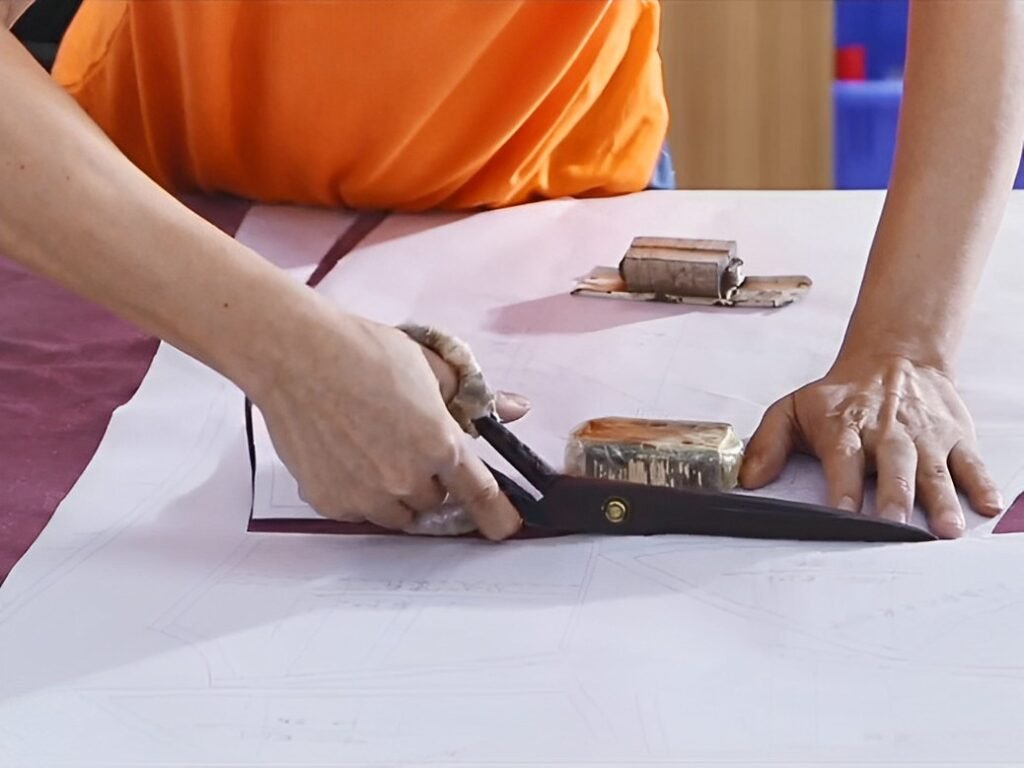
Private label dress quality is judged on the body, not only on the hanger. Duolan controls pattern, fit and size logic according to dress category, fabric behavior and target market, especially for fitted, structured, satin, mesh and occasion styles.
| Fit Area | What Needs Control | Dress Risk | Duolan Control Method |
|---|---|---|---|
| Bust and Underbust | Support, coverage, cup position, neckline stability and movement | Gaping neckline, poor support, exposed lining or unstable straps | Fit review, neckline check, structure correction and sample testing |
| Waist Position | Waistline height, shaping, seam balance and body proportion | Wrong proportion, twisting seam or uncomfortable compression | Pattern balance review, measurement control and fit comment translation |
| Hip and Seat | Ease, stretch, lining relation, recovery and side seam position | Tight pulling, transparency, seam twisting or poor walking comfort | Fabric stretch test, hip review and wear movement assessment |
| Strap and Neckline | Strap length, halter tension, shoulder angle and neckline shape | Neck pressure, slipping straps, uneven neckline or weak bust control | Strap load review, reinforcement and sample fitting check |
| Dress Length | Mini safety, midi proportion, maxi balance and lining length | Too short, uneven hem, dragging length or lining exposure | Length standard, model-height reference and grading rule confirmation |
| Slit and Opening | Slit height, opening width, reinforcement and movement | Weak slit point, overexposure, tearing or uncomfortable walking | Slit reinforcement, stress-point check and movement review |
| Size Grading | US, UK, EU or AU size logic across approved style | Sample works, but bulk sizes lose proportion | Grade rule review, critical measurement list and PP sample confirmation |
| Lining Fit | Lining length, stretch, coverage, attachment and comfort | Pulling, twisting, transparency or visible lining edge | Lining material selection, attachment check and coverage test |
PP Sample Readiness Checklist
A private label dress is not bulk-ready simply because the sample looks good. The approved version must be translated into garment standard, brand standard, packing standard and inspection standard before production starts.
Garment Standard
| Confirmation Item | What Should Be Locked | Why It Matters |
|---|---|---|
| Approved sample | Fit, length, construction, lining, trim, closure and final finish | Keeps bulk aligned with the exact product version approved by the brand |
| Fabric standard | Fabric code, weight, color, handfeel, stretch, opacity and lab dip | Prevents bulk material from changing appearance, fit or price perception |
| Pattern and grading | Sample size, grade rule, critical measurements and tolerance | Keeps proportion stable across sizes and repeated production |
| Trim board | Zipper, lining, boning, elastic, eyelets, thread and seam finish | Reduces incorrect substitution during material preparation and sewing |
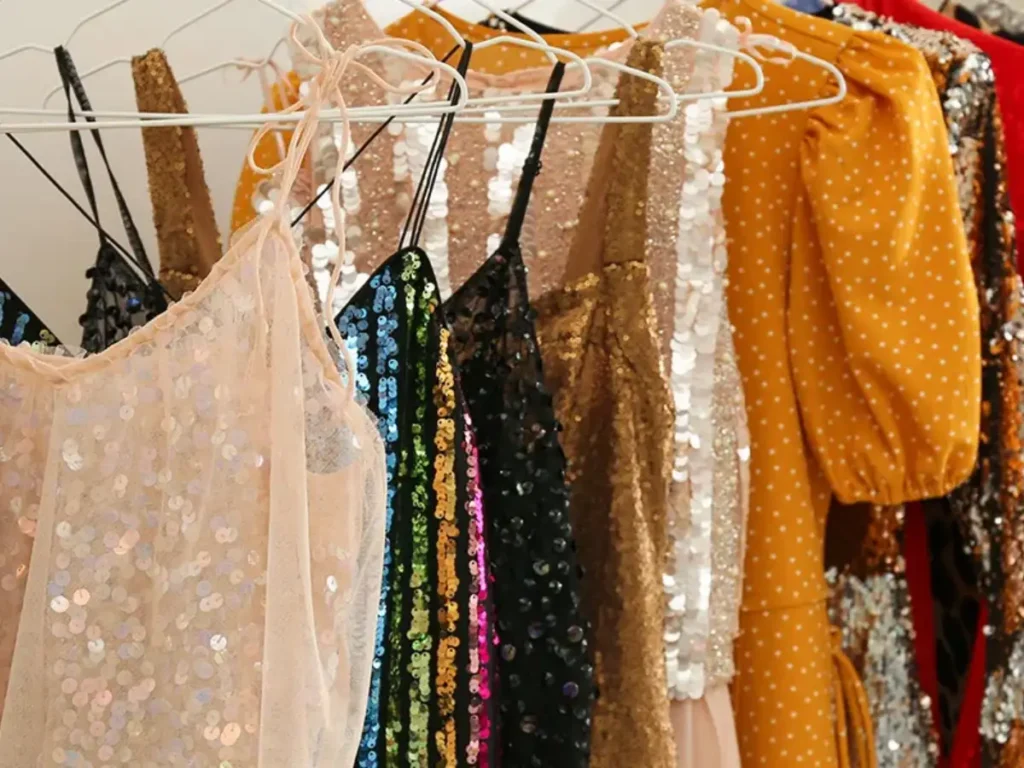
Brand and Packing Standard
| Confirmation Item | What Should Be Locked | Why It Matters |
|---|---|---|
| Label artwork | Main label, care label, size label and placement instruction | Ensures garment branding matches the approved private label standard |
| Hangtag set | Style code, color, size, barcode, price tag and attachment method | Supports receiving, scanning, retail presentation and ecommerce fulfillment |
| Unit packing | Fold, hanger, polybag, tissue, sticker, set packing and garment protection | Protects the dress and keeps warehouse preparation consistent |
| QC checklist | Measurement, seam, label, hangtag, packing, carton and final inspection points | Creates a clear inspection basis before shipment approval |
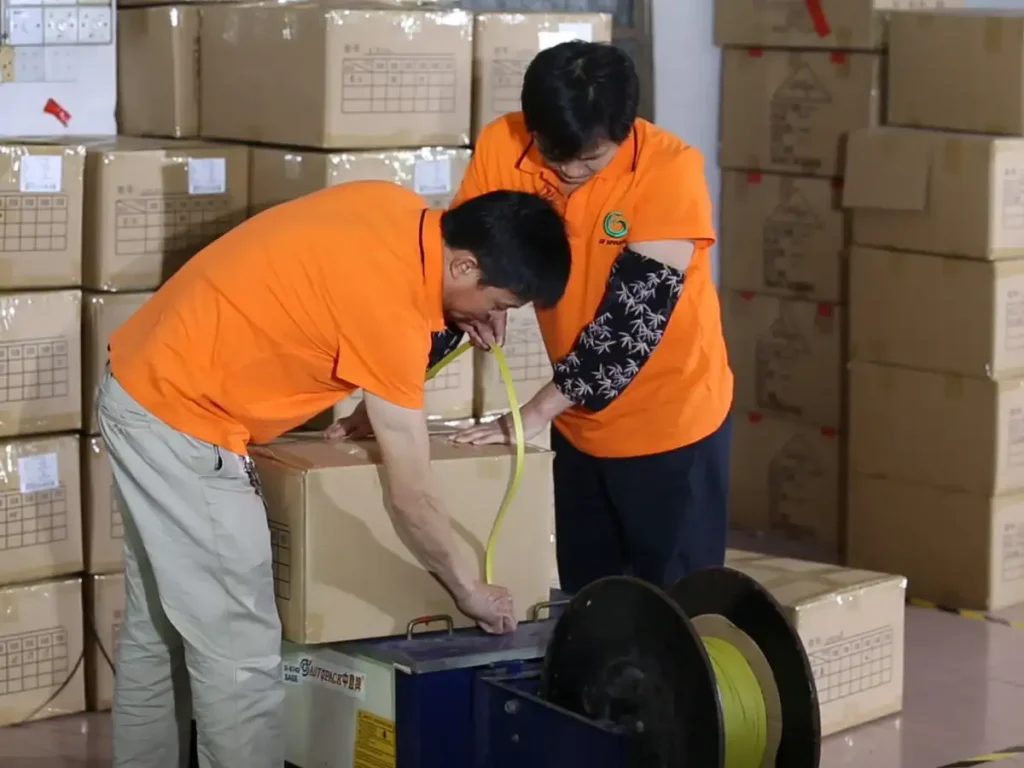
Manufacturing Scale With Dress Discipline
Duolan’s manufacturing system is built around fashion dress development, multi-style production and controlled delivery. Scale matters only when it helps brands protect approved standards across samples, bulk orders, repeat runs and seasonal launches.
Development and Sampling Base
Duolan’s wider group system includes approximately 750–1,200 development team members across product planning, trend research, design, fabric and trim development, pattern making, sample sewing, process engineering and development follow-up. This supports brands that need active dress development rather than passive production.
- Monthly sample development capacity reaches approximately 15,000–35,000 pieces or style attempts.
- The system can support approximately 3,000–8,000 style development and sampling workflows each month.
- Private label dress programs benefit from parallel development capacity when collections include multiple fabrics, silhouettes, colors and revisions.
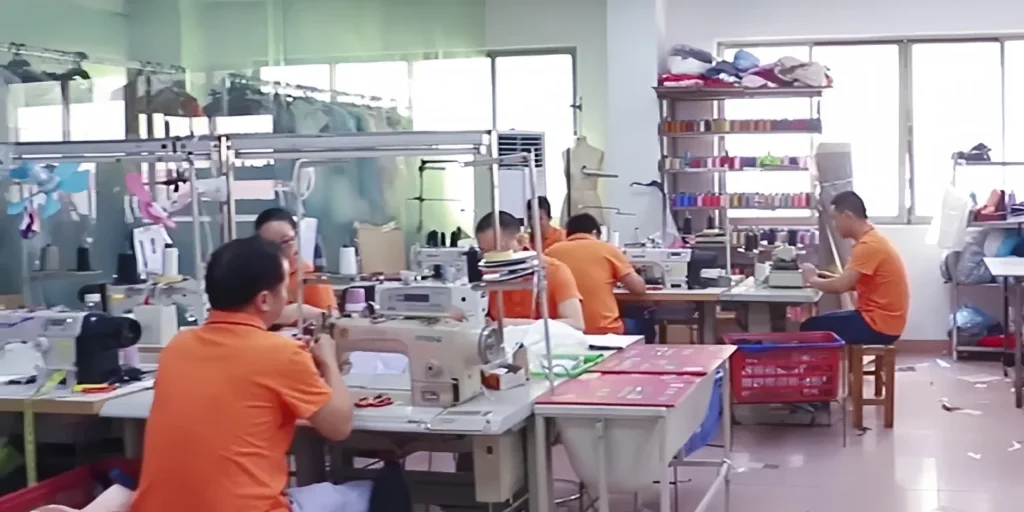
Production and Factory Network
Duolan is supported by 16 owned womenswear factories and 20+ long-term satellite factories. Owned factories support core style control and high-standard projects, while satellite cooperation creates flexibility for repeat orders, seasonal volume and production routing by complexity.
- The manufacturing network includes 300 sewing lines and 50+ quick-response or flexible production lines.
- Regional cooperation across Guangxi, Guizhou, Sichuan and Jiangxi supports production buffering and capacity coordination.
- Private label projects can be routed according to style complexity, material sensitivity, workmanship needs and delivery requirements.
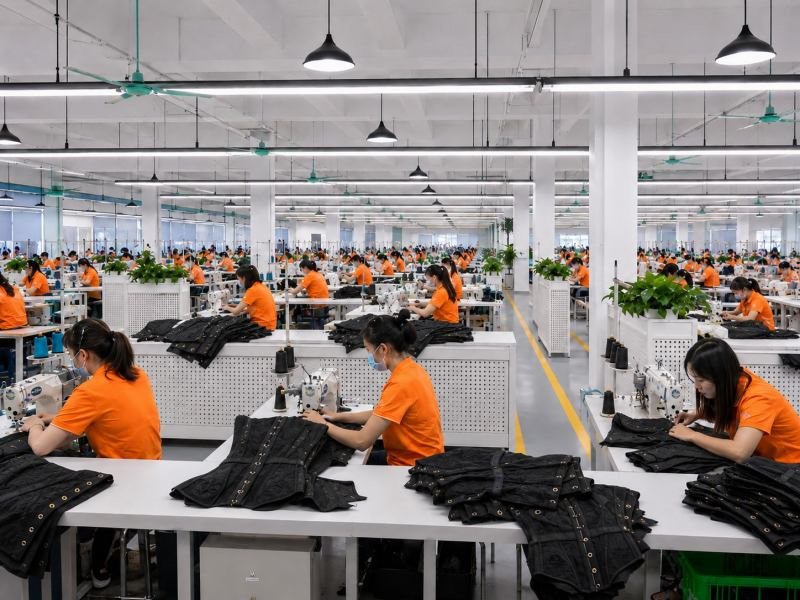
Equipment and Process Support
The wider equipment base includes approximately 12,000–20,000 sets of machinery, covering fabric inspection, cutting, sample development, sewing, printing, embroidery, finishing, inspection, packaging and logistics support.
- Fabric inspection, automatic cutting, CAD pattern systems and sample equipment support development accuracy before bulk.
- Sewing, printing, embroidery, washing and finishing resources support different dress categories and special workmanship.
- Inspection, packaging, barcode printing, carton sealing and auxiliary logistics equipment support retail-ready delivery preparation.

Order and Delivery Coordination
Duolan’s group-level order coordination includes sourcing, merchandising, production planning, logistics documentation, quality coordination, data support and after-order issue handling. These teams matter when a private label project contains several dress styles, colors, sizes, labels and packing instructions.
- Stable monthly production capacity is around 6,500,000 pieces, with peak capacity up to approximately 10,000,000 pieces.
- Additional monthly capacity space of approximately 1,000,000–2,000,000 pieces supports production planning flexibility.
- For established brands, the value lies in connecting development, production, QC and repeat delivery as one controlled system.

Complex Dress Construction Controls
Private label dress collections often include styles that look simple in images but become difficult in production. Duolan reviews construction-sensitive details before bulk so the approved sample can be reproduced with fewer avoidable risks.

Satin Finish
Satin dresses expose every production decision. Seam puckering, needle marks, uneven pressing, lining drag and packing creases can lower perceived product value quickly.
- Duolan reviews satin weight, cutting direction, sewing tension, lining choice, pressing temperature and packing method before bulk production.
- The sample is checked under realistic light because satin surface quality can look different on camera, hanger and body.
- Packing protection is planned early so finished garments do not arrive with avoidable marks, creases or surface damage.

Mesh Coverage
Mesh dresses require careful balance between transparency, coverage and comfort. A sheer look can be intentional, but coverage zones, seam visibility and lining tone must be controlled.
- Duolan reviews mesh stretch, opacity, print behavior, lining shade, binding method and skin contact areas before approval.
- Panel placement is checked so transparent sections look designed rather than accidental or uneven.
- For private label styles, mesh coverage must match brand image while reducing customer complaint and return risk.

Corset Support
Corset dresses rely on internal structure, not only external seam lines. Cup position, boning, lining, eyelets, zipper and back closure must work together.
- Duolan reviews cup shape, bust support, waist balance, boning channel, inner layer and closure strength during development.
- Size grading is checked carefully because corset structure can shift across sizes if pattern rules are weak.
- The final garment should support the outside silhouette while remaining wearable and stable for the intended occasion.

Sequin Comfort
Sequin dresses create strong visual value but carry high production risk. Direction, shedding, scratching, seam thickness, zipper areas, lining comfort and packing protection must be planned.
- Duolan checks whether sequins need to be cleared from seam allowance or protected near skin-contact areas.
- Lining is reviewed to reduce irritation, weight imbalance and friction during wear.
- Packing method is selected to reduce surface damage, pressure marks and unnecessary abrasion during shipment.

Bodycon Recovery
Bodycon dresses require more than stretch fabric. Fit depends on recovery, pattern tension, seam elasticity, lining behavior and size grading.
- Duolan reviews fabric stretch rate, recovery, stitch type, side seam balance and bust-waist-hip proportion.
- Critical risks include twisting seams, transparency, weak recovery, uncomfortable compression and washing-related size change.
- Repeatable private label bodycon styles need recorded fabric, pattern and measurement standards for future color extensions.

Halter Stability
Halter and backless dresses need careful support planning. Neck pressure, bust stability, strap length, closure position and back opening can affect comfort and consumer confidence.
- Duolan checks how force moves through the garment, especially around neck, bust, back and side seam positions.
- Strap angle, reinforcement and fabric weight are reviewed before the style enters bulk production.
- The final dress must look clean, stay secure and remain comfortable enough for the intended wearing occasion.
QC and Retail-ready Packing Control
Bulk quality for private label dresses must include garment inspection and brand execution inspection. Duolan checks fabric, construction, measurements, labels, hangtags, packaging and carton information before shipment.
| QC Stage | What We Check | Risk Controlled |
|---|---|---|
| Fabric Inspection | Color, handfeel, weight, shrinkage, stretch, batch consistency and visible defects | Fabric mismatch, color difference, weak recovery and surface defects |
| Cutting Control | Direction, size, shade grouping, pattern placement, lace or print alignment | Twisted garment, uneven appearance, misplaced pattern and size inconsistency |
| Sewing Inspection | Seam quality, zipper, straps, lining, edge finish, slit, boning and trim attachment | Poor finish, weak stress points, uncomfortable inside and broken details |
| Measurement Check | Bust, waist, hip, length, strap, armhole, slit, hem and tolerance | Fit inconsistency and size-related customer complaints |
| Label Check | Main label, care label, size label, position, artwork and sewing quality | Wrong branding, missing information or uncomfortable label placement |
| Hangtag Check | Barcode, style code, size, color, price tag, string and attachment | Warehouse scanning errors and retail presentation issues |
| Packing Check | Polybag, sticker, folding, hanger, tissue, garment protection and set pairing | Wrinkles, carton confusion, product damage and receiving errors |
| Carton Check | Carton mark, ratio, quantity, weight, packing list and shipment instruction | Delivery mismatch, warehouse delay and stock receiving issues |
Compliance and Supplier Evaluation
Established fashion brands often evaluate private label suppliers through more than samples. Audit records, testing coordination, inspection cooperation, label information, packing documents and shipment discipline all affect whether a supplier can enter a formal sourcing process.

Audit Record
Duolan’s factory system has SMETA audit and SMETA 2-Pillar audit record, which supports brand-level supplier evaluation and social responsibility review. This gives sourcing teams a more structured basis than simple production claims.
- Audit readiness helps reduce early supplier risk for brands that require documented manufacturing background.
- Social audit awareness supports discussions with sourcing offices, compliance teams and internal vendor approval processes.
- Duolan uses accurate language around support, coordination and alignment instead of overstating certification claims.

Testing Coordination
Private label dress programs may involve material, color, shrinkage, seam, trim or care label requirements depending on the market and customer standard.
- Duolan can coordinate around BSCI, ISO 9001, AATCC, ASTM, OEKO-TEX®, EN, China GB standards, GOTS and customer-specific requirements where applicable.
- Testing needs should be shared early so materials, labels, trims and production processes can be aligned.
- Fabric and trim decisions are reviewed before bulk to reduce last-minute testing or labeling conflicts.

Inspection Support
Many established brands use third-party inspection or internal inspection standards before shipment. Inspection should be planned into production rather than treated as a final obstacle.
- Duolan prepares approved samples, measurement standards, label files, packing instructions and production records for inspection reference.
- Inline and final checks help reduce issues before inspection teams review finished goods.
- Private label execution is checked alongside garment quality, not after garment inspection has already been completed.

Label Compliance
Care labels, fiber composition, origin information, size codes, barcodes and carton marks must match customer instructions and market requirements. Incorrect information can create receiving or compliance problems.
- Duolan checks label content against confirmed fabric, lining and trim information before production.
- Label placement and attachment are reviewed for comfort, durability and inspection visibility.
- Care label accuracy matters especially for satin, mesh, lace, sequin, stretch and lined dresses.

Packing Documents
Packing lists, carton marks, style codes, color codes, size ratios, gross weight, net weight and shipment instructions influence warehouse receiving accuracy.
- Duolan aligns unit packing, carton packing and documentation before delivery preparation.
- Barcode and size sticker information should match hangtags, packing lists and customer system data.
- Clear packing documents reduce receiving delays and help the brand launch products on schedule.

Supplier Review
Supplier evaluation is stronger when development, production, QC, compliance and delivery information are connected. Duolan prepares conversations around real project execution, not only company introductions.
- Brands can review factory structure, product category focus, sample capacity, production lines, audit record and project workflow.
- Private label dress projects are evaluated by garment complexity, branding details, production route and delivery requirements.
- Supplier fit should be judged through product discipline, communication clarity and controlled production readiness.
Private Label Project Evidence
Duolan respects brand confidentiality. Project experience can still be shown through project type, development challenge, process evidence and production controls without exposing customer logos, unreleased products or protected designs.

US Occasionwear Program
A US occasionwear brand required a private label dress line with satin and fitted silhouettes for seasonal event selling. The main challenge was keeping garments polished enough for campaign images while avoiding satin seam issues, inconsistent lining and packing creases.
- Duolan supported fabric review, lining confirmation, label placement, sample adjustment and packing protection.
- The project standard included approved sample reference, fabric and trim board, care label file, hangtag placement and carton information.
- QC focus was placed on satin surface quality, measurement tolerance, label accuracy and packing state before shipment.

Australian Partywear Line
An Australian fashion brand developed a private label partywear collection with bodycon, mesh and sequin styles. The visual direction was clear, but production repeatability needed stronger control across stretch, transparency, embellishment and fitted grading.
- Duolan reviewed stretch recovery, mesh coverage, lining comfort, sequin seam handling and zipper placement.
- Each style required separate construction notes because bodycon, mesh and sequin garments could not share one generic production route.
- Bulk preparation focused on fabric behavior, seam strength, measurement control and packing protection.

UK Satin and Mesh Styles
A UK dress brand needed satin and mesh styles for an elevated ecommerce launch. The main issue was balancing visual softness with garment stability. Satin required surface protection, while mesh required coverage planning.
- Duolan supported fabric comparison, lining adjustment, sample revision, label position review and PP sample confirmation.
- The project was managed around material behavior instead of only matching the reference image.
- Delivery preparation included packing method review because both satin and mesh can be damaged by poor folding or friction.

Repeat Color Extension
A regional fashion brand used one successful private label dress style as the base for new seasonal colors. The value came from production memory: approved pattern, measurement tolerance, fabric behavior, label artwork, packing instruction and QC notes were already recorded.
- Duolan reviewed new color behavior, fabric lot consistency, hangtag updates, barcode changes and packing ratio.
- Color extension was treated as a controlled production update rather than a completely new style.
- The existing standard helped reduce avoidable development time and made repeat production more stable.
Repeat Production and Collection Extension
A private label dress becomes more valuable when it can be repeated, extended and improved. Duolan helps brands preserve production memory so approved styles can support new colors, fabric updates, seasonal extensions and reorder planning.

Production Memory
Production memory includes pattern version, fabric code, trim reference, label artwork, care label content, packing method, measurement tolerance and QC findings. These details help the next order start from a controlled standard instead of restarting from uncertain memory.
- Pattern record: Approved pattern and grading logic should remain traceable when a brand repeats or extends a style.
- Material record: Fabric lot, color standard, lining choice and trim reference help prevent unexpected differences.
- Packing record: Hangtag, barcode, sticker, folding method and carton ratio should stay consistent unless the brand updates instructions.

Bestseller Extension
A successful private label dress can become a style family. A fitted black midi may extend into new colors, a satin slip may become a capsule group, and a mesh party dress may evolve into seasonal variations.
- Duolan reviews which parts of the style should stay locked and which parts can change safely.
- Fit, fabric, lining, zipper, label placement and packing method should be protected during extension.
- New colors or fabric updates are reviewed for opacity, drape, shine, recovery and customer-facing appearance.
Seasonal Reorder
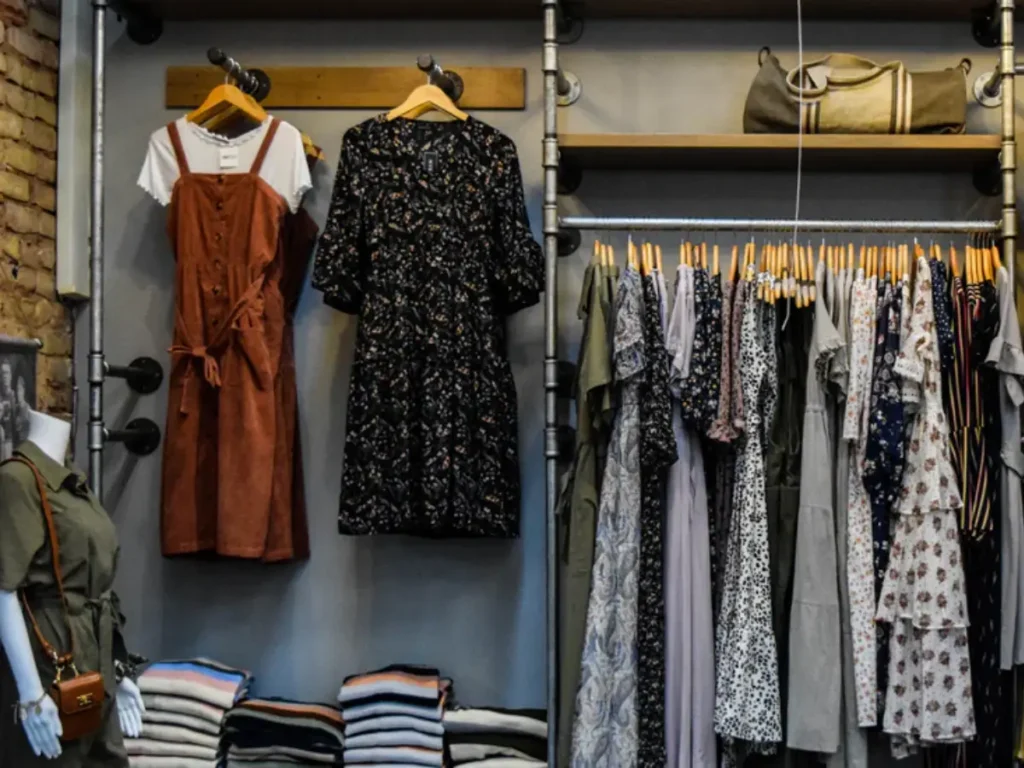
Seasonal reorders work best when the first production was documented correctly. Without clear records, a reorder can unexpectedly become a new development project.
- Duolan reviews previous sample comments, PP sample standard, production issues and QC notes before repeating a style.
- Barcode, hangtag and carton information are checked again because warehouse requirements may change between seasons.
- Reorder discipline supports faster production discussion and reduces avoidable inconsistency across repeat shipments.
Project Materials to Prepare
A stronger project brief helps Duolan evaluate private label dress development more accurately. Complete files are helpful, but brands can also begin with reference images, original samples, fabric direction, label artwork, packaging requirements and launch timing.
Product Information
| What to Prepare | Useful Details | Why It Helps |
|---|---|---|
| Dress category | Party, occasion, satin, mesh, corset, fitted, resort, vacation or fashion set | Helps identify fabric, construction, fit and production risks quickly |
| Reference files | Tech pack, sketch, reference image, original sample, moodboard or previous product | Helps translate brand direction into sample development decisions |
| Fabric direction | Swatch, composition, weight, stretch, handfeel, color or similar garment | Helps review drape, opacity, recovery, cost and bulk feasibility |
| Size range | Target market size system, base sample size and grading expectation | Helps judge pattern, fit, measurement tolerance and bulk consistency |
Brand and Delivery Information
| What to Prepare | Useful Details | Why It Helps |
|---|---|---|
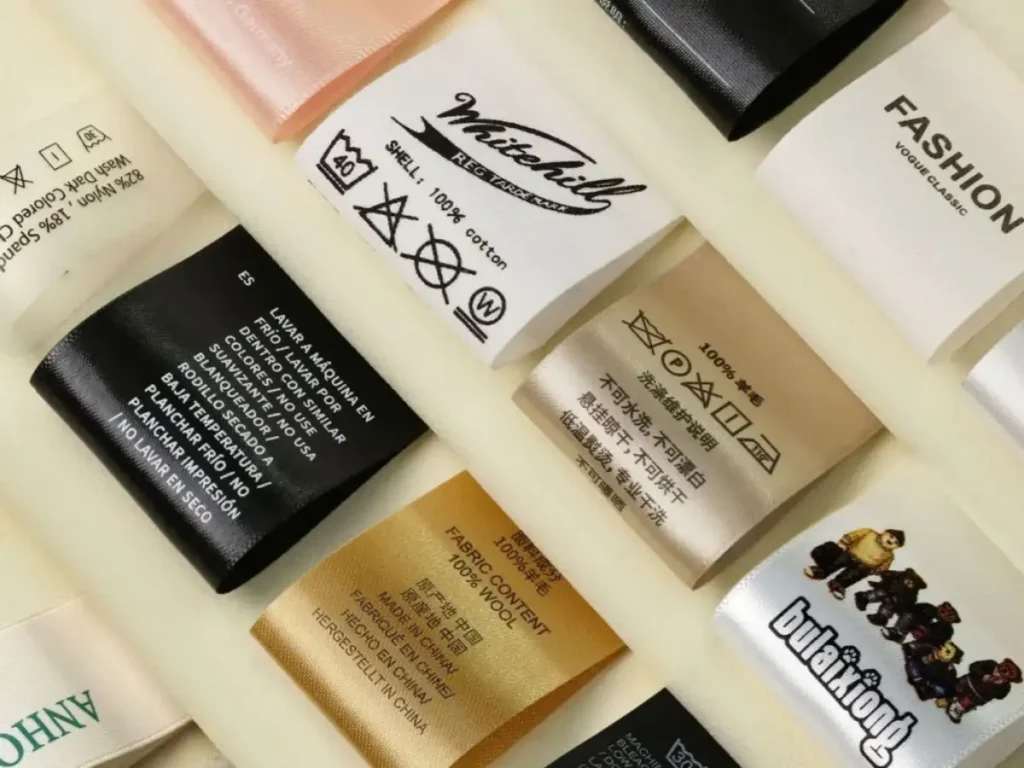
| Label artwork | Main label, care label, size label and placement requirements | Helps plan garment structure, label comfort and production sequence |
| Hangtag and barcode | Style code, color, size, barcode, price tag, tag string and attachment method | Helps align product presentation with warehouse and sales channel needs |
| Packaging instruction | Polybag, hanger, tissue, folding, garment protection, carton ratio and carton mark | Helps prepare retail-ready delivery and reduce receiving mistakes |
| Timeline and quantity | Target launch date, sample need, bulk schedule, quantity range and reorder plan | Helps evaluate production route, sampling priority and delivery feasibility |
Private Label Dress Manufacturer FAQ
A private label dress manufacturer develops and produces dresses sold under a fashion brand’s own name. For established brands, the work includes more than adding a label. It may involve fabric sourcing, pattern development, sampling, fit correction, main labels, care labels, hangtags, barcode stickers, packaging, bulk production, QC and shipment preparation.
Yes. Duolan can support private label dress programs where the brand provides label artwork, hangtag files, care label requirements, packaging instructions and product direction. We connect those brand elements with the garment standard, so the final dress is developed, produced, inspected and packed as a brand-owned product.
Duolan is best suited for fashion dresses, occasion dresses, party dresses, body-conscious dresses, satin dresses, mesh dresses, corset and bustier dresses, resort dresses, vacation dresses, going-out dresses and selected fashion sets. Our strongest fit is dress-led development that requires fabric, fit, structure and finishing control.
Yes. Duolan can support main labels, care labels, size labels, hangtags, barcode stickers, polybags, folding methods, garment protection, carton marks and packing instructions. For private label dress programs, labels and packaging should be confirmed before bulk production so garment quality and brand presentation are checked together.
Yes. Duolan can work from tech packs, reference images, original samples, fabric directions, moodboards or collection briefs. When files are incomplete, we first review the dress category, target fabric, fit direction, construction risk, label needs and launch plan before suggesting the next development step.
Duolan uses approved samples, PP sample confirmation, fabric and trim boards, measurement tolerance, label artwork, care label information, packing instructions and QC checkpoints. For private label dresses, both garment details and brand delivery details must be controlled before shipment approval.
Yes. Duolan can support repeat production when the style standard, pattern version, fabric reference, trims, label files, packing method and QC records are kept clear. Repeat orders work best when the first production is developed as a long-term product asset rather than an isolated order.
Duolan’s manufacturing system has SMETA 2-Pillar audit record and can coordinate with brand requirements related to testing, quality standards, care label information, third-party inspection and shipment documentation where applicable. Specific requirements should be shared early so they can be reflected in materials, labels, production and packing.
Useful information includes target dress category, reference images or tech pack, fabric direction, size range, expected quantity, launch timeline, label and packaging requirements, target market and inspection requirements. Clear project information helps Duolan evaluate fabric, fit, sample path, production feasibility and delivery planning more accurately.
Duolan is positioned for custom-developed and production-controlled private label dress programs. Our strongest fit is with fashion brands that have clear product direction, brand standards, launch plans and meaningful production needs. We are not positioned as a generic ready-stock relabeling or wholesale dress source.

Start a Private Label Dress Program
Duolan works with fashion brands that need private label dress development with real product control: fabric sourcing, pattern and sample work, fit correction, branded labels, hangtags, packaging, bulk production, QC and repeat delivery. A strong inquiry should help our team understand the dress line you want to build, how the products will be sold, what brand standards must be followed and when the goods need to reach your warehouse or launch schedule.
Share the most useful project materials available. A complete tech pack is helpful, but not required at the first conversation stage. Reference images, original samples, fabric ideas, label artwork, packaging instructions, size range, target quantity and launch timing can already help Duolan evaluate the project path. For fitted, satin, mesh, corset, sequin, resort or occasion dresses, clear fabric, fit and construction expectations help our team judge sampling needs, production feasibility, QC focus and delivery preparation more accurately.
Duolan will review whether the project is best handled as OEM production, ODM development, full custom development or private label dress manufacturing. We will also evaluate fabric suitability, fit risk, construction complexity, sample path, label execution, packing method, QC checkpoints and repeat production requirements before recommending the next step.
- Name
- Tel / WhatsApp (optional)
- Email address
- Message
- Upload your files
- Submit Button: Send Brief