Skip to content

Waist and Hip Fit Solutions
Dress fit development for brands needing controlled waist shaping, hip balance, grading, and production consistency across fitted collections.
- 4 critical fit zones reviewed together: waist, high hip, full hip, and side-seam balance.
- 3-view assessment checks front, side, and back alignment before a fit decision is locked.
- 5 movement checks can include standing, walking, sitting, raising the arms, and turning for movement-sensitive styles.
- Approved fit is carried into pattern revisions, grading, PP measurements, and bulk QC rather than left as a sample-room judgement.
Waist and Hip Fit Is More Than Two Measurements
A garment can match the stated waist and hip numbers yet still pull, gap, twist, or lose balance on the body. Reliable fit depends on proportion, ease, fabric behavior, pattern distribution, and how the garment moves once worn.
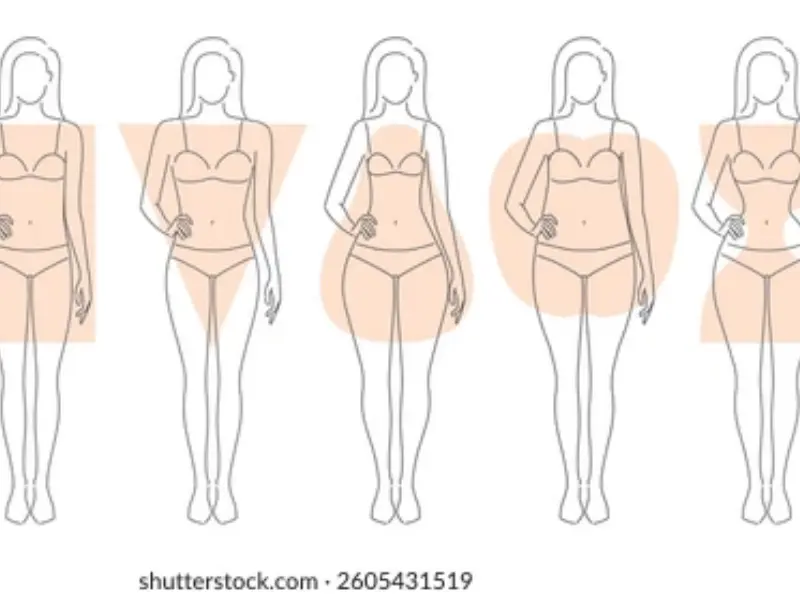
Body Proportion

Garment Ease

Fabric Behavior
Read Fit Symptoms Before Changing the Pattern
Visible fit problems are useful diagnostic signals. Changing a waist or hip number without finding the source can move the problem elsewhere. A structured review connects each symptom with likely causes, technical checks, and the next development action.
| Fit Symptom | Likely Development Cause | Technical Review | Typical Next Action |
|---|---|---|---|
| Waist gaps at back | Waist shaping, dart intake, back curve, weak recovery | Back waist, center back, darts, fabric recovery | Rebalance pattern and retest |
| Hip pulls horizontally | Insufficient ease, lining restriction, low recovery | Full hip, seat, lining, stretch direction | Redistribute hip ease |
| Side seam shifts forward | Front-back volume imbalance | Side seam, front hip, back hip, waist suppression | Adjust panel distribution |
| Back waist lifts | Seat projection or back-length imbalance | Back rise area, center back, full hip | Reshape back pattern |
| Hem rises over hip | Hip restriction or vertical imbalance | Full hip, skirt length, hem opening | Correct hip and length balance |
| Fit loosens after wear | Poor stretch recovery | Relaxed vs stretched measurements | Review fabric or pattern tension |
| Lining feels tighter | Lining ease or stretch mismatch | Outer shell vs lining measurements | Recut or change lining logic |
Fit Development for Established Fashion Product Teams
Fashion Brand Teams
Product Development Teams
Sourcing Technical Teams
Fit-Sensitive Dress Categories Need Different Waist-Hip Control

Bodycon Dresses
- Key focus: contour, recovery, opacity.
- Review areas: waist, high hip, full hip, side seam.

Corset Bustier Dresses
- Key focus: support plus waist suppression.
- Review areas: cup, boning, waistline, hip transition.

Halter Dresses
- Key focus: vertical balance and lower-body stability.
- Review areas: strap, bust, waist, hip, back.

Backless Dresses
- Key focus: open-back stability.
- Review areas: back waist, side seam, hip, closure.

Satin Slip Dresses
Satin exposes fit tension quickly because shine highlights pulling, seam puckering, and uneven drape. Many slip styles also rely on bias behavior or soft shaping instead of strong stretch. Waist and hip fit therefore depends on grain direction, panel shape, seam placement, lining, and controlled ease. Too little hip room can disturb the fall of the skirt; too much waist ease can make the dress look shapeless. Duolan reviews the fabric fall on a mannequin or body, then adjusts pattern balance without forcing satin into a contour it cannot hold cleanly.
- Key focus: drape and tension control.
- Review areas: waistline, hip ease, side seam, hem fall.

Mesh Stretch Dresses
- Key focus: multi-layer stretch balance.
- Review areas: shell, lining, binding, waist, hip.
Engineering Waist and Hip Balance Into the Dress

Waist Contour Starts With Proportion, Not Tightness
A defined waist should come from controlled shaping rather than excessive reduction. Duolan first reviews where the design intends the waistline to sit: natural waist, raised waist, dropped waist, corset-defined waist, or a visually shaped waist created by seam placement. The next question is how volume is distributed between front, side, and back.
- Waistline position: A waist seam placed even 1-2 cm away from the intended visual point can change torso proportion, especially on mini, corset, or fitted occasion dresses. The correction may involve vertical balance rather than simply reducing circumference.
- Shaping method: Darts, princess seams, side seams, center-back shaping, panel seams, elastic, ruching, or stretch tension create different contour effects. Duolan selects the correction route according to construction instead of taking the same amount from every seam.
- Front-back balance: A clean front waist can still coexist with back-waist gaping. The pattern may need more shape through the back panel, dart intake, center-back curve, or seat transition rather than a smaller total waist measurement.
- Fabric response: Stretch fabric needs enough tension to hold shape but enough recovery to return after movement. Woven satin or crepe depends more heavily on pattern geometry and carefully planned ease.
A fit decision is considered stronger when the waist sits at the intended height, side seams remain stable, the back waist does not lift or gape, and movement does not force the garment to migrate upward. Those observations are carried into the revised pattern and measurement spec instead of remaining as verbal sample-room comments.

Hip Shape Must Support Movement and Skirt Fall
Hip fit is not only a circumference check. Duolan reviews high hip, full hip, seat projection, side seam position, back-panel shape, fabric stretch, and the way the skirt continues below the hip. A dress can measure correctly at full hip yet still show drag lines if volume is distributed in the wrong place.
- High hip versus full hip: The upper-hip curve controls how the garment moves from waist into the widest area. Insufficient shaping can create diagonal tension or a hollow area below the waist even when full-hip measurement is correct.
- Seat and back balance: More back-body projection may require pattern volume behind the side seam. Adding circumference equally to front and back can shift side seams and distort the silhouette.
- Movement allowance: Sitting, walking, turning, and stepping change the hip requirement. A fitted style should be reviewed under movement rather than judged only while standing straight.
- Skirt continuation: Hip restriction can raise the hem, pull a slit open, flatten ruching, or change the fall of satin and mesh. The pattern below full hip may need enough release to preserve the intended line.
For stretch styles, Duolan also considers recovery after movement. A garment that looks correct on first fitting but relaxes around the waist or bags at the hip after repeated movement is not yet stable. For woven or lined styles, the shell and lining are assessed together so internal restriction does not undermine an otherwise correct outer pattern.
Build Size Charts Around Brand Fit Direction
Define the Base Body Before Setting Garment Measurements
- Target market: US, UK, EU, and AU size labels may use different naming conventions, so the development file should state the actual sample-size basis rather than rely on label equivalence.
- Fit direction: Bodycon, structured, regular, draped, and stretch-fit styles require different ease strategies even when the body measurements are identical.
- Sample size: The working sample size should be explicit, such as US 4, UK 8, AU 8, S, or another brand-defined base. Grading decisions are then built from an agreed reference instead of assumptions.
Separate Body Measurements From Finished Garment Ease
Body measurements describe the wearer; finished garment measurements describe the product. Mixing the two creates fit confusion, especially when comparing stretch and non-stretch styles. Duolan therefore reviews body targets, finished measurements, intended ease, and fabric behavior as separate but connected inputs.
For a stretch bodycon dress, finished waist or hip measurements may be smaller than the target body because controlled stretch creates the required contour. The amount cannot be decided by a universal negative-ease percentage. Fabric recovery, GSM, opacity, seam construction, lining, and desired compression all change the result. For satin, crepe, or other woven styles, enough positive ease is needed for sitting and walking without producing obvious looseness at the waist.
High hip and full hip also serve different purposes. High hip shapes the transition from waist to the widest point; full hip controls the broadest lower-torso area and affects movement, seat volume, and skirt fall. A size chart that lists only one generic “hip” measurement may not provide enough information for a close-fitting style.
Once the fit direction is clear, Duolan links the base measurements to the spec sheet, pattern, fit sample, grading rules, and later tolerance checks. The size chart becomes a working technical reference rather than a marketing size label.
Fabric Behavior Changes Waist and Hip Fit
Stretch Percentage Does Not Equal Recovery Performance
During development, the team considers stretch direction, hand feel, recovery, and the amount of pattern tension required by the silhouette. Crosswise stretch influences circumference comfort through waist and hip. Lengthwise stretch can change body length, hem position, and how a fitted dress settles after movement. Four-way stretch may increase mobility, but only useful recovery keeps the garment from growing during wear.
Construction can also reduce effective stretch. Dense overlock, coverstitch, binding, inserted elastic, zipper sections, or decorative seams may create firmer zones than the base fabric. A pattern developed only from an unstitching swatch can therefore behave differently once assembled.
For bodycon, ruched, mesh, and other close-fit dresses, Duolan reviews fabric behavior before locking the final pattern. The goal is not maximum stretch. The goal is controlled extension where movement is needed and sufficient recovery where the waist, high hip, full hip, and silhouette must return to shape.
Weight and Opacity Change Contour Behavior
Opacity matters because a fit that is technically comfortable may still fail commercially if stretching across the hip makes the fabric transparent. Duolan therefore reviews how the material behaves at the actual garment tension, not only in a relaxed swatch. For fitted dresses, the critical question is often whether the fabric keeps enough coverage while stretched across the fullest hip and remains stable around the waist.
Satin creates a different problem. It may have little stretch, but high surface shine makes tension visible. A small hip restriction can produce diagonal drag lines, while excess waist ease can create folds that destroy the intended clean line. Mesh exposes both transparency and layering issues. Crepe may offer better surface forgiveness but still needs the correct ease and lining strategy.
Material selection should therefore support the desired fit language. Duolan evaluates whether the fabric needs to sculpt, drape, recover, cover, or support, then adjusts pattern and construction around those requirements instead of forcing one block onto every material.
Lining and Construction Can Restrict Outer-Layer Stretch
Duolan reviews the garment as a combined structure. Shell and lining measurements are compared, stretch directions are aligned where required, and construction points are assessed for restriction. A stretch outer layer does not justify a tight lining. Conversely, a lining with too much ease can bunch, twist, or create unwanted bulk under a smooth outer fabric.
For styles with shapewear-like contour, internal support must work with the outer pattern rather than fight it. Waist support should not pull the hip upward, and hip ease should not release so much fabric that the waist loses definition. The same principle applies to ruching: gathering can add visual tolerance, but the foundation layer still needs a controlled fit.
Material decisions made during sampling are therefore connected to later BOM and PP standards. If the sample is approved in one lining or stretch quality, changing it for bulk can change the fit even when the pattern remains identical.

Pattern Making Sets the Waist-Hip Relationship
Build the Curve Through Controlled Pattern Distribution
- For bodycon and fitted jersey, pattern tension must reflect recovery. If the waist is reduced aggressively while the hip remains tight, the garment may climb upward. For woven occasion dresses, dart or panel placement becomes more important because the fabric cannot redistribute tension through stretch. In corset styles, waist suppression also has to align with boning, cup placement, back closure, and skirt transition.
- Duolan checks front and back distribution rather than relying only on total circumference. If a wearer carries more volume through the seat, equal front-back increments can push the side seam forward. If the abdomen requires more front ease, taking excessive width from the front waist may create diagonal pull lines.
- The pattern therefore records more than width. Waistline height, high-hip curve, full-hip position, body length, side seam, center back, hem release, and fabric direction are connected. Once the first pattern is cut, sample observations are used to refine the geometry rather than treating the original pattern as fixed.
Match Pattern Geometry to Fabric and Construction
The same style drawn in satin, jersey, mesh, or structured crepe may require different pattern treatment. Duolan adjusts according to drape, stretch, thickness, recovery, lining, seam type, and support. A fabric-sensitive pattern is more reliable than a block copied across materials.
- Satin can require more careful grain control, curved seam handling, and hip ease because tension is visible on the surface. Mesh may need shell and lining patterns developed as a pair. Stretch jersey may require controlled negative ease and attention to seam elasticity. A corset or bustier dress needs separate consideration for bodice support and the way the skirt joins the defined waist.
- Construction also changes fit. Zipper positions can create firmer center-back or side zones. Ruching consumes and redistributes length. Slits affect movement and may expose hip restriction when walking. Boning, elastic, gripper tape, or internal panels can hold one area while transferring tension into another. Pressing can also influence seam shape on sensitive fabrics, so final balance is checked after finishing rather than only during assembly.
- Before a pattern is treated as production-ready, Duolan connects the approved geometry with sample comments, spec points, fabric direction, and construction notes. Pattern work becomes the technical foundation for grading, PP approval, and repeat production instead of a one-time cutting template.
Correct the Pattern at the Root Cause
Trace Visible Problems Back to Pattern Logic
- Horizontal drag at hip: review full-hip ease, seat volume, lining, and stretch.
- Diagonal drag from waist to hip: review high-hip shaping, dart or panel distribution, and side seam.
- Back waist lifting: review seat projection, center-back curve, back length, and hip restriction.
- Hem rising at back: review full hip, back-panel volume, vertical balance, and hem release.
- Waist relaxing after wear: review fabric recovery and pattern tension rather than only reducing the finished measurement.
Validate Correction Before Moving Toward Production
A pattern change is not complete when the CAD or paper pattern has been edited. Duolan validates whether the revised sample solves the original issue without creating a new one. The waist may become cleaner while the side seam starts to move; added hip ease may improve movement but make the silhouette too loose. Validation therefore looks at the complete garment.
The revised review can include front, side, and back alignment, waistline position, high-hip transition, full-hip smoothness, movement, hem balance, slit behavior, and fabric recovery. For close-fitting styles, the sample may be checked after sitting or walking to see whether the garment returns to shape. For satin or non-stretch fabrics, the focus shifts toward drag lines, seam tension, and ease during movement.
Approved corrections are documented in the next pattern version, measurement spec, and revision notes. If the fabric or lining changes, the fit may need another check because material behavior is part of the correction logic. A final review also confirms whether pressing, zipper insertion, lining attachment, or support components altered the corrected silhouette. Once fit, pattern, and material direction are aligned, the style can move into grading or a PP-stage reference with far less ambiguity and a clearer technical record.
Fit Samples Must Be Reviewed on the Body

Front Balance
- Review: waistline, abdomen, high hip, full hip.
- Evidence: front photo plus measurement check.

Side Seam Balance
- Review: side seam, waist, seat, hem.
- Evidence: side photo and pattern comparison.

Back Waist Stability
- Review: back curve, center back, waist-to-seat transition.
- Evidence: back view before and after revision.

Hip Movement
- Review: sit, walk, turn, hem recovery.
- Evidence: movement notes plus photos.

Fabric Recovery
- Review: relaxed, stretched, recovered state.
- Evidence: fabric and garment comparison.

Photo Movement Review
- Review: front, side, three-quarter, movement poses.
- Evidence: annotated photo comments.
Turn Fit Comments Into Controlled Revision Actions
Waist Too Loose
- Check: location of looseness, fabric, waistline.
- Update: pattern plus spec.
Hip Feels Restrictive
- Check: high hip, full hip, seat, lining.
- Update: ease distribution and movement review.
Side Seam Shifts
- Check: front-back distribution.
- Update: panel or seam balance.
Back Waist Lifts
- Check: back length, seat, center back.
- Update: back pattern balance.
Lining Restricts Movement
- Check: shell vs lining.
- Update: lining pattern or material.
Fit Relaxes After Wear
- Check: recovery, seam stability, pressing.
- Update: material and pattern together.
Grading Must Preserve the Waist-Hip Relationship

Grade Proportion, Not Only Circumference
Mechanical size increases can distort fitted dresses because body growth is not a simple percentage applied equally to every area. Duolan reviews the grade relationship between waist, high hip, full hip, bust, body length, and style-specific points. The objective is to preserve the intended silhouette rather than produce a larger copy of the sample size.
For a five-size range such as XS-XL, the base size may look correct while the outer sizes reveal new issues: waist suppression may become too aggressive, high-hip shaping may flatten, side seams may rotate, or a mini hem may become visually shorter on a fuller hip. Corset styles add cup position, boning, and back-panel width. Halter styles add strap and neckline balance. Satin slip dresses add vertical and bias-fall sensitivity.
Duolan links grading rules to the approved base pattern and spec points. Waist and hip increments are considered together with the garment’s fit direction and fabric. A stretch bodycon style may tolerate a different increment strategy from a non-stretch occasion dress. The grade should also preserve seam positions, ruching start points, slit location, and waistline height so design lines do not drift as the size changes.
Grading is therefore reviewed as a continuation of fit development. If the size range extends significantly beyond the original block, additional fit validation may be needed rather than assuming the same rule remains accurate indefinitely.

Recheck Vertical Balance Across the Size Range
Circumference is only one part of grading. Vertical measurements determine where the waist, high hip, full hip, slit, hem, and upper-body structure land on different sizes. A fuller hip can visually shorten a mini dress even when nominal length increases. A corset waist can sit too high or low if torso growth is not managed. A backless opening can also become unstable if back length and waist position drift.
Duolan reviews body length, waistline height, side seam, hip level, hem position, and style-specific vertical points together with circumference grades. For fitted dresses, the front and back lengths may need different attention because bust, abdomen, and seat projection affect how fabric travels around the body.
Fabric can modify the vertical result as well. Stretch fabrics may lengthen under wear, satin may settle differently on the bias, and mesh layers can distort if shell and lining grades are not coordinated. Grading therefore stays connected to material behavior instead of being completed as a purely numerical exercise.
When the graded range is prepared for production, critical measurements are recorded in the spec sheet and later checked against PP and bulk tolerances. The objective is a consistent brand fit experience across the range, not identical visual tension in every size.
Convert Approved Fit Into a Measurable Spec
Once a fit direction is approved, verbal comments are not enough for grading, PP approval, QC, or repeat production. Duolan records critical points of measure, measurement methods, fit-sensitive tolerances, and revision notes so pattern, sample, production, and inspection teams work from the same technical reference. The exact list varies by silhouette, but fitted dresses normally require more detail than a simple waist-and-hip chart. High hip, full hip, body length, side seam, hem opening, lining, and style-specific support points can all affect how the approved silhouette is reproduced.
| Point of Measure | Why It Matters | Review Method |
|---|---|---|
| Waist width/circumference | Controls contour and gaping | Measure at agreed waistline position |
| High hip | Controls waist-to-hip transition | Measure at defined distance below waist |
| Full hip | Controls widest lower-torso fit | Measure at agreed full-hip level |
| Front body length | Affects waist placement and hem level | Measure from defined upper reference |
| Back body length | Affects back waist and seat balance | Measure with back reference fixed |
| Side seam length | Shows vertical side balance | Measure waist/underarm reference to hem |
| Hem opening | Influences movement and skirt release | Measure finished opening relaxed |
| Lining hip | Prevents internal restriction | Measure lining separately from shell |
| Slit height | Connects movement with hip fit | Measure from hem to slit start |
| Stretch recovery note | Explains fit under tension | Record test/fit condition used |
Lock Fit Standards Before Bulk Production Starts
Approved PP Fit
Material Locking
Measurements and Tolerance
Workmanship Points
Production Instructions
QC Reference
Control Measurement Tolerance Across Bulk Production

Use One Measuring Method Across Teams and Stages
Measurement results are only comparable when everyone measures the same garment point in the same condition. Duolan defines the POM, reference position, garment state, and measuring method before using a number as a quality judgement. A waist can be measured flat, around the full circumference, stretched, relaxed, or after pressing; each method can produce a different result.
For fitted dresses, critical measurements can include waist, high hip, full hip, front and back length, side seam, hem opening, lining hip, strap length, slit height, or corset-specific points. The exact list follows the design. A bodycon dress may place more weight on waist, hip, side seam, hem, and stretch recovery; a corset dress adds cup, boning, and back-panel positions; a halter adds strap and neckline balance.
Fabric state also matters. Elastic garments should not be randomly stretched during inspection. Satin or crepe may change slightly after pressing, while mesh and lining can settle differently. Duolan therefore connects the inspection method with the approved PP condition so a measurement difference reflects the garment rather than inconsistent handling.
Consistent methods make fit data useful across sample review, first-piece checks, inline inspection, final inspection, and repeat production. Without method control, numbers can create arguments instead of protecting fit.

Separate Random Variation From Systemic Fit Drift
Not every out-of-tolerance measurement has the same cause. Duolan reviews whether an issue affects one piece, one bundle, one size, one line, or a wider production group. A single waist measurement may come from sewing variation; repeated hip restriction across a size can point to pattern, cutting, shrinkage, pressing, or fabric behavior.
When drift appears, the team looks at pattern version, cutting, seam allowance, stretch direction, shrinkage, sewing tension, lining, and finishing before deciding on the corrective action. Isolated pieces may be reworked or segregated. Repeated deviations may require a line correction, pattern check, process adjustment, or remeasurement of the affected group.
Fit-sensitive defects are also evaluated visually. A piece can fall within a simple circumference tolerance yet show side-seam rotation or uneven hem because the distribution is wrong. Conversely, a small numerical deviation may not create a commercial fit issue if fabric behavior and silhouette remain stable within the brand’s standard. Technical judgement and agreed specifications therefore work together.
The same records support repeat orders. Preserving measurement methods, pattern versions, material standards, and PP references reduces the risk of a successful fitted style changing unexpectedly in a later production run. Reorder checks can therefore compare against an established fit baseline instead of rebuilding the measurement logic from memory.
Fit Correction Case for a US Occasionwear Program
Program Scope and the Fit Risk We Identified
The 18-style program combined fitted occasion dresses, corset-influenced silhouettes, stretch-lined bodycon shapes, and softer draped styles. Total order volume was 42,600 pieces across XS-XL. Fit development could not rely on one rule because the collection used different fabrics, linings, and support structures.
During sample review, several recurring symptoms required attention: back-waist looseness on fitted styles, hip drag on less elastic constructions, side seams moving away from the intended vertical line, and differences between outer-layer stretch and lining behavior. The risk was not limited to the sample size. If the correction route changed the base pattern without considering grading, the same imbalance could become more visible at the edges of the size range.
Duolan separated the comments into measurement, pattern, fabric, lining, and construction categories. Front, side, and back views were used to identify where the garment lost balance. Critical measurements were checked against the development spec, while the pattern team reviewed waist shaping, high-hip transition, full-hip distribution, center-back curve, and side-seam position.
No single “waist reduction” was applied across the collection. Each style kept its own silhouette logic so bodycon, corset, and draped dresses did not end up sharing an artificial fit formula. Material direction and construction were reviewed at the same time because a pattern correction could not be judged independently from the fabric creating the final contour.
Pattern, Fabric, and Revision Actions Were Linked Together
For styles with back-waist looseness, the team reviewed whether the issue came from center-back shape, dart or panel distribution, seat transition, or fabric relaxation. Where hip drag appeared, full-hip ease was reviewed alongside lining width, stretch direction, and the release below the fullest area. Side-seam movement was treated as a front-back balance signal rather than a request to change total circumference blindly.
Revision actions included pattern reshaping through selected seams, rebalancing waist-to-hip distribution, adjusting lining allowance on selected constructions, and updating critical POMs. Stretch-led styles were checked for recovery after movement so the approved waist did not relax after wear. Satin or lower-stretch styles were reviewed for drag lines and skirt fall rather than compression.
Each revised sample carried a clearer review objective: confirm the waistline position, check high-hip transition, confirm full-hip movement, verify side-seam stability, and observe the back and hem under standing and movement. Fit comments were then written back into the pattern version and spec rather than kept only in email notes.
The process treated revision as normal product development. The goal was to reach a sample that could support grading and PP decisions, not to create an unrealistic claim that every first sample should be final.
Approved Fit Was Transferred Into Production Standards
Once the fitted styles reached an approved direction, the next task was preserving the result across XS-XL and into bulk. Grading was reviewed around the bust-waist-hip relationship, waistline height, side seam, body length, and style-specific support points. Patterns, specs, and material standards were aligned before PP approval.
The PP reference locked the approved fit together with the fabric and lining used to create it. Critical POMs included waist, high hip, full hip, side seam or body length where relevant, plus construction-specific points for corset and halter styles. QC could therefore inspect against a known physical sample and written measurement basis instead of judging fit from memory.
For production, fit-sensitive workmanship points – lining attachment, zipper insertion, elastic or support placement, seam tension, and pressing – were treated as part of the standard because each could alter the final waist or hip behavior. Any drift identified during line checks could be traced back to pattern, cutting, sewing, material, or finishing.
The 42,600-piece program demonstrates the commercial objective of fit engineering: an approved sample should become a repeatable manufacturing reference across styles and sizes, not remain a one-off garment that only fits correctly in the sample room. The same records also give later repeat orders a clearer starting point for pattern, material, measurement, and QC comparison.

See the Evidence Behind Waist and Hip Fit Control
Pattern Input
Front Side Back Review
Fit Comment Record
Revised Pattern Evidence
Spec and Grading Record
PP Bulk Verification
Waist and Hip Fit Frequently Asked Questions
Back-waist gaping can come from more than excess waist circumference. Common causes include insufficient back shaping, dart or panel distribution, seat projection, center-back curve, waistline position, or weak fabric recovery. Duolan reviews where the looseness appears and checks front, side, and back balance before changing the pattern. A smaller waist measurement alone can make the garment lift or create tension elsewhere if the underlying balance is not corrected.
Hip changes can be distributed through side seams, back or front panels, darts, princess seams, or local pattern shaping depending on the design. Duolan first checks whether the restriction sits at high hip, full hip, seat, lining, or the skirt below the hip. The correction can add or redistribute room while preserving the approved waistline. Movement and side-seam balance are rechecked because a technically larger hip does not automatically produce a better silhouette.
High hip describes the upper transition below the waist; full hip refers to the widest lower-torso level defined by the brand’s measuring method. Both can matter in fitted dresses. A correct full-hip measurement with poor high-hip shaping can still create diagonal tension or a hollow area below the waist. Duolan follows the measurement positions stated in the brand spec and can help clarify the POMs when the development file is incomplete.
Stretch describes how far a fabric extends; recovery describes how well it returns. A fabric can stretch easily yet relax around the waist or seat after movement. Duolan reviews recovery together with fabric weight, opacity, stretch direction, lining, and pattern tension. If recovery is weak, simply reducing the pattern can increase transparency or seam stress without creating stable fit. Material choice and pattern strategy may need to change together.
Yes. An established brand size chart can be used as the development basis when the measurement points and sample-size reference are clear. Duolan reviews the chart against the garment type, fit direction, fabric behavior, and construction. If a fit comment conflicts with the existing spec, the team flags the point for confirmation instead of changing the brand standard without approval. Approved changes can then be reflected in the revised spec and pattern version.
Yes. Duolan classifies comments such as loose waist, tight hip, shifting side seam, back lift, or movement restriction, then checks measurement, pattern, fabric, lining, and construction causes. The agreed correction is made in the pattern and, where relevant, in the spec or material direction. A revised sample verifies whether the original issue improved without creating another imbalance. Comments therefore become traceable development actions rather than isolated sewing alterations.
Grading starts from the approved base pattern and brand measurement strategy. Duolan reviews how waist, high hip, full hip, body length, side seam, hem, and style-specific points change across the range. The aim is to preserve proportion rather than apply a single percentage increase. Stretch and non-stretch fabrics may require different grade judgement, and outer sizes can need extra fit validation when the original block no longer represents the same body relationship.
A fit sample can be reviewed on a mannequin or wearer using front, side, and back views, critical measurements, movement, and photo evidence. Depending on the style, Duolan checks waistline, high hip, full hip, side seam, back balance, hem, lining, support, slit, or strap positions. Walking, sitting, turning, and other relevant movements help reveal restriction or migration that may not appear while standing. Findings are converted into revision notes and pattern or spec actions.
Control starts with an approved measurement method and critical POM list. Duolan aligns the PP sample with waist, high hip, full hip, length, and other fit-sensitive measurements, then uses agreed tolerances during production checks. When drift appears, the team reviews whether the cause is pattern, cutting, sewing, shrinkage, fabric, lining, or finishing. Repeated deviation is treated differently from an isolated piece so corrective action can target the actual source.
Useful inputs include the tech pack, size chart, measurement spec, reference garment photos, fit-model comments, front/side/back sample photos, fabric details, target market, sample size, planned size range, and any known fit concerns. Not every project needs every file. Duolan reviews the available information first, identifies missing fit-critical inputs, and proposes the next development step before the pattern or sample is changed.

Send Your Waist and Hip Fit Project for Review
If a fitted dress is gaping at the waist, pulling across the hip, shifting at the side seam, relaxing after wear, or changing shape across the size range, send the development information before the next pattern or production decision is locked. Duolan can review the fit direction against the garment structure, material behavior, sample-size basis, pattern logic, grading, and intended production standard. A useful submission does not need to be perfectly organised, but enough information should be available to identify the target fit and the current problem. Tech packs, existing size charts, sample photos, fit comments, or an approved reference garment can all help establish the starting point. The review is focused on moving the style toward a clearer fit decision and a repeatable production reference rather than offering a generic alteration suggestion. Where several styles share a fit block, Duolan can also review whether one correction should remain style-specific or be carried into a wider collection standard.
Please include where available:
- Company or brand name
- Product type and target market
- Tech pack or measurement specification
- Existing size chart and sample size
- Front, side, and back sample photos
- Current fit comments or problem areas
- Fabric composition, stretch, lining, or swatch information
- Planned size range and approximate order volume
- Launch or production timing