Skip to content
OEM Dress Manufacturer
Dress OEM execution for established fashion brands, from technical files and PP samples to inspected bulk delivery.
Duolan manufactures brand-owned dress designs through controlled OEM workflows. We review tech packs, fabric standards, BOM details, measurement specs, approved samples, PP requirements, dress construction risks, QC points and packing rules before bulk production moves forward.
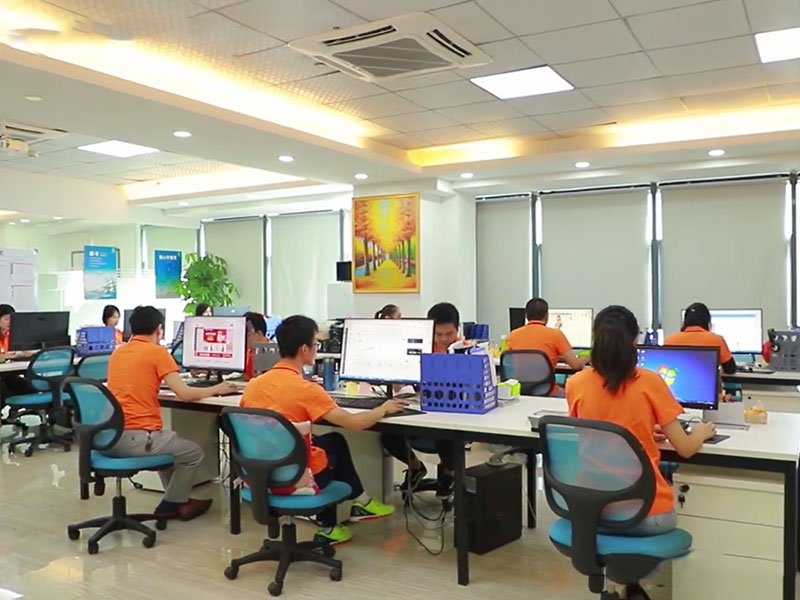
- 30+ years of fashion dress development background supports dress-specific OEM execution.
- 16 owned womenswear factories help control samples, PP standards and core production.
- 20+ satellite factories support coordinated multi-style dress programs and seasonal capacity.
- 4 regional bases help route production across Guangxi, Guizhou, Sichuan and Jiangxi.
- 12,000–20,000 equipment units support cutting, sewing, finishing, inspection and packing.
- 750–1,200 development staff support pattern interpretation, sampling, grading and fit correction.
- 1,200–1,500 coordination staff support order follow-up, QC communication and delivery tracking.
OEM Production Built Around Brand Standards
OEM womenswear manufacturing is not a lower-level version of custom production. For established fashion brands, OEM means the product direction has already been defined by the brand, and the manufacturer must respect that definition with disciplined execution. A mature OEM project usually starts with a tech pack, original sample, measurement spec, BOM, fabric standard, trim details, label instruction, packaging requirement, target quantity and quality expectation. The supplier’s role is not to freely reinterpret the design, but to convert the approved brand standard into a sample, a PP benchmark, a production file and a repeatable bulk process.
Duolan approaches OEM womenswear as a controlled execution system. Before sampling, our team reviews style construction, fabric behavior, measurement logic, trim feasibility, label placement, packing impact and production risk. If a satin dress may show seam puckering, a bodycon style may lose recovery, a corset dress may require stronger support, or a mesh dress may create coverage concerns, these issues are discussed before they become bulk problems. The goal is practical: help the brand move from approved design to production-ready garment with fewer blind spots.
Our supported women's apparel OEM customization partners
Global Fashion Brands
Established Regional Brands
Product Development Teams
Brand Buying Teams
Sourcing Offices
Multi-brand Groups
Choose the Right Cooperation Path
OEM, ODM, private label and full custom are not quality levels. They are different cooperation paths based on how complete the brand’s product information is, how much development support is needed, and how much responsibility the supplier should take before production begins.
| Cooperation Path | Best For | Brand Provides | Duolan Supports | Main Output |
|---|---|---|---|---|
| OEM Production | Brands with defined designs and production files | Tech pack, original sample, size spec, BOM, fabric direction, label and packing requirements | File review, feasibility check, sample execution, PP locking, material control, bulk production and QC | Production-ready OEM garments based on approved standards |
| ODM Development | Brands with a clear market direction but incomplete product development | Reference styles, moodboard, target customer, price range, fabric direction and launch plan | Style development, fabric suggestion, pattern, sample, revision, production planning and bulk support | Developed styles aligned with brand direction |
| Premium Private Label | Brands needing controlled branding execution | Product direction, label requirement, packaging standard, channel requirement and quality expectation | Main label, care label, hangtag, barcode, polybag, carton, QC and retail-ready packing coordination | Brand-ready products with controlled label and packaging system |
| Full Custom Development | Brands needing deeper development from concept to bulk | Design idea, reference image, sample target, fabric concept, quantity and timeline | Design review, material development, pattern, sample, revision, PP sample, bulk production and shipment support | Fully developed womenswear program from concept to delivery |
OEM Project Files Brands Should Prepare
A stronger OEM project starts with clearer information. Complete files help both teams reduce repeated clarification, avoid wrong assumptions and prepare a more accurate sample, cost review and production path. When some information is missing, Duolan can still review the project, but the development timeline and risk assessment will depend on how much is already confirmed.
| Project File or Information | Why It Matters in OEM Production |
|---|---|
| Tech pack or design file | Defines sketch, construction, measurement, seam details, fabric, trims, labels and production expectations. |
| Original sample or reference garment | Helps verify fit, proportion, fabric behavior, workmanship level and finishing direction beyond drawings. |
| Size chart and tolerance | Controls fit consistency, grading logic, production measurement checks and final inspection standards. |
| BOM and material direction | Links fabric, lining, trims, elastic, zipper, hardware, label and packaging items to production execution. |
| Fabric swatch or target fabric | Helps Duolan evaluate drape, stretch, opacity, recovery, weight, handfeel and bulk sourcing feasibility. |
| Trim and hardware details | Clarifies zipper, button, hook, eyelet, boning, elastic, strap adjuster, label and decorative component standards. |
| Label and packaging instruction | Supports main label, care label, hangtag, barcode, polybag, folding, carton mark and packing ratio execution. |
| Quantity, size range and colorways | Affects material sourcing, MOQ assessment, production planning, cutting efficiency and delivery scheduling. |
| Target launch or delivery date | Allows sample, PP approval, material booking, production and shipment timing to be evaluated realistically. |
OEM Womenswear Product Range
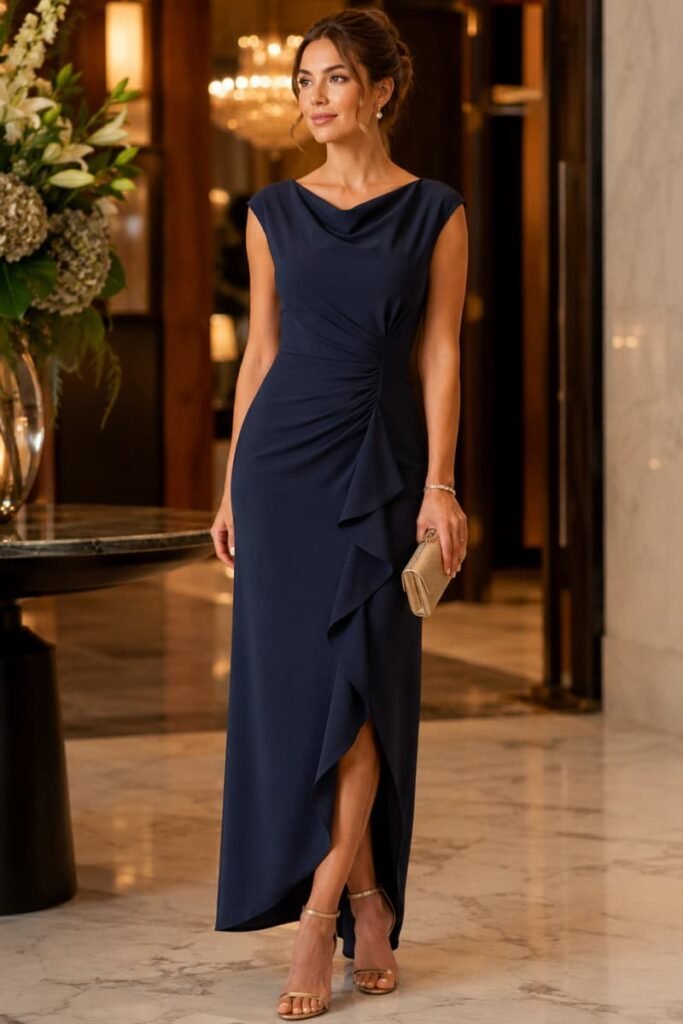
Fashion Dresses

Occasion Dresses

Party Dresses

Bodycon Dresses

Mini Dresses
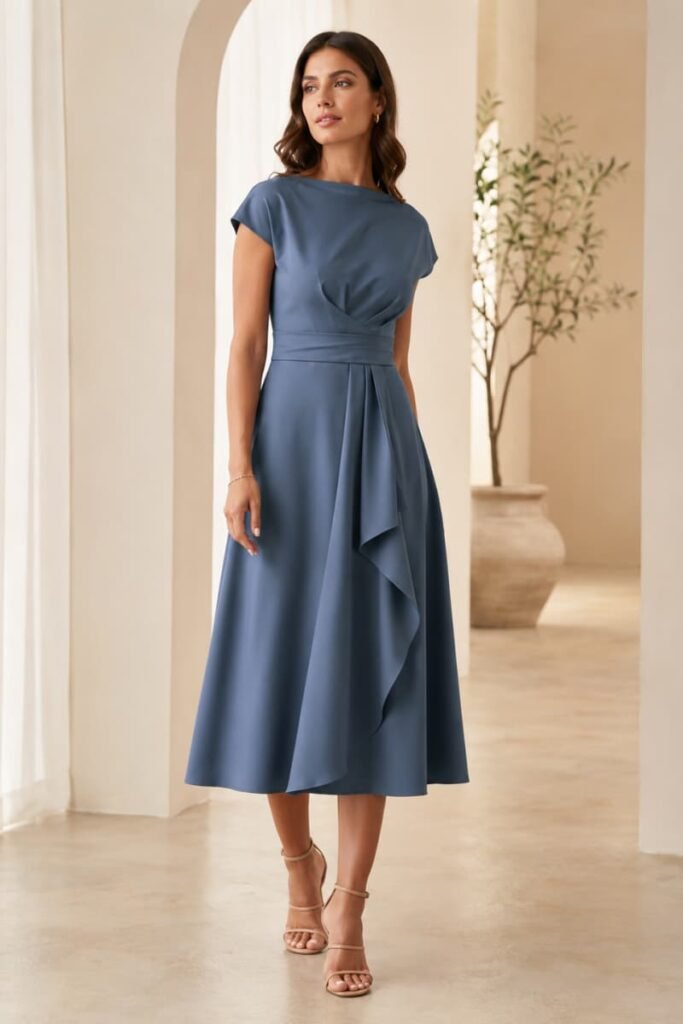
Midi Dresses

Maxi Dresses

Vacation Dresses

Going Out Dresses

Fashion Sets
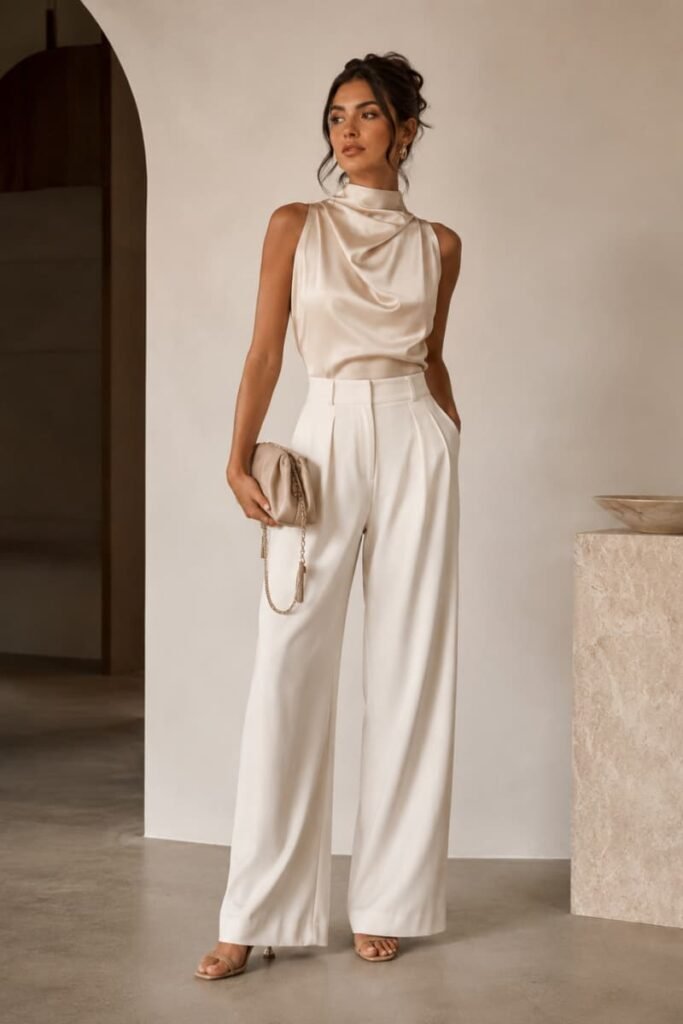
Refined Fashion Tops
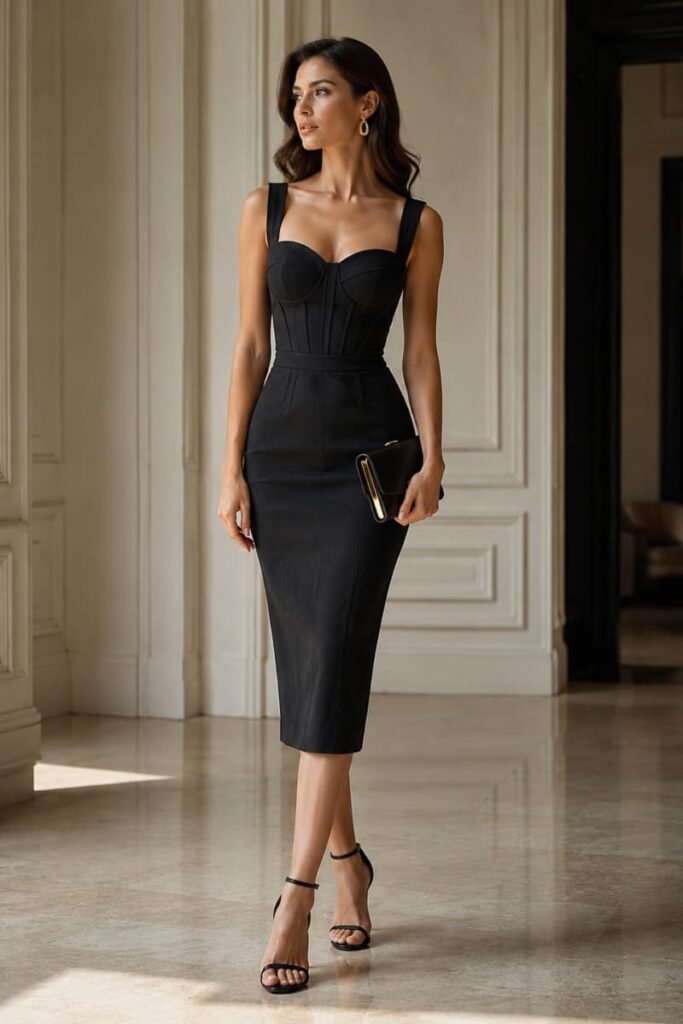
Structured Dresses
From Tech Pack to Production-ready Sample
Technical File Review
Fabric and Trim Feasibility
Sample Development
PP Sample Locking
Bulk Readiness Confirmation

OEM Risk Review Before Sampling
The most expensive OEM problems often begin before sampling. Duolan reviews key womenswear risks early so brands can make better decisions on fabric, construction, support, lining, trims, production method and sample expectations.
| Brand Input | Possible Production Risk | Duolan Review Before Sampling |
|---|---|---|
| Satin dress tech pack | Seam puckering, needle marks, pressing shine, packing creases | Review fabric thickness, seam position, stitching method, pressing temperature and packing protection. |
| Bodycon dress design | Poor recovery, transparency, side seam twisting, uncomfortable tightness | Check stretch direction, recovery rate, lining need, negative ease and measurement tolerance. |
| Corset or bustier style | Weak bust support, unstable neckline, poor cup symmetry, uncomfortable boning | Review cup shape, boning position, lining structure, back closure and support distribution. |
| Mesh panel dress | Coverage issue, visible seam bulk, unstable panel edge, lining mismatch | Map transparency zones, lining coverage, seam finish, edge binding and stretch compatibility. |
| Sequin party dress | Dropped sequins, skin irritation, heavy garment, zipper difficulty | Check sequin direction, seam allowance cleaning, lining, edge treatment, packing and weight. |
| Print vacation dress | Pattern imbalance, color shift, poor placement, uneven repeat across sizes | Review print scale, paper pattern, placement position, color reference and size grading impact. |
| Halter or backless dress | Neck load, bust instability, strap stretching, poor wear confidence | Check strap strength, bust support, back structure, closure position and lining anchoring. |
Fabric and Trim Sourcing for OEM Womenswear
Fabric Matching
Trim and Hardware Coordination
Special Process Resources
Material-to-BOM Control
Material Locking and BOM Control
OEM bulk consistency depends on what gets locked before production. A beautiful approved sample is not enough if the production team cannot identify the exact fabric, lining, trim, label, thread, color reference, packing requirement and process standard that created it.
| BOM Area | What Should Be Locked | Why It Matters |
|---|---|---|
| Main Fabric | Quality, composition, weight, color, width, shrinkage, batch and approved supplier | Controls drape, fit, color consistency, cutting yield and repeat order stability. |
| Lining | Color, stretch, handfeel, opacity, length, attachment method and comfort level | Affects coverage, comfort, outer fabric behavior and premium garment feel. |
| Trims | Zipper, button, hook, eyelet, elastic, boning, strap adjuster and hardware | Impacts function, wearing security, production efficiency and customer return risk. |
| Thread and Stitching | Thread color, seam type, stitch density, elastic stitch and reinforcement points | Controls seam appearance, stretch, strength and workmanship consistency. |
| Label System | Main label, care label, size label, side label and country or compliance information | Supports brand identity, product information and channel requirements. |
| Packaging | Folding, polybag, barcode, hangtag, carton mark, ratio and packing protection | Ensures products arrive in a sellable, trackable and channel-ready condition. |
| Process Notes | Print, embroidery, washing, dyeing, pleating, sequin, beading or pressing requirements | Prevents special processes from being treated as informal decoration during bulk production. |
Production Engineering for Complex Womenswear
OEM Production Process
Approved Sample and PP Confirmation
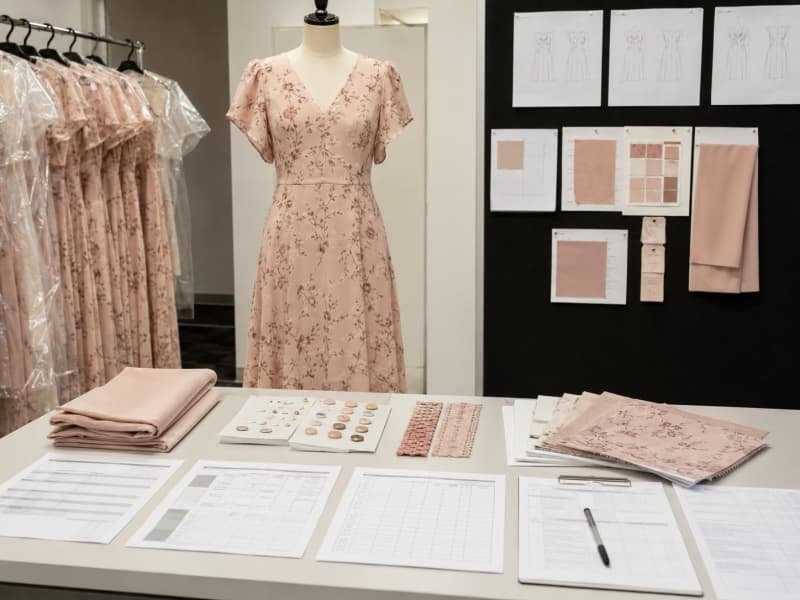
Material Preparation and Cutting

Sewing and Special Process

Inline QC and First-piece Confirmation

Final Inspection, Packing and Shipment Preparation

Manufacturing Capability for Repeatable Bulk
Owned Factory Control
Satellite Factory Coordination
Production Line Support
Sample Development Density
Equipment Coverage
Bulk and Repeat Capacity
QC Standards for OEM Womenswear
Quality control in OEM womenswear should begin before production and continue through material, cutting, sewing, finishing, packing and final inspection. Duolan treats QC as a production discipline connected to approved samples, BOM, measurement tolerance, workmanship standard and brand requirements.
| QC Stage | What We Check | Risk Controlled |
|---|---|---|
| Material Inspection | Fabric defects, color shade, weight, shrinkage, stretch, opacity and batch consistency | Prevents fabric mismatch, poor drape, color variation and cutting instability. |
| Cutting Check | Fabric direction, panel balance, numbering, print or lace placement and size accuracy | Controls fit variation, asymmetry, pattern imbalance and production confusion. |
| First-piece Confirmation | Measurements, construction, seam quality, trims, lining, zipper and critical details | Confirms the production line understands the PP sample before bulk continues. |
| Inline QC | Workmanship, seam strength, trim position, measurement drift and process consistency | Reduces repeated defects and catches issues before they become shipment-level problems. |
| Final Inspection | Appearance, measurement, stain, thread, defect, label, packing and finishing condition | Protects shipment quality and reduces customer complaint or rejection risk. |
| Packing QC | Folding, polybag, barcode, hangtag, carton mark, packing ratio and surface protection | Supports channel-ready delivery and protects garments during transport. |
Brand Label, Care Label and Packaging Execution

Main Label

Care Label

Hangtag

Barcode and Channel Label

Polybag and Folding

Carton and Shipment Mark
Compliance and Supplier Evaluation Support
Established fashion brands often evaluate suppliers through compliance readiness, social responsibility records, quality awareness, testing coordination and ability to follow customer-specific standards. Duolan supports supplier evaluation by providing relevant capability information and aligning production execution with brand requirements.
| Evaluation Area | Duolan Support | Brand Value |
|---|---|---|
| Social Compliance | SMETA audit and SMETA 2-Pillar audit record support supplier evaluation discussions. | Helps procurement teams assess whether the supplier can enter a more formal vendor review process. |
| Quality System Awareness | Production, QC, material inspection, sample approval and final inspection are connected to project standards. | Reduces risk of informal execution and supports more controlled OEM cooperation. |
| Testing Coordination | Can work with customer requirements related to AATCC, ASTM, EN, China GB and other standards. | Supports market-specific product requirements and clearer quality communication. |
| Material Requirement Support | Can coordinate with OEKO-TEX?, GOTS or customer-specified material requirements when applicable. | Helps brands manage fabric, sustainability or product requirement discussions more clearly. |
| Brand-specific Requirements | Can follow specific customer instructions for labels, packaging, QC, inspection and production documents. | Makes OEM production more compatible with mature brand workflows. |
| Third-party Inspection Support | Can coordinate product preparation, QC records and inspection readiness according to project needs. | Helps reduce inspection friction before shipment and improves delivery confidence. |
Capacity System for Multi-style OEM Programs
Mature womenswear brands rarely develop only one style at a time. A launch may include fitted dresses, satin styles, mesh styles, fashion sets, tops, core colors, seasonal colors and repeatable commercial pieces. The real manufacturing challenge is not only quantity, but keeping multiple product routes, material standards, sample approvals and delivery windows organized.
| Program Requirement | Duolan Control Logic |
|---|---|
| Several styles in one launch | Group styles by fabric, construction, production route and delivery priority. |
| Multiple colorways | Confirm lab dip, bulk color, fabric batch and color-to-style relationship before production. |
| Different fabric categories | Match satin, mesh, stretch, lace, print or structured styles to suitable production handling. |
| Reorder potential | Lock BOM, PP standard, color record, trim reference and QC notes for future repeat orders. |
| Seasonal delivery window | Plan sampling, material booking, production slot, QC and shipment preparation around launch timing. |
Duolan’s manufacturing system is designed to support this type of multi-style OEM program. Owned factories provide core control for key products, PP standards and sensitive styles. Long-term satellite factories support capacity flexibility and order distribution under Duolan’s project coordination. Regional production bases create additional capacity buffering. Material and special process resources support fabric selection, trim coordination, print, embroidery, dyeing, washing and finishing. Order coordination teams help connect purchasing, production, QC and shipment preparation.
MOQ and Cost Logic for Mature OEM Projects
MOQ is part of project planning, not a low-price attraction. For OEM womenswear, realistic quantity depends on fabric sourcing, trim availability, colorways, size range, construction complexity, special process, cutting efficiency, production route, packing requirement and future repeat potential. Duolan discusses MOQ through production logic and brand planning rather than using it as a generic marketing hook.
| Cost or MOQ Factor | Why It Affects OEM Production | Practical Brand Decision |
|---|---|---|
| Fabric Type | Custom fabric, special color, stretch material, lace, sequin or print may require supplier minimums. | Confirm whether the style should use existing quality, custom fabric or approved alternative. |
| Colorways | More colors can increase dyeing, fabric purchase, lab dip and batch control complexity. | Plan core colors first when production stability and repeat orders matter. |
| Trim and Hardware | Zipper, boning, elastic, eyelet, metal parts and labels may have separate minimums. | Lock trims early and avoid changing hardware after PP approval. |
| Special Process | Print, embroidery, dyeing, pleating, sequin or beading can affect cost, lead time and defect risk. | Decide whether the process adds real product value before bulk commitment. |
| Construction Complexity | Corset, fitted, lined, backless, mesh or embellished garments need more sampling and QC attention. | Allow enough time for sample correction and production engineering. |
| Repeat Order Potential | Reorderable styles can justify stronger material locking and production preparation. | Treat core commercial styles differently from one-off campaign pieces. |
Anonymous OEM Project Experience

US Occasionwear Program

Australian Partywear Styles

European Dress Collection

Sample-to-Bulk Evidence

Material Risk Feedback

Repeat Order Preparation
OEM Production Readiness Checklist
A good checklist does not replace communication. It helps both teams start with clearer information and reduces avoidable assumptions before sampling, quotation or bulk production. Duolan recommends using an OEM production readiness checklist before sending a project for review.
| Checklist Section | What It Helps Confirm |
|---|---|
| Product Information | Category, style name, target market, launch timing, channel requirement and intended price position. |
| Technical File | Tech pack, sketch, size spec, construction notes, measurement tolerance and grading logic. |
| Fabric and Trim | Fabric direction, lining, zipper, elastic, hardware, thread, buttons, labels and approved references. |
| Sample Requirement | Original sample, first sample target, fit sample need, PP sample expectation and revision plan. |
| Bulk Planning | Target quantity, colorways, size range, delivery window, repeat order potential and packing requirement. |
| Quality Focus | Fit, seam, opacity, stretch, support, finishing, inspection, packing and special risk points. |
| Brand Execution | Main label, care label, hangtag, barcode, polybag, carton mark and channel-specific instruction. |
| Next Step | Submit files for Duolan’s project review and receive feedback on feasibility, sample path and production preparation. |
OEM Womenswear Manufacturer FAQ

Send Your OEM Womenswear Project for Review
If your womenswear brand already has a defined design direction, tech pack, original sample, BOM, fabric standard, label requirement or production plan, Duolan can review the project from an OEM manufacturing perspective. Our team will look at product category, construction, material feasibility, trim requirements, measurement tolerance, sample purpose, PP approval needs, production route, QC focus and delivery planning before recommending the next step.
Duolan is best suited for established fashion brands, product teams, buying teams, sourcing offices and multi-brand groups that need reliable execution rather than generic low-price garment supply. You can send a single production-ready style, a group of upcoming launch styles, a repeat order plan or a multi-style womenswear program. The more complete your project information is, the more clearly we can evaluate sample development, material sourcing, MOQ logic, production timing and bulk readiness.
Please Share
- Product category: dresses, fitted styles, fashion sets, refined tops or structured womenswear.
- Project stage: tech pack review, sample development, PP approval, bulk production or repeat order.
- Key files: tech pack, original sample photos, BOM, fabric swatch, size chart or label instruction.
Useful Details
- Target quantity, colorways and size range.
- Fabric direction, trim details and special process requirements.
- Target launch date, delivery window and packing standard.
Duolan Will Review
- Fabric, fit, construction, trim and production feasibility.
- Sample path, PP confirmation and bulk readiness.
- QC focus, packing requirement and repeat production preparation.