Skip to content
Women’s Ready-to-wear Manufacturer
Women’s ready-to-wear manufacturing for fashion brands that need standard-size, finished garments built for selling channels.
Duolan supports established fashion brands with dress-focused women’s RTW development and bulk manufacturing. From sample review and standard-size fit control to PP approval, cutting, sewing, finishing, QC, labeling, packing and repeat delivery, our system is built for sellable women’s garments, not generic apparel output.
- 16 owned womenswear factories support controlled RTW sample-to-bulk handover.
- 20+ satellite factories provide flexible capacity for repeat and multi-style programs.
- 300 sewing lines support standard-size production across women’s garment structures.
- 50+ quick-response lines support sampling, test runs and launch preparation.
- 15,000–35,000 monthly sample capacity supports frequent womenswear development cycles.
- 6,500,000 stable monthly capacity supports planned bulk and repeat delivery.
- SMETA 2-Pillar audit record supports supplier evaluation for mature fashion programs.





Women’s RTW Means Finished Standard-size Garments
Women’s ready-to-wear manufacturing is not personal tailoring, made-to-order sewing, wholesale stock or generic apparel customization. RTW garments are produced in standard sizes, finished for sale and prepared for real channels such as ecommerce, retail, showroom, wholesale or marketplace-backed distribution. For women’s fashion brands, RTW production must protect fit, fabric behavior, garment appearance and channel-ready presentation together.
Duolan approaches women’s RTW as a finished garment discipline. A dress, top or set does not become RTW simply because sewing is complete. The garment must have approved fabric, confirmed measurements, stable grading, reliable trims, correct labels, packing requirements, QC standards and repeatable production records. The goal is a product that can enter the brand’s selling system without being treated as an unfinished sample.
Women’s RTW requires stronger category judgment than broad apparel production. Satin dresses, mesh partywear, fitted jersey styles, structured corset dresses, vacation maxis and refined tops each behave differently on the body and in bulk production. Duolan’s role is to connect women’s fit, material performance, production engineering, QC and delivery into one controlled manufacturing path.
Built for Established Womenswear Brands
Duolan is structured for fashion brands, product teams, sourcing offices and multi-brand groups that need finished women’s garments in standard sizes. Strong RTW programs usually include defined product categories, sample expectations, size ranges, fabric requirements, production quantities, quality standards and repeat delivery value.
Global Fashion Brands
Global fashion brands need RTW manufacturing with stable execution across sizes, colors, fabrics and production batches. A women’s garment must meet design intent, fit expectation, label requirement and delivery discipline at the same time. Duolan supports global programs by connecting sampling, PP confirmation, production routing, QC and packing into one garment standard that can be repeated across launch cycles.
Regional Fashion Leaders
Regional brands in the US, UK, Australia and Europe often grow through frequent dress drops, seasonal launches and best-selling style extensions. They need a manufacturer able to control production while keeping product development responsive. Duolan supports these brands through dress-focused sampling, fabric sourcing, standard-size fit review, bulk manufacturing and repeat order preparation.
Dress-focused RTW Brands
Dress-centered brands need more than general sewing capacity. Fashion dresses, occasion dresses, party dresses, vacation dresses and going-out styles require fabric judgment, lining decisions, support, finish and strong fit control. Duolan is suitable for brands where dresses and related fashion categories carry the main commercial identity.
Product Teams
Product teams need samples that connect directly to production standards. Duolan reviews style files, sample comments, measurement logic, fabric behavior, trims, construction risk and PP approval needs. The aim is to help internal teams evaluate garments as future RTW products, not isolated prototypes without production value.
Sourcing Offices
Sourcing offices evaluate suppliers through capability, quality, compliance, timing, communication and consistency. Duolan supports sourcing review with manufacturing data, audit-related records, product capability details, sample-to-bulk process and packing execution. Women’s RTW programs become easier to evaluate when garment standards and production controls are visible early.
Multi-brand Groups
Multi-brand groups often manage several women’s labels, price levels, size systems and launch calendars. Duolan helps keep product standards separated by brand line while coordinating fabric sourcing, sample approval, production routing, QC and delivery. RTW discipline matters when different brands require different garment identities inside one manufacturing system.
RTW, Made-to-order, Bespoke and Wholesale
Women’s ready-to-wear has a clear production meaning. It should not be confused with personal tailoring, wholesale catalog buying or small on-demand sewing. Duolan focuses on standard-size women’s garments built for brand selling channels and repeatable production.
| Production Mode | Meaning | Duolan Position |
|---|---|---|
| Women’s RTW | Finished women’s garments produced in standard sizes for ecommerce, retail, wholesale or channel delivery | Core focus for dress-centered fashion brands |
| Made-to-order | Garments made after individual orders, often linked to demand-based fulfillment | Not the main positioning |
| Bespoke / Made-to-measure | Individual garments fitted to one person’s body | Outside Duolan’s direction |
| Wholesale Stock | Existing catalog goods purchased for resale | Not a core direction |
| OEM Womenswear | Production based on brand-provided tech packs, samples and BOM | Supported when files are ready |
| ODM Womenswear | Supplier-supported development from brand direction to samples and production | Supported for brand-led development programs |
What Brands Should Prepare Before RTW Production
Clear project information helps Duolan evaluate fit, fabric, production route, QC focus and delivery timing accurately. A women’s RTW project can begin from a tech pack, approved sample, reference garment or development file, as long as garment direction and production goals are defined.
| Project Input | Why It Matters |
|---|---|
| Tech Pack or Design File | Defines construction, measurements, trims, seams, labels, finishing and production expectations. |
| Approved Sample or Reference Garment | Clarifies fit, fabric handfeel, proportion, workmanship level and visual standard. |
| Size Chart | Supports standard-size production, grading logic, tolerance control and final inspection. |
| Measurement Tolerance | Helps production and QC teams judge acceptable variation across bulk garments. |
| Fabric Direction | Guides sourcing, drape review, opacity, stretch, recovery, lining and bulk availability. |
| BOM | Connects fabric, trims, lining, labels, hardware, thread and packaging to production execution. |
| Target Quantity | Supports material booking, cost review, production routing and delivery planning. |
| Colorways | Affects lab dip, fabric batch, shade control, cutting plan and packing ratio. |
| Label and Packaging Standard | Supports channel-ready delivery through main label, care label, barcode, polybag and carton requirements. |
| Launch or Delivery Date | Allows sampling, PP approval, material preparation, bulk production, QC and shipment to be back-planned. |
Women’s RTW Product Range
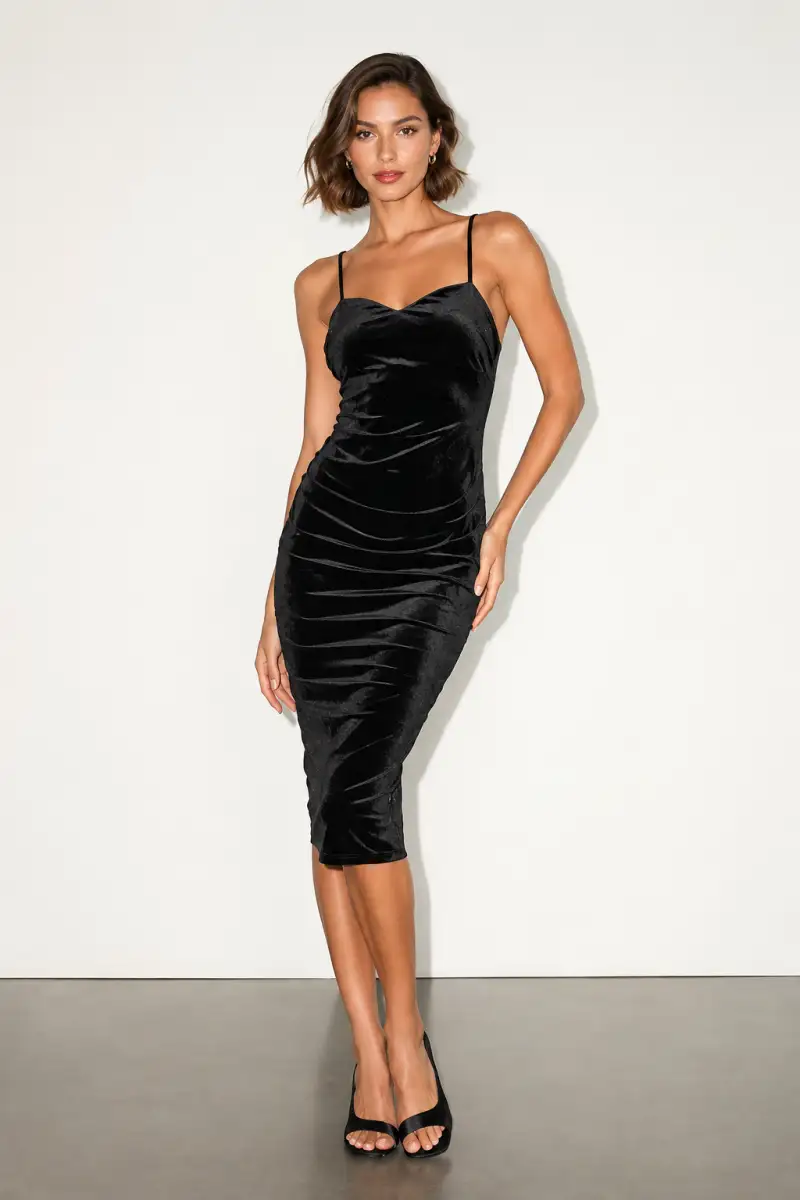
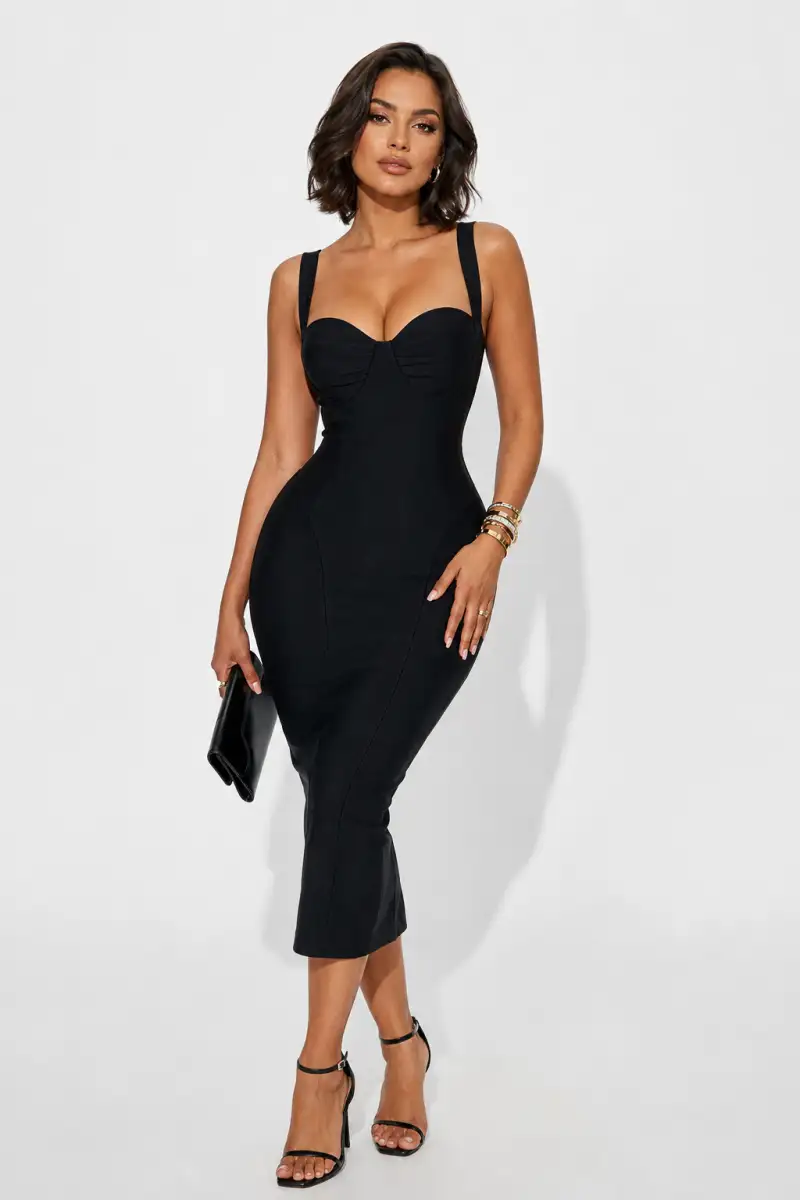
Duolan’s women’s ready-to-wear manufacturing is focused on dress-led and fashion-driven categories where fit, fabric behavior, finishing and production consistency directly affect product value. Instead of presenting women’s RTW as a broad apparel catalog, we organize product capability around the garment types most relevant to established fashion brands: dresses, occasionwear, partywear, resort styles, fitted silhouettes, sets, refined tops and structured pieces.
For women’s RTW, the question is not only whether a garment can be sewn. The real question is whether the approved style can be produced in standard sizes, packed cleanly, delivered consistently and repeated across colors, seasons or future drops.
Dress-led RTW categories
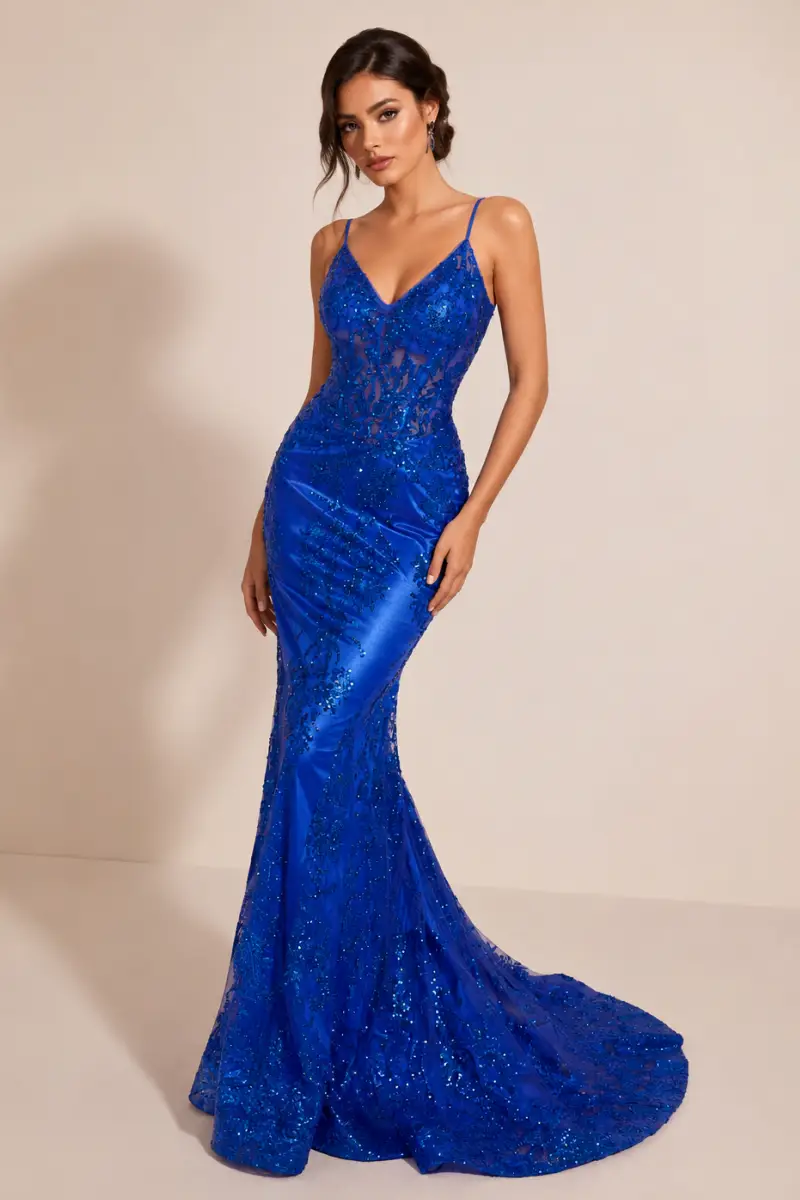
- Fashion dresses developed around silhouette, fabric movement, neckline, waist position, lining and final presentation.
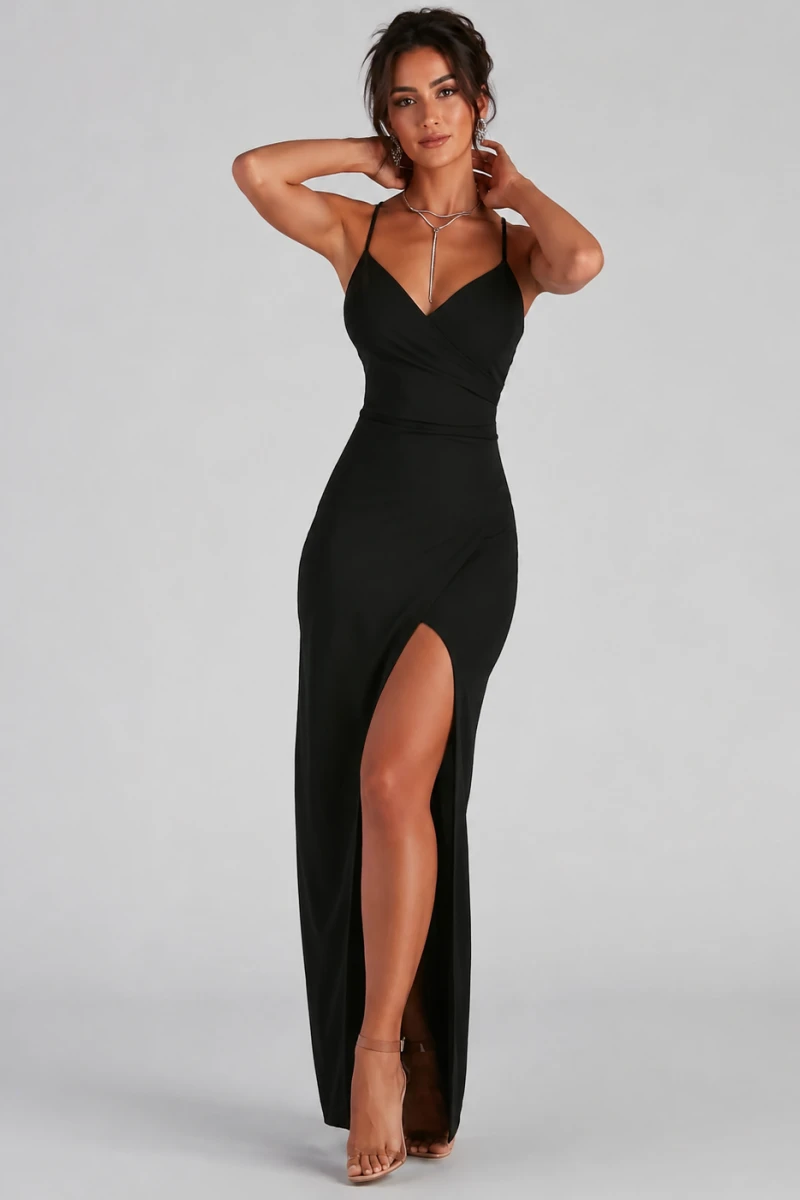
- Occasion dresses for cocktail, graduation, wedding guest, semi-formal and event-driven collections where polish and fit stability matter.
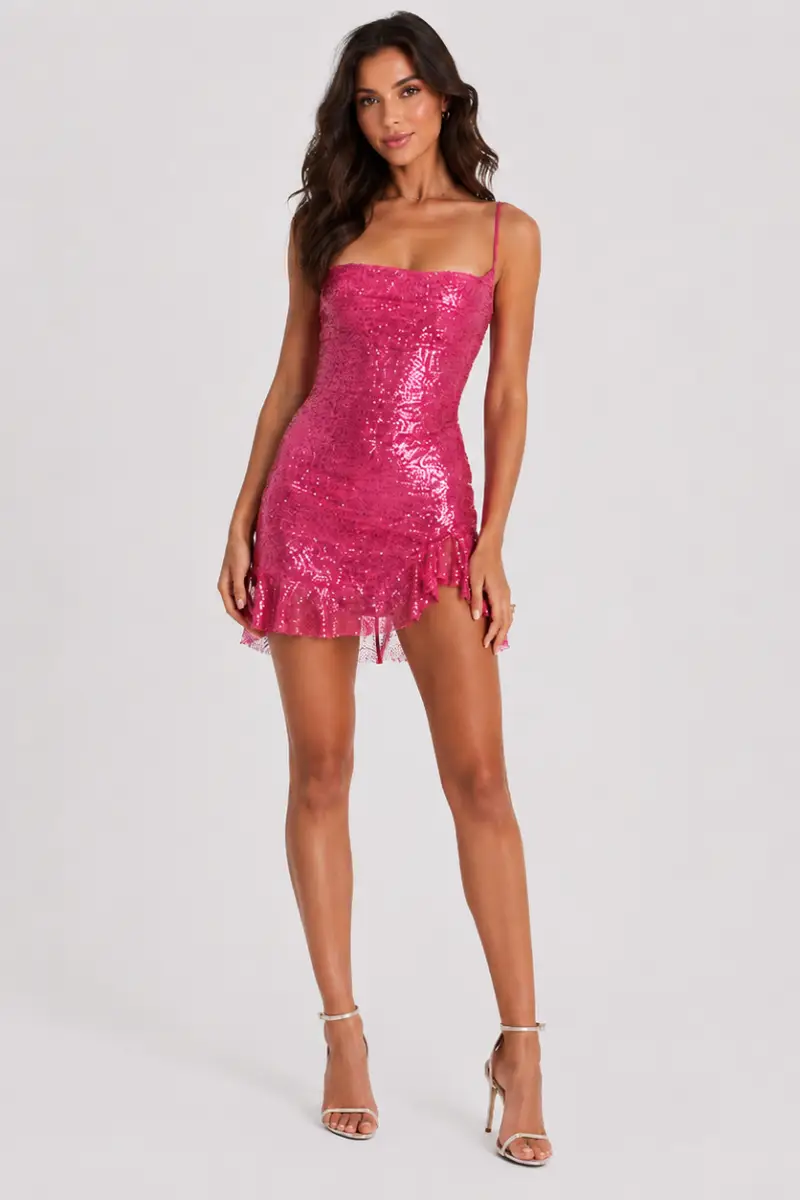
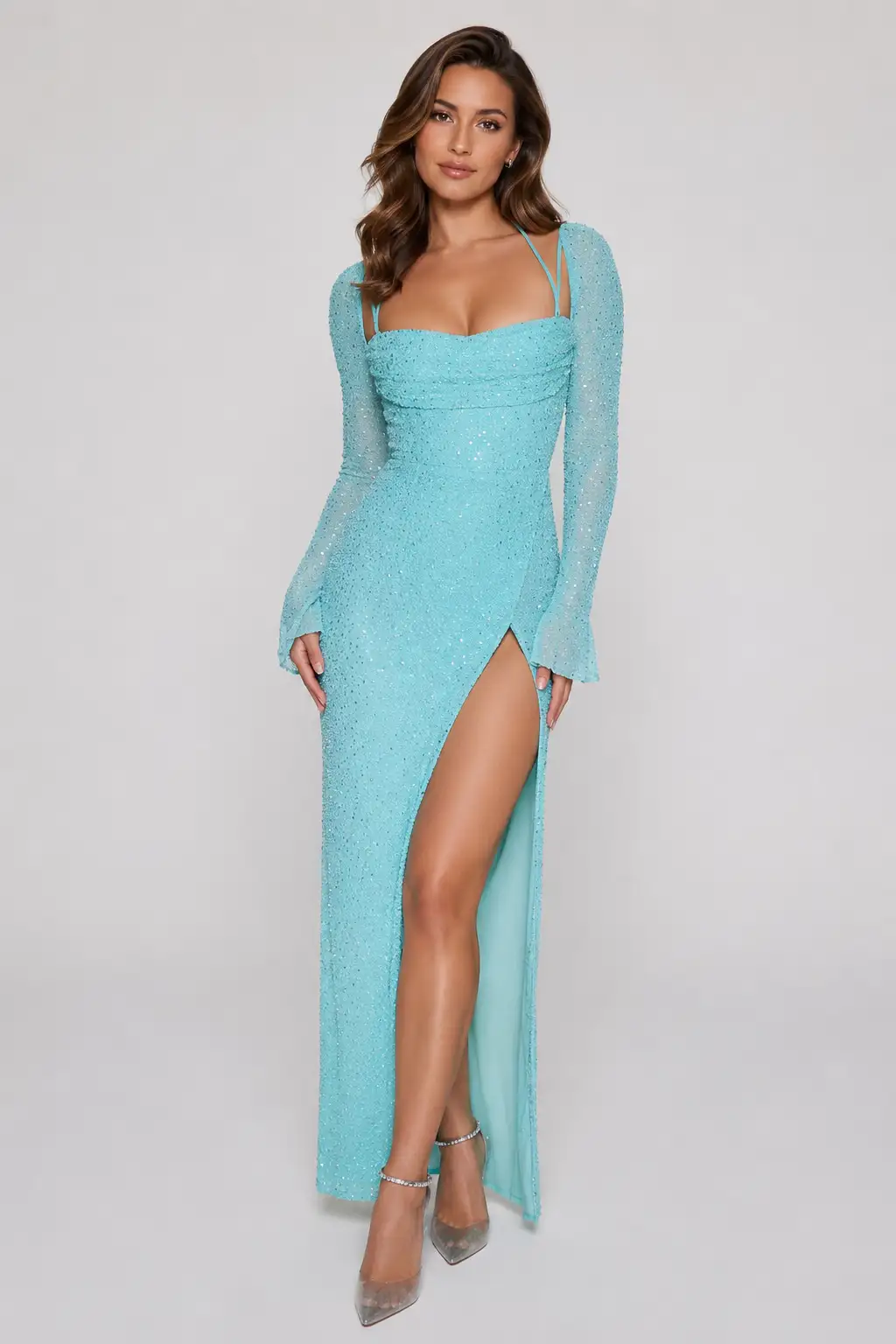
- Party dresses involving mesh, sequins, cut-outs, shine, stretch fabrics or fitted structures that require stronger production control.
- Going-out dresses designed for strong visual impact, wearing confidence, ecommerce presentation and repeatable fit.
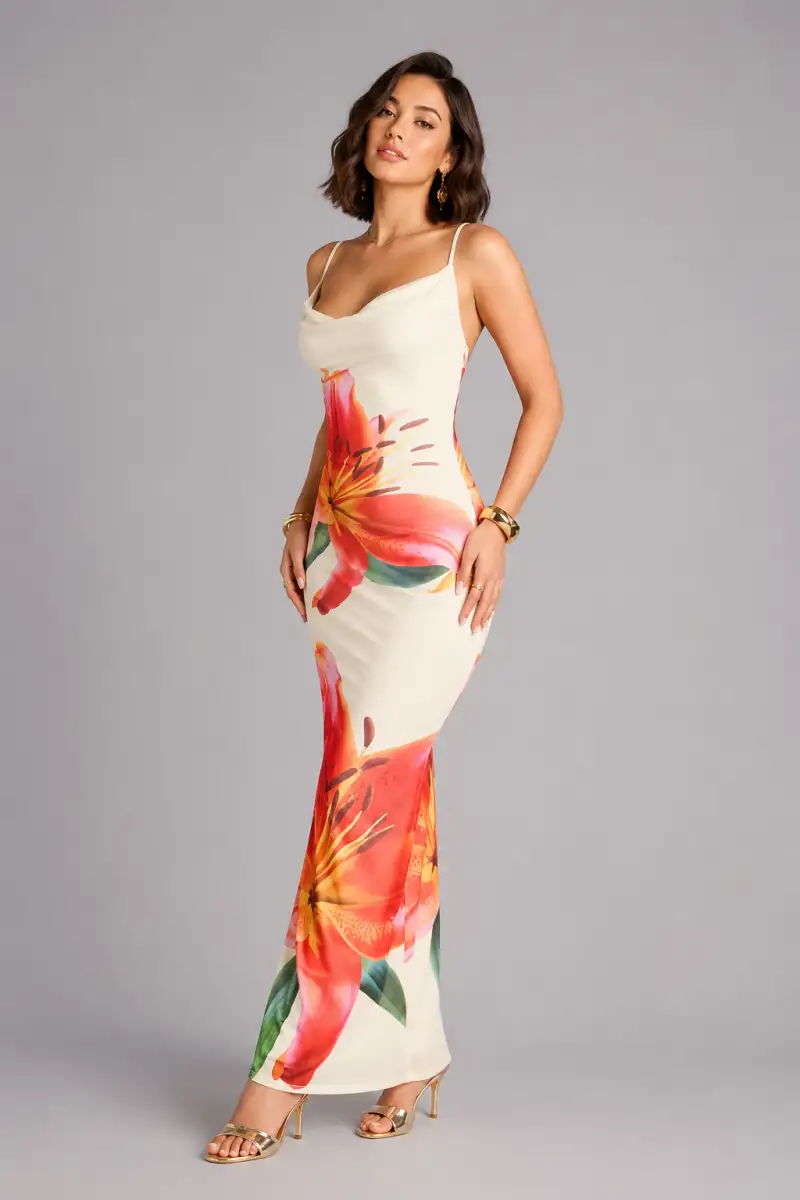
- Vacation and resort dresses using lightweight fabrics, prints, movement, soft drape and packing methods that preserve garment shape after transport.
Length and fit structures
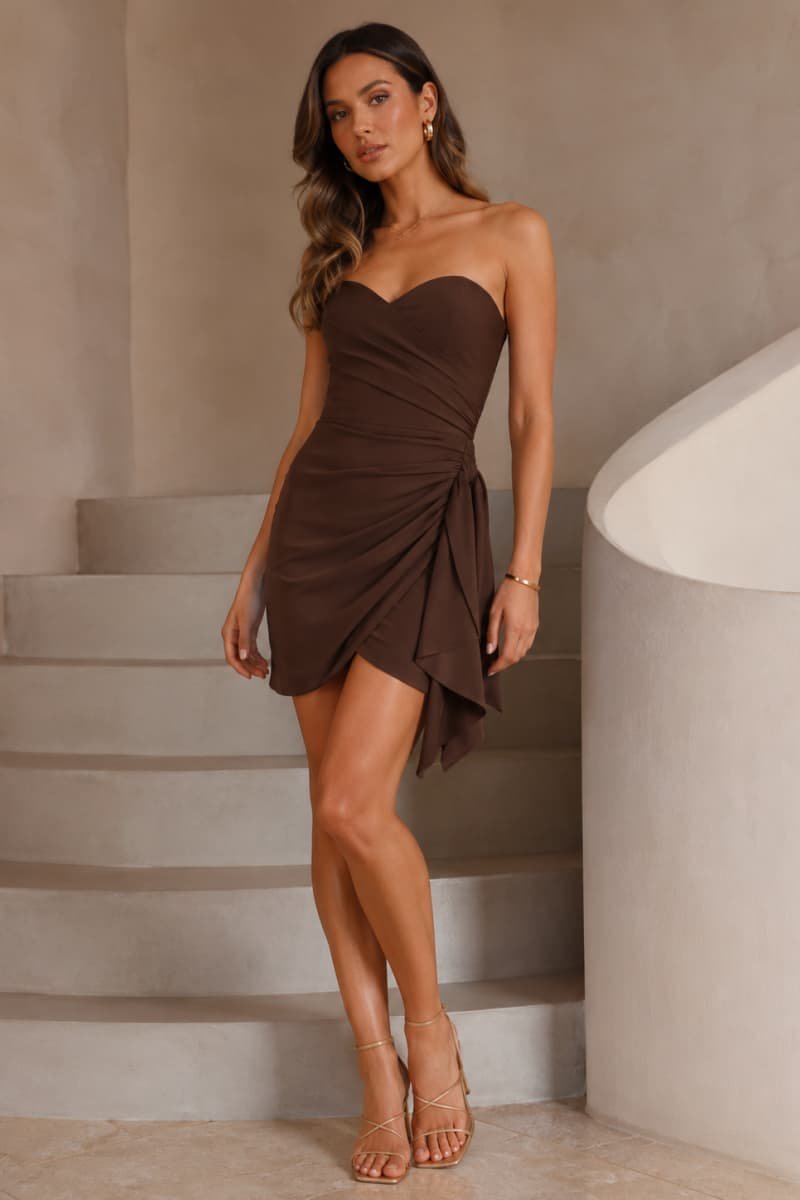
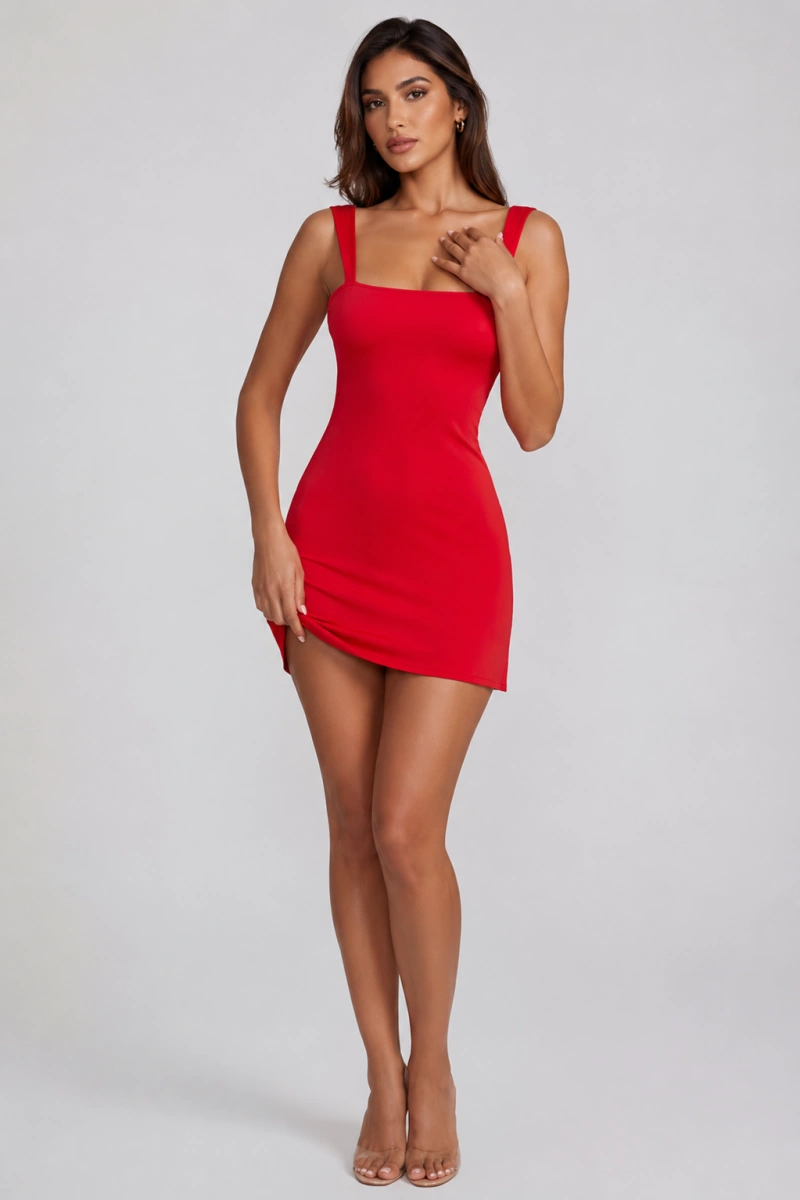
- Mini dresses require coverage control, hem safety, bust support, strap position and lining precision.
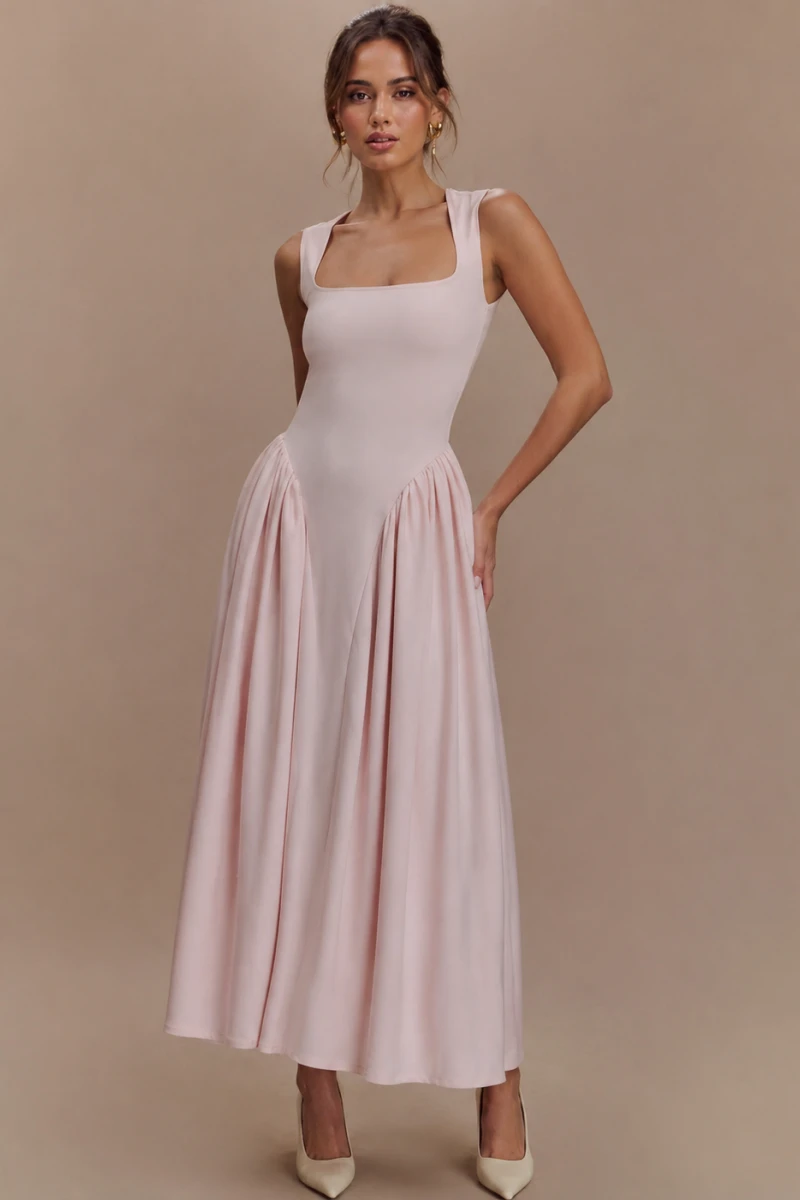
- Midi dresses depend on waist placement, fabric fall, slit position, hem balance and pressing quality.
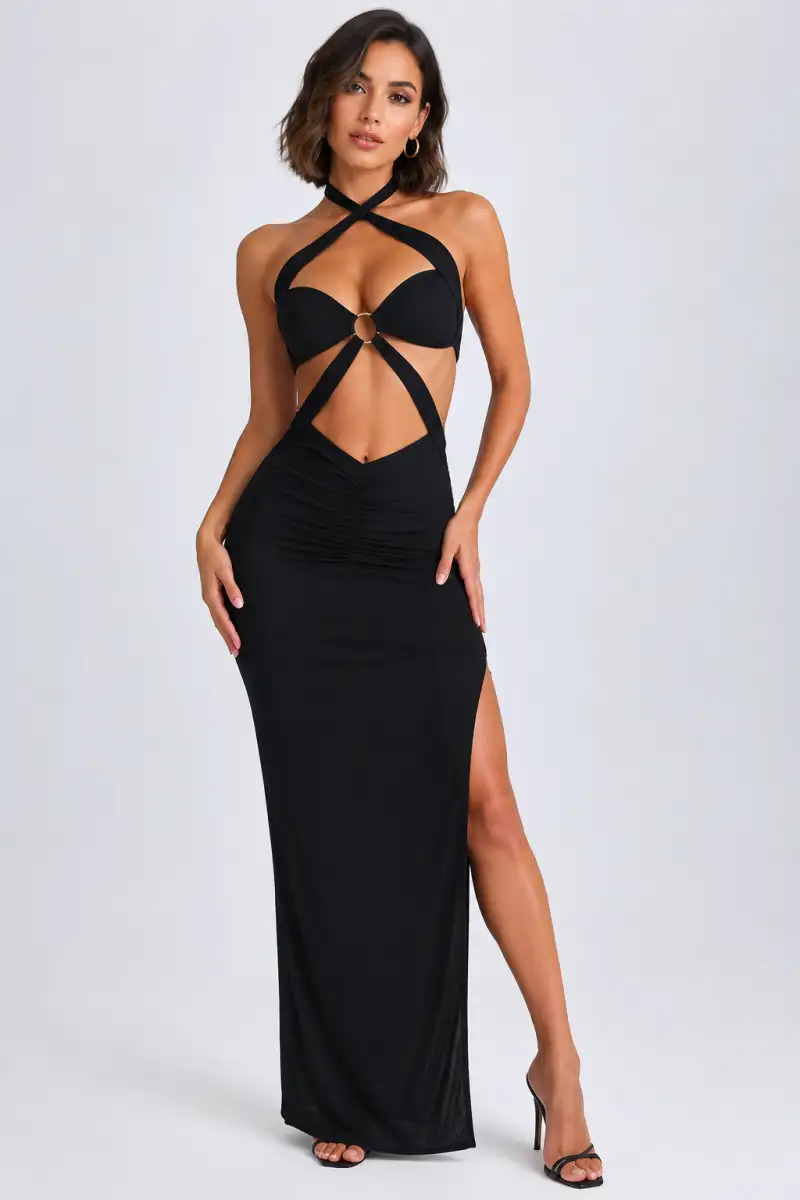
- Maxi dresses require length consistency, panel balance, print direction, lining and carton packing control.
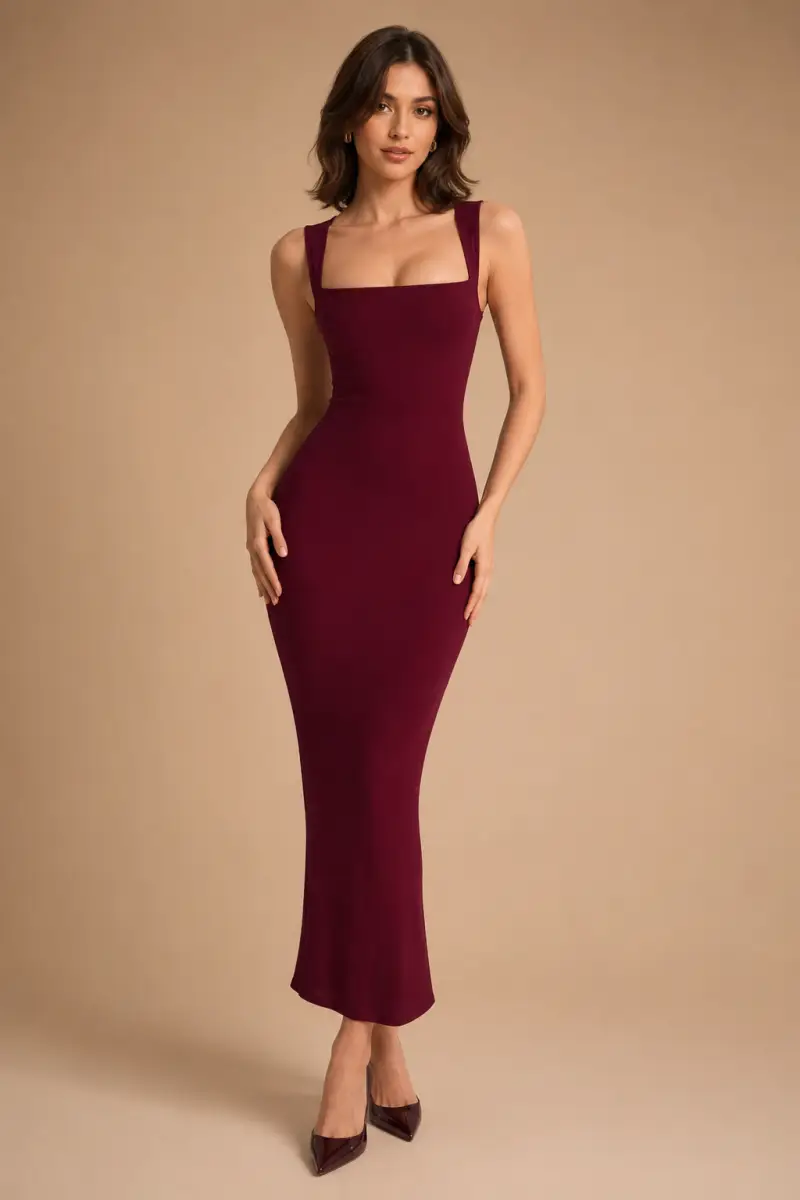
- Bodycon and fitted dresses depend on stretch recovery, negative ease, side seam balance, opacity and size tolerance.
Collection support categories
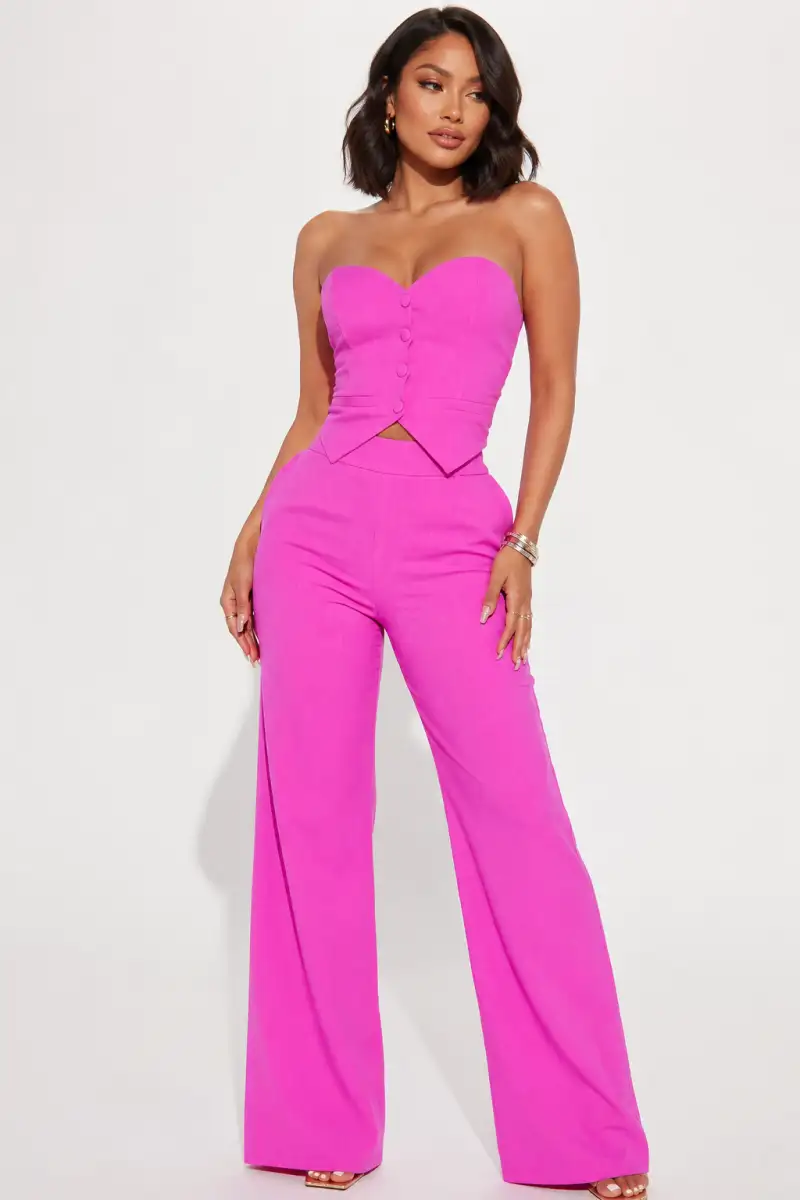
- Fashion sets require color consistency, fabric batch control, top-bottom size balance and coordinated packing.
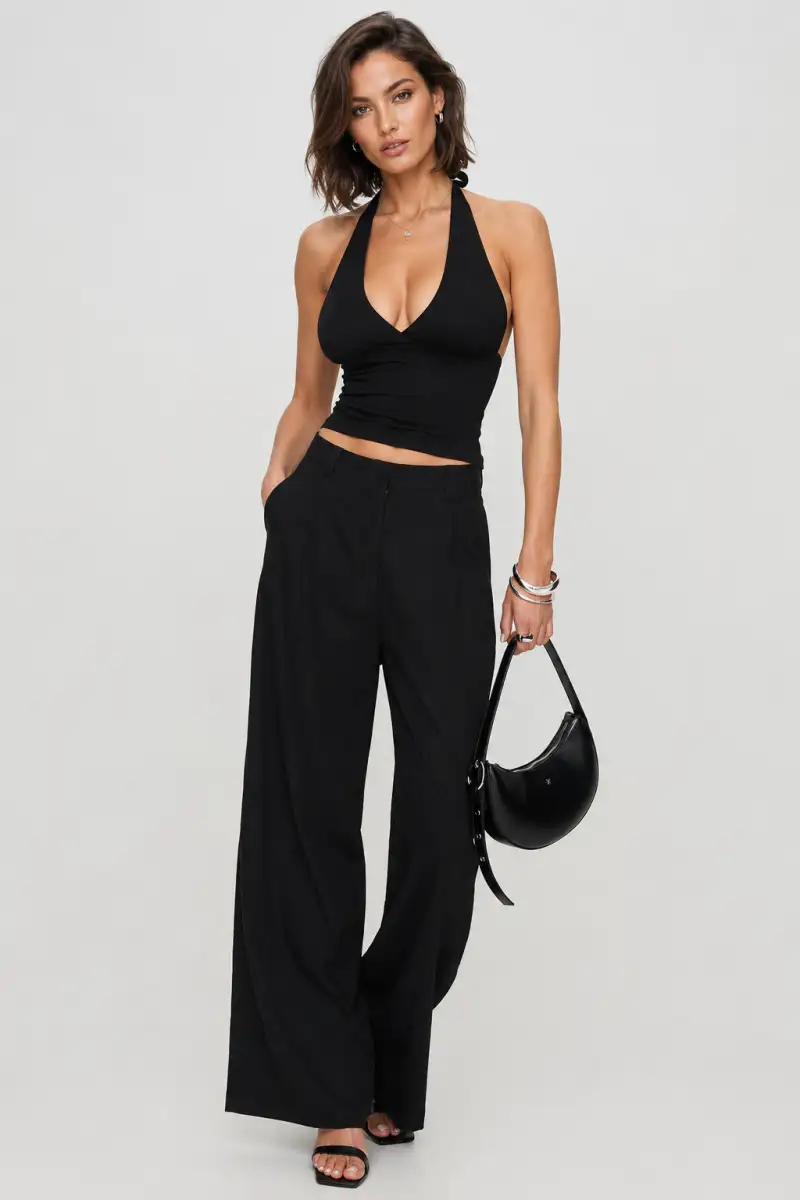
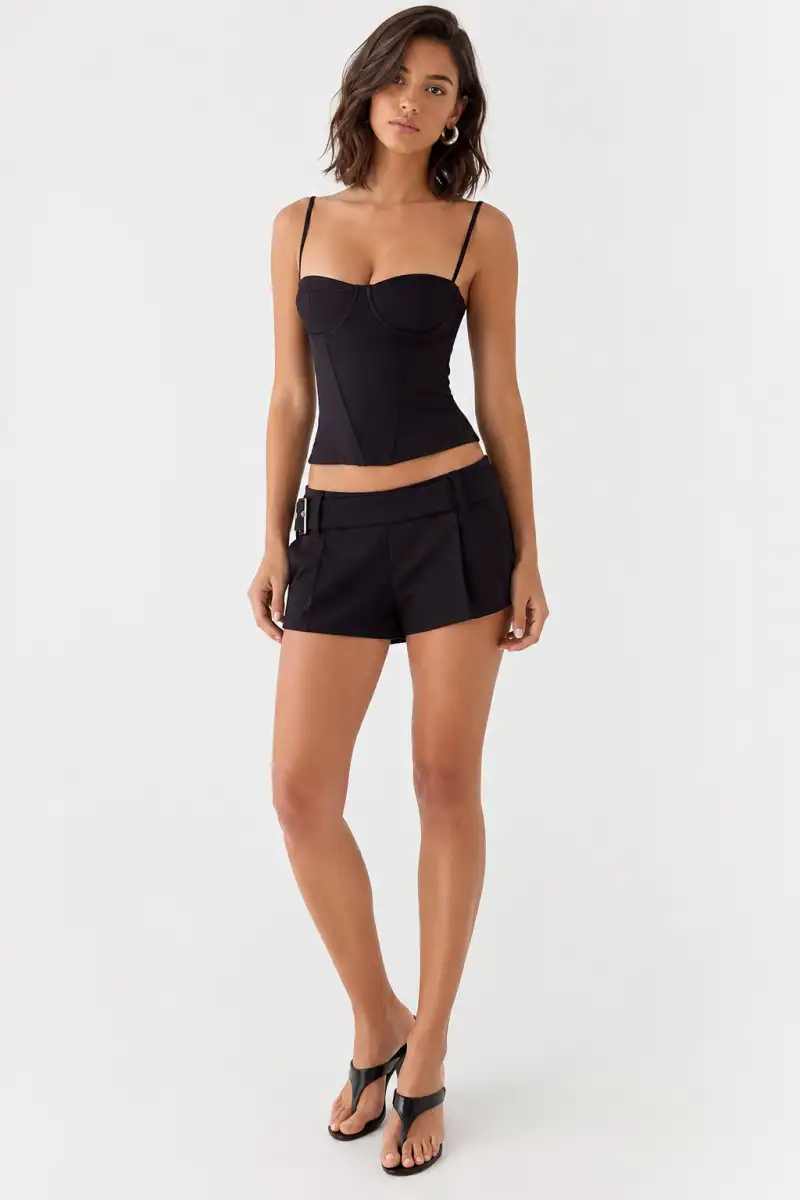
- Refined fashion tops support dress collections through satin tops, mesh tops, corset tops, halter tops and blouse styles.
- Structured garments require internal support, boning, cup position, lining, zipper strength and stable grading.
RTW Product Roles in a Womenswear Line
Women’s ready-to-wear programs become stronger when every garment has a clear product role. Duolan does not treat all garments as the same sewing task. A hero dress, commercial core style, repeatable bestseller, seasonal fabric piece, channel-ready garment and extension style each requires different development priorities, production controls and inspection standards.
Hero Style
Hero styles are used for campaigns, lookbooks, ecommerce banners, social content and collection identity. These garments are not ordinary volume styles. They carry visual memory, brand tone and first-impression value.
Key points to check
- Whether the silhouette remains strong from front, back and side views.
- Whether the fabric effect supports the visual goal, such as satin shine, mesh layering, sequin brightness or structured shape.
- Whether key design details can be repeated in bulk, including cut-outs, corset structures, halter necklines, backless cuts, ruching or asymmetric necklines.
- Whether the garment remains stable in photography, especially hem balance, neckline stability, waist position, strap angle and zipper smoothness.
- Whether the PP sample records the visual focus clearly enough to prevent bulk production from looking weaker than the approved sample.
Measurable records
- Front / back / side / detail photo record for each hero style.
- Position records for neckline depth, waist seam, slit height and strap length.
- Symmetry checks for bust cups, strap position, side seams and hem level.
- Photo sample vs PP sample comparison as the bulk visual reference.
Commercial Core
Commercial core styles are built for stable sales. Their priority is not the strongest visual impact, but balanced fit, controlled cost, reliable sizing, stable material supply and repeatable production.
Key points to check
- Whether the standard-size fit works for a wider body range, not only the sample size.
- Whether the fabric is stable enough for multiple colors, future batches or repeat orders.
- Whether the garment has return-risk areas, such as tight bust, tight hip, short length or insufficient opacity.
- Whether construction can be repeated efficiently without too many unstable details.
- Whether the garment remains presentable after folding, packing and warehouse handling.
Measurable records
- Size spec, measurement tolerance and PP sample record for each core style.
- Fit comment records for bust, waist, hip, length, neckline, hem and lining.
- Fabric shrinkage, shade band and bulk batch records.
- BOM, approved pattern, QC notes and packing standard for repeatable core styles.
Repeatable Style
Repeatable styles are garments with future reorder, color extension, fabric update or length variation potential. The key value is consistency.
Key points to check
- Whether the approved pattern and grading record are clear.
- Whether main fabric, lining, zipper, trims, labels and packaging can be sourced again.
- Whether color references, dye lots and fabric batches can be recorded for future use.
- Whether production issues from the previous batch are written into the next production notes.
- Whether bulk feedback can become improvement points for future runs.
Measurable records
- BOM record covering main fabric, lining, zipper, elastic, hardware, label, polybag and carton.
- Approved PP sample retention or high-resolution detail photo records.
- Color records including lab dip, bulk color, shade band and previous batch reference.
- QC record including main defect types, measurement focus and packing issues.
- Repeat order review recording stable points and updated corrections.
Seasonal Style
Seasonal styles rely on color, print, fabric texture, event timing or trend direction. The main priority is launch timing and material performance.
Key points to check
- Whether seasonal colors match the target market and launch window.
- Whether print, dyeing, embroidery, sequin, washing or pleating can be completed within the production calendar.
- Whether fabric weight and handfeel match the season, such as summer lightness, winter weight or holiday shine.
- Whether multiple colorways create lab dip, shade variation, batch or lead-time risks.
- Whether launch timing has been back-planned from sample to shipment.
Measurable records
- Lab dip approval date.
- Bulk fabric booking date.
- Print / embroidery / dyeing approval sample.
- Launch calendar milestones: first sample, revision, PP sample, bulk start, final QC and shipment.
- Colorway record: core color, seasonal color, campaign color and repeat color.
Channel-ready Style
Channel-ready styles are evaluated by how smoothly they enter ecommerce, retail, showroom, warehouse or marketplace-backed systems. Design alone is not enough. Labels, barcodes, packing and carton accuracy directly affect downstream operations.
Key points to check
- Whether main label, care label, size label, hangtag and barcode are correct.
- Whether each style-color-size matches the correct SKU and carton information.
- Whether packing protects sensitive fabrics such as satin, sequins, structured styles and delicate materials.
- Whether folding affects garment condition after transport.
- Whether carton marks, packing ratios and size-color breakdown match brand receiving requirements.
Measurable records
- Barcode / SKU matching record.
- Packing ratio by style-color-size.
- Carton mark checklist.
- Polybag size and sticker position record.
- Final packing photo record.
- Brand or warehouse receiving requirement checklist.
Extension Style
Extension styles are developed from approved garments. These may include length changes, sleeve changes, neckline updates, color extensions, fabric substitutions or matching set development.
Key points to check
- Whether the extension still follows the original fit logic.
- Whether length changes affect proportion, movement, hem balance, slit height or packing.
- Whether fabric substitution changes the original silhouette.
- Whether color extensions remain visually aligned with the original product.
- Whether a new fit sample is needed instead of directly reusing the old pattern.
Measurable records
- Original style vs extension style pattern difference record.
- Length / neckline / sleeve / hem / slit adjustment record.
- Fabric substitution review.
- Revised size spec.
- Fit comparison photos.
- Extension BOM vs original BOM comparison.
Standard-size Fit and Grading
Women’s ready-to-wear is built for standard-size production, not individual measurement. A strong sample size is only the beginning. The garment must hold the brand’s fit logic across sizes, colors and bulk batches. For dresses and fitted womenswear, small changes in bust balance, waist position, hip ease, strap length or hem level can affect wearing confidence and return risk.
Duolan reviews fit and grading through garment behavior, not only flat measurements. Fabric stretch, lining, support structure, seam type, zipper position and final pressing can all change how a garment sits on the body.
Fit areas checked before bulk
- Bust and neckline balance for coverage, support, cup position, strap pressure and visual stability.
- Waist and hip relationship for fitted dresses, bodycon styles, corset structures and standard-size consistency.
- Length and hem safety for mini, midi and maxi dresses where proportion and movement affect wear confidence.
- Shoulder, strap and armhole position for halter, backless, sleeveless and fitted tops.
- Lining coverage for mesh, lace, satin, lightweight and light-colored fabrics.
- Movement comfort for garments worn to parties, events, vacations, dinners and social occasions.

Grading logic for women’s RTW
- A size range cannot be created by enlarging one sample mechanically.
- Neckline width, strap position, slit height, waist seam and lining length need separate review across sizes.
- Stretch fabrics require recovery and negative ease control.
- Structured garments require support points to scale correctly.
- Final measurement tolerance must connect to PP sample, QC checklist and final inspection.

Fabric Behavior for Women’s RTW
Fabric decides how women’s RTW looks, fits, moves, photographs and survives production. A fabric can look attractive in a swatch but fail in bulk if drape, stretch, opacity, recovery, shrinkage, seam behavior or packing response is not reviewed before production.
Duolan evaluates fabric by garment purpose. A satin midi dress, stretch bodycon style, mesh party dress, printed resort maxi and structured corset dress should not follow the same production logic. Each fabric creates its own cutting, sewing, lining, pressing, QC and packing requirements.
Satin and smooth woven fabrics
Reviewed for drape, seam puckering, needle marks, pressing shine, surface scratches and packing creases.
Mesh and sheer fabrics
Reviewed for transparency, lining map, stretch direction, edge stability, seam bulk and skin comfort.
Jersey and stretch fabrics
Reviewed for recovery, shrinkage, negative ease, seam elasticity, opacity under tension and side seam stability.
Chiffon and lightweight fabrics
Reviewed for sheerness, hem balance, cutting control, lining, wrinkle behavior and movement after packing.
Lace and decorative fabrics
Reviewed for placement, lining color, comfort, edge finishing, seam allowance and repeat consistency.
Sequin and embellished fabrics
Reviewed for garment weight, dropped sequins, skin irritation, zipper difficulty, lining and packing protection.
Structured fabrics
Reviewed for support, shaping, pressing response, seam thickness, inner construction and size grading.
RTW Sample Development Path
Women’s RTW samples must guide production decisions. Duolan organizes sample work around fit, fabric, construction, PP standards and final garment readiness.
Step 1|Design or Sample Review
The process begins with design files, tech packs, original samples, reference garments, size charts, fabric direction, target channel and delivery timing. Duolan reviews garment structure, measurement clarity, fabric suitability, trims, label needs and production risk before sample work proceeds. Early review helps prevent weak decisions from becoming bulk problems.
Step 2|Fabric and Fit Check
Fabric and fit are checked together because RTW garments must work on real bodies across a size range. Duolan reviews drape, stretch, opacity, recovery, lining, support, weight and handfeel in relation to the intended silhouette. A fitted dress, satin midi and printed maxi cannot follow the same sample logic.
Step 3|First Sample and Fit Sample
First samples test silhouette, construction and material behavior. Fit samples check body balance, measurement, comfort and movement. Duolan uses these samples to clarify garment direction, identify corrections and prepare the style for stronger PP approval. Sample work should reduce uncertainty, not create endless versions.
Step 4|PP Sample Locking
The PP sample becomes the production benchmark. Material, trims, measurements, workmanship, labels, packing and critical QC points are confirmed before bulk production. For women’s RTW, PP locking is essential because the garment must repeat across sizes, colors and production batches without drifting away from the approved standard.
Step 5|Bulk Production and Packing
After PP approval, production moves through material preparation, cutting, sewing, special process, pressing, final inspection and packing. Duolan connects each stage to the approved sample, BOM, production notes and QC plan. The finished garment should be ready for the brand’s receiving, ecommerce, retail or distribution process.

Sample Types and RTW Decisions
Different sample stages answer different production questions. Duolan helps brands use samples as decision tools for women’s RTW development, not as disconnected prototypes.
| Sample Type | Purpose | What It Confirms |
|---|---|---|
| First Sample | Tests whether a design becomes a workable garment | Silhouette, fabric behavior, construction, proportion and main visual effect |
| Fit Sample | Confirms standard-size fit and body relationship | Bust, waist, hip, length, neckline, comfort, movement and coverage |
| Revised Sample | Confirms sample comments and technical corrections | Pattern adjustment, fabric change, lining, trim update and finishing improvement |
| Photo Sample | Supports ecommerce, campaign or internal visual review | Drape, color, surface finish, presentation and photo-readiness |
| Salesman Sample | Supports showroom, sales or commercial evaluation | Quality feel, fit impression, styling value and product readiness |
| PP Sample | Becomes the production benchmark | Material, measurement, workmanship, label, packing and QC standard |
Sample-to-bulk Transition
A strong women’s RTW supplier must move approved samples into repeatable bulk production. Duolan connects sample approval with documentation, materials, production standards, QC and packing before cutting begins.
| Control Point | What Gets Confirmed | Why It Matters |
|---|---|---|
| Approved Sample | Final fit, fabric, construction, trims and finishing | Prevents production from relying on vague visual interpretation |
| Material Locking | Main fabric, lining, trims, labels, hardware, thread and color references | Protects bulk consistency and repeat order preparation |
| BOM Confirmation | Full material, trim, process, label and packing list | Connects sample decisions to purchasing and production execution |
| PP Sample | Production-ready garment benchmark | Gives production teams a physical standard to follow |
| Measurement Tolerance | Accepted variation across sizes and garment points | Supports standard-size QC and final inspection |
| Production Notes | Sensitive areas, sewing sequence, finishing and risk points | Helps lines understand how the garment must be made |
| QC Checkpoints | Fabric, cutting, first-piece, inline, final and packing checks | Reduces sample-to-bulk drift and shipment risk |
| Packing Standard | Folding, barcode, hangtag, polybag, carton mark and ratio | Supports channel-ready delivery and operational clarity |
Production Engineering for Women’s Garments
Production engineering turns a women’s garment sample into a repeatable production route. Duolan reviews structure, fabric, sewing sequence, process risk and inspection needs before bulk.
Fabric-specific Handling
Different fabrics require different production methods. Satin needs seam and pressing control. Mesh needs delicate sewing and lining mapping. Jersey needs elastic seams and recovery awareness. Lace needs placement and edge treatment. Sequin needs cutting control, lining and packing protection. Duolan reviews handling requirements before production begins.
Structure and Support
Women’s garments often rely on support structures that are not obvious from the outside. Corset dresses, strapless styles, halter necklines, backless dresses and fitted silhouettes need support layers, boning, cup position, elastic, zipper strength and internal finishing. Duolan connects these details to PP standards and production instructions.
First-piece Confirmation
Before bulk continues, first-piece confirmation checks whether the line has understood the approved standard. Measurements, construction, trims, lining, zipper function, support points, seam quality and appearance are reviewed. This step helps prevent bulk production from drifting away from the PP sample.
Bulk Readiness
A garment is ready for bulk when materials, trims, PP sample, production notes, QC points and packing requirements are confirmed. Duolan uses production engineering to reduce the gap between sample room approval and line execution, especially for dress-focused and fit-sensitive RTW products.
Manufacturing System for Women’s RTW
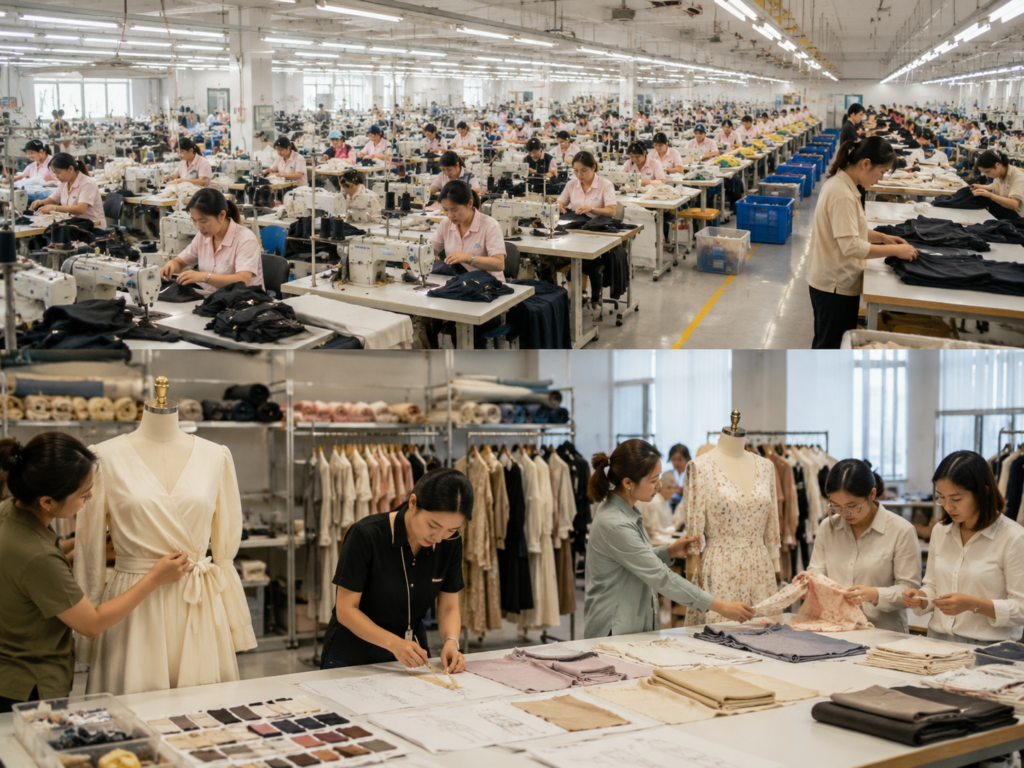
Women’s RTW manufacturing requires more than a sewing floor. It needs a system that can connect samples, approved standards, material sourcing, cutting, sewing, finishing, QC, packing and repeat production. Duolan’s manufacturing structure supports dress-led womenswear programs where multiple styles, sizes, fabrics and delivery requirements need to move together without losing control.
The strength of Duolan’s system is not only scale. It is the ability to match different women’s garments with the right production route. A fitted party dress, satin midi dress, vacation maxi, structured corset style and fashion set may all belong to one brand program, but each requires different handling before production.
Manufacturing structure behind women’s RTW
- 16 owned womenswear factories support core style control, sensitive garment execution and sample-to-bulk handover.
- 20+ satellite factories provide flexible capacity for repeat orders, seasonal volume and parallel style programs.
- 300 sewing lines support standard-size production across dress, top, set and structured womenswear categories.
- 50+ quick-response lines support sampling, trial runs, revised samples and launch preparation.
- 15,000–35,000 monthly sample capacity supports frequent development, fit review and PP preparation.
- 6,500,000 stable monthly production capacity supports planned bulk delivery and repeat programs.
- Multi-region production support helps balance seasonal pressure, style complexity and delivery timing.
- Fabric, trim and special process resources support satin, mesh, lace, sequin, print, embroidery, dyeing, washing and finishing requirements.
How the system supports RTW brands
- Core and complex garments can stay under tighter factory control.
- Repeatable commercial styles can be prepared with BOM, PP sample and QC records.
- Seasonal programs can be grouped by fabric, construction and production route.
- Fast-moving development can connect sample rooms, material teams and production lines earlier.
- Packing and label requirements can be planned before final inspection instead of being added at the end.

Cutting, Sewing and Finishing Control
Women’s RTW quality is built through every production stage. Duolan does not rely only on final inspection. Fabric inspection, cutting control, sewing execution, special process handling, pressing and packing all influence whether the finished garment reaches the brand in a sellable condition.
Fabric Inspection Before Cutting

Fabric inspection determines whether later production can remain stable. Many fabric problems in women’s RTW cannot be fully corrected after sewing.
Key points to check
- Fabric color, shade variation, stains, holes, yarn defects, streaks and skewing.
- Weight, handfeel, drape, opacity, stretch and recovery.
- Shrinkage risk and its impact on final measurements.
- Satin risks such as pressure marks, shine marks and needle marks.
- Mesh, chiffon and lace coverage needs, lining needs and edge stability.
- Sequin or beaded fabric risks, including dropped sequins, skin irritation and excessive garment weight.
Measurable records
- Fabric inspection report.
- Shrinkage test result.
- Color shade band.
- Fabric roll number and batch number.
- Defect map or defect photos.
- Approved fabric swatch vs bulk fabric comparison.
Cutting Control

Cutting is the first critical stage for women’s RTW fit stability. Once the fabric is cut incorrectly, sewing cannot fully recover the garment.
Key points to check
- Fabric direction, especially satin shine direction, pile direction and stretch direction.
- Print, lace, stripe or check placement.
- Panel separation by size, color, batch and bundle number.
- Length control for mini, midi and maxi dresses.
- Symmetry for straps, bust darts, side seams, slits and hem level.
- Stretch fabric control to prevent distortion before cutting.
Measurable records
- Cutting marker record.
- Bundle number record.
- Size-color cutting quantity record.
- Print / stripe / lace placement photos.
- First cut panel measurement check.
- Fabric direction confirmation photo.
Sewing Execution
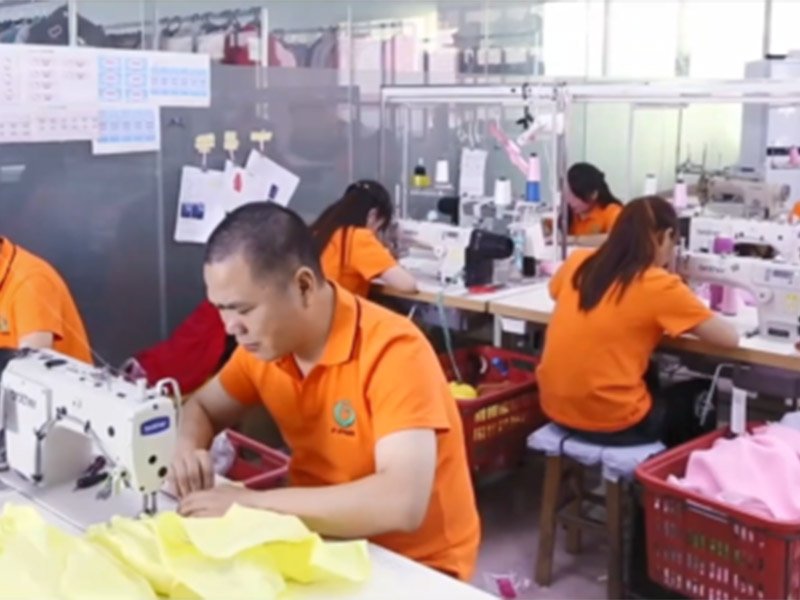
Sewing determines garment comfort, durability and appearance. Different women’s RTW structures require different sewing logic.
Key points to check
- Stitch density, stitch length, thread color and seam allowance against the PP sample.
- Lining smoothness and whether lining pulls the outer fabric.
- Zipper straightness, zipper smoothness and center-back balance.
- Symmetry of side seams, waist seams, bust darts, straps and armholes.
- Elastic seam control for bodycon and stretch styles.
- Support stability for corset and structured garments.
- Clean, soft and non-irritating edges for mesh, lace and chiffon.
Measurable records
- Stitch per inch / stitch density record.
- Seam allowance standard.
- First-piece sewing approval.
- Critical seam photos.
- Zipper function check.
- Support point checklist.
- Inline defect record by operation.
Special Process Handling

Special processes can increase product value, but they also increase bulk risk. Print, embroidery, sequins, dyeing, washing and pleating must be reviewed before production moves too far.
Key points to check
- Print position, color accuracy, scale and colorfastness.
- Embroidery impact on fabric drape, comfort and inner surface feel.
- Sequin drop-off, scratching, added weight and folding difficulty.
- Dyeing or washing risks, including shade variation, shrinkage and batch instability.
- Pleat stability after packing and transport.
- Special process impact on final lead time.
Measurable records
- Approved process sample.
- Print / embroidery / sequin placement reference.
- Color fastness or rubbing test when required.
- Bulk process batch record.
- Special process defect photos.
- Process approval date.
- Pre-production trial record.
Pressing and Final Finishing

Finishing controls the first impression of the garment. A women’s RTW garment is not ready simply because sewing is complete. It must reach the expected presentation standard before packing.
Key points to check
- Satin pressure marks, shine marks and surface damage.
- Pleat shape, hem shape, neckline shape and sleeve opening.
- Loose threads, stains, lint, wrinkles and oil marks.
- Structured garments retaining shape without collapse or deformation.
- Hem balance for long dresses, lightweight dresses and vacation styles.
- Overall presentation standard before packing.
Measurable records
- Final measurement check.
- Final appearance inspection photo.
- Pressing temperature or pressing method notes for sensitive fabrics.
- Thread trimming checklist.
- Stain / oil mark inspection.
- Final garment presentation photo before packing.
Packing Preparation

Packing is part of women’s RTW delivery quality. Different fabrics and garment structures need different protection methods.
Key points to check
- Whether folding creates satin creases, sequin scratches or structured garment deformation.
- Whether polybag size matches garment length and thickness.
- Whether hangtag, barcode, SKU and size information match correctly.
- Whether style, color and size follow the packing ratio.
- Whether carton marks meet warehouse or receiving requirements.
- Whether tissue paper, protective layer, inner support or individual protection is needed.
Measurable records
- Packing specification.
- Polybag size record.
- Carton mark approval.
- Style-color-size packing ratio.
- Final packing photo.
- Carton weight and quantity record.
- Pre-shipment packing check.
QC Standards for Women’s RTW
Women’s RTW quality control must protect fit, fabric behavior, garment appearance, function, packing accuracy and channel readiness. Duolan checks quality from incoming materials to packed cartons, so finished garments are not only sewn correctly, but ready for ecommerce, retail, showroom or warehouse receiving.
| QC Stage | Inspection Focus | Key Checks | Verifiable Records |
|---|---|---|---|
| Material QC | Confirms whether fabric, lining and trims match the approved production standard before cutting begins. | Main fabric, lining, zipper, hardware, elastic, thread and labels; shade variation; shrinkage; opacity; stretch and recovery; satin, mesh, lace, sequin and chiffon suitability; care label content matching fabric composition. | Fabric / trim incoming inspection record; shrinkage test; color shade band; elastic recovery check; approved trim sample; material batch record; care label content confirmation. |
| Cutting QC | Protects size accuracy, panel consistency and visual alignment before garments enter sewing. | Cut panel dimensions against approved pattern; fabric direction; left-right symmetry; print, lace, stripe or check alignment; correct numbering by style, color, size and bundle; stretch distortion or contamination during cutting. | Cut panel measurement record; bundle ticket; size-color quantity check; pattern placement photo; cutting defect log; first cut approval. |
| First-piece QC | Confirms whether the production line understands the PP sample before bulk sewing continues. | First garment compared with PP sample appearance, measurements, structure and workmanship; neckline, bust, waist, zipper, lining, slit, straps and hem; measurements within tolerance; correct sewing sequence; sensitive fabric and special process handling. | First-piece approval sheet; key measurement comparison with PP sample; photo record against PP sample; critical construction checklist; line correction notes; approval before bulk continuation. |
| Inline QC | Prevents production drift while garments are still being made. | Measurement drift during production; seam stability; zipper placement; lining; straps; sleeve openings; slits; hems; skipped stitches; broken seams; twisted zippers; stretched necklines; operator or line consistency against PP standard. | Inline inspection report; defect rate by operation; measurement spot check record; corrective action record; operator / line feedback notes; recheck record after correction. |
| Final QC | Determines whether finished garments meet the brand’s sellable standard before shipment. | Clean appearance; no stains, loose threads or damage; key measurements within tolerance; neckline, straps, waist seam, side seams, hem and zipper stability; lining not exposed or twisted; shade variation, fabric defects or surface marks affecting salability. | Final inspection report; AQL result when required; measurement report; defect classification: minor / major / critical; final garment photos; shipment approval record. |
| Packing QC | Checks whether packed garments can move smoothly into receiving, warehouse, ecommerce or retail systems. | Main label, care label and size label accuracy; hangtag, barcode and SKU sticker matching style-color-size; correct polybag size and sticker position; carton mark matching packing list; correct size and color ratio; folding method protecting garment condition. | Packing list check; barcode scan test when required; carton mark approval; style-color-size ratio record; polybag and sticker position photo; carton quantity / weight record; final packed carton photo. |
| Collection / Batch Consistency Check | Reviews consistency across multiple styles, colors, sizes and repeat batches. | Full collection color, fabric mood and workmanship level; same style across different colors; repeat batch shade, shrinkage and measurement comparison; multi-style or multi-color shipment separation; repeat order matching previous PP sample, color reference, measurements and packing standard. | Batch comparison photo; color shade comparison; repeat order PP sample comparison; style-color-size shipment summary; collection consistency review notes; previous batch vs current batch measurement comparison. |
Retail-ready Label and Packaging
Women’s RTW garments need to arrive prepared for the brand’s channel. Label and packaging execution should not feel like a final decoration step. It affects receiving, inventory, ecommerce fulfillment, retail presentation, customer experience and repeat order consistency.
Duolan treats packaging as part of the garment standard. A satin dress, sequin mini, fitted set, lightweight resort dress and structured top may require different folding, protection and carton planning. Label accuracy and packing discipline become especially important when one order includes multiple styles, colors and sizes.
Brand label execution
- Main label placed with attention to comfort, appearance, stitch visibility and garment structure.
- Care label prepared according to fabric, wash instruction, market needs and garment transparency.
- Size label controlled for clear size identification across colorways and repeat batches.
- Hangtag attached without damaging satin, mesh, sequins, lace or delicate finishes.
- Barcode and SKU label matched with style, color, size, carton information and channel requirement.

Retail and ecommerce packing
- Polybag size selected according to garment length, fabric sensitivity and folding method.
- Folding method reviewed for satin, structured pieces, sequins, pleats, lightweight fabrics and fitted styles.
- Carton mark aligned with style number, color, size ratio, quantity and shipment information.
- Packing ratio prepared for warehouse receiving, retail allocation or ecommerce fulfillment.
- Surface protection considered for shiny, embellished, structured or easily creased garments.
Channel-ready RTW Delivery
Women’s ready-to-wear does not end at factory completion. Finished garments need to arrive in a condition suitable for the brand’s selling and receiving system. Duolan supports channel-ready delivery through packing accuracy, label control, carton organization and shipment preparation.
Ecommerce-ready
Ecommerce-focused garments need accurate labels, barcodes, polybags, size information and clean presentation. Duolan reviews folding, surface protection, carton organization and style-color-size accuracy so products can move into warehouse receiving, photography, listing or fulfillment with fewer operational corrections.
Retail-ready
Retail programs require stronger packing and product information discipline. Main labels, care labels, hangtags, barcodes, size labels, carton marks and packing ratios must follow brand requirements. Duolan supports retail-ready delivery by confirming packing standards before shipment, not after garments are already completed.
Showroom-ready
Showroom or salesman samples need accurate fit, refined finishing, clean pressing and strong presentation. Duolan supports sample preparation for brands that need garments to communicate product quality during internal review, sales meetings or collection evaluation. A showroom-ready sample should represent the final product direction clearly.
Marketplace-backed
Marketplace-backed fashion brands often face strict receiving, label, barcode, packing and return-risk requirements. Duolan supports these programs by controlling size accuracy, garment consistency, care label execution, polybag requirements and carton information. Accurate preparation helps reduce downstream friction after shipment.
Cost and Quantity Logic for RTW
Women’s RTW cost should be reviewed through garment structure, fabric choice, size range, colorways, finishing method, packing requirement and repeat potential. Duolan does not position RTW production around the lowest unit price. A stable RTW program needs a clear cost structure, so the brand can decide where to invest, where to simplify and which styles deserve stronger material locking for future reorders.
The percentages below show typical cost weight in a women’s RTW bulk production project. Actual numbers may shift according to fabric type, garment complexity, order quantity, process requirements and packing standard.
| Cost Area | Typical Cost Share | What Is Included | Impact on Women’s RTW Production | What Should Be Confirmed |
|---|---|---|---|---|
| Main Fabric | 30%–50% | Main shell fabric, fabric width, composition, weight, dyeing, print base, stretch, handfeel and bulk fabric booking. | Fabric is usually the largest cost driver. Satin, lace, sequin, mesh, structured woven, printed chiffon and stretch jersey all affect drape, fit, opacity, cutting yield and bulk consistency. | Fabric quality, GSM, width, shrinkage, stretch, opacity, lab dip, bulk color, supplier minimum and repeat availability. |
| Lining and Inner Structure | 5%–12% | Lining, cups, boning, interfacing, elastic support, inner tape, shoulder support, bust support and reinforcement materials. | Dresses, fitted styles, corset structures, mesh garments and light-colored fabrics often need lining or support. Removing lining may reduce cost but can increase transparency, discomfort and return risk. | Lining type, lining length, stretch compatibility, cup position, boning quality, inner support and skin-contact comfort. |
| Trims and Hardware | 5%–10% | Zippers, hooks, buttons, eyelets, sliders, elastic, straps, thread, metal hardware, decorative details and functional closures. | Trim quality affects garment function and perceived value. A poor zipper, weak elastic or unstable hardware can damage a dress even if the fabric looks strong. | Trim size, color, plating, strength, lead time, supplier minimum, replacement risk and approved trim sample. |
| Cutting and Sewing Labor | 18%–30% | Marker making, cutting, bundling, sewing operations, lining attachment, zipper setting, support sewing, seam control and production handling. | Labor share rises with corset structures, fitted dresses, lining, ruching, mesh, sequin, cut-outs, multiple panels or delicate fabrics. Simple garments cost less; precision garments need more operation time. | Operation difficulty, seam type, stitch density, lining method, support points, sample standard and first-piece approval. |
| Special Process | 5%–18% | Printing, embroidery, dyeing, washing, pleating, sequin work, beading, heat setting, laser cutting or fabric treatment. | Special process can create strong visual value, but it increases lead time, defect risk and inspection complexity. Partywear, occasionwear and resort styles often fall into this range. | Approved process sample, placement reference, colorfastness requirement, process lead time, batch risk and defect standard. |
| Finishing and Pressing | 3%–7% | Thread trimming, stain removal, pressing, steaming, shape setting, surface cleaning, final appearance preparation and garment presentation. | Women’s RTW depends heavily on final presentation. Satin, pleats, structured garments, long dresses and lightweight fabrics need careful finishing before packing. | Pressing method, temperature notes, shape standard, surface sensitivity, final appearance sample and pre-packing photo. |
| QC and Inspection | 2%–5% | Material QC, cutting QC, first-piece QC, inline QC, final inspection, measurement reports, defect classification and packing checks. | QC cost is small compared with the cost of rejected goods, returns or delayed launches. Fit-sensitive and fabric-sensitive garments need stronger inspection stages. | AQL requirement, measurement tolerance, PP sample, inspection points, defect classification and final inspection report. |
| Labels and Packaging | 3%–8% | Main label, care label, size label, hangtag, barcode, SKU sticker, polybag, tissue paper, carton, carton mark and packing ratio. | Channel-ready packing affects warehouse receiving, ecommerce fulfillment, retail presentation and customer experience. Delicate garments may need added protection. | Label files, barcode accuracy, polybag size, folding method, carton mark, packing ratio and channel-specific instructions. |
| Development and Sampling Allocation | 0%–5% | First sample, fit sample, revised sample, photo sample, salesman sample, PP sample and sample corrections. | Sampling may be charged separately or amortized into bulk depending on project structure. Complex womenswear needs more sample discipline before bulk. | Sample type, revision rounds, PP sample approval, sample fee structure and whether development cost is separate or amortized. |
| Production Management and Factory Overhead | 6%–12% | Merchandising, purchasing coordination, production planning, factory management, line coordination, documentation and operational control. | Multi-style RTW programs need stronger coordination than single-style orders. Cost rises when many fabrics, colors, sizes or delivery windows move together. | Style count, production route, material schedule, delivery window, factory allocation and communication requirements. |
| Factory Margin | 5%–12% | Supplier operating margin, risk buffer and business sustainability. | Extremely compressed margins often weaken quality control, communication, rework handling and long-term stability. Mature RTW programs should protect reasonable execution quality. | Order structure, repeat potential, risk level, payment terms, quality requirement and long-term cooperation value. |
Compliance and Supplier Evaluation
Established fashion brands evaluate a women’s ready-to-wear manufacturer through more than samples, pricing and production capacity. Audit background, quality awareness, material standards, testing coordination and brand-specific execution all help determine whether a supplier can support long-term RTW production programs.
Duolan supports supplier evaluation with factory facts, audit-related records and the ability to align with common apparel requirements for women’s RTW manufacturing.
SMETA audit experience and SMETA 2-Pillar record support formal supplier review discussions.
Factory background information can be prepared for vendor evaluation and compliance screening.
Quality alignment covers PP samples, material checks, inline inspection, and final review.
Testing coordination can follow AATCC, ASTM, EN, China GB, or brand requirements.
Material requests may include OEKO-TEX®, GOTS, certified fabrics, or supplier information review.
Label and packing execution can follow main label, barcode, polybag, carton standards.
Third-party inspection preparation can support measurement reports, packing lists, and shipment readiness.
Anonymous Women’s RTW Project
Duolan protects brand confidentiality, so women’s RTW experience should be presented through anonymous project types and controlled process evidence. The goal is not to display client names, but to show how real production challenges are handled across fit, fabric, sampling, PP approval, bulk production, QC and packing.
These examples represent the kind of projects Duolan is structured to support: dress-led women’s RTW programs with standard sizes, multiple colorways, channel-ready packing and repeat production potential.

US dress line
A US dress program required standard-size occasion dresses moving from sample approval into bulk production.
- Focus areas: satin drape, waist position, lining, zipper strength, hem balance and final pressing.
- Control points: fit sample review, PP sample locking, BOM confirmation, measurement tolerance and packing standard.
- Delivery focus: finished garments prepared for organized receiving and channel-ready presentation.

Australian partywear program
An Australian partywear program included fitted, mesh, cut-out and shine-focused styles.
- Focus areas: stretch recovery, coverage, lining, side seam balance, support and edge finish.
- Control points: fabric behavior review, first-piece confirmation, inline QC and packing protection.
- Delivery focus: visually strong garments kept wearable, stable and consistent across bulk.

European contemporary RTW group
A European women’s RTW program included satin midi styles, vacation dresses and refined tops.
- Focus areas: fabric fall, color consistency, lightweight movement, lining length and surface finish.
- Control points: fabric sourcing review, sample correction, PP standard, pressing control and final inspection.
- Delivery focus: clean, refined garments suitable for ecommerce and retail presentation.

Marketplace-backed womenswear program
A channel-driven fashion brand required stronger label, barcode and packing accuracy.
- Focus areas: care label, size label, barcode, polybag, carton mark, size ratio and style-color accuracy.
- Control points: packing requirement review, carton organization, final QC and shipment preparation.
- Delivery focus: reduced receiving friction and stronger operational clarity after arrival.

Repeatable fitted dress direction
A fitted dress style was prepared for repeat colors and future production batches.
- Focus areas: approved pattern, stretch recovery, size tolerance, color continuity and seam consistency.
- Control points: BOM record, PP sample retention, QC notes, color reference and production feedback.
- Delivery focus: future batches built from approved records instead of restarting development.

Resort-ready garment program
A resort-focused direction included lightweight dresses, printed maxis and soft sets.
- Focus areas: print placement, opacity, wrinkle behavior, fabric softness, lining coverage and packing.
- Control points: fabric and print review, sample adjustment, color planning and final packing check.
- Delivery focus: garments retaining movement and presentation after international transport.
Women’s RTW Manufacturer FAQ
A women’s ready-to-wear manufacturer produces finished women’s garments in standard sizes for ecommerce, retail, wholesale, showroom or distribution channels. Duolan focuses on dress-centered RTW categories such as fashion dresses, occasion dresses, partywear, vacation styles, fitted garments, fashion sets and refined tops. The work includes sampling, fit review, PP approval, bulk production, QC, labeling, packing and repeat records.
Ready-to-wear garments are produced in standard sizes and prepared for sale through planned channels. Made-to-order usually means producing after individual orders are placed. Duolan focuses on women’s RTW programs for established brands, where garments need approved samples, size standards, production planning, QC and channel-ready packing before delivery.
Yes. Duolan supports standard-size women’s garments across dress-focused and fashion-led categories. The team reviews size charts, grading, measurement tolerance, fabric behavior, fit sample results and PP standards before production. Standard-size manufacturing requires more than cutting several sizes; it needs fit logic, fabric understanding and QC standards across the full size range.
Duolan focuses on fashion dresses, occasion dresses, party dresses, going-out dresses, vacation dresses, mini, midi and maxi dresses, fitted styles, fashion sets, refined tops and structured garments. The strongest fit is not broad low-value apparel, but women’s fashion products where fabric, fit, finishing and production consistency affect product value.
Useful files include tech packs, design sketches, original samples, reference garments, size charts, measurement tolerance, BOM, fabric swatches, colorways, target quantity, label instructions, packing standards and delivery timing. A complete file package helps Duolan evaluate sample path, fabric risk, production route, QC focus and delivery planning more accurately.
Duolan controls fit consistency through size chart review, fit sample evaluation, fabric behavior checks, grading logic, measurement tolerance and PP sample confirmation. For women’s garments, bust, waist, hip, neckline, strap, lining, hem and movement all matter. Fit consistency is reviewed before bulk production and checked again through QC stages.
Yes. Duolan connects approved samples to BOM, material locking, PP sample, production notes, measurement tolerance, QC checkpoints and packing standards. Sample approval alone is not enough for RTW production. Each garment must become a clear production standard before cutting, sewing, finishing and shipment.
Yes. Duolan can follow brand requirements for main labels, care labels, size labels, hangtags, barcodes, polybags, folding methods, carton marks and packing ratios. Labels and packing are part of RTW delivery because they affect warehouse receiving, ecommerce fulfillment, retail presentation and product traceability.
Duolan supports repeat orders by recording approved patterns, BOM, color standards, PP samples, QC notes, production feedback and packing requirements. Repeatable styles should become more stable with each production cycle. Strong records help protect fit, material consistency, workmanship and channel delivery across future batches.
A brand can start by sending product category, tech pack or design file, reference sample, fabric direction, size chart, target quantity, colorways, label requirements, packing needs and launch date. Duolan will review fit, fabric, sample path, PP readiness, production route, QC focus and delivery requirements before recommending the next step.

Send Your Women’s RTW Project for Review
Duolan works best with established womenswear brands, product teams, sourcing offices and multi-brand groups that need finished women’s ready-to-wear garments in standard sizes. If your brand has approved designs, sample references, tech packs, fabric direction, size charts, label requirements, channel packing standards or repeat production plans, our team can review how the project may move into sampling, PP approval, bulk production, QC and delivery.
You can submit one production-ready style, several upcoming RTW garments, a dress-focused launch or a repeat order program. Duolan will review product category, fabric behavior, fit risk, size logic, construction method, production route, QC focus, label requirements, packing standards and delivery timing before recommending the next step.
Share Your RTW Project
- Product category: fashion dresses, occasion dresses, partywear, vacation styles, sets, tops or structured garments.
- Current stage: design review, sample development, PP approval, bulk production or repeat order.
- Key files: tech pack, reference sample, fabric swatch, size chart, BOM or packing instruction.
Useful Project Details
- Target quantity, colorways, size range and launch date.
- Fabric direction, trims, lining, special process and quality expectations.
- Main label, care label, barcode, polybag, carton and channel-ready packing requirements.
Duolan Will Review
- Standard-size fit, fabric behavior and garment feasibility.
- Sample path, PP confirmation and bulk production readiness.
- QC focus, packing requirements and repeat production preparation.