Skip to content
Dress Manufacturer For Fashion Brands
Dress-focused development, sampling and bulk manufacturing for established fashion brands, buying teams and product teams.
Duolan supports fashion brands that need more than a sewing supplier. We help transform dress concepts, tech packs, reference samples and collection directions into production-ready garments, controlled bulk production and repeatable supply programs for fashion dresses, occasion dresses, party dresses and seasonal womenswear lines.
- 16 owned womenswear factories support core dress development and controlled production projects.
- 20+ satellite factories provide flexible capacity for repeat orders and volume expansion.
- 12,000+ workers across coordinated production bases support multi-style dress programs.
- 300 sewing lines help manage launch orders, reorders and seasonal production peaks.
- 50+ quick-response lines support sample trials, test orders and fast-moving dress programs.
- 15,000–35,000 monthly sample capacity supports high-density product development.
- SMETA 2-Pillar audit record supports brand supplier evaluation and compliance review.





What Fashion Brands Expect From a Dress Manufacturer
Established fashion brands are not simply looking for a factory that can sew dresses. They need a manufacturing partner that understands collection rhythm, fabric behavior, fit expectation, production risk, quality consistency and the commercial pressure behind every launch window. A dress style may begin as a sketch, reference image or tech pack, but it only becomes a sellable brand product when the silhouette, material, construction, workmanship and bulk production path are aligned.
For dress-heavy brands, the supplier decision is rarely based on one sample alone. Product teams need to know whether the first sample can be reviewed properly, whether fit comments will be translated into pattern revisions, whether selected fabrics can hold the intended shape, and whether the approved sample can become a repeatable bulk standard. Duolan’s value is built around that full path: from development judgment to production execution.
Brand-Level Dress Development
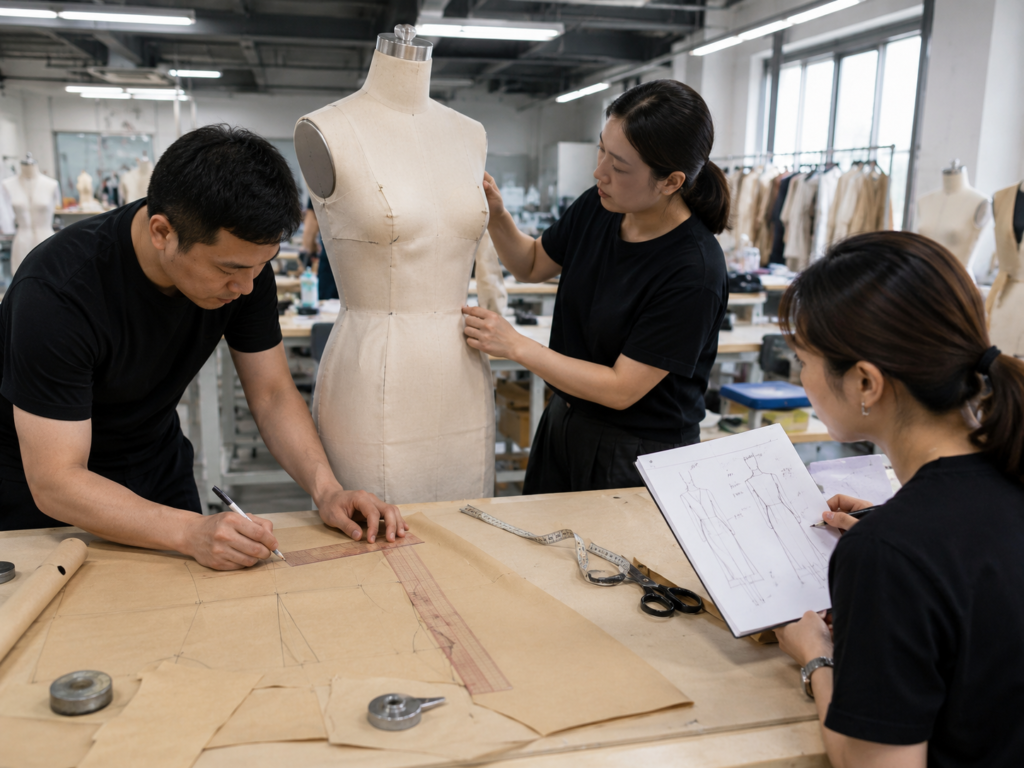
A professional dress manufacturer must understand the difference between making a garment and building a product standard for a brand. Fashion dresses often involve visual proportion, body fit, movement, lining coverage, surface finishing and packaging protection. Each of these details affects how the final garment looks online, feels on the body and performs after delivery.
- Design translation: We review reference images, original samples and tech packs to identify the real development target, not just the visible appearance.
- Material judgment: We evaluate drape, stretch, recovery, opacity, handfeel and lining behavior before dress sampling begins.
- Fit priority: We pay attention to bust balance, waist position, hip fit, neckline stability, strap tension and hem proportion.
- Production readiness: We connect samples with material locking, workmanship standards, QC checkpoints and bulk execution documents.
Supplier Discipline Beyond Sewing
A fashion brand does not only need production capacity. It needs supplier discipline. Dress projects often involve multiple colorways, size ranges, trims, lining decisions, embellishments, revised samples and launch deadlines. Without a controlled system, a good-looking prototype can still create problems in production.
- Clear project intake: Each dress project should begin with a review of design intent, fabric direction, target quantity and production goal.
- Controlled sample comments: Fit and construction revisions must be recorded clearly so approved changes do not disappear during bulk transition.
- Bulk consistency: PP samples, BOM records, size specifications and first-piece confirmation help reduce sample-to-bulk variation.
- Long-term cooperation: Repeat production becomes stronger when fabric references, pattern data and quality standards are retained for future collections.

Built for Established Fashion Brand Teams
Duolan is structured for brand teams that already understand product development, collection planning and supplier evaluation. Our strongest fit is with fashion brands, product teams, buying offices and sourcing teams that need dress-focused development, controlled sampling, bulk consistency and long-term supply support.
Global Fashion Brands
Global fashion brands need a supplier that can work inside a disciplined product calendar. For these teams, the question is not whether a dress can be made once, but whether multiple styles, samples, approvals, colorways and reorders can be controlled across time.
- Support for dress-heavy seasonal programs and multi-style launches.
- Sample-to-bulk transition based on PP sample, BOM, size spec and workmanship standards.
- Manufacturing structure that can support repeat orders and production scaling.
- Compliance awareness for supplier evaluation and brand requirements.
Established Regional Brands
Regional fashion leaders in the US, UK, Australia and Europe often move quickly. They need suppliers that can support fast product refresh, reliable sampling, material adjustment and repeat production while preserving the visual identity of their dress categories.
- Suitable for brands with active ecommerce, wholesale, retail or multi-channel selling.
- Strong fit for party dresses, occasion dresses, going-out dresses and vacation styles.
- Production planning can support test styles, launch orders and reorder programs.
- Fabric, trim and fit records help maintain continuity across repeated collections.
Premium Dress Brands
Premium dress brands care about more than production completion. They evaluate proportion, handfeel, finishing, lining, support structure, photo effect and final presentation. The supplier must understand how product details influence brand perception and customer confidence.
- Development support for satin, mesh, lace, sequin, corset and structured dress styles.
- Attention to lining coverage, seam finish, neckline balance and interior construction.
- Sample review focused on visual proportion, wearability and production feasibility.
- Quality control that protects both external appearance and internal finishing.
Buying Teams
Buying teams need reliable supplier information, clear production logic and evidence that approved samples can be repeated in bulk. They often compare several suppliers and need practical answers on category capability, quality control, compliance and delivery coordination.
- Structured project review before sampling or production quotation.
- Clear communication around fabric, trims, construction, testing and delivery risks.
- QC stages from fabric inspection to final packing preparation.
- Supplier capability information for internal evaluation and sourcing decisions.
Product Teams
Product teams care about whether the supplier understands design intent. A dress can lose brand value if the fabric is wrong, the fit is unstable, the lining is poorly selected or the sample revision is not translated into production standards.
- Review of tech packs, reference styles, original samples and product comments.
- Pattern and sample development aligned with fit, fabric and silhouette goals.
- Support for first samples, revised samples, photo samples and PP samples.
- Practical feedback when construction or fabric choices may affect production quality.
Sourcing Offices
Sourcing offices need suppliers that can support evaluation, coordination, documentation and repeatable execution. Duolan is suitable when the sourcing task requires more than finding a price; it requires a manufacturing system that can hold the brand’s product standards.
- Multi-factory coordination for different dress complexity and order structures.
- Supplier documentation, QC coordination and compliance requirement alignment.
- Support for private label details, packing standards and customer-specific requirements.
- Long-term cooperation model for recurring development and production programs.
Dress Categories Developed for Brand Collections
Duolan develops dress categories for fashion brands that need more than a basic production vendor. Each dress direction has its own fabric logic, fit risk, construction requirement and bulk production standard. For brand collections, the real challenge is not listing more dress types, but controlling how each category moves from design direction to sample approval and repeatable production.

Mini Dresses
Mini dresses look simple, but they are highly sensitive to proportion. A small change in length, neckline, strap position or lining coverage can change the full product impression. Duolan reviews mini dress development through fit security, movement comfort, hem balance and production consistency, especially for fitted, party, vacation and going-out styles.
- Length and coverage: We review front length, back length, lining length and movement safety so the dress feels confident when worn.
- Fit and structure: For fitted mini dresses, we check bust balance, waist position, hip tension and side seam stability.
- Fabric behavior: Stretch, satin, mesh, sequin and lightweight fabrics are reviewed differently because each reacts differently in short silhouettes.
- Bulk consistency: Hem height, strap placement, lining coverage and side seam balance are confirmed before production standards are locked.
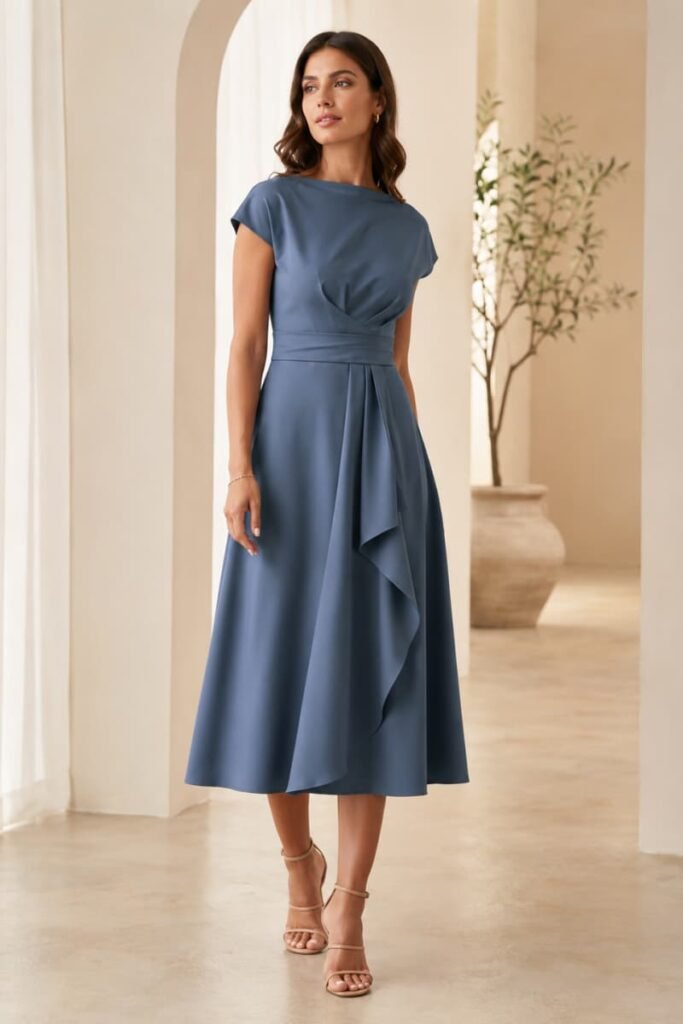
Midi Dresses
Midi dresses depend on proportion, drape and movement. A midi dress can become too heavy, too plain or visually unbalanced if the fabric, waistline, skirt width and hem finishing are not controlled together. Duolan reviews midi dresses as commercial collection pieces that must look polished on body and remain stable in bulk production.
- Drape control: Fabric weight and skirt fall are reviewed to avoid stiffness, collapse or unwanted volume.
- Waist and body balance: We check whether the waistline, bust area and skirt length work together across sizes.
- Hem finishing: Rolled hems, clean hems, blind hems or wider hems are chosen according to fabric and style.
- Occasion suitability: Midi dresses are often used for cocktail, wedding guest, work, semi-formal and premium daywear programs.

Maxi Dresses
Maxi dresses require stronger control over fabric direction, panel balance, hem level and packing condition. Because the garment is longer, any twisting, uneven cutting, wrong drape or poor print placement becomes easier to see. Duolan reviews maxi dresses through fabric performance, walking movement, lining relationship and final presentation before bulk production.
- Panel and cutting control: Long panels must be cut with correct direction, batch separation and balanced left-right structure.
- Print and color placement: Resort, vacation and floral maxi dresses need print direction and visual center planning before cutting.
- Lining and transparency: Lightweight maxi dresses require lining length, opacity and comfort to be reviewed carefully.
- Packing protection: Satin, chiffon and lightweight maxi dresses need suitable folding, hanging or tissue protection to reduce delivery creases.

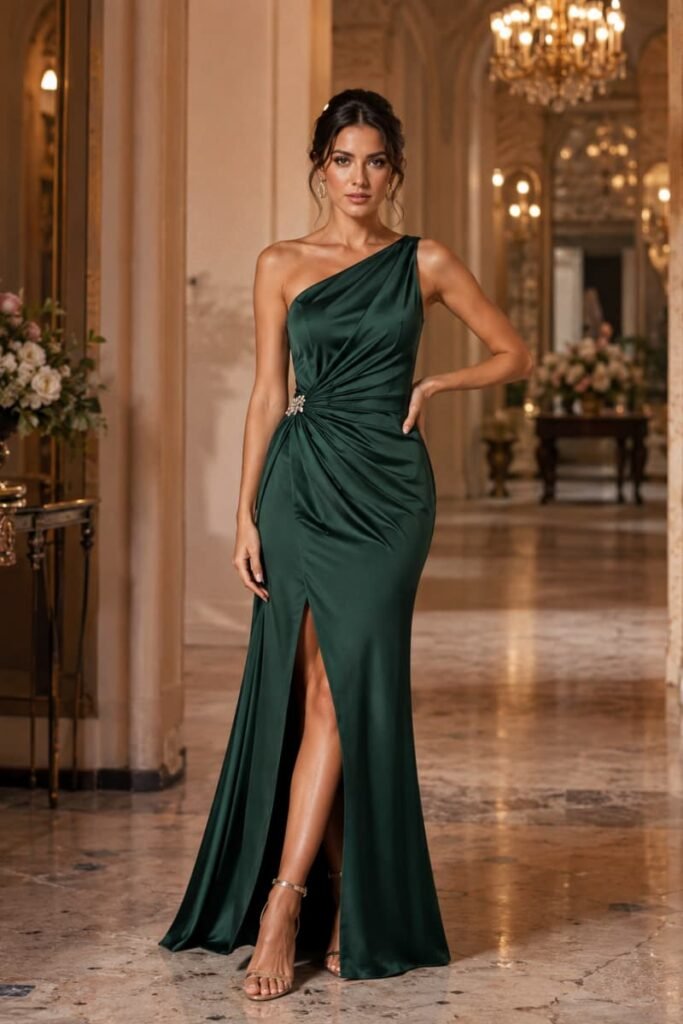
Party Dresses
Party dresses require the strongest balance between visual impact and wearing stability. Sequins, mesh, cut-outs, ruching, metallic fabrics, bodycon structures and corset details can create strong commercial appeal, but they also increase production risk. Duolan reviews party dresses through fit, comfort, decoration durability and sample-to-bulk repeatability.
- Visual effect: We evaluate sparkle, body shape, neckline, cut-out position and camera-ready surface appearance.
- Wearing security: Bust support, lining coverage, strap tension and closure stability are checked before approval.
- Decoration control: Sequins, beads, rhinestones and metallic details are reviewed for shedding, scratching, weight and packing risk.
- Production repeatability: PP samples, first-piece checks and inline QC help protect visual consistency across bulk orders.
Occasion Dresses
Occasion dresses need to be elegant, wearable and consistent across different event contexts. Wedding guest, cocktail, graduation, formal and semi-formal dresses each have different expectations for structure, fabric, coverage and presentation. Duolan supports occasion dress programs by controlling silhouette, fabric handfeel, lining, finishing and production discipline.
- Event-specific design logic: A wedding guest dress, cocktail dress and graduation dress should not follow the same fabric or fit standard.
- Photo-ready appearance: Surface quality, pressing, neckline balance and hem finishing are reviewed for ecommerce and campaign use.
- Comfort and confidence: Lining, closure, slit height, bust coverage and movement allowance are checked before production.
- Bulk quality control: Occasion dresses require consistent finishing because customers often wear them for important social events.

Vacation Dresses
Vacation dresses need lightness, movement, color and comfort. They often use prints, chiffon, satin, lightweight knits, halter structures, open backs and relaxed silhouettes. Duolan reviews vacation dress development through fabric breathability, print direction, transparency, packing practicality and seasonal launch timing.
- Lightweight fabric control: Chiffon, mesh, rayon-like, satin and soft woven fabrics are reviewed for drape, shrinkage and transparency.
- Print and color direction: Tropical prints, florals, gradients and resort colors need strike-off review and batch consistency.
- Comfort and movement: Vacation dresses should feel easy to wear while still holding the brand’s intended silhouette.
- Seasonal delivery: Fabric sourcing, sample approval and production planning must match vacation and holiday selling windows.
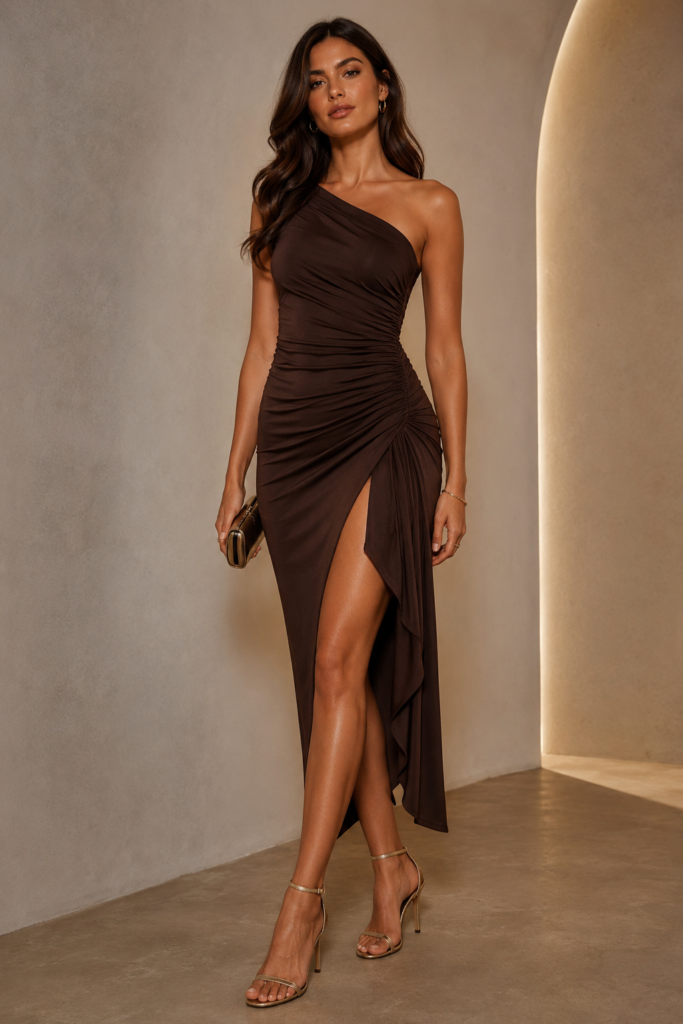
Going Out Dresses
Going-out dresses must feel fashionable, secure and commercially sharp. These styles often involve bodycon fits, halter necks, open backs, cut-outs, ruching, mesh panels or shiny fabrics. Duolan reviews going-out dresses through wearing pressure points, fit stability, construction risk and final visual balance.
- Support and tension: Halter straps, back openings, bust seams and side seams are checked for comfort and stability.
- Body fit: Stretch recovery, lining thickness, negative ease and side seam balance are reviewed for fitted silhouettes.
- Detail placement: Cut-outs, ruching, slits and mesh panels must be placed accurately to avoid distortion across sizes.
- Customer confidence: The dress must look bold while still giving the wearer enough coverage, movement and security.

Bodycon Dresses
Bodycon dresses are controlled by fabric recovery, pattern tension and seam elasticity. A bodycon dress cannot rely on stretch fabric alone. It must hold the body line, recover after wearing, avoid twisting, and maintain consistent sizing in production. Duolan reviews bodycon styles through fit engineering and material behavior.
- Stretch recovery: Fabric is reviewed for recovery after pulling, wearing and washing.
- Pattern tension: Negative ease must be adjusted carefully so the garment shapes without over-compression.
- Seam stability: Side seams, back seams and hem areas must remain balanced during wear.
- Size grading: Different sizes need controlled adjustment so the dress does not only fit the sample size.
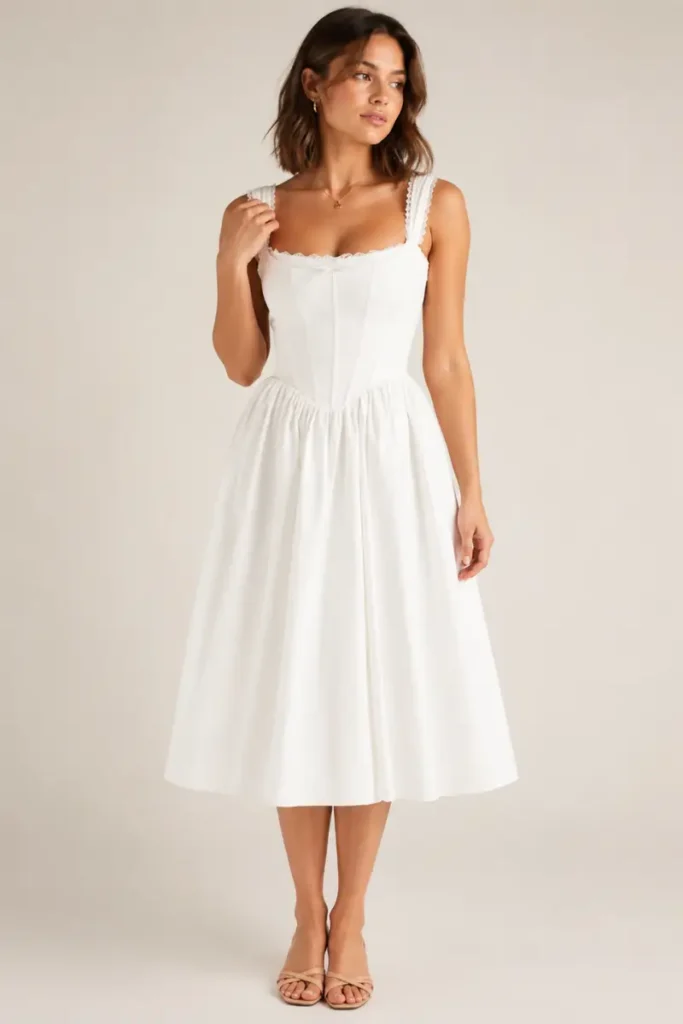
Corset Dresses
Corset dresses require internal structure, not just corset styling. Cup position, boning channels, interlining, lining, closure strength and body balance must work together. Duolan reviews corset dress development from inside construction to outside silhouette, making sure the garment can be worn, photographed and repeated in bulk.
- Internal support: Boning, cups, lining layers and interlining must support the garment’s shape.
- Bust and waist balance: Cup height, waist shaping and neckline security are reviewed during sample fitting.
- Closure stability: Zippers, lace-up backs, hooks, eyelets and reinforced points must withstand wearing pressure.
- Production control: Corset structures require PP sample confirmation, first-piece checking and consistent workmanship standards.
Satin Dresses
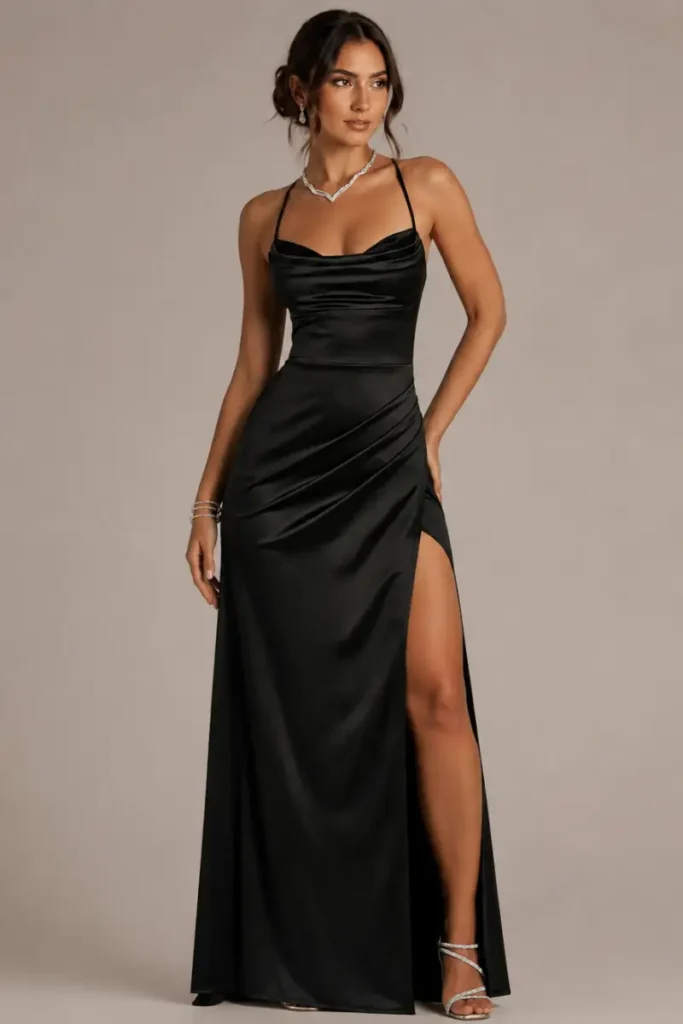
Satin dresses reveal production quality quickly. Seam puckering, needle marks, pressing marks, fabric slippage, color variation and packing creases can damage the premium look. Duolan reviews satin dress production through cutting direction, stitch tension, lining selection, surface protection and final packing method.
- Surface quality: Satin must be protected from needle marks, scratches, pressing shine and handling damage.
- Seam control: Stitch density, thread tension and seam position are reviewed to reduce puckering.
- Drape and lining: Lining should support the outer fabric without pulling, twisting or adding unnecessary weight.
- Packing method: Folding, hanging, tissue protection and carton method are reviewed to reduce crease risk.

Mesh Dresses
Mesh dresses require control of transparency, stretch, lining, print placement and edge finishing. A mesh dress can fail if coverage is unclear, seams look messy, lining moves incorrectly or the fabric distorts during sewing. Duolan reviews mesh styles by mapping what should be revealed, covered, supported and stabilized.
- Coverage planning: Sheer and non-sheer zones must be defined before sample development.
- Lining compatibility: Lining color, stretch, length and attachment method affect comfort and appearance.
- Edge finishing: Neckline, armhole, hem and panel edges must remain clean without becoming bulky.
- Print and stretch: Printed mesh requires careful review of pattern placement, transparency and recovery.

Sequin Dresses
Sequin dresses require more than choosing a shiny fabric. Direction, weight, seam thickness, missing sequins, scratching, lining and packing protection all affect quality. Duolan reviews sequin dress development through material selection, cutting, sewing, comfort protection, QC and delivery condition.
- Material direction: Sequin density, direction, reflectiveness, base fabric stretch and garment weight are reviewed before cutting.
- Comfort protection: Lining and interior finishing help reduce scratching and skin discomfort.
- Sewing control: Thick sequin seams, zippers, armholes and hems require special handling.
- Final QC: Missing sequins, shedding, surface damage, packing pressure and color consistency are checked before shipment.
From Design Direction to Production-Ready Dresses
A strong dress development process does not rush from reference image to bulk production. It moves through judgment, sample building, fit review, revision and production readiness. Duolan supports fashion brands by turning design information into a clearer manufacturing path before scale production begins.
Step 1|Project Brief Review
Every dress project begins with understanding what the brand is trying to achieve. A reference image, tech pack or original sample may show the visible direction, but it does not always explain the fit priority, fabric behavior, target price range, launch timeline or production expectation. Duolan reviews the available information and identifies the key development questions before sampling starts. For complex dresses, this stage can reveal whether the project needs fabric testing, structure adjustment, lining clarification, trim sourcing or a revised construction path.

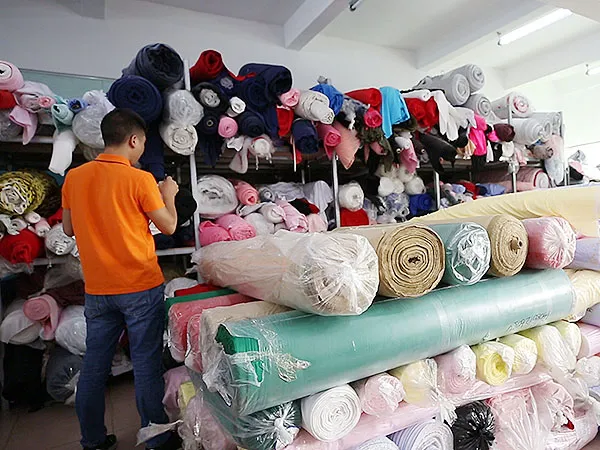
Step 2|Fabric and Trim Direction
The wrong fabric can make the right design fail. Duolan evaluates drape, stretch, recovery, weight, opacity, handfeel, surface effect and lining compatibility before moving deeper into development. For satin dresses, we check seam and pressing sensitivity. For bodycon dresses, we check stretch recovery and support. For mesh dresses, we review transparency and lining coverage. For sequin or beaded dresses, we evaluate weight, comfort and production risk. Trim direction is reviewed at the same time because zippers, straps, boning, elastic, labels and hardware can all affect the final dress performance.
Step 3|Pattern and First Sample
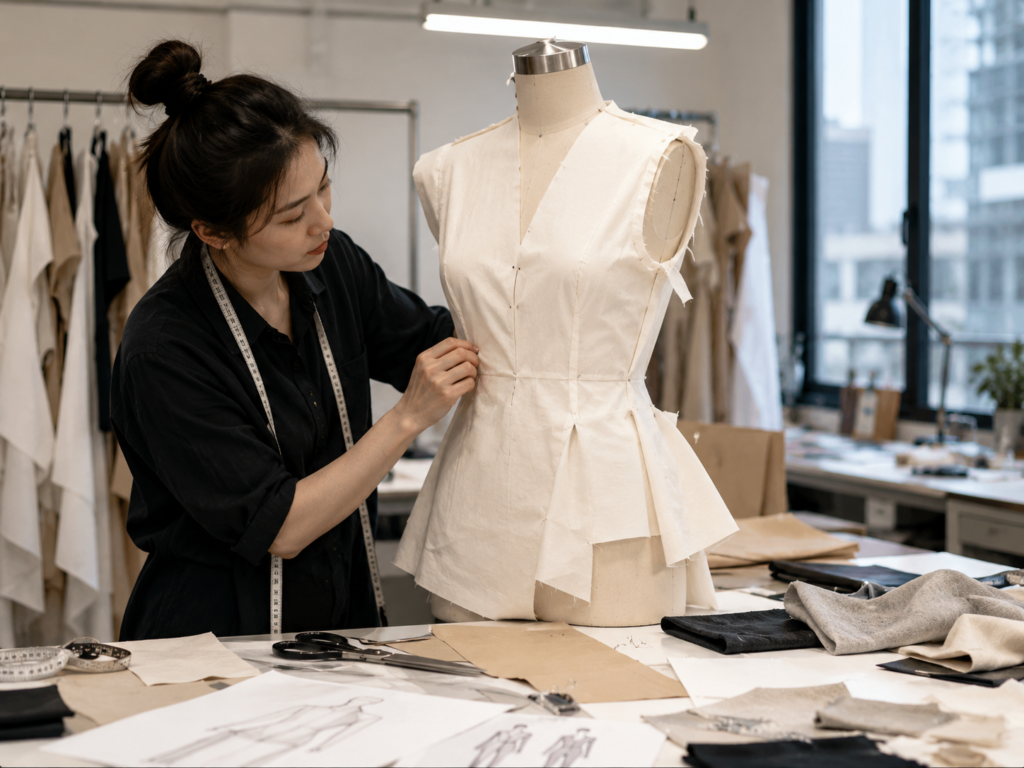
The first sample should not be treated as the final production standard. Its main job is to test the design direction, structure, proportion and material behavior. Duolan develops the first sample based on the confirmed direction, then reviews the result against fit, silhouette, fabric performance and production feasibility. At this stage, we do not only ask whether the sample looks similar to the reference. We ask whether it can become a commercial garment that the brand can review, revise, photograph, present and eventually produce in bulk.

Step 4|Fit Review and Revision
Fit comments are valuable only when they are translated into clear pattern and construction actions. Duolan reviews bust balance, waist position, hip fit, neckline stability, strap tension, skirt fall, hem proportion, lining coverage and movement comfort. When revisions are required, comments are organized into practical development actions rather than loose conversation. This helps reduce repeated sample confusion and protects the brand’s intended design language. For fitted and structured dresses, revision discipline is especially important because small changes can affect support, comfort and production consistency.

Step 5|PP Sample and Bulk Readiness
Before bulk production, the approved dress sample must become a controlled production reference. Duolan supports PP sample review, material locking, workmanship confirmation, size specification, BOM alignment, label and packaging confirmation, and first-piece preparation. The goal is to reduce the gap between a good sample and a stable production run. A production-ready dress sample should answer the questions that matter to brand teams: what is confirmed, what is still risky, what must be checked during production and what standard bulk garments must follow.

How We Review Dress Projects Before Sampling
A professional project review helps brands avoid unnecessary sample cycles. Duolan evaluates the product direction, available documents, material risk and production path before development work begins.
| Project Information | What Duolan Reviews | Risk Controlled | Useful Output |
|---|---|---|---|
| Tech pack | Measurements, construction notes, BOM, artwork, trims and label requirements | Missing production details, unclear workmanship or incomplete material direction | Development questions and required clarification list |
| Reference image | Silhouette, fabric look, proportion, neckline, closure, lining and finishing expectation | Visual copying without understanding structure or material behavior | Feasibility comments and sample direction |
| Original sample | Fit, fabric, seam finish, interior structure, trims and construction sequence | Losing the original garment’s key fit or quality features | Sample reproduction and improvement notes |
| Fabric idea | Drape, stretch, recovery, opacity, weight, shrinkage and color direction | Fabric mismatch, transparency problems or poor bulk performance | Fabric sourcing and testing direction |
| Size range | Fit logic, grading risk, body coverage and support across sizes | Sample fits one size but fails across production size range | Size review and grading attention points |
| Target quantity | Fabric MOQ, trim MOQ, production path and cost structure | Quote distortion or production planning mismatch | Order structure evaluation |
| Launch date | Sampling rounds, material lead time, production time and shipping route | Missed selling window or rushed approval | Development and production timeline suggestion |
Fabric and Trim Decisions Behind Better Dresses
Fabric and trim decisions shape the final dress before sewing begins. Duolan works within a mature South China womenswear supply environment, with access to fabric mills, trim suppliers, accessory resources and special process partners for printing, dip dyeing, embroidery, washing and finishing.

Drape and Weight
Drape determines whether a dress falls softly, holds structure or collapses after wearing. Duolan reviews weight, thickness, surface, movement and garment length before confirming a fabric direction. A maxi dress, satin slip dress, structured mini dress and vacation dress cannot use the same fabric logic.
- Satin styles need surface protection, seam control and suitable lining.
- Chiffon or lightweight dresses need stable cutting and clean narrow finishing.
- Structured dresses require enough body without becoming stiff or heavy.
- Resort and vacation dresses require movement, breathability and packing practicality.

Stretch and Recovery
For bodycon, mesh, jersey, knit and fitted party dresses, stretch alone does not guarantee fit. Duolan reviews horizontal stretch, vertical stretch, four-way stretch, recovery after wear, wash behavior and seam elasticity. Pattern tension must match fabric behavior, otherwise the garment may twist, loosen, squeeze or distort.
- Bodycon dresses need controlled negative ease and side seam balance.
- Stretch mesh requires transparency review and lining compatibility.
- Bandage or sculpted styles need support, recovery and stable structure.
- Elastic seams must stretch without breaking or creating uneven tension.

Lining and Coverage
Lining is not a hidden detail. It affects comfort, opacity, structure, movement and final quality perception. Duolan reviews whether a dress needs full lining, partial lining, stretch lining, nude lining, same-color lining or structural lining. The decision depends on fabric transparency, body contact, external surface and wearing occasion.
- Mesh dresses need clear coverage planning for sheer and non-sheer zones.
- Sequin dresses need lining that protects skin from scratching.
- Satin dresses need lining that supports drape without pulling the outer shell.
- Light-color dresses need opacity control under different lighting conditions.

Zippers and Closures
Closures affect both function and appearance. A poor zipper choice can damage fit, create ripples, break during wear or make a structured dress difficult to put on. Duolan reviews invisible zippers, metal zippers, back closures, lace-up backs, hooks, eyelets and adjustable straps according to garment structure.
- Corset dresses require closure stability and reinforced stress points.
- Backless or halter dresses need secure fastening without discomfort.
- Satin dresses need zipper installation that does not disturb the surface.
- Fitted dresses require closure durability under body tension.

Support Components
Support components are essential for corset, bustier, strapless, halter and structured dress styles. Duolan evaluates boning, cups, interlining, elastic, silicone tape, shoulder tape, waist tape and reinforcement according to body position and wearing pressure. The goal is not to make the dress stiff, but to make the silhouette stable.
- Boning placement must follow pattern lines and body curve.
- Strapless styles need neckline security and bust support.
- Halter styles require attention to neck pressure and bust balance.
- Structured bodices need internal layers that support the outer appearance.

Decorative Materials
Decorative materials can raise product value or create production risk. Sequins, pearls, rhinestones, beads, embroidery, lace, foil, print and hardware must be judged by position, weight, density, comfort, durability and cost. Duolan reviews whether each decoration supports the dress concept and can be repeated in production.
- Sequin density affects weight, sewing difficulty and packing protection.
- Beading requires attachment strength and body contact review.
- Lace placement must control symmetry, edges and lining color.
- Print placement should look designed on the garment, not randomly cut.
Fit, Proportion and Wearability Control
Fit is not only a measurement issue. A dress can meet the size chart but still fail on the body if proportion, fabric tension, support and movement are not controlled together. Duolan reviews fit as a product performance system, especially for fitted, structured, satin, mesh, halter, backless and occasion dress styles.
Bust and Neckline Balance
Bust balance affects how secure and polished a dress feels. In corset, strapless, halter and deep-neck styles, the neckline must sit cleanly without gaping, collapsing or pulling. Duolan reviews cup position, bust coverage, seam line, inner structure, strap placement and neckline finishing to support both appearance and wearability.
- Cup and bust seam placement must match the intended size range.
- Neckline edge finishing should remain smooth and secure during movement.
- Strap tension must support the garment without causing discomfort.
- Lining and internal support should protect the external silhouette.

Waist, Hip and Side Seam Control
The waist and hip areas define the body line of most fashion dresses. In bodycon, ruched, mesh and fitted satin dresses, side seams can twist, pull or expose tension problems. Duolan reviews pattern shaping, fabric recovery, seam elasticity and size grading to help the garment remain balanced in bulk production.
- Waist position should support the intended silhouette and visual proportion.
- Hip fit must avoid both excessive tightness and loose distortion.
- Side seams should remain straight and balanced after wearing.
- Ruching and gathering must be controlled by position and amount.

Hem, Slit and Movement
The lower part of a dress controls walking comfort, visual length and consumer confidence. Mini dresses need safe coverage. Midi and maxi dresses need smooth fall and level hems. Slits must be reinforced and positioned correctly. Duolan reviews hem construction, lining length, slit height, walking movement and packaging impact.
- Mini dress hems need proportion and coverage control.
- Maxi dress hems require balance across front, back and side panels.
- Slit endpoints should be reinforced to reduce tearing risk.
- Pressing and packing must protect hem shape before shipment.

Complex Dress Styles Require Production Judgment
Complex dresses are not difficult because they look special. They are difficult because fabric, structure, workmanship and wearing pressure must work together. Duolan reviews production-sensitive styles before sampling and bulk production so risks are controlled early.

Corset and Bustier Dresses
Corset and bustier dresses require internal structure. Boning, cups, lining, interlining, back closure, waist support and neckline security must support the outer silhouette. Duolan evaluates whether the design can hold shape during wearing and whether the structure can be repeated consistently in bulk.

Bodycon and Bandage Dresses
Bodycon and bandage styles depend on fabric recovery, pattern tension and seam elasticity. A fitted dress should shape the body without twisting, squeezing or losing recovery after wear. Duolan reviews stretch direction, negative ease, seam strength, lining thickness and size grading before production.

Satin and Slip Dresses
Satin dresses reveal small production problems quickly. Seam puckering, needle marks, pressing marks, fabric slippage and packing creases can reduce the premium appearance. Duolan controls cutting direction, stitch tension, lining selection, pressing conditions and final packing protection.

Mesh and Sheer Dresses
Mesh and sheer styles require clear planning of transparency, lining, edge finishing, print placement and stretch behavior. Duolan reviews which areas should reveal, which areas must cover, how the lining should move and how seams should remain clean in visible zones.

Sequin and Beaded Dresses
Sequin and beaded dresses require judgment around weight, comfort, attachment strength, shedding, scratch risk, seam thickness and packaging. Duolan reviews material direction, cutting loss, lining protection, missing decoration inspection and packing method before bulk production.

Halter and Backless Dresses
Halter and backless dresses depend on support and tension balance. Neck strap load, bust stability, back opening, closure position and edge finishing must work together. Duolan reviews stress points, reinforcement, lining coverage and wearable security before confirming the production path.
Style Risk and Duolan Control Matrix
Different dress styles create different production risks. Duolan reviews each product direction through fabric behavior, construction logic, fit performance and bulk repeatability before production standards are confirmed.
| Dress Style | Common Production Risk | Duolan Control Focus | Evidence to Confirm |
|---|---|---|---|
| Satin dress | Seam puckering, needle marks, pressing marks, surface damage | Cutting direction, stitch tension, lining, pressing protection, packing method | Satin seam close-up, pressing test, PP sample surface review |
| Bodycon dress | Poor recovery, twisting seams, size distortion, transparency | Stretch testing, pattern tension, elastic seams, lining thickness, size grading | Recovery test, fit review, side seam inspection |
| Corset dress | Weak support, cup imbalance, boning discomfort, unstable closure | Cup position, boning channels, interlining, back closure, internal structure | Inside construction photo, fit sample, PP structure confirmation |
| Mesh dress | Wrong transparency, visible messy seams, lining mismatch | Coverage mapping, stretch review, lining placement, edge finishing | Transparency check, lining coverage photo, seam close-up |
| Sequin dress | Sequin loss, scratchy interior, heavy seams, packing marks | Direction control, seam allowance cleaning, lining, missing sequin check, packing protection | Sequin close-up, interior lining, final inspection record |
| Lace dress | Poor placement, asymmetric flowers, wrong lining color | Lace placement, symmetry, edge use, lining color and transparency | Lace placement map, sample panel, garment close-up |
| Print dress | Random pattern placement, color inconsistency, size variation | Print position, strike-off review, cutting alignment, batch color check | Print strike-off, panel matching, PP sample comparison |
| Halter dress | Neck pressure, bust instability, weak strap connection | Strap load review, bust balance, reinforcement, closure testing | Strap detail, stress point reinforcement, fit review |
| Backless dress | Gaping back, weak support, unstable opening edge | Back structure, edge finishing, closure position, lining and support | Back view sample, edge close-up, wearing movement check |
Sample Development Built for Brand Decisions
A sample is not valuable only because it exists. For fashion brands, each sample should support a clear decision: whether the design direction is right, whether the fabric works, whether the fit needs correction, whether the garment can be photographed, and whether the style is ready for production.
First Sample
The first sample tests design direction, fabric behavior, structure and proportion. It should not be treated as the final production standard. Duolan uses the first sample to identify development gaps: neckline balance, fabric drape, lining needs, closure position, seam behavior and overall silhouette. The goal is to give the brand a practical base for review, not to pretend that the first version will solve every issue.

Revised Sample
A revised sample is where fit comments and construction changes become visible. Duolan translates brand feedback into pattern, fabric, trim or workmanship actions. For complex dresses, revisions may involve cup position, boning, strap tension, hem length, lining coverage, seam finish, fabric substitution or decoration adjustment. A controlled revised sample helps reduce repeated uncertainty and creates a clearer path toward approval.

Photo Sample
A photo sample must represent the brand visually. It is often used for campaign preparation, ecommerce photography or internal presentation. Duolan reviews surface appearance, pressing quality, color direction, garment balance and visual finishing so the sample does not only fit, but also looks correct under camera conditions. This is especially important for satin, sequin, occasion, party and premium dress styles.

PP Sample
The PP sample is the production reference. It confirms fabric, trims, construction, measurement, label placement, workmanship and finishing standards before bulk begins. Duolan treats PP sample control as a bridge between development and production. Without a clear PP standard, factories may produce according to interpretation instead of the brand’s confirmed result.

Golden Sample
A golden sample may be retained as the most important physical reference for production, QC and reorder communication. Duolan uses golden sample logic to support consistency across repeat orders, multi-color production and future development. For brands with recurring dress programs, retaining confirmed sample standards helps reduce decision friction in the next production cycle.
How Approved Samples Become Bulk Standards
An approved sample is only useful when it can be translated into production documents, material references and QC checkpoints. Duolan’s manufacturing process is designed to protect the standard confirmed during sample development.
| Bulk Standard Item | What Must Be Locked | Why It Matters |
|---|---|---|
| Approved sample | Final appearance, fit, construction and finishing | Prevents production teams from working from unclear interpretation |
| Fabric standard | Color, weight, handfeel, stretch, opacity and batch reference | Reduces bulk variation between sample fabric and production fabric |
| Trim standard | Zippers, labels, hardware, elastic, lining, boning and decorative materials | Protects function, appearance and brand consistency |
| BOM | Material names, colors, positions, consumption and supplier references | Reduces material confusion during purchase and production |
| Size specification | Measurements, tolerance, grading and critical points | Controls fit consistency across size range |
| Workmanship sheet | Stitch type, seam finish, lining method, pressing and finishing | Turns sample details into production instructions |
| First-piece confirmation | First production garment checked against approved standard | Catches production deviation before full run continues |
| QC checklist | Inspection points from fabric to packing | Converts brand expectations into measurable checkpoints |
Manufacturing System for Multi-Style Dress Programs
Duolan’s manufacturing strength is not based on a single production point. It is built around a coordinated womenswear manufacturing system that supports development, sampling, production allocation, special process matching, quality control and delivery coordination.
Owned Factories for Core Control
Duolan’s 16 owned womenswear factories provide stronger control for important dress programs, complex development styles and production projects that require close coordination. Core styles, structured dresses, premium finish requirements and sample-to-bulk sensitive products benefit from direct factory control.
- Better alignment between development comments and production execution.
- Stronger control over PP sample standards and first-piece confirmation.
- More suitable for high-value dress categories requiring disciplined workmanship.
- Easier coordination between development, production, QC and delivery teams.
Satellite Factories for Flexible Expansion
More than 20 long-term satellite factories help support repeat orders, volume expansion and production flexibility. This structure is valuable for brands with seasonal peaks, multi-style programs and reorder demand. Satellite capacity is not used randomly; it must be matched with product complexity, workmanship requirement and delivery needs.
- Supports production flexibility when brands expand successful dress styles.
- Helps manage multiple orders across different delivery windows.
- Provides capacity support while core standards remain controlled.
- Allows different product complexity to be assigned more appropriately.
Special Process Support
Fashion dresses often require printing, dip dyeing, embroidery, washing, pleating, sequin work, beading, lace placement, heat transfer or finishing. Duolan works with mature special process resources so dress projects can be evaluated by both design effect and production feasibility.
- Printing and digital print support for seasonal and resort dress programs.
- Embroidery, beading and decorative process support for occasion and party styles.
- Washing, finishing and heat-setting support for selected fabric categories.
- Process selection based on quality, cost, lead time and bulk repeatability.
Regional Production Coordination
Duolan’s manufacturing network includes regional production bases and coordinated capacity. This supports brands that need production planning across launch orders, repeat production and scale demand. The value is not only factory quantity, but organized production allocation.
- Core factories support high-control projects and development-sensitive styles.
- Regional capacity provides production buffer for larger order structures.
- Product complexity can be matched with the right manufacturing path.
- Delivery coordination supports multi-style and multi-batch production programs.
Capacity for Launch Orders, Reorders and Scale
Fashion brands need capacity that supports product rhythm, not just production volume. Duolan’s group manufacturing system provides development density, production line coverage and flexible response for dress-heavy brands managing launches, reorders and seasonal peaks.
300 Sewing Lines
300 sewing lines support parallel production across multiple dress programs. For established brands, this matters when different styles, fabrics, colorways and delivery dates must be managed at the same time. Capacity becomes valuable only when it is organized through production planning, QC control and delivery coordination.
50+ Quick-Response Lines
Quick-response lines support sampling, test orders, urgent revisions and fast-moving product development. They are especially useful for fashion brands working with seasonal drops, reorder signals or market-tested styles. The purpose is not random speed, but controlled response within a production-ready framework.
6.5M Monthly Stable Capacity
Duolan’s stable monthly production capacity of approximately 6,500,000 pieces supports larger brand programs, repeat production and multi-style order structures. For dress brands, this gives confidence that successful styles can move beyond sampling into broader production planning.
10M Peak Monthly Capacity
During peak periods, the manufacturing system can reach approximately 10,000,000 pieces monthly capacity. This matters for brands with holiday, party season, vacation, back-to-school or event-driven sales windows that require stronger supply planning and production coordination.
15,000–35,000 Monthly Samples
Duolan’s monthly sample development capacity supports high-density product development. For fashion brands working across multiple silhouettes, fabrics and seasonal capsules, sample capacity helps maintain momentum from concept review to fit correction and PP sample confirmation.
3,000–8,000 Style Workflows
The system can support approximately 3,000–8,000 style development and sample workflows monthly. This reflects not only sample volume, but the ability to coordinate product review, pattern, fabric direction, sample making, revision and development follow-up across many projects.
Quality Control Across Development and Bulk Production
Quality control for dress manufacturing starts before final inspection. Duolan builds QC checkpoints across material review, cutting, sewing, fitting, finishing, packing and shipment preparation so brand standards are protected throughout the production path.
| QC Stage | What We Check | Risk Controlled | Brand Value |
|---|---|---|---|
| Fabric inspection | Color, defects, handfeel, weight, stretch, shrinkage, opacity | Fabric variation, shade problems, transparency issues | More stable appearance and fit across bulk |
| Cutting control | Fabric direction, pattern placement, panel balance, numbering, batch separation | Twisting, uneven hems, wrong print placement, size variation | Better sample-to-bulk consistency |
| First-piece check | First production garment against approved sample and workmanship sheet | Production deviation before full run | Early correction before bulk mistakes expand |
| Inline inspection | Stitching, seams, trims, lining, construction, measurements and workmanship | Accumulated production defects | More controlled production quality |
| Fit-related check | Critical measurements, stretch behavior, lining coverage, strap and closure stability | Garments passing measurement but failing wearing performance | Stronger fit confidence for dress categories |
| Finishing inspection | Pressing, surface marks, loose threads, stains, decoration, final shape | Poor presentation, packing marks, finishing defects | Better retail-ready garment condition |
| Packing QC | Label, hangtag, polybag, carton mark, folding, size/color ratio | Packing errors, shipment confusion, customer complaint risk | Cleaner receiving and distribution process |
Compliance Support for Brand Supplier Evaluation
Brand supplier evaluation is not only about certificates. It is about whether a manufacturer can understand audit requirements, social responsibility expectations, quality standards, material documentation, testing coordination, labeling needs and customer-specific production rules. Duolan’s factory system has a SMETA audit foundation, including SMETA 2-Pillar audit record and social audit record, supporting more structured supplier review.
Audit and Social Responsibility Support
Duolan’s SMETA 2-Pillar audit record helps brand teams assess social compliance readiness. For global fashion brands and sourcing offices, this gives a more reliable starting point for supplier evaluation than a factory introduction alone. When needed, Duolan can support communication around additional customer requirements, audit preparation and related supplier documentation.
Quality and Testing Alignment
Different markets and brands may require different testing standards. Duolan can coordinate around BSCI, ISO 9001 alignment, AATCC, ASTM, OEKO-TEX®, EN, China GB standards, GOTS-related material requirements and specific customer requirements where applicable. We use careful wording because compliance must be matched to each project’s real product, material and destination market.
Labeling and Packaging Requirements
Brand-level projects often involve main labels, care labels, size labels, hangtags, barcodes, polybags, carton marks and customer-specific packing rules. Duolan reviews labeling and packaging requirements before bulk production so production teams do not treat these details as last-minute add-ons.
Third-Party Inspection Coordination
For buying teams and sourcing offices, third-party inspection may be required before shipment. Duolan supports inspection coordination by preparing goods, production records, packing information and QC checkpoints for review. This helps reduce communication gaps and improves confidence before delivery release.
Private Label Execution Beyond Adding a Logo
Private label dress manufacturing for established brands is not a simple logo application. It involves garment development, material standards, label placement, packaging discipline, production documents, quality control and repeat order records. Duolan supports private label execution as part of the whole product system.
| Private Label Element | Duolan Execution Focus | Why It Matters for Fashion Brands |
|---|---|---|
| Main label | Brand label size, material, placement and sewing method | Protects brand identity and garment comfort |
| Care label | Fiber content, wash care, country requirements and placement | Supports compliance and consumer guidance |
| Size label | Size system, position and readability | Reduces receiving and customer confusion |
| Hangtag | Paper quality, barcode, pricing information and attachment position | Supports retail, ecommerce and warehouse handling |
| Polybag | Size, thickness, warning text, barcode sticker and folding method | Protects garment condition and distribution efficiency |
| Carton mark | SKU, color, size, quantity, weight and destination details | Reduces shipment and warehouse receiving errors |
| Packing method | Hanging, folding, tissue protection, shape protection or special packing | Protects surface, structure and final presentation |
| Reorder record | Label, trim, packaging and material references retained | Helps maintain consistency across future orders |
Order Structure and Cost Logic for Serious Dress Programs
For established fashion brands, cost is not judged by unit price alone. Dress manufacturing cost is shaped by fabric, trims, construction complexity, colorways, size range, decoration, order structure, testing requirements, packaging and production planning. Duolan evaluates order logic before quoting so the project path is realistic.
| Cost Driver | How It Affects Dress Production | Duolan Review Focus |
|---|---|---|
| Fabric selection | Different fabrics create different costs, cutting loss and production risks | Drape, weight, stretch, width, color, shrinkage and supplier availability |
| Colorways | More colors may increase fabric preparation, lab dip work and production coordination | Color quantity, batch control, reorder possibility and fabric MOQ |
| Construction complexity | Corset, lining, cut-out, sequin, lace and structured styles require more development and workmanship | Pattern, process time, risk points and required sample validation |
| Decoration | Beading, sequins, embroidery, foil and hardware can increase material, labor and QC needs | Density, position, durability, comfort and bulk repeatability |
| Size range | Wider size ranges may require stronger grading and fit review | Critical measurements, support, coverage and grading risk |
| Order quantity | Quantity affects fabric purchase, production allocation and unit cost structure | Launch order, reorder plan, multi-style program and production path |
| Packaging | Hanging, folding, tissue, polybag and carton requirements affect finishing and handling | Surface protection, brand standard and shipping method |
| Timeline | Rush timelines may limit material choice and production flexibility | Sampling rounds, material lead time, production schedule and shipment route |
Long-Term Dress Supply for Repeat Collections
Long-term cooperation becomes valuable when each project improves the next one. For dress-focused fashion brands, a supplier should not treat every order as a new isolated task. Fabric references, fit comments, pattern records, trim decisions, packaging requirements and QC standards should become reusable knowledge for future collections.
First Project Alignment
The first project establishes how the brand communicates product direction and how Duolan interprets it. We review tech packs, reference samples, fabric direction, size range, quality expectations, packing requirements and launch timing. The goal is to understand the brand’s dress language and production priorities before moving into sample development.
Sample and Standard Formation
During sample development, Duolan records fabric behavior, fit comments, revision history, construction choices and trim decisions. When a style reaches approval, the standard should not remain only in conversation. It should be converted into sample references, BOM records, workmanship notes, measurement specifications and PP sample confirmation.
Bulk Production and QC Discipline
Bulk production tests whether the development standard can be repeated. Duolan controls material locking, production allocation, first-piece confirmation, inline inspection, final inspection and packing review. For fashion brands, this stage determines whether the supplier can protect the approved sample standard under real order pressure.
Reorder and Next Collection Support
When a dress sells well, the brand may need reorder support, color extension, fabric substitution, fit adjustment or a related style for the next drop. Duolan’s long-term value appears when previous records help speed up decision-making and reduce repeated development risk. This is how a manufacturer becomes a supply partner rather than only a production vendor.
How Similar Dress Projects Are Developed and Controlled
Duolan works with brand-level dress projects where confidentiality matters. Instead of relying on unauthorized logos or public client claims, we explain project types through anonymous development logic. Each case below shows how a dress project is reviewed, sampled, corrected and prepared for production based on fabric behavior, fit risk, construction details and brand delivery needs.

Case 01|Australian Partywear Brand
An Australian partywear brand needed a group of fitted mini and midi dresses for a fast-moving party and going-out collection. The styles used stretch fabrics, ruching, mesh panels and body-conscious silhouettes. The key challenge was not simply making attractive samples, but keeping the same curve, coverage and wearing security across size ranges and bulk production.
- Project challenge: The brand needed strong visual impact for ecommerce and social content, but the garments also had to remain wearable, secure and consistent.
- Risk identified: Stretch recovery, side seam twisting, transparency, lining thickness and uneven ruching could affect customer confidence.
- Duolan control: Fabric stretch was reviewed before pattern adjustment; ruching positions were marked clearly; lining and seam elasticity were checked during sample review.
- Sample path: First sample focused on silhouette and material behavior; revised sample corrected tension, side seam balance and coverage.
- Bulk control: PP sample, measurement points, fabric direction, seam quality and inline checks were used to reduce variation in production.

Case 02|US Occasionwear Brand
A US occasionwear brand needed satin and mesh dress styles for seasonal event selling. The dresses had to look refined under photography, fit cleanly on the body and arrive in a condition suitable for ecommerce presentation. The project required careful control of fabric surface, lining coverage, neckline stability and final packing protection.
- Project challenge: Satin required a smooth premium surface, while mesh required transparency control and clean interior finishing.
- Risk identified: Satin seam puckering, pressing marks, visible messy seams, lining mismatch and packing creases could reduce the perceived quality.
- Duolan control: Satin cutting direction, stitch tension, pressing temperature and protective packing were reviewed before bulk preparation.
- Mesh solution: Coverage zones, lining color, edge finishing and seam placement were checked so the sheer effect remained intentional.
- Production evidence: PP sample confirmation, first-piece review, final pressing inspection and packing QC helped protect the approved appearance.

Case 03|UK Premium Dress Label
A UK premium dress label required structured bodice dresses with corset-inspired details. The brand wanted a refined silhouette rather than a heavy costume-like structure. The development challenge was to make the internal support strong enough for wearing stability while keeping the external appearance smooth, elegant and commercially wearable.
- Project challenge: The dress needed bust support, waist shaping, clean neckline and balanced body proportion without feeling stiff or uncomfortable.
- Risk identified: Cup imbalance, wrong boning placement, unstable back closure, bulky lining and uneven neckline tension could affect fit and quality.
- Duolan control: Cup position, boning channels, interlining, lining attachment and back closure strength were reviewed during sample development.
- Fit correction: Revised samples focused on bust balance, neckline security, waist structure and internal comfort.
- Bulk control: Interior construction, stress points, closure reinforcement and workmanship standards were confirmed before production.

Case 04|European Resort Dress Program
A European resortwear brand needed lightweight printed dresses and soft vacation silhouettes for a seasonal launch. The collection included maxi dresses, halter dresses and easy day-to-evening styles. The project required print direction, fabric drape, lining comfort and packing practicality to work together.
- Project challenge: The dresses needed to feel light and relaxed, while still maintaining clean brand presentation and stable production quality.
- Risk identified: Lightweight fabrics could shift during cutting, prints could look unbalanced, and long hems could become uneven after sewing or packing.
- Duolan control: Fabric width, shrinkage, print repeat, panel placement and lining length were reviewed before sample confirmation.
- Sample path: First samples tested drape and print scale; revised samples adjusted hem balance, strap position and lining coverage.
- Bulk control: Print placement, color batch, hem level, final pressing and packing method were checked before shipment.
Supplier Options Fashion Brands Usually Compare
Fashion brands often compare several supplier types before choosing a manufacturing partner. Each option has value, but the right choice depends on the brand’s production stage, product complexity, quantity structure and long-term supply needs.
| Supplier Type | Typical Strength | Common Limitation | Best Fit | Duolan Position |
|---|---|---|---|---|
| US local sample house | Fast communication, local fittings, early development support | Higher production cost, limited scale, less suitable for larger bulk programs | Early sample validation and local designer development | Duolan can take development-ready styles into controlled production and repeat programs |
| European luxury atelier | High craftsmanship, premium sample quality, luxury positioning | Often stronger in small-batch production than scale delivery | Luxury, runway, designer-led special pieces | Duolan focuses on brand-level fashion dress programs with scalable manufacturing support |
| Global sourcing platform | Broad supplier access, multi-country options, digital management | Less direct factory depth, supplier consistency may vary | Brands comparing sourcing regions and production options | Duolan offers a more direct dress-focused manufacturing system |
| General OEM factory | Broad apparel production, competitive pricing, flexible categories | May lack dress-specific development judgment and sample-to-bulk control | Basic garments or simple production orders | Duolan specializes in fashion dresses, complex womenswear and controlled dress production |
| Dress-focused manufacturer | Product category depth, stronger fabric/fit/construction judgment | Requires clear brand brief and serious project planning | Established brands with dress development and production needs | Duolan is built for development, sampling, QC and long-term dress supply programs |
What to Prepare Before Starting a Dress Project
A better project brief helps Duolan give more accurate development feedback, sampling suggestions, order evaluation and production planning. The goal is not to make communication complicated, but to reduce misunderstanding before sample and bulk decisions begin.
Product Direction
Share the dress category, target customer, occasion, selling season and reference style direction. A clear product direction helps us understand whether the project is focused on partywear, occasionwear, resortwear, going-out dresses, premium satin styles, fitted silhouettes or structured dress development.
- Product type and intended wearing occasion.
- Reference images, original samples or collection moodboard.
- Main design details such as neckline, sleeve, length, closure and lining.
- Any current supplier issue or development challenge that needs attention.
Technical Information
Technical files help reduce guesswork. A tech pack is ideal, but if it is not complete, Duolan can still review reference samples, size charts, fabric direction and construction photos. The more accurate the technical information, the more practical the development advice.
- Tech pack, size chart, measurement tolerance or grading information.
- BOM, trim details, label requirements or packaging standards.
- Fabric composition, weight, stretch, color standard or swatch reference.
- Fit comments from previous samples or competitor reference garments.
Production Planning
Production planning information helps us evaluate order structure, timeline and bulk feasibility. For established brands, this is where sample development connects with launch date, quantity, colorways, size range, testing requirements and repeat order potential.
- Target quantity, colorways and size range.
- Sample deadline, launch date and expected delivery window.
- Required testing, inspection, compliance or customer-specific standards.
- Whether the project is for sampling, launch order, reorder or long-term supply.
Dress Manufacturing FAQ for Fashion Brands
These questions help fashion brands understand how Duolan reviews dress projects, supports sample development, controls bulk production and prepares for long-term cooperation.
Yes. Duolan can review tech packs, size charts, BOM details, construction notes, reference images and fabric direction before sample development begins. If the tech pack is incomplete, we can identify missing information and suggest what should be clarified before sampling. For brand-level projects, our goal is not only to make a sample, but to help convert the design information into a production-ready development path.
Yes. Reference images and original samples are useful when they are supported by clear product goals. Duolan reviews silhouette, fabric behavior, fit, lining, closure, trims, construction and finishing from the reference. We then evaluate which details can be reproduced, which require adjustment and which may create production risk. Original samples are especially helpful for understanding fit, structure and finishing expectations.
Duolan focuses on fashion dresses, occasion dresses, party dresses, vacation dresses, going-out dresses, bodycon dresses, corset dresses, satin dresses, mesh dresses, sequin dresses, mini dresses, midi dresses and maxi dresses. We are strongest in dress categories where fabric, fit, structure, sample development and bulk production control are important to the final brand result.
We control sample-to-bulk consistency through approved sample review, material locking, BOM confirmation, size specification, workmanship standards, PP sample control, first-piece confirmation, inline inspection and final QC. The approved sample must be translated into production documents and measurable checkpoints. This reduces the risk that bulk garments are produced according to interpretation rather than the brand’s confirmed standard.
Yes. Duolan supports private label execution for established fashion brands, including main labels, care labels, size labels, hangtags, barcodes, polybags, carton marks and packaging requirements. We do not treat private label as simply adding a logo. It is part of the garment production system and must match the brand’s quality, compliance, packing and repeat order requirements.
Yes. Duolan can support complex dress styles such as corset dresses, bustier dresses, bodycon dresses, satin dresses, mesh dresses, sequin dresses, beaded dresses, lace dresses, halter dresses and backless dresses. For these styles, we review fabric behavior, support structure, lining, seam finish, decoration risk, wearing pressure and bulk repeatability before production standards are confirmed.
Order quantity and cost depend on fabric selection, colorways, trim requirements, construction complexity, decoration, size range, packaging, testing needs and production planning. Duolan evaluates the order structure before quoting so the project can be planned realistically. For serious dress programs, the most useful discussion is not only unit price, but how the product can be developed, produced and repeated reliably.
Duolan’s manufacturing system has a SMETA audit foundation, including SMETA 2-Pillar audit record and social audit record. Depending on project requirements, we can coordinate with brand standards, testing needs, labeling requirements, third-party inspection and customer-specific production requirements. Compliance must be reviewed according to the actual product, material, destination market and brand requirement.
You can send a tech pack, reference image, original sample photo, fabric idea, size chart, target quantity, colorways, launch date, packaging requirements and any current development issue. If you are not sure which information is enough, send what you already have. Duolan will review the project basis and identify what should be clarified before sampling, quotation or production planning.

Start a Dress Development Project With Duolan
Duolan is built for fashion brands that need serious dress development, controlled sampling, reliable bulk production and long-term supply support. If your team is developing fashion dresses, occasion dresses, party dresses, vacation dresses, going-out dresses, fitted dresses, satin styles, mesh styles, corset structures or sequin programs, our team can review your project from a manufacturing perspective.
Send your tech pack, reference images, original sample photos, fabric direction, target quantity, size range and launch timeline. We will evaluate the development basis, fabric and trim direction, fit or construction risks, sampling path, order structure and bulk production feasibility. The more complete your project information is, the more accurately we can support sample development, quotation, production planning and quality control.
What You Can Send
- Tech pack, size chart, BOM, artwork or construction notes.
- Reference images, original sample photos or collection moodboard.
- Fabric direction, trim requirements, colorways and label or packaging standards.
- Target quantity, launch timeline, delivery expectation and current supplier concerns.
What Duolan Can Review
- Dress development feasibility and sample path.
- Fabric, fit, lining, support and construction risk.
- Bulk production readiness and quality control checkpoints.
- Private label, packing, compliance and long-term supply requirements.
Best Fit Projects
Established fashion brands with clear dress development needs.
Buying teams reviewing a dress-focused manufacturing partner.
Product teams preparing sample-to-bulk production.
Sourcing offices evaluating long-term womenswear supply capability.
- Name
- Tel / WhatsApp optional
- Email address
- Message
- Upload your files