Skip to content
Custom Cocktail Dress Manufacturer
Custom cocktail dress development and manufacturing for established fashion brands needing semi-formal style control, refined fabric execution, fit confidence, sample correction, bulk consistency and brand-ready delivery.
Duolan supports dress-focused brands with cocktail dress programs built around silhouette review, fabric selection, fit correction, surface detail control, PP approval, bulk production, QC, packing and repeat delivery.
- 30+years of womenswear experiences direct control for core cocktail dress programs.
- 16 factories + 20 satellite factories provide flexible capacity for multi-style occasion dress launches.
- 300 sewing lines support parallel bulk production across varied dress structures.
- 50+ quick-response lines support sampling, fitting tests and launch preparation.
- 15,000–35,000 monthly sample capacity supports frequent cocktail dress development cycles.
- 3,000–8,000 monthly style development workflows support first samples, revisions and PP approval.
- SMETA 2-Pillar audit record supports supplier evaluation for mature fashion brands.








Cocktail Dress Manufacturing Focus
A cocktail dress is not a casual party dress, and not a full formal gown. It sits in a semi-formal space where refined fabric, flattering fit, polished structure, movement comfort and event-ready presentation must work together.
Duolan reviews cocktail dresses as occasion-sensitive womenswear products. Mini, knee-length, midi and tea-length designs may all work, but each length needs different fabric support, fit control, lining, zipper, strap, slit, hem and finishing standards.
Cocktail dress manufacturing should protect style impact without making the garment too heavy, stiff or over-formal. The approved sample must become a clear PP standard for bulk production, not only an attractive prototype.
Manufacturing Focus
- Semi-formal balance: Polished enough for events, lighter than formal gowns.
- Fabric control: Satin, crepe, lace, mesh, sequin and velvet need different handling.
- Fit confidence: Bust, waist, hip, strap, zipper and lining need stable support.
- Movement comfort: Walking, sitting and social movement should remain secure.
- Photo-ready finish: Surface, color, pressing and silhouette affect campaign value.
- Bulk repeatability: PP samples lock fit, fabric, details, labels and packing.
Built for Established Cocktail Dress Brands
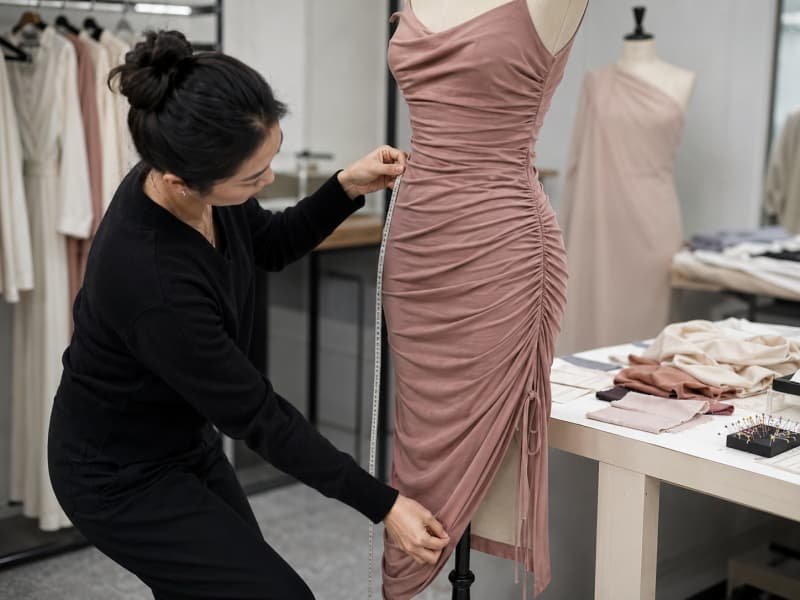
Duolan works with fashion brands and product teams needing structured cocktail dress development, not personal made-to-measure dresses, marketplace sourcing or cheap wholesale partywear. Strong alignment begins with clear product direction, launch calendar, quality standard and repeat production value.
Contemporary Occasionwear Brands
Contemporary brands need cocktail dresses with refined fit, modern silhouettes and stable quality. Duolan reviews satin, crepe, lace, mesh, lining, zipper, waist shape and hem balance before bulk planning.
Party and Going-out Brands
Going-out cocktail dresses need visual impact and secure wear. Duolan supports bodycon, cut-out, strapless, one-shoulder, mini and embellished styles through fit review, support control, fabric testing and PP sample confirmation.
Wedding Guest Dress Brands
Wedding guest cocktail dresses need elegance without becoming formal gowns. Duolan reviews length, color direction, lining, fabric weight, movement comfort and polished finishing for reception-ready styles.
Holiday and Event Dress Brands
Holiday cocktail programs often use velvet, sequin, satin, metallic, mesh or lace. Duolan reviews surface durability, skin comfort, seam control, packaging protection and photo sample presentation.
Product Development Teams
Development teams need samples answering specific questions: Does the dress fit securely? Does satin show seam marks? Does lace feel comfortable? Can the approved look enter bulk production? Duolan organizes comments around these decisions.
Sourcing Offices
Sourcing offices evaluate cocktail dress suppliers through sample accuracy, bulk consistency, compliance readiness, production timing, QC discipline and packing accuracy. Duolan supports formal review with manufacturing data and structured execution standards.
Cocktail Dress Product Scenarios
Cocktail dresses work across semi-formal events, wedding receptions, holiday parties, graduation dinners, birthday dinners, date nights and polished social occasions. Duolan reviews each scenario by length, fabric, support, movement and final presentation.
Wedding Reception Cocktail Dresses

Wedding reception cocktail dresses need elegance, comfort and movement. The garment should feel polished without looking like a formal gown.
- Length discipline: Mini, knee-length and midi options need clear event boundaries.
- Fabric elegance: Satin, lace, crepe and chiffon-touch fabrics need refined finishing.
- Movement comfort: Sitting, dancing and walking require fit and lining review.
- Color direction: Seasonal and wedding-appropriate palettes need brand approval.
Holiday Cocktail Dresses

Holiday cocktail dresses often use velvet, sequin, metallic, mesh or satin. Visual strength must be balanced with comfort and durability.
- Surface control: Sequin, metallic and velvet need careful seam and packing review.
- Skin comfort: Inner finishing should reduce scratching or irritation.
- Photo effect: Shine, color and silhouette should support campaign imagery.
- Packing protection: Surface-sensitive fabrics need folding and carton discipline.
Graduation and Dinner Event Dresses

Graduation dinners and social dinners need refined styles with confident movement. Cocktail dresses should look special without restricting wear.
- Moderate structure: Fit should feel secure without excessive stiffness.
- Comfortable length: Walking, stairs and seated moments require coverage review.
- Soft polish: Crepe, satin and lace can support elegant semi-formal styling.
- Repeat value: Approved silhouettes can return in new colors or fabrics.
Date Night and Social Cocktail Dresses

Date-night cocktail dresses often lean toward bodycon, draped, cut-out or one-shoulder styles. Fit security becomes more important.
- Body fit: Bust, waist and hip zones need tension and comfort review.
- Strap stability: Shoulder and neckline details should stay secure.
- Opacity: Light colors and stretch fabrics need coverage checks.
- Zipper smoothness: Closures must support clean shape and easy wear.
Day-to-evening Cocktail Dresses

Day-to-evening cocktail dresses need versatility. These styles should move from polished daytime dressing into semi-formal evening occasions.
- Balanced styling: Structure should feel elevated without excess decoration.
- Commercial fabric: Crepe, compact woven and refined stretch fabrics work well.
- Clean finishing: Seams, hems and lining should support repeatable quality.
- Color extension: Core silhouettes can support seasonal color runs.
Cocktail Dress Styles Duolan Can Support
Cocktail dress programs can include bodycon, satin, lace, sequin, corset, strapless, one-shoulder, fit-and-flare, draped and midi styles. Duolan connects each style direction with fit, fabric and production controls.
Satin Cocktail Dresses

Satin cocktail dresses need smooth surface, clean seam control and polished pressing. Satin rewards strong finishing but exposes every pucker and pressure mark.
- Satin surface should stay clean around darts, waist seams and zippers.
- Pressing should remove wrinkles without creating shine or hard marks.
- Lining and seam tension affect surface smoothness and garment value.
Lace Cocktail Dresses

Lace cocktail dresses need pattern placement, lining color and inner comfort. Lace can look premium when handled cleanly, or cheap when edges and lining are weak.
- Lace placement should support neckline, waist and hem proportion.
- Lining color changes transparency, depth and final visual effect.
- Inner seams should remain smooth against skin during event wear.
Sequin Cocktail Dresses

Sequin cocktail dresses need shine, movement and durability. Sequins can add value, but only when surface weight, seam allowance and lining comfort are controlled.
- Sequin direction should match approved sample and lighting effect.
- Inner finishing should reduce scratching around armhole and hem.
- Packing should protect sequin surface from crushing and abrasion.
Bodycon Cocktail Dresses
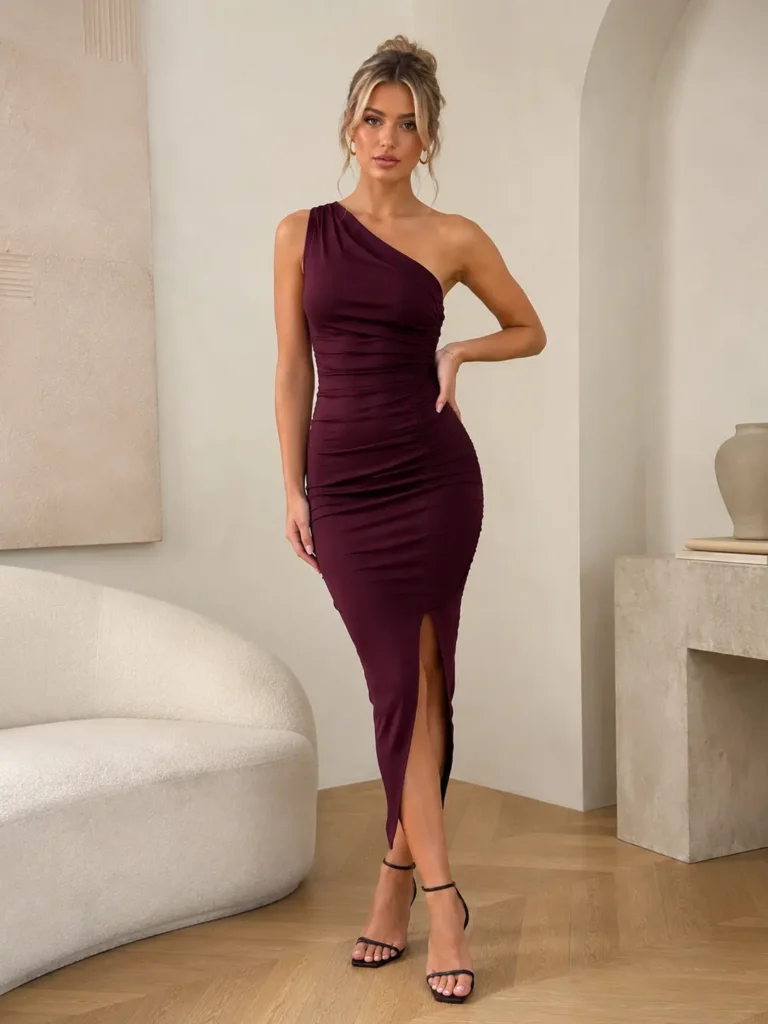
Bodycon cocktail dresses need tension control, opacity and recovery. The garment should shape the body without creating discomfort or transparency risk.
- Bust, waist and hip zones need fit and movement review.
- Stretch fabric should recover after sitting and wearing.
- Light colors need opacity checks under body tension.
Corset-inspired Cocktail Dresses

Corset-inspired cocktail dresses need support and comfort. Internal structure should enhance shape without creating rigid or painful wear.
- Bust support should stay secure without gaping or compression.
- Boning or panel seams need smooth finishing and fit review.
- Zipper, hook or closure points should hold tension cleanly.
Strapless Cocktail Dresses

Strapless cocktail dresses need upper-body stability. Fit failure becomes visible quickly in event settings.
- Neckline grip and bust support need body review before PP approval.
- Internal structure should prevent slipping without harsh pressure.
- Back zipper and upper edge need secure tension balance.
One-shoulder Cocktail Dresses

One-shoulder cocktail dresses rely on asymmetry and neckline control. Poor balance can twist the garment during wear.
- Shoulder tension should support neckline stability and movement.
- Side seam and waist balance prevent rotation on body.
- Lining and neckline finishing should stay smooth and secure.
Fit-and-flare Cocktail Dresses

Fit-and-flare cocktail dresses combine fitted bodice with controlled skirt movement. The shape should feel polished, not overly youthful or costume-like.
- Waistline placement defines body proportion and skirt starting point.
- Skirt volume should match fabric weight and event direction.
- Hem balance and lining movement need review before bulk.
Fabric Choices for Cocktail Dresses
Cocktail dress quality begins with fabric choice. Each material changes shine, fit, weight, lining, comfort, seam visibility, pressing and bulk consistency. Duolan reviews fabric behavior before sampling and before PP approval.
Satin and Satin-touch Fabrics
Satin creates polish and event value, but surface sensitivity requires careful construction.
- Surface smoothness: Satin exposes puckering, needle marks and seam tension.
- Pressing: Heat and pressure must protect shine and surface quality.
- Lining: Inner layers support opacity and reduce seam visibility.
- Packing: Satin needs fold and carton review to reduce crease marks.

Crepe and Compact Woven Fabrics
Crepe and compact woven fabrics support refined cocktail silhouettes with stronger control and less surface shine.
- Shape support: Crepe works well for bodycon, midi and draped styles.
- Drape: Fabric should fall smoothly without clinging awkwardly.
- Seam control: Clean seams support polished semi-formal presentation.
- Repeat value: Crepe often supports commercial color extensions.
Lace and Mesh
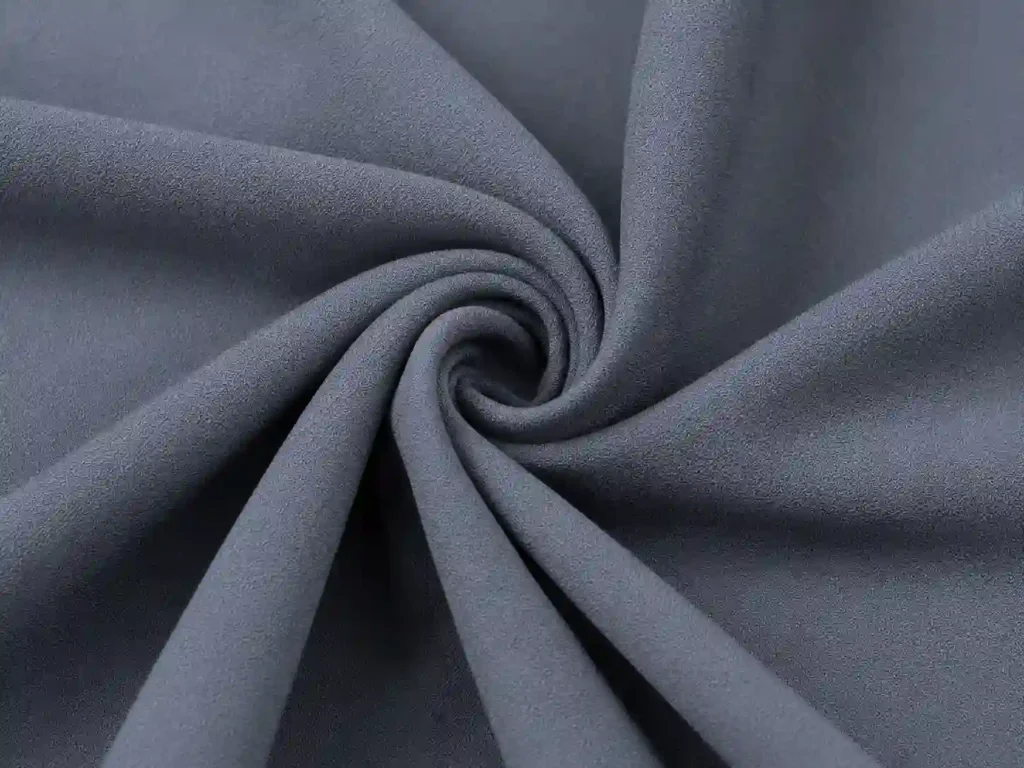
Lace and mesh add femininity, texture and layered visual effect. They require lining, edge and comfort review.
- Transparency: Lining color and placement shape the final look.
- Skin comfort: Mesh and lace edges should not scratch during wear.
- Placement: Motif direction and scallop edge need early planning.
- Layer balance: Outer lace and lining should move together.

Sequin and Embellished Fabrics
Sequin and embellished cocktail dresses need surface control, seam planning and comfort protection.
- Surface weight: Heavier embellishment can pull garment shape downward.
- Seam allowance: Sequin seams need careful trimming and finishing.
- Inner comfort: Lining should protect skin from scratchy surfaces.
- Packing protection: Shine and texture need careful carton planning.

Velvet and Metallic Fabrics
Velvet and metallic fabrics suit holiday and evening-oriented cocktail programs. Both need surface and direction control.
- Pile direction: Velvet panels should follow approved direction.
- Pressure marks: Velvet needs special pressing and packing care.
- Metallic finish: Surface cracking or rubbing needs review.
- Lighting effect: Photo sample should confirm shine and color depth.

Chiffon, Tulle and Soft Overlays
Soft overlays can create lighter cocktail styles with movement. Lining and layer relationship matter.
- Opacity: Sheer fabrics need lining review before PP approval.
- Movement: Overlay and lining should not twist or pull.
- Edge finish: Lightweight hems need stable sewing control.
- Photo effect: Soft layers should support refined event presentation.

Length, Silhouette and Occasion Balance
Cocktail dress development requires clear occasion boundaries. The style should feel more refined than casual partywear while staying lighter than formal evening gowns. Length and silhouette decide where the garment sits in the market.
Mini Cocktail Dresses
Mini cocktail dresses suit going-out, holiday and youthful semi-formal programs. Short length needs stronger coverage and support review.
- Coverage: Sitting, walking and dancing need movement checks.
- Support: Strapless, corset and bodycon mini styles need secure fit.
- Fabric weight: Heavy embellishment can pull short styles out of balance.
- Hem finish: Short hems expose uneven cutting quickly.

Knee-length Cocktail Dresses
Knee-length cocktail dresses suit more classic cocktail occasions and broad semi-formal use.
- Elegant coverage: Length works well for wedding receptions and dinners.
- Fit balance: Waist and hip shaping should feel polished.
- Commercial range: Strong option for repeatable occasion styles.
- Fabric choice: Crepe, satin and lace work well with refined length.

Midi Cocktail Dresses
Midi cocktail dresses suit contemporary, wedding guest and day-to-evening programs. Longer length requires movement and hem review.
- Vertical line: Midi length needs clean silhouette and smooth skirt fall.
- Movement: Walking and stairs need slit or skirt ease review.
- Fabric fall: Satin, crepe and mesh behave differently at midi length.
- Packing: Longer panels need crease and hem protection.

Tea-length Cocktail Dresses
Tea-length cocktail dresses lean more romantic and polished. They can work for occasion and wedding guest programs.
- Proportion: Waistline, skirt volume and hem level need careful balance.
- Fabric behavior: Chiffon, tulle and lace need layer movement review.
- Photo value: Length creates strong campaign and event appeal.
- Bulk standard: Hem level and lining relationship must be locked.

Silhouette Balance
Cocktail dresses can be fitted, A-line, fit-and-flare, draped or corset-inspired. Each silhouette needs different construction logic.
- Fitted: Needs stretch, lining, zipper and opacity control.
- A-line: Needs fabric support and clean hem balance.
- Draped: Needs fabric fall and seam placement review.
- Corset-inspired: Needs support, comfort and closure strength.

Fit, Support and Wear Confidence
Cocktail dresses are judged in motion. A dress may look strong on a hanger yet fail during sitting, dancing, walking or photography. Fit confidence comes from support, coverage, lining, closure, strap stability and movement review.
Duolan reviews fit and support before PP approval, especially for strapless, bodycon, corset-inspired, one-shoulder, cut-out, satin and lace cocktail styles. The goal is a garment ready for real semi-formal wear, not only sample-room appearance.

Bust and Neckline Support
Bust support decides whether the dress feels secure during event wear. Neckline shape, lining, internal structure and closure tension must work together.
- Strapless styles: Upper edge needs grip, support and stable tension.
- Corset-inspired styles: Panel seams and inner structure should support shape.
- Low necklines: Coverage and movement checks are essential.
- Lining: Inner structure should support comfort and shape.

Waist and Hip Fit
Cocktail dresses often rely on polished body lines. Waist and hip zones need balance between shape and comfort.
- Waist control: Waistline should define proportion without cutting into body.
- Hip ease: Fitted styles need sitting and walking review.
- Bodycon tension: Stretch and opacity should remain stable.
- Size grading: Fit should stay balanced across the size range.

Strap and Shoulder Stability
Straps, one-shoulder designs and halter necks need tension review. Poor strap balance can twist or slip.
- Thin straps: Need strength and attachment review.
- One-shoulder styles: Asymmetry should not rotate during wear.
- Halter necks: Neck comfort and bust support need body review.
- Adjusters: Hardware should match fabric weight and use.

Zipper and Closure Control
Closures carry tension in fitted cocktail dresses. Poor zipper insertion can create puckering or wearer discomfort.
- Invisible zipper: Needs smooth insertion and seam tension control.
- Back zipper: Center-back line should stay straight.
- Hook support: Extra support may help high-tension areas.
- Closure QC: Zippers should move smoothly before packing.

Lining and Coverage
Lining protects coverage, comfort and structure. It should not pull, twist or show through.
- Opacity: Light colors and sheer fabrics need lining review.
- Comfort: Inner seams should not scratch or restrict movement.
- Layer balance: Outer and lining layers should move together.
- Hem relation: Lining should not appear below the outer hem.
Satin, Lace, Mesh and Sequin Execution
Cocktail dress value is often built through surface materials. Satin needs smoothness. Lace needs refined placement. Mesh needs comfort and stretch control. Sequin needs shine without scratch. Duolan reviews these materials as production risks, not only visual choices.
Satin Execution
Satin cocktail dresses expose sewing and pressing quality immediately. The fabric can elevate a style or reveal every construction flaw.
- Seam puckering: Sewing tension should be reviewed before bulk.
- Needle marks: Satin requires careful process control.
- Pressing marks: Heat and pressure should protect surface shine.
- Zipper area: Center-back and side closures need smooth finishing.

Lace Execution
Lace cocktail dresses need motif placement and inner comfort. Poor lining or rough seams reduce garment value quickly.
- Motif placement: Lace should align with neckline, waist and hem.
- Scallop edge: Edge use should follow design and cutting plan.
- Lining color: Inner color shapes depth, coverage and premium feel.
- Skin contact: Lace seams should remain smooth during wear.

Mesh Execution
Mesh cocktail dresses need stretch, transparency and edge control. The material is sensitive around neckline, sleeves and cut-outs.
- Stretch balance: Mesh should not bag or distort.
- Transparency: Coverage should match brand direction.
- Edge finish: Cut-outs and necklines need stable recovery.
- Comfort: Seams should not scratch or roll.

Sequin Execution
Sequin cocktail dresses need surface alignment, seam planning and inner protection. Shine should not create discomfort or production instability.
- Sequin direction: Surface direction affects light reflection.
- Seam trimming: Bulky sequin seams need careful handling.
- Lining comfort: Inner layers should protect skin from rough areas.
- Packing: Surface should be protected from rubbing and crushing.

Mixed-material Designs
Cocktail dresses often combine satin with lace, mesh with lining, or sequin with stretch bases. Material balance must be reviewed before PP approval.
- Weight balance: Heavy surfaces can pull light bases downward.
- Layer relation: Outer and inner layers should move as one garment.
- Color match: Mixed materials need shade and tone review.
- Bulk control: Each material needs separate QC focus.

Movement, Sitting and Event Comfort
Cocktail dresses must work beyond photography. The garment should remain secure during walking, sitting, dancing, greeting, stair movement and long event wear. Duolan reviews comfort as part of production readiness.
Walking and Dancing
Movement reveals whether the dress is secure and balanced.
- Skirt opening: Slit, hem sweep or stretch should allow steps.
- Strap security: Straps should not slip during movement.
- Hem balance: Mini and midi lengths need clean movement.
- Fabric recovery: Stretch fabrics should return after motion.
Sitting Comfort
Cocktail dresses are often worn through dinners or receptions. Sitting review protects fit and confidence.
- Hip ease: Fitted styles need room for seated posture.
- Slit height: Slits should support movement without exposure risk.
- Lining pull: Inner layers should not climb or twist.
- Waist pressure: Waist seams should not dig into the body.
Social Movement
Cocktail events involve arm movement, photos, hugs and walking. Upper-body stability matters.
- Armhole comfort: Sleeveless and one-shoulder styles need movement review.
- Bust security: Neckline should remain stable during motion.
- Back fit: Zipper and back panels should stay smooth.
- Closure strength: High-tension closures need early testing.
Event Duration
Comfort should last through several hours of wear.
- Skin contact: Lace, mesh and sequin need inner comfort review.
- Fabric breathability: Heavier fabrics may feel warm during events.
- Support fatigue: Strapless and corset styles need endurance review.
- Packing recovery: Garments should arrive ready for retail or shoot preparation.
Cocktail Dress Development Path
Cocktail dress development should move from event direction to PP approval through controlled fabric, fit, support and surface review. Duolan uses each stage to clarify silhouette, material, comfort and bulk feasibility.
Step 1|Event and Style Direction Review
Duolan reviews reference images, tech packs, target occasion, length, silhouette, neckline, strap, sleeve, fabric direction, lining need and styling goal. Early review helps place the garment correctly between partywear and formal eveningwear.
Step 2|Fabric and Support Review
Fabric is checked for shine, support, comfort, opacity, stretch, surface durability and pressing behavior. Satin, lace, mesh, sequin, velvet, chiffon and crepe each need different sample and production routes.
Step 3|First Sample Development
The first sample tests fit, length, neckline, bust support, waistline, fabric behavior, lining, zipper, slit and overall presentation. Duolan uses the first sample to locate structure risk before deeper revisions.
Step 4|Fit and Detail Revision
Sample comments are translated into clear adjustments. Bust, waist, hip, strap, neckline, zipper, slit, lining, hem, fabric surface and pressing may need correction before PP preparation.
Step 5|PP Sample and Bulk Readiness
Approved styles move into PP sample preparation, BOM locking, production notes, QC checklist and packing standards. PP review confirms final fit, fabric, support, surface, labels and packing before bulk cutting begins.

Cocktail Dress Sample Standards
Different samples answer different cocktail dress decisions. Duolan helps brands use each stage to check fabric, fit, support, visual effect, comfort and bulk readiness.
| Sample Type | Purpose | Duolan Checks |
|---|---|---|
| First Sample | Tests silhouette and construction | Length, fabric behavior, neckline, lining, zipper and basic fit |
| Fit Sample | Reviews body fit and support | Bust, waist, hip, strap, neckline, movement and comfort |
| Surface Detail Sample | Tests refined materials | Satin surface, lace placement, mesh recovery, sequin comfort and pressing |
| Photo Sample | Supports campaign or ecommerce review | Color, shine, silhouette, body line and final presentation |
| Wear Review Sample | Checks event movement | Sitting, walking, dancing, slit, strap and lining behavior |
| PP Sample | Becomes bulk production benchmark | Material, measurements, workmanship, labels, packing and QC points |
Cocktail Dress Risk Matrix
Cocktail dresses carry concentrated risks around fit, support, fabric surface, lining, movement and bulk repeatability. Duolan reviews these risks before sampling and locks controls before bulk.
| Cocktail Dress Risk | Why It Happens | Duolan Control |
|---|---|---|
| Satin shows puckering | Fabric surface and seam tension not controlled | Satin process notes and first-piece review |
| Bust area feels unstable | Neckline, strap or inner support not reviewed | Fit sample and support correction |
| Mesh or lace scratches skin | Inner finishing or seam placement unsuitable | Comfort review and lining adjustment |
| Sequin surface feels heavy | Embellishment weight or lining not balanced | Surface weight and comfort review |
| Dress exposes during movement | Slit, length or neckline not checked in motion | Event movement review |
| Zipper puckers | Closure tension or seam thickness not controlled | Zipper standard and inline QC |
| Lining twists or pulls | Outer and lining layers do not balance | Lining relation review |
| Bulk finish drifts | PP standard and QC points not locked | Inline QC and final inspection |
Production Engineering for Cocktail Dresses
Cocktail dress samples need to become production standards before bulk cutting begins. Duolan translates approved fit, fabric, support, surface details and comfort requirements into production notes, first-piece checks and QC points.
Fit and Support Notes
Production teams need clear standards for bust, waist, hip, neckline and strap areas.
- Bust support: Strapless, corset and low-neck styles need specific fit notes.
- Waist shaping: Waistline should follow approved silhouette and comfort.
- Hip ease: Fitted styles need sitting and movement review.
- Size grading: Fit should remain stable across size range.

Fabric Surface Process
Refined cocktail fabrics need different handling.
- Satin: Sewing tension and pressing need strict control.
- Lace: Motif placement and edge finishing need production notes.
- Mesh: Stretch and transparency should be checked by style.
- Sequin: Seam trimming and inner comfort need process planning.

Lining and Inner Finish
Inner construction supports coverage, comfort and garment confidence.
- Lining length: Lining should support coverage without showing.
- Inner seams: Skin contact areas should feel smooth.
- Support layers: Internal structure should not distort outer surface.
- Layer movement: Outer and lining should move together.

Closure and Detail Control
Cocktail dresses often depend on zippers, hooks, straps, slits and decorative details.
- Zipper: Closure should stay smooth under tension.
- Hooks: Support areas may need extra reinforcement.
- Straps: Attachment strength and adjuster function require checks.
- Slits: Height and seam finish should match approved sample.

First-piece and Inline QC
Early production checks protect bulk from hidden occasionwear risks.
- Measurements: Bust, waist, hip and length checked against PP sample.
- Surface: Satin, lace, mesh and sequin reviewed before wider production.
- Movement: Slit, strap, neckline and lining checked early.
- Finishing: Pressing and packing effect reviewed before final shipment.

Bulk Manufacturing, QC, Cost and Brand Delivery
Cocktail dress bulk production needs controlled fabric release, fit-aware QC, semi-formal finishing standards and brand-ready delivery. Duolan connects manufacturing scale with occasion dress execution.
Manufacturing System Data
- 16 owned womenswear factories: Direct control supports core cocktail dress programs and sensitive fit structures.
- 20+ satellite factories: Flexible capacity supports repeat orders, multi-style programs and seasonal demand.
- 300 sewing lines: Parallel production supports varied cocktail dress structures.
- 50+ quick-response lines: Samples, fitting tests and launch preparation can move faster.
- 15,000–35,000 monthly sample capacity: Frequent cocktail dress development cycles can be supported.
- 3,000–8,000 monthly style workflows: First samples, revisions and PP samples can move through organized development.
- 6,500,000 stable monthly capacity: Planned bulk production and repeat delivery can be supported.

QC Focus
- Fabric surface: Checks satin marks, lace placement, mesh stability and sequin surface.
- Fit support: Reviews bust, waist, hip, strap and neckline security.
- Lining balance: Protects coverage, comfort and movement.
- Zipper smoothness: Confirms closure strength and seam appearance.
- Slit and hem: Checks movement, length and final finish.
- Opacity: Protects light colors, lace, mesh and stretch styles.
- Pressing effect: Confirms surface and silhouette after finishing.
- Packing shape: Protects satin, sequin, lace, straps and structured areas.

Cost Logic
Cocktail dress cost is shaped by fabric, support structure, surface detail, fitting work and finishing standard.
- Refined fabric: Satin, lace, mesh, sequin, velvet and crepe create different sourcing paths.
- Lining and support: Inner structure changes comfort, coverage and sewing work.
- Surface detail: Sequin, lace placement, mesh panels and draping increase operation focus.
- Fit correction: Strapless, corset and bodycon styles often need more sample review.
- Zipper and closure: Fitted occasion styles need strong closure execution.
- Pressing and finishing: Satin, velvet and sequin need special final handling.
- Packing method: Surface-sensitive garments may need extra protection.
- Repeat potential: PP records and BOM continuity improve future production efficiency.

Brand Delivery and Compliance
- Main labels and size labels are placed without affecting comfort or appearance.
- Care labels are reviewed for fabric type, lining, surface materials and skin contact.
- Hangtags and barcodes are aligned by style, color, size and channel need.
- Folding methods protect satin surface, sequin panels, lace and dress shape.
- Carton marks and packing ratios support warehouse receiving across multi-style shipments.
- SMETA audit records support supplier review for established fashion brand programs.
- Testing discussions can follow AATCC, ASTM, EN, GB or brand-specific standards.
- OEKO-TEX® or GOTS material requirements can be coordinated for certified fabrics.

Anonymous Cocktail Dress Project Evidence
Duolan respects brand confidentiality. These anonymized cocktail dress project patterns reflect realistic program sizes, sample cycles and order volumes aligned with current brand cooperation ranges.
United States|Satin Cocktail Dress Program

A US contemporary occasion brand developed satin cocktail dresses, midi cocktail styles and one-shoulder semi-formal dresses. The program needed polished surface, secure fit and color consistency across several seasonal shades.
Project data
- Region: United States
- Program type: Satin cocktail dress launch
- Style scope: 12–18 styles
- Order volume: 30,000–65,000 pieces
- Sample cycle: 12–18 days for first sample rounds
- Main fabrics: Satin, satin-touch woven, crepe and soft lining fabrics
Key controls
- Satin surface: Seam tension and pressing were reviewed before PP approval.
- Fit support: Bust, waist and neckline security were checked during fit sampling.
- Color consistency: Seasonal shades were reviewed against approved references.
- Packing: Satin fold marks and surface protection received packing guidance.
Australia|Going-out Cocktail Collection

An Australian fashion brand prepared bodycon cocktail dresses, cut-out styles and mesh-panel mini dresses. The program needed strong visual impact with secure movement and opacity.
Project data
- Region: Australia
- Program type: Going-out cocktail collection
- Style scope: 10–16 styles
- Order volume: 28,000–70,000 pieces
- Sample cycle: 10–16 days for first sample rounds
- Main focus: Stretch tension, opacity, neckline recovery and zipper smoothness
Key controls
- Body fit: Bust, waist and hip tension were reviewed during fitting.
- Opacity: Light colors and mesh areas were checked under stretch.
- Cut-out edges: Neckline and opening recovery were reviewed before PP approval.
- Zipper quality: Center-back closures were checked for smooth shape.
United Kingdom|Wedding Guest Cocktail Line

A UK occasionwear brand developed lace cocktail dresses, fit-and-flare styles and refined midi dresses for wedding guest and reception scenes.
Project data
- Region: United Kingdom
- Program type: Wedding guest cocktail line
- Style scope: 8–14 styles
- Order volume: 22,000–52,000 pieces
- Sample cycle: 14–21 days depending on fabric and structure
- Main fabrics: Lace, crepe, chiffon-touch woven and lining fabrics
Key controls
- Lace placement: Motif direction and lining color were reviewed early.
- Movement comfort: Sitting, walking and reception movement were checked.
- Hem balance: Midi and fit-and-flare hems received final review.
- PP handover: BOM, QC points and packing standards were prepared by style.
France|Contemporary Cocktail Midi Capsule

A French contemporary brand developed refined cocktail midi dresses and day-to-evening semi-formal styles. The capsule focused on understated polish, fabric handfeel and clean finishing.
Project data
- Region: France
- Program type: Contemporary cocktail midi capsule
- Style scope: 6–10 styles
- Order volume: 20,000–38,000 pieces
- Sample cycle: 14–20 days for fabric-sensitive styles
- Main risks: Fabric handfeel, waist shaping, lining balance and final pressing
Key controls
- Fabric handfeel: Crepe and compact woven materials were reviewed for smooth fall.
- Waist shaping: Bodice and skirt balance were confirmed before PP approval.
- Lining relation: Inner layers supported opacity without restricting movement.
- Final pressing: Surface, hem and silhouette received packing guidance.
Cocktail Dress FAQ
Yes. Duolan develops and manufactures custom cocktail dresses for established fashion brands, including satin cocktail dresses, lace cocktail dresses, sequin cocktail dresses, bodycon cocktail dresses, fit-and-flare cocktail styles, one-shoulder dresses, strapless dresses, wedding guest cocktail dresses and semi-formal party dresses.
Cocktail dress production is difficult because refined fabric, fit support, movement comfort, lining, surface finish and semi-formal presentation must work together. Satin can show seam marks, lace may need lining, sequin can feel heavy, and strapless styles need secure support.
Yes. Cocktail dresses usually sit in semi-formal settings and often use mini, knee-length, midi or tea-length proportions. Evening dresses are usually more formal, often longer, heavier or gown-oriented. Duolan treats cocktail dresses as a separate semi-formal dress category.
Yes. Duolan can support satin, crepe, lace, mesh, sequin, velvet, chiffon-touch and mixed-material cocktail dresses. Each fabric direction receives review for comfort, lining, seam control, surface finish, pressing and packing.
Yes. Duolan can support bodycon, strapless, corset-inspired, one-shoulder, cut-out and fitted cocktail styles. These structures require fit samples, support review, zipper control, lining balance and movement checks before PP approval.
Useful files include tech packs, sketches, reference samples, front and side photos, fabric direction, lining requirements, fit comments, size chart, colorways, target quantity, label requirements and launch timing. Close-up images for neckline, strap, zipper, slit, lace or sequin areas improve sample accuracy.
Duolan reviews bust support, neckline security, waist fit, hip ease, strap stability, zipper smoothness, lining comfort and movement during sampling. Fit comments are translated into pattern, measurement, PP sample and QC standards before bulk cutting.
Duolan reviews fabric surface, seam tension, pressing method, lining, inner comfort and packing protection. Satin needs surface and pressing control. Lace needs placement and lining review. Sequin needs seam trimming, comfort protection and surface packing.
Yes, once approved samples become production standards. Duolan connects approved samples to BOM, PP samples, fabric standards, fit notes, QC checkpoints and packing requirements. Visual approval alone is not enough for cocktail dresses.
Yes. Duolan can follow requirements for main labels, care labels, size labels, hangtags, barcodes, polybags, folding methods, carton marks and packing ratios. Cocktail dresses using satin, sequin, lace, mesh or structured support may need special packing review.

Send Your Cocktail Dress Project
Duolan reviews cocktail dress projects from development and manufacturing angles. Share your design files, references, fabric direction, fit expectations, size range, target quantity and launch timing for a structured review.
Share Your Project
- Cocktail dress style: satin, lace, sequin, bodycon, corset, strapless, one-shoulder or midi.
- Design files: tech pack, sketch, original sample photos or reference images.
- Fit details: neckline, bust support, waist shape, strap, zipper, slit and lining needs.
- Fabric direction: satin, crepe, lace, mesh, sequin, velvet, chiffon or mixed material.
- Production details: quantity, colorways, launch date, label and packing requirements.
Duolan Will Review
- Semi-formal positioning, fabric behavior and fit feasibility.
- Sample path, revision needs and PP sample readiness.
- Production route, QC focus and packing requirements.