Skip to content
Custom Knit Dress Manufacturer
Custom knit dress development and manufacturing for established fashion brands needing fabric recovery, body fit control, shrinkage review, shape retention, bulk consistency and brand-ready delivery.
Duolan supports dress-focused brands with knit dress programs built around material selection, stretch testing, fit correction, PP approval, bulk production, QC, packing and repeat delivery.
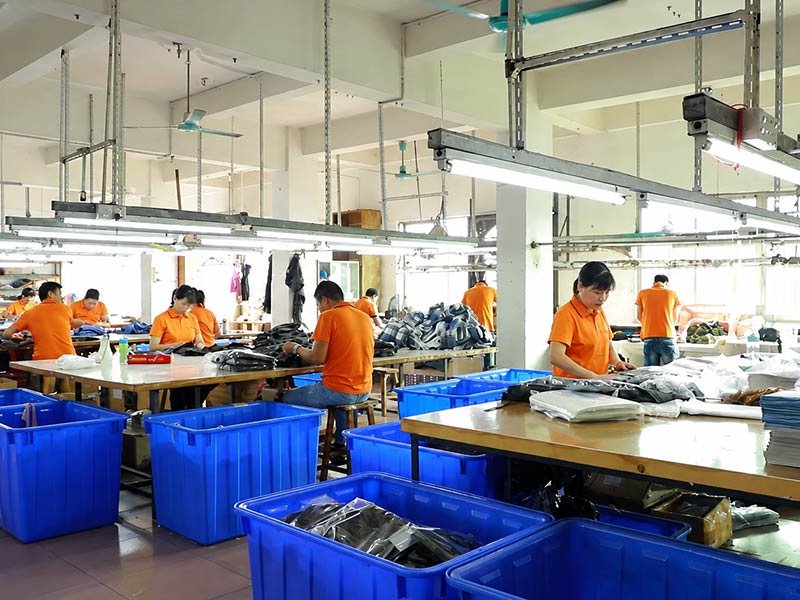
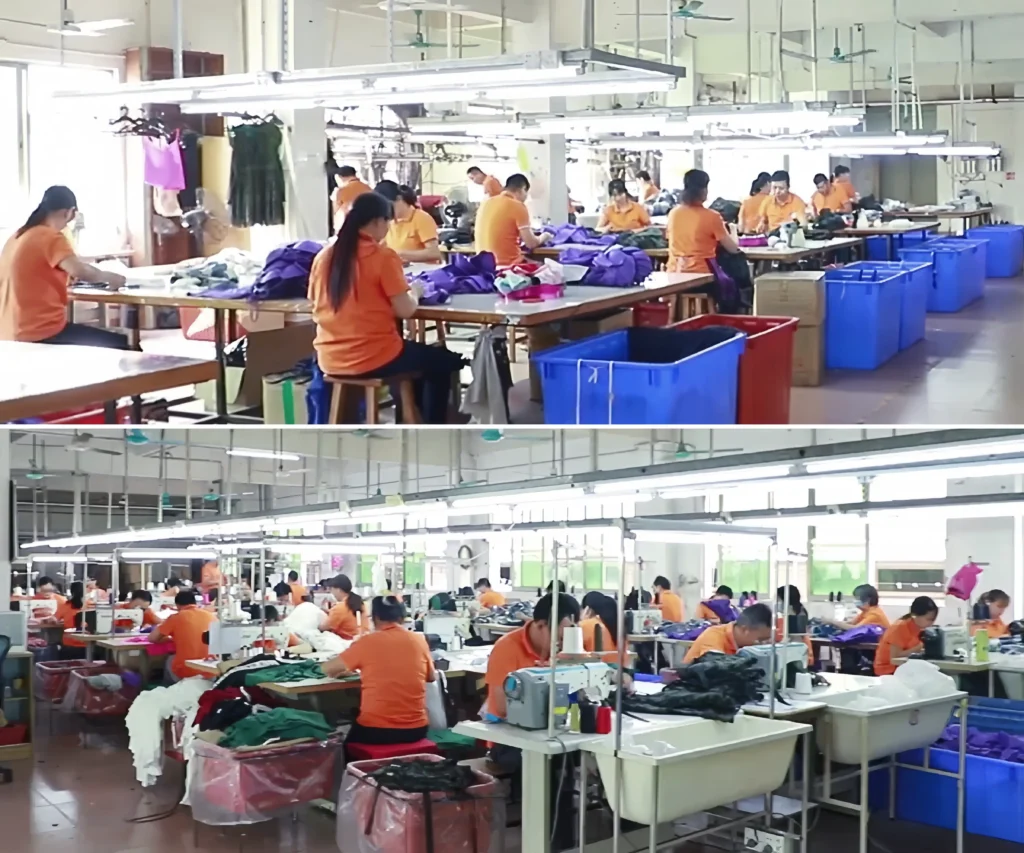
- 16 owned womenswear factories support direct control for core knit dress programs.
- 20+ satellite factories provide flexible capacity for multi-style seasonal dress launches.
- 300 sewing lines support parallel production across knit-fabric dress programs.
- 50+ quick-response lines support sampling, fabric tests and launch preparation.
- 15,000–35,000 monthly sample capacity supports frequent knit dress development cycles.
- 3,000–8,000 monthly style development workflows support first samples, revisions and PP approval.
- SMETA 2-Pillar audit record supports supplier evaluation for mature fashion brands.





Knit Dress Manufacturing Focus
A knit dress is not only a soft dress with stretch. Knit dress development depends on fabric behavior, recovery, opacity, shrinkage, seam stability, body tension and shape retention.
Duolan focuses on knit-fabric dress programs for established fashion brands, including jersey dresses, rib knit dresses, bodycon knit dresses, knit midi dresses, long sleeve knit dresses, cut-out knit dresses and knit dress sets. Sweater-style knit dresses can be reviewed as related projects when yarn, structure and production routing are confirmed.
Knit dresses need a different development logic from woven dresses. Flat measurements alone cannot explain final fit. Fabric stretch, recovery, garment weight, hanging length, wash behavior and body tension all influence how the garment looks after sampling, production, packing and wear.
Manufacturing Focus
- Knit fabric behavior: Stretch and recovery decide fit stability.
- Body fit: Knit dresses need controlled tension, not loose measurement guessing.
- Opacity control: Stretch can create transparency risk in light colors or fitted styles.
- Shrinkage review: Wash and steam behavior affect length and size stability.
- Shape retention: Bulk pieces should keep approved silhouette after wear.
- Capability boundary: Sweater-style knit dresses require confirmed knitwear routing.
Knit Dress, Jersey Dress and Sweater Dress Differences
Knit dress language can cover cut-and-sew knit fabric garments and sweater-style knitwear garments. Duolan defines the project direction before sampling so fabric, pattern, fit and production route stay clear.
| Term | Core Meaning | Duolan Position |
|---|---|---|
| Knit Dress | Broad dress term covering knit-fabric and sweater-style dresses | Main topic |
| Jersey Dress | Cut-and-sew dress made from jersey knit fabric | Strongly covered |
| Rib Knit Dress | Dress using rib texture or rib-knit fabric behavior | Strongly covered |
| Bodycon Knit Dress | Close-fit knit dress with body tension and recovery needs | Strongly covered |
| Sweater Dress | Yarn-based or sweater-style knitwear dress | Covered with confirmed routing |
| Knit Dress Set | Matching top, cardigan, skirt or dress set | Covered naturally |
| Woven Dress | Non-knit fabric dress with different structure logic | Separate topic |
Built for Established Knit Dress Brands
Duolan works with fashion brands and product teams needing structured knit dress development, not on-demand knitwear, one-piece customization or marketplace sourcing.
Contemporary Womenswear Brands
Contemporary brands often use rib knit dresses, soft midi dresses and compact knit silhouettes as seasonal core products. Duolan reviews handfeel, recovery, fit tension, length stability and color consistency before bulk planning.
Party and Going-out Brands
Going-out knit dresses need body fit, stretch confidence and photo-ready shape. Duolan reviews bodycon tension, cut-out edges, opacity under stretch, neckline recovery and hem stability before PP approval.
Resort and Vacation Brands
Resort knit dresses need soft drape, easy movement and packing recovery. Duolan reviews lightweight jersey, soft rib, travel-friendly handfeel, shrinkage, side seam balance and garment recovery after folding.
Seasonal Knitwear Dress Brands
Fall and winter knit dress programs need more weight, warmth and shape retention. Duolan reviews rib texture, long sleeves, midi length, garment weight, hanging length and packing recovery.
Product Development Teams
Development teams need samples answering fabric and fit questions. Duolan reviews fabric direction, stretch level, opacity concern, wash behavior, size tolerance and PP sample readiness before bulk decisions.
Sourcing Offices
Sourcing offices evaluate knit dress suppliers through sample accuracy, bulk consistency, compliance readiness, QC discipline, production timing and packing accuracy. Duolan supports formal review with manufacturing data and organized execution standards.
Knit Dress Product Scenarios
Knit dresses serve several commercial roles because fabric stretch and handfeel can create fitted, soft, relaxed, seasonal or polished silhouettes. Duolan reviews each direction by fit, material behavior, size stability and bulk repeatability.

Bodycon Knit Dresses
Bodycon knit dresses need close fit without losing comfort. Fabric must stretch around the body, recover after wear and protect opacity under tension.
- Stretch recovery should prevent bagging around waist, hip and seat.
- Opacity must be reviewed under body tension, not only flat fabric.
- Seam elasticity should support movement without cracking or distortion.
- Size tolerance needs tighter review across bust, waist and hip.

Rib Knit Midi Dresses
Rib knit midi dresses are strong commercial styles for contemporary and day-to-evening brands. The key risk is shape change after wear, wash or hanging.
- Rib recovery should hold shape after sitting, walking and folding.
- Midi length makes hanging growth and hem balance more visible.
- Fabric weight should support a clean fall without pulling downward.
- Side seams should stay straight after cutting, sewing and steaming.

Soft Jersey Dresses
Soft jersey dresses work well for casual, travel, resort and day dress programs. The fabric should feel easy while still holding garment shape.
- Jersey should be checked for shrinkage, twisting and recovery before PP.
- Soft handfeel should not weaken neckline, hem or side seam stability.
- Lightweight bases need opacity review across light and seasonal colors.
- Final packing should protect drape without creating hard creases.

Sweater-style Knit Dresses
Sweater-style knit dresses can support fall, winter and premium knitwear capsules. These projects require confirmed yarn and knitwear routing before development.
- Yarn weight influences drape, warmth, garment length and shape retention.
- Rib, cable or jacquard textures need suitable knitwear production routing.
- Heavier garments need hanging and packing behavior review.
- Pilling, stretch and wash behavior should be checked before bulk approval.

Knit Matching Sets
Knit dress sets can include tops, skirts, cardigans or coordinated pieces. The set must look consistent in color, handfeel, size and packing.
- Top and skirt pieces need shade and handfeel consistency.
- Size pairing should follow brand selling and packing rules.
- Set labels and barcodes should stay organized by style and size.
- Fabric recovery should match across all set components.
Knit Dress Types Duolan Can Support
Knit dress programs can include rib dresses, jersey dresses, bodycon silhouettes, midi dresses, long sleeve styles, cut-out designs, sweater-style dresses and knit sets. Duolan links each product type to fabric and production controls.

Rib Knit Dresses
Rib knit dresses depend on texture, stretch and recovery. A rib dress should shape the body without growing loose after wear.
- Rib recovery should hold body shape without bagging after wear.
- Stretch tension must balance fit comfort, opacity and size tolerance.
- Hem and neckline edges need stable recovery after washing.
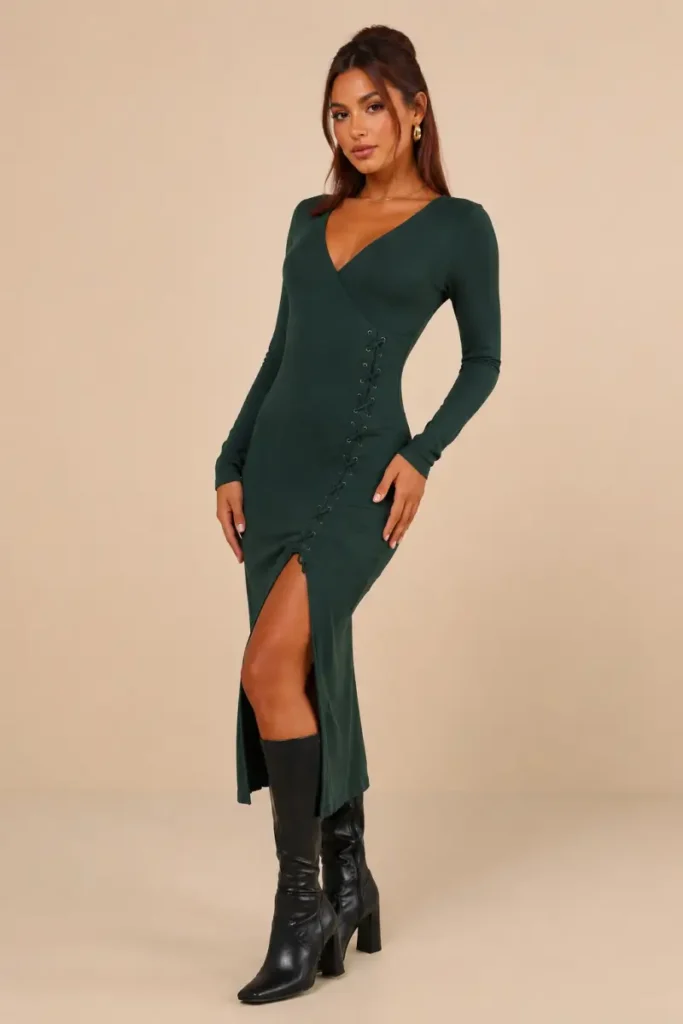
Jersey Knit Dresses
Jersey knit dresses rely on soft handfeel and easy movement. Production must control twisting, shrinkage and seam stability.
- Jersey fabric needs shrinkage, twisting and recovery review before PP approval.
- Side seams should remain balanced after sewing, washing and steaming.
- Soft handfeel must not weaken garment shape or hem stability.

Bodycon Knit Dresses
Bodycon knit dresses need controlled tension through bust, waist, hip and hem areas. Comfort and opacity must work together.
- Opacity must be checked under stretch, especially in light colors.
- Negative ease should shape the body without causing discomfort.
- Size grading needs careful review across bust, waist and hip.

Knit Midi Dresses
Knit midi dresses need stronger length and hanging behavior review. Extra length can expose fabric growth or hem imbalance.
- Midi length makes hanging length and hem balance more visible.
- Fabric weight can pull the garment longer after resting.
- Waist and hip fit should stay stable across sizes.

Long Sleeve Knit Dresses
Long sleeve knit dresses suit fall, winter and transitional programs. Sleeve length and cuff recovery need careful review.
- Sleeve length can change after wash or steaming if fabric shifts.
- Cuffs need recovery control to prevent loose or wavy edges.
- Shoulder and armhole fit influence comfort in close-fit knit dresses.

Cut-out Knit Dresses
Cut-out knit dresses need edge stability and body tension control. Openings should stay secure without stretching out.
- Cut-out edges need stable recovery without stretching out.
- Placement must stay secure across different sizes and body movement.
- Fabric tension around openings requires fit sample review.

Sweater-style Knit Dresses
Sweater-style knit dresses require yarn, texture and garment weight review. Routing should be confirmed before project commitment.
- Yarn weight influences drape, warmth, garment length and shape retention.
- Rib, cable or jacquard textures need confirmed knitwear production routing.
- Heavy sweater dresses require hanging and packing behavior review.

Knit Dress Sets
Knit dress sets require shade, handfeel, sizing and packing consistency across pieces.
- Top and skirt pieces need shade and handfeel consistency.
- Size pairing should match brand selling and packing rules.
- Labels, barcodes and packing should keep set pieces organized.
Knit Fabric and Yarn Direction
Material direction decides whether a knit dress feels fitted, relaxed, compact, fluid, warm or unstable. Duolan reviews fabric and yarn direction by stretch, recovery, handfeel, opacity, weight, shrinkage and bulk availability.
Jersey and Single Knit Fabrics
Jersey and single knit fabrics suit soft dresses, travel dresses, tank dresses and resort programs.
- Soft drape: Works well for relaxed silhouettes and easy styling.
- Twisting risk: Side seam balance needs review before bulk.
- Shrinkage: Wash behavior affects length, width and hem shape.
- Opacity: Light weights and light colors need extra checking.

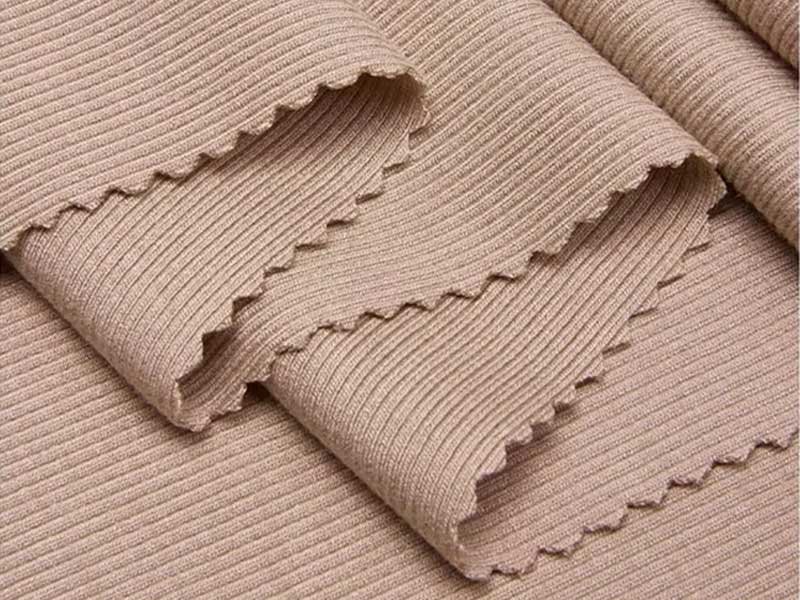
Rib Knit Fabrics
Rib knit fabrics suit bodycon, midi and seasonal core dresses. Rib texture can flatter the body but can also grow or stretch out.
- Recovery: Rib should return after body tension and movement.
- Stretch direction: Vertical and horizontal stretch need separate review.
- Body fit: Rib texture can hide or expose fit issues.
- Size tolerance: Rib garments need stretch-aware measurement standards.
Interlock and Compact Knit
Interlock and compact knit fabrics support more stable dress silhouettes with stronger coverage.
- Opacity: Compact structures often reduce transparency risk.
- Shape stability: More structure supports clean garment lines.
- Weight: Higher weight can affect hanging length.
- Commercial use: Suitable for repeated core styles and midi dresses.

Sweater-style Yarn Direction
Sweater-style dresses need yarn and knit structure review. Duolan evaluates these requests with confirmed sourcing and production routing.
- Yarn composition: Cotton, viscose, acrylic, wool blend or recycled yarn affect result.
- Gauge and texture: Rib, cable and jacquard change weight and shape.
- Pilling: Fiber selection affects surface wear.
- Blocking and finishing: Shape retention depends on knitwear finishing route.

Recycled or Certified Material Direction
Programs with certified or preferred materials need early document and sourcing review.
- Material source: Fabric or yarn origin should be traceable.
- Certification files: OEKO-TEX® or GOTS requirements need early confirmation.
- Handfeel stability: Certified materials still need sampling and bulk review.
- Color batches: Sustainable material programs need careful color control.

Stretch, Recovery and Opacity Control
Stretch is the value and risk center of knit dress manufacturing. A knit dress may feel comfortable in the first sample yet fail after wear if recovery is weak, opacity opens under tension, or bulk fabric does not match approved handfeel.
Duolan reviews stretch and recovery before PP approval, especially for rib dresses, bodycon styles, light colors, cut-out dresses, midi lengths and going-out silhouettes. The goal is not simply “more stretch.” The goal is controlled stretch with reliable fit, comfort and shape return.
Stretch
Knit fabric stretches differently across width and length. Garment panels, seams and size specs should follow the approved stretch logic.
- Width stretch: Controls body fit around bust, waist and hip.
- Length stretch: Affects garment length and hanging behavior.
- Cutting direction: Incorrect direction can cause twisting or fit imbalance.
- Panel control: Front, back and sleeve panels need consistent direction.

Recovery
Recovery decides whether the dress returns after sitting, walking and wearing. Weak recovery can make a fitted dress look loose after use.
- Body zones: Waist, hip, seat and knees need recovery review.
- Rib texture: Rib fabric can stretch beautifully or grow too much.
- Wear test: Movement review helps reveal recovery problems.
- Bulk standard: Approved recovery should guide fabric release.

Opacity under Tension
Opacity should be checked on body tension, not only flat fabric. Bodycon dresses and light colors need special review.
- Light colors: White, ivory, beige and pastel shades need extra checks.
- High-stretch zones: Hip and bust areas may open under tension.
- Lining option: Some styles may need lining or thicker fabric.
- Photo review: Campaign samples should be checked under lighting.

Negative Ease
Negative ease can create a flattering fit, but excessive tension creates discomfort, transparency or seam stress.
- Fit balance: Shape should feel secure without compression.
- Size range: Larger sizes need special opacity and comfort review.
- Seam stress: High-tension areas need elastic seam control.
- PP sample: Approved fit should define both measurement and body result.

Batch Consistency
Bulk fabric should match approved handfeel, weight and stretch. Even small variation can change fit and size result.
- Handfeel: Approved fabric touch should be matched in bulk.
- Weight: Fabric weight affects fall, opacity and hanging length.
- Recovery: Bulk recovery should be checked before cutting.
- Color lots: Each color should be reviewed for stretch behavior.
Fit, Measurement and Size Consistency
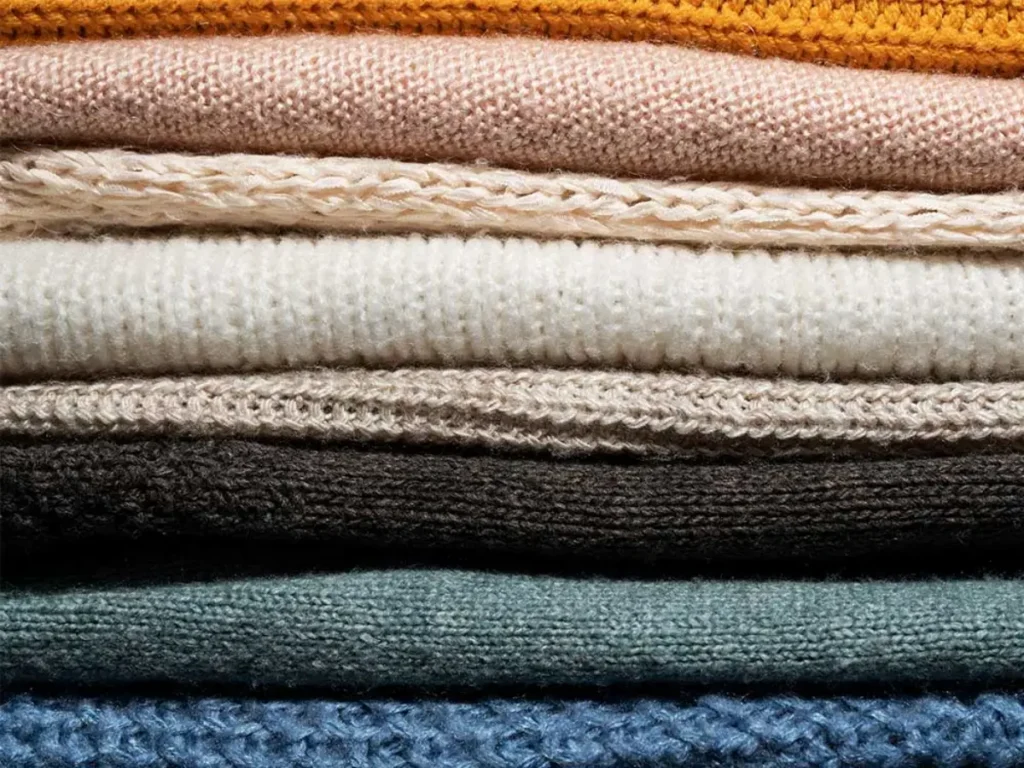
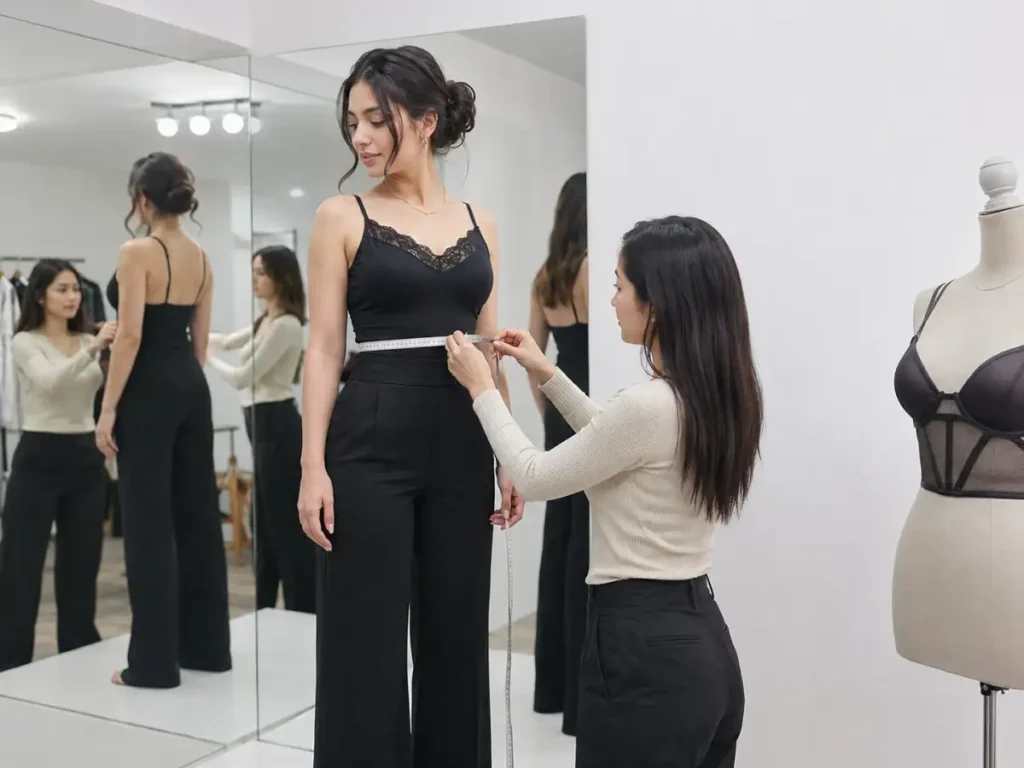
Knit dress fit cannot be judged only by flat measurement. Fabric stretch, recovery, weight, body tension and garment length all change the worn result. Duolan reviews knit dress fit through sample measurement, body review, movement, size grading and PP tolerance.
Flat Measurement with Stretch Logic
Flat measurement is only the starting point. The approved fit must account for fabric expansion and recovery.
- Bust measurement: Needs interpretation through stretch and opacity.
- Waist measurement: Should allow shaping without over-tension.
- Hip measurement: High-stress area for bodycon and midi dresses.
- Length measurement: Can change after steaming, wash or hanging.

Body Fit Review
A knit dress should be checked on body movement, not only on table measurement.
- Movement: Sitting, walking and arm movement reveal tension problems.
- Comfort: Close fit should not create restriction.
- Opacity: Body tension can expose fabric transparency.
- Silhouette: Fit should match brand style, not generic bodycon logic.

Size Grading
Knit dress grading needs stretch-aware logic. Mechanical scaling can create tension, transparency or loose recovery.
- Larger sizes: Require stronger review around bust, hip and opacity.
- Smaller sizes: Need proportion review to avoid excessive tightness.
- Length rules: Midi and long sleeve styles need separate tolerance.
- Edge stability: Neckline, armhole and hem should recover across sizes.

Tolerance Control
Tolerance should reflect both measurement and fabric behavior. Knit garments need carefully selected checkpoints.
- Key points: Bust, waist, hip, length, sleeve and hem need priority.
- Stretch allowance: Fabric elasticity should inform accepted tolerance.
- PP standard: Approved sample should define final fit result.
- Bulk QC: Measurements should be checked by color and size.

Repeat Fit Records
Repeat knit dress programs need strong records because future colors can behave differently.
- Pattern record: Keeps body shape and seam positions consistent.
- Fabric record: Stores weight, handfeel, recovery and shrinkage notes.
- PP sample: Gives production teams a physical benchmark.
- Color extension: New colors should match approved fabric behavior.
Shrinkage, Hanging Length and Shape Retention
Knit dresses can shrink after washing, grow after hanging or loosen after wear. These changes matter more in fitted and midi styles because small shifts affect length, body fit, neckline, hem and sleeve balance.
Duolan reviews shrinkage, resting behavior and shape retention before bulk production. Wash samples, hanging review and PP records help protect the garment from sample approval to shipment.

Wash Shrinkage
Wash shrinkage affects length, width, sleeve and fit. Cotton, viscose, rayon, rib and soft jersey blends can behave differently.
- Garment length: Wash shrinkage can shorten midi and bodycon dresses.
- Width change: Bust, waist and hip may tighten after wash.
- Sleeve length: Long sleeve knit dresses need shrinkage review.
- Edge shape: Neckline and hem can wave or contract.

Hanging Length
Knit dresses can grow after resting on a hanger or mannequin. The risk rises with heavier fabric, midi length and sweater-style construction.
- Midi dresses: Extra length makes growth more visible.
- Heavy fabric: Weight can pull the garment downward.
- Sweater-style dresses: Yarn weight can affect long-term shape.
- Resting review: Samples may need time before final length approval.

Steam and Pressing Effect
Finishing can change knit garment measurements. Steam may relax fabric or alter length.
- Steam control: Pressing method should match fabric stability.
- Measurement check: Post-press measurements need review.
- Surface care: Knit surfaces should not become shiny or flattened.
- Edge control: Neckline, cuffs and hem need shape after finishing.

Packing Recovery
Knit dresses are often folded. Packing should protect shape, handfeel and surface.
- Fold lines: Soft knits should recover without deep crease marks.
- Compression: Heavy packing can flatten texture or distort shape.
- Set organization: Matching sets need paired packing control.
- Retail display: Garment should regain shape after unpacking.
Production Engineering for Knit Dresses
Knit dress samples need to become production standards before bulk cutting begins. Duolan translates approved fabric behavior, fit, seams, neckline, hem, shrinkage and packing requirements into production notes and QC checkpoints.
Stretch Seam Control
Seams should move with the garment. Knit dresses need enough seam elasticity without losing strength.
- Seam stretch: Sewing method should support body movement.
- Seam strength: High-tension areas need stronger review.
- Bodycon styles: Side seams and hip seams need tension checks.
- Bulk QC: Seam cracking or tightness should be checked early.
Side Seam Balance
Side seam twisting is common in knit fabric garments when cutting direction or tension is weak.
- Fabric direction: Cutting should follow approved stretch and grain direction.
- Sewing tension: Uneven tension can pull seams forward or backward.
- First-piece review: Side seams should be checked on body shape.
- Final QC: Twisting should be reviewed before packing.
Neckline and Edge Finish
Neckline, armhole and cut-out edges need recovery and stability. Loose edges reduce garment value quickly.
- Binding control: Binding should recover without waving.
- Rib edge: Rib edges need stable tension and clean shape.
- Cut-out edge: Openings require stronger recovery review.
- Wear test: Neckline should hold shape during movement.
Hem Finish
Hems can become wavy when fabric tension, seam method or pressing is unsuitable.
- Flat hem: Hem should remain smooth after sewing.
- Stretch allowance: Hem must move without cracking.
- Length control: Hem position should match approved PP sample.
- Pressing: Final pressing should not stretch or distort the hem.
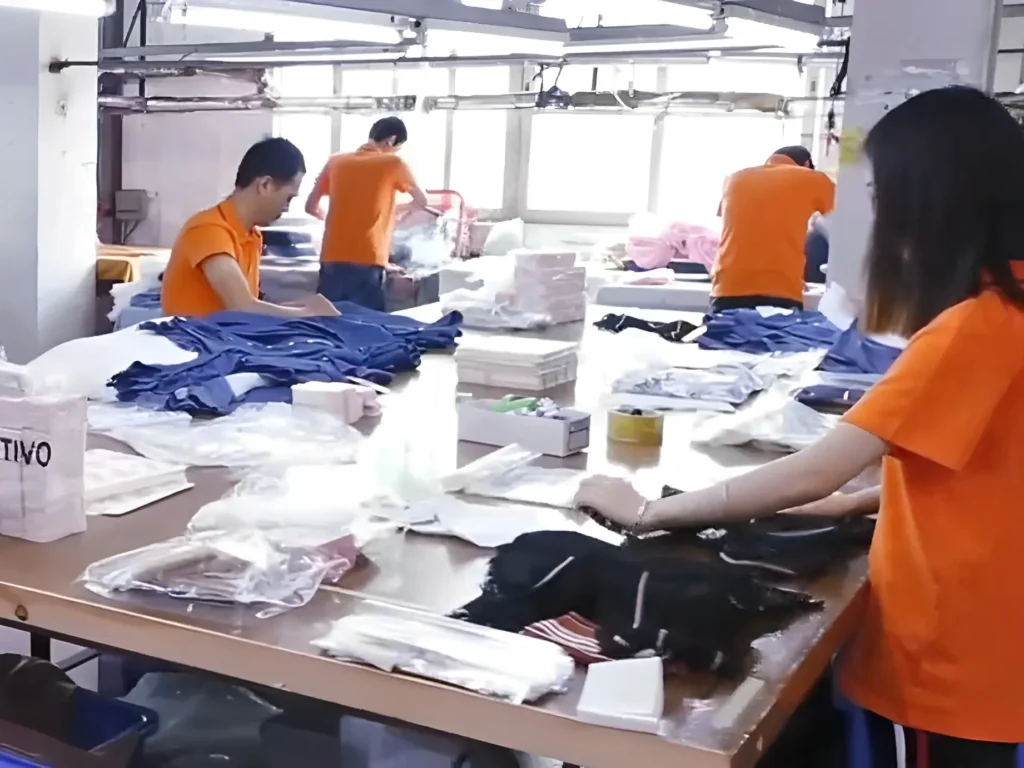
First-piece and Inline QC
Early production checks protect bulk from hidden knit risks.
- Measurements: Bust, waist, hip and length checked against PP sample.
- Fabric behavior: Stretch, handfeel and weight reviewed before wider cutting.
- Seams: Side seam, neckline, armhole and hem checked early.
- Finishing: Pressing and folding effect reviewed before final packing.
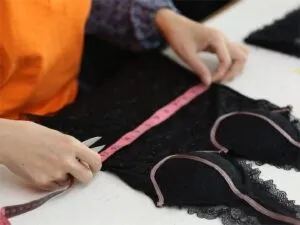
Knit Dress Development Path
Knit dress development should move from design direction to material approval before bulk planning. Duolan uses each stage to clarify fabric, fit, recovery, shrinkage and PP readiness.
Step 1|Design and Knit Direction Review
Duolan reviews reference images, tech packs, target scene, dress type, fit level, length, sleeve, neckline, cut-out details, fabric direction and brand goals. Early review separates jersey, rib, compact knit and sweater-style routes.
Step 2|Fabric, Stretch and Shrinkage Review
Fabric is checked for stretch level, recovery, opacity, weight, handfeel, shrinkage, hanging behavior and bulk availability. Material choice must support the intended fit and production route.
Step 3|First Sample Development
The first sample tests fit, stretch tension, opacity, neckline recovery, hem stability, side seam balance, length and overall silhouette. Duolan uses the first sample to find material and fit risks before deeper revisions.
Step 4|Fit and Material Revision
Sample comments are translated into clear adjustments. Bust, waist, hip, length, neckline, hem, fabric weight, recovery, shrinkage and garment balance may need correction before PP sample preparation.
Step 5|PP Sample and Bulk Readiness
Approved styles move into PP sample preparation, BOM locking, fabric standard, shrinkage notes, production instructions, QC checklist and packing standards. PP review confirms final fit, fabric, stretch, measurements, labels and packing before bulk cutting begins.
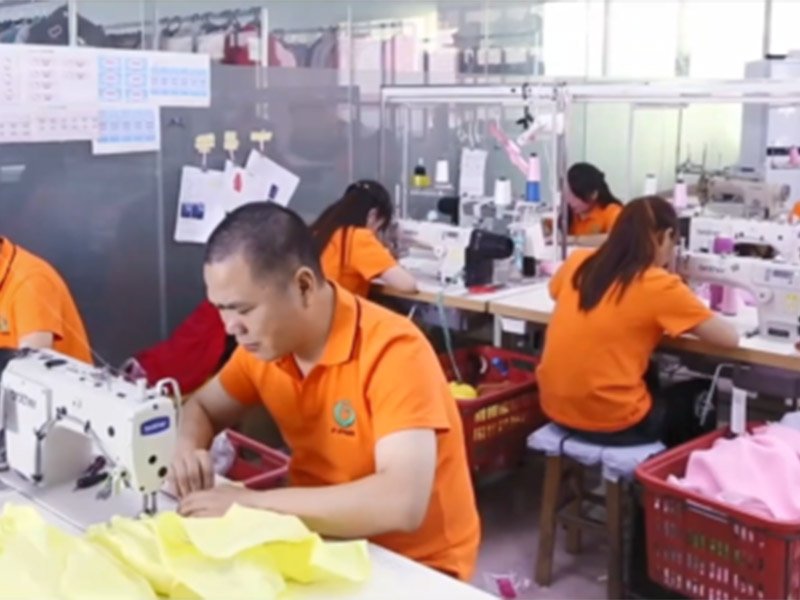
Knit Dress Sample Standards
Different samples answer different knit dress decisions. Duolan helps brands use each stage to check silhouette, fabric behavior, fit, shrinkage, presentation and bulk readiness.
| Sample Type | Purpose | Duolan Checks |
|---|---|---|
| First Sample | Tests silhouette and knit behavior | Fit, stretch, recovery, fabric handfeel, opacity and length |
| Fit Sample | Reviews body fit and movement | Bust, waist, hip, neckline, armhole, hem and comfort |
| Wash / Shrinkage Sample | Reviews fabric and size change | Length, width, sleeve, neckline, hem and recovery after wash |
| Hanging / Resting Sample | Reviews growth and shape retention | Midi length, sweater-style weight, hem balance and garment fall |
| Photo Sample | Supports campaign or ecommerce review | Surface, color, silhouette, body fit and final presentation |
| PP Sample | Becomes bulk production benchmark | Material, measurement, stretch, shrinkage, labels, packing and QC points |
Knit Dress Risk Matrix
Knit dresses carry concentrated risks around recovery, opacity, shrinkage, side seams, hanging length and shape retention. Duolan reviews these risks before sampling and locks controls before bulk.
| Knit Dress Risk | Why It Happens | Duolan Control |
|---|---|---|
| Dress loses shape after wear | Recovery is weak or fabric tension is not reviewed | Stretch recovery review and fit sample testing |
| Fabric becomes transparent | Knit fabric opens under body tension | Opacity check under stretch |
| Side seam twists | Fabric direction or sewing tension is not controlled | Cutting direction and first-piece review |
| Dress shrinks after wash | Fabric shrinkage not checked before PP approval | Wash sample and shrinkage record |
| Midi dress grows in length | Fabric weight pulls garment downward | Hanging / resting sample review |
| Hem becomes wavy | Seam tension or finish method is unsuitable | Hem process notes and inline QC |
| Neckline stretches out | Edge recovery or binding method is weak | Neckline construction review |
| Bulk handfeel changes | Fabric batch differs from approved sample | Bulk fabric standard and QC check |
What Brands Should Prepare
A strong knit dress brief helps Duolan evaluate material feasibility, fit risk, sample route, production planning and delivery timing. Clear information improves sample accuracy and reduces repeated clarification.
Design Files
Clear design materials help Duolan understand silhouette and knit behavior before sampling.
- Tech pack or sketch: Include front, side and back views with construction notes.
- Reference sample: Send photos or garment sample when fit or handfeel is hard to describe.
- Detail images: Provide close-ups for neckline, hem, sleeve, cut-out and fit zones.
- Style purpose: Mark bodycon, rib, jersey, midi, resort, going-out or set direction.
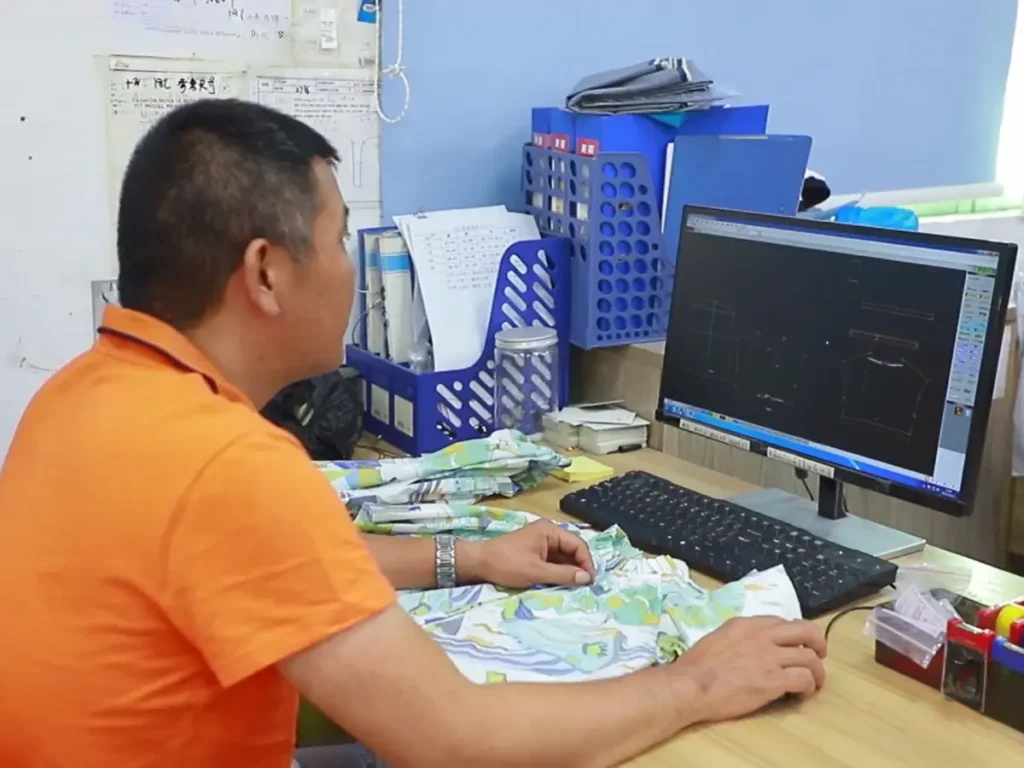
Knit Direction Information
Material direction should be clear before sample planning.
- Fabric type: Jersey, rib, compact knit, sweater-style or special texture.
- Stretch level: Share target stretch, compression or fit expectation.
- Handfeel: Soft, compact, dry, brushed, smooth or warm handfeel direction.
- Opacity concern: Note light colors, bodycon tension or lining needs.
- Wash requirement: Share shrinkage, hand wash, machine wash or steam concerns.

Fit and Measurement Details
Knit fit needs more than a standard size chart.
- Size range: Provide size chart and key measurement points.
- Fit level: Relaxed, fitted, bodycon or negative ease.
- Length: Mini, midi, maxi, sleeve and hem measurements.
- Key zones: Bust, waist, hip, neckline, armhole and cut-out position.
- Tolerance expectation: Define priority points before PP approval.
Production Planning
Production planning improves when color, quantity and calendar arrive early.
- Colorways: Share core colors, seasonal colors and approved references.
- Target quantity: Provide estimated units by style, color and size.
- Launch timing: Include sample deadline, photo date, PP approval and delivery window.
- Repeat plan: Share potential repeat colors or replenishment needs.
- Brand delivery: Include label, barcode, polybag and carton requirements.

Bulk Manufacturing, QC, Cost and Brand Delivery
Knit dress bulk production needs controlled fabric release, stretch-aware QC, sample-to-bulk records and brand-ready delivery standards. Duolan connects manufacturing scale with material-sensitive dress execution.
Manufacturing System Data
- 16 owned womenswear factories: Direct control supports core knit dress programs and sensitive fitted styles.
- 20+ satellite factories: Flexible capacity supports repeat orders, multi-style programs and seasonal demand.
- 300 sewing lines: Parallel production supports knit-fabric dress programs.
- 50+ quick-response lines: Samples, fabric tests and launch preparation can move faster.
- 15,000–35,000 monthly sample capacity: Frequent knit dress development cycles can be supported.
- 3,000–8,000 monthly style workflows: First samples, revisions and PP samples can move through organized development.
- 6,500,000 stable monthly capacity: Planned bulk production and repeat delivery can be supported.

QC Focus
- Fabric handfeel: Matches approved sample touch and surface.
- Fabric weight: Protects fall, opacity and hanging behavior.
- Stretch recovery: Confirms garment return after body tension.
- Opacity under stretch: Protects light colors and fitted areas.
- Side seam balance: Reduces twisting after sewing and steaming.
- Wash shrinkage: Protects final length and size.
- Hanging length: Reviews growth risk for midi and heavier styles.
- Neckline recovery: Keeps edges stable after wear.
- Hem stability: Prevents wavy or stretched hem finish.
- Packing recovery: Confirms folded garments regain shape.
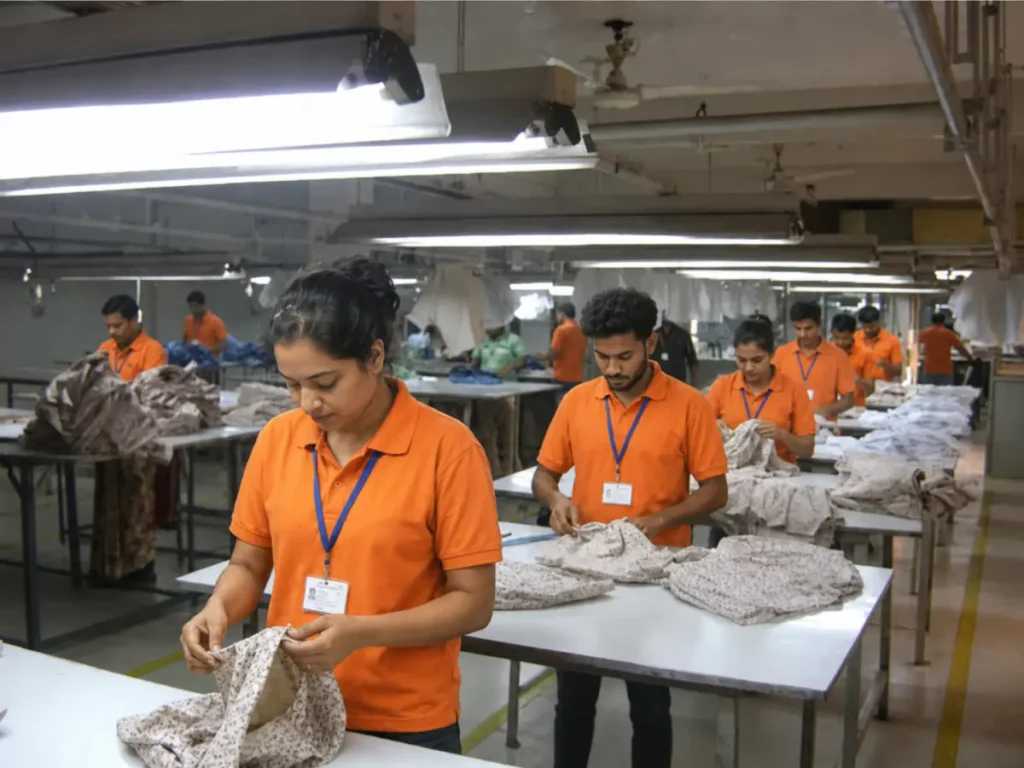
Cost Logic
Knit dress cost is shaped by material behavior, fit correction, finishing and repeat value.
- Knit fabric or yarn direction: Material base controls sourcing path and cost.
- Fabric weight and consumption: Heavier or wider styles increase material use.
- Recovery and opacity needs: Higher standards may require better fabric selection.
- Dyeing or color matching: Seasonal colors and repeat colors require lab control.
- Shrinkage or wash samples: Extra checks can affect development timing.
- Bodycon fit correction: Close-fit styles often need more sample review.
- Special neckline or cut-out details: Edge stability increases sewing and QC focus.
- Sweater-style routing: Yarn-based projects need confirmed routing before costing.
- Label and packing: Barcode, hangtag, polybag and carton rules affect final preparation.
- Repeat potential: PP records and BOM continuity improve future production efficiency.
Brand Delivery and Compliance
- Main labels and size labels are placed without affecting comfort or garment appearance.
- Care labels are reviewed for fabric type, stretch, washing behavior and skin contact.
- Hangtags and barcodes are aligned by style, color, size and channel need.
- Folding methods protect surface, hem, neckline and garment recovery.
- Carton marks and packing ratios support warehouse receiving across multi-style shipments.
- SMETA audit records support supplier review for established fashion brand programs.
- Testing discussions can follow AATCC, ASTM, EN, GB or brand-specific standards.
- OEKO-TEX® or GOTS material requirements can be coordinated for certified fabrics.
Custom Knit Dress case studies
Duolan respects brand confidentiality. These anonymized knit dress project patterns reflect realistic program sizes, sample cycles and order volumes aligned with current brand cooperation ranges.
United States|Rib Knit Dress Program
A US contemporary dress brand developed a rib knit program covering rib midi dresses, bodycon knit dresses and long sleeve knit dresses. The program needed stable recovery, clean body fit and strong length control across several colors.
Project data
- Region: United States
- Program type: Rib knit dress launch
- Style scope: 12–18 styles
- Order volume: 30,000–65,000 pieces
- Sample cycle: 12–18 days for first sample rounds
- Main fabrics: Rib knit, compact knit and stretch knit materials
Key controls
- Recovery review: Rib fabric was checked for body fit and shape return.
- Opacity check: Light colors and fitted zones were reviewed under stretch.
- Length stability: Midi and long sleeve styles received hanging review.
- Repeat records: BOM, PP samples and fabric notes were prepared for future colors.

Australia|Resort Jersey Dress Collection
An Australian resortwear brand prepared soft jersey dresses, travel knit dresses and knit tank dresses. The program needed easy drape, soft handfeel and recovery after folding.
Project data
- Region: Australia
- Program type: Resort jersey dress collection
- Style scope: 10–16 styles
- Order volume: 28,000–70,000 pieces
- Sample cycle: 10–16 days for first sample rounds
- Main focus: Shrinkage, side seam twisting, handfeel and packing recovery
Key controls
- Shrinkage review: Fabric behavior was checked before final length approval.
- Side seam balance: Cutting direction and sewing tension were reviewed early.
- Handfeel match: Bulk fabric was compared against approved sample touch.
- Packing recovery: Folding method was reviewed for soft jersey presentation.

United Kingdom|Going-out Knit Dress Line
A UK fashion brand developed bodycon knit dresses, cut-out knit dresses and rib mini dresses. The line needed strong stretch control and confident fit for social and campaign styling.
Project data
- Region: United Kingdom
- Program type: Going-out knit dress line
- Style scope: 8–14 styles
- Order volume: 22,000–52,000 pieces
- Sample cycle: 14–21 days depending on structure and fabric
- Main risks: Stretch tension, neckline recovery, opacity and fit sample review
Key controls
- Stretch tension: Bodycon styles were reviewed for comfort and recovery.
- Neckline recovery: Edge stability was checked around necklines and cut-outs.
- Opacity control: High-tension zones were reviewed under lighting.
- Fit comments: Bust, waist, hip and length changes were recorded before PP.

France|Contemporary Knit Midi Capsule
A French contemporary brand developed knit midi dresses, compact knit dresses and soft day-to-evening styles. The capsule focused on refined handfeel, balanced length and polished everyday wear.
Project data
- Region: France
- Program type: Contemporary knit midi capsule
- Style scope: 6–10 styles
- Order volume: 20,000–38,000 pieces
- Sample cycle: 14–20 days for fabric-sensitive styles
- Main risks: Fabric weight, hanging length, shape retention and final pressing
Key controls
- Fabric weight: Material was reviewed for fall, opacity and length behavior.
- Hanging length: Midi samples were checked after resting.
- Shape retention: Neckline, hem and body zones received recovery review.
- Final finishing: Pressing and packing method were adjusted for garment recovery.

Knit Dress FAQ
Yes. Duolan develops and manufactures custom knit dresses for established fashion brands, including rib knit dresses, jersey dresses, bodycon knit dresses, knit midi dresses, long sleeve knit dresses, cut-out knit dresses and knit dress sets. Programs can move from design review and sampling to PP approval, bulk production, QC, packing and repeat delivery.
Knit dress is a broad term covering cut-and-sew knit fabric dresses and sweater-style knitwear dresses. Jersey and rib dresses often use knit fabrics cut and sewn into dress shapes. Sweater dresses may require yarn, gauge, texture and confirmed knitwear production routing before development.
Yes. Duolan can support jersey knit dresses, rib knit dresses, compact knit dresses, bodycon knit dresses, knit midi dresses and soft knit resort dresses. Each style receives review for stretch, recovery, opacity, shrinkage, fit, seam stability and packing recovery.
Knit dress production is difficult because fabric stretch, recovery, shrinkage, hanging length, body tension, opacity and seam stability all affect final fit. A sample can look approved yet fail in bulk if fabric behavior, PP standards and QC points are not clearly locked.
Duolan reviews stretch direction, recovery, fabric weight, handfeel, body tension and wear movement during sample development. PP sample approval should lock fabric standard, measurements, recovery expectation and key QC points before bulk cutting begins.
Opacity is checked under stretch, especially around bust, waist, hip and high-tension areas. Light colors, bodycon styles and cut-out designs need stronger review. Fabric weight, lining option, size grading and photo sample checks can reduce transparency risk.
Duolan reviews fabric shrinkage through wash or steam testing when required. Midi, long sleeve and heavier knit dresses may need hanging or resting review before final length approval. Shrinkage and hanging records support PP sample and bulk measurement standards.
Useful files include tech packs, sketches, reference samples, front and side photos, fabric direction, target stretch level, opacity concern, fit expectation, size chart, target quantity, colorways, label requirements and launch timing. Detail images for neckline, cut-out, hem or sleeve areas improve sample accuracy.
Yes, once approved samples become production standards. Duolan connects approved samples to BOM, PP samples, fabric standards, shrinkage records, measurement tolerances, QC checkpoints and packing requirements. Sample approval alone is not enough; knit behavior needs measurable control.
Yes. Duolan can follow requirements for main labels, care labels, size labels, hangtags, barcodes, polybags, folding methods, carton marks and packing ratios. Knit dresses with stretch, rib texture, soft handfeel or sweater-style weight may need special packing review to protect shape recovery.

Send Your Knit Dress Project
Duolan reviews knit dress projects from development and manufacturing angles. Share your design files, references, fabric direction, size range, target quantity and launch timing for a structured review.
Share Your Project
- Knit dress style: rib, jersey, bodycon, midi, cut-out, long sleeve, sweater-style or set.
- Design files: tech pack, sketch, original sample photos or reference images.
- Material direction: jersey, rib, compact knit, sweater-style yarn or special texture.
- Fit details: target stretch, opacity concern, body fit, neckline, hem and size range.
- Production details: quantity, colorways, launch date, label and packing requirements.
Duolan Will Review
- Fabric recovery, opacity, shrinkage and fit feasibility.
- Sample path, revision needs and PP sample readiness.
- Production route, QC focus and packing requirements.