 Skip to content
Custom High Slit Dress Manufacturer
Custom high slit dress development and manufacturing for established fashion brands.
Duolan supports fashion brands developing high slit dresses where slit height, slit placement, endpoint reinforcement, walking safety, sitting coverage, lining relationship, fabric drape, photo sample accuracy, PP records and bulk consistency decide final garment value across party, cocktail, evening, occasion, resort and social-first programs.
- 1996 fashion dress development background supports exposure-sensitive dress structure judgment.
- 5 high-slit-related dress directions cover party, cocktail, evening, occasion and resort programs.
- 6 slit-control zones guide slit height, endpoint, side seam, lining, hem and movement review.
- 3-view sample review checks slit effect across front, side and back angles.
- 10–30 styles per cooperating order fit multi-style high slit dress launch programs.
- 20,000–80,000 pieces per brand order support mature seasonal production and repeat planning.
- South China textile resources support satin, crepe, jersey, chiffon, mesh, sequin and lining routes.
- Humen trim resources support zippers, thread, binding, reinforcement tapes, labels and packing details.
High Slit Dresses Need Movement Safety, Not Only a Higher Opening
High slit dresses create value through leg reveal, movement, event impact, party energy and strong camera-facing shape. A high slit may look simple in a product image, yet garment quality depends on height, placement, endpoint strength, side seam stability, lining relationship, fabric drape and movement behavior.
Weak development often creates excessive exposure, unsafe sitting coverage, slit-end cracking, twisted side seams, lining showing from the wrong angle, flipped edges, uneven hem lines or bulk pieces losing the approved sample proportion. Duolan develops high slit dresses through exposure control, reinforcement planning and production records. Slit height, endpoint position, edge finish, lining length, movement review, PP photos and first-piece comparison are reviewed before production so approved slit effect can repeat across bulk pieces.
Built for Established High Slit Dress Programs
Partywear Brands
Cocktail Dress Brands
Occasionwear Brands
Evening Dress Brands
Resort Dress Brands
Product Teams and Sourcing Offices
High Slit Dress Types Duolan Can Develop

High Slit Mini Dresses
- Mini length needs sitting and walking review before production approval.
- Slit height should enhance leg line without reducing safe coverage.
- Rear hem, lining and side view need clear photo records.

High Slit Midi Dresses
- Midi slit height should match cocktail and eventwear scenarios.
- Side seam and waist balance protect a clean walking line.
- Lining length should support movement without showing incorrectly.

High Slit Maxi Dresses
- Long panels increase stress around slit endpoint and side seams.
- Hem weight should not distort slit line or leg opening.
- Packing references should protect long-panel fall and slit edge.

High Slit Evening Dresses
- Evening slit styles need refined exposure rather than excessive opening.
- Long-line movement should remain smooth during walking and turning.
- Pressing and packing should preserve slit edge and garment surface.

High Slit Cocktail Dresses
- Cocktail slit styles need balanced exposure and polished edge finish.
- Side seams should stay smooth around hip and slit zones.
- PP records should show approved slit height and lining route.

High Slit Party Dresses
- Party slit styles need secure movement under dancing and posing.
- Sparkle fabrics may increase edge comfort and packing risk.
- Photo records should capture front, side and walking effects clearly.

High Slit Satin Dresses
- Satin slit edges require smooth sewing, pressing and handling.
- Surface marks and edge flipping become visible under strong light.
- Packing should reduce creases around slit and hem areas.

High Slit Sequin Dresses
- Sequin placement near slit edges needs comfort review.
- Lining should protect high-contact skin areas.
- Packing should avoid crushed sparkle and distorted slit edges.

High Slit Bodycon Dresses
- Stretch recovery should remain stable after fitting and movement.
- Slit opening should not pull wider under body tension.
- Side seams and zippers need smooth control around hip zones.

High Slit Wrap Dresses
- Wrap overlap should remain secure during walking and sitting.
- Inner fixing may be needed to control movement opening.
- Waist and front-panel balance should be checked across three views.

High Slit Resort Dresses
- Resort slit styles need relaxed movement without unsafe exposure.
- Lightweight fabrics require opacity and lining review.
- Travel packing should protect soft slit edges and hem fall.

High Slit Cut-out Dresses
- Cut-outs should not weaken side support around slit zones.
- Exposure balance needs front, side and movement review.
- Size grading should preserve safe coverage across production sizes.
Slit Height, Placement and Exposure Control

Slit Height
- Slit height should match dress length and target scenario.
- Endpoint position should be recorded before bulk cutting.
- Higher openings need stronger sitting and walking review.

Slit Placement
- Front slits need sitting and center-front coverage review.
- Side slits need side seam and hip-line balance control.
- Wrap slits need overlap and hidden fixing review.

Exposure Boundary
- Exposure level should be reviewed beyond static standing photos.
- Side-view records help identify excessive opening.
- Lining and underlayer decisions should match exposure goal.

Sitting Coverage
- Sitting review helps prevent unsafe opening after launch.
- Wrap and front-slit styles need extra coverage checks.
- Lining should protect comfort without blocking movement.

Walking Opening
- Walking review shows opening width and endpoint stress.
- Lightweight fabrics may open more than expected.
- Stretch styles need review after repeated movement.

Size Range Stability
- Grading notes should include slit height and endpoint position.
- Larger sizes may need adjusted slit placement or coverage.
- PP records should guide slit balance across size range.
Slit-end Reinforcement, Seam and Edge Control
Slit Endpoint
- Endpoint position should be clear in pattern and PP records.
- Stress zones need reinforcement based on fabric type.
- First-piece review should confirm endpoint strength and appearance.
Reinforcement Route
- Reinforcement should protect stress points without stiff bulk.
- Satin, chiffon, jersey and sequin fabrics need separate routes.
- Inside finish should stay clean and comfortable against skin.
Seam Allowance
- Seam allowance should support slit strength and clean edge finish.
- Light fabrics need delicate but secure seam construction.
- Heavy fabrics require bulk control around the endpoint.
Edge Finish
- Slit edges should stay smooth during walking and sitting.
- Edge finish should match fabric weight and garment value.
- Skin-contact zones need softness and thread control.
Side Seam Stability
- Side seam should stay aligned under body movement.
- Hip and waist tension can affect slit line stability.
- First-piece comparison should include side seam and slit view.
Pull and Movement Review
- Movement review should test endpoint, edge and lining together.
- Stretch styles need repeated movement checks.
- PP notes should connect fit comments with reinforcement route.
Fabric Choices for High Slit Dresses

Satin High Slit Dresses
- Satin slit edges need careful pressing and seam control.
- Glossy surfaces show puckering and pressure marks quickly.
- Packing should protect shine and prevent hard fold lines.

Crepe High Slit Dresses
- Crepe supports clean slit lines and polished movement.
- Side seams should stay smooth around hip and slit zones.
- Lining should support comfort and coverage.

Stretch Jersey High Slit Dresses
- Jersey should recover after fitting and walking.
- Slit opening should not stretch wider under body pressure.
- Opacity needs review around leg and hip zones.

Chiffon High Slit Dresses
- Chiffon needs movement review for wind-like opening behavior.
- Light layers require lining and opacity checks.
- Packing should preserve soft slit movement without crushing.

Mesh High Slit Dresses
- Mesh needs coverage planning around thigh and side zones.
- Lining color strongly affects final transparency.
- Edges should remain soft and stable against skin.

Sequin High Slit Dresses
- Sequin placement near slit edges needs comfort review.
- Lining should protect high-contact leg areas.
- Packing should prevent crushed sparkle and edge distortion.

Lace High Slit Dresses
- Lace motifs should align with slit edge and hem.
- Lining length should protect coverage while preserving lace effect.
- Scallop edges need careful placement before cutting.

Structured Woven High Slit Dresses
- Structured fabrics need accurate slit placement and clean edges.
- Pressing should shape the slit without hard marks.
- Edge lifting should be checked after hanging and packing.
High Slit Dress Risk Matrix
High slit dress development carries risks across exposure, endpoint strength, fabric movement, lining and bulk consistency. Duolan reviews major risk points during sampling so approved garments can move into stable production.
| High Slit Risk | Why It Happens | Duolan Control |
|---|---|---|
| Slit opens too much | Height and placement ignore movement | Walking and sitting review |
| Endpoint breaks | Stress concentrates at slit top | Reinforcement and seam review |
| Side seam twists | Fabric tension pulls the slit line | Side seam and fit correction |
| Lining shows incorrectly | Lining length or placement is wrong | Lining and coverage review |
| Satin edge flips | Edge finish and pressing are unstable | Edge and pressing control |
| Sequin scratches skin | Decoration reaches slit edge | Lining and edge comfort check |
| Bulk differs from sample | Slit height lacks records | PP photos and first-piece comparison |
| Size grading changes exposure | Slit point shifts across sizes | Grading review for slit zones |
Front Slit, Side Slit, Thigh Slit and Wrap Slit Structures
Front Slit
- Front slits need sitting coverage and leg movement review.
- Endpoint position should relate clearly to waist and hem.
- Lining should not block movement or show incorrectly.
Side Slit
- Side slits need side seam and hip-line stability.
- Side-view review catches exposure and twisting risks.
- Long-panel styles need walking movement checks.
Thigh Slit
- Thigh slit height should be checked during movement.
- Endpoint reinforcement matters strongly for high-stress areas.
- Edge comfort should protect skin during walking.
Wrap Slit
- Wrap slit openings need hidden control when required.
- Overlap should remain safe during walking and sitting.
- Waist and front-panel balance shape final movement.
Double Slit
- Double slits need symmetrical endpoint and hem review.
- Lining should support both openings without restriction.
- First-piece comparison should check both slit sides.
Asymmetric Slit
- Asymmetric slit placement should follow pattern records.
- Visual balance needs front, side and walking review.
- PP photos should show approved slit angle and location.
Lining, Coverage and Skin-contact Comfort
Lining Length
- Lining length should match scenario and exposure goal.
- High slit styles need lining review during sitting and walking.
- Lining hem should not appear unexpectedly through the slit.
Lining Opening
- Lining opening should support natural walking movement.
- Outer slit and inner slit must work together.
- Edge finish should stay soft against skin.
Skin-tone Layer
- Skin-tone layers should match intended transparency.
- Seam visibility should be checked under strong light.
- Movement review should confirm layer stability.
Stretch Lining
- Stretch lining should recover with outer fabric.
- Attachment points should not restrict slit movement.
- Bodycon styles need opacity checks under tension.
Inner Seam Comfort
- Slit edges should feel smooth during leg movement.
- Underlayers should not scratch or catch skin.
- QC should check loose thread and rough seam areas.
Light Color and Sheer Fabric Review
Light colors and sheer fabrics can change coverage under lighting. White, ivory, pastel, chiffon, mesh and lace need opacity checks from multiple angles. Duolan reviews light, lining, camera effect and movement before production records are locked.
- Light shades need opacity review under natural and studio light.
- Sheer layers require lining and movement evaluation.
- Photo samples should record final coverage level.
Fit, Movement and Leg-line Review
Front View
- Front view should show approved slit height and leg line.
- Waist and hem balance should support the opening.
- PP records should include front slit references.

Side View
- Side-view records help catch excessive opening.
- Side seams should stay aligned during movement.
- Lining should not show incorrectly through the side slit.
Back View
Back view controls rear balance and hem stability. Zippers, back seams, lining and lower panels should not pull the slit out of shape. Duolan reviews back fit, closure route, hem line and walking movement before approval.
- Back view should support front and side slit balance.
- Zipper and back seams should remain smooth.
- Back photos should guide first-piece review.
Walking Review
- Walking review checks opening width and endpoint stress.
- Lightweight fabrics may open more during movement.
- Edge finish should remain smooth while walking.

Sitting Review
- Sitting review prevents excessive exposure after launch.
- Wrap and front-slit styles need extra attention.
- Lining should protect coverage without restricting movement.
Photo Sample Records
- Photo records should include standing and movement views.
- Endpoint and edge detail photos support production control.
- First-piece comparison should follow approved sample records.
High Slit Dress Scenarios Brands Usually Develop
High Slit Party Dresses
- Party high slit styles need secure movement and strong camera-facing leg line.
- Mini, sequin and bodycon versions require endpoint and coverage review.
- Side seam and lining areas should be checked during fitting.
- Photo samples should record front, side and walking effects clearly.
High Slit Cocktail Dresses
- Cocktail high slit dresses need refined exposure and polished waist balance.
- Satin, crepe and lace routes require smooth edge control.
- Slit height should match eventwear elegance and movement comfort.
- PP records should lock slit height, lining and edge route.
High Slit Occasion Dresses
- Occasion high slit styles need formal polish with controlled reveal.
- Lining color, lining length and sitting coverage require careful review.
- Longer wear needs comfort around slit edges and inner seams.
- Packing should preserve slit line and final presentation.
High Slit Evening Dresses
- Evening high slit dresses need long-line balance and stable endpoint control.
- Heavy fabrics or embellishment can increase stress around slit top.
- Pressing, hem fall and side seams should support graceful movement.
- Packing should protect hem, slit edge and surface finish.
High Slit Social-first Drops
- Social-first high slit drops rely on dynamic leg-line photos and video movement.
- Mesh, sparkle and cut-out styles need strong exposure records.
- Walking movement should be checked during model fitting.
- First-piece comparison should follow approved photo sample angles.
High Slit Resort Dresses
- Resort high slit dresses need light comfort and flowing movement.
- Chiffon, linen-feel and soft woven styles require opacity review.
- Travel packing should protect slit edge and relaxed garment fall.
- Breathable comfort should not weaken movement safety.
Sample Development Path for High Slit Dresses
Slit Direction Review
Fabric and Slit Feasibility
First Sample Development
Fit, Movement and Photo Revision
PP Sample and Bulk Readiness
Sample Types for High Slit Dress Decisions
Each high slit sample should answer a clear structure or movement question. Duolan connects sample purpose with fabric behavior, exposure, endpoint strength, movement, photo effect and production readiness.
| Sample Type | Purpose | High Slit Dress Focus |
|---|---|---|
| Fabric Test Sample | Confirms material behavior before sampling | Drape, stretch, opacity, weight |
| First Sample | Checks slit direction and silhouette | Height, placement, proportion |
| Fit Sample | Reviews wearing stability | Movement, coverage, side seam |
| Photo Sample | Supports campaign or ecommerce review | Leg line, walking effect, slit angle |
| Revised Sample | Confirms correction after comments | Endpoint, lining, edge, fit |
| PP Sample | Becomes production benchmark | Measurements, workmanship, QC, packing |
Photo Sample to PP Sample Handover
Slit Height Standard
- Endpoint position, hem relation and side seam relation need clear references.
- Approved slit height should be measurable in PP records.
- First-piece review should compare slit height against PP photos.
Slit Endpoint Standard
- Endpoint reinforcement route should be recorded in production notes.
- Inside finish should remain clean and comfortable.
- QC should check cracking, pulling or seam stress early.
Side View Standard
- Side-view photos should show opening width and side coverage.
- Side seam and hip fit should support the approved slit line.
- Lining visibility should be checked before approval.
Movement Standard
- Walking, sitting and turning effects should be reviewed when needed.
- Opening width should remain controlled under movement.
- Photo or video references can support production alignment.
Lining Standard
- Lining length, opening, color and edge finish should be recorded.
- Sheer or light fabrics need opacity references.
- Lining should move naturally with the outer garment.
First-piece Comparison
- Production first pieces should match slit height, endpoint and lining standards.
- Critical zones include side seam, endpoint, hem and edge finish.
- Photo records help correct early production drift quickly.
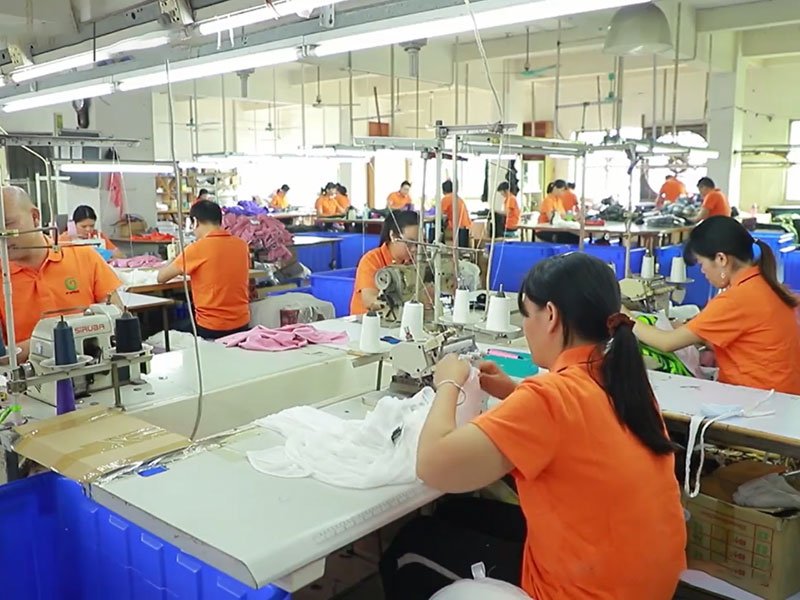
Production Engineering for High Slit Dresses
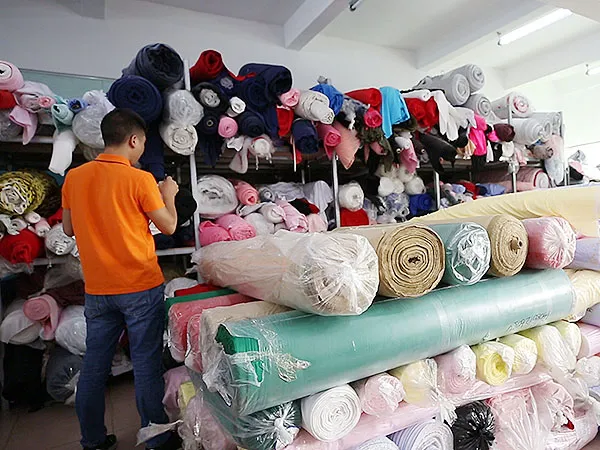
Material Locking
- Approved fabric and lining should connect with PP sample records.
- Thread, binding, reinforcement and zipper references need confirmation.
- Substitutions require drape, movement and endpoint review.

Slit Cutting Control
- Slit endpoint and edge route should be marked before cutting.
- Left and right panels should be bundled clearly when needed.
- Satin, chiffon and stretch fabrics need separate handling routes.

Endpoint Reinforcement
- Reinforcement should match fabric type and garment scenario.
- Stress zones need clean inside finishing and stable stitching.
- First-piece review should check endpoint strength early.

Side Seam and Hem Route
- Side seams, lining and hems should not pull against each other.
- Hem finishing should support clean movement and packed presentation.
- Tight styles need seam balance and movement review.

First-piece Review
- Slit height, endpoint, side seam, lining and edge finish should be compared.
- Movement-sensitive issues should be corrected early.
- Photos help align production, QC and project teams.

Multi-style Production Grouping
- Styles should be grouped by fabric, slit position, complexity and delivery window.
- Stretch bodycon, sequin and chiffon styles need different handling.
- Grouping supports stable quality across 10–30 style programs.
QC and Packing Standards for High Slit Dresses
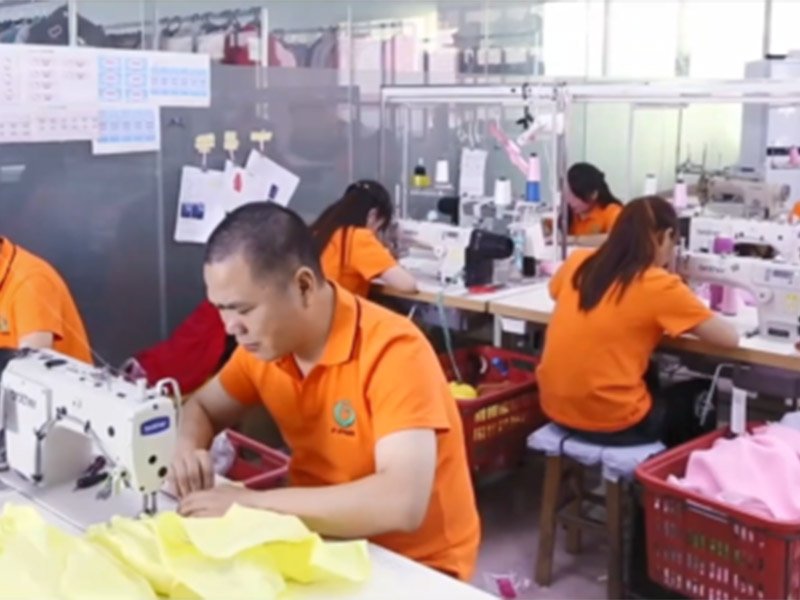
High slit dress QC must protect slit height, endpoint strength, movement safety, lining, edge finish, side seam balance and packed presentation. Duolan checks slit quality from material approval to packed cartons.
| QC Area | High Slit Dress Risk | Duolan Control |
|---|---|---|
| Slit Height QC | Slit height shifts across bulk | Measurement and PP photo review |
| Endpoint QC | Slit top breaks under movement | Reinforcement and seam check |
| Movement QC | Opening becomes unsafe while walking | Walking and sitting review |
| Lining QC | Lining shows or restricts movement | Lining length and opening check |
| Edge QC | Slit edge flips, frays or scratches | Edge finish and comfort review |
| Side Seam QC | Slit line twists or pulls | Side seam and body line review |
| Packing QC | Slit edge or hem gets deformed | Fold, hanger, tissue and carton route |
FAQ|Custom High Slit Dress Manufacturing

Send Your High Slit Dress Project
Duolan works best with established fashion brands developing high slit dress programs with clear structure direction, fit requirements and planned bulk production. Share reference images, tech packs, fabric direction, slit type, desired slit height or upcoming launch plan, and our team will review slit route, sample path, material match, production readiness, QC points and packing needs before development begins.
Share your project details
- High slit dress type: mini, midi, maxi, evening, cocktail, party, satin, sequin, bodycon, wrap, resort or cut-out style.
- Slit direction: front slit, side slit, thigh slit, wrap slit, double slit or asymmetric slit.
- Fabric direction: satin, crepe, jersey, chiffon, mesh, sequin, lace, structured woven or stretch fabric.
- Fit concerns: slit height, endpoint reinforcement, walking opening, sitting coverage, side seam stability or lining visibility.
- Project stage: first sample, fit sample, photo sample, revised sample, PP approval, bulk production or repeat order.
- Program information: style count, target quantity, colorways, size range, target launch date and delivery window.
- Production needs: pattern development, fabric sourcing, slit construction, QC, packing, labels, barcodes or repeat records.

