 Skip to content
Custom Velvet Dress Manufacturer
Custom velvet dress development and manufacturing for established fashion brands building velvet mini, bodycon, wrap, slip, cocktail, holiday, evening-inspired and occasion dress programs.
Duolan supports velvet dress programs through fabric review, nap direction planning, sample development, fit correction, PP approval, bulk production, surface QC, protective packing and repeat delivery.
- 6 velvet control points guide sample review: nap direction, pile alignment, shade consistency, seam pressure, surface recovery and packing marks.
- 4 surface inspection moments support PP approval: fabric arrival, cutting layout, first-piece review and final packing check.
- 3 velvet construction routes can be evaluated by style: stretch velvet bodycon, woven velvet occasion and soft-drape velvet slip / wrap.
- 6 owned womenswear factories support closer control over velvet mini, bodycon, cocktail and occasion dress programs.
- 20+ satellite factories support seasonal allocation for holiday, party, winter capsule and repeat color launches.
- South China fabric resources support stretch velvet, woven velvet, crushed velvet, burnout velvet, lining and support materials.
- Humen trim resources support zippers, straps, hooks, lining, tapes, labels, hangtags and protective packing materials.
- SMETA 2-Pillar audit record supports supplier evaluation for established international fashion brands.
What Velvet Dress Manufacturing Really Requires
Velvet dress manufacturing is not ordinary dress sewing with a rich fabric. A strong velvet dress needs controlled nap direction, pile alignment, shade consistency, seam pressure, pressing method, surface recovery and protective packing. Holiday, party, cocktail and evening-inspired velvet dresses often rely on deep color and soft shine, yet weak production control can create panel shade variation, crushed seams, shiny pressure marks, unstable stretch recovery or flattened surface after packing.
Duolan reviews velvet dresses as fabric-sensitive seasonal products. A strong sample must show the intended shine, drape and fit while proving bulk feasibility. Velvet type, nap direction, color depth, fabric weight, lining behavior, seam treatment, zipper placement and packing condition are reviewed before wider production begins.
- Nap direction: All main panels need aligned pile direction for stable visual depth.
- Shade consistency: Deep velvet colors require batch and panel review under light.
- Surface protection: Sewing, pressing, handling and packing must avoid crushing marks.
- Fit accuracy: Velvet weight and stretch can change body balance and garment fall.
- Bulk repeatability: Shine, drape, measurements, surface condition and packing appearance must stay consistent.
Brand Teams Duolan Fits Best
Holiday Dress Brands
Partywear Brands
Cocktail Dress Brands
Occasion and Evening-inspired Brands
Product Development Teams
Sourcing Offices
Velvet Dress Product System for Brand Collections

Velvet Mini Dresses
- Control short proportions without losing velvet richness.
- Review deep-tone shade under light before PP approval.
- Protect mini dress surface during pressing and packing.

Velvet Bodycon Dresses
- Review stretch recovery after sitting and walking.
- Control seam pressure along fitted body zones.
- Keep pile direction stable across all panels.

Velvet Wrap Dresses
- Keep wrap panels aligned in nap direction.
- Review overlap security during movement.
- Prevent tie pressure from marking velvet surface.

Velvet Slip Dresses
- Control thin-strap tension and neckline balance.
- Review drape without distorting velvet shine.
- Reduce fold marks before shipment planning.

Velvet Midi Dresses
- Balance midi length with velvet fabric weight.
- Review walking movement and hem swing.
- Keep zipper areas smooth and pressure-free.

Velvet Cocktail Dresses
- Keep cocktail proportions refined and wearable.
- Review lining, zipper and hem balance carefully.
- Control final surface appearance before bulk.

Velvet Evening-inspired Dresses
- Match velvet weight with long dress movement.
- Review panel shade before sewing begins.
- Protect surface depth during final handling.

Velvet Holiday Dresses
- Control shade consistency across holiday colorways.
- Review nap direction before cutting approval.
- Keep seasonal bulk appearance stable at delivery.
Velvet Fabric Selection and Surface Logic
Stretch Velvet for Fitted Styles
- Review recovery before approving fitted silhouettes.
- Check opacity under body tension.
- Control seam pressure around waist and hip.
Woven Velvet for Structured Occasion Dresses
- Match woven velvet weight with dress length.
- Review seam bulk around closures and waist.
- Protect surface during pressing and finishing.
Crushed Velvet for Texture-led Styles
- Review texture balance across panels.
- Check color depth under different light.
- Keep crushed effect consistent in bulk.
Burnout and Patterned Velvet for Seasonal Design
- Review motif position before cutting.
- Align lining with transparent zones.
- Control panel direction across sizes.
Velvet Weight, Drape and Recovery
- Match velvet weight with silhouette target.
- Review hem movement before PP approval.
- Check surface recovery after handling.
Color Depth and Shade Consistency
- Review shade under controlled light.
- Keep same-direction panels in one garment.
- Separate batches before cutting and sewing.
Fabric and Lining Decisions for Velvet Dress Programs

Stretch Velvet
Stretch velvet works well for fitted party, bodycon and ruched dresses. Duolan reviews stretch return, grain direction, opacity, handfeel and pile recovery. The fabric must hold shape without flattening around seams or high-tension areas.
- Visual influence: Creates rich shine with fitted commercial appeal.
- Sample influence: Body tension, opacity and recovery need fit testing.
- QC focus: Seam pressure, pile flattening and measurement drift need checks.
- Packing focus: Fold placement must avoid long pressure marks.

Woven Velvet
- Visual influence: Builds deeper color and more polished surface.
- Sample influence: Drape, hem weight and closure areas need review.
- QC focus: Shade variation, seam crushing and pressing marks need inspection.
- Packing focus: Surface needs room and protection against flattening.

Crushed Velvet
Crushed velvet supports texture-led holiday and fashion styles. Duolan reviews crushed effect, batch variation, stretch behavior and directionality. Texture should look intentional across all panels and sizes.
- Visual influence: Adds movement and festive surface interest.
- Sample influence: Texture placement and lighting behavior need approval.
- QC focus: Panel mismatch and uneven texture need inspection.
- Packing focus: Fold pressure should not create unwanted shiny lines.

Burnout and Patterned Velvet
- Visual influence: Adds dimension, motif and controlled transparency.
- Sample influence: Lining, motif position and coverage need review.
- QC focus: Pattern placement, shade and edge stability need checks.
- Packing focus: Sheer or burnout zones need careful protection.

Soft Lining and Interlining
Lining affects velvet movement, comfort and garment structure. Duolan reviews lining stretch, handfeel, weight, attachment and color. The lining should support the dress without dragging the outer velvet or creating extra bulk.
- Visual influence: Improves opacity and inner polish.
- Sample influence: Movement relation with velvet needs body review.
- QC focus: Lining drag, twist and rough seams need checks.
- Packing focus: Lining should not shift or crease the outer surface.

Zippers, Straps and Support Tapes
- Visual influence: Supports fit without disrupting velvet shine.
- Sample influence: Closure pressure and strap balance need testing.
- QC focus: Zipper waves, strap pull and pressure marks need inspection.
- Packing focus: Hardware should not press into velvet surface.

Protective Packing Materials
Packing is part of velvet production control. Duolan reviews folding route, tissue paper, hanger option, polybag size, surface protection and carton pressure. Velvet dresses need packing methods designed around pile protection.
- Visual influence: Preserves surface depth after delivery.
- Sample influence: Packing trial can reveal fold and pressure risks.
- QC focus: Crush marks, lint, fold shine and strap tangling need checks.
- Packing focus: Protection should fit garment type and shipment route.
Nap Direction, Cutting and Panel Alignment
Nap Direction Decision
- Lock nap direction before cutting approval.
- Review shine effect under light.
- Keep garment panels visually consistent.
Cutting Layout Planning
- Plan layout around pile direction.
- Avoid mixing opposite-direction panels.
- Balance material usage with visual consistency.
Front and Back Panel Alignment
- Match front and back pile direction.
- Review side panels before sewing.
- Prevent panel shade variation in bulk.
Sleeve and Small Panel Direction
- Control nap direction on small pieces.
- Review straps, ties and facings carefully.
- Avoid visible shade changes around details.
Colorway and Batch Separation
- Separate fabric batches before cutting.
- Review shade grouping by colorway.
- Avoid mixed lots within one garment.
Directional Inspection Before Sewing
- Inspect panels before sewing starts.
- Remove mismatched pieces early.
- Confirm first-piece surface consistency.
Seam Pressure, Pressing and Surface Protection
Velvet surface quality can be damaged during sewing, pressing, repair and packing. A strong velvet dress program needs surface protection built into the production route. Duolan reviews seam pressure, machine handling, pressing method, closure placement and packing before bulk production continues.

Low-pressure Sewing Approach
- Reduce seam pressure where velvet is sensitive.
- Review stitch tension before bulk sewing.
- Check seam surface during first-piece review.

Seam Bulk and Pile Protection
- Control seam allowance by velvet weight.
- Review bulky areas before PP approval.
- Protect pile around waist and zipper seams.
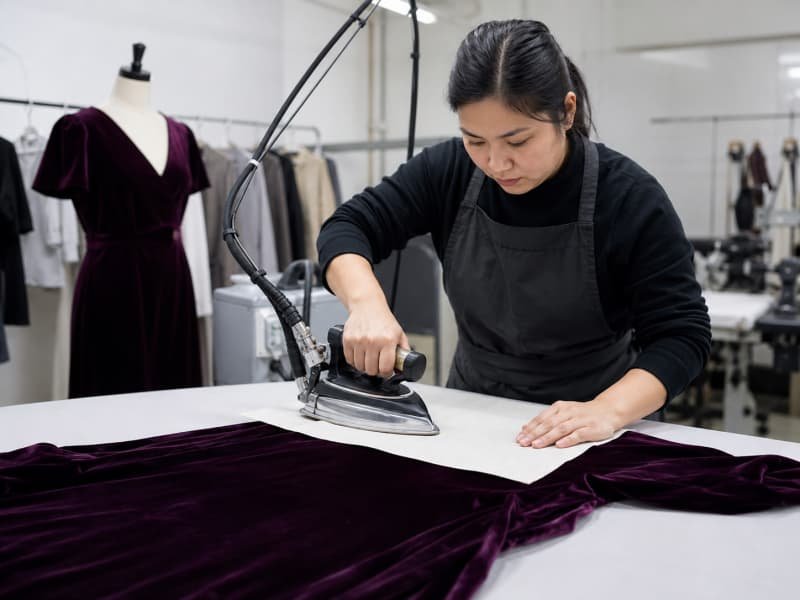
Pressing Temperature and Contact Control
- Avoid direct heavy pressing on velvet.
- Review pressing marks under light.
- Set pressing method before production release.

Zipper and Closure Pressure
- Review zipper pressure during fitting.
- Keep closure areas smooth and protected.
- Prevent hardware marks during packing.

Surface Recovery After Handling
- Check surface after fitting and handling.
- Review pressure areas before PP approval.
- Reduce repeated handling where possible.

Packing Against Crushing Marks
- Avoid hard folds across visible velvet areas.
- Protect straps, zippers and raised trims.
- Review packed garment before shipment approval.
Fit, Draping and Velvet Wear Confidence
Bust and Neckline Fit
- Review neckline and bust after movement.
- Check strap or sleeve pressure on velvet.
- Keep front areas smooth under light.
Waist and Hip Balance
- Review waist and hip tension carefully.
- Control side seam pressure in fitted styles.
- Keep velvet surface smooth across curves.
Stretch Velvet Recovery
- Test recovery after movement.
- Review measurement stability before PP approval.
- Control stretch behavior across sizes.
Wrap and Slip Movement
- Review wrap overlap while seated.
- Check slip dress strap balance.
- Keep soft drape without surface drag.
Hem Weight and Drape
- Match hem width with velvet weight.
- Review walking movement before approval.
- Keep midi and maxi hems balanced.
Sitting, Walking and Surface Review
Movement reveals velvet risks missed during static fitting. Duolan checks sitting, walking, turning, photography posture and surface recovery. Approval should confirm fit, comfort, shine consistency and surface condition.
- Test real movement before final approval.
- Review surface after sitting and handling.
- Confirm photo-ready velvet appearance before bulk release.
Velvet Detail and Surface Risk Matrix
Velvet details create value only when pile, shade, seam pressure and surface recovery stay controlled. Duolan reviews each structure by visual role, material behavior, fit requirement and bulk risk.
| Velvet Detail | Visual Value | Production Risk | Duolan Control |
|---|---|---|---|
| Stretch Velvet Bodycon | Rich fitted party look with soft shine | Recovery loss, seam pressure, surface flattening | Recovery test, side seam review |
| Velvet Slip Dress | Minimal holiday or cocktail drape | Strap pull, fold marks, neckline distortion | Strap balance, packing trial |
| Velvet Wrap Front | Feminine movement and waist definition | Overlap shift, pile friction, tie pressure | Wrap review, nap direction control |
| Velvet Corset Bodice | Structured event value with rich surface | Boning pressure, surface marking | Inner support review, pressure control |
| Velvet Ruched Dress | Body shaping with plush texture | Uneven gathers, crushed pile | Ruching map, seam pressure review |
| Velvet Off Shoulder Dress | Shoulder exposure with seasonal polish | Upper-edge pressure, sleeve drag | Neckline and sleeve movement review |
| Velvet Midi / Maxi Hem | Elegant winter or occasion movement | Heavy hem, poor drape, packing creases | Hem weight and folding review |
| Velvet Zipper Area | Secure closure and clean fit | Zipper waves, pressure marks | Zipper placement and seam bulk control |
Product-to-Velvet Structure Matching Matrix
Velvet structure should follow silhouette, fabric type and wearing scene. Duolan connects velvet selection with fit, surface protection and production control before sample work begins.
| Dress Type | Best Velvet Direction | Key Risk | Development Focus |
|---|---|---|---|
| Velvet Mini Dress | Stretch or woven velvet with controlled hem | Surface marks, short-length balance | Nap direction, hem safety, packing |
| Velvet Bodycon Dress | Stretch velvet with stable recovery | Pile flattening, measurement drift | Recovery, seam pressure, opacity |
| Velvet Wrap Dress | Soft velvet with controlled overlap | Friction, front shift, tie pressure | Overlap, nap direction, waist tie |
| Velvet Slip Dress | Soft drape velvet with strap balance | Fold marks, strap pull | Neckline edge, straps, packing recovery |
| Velvet Cocktail Dress | Woven or stretch velvet with lining | Zipper pressure, surface marks | Lining, zipper, pressing discipline |
| Velvet Evening-inspired Dress | Deep-tone velvet with long drape | Heavy hem, panel shade variation | Shade review, hem movement, packing |
| Velvet Holiday Dress | Deep seasonal colors with batch control | Color inconsistency, delivery pressure | Shade grouping, QC, seasonal planning |
| Velvet Occasion Dress | Polished velvet with controlled support | Overbuilt structure, pressure marks | Fit, lining, surface protection |
From Velvet Dress Brief to PP Approval
Style and Seasonal Program Review
Velvet Fabric and Color Review

First Sample Development
Fit, Surface and Construction Revision
PP Sample and Bulk Readiness
Sample Standards for Custom Velvet Dresses
Velvet dresses require sample stages beyond ordinary visual approval. Fabric reviews, fit samples, surface checks and PP samples each answer different production questions before bulk begins.
| Sample Type | What It Confirms | Velvet Dress Focus | Bulk Value |
|---|---|---|---|
| Fabric / Swatch Review | Material direction before sample cutting | Color, nap, pile, weight, stretch, recovery | Reduces wrong fabric and shade risk |
| First Fit Sample | Initial silhouette and construction route | Fit, drape, seam pressure, lining | Reveals early fit and surface problems |
| Surface / Pressing Sample | Handling and finishing safety | Seam marks, pressing, zipper area, fold marks | Prevents irreversible surface issues in bulk |
| Wear Review Sample | Real movement and surface recovery | Sitting, walking, friction, stretch return | Confirms wearability before PP approval |
| Photo Sample | Campaign and ecommerce presentation | Shine, color depth, surface smoothness | Supports launch image and style review |
| PP Sample | Final production benchmark | Measurements, nap direction, workmanship, packing | Becomes standard for cutting, sewing, QC and delivery |
| Golden Sample | Repeat production reference | Final fit, surface standard and construction memory | Supports reorders and seasonal refreshes |
Sample-to-Bulk Engineering for Velvet Dresses
Velvet Swatch and Nap Direction Locking
Fabric Relaxation and Cutting Standardization
Seam Pressure and Surface Handling Control
Colorway, Shade and Panel Review
First-piece and Inline QC

Velvet Dress Risk Control Matrix
Velvet dress risks concentrate around pile direction, shade, seam pressure, pressing and packing. Duolan links each risk to a production control point before wider bulk production begins.
| Risk | Why It Happens | Common Area | Duolan Control |
|---|---|---|---|
| Nap direction mismatch | Cutting direction not locked before production | Main panels, sleeves, straps | Nap direction standard, panel inspection |
| Panel shade variation | Fabric lots or pile direction mixed | Front, back, side panels | Shade grouping, batch separation |
| Seam crushing | Excess pressure during sewing or pressing | Side seams, waist, zipper areas | Low-pressure sewing, seam review |
| Pressing marks | Direct heat or heavy pressure applied | Neckline, hem, seams | Controlled pressing method |
| Surface pile flattening | Handling, stacking or packing pressure | Visible body panels | Surface protection, packing trial |
| Stretch recovery loss | Stretch velvet lacks stable return | Bodycon, hip, waist | Recovery test, measurement review |
| Zipper area pressure | Closure seam bulk or tape pressure | Back or side zipper | Zipper placement, seam bulk control |
| Lining drag | Inner layer pulls outer velvet | Skirt, bodice, side seams | Lining relation and attachment review |
| Packing crush marks | Hard folding or carton pressure | Front body, hem, sleeves | Protective folding and carton control |
| Bulk color inconsistency | Different fabric batches mixed | Full garment or colorway | Fabric lot review, shade approval |
Bulk Manufacturing, QC and Brand Delivery
Manufacturing Focus
- Material discipline: Velvet fabric, lining, zippers, straps, hooks, tapes, labels and packing materials are checked against approved records.
- Surface control: Nap direction, panel shade, seam pressure, pressing method and handling route follow PP sample references.
- Fit control: Bust, waist, hip, hem, strap tension, wrap overlap and bodycon recovery receive focused review.
- Seasonal allocation: Holiday, party and winter capsule styles are allocated by fabric type, production route and delivery window.

QC Focus
- Measurement checks: Bust, waist, hip, dress length, strap length, hem width and key style measurements follow PP standards.
- Surface checks: Nap direction, shade, shine, pile flattening, seam crushing and zipper pressure are reviewed under light.
- Workmanship checks: Lining drag, rough seams, closure pressure, hem balance and surface marks receive inspection.
- Packing checks: Crush marks, fold shine, lint, strap tangling, hanger needs and garment presentation are reviewed before shipment.
Manufacturing System Support
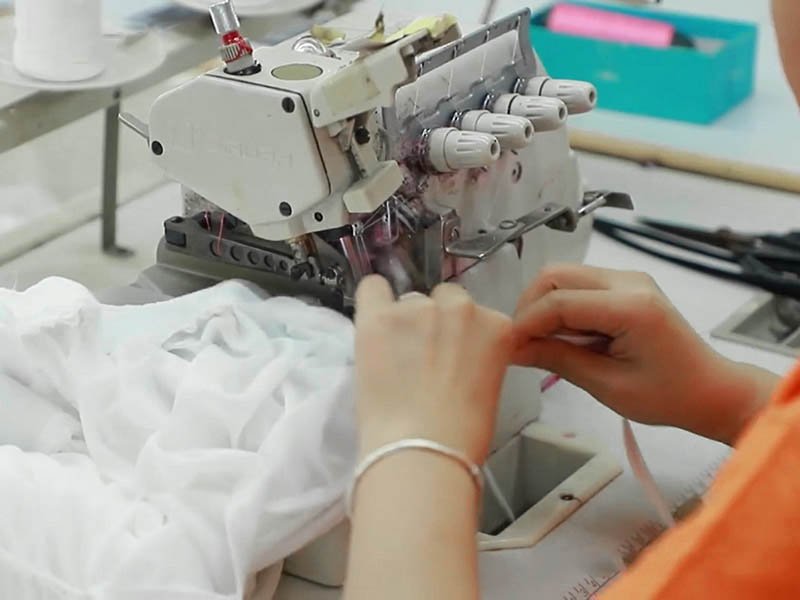
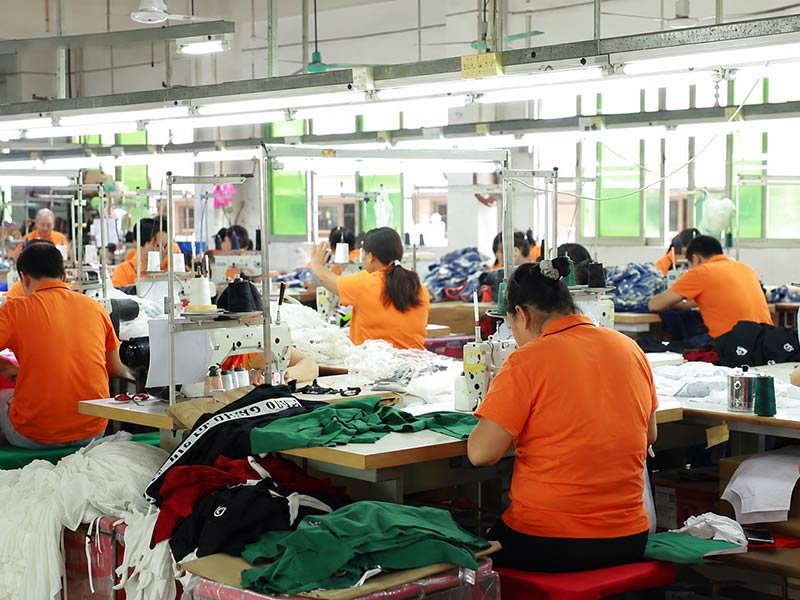
Duolan’s owned womenswear factories support core velvet bodycon, wrap, slip, cocktail and occasion styles requiring closer sample-to-bulk control. The 20+ satellite factory network supports seasonal capacity planning, repeat orders and multi-color programs. South China fabric resources and Humen trim resources support velvet, lining, zippers, straps, tapes, labels and protective packing comparisons.
Brand-ready Delivery
- Label system: Main label, size label, care label, hangtag and barcode requirements are aligned by style.
- Packing method: Stretch velvet, woven velvet, slip, wrap, bodycon and occasion styles may need different folding logic.
- Inspection support: Audit record, testing coordination and third-party inspection discussion support supplier evaluation.
- Repeat records: Approved velvet swatch, nap direction, measurements, materials and packing notes support future reorder planning.

Anonymous Velvet Dress Project Evidence

United States|Holiday Velvet Bodycon Program
Project data
- Region: United States
- Style scope: 12–18 styles
- Order volume: 34,000–72,000 pieces
- First sample cycle: 13–20 days depending on stretch and surface revision
- Main fabrics: Stretch velvet, soft lining, invisible zipper and support tape
- Key structures: Bodycon fits, mini-to-midi lengths, side seams, back zippers and ruched details
- Main risks: Stretch recovery, surface crushing, shade consistency and seam pressure
- Fabric review: Stretch velvet recovery and opacity were checked before PP approval.
- Surface review: Seam pressure and handling marks were reviewed during sampling.
- Shade control: Deep color velvet was checked under light before cutting.
- Bulk QC focus: Nap direction, surface marks, measurements and packing condition were checked by style.

Australia|Velvet Wrap and Slip Capsule
Project data
- Region: Australia
- Style scope: 10–16 styles
- Order volume: 26,000–58,000 pieces
- First sample cycle: 12–19 days depending on drape and strap review
- Main fabrics: Soft velvet, satin lining, thin straps and light support trims
- Key structures: Wrap fronts, slip necklines, waist ties, soft straps and midi lengths
- Main risks: Nap direction, wrap overlap, strap tension and packing recovery
- Nap review: Wrap panels and straps were checked for direction consistency.
- Movement review: Front overlap and slip drape were reviewed during fitting.
- Strap review: Strap pull and attachment areas were adjusted before PP approval.
- Packing check: Fold marks and surface recovery were reviewed before shipment planning.

United Kingdom|Cocktail Velvet Midi Collection
Project data
- Region: United Kingdom
- Style scope: 8–14 styles
- Order volume: 24,000–52,000 pieces
- First sample cycle: 14–22 days based on woven velvet and closure revisions
- Main fabrics: Woven velvet, crepe lining, invisible zipper and facing materials
- Key structures: Midi hems, fitted bodices, side seams, back zippers and clean necklines
- Main risks: Midi drape, zipper pressure, surface marks and hem balance
- Drape review: Woven velvet weight and midi movement were checked together.
- Closure review: Invisible zipper pressure and seam bulk were corrected during sampling.
- Pressing review: Surface condition around seams and hem was checked under light.
- PP handover: Velvet swatch, nap direction, lining and packing standards were prepared for bulk.

Europe|Evening-inspired Velvet Occasion Range
A European fashion brand developed an evening-inspired velvet occasion range with deep-tone velvet and detail combinations. The project required rich surface depth, panel shade control and protected bulk delivery.
Project data
- Region: Europe
- Style scope: 14–24 styles
- Order volume: 38,000–80,000 pieces
- First sample cycle: 15–23 days for velvet, lining and detail development
- Main fabrics: Deep-tone velvet, mesh inserts, lining and closure trims
- Key structures: Velvet panels, mesh inserts, fitted bodices, midi-to-long hems and closure details
- Main risks: Color depth, panel shade, surface protection and bulk packing marks
Duolan actions
- Shade review: Deep-tone velvet panels were checked before sewing.
- Panel review: Velvet and mesh placements were reviewed for visual balance.
- Surface protection: Handling and pressing route were clarified before PP approval.
- Bulk control: Shade, pile direction, surface marks and packing condition were tracked during QC.
Send Your Velvet Dress Project
Send velvet dress project files for development, sampling and bulk production review. Duolan will assess velvet fabric type, nap direction, surface risk, shade consistency, fit behavior, sample readiness, QC focus and packing requirements before providing a clearer manufacturing response.
Share Your Project
- Velvet dress category: mini, bodycon, wrap, slip, midi, cocktail, holiday, evening-inspired or occasion style.
- Design files: tech pack, sketch, reference image, original sample photo, front, back, side and detail photos.
- Velvet direction: stretch velvet, woven velvet, crushed velvet, burnout velvet, patterned velvet or deep-tone velvet.
- Fit focus: bodycon recovery, wrap overlap, slip drape, bust fit, waist balance, hem weight and movement comfort.
- Surface focus: nap direction, pile alignment, shade consistency, seam pressure, pressing marks and packing recovery.
- Production scope: style count, order quantity, colorways, size range, launch date, labels and packing requirements.
Duolan Will Review
- Fabric feasibility: velvet type, weight, stretch, nap direction, color depth and surface recovery.
- Construction route: cutting layout, seam pressure, lining relation, closure method and pressing discipline.
- Bulk plan: sample route, PP readiness, QC checkpoints, protective packing and delivery requirements.

