...

AATCC Apparel Testing Coordination

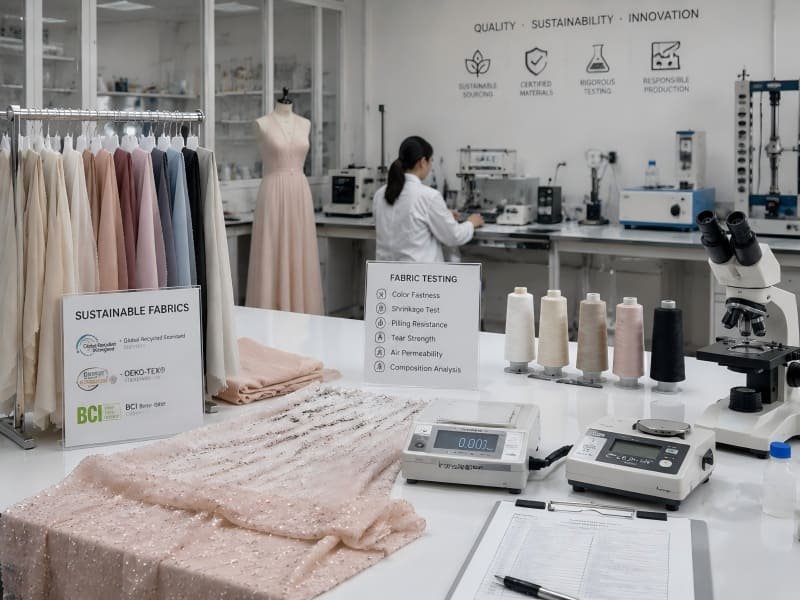
AATCC-related testing is most useful when brand requirements, laboratory submissions and factory controls remain connected. Duolan coordinates the manufacturing side of the program, from test-plan review and specimen preparation to report tracking, corrective action, retesting and bulk-production alignment for fashion dresses and coordinated womenswear collections.

  • 10-30 styles commonly managed within one seasonal collection program
  • 20,000-80,000 garments commonly planned within one brand order program
  • 2-5 working days for an initial requirement and document review when files are complete
  • Tracking by style, color, sample stage and material lot, not only by one report number
  • Coordination with brand-nominated or project-approved third-party laboratories

What Is AATCC Apparel Testing Coordination?

AATCC apparel testing coordination is the manufacturer-side process of translating a brand testing protocol into an organized development and production plan. It covers requirement review, product-risk identification, specimen preparation, third-party laboratory communication, report control, failed-test correction, retesting and the transfer of approved requirements into PP samples, bulk materials and factory quality checkpoints.

Requirement Interpretation

A testing manual may name a method, product category, care condition, acceptance grade, target market and sampling stage, yet the production team still needs to connect those requirements with the actual garment. Duolan reviews the style list, shell fabric, lining, trims, colorways, finishing route and intended care instructions before the submission scope is finalized. Missing or conflicting instructions are raised for written confirmation rather than resolved through assumption.

Laboratory Coordination

The selected third-party laboratory performs the test and issues the report. Duolan supports the operational work around the test: confirming specimen type and quantity, preparing sample identity, completing available submission information, arranging shipment, following pending questions and distributing reports to the relevant development, merchandising, material and quality teams. Laboratory timing remains subject to the selected facility, test package and service level.

Production Implementation

A passed report has value only when it is linked to the material, color, treatment and garment version used in production. Duolan connects approved results with fabric references, trim cards, BOM records, PP samples, production instructions and quality checklists. Material replacement, new dye lots, changed care instructions or revised workmanship are reviewed because they can alter the relevance of an earlier result.

Who Controls Each Testing Decision?

Reliable coordination begins with a clear division of responsibility. AATCC methods provide standardized procedures, while the brand defines the commercial acceptance standard. The laboratory executes the agreed test, and Duolan carries the requirement through development and production. No single party should silently change the method, test condition, sample identity or pass/fail requirement.

PartyPrimary ResponsibilityRequired Project Evidence
AATCCDevelops and maintains textile test methods, evaluation procedures and technical resources.Method title, applicable edition and required conditions referenced by the project.
Brand or RetailerDefines the product specification, target market, required methods, care route and acceptance criteria.Testing manual, vendor guide, product specification or written project instruction.
Third-Party LaboratoryPerforms the confirmed test under its stated capability and reports the observed result.Submission confirmation, laboratory report, method reference, result and comments.
DuolanReviews manufacturing risk, prepares identified specimens, coordinates submission, tracks status, supports correction and links approved requirements to production.Test matrix, specimen record, report tracker, corrective-action record and bulk-control file.

Duolan is a dress-focused manufacturer and testing coordinator, not an independent accredited laboratory. Final method selection, laboratory approval and acceptance criteria follow the written brand protocol or the specification agreed for the project.

Testing Risks That Disrupt Fashion Launches

Testing delays rarely begin with the laboratory alone. They often start earlier, when the wrong material is submitted, a colorway is omitted, the care label changes after testing, or the report cannot be connected to the PP sample and bulk lot. Duolan organizes the program around six common risk points so action can begin before a missed approval affects cutting or shipment.

Incomplete Test Scope

A generic list can miss the risk created by a particular garment. Deep colors, contrast panels, stretch constructions, surface decoration and special finishing may require different attention from a regular solid woven dress. Duolan compares the brand manual with the actual style, material and care route, then records open questions before specimen preparation. The aim is not to add every possible test, but to avoid a gap between the written protocol and the finished product.

Incorrect Specimen Identity

A laboratory report must correspond to the tested style, color, material lot and sample stage. Similar black fabrics, replacement linings or revised trims can be confused when sample identity is weak. Submission records therefore identify style number, color, shell fabric, lining, trim group, sample version and relevant lot reference. Photographs and swatches can be retained with the record when visual identification alone is insufficient.

Late Submission Timing

Testing started after PP approval can place the launch calendar under avoidable pressure, while testing too early may use temporary material that never enters bulk production. High-risk fabrics can be reviewed earlier, followed by final-intent specimens at the agreed stage. A working calendar separates internal file review, specimen readiness, laboratory timing, brand decision time, corrective sampling and any retest window.

Uncontrolled Report Status

A 10-30 style collection can generate different requirements by fabric, color, finish and sales market. Reports become difficult to manage when they remain in email threads without one style-level tracker. Duolan records pending, submitted, in progress, passed, failed, corrective action, retest and closed status, together with responsible owner and next decision date. Management attention can then focus on unresolved items rather than repeatedly checking completed reports.

Repeating a Failed Test

Retesting without correction can reproduce the same result and consume the available schedule. A failed item is reviewed against the fabric article, dyeing or printing route, finishing condition, care instruction, specimen state and production process. The responsible material or manufacturing source then prepares a defined corrective action. A new specimen is identified as a corrected version rather than quietly substituted.

Tested Sample and Bulk Mismatch

A report on one sample does not automatically cover a different material lot, color, finish or construction. Bulk-control records link the report with the approved fabric, trim card, PP sample and BOM. Any replacement or late change receives an impact review before production release. The review decides whether document update, internal verification or additional third-party testing is required under the brand program.

Start With Complete Testing Information

The fastest coordination begins with a usable project file. Duolan can identify missing details during an initial review, but a final submission plan cannot be built responsibly without knowing the product, target market, material route, testing authority and acceptance standard. Complete inputs also reduce the risk of submitting temporary materials or repeating tests after late product changes.

Brand Testing Manual

Provide the latest vendor manual, testing matrix, product specification or written method list. Include any retailer-specific grading, required laboratory, report format, service level or approval route. When more than one document applies, identify which instruction has priority. An outdated manual or an unconfirmed method edition can create disagreement after the laboratory has already begun work.

Style and Tech Pack Files

Submit the style list, tech packs, sketches, reference images, sample stage and intended product description. Structure details such as contrast panels, corsetry, lining, removable components, prints, coatings, sequins or wash treatments can change the risk profile. For a multi-style program, identify hero styles, launch priorities and shared pattern or material groups.
Fabric and Trim Testing Coordination

Material and Trim Records

Provide composition, supplier article, weight or construction, stretch direction, color plan, finishing route, lining, zipper, elastic, cups, boning, decorative components and any available supplier reports. Temporary substitutions should be marked clearly. A tested sample is only useful when the production team can identify the same material later.

Target Market and Care Route

State the countries or retail channels where the product will be sold, together with the intended care label. Home laundering, hand wash, dry clean, tumble drying, line drying and ironing conditions can lead to different test planning and product decisions. Care instructions should reflect a commercially realistic route rather than being changed only to avoid a difficult result.

Laboratory and Approval Route

Name the brand-nominated laboratory, approved facility list or procurement rule when available. Confirm who books the test, who pays, who receives the original report and who has authority to accept exceptions. Where no laboratory has been nominated, Duolan can coordinate with a project-approved third party after the required capability and commercial terms are confirmed.
Australian Partywear Launch​

Quantity and Launch Calendar

State the order quantity by style and color, size range, sample deadline, PP target, planned cutting date, final inspection window and shipment date. The testing plan must fit the actual critical path. Internal review can commonly be planned within 2-5 working days after complete files arrive, while laboratory timing is quoted separately by the selected facility.

From Testing Protocol to Bulk Release

A controlled workflow turns separate laboratory tasks into one production decision system. Each stage produces a record used by the next team, reducing reliance on scattered messages and verbal confirmation. The sequence can be adapted to the brand manual, but ownership and sample identity should remain visible throughout the program.

Receive Project Requirements

Duolan receives the testing manual, style list, target market, materials, colorways, sample stage and nominated laboratory information. A document register identifies what has been received, what is missing and which file controls the project.

Review Product Risk

Development, material and quality teams review fabric behavior, garment structure, color combinations, finishing, care route and performance claims. High-risk items are separated from routine styles so they can receive earlier material review or more focused specimen planning.

Build the Test Matrix

The matrix links each required test with the applicable style, fabric, color, component, specimen type, sample stage, laboratory and acceptance authority. Shared material groups can be organized efficiently, while unique risks remain visible rather than being hidden inside a broad collection label.

Confirm Laboratory Details

The agreed facility, method, edition, specimen quantity, turnaround option, report recipient and commercial terms are confirmed before shipment. Questions from the laboratory are answered in writing so the final report can be interpreted against the same conditions used during submission.

Prepare Identified Specimens

Samples are checked for style number, color, material reference, treatment, care condition and sample stage. Submission forms, photographs, swatches and packing are prepared to reduce damage or misidentification during transport. Spare material can be retained when the project may require verification or retesting.

Track Testing Status

Submission date, courier reference, laboratory receipt, pending questions, expected report date and status are recorded. The tracker separates completed results from unresolved items and assigns the next action to Duolan, the material supplier, the laboratory or the brand team.

Close Failures and Retests

A failed result enters a corrective-action route before retesting. The affected lot, color, material or process is identified; the correction is documented; and the revised specimen receives a new version reference. The report tracker is updated only after the required decision has been completed.

Release Production Controls

Approved requirements are transferred into the BOM, material approvals, PP or Golden sample, production file and QC checklist. Cutting release is based on the agreed production-readiness standard, not simply on the arrival of one report. Late substitutions or changed treatments are reviewed before use.

How Apparel Testing Requirements Are Evaluated

AATCC methods should be selected and interpreted within a defined product specification. A method describes how a property is evaluated; the brand or retailer normally defines which result is acceptable for the garment, market and care route. Duolan therefore begins with the product and its manufacturing variables rather than applying one universal package to every dress.

Product Use and Market Position

An occasion dress worn occasionally under dry-clean care has a different exposure pattern from a fitted knit dress designed for repeated home laundering. A vacation dress may face perspiration, sun, water and repeated packing, while a dark party dress with pale lining may create transfer risk during storage and wear. Testing priorities should reflect the intended product use without overstating what a laboratory result can predict.

Fiber, Fabric and Construction

Fiber content alone does not determine performance. Yarn structure, knit or woven construction, weight, stretch, recovery, density, surface finish, coating, print route and dye process all affect how a material behaves. Duolan reviews the actual supplier article and garment construction because two fabrics with the same composition can show different dimensional change, colorfastness, pilling, snagging or appearance after care.

Color and Combination Risk

Deep shades, fluorescent colors, red families, black, navy and heavily dyed fabrics may require closer review when they sit beside ivory, nude, white or pastel components. Contrast binding, lining, labels, elastic, zipper tape and decorative materials can create localized transfer even when the shell fabric performs acceptably alone. The submission plan identifies whether the brand requires component, composite or finished-garment evaluation.

Care Label and Test Condition

The intended care instruction must be technically credible and commercially usable. Wash temperature, cycle, detergent, drying route, ironing and number of care cycles can affect dimensional change, surface appearance and color behavior. If a product requires dry clean only because home laundering damages the construction, the limitation should be understood during development rather than discovered after bulk production.

Decoration and Finishing

Sequins, beads, rhinestones, foil, flock, coating, pleating, heat transfer, embroidery, printing and garment washing can change the final performance of the product. Testing only the untreated base fabric may not represent the finished garment. Duolan reviews whether the decoration, adhesive, attachment method, backing, protective lining and finishing process need to be included in the test specimen or controlled through a separate project requirement.

Method, Edition and Acceptance Grade

The project file should identify the required method and applicable edition where the brand has specified one. The laboratory must confirm that the selected facility can perform the requested work under the agreed conditions. Acceptance criteria are recorded separately from the method name, because a standardized procedure does not create one universal pass grade for every fashion product.

Evidence Before Submission

Available supplier reports, internal fabric checks, approved swatches, lab dips, wash observations and sample comments can help identify risk, but they do not replace the required third-party report. Duolan uses pre-submission evidence to avoid obvious mismatches and to determine whether the specimen is mature enough for formal testing. The goal is to submit the intended product standard, not an unstable development version.

Planning Windows

An initial requirement review is commonly planned within 2-5 working days after complete files arrive. Specimen preparation may require 1-3 working days after the correct sample and materials are available. Laboratory turnaround is quoted by the selected facility. If correction affects the garment or material, a revised sample commonly requires 7-15 working days, while custom dyeing, printing or specialty trims may follow a longer supplier cycle.

Testing Priorities for Fashion Dress Materials

Fashion dresses combine appearance-led materials with fit, comfort and production constraints. The matrix below does not replace a brand protocol; it shows how garment knowledge helps determine where coordination attention is needed before the final method list is confirmed.

Dress or Material DirectionMain Manufacturing RiskCoordination Focus
Satin and high-luster woven dressesSeam puckering, water marking, shade variation, snagging, dimensional change and pressure marks.Confirm fabric article, dye lot, care route, pressing limits, lining and whether the tested specimen reflects final construction.
Bodycon and fitted stretch dressesGrowth, poor recovery, transparency, twisting, dimensional change and fit variation after care.Record stretch direction, weight, recovery, negative ease, lining, size standard and final-intent fabric lot.
Mesh and sheer-panel dressesColor transfer, snagging, seam distortion, coverage change and interaction with lining or elastic.Evaluate shell, lining and contrast components together where required; identify mesh weight and stretch by panel.
Sequin, bead and rhinestone dressesAttachment loss, abrasion, skin contact, backing damage, snagging and restricted care.Confirm decoration method, density, backing, lining, trim source, care instruction and whether the finished garment must be submitted.
Printed or coated dressesColor change, cracking, transfer, print damage, finish variation and batch inconsistency.Link the report to print or coating recipe, curing condition, colorway, supplier lot and final care route.
Contrast-color dressesStaining, migration and transfer between deep and light components during wear, storage or care.Identify all adjacent materials, including lining, zipper tape, labels and elastic; confirm composite testing needs.
Corset and bustier dressesMixed materials, cups, boning, interlining, adhesive, elastic and limited care options.Separate laboratory performance questions from structural QC; verify the final internal material package and PP construction.
Garment-washed or specially finished stylesChanged dimensions, color, hand feel, surface appearance and component performance after treatment.Test or evaluate the finished treatment condition and lock the approved wash or finishing recipe before bulk production.

When Testing Enters Dress Development

Testing timing should protect both accuracy and the launch calendar. Early screening can prevent an unsuitable material from entering several sample rounds, while final confirmation must use the specimen stage required by the brand. A single submission date is rarely enough for a complex collection.

Material Sourcing Review

High-risk fabric can be screened while the design is still being developed. Composition, construction, supplier article, color route, finish, care limitation and available reports are reviewed before large material commitments. Early review is especially useful for deep contrast colors, unstable stretch materials, specialty prints and decorated fabrics.

Lab Dip and Color Approval

Color approval and performance approval are different decisions, yet they need to remain connected. A lab dip can match the visual target while the production dye route still creates transfer or wash risk. The testing plan identifies which colorways require formal submission and whether the final bulk lot must be represented later.
First Sample

Development Sample Stage

The first sample exposes problems in fabric behavior, lining, construction and care route. Formal testing may be premature when temporary materials are still being used, but development observations can identify likely failure points. A stable material direction should be established before a report is treated as production evidence.

Revised and Fit Samples

Changes in fit can alter stress, transparency, seam opening and component use. A revised sample may also introduce a different lining, zipper, elastic or support structure. Duolan checks whether the earlier test scope still represents the updated garment and records any change that affects specimen identity.

PP and Golden Sample Stage

The PP sample should use final bulk-intent fabric, color, lining, trims, construction, care label and finishing route. For many programs, it is the most useful physical link between the laboratory report and production. Typical PP development is planned within 7-15 working days after final materials and comments are ready.
Split Shipment Planning​

Bulk Material and Shipment Verification

New dye lots, replacement suppliers, repeat orders or late substitutions may require fresh review. The brand manual determines whether additional laboratory work is required, while factory controls confirm lot identity, shade, measurements, workmanship, labels and packing. Final inspection cannot retroactively correct a material that should have been reassessed before cutting.

Coordination With Approved Testing Laboratories

Duolan supports the administrative and manufacturing work required to move identified specimens through a brand-nominated or project-approved laboratory. The laboratory remains responsible for the test execution and report. Names, logos and partnership claims are used only where authorization and project records support them.

Laboratory Requirement Confirmation

The selected facility, contact route, account instructions, report recipient, turnaround option and required forms are confirmed before submission. Where a brand maintains an approved laboratory list, Duolan follows the nominated route. Where the project allows laboratory selection, capability, location, timing and commercial terms are reviewed before work begins.

Submission Form Preparation

Available style, product, fiber, material, color, care and test information is entered consistently across the submission form and internal tracker. Any field requiring brand authority is left for confirmation rather than guessed. The submission reference is linked to the sample record so the later report can be matched to the correct product version.

Specimen Quantity and Condition

The laboratory’s requested dimensions, garment quantity or material quantity are confirmed before cutting or shipment. Specimens are checked for color, lot, treatment and sample stage. Extra material can be retained for internal comparison or retest preparation where the project plan requires it.

Courier and Receipt Tracking

Packaging protects delicate satin, mesh, sequins, coatings and finished garments from transport damage. Courier details, shipment date and delivery status are recorded. Laboratory receipt is confirmed because a courier delivery scan does not always mean the technical team has accepted the specimen and forms.

Technical Question Follow-Up

The laboratory may raise questions about method conditions, care instructions, specimen identity or missing information. Duolan coordinates answers with the responsible brand or internal technical owner. Written clarification is retained with the project file so the final result is not interpreted under a different assumption.

Report Distribution and Closure

Reports are checked for style, color, specimen description, method reference, result and comments before internal distribution. Any mismatch is raised promptly. Completed reports are linked to the tracker and relevant production file; failed or conditional results move into the corrective-action route instead of being stored as completed documents.

Report Tracking by Style, Color and Lot

A useful tracker shows not only whether a report exists, but whether the tested specimen still represents the intended bulk product. Duolan structures records around three connected controls: sample identity, testing status and production relevance. The format can be aligned with a brand portal or existing vendor system.

Sample Identity Control

Each record can include style number, product name, color, size, shell fabric, lining, trim group, material supplier, article, lot, sample stage, treatment and submission photograph. The level of detail depends on the program, but the record must distinguish visually similar materials and revised samples.

Status and Ownership Control

Status categories include review pending, ready for submission, submitted, laboratory question, in progress, report received, passed, failed, corrective action, retest and closed. Each open item has an owner and next date. A collection manager can therefore see which issue blocks PP approval, material booking, cutting or shipment.

Document and Production Link

The tracker links the laboratory report number and date with the test matrix, submission record, corrective-action note, PP sample, BOM and affected bulk lot. Repeat orders can reference earlier records, while new colors, new lots, changed suppliers or revised care instructions receive a fresh relevance review rather than being assumed identical.

Corrective Action Before Retesting

A failed result is a technical and production decision, not only an administrative status. The correction route must identify what changed, why the revised specimen is expected to perform differently and whether the same issue may affect other styles or colors using the material. Retesting begins after a defined correction, not through an unrecorded replacement sample.

Verify the Result

The report is reviewed for specimen description, method, condition, observed value, acceptance requirement and comments. Any administrative mismatch is clarified with the laboratory. The team also checks whether the submitted sample was the intended material, color and treatment before treating the result as a confirmed production failure.

Define the Affected Scope

One failed color may share the same dye route with several styles, while one decorated style may use a unique process. Duolan maps the result to the affected fabric article, lot, color, finish, trim, garment structure and order quantity. The scope determines whether correction applies to one sample, one color family or a wider collection group.

Review Likely Root Cause

Possible causes include dyeing, printing, curing, washing, fabric construction, finishing chemicals, component interaction, care condition, adhesive, attachment method, sample contamination or incorrect specimen preparation. The review uses supplier and production records rather than attributing every issue to the sewing factory or repeating the test without investigation.

Agree the Correction

The material supplier, finishing source or garment team proposes a defined action such as adjusted dyeing, improved fixation, changed print curing, revised wash treatment, replacement lining, altered trim, different care route or improved attachment construction. Commercial, visual, fit and schedule effects are reviewed before the correction is accepted.

Prepare a Controlled Retest Sample

The revised specimen receives a new version, material or lot reference. Photographs, swatches and correction notes identify the difference from the failed sample. Typical revised-garment preparation can require 7-15 working days after the corrective route and materials are confirmed; supplier-led dyeing, printing or specialty finishing may require longer.

Update Production Controls

A passed retest does not close the issue until the corrected material or process is transferred into the BOM, supplier instruction, PP sample, bulk order and QC checklist. Existing bulk material is quarantined or reviewed according to the decision. Related styles are updated so the correction is not limited to the single laboratory specimen.

Connecting Approved Results to Bulk Production

The strongest testing program does more than collect reports. It creates a controlled chain from the tested specimen to the approved production standard. Duolan uses material references, physical samples and production documents to keep the tested condition visible as the order moves through purchasing, cutting, sewing, finishing and final inspection.

Tested Specimen Record

The starting record identifies what the laboratory actually received: style, color, material article, lot where available, treatment, care condition, sample stage and relevant components. Photographs and retained swatches help distinguish similar materials. A report without specimen identity cannot safely guide a 20,000-80,000-piece program.

Material Approval and BOM

Approved shell fabric, lining, elastic, zipper tape, cups, boning, decorative components and finishing details are entered into the material approval file and BOM. Supplier article, color, width, weight or construction, treatment and available lot references are retained according to the project. Purchasing teams use the same approved route rather than selecting a later substitute based only on visual similarity.

PP and Golden Sample

The PP sample confirms the final bulk-intent combination of material, pattern, measurements, workmanship, labels, care instructions and packing. A Golden sample or sealed reference supports line preparation and inspection. Changes after PP approval require written impact review because even a small component change can alter fit, appearance, care or testing relevance.

Incoming Material Control

Bulk material is checked against the approved swatch and records for article, color, lot separation, width, weight or construction, stretch, recovery, transparency and surface condition as applicable. The manufacturing network lists fabric inspection machines, color light boxes, fabric weight equipment and shrinkage-related equipment among its material-control resources. Factory checks support consistency but do not replace the required third-party report.

First-Piece and Inline Control

The first output is compared with the approved sample, measurement file, material card and construction instructions before volume expands. Inline inspection then monitors repeated operations, measurements, seam shape, lining, closures, support and decoration. Pull-testing equipment and measurement stations are available within the wider manufacturing system for relevant internal checks, while laboratory performance claims remain subject to the formal program.

Multi-Factory Production Control

Duolan’s network includes 16 owned womenswear factories, 20+ long-term satellite factories, approximately 300 garment production lines and 50+ flexible-response lines. A multi-style program can be allocated by product construction and calendar, but all production points receive the same approved material references, PP standard, testing status and QC file. Unapproved substitutions are not treated as a scheduling shortcut.

Final Inspection and Shipment

Final garment inspection verifies appearance, measurements, workmanship, stains, damage, closures, labels, barcode, size-color identity and packing. Garment needle detectors are included among the listed inspection resources for applicable products. Laboratory testing validates defined properties; final inspection confirms production execution. Shipment release follows the agreed inspection and documentation route rather than relying on either control alone.

Repeat Orders and New Lots

Approved patterns, measurements, material references, test reports, PP samples, QC notes, labels and packing files can support repeat orders.

New fabric lots, colors, suppliers, finishes or revised care instructions still receive a fresh relevance review.

Previous reports are useful evidence, not permanent coverage for every future production change.

Laboratory Testing and Factory Quality Control

Laboratory testing and factory QC answer different questions. A laboratory evaluates defined properties under a specified method. Factory QC checks whether thousands of garments follow the approved material, measurements, workmanship, labels and packing standard. A passed report cannot guarantee every production unit, and final inspection cannot replace a required performance test.

Incoming Fabric Review

Fabric is checked for article, shade, dye lot, width, weight or construction, stretch, recovery, transparency, defects and surface condition as relevant to the style. Approved swatches and lot records help separate material that looks similar but follows a different production route.
Trim and Support Materials​

Trim and Support Review

Zippers, thread, hooks, elastic, cups, boning, lining, labels and decoration are checked against the approved trim card. Contrast components are reviewed for color interaction, while structural parts are checked for placement, comfort and end protection.

Cutting and Bundle Control

Lot separation, direction, panel accuracy, print or lace placement, sequin orientation and bundle identity are controlled before sewing. A cutting error can invalidate later garment consistency even when the fabric report itself is acceptable.

First-Piece Approval

The first completed output is reviewed for measurements, seam shape, lining, zipper, support, decoration and workmanship against the PP or Golden sample. Corrective action at first piece prevents one repeated error from moving across a full line.

Inline and Final Inspection

Inline inspection checks repeated operations and measurements while correction is still possible. Final inspection reviews garment appearance, function, workmanship, finishing and agreed sampling level. Brand-appointed or third-party inspection can be coordinated before shipment release.

Label and Packing Verification

Care labels, fiber information, size labels, hangtags, barcodes, SKU stickers, folding, polybags, carton quantities and carton marks are checked against approved files. A laboratory report does not protect the brand from an incorrect care label or warehouse data error, so document and packing control remain part of the same program.

A Manufacturing System Built for Brand Requirements

Duolan combines dress development, material coordination, sampling, manufacturing and quality management within a multi-factory system. Scale is presented here because testing requirements must reach every production point consistently, not as a substitute for technical evidence or product-specific reports.

30+ Years of Dress Development Experience

The leadership and supporting manufacturing system draw on nearly three decades of fast-fashion womenswear development, with particular experience in fashion dresses, occasion dresses, party dresses, fitted silhouettes and decorative workmanship. Product knowledge helps the team identify testing risks created by fabric, fit, lining, contrast colors and embellishment before laboratory submission.

16 Owned Womenswear Factories

Core styles and high-control projects can be directed through owned manufacturing facilities where development records, PP standards, material approvals and quality instructions remain closely managed. Factory assignment follows product construction, schedule and required control level rather than only open sewing capacity.

20+ Satellite Factories

Long-term satellite facilities provide additional production flexibility for multi-style and replenishment programs. Allocation is coordinated through approved production files, shared material references and quality checkpoints. Testing status and corrective actions are transferred with the order so production does not operate from an outdated sample.

300 Garment Production Lines

The wider manufacturing system includes approximately 300 garment sewing lines, allowing a 10-30 style collection to be grouped by construction and calendar. Complex corset, mesh, sequin, satin and stretch styles can follow different production paths while remaining under one program-level approval structure.

50+ Flexible-Response Lines

More than 50 flexible-response lines support priority styles, revisions, replenishment and schedule adjustments. Flexibility is useful only when the approved material and product standard remain controlled. A faster line cannot compensate for an unresolved report, unapproved material or missing PP decision.

SMETA 2-Pillar Audit Record

The manufacturing system has completed a SMETA 2-Pillar audit. Social audit status does not replace product testing, but it supports entry into structured brand supply programs. Duolan can coordinate project requirements related to AATCC, ASTM, OEKO-TEX, EN, China GB, GOTS and specific brand instructions, subject to the applicable facility, material, report and project documentation.

Representative Program: 18 Styles and 42,600 Pieces

An anonymized program structure below illustrates how coordination can be organized for a U.S. occasionwear collection. The figures reflect Duolan’s normal operating profile of 10-30 styles and 20,000-80,000 garments per brand order. Product-specific results, laboratory reports and approval records should be verified before any public case is presented as a completed client claim.

Program Profile

The collection included 18 dress styles, 42,600 total garments, 27 style-color combinations and an XS-XL size range. The assortment covered stretch satin midis, lined mesh minis, fitted ponte dresses, sequin party styles and two contrast-color occasion dresses. Styles were grouped by shared fabric article, color route, decoration and care instruction so the test matrix reflected real material families rather than treating every style as an isolated submission.

Risk Review

The initial 2-5 working-day file review separated routine items from elevated-risk decisions. Deep red against ivory lining created possible transfer risk; a sequin style carried a care instruction that did not match the proposed decoration route; and two fitted styles used a revised stretch material with different weight and recovery from the early sample. Those points were raised before final PP and submission planning.

Corrective Route

The contrast-color group was reviewed with the material and lining sources before formal closure. The sequin style moved to a confirmed care route and final decoration construction. The fitted styles received revised fabric and fit review so the PP sample represented the intended stretch and recovery standard. Each change was documented as a new material or sample version rather than being mixed into the earlier record.

Bulk Alignment

After the agreed testing and approval route was closed, the relevant material articles, color references, care labels, PP samples and QC points were released into the production files. The 18 styles were allocated by construction group across the manufacturing network. First-piece checks and inline inspection focused on the risks already identified during testing coordination: contrast-material identity, stretch behavior, lining coverage, sequin attachment, care-label accuracy and material-lot control.

Program Outcome

The operational gain was not a promise that every test would pass on the first submission. The value came from finding high-risk decisions before full cutting, keeping report status visible across 18 styles and ensuring that corrected materials and instructions reached bulk production. The program structure gave development, laboratory coordination, sourcing, manufacturing and quality teams one shared reference instead of separate email histories.

Records That Keep Testing Programs Controlled

A coordinated program should leave behind usable records for the current order and future repeat production. The document package can be aligned with a brand portal, vendor manual or internal file naming system. Not every project requires the same form, but ownership, sample identity and production relevance should remain clear.

Testing Requirement Review

Summarizes the applicable brand documents, style scope, target market, care route, required methods, open questions and approval authority. The review separates confirmed instructions from items awaiting brand decision.

Style and Material Matrix

Links styles, colors, fabric articles, linings, trims, finishes and shared material groups. It helps the team see where one material supports several styles and where one unique color or finish needs separate attention.

Submission Checklist

Confirms specimen quantity, size, color, lot, treatment, sample stage, photographs, form, laboratory address, courier details and retained reference material before shipment.

Test Status Tracker

Records submission date, laboratory receipt, expected report date, status, result, owner, corrective action, retest and closure. The tracker can be filtered by style, color, material group or launch priority.

Corrective-Action Record

Defines the failed item, affected scope, likely cause, agreed correction, responsible source, revised sample reference, retest plan and production-file update. Verbal correction is not treated as a closed action.

Bulk Testing Alignment Record

Connects the report and corrected material with the PP sample, BOM, fabric approval, care label, production factory, first-piece review and affected bulk lots. Repeat orders use the record as a starting point while reassessing changed variables.

AATCC Apparel Testing Frequently Asked Questions

No. Duolan is a fashion-dress manufacturer that supports AATCC-related testing requirements through project-approved third-party laboratories. Duolan reviews the product and brand protocol, prepares identified specimens, coordinates submission, tracks reports, supports corrective action and links approved requirements to bulk production. The selected laboratory performs the test and issues the report.

The brand, retailer or agreed product specification normally defines the required methods and acceptance criteria. Duolan reviews whether the stated scope matches the garment, materials, colorways, care route and production stage, then raises missing or conflicting instructions for written confirmation. The laboratory confirms its ability to perform the agreed work.

Yes. Provide the latest testing manual, vendor guide, product specification, style list and target market. Duolan can convert the requirements into a style and material matrix, identify open points, coordinate samples and maintain report status. Final instructions should identify the controlling document when several manuals or retailer programs apply.

Yes, when the laboratory accepts the project and the brand authorizes the route. Duolan can support form preparation, specimen identification, courier coordination, pending questions, report tracking, corrective action and retesting. Laboratory fees, turnaround and accredited scope are subject to the selected facility and confirmed quotation.

The required specimen depends on the method, brand protocol and product risk. Base fabric may be suitable for some material properties, while contrast combinations, prints, coatings, decorations, garment washes or mixed constructions may require a composite or finished-garment specimen. Duolan confirms the intended condition before submission.

High-risk material review can begin during sourcing, while formal testing should use the sample stage required by the brand. Initial file review can commonly be planned within 2-5 working days. Final-intent testing often needs confirmed material, color, treatment and care instructions so the result remains relevant to PP and bulk production.

The report and specimen identity are verified, the affected scope is mapped and likely material or process causes are reviewed. A defined corrective action is agreed before a new specimen is prepared. The retest sample receives a new version or lot reference, and any successful correction is transferred into the BOM, PP sample and production controls.

Not automatically. Relevance depends on whether bulk uses the same material article, color route, lot conditions, finishing, components, construction and care instruction represented by the test. New lots, suppliers, colors, treatments or substitutions require review under the brand protocol. Factory QC also remains necessary throughout production.

Yes, where lot information is available and required by the program. Records can connect style, color, sample stage, supplier article, material lot, report number, PP sample and bulk lot. The level of traceability should be agreed before submission because some early development samples may not yet have a final bulk-lot identity.

Yes. NDA-based cooperation can begin before receiving testing manuals, tech packs, unpublished styles, supplier records, reports, patterns, labels, pricing or launch information. Public case material should remain anonymous unless written authorization permits brand and project disclosure.

Send Your Testing Requirements for Review

Share the available testing manual, style list and production plan for an initial coordination review. Duolan will assess the document structure, garment and material risks, specimen stage, laboratory route, report tracking needs and connection with sampling and bulk production. The review does not promise a laboratory result; it establishes what must be confirmed, who owns each decision and how the testing program can fit the development and launch calendar. For a useful review, include:

  • Brand testing manual, retailer guide, required methods and target market
  • Tech packs, style list, reference images and current sample stage
  • Shell fabric, lining, trims, colorways, finishing and care instructions
  • Nominated laboratory, approved facility list and available reports
  • Quantity by style and color, size range and total order volume
  • PP target, cutting date, inspection window and shipment deadline
  • Failed reports, corrective samples or unresolved laboratory questions
  • NDA request for confidential collections and technical files

Start Your Apparel Development Project

OEM/ODM Manufacturing Support for Fashion Brands

Share your collection details, estimated quantities, target market, development timeline, and technical requirements. The production team will review your request and provide a tailored manufacturing solution based on your product category, fabric selection, construction needs, and delivery schedule.

Fashion Manufacturing Support with Scalable Production Capacity

From sample development to bulk production, Duolan supports fashion brands with confidential OEM/ODM manufacturing, stable quality management, flexible production planning, and coordinated multi-factory execution for seasonal and capsule collections.

Need Direct Assistance?

Seraphinite AcceleratorOptimized by Seraphinite Accelerator
Turns on site high speed to be attractive for people and search engines.