...

Concept-to-Production Women’s Fashion Development & Manufacturing

From early collection direction to approved samples, controlled bulk production and repeat-order standards, Duolan supports established fashion brands with a dress-focused development and manufacturing system.

  • 30+ years of women’s fashion development and manufacturing experience
  • 16 owned fashion factories supported by 20+ coordinated satellite factories
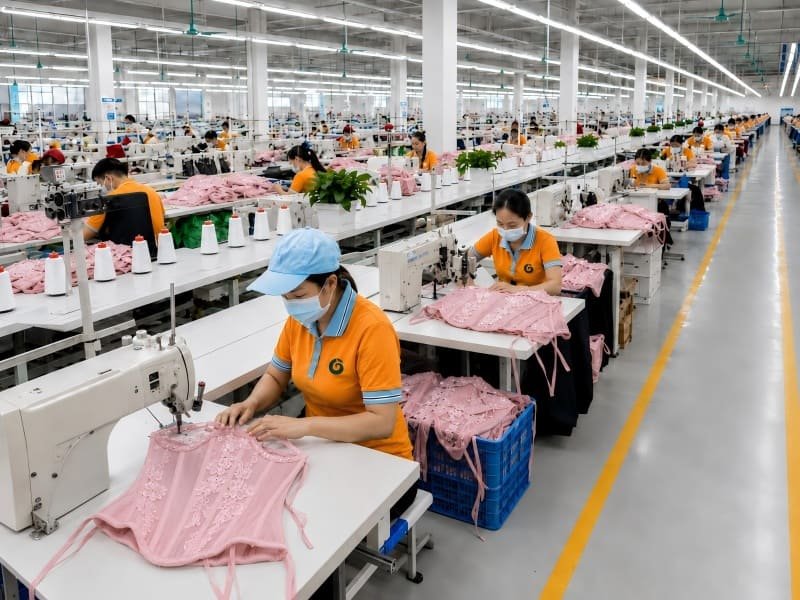
  • 300 sewing lines, including 50+ quick-response and flexible production lines
  • 15,000-35,000 sample pieces developed monthly across 3,000-8,000 style workflows
  • 6.5 million pieces of stable monthly capacity, with peak capacity reaching 10 million pieces
  • SMETA audited manufacturing system with SMETA 2-Pillar social audit records

Built for Established Women’s Fashion Programs

Duolan works with teams that already have a clear market, collection calendar and production plan. Every project begins with product direction, development requirements and commercial objectives rather than a generic request for garments.

Global Fashion Brands

Global brands need more than available sewing capacity. They need a development partner able to interpret brand language, protect seasonal timing, coordinate multiple product categories and maintain approved standards across first orders, replenishment and scale-up production. Duolan supports structured collection programs with development review, material coordination, pattern and sample work, pre-production confirmation, multi-factory planning and quality-controlled delivery. The manufacturing network can separate image-led styles, commercial volume styles, repeatable core styles and high-risk decorative styles into suitable development and production paths without losing a unified project standard.

Buying and Sourcing Teams

Buying and sourcing teams work through price architecture, sample deadlines, quality gates, supplier qualification, order breakdown and shipment windows. Duolan organizes development information into clear actions: style feasibility, fabric and trim readiness, sample purpose, fit priorities, production risk and required approvals. For bulk orders, styles are divided by color, size, quantity, complexity and critical workmanship before line allocation. Records such as sample review notes, revision summaries, bulk start confirmation and production path plans help procurement teams follow progress without relying on scattered messages.

Product Development Teams

Product teams need design intent translated into fabric behavior, pattern balance, fit, structure and repeatable workmanship. Duolan works from tech packs, reference images, original samples, collection briefs or mixed development inputs. Development focuses on what the product must achieve on body: silhouette, drape, support, coverage, movement, hand feel and intended retail position. Pattern makers, sample technicians, material teams and process engineers review high-risk details before they become expensive sample revisions or unstable bulk operations.

Multi-Brand Fashion Groups

Multi-brand groups often run several price points, silhouettes and launch calendars at once. Duolan’s owned and coordinated production structure supports multi-style development, separate material routes, dedicated workmanship paths and rolling production plans. A project can be arranged by brand, collection, delivery window or product complexity while preserving separate size standards, labeling requirements, packaging files and approval records. Capacity is used as a planning tool rather than a headline: core factories protect high-control styles, while coordinated facilities support volume, replenishment and seasonal peaks.

What Concept-to-Production Means in Women’s Fashion

Concept-to-production is the controlled conversion of a collection idea into a garment standard ready for stable manufacturing. The route includes commercial review, materials, pattern engineering, sampling, fit approval, workmanship definition, production preparation, quality control and delivery planning.

Development StateWhat Is AvailableWhat Must Be Confirmed NextDecision Value
Concept-ReadyMood board, sketches, references, original samples or collection directionProduct purpose, target market, price position, silhouette and launch windowEstablishes a focused development brief
Sample-ReadySufficient style detail, fabric direction, size basis and sample objectivePattern route, material availability, structure, fit priorities and sample timelineAllows controlled pattern and sample work
Production-ReadyApproved sample basis, locked materials, measurements, workmanship and packaging directionPP status, order breakdown, production route, QC points and shipping planCreates a repeatable bulk manufacturing standard
Reorder-ReadyPreserved pattern, BOM, color, measurements, workmanship and QC referencesMaterial continuity, quantity, delivery window and approved changesReduces repeat development and protects consistency

From Collection Direction to Controlled Bulk Delivery

Nine connected stages keep creative intent, fit, materials, commercial targets and manufacturing standards aligned. Each stage produces a decision or record that supports the next one, reducing avoidable revisions and late production changes.

Brief Review

The project begins by clarifying product type, target market, wearing occasion, price position, launch date, quantity structure and available development materials. Tech packs, sketches, reference images, original samples and mood boards can all be used, but their role must be clear. Duolan defines whether the sample is intended for visual approval, fit confirmation, buying presentation, campaign photography or production preparation. A focused brief prevents different teams from pursuing different outcomes.

Feasibility Review

Pattern, material, sample and process teams identify the points most likely to affect fit, appearance, cost or production stability. A corset dress may require early review of cup position, boning, waist balance and lining. A satin slip may require drape, seam impression and pressing checks. A beaded style may require weight, attachment and packing review. The output is a development direction rather than a simple yes-or-no response.

Material Direction

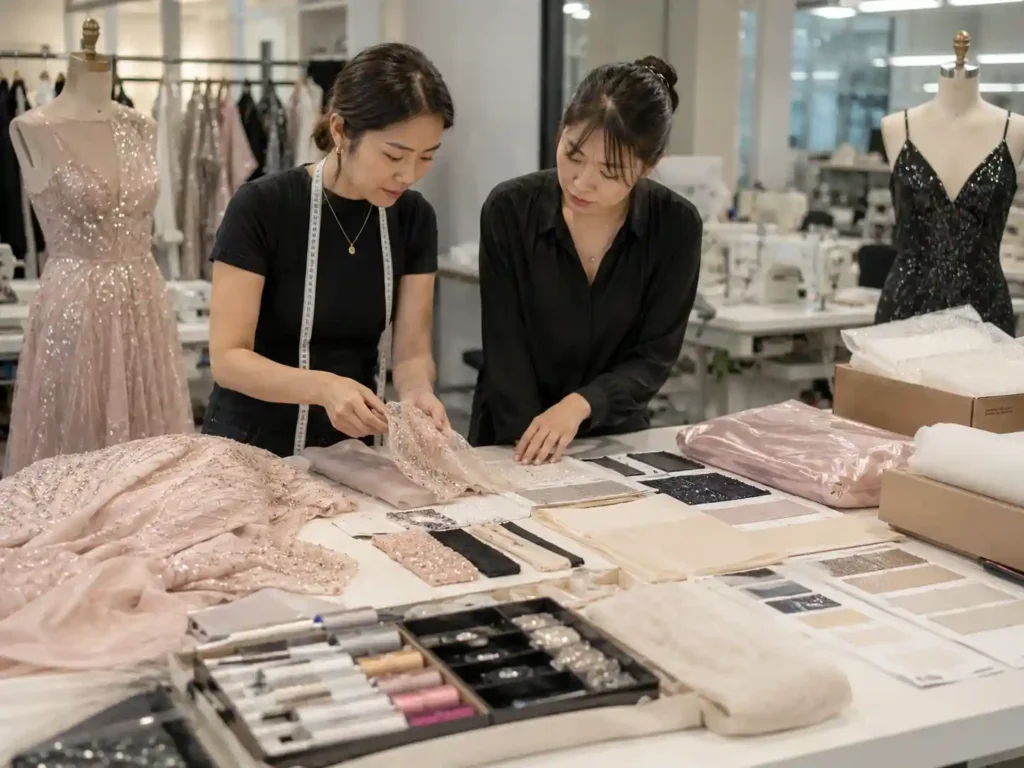
Fabric, lining, trims and decorative elements are evaluated against silhouette, hand feel, stretch, recovery, opacity, support, surface effect, price and bulk availability. Where an original material creates cost, lead-time or stability problems, two or three alternatives can be compared through swatches, test panels and sample garments. Material approval is connected to the finished garment result, not handled as a separate sourcing task.

Pattern Development

Pattern work translates brand proportions and fit priorities into controlled shapes, seam positions and measurement points. Development may begin from a brand block, an original sample, a supplied pattern or a newly created base. Fabric stretch, drape, thickness and recovery are considered before finalizing ease, support, lining and construction. Patterns remain editable through sample reviews and become part of the preserved production standard after approval.

First Sample

The first sample is built around a defined purpose. A fit sample may prioritize bust, waist, hip, shoulder and length. A visual sample may prioritize silhouette, drape, color and detail placement. A construction test may focus on corsetry, ruching, cut-outs, embellishment or layered transparency. Photos, key measurements and internal review notes accompany the sample so brand teams can evaluate progress more efficiently.

Revision and Fit

Comments are translated into specific actions for pattern, material, construction and finishing. Revision summaries separate confirmed points, open points and proposed corrections. High-impact fit issues are handled before minor visual refinements, preventing one change from creating several new problems. Depending on fabric readiness and complexity, a revision round is commonly planned within 5-10 working days after consolidated comments are received.

PP and Bulk Readiness

Before production release, the team checks approval status, materials, colors, measurements, workmanship points, labels, packaging and order purpose. The approved sample is converted into an executable production standard supported by BOM information, measurement charts, process notes and critical quality points. Open items are listed before cutting or line loading begins.

Bulk Manufacturing

Orders are broken down by style, color, size, quantity and complexity. Regular styles, structured styles, fast-response programs and high-risk decorative styles may follow different production paths. Line allocation considers materials, special processes, required controls and delivery dates. First-piece confirmation, pilot production or special-operation trials are used where bulk risk is higher.
9 Packaging and Global Delivery Planning

Delivery and Reorder

Final inspection, labeling, packaging, carton details, shipment documents and logistics are planned against the required warehouse or launch date. Approved development files are preserved for replenishment and future colorways. Reorder work begins by confirming changes rather than rebuilding the product from memory, supporting faster decisions and more consistent repeat production.

Control Points Behind Common Development Risks

Fashion projects lose control when creative, technical and production decisions remain open for too long. Duolan converts each risk into a defined review point, approval requirement or production record before larger costs are committed.

Development or Production RiskDuolan Control PointExpected Project Result
Design direction changes during samplingDevelopment brief and sample-purpose confirmationFewer conflicting comments and clearer sample decisions
Fabric does not support the intended silhouetteFabric behavior and garment-result reviewBetter drape, support, opacity and fit alignment
Fit comments are misunderstood or scatteredConsolidated revision summary and pattern action listTraceable corrections with clear priorities
Attractive sample cannot be repeated in bulkWorkmanship feasibility and production-readiness reviewEarlier correction of unstable operations
Approved sample shifts during mass productionMaterial locking, PP basis, first-piece and inline controlStronger sample-to-bulk consistency
Multi-style collection falls behind scheduleStyle classification and backward production planningClearer timing by complexity and launch priority
Decorative details create damage or discomfortAttachment, weight, skin-contact and packing checksSafer wear, cleaner finish and lower handling risk
Repeat order differs from the originalPattern, BOM, color, measurement and QC file preservationMore reliable replenishment and scale-up production

Turning Fashion Direction Into a Viable Collection

A strong collection is not a larger list of garments. It is a controlled mix of silhouettes, materials, color, price, visual impact and repeat potential. Duolan helps organize creative direction into a development plan that can move through sampling and production.

Collection Architecture Before Sampling

A collection brief is reviewed for wearing occasions, consumer profile, channel, season, expected retail range and launch sequence. Product roles are then separated: image-led pieces create visual identity, commercial volume pieces support sell-through, repeatable core pieces provide continuity, and experimental pieces test new materials or details. This distinction affects development priority, sample effort, material commitment and production route.

Silhouette planning also matters. Mini, midi and maxi lengths; fitted, draped and structured shapes; covered and exposed options; and daytime versus evening products need enough contrast to create choice without losing collection coherence. Duolan can review whether fabric direction, construction and color support the intended product mix before several samples repeat the same problem.

Commercial Feasibility Without Flattening Design

Commercial review does not mean removing every distinctive detail. The aim is to identify which elements define the product and which elements can be engineered more efficiently. Brand-defining proportions, signature cut-outs, support structures or surface effects may need protection. Hidden construction, lining routes, decorative density or material combinations may offer room for value engineering without weakening the visual result.

Target cost is considered alongside fabric consumption, construction time, trim complexity, color allocation, packaging and expected order size. Early review gives design teams time to decide what to preserve, refine or replace before samples and sales meetings create emotional commitment to a version that cannot meet the commercial plan.

Launch Calendar and Development Priority

Seasonal programs are planned backward from campaign shooting, showroom presentation, buying meetings, warehouse arrival and selling window. Sample-critical styles are started first. Materials requiring lab dips, custom prints, embroidery, beading or special trims are identified early. Production time is separated from transport time, inspection and packing.

As a planning reference, standard material-ready styles may be scheduled for first sampling in approximately 7-12 working days, while structured, heavily embellished or multi-process styles may require 12-20 working days. Bulk manufacturing is commonly planned at 15-20 days for simple styles, 20-30 days for regular fashion styles and 30-45 days for complex styles after PP, BOM, materials and order information are confirmed. Final timing is issued after project review. 

Women’s Fashion Categories Developed for Production

Duolan focuses on fashion-led women’s apparel where silhouette, fit, material behavior and workmanship directly affect commercial value. Each category follows a different development and production logic rather than a generic garment process.

Fashion Dresses

Fashion dresses cover trend-led mini, midi and maxi silhouettes developed for seasonal drops, multi-style programs and repeatable brand assortments. Development considers product role, visual proportion, target fabric, fit standard, color direction and expected retail level. Production planning separates simple commercial styles from draped, structured or decorated pieces so sample effort, line skill and quality points match the garment. A collection can combine image-led shapes with more repeatable volume styles while preserving a consistent brand language.

Occasion Dresses

Occasion dresses require stronger control of proportion, support, lining, movement and finishing because visual expectations are higher and returns can be driven by fit or comfort. Development may involve bust shaping, waist definition, slit position, draped panels, layered skirts, specialty closures and decorative surfaces. Fabric must support photography, movement and extended wear. Before bulk, critical measurements, lining coverage, support components, trim placement and pressing standards are confirmed against the approved sample.

Party Dresses

Party dresses often combine fitted shapes, metallic surfaces, sequins, beads, mesh, cut-outs, ruching or asymmetric details. Strong visual impact must be balanced with skin comfort, weight, attachment strength, mobility and packing protection. Duolan reviews whether decorative density suits the fabric and production method, whether exposed areas remain stable on body, and whether special operations can be repeated at the required quantity. High-risk details can be tested through sample panels, first-piece checks or pilot production.

Going Out Dresses

Going out dresses depend on a clear, saleable silhouette and confident fit. Mini length, neckline, bust support, waist position, cut-out shape, strap security and fabric recovery often influence purchase decisions. D

evelopment focuses on how the garment looks in motion and photography as well as on a hanger. Stretch styles require negative-ease and recovery review; woven styles require comfort allowance and closure planning. Size grading must preserve the design intention across the brand’s chosen range.

Resort Dresses
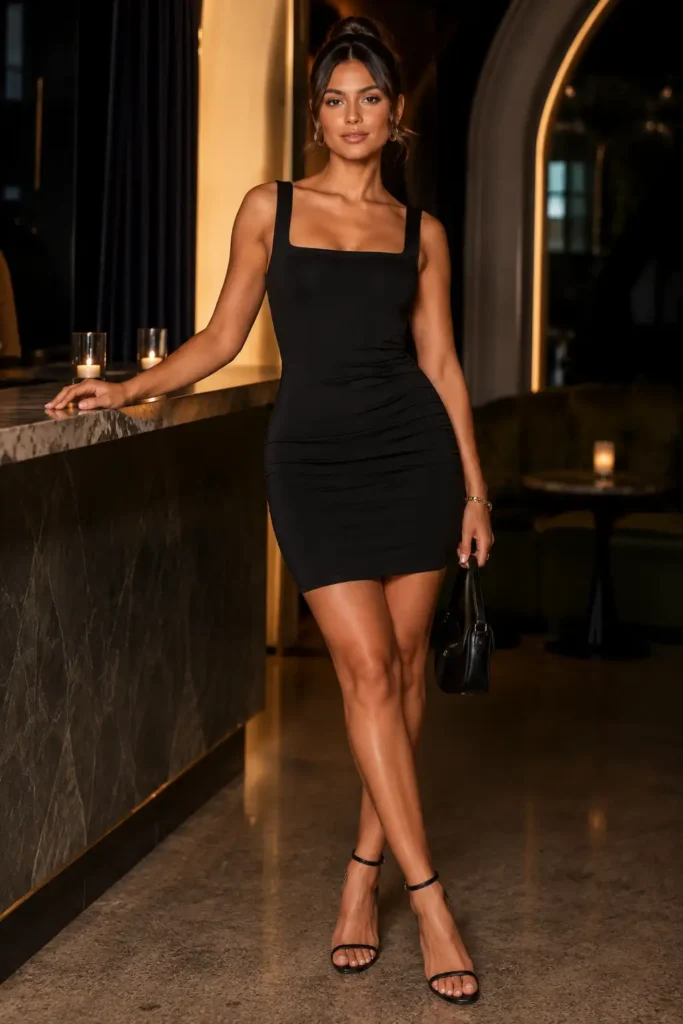
Resort and vacation dresses may use lightweight woven fabrics, prints, open backs, halter necks, tiered shapes, flowing maxis and coordinated sets. Development considers transparency, wind movement, print placement, shrinkage, seam stability and packing. Print repeats must align with pattern pieces and grading. Long hemlines require balance checks, while open constructions need secure support. Material lead time and campaign photography schedules are built into the development calendar.

Bodycon Dresses

Bodycon and fitted dresses require a disciplined relationship between fabric stretch, recovery, pattern reduction, lining and seam placement. A garment can measure correctly and still fit poorly when recovery, thickness or support is wrong. Duolan reviews bust, waist and hip contour, hem ride-up, transparency, zipper behavior, internal support and size grading. Fit comments are translated into both pattern and material decisions rather than handled as measurement changes alone.

Fashion Sets

Fashion sets need visual coordination and independent wearability. Tops and skirts, tops and trousers or multi-piece occasion looks must align in fabric, color, proportion and finishing while each piece retains its own fit and production standard. Development covers waist placement, overlap, exposed skin balance, closure compatibility and size pairing. Bulk planning may separate pieces by construction or line skill while maintaining set-level shade, trim and packing control.

Refined Fashion Tops

Refined tops extend a dress-led collection through corset tops, draped tops, halter styles, structured bodices and occasion separates. Their smaller area does not reduce technical difficulty: cup position, neckline, strap tension, closure, lining and hem stability can become more visible. Development uses the same production-ready discipline applied to dresses, allowing tops to share fabrics, trims, color stories and workmanship standards across a collection.

Fabric and Trim Decisions Built Around Garment Results

Material development is not a swatch-finding exercise. Fabric, lining, trims and decorative elements are selected according to silhouette, fit, comfort, visual finish, target cost, processing method and bulk stability.

Fabric Behavior Comes Before Fabric Name

Two fabrics with the same composition can create very different garments. Weight, yarn structure, finish, stretch direction, recovery, drape, opacity, friction and surface shine affect pattern, support and sewing. A satin slip needs controlled drape, seam appearance and pressing; a bodycon dress needs recovery and opacity; a chiffon maxi needs transparency and seam stability; a structured corset needs enough body to hold shape without becoming rigid.
Duolan reviews material against the intended garment result. Development may include hand-feel comparison, stretch and recovery checks, opacity review, drape observation, wash or shrinkage checks, color review and local construction trials. Where material is supplied or nominated, the pattern and workmanship route are adjusted around its behavior rather than assuming the original design can be copied unchanged.

Fabric Replacement Is a Development Decision

An original fabric may create a problem through cost, availability, color minimums, lead time, batch variation, transparency or insufficient recovery. Replacement begins by defining the non-negotiable product requirements: visual surface, drape, stretch, support, opacity, hand feel, lining compatibility and retail position. Two or three options can then be compared through swatches and garment-level tests.

A replacement may require pattern or construction changes. More stretch can change negative ease and zipper needs. Less body can require interfacing or lining. Greater transparency can change coverage. A different surface can affect needle selection, pressing and seam visibility. Final selection balances visual result, fit, production stability, price and delivery rather than treating replacement as cost reduction alone.

Lining and Internal Materials Shape the Garment

Lining affects comfort, opacity, movement, support and durability. Occasion dresses may need different lining zones rather than one fabric throughout. Mesh styles may use tonal, contrast or skin-tone coverage. Corset and bustier products may require cups, boning, fusible support, elastic, grip tape or stabilizing tape. Backless and halter styles may need controlled edge support and strap reinforcement.

Internal materials are reviewed for thickness, stretch, recovery, skin contact, washing, attachment and compatibility with the outer fabric. A clean exterior often depends on decisions hidden inside the garment. Internal specifications are recorded before bulk so substitutions do not change support, shape or comfort.

Small Trims Become Large Bulk Risks

Zippers, hooks, sliders, rings, elastic, lace, buttons, labels and decorative parts must be specified by size, material, finish, strength, placement and bulk availability. A change in zipper tape, metal finish or elastic recovery can alter fit and perceived quality. Trim colors must be checked against fabric in relevant lighting, especially for satin, mesh, lace and metallic surfaces.

Duolan develops trim boards, confirms critical measurements and checks durability where needed. Custom trims, branding components, packaging items and care labels are connected to BOM and approval records. Small components are locked before production because late substitutions can create inconsistent appearance or delay line loading.

Pattern, Fit and Size Development for Brand Standards

Pattern engineering turns design language into repeatable garment proportions. Duolan works to supplied size charts and brand blocks or develops a controlled base where new shapes require a different fit route.

Brand Fit Translation

A size chart alone cannot describe the desired silhouette. Duolan identifies where the garment should contour, relax, support, expose or move. Bust position, waist level, hip shaping, neckline, armhole, shoulder, back width and skirt balance are reviewed according to fabric behavior and wearing occasion. Brand comments are translated into pattern actions, not only measurement edits, so the revised sample moves closer to the intended on-body result.

Structured Fit

Corset, bustier, strapless and fitted occasion styles require coordinated control of cup shape, boning, waist reduction, back closure, lining and upper-edge stability. Pattern and internal construction must work together. Too much reduction can distort seams or create discomfort; too little support can change the visual line. Structured areas are tested on the intended fabric and reviewed before grading.

Stretch Fit

Stretch dresses require measured stretch percentage, direction and recovery. Pattern reduction is set according to fabric behavior, garment length, lining and desired compression. Development checks transparency, seam strain, zipper necessity, hem movement and recovery after wear. A fabric change may require a new pattern balance even when composition appears similar.

Open and Asymmetric Shapes

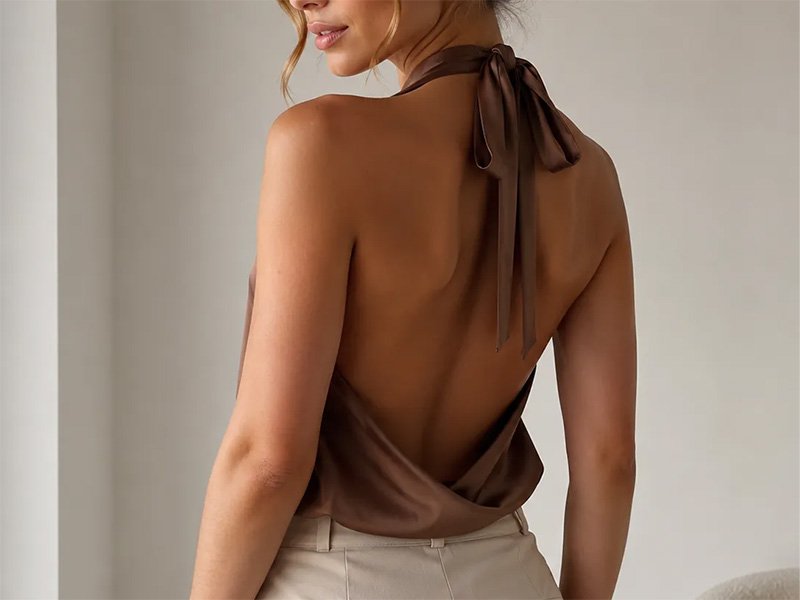
Halter, backless, one-shoulder and cut-out styles need secure load paths. Neck strain, bust position, side seam balance, opening stability, strap length and closure placement are reviewed together. Exposed areas must remain stable across movement and size grading. Reinforcement, elastic, grip tape or internal bridges can be developed where the visual design allows.

Size Chart and Grading

Duolan can follow brand-specific POM definitions, base-size measurements, grading increments and tolerances. Programs commonly begin with one approved base size before grading into the selected commercial range, such as XXS-XXL or an extended range defined by the brand. Grading is reviewed around bust, waist, hip, length, strap, neckline, cup and opening behavior rather than applying uniform increments to every point.
Fit Comment to Pattern Action​

Fit Comment Control

Comments are grouped by fit, visual proportion, material, construction and finishing. High-impact points are resolved before secondary details. A revision summary records the requested change, technical action and remaining open point. Photos, measurement notes and marked-up images help teams compare versions and reduce contradictory instructions across email, messaging and meetings.

Sampling Managed as a Decision-Making Process

A sample is useful when it helps a brand make a clear decision. Duolan defines the sample purpose, development basis and approval standard before pattern cutting, then delivers each version with enough information for efficient review.

Sample Stages Serve Different Decisions

A first prototype explores silhouette, structure and feasibility. A fit sample tests measurements, proportion and movement. A revised sample responds to consolidated comments. A sales or photo sample supports presentation, campaign or showroom needs. A pre-production sample connects approved appearance with bulk materials, workmanship and packaging direction.

The required route depends on product risk. A straightforward woven dress may move from first sample to revision and PP. A corset, embellished mesh or complex draped style may need a construction test, fit stage and final pre-production version. Sample quantity, color and size are planned according to the decision required, not treated as identical requests.

Timeline Starts After Development Inputs Are Ready

Sample time is affected by material availability, custom color, special trims, print or embroidery, pattern complexity, fit review and sample purpose. As a planning reference, material-ready regular styles are commonly scheduled within 7-12 working days. Structured, heavily decorated or multi-process styles are commonly planned within 12-20 working days. Consolidated revision rounds may take 5-10 working days, depending on new materials and the scale of correction.
Duolan confirms a project-specific calendar after reviewing the brief. The sequence can include development review, material preparation, pattern making, sample sewing, internal inspection, photography, shipment and comment return. 

Sample Delivery Includes Technical Judgment

Samples are presented with front, side and back images, relevant detail close-ups, selected measurements and a concise review note. The note explains what the version was intended to test, which points are close to target, which points require fit review and which points may need refinement before production.

Comments are consolidated into an action list. Pattern, material and workmanship teams receive the same approved direction. Progress images or short videos can be shared at meaningful stages, such as fabric arrival, construction setup or internal fitting, giving brand teams visibility without producing an unstructured stream of factory photos.

Complex Workmanship Engineered for Repeatable Production

Fashion details only create value when they remain wearable, consistent and manufacturable. Duolan evaluates how each visual feature interacts with fabric, pattern, internal structure, production sequence, inspection and packing.

Corset Construction

Cup shape, boning position, waist balance, seam contour, lining and closure must work as one system. Development checks support, comfort, top-edge stability and the effect of outer-fabric thickness. Boning channels, seam bulk and pressing are tested before bulk. Critical points are marked in workmanship notes and checked during first-piece and inline inspection.

Sequin and Beading

Sequin, pearl, bead and crystal effects are reviewed for density, weight, attachment, skin contact and seam allowance. Decorative placement must account for darts, zippers, side seams and grading. High-friction areas may need backing or reduced density. Bulk planning includes operation sequence, needle control, repair standards and protective packing to reduce scratching, snagging and transit damage.

Mesh and Layering

Mesh development considers stretch, recovery, transparency, edge stability and the relationship between outer layer, lining and internal support. Tonal or skin-tone lining changes the visual result. Seams, openings and cut-outs must remain stable on body. Layered construction is tested for twisting, rolling and color interaction before production approval.

Draping and Ruching

Draped and ruched products depend on fabric behavior, grain direction, anchor points and controlled fullness. Small pattern changes can alter the entire silhouette. Development establishes gather ratio, placement, seam sequence and finished balance. Bulk control may use marked panels, operation guides or templates where hand positioning would otherwise create visible variation.

Halter and Backless Support

Open-back and halter styles transfer support into necklines, side seams, waist areas or internal structures. Strap width, tension, edge stabilization, bust position and closure placement are reviewed through movement. Where needed, elastic, grip tape, cups or internal bridges are tested while protecting the intended clean appearance.

Print and Embroidery

Artwork scale, repeat, placement, fabric suitability, shrinkage and color must be confirmed before garment cutting. Darts, seams, gathers and grading can distort motifs. The route may include artwork review, strike-off, embroidery panel, placement sample and garment-level approval. Bulk standards connect approved artwork, color, position and processing method to cutting and inspection. 

When a Fashion Sample Is Ready for Production

An attractive sample is not automatically ready for bulk. Production release requires a controlled standard covering fit, visual appearance, materials, measurements, workmanship, labels, packaging and order-specific requirements.

Approval Status Must Be Clear

Duolan first identifies whether the current version is fit-confirmed, visually confirmed, suitable as a PP basis or still pending refinement. A campaign sample can look strong but use substitute materials. A fit sample can achieve measurements while missing final decoration. Approval language must reflect the real status so production teams do not treat a partial approval as a complete standard. The order purpose is also confirmed: launch order, market test, repeat order or scale-up order. Each route may require different material commitment, line planning and quality risk management.

Materials and Workmanship Are Locked Together

Production-readiness review covers fabric, lining, trims, color, measurements, workmanship points, labels and packaging. A material change can affect pattern, sewing and pressing. A trim change can affect closure, fit or appearance. A workmanship change can affect cost and line output. Open items are listed before cutting, and approved references are made available to production and QC teams. For complex products, a first-piece confirmation, pilot run or special-operation test may be required. The objective is not to slow production. The objective is to prevent a small unresolved decision from becoming a full-order correction.

Production Records Convert Samples Into Standards

The transition may include a Bulk Start Confirmation or Production Readiness Note supported by the approved sample, BOM, measurement chart, process notes, label and packing requirements. Critical points are highlighted for line setup and inspection. Teams know which measurements control fit, which operations control appearance and which defects require immediate correction. A clear record also supports repeat orders. Pattern, material, color, workmanship and QC references can be retrieved when replenishment or new colorways are planned, reducing reliance on memory or old chat history.

Timing Is Confirmed From the Release Point

Bulk lead time begins after the required PP basis, BOM, materials, order information and commercial approvals are in place. Planning references are 15-20 days for simple styles, 20-30 days for regular fashion styles and 30-45 days for complex styles.

Material booking, custom processes, inspection, packing and transport are planned separately. Shipping method and destination determine the final delivery calendar.

Cost Engineering Without Losing the Product

A useful quotation reflects the garment structure, material route, workmanship, quantity, timing and production risk. Duolan reviews cost as part of product development so commercial targets can be addressed before late-stage approval.

Material and Consumption

Fabric cost is shaped by composition, finish, weight, usable width, shrinkage, pattern efficiency, color minimums and expected loss. A longer or bias-cut garment can use more material than its visual size suggests. Directional print, lace placement, nap or sequin layouts can increase consumption. Lining, support materials and replacement options are evaluated with the outer fabric rather than added as an afterthought.

Construction and Labor

Operation count does not fully describe labor. Curved corset seams, narrow hems, draping, ruching, layered mesh, cut-outs, hand finishing and decorative placement require different skill, time and control. A design can sometimes be simplified through seam engineering, internal construction or decorative density while protecting the visible result. Fit-critical structures are not reduced blindly because later returns or rework may cost more than the original saving.

Quantity and Color Allocation

Order quantity affects fabric booking, custom color, trims, marker efficiency, line setup and special processes. Multi-style programs can create production efficiency where fabrics, trims or workmanship are shared, but quantities remain evaluated by style, color and complexity. Duolan distinguishes development, launch, repeat and scale-up stages so quotation and production planning reflect the real commercial purpose.

Packaging, Testing and Delivery

Brand labels, care labels, hangtags, barcodes, individual packing, carton specifications, testing and third-party inspection can affect both cost and timing. Quotation review identifies which items are nominated, custom-developed or supplied by the brand. Delivery planning separates manufacturing cost from freight, duty, insurance and destination services so commercial comparisons remain clear.

Manufacturing Capacity Organized Around Style Complexity

Duolan’s manufacturing network is structured to protect development standards while supporting multi-style programs, seasonal peaks, repeat orders and large-volume delivery. Capacity is matched to the product rather than treated as one interchangeable pool.
Owned Factories Protect Core Control

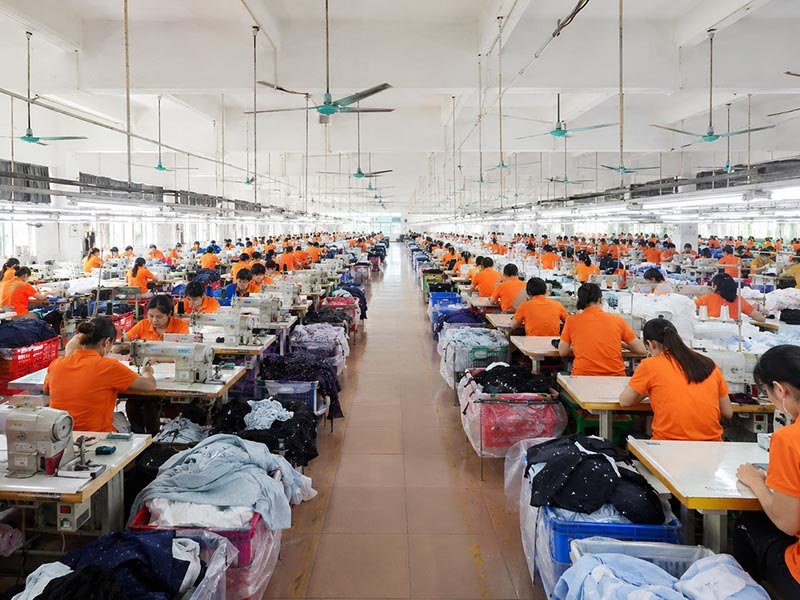
Sixteen owned fashion factories provide direct control for key styles, complex developments and brand programs requiring closer coordination between sample, pattern, production and quality teams. Core projects can remain close to the development system through PP confirmation, line setup, first-piece review and issue correction. Owned factories are used where fit, structure, material behavior or workmanship requires stronger technical continuity.

Coordinated Factories Support Scale

More than twenty long-term coordinated satellite factories provide capacity for rolling orders, replenishment, seasonal volume and selected processes. Work is not released as an unmanaged subcontracting chain. Production standards, approved samples, BOM details, measurement requirements, workmanship points and QC checkpoints remain under unified project coordination. Facility matching is based on product type, skill, timing and order structure.

Lines and Capacity Match Program Size
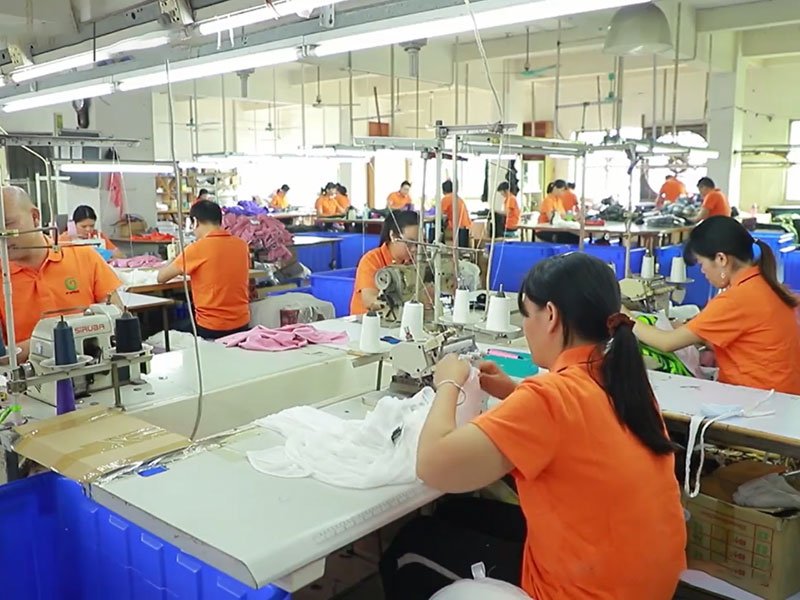
The wider manufacturing system includes 300 sewing lines and more than 50 quick-response and flexible lines. Stable monthly capacity is approximately 6.5 million pieces, peak capacity can reach 10 million pieces, and additional production space can be organized as programs scale. More than 12,000 workers across core and regional manufacturing resources support multi-style and multi-delivery planning.

Material and Process Resources Stay Connected

Fabric, trim, print, embroidery, washing and special-process resources are coordinated around garment development. Multiple established partners are available for print, dip dyeing, embroidery and finishing routes. The South China supply base provides access to broad fabric, trim and process resources, helping development teams compare options, test special effects and replace delayed materials without disconnecting material decisions from garment construction.

Production Paths Planned by Style, Risk and Timing

Bulk programs are divided into controllable production routes before line loading. Style complexity, material readiness, critical operations, quantity and delivery window determine the factory, line, pilot requirement and inspection intensity.

Order Breakdown

Orders are separated by style, color, size, quantity and required delivery. Shared materials, trims, labels and packaging are identified. Differences between launch, replenishment and scale-up quantities are recorded so production is not planned as one undifferentiated block.

Risk Classification

Regular, structured, quick-response and high-risk decorative styles follow different controls. Corsetry, heavy embellishment, satin surfaces, layered mesh, custom prints and unusual cut-outs may require stronger pre-production review. Classification determines pilot needs, technical support and inspection focus.

Factory and Line Matching

Product type, operation skill, equipment route, team experience, quantity and timeline guide allocation. Core factories handle higher-control work, while coordinated resources support appropriate volume and replenishment. Special processes are scheduled with the garment line rather than added after production planning.

First-Piece Control

A first piece checks material, pattern, measurements, operation sequence, pressing and visible workmanship before full line output. High-risk styles may use a pilot quantity or operation trial. Corrections are made at the earliest controllable point rather than discovered during final inspection.

Backward Scheduling

Planning starts from warehouse arrival, launch or shipment date and moves backward through packing, inspection, production, PP approval and material booking. The schedule separates brand approvals from factory operations, making the effect of late color, trim or packaging confirmation visible.

Issue Escalation

Production issues are recorded by impact and urgency. Material, fit, workmanship and delivery risks are escalated to the relevant technical or project team. Corrective actions, recheck points and release decisions are documented so the same issue does not continue across lines or repeat orders.

Sample-to-Bulk Quality Control at Critical Stages

Quality control begins with the approved development standard and continues through materials, line setup, production, final inspection and packing. The aim is predictable quality across colors, sizes, deliveries and repeat orders.

Material and Cutting QC

Material Inspection

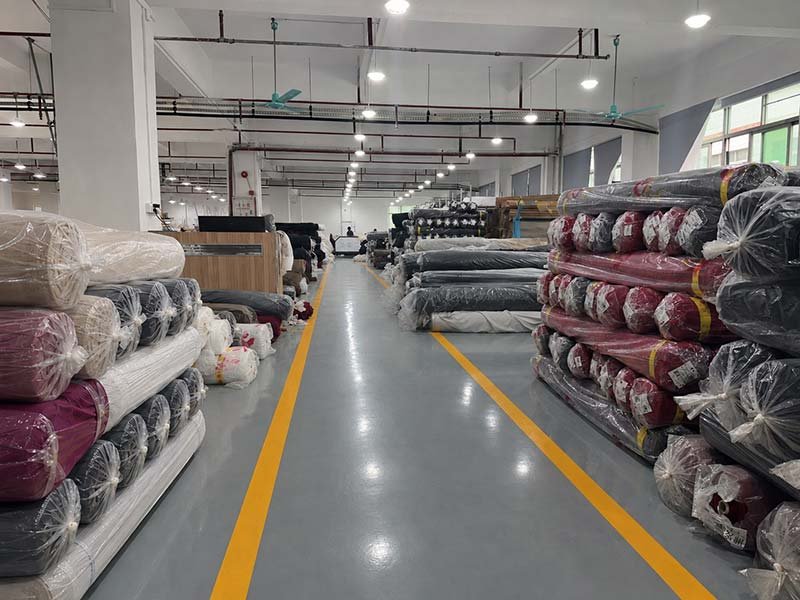
Fabric rolls are checked for shade, defects, width, weight or other required characteristics before cutting. Color is reviewed under controlled lighting where relevant. Shrinkage, stretch, recovery or print quality can be checked according to product risk. Trims and internal materials are compared with approved references before issue to production.

Pre-Production Alignment

Production, technical, quality and project teams review approved sample basis, measurements, BOM, workmanship, labels and packaging.

Critical operations and high-risk points are highlighted. Open items must be resolved or formally controlled before cutting and line loading.

First-Piece Confirmation

The first completed garment is checked for measurements, fit-sensitive construction, material use, operation sequence and visible finish. High-risk decoration, corset structure, mesh coverage, satin pressing or print placement receives additional attention. The line proceeds only after required corrections are verified.

Inline Inspection

QC checks are positioned where defects can still be corrected efficiently. Measurements, seam quality, symmetry, stitch security, attachment, surface condition and special workmanship are monitored according to style risk. Repeated issues trigger corrective action rather than being left for final sorting.

Final Inspection

Finished garments are reviewed against approved standards, order specifications and required inspection level. Appearance, measurements, workmanship, labels, quantities and packing are checked. Third-party inspection can be coordinated where required by the brand or market.

Packing and Shipment Verification

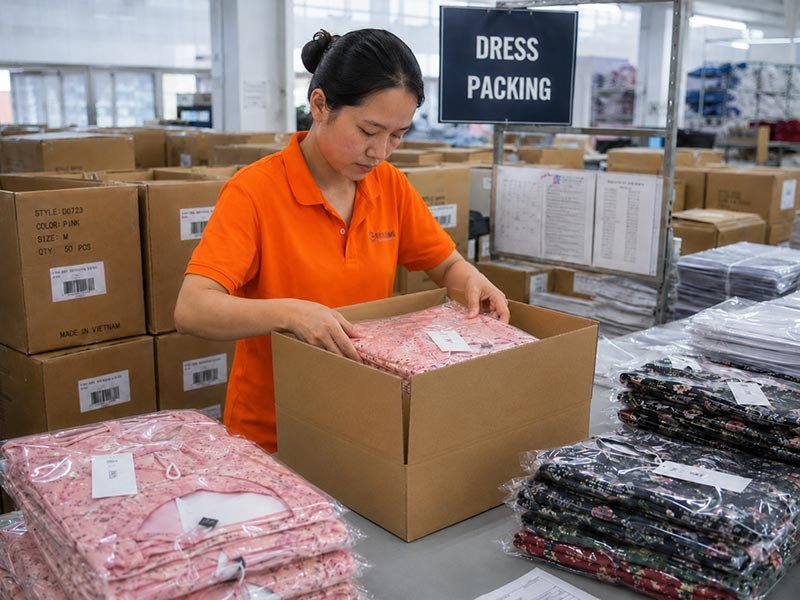
Individual packing, size stickers, barcodes, hangtags, carton ratios, carton marks and shipment documents are checked before release. Delicate satin, sequin, beaded or structured garments may require protective packing routes. Shipment approval is connected to inspection and document completion, not only to sewing completion.

Compliance, Documentation and Design Confidentiality

Brand-level manufacturing requires more than product capability. Duolan supports supplier qualification, social responsibility review, product testing, controlled documentation and confidential development handling across sampling and production.

SMETA Audit Basis

The manufacturing system has completed SMETA audits, including SMETA 2-Pillar audit records.

Audit information and relevant facility details can be reviewed during supplier qualification according to project and brand requirements.

Brand-Specific Standards

Projects can be organized around requirements related to BSCI, ISO 9001, AATCC, ASTM, OEKO-TEX®, EN, China GB standards, GOTS and brand-specific manuals where applicable. Requirements are treated as project standards to be confirmed, not presented as universal certificates for every facility or product.

Product Testing

Fabric and garment testing can be arranged according to market, product type and nominated protocol. Potential areas include colorfastness, dimensional stability, seam performance, attachment, chemical requirements and care performance. Scope, laboratory and acceptance criteria are confirmed before testing.

Third-Party Inspection

Brand-nominated or independent inspections can be coordinated at relevant stages. Factory teams prepare approved samples, specifications, order information and packing records for review. Findings are assessed, corrected where required and connected to shipment release.

Confidential Development

NDA arrangements, controlled file access and restricted use of designs can be applied to collection briefs, tech packs, original samples, artwork and branding files. Development materials are shared only with teams required for project execution.

Traceable Records

Sample briefs, revision notes, approved materials, measurement standards, workmanship points, QC findings and packing requirements create a traceable project history. Records support internal accountability, repeat orders and future style updates without exposing brand assets beyond the project team.

From 18 Styles to a Controlled 46,800-Piece Launch

The strongest proof of concept-to-production capability is not a finished garment photo. It is a visible chain of decisions showing how style direction, materials, fit, workmanship, production planning and quality standards remained connected.

Anonymized U.S. Occasionwear Program

A U.S. occasionwear brand planned an 18-style drop totaling 46,800 pieces across fitted satin dresses, draped mesh styles, corset-led silhouettes and coordinated fashion tops. The program included seven colorways, several shared fabrics and multiple delivery windows. Development began from a mixed package of tech packs, reference images, existing fit notes and a seasonal color direction.

The first review divided styles into three routes. Six regular styles used established fabric and construction directions. Seven fit-sensitive styles required stronger pattern and support review. Five high-risk styles involved corsetry, layered mesh or decorative operations. Material teams compared satin weight and surface, mesh stretch and lining coverage, while pattern teams identified bust balance, waist position, back stability and slit control as critical points.

Sampling was sequenced around buying and campaign deadlines. Standard styles moved first, while complex styles used construction panels and fit stages before final visual refinement. Consolidated comments were converted into revision summaries, reducing repeated changes between design and technical teams. Before production, the brand approved material references, measurement charts, workmanship points, labels and packing requirements. Complex styles used first-piece confirmation, and the order was split across suitable production paths under one QC plan.

The project structure allowed commercial styles to progress without waiting for every image-led piece, while higher-risk products received more development time. The program demonstrates how a multi-style order can remain one collection commercially while following several technical routes operationally.

Anonymized Going-Out Collection Scale-Up

A going-out brand moved from a 12-style launch order of 28,400 pieces into a 24-style repeat and expansion program totaling 72,000 pieces. The first order established fitted blocks, stretch-fabric performance, mini-length standards, cut-out stability and brand-specific bust-waist-hip proportions. Several styles shared materials and trims, allowing color and workmanship references to be preserved for later development.

For the expanded order, new designs were not treated as completely new garments. Teams reused approved pattern logic, fabric test history, trim specifications and QC checkpoints where suitable. New styles were classified as block-based adaptations, material changes or new-structure developments. Block-based styles moved through a shorter development route; new backless, halter and asymmetric shapes received additional fit and movement review.

The repeat program was broken down by style risk and delivery priority. Core fitted styles were allocated for stable volume, while new structures used pilot confirmation. Size grading followed the approved brand standard, and critical points such as neckline position, bust coverage, hem ride-up and seam recovery remained visible in inline checks. Packaging and label files were carried forward with approved updates rather than rebuilt.

The scale-up demonstrates the commercial value of preserved development standards. Faster repeat decisions came from controlled records, not from skipping fit, material or production checks.

UK Going-out Dress Range

Frequently Asked Questions About Concept-to-Production

Send a collection brief, tech pack, reference image, original sample information, mood board, fabric direction, target quantity, size standard and launch timing. A complete package is helpful but not required. Duolan reviews the available information, identifies missing decisions and proposes the next development step.
Yes. Reference-image development begins by clarifying which elements must be followed: silhouette, fit, fabric effect, construction, detail placement or overall mood. A feasibility review identifies details that need dimensions, material confirmation or technical interpretation before pattern work begins.
Yes. Existing tech packs are reviewed for measurements, construction, BOM, materials, artwork, labels and open points. Where supplied information conflicts with fabric behavior or production method, the issue is raised before sampling rather than silently changed.
Material-ready regular styles are commonly planned within 7-12 working days. Structured, embellished or multi-process styles may require 12-20 working days. Revision rounds are commonly planned within 5-10 working days after consolidated comments. A confirmed calendar follows style and material review.
Available stages include first prototype, fit sample, revised sample, sales or photo sample and pre-production sample. Not every product requires every stage. The route is selected according to fit risk, structure, materials, presentation needs and bulk readiness.
Yes. Duolan can follow supplied POM definitions, base-size measurements, grading rules and tolerances. Where a new pattern is developed, fit and grading are reviewed against fabric behavior, garment structure and the intended commercial size range.
A sample is production-ready when approval status, materials, color, measurements, workmanship, labels, packaging and order requirements are sufficiently confirmed for repeatable manufacturing. A Bulk Start Confirmation or Production Readiness Note can identify approved points and remaining open items.
Planning references are 15-20 days for simple styles, 20-30 days for regular fashion styles and 30-45 days for complex styles after PP, BOM, materials and order information are confirmed. Custom processes, inspection, packing and transport are planned separately.
Approved sample basis, BOM, measurement charts, workmanship notes and material references are reviewed before production. Material inspection, first-piece confirmation, inline checks, final inspection and packing verification keep critical standards visible throughout the order.
Yes. The manufacturing system supports multi-style development, separated production paths, rolling deliveries, replenishment and scale-up. Approved patterns, materials, measurements, workmanship and QC records are preserved to support repeat decisions and new colorways.

Send Your Fashion Project for Development Review

Share the materials already available, whether the project begins with a complete tech pack, an original sample, reference images or a seasonal collection direction. Duolan will review product focus, fabric and fit risk, sample path, production feasibility, indicative timing and the information still required before quotation or development starts. Clear project information allows a more useful response and reduces generic assumptions during early planning.

Useful information includes:

  • Company or brand name and main market
  • Product type and number of styles
  • Tech packs, sketches, reference images or original sample photos
  • Fabric, color, trim and workmanship direction
  • Target quantity by style, color and size
  • Brand size chart or intended size range
  • Target launch, warehouse or delivery date
  • Label, packaging, testing and inspection requirements
  • Target cost or retail positioning where available

All uploaded development files can be handled under confidential project controls. The review will identify the most suitable path for concept development, sampling, PP confirmation, bulk manufacturing or repeat production.


Start Your Apparel Development Project

OEM/ODM Manufacturing Support for Fashion Brands

Share your collection details, estimated quantities, target market, development timeline, and technical requirements. The production team will review your request and provide a tailored manufacturing solution based on your product category, fabric selection, construction needs, and delivery schedule.

Fashion Manufacturing Support with Scalable Production Capacity

From sample development to bulk production, Duolan supports fashion brands with confidential OEM/ODM manufacturing, stable quality management, flexible production planning, and coordinated multi-factory execution for seasonal and capsule collections.

Need Direct Assistance?

Seraphinite AcceleratorOptimized by Seraphinite Accelerator
Turns on site high speed to be attractive for people and search engines.