Skip to content
Custom Apparel Manufacturer
Custom apparel development and production for dress-focused womenswear brands, buying teams and product development teams.
Duolan supports established fashion brands with custom womenswear development, sampling, bulk production and quality-controlled delivery. We focus on fashion dresses, occasionwear, partywear, fitted dresses, fashion sets and refined women’s fashion categories where fabric, fit, structure, trims and sample-to-bulk consistency decide product value.
- 16 owned womenswear factories supporting core styles, sampling control and brand-level production discipline.
- 20+ satellite factories adding flexible capacity for repeat orders, replenishment and seasonal launches.
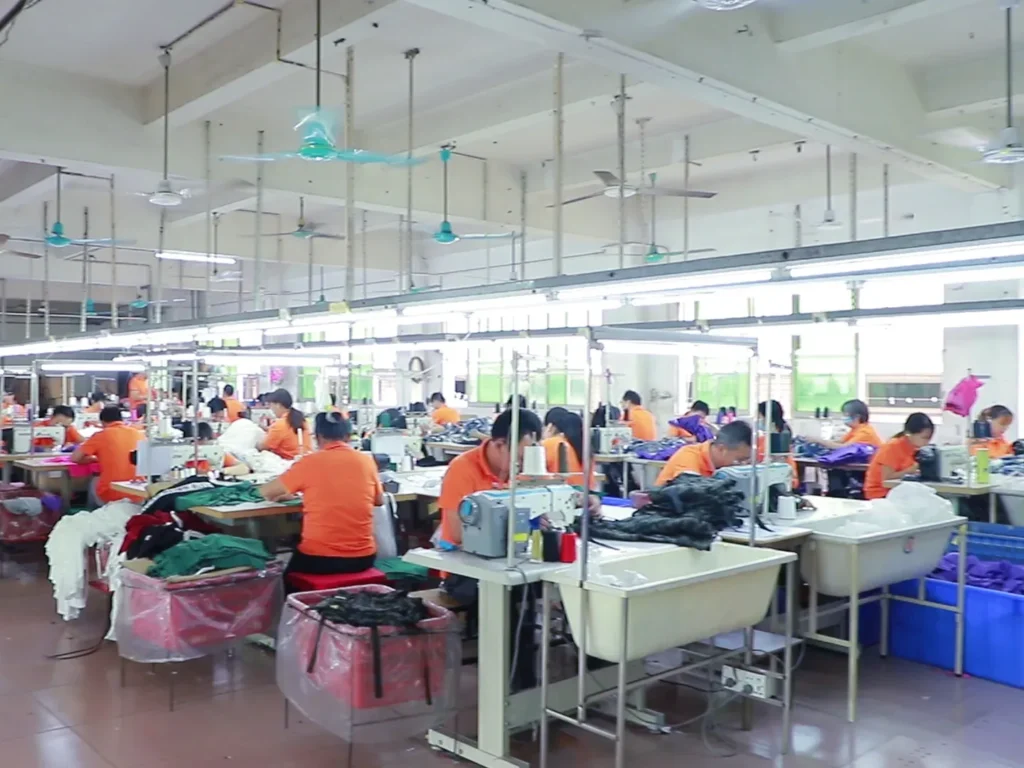
- 12,000+ workers across coordinated production bases for scalable womenswear manufacturing programs.
- 300 sewing lines supporting multi-style production, bulk execution and project-specific line allocation.
- 50+ quick-response lines helping brands manage test orders, fast launches and repeat production.
- 15,000–35,000 monthly samples supporting high-density development for fashion dress programs.
- SMETA 2-Pillar audit record supporting structured supplier review for established fashion brands.





Dress-focused Custom Apparel Manufacturing
Duolan is not built as a blank apparel supplier, promotional clothing vendor or low-price general cut-and-sew workshop. Our custom apparel manufacturing system is centered on women’s fashion products where product development, fabric judgment, fit control, sample refinement, production engineering and bulk consistency matter. For established womenswear brands, a supplier must do more than sew garments.
The supplier must understand the product direction, identify development risks, prepare the sample for production and keep the approved standard stable when the order moves into bulk.
Apparel Manufacturing With Product Direction
Custom apparel can mean many things in the market: T-shirts, hoodies, uniforms, blanks, startup private label basics or promotional garments. Duolan uses the term differently. Our work is focused on fashion dresses, occasion dresses, party dresses, fitted dresses, resort dresses, fashion sets and refined women’s fashion categories.
- Product direction: We support garments where silhouette, fabric behavior, lining, support, trims and surface details influence the final brand value.
- Development depth: We work from tech packs, reference images, original samples, fabric ideas or collection briefs to build a realistic sample path.
- Production readiness: We help brands move from approved samples into PP standards, material lock, QC checkpoints, packing requirements and repeatable production.
Built for Established Fashion Teams
Duolan is most suitable for brands and teams that already have a clear development need, product direction, target quantity or launch plan. The strongest fit is not a one-time inquiry asking for the cheapest unit price. The strongest fit is a brand team trying to build a more stable custom womenswear supply path.
- For product teams: We help translate design direction into fabric, pattern, fit, sample and bulk feasibility decisions.
- For buying teams: We support supplier evaluation, product readiness, quality control, packaging details and delivery coordination.
- For sourcing offices: We provide structured communication around capability, audit-related information, QC process and production planning.
From Apparel Idea to Bulk Delivery
A strong custom apparel manufacturer should connect development and production instead of treating them as separate tasks. Duolan can review a garment idea, develop the sample, refine the fit, prepare the PP sample and support bulk production with QC and delivery coordination.
- Before sampling: We review product type, fabric direction, construction risk, target quantity, launch timing and brand requirements.
- During development: We clarify fabric, trims, pattern, first sample, revision comments and sample purpose.
- Before bulk: We confirm material lock, BOM, PP sample, production notes, inspection focus and packing standard.
How Brands Evaluate a Custom Apparel Manufacturer
Brands searching for a custom apparel manufacturer often see broad suppliers: private label factories, blank apparel vendors, low-MOQ workshops and general cut-and-sew providers.
Established womenswear brands need a narrower decision framework: product development ability, dress category experience, fabric judgment, fit control, bulk consistency, QC and supplier readiness.
| Search Need | Mature Brand Requirement | Duolan Response |
|---|---|---|
| Custom apparel manufacturer | A supplier that understands women’s fashion products, not only basic garments | Dress-focused womenswear development and manufacturing |
| Private label apparel | Labels, trims and packaging must support brand identity and channel delivery | Brand labeling, packaging and trim execution |
| Cut and sew production | Garments must be developed through pattern, fabric, fit and construction logic | Pattern, sample, revision and production engineering support |
| Apparel sample development | Samples must help teams judge fit, fabric, structure and bulk feasibility | First sample, fit review, revision path and PP sample preparation |
| Bulk apparel manufacturing | Approved samples must stay consistent through production | Material lock, BOM confirmation, inline QC and final inspection |
| Supplier evaluation | Sourcing teams need proof, process and communication clarity | Capability details, audit record support and project documentation |
Who Duolan Manufactures For
Duolan is built for Established Womenswear Teams, fashion teams with clear product direction, development plans and production potential. Our manufacturing value becomes strongest when a brand needs custom apparel development, sample control, fit refinement, fabric review, bulk execution and repeat order stability across dress-focused womenswear categories.
Global Fashion Brands
Global fashion brands need custom apparel suppliers who can work within structured product and sourcing systems. They do not only compare who can make a garment. They evaluate whether the supplier can support development records, PP standards, QC discipline and repeatable production across seasons.
- Supplier discipline: Global teams need clear communication around briefs, samples, materials, production status, inspection points and delivery requirements.
- Product consistency: Dresses, sets and occasionwear styles must remain aligned from sample approval to bulk shipment and repeat orders.
- Long-term readiness: Duolan supports supplier review, product development, production planning and quality control for brand-level apparel programs.
Established US Brands
Established US womenswear brands usually search for suppliers because launch speed, sample accuracy, quality control and repeat production stability directly affect revenue. These brands often manage ecommerce drops, wholesale accounts, influencer campaigns, retail delivery windows or seasonal collection calendars.
- Launch support: Duolan helps US fashion teams review development timing, sample needs, production path and delivery coordination before deadlines become compressed.
- Category fit: Our strongest value is in custom dresses, fitted silhouettes, occasionwear, partywear, resortwear, sets and refined tops.
- Communication clarity: We support email, WhatsApp, video calls and document-based project review for clearer cross-border cooperation.
Premium Dress Brands
Premium dress brands need more than attractive product photos.
They care about fabric handfeel, drape, lining, neckline stability, seam smoothness, zipper quality, support structure, pressing effect and final presentation.
Poor execution can quickly damage perceived product value.
- Material judgment: Satin, lace, mesh, sequin and stretch fabrics must be reviewed for appearance, comfort, handling and bulk risk.
- Fit control: Bust, waist, hip, length, strap tension, back opening and hem balance require stronger sample review.
- Production transfer: Approved samples need PP standards, construction notes, material records and inspection focus before bulk production begins.
Occasionwear Brands
Occasionwear brands sell products for specific social moments: wedding guest events, cocktail nights, graduation, prom, holiday parties, birthdays, formal occasions and evening occasions. These garments must be camera-ready, wearable, stable and delivered before the selling window.
- Scenario matching: Each occasion requires different levels of fabric richness, body support, color direction, comfort and visual impact.
- Collection planning: Duolan can help support multi-style dress programs where hero styles, commercial styles and repeatable styles are developed together.
- Risk control: Satin marks, mesh transparency, sequin comfort, corset support and lining coverage must be managed before bulk.
Product Development Teams
Product development teams need a manufacturing partner that understands why a garment is being developed, not only what it looks like. They need suppliers who can read references, evaluate fabric suitability, translate comments and prepare styles for production.
- Development translation: Duolan reviews style intention, fabric direction, construction method, fit priorities and sample purpose before moving forward.
- Revision clarity: Fit comments and sample feedback are translated into pattern, construction, lining, trim and finishing changes.
- Bulk readiness: Samples are refined toward production decisions, not only made for visual approval.
Buying & Sourcing Teams
Buying teams and sourcing offices need organized supplier information, clear project communication and controlled production execution. They often manage multiple categories, suppliers and timelines, so an apparel manufacturer must reduce complexity rather than create more follow-up work.
- Supplier review: Duolan can provide capability details, product category focus, audit-related information and process explanation for qualified projects.
- Project control: We support feasibility review, sampling path, material lock, QC process, packing requirement and delivery coordination.
- Risk reduction: The goal is to reduce sample confusion, material mismatch, bulk inconsistency and last-minute production surprises.
Womenswear Categories We Manufacture
Duolan’s custom apparel manufacturing is centered on women’s fashion categories with strong product development needs. Each category below is treated as a development and production program, not a simple catalog item. Fabric, fit, structure, trims, sample path and bulk control must match the brand’s target market.
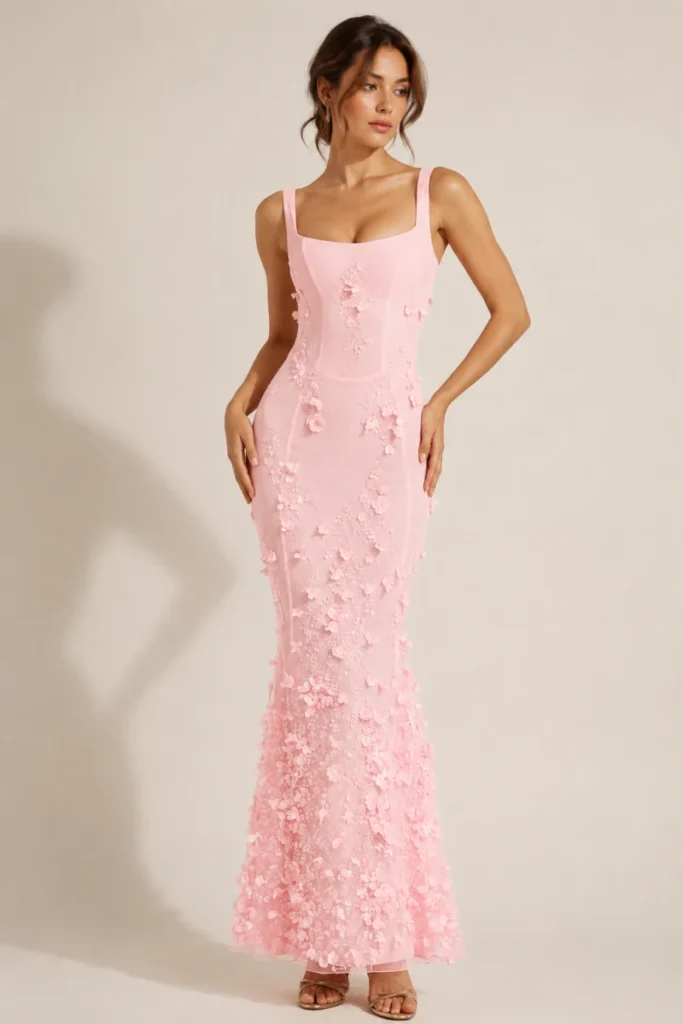
Fashion Dresses
Fashion dresses are Duolan’s central custom apparel category. They may be mini, midi, maxi, fitted, soft draped, structured, embellished or designed for a seasonal launch. Each style must support brand identity, target price level and repeatable production.
- Development focus: We review the dress silhouette, fabric behavior, neckline, waist balance, length, lining and finishing before sampling.
- Production concern: A fashion dress can lose value if the sample shape, fabric handfeel or final pressing changes in bulk.
- Brand value: Duolan helps brands turn dress concepts into production-ready garments with clearer standards and stronger repeat potential.
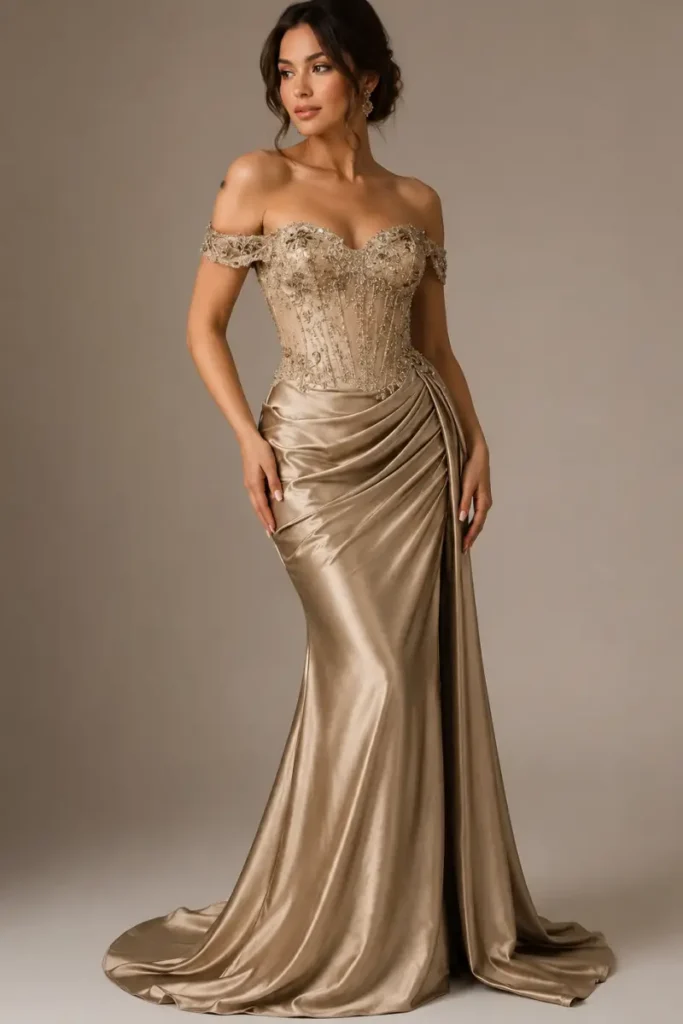
Occasion Dresses
Occasion dresses must perform in real event situations. They need visual polish, comfort, movement, stable fit and careful finishing. Brands selling occasionwear cannot rely on appearance alone because customer confidence depends on how the garment wears.
- Development focus: We review fabric richness, lining, support, neckline stability, zipper position, hem balance and final garment presentation.
- Production concern: Satin marks, lace placement, mesh coverage, sequin comfort and structured bodice stability must be controlled early.
- Brand value: Duolan supports occasionwear programs for wedding guest, cocktail, graduation, formal, semi-formal and social event collections.
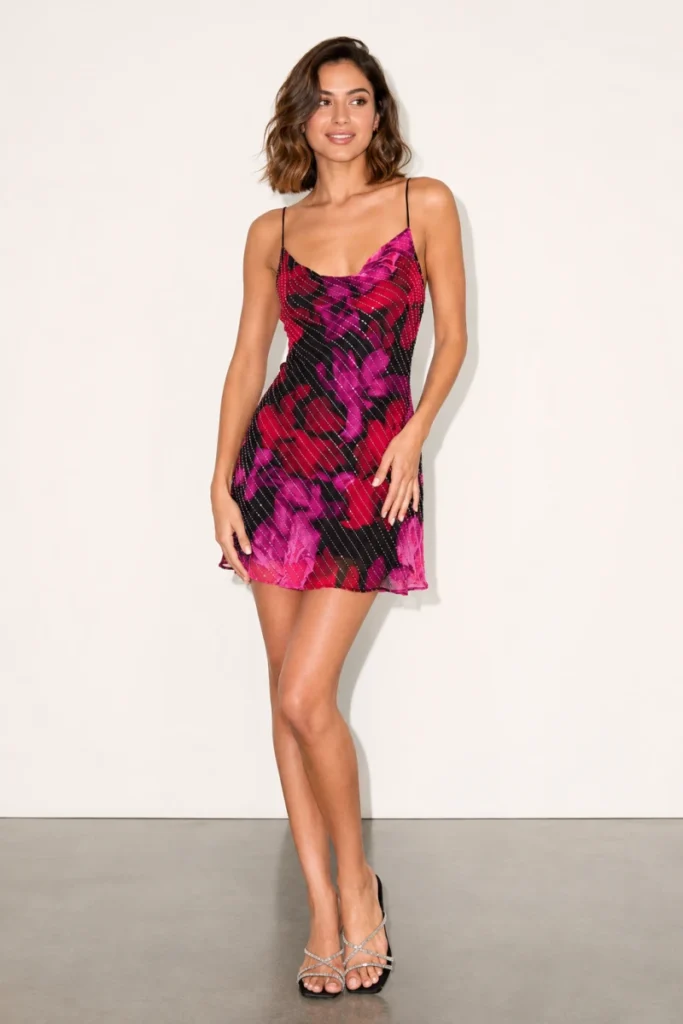
Party Dresses
Party dresses often require high visual impact and high production control at the same time. Mini length, fitted shape, cut-outs, mesh, ruching, sequins, satin and corset details can create strong sales potential but also higher bulk risk.
- Development focus: We review stretch recovery, lining coverage, support structure, cut-out position, seam strength and wearing stability.
- Production concern: Visual effect should not create discomfort, transparency problems, weak zippers, loose sequins or unstable fit.
- Brand value: Duolan helps partywear brands balance bold styling with production feasibility and sellable garment quality.
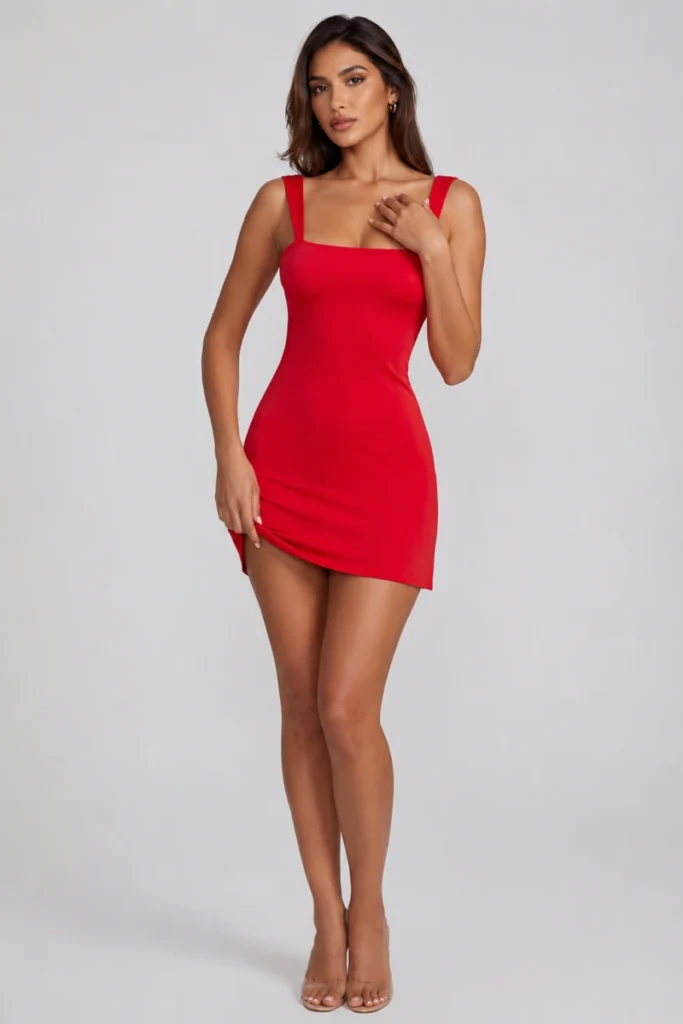
Mini Dresses
Mini dresses need strong proportion control because a small change in length, neckline, waist position or hem can change the entire product. They are common in partywear, birthday, homecoming, going-out and day-party collections.
- Development focus: We review length safety, bust balance, hip fit, hem shape, lining, strap position and movement comfort.
- Production concern: Short styles magnify fit and coverage issues, especially in fitted, backless, halter and stretch garments.
- Brand value: Duolan helps brands develop mini dresses that look sharp while staying wearable and consistent in production.
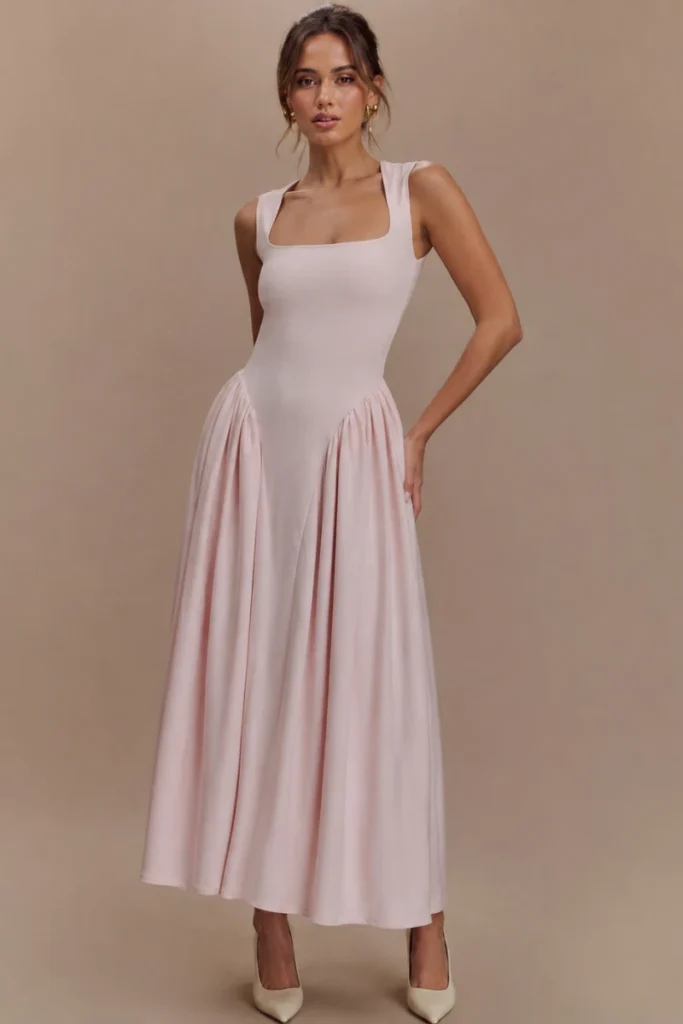
Midi Dresses
Midi dresses are often used for premium occasionwear, contemporary womenswear, satin collections and fitted fashion programs. They need balanced length, clean drape, smooth seams and strong proportion through the body.
- Development focus: We review fabric fall, waist placement, hip shape, side seam, hem balance, lining length and final pressing.
- Production concern: Poor drape, uneven hem, pulling seams or weak fabric selection can make a midi dress look less premium.
- Brand value: Duolan supports midi dress development where elegance, fit control and bulk presentation must work together.
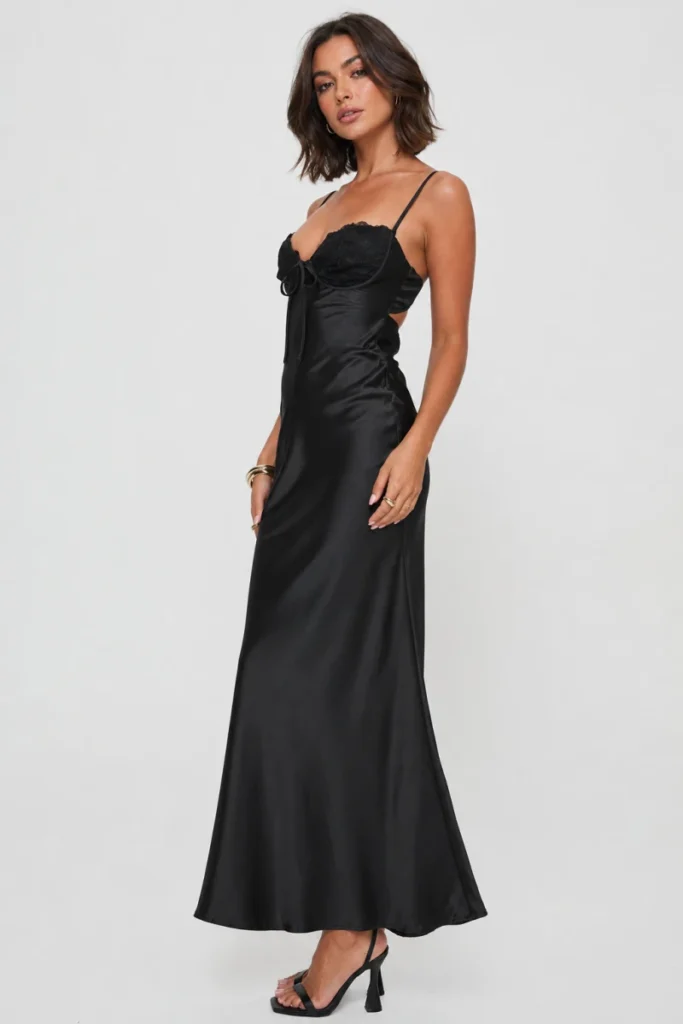
Maxi Dresses
Maxi dresses require stronger control over fabric usage, cutting direction, lining, print placement, hem level, packing and movement. Longer garments make production problems more visible because small distortions travel through the full length.
- Development focus: We review fabric width, drape, opacity, print direction, lining length, hem finish and carton packing method.
- Production concern: Twisted seams, uneven hems, shade difference or compression marks can damage the final selling condition.
- Brand value: Duolan supports resort maxis, occasion maxis, printed maxis and lightweight seasonal maxi dress programs.
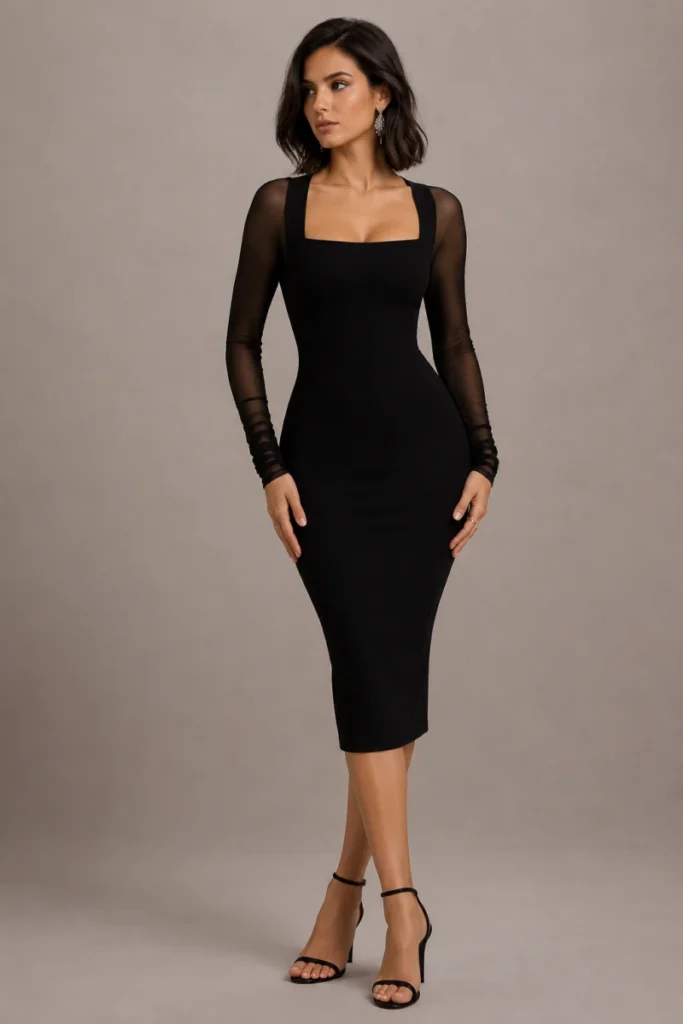
Bodycon Dresses
Bodycon dresses depend on stretch, recovery, pattern tension, seam elasticity and size grading. A fitted garment can meet a size chart but still fail on the body if fabric and pattern are not developed together.
- Development focus: We review bust, waist, hip, side seam, stretch direction, lining, ruching and recovery after wearing.
- Production concern: Weak recovery, wrong negative ease, poor seam elasticity or inconsistent fabric batches can create fit complaints.
- Brand value: Duolan supports body-conscious fashion where curve, comfort and production consistency must stay aligned.
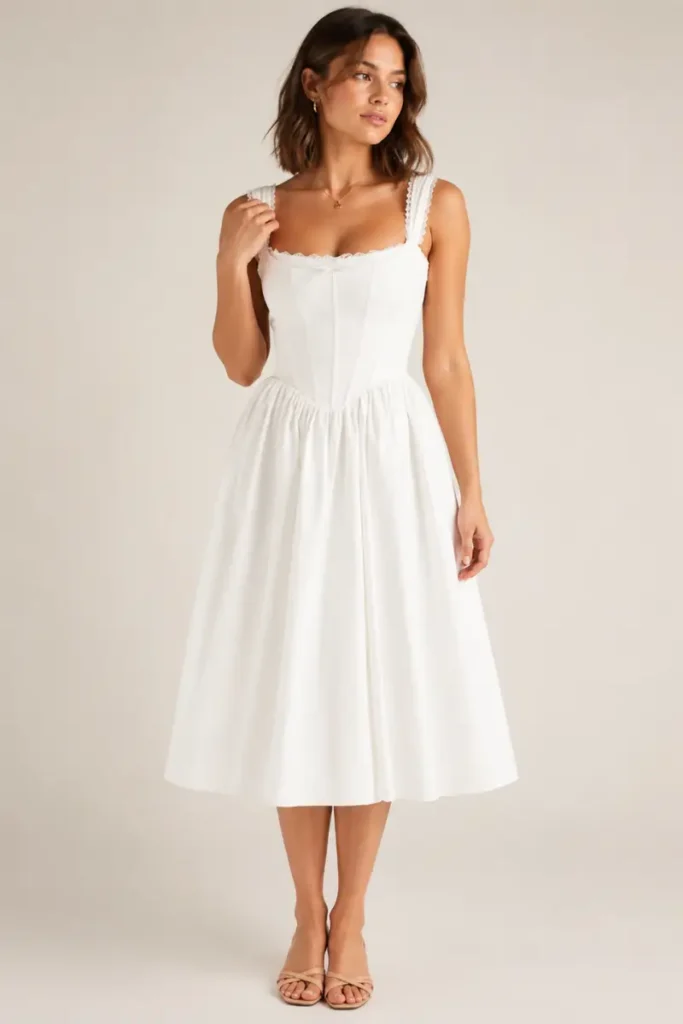
Corset Dresses
Corset and bustier dresses need internal structure, not just decorative seam lines. Cup position, boning, lining, support layers, back closure and outer fabric must work together to hold the intended silhouette.
- Development focus: We review cup balance, boning channels, waist support, neckline edge, lining comfort and back opening stability.
- Production concern: Incorrect support can cause gaping, discomfort, uneven structure lines or bulk garments that lose the sample shape.
- Brand value: Duolan supports corset dress projects for partywear, occasionwear, formal, premium and structured womenswear collections.
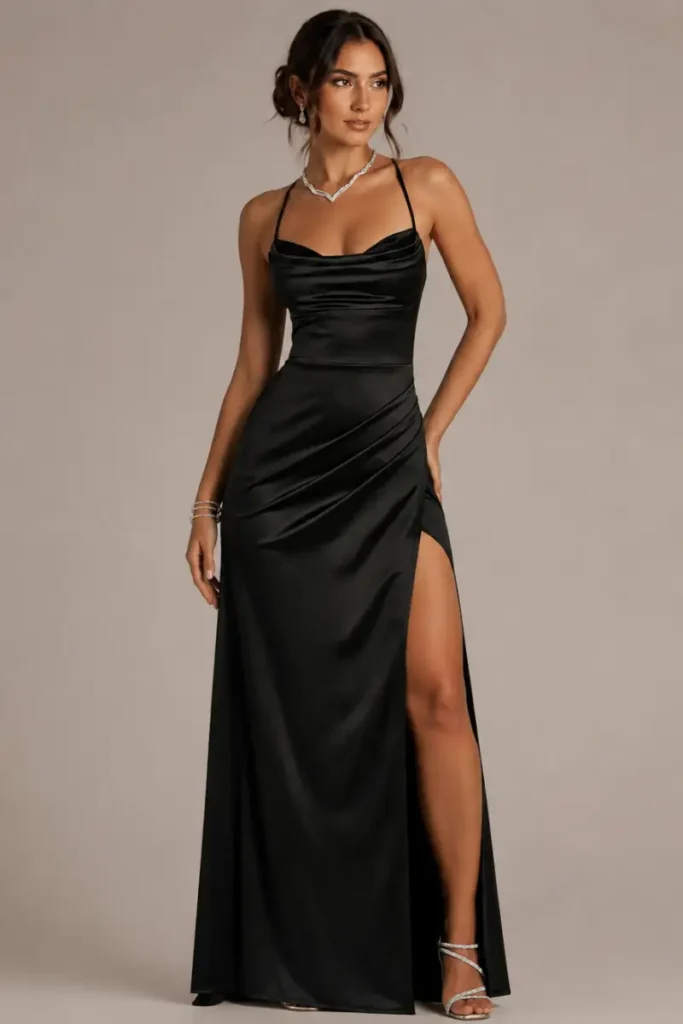
Satin Dresses
Satin dresses look refined only when fabric, cutting, sewing, pressing, lining and packaging are controlled. Satin exposes needle marks, puckering, pressing marks, static, shade changes and packing creases more than many other fabrics.
- Development focus: We review satin weight, handfeel, drape, lining, seam behavior, cowl effect, pressing method and packing protection.
- Production concern: A satin sample can look strong but fail in bulk if fabric batch, seam control or finishing changes.
- Brand value: Duolan supports satin slip dresses, occasion midis, party satins and soft draped fashion dress programs.
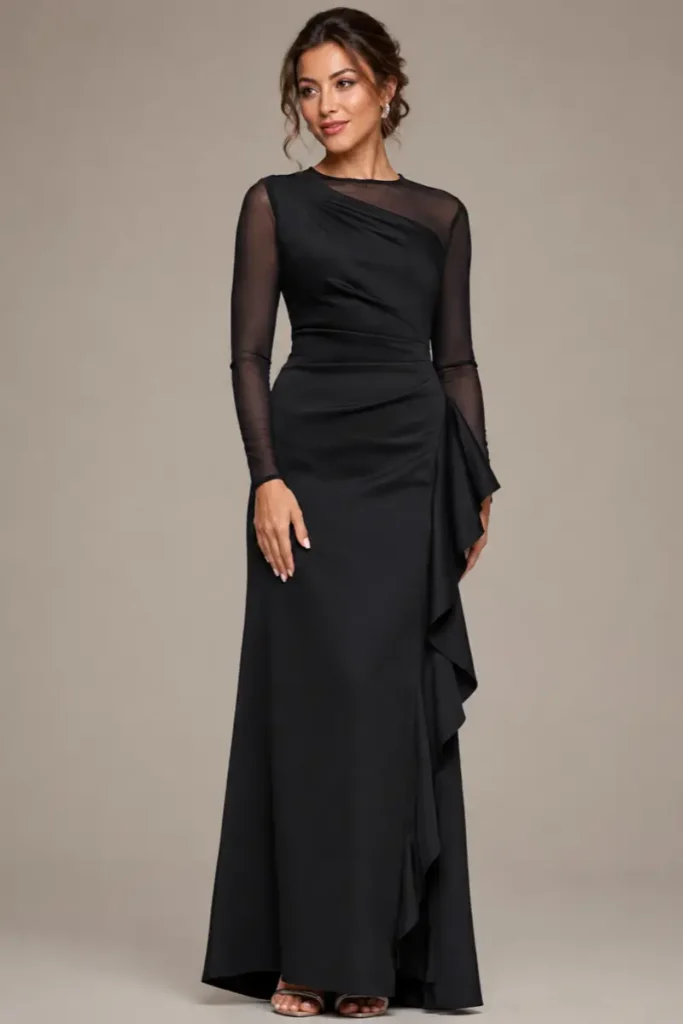
Mesh Dresses
Mesh dresses require careful control over transparency, stretch, lining, print placement, panel edges and body fit. The product may look light and modern, but the development work behind it must be precise.
- Development focus: We review opacity zones, lining map, stretch direction, seam elasticity, print placement and skin-contact comfort.
- Production concern: Mesh can distort, reveal too much, pull against lining or create uneven panel tension in bulk.
- Brand value: Duolan supports mesh bodycon, printed mesh, layered mesh and partywear mesh dress development.

Sequin Dresses
Sequin dresses are production-sensitive garments. They are not only shiny fabric styles. Weight, sequin direction, shedding, scratching, seam bulk, lining, zipper areas and packing pressure all affect the final garment.
- Development focus: We review sequin density, fabric base, cutting direction, seam allowance, lining comfort and packing protection.
- Production concern: Loose sequins, uncomfortable edges, heavy garment weight or poor zipper handling can create quality complaints.
- Brand value: Duolan supports sequin mini, holiday party, clubwear, occasion and embellished capsule development.

Lace Dresses
Lace dresses need correct fabric selection, placement, symmetry, lining color, edge use and seam control. The value of lace depends heavily on how the pattern is cut, positioned and supported by the lining.
- Development focus: We review lace flower direction, scallop edge use, bust placement, waist alignment, lining shade and transparency.
- Production concern: Poor lace placement can make a dress look inexpensive even when the material itself is strong.
- Brand value: Duolan supports lace mini, midi, occasion, feminine contemporary and corset-inspired dress programs.

Vacation Dresses
Vacation dresses must feel lightweight, move naturally, photograph well and travel well. Resort and vacation garments often rely on print, soft drape, breathable lining and easy styling across warm-weather or destination occasions.
- Development focus: We review fabric lightness, print scale, transparency, color direction, lining comfort, hem finish and packing method.
- Production concern: Thin fabrics can slip, distort, become transparent, wrinkle badly or lose print balance in cutting.
- Brand value: Duolan supports resort maxis, printed dresses, sundresses, halter styles and vacation-ready sets.
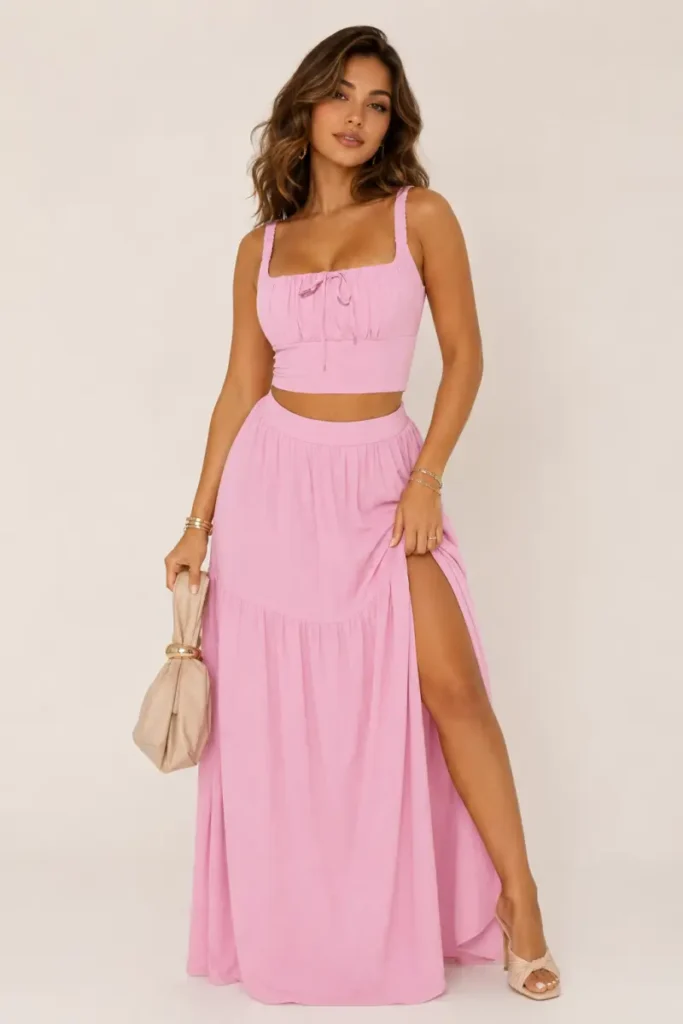
Fashion Sets
Fashion sets help brands build fuller collection stories beyond single garments. A set must coordinate fabric, color, fit, proportion, trims, label placement and packing method across multiple pieces.
- Development focus: We review whether the top and bottom work together visually, technically and commercially.
- Production concern: Color mismatch, size imbalance, fabric batch difference or inconsistent trim execution can weaken the set.
- Brand value: Duolan supports skirt sets, top-and-skirt sets, corset sets, resort sets and partywear sets.

Refined Tops
Refined tops extend dress-focused womenswear collections without shifting the brand into low-value basics. Corset tops, satin tops, lace tops, mesh tops, halter tops and fitted tops can support occasion, party, resort or contemporary programs.
- Development focus: We review neckline, bust fit, lining, strap position, fabric handfeel, closure and pairing logic.
- Production concern: Tops can look simple but still fail if support, edge finish, size grading or fabric recovery is weak.
- Brand value: Duolan supports refined fashion tops as part of coordinated womenswear collection development.
Apparel Extensions for Dress-led Collections
A strong womenswear collection often needs more than dresses. Duolan can support related apparel categories when they strengthen a brand’s dress-led product structure. These extensions are not treated as low-value basics, but as coordinated styles connected with fabric, fit, color, trim and launch planning.

Skirt Sets
Skirt sets help brands create a complete look while giving customers more styling flexibility. They are especially useful for resortwear, partywear, occasion capsules and contemporary fashion launches where product pairing drives higher visual value.
- Development focus: We review top proportion, skirt length, waist fit, fabric matching, color consistency and trim alignment.
- Production concern: Sets can fail if the top and bottom are produced separately without shared material and size control.
- Brand value: Duolan helps brands develop sets that can be sold together while keeping each piece production-ready.

Two-piece Sets
Two-piece sets can support quick launch calendars, campaign styling and repeatable collection development. They require coordination between fit, fabric, silhouette, color and packaging so that the finished product feels intentional rather than assembled.
- Development focus: We review how both pieces fit individually and how the full look appears on body.
- Production concern: Stretch, color, label position, packing ratio and size pairing must stay consistent across both pieces.
- Brand value: Duolan supports party sets, resort sets, fitted sets, skirt sets and occasion-inspired two-piece programs.

Corset Tops
Corset tops bring structured fashion value into a collection, but they require the same technical discipline as corset dresses. Cup position, boning, lining, back closure and fabric tension must work together.
- Development focus: We review support layer, cup balance, neckline stability, boning channels, lining and closure method.
- Production concern: A corset top can become uncomfortable or unstable if support is treated as decoration.
- Brand value: Duolan supports corset tops for partywear, premium tops, sets and structured womenswear capsules.

Halter Tops
Halter tops are sensitive to strap tension, neckline shape, bust coverage and back security. They may look clean from the front but create fit problems if the neck and bust load are not managed correctly.
- Development focus: We review strap width, attachment strength, neckline position, fabric stretch and back opening balance.
- Production concern: Weak tension control can create neck discomfort, gaping, slipping or poor bust support.
- Brand value: Duolan supports halter tops for resort, party, going-out and dress-coordinated collections.

Bodysuits
Bodysuits need strong fit discipline because they sit close to the body and often support styling under skirts, trousers or sheer layers. Comfort, stretch recovery and bottom closure quality are especially important.
- Development focus: We review fabric recovery, neckline, body length, snap quality, side seam balance and skin-contact comfort.
- Production concern: Bodysuits can create fit complaints if rise, stretch, closure and size grading are not tested carefully.
- Brand value: Duolan supports bodysuits when they fit into a broader womenswear collection or set strategy.

Jumpsuits
Fashion jumpsuits and rompers require proportion control across bodice, waist, hip, rise and leg shape. A small pattern issue can affect comfort, movement and overall product appearance.
- Development focus: We review torso length, waist position, hip room, fabric drape, closure and movement comfort.
- Production concern: Jumpsuits can be difficult to grade because upper body and lower body fit must work together.
- Brand value: Duolan supports selected jumpsuits and rompers for resort, occasion, going-out and contemporary fashion programs.
Fabric Choices That Shape Custom Apparel
Fabric selection is not only a sourcing task. It determines how custom apparel fits, drapes, photographs, moves, packs and performs in bulk production. Duolan reviews fabric direction through garment reality: handfeel, opacity, stretch, recovery, surface risk, lining relation, finishing behavior and production stability.
Fabric Direction and Production Judgment

Satin

Mesh

Sequin
Lace

Chiffon

Stretch Jersey

Velvet

Rib Knit

Organza / Tulle

Printed Fabric
| Fabric Direction | Best Use | Production Risk | Duolan Control |
|---|---|---|---|
| Satin | Slip dresses, midi dresses, occasion styles, soft draped fashion | Seam marks, pressing marks, static, lining mismatch, packing creases | Review fabric weight, handfeel, seam behavior, lining, pressing method and packing protection |
| Mesh | Party dresses, bodycon dresses, printed styles, layered garments | Transparency, stretch distortion, lining conflict, edge instability | Check opacity map, lining coverage, stretch direction, seam elasticity and panel placement |
| Sequin | Holiday dresses, club styles, partywear, embellished capsules | Weight, scratching, shedding, seam bulk, zipper difficulty | Control sequin direction, seam allowance, lining comfort, QC focus and packing pressure |
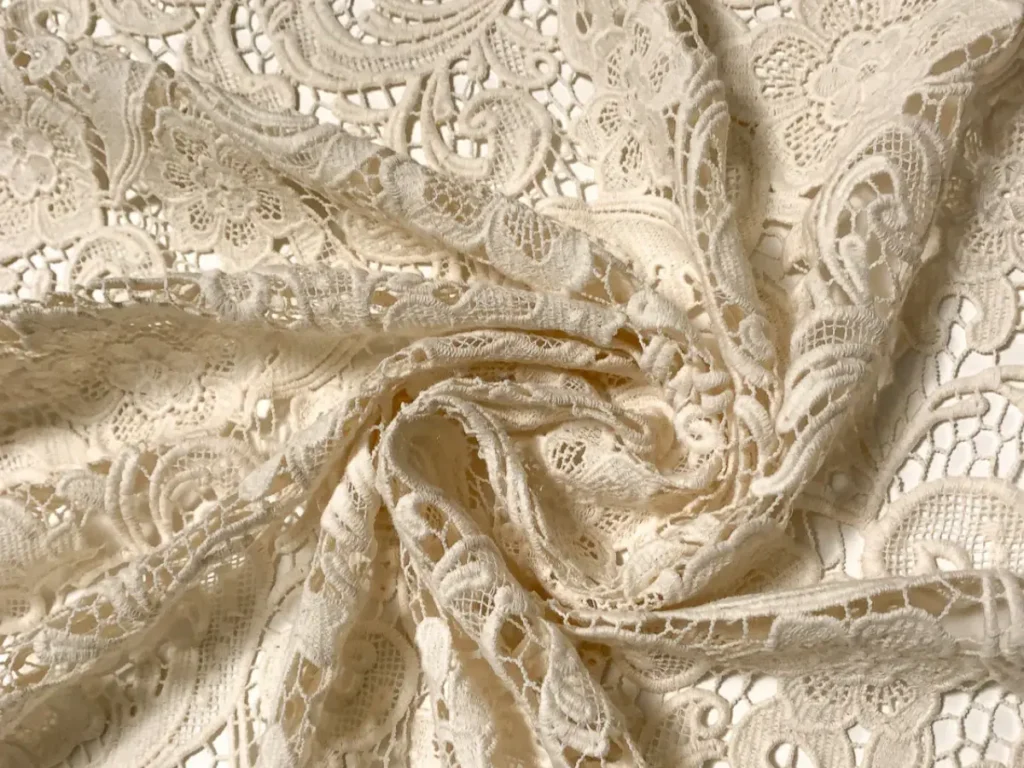
| Lace | Occasion dresses, feminine styles, corset dresses, premium tops | Poor placement, asymmetry, lining color error, high cutting loss | Review flower position, edge use, lining shade, cutting layout and size grading impact |
| Chiffon | Resort dresses, maxi dresses, layered occasion styles | Slippage, transparency, uneven hem, fraying, heat sensitivity | Control cutting layers, edge finish, lining length, pressing temperature and packing method |
| Stretch Jersey | Bodycon dresses, ruched styles, fitted tops, fashion sets | Weak recovery, size instability, seam cracking, distortion | Test stretch direction, recovery, pattern tension, seam elasticity and wash behavior |
| Velvet | Holiday dresses, winter occasion, premium partywear | Pile direction, shade difference, pressure marks, cutting risk | Control pile direction, batch separation, cutting layout, pressing limits and storage method |
| Rib Knit | Fitted dresses, tops, sets, casual refined pieces | Growth, twisting, shrinkage, unstable fit | Review recovery, wash shrinkage, size grading, seam strength and measurement tolerance |
| Organza / Tulle | Structured layers, statement details, occasion volume | Scratchiness, uneven volume, shape instability, edge handling | Evaluate layer structure, comfort, edge finish, lining relation and packing protection |
| Printed Fabric | Resort dresses, floral dresses, seasonal collections | Placement error, color difference, scale mismatch, direction mistake | Confirm strike-off, print scale, cutting direction, pattern position and color consistency |
Trims That Protect Brand Quality
Trims and accessories carry both functional and visual responsibility. A zipper, lining, boning, strap, elastic, hardware or label can change how a garment fits, feels, lasts and presents in retail channels. Duolan reviews trims as part of custom apparel development, not as late production add-ons.

Zippers
Zippers affect wearing comfort, garment appearance and product durability. They are especially important in fitted dresses, satin garments, corset styles, back-opening designs and structured pieces where tension is concentrated around the closure.
- Selection focus: Duolan reviews zipper type, tape color, slider quality, length, strength, surface finish and compatibility with fabric weight.
- Construction focus: Zipper placement, seam allowance, lining relation and top/bottom finishing must follow the approved sample standard.
- Quality focus: Bulk QC checks zipper smoothness, alignment, seam distortion, tension areas and whether the zipper changes the garment fit.

Linings
Lining influences coverage, comfort, drape, structure and perceived product value. In mesh, lace, sequin, satin, white or light-color garments, the wrong lining can damage both appearance and wearing confidence.
- Selection focus: Duolan reviews lining color, opacity, stretch, handfeel, thickness, breathability and compatibility with the outer fabric.
- Construction focus: Lining length, attachment points, side seam relation, hem relation and zipper connection must be planned before production.
- Quality focus: QC checks whether lining twists, pulls, shows through incorrectly, scratches skin or changes the garment silhouette.

Boning & Cups
Boning and cups help structured garments hold shape and provide support. They must be developed with the pattern, lining, support layer, closure and outer fabric instead of being added as decoration.
- Selection focus: Duolan reviews boning type, cup shape, support level, channel width, fabric thickness and comfort requirements.
- Construction focus: Cup placement, boning channels, neckline edge, waist support and back closure must align with the pattern structure.
- Quality focus: QC checks symmetry, comfort, support stability, edge smoothness and whether the structure holds the approved silhouette.

Elastic & Straps
Elastic and straps are critical in fitted, smocked, halter, backless, slip, bodycon and adjustable garments. They influence support, fit tolerance, comfort and customer confidence during wear.
- Selection focus: Duolan reviews elastic width, softness, recovery, tension, stretch direction and compatibility with the garment fabric.
- Construction focus: Strap length, connection points, reinforcement, adjuster placement and neckline balance must be checked during sampling.
- Quality focus: QC checks strap strength, elastic recovery, symmetry, wearing stability and whether the garment slips, pulls or twists.
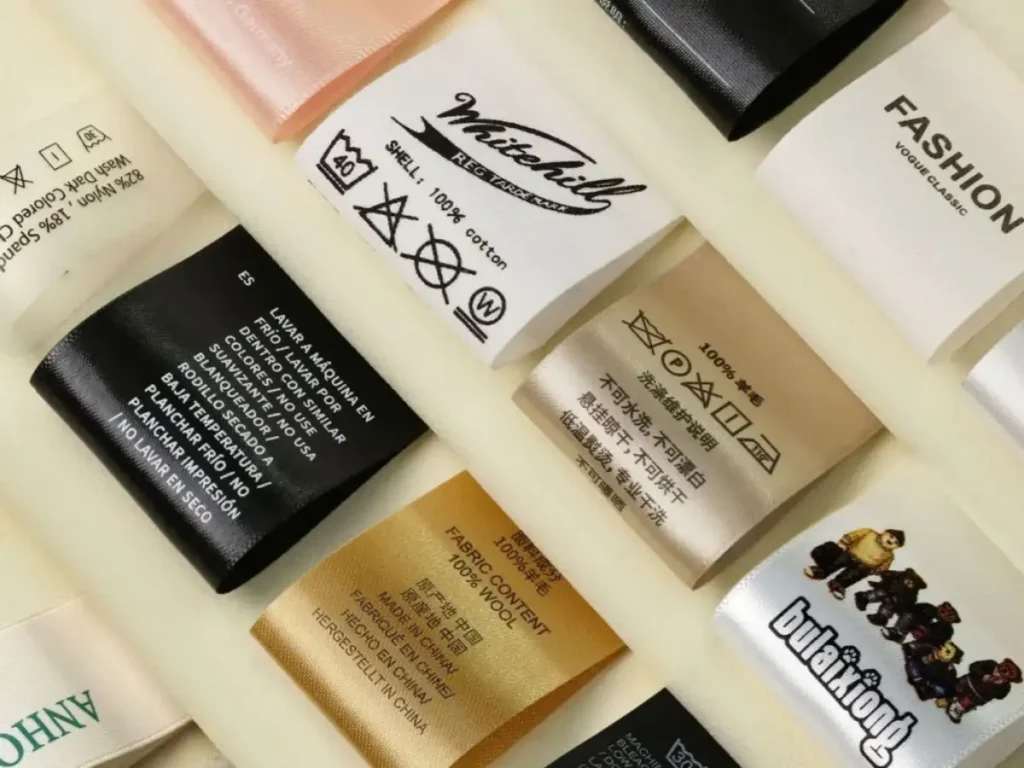
Labels & Tags
Labels, care labels, size marks, hang tags and packaging details carry brand identity and channel information. Poor label execution can make a premium garment feel inconsistent or create warehouse receiving problems.
- Selection focus: Duolan reviews label type, material, size, placement, artwork clarity, care information and comfort against skin.
- Construction focus: Labels must be attached cleanly without damaging lining, neckline, side seam or garment interior presentation.
- Quality focus: QC checks label position, spelling, size matching, care label accuracy, hang tag placement and packing consistency.
Custom Apparel Cooperation Models
Different fashion brands begin at different stages. Some already have tech packs and approved samples. Others have reference images, original garments, fabric ideas or a seasonal collection plan. Duolan supports custom apparel cooperation models according to the project’s real starting point and production readiness.
| Cooperation Model | Suitable Project | What Duolan Supports |
|---|---|---|
| Full Custom Development | Brand-owned design direction, sketch, reference image or original sample | Fabric review, trim direction, pattern development, first sample, revision and PP sample preparation |
| OEM Production | Confirmed style with tech pack, BOM, size chart and sample standard | Material lock, production engineering, line planning, QC and packing execution |
| ODM Support | Brand has market direction but needs style, fabric or sample suggestions | Style direction review, fabric options, sample basis and collection development support |
| Private Label Execution | Brand needs labels, tags, care labels and packaging aligned with garments | Main label, care label, size label, hang tag, poly bag and carton mark support |
| Sample-to-Bulk Program | Brand has sample approval and needs stable production transition | PP sample confirmation, construction notes, BOM confirmation, inline QC and final inspection |
| Repeat Production | Proven style, restock need or seasonal continuation | Batch records, material references, size control, production planning and delivery coordination |
What We Review Before Development
Duolan does not treat custom apparel projects as simple quote requests. Before sampling or bulk production, the team reviews product type, fabric direction, construction risk, target quantity, launch timing and brand requirements. This improves sample accuracy, reduces avoidable revisions and creates a clearer production path.
Product Direction
Every project begins with a clear product direction. A dress, set, top, skirt or bodysuit needs different fabric, fit and production logic. A satin midi cannot be reviewed the same way as a mesh bodycon dress or corset party style.
- What to send: Product type, reference image, tech pack, sample photo, sketch or collection moodboard.
- What we check: Silhouette, category fit, target use, market positioning, core details and production difficulty.
- Why it matters: A clear product direction prevents early sampling from becoming guesswork and reduces unnecessary development loops.
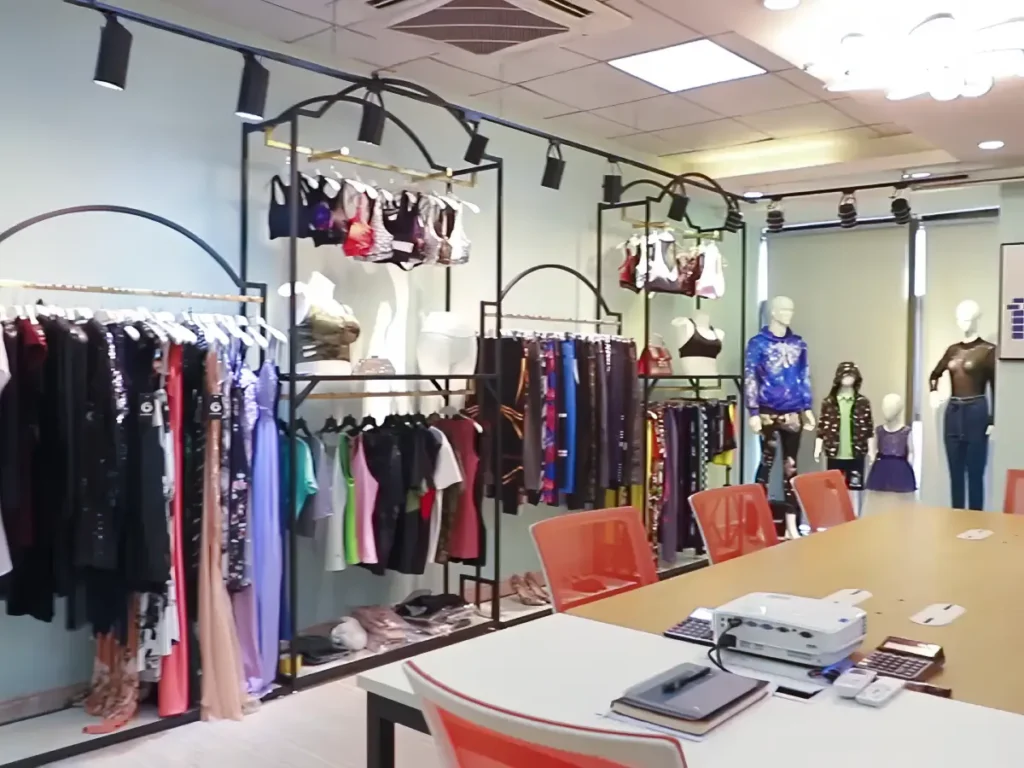
Fabric Suitability
Fabric determines how a garment looks, fits and behaves in bulk. Duolan reviews whether the fabric direction supports the intended silhouette, comfort level, transparency, movement, structure and price position.
- What to send: Fabric swatch, composition, GSM, handfeel target, stretch requirement, color reference or fabric inspiration.
- What we check: Drape, stretch, opacity, recovery, surface risk, lining need, cutting behavior and finishing sensitivity.
- Why it matters: Many sample problems begin with fabric mismatch, not sewing mistakes.
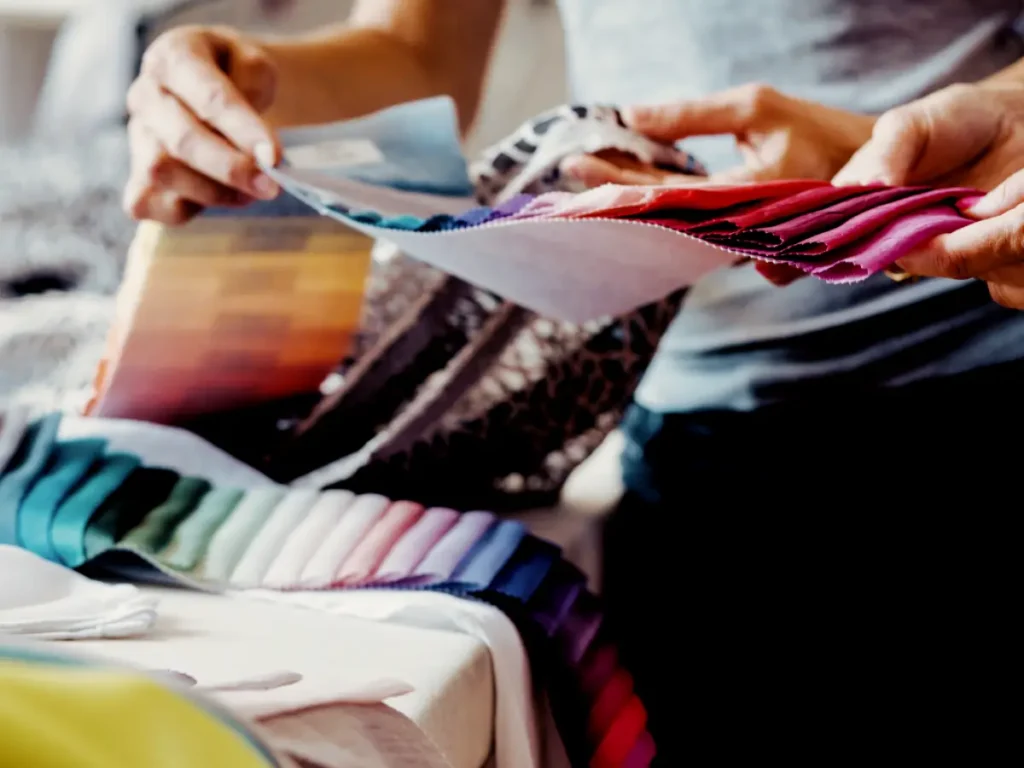
Construction Risk
Complex details need technical review before development moves too far. Corset structure, backless design, halter tension, mesh panels, sequins, lace placement, ruching and cut-outs each create different risks.
- What to send: Detail photos, construction notes, original sample, inside view or preferred finishing reference.
- What we check: Support, edge finish, lining, comfort, stress points, stitch method and bulk feasibility.
- Why it matters: Early construction review helps avoid beautiful samples that cannot be produced consistently.

Quantity and Timeline
Target quantity and launch timing affect sourcing, sampling, production planning and cost structure. A sample-only project, test order, launch order and repeat order should not be evaluated with the same assumptions.
- What to send: Target quantity, size range, color count, sample deadline, bulk deadline and launch date.
- What we check: Material readiness, sampling time, revision window, production capacity, QC time and shipment planning.
- Why it matters: Realistic timing protects product quality and prevents rushed decisions before bulk production.
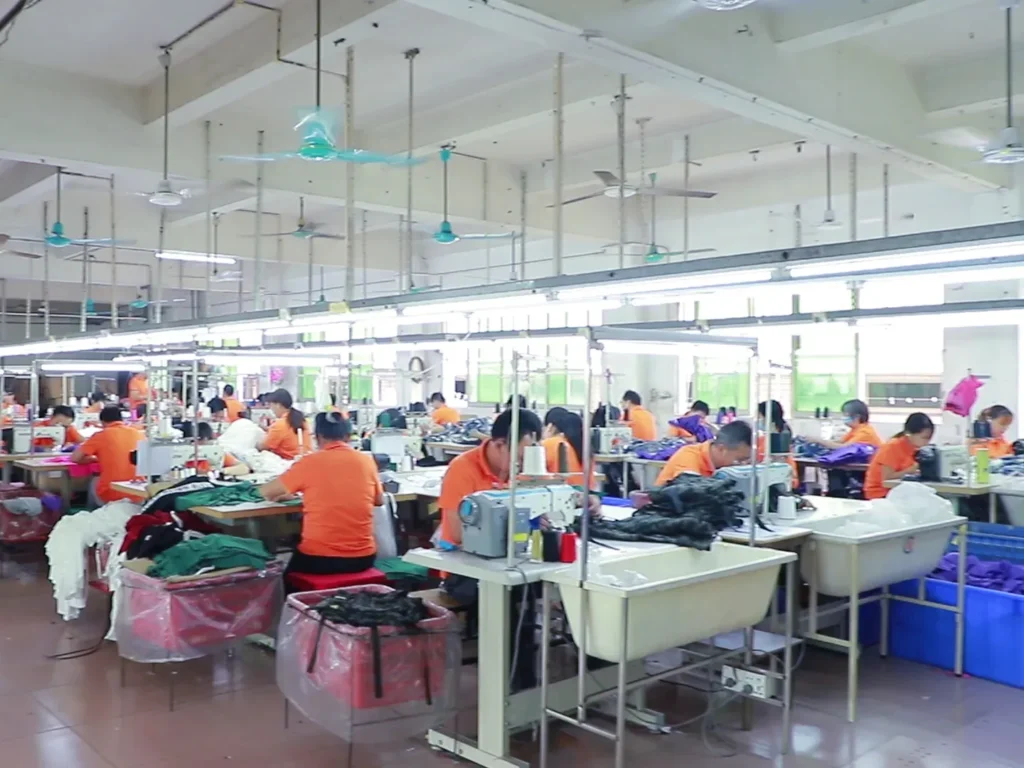
Brand Requirements
Brand requirements include labeling, packaging, compliance, testing, inspection, channel delivery and warehouse receiving. These requirements should be discussed before production, not after garments are finished.
- What to send: Label artwork, hang tag details, packaging standard, testing needs, inspection rules or warehouse requirements.
- What we check: Label placement, care content, barcode needs, carton marks, packing method and compliance coordination.
- Why it matters: Brand execution is part of custom apparel manufacturing, not a final decoration step.
Production Readiness
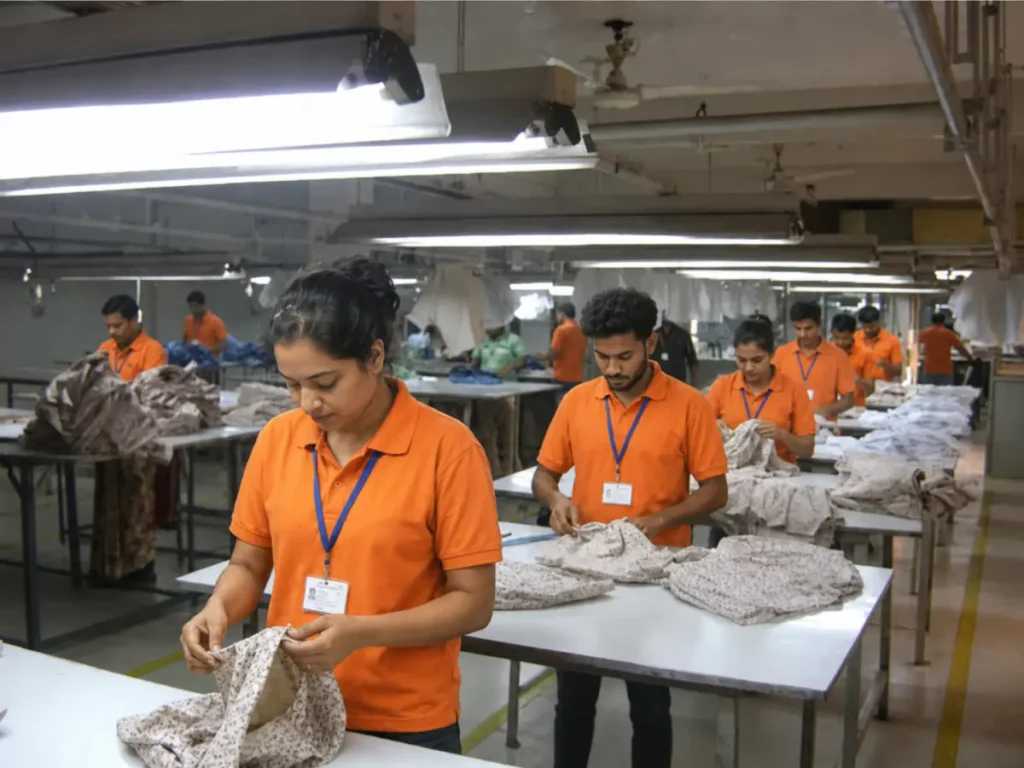
A project becomes production-ready only when the style, material, fit, construction, labels, packaging and quality standard are clear. Duolan reviews whether the approved sample can realistically move into bulk.
- What to send: Approved sample comments, revised sample photos, confirmed BOM, size chart and production expectation.
- What we check: PP sample standard, material lock, critical measurements, QC focus, packing method and delivery path.
- Why it matters: Production readiness protects the brand from sample-to-bulk inconsistency.
From Design Direction to Sample Standard
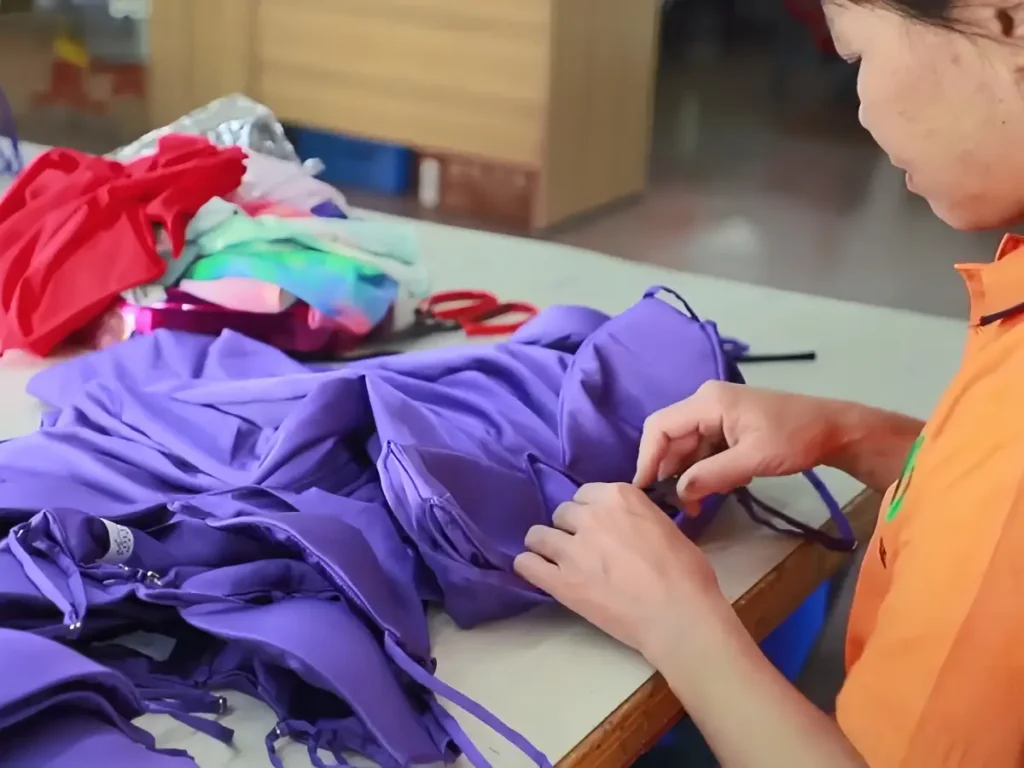
Sample development is where a custom apparel idea becomes a garment that a brand can review, modify, approve and prepare for production. Duolan’s sample path is built to clarify fabric, fit, construction and bulk feasibility before a style enters production planning.
Step 1|Brief and Reference Review
The process can begin with a tech pack, reference image, sketch, original sample, fabric idea or collection moodboard. Duolan reviews product type, target silhouette, visible details, fit priority, sample purpose and expected use. The goal is not to rush into sewing. The goal is to understand the brand intention and identify what must be clarified before fabric selection, pattern development or cost review begins.
Step 2|Fabric and Trim Direction
Fabric and trims are reviewed against the garment’s real needs. Satin may require seam and pressing control. Bodycon styles need stretch recovery. Mesh needs opacity and lining planning. Corset styles need support materials, cups, boning and closure details. Duolan checks whether the proposed fabric and trims can support appearance, comfort, target price level, production quantity and delivery timing.
Step 3|Pattern Development
Pattern development translates design direction into garment shape. Bust, waist, hip, length, neckline, armhole, strap tension, back opening, hem balance and size logic are considered together. For complex womenswear, a pattern cannot be judged only by flat measurements. It must support fabric behavior, wearing stability and the intended silhouette before the first sample can provide meaningful feedback.
Step 4|First Sample Review
The first sample is not the final production standard. It is used to check whether the design direction, fabric behavior, proportion, fit, construction and visual effect are moving correctly. The sample may reveal issues in fabric weight, lining, support, neckline, zipper placement, hem, ruching or overall balance. Duolan treats the first sample as a development checkpoint, not a finished bulk reference.
Step 5|Revision and Fit Comments
After sample review, comments must be converted into clear technical actions. Fit comments may involve bust balance, waist shaping, hip fit, side seam, strap length, back security, hem level or lining adjustment. Duolan helps organize comments into revision directions so the next version moves closer to production readiness. This also reduces confusion when several teams review the garment.
Step 6|PP Sample Preparation
The PP sample or production-ready sample becomes the key reference before bulk. Fabric, trims, color, construction, measurements, labels, packaging and finishing must be confirmed. Duolan uses the approved sample, material records, construction notes and QC checkpoints to help transfer the development standard into production execution. This stage protects the brand from sample-to-bulk inconsistency.
Fit Control for Custom Womenswear
Fit is one of the strongest reasons mature fashion brands need a specialized womenswear manufacturer. A supplier may be able to follow a measurement chart, but dress-focused fit requires deeper judgment. The garment must support the intended silhouette, fabric behavior, wearing position and size range.

Bust, Neckline and Support
Bust balance and neckline stability decide whether a garment feels secure when worn. This is especially important for corset dresses, strapless styles, halter dresses, satin slips, mesh dresses and fitted partywear.
- Review focus: Duolan checks bust coverage, cup position, neckline height, gaping risk, strap tension and support method.
- Development risk: A style may look attractive on a hanger but become unstable during movement if support is not developed correctly.
- Production control: Confirmed support points must be translated into PP sample standard, sewing method and QC focus.

Waist, Hip and Body Balance
Waist and hip fit shape the visual proportion of fitted dresses, bodycon styles, corset dresses, ruched garments and midi silhouettes. Small pattern changes can affect how the garment sits on the body.
- Review focus: Duolan checks waist position, hip tension, side seam balance, negative ease, recovery and body curve alignment.
- Development risk: Fabric stretch and pattern tension must work together, especially for body-conscious and ruched garments.
- Production control: Size grading, cutting direction and measurement tolerance must be controlled before bulk production expands.

Length, Hem and Movement
Mini, midi and maxi dresses require different length logic. Length affects product identity, wearing confidence, movement, photography and customer expectations. It is not only a measurement point.
- Review focus: Duolan checks mini coverage, midi proportion, maxi hem balance, lining relation and walking movement.
- Development risk: Uneven hems, poor drape, twisted seams or lining exposure can weaken the finished garment.
- Production control: Hem finish, pressing, packing and final measurement checks help protect the approved look.

Straps, Back and Openings
Halter, backless, spaghetti strap and adjustable strap styles rely on controlled tension. Strap length, attachment points, hardware, elastic and back opening determine whether the garment stays stable.
- Review focus: Duolan checks strap load, back security, closure position, edge finishing, elastic recovery and hardware comfort.
- Development risk: Open-back or halter styles can slip, pull, twist or create neck pressure if tension is not balanced.
- Production control: Strap length, reinforcement and attachment method must be confirmed before bulk sewing begins.
Complex Details Need Controlled Execution
Complex womenswear construction is where Duolan’s dress-focused experience becomes important. Details such as corset structure, mesh coverage, sequin comfort, satin seam control and ruched fit cannot be treated as decoration only. Each detail affects wearing, production and quality consistency.

Corset Structure
Corset construction depends on internal support, cup position, boning, lining, closure and outer fabric tension. A corset dress works only when the inside structure supports the outside silhouette.
- Development focus: Duolan reviews cup balance, boning placement, neckline edge, waist shaping and back closure before sampling.
- Production risk: Bulk garments may lose the sample shape if support channels, lining or closure tension are not standardized.
- QC focus: We check symmetry, support stability, inside comfort, edge smoothness and whether the structure follows the PP sample.

Bust Support
Bust support is important for strapless, halter, corset, bustier, backless and fitted dresses. It may come from pattern shape, cups, lining, elastic, boning or back structure.
- Development focus: Duolan checks support method, bust coverage, neckline stability, cup placement and fabric compatibility.
- Production risk: Weak support can create gaping, slipping, discomfort or poor customer confidence when worn.
- QC focus: Support areas are checked for symmetry, comfort, tension, seam strength and consistency across sizes.

Backless Security
Backless dresses need visual openness and wearing security at the same time. The back opening must work with side seams, waist support, straps, closures, fabric stretch and lining.
- Development focus: Duolan reviews back depth, strap logic, side seam tension, waist support and closure placement.
- Production risk: Open-back styles can slip, twist, gape or lose support if pattern balance is weak.
- QC focus: Back opening, strap strength, elastic recovery, closure stability and wearing position must match the approved sample.

Halter Tension
Halter designs carry tension around the neck, bust and back. Incorrect tension can cause neck discomfort, poor bust support or neckline distortion.
- Development focus: Duolan reviews strap width, strap length, fabric stretch, neckline coverage and back structure.
- Production risk: Halter styles may pull unevenly or lose shape if attachment points are not reinforced.
- QC focus: Strap position, seam strength, symmetry, hardware function and neckline stability are checked in bulk.

Mesh Coverage
Mesh garments must balance transparency, coverage, stretch and lining. A mesh dress may need lined zones, sheer zones, printed panels or double-layer construction.
- Development focus: Duolan reviews opacity, lining coverage, panel placement, stretch direction and skin-contact comfort.
- Production risk: Mesh can distort, reveal too much or pull against lining if it is not planned correctly.
- QC focus: We check transparency areas, lining relation, seam elasticity, panel alignment and print placement.

Sequin Comfort
Sequin dresses create strong visual impact but also high comfort and QC risk. Sequins can scratch, shed, thicken seams, add weight and create packing pressure.
- Development focus: Duolan reviews sequin density, fabric base, cutting direction, lining, seam allowance and zipper areas.
- Production risk: Poor sequin control can create discomfort, loose pieces, damaged fabric or uneven shine direction.
- QC focus: We check loose sequins, skin-contact areas, zipper function, edge comfort and packing protection.

Satin Seam Control
Satin exposes sewing and finishing quality quickly. Seam puckering, needle marks, pressing marks, static and packing creases can reduce the garment’s premium feeling.
- Development focus: Duolan reviews satin weight, cutting direction, lining, seam type, pressing method and packaging needs.
- Production risk: Satin bulk can look different from sample if fabric batch, sewing tension or pressing temperature changes.
- QC focus: We check seam smoothness, surface marks, shade, pressing lines, hem balance and final presentation.

Ruched Fit Control
Ruching creates body shaping and visual texture, but it must be controlled by position, amount, fabric recovery and stitching method. Random gathering creates inconsistent bulk results.
- Development focus: Duolan reviews ruching position, gathering amount, side seam balance, stretch recovery and lining relation.
- Production risk: Ruching can become uneven across sizes if pattern marks and sewing standards are unclear.
- QC focus: We check symmetry, gathered length, elasticity, side seam alignment and consistency against the approved sample.
A Multi-factory Womenswear System
Duolan’s manufacturing strength is not based on a single production point. Our apparel manufacturing system combines owned womenswear factories, satellite factories, regional production bases, fabric and trim resources, special process partners, QC coordination and delivery support. This structure allows different apparel projects to be matched with the right production path.

Owned Factory Control
Owned factories support core projects that require closer control over development, sampling, technical communication, production standards and bulk consistency. For established fashion brands, this matters because the most important styles often carry higher risk.
- Core style control: Corset dresses, sequin partywear, satin midis and mesh bodycon styles benefit from closer technical oversight.
- Sample transfer: Approved samples can be translated into clearer production notes, PP standards and QC focus before bulk.
- Production memory: Repeat projects become more stable when materials, fit comments, construction notes and packing standards are recorded.

Satellite Factory Flexibility
Satellite factories add flexibility for repeat orders, volume adjustment and seasonal pressure. Mature brands often need more than one production path because launch orders, replenishment and campaign timing may change.
- Capacity support: Satellite resources can help absorb selected repeat orders, replenishment demand and multi-style production pressure.
- Project matching: Styles are assigned based on complexity, fabric, workmanship, quantity and delivery requirements.
- Risk control: Duolan coordinates standards, materials and QC expectations instead of treating flexible capacity as uncontrolled outsourcing.

Fabric and Process Resources
Custom apparel development depends heavily on fabric, trims and special process access. Duolan can coordinate fabric factories, trim resources, accessory suppliers and special process partners for printing, dip dyeing, embroidery, washing and related garment effects.
- Material options: Fabric and trim resources support satin, mesh, lace, sequin, stretch, chiffon, printed and structured garments.
- Special processes: Printing, embroidery, dip dyeing, washing and decorative effects can be matched to product reality.
- Development speed: Mature resource access helps shorten the distance between design direction, material trial and sample development.
Turning Samples Into Production Standards
A sample cannot simply be handed to a sewing line. Before bulk production, complex womenswear styles must be translated into operation steps, material standards, construction notes and inspection checkpoints. Duolan uses production engineering to make approved styles clearer for bulk execution.
Production Engineering Map
| Engineering Area | What Duolan Clarifies | Production Risk Controlled |
|---|---|---|
| Approved Sample Review | Confirms construction, fit, trims, fabric, lining and finishing reference | Prevents production teams from interpreting the sample differently |
| Material Lock | Confirms fabric, lining, trims, color, hardware, labels and packaging | Reduces handfeel, shade, trim and branding inconsistencies |
| Cutting Direction | Reviews grainline, stretch direction, print placement, lace symmetry or pile direction | Prevents distortion, pattern mismatch and inconsistent drape |
| Critical Construction | Identifies corset, halter, backless, mesh, sequin, lining or zipper risk points | Controls complex areas before they become bulk defects |
| Operation Sequence | Clarifies sewing order, reinforcement, inner finish and process flow | Helps production lines execute the garment repeatedly |
| First Piece Check | Reviews the first bulk garment against the approved sample and instructions | Catches problems before larger quantities are produced |
| Inline QC Points | Sets inspection focus for measurements, seams, support, trims and finishing | Reduces end-stage corrections and repeated quality issues |
| Packing Standard | Confirms folding, hanging, poly bag, labels, cartons and presentation needs | Protects final garment appearance and channel delivery requirements |
Keeping Approved Samples Stable in Bulk
Sample-to-bulk consistency is one of the most important supplier evaluation points for mature fashion brands. A strong sample has limited value if bulk production changes the fit, fabric, color, trims, construction or presentation. Duolan treats the approved sample as a controlled production reference.
| Bulk Risk | Why It Happens | Duolan Control |
|---|---|---|
| Fabric handfeel changes | Fabric batch, supplier substitution or wrong weight selection | Material confirmation, fabric reference and batch review |
| Fit changes | Pattern change, cutting tension, fabric stretch or grading issue | Pattern record, PP sample standard and measurement checkpoints |
| Color variation | Dye lot, print lot, lighting difference or batch mixing | Lab dip or strike-off reference, lot separation and shade review |
| Trim inconsistency | Different zipper, lining, elastic, hardware or label substitution | BOM confirmation, trim sample approval and pre-production check |
| Construction deviation | Production team misunderstands sample details | Construction notes, production engineering and first piece review |
| Lining mismatch | Wrong lining color, stretch, length or attachment method | Lining standard, coverage map and interior finishing check |
| Finishing difference | Pressing, heat, storage or packing changes garment appearance | Pressing standard, final presentation check and packing method |
| Packaging distortion | Folding, compression or carton handling damages garment shape | Packing test, garment protection and carton requirement control |
Quality Control Across Production
Quality control should not happen only at final inspection. For custom womenswear, quality is created through material checking, cutting control, sewing discipline, first piece approval, inline inspection, final checking and packing review. Duolan’s QC framework follows the garment from material to shipment.
| QC Stage | What We Check | Risk Controlled |
|---|---|---|
| Material Inspection | Fabric quality, shade, handfeel, width, weight, defects and batch separation | Prevents unstable fabric from entering cutting |
| Trim Inspection | Zipper, lining, elastic, hardware, label, hang tag and packaging components | Reduces trim mismatch and late replacement issues |
| Cutting Check | Grainline, stretch direction, print placement, lace position, numbering and size ratio | Prevents shape distortion and panel inconsistency |
| First Piece Review | First bulk garment against approved sample, measurements and construction notes | Catches production deviation before bulk expansion |
| Inline Inspection | Seam quality, measurements, support points, lining, zipper, neckline, hem and details | Reduces repeated defects during production |
| Final Inspection | Appearance, measurements, workmanship, loose threads, stains, trims and presentation | Protects shipment quality before packing |
| Packing Check | Label, poly bag, folding, carton mark, ratio, barcode and packing standard | Supports brand warehouse and channel delivery requirements |
| Shipment Review | Carton status, document coordination and production completion confirmation | Reduces communication gaps before delivery |
Compliance-ready Manufacturing Support
Established fashion brands need more than garment production. Supplier readiness may include social audit records, quality awareness, testing coordination, labeling requirements, packing rules, third-party inspection and customer-specific standards. Duolan supports compliance-related communication according to brand and project requirements.
SMETA Audit Record
Duolan’s manufacturing system has SMETA audit experience, including SMETA 2-Pillar audit record and social audit record support. This helps sourcing teams understand whether the supplier can participate in structured supplier review.
- Supplier review: Audit-related information can support early sourcing evaluation for established apparel brands and sourcing offices.
- Communication value: Audit readiness helps reduce uncertainty before brands send deeper product or production requirements.
- Project boundary: Audit record support is part of supplier evaluation, while product quality still depends on material, production and QC control.
Brand Requirement Alignment
Different brands have different requirements for materials, labels, packaging, inspection, testing and documentation. These requirements should be discussed before development or production begins.
- Requirement review: Duolan can review confirmed customer standards related to labels, packing, testing, inspection and shipment preparation.
- Production impact: Requirements may influence material selection, lead time, QC process, packing method and shipment documentation.
- Team coordination: Clear requirement alignment helps product, sourcing, QC and logistics teams work from the same standard.
Testing Coordination
Some products may require testing related to colorfastness, shrinkage, composition, labeling, safety, performance or market-specific standards. Testing needs should be identified early enough to protect timeline and material decisions.
- Material impact: Fabric, lining, trims, dyeing, printing and washing may affect whether a garment meets testing expectations.
- Timeline impact: Testing can affect sample approval, bulk start, label content, care instruction and shipment planning.
- Coordination support: Duolan can coordinate according to customer instructions and project-specific testing requirements.
Third-party Inspection
Some fashion brands and sourcing offices require third-party inspection before shipment. This requires production status clarity, packing readiness, product reference and communication between factory, inspection company and brand team.
- Inspection preparation: Duolan can prepare production status, packing information, product references and related project details.
- Risk reduction: Inspection coordination helps reduce last-minute confusion around quantity, carton status, sample reference or packing details.
- Brand value: Structured inspection support gives sourcing teams a clearer handover before shipment approval.
Label and Care Support
Care labels and composition labels must match fabric, lining, trims and market requirements. Incorrect labeling can create customer complaints, warehouse problems or compliance risk.
- Label content: Duolan follows customer-confirmed information for composition, care instructions, size labels and brand labels.
- Placement control: Label placement should protect comfort, garment appearance and interior finish quality.
- Bulk consistency: Label application is checked during production so that style, size and packing information remain aligned.
Supplier Documents
Sourcing offices often need supplier details before confirming deeper cooperation. They may review capability, factory structure, product focus, QC workflow, audit-related information and communication channels.
- Document support: Duolan can provide company profile, category focus, capability overview and process information for qualified projects.
- Evaluation value: Organized documents help brand teams compare suppliers with more than price and surface-level product photos.
- Next step: Supplier review can lead into sample review, project feasibility review or bulk readiness discussion.
Labeling and Packing for Brand Delivery
Private label execution is not simply adding a logo. For established fashion brands, labeling and packaging must support brand identity, product information, warehouse receiving, ecommerce fulfillment and retail presentation. Duolan helps align garment production with label and packing requirements.

Main Labels
Main labels carry brand identity and should match the garment’s positioning. A premium dress, party style or contemporary womenswear piece should not use a label that feels disconnected from the product quality.
- Development focus: Duolan reviews label type, size, artwork clarity, placement and compatibility with neckline or interior structure.
- Production concern: Poor label position can affect comfort, lining appearance, neckline finish or brand presentation.
- Brand value: Clean label execution helps the finished garment feel consistent with the brand’s retail identity.

Care Labels
Care labels provide composition, care instructions and product information. They must match fabric, lining, trims, washing requirements and market expectations.
- Development focus: Duolan follows brand-confirmed information for composition, washing instructions, size and care label format.
- Production concern: Incorrect or uncomfortable care labels can create customer complaints and compliance concerns.
- Brand value: Accurate care label execution supports product trust and reduces post-delivery communication problems.
Size Labels
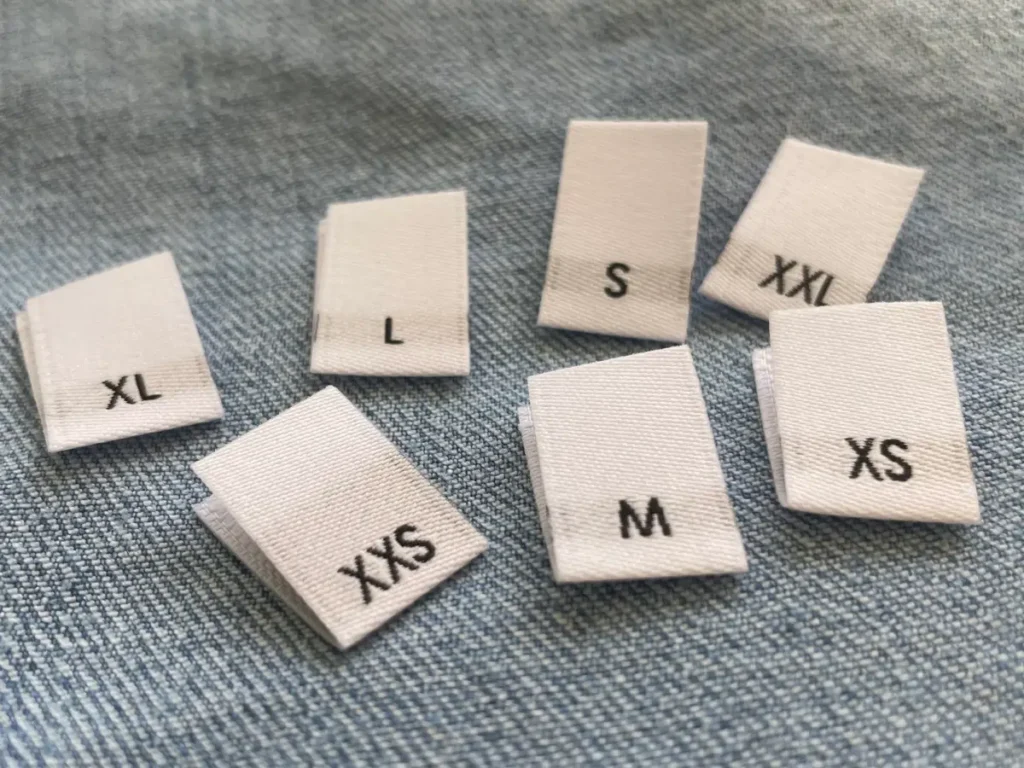
Size labels must align with the brand’s sizing system and packing ratio. When a collection includes dresses, tops, sets and fitted garments, size execution needs clear control.
- Development focus: Duolan checks size label content, placement, attachment method and relation to the garment category.
- Production concern: Size label errors can create warehouse sorting problems, ecommerce complaints and return risk.
- Brand value: Consistent size labeling helps brands manage multi-style deliveries and repeat production more efficiently.

Hang Tags
Hang tags connect the finished garment with brand presentation, retail information and channel requirements. They may include style, barcode, size, price, material message or collection details.
- Development focus: Duolan reviews hang tag artwork, string, pin, placement, barcode requirement and packing relation.
- Production concern: Poor hang tag application can damage fabric, confuse warehouse teams or weaken product presentation.
- Brand value: Consistent hang tag execution helps garments arrive ready for ecommerce or retail handling.

Poly Bags
Poly bags protect garments during shipping, warehouse handling and channel distribution. Packing should be matched to fabric sensitivity, garment shape and brand requirements.
- Development focus: Duolan reviews bag size, warning label, barcode sticker, folding method and individual garment protection.
- Production concern: Satin, sequins, lace, mesh and structured garments can be damaged by pressure, snagging or poor folding.
- Brand value: Proper poly bag execution protects garment presentation and improves warehouse receiving efficiency.

Carton Marks
Carton marks and packing information help brands manage receiving, sorting and distribution. Incorrect carton details can slow inbound processing and create avoidable communication costs.
- Development focus: Duolan follows confirmed carton marks, style references, size ratio, quantity details and shipment requirements.
- Production concern: Packing ratio mistakes, missing marks or unclear carton labels can disrupt warehouse receiving.
- Brand value: Clear carton execution supports smoother delivery for ecommerce, wholesale and retail channels.
From Approved Sample to Delivery
Bulk production should begin only after the project standard is clear. Duolan supports custom apparel production through material preparation, production planning, line execution, QC and shipment coordination. The goal is to help brands receive garments that match the approved sample and delivery requirements.
Step 1|Approved Sample and BOM Lock
Before production begins, the approved sample, fabric, lining, trims, color, labels, packaging and construction details must be confirmed. This stage protects the project from uncontrolled changes. The BOM should clarify what materials are used, where they are applied and whether any substitute is allowed. For dresses and fitted womenswear, even small changes in lining, zipper, elastic or fabric weight can affect fit, comfort and final quality.
Step 2|Production Planning
Production planning matches the style with the appropriate production path. Duolan considers product complexity, quantity, materials, special process needs, timeline, QC points and delivery requirements. A sequin dress, satin midi, corset style or mesh bodycon garment may require different line preparation and risk control. Planning helps the production team understand what must be protected before sewing begins.
Step 3|Material and Trim Preparation
Fabric and trims must be ready, checked and organized before cutting. This includes fabric inspection, shade review, lining confirmation, zipper and hardware checking, label preparation, packaging component review and batch separation. Material preparation is especially important for satin, lace, mesh, sequin, printed and stretch garments because these products are sensitive to batch, direction and surface behavior.
Step 4|Sewing and Inline Control
During sewing, Duolan focuses on construction accuracy, seam quality, support points, lining, zipper placement, strap tension, ruching, hems and details that affect wearing and appearance. Inline control helps catch repeated issues before they spread across the order. This is more effective than waiting until final inspection, especially for complex women’s fashion styles where early correction protects both quality and timeline.
Step 5|Final QC and Packing
Final QC reviews appearance, measurements, workmanship, stains, threads, trims, labels, packaging and garment presentation. Packing must be suitable for the fabric and style. Satin may need crease protection. Sequin may need snag and pressure protection. Structured dresses may need shape protection. Mesh, lace and embellished garments require careful handling so they arrive in a sellable condition.
Step 6|Shipment Coordination
Shipment coordination connects production completion with packing details, carton information, shipping documents, freight requirements and customer communication. For established brands, delivery is not only about dispatching cartons. It must support warehouse receiving, channel delivery, launch timing and internal reporting. Duolan can coordinate shipment-related details according to confirmed project requirements.
How Similar Brand Projects Move From Sample to Bulk?
Duolan respects project confidentiality. Instead of exposing customer names or unauthorized styles, we present anonymous project types, development challenges and execution evidence. Each case below shows how custom apparel work is managed through fabric, fit, sample, production and QC decisions.
US Partywear Brand
A US partywear brand developed fitted mini and mesh dresses for a fast-moving online launch. The project involved bodycon fit, ruching, mesh panels, open-back details and strong visual styling for campaign use.
- Project challenge: The styles needed bold appearance, but also secure fit, lining coverage, stretch recovery and wearable comfort.
- Development action: Duolan reviewed fabric stretch, mesh opacity, side seam balance, strap tension, neckline stability and lining placement.
- Production evidence: PP sample confirmation, ruching position marks, inline fit checks and final presentation control supported bulk stability.
- Result focus: The project created a clearer path from reference styles to repeatable partywear production standards.
Australian Occasionwear Label
An Australian occasionwear label developed satin and corset-inspired dresses for a seasonal social event collection. The garments needed polished visual effect, stable bust support and refined finishing suitable for photo-led online selling.
- Project challenge: Satin surface risk, corset support, cup balance, lining comfort and pressing marks required early technical review.
- Development action: Duolan reviewed satin weight, seam behavior, boning position, cup placement, lining choice and back closure.
- Production evidence: Construction notes, PP sample review, pressing control and QC checkpoints were prepared before bulk production.
- Result focus: The project helped convert a premium visual direction into a more production-ready occasionwear program.
UK Holiday Collection
A UK fashion brand developed a holiday capsule with sequin, mesh and fitted party styles. The collection needed strong shine, campaign impact and customer-ready comfort across multiple styles.
- Project challenge: Sequin weight, scratching, shedding, zipper areas, lining, packing pressure and mesh transparency created production risk.
- Development action: Duolan reviewed sequin direction, seam allowance, lining comfort, fabric base, zipper handling and packing method.
- Production evidence: QC focused on loose sequins, skin-contact areas, zipper smoothness, edge comfort and final garment protection.
- Result focus: The project strengthened the brand’s holiday partywear execution with clearer material and QC standards.
European Resortwear Program
A European resortwear brand developed printed maxi dresses and lightweight sets for a vacation-themed launch. The styles required soft movement, print clarity, breathable comfort and consistent color direction.
- Project challenge: Lightweight fabric slippage, print placement, lining length, hem balance and packing creases needed close control.
- Development action: Duolan reviewed print scale, fabric drape, cutting direction, lining coverage, hem finish and sample movement.
- Production evidence: Strike-off review, cutting direction control, hem inspection and packing method supported final product presentation.
- Result focus: The project helped turn a vacation mood direction into a clearer resortwear production program.
Why Duolan Is Different
Many suppliers can appear under the phrase custom apparel manufacturer, but their capabilities and target customers are very different. Duolan is positioned for established womenswear brands that need development, sampling, production discipline and long-term cooperation around dress-focused apparel.
| Typical Search-result Supplier | Duolan Position |
|---|---|
| Broad apparel categories covering blanks, uniforms, T-shirts and hoodies | Dress-focused custom womenswear development and manufacturing |
| Low MOQ or startup launch as the main selling point | Brand-level project fit, product direction and production readiness |
| Simple private label service | Labels, trims and packaging connected with garment quality and channel delivery |
| Basic cut-and-sew production | Fabric review, pattern development, sample revision and bulk transition |
| Quote-first communication | Project feasibility review before sample and production planning |
| Product-only thinking | Development, material, sample, production, QC, packing and repeat order support |
| General factory language | Womenswear-specific focus on fit, drape, structure, lining, embellishment and presentation |
| One-time order approach | Long-term development memory, repeat production and collection support |
What to Prepare Before Starting a Custom Apparel Project?
A strong custom apparel inquiry gives the supplier enough information to evaluate product feasibility, sampling path, cost factors and production risks. Duolan recommends that fashion teams prepare the following information before requesting sample development, supplier evaluation or bulk production support.
Design Materials
Design materials help Duolan understand what the brand wants to develop and how close the first sample should be to the target style. They also reduce unnecessary interpretation during early communication.
- Useful files: Tech pack, reference image, original sample photos, sketches, garment detail photos or collection moodboard.
- Key details: Front, back, side view, inside construction, neckline, closure, lining, trim and fabric direction are helpful.
- Project value: Clear design materials help the team evaluate feasibility before pattern or sample work begins.

Fabric Direction
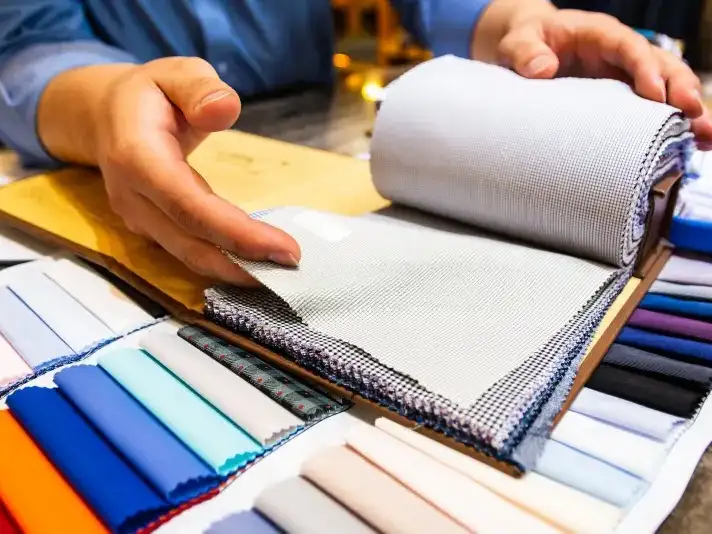
Fabric direction helps determine whether a design can achieve the intended fit, drape, opacity, structure and price level. Many custom apparel issues begin with fabric mismatch.
- Useful files: Fabric swatches, composition, GSM, stretch percentage, Pantone reference, handfeel target or fabric inspiration.
- Key details: Drape, recovery, transparency, shine, surface risk, print direction and lining expectation should be clarified.
- Project value: Better fabric information helps reduce sample revisions and production risk.
Quantity and Timeline
Quantity and timeline affect sourcing, sampling, production planning, cost structure and delivery feasibility. Brands should separate sample deadlines from bulk deadlines whenever possible.
- Useful information: Target quantity, size range, color count, sample deadline, PP approval deadline and launch date.
- Key details: Test order, launch order, repeat order and replenishment order should be identified separately.
- Project value: Realistic timing allows Duolan to plan development, production and QC more responsibly.


Brand Requirements
Brand requirements influence labels, packaging, testing, inspection, shipping and warehouse receiving. These details should be shared before production, not after garments are complete.
- Useful files: Label artwork, care label instructions, hang tag files, barcode rules, packing guide or carton mark requirements.
- Key details: Testing, third-party inspection, compliance, folding, poly bag and carton packing should be discussed early.
- Project value: Clear requirements help the finished garments arrive closer to retail or warehouse expectations.
Sample Purpose
Not every sample serves the same purpose. Some samples are for fit review, some for photography, some for buyer presentation and some for production preparation.
- Useful information: Explain whether the sample is for visual approval, fit correction, campaign shoot, sales review or PP confirmation.
- Key details: Fit sample, photo sample and PP sample may require different timelines, materials and finishing expectations.
- Project value: Defining sample purpose prevents overproduction of wrong sample versions and improves development efficiency.
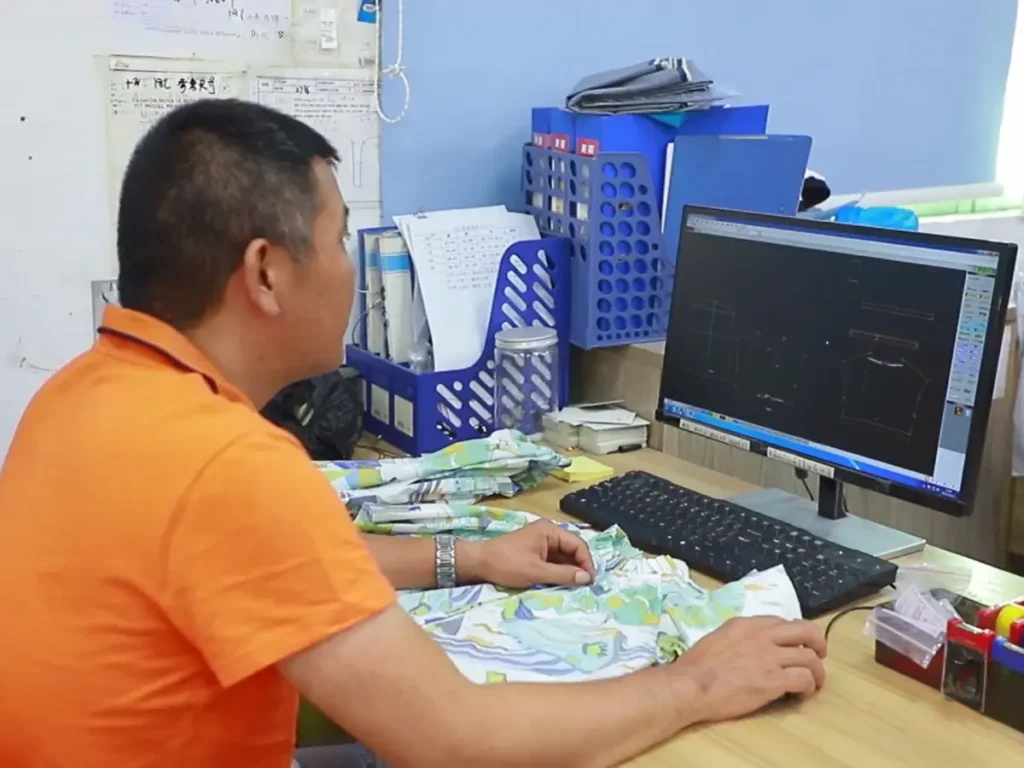
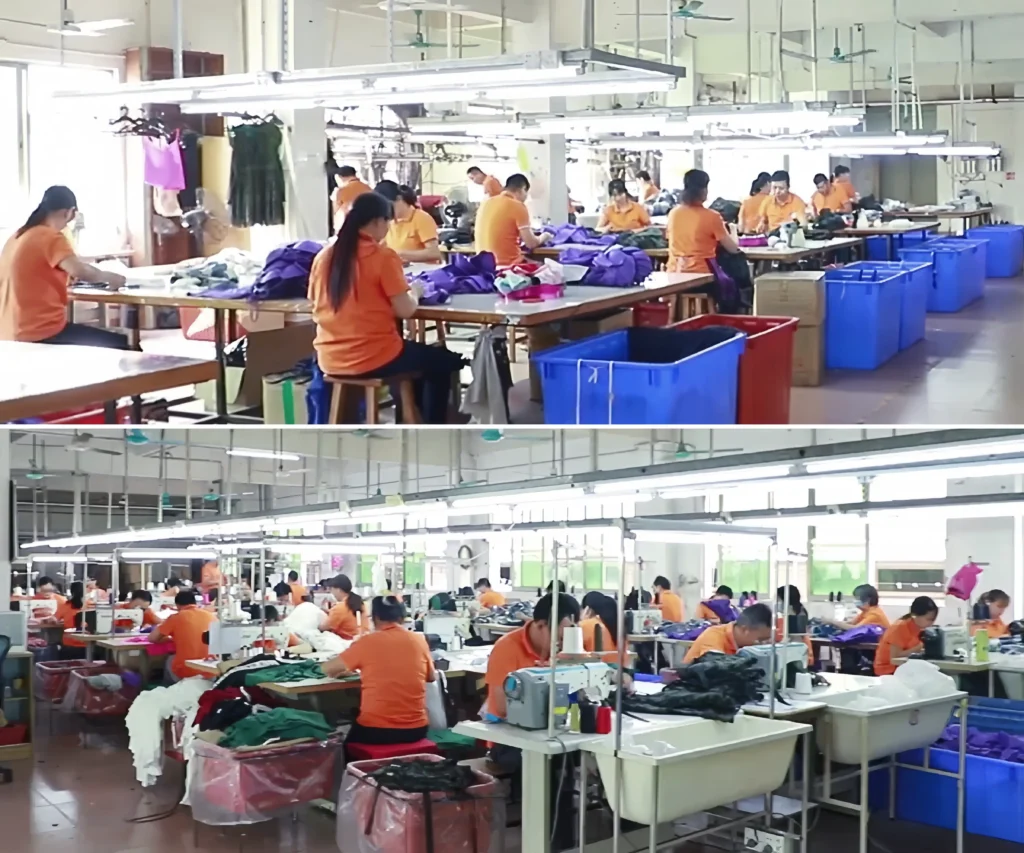
Production Status
If a brand already has a sample, previous supplier, existing production record or repeat order need, the project should be evaluated differently from a new development.
- Useful files: Approved sample photos, previous bulk photos, fit comments, QC issues, customer complaints or reorder records.
- Key details: Explain what worked, what failed and what standard needs to be maintained or improved.
- Project value: Production history helps Duolan identify risks faster and propose a more realistic development or bulk path.
Custom Apparel Manufacturer FAQ
These questions help fashion brands understand whether Duolan is the right manufacturing partner for a custom womenswear project. The answers focus on product fit, development path, sample control, production readiness, compliance support and inquiry preparation.
Duolan focuses on dress-led womenswear and related fashion categories. Core products include fashion dresses, occasion dresses, party dresses, bodycon dresses, corset dresses, satin dresses, mesh dresses, sequin dresses, lace dresses, vacation dresses, fashion sets and refined tops. We are not positioned as a blank apparel, uniform or promotional clothing supplier. Our strength is custom womenswear development where fabric, fit, structure, sample accuracy and bulk consistency matter.
Duolan is best suited for established or clearly planned fashion brands with real product direction, development needs and order potential. A new brand may still be suitable if it has a clear collection plan, tech pack, reference styles, target quantity, price level and launch timeline. We are not the right fit for one-piece trials, dropshipping projects, ready-stock sourcing or orders driven only by the lowest possible unit price.
Duolan’s website positioning is not centered on basic T-shirts, hoodies or blank apparel. Our custom apparel manufacturing is focused on women’s fashion products such as dresses, sets, refined tops and related categories that require product development and production control. If a T-shirt or hoodie is part of a broader womenswear collection, we can discuss project fit, but our strongest value is in dress-focused fashion development and manufacturing.
Yes. Duolan can support private label execution when it is connected with a serious fashion project. This may include main labels, care labels, size labels, hang tags, poly bags, carton marks and packaging requirements. We do not treat private label as simply adding a logo. Labeling and packaging should match the garment quality, brand positioning, warehouse needs and channel delivery requirements.
Yes. Duolan can review reference images, sketches, original samples, tech packs, fabric ideas or collection moodboards. The first step is to understand the intended style direction, fabric, fit, construction and target use. We then evaluate what information is missing and whether the style can be developed into a production-ready sample. Reference images are useful, but fabric and construction decisions still need technical review.
Duolan controls sample-to-bulk consistency through approved sample review, material lock, BOM confirmation, PP sample standard, production engineering, first piece checking, inline QC and final inspection. For sensitive styles such as satin dresses, mesh dresses, sequin dresses, corset dresses and bodycon garments, we pay close attention to fabric batch, fit, lining, construction, seam quality, finishing and packing method.
Yes. Duolan can support US fashion brands with custom womenswear development, sampling, production planning, QC and shipment coordination. US brands often need clear communication, product accuracy, sample revisions, labeling, packaging and repeat production control. We can work through email, WhatsApp, video calls and project documents, and we recommend that brands send tech packs, reference styles, target quantity and launch timing for review.
Duolan can discuss compliance-related requirements according to the brand, product and market. Our manufacturing system has SMETA audit experience and can support communication around social audit records, quality requirements, labeling, testing coordination and third-party inspection where applicable. Compliance needs should be discussed early because they may affect material selection, production planning, documentation, inspection and delivery timeline.
For a more accurate review, please send a tech pack, reference image, original sample photo, fabric direction, size chart, target quantity, target launch date, label or packaging requirements and any compliance or testing needs. If the project is still early, a collection moodboard and style direction can also help. The more complete the information, the more realistic our sample, cost and production assessment can be.
Yes. Repeat production is one of the most important reasons for keeping strong development and production records. For repeat orders, Duolan can refer to approved samples, material records, trim references, color standards, size charts, QC notes and packing requirements. Repeat orders are more stable when the first production order is developed and documented properly from the beginning.

Start a Womenswear Project
Duolan works with fashion brands, product development teams, buying teams and sourcing offices that need more than basic custom apparel production. If your project involves fashion dresses, occasionwear, partywear, fitted silhouettes, resort dresses, fashion sets or refined women’s fashion categories, our team can review your design direction, fabric needs, sample path, production feasibility and bulk delivery requirements.
To receive a useful project response, please share as much information as possible. A tech pack, reference image, original sample photo, fabric direction, target quantity, launch date, size range, label requirements and packaging details can help us understand the project more accurately. If your team is still planning the collection, you may send a moodboard, style list or product direction summary first. Duolan is best suited for projects with clear development intent, sample needs, production planning or repeat order potential.
What You Can Send
- Product files: Send tech packs, reference images, sketches, original sample photos or collection moodboards that explain the intended garment direction.
- Material direction: Share fabric swatches, composition, color references, lining expectations, trims, hardware or special process needs.
- Project planning: Include target quantity, size range, color count, sample deadline, bulk deadline and expected launch timing.
What Duolan Will Review
- Development feasibility: We review whether the product direction, fabric, construction and fit expectation can move into a realistic sample path.
- Production readiness: We evaluate material lock, pattern risk, trim needs, PP sample standard, QC focus and packing requirements.
- Supplier fit: We check whether the project matches Duolan’s dress-focused womenswear manufacturing system and brand-level cooperation model.
Best-fit Projects
- Established fashion brands: Brands with clear product direction, launch calendar, sample plan or repeat production potential.
- Dress-focused teams: Teams developing fashion dresses, occasionwear, partywear, fitted dresses, resort dresses, sets or refined tops.
- Sourcing offices: Teams needing supplier evaluation, capability details, sample review, QC workflow and production coordination.