...

Custom Babydoll Dress Manufacturer

Dress-focused development and manufacturing for fashion brands building commercially balanced babydoll dress collections.

Duolan turns design concepts, tech packs, reference samples and collection briefs into fit-reviewed samples and repeatable bulk production standards.

  • Collection programs can include 10–30 coordinated styles across mini, midi, smocked, tiered, printed and seasonal directions.
  • Brand orders commonly range from 20,000 to 80,000 pieces across styles, colors and size groups.
  • Babydoll development focuses on three connected areas: bodice fit, empire-seam placement and controlled skirt volume.
  • Bulk production references range from 15–20 days for simpler styles, 20–30 days for regular constructions and 30–45 days for more complex designs, subject to material and approval readiness.

Women’s Babydoll Dresses Developed for Fashion Brands

Duolan develops women’s fashion babydoll dresses for established apparel brands, product teams, buying departments and sourcing offices. The product focus is adult fashionwear rather than lingerie, childrenswear or clothing for dolls.

Fashion Dress Direction

A commercial babydoll dress normally combines a controlled upper body with a raised waist seam and a relaxed skirt. The silhouette may look effortless, but the pattern must balance bust fit, neckline stability, shoulder position, gathering volume and finished length. Duolan develops mini, midi, casual, resort, occasion and trend-led babydoll styles according to the brand’s visual language, target market and price positioning. Every style is reviewed as a wearable fashion product rather than a loose garment with added gathering.

Brand Development Projects

Development can begin from a tech pack, reference image, original garment, measurement chart, fabric swatch or collection brief. Project information is reviewed before pattern work begins so that fabric behavior, intended fit, design proportions and production risks are understood early. The goal is not simply to reproduce a picture. The goal is to convert the design direction into an approved product standard that can support fit review, photography, PP confirmation, production planning and repeat orders.

Multi-style Collections

Babydoll programs often perform best as coordinated collections rather than one isolated item. A collection may combine a printed mini dress, a smocked cotton style, a tiered midi, a puff-sleeve version and an occasion-led fabric direction. Duolan supports collection consistency across neckline language, waist placement, skirt fullness, color planning, print scale, trim selection and size standards. Multi-style planning also allows materials and construction methods to be organized more efficiently before bulk production.

Production-ready Results

A visually appealing sample is only the first stage. Production readiness requires the approved pattern, measurements, materials, construction method, gathering ratio, smocking tension, color, labels and packing instructions to be recorded clearly. Duolan connects sample development with PP approval, first-piece confirmation, inline checks and final packing review. The resulting product standard provides a stronger foundation for launch orders, repeat orders and expanded seasonal programs.

Babydoll Dress Risks Controlled Before Bulk Production

Babydoll construction can appear simple while hiding several proportion and consistency risks. Duolan reviews each risk against the intended fabric, fit direction, size range and order structure before releasing production.

Empire Seam Position

The raised seam must sit at the intended point below the bust without cutting through the bust shape or dropping too close to the natural waist. A change of only a small distance can alter the visual proportion of the entire dress. Pattern review covers front-bodice length, bust shaping, side-seam balance, back-bodice length and the starting point of skirt gathering. Grading rules are adjusted so the seam remains visually balanced across the approved size range.

Excess Skirt Volume

More fabric does not automatically create a better babydoll shape. Excess fullness can make the garment look heavy, overly juvenile or maternity-led, especially in stiff cotton, organza-like qualities or dense tiered structures. Duolan controls skirt volume through panel width, gathering ratio, fabric weight, tier circumference and finished length. The required fullness is evaluated on a mannequin or fit model so the skirt moves freely without overpowering the upper body.

Unstable Bodice Fit

A relaxed skirt still needs an accurate bodice. Common failures include neckline gaping, loose underarms, unstable shoulder straps, excessive bust ease and a back neckline that stands away from the body. The bodice is reviewed through bust width, neckline shape, shoulder placement, armhole coverage, closure method and seam balance. Smocked or elasticated structures also require controlled stretch and recovery rather than uncontrolled expansion.

Fabric and Shape Conflict

Cotton poplin, voile, viscose, chiffon, satin and lightweight denim create very different outcomes from the same drawing. A crisp quality can hold volume, while a soft quality may collapse or hang too close to the body. Fabric evaluation considers weight, drape, opacity, shrinkage, print suitability, seam behavior and lining need. Material substitutions are compared against the intended silhouette rather than selected only by composition or price.

Uneven Gathering

Gathering must be distributed according to pattern marks and seam positions. Random gathering creates unequal left and right volume, distorted side seams, bulky junctions and visible variation between garments. Duolan defines the gathering ratio, distribution zones and matching points before production. First-piece review and inline checking focus on seam alignment, gathering density, symmetry and the relationship between outer fabric and lining.

Sample-to-Bulk Drift

A good development sample can lose its character during bulk production when fabric lots change, patterns are not version-controlled or operators interpret construction differently. Duolan locks the approved pattern, measurement chart, material details, workmanship instructions, gathering ratios and PP references before full production. High-sensitivity details are reviewed at first-piece or pilot stage so deviations are identified before quantity increases.

Custom Babydoll Dress Styles for Commercial Collections
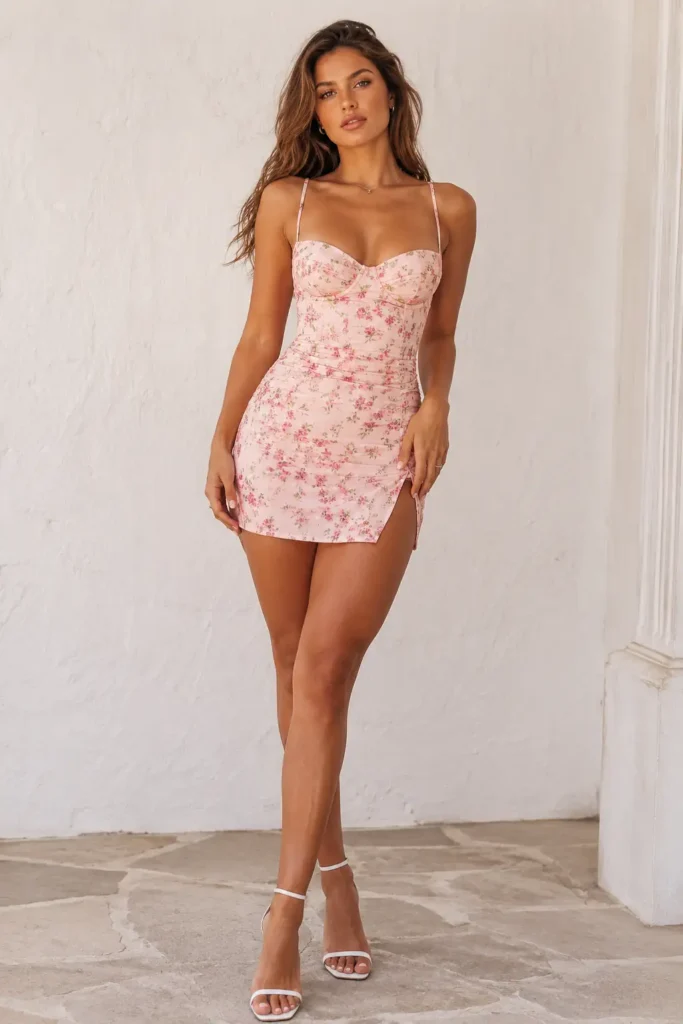
Duolan supports different babydoll silhouettes for casual, resort, occasion, ecommerce and seasonal fashion programs. Each direction is developed around a distinct fabric, fit, construction and selling role.

Babydoll Mini Dress

The mini babydoll is a strong commercial direction for going-out, summer, vacation and social-event edits. The upper body can be fitted, gently shaped or lightly smocked, while the skirt needs enough movement without becoming visually bulky. Development focuses on finished length, skirt flare, undergarment coverage, empire-seam position and hem balance. Lightweight cotton, viscose, chiffon, satin and printed woven qualities can create very different market positions from the same base silhouette.

Babydoll Midi Dress

A midi length gives the babydoll silhouette a more refined and versatile character. It can move from daytime dressing to resort, wedding-guest crossover or contemporary casual collections depending on fabric and detail selection. The longer skirt increases fabric weight, so the upper seam, gathering and shoulder structure must support the garment correctly. Duolan reviews skirt drop, tier placement, lining length and side-seam balance to keep the silhouette light rather than bottom-heavy.

Puff Sleeve Babydoll

Puff sleeves add visual recognition and strengthen the feminine character of the dress. Sleeve volume must be balanced against neckline width, bodice length and skirt fullness so the garment does not look overloaded. Development options include short puff sleeves, elbow-length sleeves, elastic cuffs, gathered sleeve heads and lightly structured shapes. Control points include sleeve-head symmetry, bicep ease, elastic pressure, arm movement and the relationship between sleeve volume and shoulder width.

Smocked Babydoll Dress

Smocking creates fit flexibility, textural interest and stronger size tolerance when the stretch range is engineered correctly. It may be placed across the full bodice, back panel, waist section, cuff or neckline area. Duolan evaluates row spacing, elastic-thread tension, recovery, finished panel width and size grading. Bulk production requires test pieces and first-piece checks because inconsistent tension can change the bust fit, waist placement and finished garment length.

Tiered Babydoll Dress

Tiered construction introduces movement and allows the brand to control fullness in stages rather than concentrating all volume at one seam. It suits printed cotton, voile, viscose, chiffon and lightweight textured fabrics. Each tier requires a defined length, circumference and gathering ratio. Duolan records matching points, seam allowances and lining relationships so tiers remain level and balanced across sizes. The final hem must hang evenly after pressing and garment relaxation.

Square Neck Babydoll

A square neckline creates a clean frame around the upper body and works well with puff sleeves, wide straps, elasticated backs and fitted front bodices. Poor pattern balance can cause corner distortion, neckline gaping or visible undergarments. Control includes neckline depth, width, stabilizing method, shoulder placement and facing or lining construction. The neckline is assessed together with bust shaping and seam position rather than treated as a decorative line.

Strappy Babydoll Dress

Thin-strap and wide-strap babydoll dresses suit vacation, resort, summer and layered fashion collections. Strap placement has a direct effect on bust coverage, neckline stability and the apparent width of the upper body. Duolan reviews strap length, attachment reinforcement, adjuster selection, back shape and underarm coverage. Lighter fabrics may need lining, stabilizing tape or reinforced strap points to prevent stretching and seam damage during wear.

Long Sleeve Babydoll

Long sleeves extend the silhouette into transitional, autumn and holiday collections. Sleeve options include relaxed sleeves, gathered cuffs, sheer overlays, bishop shapes and fitted lower sleeves. The added sleeve weight can affect shoulder balance and bodice movement. Development therefore considers sleeve-head construction, cuff opening, arm mobility, fabric transparency and the relationship between sleeve fullness and skirt volume. A balanced style should remain relaxed without appearing oversized.

Plan a Babydoll Collection Beyond One Style

A strong babydoll program combines visual identity with different commercial roles. Duolan helps organize silhouette, fabric, color and development priorities across a coordinated seasonal collection.

Hero Styles and Commercial Styles

A hero style may use dramatic sleeves, layered tiers, statement print placement or a distinctive neckline to create campaign impact. A commercial style usually requires easier fit, broader wearing occasions and stronger repeat potential. Duolan can help separate the roles early:
  • Hero styles receive additional attention on visual proportion, photography effect and detail execution.
  • Commercial styles prioritize fit tolerance, material availability, production stability and reorder potential.
  • Entry styles may use cleaner construction while keeping the collection’s neckline, print or color language.
  • Premium styles may use richer fabric, lining, lace, embroidery or more controlled surface detail.
A collection becomes easier to manage when each style has a defined purpose. Development time and material decisions can then be allocated according to commercial importance rather than treating every garment identically.

Silhouette and Length Balance

A collection made entirely from one length or one sleeve shape can feel repetitive. A stronger program may combine mini, above-knee and midi options with sleeveless, puff-sleeve and long-sleeve directions.

The same design language can remain visible through:

  • Repeated empire-seam positioning
  • Coordinated neckline geometry
  • Related skirt-gathering ratios
  • Shared print or color stories
  • Consistent trim and label treatments
  • Controlled variation in sleeve and tier volume

Duolan reviews the full line so neighboring styles do not compete with each other or create unnecessary pattern and material complexity. Shared blocks can be used where suitable, while each style still receives its own fit and construction evaluation.

Launch and Reorder Planning

Babydoll styles often enter the market through a seasonal drop, campaign edit or collection launch and later move into repeat colors, expanded prints or modified sleeve directions. Planning should consider:

  • Which styles require photo-ready samples first
  • Which fabrics need lab dips or print strike-offs
  • Which designs carry higher fit or workmanship risk
  • Which styles can share materials or trims
  • Which products are suitable for repeat production
  • Which patterns should be preserved for later color or length extensions

Duolan supports a route from first development through launch quantity, repeat order and scaled production. Pattern, material and workmanship records from the first order create a more stable base for later programs.

Customize Every Babydoll Dress Design Element

Babydoll identity comes from the relationship between the upper body, raised seam and skirt volume. Each design element can be adjusted while protecting fit, visual proportion and bulk-production feasibility.

Neckline Shape

Available directions include square, round, V-neck, sweetheart, scoop, halter and softly gathered necklines. The chosen shape affects bust coverage, shoulder balance and the perceived width of the upper body. Development reviews neckline depth, edge stabilization, facing or lining method and compatibility with sleeves or straps. Wide or low shapes may require additional control to avoid gaping, while transparent qualities need careful coverage planning.

Sleeve Construction

Sleeves can range from sleeveless and flutter styles to short puff, elbow, bishop and long gathered shapes. Sleeve volume should support the intended mood without competing with the skirt. Key controls include sleeve-head height, bicep ease, cuff opening, elastic tension, lining method and arm mobility. Print direction and fabric stiffness are also considered, especially when both sleeves must match visually.

Empire Seam Height

The raised seam can sit directly below the bust or slightly lower depending on the target silhouette. The position must be determined through front-bodice length, bust shape and brand fit preference. Duolan checks seam placement on the base size and adjusts grading rules for larger and smaller sizes. Gathering starts, darts, princess seams or smocked sections are coordinated with the seam rather than added independently.

Bodice Structure

The bodice may be clean and fitted, lightly shaped, paneled, smocked, ruched, lined or softly gathered. Each construction creates a different relationship between comfort and visual definition. Control focuses on bust ease, neckline stability, armhole coverage, side-seam position, closure choice and lining support. Soft silhouettes still require accurate pattern balance to prevent the front rising, back dropping or neckline moving during wear.

Skirt Fullness

Fullness can be created through gathering, flare, panels, pleats or tiered sections. The amount must suit fabric weight and the intended body proportion. Duolan can adjust skirt circumference, gathering ratio and hem sweep according to design goals. A lightweight viscose may accept more fullness than crisp poplin, while dense embroidery or layered fabric may require reduced volume to control weight.

Tier Placement

Tiers can begin from the empire seam, lower skirt or near the hem. Their position changes both visual proportion and production complexity. Each tier is defined by finished length, circumference, seam placement and gathering ratio.

The transitions are reviewed so the dress hangs evenly and does not create unwanted bulk at the hip or lower abdomen.

Back Design

Back options include concealed zippers, button openings, elasticated panels, full smocking, ties, cut-outs and pull-on constructions. The back must support the front fit and remain comfortable in movement. Duolan evaluates closure security, back-neckline stability, smocking recovery, tie strength and label placement. Open-back directions may require additional bust support or strap control depending on the design.

Length and Hem

Mini, above-knee and midi lengths are developed according to the target market, size range, fabric and wearing occasion. Finished length must be assessed after the garment has relaxed because gathered and tiered fabrics can drop after pressing. Hem choices include narrow rolled hems, clean turnbacks, baby hems, faced hems and lined finishes. The method is selected according to fabric weight, visual standard and bulk consistency.

Fabrics Engineered for Babydoll Shape and Movement
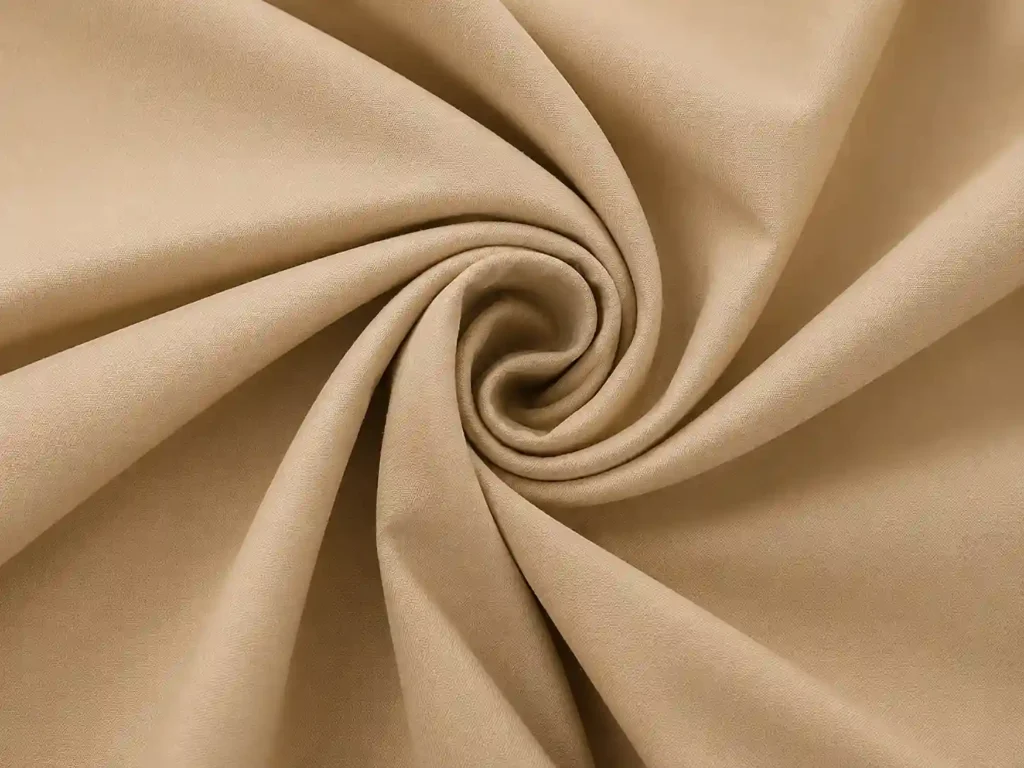
Fabric determines whether a babydoll dress feels crisp, romantic, flowing, structured, transparent or occasion-led. Duolan evaluates fabric behavior against silhouette, construction, target price and bulk availability.

Cotton Poplin

Cotton poplin creates a clean, crisp silhouette with visible gathering and defined sleeve volume. It works well for mini dresses, puff sleeves, square necklines and printed summer collections.Development must control excessive stiffness, shrinkage and skirt expansion. Duolan reviews weight, yarn quality, surface finish, colorfastness and washing behavior. Lighter poplin may need lining in pale colors, while heavier poplin may require reduced skirt volume to avoid an overly rigid shape.

Cotton Voile

Cotton voile offers a lighter, softer and more breathable direction. It suits resort, vacation, tiered, printed and warm-weather styles where movement and softness are important. Opacity is a primary concern. Full or partial lining may be required depending on color, print density and garment length. Seam slippage, shrinkage and delicate edge finishing are also reviewed. Gathering ratios can be increased more safely than with heavy poplin, but the outer and lining layers must move together.

Viscose and Rayon

Viscose and rayon provide soft drape, fluid movement and strong print performance. They create a more mature babydoll silhouette with less stiffness around the waist and skirt. The main controls are dimensional stability, shrinkage, seam strength, skew, colorfastness and wet handling. A viscose sample should be evaluated after relaxation and, where required, after washing tests because finished length and seam appearance can change. Cutting and sewing methods must limit distortion.

Chiffon and Georgette

Chiffon and georgette support romantic, occasion and layered babydoll styles. Their transparency and movement work well with flutter sleeves, gathered necklines and tiered skirts. Development requires lining, seam selection, edge finishing and careful tension control. The outer layer and lining need compatible dimensions so the dress does not twist or pull. Print placement, color consistency and snagging risk are checked before bulk production.

Linen Blends

Linen blends suit contemporary resort and summer collections where natural texture and breathability are important. Blended constructions can reduce wrinkling and improve stability compared with pure linen. Fabric weight and stiffness determine skirt volume. Dense linen blends may create a wide silhouette, while lighter blends may need lining. Duolan reviews shrinkage, shade variation, slub appearance, seam behavior and pressing response so natural texture remains intentional rather than irregular.

Satin Qualities

Satin moves the babydoll shape toward evening, occasion or elevated going-out collections. Its shine highlights seam positions, gathering density and pressing quality, making construction accuracy highly visible. Material review covers weight, drape, surface sensitivity, needle marks, seam puckering, color variation and pressing temperature. Gathering must remain smooth, and packaging must reduce permanent creasing. Matte-back or softly washed satins may provide more controlled commercial results for some designs.

Lace and Eyelet

Lace, broderie and eyelet fabrics add texture and seasonal identity. They can be used across the full dress, as a yoke, sleeve, tier, trim or overlay.

Development considers pattern scale, motif placement, transparency, seam strength, edge finishing and lining coverage.

Large motifs may need placement planning at the center front and neckline.

Eyelet openings also influence label, seam and undergarment visibility.

Lightweight Denim and Twill

Lightweight denim and soft twill create a structured casual interpretation of the babydoll silhouette. They work well for pinafore, mini, button-front and transitional styles. The fabric must be light enough to gather cleanly and comfortable enough at the bodice. Duolan reviews weight, wash effect, color migration, shrinkage, seam bulk and topstitching. Skirt volume is often reduced compared with voile or viscose to prevent excessive stiffness.

Linings, Trims, Prints and Color Approvals

The correct outer fabric is only one part of a production-ready dress. Linings, elastic, closures, trims, print placement and color approvals must work together before bulk materials are released.
Lining and Coverage​

Lining and Coverage

Lining decisions depend on fabric transparency, color, dress length, sleeve design and target hand feel. Options include full lining, bodice-only lining, skirt lining, partial coverage or double-layer construction. The lining should not restrict skirt movement, show below the hem or pull against the outer layer. Duolan checks lining length, attachment points, seam method and static behavior. Pale cotton voile, chiffon, lace and eyelet often require additional review under natural and studio lighting.

Smocking Elastic

Smocked structures rely on consistent elastic thread, stitch spacing and machine tension. A small variation can change panel width, bust fit and finished length.Material selection considers recovery, durability, skin contact and color. Test panels are measured before and after relaxation. For bulk production, approved stretch range and finished dimensions are recorded so operators do not rely on appearance alone.

Zippers and Buttons

Closure choice affects both fit and dressing convenience. Concealed zippers suit fitted front bodices, while buttons, loops, ties or elasticated backs may support softer constructions. Duolan reviews zipper length, tape color, slider quality, button attachment, opening size and reinforcement. Closure components must be compatible with washing, pressing and fabric weight. Bulk trims are checked against approved samples before sewing begins.

Lace and Decorative Trims

Lace edging, bows, ruffles, covered buttons, piping and narrow tapes can strengthen the collection identity without changing the core silhouette. Each trim is reviewed for width, color, hand feel, shrinkage, attachment method and supply stability. Heavy trims can pull down lightweight fabrics, while stiff lace may distort soft necklines. Placement and seam allowances are recorded for repeatability.

Print Strike-offs

Printed babydoll dresses require control of color, scale, repeat and garment placement. Large motifs may look different across the bodice, sleeves and gathered skirt. Strike-offs are reviewed before bulk fabric approval. Duolan checks print clarity, color balance, base-fabric behavior and placement requirements. When engineered placement is required, cutting markers and matching points must be planned before production.

Lab Dips and Color

Solid colors need approval under agreed lighting conditions. The same shade can appear different on outer fabric, lining, thread, elastic and zipper tape. Duolan coordinates lab dips and trim matching according to the project requirement. Color approval should be completed before bulk cutting. Shade-band review may also be needed when fabric lots or dye batches create visible variation.

Pattern and Fit Control for Babydoll Silhouettes

A loose skirt does not reduce the need for pattern accuracy. Strong babydoll fit comes from the upper body, seam position, balanced volume and consistent grading across the selected size range.

Bodice and Bust Balance

The front bodice must accommodate the bust without lifting the hem, opening the neckline or pulling the empire seam upward. The back must support the same horizontal balance. Duolan reviews:
  • Front and back bodice length
  • Bust width and shaping
  • Dart, panel or gathering position
  • Side-seam direction
  • Neckline and underarm coverage
  • Shoulder or strap placement
  • Closure allowance
  • Lining and seam bulk
A reference image alone rarely defines all these points. Measurement charts, fit preferences and intended undergarment coverage help the pattern team translate the visual direction more accurately. For smocked bodices, relaxed and stretched dimensions are both relevant. A panel that looks correct when flat may expand too far during wear or recover unevenly after repeated stretching. Fit assessment therefore considers appearance, mobility and recovery.

Empire Seam Placement

The empire seam acts as the central proportion line of a babydoll dress. A seam positioned too high can compress the bust area, while a low seam can weaken the intended silhouette.
Pattern development considers:

  • Bust-point relationship
  • Front-bodice length
  • Back balance
  • Side-seam level
  • Gathering start point
  • Seam thickness
  • Lining connection
  • Grade movement across sizes

The approved base-size position cannot simply be shifted by the same amount in every size. Larger sizes may require different front-length development, bust shaping and gathering distribution. Duolan records the approved seam path so the appearance remains controlled throughout the size range.

Skirt Volume and Fall

Skirt behavior depends on fabric weight, panel direction, gathering ratio, tier placement and hem sweep. Equal panel widths do not always produce equal visual balance because the front, back and side areas respond differently on the body. Duolan reviews:

  • Total skirt circumference
  • Front-to-back volume distribution
  • Gathering density
  • Side-seam position
  • Tier lengths and ratios
  • Lining circumference
  • Finished garment weight
  • Hem level after relaxation

Size Grading Consistency

Size grading must preserve the design rather than only enlarge measurements. Empire-seam position, neckline shape, sleeve volume, tier depth and finished length need controlled grade rules.

Duolan can follow the brand’s approved size chart and grading specification. Where the information is incomplete, the development team identifies measurements requiring confirmation before final grading.

Key checks include bust progression, armhole depth, sleeve opening, bodice length, skirt circumference and finished length. The aim is to keep the style recognizable across sizes without creating excessive volume, unstable necklines or uneven tier proportions.

Smocking, Gathering and Tiered Construction Control

Smocking, gathering and tiers create much of the babydoll silhouette’s character. Each process needs defined measurements, ratios and inspection points to remain consistent across samples, sizes and bulk quantities.

Smocking With Measured Recovery

Smocking is an elastic structure, not decorative gathering alone. The finished width, stretch range and recovery determine whether the bodice fits securely and returns to shape. Duolan controls:
  • Number and spacing of smocking rows
  • Elastic-thread specification
  • Stitch length and machine tension
  • Flat panel width
  • Extended panel width
  • Recovery after stretching
  • Alignment at side seams
  • Size-grade adjustments
  • Relationship with lining or facing
Test panels can be prepared before the complete sample where fit sensitivity is high. The panel is measured after sewing and relaxation rather than immediately after leaving the machine. During bulk production, first-piece dimensions and stretch behavior are checked against the approved reference. Visual appearance alone is not sufficient because two panels can look similar while producing different wearing pressure and garment length.

Gathering With Defined Ratios

Gathering should follow pattern marks, panel lengths and distribution zones. Leaving the result to operator judgement creates variation in fullness and seam direction. Duolan records:
  • Outer-panel length before gathering
  • Finished seam length
  • Target gathering ratio
  • Distribution between notches
  • Areas requiring reduced bulk
  • Side-seam and center alignment
  • Lining relationship
  • Pressing limitations
For empire seams, excess gathering near the side seam can make the dress stand away from the body. Uneven distribution at center front can create a false visual imbalance even when measurements pass. First-piece and inline checks compare the density and symmetry of gathered sections. The aim is a controlled visual rhythm across garments rather than identical folds created artificially.

Tiered Construction With Stable Proportions

Each tier adds fabric weight, seam length and another gathering operation. The structure must be planned from the top downward so accumulated volume remains wearable and stable. Control points include:
  • Finished depth of every tier
  • Circumference progression
  • Gathering ratio at each joining seam
  • Vertical seam alignment
  • Print direction
  • Side-seam matching
  • Lining length
  • Hem balance
  • Finished garment weight
A lower tier may require a different ratio from an upper tier because its circumference is already larger. Duolan checks the complete garment after pressing and hanging so dropped sections or uneven hems can be corrected before approval.

Workmanship Details That Protect the Final Silhouette

Strong workmanship is visible in how the dress hangs, moves and returns to shape. Duolan controls the construction points most likely to affect appearance, comfort and bulk consistency.

Gathered Seam Control

Gathered seams are checked for balanced density, smooth feeding and stable seam allowance. Excess fabric must not fold into hard tucks unless the design requires pleating. Operators follow marked matching points. Inline inspection reviews left-right symmetry, side-seam position and any twisting between the outer fabric and lining. Seam reinforcement is evaluated where the skirt weight places stress on the empire seam.

Neckline Finishing

Necklines may use facings, clean lining, binding, elastic channels or narrow turnbacks. The finishing method must support the neckline shape without making the edge heavy. Checks include edge stability, corner accuracy, stitch visibility, seam rolling and symmetry. Square necklines receive attention at the corners, while curved and gathered necklines require controlled stretching during sewing and pressing.

Sleeve Attachment

Puff and gathered sleeves require accurate sleeve-head distribution. Unequal gathering or incorrect notching can create different sleeve heights and shoulder positions. Duolan checks sleeve direction, gather density, underarm seam matching, elastic pressure and cuff dimensions. Both sleeves are compared on the finished garment, not only as separate components, because bodice balance affects their final appearance.

Lining Connection

Lining should support coverage and comfort without pulling the outer fabric. Attachment methods vary according to neckline, armhole, closure and skirt structure. Control focuses on compatible dimensions, smooth seam allowances, clean openings and sufficient movement. The lining must remain inside the outer hem and should not twist, climb or restrict the gathered skirt during wear.

Ruffle and Edge Finish

Ruffles, flounces and flutter edges require consistent width and clean finishing. Narrow rolled hems, baby hems or overlock finishes are selected according to fabric and target appearance. Duolan checks edge stretching, stitch density, thread tension and join positions. Lightweight chiffon and viscose need particular control because uneven feeding can create wavy edges or visible length variation.

Hem and Pressing

The finished hem establishes the final line of the dress. Gathered and tiered garments may require relaxation time before hemming because fabric weight can change the drop. Pressing must shape seams without flattening sleeve volume or creating hard marks in gathered sections. Satin, chiffon and textured cotton need temperature and pressure control. Final hanging inspection checks hem level, skirt fall and overall silhouette.

Tech Pack and Development Feasibility Review

Clear development begins before fabric cutting. Duolan reviews the available design information, identifies missing decisions and defines a workable path toward an assessable sample.

Accepted Development Materials

A project can begin with one or several sources:
  • Complete tech pack
  • Reference images
  • Original garment
  • Measurement chart
  • Existing pattern information
  • Fabric or trim swatches
  • Design sketch
  • Collection mood board
  • Construction notes
  • Approved brand size chart
A complete tech pack provides the strongest quotation and development basis, but other materials can also be assessed. Duolan organizes the information into a structured brief and identifies which points require confirmation before development starts. Reference images are treated as visual direction rather than complete production instructions. Hidden construction, measurements, fabric behavior and finishing methods still need evaluation.

Fabric and Shape Feasibility

The same drawing can create different results in poplin, voile, viscose or satin. Before sampling, Duolan reviews whether the proposed fabric can support the target volume, drape, opacity and sewing method. The assessment may cover:

  • Fabric weight and stiffness
  • Shrinkage and dimensional stability
  • Transparency and lining
  • Gathering performance
  • Smocking compatibility
  • Print or color direction
  • Seam and edge behavior
  • Bulk supply readiness

Where the proposed material creates conflict, the development team can explain the likely effect and discuss a more suitable construction or material direction.

Missing Information Check

Unclear information creates hidden assumptions. A development review identifies missing points such as finished length, empire-seam placement, relaxed and stretched smocking measurements, lining coverage, print position, closure type and size-grade standards. The resulting clarification list helps the brand decide priorities before the pattern is finalized. Early confirmation reduces revisions caused by interpretation rather than workmanship. Quotation accuracy also improves when the fabric, construction, order structure and finishing requirements are defined clearly.

Sample Purpose Definition

Different samples serve different decisions. A first prototype may review silhouette, while a fit sample focuses on measurements and balance. A photo sample prioritizes visual presentation, and a PP sample establishes bulk-production standards. Duolan confirms the sample purpose before development so the team knows which decisions carry the greatest importance. The sample plan can then identify required materials, approval points, internal checks and the route toward revision or production readiness.

Structured Babydoll Dress Sample Development

Sampling is managed as a sequence of decisions rather than a single sewing task. The schedule is confirmed after reviewing style complexity, material readiness, sample purpose and required approvals.

Project Brief Review

The project begins with a review of style direction, target market, size standard, target quantity, launch timing and available design information. Duolan identifies the intended silhouette, major construction points and decisions still requiring confirmation. A clear brief gives pattern, material and sample teams the same development basis and reduces conflicting assumptions.

Fabric and Trim Review

Available swatches, requested materials and suitable alternatives are evaluated against shape, opacity, gathering, smocking and production needs. Lab dips, print strike-offs or trim matching may be required before a fully representative sample can be completed. Where temporary sample material is used, the difference from intended bulk material is recorded for later review.

Pattern Development

The pattern team translates measurements and visual direction into bodice shape, empire-seam position, skirt panels, sleeve construction and closure details. The pattern is checked for balance before cutting. Shape-sensitive points such as neckline width, front length, armhole coverage and gathering distribution receive additional attention.

First Sample

The first sample provides a physical basis for evaluating silhouette, fit, material behavior and construction. Internal review is completed before the garment is presented. Duolan can provide front, side and back images, key-detail photographs and selected measurements. The review note identifies areas close to target and points requiring brand feedback.

Fit and Revision

Comments are organized by fit, visual preference, measurement, material and workmanship. Pattern changes are separated from sewing adjustments so the revision path remains clear. Before producing another sample, Duolan confirms how each comment will be handled. A revision summary can record completed changes, pending decisions and points that require review on the next version.

PP Sample Readiness

When the style approaches approval, development shifts toward production readiness. Fabric, lining, trims, measurements, workmanship, labels and packing requirements are aligned for PP confirmation. The PP sample becomes the reference for bulk production together with the approved pattern, BOM, measurement chart and workmanship instructions. Remaining differences should be resolved before quantity is released.

From Approved Sample to Repeatable Bulk Standards
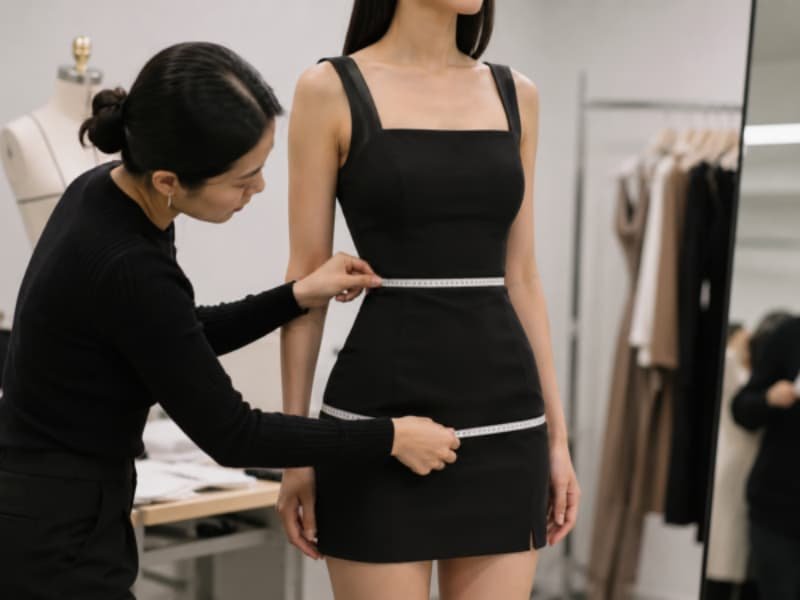
Bulk consistency depends on turning the approved garment into controlled production information. Duolan locks the decisions that affect appearance, fit, construction, labeling and repeat orders.

Pattern and Measurement Locking

The approved pattern version and measurement chart must match. Version confusion can create major variation even when the production team follows normal sewing standards. Duolan records:
  • Approved pattern version
  • Base-size measurements
  • Size-grade rules
  • Measurement methods
  • Tolerances
  • Empire-seam position
  • Skirt and tier dimensions
  • Sleeve and opening measurements
  • Relaxed and stretched smocking dimensions
Any permitted production tolerance is reviewed against visual and wearing impact. A neckline or seam-position tolerance may need stricter control than a wide skirt circumference.
BOM and Material Reuse

Material and BOM Locking

The approved outer fabric, lining, elastic, zipper, buttons, thread, labels and packaging materials are organized into the bulk BOM. Key material controls include:
  • Supplier and article reference
  • Composition
  • Weight or construction
  • Approved color
  • Shrinkage reference
  • Trim size and finish
  • Approved substitutes
  • Packing materials
  • Label content and placement
Unapproved replacement can change drape, fit, hand feel or appearance. Any necessary substitution should be reviewed before use rather than discovered during final inspection.

Workmanship and First-piece Control

Construction instructions convert sample workmanship into production methods. Gathering ratio, smocking rows, neckline finishing, sleeve attachment, lining connection and hem method are defined for the line. For styles with higher fit or workmanship sensitivity, Duolan can review the first piece or pilot stage before full production release. The check confirms whether production methods produce the approved silhouette at line speed. Issues found at first-piece stage can be corrected before the same result appears across thousands of garments.
4Reorder Standard (1)

Reorder Standard Preservation

A repeat order should not require the brand to rebuild the approved standard from the beginning. Duolan preserves relevant pattern, BOM, workmanship and quality records from completed projects. Before a repeat run, the team reviews material availability, prior comments, any approved improvements and differences in color or quantity. The preserved standard helps reduce avoidable development work while allowing necessary updates for the new order.

Controlled Manufacturing From Fabric to Shipment

Babydoll dress production is organized through defined stages so materials, pattern versions, workmanship and inspection standards remain connected throughout the order.

Fabric Inspection

Bulk fabric is checked according to project requirements for shade, surface appearance, width, visible defects and relevant material characteristics. Roll information and shade grouping support cutting control. Where shrinkage or dimensional stability affects fit, the production team uses the approved test basis before final cutting dimensions are released.

Pattern and Marker

Approved patterns are verified before marker preparation. Pieces, notches, grain direction, print direction and matching points must correspond with the confirmed version. Marker planning considers material efficiency without changing design placement. Large prints, lace motifs and directional fabrics may need specific positioning rules.

Cutting and Numbering

Fabric is spread according to fabric behavior, shade grouping and cutting requirements. Cut panels are checked for size, direction and major defects. Numbering or bundle control helps keep matching components together. Printed and shade-sensitive garments receive additional attention to prevent visible color or motif inconsistency within one dress.

Smocking and Gathering

Smocked panels, gathered seams and tiered sections are prepared using the approved measurements and ratios. Test pieces or first output are checked before continued production. Panel width, stretch recovery, stitch spacing, gathering distribution and seam alignment are monitored so early variation does not move into assembly.

Sewing and Assembly

Production lines follow the approved workmanship and process sequence. Critical points include neckline construction, sleeve setting, empire-seam assembly, lining connection, closures and hems. In-process checking focuses on measurements and workmanship at stages where correction remains possible. Issues are addressed before garments reach final finishing.

Pressing and Finishing

Pressing shapes seams, controls gathering and prepares the garment for final assessment. The method is adjusted for fabric sensitivity and silhouette. Threads, marks and visible construction issues are corrected. Garments may be hung or relaxed before final length and hem checks where fabric drop can affect the result.

Final Inspection

Final checks cover appearance, measurements, workmanship, color, labels, packing components and order quantities according to the agreed inspection basis. Babydoll-specific checks include empire-seam level, gathering symmetry, smocking recovery, sleeve balance, lining position and finished hem.

Packing and Shipment

Folding, polybags, hangtags, size stickers, barcodes, carton marks and packing ratios are checked against confirmed instructions. Shipment arrangements can support FOB, CIF, DDP or phased delivery where agreed. Shipping documents and required inspection or testing information are prepared according to the project.

Manufacturing Capacity Built for Multi-style Programs

Duolan combines dress-development experience, owned factories, coordinated production resources and specialized supply-chain support to manage multi-style collections, repeat orders and volume growth.

Manufacturing FoundationDuolan CapabilityValue for Brand Programs
Dress Development ExperienceMore than 30 years of womenswear and fashion-dress development experience across design, fabric, pattern, samples and productionStronger understanding of silhouette, fabric behavior, commercial styling and production risk
Owned Manufacturing Base16 owned womenswear production factoriesGreater control over core styles, development-sensitive products and priority programs
Coordinated CapacityMore than 20 long-term satellite factoriesFlexible support for repeat orders, expanded quantities, production peaks and style allocation
Regional Production SupportManufacturing resources across Guangdong, Guangxi, Guizhou, Sichuan and JiangxiBroader capacity planning and improved resilience during concentrated production periods
Workforce NetworkMore than 12,000 supporting workers across the manufacturing systemAbility to organize large collection programs and orders containing multiple styles, colors and size groups
Specialized ProcessesLong-term resources for printing, embroidery, washing, dyeing and other garment processesBetter matching of styles to suitable process partners and production paths
Material ResourcesAccess to South China fabric, trim, accessory and finishing supply networksFaster material coordination, alternative sourcing and process testing
Project OrganizationOrders are broken down by style, color, size, quantity, material, complexity and timingProduction paths can be matched to the risk and requirements of each style

Babydoll Dress Quality Control at Critical Points

Quality is managed from material and sample decisions through production, final inspection and packing. Babydoll-specific checks protect the upper-body fit, raised seam, gathering, stretch and finished skirt balance.

Fabric and Color

Bulk fabric is reviewed against the approved material and color direction. Checks may include shade, surface appearance, weight or construction, shrinkage, colorfastness and project-specific test requirements. Shade grouping and roll control reduce visible variation within garments. Prints, pale colors and transparent qualities receive additional review for coverage and visual consistency.

Measurement Verification

Measurements are checked using agreed points and methods. Critical babydoll measurements include bust, front bodice length, back bodice length, empire-seam position, sleeve opening, skirt length and tier depth. Relaxed and stretched dimensions are checked for smocked sections. Measurement review is connected with visual fit because a garment can pass a broad tolerance while still looking unbalanced.

Empire Seam Level

The empire seam is checked from front, side and back. It should follow the approved position without rising, dropping or becoming uneven at side seams. Inspectors review seam direction, bodice length, gathering distribution and lining connection. Uneven seam placement can alter the entire silhouette even when individual panel measurements appear acceptable.

Gathering Symmetry

Gathered sections are checked for left-right balance, seam alignment and controlled density. Hard folds, empty areas and excess bulk near side seams are identified. Tier joining points and front-back distribution are compared with the approved reference. Operators and inspectors use pattern marks and finished seam lengths rather than visual guesswork.

Smocking Stretch

Smocking is checked for finished width, stretch range, recovery, row consistency and seam alignment. Panels that stretch too easily may create loose fit, while excessive tension can restrict wear and shorten the bodice. Bulk checks compare production output with approved sample measurements after the material has relaxed.

Neckline and Sleeves

Necklines are checked for symmetry, stability, coverage and edge quality. Square corners, gathered edges, straps and elasticated sections require different control points. Sleeves are compared for height, volume, cuff opening and attachment position. Puff sleeves must appear balanced when the garment is hanging or worn.
Lining and Opacity Review​

Lining and Opacity

Lining is checked for coverage, length, smoothness and freedom of movement. It should not show beyond the hem, twist inside the dress or pull the outer layer. Transparency is reviewed according to fabric color and project requirements. Pale cotton, voile, chiffon, lace and eyelet styles may require checks under more than one lighting condition.

Final Appearance and Packing

Final appearance checks cover skirt fall, hem level, wrinkles, pressing marks, threads, stains, labels and overall match with the approved reference. Packing is reviewed to avoid crushing puff sleeves, permanently creasing gathered areas or snagging delicate surfaces. Size stickers, barcodes, hangtags, polybags and carton marks are confirmed before shipment.

Compliance Preparation for Global Fashion Programs

Compliance is prepared from material selection and labeling through packing and shipment documentation. Duolan works with brand manuals, market requirements and project-specific standards rather than making broad claims without supporting records.

Factory Audit Readiness

Duolan’s manufacturing system has completed SMETA audit and SMETA 2-Pillar audit and maintains a SMETA social audit record. Additional audit or vendor-approval requirements can be reviewed according to the brand’s supplier manual and sourcing process. Required documents, site information and preparation steps should be discussed before the project moves too far into production.

Fabric Testing

Testing requirements vary by market, material, end use and brand policy. Relevant areas may include composition, colorfastness, dimensional stability, pH, restricted substances and fabric performance. Duolan can coordinate testing according to the approved test plan. The required laboratory, test method, sample quantity and acceptance standard should be confirmed by the brand or agreed before submission.

Labeling Information

Main labels, size labels, care labels, fiber content, country-of-origin information and hangtags must match the destination market and brand instructions. Artwork, wording, symbols, language and placement are reviewed before bulk label production. Errors found after sewing or packing create avoidable rework and shipment risk.

Packing Requirements

Polybag specifications, warning text, size stickers, barcodes, carton marks, packing ratios and warehouse labels are confirmed before final packing. Retail, ecommerce, distribution-center and overseas-warehouse programs can require different labeling and carton structures. The approved packing guide becomes part of the production information.

Brand-specific Standards

Duolan can review vendor manuals, quality manuals, restricted-substance lists, measurement methods, inspection criteria and packing guides supplied by the brand. Requirements are translated into development, material, production and inspection actions. Early review is important where the brand standard is stricter than general market practice.

Shipment Documents

Required documentation may include commercial invoice, packing list, HS-code information, inspection records, testing reports and other project documents. The document list is confirmed according to the trading term, destination, logistics arrangement and brand requirement. Compliance preparation should be completed progressively rather than left until the shipment date.

Labels, Packing and Delivery Prepared for Retail

Brand presentation continues after sewing. Labels, folding, protective materials, carton information and delivery planning must match the product, channel and receiving requirements.

Brand and Size Labels

Main labels and size labels are checked for artwork, color, material, position and attachment method. The label should remain comfortable and should not distort lightweight fabrics. Size identification must match the garment, polybag, barcode and carton assortment. Bulk labels are approved before full sewing to prevent rework.

Care and Content Labels

Care labels carry fiber content, washing information, country of origin and other required details according to the market and brand standard. The label material, print durability, wording and symbols are reviewed before production. Placement should remain accessible without affecting the appearance or comfort of the dress.

Hangtags and Barcodes

Hangtags, price tags, barcode stickers and promotional cards are prepared according to brand artwork and channel requirements. Barcode readability, style numbers, color codes and size information are checked against order data. Attachment points are selected to avoid damaging chiffon, satin, lace or other delicate fabrics.

Folding and Polybags

Folding methods are selected according to sleeve volume, skirt construction, fabric sensitivity and warehouse requirements. Puff sleeves and layered skirts require enough space to avoid severe compression. Satin, chiffon and embellished styles may need tissue, protective sleeves or adjusted folding. Polybag size and warning information follow confirmed instructions.

Cartons and Marks

Carton dimensions, quantities, assortment ratios, gross weight, shipping marks and destination labels are checked before loading. Multi-style orders require clear separation by style, color and size. Carton information is matched against the packing list so receiving teams can process the shipment efficiently.

Delivery Coordination

Production completion, inspection, packing and shipping are planned as connected steps. Available arrangements can include FOB, CIF, DDP and phased shipment according to the agreed project. Reference transit times may include 3–7 days by express, 5–8 days by air and 20–35 days by sea, subject to destination, booking, customs and carrier conditions.

Production Timing Aligned With Your Launch Window

Reliable timing begins when sample standards, materials, approvals, packing and inspection requirements are locked before bulk production. The schedule below provides a planning reference rather than an unconditional promise.

Project StagePlanning ReferenceMain Conditions Affecting Timing
Development ReviewConfirmed after receiving design informationCompleteness of tech pack, size chart, fabric direction and construction details
Sample PlanQuoted by style after reviewPattern complexity, material sourcing, print or color development, smocking tests and sample purpose
Revision StageConfirmed after consolidated commentsScope of pattern changes, replacement materials, fit-review requirements and approval speed
Simple Bulk StylesApproximately 15–20 daysApproved PP basis, available materials, straightforward construction and confirmed packing
Regular Bulk StylesApproximately 20–30 daysMultiple colors, lining, sleeves, tiers, printing, smocking or additional QC requirements
Complex Bulk StylesApproximately 30–45 daysSpecial fabrics, multiple processes, intensive workmanship, pilot runs or third-party inspection
Express TransitApproximately 3–7 daysDestination, carrier availability, customs and parcel size
Air TransitApproximately 5–8 daysDestination airport, booking, customs and final-mile arrangements
Sea TransitApproximately 20–35 daysPort pair, sailing schedule, customs and inland delivery

Production lead time normally begins after the required PP standard, BOM, bulk materials, order information and commercial payment point have been confirmed.

A seasonal launch should be planned backward from the target retail date:

Launch date → receiving and warehouse processing → shipping → final inspection and packing → bulk production → PP approval → sample and fit approval → material confirmation → development review.

Babydoll Dress Programs Developed for Global Markets

The following confidential project profiles illustrate how multi-style babydoll collections can be organized around silhouette, fabric, timing and bulk consistency. Brand identities remain undisclosed.

United States Ecommerce Program

A U.S. fast-fashion ecommerce brand planned a summer and early-fall babydoll program containing 18 styles and 42,600 pieces. The range included printed mini dresses, square-neck puff-sleeve styles, smocked bodices, tiered skirts and several long-sleeve transitional versions. The initial challenge involved inconsistent empire-seam positions across the brand’s reference samples. Several cotton-poplin styles also carried too much skirt volume, while the viscose versions lacked enough shape in product photography. Duolan separated the program into three silhouette groups:

  • Crisp cotton styles with reduced gathering ratios
  • Fluid viscose styles with adjusted panel flare
  • Smocked styles requiring measured stretch and recovery standards

The development team aligned front-bodice length, empire-seam position and skirt ratios across the groups while retaining different fabric effects. Photo-priority styles moved first, followed by commercial core styles and later color extensions. Before bulk release, approved patterns, BOMs, smocking dimensions, print strike-offs and PP samples were locked by style. Production was allocated according to material and workmanship complexity. The program entered bulk production across multiple coordinated lines. First-piece review focused on seam position, sleeve balance and gathering symmetry. Inline checks prevented smocking variation from affecting finished length. The completed range supplied the planned launch with 18 coordinated styles, six principal print stories and a size run based on the brand’s U.S. specification. Preserved patterns and material records created a base for repeat colors and later sleeve updates.

Australian Resort Collection

An Australian resort-focused fashion brand developed 12 babydoll and relaxed summer-dress styles totaling 28,800 pieces. The collection used cotton voile, printed viscose, broderie and lightweight linen blends across mini and midi lengths. The principal concern was coverage. White and pastel fabrics looked acceptable on a fabric table but became transparent under outdoor light and campaign photography. The original lining direction also restricted movement in the tiered midi styles. Duolan reviewed each material according to opacity, outer-fabric weight, skirt movement and target climate. The team proposed separate lining solutions:

  • Soft full lining for pale cotton mini dresses
  • Bodice and short-skirt lining for selected printed styles
  • Increased lining circumference for tiered midi dresses
  • Partial lining under broderie sections
  • Reduced seam bulk around smocked areas

Smocking tests were prepared for four styles because the selected cotton qualities responded differently to elastic-thread tension. Finished and stretched panel measurements were recorded before first samples were approved. The collection used a shared color and trim story while varying neckline and sleeve direction. Print styles received strike-off review, and placement rules were added for larger floral motifs. Bulk production maintained the planned 12-style assortment. Final checks emphasized lining position, transparency, tier length, smocking recovery and hem balance. Packing methods were adjusted to protect puff sleeves and prevent sharp creases in the lightweight fabrics. The approved blocks later supported additional colorways without rebuilding the entire fit direction.

United Kingdom Contemporary Range

A U.K. contemporary womenswear brand commissioned a 24-style dress program containing 63,200 pieces. Nine styles used babydoll or raised-waist silhouettes, while the remaining range included coordinated relaxed mini and midi dresses. The brand wanted a mature, refined babydoll interpretation rather than an exaggerated youthful shape. Early references contained high waist seams, wide skirts and large sleeves that competed visually when combined. Duolan reviewed the babydoll group as part of the full collection and adjusted three connected areas:

  • Empire seams were lowered selectively according to bust and neckline structure.
  • Gathering ratios were reduced in dense cotton and satin qualities.
  • Sleeve-head volume was balanced against shoulder width and skirt sweep.

The satin styles received additional seam, pressing and packing review because surface shine made minor puckering visible. Cotton styles were assessed after shrinkage testing before final length and bodice measurements were locked. The nine babydoll-related styles included square-neck minis, long-sleeve midis, softly gathered satin dresses and two lace-overlay directions. Shared design elements created collection consistency without repeating one pattern. Production planning separated regular cotton styles from satin and lace constructions. First-piece approval was completed for the higher-risk products before full quantities were released. The final 24-style order was organized across color, size, fabric and construction groups. Reorder records preserved approved patterns, trims and workmanship details for later seasonal development.

Custom Babydoll Dress Frequently Asked Questions

A women’s babydoll dress generally combines a controlled bodice or upper section with a raised waist seam and a relaxed, gathered or flared skirt. Mini and midi lengths are both possible. The silhouette can include smocking, puff sleeves, tiers, straps, prints, lace or occasion fabrics. Commercial success depends on proportion: the bodice must fit securely, the empire seam must sit correctly and the skirt must have enough movement without excessive bulk.
Yes. Reference images can establish visual direction, but they do not provide complete measurements, internal construction, fabric specifications or grading rules. Duolan reviews the image together with the brand’s size chart, fit direction, target material, quantity and launch plan. Missing decisions are identified before pattern work begins. A tech pack, original sample or additional detail images improve development accuracy and quotation quality.
Suitable options include cotton poplin, cotton voile, viscose, rayon, chiffon, georgette, linen blends, satin, lace, eyelet and lightweight denim. The best selection depends on the intended silhouette. Crisp fabrics create stronger volume, while fluid fabrics create softer movement. Opacity, shrinkage, seam behavior, gathering performance, lining requirements and bulk availability should be reviewed before approval.
Empire-seam position is developed through front-bodice length, bust shaping, back balance, side-seam level and the starting point of skirt gathering. The approved position is checked on the base size and reflected in grading rules. During production, measurements and visual level are both inspected because a seam can meet a broad measurement tolerance while still appearing uneven or incorrectly positioned.
Yes. Smocking can be applied to the full bodice, back panel, waist, cuffs or selected sections. Development controls row spacing, elastic-thread tension, finished panel width, stretch range and recovery. Test panels or first-piece checks may be used before volume production. Relaxed and stretched dimensions are recorded so bulk output does not depend only on visual judgement.
Gathering ratios, panel lengths, finished seam lengths, notches and distribution zones are defined in the pattern and workmanship instructions. First-piece and inline inspection review density, symmetry and seam alignment. Operators do not decide the amount freely. Tiered styles also receive separate ratio and length standards for each joining seam.
Yes. Duolan can work with the brand’s approved measurement chart, points of measurement, tolerances and grading rules. The development team reviews critical babydoll measurements such as bust, bodice length, empire-seam position, armhole, sleeve opening, skirt circumference and finished length. Any unclear measurement method is confirmed before grading or bulk production.
Sampling time is confirmed after reviewing style complexity, material readiness, print or color development, sample purpose and required approvals. A clear tech pack, confirmed fabric direction and consolidated comments make the schedule more predictable. Duolan prefers to issue a structured sample plan showing development steps, approval points and revision requirements rather than promising one fixed period for every style.
Reference production periods are approximately 15–20 days for simple styles, 20–30 days for regular styles and 30–45 days for complex styles. Timing begins after required PP standards, bulk materials, BOM, order information and payment points are confirmed. Printing, dyeing, smocking, special trims, inspection, packing and approval delays can affect the final schedule.
Yes. Duolan’s manufacturing system supports collection programs containing multiple styles, colors, sizes, fabrics and construction levels. Orders are broken down by product complexity, material, process, quantity and timing before production paths are assigned. Collection planning can cover sample priority, photo-ready styles, PP approvals, bulk allocation, inline quality control, shipment preparation and reorder-standard preservation.

Start Your Babydoll Dress Development Project

Send Duolan your tech pack, reference images, original sample photographs, size chart, fabric direction or collection brief. Include the planned styles, colors, target quantity, size range, required delivery window and intended market whenever available.

Our team will review the project basis before preparing the development route. The review can cover silhouette feasibility, fabric behavior, empire-seam position, smocking or gathering requirements, sample purpose, production risks, material preparation and bulk timing.

Useful project information includes:

  • Tech pack, sketches or reference photographs
  • Original garment measurements
  • Brand size chart and grading rules
  • Preferred fabrics, colors and print direction
  • Target quantity by style and color
  • Planned size range
  • Label and packing requirements
  • Quality, testing or audit manuals
  • Photo-sample or launch dates
  • Target bulk delivery window

Start Your Apparel Development Project

OEM/ODM Manufacturing Support for Fashion Brands

Share your collection details, estimated quantities, target market, development timeline, and technical requirements. The production team will review your request and provide a tailored manufacturing solution based on your product category, fabric selection, construction needs, and delivery schedule.

Fashion Manufacturing Support with Scalable Production Capacity

From sample development to bulk production, Duolan supports fashion brands with confidential OEM/ODM manufacturing, stable quality management, flexible production planning, and coordinated multi-factory execution for seasonal and capsule collections.

Need Direct Assistance?

Seraphinite AcceleratorOptimized by Seraphinite Accelerator
Turns on site high speed to be attractive for people and search engines.