Skip to content
Custom Birthday Dress Manufacturer
Dress-focused development and manufacturing for established fashion brands creating distinctive birthday, party, going-out and occasionwear collections.
- Built for structured programs involving 10–30 styles and combined order volumes commonly ranging from 20,000 to 80,000 pieces.
- Product development covers satin, sequin, rhinestone, mesh, corset, bodycon, halter, backless and embellished birthday dresses.
- Manufacturing support includes 16 owned womenswear factories, 20+ coordinated factories, 300 sewing lines and 50+ flexible production lines.
- Duolan manages the route from design review and fabric selection to pattern development, sampling, PP approval, bulk production, inspection and repeat orders.
Built for Established Birthday and Partywear Brands
Fashion Brand Teams
- Direction review for mini, midi and maxi styles
- Fabric coordination across several products
- Common fit standards for a connected range
- Statement styles balanced with repeatable commercial shapes
- Sample priorities based on launch and photography schedules
- Production allocation according to complexity and volume
Product Development Teams
Product developers often receive an appealing design direction before fabric behavior, structure and production feasibility are fully resolved. A fitted satin dress, crystal mini or mesh corset style may look straightforward in a reference image while requiring careful decisions around support, opacity, stretch, lining, zipper construction and decoration placement. Duolan reviews:
- Design intention and target silhouette
- Required body contour and wearing stability
- Main fabric, lining and support materials
- High-risk construction areas
- Suitable sample stages
- Bulk-ready workmanship methods
- Possible cost or lead-time pressure
Comments are translated into measurable pattern, fit and workmanship actions, helping each sample move toward a version suitable for approval and production.
Sourcing and Buying Teams
Sourcing and buying teams need clear documentation, controlled approvals and dependable production follow-through. Their work involves more than finding an attractive sample; they must confirm whether a vendor can manage material availability, comments, PP standards, inspection points, packing instructions and delivery windows.
Duolan supports formal project coordination through:
- Structured brief review
- Material and trim confirmation
- Sample-stage tracking
- Revision records
- Production-readiness review
- Style, color, size and quantity breakdown
- In-line and final quality checkpoints
- Packaging and shipment preparation
The aim is a predictable operating path from initial evaluation to repeat production.
What Defines a Commercial Birthday Dress Collection
Celebration-led Design
Birthday styles must create an immediate visual impression in photographs, video, restaurants, parties, clubs and social events. Common design directions include crystal surfaces, sequins, satin shine, metallic finishes, corsetry, cut-outs, asymmetric necklines, sculpted ruching and feather trims.
Visual impact still needs discipline. Decoration weight cannot distort the body line. A deep neckline needs stable support. A backless shape needs secure side-body control. A short fitted skirt must preserve movement and coverage. Duolan evaluates the relationship between appearance, structure and wearability before development moves too far.
Commercial Product Logic
- One or two high-impact campaign styles
- Satin or jersey core shapes
- Several color-led variations
- A fitted mini and a longer evening option
- Entry, middle and premium price positions
- Styles suitable for repeat colors or seasonal relaunches
Related Dress Categories
Birthday dresses often overlap with party, going-out, cocktail, homecoming and occasionwear products. The difference comes from the intended wearing moment and visual language. Birthday collections usually place greater weight on:
- Personal celebration and individuality
- Camera-ready surface detail
- Figure-enhancing silhouettes
- Statement color or shine
- A stronger emotional purchase reason
- Social-media visibility
- Limited-edition or seasonal relevance
Duolan develops each style around its actual retail role rather than applying one generic party-dress standard across the range.
What Brand Teams Evaluate Beyond Style and Price
Category Experience
Sample Accuracy
Fit and Structure
A bodycon mini, corset dress and halter dress cannot share the same pattern logic. Each shape places different pressure on bust support, waist contour, hip ease, strap tension and movement.
Pattern development must respond to fabric stretch, recovery, weight and surface behavior. Duolan connects pattern decisions with material performance rather than treating measurements as isolated numbers.
Decoration Control
Bulk Repeatability
Delivery Discipline
Birthday Dress Styles We Develop and Manufacture
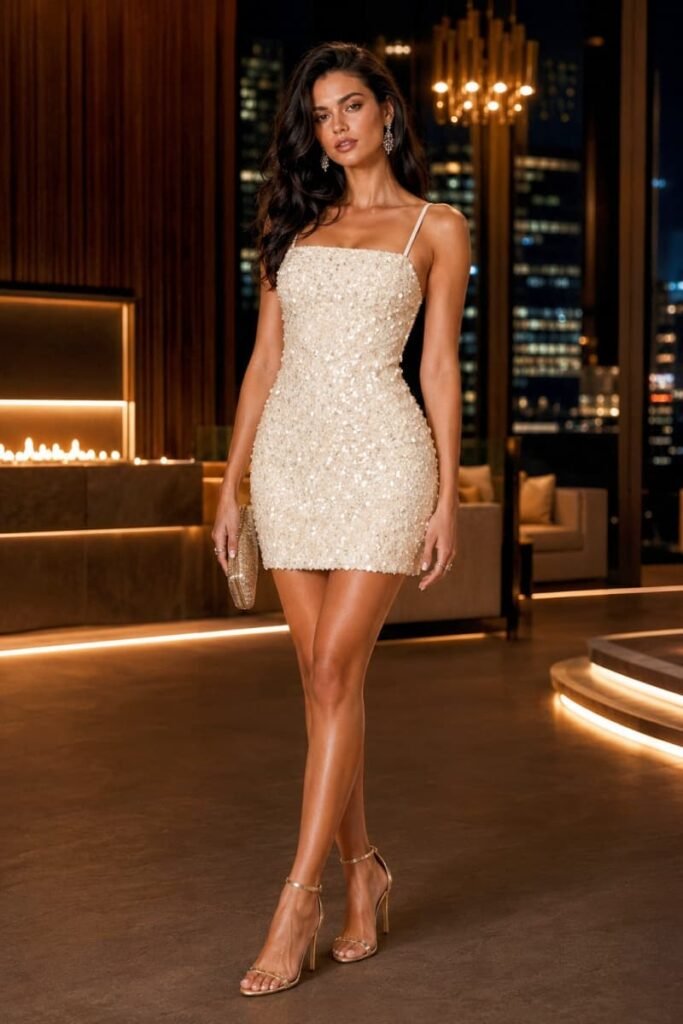
Sequin Birthday Dresses

Rhinestone Mini Dresses

Satin Corset Dresses
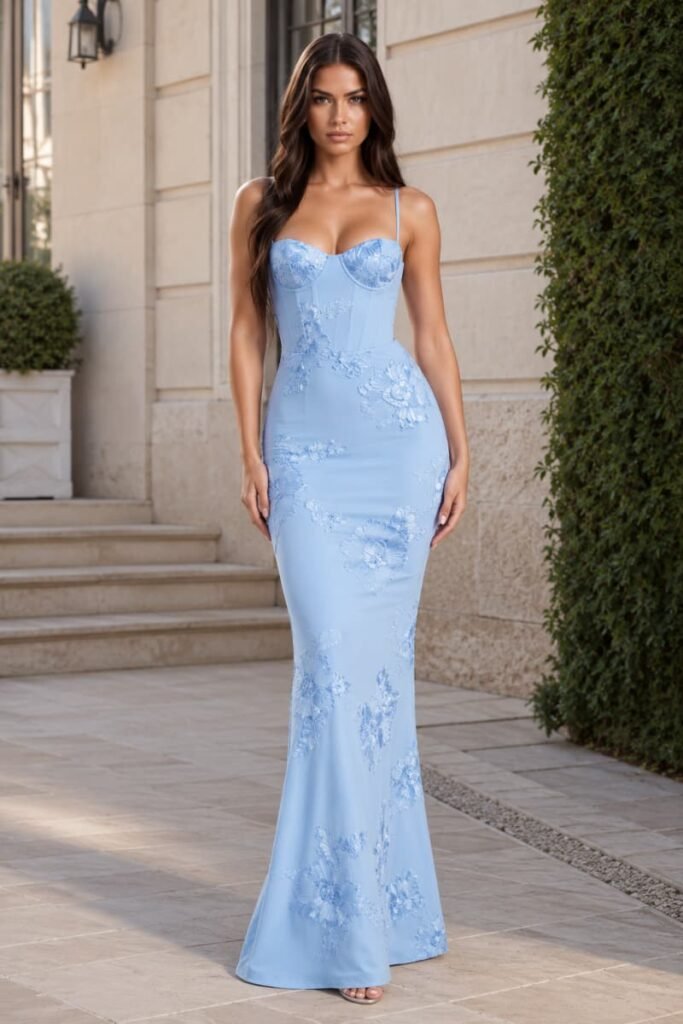
Bodycon Birthday Dresses

Mesh Party Dresses

Halter Backless Dresses

Feather Trim Dresses
Feather trims create movement and strong campaign value, but they influence sewing, cleaning, packing and freight volume. Placement must avoid heavy compression and uncontrolled shedding. Duolan reviews trim quality, color consistency, attachment tape, seam position and replacement allowance. Feather is often used selectively at hems, cuffs, necklines or detachable elements to balance visual effect and production control.

Occasion Midi Maxis
Building a Balanced Birthday Dress Collection
A successful range needs visual excitement, commercial depth and a clear price structure. Duolan helps organize styles by role, material, silhouette, color and production route before multiple samples begin. Duolan coordinates development priorities so high-risk styles do not delay the entire collection.
Statement Hero Styles
Commercial Core Styles
Core styles translate the birthday concept into products with broader wearing appeal and stronger repeat potential. Satin minis, ruched mesh dresses, jersey bodycon shapes, halter dresses and asymmetric midis often fill the middle of the range.
Shared fit blocks, common linings, repeated trims and coordinated colors can improve development efficiency. Core products also allow a brand to extend successful shapes into new colors, lengths or surface treatments without rebuilding every technical standard from the beginning.
Supporting Range Styles
- Mini, midi and maxi lengths
- Fitted and fluid silhouettes
- Neutral, bright and metallic colors
- Clean surfaces and embellished surfaces
- Entry, middle and premium cost levels
- Campaign pieces and repeat-order products
Fabrics Selected for Shape Movement and Visual Impact

Satin and Charmeuse

Sequin Fabrics

Mesh and Power Mesh

Stretch Jersey

Velvet Metallic Fabrics

Lace Structured Wovens
Embellishment Techniques for High-impact Birthday Dresses

Sequins

Rhinestones Crystals

Pearls Beads
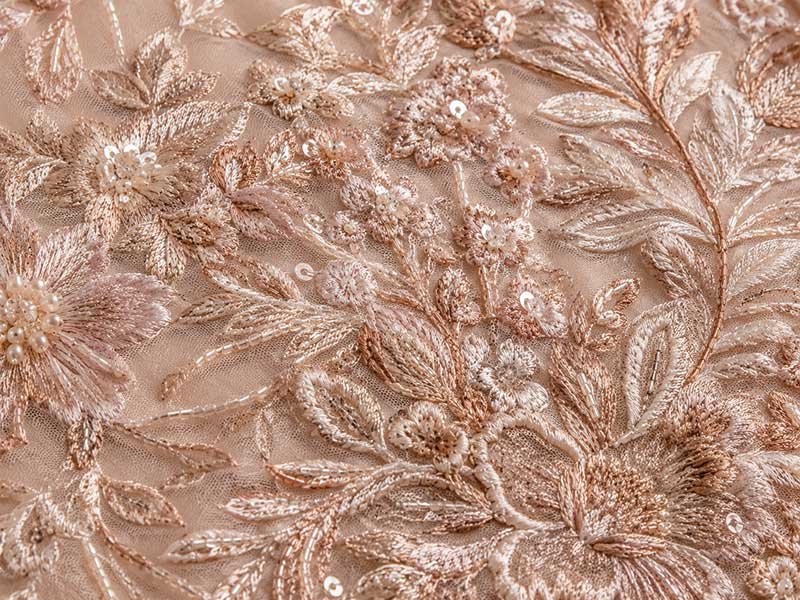
Embroidery

Feather Trims

Appliqué Details

Metallic Hardware

Mixed Techniques
Construction Details Behind Stable Birthday Dress Performance
Internal Support for Corset and Bustier Shapes
Corset-inspired birthday dresses need a clear support strategy. Cups, boning, interlining, elastic, seam structure and closure choice should be designed as one system.
Bust shaping:
Cup volume and position are reviewed against the intended size chart and neckline. Incorrect cup placement can create overflow, gaping or an unnatural bust point even when general garment measurements appear correct.
Boning position:
Boning channels are arranged to support the silhouette without twisting or creating sharp pressure. Boning length must remain compatible with the waist and hem construction.
Interlining:
The support layer should stabilize the outer fabric while preserving the desired surface. Overly rigid interlining can make satin appear stiff; weak interlining can allow wrinkles and collapse.
Closure reinforcement:
Back zippers, lace-up sections, hooks and eyes or corset panels require reinforcement around stress points. Duolan checks whether seam allowances, topstitching and internal tape can support repeated dressing.
Lining and comfort:
Internal seams, boning ends and decoration backing are covered to reduce skin irritation. Lining also helps control opacity and shape.

Trims and Components Locked for Bulk Production
Small components frequently create large production differences. Zippers, elastic, cups, boning, hooks, straps, gripper tape and labels need confirmed specifications before bulk sourcing.
Zippers:
Length, tape color, puller finish, tooth type and installation method are defined. Satin and fitted styles require attention to zipper wave and seam tension.
Elastic and gripper:
Width, stretch strength and recovery influence neckline, strapless and waist performance. Substitution without review can change fit.
Straps and adjusters:
Strap width, slider dimensions, ring finish and attachment reinforcement are confirmed. Hardware color must match the approved standard.
Cups and padding:
Cup size, shape, thickness and edge finish affect fit across the size range. A generic cup cannot automatically support every neckline or graded size.
Labels and packaging components:
Main labels, care labels, size labels, hangtags, stickers and packing materials enter the BOM so production and shipment teams follow one approved specification.

Lining Coverage and Wearing Comfort
Lining is not merely an internal finish. It changes opacity, drape, stretch, warmth, comfort and construction stability.
For mesh and lace styles, Duolan maps visible and covered areas before pattern finalization. Bust, hip and seat coverage are reviewed under natural and artificial light. For sequin and beaded products, lining protects the wearer from rough backing and exposed threads.
Stretch linings must move with the outer fabric. Non-stretch lining inside a bodycon shell may restrict movement or distort the garment. Satin dresses require lining with compatible drape so the internal layer does not pull the outer surface.
The team also checks:
- Lining length in relation to outer hem
- Attachment at neckline and zipper
- Seam direction and bulk
- Potential lining roll-out
- Static and cling
- Color showing through pale materials
- Wash and pressing behavior
A stable lining plan supports both visual quality and comfort across repeat production.

Fit Engineering for Shape-sensitive Birthday Dresses
Bust Waist and Hip Balance
A fitted dress is successful when bust, waist and hip areas work together. Correct measurements alone cannot guarantee balance when neckline depth, cup shape, material stretch or internal support changes.
Bust balance:
Duolan reviews bust point, cup placement, neckline edge, under-bust position and side coverage. Corset, halter and strapless shapes each need a different support route.
Waist definition:
The visual waist may sit above, at or below the natural waist depending on silhouette. Pattern lines, boning and skirt attachment must follow the intended proportion.
Hip contour:
Bodycon and pencil shapes need adequate movement while retaining a clean outline. Fabric recovery, seam direction and negative ease are reviewed together.
Length and proportion:
Mini lengths are checked from both standing and sitting positions. Midi and maxi lengths are balanced against target height, footwear and skirt volume.
Movement:
Walking, sitting, arm movement and dressing access are considered during fit review. A garment may appear correct while standing but fail during actual wear.

Neckline Strap and Back Stability
Open necklines and exposed backs create strong visual impact while removing conventional support areas.
Halter tension:
The neck should not carry excessive garment weight. Bust support, strap angle and back closure share the load.
Strapless security:
Internal support, gripper tape, seam structure and fit must prevent slipping. Simply reducing neckline circumference can create pressure without stability.
Backless control:
Side-body pattern shape becomes critical when the back is lowered. Gaping near the armhole or waist often indicates insufficient pattern control.
One-shoulder balance:
Asymmetric necklines need stable anchoring so the garment does not rotate during movement.
Cut-out placement:
Cut-outs are evaluated against the full graded range. A cut-out positioned well on the base size may expose or distort differently after grading.
Fit comments are translated into pattern corrections with measurable actions rather than subjective descriptions alone.

Size Grading for Visual Consistency
Duolan works from brand-specific measurement charts and grading rules. Common commercial ranges may include XS–XL, US 0–14, UK 4–18 or other market-specific structures, subject to the supplied specification and target body profile.
Grading is not a uniform increase across every point. Important areas require controlled treatment:
- Cup dimensions and bust point
- Neckline depth and width
- Strap length and position
- Waist shaping
- Hip ease
- Cut-out scale
- Boning length
- Decoration placement
- Mini-skirt length
- Hem circumference
For decorated products, motifs and embellishments may need separate size references. For corset products, cup and boning components may change across the range. Duolan reviews graded patterns and measurements before production so larger and smaller sizes preserve the intended visual balance rather than becoming simple scaled copies.

Custom Options for Brand-specific Birthday Dress Programs
Every project can be configured around brand identity, target market, retail price, size structure and launch plan. Clear specifications allow Duolan to evaluate development difficulty, material sourcing and production feasibility more accurately.
| Custom Area | Available Development Direction | Key Information Required |
|---|---|---|
| Silhouette | Mini, midi, maxi, bodycon, corset, bustier, halter, backless, one-shoulder, cut-out | Sketch, reference image, intended fit |
| Main Fabric | Satin, mesh, sequin textile, jersey, velvet, lace, metallic fabric, structured woven | Composition, weight, stretch, hand feel, color |
| Color | Pantone reference, lab dip, stock shade, custom dye direction | Color code, quantity by color, launch timing |
| Structure | Cups, boning, interlining, elastic, gripper, lining, reinforcement | Support level, neckline, closure, wearing purpose |
| Decoration | Sequins, rhinestones, crystals, beads, pearls, feathers, embroidery, appliqué | Placement, density, attachment, target cost |
| Size Range | Brand-specific chart, graded measurements, market-specific sizing | Base size, POM, tolerance, grading rule |
| Branding | Main label, size label, care label, hangtag, barcode, security tag | Artwork, material, placement, compliance text |
| Packaging | Folded pack, hanger pack, tissue, garment cover, presentation box, carton marking | Retail channel, warehouse guide, protection needs |
| Collection Structure | Multiple styles, colors, lengths and price levels | Style count, quantity, launch date, priority |
| Production Stage | Sample, trial run, launch order, repeat order, scale-up order | Approved files, quantity, readiness status |
Development Paths for Different Project Inputs
Tech Pack Execution
Tech-pack-led projects are suitable for brands with defined construction, measurements, BOM, artwork, labels and packing standards.
Duolan reviews:
- Pattern and construction feasibility
- Material and trim availability
- Measurement completeness
- Tolerance and grading logic
- Decoration placement
- Testing or compliance requirements
- Sample purpose
- Production-sensitive details
Questions or conflicts are identified before sample cutting where possible. The goal is to translate the approved technical file into an executable sample and later into controlled bulk standards.
Reference-led Development
- Intended silhouette and occasion
- Target wearer and fit
- Fabric appearance and hand feel
- Required structure
- Visible and hidden construction
- Decoration method
- Target price position
- Sample objective
Original Sample Review
An original garment allows close study of pattern, fabric, construction and finishing. The goal may involve reproduction, fit correction, quality improvement, cost review or commercial adaptation.
Duolan can examine:
- Garment measurements
- Pattern shape and seam placement
- Fabric weight and stretch
- Internal structure
- Components and trims
- Workmanship sequence
- Areas requiring improvement
- Differences needed for brand positioning
Any requested changes should be documented before the first development sample begins.
From Design Direction to Production-ready Samples
Brief and Feasibility Review Before Sampling
Before cutting the first sample, Duolan reviews what the product must achieve.
The review considers:
- Target occasion and visual effect
- Intended wearer and market
- Fit priority
- Main material direction
- Internal structure
- Decoration complexity
- Expected size range
- Planned order quantity
- Launch date
- Target cost position
A satin corset mini may need early cup, boning and fabric decisions. A crystal mesh dress may require an attachment test before full sample work. A jersey bodycon style may need stretch and opacity review before final pattern ease is chosen.
Early review reduces avoidable sample rounds caused by unclear material, structure or fit assumptions.
Comment Translation and Revision Control
Revision efficiency depends on how comments are interpreted and documented.
Duolan separates comments into:
- Pattern and measurement changes
- Fit and proportion changes
- Fabric or lining changes
- Construction changes
- Decoration changes
- Color and trim changes
- Finishing changes
- Packing-related changes
Comments such as “waist feels loose” or “neckline is unstable” are converted into measurable actions. Pattern alterations, component changes and construction corrections are then reflected in a revision record.
For multi-style programs, revision summaries help prevent comments from being mixed across products. Sample status is tracked so teams know whether a style is awaiting fit approval, visual approval, material confirmation or PP preparation.
Sample Stages with Clear Approval Purposes
Different samples support different decisions.
First prototype:
Used to evaluate design translation, proportion, construction direction and preliminary fabric behavior.
Fit sample:
Used to examine bust, waist, hip, neckline, length, movement and pattern balance.
Revised sample:
Prepared after comments are converted into pattern, material or workmanship changes.
Photo-ready sample:
Focused on visual completion for campaign or e-commerce photography, while production feasibility remains under review.
Salesman sample:
Prepared for internal selling, line review or market presentation when required.
Pre-production sample:
Represents the confirmed material, measurements, workmanship and visual standard for bulk release.
Typical planning ranges may be 7–12 working days for less complex fitted styles and 12–20 working days for corset, dense sequin, rhinestone or multi-process products, after materials and specifications are ready. Exact timing is confirmed after project review.

Development Risks Controlled Before They Reach Bulk
Satin Surface Risk
Sequin Seam Risk
Corset Support Risk
Mesh Coverage Risk
Jersey Recovery Risk
Rhinestone Loss Risk
Open-back Stability Risk
Bulk Difference Risk
Uncontrolled material substitutions, measurement drift or decoration placement differences can move production away from the approved sample.
Turning Approved Samples into Repeatable Bulk Standards
Production-readiness Review Before Bulk Release
Duolan does not move from an almost-approved sample directly into full production. A production-readiness review establishes the actual status of the style. The review confirms whether the sample is:
- Fit approved
- Visually approved
- Accepted as PP basis
- Waiting for bulk material
- Waiting for final label or packaging details
Key items are then locked:
- Main fabric and lining
- Color
- Trims and components
- Measurements and tolerance
- Workmanship points
- Decoration placement
- Labels and packaging
- Inspection requirements
The resulting Bulk Start Confirmation or Production Readiness Note gives project teams a clear reference before manufacturing begins.
Sample Standards Converted into Production Files
- Approved sample
- BOM
- Measurement chart
- Grading information
- Pattern version
- Construction notes
- Decoration artwork
- Color standard
- Trim standard
- Packing instructions
- QC checkpoints
Reorder Records Preserved for Future Runs
A repeat order should not restart from memory. Duolan preserves relevant development and production information to support future runs.
Records can include:
- Approved pattern version
- Measurement and grading chart
- Fabric and trim references
- Color standard
- PP or golden sample status
- Workmanship notes
- Decoration placement
- Inspection findings
- Packing standard
- Previous production comments
Before a reorder, material availability and any required changes are reviewed again. New fabric lots, replacement trims or revised quantities may affect cost, color or timing. A structured review helps preserve product identity while adapting to current production conditions.
Manufacturing Details Behind Consistent Birthday Dress Production
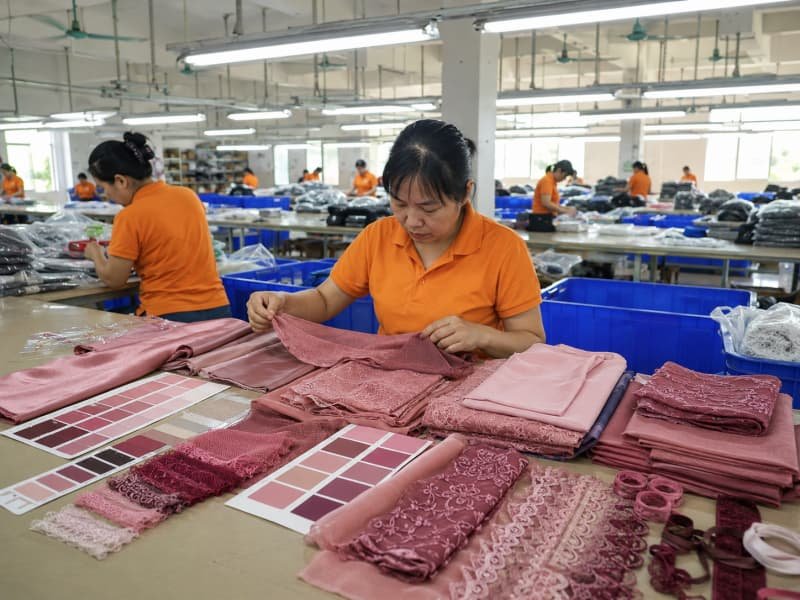
Fabric Inspection

Pattern and Cutting

Structural Sewing
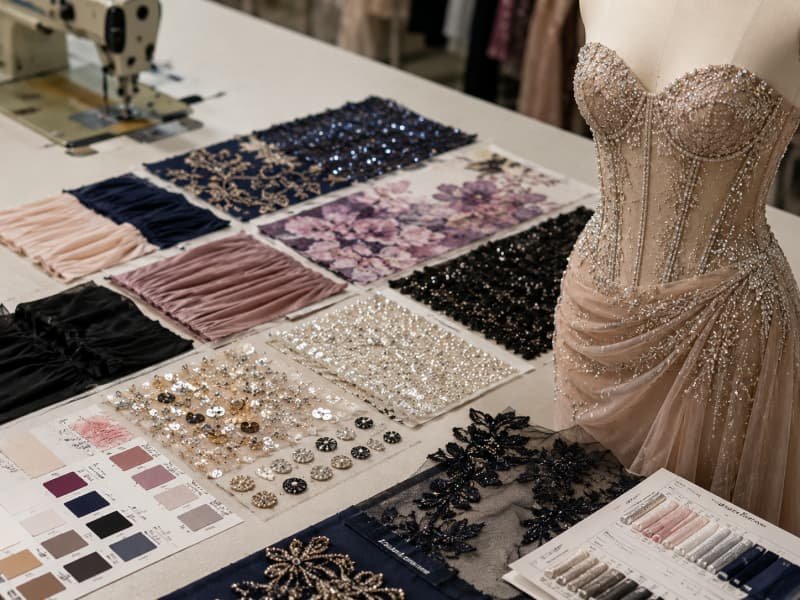
Decoration Application

First-piece Confirmation

Pressing and Finishing
First-piece Verification Before Full Production Release
When Pilot Verification Is Required
Duolan evaluates whether a style needs first-piece confirmation, a small pilot run or a critical-operation trial.
Pilot verification is especially relevant for:
- Corset and bustier structures
- Halter and backless dresses
- Dense sequin surfaces
- Rhinestone layouts
- Layered or ruched mesh
- Satin with difficult seam lines
- Complex cut-outs
- Multi-process embellishment
- New fabric or component combinations
- Styles with narrow measurement tolerances
The purpose is not to repeat sample approval. Production operators, bulk materials, graded patterns and actual line methods can create conditions different from the sample room.
Early pieces are compared with approved standards for measurements, silhouette, support, decoration, zipper appearance, seam quality and finishing. Findings are recorded, and any required adjustment is communicated before the line continues.
What the Production Team Confirms
A first-piece check can include:
Material identity:
Main fabric, lining, components and decoration match approved references.
Pattern version:
Correct graded patterns are released to cutting.
Measurement control:
Critical POMs fall within approved tolerance.
Construction method:
Seam type, reinforcement, cup, boning, zipper and lining follow production notes.
Visual balance:
Neckline, waist, ruching, hem and decoration placement match the intended appearance.
Finishing quality:
Pressing, thread trimming, surface cleaning and shape remain acceptable.
Packing readiness:
Folding, hanger, tissue and protective requirements are feasible for the finished garment.
The production line receives corrective instructions where necessary. A verified first piece then becomes an operating reference for in-line quality control.
Quality Control for Fit Decoration and Bulk Consistency
Material and Cutting Control
Before and during cutting, teams review fabric identity, color, visible defects, direction and relevant performance conditions.
Important controls include:
- Satin shade and surface condition
- Sequin density and motif direction
- Mesh stretch and transparency
- Jersey stretch and recovery
- Lace or print placement
- Correct pattern and size ratio
- Bundle identification
- Cutting accuracy
- Component preparation
For multi-color collections, approved color references help reduce shade confusion. Pattern and cutting records also support later investigation when measurement or assembly issues appear.

In-line Workmanship Inspection
In-line checks focus on operations capable of affecting fit, durability or visual appearance.
Common inspection points include:
- Cup and boning position
- Neckline stability
- Strap length and symmetry
- Zipper installation
- Waist seam balance
- Ruching distribution
- Mesh and lining alignment
- Sequin seam finishing
- Rhinestone placement
- Reinforcement at stress points
- Measurement at key construction stages
Problems found during production can be corrected earlier than defects found only at final inspection. Quality teams communicate findings with line supervisors and production management so recurring issues are addressed at process level.

Final Appearance and Packing Inspection
Final inspection combines measurements, workmanship, visual comparison and packing requirements.
Checks may include:
- Bust, waist, hip and length
- Neckline and strap balance
- Hem shape
- Lining exposure
- Decoration security
- Missing stones or sequins
- Surface marks
- Loose threads
- Zipper operation
- Label content and placement
- Size and barcode accuracy
- Folding or hanger presentation
- Polybag and carton marking
Inspection criteria can follow Duolan’s internal process, a brand quality manual or third-party inspection requirements. Shipment preparation begins only after required corrections and documentation are completed.

Manufacturing Capacity for Multi-style Birthday Dress Programs
Owned Factory Control
Owned factories are suited to projects requiring:
- Closer sample-to-bulk coordination
- Structured fitted dresses
- Critical workmanship control
- Consistent communication
- Repeat production records
- Planned quality checkpoints
Coordinated Factory Network
The network supports:
- Capacity balancing
- Repeat-order expansion
- Seasonal order peaks
- Different workmanship routes
- Multi-style production
- Supplementary production allocation
Workforce and Line Structure
Flexible lines can support:
- Development-stage trial orders
- Launch quantities
- Bestseller replenishment
- Shorter production runs
- Collection extensions
- Rapid allocation after demand confirmation
Multi-style Coordination
Styles may be classified as:
- Standard construction
- Fit-sensitive
- High-decoration
- Material-sensitive
- Fast-response
- Repeat production
Development Density
The wider system is structured to support substantial sample activity, with a monthly development capacity recorded at approximately 15,000–35,000 sample pieces and support for thousands of style-development activities across the network.
Capacity alone is not the goal. Development information must remain organized by style, revision and approval status so multiple products can progress without comment confusion.
Repeat-order Scalability
When a style proves successful, Duolan reviews material continuity, pattern records, production line suitability and revised quantities before repeat production.
Scale-up may involve:
- Reserving or resourcing fabric
- Confirming color lots
- Rechecking replacement trims
- Increasing line allocation
- Preserving PP standards
- Updating inspection quantity
- Planning split shipments
Planning Samples Sizes Orders and Delivery Windows
Sample Planning Ranges
- Scope of comments
- Pattern changes
- Replacement materials
- New decoration trials
- Color approval
- Component availability
Size and Quantity Planning
Duolan works from brand size specifications rather than imposing one universal chart.
Project planning should identify:
- Base size
- Full size range
- Grading rules
- Quantity by size
- Quantity by color
- Quantity by style
- Fit model or body profile
- Critical measurement tolerance
Birthday programs involving 10–30 styles and total quantities of 20,000–80,000 pieces require early style-priority planning. High-risk styles may begin first, while repeat fabric or shared components can be coordinated across the range.
Bulk and Delivery Planning
A common bulk planning range may be approximately 30–45 days after PP approval and material readiness for many commercial programs. Complex decoration, custom materials, large style counts or split production can require a longer schedule. The final timeline should include:
- Bulk material arrival
- Cutting release
- First-piece verification
- Main production
- In-line inspection
- Final finishing
- Final inspection
- Packing
- Shipment preparation
- Logistics buffer
Launch date, warehouse receiving date and shipping method should be shared early enough for realistic backward planning.
Compliance Packaging and Brand Delivery Requirements
Audit Testing and Documentation Coordination
Duolan’s manufacturing system has completed SMETA audit and SMETA 2-Pillar audit and holds a SMETA social audit record.
Project teams can also coordinate requirements associated with:
- Brand-specific vendor manuals
- BSCI-related expectations
- ISO 9001 quality requirements
- AATCC methods
- ASTM requirements
- OEKO-TEX®-related material requests
- EN requirements
- China GB standards
- GOTS-related project conditions
- Third-party inspections
- Restricted substance requirements
Support is described according to the actual project. Ability to coordinate a standard is not presented as ownership of every certification.
Testing may include fabric composition, colorfastness, shrinkage, pH, azo dyes or other items defined by the destination market or brand manual.
Labels Barcodes and Warehouse Instructions
Brand delivery depends on accurate information as much as garment quality.
Duolan can coordinate:
- Main labels
- Size labels
- Care and composition labels
- Country-of-origin information
- Hangtags
- Price tickets
- Barcode stickers
- Security tags
- Polybag warnings
- Size stickers
- Carton marks
- Warehouse routing labels
Artwork, language, placement and data should be approved before bulk printing. Barcode and size information are checked against order breakdowns.
For multiple markets, label versions may need separate control by destination.
Protective Packing for Decorated Dresses
Packing is selected according to surface, structure and retail channel.
Sequin and rhinestone styles:
Tissue, surface separation or protective layers can reduce abrasion and stone contact.
Feather styles:
Packing volume and compression are reviewed to preserve trim shape.
Satin dresses:
Folding and pressure are controlled to reduce hard creases and surface marks.
Corset dresses:
Cups, boning and bodice shape should not be crushed during packing.
Long dresses:
Fold direction, hanger use and garment covers may be considered according to shipping and retail requirements.
Options can include folded polybag packing, hanger packing, garment covers, tissue, presentation boxes, e-commerce packs and brand-specific carton arrangements.
How Birthday Dress Projects Are Evaluated and Quoted
Quotation accuracy improves when design, material, construction, size, quantity and delivery information are reviewed together. A visual image alone can support early direction, while confirmed technical files support more dependable production costing.
| Cost or Planning Factor | Why It Changes the Project | Information Needed |
|---|---|---|
| Main Fabric | Weight, width, composition, stretch, finish, wastage and sourcing route affect appearance and cost | Swatch, composition, weight, color, target hand feel |
| Lining and Support | Cups, boning, interlining, elastic and lining affect structure and labor | Support level, neckline, opacity, wearing requirement |
| Decoration | Density, placement, attachment method and handwork influence labor and inspection | Artwork, stone or sequin type, coverage, sample reference |
| Pattern Complexity | Corsetry, cut-outs, ruching, asymmetry and open backs require added development | Sketch, tech pack, original sample, fit priority |
| Size Range | Grading, cups, decoration placement and consumption may change across sizes | Base size, full chart, grading rule, quantity ratio |
| Colorways | Dyeing, lab dips, material minimums and trim matching differ by color | Pantone, color quantity, approval method |
| Order Structure | Style count, quantity per style, repeat potential and production split affect efficiency | Style list, quantity, priority, launch plan |
| Packaging | Hangers, covers, boxes, tissue, barcodes and labels affect material and labor | Packing guide, artwork, warehouse standard |
| Testing | Material, garment or third-party requirements add preparation and testing cost | Brand manual, market requirement, test list |
| Timeline | Rush material sourcing, expedited processes and compressed approvals increase risk | Launch date, delivery date, shipping method |
Birthday and Party Dress Development Case Studies

United States Ecommerce Birthday Collection
A US fashion ecommerce brand planned an 18-style birthday and going-out collection with a combined order volume of 42,600 pieces. The range included crystal mesh minis, ruched bodycon dresses, satin corset styles, halter dresses and two embellished maxis. Sizes ran from XS to XL across 11 principal colors.
The main challenges were:
- Six high-risk styles needed campaign samples first
- Several styles shared colors but used different fabric bases
- Crystal density affected stretch and fit
- Corset styles needed stronger bust support without visible bulk
- The launch date required parallel sample development
Duolan separated the range into three production groups: structured corset products, stretch bodycon products and decorated mesh products. High-risk materials entered trial work before full samples. Common lining colors, zippers and labels were coordinated across the range where possible.
The six campaign-priority styles moved through first prototype, fit revision and photo-sample preparation before lower-priority color extensions. PP review then locked fabric, decoration, size specifications, workmanship and packaging.
Bulk production was organized across matched lines, with first-piece verification for corset and rhinestone products. Final delivery was divided into two planned shipment waves, allowing priority campaign inventory to reach the warehouse first.

European Occasionwear Birthday Edit
A European occasionwear brand developed 12 styles and 27,480 pieces for a birthday, cocktail and dinner-dress edit. The range focused on satin, velvet, lace and structured mesh, with sizes equivalent to UK 6–16.
Key product directions included:
- Satin corset minis
- One-shoulder velvet midis
- Lace-panel fitted dresses
- Ruched mesh maxis
- Crystal-trim halter styles
The project’s main difficulty was maintaining a refined appearance across highly reflective satin and fitted structures. Early samples revealed pressure around the cup edge, uneven zipper seams and excessive stiffness in one bodice construction.
Duolan adjusted cup position, boning length, interlining weight and zipper reinforcement. Satin sewing and pressing standards were defined before PP preparation. Mesh lining coverage was also mapped by style and size so transparency remained controlled without removing the intended visual effect.
Ten styles reached approval within two main revision rounds, while two complex corset products required an additional structure review. The production-readiness stage locked material, measurement, grading, trim and finish standards before cutting.
The final program was produced with separate first-piece checks for satin corset, velvet and embellished mesh groups. Packing methods were adjusted by surface, with tissue protection for satin and added separation for crystal trims.

Australian Partywear Multi-drop Program
An Australian partywear brand placed a 24-style program totaling 63,200 pieces across two connected drops. Products included sequin minis, stretch jersey bodycon dresses, feather-trim styles, metallic fabric dresses and backless maxis. Sizes covered AU 6–18.
Commercial priorities differed across the range:
- Eight styles were planned as higher-volume core products
- Five styles served as campaign-led visual products
- Six styles required repeat-color potential
- Five styles were allocated for later delivery
Duolan reviewed the range by material and production route. Core jersey styles shared fit references and selected trims. Sequin and metallic styles followed separate cutting and sewing plans. Feather products entered an early packing trial because standard carton pressure affected trim appearance.
The two-drop structure allowed the brand to release campaign and core styles first while later products completed additional material and decoration work. Pattern, BOM, color, label and packing records were preserved for repeat planning.
After the first launch, four core products moved into additional color review. Existing pattern and workmanship records reduced repeated development work, while new fabric lots and colors still received confirmation before repeat production.
Custom Birthday Dress Frequently Asked Questions
Duolan develops satin, sequin, rhinestone, mesh, corset, bodycon, halter, backless, cut-out, ruched, feather-trim, midi and maxi birthday dresses. Product direction is reviewed according to intended occasion, target wearer, fabric behavior, fit, decoration, price position and production quantity.
Yes. A reference image, sketch or mood board can begin development. The team clarifies silhouette, fabric, structure, fit, decoration and sample purpose before pattern work. Reference-led development converts visual direction into an executable product rather than relying only on surface copying.
Yes. Duolan reviews measurements, BOM, construction, artwork, labels, packaging and quality requirements. Missing or conflicting details are raised before sampling where possible. The technical file then supports sample development, revision and later bulk-production standards.
Yes. Corset and bustier development can include cups, boning, interlining, elastic, gripper, lining, zipper or lace-up construction. Fit review covers bust balance, waist contour, support, neckline stability and wearer comfort.
A less complex style may commonly require around 7–12 working days after materials and specifications are ready. Corset, rhinestone, dense sequin or multi-process products may require around 12–20 working days. Timing is confirmed after feasibility and material review.
Duolan follows the brand’s size chart, base-size measurements and grading rules. Critical points such as cups, neckline, straps, waist, hips, cut-outs, boning, length and decoration placement are reviewed across the range.
Decoration control may include approved artwork, placement references, attachment testing, first-piece confirmation, in-line inspection and protected packing. The control route depends on sequin, crystal, bead, feather or embroidery construction.
Before production, Duolan aligns the approved sample with BOM, measurements, grading, materials, construction notes, decoration placement, packaging and QC checkpoints. Fit-sensitive or complex styles may receive pilot or first-piece verification.
Fabric sourcing, custom color, decoration, style count, size range, PP approval, order quantity, testing, packaging and delivery requirements all affect timing. Many commercial programs may plan around 30–45 days after PP approval and material readiness, subject to project conditions.
Useful information includes tech packs, reference images, original samples, fabric direction, size chart, style count, quantity, colorways, decoration, launch date, labels, packing requirements and quality standards. Better information supports a more accurate development and production evaluation.

Send Your Birthday Dress Collection Brief
Duolan supports established fashion brands, product teams, buying teams and sourcing offices developing structured birthday, party and occasionwear programs. Share enough information for the team to evaluate fabric, fit, construction, decoration, sampling route, production readiness and delivery planning.
Recommended project information:
- Company or brand name
- Website or social account
- Destination market
- Tech pack, sketch or reference image
- Original sample details
- Number of styles
- Quantity by style and color
- Size range and grading standard
- Fabric and lining direction
- Corset, cup or boning requirements
- Sequin, crystal, bead or feather details
- Target sample date
- Target launch or delivery date
- Label and packaging requirements
- Testing or compliance manual
- Current stage: development, sampling, launch order, repeat order or scale-up
Files may include PDF, AI, PSD, Excel, images, measurement charts, BOM documents and packing guides. Project files are reviewed for development and manufacturing evaluation.