Skip to content
Custom Breathable Fabric Dress Manufacturer
Dress-focused development and manufacturing for fashion brands creating summer, resort, vacation and warm-climate collections with controlled fabric, fit and production standards.
Duolan supports breathable dress projects from early material review through production-ready sampling and controlled bulk delivery.
- Fabric direction based on silhouette, drape, opacity and wearing comfort
- Pattern development and fit correction for lightweight woven and knitted fabrics
- Lining, trim, print and construction planning before bulk production
- Multi-style production support for established fashion brands and product teams
- Quality checkpoints covering materials, measurements, workmanship and packing
Manufacturing and case facts:
- 16 owned womenswear factories support development-led and fit-sensitive breathable dress programs.
- 50+ quick-response lines support selected launches, replenishment and seasonal production transitions.
- 15,000-35,000 monthly sample-development capacity supports parallel fabric, fit and PP sample reviews.
- A United States resort program covered 18 breathable dress styles and 42,000 pieces across viscose, cotton-blend and lightweight crepe directions.
- A European summer daywear program covered 24 styles and 68,400 pieces, while an Australian warm-climate drop covered 12 styles and 27,600 pieces.
Breathable Dress Manufacturing for Established Fashion Teams
Established Fashion Brands
Brands with a defined product position need more than a factory willing to sew lightweight fabric. They need a partner capable of reviewing fabric behavior, silhouette, target fit, lining, construction and production feasibility as one connected product system.
- Seasonal and recurring dress programs
- Defined target markets and price architecture
- Multi-style development and bulk planning
- Repeat-order standards and material continuity
Buying and Sourcing Teams
Procurement and sourcing teams need clear documentation, stable material approval, accurate costing, production discipline and visible quality checkpoints. Duolan organizes product information before sampling and bulk production so confirmed requirements move through pattern, sample, manufacturing and inspection without being lost between departments.
- Tech pack and BOM review
- Fabric and trim confirmation
- Production timeline coordination
- Inspection and delivery documentation
Product Development Teams
Product developers often manage design intention, fit comments, fabric decisions, sample versions and internal deadlines at the same time. Duolan supports structured development by defining the purpose of each sample and recording which fit, visual, material and construction points remain open.
- First prototype and fit sample
- Revised and presentation samples
- PP or production-reference samples
- Sample comments and revision tracking
Resort and Summerwear Brands
Warm-climate collections require careful control of opacity, lining weight, airflow, skin feel, shape retention and packability. Duolan evaluates how the complete dress will perform rather than describing a fabric as breathable only because it feels light in the hand.
- Summer and resort drops
- Vacation and travel capsules
- Warm-climate day dresses
- Lightweight occasion collections
Control Breathable Dress Risks Before Bulk Production
Lightweight Fabric Can Become Too Transparent
Color changes the result:
White, ivory, pale yellow and pastel fabrics normally reveal more internal construction than dark or printed versions of the same material. A fabric that appears acceptable when folded on a table may become visibly transparent when stretched over the bust, hip or seat.
Stretch changes opacity:
A woven fabric may look stable while relaxed but open along the grain or bias when fitted around the body. Knitted fabrics can lose opacity as the loop structure expands. Fit intention must therefore be reviewed together with stretch and coverage.
Lighting changes perception:
Retail lighting, sunlight, photography lighting and flash can expose transparency not seen in a sample room. Resort, vacation and outdoor dresses require particular attention because strong natural light increases contrast between the outer fabric, body and internal layers.
Duolan control approach:
- Review the fabric as a single layer and over the intended lining
- Check pale colors separately from dark colorways
- Observe stretched and relaxed areas on a mannequin or fit model
- Review seam allowance visibility and pocket show-through
- Select full, partial or strategic lining based on the dress structure
Breathability Can Disappear After Lining
A complete lining decision should consider four factors:
Coverage:
The lining must cover areas where opacity, modesty or comfort is required. Full lining is not automatically necessary for every dress.
Weight:
A heavy lining can pull against a lightweight shell, changing skirt movement and seam balance. Lightweight lining should still remain stable enough for sewing and repeated wear.
Fiber and construction:
A smooth synthetic lining may reduce friction but can feel warmer than a lighter woven or knitted alternative. Material choice depends on price level, appearance, care requirements and wearing conditions.
Attachment method:
A lining attached at too many points can restrict the shell. A lining attached too loosely can twist, roll or appear below the hem. Neckline, armhole, waist and hem attachment need to match the dress structure.
Duolan considers full lining, partial lining, skirt lining, bust lining, double-layer shell construction and targeted modesty panels. The goal is not maximum lining. The goal is enough coverage and stability without making the dress unnecessarily heavy.
Breathable Fabric Can Conflict With the Silhouette
A relaxed maxi dress can work well with soft viscose, lightweight cotton voile or a linen-viscose blend because fluid movement supports the silhouette. A fitted mini dress, structured halter dress or defined shirt dress requires more stability. Using an overly soft fabric can create collapsing necklines, stretched armholes, uneven hems and weak waist definition.
Key silhouette questions include:
- Should the dress skim the body or hold a controlled shape?
- Does the neckline need reinforcement?
- Will the fabric carry gathering, pleating or smocking?
- Does the design depend on bias drape?
- Are shoulder straps carrying significant tension?
- Should the skirt fall close to the body or move away from it?
Comfort remains important, but wearing comfort cannot be separated from shape stability. A breathable dress that loses its neckline, twists after washing or changes length during wear will not meet brand-level product expectations.
Sample Success Does Not Guarantee Bulk Consistency
A first sample may look correct because it uses a small fabric cut, carefully selected trim or manually adjusted workmanship. Bulk production introduces full fabric rolls, color lots, size grading, repeated operations and multiple production stages.
Main risks include:
- Different handfeel between sample yardage and bulk fabric
- Shrinkage changing dress length or body measurements
- Fabric width affecting marker efficiency and seam placement
- Color-lot variation across panels or production batches
- Lightweight seams puckering under repeated sewing
- Bias-cut panels dropping unevenly after hanging
- Lining and shell shrinkage moving at different rates
- Replacement trims changing weight or appearance
Before production, Duolan reviews the approved sample, fabric direction, lining, trims, measurements, construction details, labels and packing requirements. Production-critical information is transferred into the BOM, pattern, workmanship notes, PP reference and inspection checkpoints.
Bulk consistency is created before cutting begins. Material locking, first-piece review and inline inspection are more reliable than depending on final inspection alone.
Breathable Dress Styles Developed for Fashion Collections
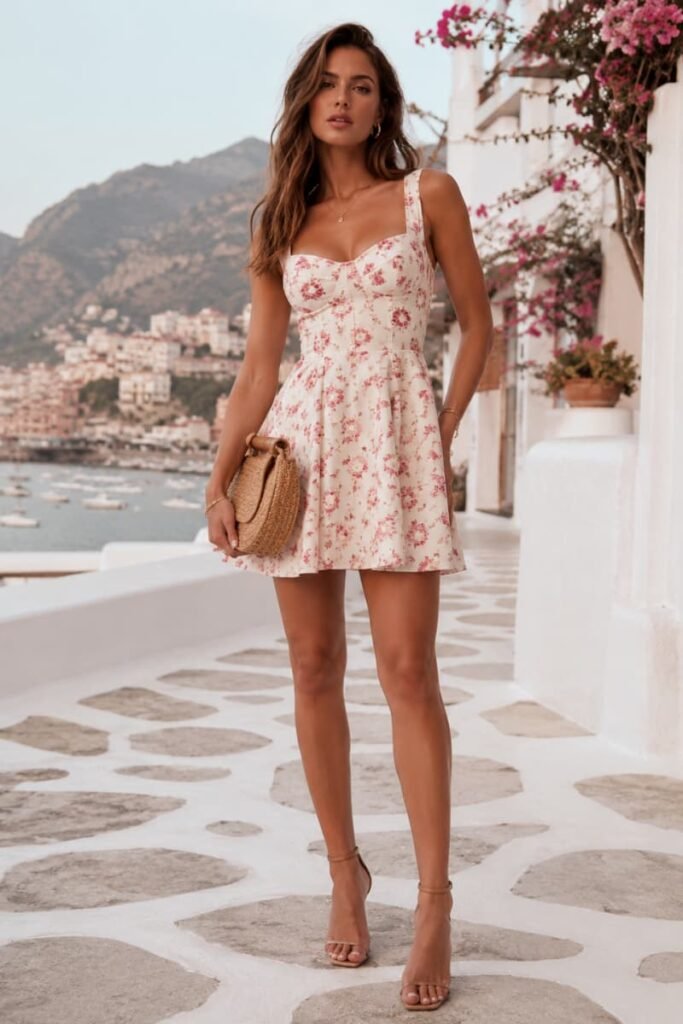
Summer Mini Dresses
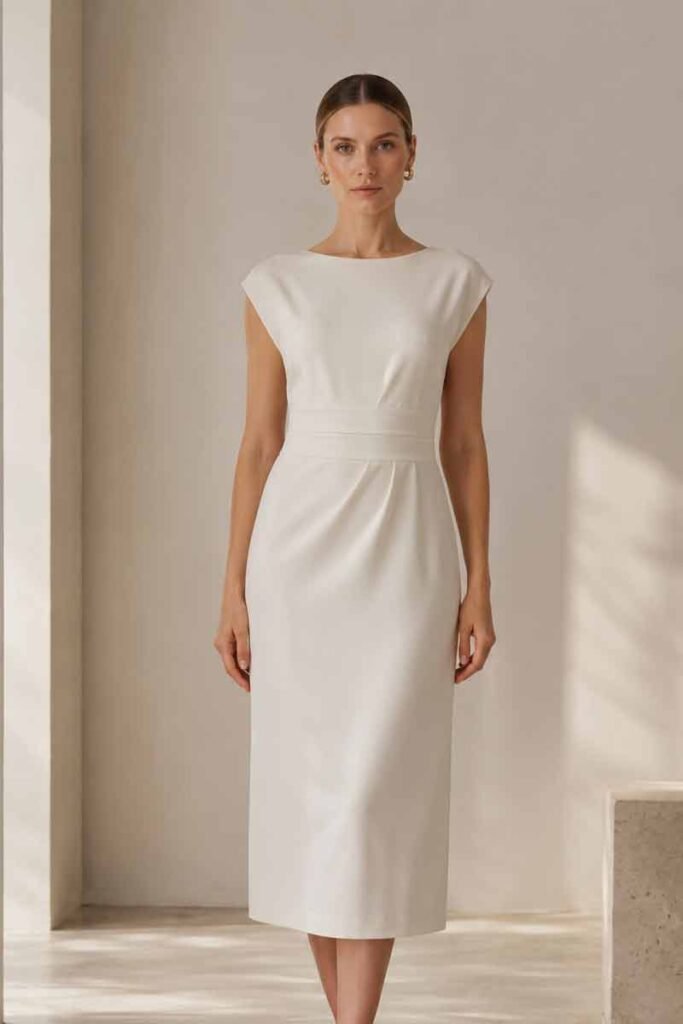
Relaxed Midi Dresses
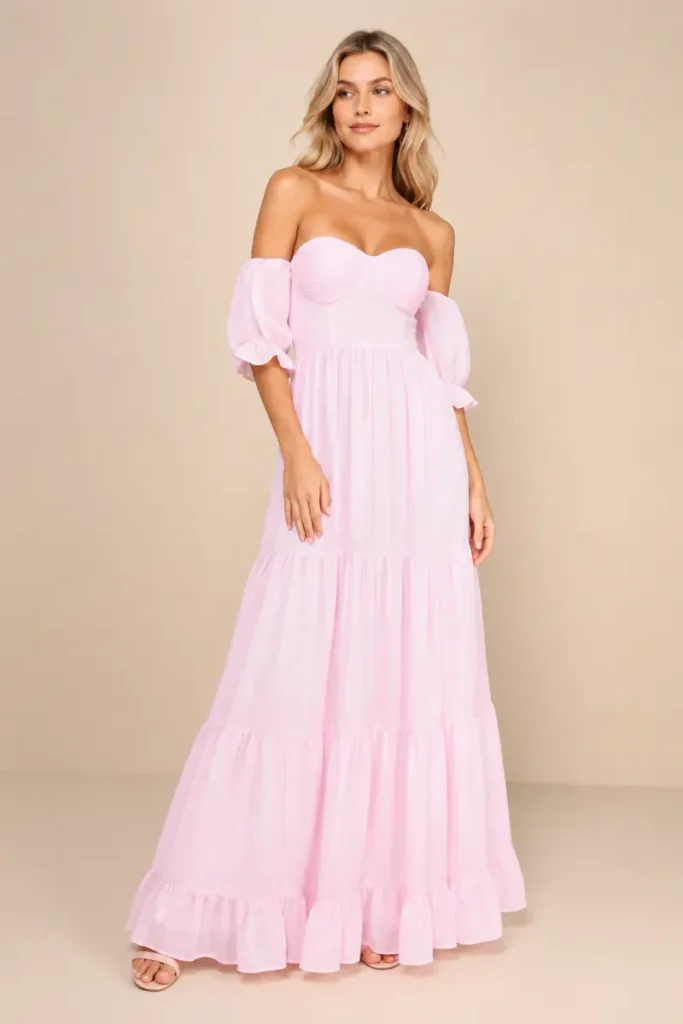
Lightweight Maxi Dresses
Maxi dresses require close control of vertical balance, hem drop and fabric weight. Soft viscose, cotton voile and linen blends can create movement, but bias areas, tier seams and full skirts must be allowed to settle before final hem confirmation.
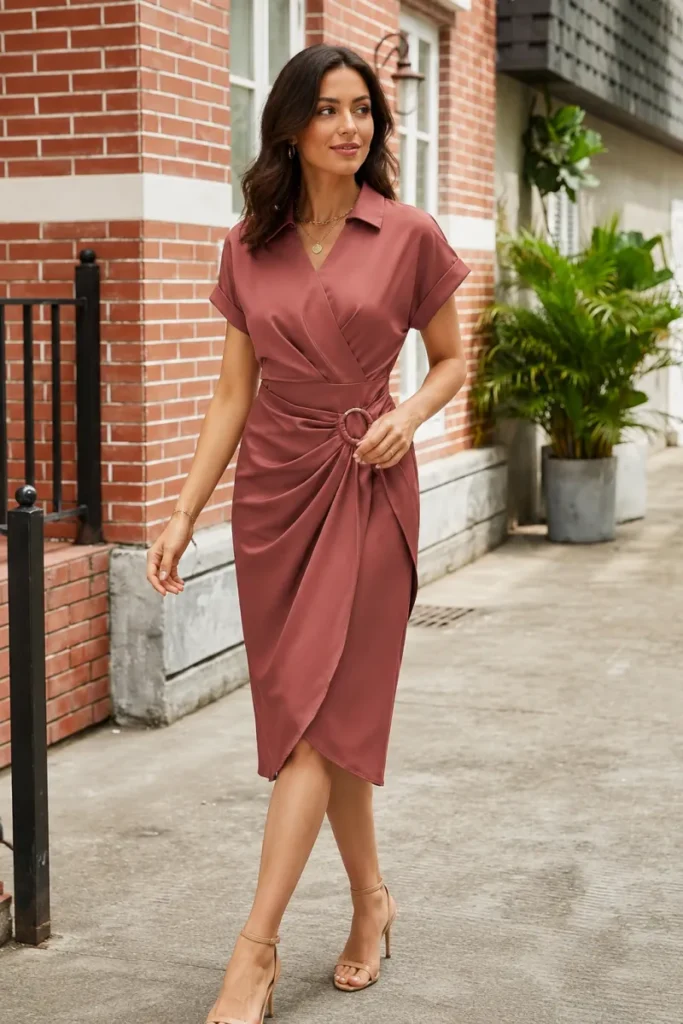
Wrap Dresses
Wrap dresses need controlled overlap, neckline security and waist-tie stability. A fabric that is too slippery or too light may open during wear. Duolan reviews front coverage, tie position, internal fastening and fabric recovery during sample development.
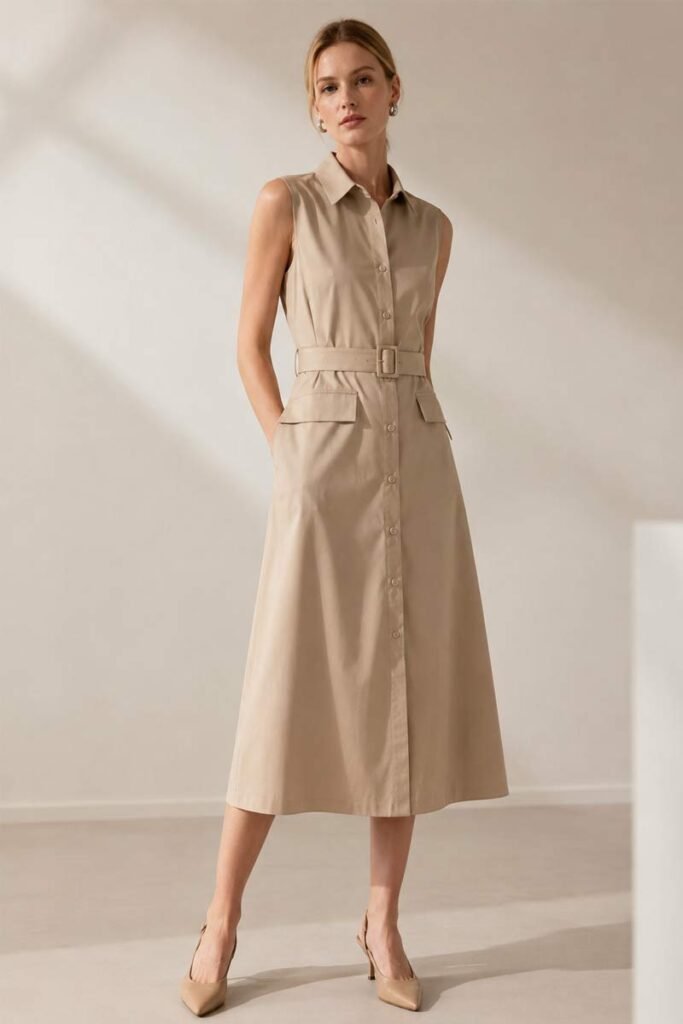
Shirt Dresses
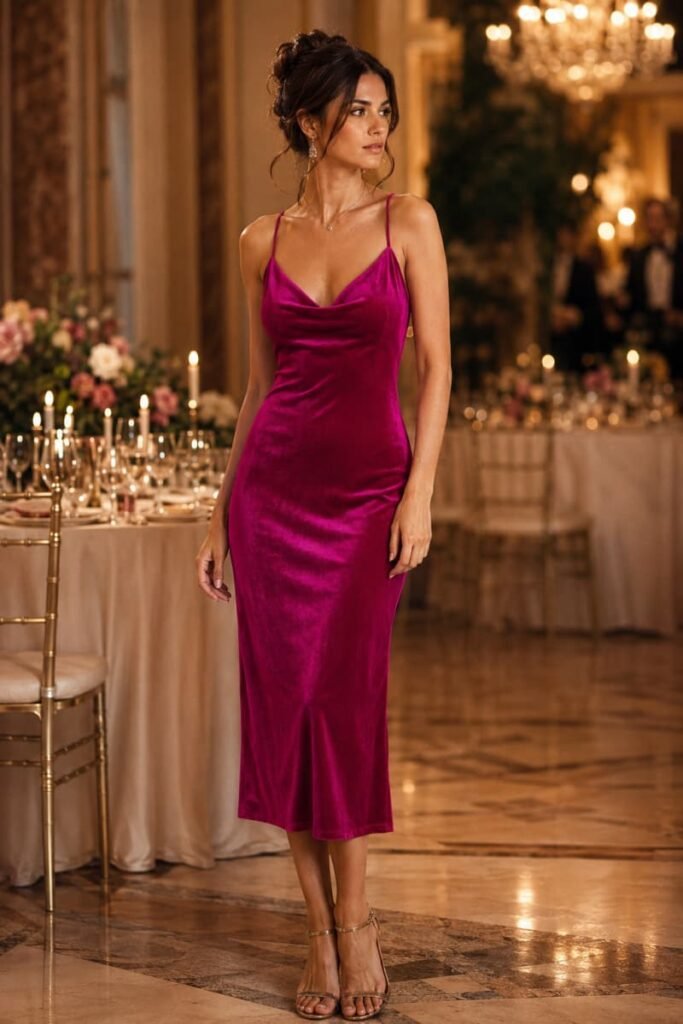
Slip Dresses
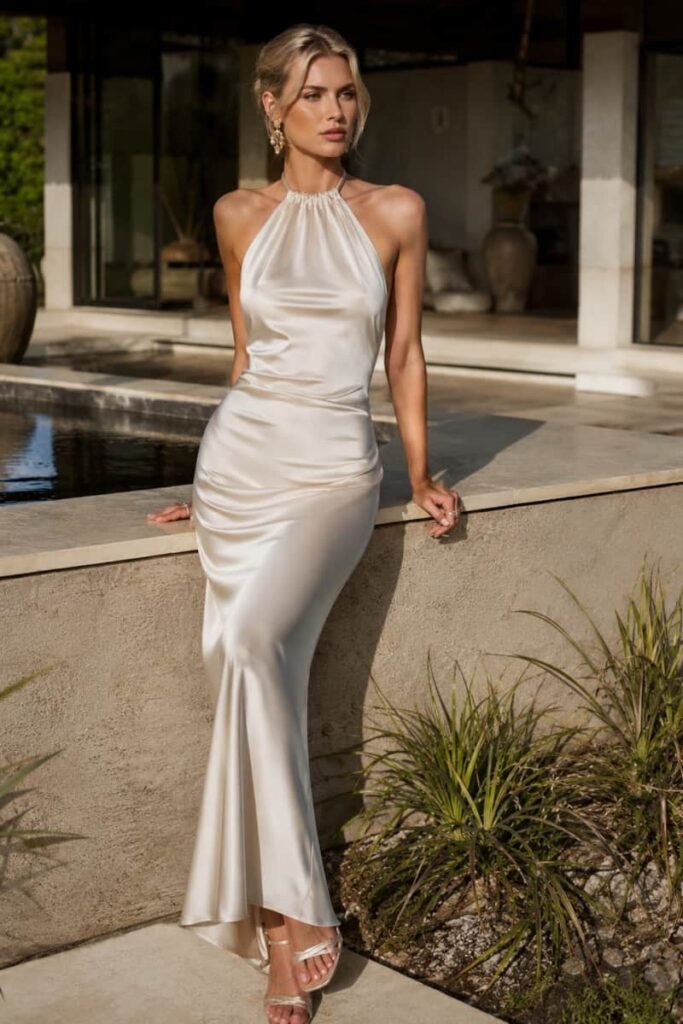
Halter Dresses
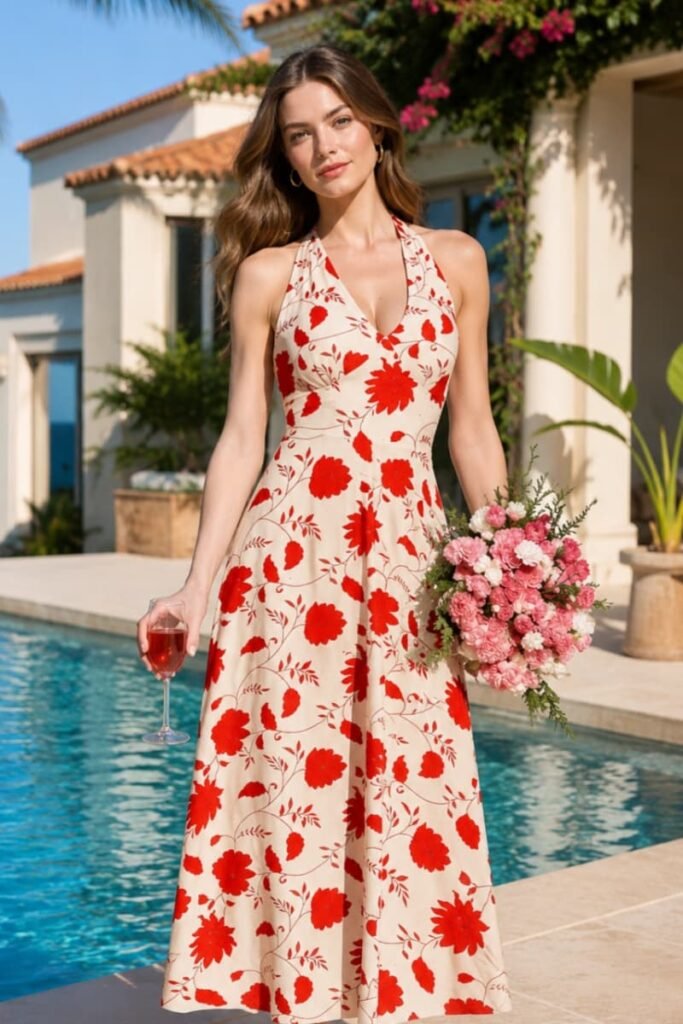
Printed Resort Dresses
Breathable Dress Programs Built Around Selling Seasons

Spring and Summer Drops
- Fabric and color direction
- Sample priority planning
- Photo and presentation samples
- Bulk and replenishment timing

Resort Collections
Resort collections rely on relaxed silhouettes, strong prints, soft movement and warm-climate comfort. Material decisions must also consider packing, travel wrinkles, sunlight transparency and retail photography. Duolan reviews the dress as both a visual product and a wearable garment.
- Flowing mini, midi and maxi dresses
- Lightweight printed fabrics
- Halter, wrap and open-back structures
- Packing and crease-management requirements

Vacation Dresses
Vacation dresses are often light, colorful and body-conscious, creating a tension between minimal construction and secure wear. Neckline coverage, strap strength, side openings, slit height and lining placement need to be resolved during sampling rather than left for final inspection.
- Beach-to-dinner silhouettes
- Adjustable straps and waist ties
- Partial lining and coverage panels
- Warm-weather color and print planning
Warm-Climate Daywear
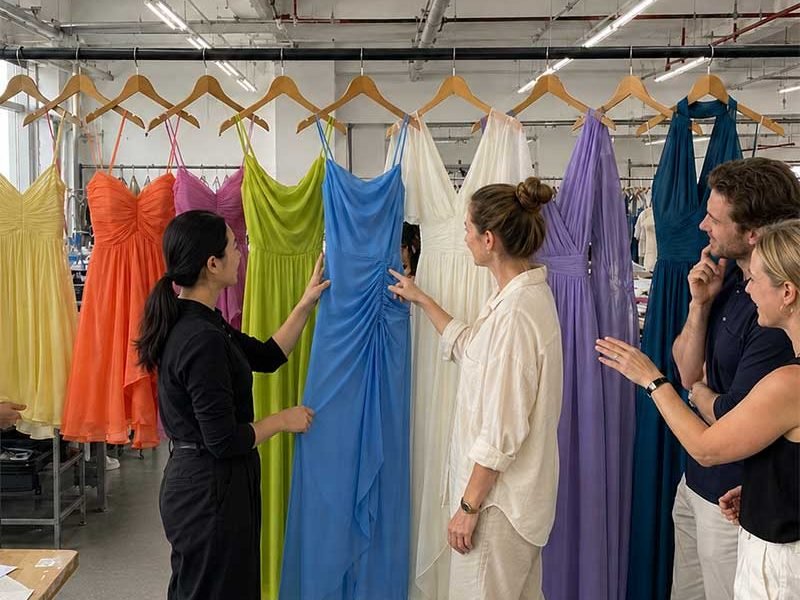
Daywear for hot markets must remain comfortable during extended wear, movement and repeated washing. Fabric breathability alone is not enough; seam softness, label placement, sleeve ease, lining coverage and moisture-sensitive colors also influence wearer experience.
- Shirt dresses and relaxed shifts
- Cotton, linen and viscose directions
- Easy movement and stable fit
- Wash and shrinkage consideration

Travel Capsule Collections
- Coordinated colors and prints
- Multi-style material planning
- Packability and crease recovery
- Repeatable labels and packaging

Lightweight Occasionwear
- Wedding guest and event edits
- Lightweight draped silhouettes
- Clean lining and concealed support
- Photo-ready surface quality
Breathable Fabric Directions for Custom Dress Development
Cotton and Cotton Blends
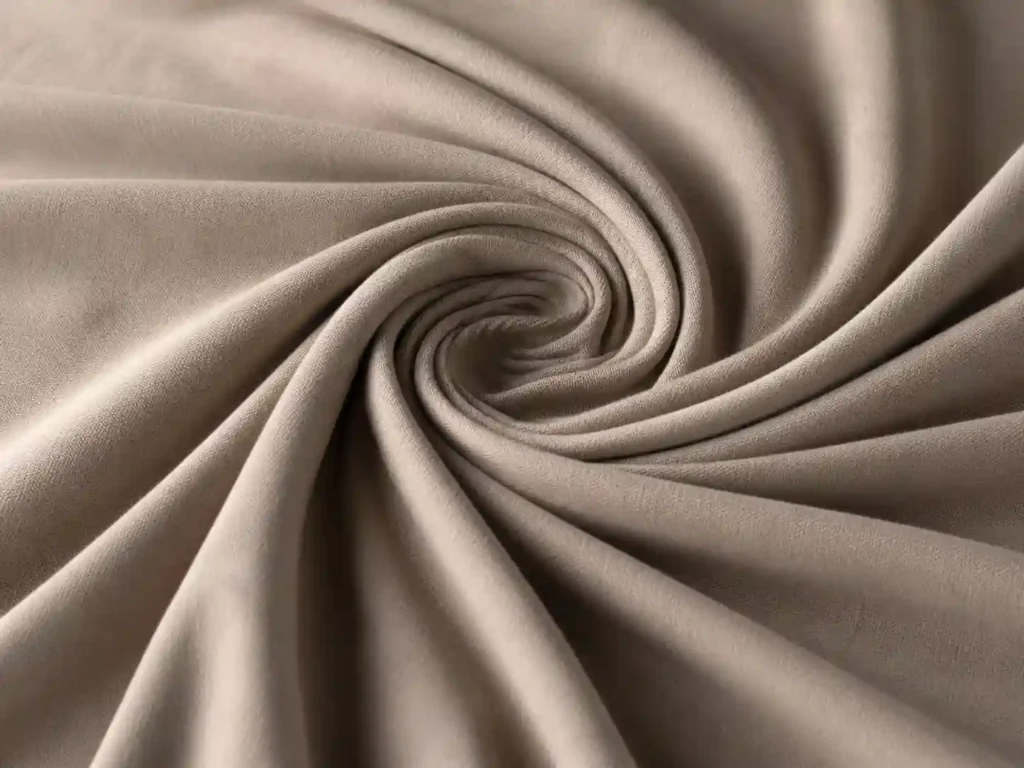
Cotton can provide a dry, familiar handfeel and good warm-weather comfort, yet fabric construction strongly affects the result. Voile, poplin, lawn, dobby and cotton blends offer different opacity, drape and wrinkle behavior.
- Suitable for shirt, day and relaxed dresses
- Check shrinkage before pattern finalization
- Pale colors may require lining
- Dense poplin feels different from open voile
- Blends may improve recovery and dimensional stability

Linen and Linen Blends
- Suitable for resort, vacation and relaxed daywear
- Review yarn slubs and color consistency
- Allow for wrinkle character in design approval
- Confirm shrinkage and seam behavior
- Select blend ratio according to silhouette

Viscose and Rayon
- Suitable for wrap, midi and maxi dresses
- Strong drape for gathered and flowing shapes
- Requires shrinkage and hanging review
- Fine fabrics may need seam reinforcement
- Bulk handfeel should match approved sample direction

Lyocell-Based Fabrics
Lyocell-based fabrics can offer a smooth surface, fluid drape and refined casual appearance. Weight, weave, finishing and blend composition determine whether the material behaves softly or retains more shape.
- Suitable for shirt dresses and refined daywear
- Good option for soft structured silhouettes
- Confirm surface marking and pressing behavior
- Review color depth and washing expectation
- Match lining and trim weight carefully

Lightweight Crepe and Chiffon
- Suitable for event, resort and printed dresses
- Often requires full or partial lining
- Check seam puckering and edge finishing
- Control cutting movement and grain direction
- Review print visibility over lining
Breathable Jersey and Knits
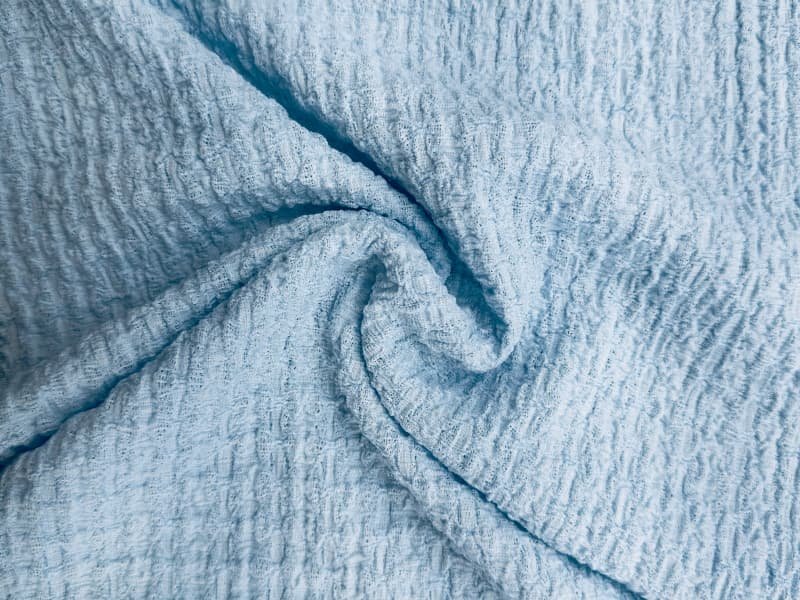
Knitted fabrics can provide stretch, softness and close-to-body comfort. Airflow, opacity and recovery vary by yarn, gauge, weight and finishing. A material that stretches easily may become transparent or lose shape in larger sizes.
- Suitable for fitted and easy day dresses
- Review stretch in both directions
- Confirm recovery after extension
- Match stitch type to fabric behavior
- Grade according to stretch and fit intention
Compare Breathable Fabrics Before Dress Sampling
No single fabric works for every dress. Compare drape, opacity, dimensional risk and manufacturing behavior before selecting the sample material.
| Fabric Direction | Handfeel and Drape | Opacity | Main Development Risk | Suitable Dress Types | Production Attention |
|---|---|---|---|---|---|
| Cotton Voile or Lawn | Light, dry and soft with gentle movement | Low to medium | Transparency, shrinkage and seam visibility | Relaxed mini, tiered midi, summer day dresses | Pre-shrink review, lining tone and fine seam finishing |
| Cotton Poplin | Crisp, stable and more structured | Medium to high | Wrinkling, stiffness and wash shrinkage | Shirt dresses, structured day dresses, gathered styles | Collar, placket, sleeve and pressing control |
| Pure Linen | Textured, dry and naturally relaxed | Medium | Wrinkle variation, yarn slubs and shrinkage | Resort dresses, relaxed midi and maxi dresses | Fabric inspection, seam stability and care expectation |
| Linen Blend | Softer and more fluid than pure linen | Medium | Blend inconsistency and changing drape | Wrap dresses, summer tailoring, vacation dresses | Confirm blend ratio, handfeel and bulk availability |
| Viscose or Rayon | Soft, fluid and flowing | Low to medium | Shrinkage, bias growth and wet handling | Wrap, midi, maxi and printed resort dresses | Relaxation, hanging time and final hem balance |
| Lyocell Blend | Smooth, refined and fluid with moderate structure | Medium | Surface marking and pressing sensitivity | Shirt dresses, refined daywear and soft utility dresses | Pressing method, color depth and trim weight |
| Lightweight Crepe | Fluid with a lightly textured surface | Medium | Seam puckering and inconsistent grain | Occasion, wrap and flowing midi dresses | Needle, thread, seam tension and lining |
| Chiffon | Airy, transparent and highly fluid | Low | Cutting movement, transparency and edge distortion | Layered event, resort and maxi dresses | Layer control, narrow hems, lining and print approval |
| Lightweight Jersey | Soft, elastic and body-following | Low to medium | Transparency, recovery loss and seam stretching | Fitted summer dresses and casual knit dresses | Stretch ratio, grading, stitch type and stabilization |
How Duolan Selects Fabric for Each Dress
Silhouette Comes Before Fabric Name
A material cannot be judged only by composition. Two fabrics labeled as cotton, linen or viscose may behave differently because yarn, weave, weight, finishing and width are different.
Duolan begins by defining the intended silhouette:
- Close fitting or relaxed
- Crisp or fluid
- Straight, gathered, tiered or bias cut
- Supported or unstructured
- Mini, midi or maxi length
- Lined, partially lined or unlined
A wrap dress needs enough movement to fall naturally but enough friction and recovery to maintain front coverage. A shirt dress needs material capable of supporting collars and plackets. A bias slip dress needs balanced grain behavior and clean seam control. A gathered maxi dress needs a fabric light enough for volume without becoming transparent or unstable.
Material review therefore includes hanging the swatch, folding it, stretching it where relevant, checking it over lining and comparing it against the intended pattern shape. The goal is to understand how the material will behave after cutting, sewing, pressing and wearing.
Where the original direction conflicts with the silhouette, Duolan can explain the risk and review alternatives. The solution may involve a different fabric weight, blend, weave, lining system or small pattern adjustment rather than replacing the full design concept.
Wearing Conditions Shape the Material Decision
A resort maxi dress worn outdoors needs sunlight opacity, comfortable movement and stable straps. A warm-climate work dress needs airflow while preserving a clean daytime appearance. A travel dress needs packability and recovery. A lightweight occasion dress needs visual polish under photography lighting and comfort during several hours of wear.
Duolan reviews:
- Climate and selling season
- Indoor or outdoor use
- Expected wearing duration
- Movement and sitting requirements
- Skin-contact areas
- Underwear compatibility
- Care and washing expectation
- Retail photography and lighting
Label placement also affects comfort. A stiff main label, rough care label or heavy zipper can reduce the wearer’s perception of a light garment. Material planning therefore includes shell, lining, trims, elastic, thread, labels and closures.
Manufacturing Behavior Must Be Reviewed Early
A beautiful swatch can become difficult during cutting and sewing. Lightweight fabrics may move on the cutting table, distort around curved seams, pucker beside zippers or show every press mark.
Development review covers:
- Fabric width and usable width
- Grain and directional appearance
- Surface marking and needle sensitivity
- Seam slippage
- Fraying or curling edges
- Stretch and recovery
- Shrinkage and relaxation
- Pressing temperature and pressure
- Print direction and panel placement
- Lining compatibility
Construction can then be adjusted before bulk production. Options may include seam reinforcement, stay tape, finer thread, revised seam allowance, different needle selection, alternate binding, stabilizing the neckline or changing the hem method.
The purpose is not to make production easier at the cost of design. The purpose is to preserve the intended appearance through a method that can be repeated across multiple sizes, colors and production lines.
Commercial Conditions Complete the Decision
A suitable fabric must also fit the collection’s quantity, cost, color and delivery structure.
Material decisions are influenced by:
- Number of styles sharing the fabric
- Number of colorways
- Quantity by style and color
- Custom dyeing or printing requirements
- Fabric supplier minimums
- Sample yardage availability
- Bulk lead time
- Repeat-order potential
- Target retail and production price
- Testing and documentation needs
For multi-style programs, one material may be used across several silhouettes to improve color consistency, material utilization and replenishment potential. Other styles may need a dedicated fabric because their structure or visual role is different.
Duolan reviews the commercial path together with product requirements. A fabric selected only for sample appearance may create delays or substitutions later. A stronger decision considers the first sample, launch quantity, repeat order and future seasonal use.
What Makes a Dress Fabric Truly Breathable
Fiber Composition Is Only One Factor
- Yarn size and twist
- Weave or knit construction
- Fabric density
- Finished weight
- Surface treatment
- Moisture response
- Stretch and recovery
- Air gaps created by the garment silhouette
Fabric Construction Controls Air Movement
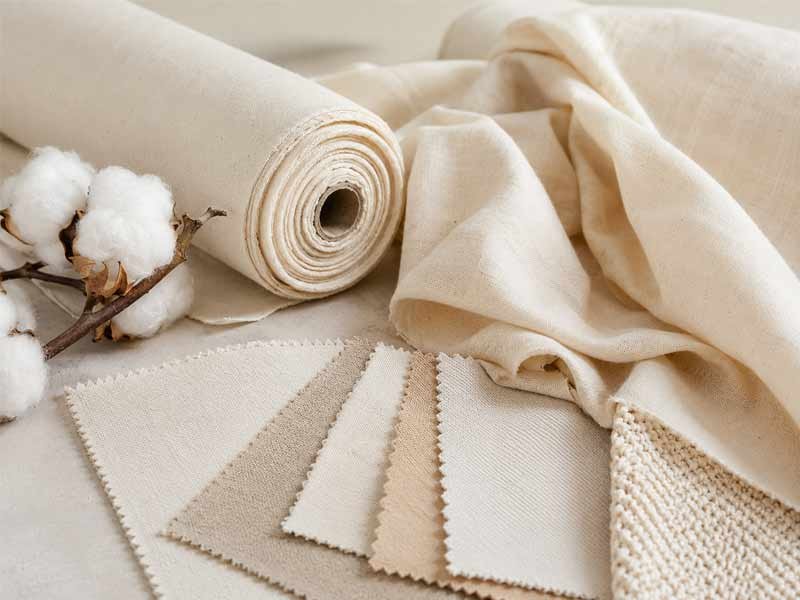
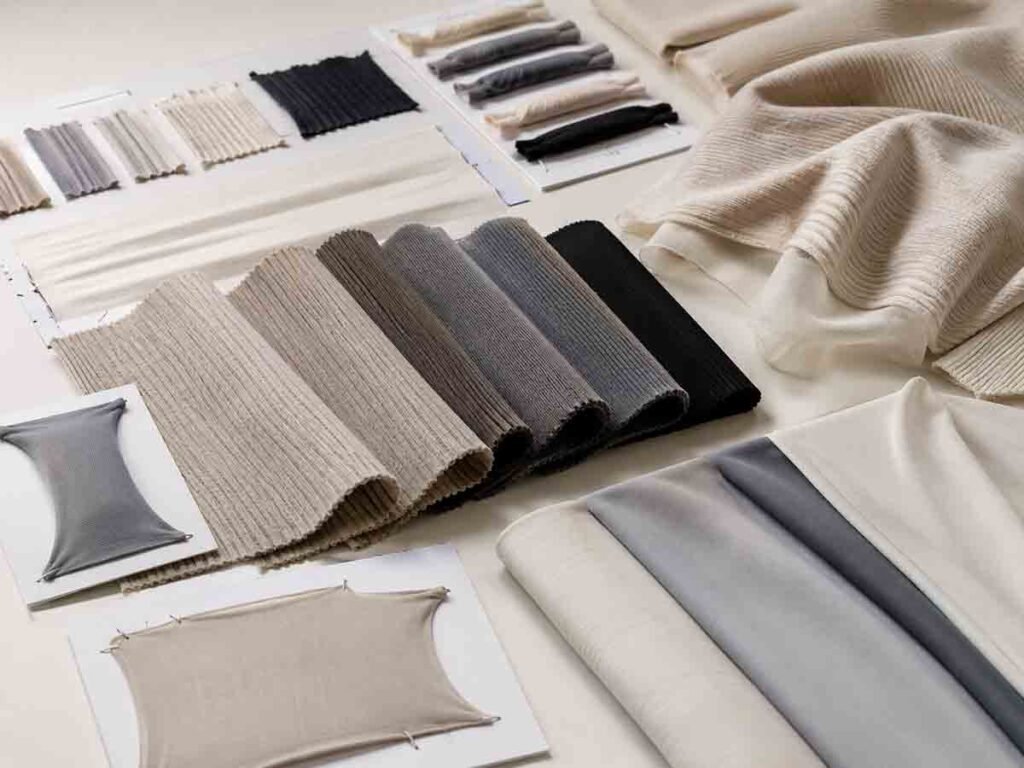
The spaces between yarns affect how easily air and moisture can move through a material. Open, lightweight construction may improve airflow, but it can also reduce opacity, seam strength or shape stability. A breathable woven fabric may use:
- Fine yarns with balanced construction
- Lightweight plain weave
- Looser dobby or textured construction
- Softened finishing
- Blended fibers for recovery or strength
A breathable knitted fabric may use:
- Lower-density loops
- Fine yarns
- Lightweight jersey structures
- Controlled stretch
- Moisture-responsive finishing
Each option creates trade-offs. Increasing openness may increase transparency. Reducing weight may weaken seams. Adding stretch may reduce opacity. Applying resin, coating or heavy finishing may change handfeel and airflow. Duolan reviews the complete balance rather than maximizing one property. Fashion dresses need visual quality, comfortable wear and repeatable manufacturing at the same time.
Garment Fit Changes Perceived Comfort
- Ease around bust, waist and hip
- Armhole and sleeve opening
- Neckline coverage
- Skirt volume
- Back opening
- Lining fit
- Elastic tension
- Waist seam construction

Finishing and Layering Can Change Performance
Dyeing, printing, washing, coating, softening and wrinkle-resistant treatments can alter the final handfeel and moisture behavior. Printed fabric may feel different from the unprinted base. A washed linen blend may drape more softly than its greige version. A dense pigment print can reduce softness in heavily covered areas. Layering has an equally strong effect:
- Full lining increases coverage and weight
- Partial lining preserves airflow in selected zones
- Double shell layers may remain softer than heavy lining
- Interfacing stabilizes shape but reduces openness
- Modesty panels protect coverage without lining the full dress
- Seam binding and facings add local thickness
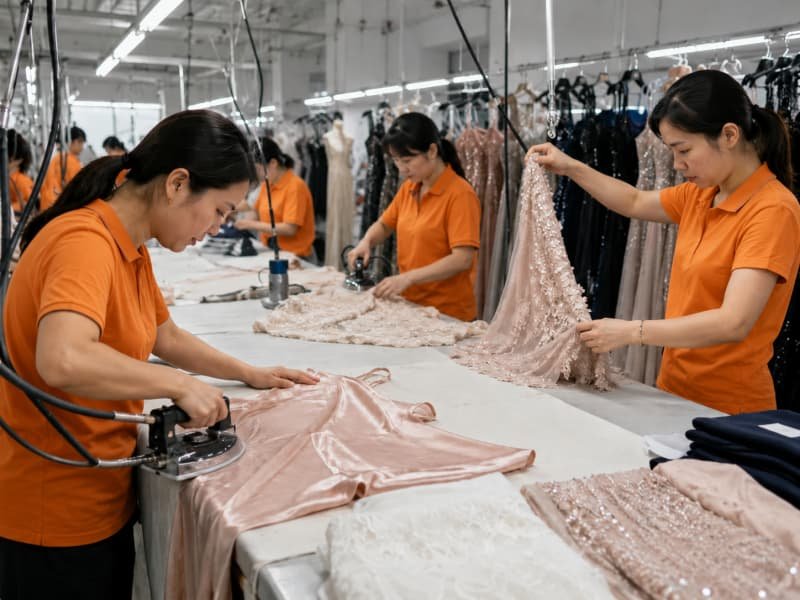
Duolan reviews the approved outer fabric together with lining, facings, support materials and decorative processes. A dress should not be described as breathable until the complete construction has been considered.
Balance Opacity, Lining and Warm-Weather Comfort
Full Lining for Controlled Coverage
Common applications include:
- Pale chiffon dresses
- Lightweight crepe occasion dresses
- Closely fitted light-color styles
- Dresses with visible internal construction
- Event dresses requiring a refined interior
Attachment points also matter. Neckline, armhole, zipper, waist seam and hem relationships need to allow the shell and lining to move without twisting.
Full lining should be chosen because the design requires it, not because lining is treated as the automatic solution for every lightweight fabric.
Partial Lining Preserves Airflow
Partial lining is often more suitable for warm-weather dresses that need coverage only in selected zones.
Possible arrangements include:
- Bust and upper-body lining
- Skirt lining ending above the outer hem
- Front-body lining with an unlined back
- Short lining under a long sheer skirt
- Lining limited to fitted areas
- Integrated modesty panels
Partial lining can reduce weight and preserve movement. It also requires clean transitions. The edge of the lining should not show through the outer fabric or create a visible horizontal line. Internal attachment must remain secure after washing and wearing.
For halter, backless and cutout dresses, partial lining can protect the bust and waist while leaving open areas clean. For maxi dresses, a shorter lining can provide coverage while allowing the lower skirt to move freely.
Double-Layer Shell Construction
Using two layers of the outer fabric can preserve the same color, texture and movement on both sides. The method can work well for certain necklines, bodices, sleeves or skirts where a conventional lining would appear too different.
Potential risks include added cost, fabric consumption, seam thickness and greater shrinkage exposure. Two shell layers do not always remain cooler than a suitable lightweight lining. The decision depends on fiber, weight and construction.
Duolan assesses whether double layering protects the design or creates unnecessary bulk.
Strategic Coverage for Minimal Designs
Minimal dresses often need hidden support and coverage without visible structure. Strategic solutions include bust panels, front facings, power-mesh sections, pocketing, underarm shields and localized reinforcement.
For a pale slip dress, a double front panel may reduce transparency while preserving an open back. For a halter dress, the bust area may be lined while the lower skirt remains single layer. For a wrap dress, an internal modesty panel may improve security without changing the outer silhouette.
Duolan reviews coverage on a mannequin or fit model, not only on a flat table. Body tension, lighting, movement and color influence the final decision.
Match Breathable Fabrics to Dress Silhouettes
Use silhouette, desired movement, coverage and production risk to narrow the material direction before sampling begins.
| Dress Silhouette | Desired Garment Result | Suitable Fabric Direction | Main Risk | Suggested Lining Route | Development Priority |
|---|---|---|---|---|---|
| Relaxed Mini Dress | Light, easy and clean | Cotton lawn, cotton blend, lightweight crepe | Transparency and hem movement | Partial or full according to color | Coverage, shrinkage and armhole balance |
| Shirt Dress | Crisp but comfortable | Cotton poplin, linen-cotton, lyocell blend | Wrinkling and weak collar structure | Usually unlined or selective | Collar, placket, pocket and wash control |
| Wrap Dress | Fluid with secure overlap | Viscose, rayon, soft crepe, linen-viscose | Front opening and bias stretching | Bust or skirt lining as needed | Overlap, tie placement and neckline stability |
| Relaxed Midi Dress | Soft movement with controlled volume | Viscose, cotton voile, linen blend | Waist drop and transparent skirt | Short skirt lining or full lining | Gathering, seam strength and hem balance |
| Lightweight Maxi Dress | Flowing and visually light | Viscose, rayon, chiffon, soft crepe | Bias growth and uneven hem | Short or full lining | Hanging time, skirt weight and final hem |
| Slip Dress | Smooth and body-skimming | Soft crepe, lightweight woven, satin-back crepe | Seam puckering and body show-through | Full, partial or double layer | Bias control, strap balance and clean finishing |
| Halter Dress | Open, secure and shaped | Stable lightweight woven, crepe, selected jersey | Neck tension and bust coverage | Bodice lining | Support, neckline reinforcement and closure |
| Printed Resort Dress | Fluid and visually expressive | Printed viscose, cotton voile, lightweight crepe | Print placement and color variation | Depends on opacity | Strike-off, motif direction and bulk lot |
| Fitted Summer Dress | Close fit with comfort | Stretch woven or stable jersey | Transparency and recovery loss | Stretch-compatible lining where required | Stretch ratio, grading and seam recovery |
Pattern and Fit Control for Lightweight Dresses
Fabric-Sensitive Pattern Development
A lightweight woven, soft viscose, linen blend and stretch jersey respond differently to body shape and seam tension. Duolan reviews:
- Grain direction
- Bias movement
- Fabric stretch
- Shrinkage
- Drape
- Seam behavior
- Lining interaction
A viscose maxi dress may lengthen after hanging because bias sections relax. A cotton dress may become smaller after washing if shrinkage is not considered. A stretch dress may require negative ease, while a non-stretch version of the same visual design needs additional movement allowance. Pattern adjustments can involve neckline shape, armhole depth, waist ease, skirt volume, seam placement, strap length and hem balance. The goal is not to change the design unnecessarily.
Neckline, Armhole and Strap Stability
Lightweight dresses often expose technical problems around open edges. Common issues include:
- Necklines stretching outward
- Armholes gaping
- Thin straps twisting
- Halter straps pulling at the neck
- Wrap fronts opening during movement
- Back necklines collapsing
- Facing lines showing through
Control methods may include stay tape, revised grain direction, localized interfacing, under-stitching, adjusted seam allowance or a different internal finish. Duolan reviews open-edge areas during the first sample and fit stage. A clean flat-lay appearance is not enough. The garment should remain secure when standing, sitting, walking and raising the arms.
Fit Review Across Target Markets
Duolan can work with brand-specific US, UK, EU or AU measurement standards. The starting point should include the target market, sample size, intended full-size range and fit direction. Fit review covers:
- Bust, waist and hip relationship
- Shoulder and neckline position
- Armhole and sleeve movement
- Front and back balance
- Waistline placement
- Skirt fall
- Dress length
- Slit and opening position
- Lining ease
A relaxed fit should still look intentional. A fitted dress should not depend on excessive stretching. Fit comments should identify measurement changes and visual effects rather than supplying isolated numbers without context.
Grading Without Losing the Silhouette
Grading is not simply increasing every measurement by the same amount. Larger sizes may require changes in bust position, armhole shape, strap length, waist placement, dress length and coverage. For lightweight dresses, grading must also consider:
- Fabric transparency under greater stretch
- Mini-dress length security
- Neckline coverage
- Wrap overlap
- Skirt volume
- Lining dimensions
- Elastic tension
- Pocket and trim position
Duolan connects grading with the approved sample, measurement specification, tolerance and bulk inspection method. The goal is to preserve the design logic across the planned size range.
Custom Design Details Built Into the Development Process

Custom Colors
- Pantone or physical reference
- Shell and lining color relationship
- Light and dark color behavior
- Bulk-lot confirmation
Print Development
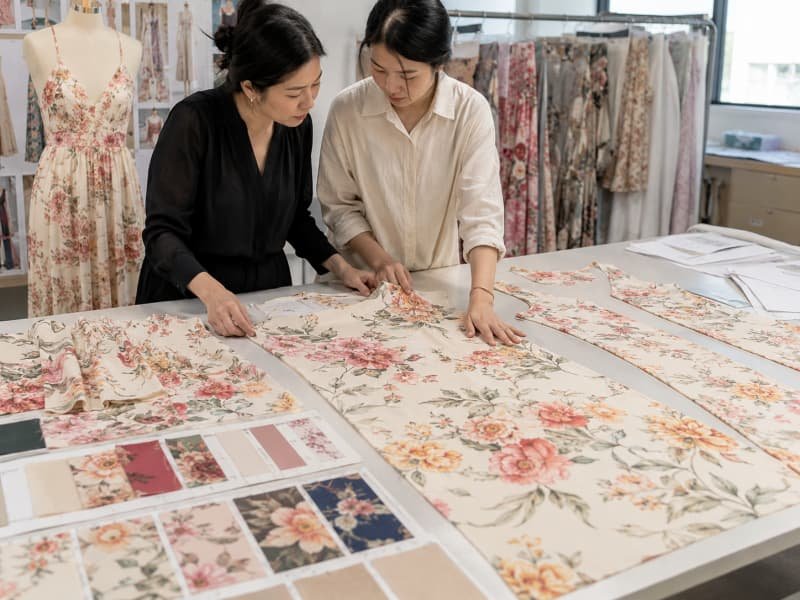
- Placement or all-over print
- Directional motif review
- Border and engineered print planning
- Strike-off and bulk approval
Functional Trims
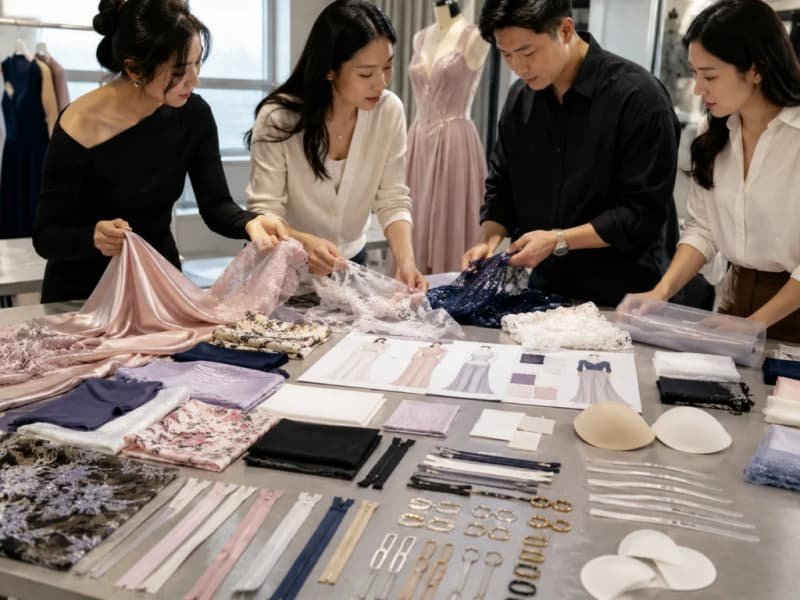
- Trim weight and color
- Closure strength
- Skin-contact comfort
- Replacement and reorder control
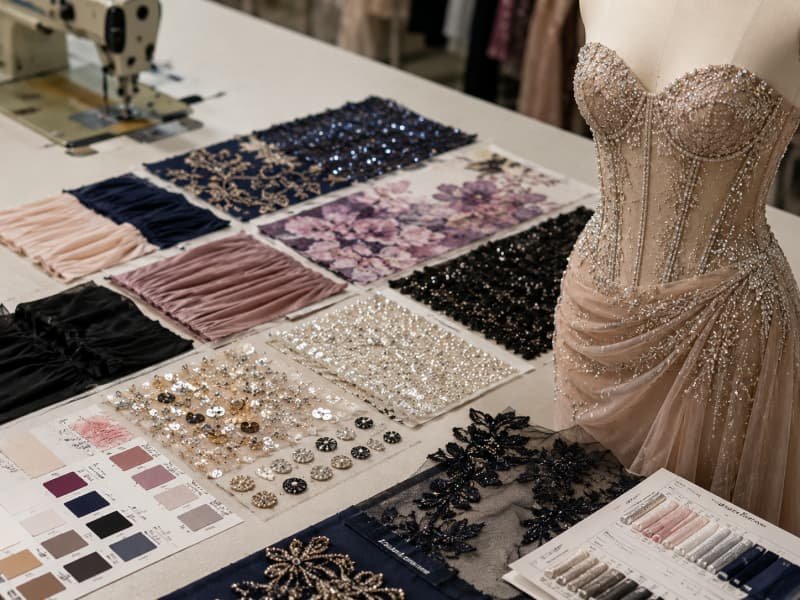
Decorative Details
- Detail placement
- Density and weight
- Edge and seam control
- Repeatability in bulk
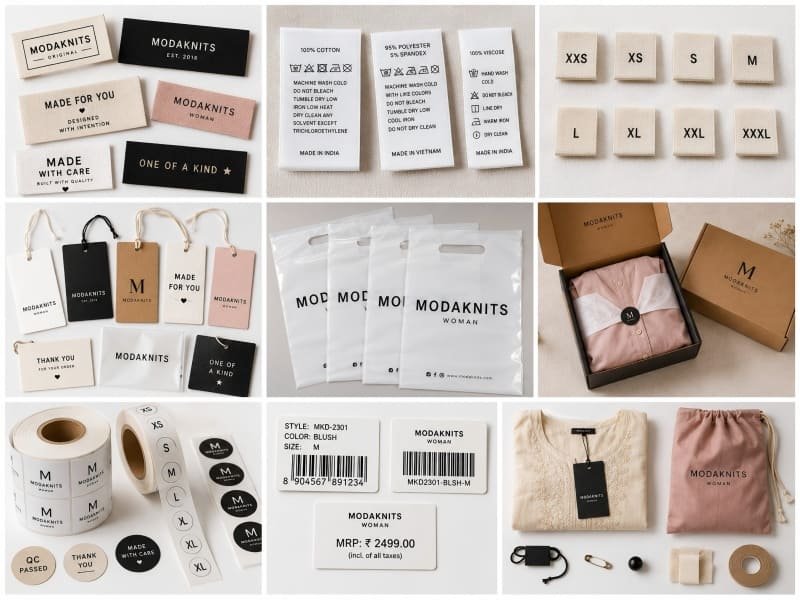
Brand Labels
- Main and size labels
- Care and composition labels
- Heat-transfer alternatives
- Label placement confirmation
Retail Packaging
- Polybag and warning text
- Barcode and size sticker
- Hangtag and price ticket
- Carton assortment and markings
Special Processes for Fashion-Driven Breathable Dresses
Decorative processes are evaluated according to fabric suitability, wearing comfort, bulk consistency, cost and production timing.
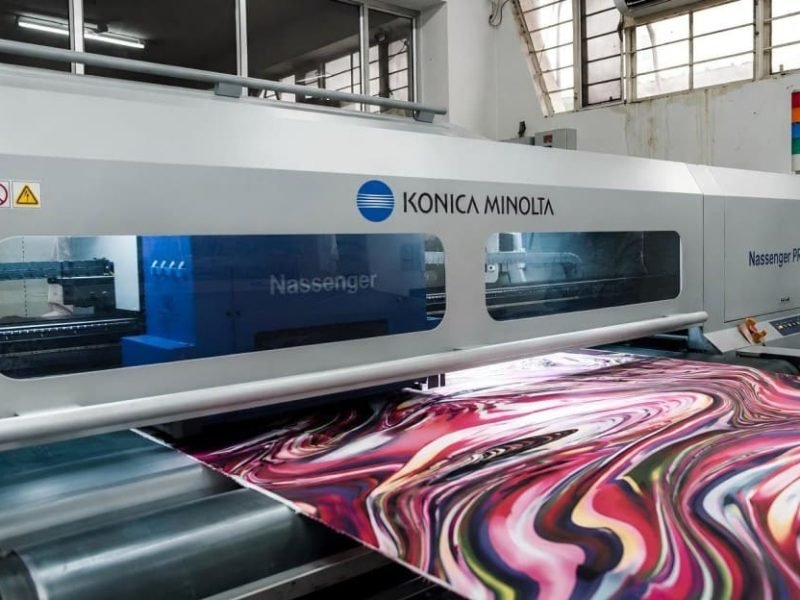
Digital and Placement Printing
- Strike-off approval
- Color and scale review
- Panel position control
- Bulk-lot confirmation
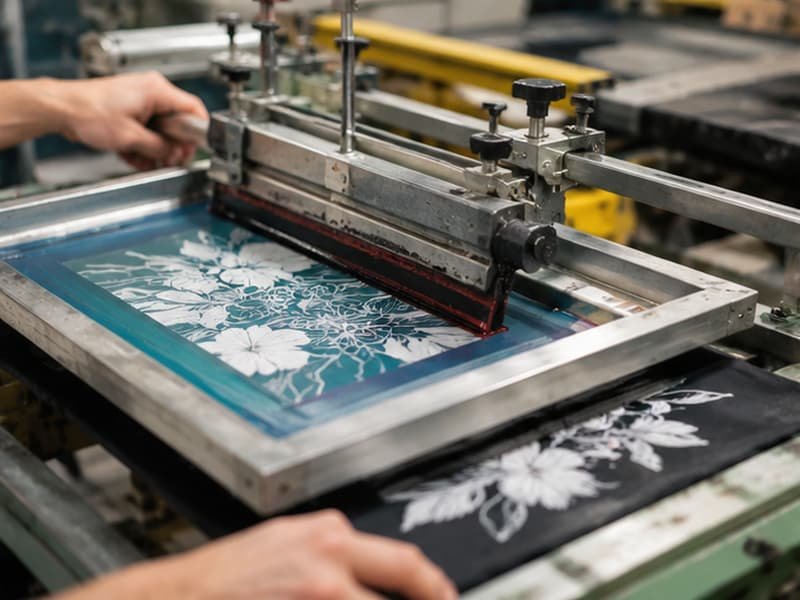
Screen and Surface Printing
- Print-handfeel check
- Stretch compatibility
- Color registration
- Wash and care requirements
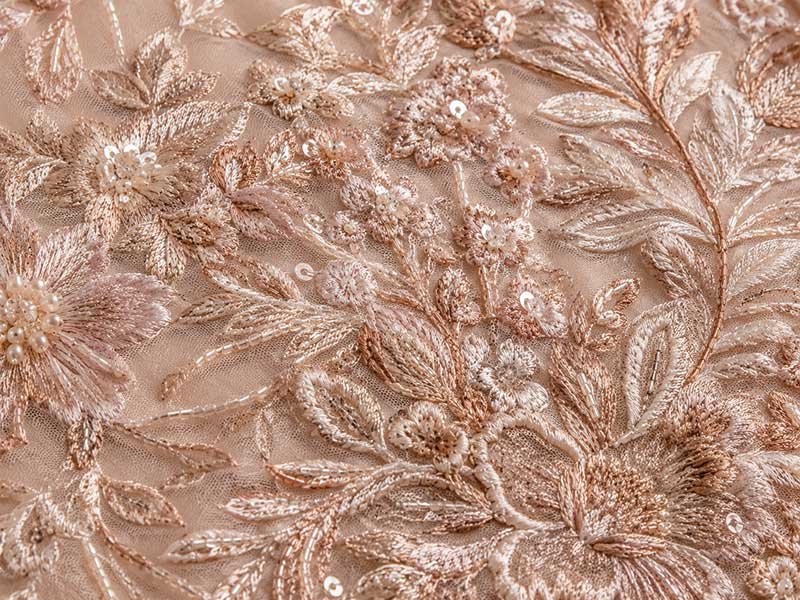
Embroidery and Lace Details
- Motif size and density
- Stabilizer selection
- Placement accuracy
- Lining or backing comfort
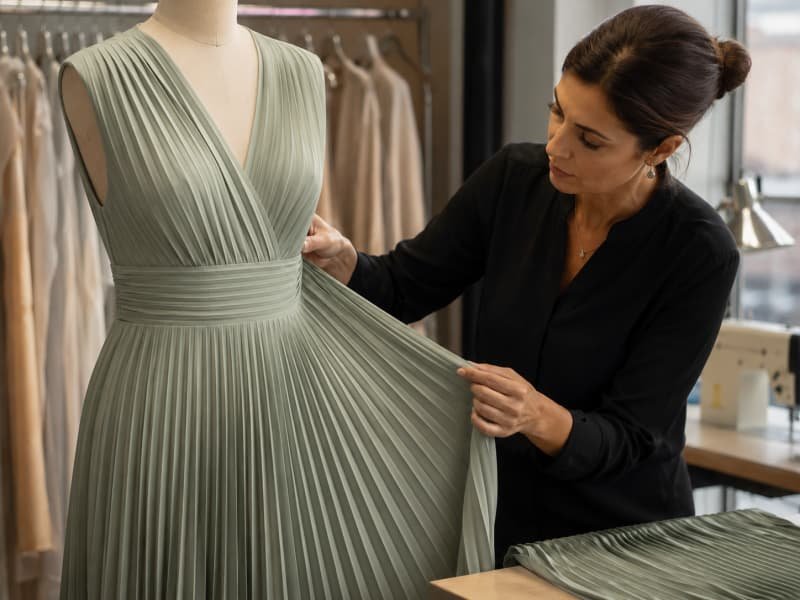
Pleating and Gathering
- Pleat depth and direction
- Gathering ratio
- Elastic recovery
- Measurement control after processing
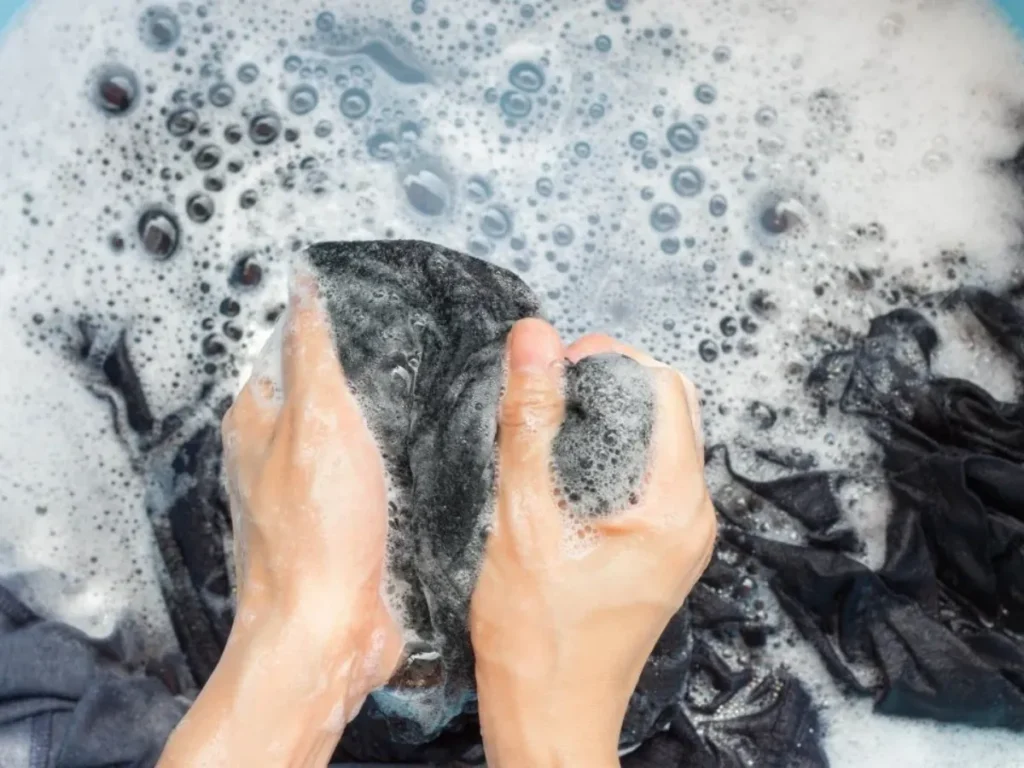
Garment Washing and Softening
- Pre-process sample review
- Color and shrinkage comparison
- Surface and handfeel approval
- Final measurement verification
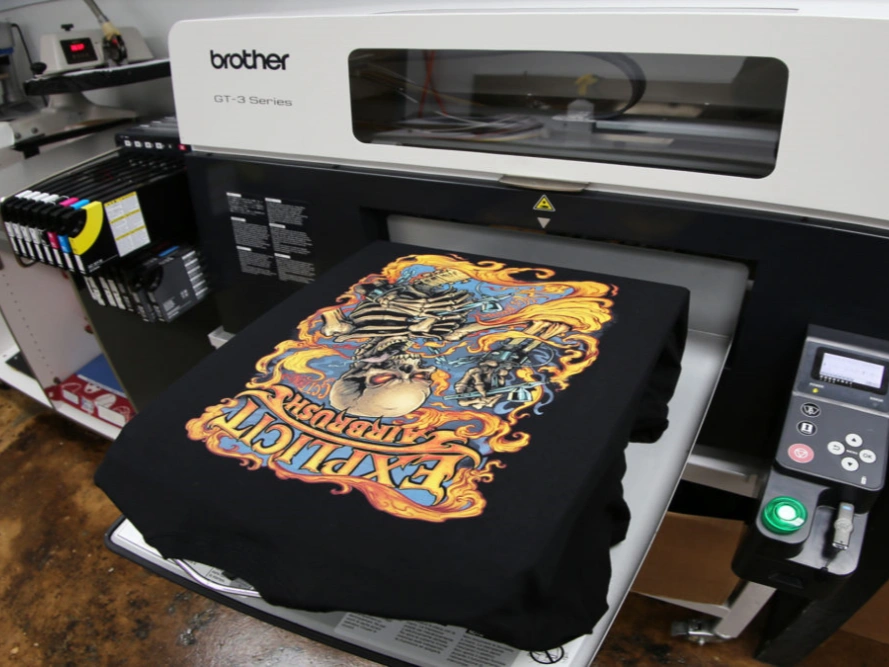
Heat-Applied Decoration
Heat-applied stones, motifs or transfer details require temperature and pressure suitable for the base fabric. Excessive heat may mark, shrink or distort lightweight materials.
- Heat test on base fabric
- Adhesion and position review
- Back-side comfort
- Packing protection
Production-Ready Breathable Dress Sample Development
Project Brief and Feasibility Review
Useful starting information includes:
- Brand and target market
- Product category and silhouette
- Sample purpose
- Reference images or original sample
- Target fabric or material direction
- Target quantity
- Colorways
- Size standard
- Launch or delivery date
- Label and packaging requirements
The result is a clearer development basis rather than a generic sample quotation.
Material and Pattern Direction
Before cutting the first sample, the material and pattern teams align the key development points.
Material review may cover:
- Composition and weight
- Handfeel
- Drape
- Opacity
- Stretch and recovery
- Shrinkage
- Color availability
- Bulk supply condition
- Lining and trim compatibility
Pattern review focuses on silhouette, fit priority, neckline, armhole, waist, skirt movement, dress length and construction method.
If the nominated material is unavailable, too costly or unsuitable for the silhouette, Duolan can review alternative routes. Alternatives are compared by garment result rather than appearance alone.
First Sample and Fit Review
Review points may include:
- Overall silhouette
- Bust, waist and hip balance
- Neckline and armhole
- Strap or sleeve position
- Fabric drape
- Transparency and lining
- Length and hem movement
- Construction feasibility
- Key decorative details
PP and Bulk-Readiness Preparation
A visually approved sample is not automatically a production standard. Before bulk, the approved basis should connect with:
- Final fabric and color
- Lining and trims
- Size chart and grading
- Construction details
- BOM
- Labels and packaging
- Measurement tolerance
- Inspection checkpoints
- PP or golden-sample reference
Sample timing is confirmed after material availability and style complexity are reviewed. Standard and complex styles follow different paths, especially when custom colors, printing, embroidery, washing or specialized construction are involved.
Move Approved Samples Into Controlled Bulk Production
Bulk Readiness Review
The sample may be:
- Fit confirmed
- Visually confirmed
- PP basis
- Still pending refinement
The production purpose is also identified:
- Initial launch
- Seasonal order
- Repeat order
- Scale-up order
- Replenishment
Key points are then locked:
- Shell fabric and lot direction
- Lining
- Trims and closures
- Colors
- Measurements and tolerances
- Construction details
- Labels
- Packaging
- Inspection requirements
The review reduces the risk of treating an attractive development sample as a complete production standard before commercial details are settled.
Material and Workmanship Locking
Before cutting, production-critical information is confirmed.
Material points include:
- Fabric lot
- Color
- Weight direction
- Handfeel
- Width
- Shrinkage
- Lining
- Zippers and buttons
- Elastic and drawcords
- Labels and packaging materials
Workmanship points include:
- Seam type
- Stitch appearance
- Neckline and armhole finish
- Hem method
- Gathering or pleating
- Print or embroidery placement
- Stress-point reinforcement
- Measurement tolerance
Where risk is high, a first-piece review, process sample or limited pilot run may be used before full production continues.
Order Breakdown and Production Path
Multi-style orders are broken down by:
- Style
- Color
- Size
- Quantity
- Fabric
- Construction complexity
- Special process
- Delivery priority
Each style is matched to an appropriate path. Core, complex and high-risk styles may remain under tighter factory and technical control.
Stable repeat styles may move through scaled production routes. Printing, embroidery, washing and other processes are coordinated according to confirmed timing.
A collection containing 10 to 30 styles should not be treated as one production block. Different styles require different approval, material and manufacturing priorities.
Production, Inspection and Delivery Updates
During manufacturing, progress is tracked through production stages rather than waiting until the final date.
Relevant updates may cover:
- Fabric arrival
- Cutting
- First piece
- Sewing
- Special process completion
- Inline inspection
- Finishing
- Final inspection
- Packing
- Shipment preparation
Simple styles normally require about 15-20 days of bulk production after approvals and materials are ready. Standard styles commonly require 20-30 days. Complex dresses with specialized construction or processes commonly require 30-45 days. Final timing depends on quantity, materials, color approval, production allocation, inspection and packing requirements.
Manufacturing Capacity Organized Around Multi-Style Dress Programs
16 Owned Factories
- Core style production
- Complex dress allocation
- PP reference control
- Repeat-order standard preservation
20+ Satellite Factories
- Seasonal volume support
- Reorder and replenishment
- Capacity balancing
- Controlled production allocation
12,000+ Supporting Workers
- Multi-style production
- Seasonal capacity
- Regional manufacturing support
- Scaled delivery coordination
300 Sewing Lines
- Standard dress lines
- Complex construction lines
- Repeat production
- Parallel collection scheduling
50+ Quick-Response Lines
- Selected launch orders
- Fast-moving repeat styles
- Replenishment assessment
- Time-sensitive collection support
High-Density Sample Development
The wider development system supports approximately 15,000-35,000 sample pieces or development outputs per month and 3,000-8,000 style-development workflows. Capacity is organized to handle first prototypes, fit samples, revised samples, presentation samples and pre-production samples across multiple projects.
Quality Control for Breathable Fabric Dresses
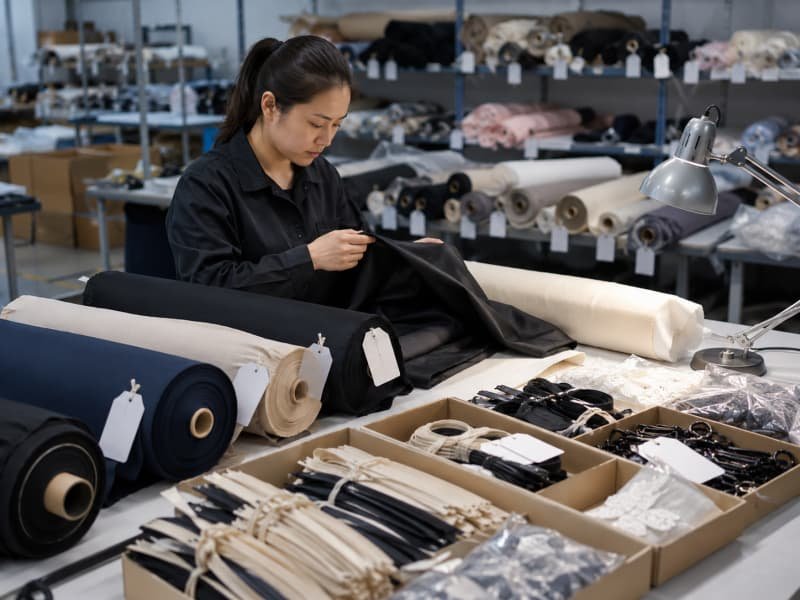
Incoming Fabric and Material Review
- Fabric identity and lot
- Color consistency
- Width
- Weight direction
- Surface defects
- Print quality
- Handfeel
- Shrinkage information
- Stretch and recovery
- Lining and trim match

Pre-Production and First-Piece Control
Before continuous sewing, the production team aligns the approved sample, pattern, BOM, workmanship points and measurement priorities. First-piece review focuses on:
- Silhouette
- Construction sequence
- Seam appearance
- Neckline and armhole
- Zipper or closure
- Lining attachment
- Hem method
- Key measurements
- Print or detail placement
- Pressing result
Problems found at the first-piece stage can be corrected before they spread across a large quantity. Complex or high-risk styles may require an additional process sample or limited trial.
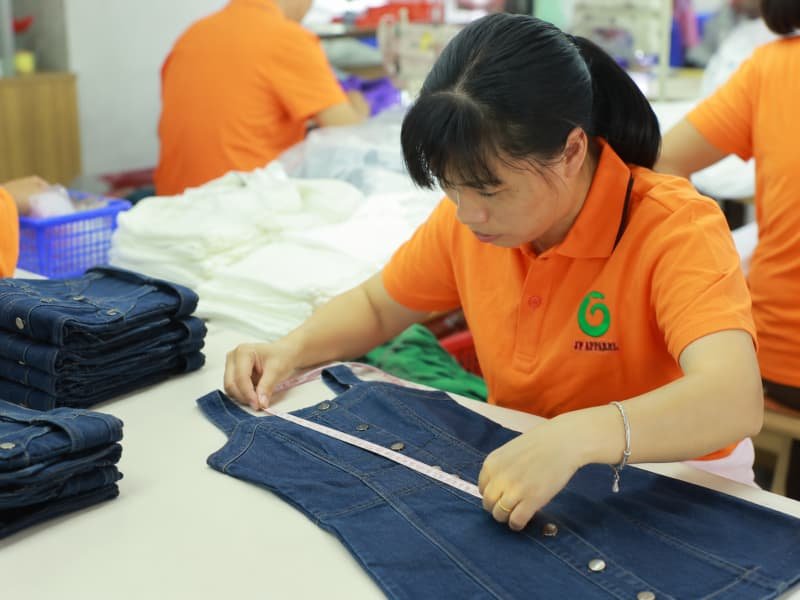
Inline Inspection and Measurement
Inline inspection checks production while garments are still moving through the line. Breathable and lightweight dresses often require attention to:
- Seam puckering
- Uneven gathering
- Stretching around necklines
- Twisted straps
- Lining distortion
- Uneven hems
- Transparent seam allowances
- Skipped stitches
- Print alignment
- Measurement drift
Measurement inspection should follow agreed points and tolerance rather than judging size visually. Fit-sensitive areas such as bust, waist, hip, armhole, strap length and dress length need consistent control.
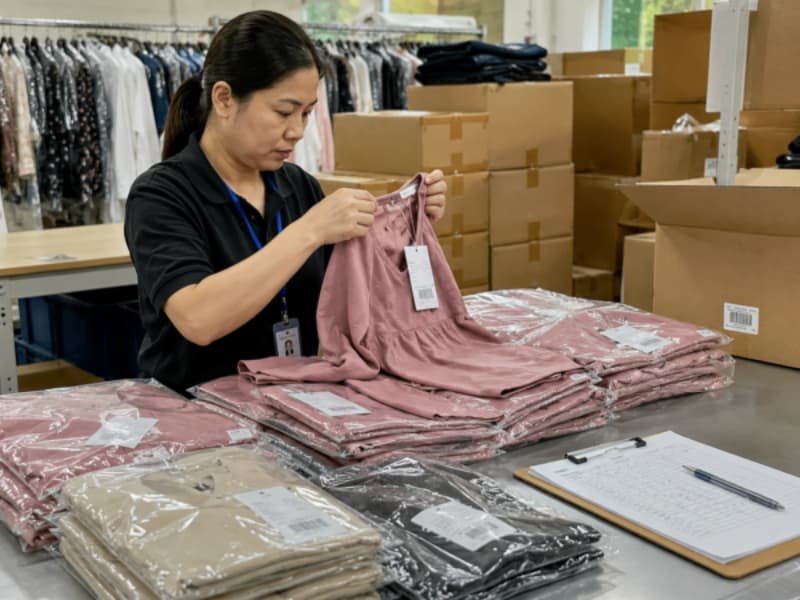
Final Inspection and Packing Check
Final inspection reviews completed garments against the approved reference, specification and packing requirement. Inspection covers:
- Overall appearance
- Measurements
- Workmanship
- Color and print
- Lining and opacity
- Functional closures
- Labels
- Pressing
- Stains and damage
- Size and color assortment
- Barcode and hangtag
- Folding or hanging method
- Carton markings
A final check cannot replace earlier control. Its purpose is to verify that material, sewing, measurement, finishing and packing standards have remained aligned through production.
Packaging and Delivery Planned for Lightweight Dress Orders
Controlled Folding
Soft dresses can crease or distort when folded under excessive pressure. Folding dimensions, strap position, belt placement and internal protection should be agreed before packing.
- Defined folding method
- Strap and tie control
- Tissue where required
- Size-consistent presentation
Hanging Garment Options
- Hanger type
- Garment cover
- Carton or rail arrangement
- Retail-ready presentation
Labels and Barcodes
- Correct style and color
- Correct size
- Readable barcode
- Consistent label placement
Carton Planning
Carton assortment may be organized by style, color, size ratio, store allocation or warehouse instruction. Carton markings must match the packing list and shipping documents.
- Solid or assorted cartons
- Carton dimensions and weight
- Shipping marks
- Packing-list alignment
Delivery Methods
- Express: commonly 3-7 days
- Air freight: commonly 5-8 days
- Sea freight: commonly 20-35 days
- FOB
- CIF
- DDP
- Staged shipment
- Overseas warehouse coordination
Production and Shipping Timing
Production lead time and freight time should be planned separately. Launch calendars need space for final inspection, packing, booking, customs and destination receipt.
- Simple bulk styles: about 15-20 days
- Standard bulk styles: about 20-30 days
- Complex bulk styles: about 30-45 days
- Freight time added according to shipping route
Why Fashion Brands Develop Breathable Dresses With Duolan
30+ Years Development Experience
- Dress-focused product understanding
- European and American market experience
- Fabric-to-garment interpretation
- Development and manufacturing coordination
Dress-Focused Supply System
- Fashion dresses
- Resort and vacation dresses
- Fitted and structured styles
- Multi-style seasonal programs
SMETA Audit Record
- Social-compliance review
- Factory information support
- Supplier evaluation coordination
- Project-specific documentation
Testing Coordination
International Project Communication
- Document-based communication
- Photo and video updates
- Sample-stage reviews
- Bulk-production coordination
Factory Visit Support
Qualified brand and sourcing teams may arrange visits to review sample rooms, development processes, production lines, quality inspection and packing operations.
- Sample-room visit
- Production-line review
- QC-process review
- Project meeting arrangements
Multi-Style Breathable Dress Programs Delivered for Global Markets

United States Resort Program
Market: United States
Brand Type: Established resort and vacationwear brand
Program: Spring/Summer breathable dress collection
Styles: 18
Total Quantity: 42,000 pieces
Size Range: Brand-specific US size chart
Product Mix: Wrap midi dresses, tiered maxi dresses, printed halter dresses and relaxed mini dresses
The brand required a coordinated collection using soft viscose, cotton blends and selected lightweight crepe. Initial references emphasized movement and warm-weather comfort, but several pale colorways showed excessive transparency. Two wrap styles also opened at the neckline during movement, while three maxi dresses showed uneven hem drop after hanging.
Development response:
- Compared outer fabrics over three lightweight lining directions
- Selected partial lining for darker printed styles and fuller coverage for pale fitted styles
- Adjusted wrap overlap and added concealed internal fastening
- Revised grain placement on bias-sensitive skirt panels
- Allowed maxi samples to settle before final hem correction
- Aligned print strike-offs with shell and lining color
Production planning:
The 18 styles were divided by fabric, print process and construction risk. Printed styles entered strike-off confirmation first. Fit-sensitive halter and wrap styles received additional first-piece review. Stable relaxed styles moved through standard production routes.
Result:
- 18 styles entered bulk production
- 42,000 pieces allocated across approved production paths
- Two planned delivery groups supported the brand’s online and retail launch calendar
- Final inspection covered measurements, print placement, lining, neckline security, labels and packing
- Approved material and pattern records were retained for repeat-order review
European Summer Daywear Collection
Market: United Kingdom and European Union
Brand Type: High-street womenswear company
Program: Multi-style summer daywear range
Styles: 24
Total Quantity: 68,400 pieces
Size Range: Brand-specific UK and EU grading standards
Product Mix: Shirt dresses, relaxed midi dresses, cotton mini dresses, linen-blend dresses and printed day dresses
The collection required a clean warm-weather appearance at a defined commercial price. Key concerns included cotton shrinkage, visible wrinkles in linen blends, pale-color transparency and collar stability on lightweight shirt dresses. The brand also needed several materials shared across styles to simplify color management and replenishment.
Development response:
- Grouped 24 styles into five material families
- Reviewed shrinkage before final pattern and dress-length confirmation
- Increased structure only around collars, plackets and selected waist areas
- Used skirt-only lining for several pale midi styles
- Compared pure linen appearance against linen-blend recovery
- Standardized selected buttons, labels and packaging across the collection
- Applied brand size charts and separate grading review for mini-dress length
Production planning:
Core shirt and midi styles were assigned to stable volume lines. Styles with special prints or detailed gathering followed separate approval paths. Material sharing allowed selected colors to move across several silhouettes while retaining consistent surface and handfeel.
Result:
- 24 styles completed across 68,400 pieces
- Shared material planning reduced unnecessary fabric fragmentation
- Simple and standard styles followed 20-30-day production windows after final approvals
- Complex printed and detailed styles followed longer planned routes
- Color, measurement, collar, placket and hem checkpoints were included in inline inspection
- Packing was divided by market, style and size assortment

Australian Warm-Climate Dress Drop
Market: Australia
Brand Type: Multi-brand fashion retailer
Program: Warm-climate vacation and event drop
Styles: 12
Total Quantity: 27,600 pieces
Size Range: Brand-specific AU size chart
Product Mix: Printed maxi dresses, open-back midis, halter dresses and lightweight event styles
The collection combined fluid printed skirts with more fitted bodices. Original samples used light shell fabrics, but several designs lost bust support after the lining was reduced. One open-back style also showed zipper and seam allowances through the pale outer fabric. The launch required staged delivery for online photography, initial retail allocation and final stock release.
Development response:
- Retained breathable outer fabrics while redesigning localized internal support
- Used bodice lining rather than full heavy lining on selected styles
- Added clean reinforcement around halter and open-back stress points
- Adjusted zipper and seam allowance placement in pale styles
- Confirmed print scale and directional placement before bulk printing
- Reviewed larger-size coverage and strap balance during grading
- Developed photo-ready samples before PP approval
Production planning:
Photo samples were prioritized before bulk materials entered full production. The 12 styles were divided into print, fit-sensitive and standard groups. Initial retail quantities and the final allocation were packed separately.
Result:
- 12 styles completed across 27,600 pieces
- Three delivery stages supported photography, launch and stock allocation
- Bodice support was retained without adding full-length heavy lining
- Open-back and halter styles received reinforced stress-point inspection
- Print, measurement, strap, zipper, lining and packing requirements were locked before production
- Project records created a basis for later color and style extensions
Breathable Dress Manufacturing Frequently Asked Questions

Start Your Breathable Dress Development Project
Share your dress references, tech pack, fabric direction and collection plan with Duolan. Our team will review the intended silhouette, material behavior, opacity, lining, fit priorities, construction details and production conditions before recommending a development path.
Clear information allows us to prepare a more relevant sample plan, quotation basis and production assessment. Please include the dress category, target market, number of styles, estimated quantity, size range, colorways, required launch date and any testing, labeling or packing standards. Reference images, original sample photographs, fabric swatches, BOM files and existing size charts are useful when available.
Duolan is best suited to established fashion brands, product teams, sourcing offices and multi-brand groups with defined collection plans, sample objectives or bulk-production requirements.
After reviewing the submitted information, our team will identify:
- Fabric and silhouette compatibility
- Transparency and lining considerations
- Pattern and fit priorities
- Sample-development requirements
- Bulk-production risks
- Estimated production path
- Information still required for quotation
- Appropriate next-step discussion