Skip to content
Custom Capsule Collection Dress Manufacturer
Capsule dress collection development and manufacturing for established fashion brands building focused seasonal, occasion, resort, partywear and premium ecommerce dress programs.
Duolan supports capsule dress programs through collection structure review, fabric story planning, color matrix control, multi-style sample sequencing, PP approval, bulk production, QC, packing and repeat-ready delivery.
- 5 collection roles guide planning: hero style, commercial style, visual style, extension style and repeat-ready style.
- 6 planning checkpoints shape development: theme, occasion, silhouette, fabric family, color palette and launch timing.
- 4 sample priorities support approval: hero sample, fit sample, photo-ready sample and PP sample.
- 7 dress categories can anchor capsule programs: mini, midi, maxi, slip, bodycon, occasion and resort.
- 5 fabric story routes support collection unity: satin, mesh, chiffon-like, lace and printed woven.
- 4 bulk records protect repeatability: pattern, BOM, color standard and QC checklist.
- 2 commercial paths guide launch planning: limited capsule launch and repeatable seasonal extension.








What Capsule Dress Manufacturing Really Requires
Established DTC dress brands sell through owned channels, social content, email launches, paid ads, product listings and repeat purchase behavior. A dress supplier for DTC growth needs more than sample-making ability. The supplier must protect campaign appearance, body fit, product experience, bulk quality, brand packaging and repeat bestseller consistency.
A campaign dress can create strong demand, yet weak manufacturing control can damage the same launch later. Fabric may arrive with a different handfeel. Color may shift under light. A fitted style may lose recovery after wear. Packaging may feel below brand level. A reorder may no longer match the original bestseller. DTC brands carry these product risks directly because the selling channel belongs to the brand.
Duolan treats DTC dress programs as brand-owned product systems. Campaign samples, PP samples, fit records, fabric references, detail standards, packaging rules and repeat production notes are connected before bulk production moves forward.
Core Manufacturing Priorities
- Collection role clarity: Hero, commercial, visual, extension and repeat-ready dresses need separate product tasks before sampling begins.
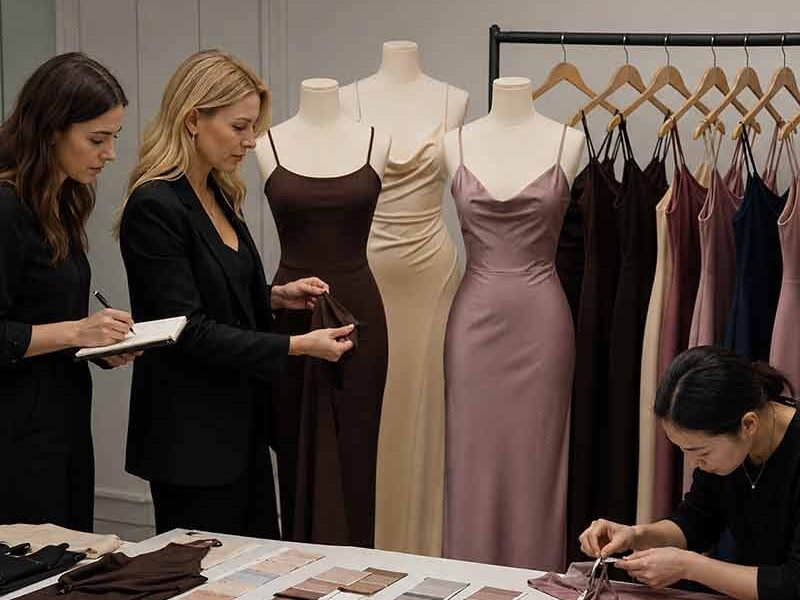
- Fabric story control: Satin, mesh, crepe, lace, printed woven, chiffon-like and stretch fabrics should support one collection mood.
- Color matrix discipline: Core colors, seasonal accents and fabric-specific color behavior need early review before lab dips and bulk approval.
- Sample rhythm: Multi-style sampling should follow priority, risk and launch calendar instead of developing every style with equal urgency.
- Repeat-ready standards: Patterns, BOMs, fabric records, color references and QC notes should support future reorder and seasonal extension.
Brand Teams Duolan Fits Best
Duolan is structured for established fashion brands developing focused capsule dress programs with clear product direction, commercial planning and repeat potential. Strong alignment comes from teams needing multi-style development, fabric discipline, color consistency, PP standards, QC communication and reliable bulk delivery.
Established Dress Brands
Established dress brands need capsule programs with clear seasonal direction, dress category logic and production continuity. Duolan supports mini, midi, maxi, slip, satin, occasion, resort and partywear capsules through style role review, fabric planning and PP standard control.
Premium Ecommerce Brands
Shopify-native dress brands need control over product listings, email drops, launch calendars, size guides and packaging. Duolan supports fit samples, photo samples, size chart alignment, bulk production and bestseller replenishment.
Occasionwear Labels
Occasionwear labels need capsule edits for cocktail, birthday, holiday, event and wedding guest styling. Duolan supports satin, crepe, lace, corset, strapless and midi dress programs with focus on surface finish, lining, support and clean delivery condition.
Resortwear Brands
Resortwear brands need lightweight capsule programs with strong print, drape and vacation styling. Duolan supports printed maxi dresses, halter dresses, slip dresses, wrap dresses and chiffon-like styles through artwork, shrinkage, hem movement and packing review.
Partywear Brands
Partywear brands need high-impact dress capsules with strong body line and social-content value. Duolan supports mini, bodycon, mesh, cut-out, ruched, sequin and satin-touch styles through opacity, recovery, lining, surface and movement checks.
Product Teams
Product teams need style maps, sample priorities, fabric routes, color matrix, PP approval and bulk records. Duolan supports structured communication across design review, sampling, revision, QC and delivery stages.
Capsule Dress Collection Structure
A capsule dress collection needs internal structure. Every style should contribute to the collection through visual identity, sales support, silhouette extension, fabric story or repeat potential. Duolan reviews capsule programs through five core style roles before sampling begins.
Hero Styles
Hero styles create first visual memory for campaign, lookbook, landing visuals and social content.
A sculpted mini, satin midi, printed maxi, corset dress or cut-out dress can lead the capsule when fabric, silhouette and detail level are strong enough for attention.
- Hero styles should express brand direction clearly through silhouette, fabric, color or signature detail.
- Production feasibility still matters because an impressive sample can create risk if construction cannot scale.
- Duolan reviews structure, fabric behavior, trim availability, sample timing and bulk risk before positioning a style as the capsule hero.
Commercial Styles
Commercial styles support repeat sales, size consistency and broader wearability. Slip dresses, bodycon midis, wrap dresses, halter dresses, fit-and-flare dresses and simple occasion dresses often carry stronger conversion value than highly dramatic visual pieces.
- Commercial dresses need stable fit, clear size chart logic and fabric performance suitable for repeat orders.
- Over-complex details should be limited when a style’s main task is reliable sale and reorder potential.
- Duolan reviews fit risk, fabric sourcing, cost structure, production route and QC focus for commercial support styles.
Visual Styles
Visual styles help a capsule feel memorable.
Mesh panels, sequin surfaces, dramatic sleeves, open backs, lace placement, contrast lining and special prints can strengthen campaign presence.
- Visual styles should add brand memory without pulling the whole capsule away from production reality.
- Higher-risk details need early feasibility review and sample priority control.
- Duolan checks fabric behavior, construction risk, surface protection, packing method and QC points before moving into bulk.
Extension Styles
Extension styles expand a hero direction with lower development risk. A mini can become a midi.
A halter can become a strapless version. A solid satin dress can become a printed or mesh-panel variation.
- Extension styles help build depth without creating completely unrelated product development.
- Shared pattern logic, fabric family and trim route can improve consistency across the capsule.
- Duolan reviews which styles can share base patterns, fabrics, linings, zippers, trims or QC standards.
Repeat-ready Styles
Repeat-ready styles are built for future color refreshes, fabric updates or seasonal extensions. They need stable patterns, clear BOMs, confirmed fabric routes and well-documented QC standards from the first production run.
- Repeat potential should be considered during first sample review, not only after sales results.
- Pattern, color, trim and packing records should support future production memory.
- Duolan helps preserve production references for reorder, color extension and next-season capsule planning.
Dress Categories for Capsule Programs
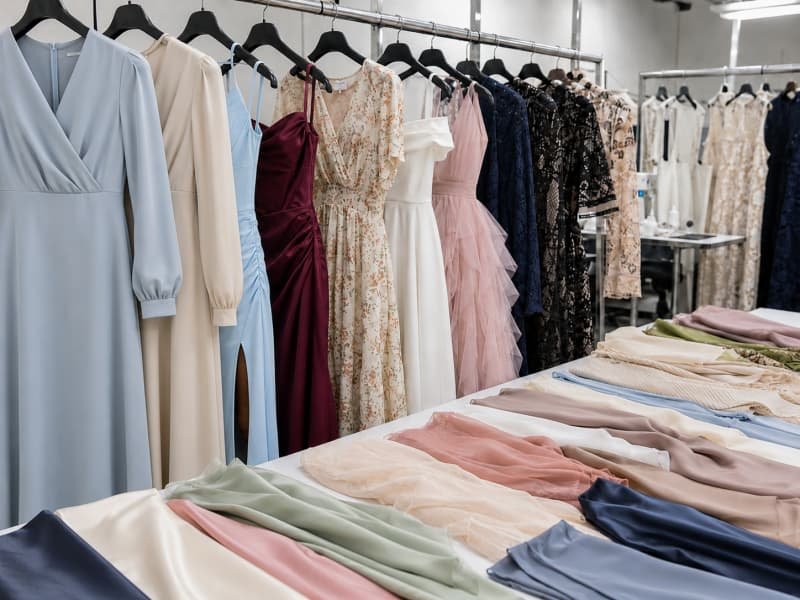
A capsule dress program should contain controlled variety, not scattered categories. Each dress category must support the collection mood, fabric story, price logic, campaign imagery and production route. Duolan reviews mini, midi, maxi, slip, bodycon, corset, halter, strapless, printed, satin, mesh and embellished dresses according to capsule role.

Mini Dresses
Mini dresses can work as hero, partywear, going-out or social-content styles. Duolan reviews length safety, lining, movement, stretch recovery, zipper route, bust coverage and hem finish.
- Mini length should match the intended wearing scene, not only visual impact.
- Fit and movement need review through sitting, walking and step-width checks.
- Short silhouettes often reveal fabric opacity, lining and hem issues faster than longer dresses.

Midi Dresses
Midi dresses often carry commercial value for occasion, premium ecommerce and work-to-evening styling. Duolan reviews waistline, hip ease, hem movement, lining, slit position and fabric drape.
- Midi length can support broader wearability when fit and drape remain stable.
- Satin, crepe and stretch bases require different seam and pressing routes.
- Clean proportions help midi dresses become repeat-ready capsule styles.

Maxi Dresses
Maxi dresses support resort, vacation and campaign-led capsules. Duolan reviews hem balance, fabric weight, print scale, lining length, packing recovery and movement.
- Long silhouettes need fabric drape and hem control to avoid dragging or twisting.
- Printed maxi dresses need artwork scale, border placement and color consistency review.
- Packing method should protect hem appearance and wrinkle recovery before delivery.

Slip Dresses
Slip dresses can anchor minimal, satin, occasion or layering capsules. Duolan reviews neckline, strap length, bias or straight cut route, side seams, surface marks and lining.
- Slip dresses look simple but expose cutting, sewing and pressing weakness quickly.
- Satin and silk-like fabrics need surface protection and color control.
- Stable pattern records help slip styles become repeat-ready extensions.

Bodycon Dresses
Bodycon dresses support partywear, clubwear and premium ecommerce programs. Duolan reviews stretch direction, recovery, opacity, side seam balance, bust-waist-hip fit and hem hold.
- Fit should contour without discomfort or transparency risk.
- Recovery after sitting and movement needs review before PP approval.
- Size grading should protect body line across the full range.

Corset Dresses
Corset dresses often work as structured hero styles. Duolan reviews cup position, boning, lining, waist support, back closure, zipper, skirt balance and fit pressure.
- Corset structure must support the outside silhouette from inside construction.
- Cup symmetry, boning channel and waistline need close sample review.
- Bulk production requires clear internal structure standards, not only exterior appearance.
Halter Dresses
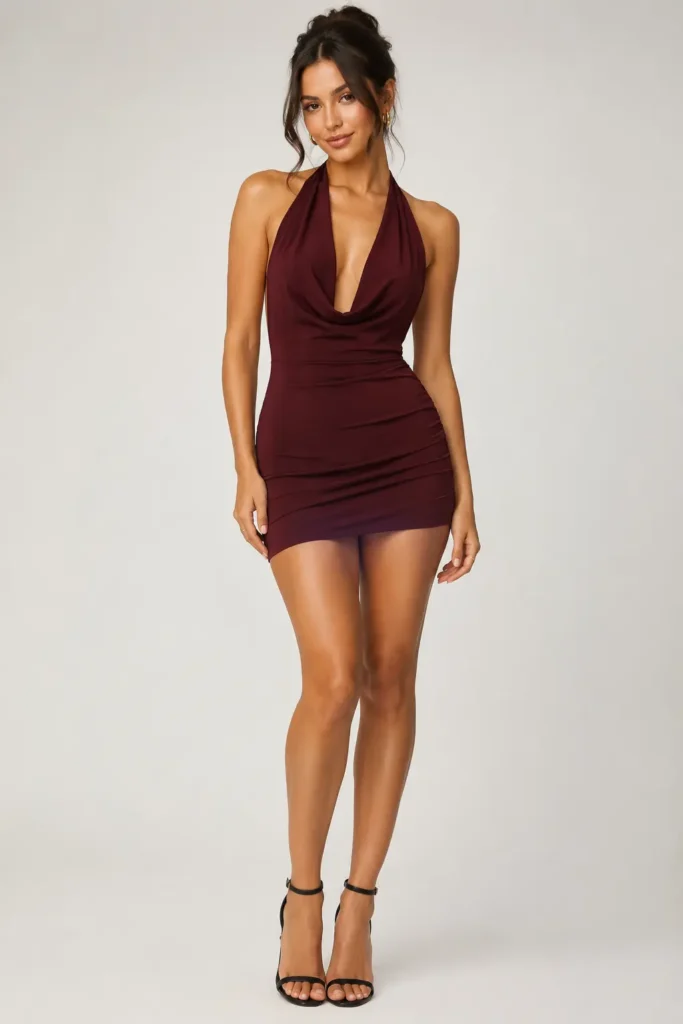
Halter dresses support resort, summer, occasion and evening capsules. Duolan reviews neck pressure, bust stability, back opening, strap width, fabric stretch and closure route.
- Neck tension should remain comfortable during wear and movement.
- Back view needs review because halter structures often carry visual identity.
- Strap length and neckline height should stay consistent across sizes.

Strapless Dresses
Strapless dresses support cocktail, holiday, partywear and occasion capsules. Duolan reviews bust edge, internal support, anti-slip logic, zipper, lining and torso balance.
- Strapless fit depends on structure, not only tight measurements.
- Bust security, side support and zipper smoothness need early testing.
- PP sample approval should include movement review before bulk production.
Printed Dresses
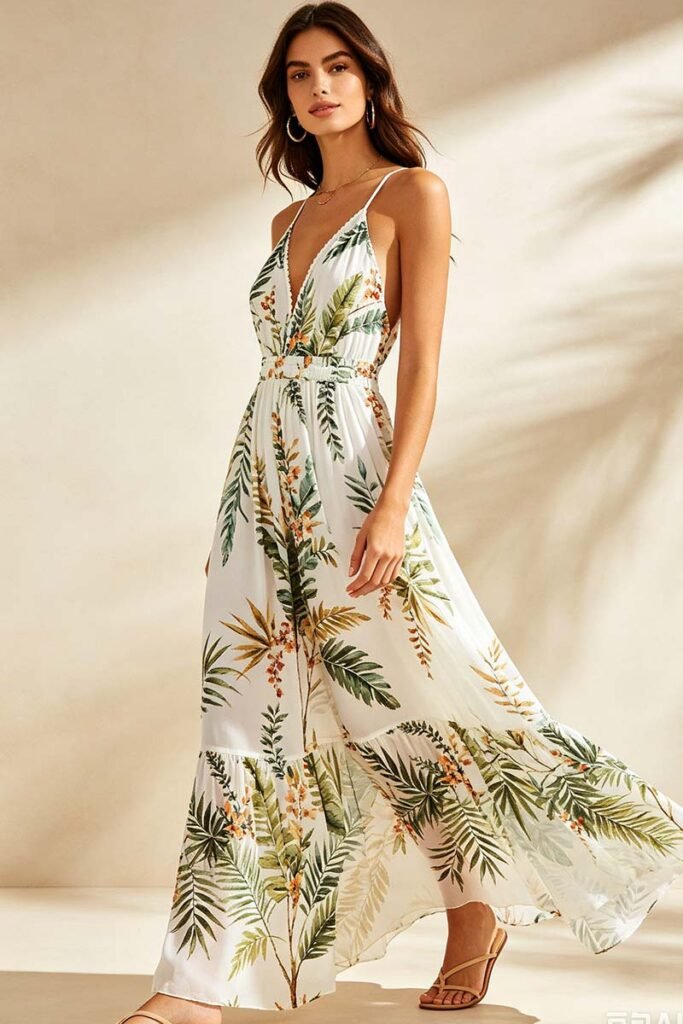
Printed dresses support resort, vacation and seasonal mood. Duolan reviews motif scale, print direction, color strength, fabric base, shrinkage, placement and size grading.
- Print should support the capsule story across several silhouettes.
- Artwork scale should match mini, midi and maxi surfaces differently.
- Strike-off, sample approval and bulk fabric review should connect through clear records.

Satin Dresses
Satin dresses support occasion, holiday and minimal premium capsules. Duolan reviews shine direction, seam tension, zipper waves, surface marks, lining and packing recovery.
- Satin can elevate a capsule, but surface quality and shade control are critical.
- Seam puckering and pressing marks need review under light.
- Packing route should protect shine and fold recovery.

Mesh Dresses
Mesh dresses support partywear, layering and going-out capsules. Duolan reviews transparency, lining map, edge finish, panel stability, print behavior and skin comfort.
- Mesh needs planned coverage zones, not accidental exposure.
- Layered mesh should work with lining and stretch recovery.
- Seam visibility and edge finish need focused QC.

Sequin and Embellished Dresses
Sequin and embellished dresses can lead holiday, event and campaign capsules. Duolan reviews shine direction, weight, lining,掉片, friction, seam bulk and packing protection.
- Embellished styles should create value without excessive discomfort or production risk.
- Lining and inner finish are essential for wear confidence.
- Surface protection during packing and shipment should be planned before bulk.
Hero, Commercial and Extension Style Planning
Campaign-ready samples carry more weight in DTC programs than ordinary development samples. A single dress may support campaign photography, social video, product listing, email launch, internal approval, fit review and PP reference. Duolan reviews samples for both visual value and bulk feasibility.
Hero Style Planning
Hero styles create capsule identity. They may use stronger silhouettes, special fabric, bold print, cut-out structure, corset construction, sequin surface or signature color. Duolan reviews feasibility before sampling because hero pieces often carry higher development risk.
- Hero styles should be sampled early because fit, fabric and construction risk may affect launch timing.
- Visual power should be balanced with pattern, material and production feasibility.
- Sample comments should protect both campaign appearance and bulk repeatability.
Commercial Style Planning
Commercial styles carry sales depth. They usually need broader wearability, stable fit, reasonable cost structure and easier production control. Slip dresses, bodycon midis, wrap dresses, halters and clean occasion dresses often fit commercial roles.
- Commercial styles need size consistency and cleaner production paths.
- Fabric selection should support repeat production, not only first-sample appearance.
- Fit review should focus on bust, waist, hip, hem movement and comfort.
Extension Style Planning
Extension styles help build a capsule without starting from zero for every garment. Length, neckline, sleeve, fabric, color or detail variations can extend a hero or commercial base.
- Mini-to-midi, solid-to-print, halter-to-strapless and satin-to-crepe routes can reduce development uncertainty.
- Shared construction logic can support faster sample correction and bulk handover.
- Duolan reviews which variations share pattern foundations and which require independent development.
Visual Style Planning
Visual styles strengthen lookbook, campaign and social content. They can use mesh, sequin, print, dramatic sleeves, open backs or strong color. A visual style may not be the highest-volume product, but it can raise capsule recognition.
- Visual styles need early risk review around fabric, trim, finishing and packing.
- Editorial value should not create uncontrolled bulk complexity.
- Duolan checks construction and surface risks before production commitment.
Repeat Style Planning
Repeat-ready styles need production memory. A dress with stable fit, popular fabric and clear color route can become a future reorder base or seasonal extension.
- Repeat potential should influence pattern naming, BOM records and QC notes.
- Fabric and color references should remain traceable after first shipment.
- Duolan supports future color refreshes, length variations and material extensions from controlled records.

Fabric Story for Capsule Dress Collections
A capsule dress collection needs a controlled fabric family. Too many unrelated materials can weaken visual unity, complicate sourcing and increase production risk. Duolan reviews fabric stories through occasion, silhouette, color, handfeel, surface quality, testing needs and bulk repeatability.

Satin Story
Satin supports occasion, holiday, slip and minimal premium capsules. Duolan reviews shine direction, shade, seam tension, zipper waves, pressing response and packing recovery.
- Collection value: Creates polished visual identity across slip, midi, halter and occasion dresses.
- Sample focus: Surface marks, puckering and drape should be checked under light.
- Bulk control: Shade, shine direction, seam smoothness and fold recovery need inspection.

Mesh Story
Mesh supports partywear, going-out and layered capsule styles.
Duolan reviews transparency, lining map, stretch, edge finish, print behavior and skin-contact comfort.
- Collection value: Adds depth, reveal and social-content strength.
- Sample focus: Opacity and lining should be checked on body, not only flat fabric.
- Bulk control: Panel stretch, seam visibility, edge finish and snagging need inspection.

Printed Woven Story
Printed woven fabrics support resort, summer and vacation capsules. Duolan reviews print scale, color strength, shrinkage, fabric base, drape and placement.
- Collection value: Builds seasonal mood and strong lookbook unity.
- Sample focus: Artwork scale should match mini, midi, maxi and halter shapes.
- Bulk control: Print direction, color consistency, shrinkage and hem movement need inspection.

Chiffon-like Story
Chiffon-like fabrics support lightweight occasion, resort and feminine capsules. Duolan reviews sheerness, lining, hem finish, layer movement, static and packing.
- Collection value: Adds lightness, softness and movement.
- Sample focus: Lining length, transparency and hem balance require early review.
- Bulk control: Slippage, edge finish, pressing temperature and fold recovery need inspection.

Crepe Story
Crepe supports commercial occasion dresses, clean midi styles and premium everyday capsules. Duolan reviews weight, drape, wrinkle behavior, seam quality and color performance.
- Collection value: Supports clean, wearable and repeat-ready dress styles.
- Sample focus: Fit, seam fall and hem movement should be confirmed before PP approval.
- Bulk control: Shade, seam smoothness, pressing and measurement stability need checks.

Stretch Jersey Story
Stretch jersey supports bodycon, ruched and partywear capsule dresses. Duolan reviews recovery, opacity, shrinkage, side seam balance and stitch elasticity.
- Collection value: Creates close-fit commercial and going-out styles.
- Sample focus: Fit should be checked through movement and body tension.
- Bulk control: Recovery, twisting, opacity and seam elasticity need inspection.

Lace Story
Lace supports romantic, occasion and premium capsule styles. Duolan reviews lace pattern, edge use, lining color, placement, seam matching and transparency.
- Collection value: Adds feminine and occasion-driven texture.
- Sample focus: Lace placement and lining color should be reviewed together.
- Bulk control: Pattern placement, symmetry, edge finish and lining attachment need checks.

Sequin and Embellishment Story
Sequin and embellishment routes support holiday, event and hero styles. Duolan reviews backing fabric, weight, lining, friction, seam bulk and packing protection
- Collection value: Adds campaign and event impact.
- Sample focus: Wear comfort, surface quality and construction feasibility need early review.
- Bulk control: Missing sequins, lining, seam bulk and packing marks need inspection.
Color Palette and Capsule Color Matrix
Color planning shapes capsule unity. A capsule with too many unrelated colors can lose focus, while an overly narrow palette may weaken commercial range. Duolan reviews core colors, accent colors, fabric-specific color behavior and bulk color records before production.
Core Colors
Core colors support commercial styles and repeat potential. Black, ivory, cream, champagne, navy, burgundy, cocoa, olive and soft neutrals can anchor a capsule across different dress silhouettes.
- Core colors should appear on styles with stronger repeat or sales-support potential.
- Same color can look different on satin, mesh, lace, crepe and jersey.
- Lab dip and bulk fabric approval should connect to PP sample records.
Seasonal Accent Colors
Accent colors add capsule mood. Resort pastels, summer brights, holiday metallic tones, spring soft colors and event-driven jewel tones can lift visual appeal without scattering the collection.
- Accent colors should support campaign imagery and product hierarchy.
- Too many accent shades can increase sourcing, lab dip and inventory complexity.
- Accent colors often fit hero or visual styles better than repeat-ready styles.
Fabric-specific Color Behavior
Color changes by fabric surface. Satin reflects light, mesh becomes lighter over skin, lace shifts with lining, jersey stretches and changes depth, sequins reflect multiple tones.
- Color approval should happen on actual fabric route, not only reference image.
- Light colors need opacity and lining review.
- Metallic, pastel and deep tones require careful shade control during bulk.
Colorway Limitation
Capsule programs need color discipline. Duolan reviews how many colors belong in the first launch, which colors support repeat potential and which shades should remain test options.
- Fewer focused colors can improve collection clarity.
- Shared colorways across several styles can support campaign and production consistency.
- Color expansion can happen after first launch records are stable.
Bulk Color Locking
Bulk color control requires records.
Lab dip, strike-off, bulk fabric, PP sample, BOM, trim card and QC references should align before production release.
- Color standards should be linked to style code and fabric lot.
- Trim and lining colors should be reviewed with outer fabric.
- Repeat orders benefit from preserved color and material records.
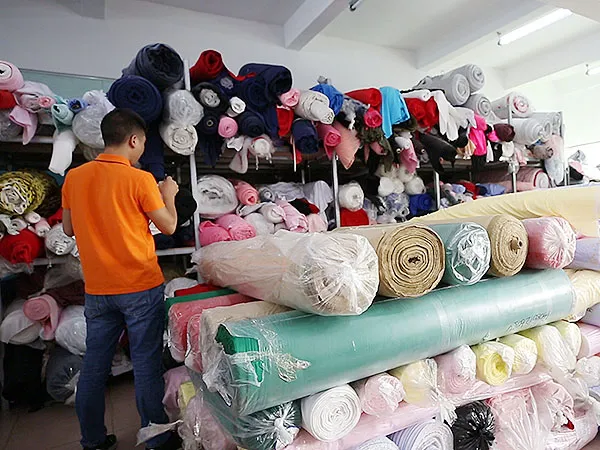
Capsule Collection Risk Control Matrix
Capsule risk often appears when style selection, fabric planning, sampling and production records are not connected. Duolan links each risk to a defined control point before wider development begins.
| Risk | Why It Happens | Brand Impact | Duolan Control |
|---|---|---|---|
| Collection looks scattered | Styles chosen without role planning | Weak brand story | Hero, commercial and extension role review |
| Fabric direction too wide | Too many unrelated materials | Higher cost and weak cohesion | Fabric family planning |
| Color palette too loose | No core and accent color logic | Lookbook lacks unity | Capsule color matrix |
| Sampling sequence unclear | All styles developed at equal priority | Delayed launch calendar | Sample priority planning |
| Hero style too complex | Visual style not production-ready | Cost and delivery risk | Feasibility review before sampling |
| Commercial styles too weak | Only visual pieces selected | Lower sales depth | Sales-support style balance |
| Bulk standards not linked | Each style handled separately | Inconsistent delivery | PP and BOM locking |
| Repeat path missing | No records for future extension | Hard to reorder or scale | Pattern, fabric, color and QC records |
Capsule Style-to-Fabric Planning Matrix
Different capsule directions require different dress categories, fabric routes and development priorities. Duolan connects collection purpose with fabric reality before sampling starts.
| Capsule Direction | Suitable Dress Styles | Fabric Route | Development Focus |
|---|---|---|---|
| Resort Capsule | Maxi, slip, halter, printed dress | Printed woven, chiffon-like, lightweight crepe | Print, drape, lining, packing recovery |
| Occasion Capsule | Midi, satin, corset, strapless | Satin, crepe, lace, structured woven | Fit, support, surface finish |
| Partywear Capsule | Mini, bodycon, cut-out, mesh | Stretch jersey, mesh, sequin, satin-touch | Recovery, opacity, detail stability |
| Minimal Capsule | Slip, midi, column dress | Satin, crepe, compact woven | Clean seams, color, repeatability |
| Holiday Capsule | Sequin, satin, ruched, mesh | Sequin, stretch base, satin, mesh | Weight, lining, sparkle, packing |
| Premium Ecommerce Capsule | Photo-ready mini, midi, maxi mix | Controlled mixed fabric family | Model fit, size consistency, bulk match |
Sample Sequence for Capsule Dress Development
Capsule dress development needs sample sequencing. A multi-style program can lose time when every style enters sampling at equal priority. Duolan reviews hero styles, fit-risk styles, fabric-risk styles and photo-priority styles before organizing sample flow.
Step 1|Capsule Direction Review
Duolan reviews capsule theme, target market, selling occasion, hero direction, commercial needs, fabric story, color palette, launch timing and bulk scope. Clear capsule direction helps define which styles should be developed first and which styles can extend from confirmed foundations.
Step 2|Style Priority Mapping
Styles are mapped by role and risk. Hero styles, fit-risk styles and fabric-risk styles often need earlier sampling. Extension styles can follow once base patterns, fabric choices or color standards are confirmed. Priority mapping helps protect launch calendar and development resources.
Step 3|Fabric and Color Confirmation
Fabric and color decisions guide sampling accuracy. Duolan reviews main fabrics, extension fabrics, lining, trim direction, lab dip needs, strike-off needs and shade behavior before sample work goes too far. Early material clarity reduces repeated correction across several styles.
Step 4|First Sample Group
The first sample group does not always need every style. A focused group can include one hero style, one commercial style, one fit-risk style and one fabric-risk style. Early review helps confirm silhouette, fabric behavior, construction path and capsule unity before full expansion.
Step 5|Fit, Photo and PP Sample Path
Different samples carry different tasks. Fit samples confirm body and measurement logic. Photo-ready samples support campaign review. PP samples lock bulk production standards. Duolan separates sample purpose so one sample does not carry every decision at once.
Step 6|Bulk Readiness Review
Before production, Duolan reviews patterns, BOMs, size charts, color standards, trim boards, sewing route, QC checklist, label system and packing method. Bulk readiness turns a capsule from a creative range into a repeatable production program.
From Single Dress Direction to Capsule Program
Many capsule programs begin from one strong dress direction. Duolan helps brands evaluate whether a hero dress can become a structured capsule through length variation, neckline variation, fabric route, color extension, fit block reuse and repeat-ready production records.
Satin Slip Direction
A satin slip dress can extend into a satin midi, halter mini, cowl-neck maxi and soft occasion dress. Duolan reviews shine direction, seam quality, strap route, lining, pressing and packing so the capsule feels unified.
- Satin styles can share color story and surface language.
- Length and neckline changes need separate fit review.
- Surface marks, shade and fold recovery need bulk control.
Printed Resort Direction
A printed resort maxi can extend into halter dresses, wrap dresses, short vacation dresses and matching cover pieces. Duolan reviews print scale, border placement, color strength, fabric shrinkage and hem movement.
- Print artwork should support several silhouettes.
- Border and motif placement need pattern-level planning.
- Packing recovery matters for travel and resort capsules.
Bodycon Party Direction
A bodycon party dress can extend into cut-out mini, ruched midi, mesh-panel dress and sequin variation.
Duolan reviews stretch recovery, opacity, side seam balance, lining and movement.
- Fit and recovery should be tested early.
- Cut-out or mesh variations need coverage maps.
- Commercial and visual roles should be separated.
Corset Dress Direction
A corset dress can extend into strapless, lace-up, midi or occasion versions. Duolan reviews cup position, boning, lining, waist support, zipper and skirt balance.
- Structured pieces need clear internal standards.
- Pattern reuse should be reviewed carefully across lengths.
- PP records are critical for future reorder consistency.
Lace Dress Direction
A lace dress can extend into lined versions, mesh sleeve versions, mini versions, midi versions and soft occasion styles. Duolan reviews lace placement, lining color, transparency, edge finish and bulk symmetry.
- Lace pattern and lining color define premium appearance.
- Placement should remain stable across size range.
- Bulk cutting needs direction and symmetry control.

Production-ready Capsule Planning
A capsule becomes valuable when the approved styles can move into controlled production. Duolan connects style maps, patterns, fabric routes, colors, trims, QC standards, labels and packing records before bulk starts.
Pattern Architecture
Some capsule styles can share a base block; others require independent patterns. Duolan reviews which dresses can connect through silhouette, length, neckline, sleeve or skirt shape. Pattern architecture helps reduce repeated development while protecting fit.
- Shared blocks can support consistency across related styles.
- Structured, stretch and bias-style dresses often need separate pattern review.
- Pattern records should remain clear for future color or length extensions.
Fabric and BOM Logic
Capsule production becomes cleaner when material logic is organized.
Duolan reviews main fabric, lining, zipper, thread, elastic, trim, care label and packing materials by style and collection role.
- Shared materials can support cost control and visual unity.
- Special fabrics need separate handling, testing and QC notes.
- BOM records should connect sample approval with bulk execution.
Color and Trim Locking
Color and trim decisions should support the collection, not only individual dresses.
Duolan reviews main colors, accent colors, lining colors, zipper shades, thread colors, label styles and packing materials.
- Trim shades should match fabric and capsule tone.
- Color approval should be linked to fabric lot and PP sample.
- Label and packing details should remain consistent across the capsule.
QC by Style Role
Different roles need different QC focus. Hero styles may need surface, detail and presentation checks.
Commercial styles need size, fit and repeatability. Visual styles need special-process control. Repeat-ready styles need strong production records.
- QC should match style risk and role.
- Satin, mesh, sequin, lace and stretch styles need different checklists.
- PP sample standards should guide inline and final inspection.
Repeat-ready Records
Repeat-ready production needs memory.
Duolan keeps patterns, BOM, color references, trim notes, size charts, workmanship standards and packing instructions aligned for future production.
- Records help future color refreshes and seasonal extensions.
- Reorder styles need stable fabric and QC references.
- Strong documentation reduces variation across repeat production.

Capsule Development Timeline and Launch Calendar
Capsule dress programs need launch-back planning. Sampling, fabric confirmation, photo sample preparation, PP approval, bulk production, inspection and delivery must connect with campaign timing and inventory needs.
Direction and Fabric Review
Development begins with capsule theme, style roles, dress categories, fabric story and color direction. Duolan reviews whether the planned styles can share materials, colors, trims or pattern logic, and whether any hero or visual style needs special feasibility review.
Priority Sampling
Sampling should begin with styles carrying the highest development risk or campaign importance. Hero, fit-risk, fabric-risk and photo-priority styles often enter first. Extension styles can follow after key patterns, colors or fabric behavior are confirmed.
Revision and Photo Sample Preparation
Revisions should separate fit correction, surface improvement, color adjustment and photo sample preparation. Duolan helps brands manage sample comments so model-fit needs, campaign needs and PP readiness do not conflict.
PP Standard Locking
PP standards lock production. Duolan reviews pattern, BOM, measurements, color standards, trim cards, sewing instructions, QC points, labels and packing before bulk release. Each dress style needs clear handover records.
Bulk and Launch Delivery
Bulk delivery planning connects production schedule with shoot dates, launch dates, inspection needs, warehouse routing and packing method. Capsule programs benefit from organized style priority, shipment grouping and repeat production records.
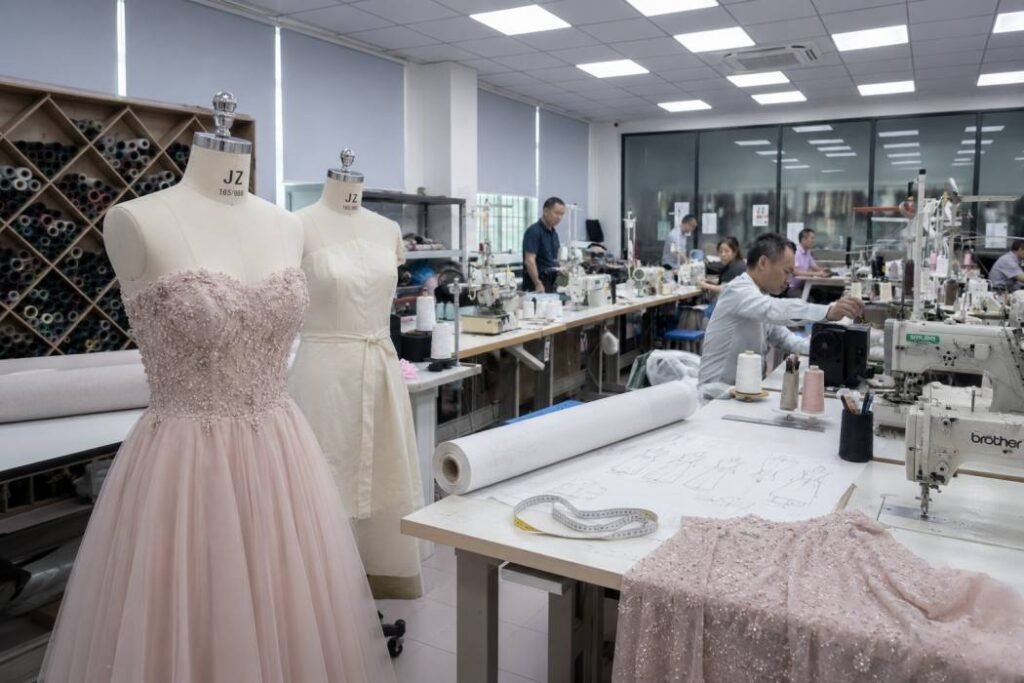
Label, Packaging, MOQ and Cost Logic for Capsule Programs
Capsule program cost depends on style count, fabric route, color spread, sample sequence, trim sharing, QC needs and repeat potential. Duolan evaluates project structure rather than positioning capsule work as ultra-low-quantity testing.
Style Count and Order Structure
A capsule does not need excessive style count. Strong programs often balance hero, commercial, visual, extension and repeat-ready styles. Duolan reviews style count against fabric complexity, sample timing, production allocation and launch needs.
Fabric MOQ and Shared Materials
Shared fabrics can improve cohesion and control material complexity.
Custom colors, special prints, satin, mesh, lace, sequin and embellished routes may affect fabric MOQ, sampling cost and bulk timeline.
Colorway Planning
Color choices influence lab dips, bulk fabric approval, inventory depth and production grouping.
Duolan reviews core colors, accent colors and test colors to keep the capsule focused and manageable.
Label and Packaging Consistency
Main labels, care labels, hangtags, barcodes, polybags and carton marks should support a unified capsule delivery.
Different fabric types may still need different fold or surface protection routes.
Trial, Launch and Repeat Path
Duolan fits brand programs with clear product direction, sample goals, launch timing and repeat potential.
Trial development, launch quantity and repeat production can be structured as connected stages rather than isolated orders.

Custom Capsule Collection Dress Manufacturer case studies
Duolan respects brand confidentiality. The following anonymized project patterns reflect realistic cooperation ranges for established fashion brands, with 10–30 styles per order and 20,000–80,000 pieces per brand order. Each program required collection role review, material route planning, sample priority control, PP standards, QC and delivery discipline.
United States|Occasion Dress Capsule
A US fashion brand developed a focused occasion dress capsule for evening, event and premium ecommerce styling. The program required polished surface, fit consistency, photo sample timing and PP standard control.
Project data
- Region: United States
- Style scope: 10–18 styles
- Order volume: 28,000–72,000 pieces
- First sample cycle: 14–23 days depending on fabric and fit revision
- Main fabrics: Satin-touch woven, crepe, mesh and soft lining
- Key structures: Satin midis, corset styles, strapless dresses, mesh details and lined bodies
- Main risks: Satin shade, fit consistency, photo sample timing and PP standard alignment
Duolan actions
- Style role mapping: Hero, commercial and extension dresses were separated before sampling.
- Fabric review: Satin, crepe and mesh routes were reviewed for surface, drape and lining.
- Sample priority: Photo-priority and fit-risk styles were scheduled earlier.
- Bulk QC focus: Surface marks, measurements, lining, zipper and packing were inspected by style.

Australia|Resort Printed Dress Capsule
An Australian resort brand developed a printed dress capsule for summer and vacation launches. The range needed strong print rhythm, lightweight movement and packing recovery.
Project data
- Region: Australia
- Style scope: 12–22 styles
- Order volume: 32,000–80,000 pieces
- First sample cycle: 13–22 days depending on print and shrinkage review
- Main fabrics: Printed woven, chiffon-like fabric, viscose blend and soft trims
- Key structures: Printed maxis, halter dresses, wrap dresses, short vacation dresses and lined styles
- Main risks: Print direction, color story, hem movement, shrinkage and packing wrinkles
Duolan actions
- Print review: Artwork scale and placement were checked across mini, midi and maxi styles.
- Fabric review: Shrinkage, transparency and drape were reviewed before PP approval.
- Launch planning: Sample priority supported campaign timing and bulk preparation.
- Bulk QC focus: Print direction, hem level, lining length and folded presentation were tracked.

United Kingdom|Partywear Mini and Midi Capsule
A UK partywear brand developed a mini and midi capsule for going-out and holiday drops. The program required body-line control, opacity review and strong detail execution.
Project data
- Region: United Kingdom
- Style scope: 10–20 styles
- Order volume: 30,000–76,000 pieces
- First sample cycle: 14–24 days depending on stretch, mesh and embellishment review
- Main fabrics: Stretch jersey, mesh, sequin and satin-touch base
- Key structures: Bodycon minis, ruched midis, cut-out dresses, mesh panels and sequin surfaces
- Main risks: Opacity, recovery, cut-out placement, sample revision load and packing protection
Duolan actions
- Fit-risk priority: Stretch and cut-out styles entered review early.
- Material review: Recovery, opacity, mesh coverage and sequin comfort were checked before PP sample.
- PP locking: Key patterns, trims, lining and QC points were locked by style.
- Bulk QC focus: Recovery, cut-out symmetry, seam elasticity, surface and packing were inspected.

Europe|Minimal Premium Dress Capsule
A European fashion brand developed a minimal premium dress capsule with clean silhouettes and repeat potential. The range needed surface discipline, color consistency and strong production records.
Project data
- Region: Europe
- Style scope: 8–16 styles
- Order volume: 24,000–58,000 pieces
- First sample cycle: 13–21 days depending on fit and surface review
- Main fabrics: Satin, crepe, compact woven and soft lining
- Key structures: Slip dresses, column midis, clean minis, halter styles and lined occasion dresses
- Main risks: Clean seam quality, color consistency, surface marks and repeat standard control
Duolan actions
- Surface review: Seam smoothness, pressing response and fold recovery were checked under light.
- Color matrix: Core colors and accent colors were reviewed across satin and crepe bases.
- Construction standard: Clean seam, lining and zipper standards were documented.
- Repeat records: Patterns, BOMs, color references and QC notes supported future reorder planning.
FAQ for Capsule Collection Dress Manufacturing
Yes. Duolan can review a capsule moodboard, reference images, existing bestsellers, fabric direction, color palette and target season. Early review focuses on style roles, dress categories, fabric family, color logic, sample priority and production feasibility. A moodboard becomes more useful when paired with target style count, launch date and intended order scope.
Single dress production focuses on one garment. Capsule production requires coordination across several styles, fabrics, colors, sample priorities and bulk standards. A strong capsule needs hero styles, commercial styles, extension styles and repeat-ready records. Duolan reviews collection structure as well as garment-level fit and workmanship.
Style count depends on brand direction, launch plan, budget, fabric complexity and production goals. Many focused dress capsules work best with a controlled range rather than too many unrelated styles. Duolan reviews whether each style has a clear role before sampling begins.
Yes. Duolan can help review which styles carry visual identity, which support sales depth, which extend a core silhouette and which are suitable for repeat production. The final creative direction remains with the brand, while Duolan supports development structure, sampling priority and production feasibility.
Duolan reviews fabric family, weight, drape, handfeel, stretch, shrinkage, lining and surface behavior before production. Shared fabric routes can improve cohesion, while mixed fabrics need color and texture review. Satin, mesh, lace, crepe, printed woven and stretch jersey each require different approval standards.
Color planning starts with core colors, seasonal accent colors and fabric-specific color behavior. Duolan reviews lab dips, strike-offs, trims, linings and bulk fabric references against the capsule color matrix. Color approval should connect with fabric route, PP sample and production records.
Yes, when style logic supports it. Some dresses can share base blocks, fabric families, lining, zippers, trims or color standards. Structured, stretch, bias-cut or highly detailed styles may need independent development. Duolan reviews shared elements carefully to protect both consistency and fit accuracy.
Duolan organizes samples by priority and risk. Hero styles, fit-risk styles, fabric-risk styles and photo-priority styles may enter development earlier. Extension styles can follow after fabric, color or base fit confirmation. Sample purpose is separated across first sample, fit sample, photo-ready sample and PP sample.

Send Your Capsule Dress Collection Brief
Send your capsule dress collection brief for development, sampling and bulk production review. Duolan will assess collection structure, hero and commercial style balance, fabric story, color matrix, sample sequence, production feasibility, PP readiness, QC checkpoints and repeat order path before providing a clearer manufacturing response.
Share Your Capsule Direction
- Capsule theme: resort, occasion, partywear, holiday, minimal, summer, premium ecommerce or seasonal dress direction.
- Style plan: hero styles, commercial styles, visual styles, extension styles and repeat-ready styles.
- Dress categories: mini, midi, maxi, slip, bodycon, corset, halter, strapless, printed, satin, mesh or embellished.
- Fabric direction: satin, crepe, mesh, lace, printed woven, chiffon-like, stretch jersey, sequin or mixed fabric family.
- Color direction: core colors, accent colors, seasonal tones, previous brand palette, Pantone reference or fabric swatches.
- Sample needs: first sample, fit sample, photo sample, PP sample, salesman sample or reorder reference sample.
- Production scope: style count, order quantity, colorways, size range, launch date, inspection needs and packing requirements.
Duolan Will Review
- Collection structure: hero, commercial, visual, extension and repeat-ready style balance.
- Fabric and color story: material route, color matrix, lab dip needs, strike-off needs and bulk risk.
- Sample sequence: sample priority, fit-risk styles, photo-priority styles and PP readiness.
- Bulk plan: production feasibility, QC checkpoints, packing method, delivery requirements and repeat order path.