 Skip to content
Custom Club Dress Manufacturer
Custom club dress development and manufacturing for established going-out fashion brands.
Duolan supports fashion brands developing club dresses where body-focused fit, mini length safety, cut-out placement, backless support, mesh coverage, stretch recovery, sparkle details, photo sample accuracy, PP records and bulk consistency decide final garment value across night-out, birthday, party, social-first and holiday launch programs.
- 1996 fashion dress development background supports high-risk fit and silhouette judgment.
- 5 clubwear-related dress families cover bodycon, mini, cut-out, backless and party dresses.
- 6 fit-sensitive zones guide bust, waist, hip, hem, side seam and movement coverage.
- 3-view sample review checks front, side and back for photo-ready club styles.
- 10–30 styles per cooperating order fit multi-style going-out dress launch programs.
- 20,000–80,000 pieces per brand order support mature night-out collection production.
- South China textile resources support stretch jersey, mesh, satin, PU and sequin fabrics.
- Humen trim resources support zippers, straps, adjusters, rhinestones and sparkle trims.








Club Dresses Need Controlled Impact, Not Only Sexy Styling
Club dresses create value through strong body lines, skin-baring structure, high-impact fabric and camera-facing detail. Short length, tight fit, cut-outs, backless shapes, mesh, sequins, rhinestones and glossy surfaces may look simple in a product image, yet every element increases fit and production risk. Weak development can create hem exposure, poor stretch recovery, side seam twisting, zipper waves, cut-out gaping, unstable bust coverage, rough mesh edges, sequin scratching, rhinestone loss or photo samples failing during bulk production.
Duolan develops club dresses through fit safety, material behavior and sample-to-bulk discipline. Bodycon pressure, mini length, side coverage, hip line, fabric recovery, lining, opening edges, sparkle placement and packing route are reviewed before production. The goal is a going-out dress able to look bold, photograph clearly, move securely and repeat across seasonal launch programs.
Built for Established Going-out Dress Programs
Duolan works with fashion brands, product teams and sourcing offices developing club dress programs with clear style direction, fit standards, sample approval needs and bulk production plans. Going-out garments require stronger control across body fit, fabric recovery, coverage, surface detail and photo sample transfer than ordinary short dress production.
Going-out Fashion Brands
Going-out fashion brands need night-out dresses with strong silhouettes, bold detail and reliable fit. Duolan supports bodycon minis, cut-out styles, backless dresses and sparkle-led capsules with sample correction, fabric review and PP standard records.
Partywear Brands
Partywear brands need short, fitted and high-impact dresses suitable for birthdays, parties and social events. Duolan reviews mini length, bust security, side coverage, zipper smoothness, lining comfort and movement before bulk preparation.
Social-first Fashion Brands
Social-first fashion brands depend on close-up detail, strong model photos and fast visual recognition. Duolan transfers photo sample proportions, front-side-back views, sparkle effects and fit comments into production references.
Bodycon Dress Brands
Bodycon dress brands need fabric recovery, body shaping and smooth seams. Duolan reviews negative ease, stretch stability, double-layer structure, side seam balance, hem safety and zipper route across sample stages.
Clubwear Product Teams
Clubwear product teams develop multi-style drops across mesh, satin, rhinestone, sequin and cut-out directions. Duolan helps group styles by material risk, construction route, fit difficulty and delivery window.
Sourcing Offices
Sourcing offices need production discipline beyond attractive samples. Duolan supports fit records, material locking, first-piece review, QC checkpoints, packing references and repeat-ready project documentation.
Club Dress Types Duolan Can Develop
Club dress programs often combine bodycon minis, cut-out styles, backless silhouettes, mesh layers, sparkle fabrics, ruched body shaping and photo-ready details. Duolan groups club dresses by fit risk, fabric behavior, skin-baring structure, surface effect and production control so each style receives a suitable sample path.
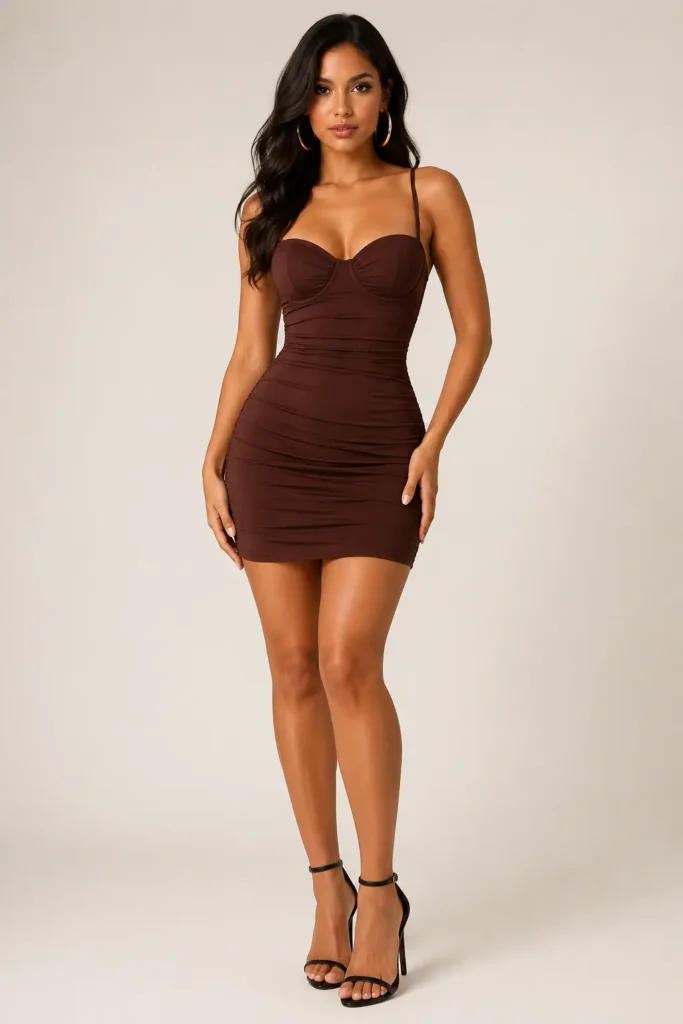
Bodycon Club Dresses
Bodycon club dresses need more than a tight outline. Stretch recovery, negative ease, side seam balance, lining and zipper smoothness decide whether a fitted dress shapes the body cleanly or creates pull lines. Duolan reviews bust, waist, hip, hem and side seams through fit samples and movement checks before PP approval.
- Stretch recovery should stay stable after fitting, movement and sample handling.
- Side seams should remain smooth without twisting around hip and waist zones.
- Lining and zipper routes must support fit without creating bulk or waves.

Mini Club Dresses
Mini club dresses carry high visual energy, yet short length leaves little room for fit error. Hem safety, lining, sitting comfort, walking coverage and fabric behavior must work together. Duolan reviews static length and movement length before sample approval so short styles remain confident, wearable and production-ready.
- Mini length needs sitting and walking review before PP approval.
- Hem and lining should protect coverage without changing intended silhouette.
- Short styles need strong control around bust, hip and back areas.

Cut-out Club Dresses
Cut-out club dresses need accurate placement and stable edges. Openings around waist, bust, side body, back or shoulder must follow body movement rather than only visual reference. Duolan reviews cut-out shape, edge finish, fabric recovery and size grading so exposed areas remain secure across production sizes.
- Cut-out placement should follow body zones, not only design sketch lines.
- Edge finish must prevent curling, gaping and uncomfortable skin contact.
- Size grading should preserve exposure balance across production range.

Backless Club Dresses
Backless club dresses need strong front support and stable side coverage. A dramatic back view can fail when bust coverage, strap route or edge finish is weak. Duolan reviews front, side and back views together so open-back club dresses hold shape during movement and photography.
- Front support should be reviewed before approving low-back structures.
- Side coverage prevents exposure when back openings sit lower or wider.
- Back edges should remain flat without curling, pulling or gaping.
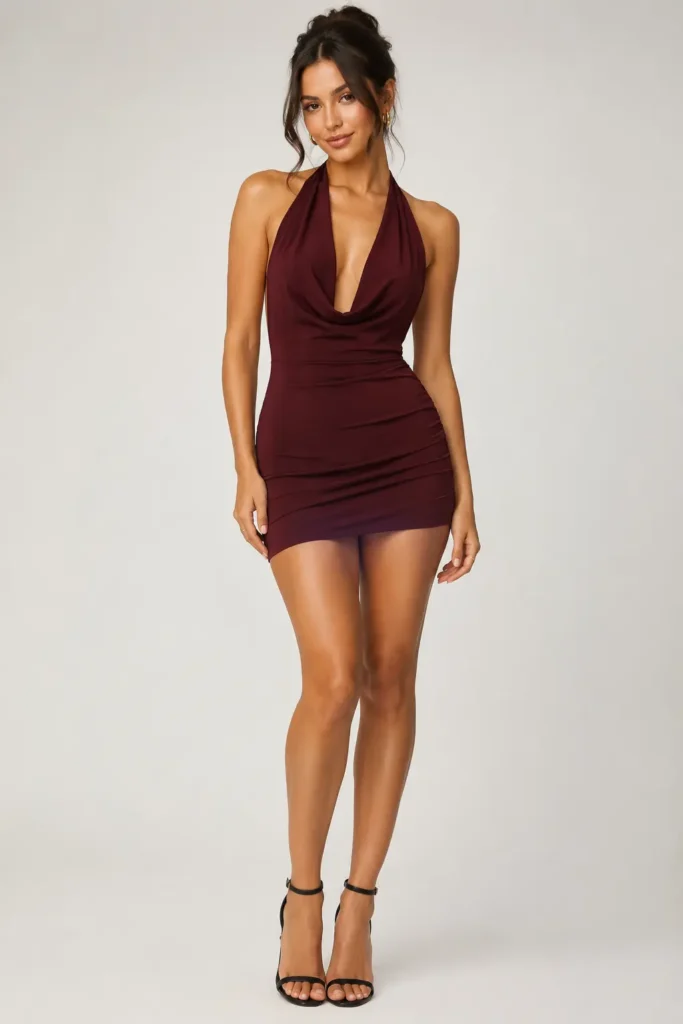
Halter Club Dresses
Halter club dresses combine neckline impact with neck and bust load. Club halter styles often use mini length, bodycon fit, sparkle fabric or open backs, increasing pressure around neck and side bust areas. Duolan reviews strap route, front support, neck comfort and back view before production records are finalized.
- Neck pressure should not replace proper bust and side coverage.
- Strap width, angle and fabric weight need fit sample review.
- Back view and front support should be recorded in PP photos.

Mesh Club Dresses
Mesh club dresses require controlled transparency, seam visibility and lining placement. A mesh style should feel bold without looking unfinished or uncomfortable. Duolan reviews power mesh, sheer mesh, skin-tone layers, printed mesh, rhinestone mesh and edge finish before bulk planning.
- Transparency should be reviewed from front, side and back angles.
- Lining color and placement decide coverage and final visual value.
- Mesh seams and edges should remain soft, clean and stable.

Sequin Club Dresses
Sequin club dresses need strong sparkle, secure attachment and skin comfort. Sequin direction, density, lining and seam clearing affect both shine and wearability. Duolan reviews underarm, neckline, zipper, hem and packing areas to reduce scratch, shedding and crushed surface risks.
- Sequin direction should remain consistent across panels and bulk pieces.
- Lining and edge finish should protect high-contact skin zones.
- Packing should prevent bent sequins, twisted straps and hard fold marks.

Rhinestone Club Dresses
Rhinestone club dresses rely on close-up sparkle and strong attachment. Stones on mesh, jersey, satin or stretch bases can shift, fall or restrict recovery when not reviewed early. Duolan checks stone placement, base fabric strength, stretch behavior and packing protection before sample approval.
- Stone placement should support body lines without overloading fabric zones.
- Attachment strength needs review during movement and handling.
- Packed garment review protects sparkle and surface condition after shipment.

Ruched Club Dresses
Ruched club dresses use fabric gathering to shape the body and soften fit pressure. Ruching direction, density, side seam position and fabric recovery decide whether the garment flatters or looks uneven. Duolan reviews drape, stretch, seam alignment and body balance during sample correction.
- Ruching should shape bust, waist and hip without hiding poor fit.
- Side seam alignment should stay clean under gathered fabric pressure.
- Fabric recovery should maintain ruching after movement and handling.

Corset Club Dresses
Corset club dresses need support, shape and night-out comfort without turning into bridal construction. Bust shape, waist control, boning route, zipper position and lining decide final confidence. Duolan reviews support points, skin contact and production feasibility before approving structured clubwear silhouettes.
- Boning and inner support should shape without restricting movement.
- Bust and waist fit need review across front, side and back views.
- Zipper and lining routes should stay smooth under body pressure.

Satin Night-out Dresses
Satin night-out dresses need shine, clean seams and strong photo effect. Smooth surfaces reveal puckering, pulling, pressing marks and packing creases quickly. Duolan reviews satin weight, stretch, lining, seam tension, zipper route and surface handling before PP sample approval.
- Satin shine should remain clean under studio and nightlife lighting.
- Smooth surfaces require careful seam, zipper and pressing control.
- Packing references should reduce creases and surface pressure marks.

High-slit Club Dresses
High-slit club dresses need movement safety, reinforcement and hem control. A slit can create strong visual impact, yet poor height or weak finishing can expose too much during walking or sitting. Duolan reviews slit height, endpoint strength, lining and side seam balance before production.
- Slit height should be checked during walking, sitting and turning.
- Slit endpoints need reinforcement without thick visible bulk.
- Lining and hem finish should support clean movement and coverage.
Fit, Coverage and Movement Safety
Club dress approval should include body movement, not only flat measurements or mannequin photos. Tight fit, mini length, cut-outs, backless shapes and stretch fabrics can behave differently during sitting, walking, dancing or camera posing. Duolan reviews fit safety through body zones, sample photos and PP records before bulk production.
Bust Coverage
Bust coverage is critical for cut-out, halter, corset, mesh and bodycon club dresses. A design may look strong in front view but fail when side coverage or movement is ignored. Duolan reviews neckline, cup position, lining, strap route and fabric stretch before confirming production standards.
- Bust coverage should stay secure during walking, turning and arm movement.
- Plunging or cut-out designs may need hidden support or lining.
- Photo records should capture front and side bust views clearly.

Side Bust and Underarm
Side bust and underarm areas often reveal club dress fit problems. Tight dresses, open backs and armhole cuts can create gaping, pinching or exposure. Duolan reviews side view, armhole curve, side seam height and edge finish during fit correction.
- Side-view checks help catch exposure outside normal front photos.
- Underarm edges should stay soft and stable against skin.
- Mesh and stretch fabrics need added review around side zones.

Waist and Hip Fit
Waist and hip fit decide bodycon shape and comfort. Negative ease should sculpt without twisting seams, flattening curves or restricting movement. Duolan reviews fabric recovery, side seam balance, zipper route, ruching direction and lining before PP approval.
- Waist and hip tension should not create horizontal pull lines.
- Side seams should stay balanced after movement and fitting.
- Lining should support shape without fighting fabric stretch.

Hem Length Safety
Mini club dresses need hem control across standing, sitting and walking. A short hem can look perfect on a still model but expose too much during movement. Duolan reviews hem height, lining length, fabric recovery and rear coverage before production begins.
- Mini hem length should be tested beyond static sample photos.
- Rear coverage should remain safe during sitting and walking.
- Lining length should support coverage without showing below hem.

Sitting and Walking Review
Movement review reveals risks missed during sample display. Sitting can expose mini hems or cut-out positions; walking can shift mesh, straps, side seams or slits. Duolan checks movement before final sample approval, especially for clubwear styles with short length or stretch fit.
- Walking review checks hem, side seams, straps and body recovery.
- Sitting review helps identify coverage and comfort problems.
- Turning review shows cut-out stability and back-view control.
Photo Sample Fit Records
Club dresses often gain approval through model photos. Photo sample fit should become production records, not remain styling memory. Duolan records front, side, back and detail views so production can repeat approved proportion, body line and coverage.
- Front, side and back photos should support PP handover.
- Close-up photos should record openings, straps, zippers and edges.
- First-piece comparison should follow approved photo sample references.

Fabrics for Club Dress Programs
Club dress fabric selection should support body fit, movement, surface impact and production stability. Stretch, transparency, shine, lining, handfeel, recovery and skin contact affect final garment quality. Duolan reviews clubwear fabrics by silhouette, fit pressure, exposure risk, photo effect and bulk execution.
Double-layer Knit
Double-layer knit provides extra support for sculpted club dresses. It can improve coverage and body shaping, yet added thickness may increase heat and seam bulk. Duolan reviews layer balance, edge finish, negative ease and garment weight before sample approval.
- Double layers can improve coverage for light or bright colors.
- Added thickness should not distort zippers or opening edges.
- Fabric recovery should stay stable across inner and outer layers.

Power Mesh
Power mesh supports fitted panels, sheer illusions, rhinestone bases and contour zones. It can provide support while keeping visual lightness. Duolan reviews mesh strength, stretch recovery, lining placement, seam visibility and stone attachment before moving into production standards.
- Power mesh should carry tension without tearing or sagging.
- Lining placement decides coverage and final body effect.
- Stone or print placement needs support review on mesh bases.

Sheer Mesh
Sheer mesh creates bold clubwear visuals but carries transparency and finishing risk. Poor lining or seam planning can make a dress look unfinished. Duolan reviews skin-tone layers, opacity zones, seam placement, edge softness and photo effect before approval.
- Sheer zones should be planned around coverage and confidence.
- Seam visibility must be controlled through placement and finish.
- Front, side and back photos should confirm transparency level.

Stretch Satin
Stretch satin brings shine and fitted night-out appeal. Shine can highlight seam pull, wrinkles, zipper waves and stretch distortion, so fabric behavior needs early review. Duolan checks surface quality, recovery, lining, seam tension and packing creases before PP approval.
- Stretch satin should retain shine without visible stretch stress.
- Zipper and side seam areas need extra smoothness review.
- Packing should reduce surface marks and hard fold lines.

Sequin Fabric
Sequin fabric creates instant party value, yet comfort and shedding risk must be controlled. Sequin direction, backing, edge zones and lining affect both shine and wearability. Duolan reviews skin-contact zones, seam allowance, attachment and packed condition.
- Sequin direction and density affect sparkle consistency.
- Underarm, neckline and hem zones need comfort protection.
- Packing should avoid crushed sequins and distorted surface areas.

Rhinestone Mesh
Rhinestone mesh works well for social-first club dresses and sparkle-led drops. The base must hold stones without losing stretch or tearing. Duolan reviews rhinestone placement, fabric recovery, stone attachment, lining and packed garment protection before production.
- Mesh base should hold stones without sagging or tearing.
- Stretch recovery should remain stable after stone application.
- Packing should protect stones from pressure and displacement.

PU and Coated Fabric
PU and coated fabrics create edgy clubwear surfaces. They can add strong attitude but require careful review for cracking, heat discomfort, seam strain and surface damage. Duolan checks stretch, coating behavior, needle marks, pressing route and packing method before sampling proceeds.
- Coated surfaces can crack under poor stretch or seam tension.
- Skin comfort and heat feel need review for fitted styles.
- Packing should prevent sticking, creasing and surface damage.

Club Dress Risk Matrix
Club dresses carry fit, movement, fabric and surface risks before bulk production begins. Duolan reviews major risk points during sample development so approved going-out styles can move into stable production.
| Club Dress Risk | Why It Happens | Duolan Control |
|---|---|---|
| Mini length exposure | Static length ignores walking and sitting | Movement and coverage review |
| Bodycon distortion | Stretch fabric lacks recovery | Fabric recovery and fit check |
| Cut-out gaping | Opening placement ignores body movement | Pattern and edge correction |
| Backless instability | Front support and side coverage are weak | Support and back-view review |
| Mesh transparency issue | Lining or coverage is not planned | Opacity and skin-tone review |
| Sequin discomfort | Sharp edges touch skin zones | Lining and edge comfort check |
| Zipper waves | Tight fabric pulls zipper route | Zipper and seam balance review |
| Bulk differs from photo sample | Fit and detail records are incomplete | PP photos and first-piece comparison |
Cut-out, Backless and Skin-baring Structure
Skin-baring structure defines many club dress styles. Openings, backless shapes, side cuts and strap routes should create strong visual impact while staying wearable. Duolan reviews exposed areas through body coverage, edge stability, movement and size grading before production approval.

Cut-out Placement
Cut-out placement should follow body structure and garment tension. Waist, bust, side, shoulder and hip openings each carry different risk. Duolan reviews cut-out location, size, fabric recovery and edge finish so openings enhance silhouette without creating gaping or exposure.
- Cut-outs should match body zones and garment support points.
- Placement should be checked during standing, sitting and movement.
- PP records should include size, shape and edge references.

Backless Support
Backless club dresses need front support and side coverage. A low back can shift garment load toward bust, straps and side seams. Duolan reviews front lining, side structure, back edge, tie route and movement before approving open-back clubwear styles.
- Front support should be planned before lowering back openings.
- Side coverage should prevent exposure when the back sits low.
- Back edges should stay flat without curling or dragging.

Side Coverage
Side coverage protects confidence in cut-out, mesh, halter and backless styles. Side gaps can appear when pattern balance or stretch direction is weak. Duolan checks side-view photos, armhole curve, underarm comfort, side seam height and lining route during fit review.
- Side coverage should remain stable under movement and posing.
- Underarm and side bust zones need soft edge finishing.
- Side seam placement should support body shape and coverage.

Strap and Tie Route
Straps and ties carry both visual and structural value. Thin straps, lace-up backs, halter ties and adjustable details can fail when attachment or length is not controlled. Duolan reviews strap width, tension, reinforcement, hardware and skin contact before PP sample confirmation.
- Strap routes should support fit without digging into skin.
- Tie length and attachment should remain consistent across bulk pieces.
- Hardware routes need pull, friction and comfort checks.

Edge Finish
Edge finish decides whether exposed openings look refined or unfinished. Cut-out, mesh, armhole and backless edges should lie flat, feel soft and recover well. Duolan reviews binding, facing, elastic finish, stitch route and fabric response for each opening.
- Cut-out edges should avoid curling, gaping and rough contact.
- Stretch edges must recover without tunneling or wavy seams.
- Mesh and satin openings need different edge solutions.

Size Grading Risk
Skin-baring proportions can shift across size range. A cut-out or back opening approved on sample size may expose too much in larger sizes. Duolan reviews grading for bust, waist, hip, side coverage, strap length and back opening before bulk production.
- Openings should scale without changing intended exposure level.
- Larger sizes may require adjusted support or coverage.
- Grading notes should include opening and strap standards.
Stretch Recovery, Lining and Body Shape Control
Many club dresses rely on stretch fabrics, but strong body fit is not created by making garments smaller. Fabric recovery, negative ease, lining, seam balance, zipper route and size grading must work together. Duolan reviews stretch behavior and body shape control before PP approval.

Negative Ease
Negative ease helps bodycon dresses shape the body, yet too much compression creates discomfort and seam stress. Duolan reviews fabric stretch, target fit, sample measurement and movement behavior so fitted club dresses hold clean lines without excessive pressure.
- Negative ease should shape without flattening bust or hip lines.
- Fabric recovery should support repeated movement and wear.
- Fit comments should separate shaping from uncomfortable compression.

Stretch Recovery
Stretch recovery determines whether a club dress stays fitted after movement. Weak recovery causes sagging, stretched hems and distorted side seams. Duolan reviews recovery after fitting, sitting, walking and handling before approving bodycon or cut-out styles.
- Fabric should recover after stretch, fitting and sample handling.
- Recovery should be checked around hip, waist and hem areas.
- Poor recovery may require fabric change or structure revision.

Lining and Double Layer
Lining and double layers can improve coverage, support and smooth body shape. Wrong lining can restrict stretch, add heat or twist inside the garment. Duolan reviews lining stretch, weight, color, attachment and comfort for fitted club styles.
- Lining should move with outer fabric under stretch.
- Double layers can improve opacity for light or sheer styles.
- Attachment points should avoid twisting or visible pull marks.

Side Seam Balance
Side seam balance shapes the body line. Tight fabrics often twist when cutting, sewing or stretch direction is not controlled. Duolan reviews side seams during fitting and first-piece comparison, especially for ruched, bodycon and cut-out styles.
- Side seams should stay straight after movement and fitting.
- Ruching should not hide poor seam alignment.
- Stretch direction should be marked before cutting.

Zipper and Opening Control
Zippers on tight club dresses require careful placement and seam control. Poor zipper routes create waves, pulling or discomfort. Duolan reviews zipper length, seam allowance, lining relationship and body pressure before PP sample approval.
- Zipper areas should remain smooth under body tension.
- Tight dresses may need stronger seam and lining control.
- Openings should not distort during sitting or movement.

Size Range Stability
Club dress proportions should remain stable across sizes. Bust, waist, hip, hem, cut-out and strap positions may shift after grading. Duolan reviews fit-critical areas so a sample-approved silhouette can remain consistent across production sizes.
- Size grading should protect exposure, fit and body lines.
- Larger sizes may need adjusted support or length review.
- Fit records should include measurements and visual checkpoints.
Sparkle, Surface and Camera-facing Details
Club dresses often sell through visual impact. Sequins, rhinestones, metallic surfaces, mesh layers, satin shine and PU coatings must look strong in close-up photos, model images and night lighting. Duolan reviews surface effect and production records so photo sample value can transfer into bulk production.
Sequin Direction
Sequin direction affects how light moves across the dress. Random direction changes can make panels look uneven or cheap. Duolan reviews sequin layout, panel direction, seam clearing and edge comfort before approving sparkle club dresses for production.
- Sequin direction should stay consistent across front, back and side panels.
- Seam areas may need clearing to reduce bulk and scratch.
- PP photos should record sequin shine and panel direction.
Rhinestone Placement
Rhinestone placement should support body shape and camera effect. Random stone spacing may weaken the design or overload stretch fabrics. Duolan reviews placement density, pattern direction, attachment strength, base fabric support and packing protection before bulk production.
- Stone placement should follow neckline, waist, hip or hem design lines.
- Stretch bases need recovery checks after rhinestone application.
- Detail photos should record approved sparkle density and position.
High-shine Surface
High-shine surfaces such as satin, PU, metallic fabrics and coated materials reveal defects quickly. Seam waves, scratches, creases and pressing marks become visible under lighting. Duolan reviews surface handling, sewing route, pressing method and packing before production begins.
- Smooth surfaces require careful seam and zipper control.
- Creases, scratches and pressure marks need inspection before packing.
- Photo samples should record shine under suitable lighting.
Mesh and Skin-tone Layer
Mesh club dresses need controlled transparency. Skin-tone layers, partial lining or strategically placed panels can protect coverage while keeping a bold look. Duolan reviews mesh shade, lining color, seam visibility, stretch and front-side-back view before PP approval.
- Skin-tone layers should match intended coverage and visual effect.
- Seam placement should avoid distracting lines across transparent areas.
- Mesh review should include close-up and full-body photos.
Close-up Detail Review
Close-up details decide social-first value. Straps, rings, rhinestones, seams, cut-outs, ruching and edges often appear in product videos and model shots. Duolan reviews detail zones during photo sample approval to prevent small issues from scaling into bulk problems.
- Close-up records should include trims, edges, zippers and decorations.
- Detail areas should be clean enough for product photography.
- Production teams need access to approved detail references.
Photo Sample to PP Records
Photo sample effects should become measurable production references. Club dress approval often depends on body line, sparkle, exposure and styling angles. Duolan transfers visual decisions into PP photos, trim cards, measurement notes, QC focus and first-piece comparison standards.
- Approved sparkle, fit and opening positions should enter PP records.
- First-piece comparison should check photo-critical garment areas.
- Repeat orders benefit from retained visual and material references.
Club Dress Scenarios Brands Usually Develop
Club dress programs serve night-out, birthday, clubwear, holiday, social-first and bar-to-event selling moments. Duolan reviews each scenario by fit pressure, visual impact, material route, photo sample need, movement safety and delivery planning.
Night-out Drops
- Night-out drops need body-focused fit, sharp visuals and secure movement.
- Cut-out, backless, mesh and bodycon styles require strong fit review.
- Photo sample records should capture front, side and back proportions.
- Materials should support movement without losing shape or coverage.
Birthday Dress Edits
- Birthday edits often use bright colors, sparkle and statement mini lengths.
- Rhinestones, sequins and satin surfaces need strong close-up detail control.
- Mini length should remain safe during sitting, walking and posing.
- Packing should protect shine, trims and final garment presentation.
Clubwear Mini Launches
- Clubwear mini launches require precise hem, lining and rear coverage.
- Stretch fabrics should recover after fitting, movement and sample handling.
- Side seams and zippers must stay smooth under body pressure.
- PP records should lock length, coverage and fit-critical zones.
Festival and Holiday Sparkle
- Festival and holiday sparkle programs often use sequins, rhinestones and metallic fabrics.
- Craft-heavy styles need material locking and QC checkpoints before production.
- Comfort review should cover neckline, underarm, hem and inner surfaces.
- Production grouping helps manage seasonal timing and craft complexity.
Social-first Capsule
- Social-first capsules rely on strong close-up detail and camera-facing fit.
- Mesh, cut-out, rhinestone and ruched styles need photo sample control.
- Detail records should include trims, openings, surface and back view.
- First-piece comparison should follow approved model-photo references.
Bar-to-Event Dresses
- Bar-to-event styles need night-out impact with refined eventwear polish.
- Satin, crepe, ruched and high-slit dresses need balanced construction.
- Coverage and movement should suit longer social wear.
- Packing and pressing should preserve a polished arrival condition.
Club Dress Sample Development Path
Club dress sampling should resolve fit, movement, exposure, fabric and photo-effect questions before bulk planning begins. Duolan uses each sample stage to turn night-out design direction into controlled production standards.
Step 1|Night-out Style Review
Duolan reviews target scenario, dress type, exposure level, fabric direction, color story, size range, target quantity and launch window. Early review defines whether a style should be treated as bodycon, mini, cut-out, backless, mesh, sparkle-led, corset-inspired or bar-to-event before pattern work begins.
Step 2|Fabric and Fit Feasibility
Fabric feasibility review checks stretch, recovery, opacity, shine, handfeel, lining route, cut-out behavior, mini length and body shape risk. Stretch jersey, mesh, stretch satin, sequin fabric, rhinestone mesh and PU-coated materials each need different fit and production decisions before first sample development.
Step 3|First Sample Development
The first sample checks silhouette, bust, waist, hip, hem, openings, back view, zipper, side seam, surface effect and overall body proportion. Club dress first samples should reveal whether a style can be worn, photographed and produced rather than only whether it resembles the reference image.
Step 4|Fit, Movement and Photo Revision
Fit revision turns comments into pattern, lining, zipper, edge, strap, opening or fabric corrections. Duolan reviews sitting, walking, turning, arm movement and model-photo angles so coverage, body line, sparkle and detail effect can be corrected before PP sample approval.
Step 5|PP Sample and Bulk Readiness
After approval, fabric standard, measurement tolerance, fit notes, opening records, decoration references, sewing route, QC focus and packing method are confirmed. Multi-style club programs are grouped by fabric, fit risk, craft complexity and delivery window for stable bulk production.
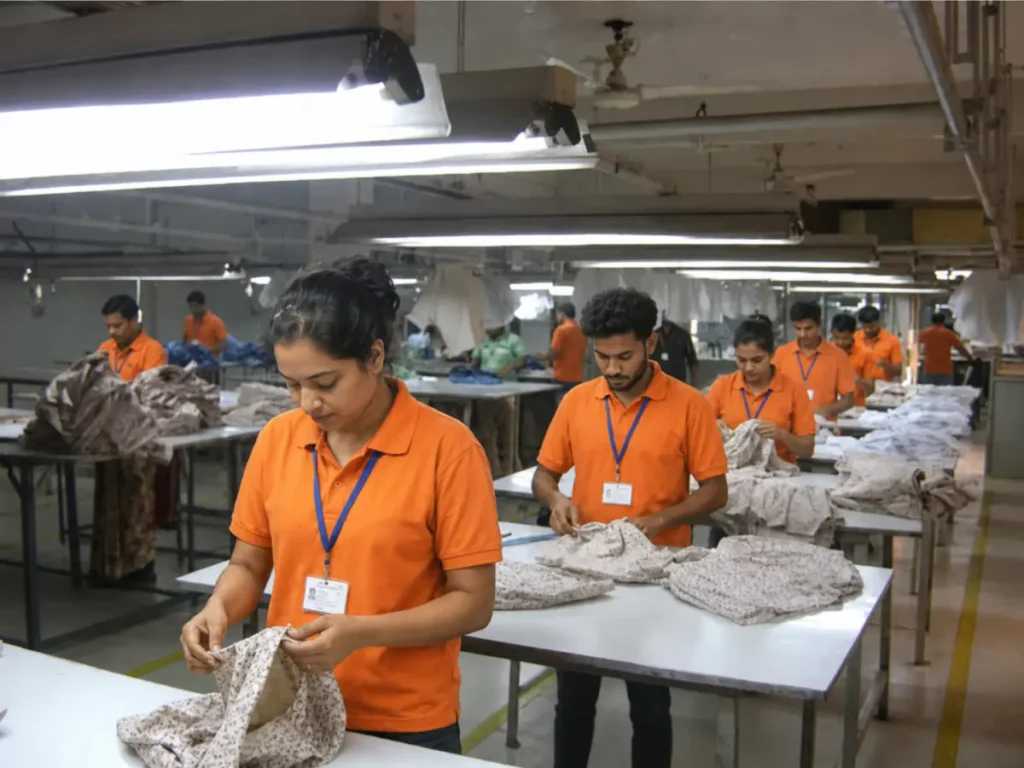
Sample Types for Club Dress Decisions
Each club dress sample should answer a clear development question. Duolan connects sample purpose with fabric recovery, fit, movement, surface effect and bulk readiness.
| Sample Type | Purpose | Club Dress Focus |
|---|---|---|
| Fabric Test Sample | Confirms stretch and surface behavior | Recovery, opacity, shine, handfeel |
| First Sample | Checks silhouette and body proportion | Bust, waist, hip, hem, openings |
| Fit Sample | Reviews wearing security | Coverage, movement, side seams |
| Photo Sample | Supports campaign or ecommerce review | Front, side, back, sparkle, detail |
| Revised Sample | Confirms correction after comments | Fit, lining, zipper, edge finish |
| PP Sample | Becomes production benchmark | Measurements, workmanship, QC, packing |
Photo Sample to PP Sample Handover
Club dresses often gain approval through model images, sparkle, body line and bold detail. Production value can drift when approved angles are not recorded. Duolan transfers photo sample results into PP records, production notes and first-piece checks.
Front View Standard
Front view records bust, waist, neckline, cut-out and length decisions.
- Neckline, bust coverage and center-front balance need clear references.
- Mini hem and cut-out positions should be visible in approved photos.
- Front photos should support PP sample and production communication.
Side View Standard
Side view records exposure, hip line and seam stability.
- Side bust coverage, side seams and zipper areas need sample photos.
- Hip fit and body tension should be reviewed from side angle.
- Side gaps or pulling should be corrected before PP approval.
Back View Standard
Back view records backless structure, straps and rear coverage.
- Back opening, straps, zipper and rear hem coverage need references.
- Low-back styles should be checked during movement and posing.
- Back-view standards should guide first-piece comparison.
Sparkle and Surface Standard
Sparkle and surface effects need production references.
- Sequins, rhinestones, satin shine, mesh and PU surfaces require detail photos.
- Approved shine level should connect with material records.
- Surface defects should be checked before packing.
Movement Record
Movement records protect wearable club dress standards.
- Sitting, walking, turning and arm movement should be reviewed when needed.
- Mini length, slits, cut-outs and backless areas need movement confirmation.
- Fit comments should connect to pattern and production notes.
First-piece Comparison
First-piece comparison checks bulk alignment with approved samples.
- Production first pieces should match PP fit, coverage and visual effect.
- Critical areas include bust, waist, hip, openings, zipper and hem.
- Photo records help correct early production issues faster.
Production Engineering for Club Dresses
Production engineering turns approved club dress samples into executable sewing, finishing, QC and packing standards. Duolan breaks each style into material locking, cutting control, stitch route, edge construction, first-piece review and multi-style grouping so short, tight, skin-baring and sparkle garments can be repeated across bulk production.

Material Locking
Material locking protects approved fabric, lining, trims and decorations.
- Stretch, mesh, satin, PU and sequin fabrics need approved references.
- Color, handfeel, recovery, opacity and surface condition should be checked.
- Zippers, straps, rhinestones and trims should match approved records.

Cutting Control
Cutting control protects stretch direction, symmetry and opening placement.
- Bodycon and cut-out styles need fabric direction marks before cutting.
- Mesh and PU surfaces require careful handling and clean panel control.
- Left-right symmetry matters around openings, straps and hems.

Sewing Route
Sewing route should match fabric stretch and garment pressure.
- Side seams, zippers, straps and cut-out edges need suitable stitching.
- Stretch seams should support movement without breaking or tunneling.
- Tight garments need smooth seam allowance and lining control.

Edge and Opening Control
Edges shape comfort and visual cleanliness.
- Cut-out, neckline, armhole, hem and backless edges should lie flat.
- Mesh and stretch edges need soft, stable finishing.
- PU and satin openings require surface-safe handling.

First-piece Review
First-piece review confirms sample standards before production volume expands.
- Bust, waist, hip, length, openings and zipper should be compared.
- Sparkle placement, mesh coverage and surface quality need early checks.
- Photo records help align production, QC and project teams.

Multi-style Production Grouping
Club dress programs often include many styles with different risks.
- Styles should be grouped by fabric, fit, decoration and delivery window.
- Stretch-heavy and craft-heavy styles need separate production attention.
- Clear grouping helps protect quality across 10–30 style programs.
QC and Packing Standards for Club Dresses
Club dress QC must protect fit, coverage, fabric behavior, seam stability, surface effect, decoration and packed presentation. Duolan checks garment quality from material approval to packed cartons.
| QC Area | Club Dress Risk | What Duolan Checks |
|---|---|---|
| Fit QC | Bodycon fit pulls or twists | Bust, waist, hip, side seams |
| Coverage QC | Mini or cut-out exposes too much | Sitting, walking and side-view review |
| Fabric QC | Stretch recovery or opacity fails | Recovery, transparency and handfeel |
| Seam QC | Tight seams wave or break | Side seam, zipper and opening edge |
| Surface QC | Satin, PU or mesh shows defects | Shine, crease, scratch and surface |
| Decoration QC | Sequins or rhinestones fall or scratch | Attachment, lining and edge comfort |
| Packing QC | Shape, straps or sparkle gets crushed | Fold, hanger, tissue and carton route |
Manufacturing System and Club Project Evidence
Duolan supports club dress programs through long-term fashion dress development knowledge, structure-sensitive fit review, fabric and trim access, owned-factory control, satellite production coordination, PP sample transfer and QC discipline. Strong fit appears in brand programs needing body-focused silhouettes, photo-ready samples, movement safety and repeat production records.
Manufacturing capacity connected to club programs
- 1996 fashion dress development background supports high-risk fit and silhouette judgment.
- 5 clubwear-related dress families cover bodycon, mini, cut-out, backless and party dresses.
- 6 fit-sensitive zones guide bust, waist, hip, hem, side seam and movement coverage.
- 3-view sample review supports front, side and back approval for photo-ready styles.
- South China textile resources support stretch jersey, mesh, satin, PU and sequin fabrics.
- Humen trim resources support zippers, straps, adjusters, rhinestones and sparkle trims.
- 2-Pillar SMETA audit record supports structured supplier evaluation.
- Typical cooperating brand orders cover 10–30 styles and 20,000–80,000 pieces per order.

US Going-out Dress Program
A US fashion brand developed a going-out dress program across bodycon, mini and cut-out directions.
- Order scope: 19 styles across bodycon minis, cut-out club dresses and halter club styles.
- Total program quantity: about 46,000 pieces.
- Main controls: stretch recovery, mini length safety, side seams, zipper smoothness and photo sample fit.
- Duolan actions: fabric recovery review, fit sample correction, PP photo records and first-piece comparison.
- Program focus: body-focused club dresses transferred from photo sample approval into controlled bulk production.

Australian Clubwear Drop
An Australian clubwear brand developed a visual drop with mesh, rhinestone and backless party dresses.
- Order scope: 14 styles across mesh minis, rhinestone dresses and backless party silhouettes.
- Total program quantity: about 32,000 pieces.
- Main controls: mesh transparency, rhinestone attachment, back support, skin comfort and packing protection.
- Duolan actions: opacity review, trim card setup, back-view correction and packed sample check.
- Program focus: bold clubwear styles prepared for social-first launch and repeat color updates.

European Night-out Capsule
A European fashion brand developed a night-out capsule with satin, ruching and high-slit styles.
- Order scope: 26 styles across satin night-out dresses, ruched club styles and high-slit silhouettes.
- Total program quantity: about 72,000 pieces.
- Main controls: satin shine, ruching direction, slit height, side seam balance and PP handover.
- Duolan actions: surface review, pattern adjustment, movement check, pressing notes and QC route setup.
- Program focus: polished night-out garments balancing club impact with refined presentation.

Holiday Sparkle Club Collection
A holiday-focused fashion program used sequins, metallic fabrics and rhinestone mesh.
- Order scope: 12 styles across sequin minis, metallic fabric dresses and rhinestone mesh pieces.
- Total program quantity: about 28,000 pieces.
- Main controls: sparkle consistency, sequin comfort, rhinestone hold, production grouping and packed appearance.
- Duolan actions: material locking, craft route review, inline QC focus and packing protection planning.
- Program focus: seasonal sparkle styles organized by fabric, trim risk and delivery window.

FAQ|Custom Club Dress Manufacturing
A custom club dress manufacturer develops and produces going-out and night-out dresses according to brand direction, fabric standard, fit comments, size range and production plan. Duolan supports bodycon club dresses, mini dresses, cut-out styles, backless dresses, mesh club dresses, sequin dresses, rhinestone dresses, corset club dresses and ruched club styles.
Duolan supports bodycon club dresses, mini club dresses, cut-out club dresses, backless club dresses, halter club dresses, mesh club dresses, sequin club dresses, rhinestone club dresses, ruched club dresses, corset club dresses, satin night-out dresses and high-slit club dresses. Each style receives fit, fabric, coverage and movement review.
Yes. Duolan develops bodycon club dresses with attention to stretch recovery, negative ease, side seam balance, lining, zipper smoothness, opacity, movement and size range. Bodycon styles should shape the body without twisting, becoming transparent, losing recovery or creating uncomfortable compression.
Duolan reviews mini length through standing, sitting, walking and side-view checks. Hem height, lining length, rear coverage, fabric recovery and body movement are reviewed before PP approval. Mini club dresses should look bold while remaining wearable and production-ready.
Yes. Duolan develops cut-out and backless club dresses with review of opening placement, front support, side coverage, edge finish, strap route, back view and size grading. Openings should enhance the silhouette without gaping, curling, exposing too much or losing structure during movement.
Common club dress fabrics include stretch jersey, double-layer knit, power mesh, sheer mesh, stretch satin, sequin fabric, rhinestone mesh, PU and coated fabrics. Fabric selection should consider stretch recovery, opacity, shine, handfeel, skin contact, seam behavior, packing and final garment scenario.
Approved photo samples are converted into PP records with front, side, back and detail references. Body line, mini length, cut-out position, mesh coverage, sparkle effect, zipper route, seam balance and movement corrections should be documented for first-piece comparison and bulk production.
Duolan reviews sequin direction, rhinestone placement, attachment strength, mesh transparency, lining color, skin-contact comfort, edge finish and packing protection. Sparkle-led club dresses need close-up records, trim cards, PP photos and QC checkpoints before production continues.
Cost and planning are influenced by fabric route, stretch level, lining, decoration, cut-out structure, backless support, zipper route, sample rounds, style count, colorways, size range, QC requirements, packing method and delivery window. Multi-style club programs need early grouping by fabric and risk level.
A brand should prepare reference images, tech packs, target fabric direction, fit concerns, exposure level, colorways, size range, sample purpose, target quantity, launch date, label and packing requirements. Original samples, model photos or previous production notes can improve fit and material review.

Send Your Club Dress Project
Duolan works best with established fashion brands developing club dress programs with clear style direction, fit requirements and planned bulk production. Share reference images, tech packs, fabric direction, target scenario or upcoming launch plan, and our team will review fit route, material match, sample path, production readiness, QC points and packing needs before development begins.
Share your project details
- Club dress type: bodycon, mini, cut-out, backless, halter, mesh, sequin, rhinestone, corset, ruched or high-slit.
- Target scenario: night-out drop, birthday edit, clubwear launch, holiday sparkle, social-first capsule or bar-to-event.
- Fabric direction: stretch jersey, double-layer knit, power mesh, sheer mesh, stretch satin, sequin fabric, rhinestone mesh, PU or coated fabric.
- Fit concerns: bust coverage, side coverage, mini length, hip fit, stretch recovery, zipper smoothness or movement safety.
- Surface and decoration: sequins, rhinestones, metallic shine, mesh transparency, satin shine, PU coating or close-up trims.
- Project stage: first sample, fit sample, photo sample, revised sample, PP approval, bulk production or repeat order.
- Program information: style count, target quantity, colorways, size range, target launch date and delivery window.
- Production needs: fabric sourcing, pattern development, trim sourcing, QC, packing, labels, barcodes or repeat records.

