 Skip to content
Custom Color-Matched Dress Manufacturer
Turn Pantone references, physical swatches and seasonal palettes into production-ready dress colors across fabrics, trims, samples and bulk orders.
Duolan supports color-sensitive fashion dress programs through a structured development and manufacturing path:
- 8 color-control stages from reference review to final garment comparison
- Multi-style programs covering 10–30 styles within one coordinated order
- Brand orders commonly planned across 20,000–80,000 total garments
- 16 owned womenswear factories supported by 20+ long-term satellite factories
- Color coordination across shell fabric, lining, mesh, lace, thread, zippers and decorative trims
- Bulk readiness reviews before approved colors enter production
Color matching involves more than reproducing a Pantone number. Fabric composition, surface texture, transparency, luster, finishing and garment construction all influence how a color appears. Duolan reviews those variables before samples and bulk production move forward.
Color Development Support for Established Fashion Teams
Fashion Dress Brands
Occasionwear Brands
Partywear Brands
Product Development Teams
Buying and Sourcing Teams
Buying and sourcing teams often manage several styles, suppliers, colors and delivery windows at the same time. Duolan supports structured project communication around approved standards, pending decisions, bulk fabric status, shade risks and production checkpoints, making color progress easier to review across departments.
Multi-Brand Fashion Groups
Multi-brand groups may require different color systems, approval formats, testing standards and retail calendars.
Duolan can separate project files by brand, style, colorway and production stage while coordinating manufacturing through its owned and satellite factory network.
Color Risks That Require Early Production Control
Screen-to-Fabric Mismatch
Same Color, Different Fabrics
Lab Dip-to-Bulk Deviation
Trim and Lining Mismatch
Dye-Lot Variation
Reorder Color Drift
From Color Brief to Approved Bulk Garments
Color Reference Review
Material Behavior Review
Lab Dip Development
Fabric Color Approval
Garment Sample Review
PP Standard Lock
Bulk Shade Management
Final Garment Comparison
Custom-Color Dresses Developed Around Material Behavior
Party Dresses
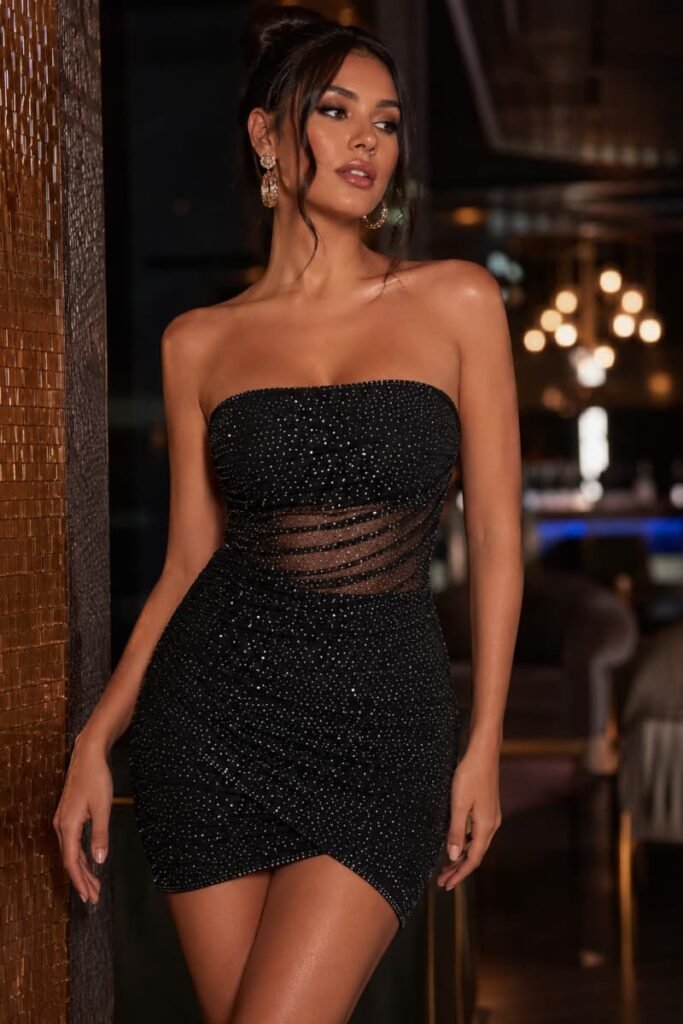
Party dresses often combine satin, metallic fabrics, sequins, mesh, beads and high-contrast trims. Black may shift between blue-black, neutral black and brown-black across components. Duolan reviews the assembled garment so the main fabric, trims and decorative surfaces support one intentional visual result.

Occasion Dresses
Occasionwear commonly uses champagne, ivory, blush, sage, emerald, burgundy and navy. These shades are particularly sensitive to luster and lighting. A champagne satin shell may need a warmer lining, while a sage chiffon overlay may require a deeper lining to avoid a washed-out appearance.

Satin Dresses

Mesh Dresses

Lace Dresses

Bodycon Dresses

Corset Dresses

Resort Dresses
Color References We Can Develop From
The strongest color development begins with a stable reference. Different reference types serve different purposes, and not every source is suitable for final bulk approval.
| Color Reference | Best Use | Key Review Point |
|---|---|---|
| Pantone TCX | Seasonal color specification and cross-team communication | Must still be evaluated on the nominated fabric |
| Physical Fabric Swatch | Matching an existing textile appearance | Fiber, finish, age and lighting condition should be recorded |
| Approved Garment Sample | Reproducing an existing dress or continuing a program | Garment wear, washing and fabric availability may affect comparison |
| Previous Bulk Fabric | Repeat production and continuity programs | Historical shade should be compared with the current material batch |
| Brand Color Card | Maintaining internal color language across collections | Each material may require a separate visual adjustment |
| Seasonal Palette Board | Planning coordinated multi-style collections | Directional colors must be converted into individual material standards |
| Reference Image | Early design discussion and mood alignment | Not suitable as the only final approval source |
| Digital Color File | Artwork, print or visual communication | Screen output must be translated into a physical textile standard |
A color code alone does not describe fabric luster, transparency, surface texture or finishing. Duolan reviews the reference together with the intended garment and material before confirming the development path.
How Dress Fabrics Change the Same Color

Satin

Chiffon

Mesh
Lace

Jersey

Velvet

Crepe

Sequin Fabrics
Exact Color Numbers Do Not Guarantee Visual Harmony
Pantone references provide a common language, but finished garments are judged visually. A single numeric target applied without material judgment can create a dress where every component is technically named the same color yet looks visibly disconnected.
Color Target Accuracy
The material should remain close to the approved reference within the limits of its fiber, construction and finish.
Lab dips, physical comparisons and production records establish a repeatable target.
Garment-Level Coordination
Materials should look intentional when assembled. A slightly deeper lining may strengthen a translucent shell. A slightly warmer thread may disappear more effectively into satin seams. Mesh may need adjustment to compensate for skin tone and reduced visual density.
For projects using instrument data from nominated mills or testing partners, numerical color readings can support decision-making. Instrument results do not replace visual approval because garment appearance is affected by luster, transparency, layering and viewing angle.
Final approval should answer one commercial question: does the completed dress present the intended color under its real wearing, photography and retail conditions?
Matching Shell Fabric, Lining and Every Visible Component

Main Fabric and Lining

Mesh and Lace Inserts

Sewing Thread

Zippers and Binding

Cups, Boning and Elastic

Sequins, Beads and Stones
Decorative trims reflect surrounding light rather than behaving like dyed fabric. Warm silver, cool silver, champagne gold, rose gold and iridescent finishes can shift the visual temperature of a dress. Selection is made against the complete material board and garment concept.
Selecting the Right Color Development Method
Piece-Dyed Fabric
Yarn-Dyed Fabric
Garment Dyeing
Dip-Dye Effects
Ombré Color Development
Printed Color Development
Lab Dip Development Before Bulk Fabric Production
Receive the Standard
Confirm the Fabric Basis
Develop Shade Options
Review Under Agreed Conditions
Revise and Approve
Transfer to Bulk Review
Reviewing Color Under Different Lighting Conditions

Controlled Light Review
A controlled viewing environment improves comparison between the approved reference, lab dip and bulk fabric. The viewing condition should be agreed according to the market, retail setting or brand standard. Natural daylight alone is variable because weather, location and time of day alter its color temperature.
For materials with strong luster, pile or transparency, the viewing angle must also remain consistent. Satin can look several shades lighter when tilted toward a light source. Velvet may reverse from bright to deep when pile direction changes. Mesh can appear warmer over skin and cooler over white backing.

Metamerism Risk
Metamerism occurs when two materials look similar under one light source but separate under another. The risk is common when shell fabric, lining, thread and trims use different fiber types or dye systems.
A satin shell and polyester zipper tape may match under office lighting yet separate under retail spotlights. Lace embroidery and base mesh may also shift differently.
Duolan reviews critical combinations as assembled material groups so incompatible components can be identified before bulk sewing.
Eight Control Points from Lab Dip to Bulk Garments
Approved Reference Identification
Bulk Fabric Shade Review
Roll-to-Roll Comparison
Dye-Lot Identification
Different dye lots are labelled and recorded.
Material allocation should remain clear from fabric receiving through cutting and sewing.
Controlled Lot Separation
Cutting Room Control
Inline Garment Comparison
Sewn garments are compared during production rather than waiting for final inspection. Early detection allows material or allocation issues to be contained before a full lot is completed.
Final Reference Check
Color Performance Checks Based on Product Risk
Testing needs vary by fabric, color, garment use, target market and brand standard. Duolan coordinates required checks according to the project rather than applying unsupported universal claims.
| Color or Material Risk | Relevant Check | Manufacturing Value |
|---|---|---|
| Surface color transfer | Dry and wet rubbing fastness | Reduces staining during handling, wear and packing |
| Fading after care | Washing or cleaning fastness | Protects appearance across expected care conditions |
| Perspiration exposure | Perspiration fastness | Important for fitted, occasion and warm-weather dresses |
| Water contact | Water fastness | Reduces local staining and shade change |
| Dark and light panels touching | Color migration or staining review | Important for contrast dresses and mixed materials |
| Heat exposure during pressing | Heat and sublimation review | Relevant to sensitive synthetic fabrics and transfer-prone shades |
| Fabric shrinkage | Dimensional stability review | Prevents fit and surface changes after care |
| Light-sensitive shades | Light fastness where required | Supports products exposed to display or sunlight |
| Decorative finishes | Surface durability review | Checks coated, metallic, sequin or printed color effects |
| Mixed-fiber garments | Component compatibility review | Identifies unequal color response across shell, lining and trims |
Testing methods and acceptance standards should be confirmed against the nominated material, care instruction, destination market and brand manual. Third-party testing can be coordinated when required.
Approving Color on the Complete Dress Sample

Full Garment Scale

Folds, Drape and Gathering

Lining Influence

Body Coverage

Trim Integration

Photography and Retail Appearance
Locking Color Standards Before Bulk Production
Approved Color Reference
Bulk Fabric Approval
Material and Trim Board
Bill of Materials
PP Sample Standard
Shade-Lot Plan
Cutting Instructions
Production Reference
Inspection Criteria
Managing Color Continuity Across Repeat Orders
What We Preserve
Duolan can organize style codes, approved color references, material specifications, BOM information, garment samples, trim details, production notes and relevant inspection records. Preserved information helps teams identify the former standard and avoid rebuilding the entire decision path from memory.
A physical bulk sample or retained swatch is particularly useful because digital images cannot accurately preserve shade. Historical fabric supplier details and dye information may also support continuity where the original material remains available.
What We Reconfirm
Current fiber lots, yarn lots, fabric construction, finishing and dye conditions may differ from the previous order. New bulk material is therefore compared against retained references before production.
Where exact historical reproduction is not technically possible, the difference should be identified before cutting. The brand team can then approve the closest achievable match, adjust the collection plan or request a new color standard.Professional reorder management aims for controlled continuity, early visibility and informed approval. It does not rely on an unrealistic promise that separate production periods will always be visually identical.
Planning Color Across Multi-Style Dress Collections
Core Colors
Hero Colors
Commercial Colors
Accent Colors
Accent shades create freshness without dominating the collection. They may be limited to selected styles, trims, mesh panels or decorative components, reducing unnecessary development across the full range.
Material-Specific Variations
Reorder Priorities
Representative Color-Matched Dress Production Scenarios
US Occasionwear Collection
Project scope: 18 dress styles, 6 coordinated colorways and 42,600 total garments.
The collection combined satin slip dresses, draped midi dresses, mesh-sleeve styles and structured corset silhouettes. Sage and champagne appeared across satin, chiffon, mesh, lining and zipper components.
The main challenge was not producing one Pantone shade. Satin reflected more yellow under photography lighting, while chiffon appeared weak over the original lining. Mesh inserts became warmer over skin.
The development path separated material standards by fabric. The chiffon lining was deepened, mesh was evaluated over the intended body area, and zipper tape was selected against assembled side seams. Lab dips, complete garment samples and a material board were reviewed before PP approval.
Production planning separated bulk dye lots and preserved color references for later comparison. The collection retained one visual color story without forcing every material to use an identical formula.

UK Partywear Program
Project scope: 24 styles, 4 main colors and 67,200 total garments.
The program included sequin minis, velvet dresses, metallic mesh, fitted jersey and satin party dresses in black, burgundy, emerald and midnight navy.
Black presented the highest coordination risk. Velvet pile direction created visible light and dark shifts, sequin backing appeared warmer than the satin shell, and thread lines became prominent on smooth panels.
Duolan organized separate black references by material while maintaining a unified garment appearance. Velvet cutting direction was controlled, sequin backing was approved beside satin and lining, and critical thread and zipper options were reviewed on sewn sample sections.
Bulk materials were identified by lot, allocated by style and checked during production. The brand received a coordinated black story rather than several unrelated “black” components.

European Resort Dress Drop
Project scope: 12 styles, 5 color directions and 28,800 total garments.
The range included chiffon maxis, viscose resort dresses, lace cover-ups, mesh dresses and selected gradient effects in sunset coral, aqua, sand, terracotta and tropical green.
The challenge involved maintaining collection harmony across transparent, matte and textured surfaces while protecting the visual position of ombré transitions across different garment lengths.
Core colors were adjusted by material. Ombré positions were defined against garment panels and size proportions, while lining shades were selected to support transparent outer fabrics. Development samples checked transition placement, fabric drape and final garment scale.
Production references included color swatches, panel placement notes and approved garment samples. The result was a coordinated resort palette with controlled variation across fabrics and silhouettes.

Why Duolan Supports Brand-Level Color Programs
30+ Years of Womenswear Development Experience
16 Owned Womenswear Factories
20+ Satellite Factories
12,000+ Manufacturing Workers
50+ Quick-Response and Flexible Lines
South China Material Resources
Evidence Behind a Controlled Color Program
Pantone and Swatch Intake
Fabric Basis Record
Lab Dip Options
Directional Color Comments
Approved Lab Dip
Material and Trim Board
Lighting Comparison
Bulk Roll Comparison
Shade-Lot Labels
Controlled Cutting Bundles
PP Sample Reference
Inline Garment Check
Custom Color-Matched Dress Manufacturing Questions

Start a Color-Matched Dress Development Project
Send Duolan the information already available, whether it is a completed tech pack, a seasonal color palette, Pantone TCX codes, physical fabric swatches, an approved garment, an original sample or an early design direction.
The development team will review how the target color may behave on the intended dress fabric, whether separate standards are needed for shell, lining and trims, and which approval steps should occur before bulk material is released.
For a clearer project evaluation, include:
- Dress category and number of styles
- Tech packs, sketches or reference garments
- Pantone TCX codes or physical swatches
- Preferred fabric composition and surface
- Number of colorways
- Quantity by style and color
- Brand size specification and grading requirement
- Destination market
- Testing or compliance requirements
- Sample purpose
- Target launch and delivery schedule
- Previous bulk reference for repeat orders
Duolan is best suited to structured fashion programs requiring product development, controlled sampling, coordinated bulk production and long-term supply support.


