Skip to content
Custom Crepe Satin Dress Manufacturer
Dress-focused development and manufacturing for fashion brands building refined crepe satin collections with controlled fit, drape, workmanship, and bulk consistency.
- 30+ years of fashion dress development experience
- 16 owned womenswear factories supported by 20+ satellite factories
- 300 sewing lines and 50+ quick-response production lines
- Crepe satin development across slip, bias-cut, draped, fitted, halter, and occasion silhouettes
- Fabric, pattern, sample, PP, first-piece, inline QC, and final inspection control
- Multi-style programs commonly covering 10–30 styles and 20,000–80,000 garments
Why Crepe Satin Dress Projects Need Specialist Control
Fabric Definition Risk
A fabric name alone cannot confirm garment performance. Development should identify:
- Fiber composition
- Finished weight
- Face and reverse structure
- Stretch direction
- Recovery
- Surface shine
- Drape
- Opacity
- Pressing sensitivity
- Bulk availability
Silhouette Mismatch Risk
A fabric may look attractive on a hanger yet fail on the intended silhouette. Lightweight satin can collapse around a structured waist. Heavy satin-back crepe may create excessive volume in a cowl neckline. A weak stretch recovery can distort a fitted dress after wear.
Before pattern development, Duolan evaluates:
- Desired body contour
- Required skirt movement
- Bust and waist support
- Draping volume
- Lining requirements
- Seam visibility
- Garment weight
- Wear scenario
Material and silhouette are reviewed together. The goal is not simply to source a shiny fabric. The goal is to achieve the right fall, balance, support, and visual finish after sewing, pressing, fitting, and movement.
Surface Damage Risk
Smooth satin surfaces can show needle holes, snagging, abrasion, water marks, oil marks, and pressing shine. Damage may occur during cutting, sewing, inspection, finishing, packing, or transport.
Control begins with:
- Clean cutting and sewing surfaces
- Suitable needle points and sizes
- Controlled pinning and clipping
- Covered storage areas
- Protected metal trims
- Careful handling between operations
- Surface inspection under angled light
- Tissue or protective layers during packing
Dark colors often reveal dust, pressure lines, and hand marks. Pale colors can expose seam shadows, transparency, and internal construction.
Handling standards therefore change with color and surface character.
Seam Puckering Risk
Duolan uses test seams before production to review:
- Needle size
- Thread type
- Stitch length
- Upper and bobbin tension
- Presser-foot pressure
- Feed balance
- Seam allowance
- Pressing method
- Cooling time
Bias Distortion Risk
Bias-cut garments use diagonal fabric movement to create fluid drape. The same movement can produce twisting, uneven side seams, length growth, unstable necklines, and an irregular hem.
Bias development requires control over:
- Grain placement
- Panel symmetry
- Cutting relaxation
- Hanging time
- Seam stabilization
- Neckline reinforcement
- Hem leveling
- Size grading
Depending on material behavior, a cut or assembled garment may need 12–24 hours of controlled hanging before final hem leveling. Duolan checks growth and balance during sampling rather than waiting for bulk garments to reveal the issue.
Bulk Difference Risk
An approved sample has limited value when the bulk fabric, lining, trims, measurements, or workmanship are not locked. Small material changes can alter drape, fit, seam appearance, or pressing response.
Before bulk release, Duolan confirms:
- Approved fabric reference
- Bulk color standard
- Lining and trim specification
- Measurement chart
- Workmanship notes
- Approved sample status
- Packing method
- Critical inspection points
A production-readiness review connects the approved version with a manufacturing standard. First-piece and inline checks then verify whether bulk garments follow the confirmed basis.
Built for Structured Fashion Development Teams
Product Development Teams
- Tech pack and reference review
- Fabric and trim direction
- Pattern and draping development
- Fit-priority identification
- Sample revision records
- Workmanship feasibility checks
- Production-readiness review
Buying and Sourcing Teams
- Confirmed specifications
- Fabric and color approvals
- Sample status
- Quantity breakdown
- Delivery requirements
- Quality checkpoints
- Packaging instructions
- Production updates
Occasionwear Brand Teams
Occasionwear, partywear, wedding guest, and going-out collections depend heavily on visual finish. Shine, drape, body contour, movement, and photography performance often influence commercial results as much as basic garment measurements. Duolan focuses on:
- Clean surface appearance
- Controlled bust and waist balance
- Fluid skirt fall
- Secure necklines and straps
- Smooth zipper installation
- Internal lining and support
- Consistent color and sheen
- Retail-ready finishing
Multi-style programs can combine slip, draped, fitted, halter, backless, asymmetric, and occasion silhouettes while maintaining a coordinated material and color direction.
Manufacturing Capacity for Brand-Level Dress Programs
16 Owned Factories
Owned womenswear factories provide direct control for core styles, complex developments, important launches, and production programs requiring closer coordination.
For crepe satin dresses, direct control is valuable during:
- Pattern and sample adjustment
- Fabric handling trials
- First-piece confirmation
- Critical operation setup
- Inline workmanship review
- Final appearance inspection
Core styles can be assigned according to construction difficulty rather than placed wherever capacity happens to be available.
20+ Satellite Factories
Suitable use includes:
- Repeat styles
- Additional colorways
- Replenishment
- Seasonal volume increases
- Parallel style production
- Scheduled scale-up orders
12,000+ Workers
For large collection programs, workforce scale supports:
- Multiple styles moving in parallel
- Separate development and production activity
- Different complexity levels
- Color and size breakdowns
- Reorder preparation
- Delivery-stage packing requirements
300 Sewing Lines
Approximately 300 sewing lines across the manufacturing structure provide broad production coverage. Line allocation is based on garment construction, fabric handling needs, quantity, target delivery, and required quality control frequency.
Crepe satin lines may require:
- Fabric handling preparation
- Trial seam settings
- Operator briefing
- Protected work surfaces
- Dedicated pressing instructions
- Additional appearance checks
Line quantity only creates value when a project has a clear production path and confirmed standard.
50+ Response Lines
More than 50 quick-response and flexible lines support testing, launch quantities, scheduled replenishment, and selected repeat programs.
Flexible lines can be used where a brand needs:
- Faster style movement after approval
- Several styles launched together
- Controlled initial quantities
- Planned replenishment
- Additional colorway production
- Shorter internal switching time
Availability depends on material readiness, complexity, approval status, and the active production calendar.
SMETA Audit Foundation
Relevant preparation may include:
- Factory information
- Audit records
- Material documentation
- Testing coordination
- Quality plans
- Third-party inspection support
- Label and packing verification
Crepe Satin Dress Styles We Develop
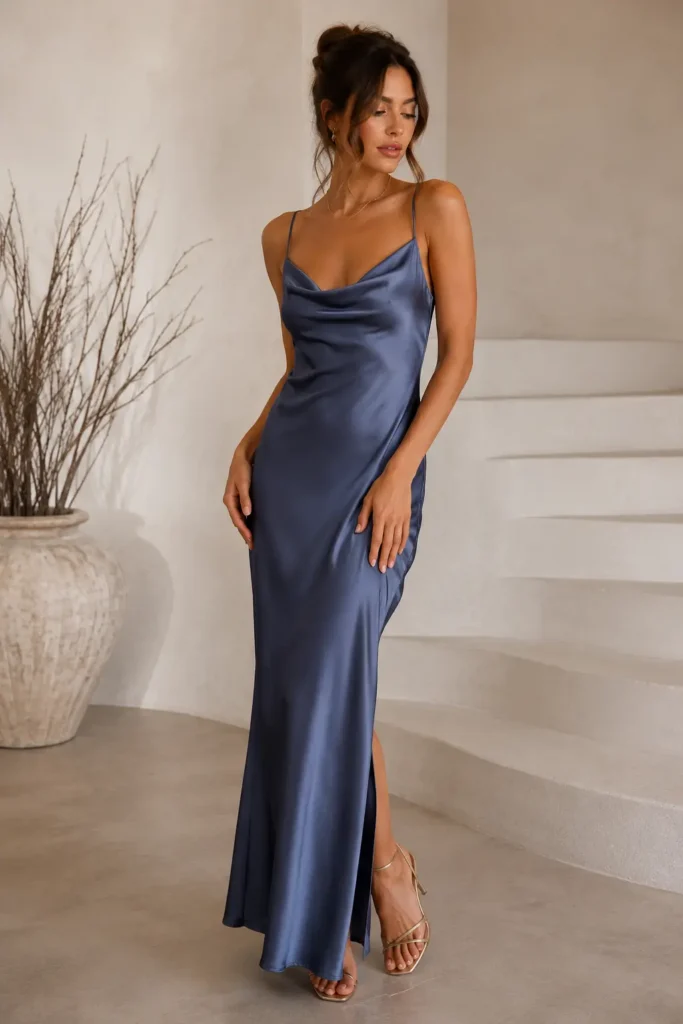
Satin Slip Dresses
- Straight or bias grain
- Cowl or flat neckline
- Adjustable or fixed straps
- Bust dart placement
- Back-neckline stability
- Side-slit position
- Lining coverage
- Hem width

Bias-Cut Dresses
Bias cutting creates fluid body movement by placing panels diagonally to the fabric grain. It also increases the risk of length growth, twisting, uneven seams, and unstable openings.
Duolan reviews:
- Grain angle
- Panel direction
- Fabric relaxation
- Cutting symmetry
- Seam stabilization
- Hanging time
- Hem leveling
- Grading behavior
A bias pattern cannot be treated like a straight-grain pattern with rotated placement. Seam direction, fabric tension, and panel interaction must be evaluated during sampling.

Cowl-Neck Dresses
- Front-neckline depth
- Fold volume
- Armhole coverage
- Shoulder or strap angle
- Bust security
- Facing or lining attachment
- Movement test
- Size grading

Draped Midi Dresses
- Drape origin
- Pleat direction
- Gather ratio
- Waist thickness
- Seam placement
- Lining movement
- Hip balance
- Hem fall

Fitted Mini Dresses
Fitted crepe satin dresses need enough structure or stretch to follow the body without showing excessive seam strain, undergarment lines, or transparency.Key decisions include:
- Woven or stretch construction
- Stretch percentage
- Recovery
- Bust shaping
- Waist suppression
- Hip ease
- Lining stretch
- Zipper type
- Hem stability
For stretch qualities, fit is judged after recovery and wear movement, not only during the first fitting. For non-stretch qualities, contour shaping and closure placement become more important.

Halter Dresses
Halter dresses shift garment weight toward the neckline. Fabric, strap width, closure method, back depth, bust support, and lining must work together.
Control points include:
- Neck pressure
- Strap strength
- Armhole shape
- Bust coverage
- Back-neckline stability
- Internal support
- Closure security
- Movement comfort
A low back can reduce structural support. Duolan reviews whether cups, elastic, lining, grip tape, boning, or another internal method is needed without changing the clean satin appearance.

Occasion Maxi Dresses
- Bodice support
- Waist reinforcement
- Skirt volume
- Slit safety
- Train or floor length
- Lining length
- Hem weight
- Packing recovery

Wedding Guest Dresses
Wedding guest collections often require refined colors, controlled shine, elegant coverage, and silhouettes suitable for photography, dining, sitting, and extended wear.
Common directions include:
- Draped midi dresses
- One-shoulder styles
- Bias maxi dresses
- Halter silhouettes
- Soft corseted bodices
- Asymmetric hems
- Sleeve variations
- Coordinated color stories
Pale champagne, sage, blush, ivory-adjacent tones, burgundy, navy, and jewel colors require separate opacity, shade, lining, and surface reviews.
Define Crepe Satin Before Selecting the Fabric
Crepe-Back Satin and Satin-Back Crepe Are Different
Crepe-back satin normally presents a smooth, lustrous satin face with a textured crepe reverse. Satin-back crepe normally presents the crepe side as the main face and a satin reverse. Both sides may be usable, but their appearance, seam response, and styling value differ.
A reversible construction creates several design opportunities:
- Satin face for the main garment
- Crepe face for contrast panels
- Mixed-face lapels or drapes
- Matte and shine color blocking
- Crepe exterior with satin interior accents
Construction direction must remain controlled during cutting. Panels placed with inconsistent face orientation or nap direction can appear as different shades under store or photography lighting.
Fiber Composition Changes the Result
Polyester, viscose, acetate, triacetate, silk, and blended qualities can all appear under satin-crepe naming. Fiber choice influences more than cost. Important differences include:
- Heat sensitivity
- Moisture response
- Wrinkling
- Static
- Drape
- Color depth
- Surface luster
- Abrasion behavior
- Care labeling
- Bulk repeatability
Polyester qualities often offer broader color and production availability. Acetate and viscose-rich qualities can deliver a refined hand and fluid drape but may require stricter pressing, moisture, and handling control.
Weight Must Match the Silhouette
Fabric weight should be reviewed in relation to dress length, structure, opacity, gathering, and support.
Useful development bands may include:
- Approximately 90–130 GSM for light slips, soft cowls, and layered designs
- Approximately 130–190 GSM for midi dresses, draped styles, and many commercial occasion silhouettes
- Approximately 190–260 GSM for fuller structure, stronger opacity, and tailored satin-crepe looks
Ranges are working references rather than universal rules.
Fiber, weave density, finish, stretch, and construction can make two fabrics with identical GSM behave very differently.
Stretch and Recovery Need Separate Review
- Stretch direction
- Percentage under controlled load
- Recovery after release
- Repeated extension
- Lining compatibility
- Seam elasticity
- Zipper interaction
- Size grading
Shine Must Be Evaluated Under Light
- Flat swatch review
- Draped swatch review
- Front and angled light
- Sample-garment photography
- Lining comparison
- Shade-band assessment
Drape Is a Garment Property
- Hanging swatches
- Fold and recovery checks
- Trial panels
- Half-scale or full-scale draping
- Sample movement
- Seated and walking review
- Pressed seam behavior
- Finished hem response
Compare Crepe Satin Options by Garment Result
Material selection should be based on silhouette, wearing performance, price architecture, care requirements, production stability, and final appearance. No single crepe satin quality is right for every dress.
| Material Direction | Approximate Working Weight | Best Applications | Main Advantages | Main Risks | Development Focus |
|---|---|---|---|---|---|
| Lightweight Polyester Crepe Satin | 90–130 GSM | Slips, cowls, overlays, lined summer styles | Fluid, broad color access, commercially scalable | Transparency, seam show-through, static, snagging | Lining, needle trial, grain control, clean handling |
| Medium Polyester Crepe Satin | 130–190 GSM | Midi dresses, draped styles, halter dresses | Better opacity, stable supply, balanced drape | Puckering, pressing shine, stiffness in deep cowls | Seam trial, drape volume, pressing temperature |
| Stretch Crepe Satin | 140–220 GSM | Fitted minis, body-skimming midi dresses | Movement comfort, contour fit, reduced closure strain | Weak recovery, bubbling, lining mismatch | Stretch and recovery test, elastic seam method |
| Acetate or Triacetate Blend | 120–220 GSM | Premium occasionwear, fluid maxis, refined draping | Rich hand, elegant fall, sophisticated luster | Heat and moisture sensitivity, sourcing variation | Pressing control, care method, bulk reservation |
| Viscose Blend Satin Crepe | 120–200 GSM | Bias styles, draped midi dresses, soft formalwear | Fluid movement, soft hand, strong color depth | Growth, wrinkling, dimensional change | Relaxation, hanging, shrinkage and hem review |
| Heavy Satin-Back Crepe | 190–280 GSM | Structured occasion dresses, one-shoulder styles | Opacity, body, reversible face options | Bulk in gathers, weight, seam impressions | Pattern volume, pressing protection, internal support |
| Silk Satin Crepe | Varies by construction | Premium capsules, high-value occasion pieces | Natural luster, fluid hand, elevated positioning | Cost, shade variation, care, snagging | Material inspection, cutting discipline, handling |
The best option is the one supporting the intended shape, retail position, movement, care label, launch quantity, and repeat-production plan. A higher material price does not automatically create a stronger garment. Material and construction must work together.
Match Fabric Behavior to Dress Silhouette
Crepe satin performs differently across straight, bias, fitted, draped, and supported constructions. The matrix below links garment direction with fabric behavior, fit priorities, and pre-production control.
| Dress Silhouette | Preferred Fabric Behavior | Pattern and Fit Priority | Lining or Support | Main Bulk Risk | Required Pre-Bulk Check |
|---|---|---|---|---|---|
| Straight Slip Dress | Light to medium weight, fluid, controlled opacity | Bust dart, neckline, strap angle, side-seam balance | Partial or full lining based on color | Seam show-through and neckline stretching | Grain check, strap-strength review, PP measurement |
| Bias-Cut Midi | Fluid diagonal movement with stable recovery | Grain direction, hip fall, side-seam alignment, hem level | Light lining only when compatible | Length growth, twisting, uneven hem | Hanging trial, final hem leveling, size-set review |
| Cowl-Neck Dress | Soft fold formation without excessive collapse | Cowl depth, bust coverage, armhole balance | Facing or controlled lining | Inconsistent fold volume across sizes | Draping review, movement test, graded cowl check |
| Fitted Mini Dress | Medium weight or stretch quality with opacity | Bust, waist, hip contour, zipper line | Stretch-compatible lining where required | Seam strain, poor recovery, zipper waviness | Recovery test, fit movement, first-piece confirmation |
| Ruched Dress | Good fold memory and manageable bulk | Gather position, tension path, body balance | Local reinforcement where needed | Uneven ruching and side-seam distortion | Gather-ratio standard, operator sample, inline comparison |
| Halter or Backless Dress | Controlled drape with sufficient neckline stability | Armhole, bust coverage, neck pressure, back balance | Cups, elastic, grip, or light support as needed | Gaping, strap strain, unstable back edge | Wear trial, closure-strength check, PP support review |
| Structured Occasion Dress | Medium to heavy body with smooth face | Bodice shape, waist support, skirt transition | Lining, interlining, cups, boning as required | Internal structure showing through surface | Layer test, pressing trial, first-piece appearance check |
| Draped Maxi Dress | Fluid fall with adequate length stability | Drape origin, waist balance, slit position, hem fall | Lining selected by opacity and weight | Skirt growth, twisting, packing creases | Hanging review, hem confirmation, packing recovery test |
Crepe Satin Sourcing Built Around Garment Performance

Fabric Brief Review
- Intended silhouette
- Desired shine
- Target hand feel
- Approximate weight
- Stretch needs
- Opacity
- Color direction
- Lining
- Target quantity
- Target market
- Care requirement
- Launch date

Supplier Swatch Search
- Construction match
- Weight
- Width
- Color capability
- Hand feel
- Surface effect
- Stretch and recovery
- Order availability
- Lead-time compatibility
- Bulk repeat potential

Garment Drape Trial
Flat swatch comparison cannot reveal every performance issue. Selected materials may be reviewed through draping, folding, trial seams, sample panels, or a full garment.
Drape trials help evaluate:
- Cowl formation
- Ruche volume
- Bias movement
- Waist fold thickness
- Skirt fall
- Hem behavior
- Lining interaction
- Surface pressure marks
A fabric may appear soft in hand yet become rigid after seams and lining are introduced. Trial construction reduces material-selection errors before a full sample is completed.

Alternative Material Review
A nominated fabric may become unavailable, exceed the project price architecture, fail color development, or require an incompatible minimum from the mill. Alternative proposals are compared by:
- Composition
- Weight
- Width
- Drape
- Stretch
- Shine
- Opacity
- Care
- Price effect
- Lead-time effect
Duolan does not replace a nominated material without review.

Bulk Availability Check
A sample swatch is useful only when a production path exists.
Before approval is treated as a bulk basis, Duolan checks:
- Supplier identity
- Available quantity
- Dye-lot plan
- Reorder status
- Production lead time
- Color-development route
- Quality consistency
- Reservation requirements
For large or repeated programs, early material planning reduces the risk of approving a sample from a quality unavailable at bulk stage.

Approved Reference Control
Approved fabric references should remain identifiable throughout development and production.
Control materials may include:
- Signed swatch
- Supplier article number
- Composition
- Weight and width
- Color standard
- Lab-dip reference
- Test or inspection notes
- Bulk-roll comparison basis
A clear material record supports PP approval, incoming inspection, repeat production, and later colorway development.
Control Color and Shine Before Bulk Production
Lab Dip Review
Lab dips are reviewed for hue, depth, undertone, and surface response. Satin reflection can make a color appear lighter or cooler at one angle and deeper at another.
Review conditions may include:
- Daylight-standard lighting
- Retail-style lighting
- Warm indoor lighting
- Flat and draped positions
- Face and reverse comparison
- Lining comparison
Pale colors receive extra opacity and seam-shadow review. Dark shades receive extra inspection for dust, pressure lines, rubbing, and directional shade.
Shade Band Control
Duolan can coordinate:
- Roll identification
- Lot separation
- Light-box review
- Side-to-side comparison
- End-to-end comparison
- Panel grouping
- Cutting-room shade control
- Finished-garment review
Surface Direction Control
Satin reflection is directional. Panels rotated during cutting may appear darker or lighter even when cut from the same roll.
Control includes:
- One-way marker planning where needed
- Face-side identification
- Grain and nap arrows
- Bundle marking
- Cut-panel review
- Finished-garment angled-light inspection
Direction control is especially important for long panels, asymmetric designs, princess seams, and dresses photographed under strong studio lighting.
Linings and Trims Protect the Final Dress Effect
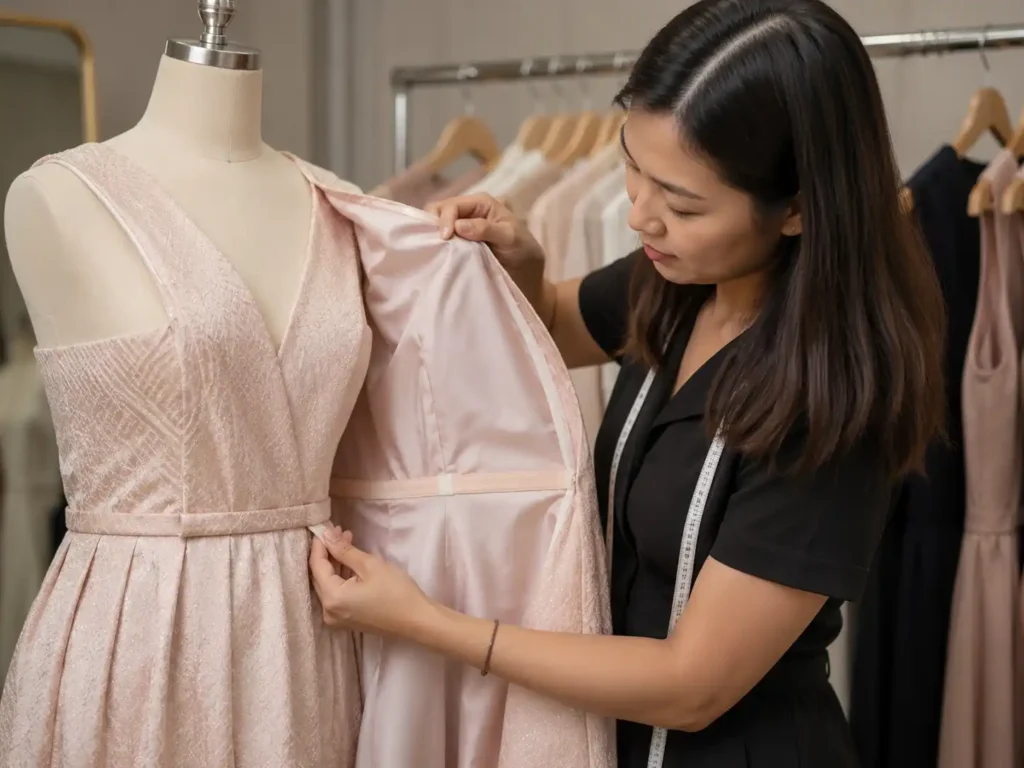
Lining and Opacity
- Full or partial lining
- Attached or free-hanging lining
- Woven or stretch lining
- Nude, tonal, or contrast color
- Hem length
- Vent and slit construction
- Static and movement
- Seam visibility

Invisible Zipper Control
Invisible zippers need the right tape weight, length, color, slider quality, and installation method.
Common risks include:
- Wavy center-back seam
- Puckering near the zipper
- Hook misalignment
- Waist seam mismatch
- Difficult closing
- Fabric caught in teeth
- Top-edge distortion
Duolan checks zipper compatibility during sampling and verifies waist, neckline, or seam alignment during first-piece and inline inspection.

Cups and Support
- Cup shape and position
- Size grading
- Boning length
- Elastic tension
- Edge stabilization
- Lining attachment
- Bust coverage
- Pressure points

Straps and Closures
- Strap width
- Stitch security
- Bar-tack placement
- Metal finish
- Color matching
- Adjuster movement
- Closure comfort
- Spare-component requirement
Review Design Feasibility Before Sampling Begins
Tech Pack Review
A development review checks for:
- Missing measurements
- Conflicting construction notes
- Unclear seam positions
- Incomplete lining information
- Missing trim specifications
- Undefined color standards
- Unclear sample purpose
- Production-sensitive details
Reference Image Review
Duolan identifies:
- Visible design elements
- Assumed construction
- Required clarification
- Fabric behavior
- Fit priority
- Possible production risks
- Development options
Original Sample Review
Evaluation may include:
- Garment measurements
- Pattern balance
- Fabric composition
- Seam and hem methods
- Lining construction
- Trim quality
- Wear points
- Improvement opportunities
Fabric Direction Review
Duolan compares the direction with:
- Dress silhouette
- Fit
- Drape volume
- Lining
- Color
- Quantity
- Target price architecture
- Launch schedule
Measurement Review
Review covers:
- Point-of-measurement definitions
- Bust, waist, and hip balance
- Dress length
- Strap length
- Armhole depth
- Neckline position
- Slit height
- Tolerance
- Size grading
Production Plan Review
Relevant information includes:
- Expected style count
- Colorways
- Size range
- Estimated quantity
- Launch date
- Photo or sales sample needs
- Testing requirements
- Packaging
- Delivery market
Pattern and Fit Engineering for Fluid Satin Dresses
Build Patterns Around Fabric Behavior
- Straight, cross, and bias grain
- Bust shaping
- Waist suppression
- Hip ease
- Skirt flare
- Cowl extension
- Drape volume
- Seam direction
- Lining relationship
- Hem method
Control Bust, Waist, Hip, and Skirt Balance
- Bust apex position
- Dart direction
- Neckline security
- Armhole shape
- Waist level
- Front-to-back waist balance
- Hip placement
- Side-seam direction
- Center-back alignment
- Skirt fall
- Slit position
- Hem parallelism
Maintain Measurement and Grading Discipline
Brand measurement standards differ by market, fit model, product category, and size strategy. Duolan works from the supplied garment measurement chart and point-of-measurement definitions.
A controlled measurement file should include:
- Base sample size
- Size range
- Measurement points
- Grade rules
- Tolerances
- Stretch conditions where relevant
- Garment state during measurement
- Approved revision
- Date and version
Crepe satin measurements can change after hanging, pressing, steaming, or lining attachment. Measurement timing must therefore remain consistent.
Grading is reviewed for visual proportion as well as numeric increment. Cowl depth, strap position, slit height, bust coverage, and drape volume may not scale well through simple proportional enlargement. Key design features are checked across selected sizes before production release.
A Controlled Sample Path from Concept to Approval
Development Review
The project begins with available materials:
- Tech pack
- Reference images
- Original garment
- Fabric direction
- Size chart
- Quantity
- Launch date
Duolan identifies open questions, development risks, proposed fabric routes, sample purpose, and required approvals. Sampling time is confirmed after design basis, material direction, and complexity are understood.
First Prototype
Internal checks cover:
- Overall proportion
- Fabric behavior
- Major measurements
- Construction feasibility
- Drape placement
- Closure function
- Lining
- Obvious workmanship risks
Fit Sample
Review includes:
- Bust and neckline
- Waist position
- Hip ease
- Armhole
- Strap length
- Back balance
- Side-seam direction
- Slit height
- Dress length
- Sitting and walking
Revised Sample
Revision control may show:
- Previous issue
- Agreed action
- Pattern change
- Measurement change
- Material change
- Open question
- Result
- Next decision
Photo or Sales Sample
Extra attention may be given to:
- Surface appearance
- Color
- Pressing
- Symmetry
- Drape
- Hem
- Hardware
- Label presentation
Pre-Production Sample
The PP sample represents the intended bulk basis and should use confirmed or production-equivalent materials, measurements, construction, workmanship, labels, and packaging where required.
Approval should identify:
- Visual status
- Fit status
- Material status
- Measurement status
- Workmanship status
- Packaging status
- Remaining conditions
Bulk production begins after the required approval points are aligned.
Workmanship Standards for Clean Satin Dress Construction

Needle and Thread Selection
- Needle point
- Needle size
- Thread ticket
- Thread fiber
- Stitch length
- Seam strength
- Surface marking
- Thread shine

Tension and Feeding Control
- Reduced presser-foot pressure
- Balanced thread tension
- Controlled operator handling
- Suitable machine foot
- Temporary stabilization
- Basting for critical seams
- Panel notching
- Seam-length comparison

Invisible Zipper Installation
A clean invisible zipper should close smoothly, maintain seam alignment, and avoid waves.
The sewing method covers:
- Tape preparation where suitable
- Seam allowance stabilization
- Waist or horizontal seam matching
- Zipper-foot control
- Top-edge finishing
- Hook-and-eye placement
- Lining clearance
- Final pressing
First-piece inspection confirms the zipper under body tension, not only on a flat table.

Narrow Hem Finishing
- Hem width
- Turn method
- Stitch visibility
- Fabric feeding
- Curve handling
- Pressing
- Hanging growth
- Final length

Dart and Seam Pressing
- Dart-end technique
- Pressing direction
- Tailor’s ham or shaping tool
- Seam allowance grading
- Pressing cloth
- Limited pressure
- Cooling
- Surface inspection

Lining Attachment
- Neckline and armhole turn
- Zipper attachment
- Waist connection
- Side-slit treatment
- Hem freedom
- Tacking points
- Strap integration
- Internal seam coverage
Develop Satin Details Without Losing Clean Drape
Cowl Neck
- Cowl depth
- Grain angle
- Shoulder width
- Facing
- Lining
- Neckline weight
- Bust position
- Armhole coverage
Bias Panels
- Grain arrows
- Panel symmetry
- Marker direction
- Cutting relaxation
- Seam stabilization
- Hanging growth
- Hem leveling
- Size grading
Draped Waist
Waist draping may use pleats, gathers, twists, overlays, or asymmetric folds.
Control covers:
- Drape origin
- Fold depth
- Tack position
- Waist thickness
- Side-seam pull
- Lining support
- Zipper clearance
- Grading
A clear fold map or approved sample reference supports consistent bulk execution.
Side Ruching
- Gather ratio
- Elastic or fixed gathering
- Ruching length
- Front-to-back balance
- Side-seam stability
- Waist and hip placement
- Size grading
- Operator method
High Slit
- Slit height
- Start-point reinforcement
- Overlap
- Lining opening
- Hem junction
- Stress points
- Size relationship
- Wear trial
Halter Neckline
A halter neckline requires secure bust positioning and comfortable neck load.
Duolan evaluates:
- Tie or fixed closure
- Neck width
- Armhole cut
- Bust support
- Back depth
- Elastic or grip
- Lining
- Hardware strength
The structure should protect the design line without creating visible internal bulk.
Open Back
Open-back designs need stable edges, controlled gaping, secure lower-back placement, and compatible internal support. Development may use:
- Edge stabilization
- Elastic
- Grip tape
- Cross straps
- Boning
- Waist anchoring
- Lining structure
- Closure adjustment
Movement tests include bending, walking, sitting, and arm movement.
Asymmetric Hem
Asymmetric hems amplify grain, drape, and length variation. A clean result requires accurate pattern balance and settling.
Control covers:
- High-low relationship
- Side balance
- Grain direction
- Bias growth
- Lining length
- Hem method
- Hanging time
- Final measurement
The hem is checked on a level form after pressing and settling.
Protect Satin Surfaces During Finishing and Handling
Temperature Control
Different fibers and finishes respond differently to heat. Polyester, acetate-rich, viscose-rich, and silk qualities should not share one automatic pressing setting. Duolan establishes a trial based on the approved fabric and garment layers. Sensitive areas are tested before full finishing. Review points include:
- Heat response
- Steam response
- Surface glazing
- Color change
- Seam impression
- Adhesive interaction
- Recovery after cooling
Pressing Sequence
- Individual seam preparation
- Dart shaping
- Zipper area
- Waist seam
- Lining
- Drape arrangement
- Hem
- Final steaming
Surface Protection
- Clean tables
- Covered racks
- Protected baskets
- Trim isolation
- Tool inspection
- Limited direct marking
- Clean gloves where needed
- Angled-light inspection
Hanging and Storage
- Hanger type
- Strap loops
- Garment support
- Hanging duration
- Rack spacing
- Protective cover
- Fold alternatives
- Pre-packing inspection
Keep Fabric, Color, and Drape Consistent in Bulk
Approved Fabric Reference
The production reference can include:
- Signed swatch
- Mill or supplier article
- Composition
- Weight
- Width
- Stretch
- Color code
- Lab dip
- Surface direction
- Inspection notes
Bulk fabric is compared with the approved basis before cutting. Any material change is reviewed for garment effect rather than accepted from a similar name.
Bulk Roll Control
Incoming fabric control may cover:
- Roll count
- Lot identity
- Width
- Weight
- Color
- Surface defects
- Creasing
- Snagging
- End-to-end shade
- Side-to-side shade
- Stretch and recovery where required
Shade groups can be separated before marker planning. Visible garment panels are kept within compatible shade groups.
Sample-to-Bulk Comparison
- Overall silhouette
- Drape
- Measurements
- Cowl or ruche appearance
- Seam smoothness
- Zipper line
- Hem
- Color and shine
- Lining
- Internal construction
Verify Critical Details Before Full Production Release

Incoming Fabric Inspection
Fabric is reviewed before cutting for quantity, width, shade, visible defects, creasing, surface damage, and relevant performance requirements. For crepe satin, inspection focuses on:
- Shade direction
- Snags
- Slubs
- Streaks
- Pressure marks
- Creases
- Finish variation
- Surface contamination
Roll identity is preserved where shade control is required.

First-Piece Confirmation
- Measurements
- Silhouette
- Seam quality
- Zipper
- Darts
- Drape
- Lining
- Hem
- Pressing
- Surface condition
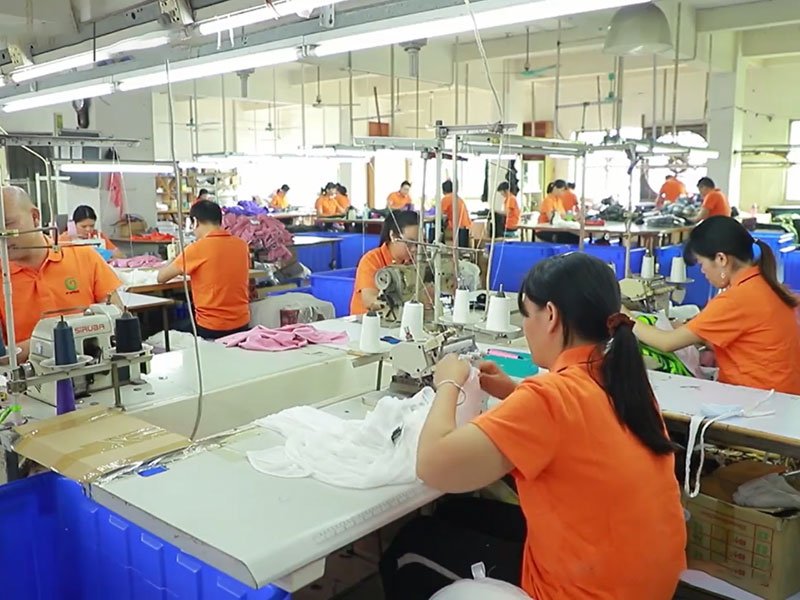
Pilot Production
Complex, shape-sensitive, or workmanship-sensitive styles may use a small pilot stage. Pilot review helps confirm:
- Operation sequence
- Line handling
- Output consistency
- Pressing method
- Critical measurements
- Rework risk
- Operator understanding
- Inspection frequency
Satin, bias, halter, backless, corseted, and heavily draped styles can benefit from early validation.

Inline Measurement
- Bust
- Waist
- Hip
- Dress length
- Strap
- Armhole
- Slit
- Cowl drop
- Hem
- Zipper length
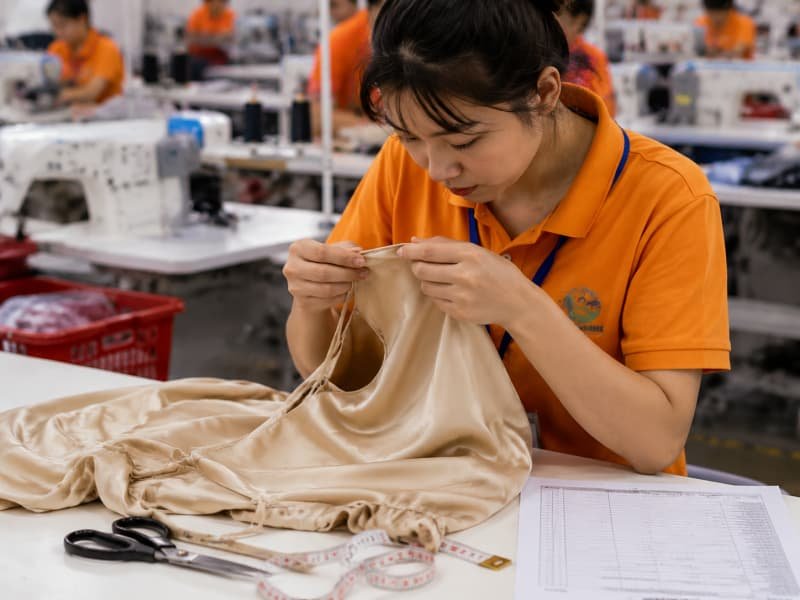
Workmanship Inspection
Inline and end-line workmanship review checks:
- Seam puckering
- Skipped stitches
- Needle damage
- Uneven ruching
- Zipper waviness
- Dart shape
- Lining tension
- Loose threads
- Pressing marks
- Snags
Appearance is reviewed under suitable light, not only through a quick flat inspection.

Final Inspection
- Quantity
- Measurements
- Workmanship
- Appearance
- Function
- Labels
- Barcodes
- Packaging
- Carton marks
- Metal detection where applicable
Scale Multi-Style Satin Collections with Controlled Production Paths
Style Breakdown
- Style
- Color
- Size
- Quantity
- Fabric
- Lining
- Trim
- Complexity
- Approval status
- Delivery group
Complexity Classification
Styles can be classified as:
- Standard construction
- Fit-sensitive
- Fabric-sensitive
- Workmanship-sensitive
- Special-process
- Pilot-required
- Fast-response
- Repeat style
Classification supports realistic planning and prevents complex styles from being treated like basic production.
Line Allocation
Line assignment considers:
- Operator skill
- Fabric handling experience
- Machine and pressing setup
- Style quantity
- Changeover
- Quality risk
- Timing
- Existing schedule
Core or sensitive styles can remain under closer factory control, while suitable repeats or volume extensions can use additional coordinated capacity.
Special Process Coordination
- Pleating
- Printing
- Embroidery
- Beading
- Washing
- Dyeing
- Laser cutting
- Decorative trims
Repeat Production
Repeat programs use preserved files and references:
- Pattern version
- Measurement chart
- BOM
- Fabric source
- Color standard
- Approved sample
- Workmanship notes
- Packing instructions
Any change in material, size mix, construction, or packaging is reviewed against the prior basis.
Production Updates
Production communication can cover:
- Material status
- Cutting
- Sewing
- First-piece approval
- Inline findings
- Finishing
- Packing
- Inspection
- Shipment readiness
Updates focus on decisions, risks, and next actions rather than general statements.
Prepared for Compliance and Formal Supplier Review
Social Compliance
The manufacturing foundation has completed:
- SMETA audit
- SMETA 2-Pillar audit
- SMETA social audit records
Current records and applicable production-site information can be discussed during supplier evaluation.
Factory allocation should remain aligned with any approved-site requirement.
Product Standards
Projects can be prepared around relevant brand and market requirements, including:
- AATCC methods
- ASTM requirements
- OEKO-TEX-related material expectations
- EN requirements
- China GB standards
- GOTS-related material documentation
- Brand-specific protocols
Testing scope depends on product, material, destination, care claim, and internal quality standards.
Inspection Cooperation
- Internal inspection
- Brand inspection
- Third-party inspection
- AQL-based final inspection
- Measurement checks
- Label review
- Barcode verification
- Packing inspection
- Carton-mark review
Retail-Ready Packaging That Protects Satin in Transit

Labels and Identification
Branding options can include:
- Main label
- Size label
- Care label
- Country-of-origin label
- Hangtag
- Barcode
- Price ticket
- Security tag position
Label placement is reviewed so seams or attachments do not create visible impressions on the outer satin surface.

Folding and Protection
Packing methods may use:
- Tissue paper
- Protective film
- Polybag
- Garment bag
- Hanger packing
- Strap support
- Hardware isolation
- Shape inserts where needed
Fold lines are placed away from highly visible bodice and drape areas where possible. Metal adjusters, zippers, hooks, and hangtags are isolated from the fabric face.

Carton Preparation
- Garments per carton
- Size ratio
- Color separation
- Carton dimensions
- Compression
- Gross weight
- Carton marks
- Warehouse routing
- Ecommerce or retail requirements
Crepe Satin Projects Managed from Sample to Bulk

US Occasionwear Collection
Region: United States
Brand direction: Occasionwear and wedding guest dresses
Program: 18 styles, 6 coordinated color directions
Total order: 48,600 garments
Size range: US 0–16
Main products: Draped midi, cowl maxi, one-shoulder dress, halter dress, and bias slip
The main challenge involved maintaining a coordinated color story across three crepe satin qualities. Lighter styles required greater drape, while fitted and structured styles required stronger opacity and body. Using one fabric for every style would have reduced garment performance.
Duolan divided the material direction into:
- Lightweight fluid quality for bias and cowl styles
- Medium-weight quality for draped midi dresses
- Heavier satin-back crepe for structured occasion styles
Lab dips were reviewed on each construction because identical color references appeared different under surface reflection. Pale colors received lining and seam-shadow tests. Dark colors received pressure-mark and surface-handling checks.
Fit development focused on cowl coverage, bust balance, one-shoulder stability, slit position, and long-skirt hem growth. A 12–24-hour hanging review was used for selected bias styles before final hem confirmation.
Before bulk release, the project used:
- Approved swatch references
- Version-controlled measurement charts
- PP samples
- First-piece confirmation for 7 higher-risk styles
- Inline appearance checks
- Packing recovery review
Result:
- All 18 styles moved under one coordinated delivery program
- Material direction remained consistent by silhouette group
- Rework was concentrated at pilot stage rather than late production
- Final packing separated long bias garments from structured midi styles
- Follow-up colorways used the preserved patterns, BOMs, and workmanship records

European Going-Out Program
Brand direction: Going-out, party, and fitted fashion dresses
Program: 12 styles, 4–5 colors per style
Total order: 27,400 garments
Size range: UK 4–18
Main products: Fitted mini, ruched midi, backless halter, asymmetric dress, and stretch satin slip
The main challenge involved combining a smooth satin appearance with body contour, movement, and reliable recovery. Early swatches had acceptable stretch but showed hip bagging and zipper rippling after wear.
Duolan compared several stretch crepe satin constructions through:
- Stretch percentage review
- Recovery check
- Seamed-panel trial
- Lining compatibility
- Zipper test
- Fit movement
- Pressing response
Design control covered:
- Side ruching ratio
- Backless-edge stabilization
- Halter neck pressure
- Invisible zipper flatness
- Mini-dress hem recovery
- Asymmetric panel balance
Inline QC focused on:
- Bust, waist, and hip measurements
- Side-seam direction
- Ruche position
- Zipper waves
- Lining drag
- Snags
- Pressing shine
- The stretch and lining combination remained stable through the agreed size range
- Ruching appearance was controlled through reference measurements and approved photos
- Higher-risk styles were corrected before production volume increased
- Repeat orders reused the approved material article and graded pattern set
- Four additional colors entered development using the established quality basis

North American Repeat Program
Brand direction: Ecommerce fashion and seasonal occasionwear
Program: 24 styles across launch and replenishment groups
Initial order: 52,800 garments
Replenishment order: 20,000 garments
Combined program: 72,800 garments
Size range: XS–XXL
Main products: Slip, cowl, draped waist, maxi, high-slit, and one-shoulder dresses
The main challenge involved preserving fabric, color, fit, and workmanship across an initial launch followed by faster replenishment. Several styles shared colors but used different fabric weights. Replenishment also needed to follow the original approved appearance without reopening every development decision.
During initial development, Duolan preserved:
- Fabric supplier and article
- Signed color standards
- Lab-dip records
- Pattern versions
- Size grading
- BOMs
- Approved PP samples
- Workmanship close-ups
- Packing instructions
After launch, the replenishment program used a Bulk Readiness Review rather than moving directly into production. The review confirmed:
- Available material quantity
- Dye-lot relationship
- Pattern version
- Measurement standard
- Any returns or fit feedback
- Packaging changes
- Required delivery window
Result:
- 24 styles were managed through one version-controlled program
- Replenishment used preserved production standards rather than recreated instructions
- Core materials were reserved before the repeat order entered cutting
- Packing ratios were adjusted for updated sales demand without changing garment construction
- The brand gained a clearer path from launch order to repeat and scale-up production
Frequently Asked Questions About Crepe Satin Dresses

Start Your Crepe Satin Dress Development Review
Share the materials already available for your project. Duolan can review a complete tech pack, reference images, sketches, an original sample, a fabric swatch, or an early collection direction. Clear information helps our team evaluate fabric suitability, pattern and fit priorities, sample stages, workmanship risks, bulk feasibility, production planning, quality checkpoints, and delivery requirements.
Useful project information includes:
- Company or brand name
- Target product category
- Tech pack or reference images
- Original sample details
- Preferred crepe satin direction
- Colorways or Pantone references
- Base size and size range
- Estimated quantity by style
- Number of styles
- Target market
- Required launch or delivery date
- Label and packaging requirements
- Testing or inspection needs
- Current development stage
Duolan works with structured fashion programs requiring product development, controlled sampling, brand-level production, repeat-order support, and documented quality standards. Files can be uploaded for a focused review before quotation or sampling begins.