...

Custom Day Dress Manufacturer for Fashion Brands

From fabric and fit development to production-ready samples, scalable manufacturing, quality control and repeat-order coordination for commercial daywear collections.

  • 30+ years of experience supporting fashion dress research, development, material coordination and commercial production.
  • Manufacturing resources structured around 16 owned womenswear factories, 20+ satellite factories and 50+ quick-response production lines.
  • Capacity planning suitable for coordinated day dress programs containing 10–30 styles and total order volumes of 20,000–80,000 pieces.
  • Product support covering shirt dresses, wrap dresses, printed midi dresses, office dresses, summer dresses, casual maxi dresses and seasonal daywear collections.

What Does a Custom Day Dress Manufacturer Do?

A day dress manufacturer should do more than sew a design supplied by a fashion brand. Strong development requires an understanding of wearing scenarios, fabric behavior, commercial fit, production feasibility and the standards needed to reproduce an approved sample across sizes, colors and repeat orders.

Day Dress Development

Day dresses are created for work, brunch, city wear, travel, weekend dressing, daytime events and day-to-evening use. Development decisions therefore need to balance visual appeal with movement, coverage, comfort, care performance and commercial sizing.

Duolan reviews silhouette, neckline, sleeve shape, waist position, skirt volume, garment length and closure method before the sample moves forward. The aim is not only to create an attractive garment on a mannequin. The finished style must perform correctly when worn, photographed, merchandised, packed and reproduced in bulk.

Brand Customization

Customization can begin from a complete tech pack, reference image, original sample, mood board, fabric direction or collection brief. Development may include custom colors, prints, trims, measurements, patterns, labels, hangtags and packaging.

A clear brief allows the team to identify which parts of the design are already production-ready and which areas require further confirmation. Fabric choice, fit priority, size range, construction details and intended retail positioning are reviewed together rather than handled as separate decisions.

Controlled Manufacturing

Manufacturing begins only after development standards are sufficiently clear. Approved fabric, lining, trims, measurements, workmanship points, labeling and packing requirements need to be translated into production instructions.

Duolan connects sample information with PP approval, first-piece confirmation, inline inspection, final measurement checks and packing verification. A controlled route from design to bulk provides a stronger foundation for launch orders, repeat orders, color extensions and future collection development.

Built for Established Fashion and Product Teams

Duolan works most effectively with organizations that have clear product direction, defined market positioning, seasonal development plans and measurable production objectives. Communication, documentation and manufacturing decisions are structured around ongoing fashion programs rather than isolated garment requests.

Established Fashion Brands

Established womenswear brands often manage several launch windows, price levels, fit groups and sales channels at the same time. Their manufacturing partner must understand more than garment construction. Duolan supports style review, material coordination, sample development, revision tracking, bulk-readiness checks and repeat-order planning. The manufacturing structure can support core commercial dresses, seasonal fashion styles, campaign pieces and scalable reorder products within one coordinated program.

Buying and Product Teams

Buying and product teams need accurate development information before approving cost, fit, fabric and production direction. They also need a clear record of what has been confirmed, revised or left open. Duolan can work with tech packs, measurement charts, reference samples, fit comments, bill of materials, color standards and packaging instructions. Development discussions focus on decisions that affect sample accuracy, commercial appearance, production cost and bulk consistency.

Sourcing Offices

Sourcing offices evaluate whether a manufacturer has sufficient category knowledge, process control, compliance readiness and production capacity for long-term cooperation. Duolan can support factory visits, sample-room visits, production-line reviews, project meetings, audit documentation discussions and third-party inspection coordination. Project information can be exchanged through email, WhatsApp, WeChat, video meetings, annotated images, spreadsheets and structured review notes.

What Fashion Brands Need from Day Dress Production

A strong day dress program connects market direction with controlled development. Every commercial requirement should lead to a manufacturing action, evidence record or approval point before fabric, sampling and production costs become difficult to reverse.

Brand RequirementMain Project RiskDuolan Control Direction
Commercial silhouettesA visually attractive sample may lack everyday wearability or repeat sales valueReview wearing scenario, shape, length, coverage and construction before sampling
Suitable fabric behaviorFabric may appear correct in a swatch but fail in drape, opacity, recovery or shrinkageEvaluate weight, composition, stretch, hand feel, wash response and silhouette compatibility
Stable commercial fitBust, waist, armhole, neckline or length may fail across the size rangeConfirm base-size measurements, ease, POM methods, grading direction and critical tolerances
Multi-style developmentComments, materials and sample versions may become mixed between stylesTrack each style by development stage, material status, comments and approval purpose
Sample-to-bulk consistencyApproved appearance may change after production methods or materials changeLock approved sample, BOM, material references, workmanship points and PP basis
Launch-calendar controlLate fabric, comments or PP confirmation may compress production and logisticsWork backward from target delivery and assign decisions to defined checkpoints
Repeat-order stabilityFabric hand feel, color, fit or packaging may shift between production roundsPreserve pattern, measurement, swatch, trim, PP and QC reference records
Scalable manufacturingOne successful sample may not translate into coordinated multi-style productionMatch styles to production routes by complexity, material, quantity and delivery priority

Day Dresses Require More Than Simple Construction

Day dresses may use fewer decorative components than eveningwear, yet commercial performance depends on a wide group of connected details. Comfort, movement, coverage, wash response and size consistency often matter more because the garment is expected to be worn repeatedly.

Everyday Comfort

Comfort begins with fabric weight, surface feel, breathability, stretch and the amount of ease built into the pattern. A visually fitted style can still require room at the bust, waist, hip, sleeve and back for normal movement. Duolan reviews whether the proposed fabric and pattern can support sitting, walking, reaching, commuting and extended wear without pulling, twisting or creating excessive pressure.

Appropriate Coverage

Neckline depth, wrap overlap, armhole shape, skirt length, slit position and fabric opacity affect how secure a day dress feels. Coverage decisions should match the intended market and wearing scenario. A brunch dress may allow a more open neckline than an office style, while a lightweight summer dress may require lining, a slip layer or adjusted seam placement to control transparency.

Movement and Ease

A static fit photograph cannot show every movement issue. Walking stride, shoulder reach, seated waist pressure and skirt movement need to be considered during development. Pattern ease, skirt sweep, sleeve shape, back width and closure position are reviewed according to the silhouette. Fit-and-flare, shirt, wrap and column dresses each require different movement control.

Easy Dressing

Closures should support the design without making the garment difficult to wear. Button spacing, zipper length, waist ties, elastic openings, hook-and-eye placement and wrap construction affect dressing speed and stability. Duolan evaluates whether the selected closure is strong enough for repeated use, visually aligned with the garment and suitable for consistent factory assembly.

Care Performance

Day dresses are often worn and cleaned more frequently than occasion dresses. Fabric shrinkage, colorfastness, pilling, seam stability, print response and pressing recovery therefore influence long-term product performance. Material review should consider the intended care label, target retail price and expected wearing frequency before the sample standard is approved.

Commercial Fit

A dress that fits one model does not automatically provide a reliable commercial fit. Size grading must preserve neckline security, waist position, garment balance and overall proportion. Duolan develops against the brand’s size chart and fit direction rather than applying one fixed factory sizing system to every market.

Day Dress Styles for Commercial Fashion Collections
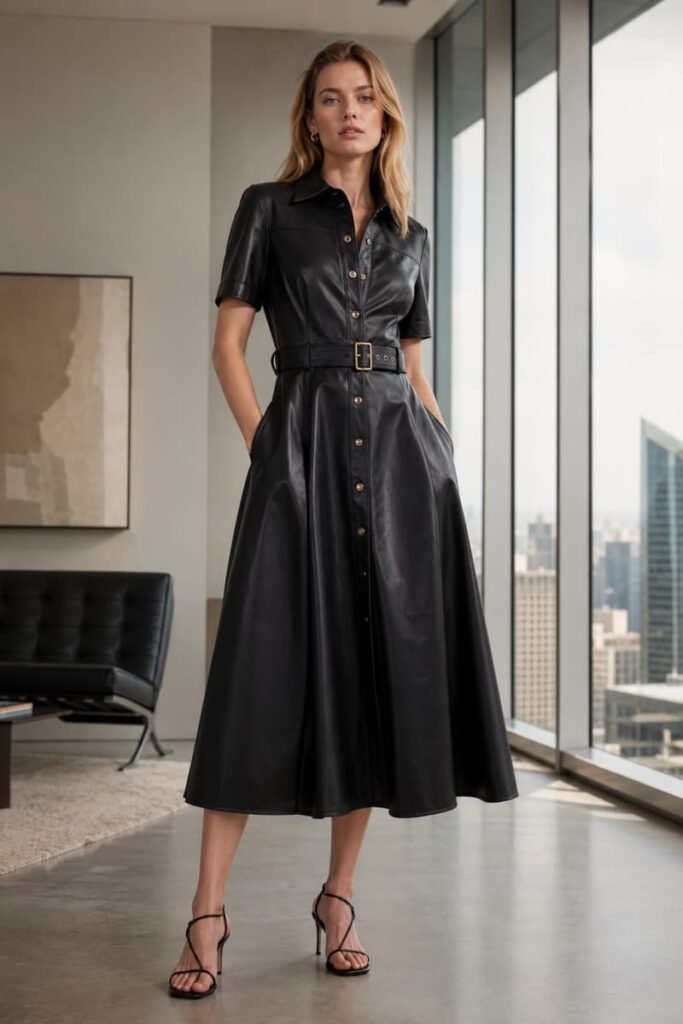
Duolan develops day dress categories around real market use, fabric behavior and scalable construction. Each silhouette requires a different balance of fit, coverage, movement, visual identity and production control.

Shirt Dresses

Shirt dresses combine tailored elements with everyday ease. Key development points include collar roll, shoulder balance, placket stability, button spacing, bust opening control, sleeve movement, waist definition and hem balance. For lightweight poplin, viscose or polyester blends, the placket must remain flat without rippling. Button positions around the bust need to prevent unwanted opening. Belt loops, self-fabric ties, sleeve tabs and functional pockets should be positioned consistently across sizes.

Wrap Dresses

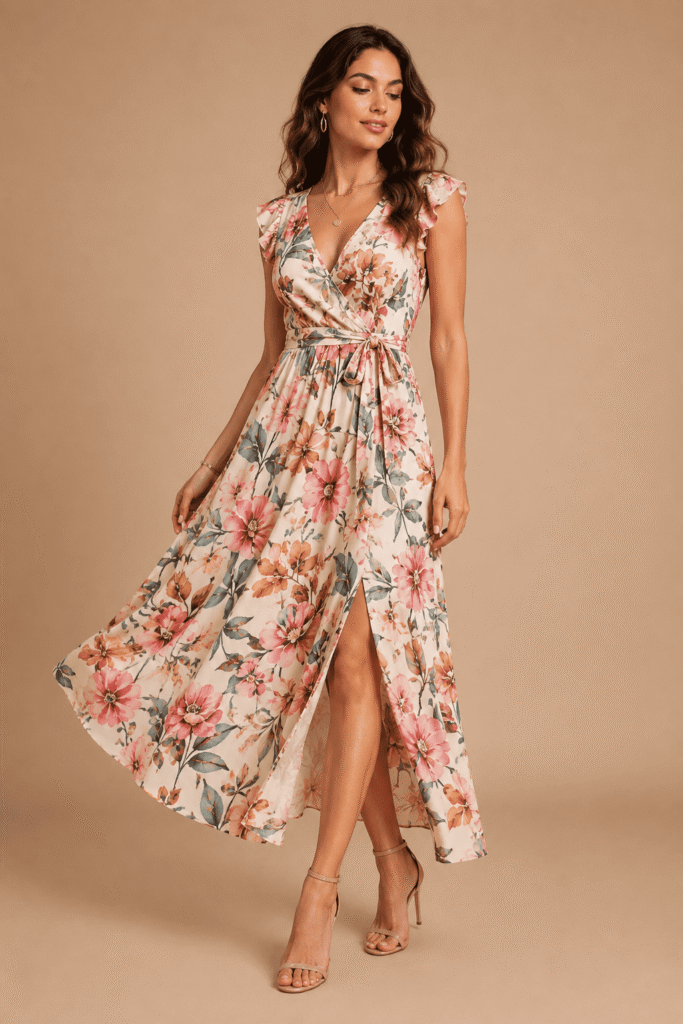
Wrap dresses depend on secure overlap rather than appearance alone. Neckline coverage, front overlap, waist-tie anchoring and skirt opening must remain stable during movement. Development should examine how the garment behaves when standing, walking and sitting. Fabric stretch and drape affect whether the wrap edge falls smoothly or pulls toward the side seam. Internal ties or concealed fastening points may be introduced where additional stability is needed.
V-Neck A-Line Dresses

A-Line Dresses

A-line dresses are commercially versatile because the silhouette works across office, weekend and daytime social settings. Pattern balance at the shoulder, bust and waist determines whether the skirt falls evenly. Fabric stiffness must match the intended shape. Cotton poplin produces a clearer outline, while viscose and crepe create softer movement. Grain direction, dart shaping and hem circumference should be controlled to prevent twisting or uneven drape.
Mini Fit-and-flare Dresses

Fit-and-Flare Dresses

Fit-and-flare development requires a close relationship between the fitted bodice and skirt volume. Bust shaping, waist seam position, bodice length and skirt attachment all affect visual proportion. A heavy skirt can pull the waist seam downward, while a weak bodice structure may distort under gathered or pleated volume. Duolan reviews seam reinforcement, lining, zipper support and grading before production standards are set.

Printed Midi Dresses

Printed midi dresses are central to many spring, summer and transitional collections. Commercial success depends on print scale, color balance, garment proportion and consistent placement. Large motifs may require controlled panel placement. Stripes, borders or directional prints need additional marker planning. Print registration, color approval and batch consistency are reviewed alongside fabric hand feel, shrinkage and seam appearance.

Casual Mini Dresses

Mini day dresses require careful length control because visual proportion and wearing confidence can change significantly across sizes. Development considers total body length, waist position, skirt flare, slit height, lining coverage and movement. The same numerical length cannot always be applied without adjustment across a broad size range. Brand market, fit model height and intended styling direction should guide the final specification.

Summer Maxi Dresses

Summer maxi dresses need lightness without losing structure or becoming transparent. Fabric weight, lining strategy, strap placement, skirt volume and hem control are central. Viscose, rayon blends, cotton voile, lightweight crepe and linen-look materials each behave differently after washing and pressing. A long skirt also increases the risk of side-seam twisting and uneven hems, so grain control and hanging checks may be required.

Smocked Dresses

Smocking can provide comfort and fit flexibility, but stretch ratio, recovery and stitch consistency must be controlled. The smocked area should return to its intended dimension after repeated stretching.

Thread tension, row spacing, panel size and attachment seams need to work together. Excessive tension can create discomfort, while weak recovery may cause the bodice or waist to lose shape.

Tiered Dresses

Tiered dresses depend on controlled fullness and even joining. Each tier needs a defined ratio, seam position and finished length. Uneven gathering can make the skirt appear heavier on one side. Lightweight fabrics require seam methods that control fraying without creating bulk. Print direction and motif continuity may also affect how panels are cut and assembled.

Belted Dresses

A belt can define the waist, adjust fit and create a stronger merchandising image. Belt width, length, thickness and anchoring should match the garment structure. Self-fabric belts require stable interfacing or folded construction where appropriate. Belt loops need consistent height and strength. Buckles, D-rings and covered components should be checked for finish, weight and repeated-use durability.
Midi Office Dresses​

Office Day Dresses

Office-oriented dresses require polished lines, appropriate coverage, movement and fabric recovery throughout the day. Crepe, ponte, woven blends and structured knits may be used according to the silhouette. Neckline security, sleeve mobility, waist comfort and sitting performance are reviewed together. Construction should remain clean under indoor lighting and after extended wear.

Knit Day Dresses

Knit dresses require control of stretch, recovery, seam elasticity and body transparency. Fabric weight alone cannot determine suitability; stretch direction and recovery after wear are equally important. Duolan reviews neckline stabilization, shoulder support, waist shaping, hem method and seam selection. The pattern must account for the fabric’s extension rather than copying measurements from a non-stretch woven style.

Build a Balanced Day Dress Collection

A commercially balanced collection needs more than a group of attractive individual styles. Silhouette, color, fabric, price, campaign value and repeat-order potential should work together across the full range.

Commercial Core Styles

Core styles give a collection stability. Shirt dresses, wrap dresses, A-line dresses, knit columns and clean midi silhouettes can be carried across several colors, prints or seasons when fabric and fit standards are preserved. Development should protect the features that make a core style reliable: understandable sizing, manageable construction, stable fabric availability and a repeatable cost structure. Trend details may be added carefully, but the main pattern and commercial fit should remain controlled. For a program containing 10–30 styles, core products often provide the largest share of planned volume. Their development records should therefore be detailed enough to support replenishment, color extensions and future fabric updates.

Seasonal Fashion Styles

Seasonal styles introduce new sleeve shapes, print directions, waist treatments, skirt volumes and trims. Their role is to refresh the range without creating unnecessary manufacturing risk. Before sampling, Duolan reviews whether a new detail supports the fabric and intended price level. A dramatic sleeve may need lighter material or internal support. A cut-out waist may affect size grading. A shaped hem may increase marker consumption and finishing complexity. The strongest seasonal product is not always the most complicated design. Commercial value comes from a clear fashion signal that can still be sampled, fitted, priced and produced within the target launch calendar.

Campaign and Image Styles

Campaign pieces create visual identity for photography, launch content, social media and store presentation. They may use stronger color, larger prints, directional construction or more expressive proportion. Development must still protect wearability and production feasibility. A style designed mainly for imagery can generate high returns or poor reviews if neckline security, transparency, movement or care performance are ignored. Duolan reviews which visual elements need to remain exact and which construction details can be adjusted to improve comfort, production stability or cost without weakening the design language.

Repeat-Order Styles

Repeat-order products require preserved standards. Pattern, size chart, approved measurements, fabric reference, trims, color standard, workmanship details, label placement and packing method should be retained. Material availability is also reviewed. A unique seasonal fabric may sell well but become difficult to reorder. Where continuity matters, the development team can discuss material alternatives, reserved fabric directions or equivalent construction routes. A scalable day dress program should allow successful styles to move from launch quantities into repeat production without rebuilding every decision from the beginning.

Develop Dresses Around Real Wearing Scenarios

Day dresses serve different parts of a woman’s schedule. Product development becomes more accurate when silhouette, fabric, fit and construction are linked to a defined wearing situation rather than a broad “casual dress” label.

Work and Office

Office dresses need controlled coverage, seated comfort, wrinkle management and a polished shape. Shirt, wrap, sheath-inspired and structured midi silhouettes are common directions. Necklines should remain stable during movement, waist seams should not create pressure when seated, and sleeve shapes should support desk work. Fabrics such as crepe, ponte, cotton blends and stable woven materials can be selected according to the desired structure.

Brunch and Social

Brunch and daytime social dresses often rely on print, color, feminine shape and strong photographic appearance. Wrap, smocked, tiered, fit-and-flare and printed midi dresses work well in this category. The design still needs secure coverage and movement. Lightweight fabric, open necklines and fuller skirts should be tested for transparency, wind movement and sitting comfort.

Weekend Casual

Weekend styles prioritize easy dressing, softness, movement and simple care. Jersey dresses, cotton shirt dresses, loose mini dresses and relaxed maxis are common. Construction should support repeated wear. Pocket bags, elastic waists, ties, buttons and hem finishes need sufficient durability. Fabric hand feel should remain acceptable after the intended washing process.

Summer City

Summer city dresses need breathability and visual polish without relying on heavy lining or complex structure. Cotton blends, viscose, rayon, lightweight crepe and linen-look fabrics may be used. Development should control transparency, underarm coverage, sweat-sensitive color behavior, wrinkling and garment movement under warm conditions.

Travel and Vacation

Travel-oriented day dresses should pack efficiently, recover from folding and support several wearing occasions. Wrap, maxi, knit and elastic-waist styles can provide flexibility. Fabric resistance to wrinkling, wash care, drying behavior and colorfastness becomes especially important. Long garments also require careful hem and side-seam control.
Day-to-evening Cocktail Dresses​

Day-to-Evening

Day-to-evening styles need a refined balance. The garment should remain wearable at work or during the day while carrying enough shape, color or detail for dinner and social plans. Clean crepe dresses, polished knit silhouettes, belted midis and restrained print directions often support the transition. Design should avoid appearing either overly casual or heavily formal.

Fabric Selection for Commercial Day Dresses

Fabric determines how a day dress hangs, moves, covers the body, survives care and performs across a production run. Selection should be based on the required silhouette and wearing experience rather than appearance on a hanger alone.

Cotton and Cotton Blends

Cotton offers breathability, a familiar hand feel and strong acceptance in casual and workwear categories. Pure cotton may crease easily and can show measurable shrinkage, while blended structures can improve recovery, stability and drying performance.

Cotton poplin works well for shirt dresses and shaped A-line silhouettes because it provides a clean outline. Cotton voile and lawn create lighter movement but may require lining or increased fullness to manage transparency. Cotton-viscose blends can soften drape, while cotton-polyester blends may improve wrinkle resistance.

During development, Duolan reviews composition, weight, surface, shrinkage, color response and seam behavior. The fabric should be tested against the intended construction. A crisp fabric may not suit a fluid wrap dress, while a very soft fabric may weaken a structured collar or placket.
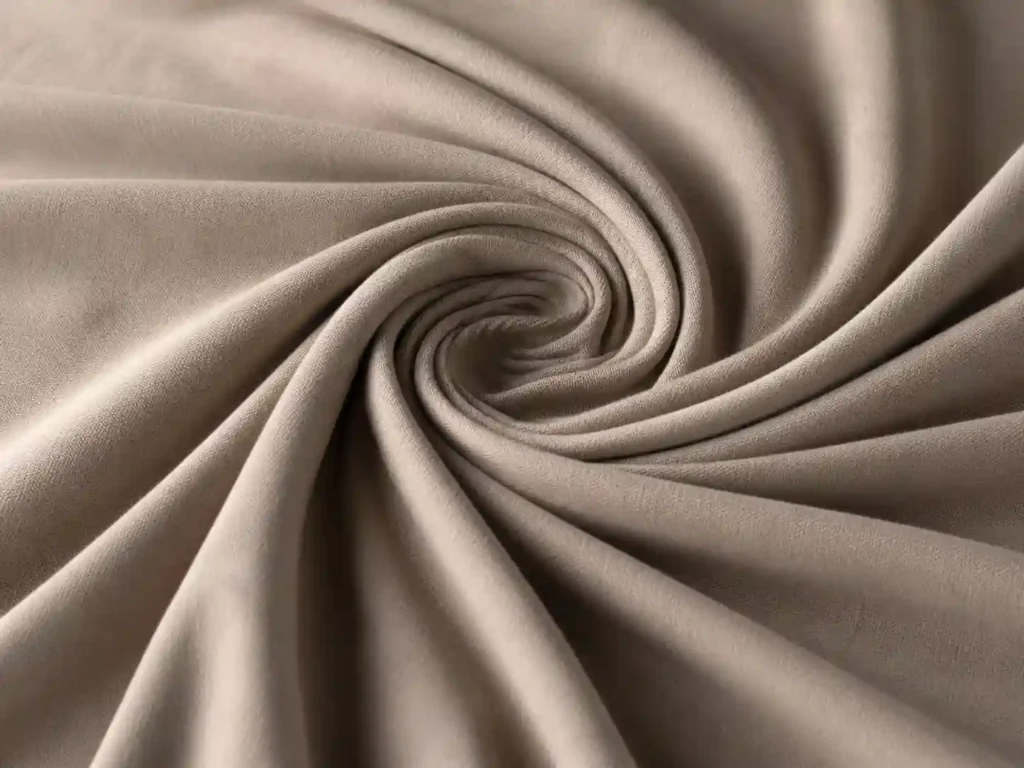
Viscose and Rayon Blends

Viscose and rayon materials are widely used for printed midi dresses, wrap dresses, summer maxis and relaxed daywear because of their soft hand and fluid drape.

Their development risks require attention. Shrinkage can affect garment length and waist position. Wet handling and washing may change surface appearance. Lightweight versions may become transparent, while unstable grain can contribute to twisted seams or uneven hems.

Print quality, color saturation and hand feel should be reviewed with the finished garment in mind. Where repeat production is expected, approved fabric references and shrinkage results should be preserved so that later batches can be compared with the original standard.

Crepe Fabrics

Crepe provides a refined surface and controlled drape suited to office dresses, polished midi dresses and day-to-evening styles.

Different crepes vary greatly in thickness, stretch, grain stability and surface texture. A lightweight woven crepe may create elegant movement but expose seam puckering. A stretch crepe may improve fit while requiring specific seam and pressing methods. Heavier versions can support cleaner body lines but may increase warmth and garment weight.

Development should evaluate whether the fabric returns after stretching, whether pressing leaves shine, and whether the chosen seam type remains smooth. Lining may be used according to opacity, comfort and target finish.

Linen and Linen-Look Fabrics

Linen and linen-look materials provide breathability, visible texture and a strong summer identity. They work well for relaxed shirt dresses, belted midis, resort day dresses and structured casual styles.

Natural creasing is part of linen’s character, but uncontrolled distortion, excessive shrinkage or seam stress can weaken the finished product. Blends with viscose, cotton or polyester may improve drape or recovery while maintaining a linen-inspired appearance.

Garment washing, pre-shrink treatment and pressing standards need to match the desired result. Pocket reinforcement, neckline stability and button areas should be reviewed where the fabric has an open weave or lower resistance to repeated stress.

Jersey and Knit Fabrics

Jersey and knit fabrics support comfort, ease and body movement. They are suitable for casual columns, fit-and-flare knits, rib dresses and softer office styles.

Stretch percentage and recovery must be reviewed in both directions. A fabric may stretch sufficiently during fitting but fail to return after wear. Fabric weight, opacity and surface cling also affect whether the style feels appropriate for daytime use.

Pattern measurements should be developed around the selected fabric rather than transferred from a woven dress. Necklines, shoulders and waist seams may require stabilization. Seam elasticity and hem construction should allow movement without cracking or distortion.
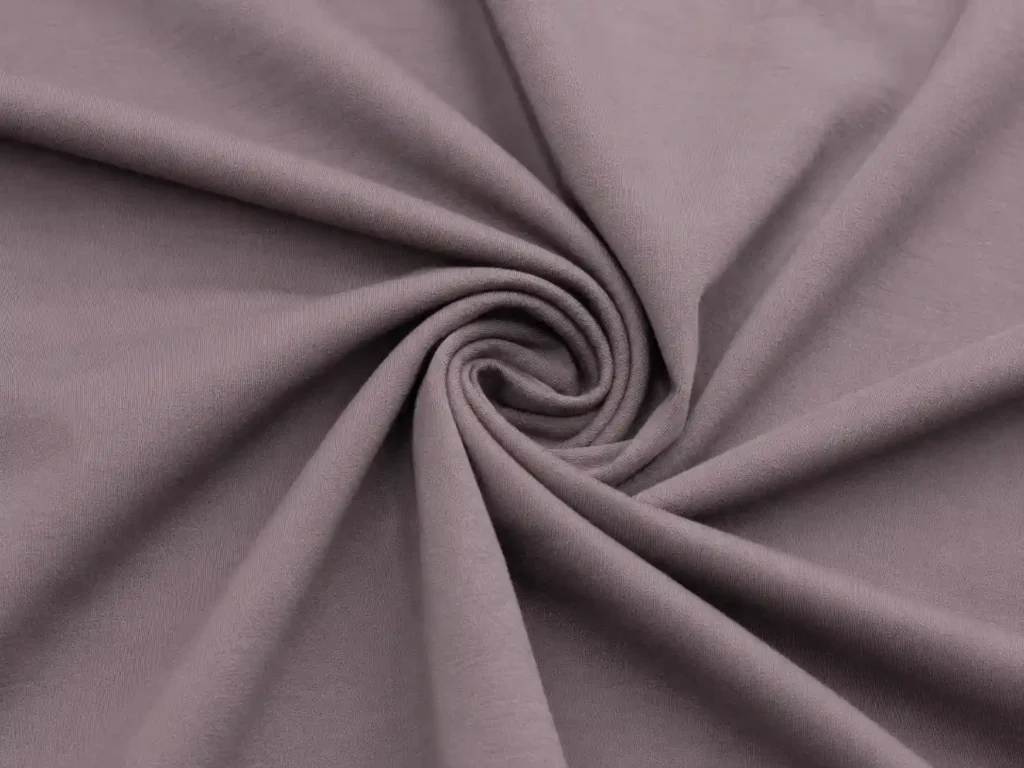
Printed Polyester and Blends

Polyester and blended printed fabrics can provide color clarity, dimensional stability and commercially controlled costing across larger programs.

Quality varies according to yarn, weave, finish and print method. Lightweight qualities may hold static or feel overly synthetic, while dense qualities may reduce breathability. Print color, repeat, direction and batch matching should be assessed before production.

For multi-style collections, using coordinated fabric bases can simplify color consistency and production planning. Duolan can review print placement, cutting direction, marker efficiency and seam matching according to the scale and structure of the artwork.

Control Print and Color Across the Collection

Print and color decisions influence fabric yield, visual balance, production timing and reorder stability. A strong artwork file alone does not guarantee a consistent garment unless scale, placement and batch standards are controlled.

Print Scale and Placement

A motif that looks balanced on a swatch may become oversized or visually lost on the full garment. Print scale should be reviewed against bodice width, sleeve shape, skirt volume and garment length. Directional artwork, borders and engineered placements require controlled cutting. Front panels, plackets, center seams and waist joins may need specific alignment rules. The marker plan should reflect which matching points are visually important and which areas allow normal production variation.

Color Approval

Color approval may involve Pantone references, lab dips, strike-offs, fabric swatches or approved garment samples. The reference method should be identified before bulk dyeing or printing. A single color can appear different on cotton, viscose, crepe and jersey because fiber, texture and light reflection change the visual result. Collection coordination therefore requires physical review rather than relying only on digital artwork.

Batch Consistency

Bulk color should be reviewed by dye lot or print batch according to the material and order structure. Garment panels should not be mixed where visible shade variation could occur. For repeat production, earlier swatches and approved bulk references can support comparison. Material suppliers, finishing processes and lighting conditions should be documented when they materially affect color assessment.

Print-to-Garment Control

Print development should move through a controlled route: artwork check, scale confirmation, color reference, strike-off, fabric approval, cutting direction and garment review. Finished garments should be examined for motif balance, seam interruption, visible misalignment and color response after pressing. High-visibility areas such as collars, plackets and center fronts may require stronger placement rules.

Fit Engineering for Everyday Movement and Sizing

Commercial day dress fit should protect appearance, comfort, movement and wearing confidence across the approved size range. Duolan develops against brand measurements and fit direction instead of forcing every program into a single factory size standard.

Bust and Neckline Balance

Bust shaping affects neckline stability, armhole appearance, front length and overall garment balance. Darts, princess seams, wrap edges, gathers or stretch must work with the target body shape. Common risks include neckline gaping, pulling across the bust, open plackets and excess fabric at the armhole. Fit review should identify whether the problem comes from measurements, pattern shape, fabric stretch or construction.

Waist Position and Ease

Waist placement changes the perceived proportion of the entire dress. A waist seam that sits too high or low can make the skirt hang incorrectly and reduce comfort. Ease should reflect the wearing scenario and closure method. A fitted office dress may need controlled room for sitting, while an elastic-waist style needs a defined stretch range and recovery standard.

Armhole and Sleeve Movement

Armhole depth, shoulder width, sleeve cap shape and bicep ease influence movement. A visually clean sleeve may still restrict reaching or lifting. Fit evaluation should include normal movement rather than a single standing pose. Lightweight fabrics can expose drag lines quickly, while stiff fabrics may require additional pattern adjustment.

Hip and Skirt Movement

Hip ease, skirt sweep, slit height and fabric stretch determine walking and sitting comfort. Straight and column dresses require more precise movement planning than fuller silhouettes. Side seams should remain balanced, and slits should open cleanly without excessive strain. Wrap skirts need enough overlap to remain secure during movement.

Length and Grading

Mini, midi and maxi lengths carry different safety and proportion requirements. Length cannot always be graded by adding the same amount to every size. Duolan reviews base-size body length, waist placement, skirt proportion and market direction before creating the grading rule. Critical measurements are then transferred into the spec sheet and quality checks. 

For coordinated programs, brands may develop 5–8 commercial sizes or another market-specific range. Final grading, fit model selection and tolerance are confirmed according to the approved brand standard rather than treated as a universal formula.

Construction Details That Improve Daily Wear

Closures, pockets, linings and internal finishing determine how a day dress functions after the first fitting. Each detail should be evaluated for appearance, comfort, repeated use and reliable production.

Front Plackets

Plackets need sufficient structure to remain flat without becoming stiff. Width, fold construction, interfacing, button spacing and stitch position should be defined. Lightweight fabrics are more sensitive to rippling and distortion. Bust-level button placement deserves additional review to prevent opening during movement.

Buttons and Closures

Button size, shank, finish and strength should match the fabric and product direction. Buttonholes require consistent length, density and alignment. Hooks, snaps and concealed fasteners may be added where a visible opening needs extra security. Closure components should also remain suitable for pressing and care.

Waist Belts

Self-fabric belts need controlled width, length, turning quality and internal support. Hardware should match the visual direction and garment weight. Belt-loop position should remain consistent across sizes. Anchor points must withstand repeated pulling without distorting the side seam or waist.

Elastic and Shirring

Elastic and shirring provide flexibility but require measurable stretch and recovery. Panel dimensions, elastic length, stitch density and row spacing should be specified. Finished sections should be reviewed both relaxed and extended. Weak recovery can reduce fit quality, while excessive tension can create discomfort.

Functional Pockets

Pocket position affects both convenience and garment shape. Opening angle, pocket-bag depth and reinforcement should be developed around the wearer’s movement. On lightweight fabrics, an oversized pocket bag may show through or pull the side seam. Placement should therefore consider opacity and drape.

Linings and Coverage

Lining may improve opacity, comfort, structure and internal finish. It should move with the outer fabric without pulling, twisting or showing below the hem. Partial lining, bodice lining or separate slips may be selected according to the style. Color and stretch should remain compatible with the shell fabric.

Hems and Slits

Hem method depends on fabric weight, shape and finish. Curved or full hems need controlled easing to avoid rippling. Slit height, reinforcement and overlap should support walking and sitting while maintaining appropriate coverage. Placement should remain stable across grading.

Zippers and Openings

Zipper length, tape weight and insertion method affect both dressing and garment appearance. Lightweight fabrics can pucker around concealed zippers if tension and pressing are poorly controlled. Opening length must allow the garment to pass over the shoulders or hips without placing excessive strain on seams.

Start with a Structured Project Review

Clear project information supports more accurate material, sample, cost and production decisions. Duolan can begin with complete technical files or review the available information and identify what still needs confirmation.

Tech Pack

A tech pack may include technical drawings, construction notes, measurements, materials, artwork, labels and packing requirements. The review identifies missing dimensions, conflicting instructions and areas where construction or material behavior may affect the intended result.

Reference Images

Reference images communicate silhouette, proportion, surface and mood, but do not define hidden construction. Duolan can separate visual objectives from assumptions and identify which areas need measurements, fabric direction, closure decisions or internal structure.

Original Sample

An original garment allows direct review of measurements, construction, fabric, finishing and fit balance. The team can record which elements should be retained, adjusted or redeveloped according to the new market, price level or material direction.

Fabric Direction

A swatch, composition request, reference garment or descriptive brief can establish the material starting point.
Duolan reviews drape, weight, stretch, transparency, color, care expectations and availability against the proposed silhouette.

Target Quantity

Quantity should be considered together with style count, color count, size breakdown, fabric minimums, printing requirements and packaging. For mature collection programs, the production route can be planned around the full order structure rather than a single style in isolation.

Launch Timeline

The target warehouse or launch date should be shared early.

Development, material approval, samples, PP confirmation, bulk production, QC, packing and transport are then planned backward.

Convert Design Direction into Controlled Documents

Technical documentation connects visual design with pattern development, material preparation, sample comments and bulk production. A clear file system reduces assumptions and protects decisions as the project moves between teams.

Tech Pack Review

Duolan checks whether drawings, measurements, materials and construction notes support a consistent interpretation. Ambiguous areas may include neckline depth, skirt volume, placket construction, pocket position, lining coverage, belt length or print placement. Questions are raised before sampling where possible, rather than hidden inside an unsupported quotation.

Pattern Development

Pattern work translates brand fit direction into body proportion, ease, seam balance and garment movement. Day dresses may require dart manipulation, waist shaping, sleeve correction, skirt-volume calculation, wrap overlap or neckline stabilization. Pattern changes made after fitting are recorded so that the next sample reflects the approved comments.

BOM and Material Direction

The bill of materials identifies shell fabric, lining, interfacing, zipper, buttons, elastic, labels, hangtags, packaging and other components. Material references need enough detail to support sourcing, costing and repeat production. Color, composition, dimension, finish and supplier reference may be recorded where relevant.

Revision Record

Fit comments are translated into measurable actions. “Neckline feels open” may require a neckline curve change, shoulder adjustment, bust correction or additional fastening. A revision record separates confirmed updates from open questions and gives the pattern, sample and production teams a shared basis for the next stage.

Develop Samples for Fit and Production Decisions

A sample is a decision tool. Its purpose should be defined before cutting begins, because a visual prototype, fit sample, photo sample and PP sample are evaluated against different standards.

Development Sample

The first development sample checks whether the silhouette, fabric direction and construction can create the intended product. Early review may focus on proportion, neckline, sleeve shape, waist placement, skirt volume, length and overall visual direction. Not every minor detail needs to be final at this stage, but major structural problems should be identified.

Fit Sample

The fit sample evaluates measurements, ease, movement and body balance. Review may include front, side and back photographs, key POM measurements and movement observations. Comments should be consolidated into clear actions. Pattern corrections are then made at the source rather than relying only on surface alterations to the sample garment.

Revised Sample

A revised sample confirms whether the agreed corrections have improved the garment without creating new problems.

Duolan can provide a concise review note identifying the areas already close to target, the points requiring brand confirmation and any remaining production concern.

Photo or Sales Sample

Photo and sales samples require stronger visual finishing because they may support campaign photography, showroom presentations, internal buying meetings or sales activity. Material, color and key trims should be sufficiently close to the intended product. The team also needs to understand whether the sample is for image approval only or will become part of the production basis.

PP or Golden Sample

The PP or golden sample should represent the confirmed production direction. Fabric, lining, trims, measurements, construction, labels and visible workmanship need to be aligned before bulk release.

For critical styles, a first-piece or small pilot stage may be added before the full production run.

Indicative planning framework:

  • Development review and available material preparation may be allocated approximately 2–5 working days.
  • Pattern development and first-sample sewing may be allocated approximately 3–7 working days for standard day dress construction.
  • Revised samples may require approximately 3–7 working days after consolidated comments and material confirmation.
  • Custom prints, special dyeing, washes, unavailable materials or complex fit may require a longer project-specific schedule.

Final timing is issued only after design complexity, fabric readiness and sample purpose are reviewed.

Step-5-PP-Sample-and-Bulk-Readiness

Control the Approved Sample into Bulk Production

Sample approval does not automatically mean a style is ready for production. Duolan performs a production-readiness review to confirm what is approved, what remains open and which standards must be locked before bulk materials and line planning are released.

Approved Sample Status

The team identifies whether the current sample is fit-confirmed, visually confirmed, suitable as a PP basis or still pending refinement. Different approval language should not be treated as interchangeable. A sample accepted for photography may not yet be suitable as the final production standard.

Material Lock

Shell fabric, lining, trims, buttons, zippers, elastic, labels and packaging components are aligned with the approved direction.

Color, hand feel, stretch, shrinkage and visible finish are reviewed where they affect the garment result.

Measurement Confirmation

The approved size chart, POM definitions, grading and critical tolerances are transferred into production and QC documents. Fit comments that changed the pattern should also appear in the final measurement or construction basis where relevant.

Workmanship Standard

Placket shape, gathering, seam method, hem finish, lining attachment, pocket position and visible stitch requirements are clarified. High-risk points may be supported by photographs, marked samples or workmanship reference cards.

PP Sample Approval

The PP sample confirms the production combination of material, pattern, measurements, components and workmanship. Approval should state whether the sample is fully confirmed or subject to a defined correction before line release.

First-Piece Check

The first-piece stage checks whether production has reproduced the approved standard under line conditions. For sensitive styles, the team may review key measurements, visual balance, seam appearance, closures and pressing before releasing the full quantity.

Inline Inspection

Inline checks look for emerging production variation while correction is still possible. Measurements, seam quality, print alignment, plackets, zippers, elastic, hems and finishing are reviewed according to the style’s main risks.

Final and Packing Check

Finished garments are checked against approved appearance, measurements, labels, packaging and assortment requirements. Packing verification covers folding or hanging method, size and color ratio, barcode, polybag, carton marking and shipment preparation.

Plan Production by Style and Launch Priority

A collection containing many styles should not be treated as one undivided order. Production planning becomes more reliable when each style is evaluated by material, construction, quantity, risk and delivery priority.

Style-Level Breakdown

Orders are separated by style, color, size and quantity. The team reviews whether each product is a standard style, complex style, quick-response style or higher-risk construction. A 20-style program may contain simple shirt dresses, printed midis and fully lined structured dresses. Applying one production route to all of them can create avoidable delay or quality variation.

Material and Craft Matching

Styles are matched to production resources according to fabric handling, print, embroidery, washing, pleating, shirring, lining and special finishing. Duolan maintains relationships with fabric, trim, accessory and special-process resources, including multiple cooperating options for printing, dyeing, embroidery and washing.

Priority and Capacity Planning

Campaign styles, core sales styles, launch-critical products and later delivery groups can be assigned different production priorities. Owned factories can support stronger control over core projects, while satellite resources provide additional flexibility for repeat orders, volume expansion and production peaks.

Timeline and Delivery Control

The production calendar is worked backward from the delivery requirement. Material arrival, PP approval, cutting, sewing, inline QC, finishing, packing and inspection require defined time windows. As a planning reference, standard day dress bulk programs may require approximately 25–45 days after material and PP approval.

Workmanship Standards for Clean Day Dresses
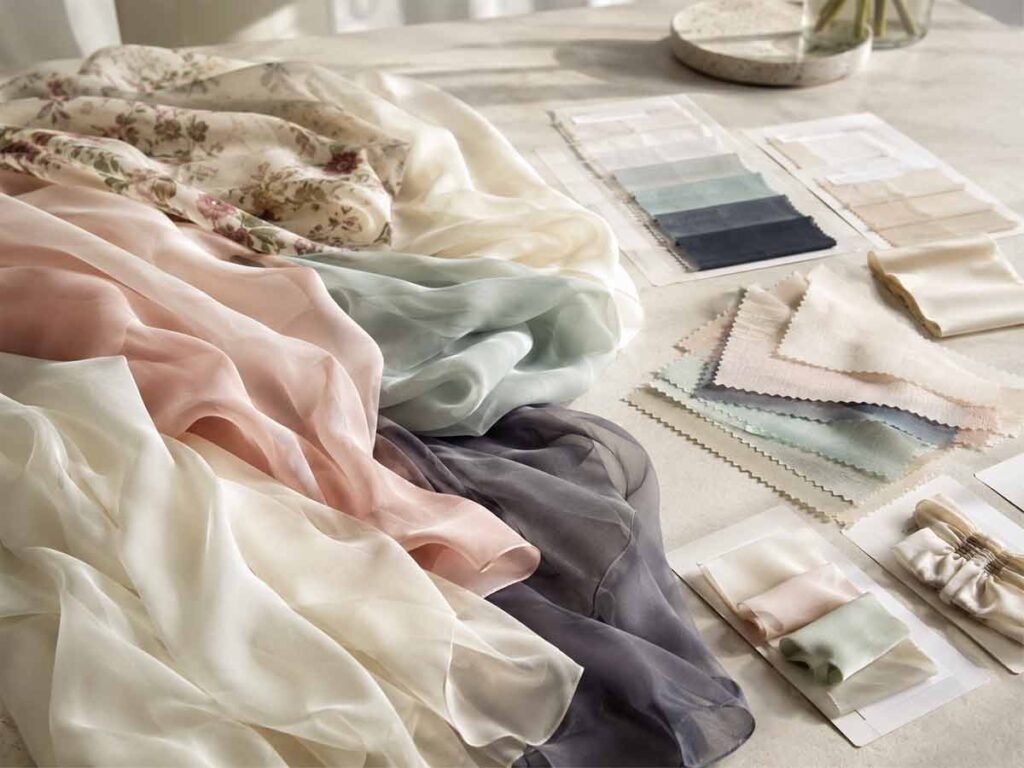
Day dress workmanship should remain clean under movement, natural daylight, repeated wear and close product photography. Small distortions around seams, plackets or hems can weaken the whole garment even when the design is commercially strong.

Lightweight Fabric Handling

Fine viscose, lightweight crepe, voile and similar fabrics can shift, stretch or show needle damage during production. Cutting accuracy, needle selection, thread tension, seam method and handling discipline need to match the material. Panels should remain on grain, and edges may require stabilization before assembly.

Seam and Pucker Control

Seam puckering can result from thread tension, stitch density, feeding difference, needle damage, fabric shrinkage or pressing. Duolan reviews seam appearance on the approved fabric rather than assuming one machine setting works across all qualities. Curved seams, zippers and bias areas need additional attention.

Placket and Button Alignment

Front plackets should remain straight and balanced from neckline to hem. Button positions should follow the approved spacing and protect the bust area from opening. Interfacing, fold width, edge stitching and buttonhole direction are checked together. An error of a few millimeters can become visually obvious along a full front opening.

Print Matching

Not every printed garment requires exact matching at every seam, but high-visibility areas should follow the agreed rule. Center fronts, collars, plackets, waist seams, pockets and large motifs may require controlled positioning. The standard should be defined before cutting so cost and fabric consumption remain transparent.

Hem and Skirt Balance

Curved, flared, bias and long hems can change after hanging. Grain, fabric weight and construction influence whether the finished line remains even. The team can review the garment after appropriate resting or hanging where the fabric requires it. Hem method should stay smooth without excessive stiffness or visible roping.

Pressing and Appearance

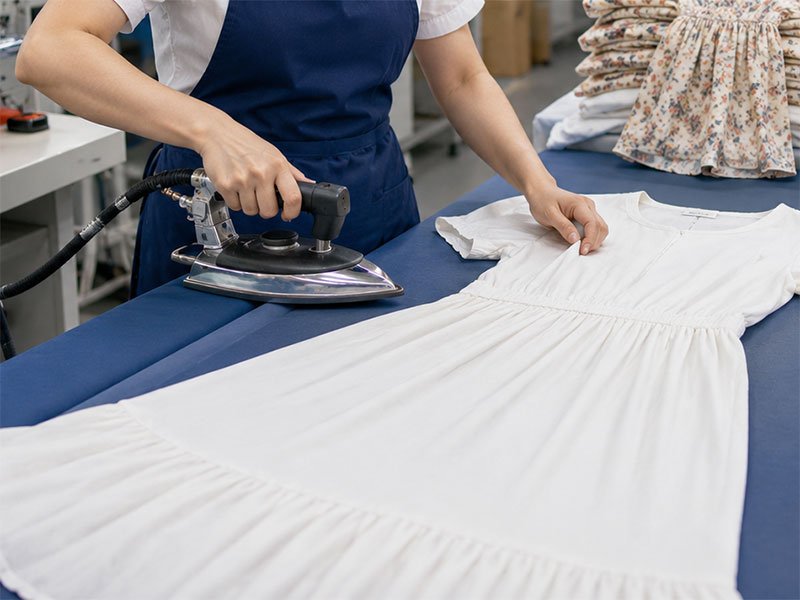
Pressing affects seam smoothness, collar shape, placket stability and the overall commercial finish. Heat, pressure and steam should suit the fabric. Sensitive crepe, polyester or textured materials may develop shine, flattening or marks when treated incorrectly. Final appearance is reviewed before packing.

Quality Control from Fabric to Final Packing

Quality is built through checkpoints rather than added after sewing is complete. Day dress inspection focuses on material consistency, fit, seam appearance, closures, finishing and packaging according to the approved production basis.

Fabric Inspection

Fabric is reviewed for visible defects, shade variation, width, hand feel, print quality and other project-specific points. Where applicable, shrinkage, colorfastness, weight, stretch or dimensional stability may be checked according to the agreed standard.

Pre-Production Review

Before cutting, the team reviews approved sample status, fabric, trims, measurements, workmanship, labels, packaging and delivery requirements. Open issues should be identified before they enter a full production quantity.

Cutting Check

Markers, grain direction, print direction, shade grouping and cut-part accuracy are reviewed.

Numbering and bundle control help prevent panel mixing where shade or print consistency matters.

First-Piece Confirmation

The first completed production garment is compared with the approved basis. Key fit, measurements, placket, neckline, sleeve, waist, hem and visible workmanship points are checked before wider line release.

Inline Inspection

Inline inspection identifies recurring issues while garments are still in production.

Corrective action can be introduced before the same defect spreads across a large quantity.

Measurement Check

Critical measurements are checked according to the spec sheet and agreed tolerances. Measurement methods should be consistent: garment position, fastening state, stretch condition and reference points need to be defined.

Final Inspection

Finished garments are reviewed for appearance, measurements, workmanship, stains, damage, labels, accessories and functional closures. Inspection scope may follow internal control, brand requirements or an agreed third-party method.

Packing Verification

Packing checks confirm color and size assortment, folding or hanging, barcode, polybag, warning text, carton quantity and carton marks. The final packed product should match the approved commercial and logistics requirements, not only the garment specification.

Compliance Support for Global Fashion Programs

Duolan’s manufacturing system has completed SMETA audit work, including SMETA 2-Pillar records, and can coordinate additional quality, testing and documentation requirements according to the brand, product and destination market.

Social Audit Readiness

Social responsibility records are often part of supplier qualification for established fashion organizations. Duolan can discuss available SMETA documentation, factory information and project-specific audit requirements during supplier evaluation.

Fabric Test Coordination

Fabric testing may cover composition, weight, shrinkage, colorfastness, pilling, dimensional stability or restricted-substance requirements. The exact test package should be agreed according to material, care method, market and brand standard.

AATCC and ASTM Direction

US-focused programs may reference AATCC or ASTM methods for selected performance and material tests. Duolan can coordinate against confirmed specifications rather than applying one test list to every dress.

OEKO-TEX and GOTS

OEKO-TEX or GOTS-related requirements depend on the material source, certified scope and project documentation. Claims should be verified against the actual fabric, supplier and transaction documents before labels or marketing statements are approved.

Label and Fiber Content

Fiber content, country of origin, care instructions, size, brand labels and warning information should reflect destination-market and brand requirements. Artwork, language and placement need approval before bulk label production.

Third-Party Inspection

Independent inspection can be integrated into the production and shipment calendar. Factory access, inspection date, product status, sampling method and reporting requirements should be confirmed early enough to avoid compressing delivery.

Manufacturing Capacity for Multi-Style Dress Programs

Duolan combines dress development experience with a multi-level manufacturing network. Scale is organized to support product development, core production, repeat orders, complex process allocation and capacity expansion.

30+ Years Development

Jerry Li and the supporting team have worked in fast-fashion womenswear development since the 1990s. Experience covers dress design direction, fabric development, construction, decorative craft and commercial production for European and American fashion markets.

16 Owned Factories

Owned womenswear factories provide stronger control for core styles, development-sensitive products and key production programs. Factory allocation can be matched to product structure, material and quality requirements.

20+ Satellite Factories

Long-term satellite manufacturing resources add flexibility for volume expansion, rolling reorders and seasonal production peaks. Allocation remains dependent on style suitability, confirmed standards and project management requirements.

12,000+ Workers

The supporting manufacturing system includes more than 12,000 workers across several regional production bases. The network provides additional capacity options for multi-style, multi-stage and scaled fashion programs.

50+ Quick-Response Lines

Quick-response and flexible lines help manage launch quantities, selected additions, replenishment and styles with shorter production windows. Speed is still tied to confirmed materials, sample approval and line availability rather than treated as an unsupported promise.

Supporting Supply Chain

Fabric, trim, accessory, printing, dyeing, embroidery, washing and finishing resources are coordinated around dress development. South China’s established fabric and accessory markets support sourcing, testing and production preparation for diverse womenswear programs.

Understand Day Dress Cost and Order Structure

A professional quotation reflects fabric, lining, trims, print, pattern complexity, labor time, wastage, color and size breakdown, packaging and delivery conditions. Complete project information reduces assumptions and creates a stronger commercial basis.

Cost or Order FactorWhy It Changes the ProjectDevelopment Direction
Fabric constructionComposition, weight, width, finish and shrinkage influence both garment performance and consumptionConfirm fabric direction before final costing
Print developmentStrike-offs, color approval, placement and print method add preparation stagesShare original artwork, scale and color references
Style countA program of 10–30 styles requires separate patterns, samples, BOMs and production planningGroup styles by material and construction where possible
Color countEvery color divides fabric, cutting, trims, labels and size allocationBuild color plans around sales and fabric minimums
Size breakdownBroad size ranges and uneven ratios affect cutting and line planningProvide the intended size chart and quantity ratio
Construction complexityPlackets, linings, shirring, belts, pockets and special hems add operationsProtect visible and functional value while reviewing unnecessary complexity
Order quantityQuantity influences material sourcing, line efficiency and packing allocationReview the whole program rather than only one unit price
Delivery requirementShort calendars may require earlier material commitments or split planningShare the target warehouse and launch dates
PackagingCustom labels, barcodes, hangers, polybags and cartons carry specifications and preparation timeConfirm artwork and packing instructions before production
Reorder planPreserved materials and standards can improve later production continuityIdentify core styles and likely replenishment products early

Protect Products Through Packing and Reorders

Commercial performance continues after sewing. Pressing, labeling, folding, shipment preparation and preserved reorder standards affect how day dresses arrive, enter the warehouse and return for another production round.

Garment Preparation

Finished dresses are pressed and prepared according to fabric and packing method. Belts, spare buttons, removable components and hangtags should be secured in the agreed position. Long or fluid dresses may require additional folding control to reduce creasing and distortion.

Label and Packaging Control

Main labels, size labels, care labels, hangtags, barcodes and polybags are checked against approved artwork and placement. Packing method should support retail, e-commerce, warehouse scanning or hanging delivery requirements as defined by the brand.

Delivery Planning

The delivery calendar should include production completion, final inspection, packing, documentation and transport preparation. For multi-style orders, partial shipment or grouped delivery may be discussed according to launch priority, inspection status and warehouse requirements.

Reorder Standard Preservation

Patterns, measurements, approved swatches, trim references, PP samples, QC findings and packing instructions can be retained as reorder references. Before a repeat order begins, material availability and any requested changes should still be reviewed. Preserved standards improve continuity but do not replace new batch confirmation.

Representative Day Dress Program Profiles

The following profiles reflect the scale and structure of day dress programs Duolan is prepared to coordinate. Quantities should be matched to approved internal project records before publication as named case studies.

US Workwear Day Dress Program

  • Region: United States
  • Program Type: Office and day-to-evening womenswear
  • Style Count: 18 styles
  • Total Quantity: 42,600 pieces
  • Product Mix: Shirt dresses, wrap midis, belted crepe dresses and polished knit dresses

The program required consistent fit across a coordinated size range, controlled neckline coverage and color alignment across several fabric bases. Development risk centered on shirt-dress plackets, wrap overlap, sitting comfort and the visual difference between crepe and knit colorways.

The proposed control route included fabric behavior review, base-size fit confirmation, POM alignment, placket and closure checks, PP approval and first-piece measurement review. Styles were grouped by construction and material so that similar products could share development standards without losing their individual silhouette.

A reverse calendar separated campaign samples, launch-critical production and later core-style deliveries. Reorder files preserved approved patterns, material references, measurements and packing instructions.

European Summer Daywear Collection

  • Region: Western Europe
  • Program Type: Spring and summer printed daywear
  • Style Count: 24 styles
  • Total Quantity: 67,200 pieces
  • Product Mix: Printed midi dresses, tiered maxis, smocked dresses, wrap dresses and casual mini dresses

Main risks included viscose shrinkage, transparency, directional print cutting, long-hem balance and uneven smocking recovery. Several designs shared artwork colors but used different fabric weights, creating a need for physical color review rather than digital matching alone.

The development route used print-scale review, strike-off approval, shrinkage assessment, pattern adjustment and garment-level print evaluation. Lightweight styles were reviewed for lining, coverage and movement. Smocked areas were checked in relaxed and extended conditions.

Production planning divided standard printed styles from higher-risk maxis and smocked products. Inline controls focused on shade grouping, print direction, seam twisting, gathered distribution and finished length.

Australian Resort-Day Collection

  • Region: Australia
  • Program Type: Resort, travel and warm-weather day dresses
  • Style Count: 14 styles
  • Total Quantity: 28,400 pieces
  • Product Mix: Linen-look shirt dresses, travel maxis, elastic-waist midis and relaxed mini dresses

The range needed breathable appearance, packing recovery and a polished resort identity. Fabric options had different wrinkle levels, shrinkage behavior and opacity, while long dresses required stable side seams and controlled hems.

Development compared linen-viscose, cotton blends and polyester linen-look qualities against silhouette, care and commercial cost. Garments were reviewed after pressing and movement, with additional attention given to pocket show-through, waist comfort and long-skirt balance.

The production plan prioritized campaign styles and separated fabric-sensitive maxis for closer first-piece review. Packaging instructions were adjusted to control creasing and keep belts or removable elements secure.

Custom Day Dress Manufacturer Frequently Asked Questions

Duolan develops shirt dresses, wrap dresses, A-line dresses, fit-and-flare styles, printed midi dresses, casual mini dresses, summer maxis, smocked dresses, tiered dresses, belted dresses, office dresses and knit day dresses. Product direction is reviewed according to fabric, fit, wearing scenario, size range, price position and production requirements.
Yes. Reference images can establish silhouette and visual direction, but hidden construction, measurements and material behavior still need review. Duolan can identify the information required for pattern work, fabric selection, sample development and costing. A tech pack or original sample can provide additional accuracy where available.
Useful information includes technical drawings or reference images, target fabric, size chart, base size, quantity, colorways, label requirements, sample purpose and target delivery date. Complete information supports a more accurate development plan, but the team can review available files and identify missing decisions.
Timing depends on design complexity, fabric readiness, printing, trims, fit requirements and sample purpose. Standard day dress construction with available materials may follow a shorter route, while custom print, dyeing, special finishing or repeated fit work requires more time. Duolan issues a project-specific schedule after the brief is reviewed.
Yes. Duolan’s manufacturing system is structured for coordinated programs containing multiple styles, colors, sizes and production priorities. Orders are broken down by style complexity, materials, quantity and timeline before production routes are assigned.
Fit control begins with the brand’s size chart, base size, POM definitions and fit direction. Samples are reviewed for bust, neckline, waist, armhole, sleeve movement, hip, sweep and length. Approved changes are transferred into the pattern, measurement chart and production QC basis.
Duolan performs a production-readiness review covering sample status, materials, measurements, workmanship, labels, packaging and launch requirements. PP approval, first-piece checks and inline inspection help transfer the approved sample standard into manufacturing.
Order feasibility depends on style count, fabric minimums, color count, size ratio, printing, trims, construction, packaging and delivery timing. Duolan reviews the full program structure rather than using one universal quantity rule for every day dress.
Duolan can coordinate confirmed testing, fiber-content, care-label, country-of-origin and brand documentation requirements for US programs. Applicable methods and records should be agreed according to material, product and destination-market needs.
Confidential technical files, samples, artworks, labels and unreleased collection information can be handled under agreed confidentiality requirements. Evidence used for marketing or factory presentation should remove protected brand information unless written permission has been provided.

Start Your Custom Day Dress Development Program

Share the information already available for your day dress program, whether it is a complete tech pack, reference image, original sample, collection brief or initial fabric direction. Clear details help Duolan review silhouette, material behavior, fit priorities, construction risks, sample route, production feasibility and delivery planning with greater accuracy.

Useful project information includes:

  • Brand website or market positioning
  • Day dress styles under development
  • Tech packs, sketches or reference images
  • Original samples or fabric swatches
  • Target fabric composition and color direction
  • Style count and total order quantity
  • Color and size breakdown
  • Required labels, hangtags and packaging
  • Target sample date
  • Target warehouse or launch date
  • Main fit, quality or cost concerns

Duolan will review the available information and identify the next confirmation points for sampling, costing or bulk production. Projects may begin from complete technical documentation or from an earlier design direction requiring structured development support.


Start Your Apparel Development Project

OEM/ODM Manufacturing Support for Fashion Brands

Share your collection details, estimated quantities, target market, development timeline, and technical requirements. The production team will review your request and provide a tailored manufacturing solution based on your product category, fabric selection, construction needs, and delivery schedule.

Fashion Manufacturing Support with Scalable Production Capacity

From sample development to bulk production, Duolan supports fashion brands with confidential OEM/ODM manufacturing, stable quality management, flexible production planning, and coordinated multi-factory execution for seasonal and capsule collections.

Need Direct Assistance?

Seraphinite AcceleratorOptimized by Seraphinite Accelerator
Turns on site high speed to be attractive for people and search engines.