 Skip to content
Custom Day Party Dress Manufacturer
Dress-focused development and manufacturing for fashion brands building brunch, garden party, daytime occasion and social-event collections.
- Development support for mini, midi and maxi day party dresses across floral, fitted, draped, structured and lightweight occasion directions.
- A manufacturing network built around 16 owned womenswear factories, 20+ satellite factories, 300 sewing lines and 50+ flexible production lines.
- Monthly sample development capacity of approximately 15,000–35,000 pieces or development rounds across 3,000–8,000 active style processes.
- Production planning suited to collection programs containing 10–30 styles and combined order volumes of approximately 20,000–80,000 garments.
- Support from design review and fabric sourcing through pattern development, sample revision, PP approval, bulk manufacturing, inspection and delivery.
What Defines a Commercial Day Party Dress?
Daywear With Occasion Presence
The balance usually comes from controlled design decisions rather than excessive decoration. A floral print may provide visual impact without beadwork. A clean halter neckline may create a stronger party direction without heavy corsetry. Ruffles, asymmetric hems, cut-outs, ruching or a shaped waist can raise the fashion level while preserving daytime wearability.
Development should therefore begin with several questions:
- How formal is the intended event?
- Will the garment be worn indoors, outdoors or across both environments?
- Does the style need to transition from lunch into an evening occasion?
- Is the visual focus created through print, silhouette, fabric, color or construction?
- How much movement, sitting and walking should the fit accommodate?
Lighter Than Evening Partywear
Evening party dresses often rely on stronger shine, deeper colors, tighter silhouettes, heavier embellishment or more revealing construction. Day party collections normally require greater restraint. Fabric weight, opacity, lining, skin feel and heat management become more important because the garment may be worn for several hours under daylight or warm outdoor conditions.
Lightweight satin, chiffon, crepe, viscose, embroidered cotton, lace and soft mesh can all work, but each material creates different production risks. High-shine satin may appear excessive under strong sunlight. Very light chiffon may become transparent. Dense embroidery may add unwanted weight. Soft viscose can lose shape if the pattern is not adjusted for drape and stretch.
Duolan reviews the intended wearing environment before confirming material direction. The objective is not to remove fashion impact, but to control where the impact comes from. A cleaner surface can support a stronger silhouette. A simple silhouette can support a bolder print. A lightweight fabric may need internal structure at the bust, waist or neckline to preserve the intended shape.
Designed for Real Movement
Key movement points include:
- Mini length during walking and sitting
- Wrap-front coverage
- Strap stability
- Underarm opening depth
- Backless support
- Neckline movement
- Slit height
- Waist seam position
- Skirt volume
- Lining movement
- Hem balance

Fashion Teams We Support
Fast Fashion Brands
Occasionwear Brands
Product Development Teams
Buying and Sourcing Teams
What Fashion Teams Expect From a Dress Manufacturer
Accurate Design Reading
Fabric-Silhouette Matching
A design can lose its intended effect when fabric weight, stretch, drape, opacity or recovery is unsuitable.
Material direction is reviewed against neckline, waist structure, skirt volume, sleeve shape, lining need and expected movement.
Controlled Sample Revision
Multi-Style Coordination
Sample-to-Bulk Consistency
Delivery Discipline
Day Party Dress Development Risk Matrix
Most development losses begin before sewing starts. Clear risk identification helps prevent unsuitable materials, unstable fit, repeated revisions and sample-to-bulk differences.
| Development Area | Common Commercial Risk | Duolan Control Direction |
|---|---|---|
| Fabric and silhouette | Fabric lacks drape, body or recovery required by the design | Review weight, composition, stretch, handfeel, opacity, fall and bulk availability |
| Daylight opacity | Light colors or lightweight fabrics reveal seams, underwear or internal construction outdoors | Conduct opacity review, lining assessment and seam-placement check |
| Mini dress length | Garment becomes uncomfortable or unsafe during walking and sitting | Review finished length, hem balance, lining length and movement allowance |
| Neckline and bust | Neckline gaps, slips or creates inadequate coverage | Adjust neckline shape, bust balance, strap angle, elastic support or internal structure |
| Backless and halter construction | Garment places excessive pressure on the neck or lacks stable back support | Review strap path, fastening position, side seam, back height and internal stabilization |
| Wrap construction | Front opening shifts during movement | Control overlap width, tie position, internal fastening and skirt sweep |
| Print placement | Motifs appear uneven at center front, seams, bust or hem | Confirm repeat size, cutting direction, matching requirement and placement standard |
| Sample-to-bulk transfer | Bulk garments differ in feel, measurement, construction or appearance | Lock approved sample, BOM, measurements, workmanship notes, materials and QC points |
| Multi-style production | Styles become mixed, delayed or assigned to unsuitable production paths | Classify by complexity, material, process, quantity and launch priority |
| Repeat order | New batch differs from the original style | Preserve pattern, BOM, color references, construction records and inspection notes |
Custom Day Party Dress Product Range
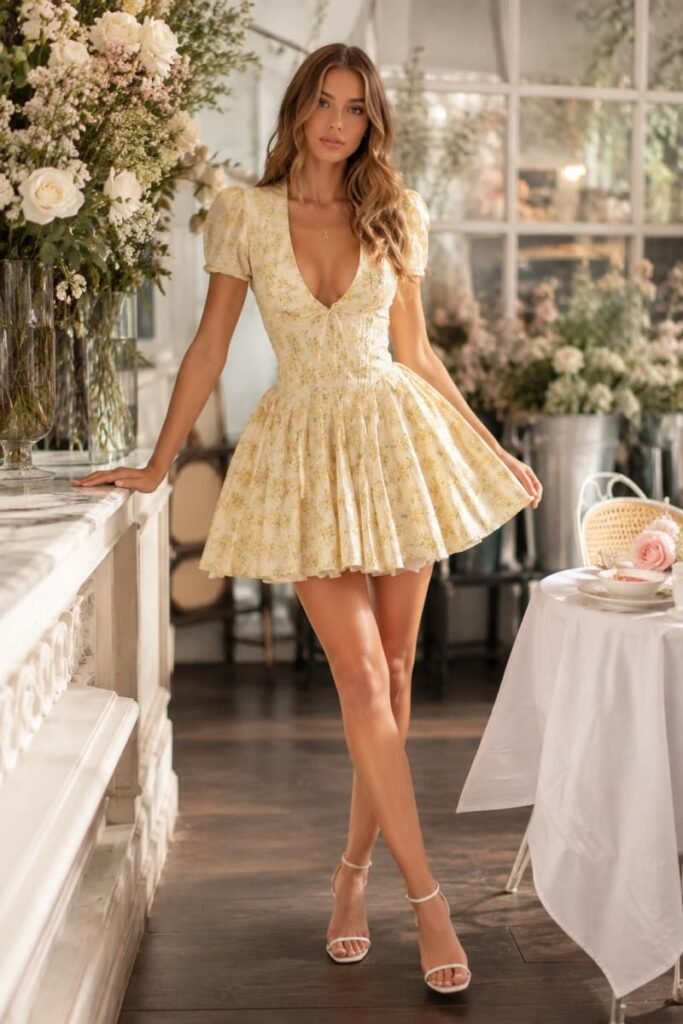
Floral Mini Dresses

Garden Party Midis
Garden party midis often combine a fitted or shaped bodice with a softer skirt. Square necklines, shaped waists, puff sleeves, gathered skirts and floral surfaces are common. The pattern must balance bust fit, waist position and skirt volume. Overly stiff material can make the silhouette bulky, while overly soft material may remove the intended shape. Lining, pocket placement, neckline support and outdoor opacity need confirmation before sample approval.

Brunch Dresses

Satin Day Party Dresses

Chiffon Occasion Dresses
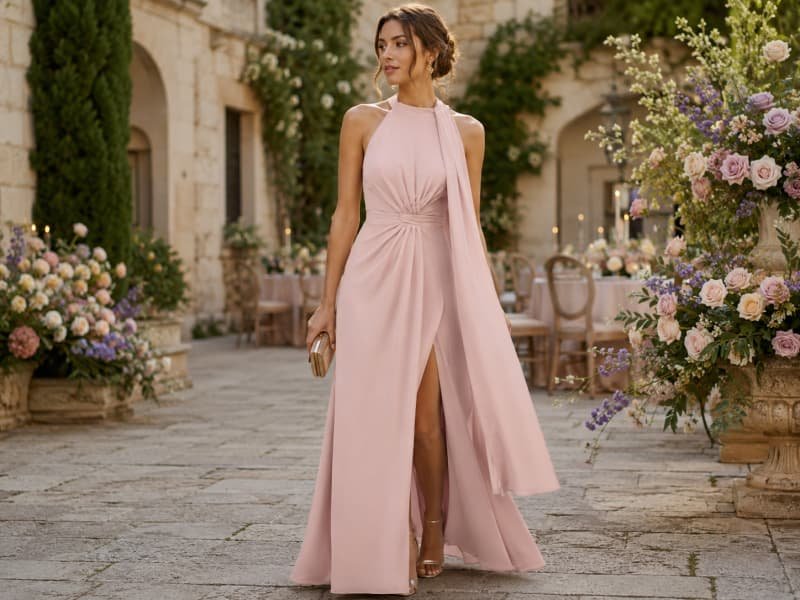
Chiffon supports soft movement, layered skirts, flutter sleeves, draped details and romantic daytime occasions. Its transparency and movement can create strong visual value for garden parties and daytime wedding-guest collections. Production control covers layer count, lining coverage, narrow hemming, seam neatness, sleeve balance and fabric movement. Cutting and handling must avoid distortion.

Smocked Party Dresses
Smocking provides stretch, fit flexibility and a recognizable warm-weather appearance. It works well for fitted bodices, waist panels, back panels and sleeve openings. Development must control elastic tension, stitch density, panel recovery and finished measurement. Bulk standards should define the relaxed and stretched measurements rather than relying only on appearance.

Halter Day Dresses

Wrap Party Dresses

Cut-Out Day Dresses

Puff Sleeve Dresses

Embroidered Cotton Dresses

Day-to-Evening Dresses
Day Party Occasions We Develop For

Brunch Parties

Garden Parties

Birthday Lunches

Rooftop Day Events

Daytime Cocktails

Resort Social Events

Summer Celebrations
Wedding Guest Occasions
Building a Commercial Day Party Collection
Hero Styles Create Attention
Hero styles carry the strongest visual story. They may use a distinctive print, dramatic sleeve, cut-out placement, asymmetric hem, bold color or refined surface detail.
Hero styles need early feasibility review because unusual construction or fabric can create longer development paths. A hero piece should be visually strong while remaining producible at the intended quantity and price position. Sampling priorities should identify these styles early enough for fitting, photography and production validation.
For a 10–30-style day party program, hero pieces may represent only a limited portion of the range. Their role is to create campaign impact, not necessarily carry the largest order quantity.
Core Styles Support Volume
Core styles are easier to fit into repeated wearing occasions and often carry larger quantities. Examples include floral wrap midis, fitted mini dresses, shaped A-lines, smocked dresses and clean halter styles.
Development priorities include:
- Reliable fit across the intended size range
- Fabric availability for bulk and repeat orders
- Construction suited to stable production
- Color and print extension potential
- Competitive material and workmanship structure
- Packaging and transport resilience
Core styles should not look generic. Commercial value can come from improved proportion, neckline shape, sleeve detail, print, texture or color rather than excessive construction.
Repeatable Shapes Build Continuity
A proven silhouette can become a long-term product platform. The same base shape may develop into new colors, prints, sleeve options, lengths or fabric directions, but each change still requires technical review.
Changing from satin to crepe, chiffon to rayon or non-stretch cotton to stretch woven can alter ease, seam behavior, drape and finished measurement. Duolan reviews whether the existing pattern can be retained, adjusted or rebuilt before a new version enters sampling.
Repeatable product platforms support faster range building because approved pattern logic, fit priorities and construction methods remain available for future programs.
Collection Architecture Controls Risk
A balanced range may include:
- 15–25% visually stronger campaign styles
- 40–55% core commercial styles
- 15–25% fit-secure or repeatable silhouettes
- A smaller group of test directions for new materials or construction
Percentages vary by brand strategy, but the principle remains valuable: not every style should carry the same development risk.
For programs containing 10–30 styles and 20,000–80,000 total garments, early classification helps prioritize samples, reserve special processes, identify long-lead materials and plan suitable production routes.
Fabric Selection for Day Party Dresses
Fabric selection should begin with finished garment behavior. Weight, drape, opacity, stretch, recovery, skin feel, shrinkage and availability all influence fit, appearance and production stability.
| Fabric Direction | Best-Suited Styles | Main Development Checks | Bulk Control Priorities |
|---|---|---|---|
| Cotton Poplin | Puff-sleeve minis, shaped A-lines, printed day dresses | Crispness, shrinkage, transparency, print quality, seam bulk | Pre-shrink review, color consistency, pressing, seam finish |
| Viscose or Rayon | Wrap dresses, flowing midis, printed maxis | Drape, growth, shrinkage, skew, opacity | Fabric relaxation, cutting control, measurement after pressing |
| Chiffon | Layered midis, flutter sleeves, soft occasion maxis | Transparency, layer count, movement, narrow hem quality | Cutting stability, seam neatness, lining coverage, color |
| Crepe | Wrap styles, tailored midis, day-to-evening dresses | Weight, surface, recovery, drape, wrinkle behavior | Batch handfeel, seam appearance, pressing method |
| Lightweight Satin | Halter dresses, slips, draped styles, occasion minis | Shine, needle marks, puckering, opacity, scratches | Fabric handling, needle selection, pressing, protective packing |
| Lace | Romantic midis, fitted occasion dresses, sleeve details | Pattern scale, edge shape, softness, transparency | Placement, matching, lining, seam and edge finishing |
| Soft Mesh | Ruched fitted dresses, layered panels, sleeves, cut-outs | Stretch, recovery, transparency, skin feel | Tension control, lining match, seam stability, measurement |
| Organza | Statement sleeves, overlays, structured skirts | Crispness, transparency, abrasion, seam visibility | Cutting, seam finish, pressing temperature, packing |
| Embroidered Woven | Garden-party minis, resort dresses, summer midis | Embroidery density, backing, shrinkage, motif placement | Cutting direction, motif consistency, lining, edge control |
| Stretch Woven | Fitted minis, corset-inspired dresses, shaped midis | Stretch percentage, recovery, opacity, weight | Lot consistency, pattern ease, seam stretch, measurement |
| Satin-Back Crepe | Refined draped dresses, premium day-to-evening styles | Surface selection, weight, drape, reversibility | Batch consistency, sewing face, pressing and handling |
| Lightweight Jacquard | Shaped minis, fitted midis, elevated party pieces | Pattern scale, thickness, body, seam bulk | Motif alignment, cutting, seam allowance, pressing |
A fabric request should ideally include composition, approximate weight, stretch requirement, surface reference, color direction, target quantity, intended retail position and launch timing. When exact data is unavailable, a physical swatch, existing garment or close visual reference can provide a better starting point than a fabric name alone.
Print, Color and Surface Development

Floral Scale

Print Placement

Strike-Off Review

Lab Dip Control

Light Color Opacity

Batch Color Control

Embroidery Placement

Surface Balance
Silhouette, Length and Proportion Engineering
Mini Dress Balance
Midi Proportion
Maxi Movement
A-Line Shape
Wrap Construction
Fitted Silhouettes
Halter Structure
Backless Stability
Design Details Built for Stable Production
Ruffle Construction
Pleat Control
Smocking Panels
Ruching Balance
Cut-Out Edges
Adjustable Straps
Elasticated Backs
Lace Placement
Slit Construction
Concealed Zippers
Internal Lining
Light Support
Pattern, Fit and Size Development
Pattern Development From Brand Standards
- Bust width and bust point
- Front and back neckline depth
- Underarm opening
- Shoulder or strap length
- Waist position
- Hip ease
- Center-front and center-back length
- Slit height
- Finished mini length
- Hem sweep
- Sleeve opening
- Back opening
Fit Comments Become Measurable Actions
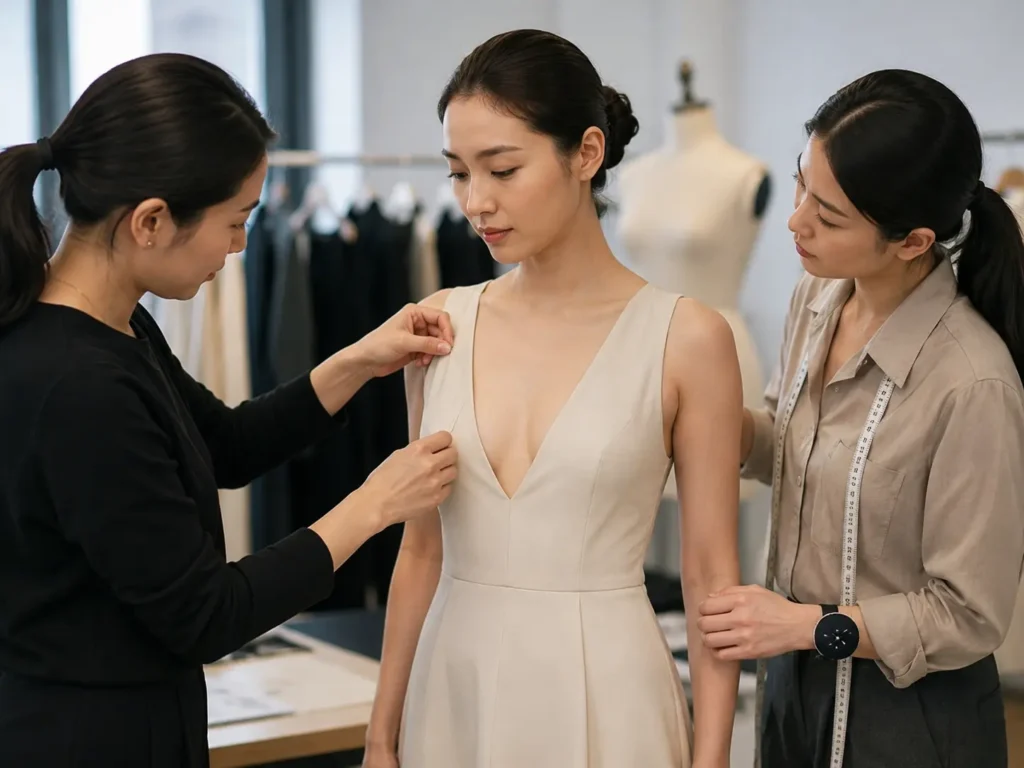
Comments such as “too loose at the bust” or “the waist looks low” need translation into pattern and measurement changes. Duolan reviews where the issue begins, how the fabric responds and whether the correction affects adjacent areas.
A bust correction may influence neckline shape, armhole, side seam and strap position. Raising the waist can alter torso length, dart position and skirt balance. Shortening a mini dress may affect lining length, slit position and overall proportion.
Revision records should state:
- Original issue
- Pattern correction
- Measurement change
- Construction impact
- Material impact
- Points requiring confirmation on the next sample
Clear records reduce repeated comments and help preserve approved standards for PP and bulk production.
Grading Protects Proportion
Grading should maintain design language across the intended size range. Cut-outs, necklines, bust panels, strap positions and mini lengths cannot always increase through simple proportional rules.
Brand size charts may follow different body measurements, ease standards and fit models. Duolan follows the supplied specification and reviews whether critical design details need special grading logic.
For larger collection programs, approved grading rules can support consistency across related styles. A shared bodice block, sleeve shape or base skirt may still need adjustment for different materials and design details.

Start With a Clear Development Brief
Files You Can Send
A project may start from a tech pack, reference image, original garment, design sketch, size chart, fabric swatch or collection mood board.
Useful details include:
- Product type and intended occasion
- Target size range
- Reference or technical drawing
- Fabric direction
- Colorways or print direction
- Target quantity
- Required labels and packaging
- Intended launch or delivery date
- Required sample stage
What We Evaluate
The first review considers style complexity, fabric behavior, pattern requirement, lining, trims, special processes, fit risk, sample purpose and bulk feasibility.
A quotation based only on a photograph may hide assumptions.
A clearer development brief makes it easier to confirm:
- Which materials need sourcing
- Which construction points need trials
- Whether original tooling or artwork is required
- Which measurements are critical
- Whether a PP sample or pilot run is recommended
- Which factors influence quotation and timing
Sample Development From Concept to Approval
Sampling is a controlled decision process rather than a single sewing task. Each stage should answer a clear question about appearance, fit, materials or production readiness.
Brief Review
Material Direction
Pattern Development
First Sample
Fit Review
Revision Summary
Revised Sample
PP Readiness
Before bulk production, approved fabric, trims, measurements,labels, packing and quality checkpoints are aligned through the PP or production-basis stage.
Sample timing is evaluated by style complexity, material availability, print or embroidery development, revision scope and required sample stage. The manufacturing network can support approximately 15,000–35,000 sample pieces or development rounds per month across 3,000–8,000 active style processes, allowing multiple collection programs to move in parallel.
Workmanship Standards for Day Party Dresses
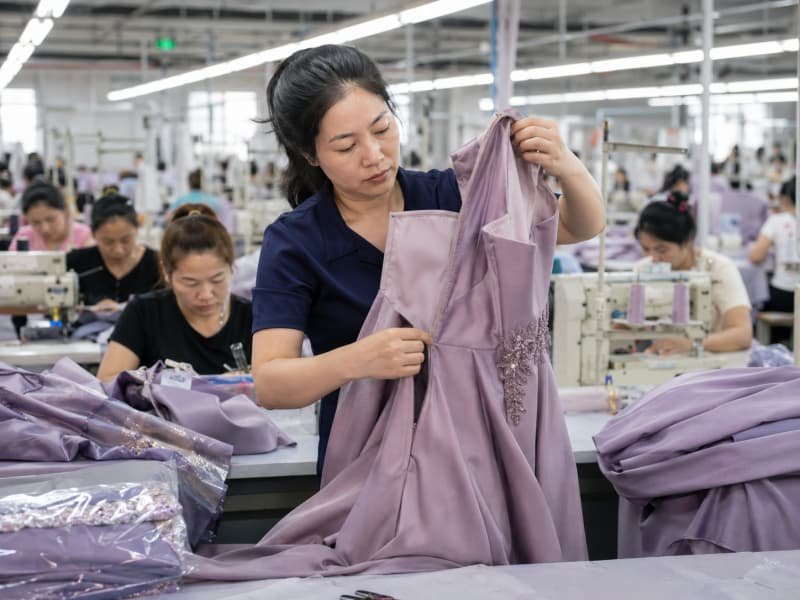
Lightweight Fabric Sewing
Key control points include:
- Stable seam feeding
- Controlled stitch density
- Clean narrow hems
- Minimal seam puckering
- Accurate panel matching
- Reduced stretching at curved edges
- Smooth zipper insertion
- Pressing temperature suited to the fabric

Visible Construction Quality
Inspection focuses on:
- Symmetrical necklines and cut-outs
- Even gathering and ruching
- Secure strap attachment
- Smooth facing and lining
- Aligned waist seams
- Controlled zipper ends
- Clean lace edges
- Stable slit reinforcement
- Balanced hems
- Neat internal construction
Pressing and Final Presentation
Final preparation includes:
- Shape correction
- Seam setting
- Hem balance
- Lining alignment
- Removal of production marks
- Thread cleaning
- Hardware protection
- Garment folding or hanging assessment

Production Path From PP Approval to Shipment
Material Locking
Bulk fabric, lining, trims, print, embroidery, labels and packaging materials are confirmed against approved references and purchase requirements.
Pre-Production Review
Project teams align approved samples, measurements, BOM, construction notes, risk points, packing instructions and production timing.
Fabric Inspection
Fabric is reviewed for shade, width, visible defects, surface consistency and other project-specific requirements before cutting.
Cutting Planning
Markers, size ratios, print direction, motif placement and roll separation are organized according to style requirements.
Bundle Control
Cut panels are identified by style, color, size and fabric lot to reduce mixing and shade inconsistency.
First-Piece Check
The first completed garment or controlled pilot piece is reviewed against approved standards before wider production proceeds.
Sewing Production
Styles are matched with suitable production lines according to construction complexity, material handling and order schedule.
Inline Inspection
Fit-related measurements, workmanship, color, placement, trims and recurring defects are checked during production.
Finishing
Thread cleaning, pressing, shape adjustment, stain review and final garment preparation are completed according to the fabric and style.
Final Inspection
Finished garments are checked against approved quality, measurement, labeling and packing requirements before shipment release.
Packing Control
Folding, polybags, labels, size ratios, barcodes, carton quantities and carton marks follow approved instructions.
Shipment Coordination
Documents, freight arrangements, delivery terms and shipment timing are coordinated with the nominated forwarder or agreed logistics route.
Quality Control From Sample Through Bulk
Material and Pre-Production Control
- Shade and lot consistency
- Fabric width
- Surface defects
- Stretch and recovery
- Opacity
- Handfeel
- Print quality
- Embroidery placement
- Trim color and finish
- Label content

First-Piece and Inline Control
- Critical measurements
- Neckline shape
- Strap length
- Bust balance
- Waist position
- Mini length
- Slit height
- Seam appearance
- Gathering or ruching
- Print placement
- Lining coverage
- Zipper function
Final and Packing Control
- Correct style and color
- Correct size label
- Care label and main label
- Barcode or SKU
- Folding method
- Polybag requirement
- Size assortment
- Carton quantity
- Carton marks
- Shipment instructions
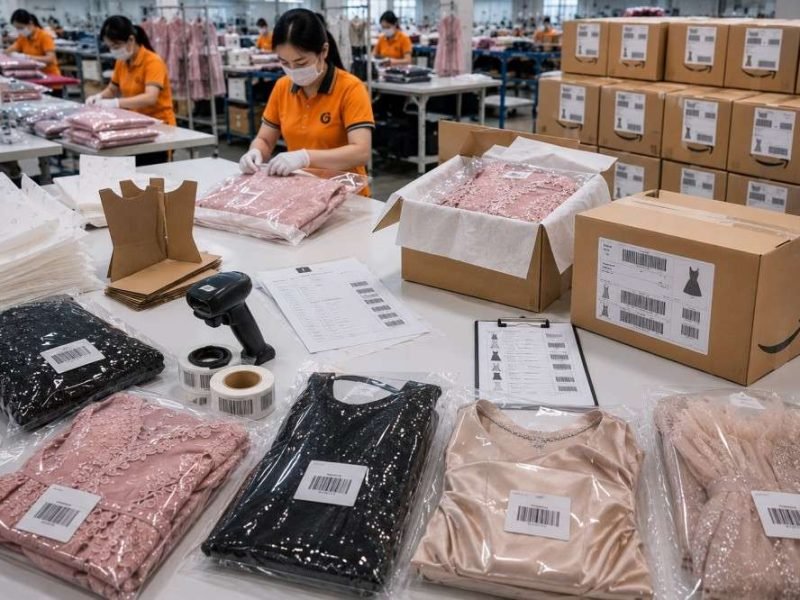
Manufacturing Capacity for Multi-Style Dress Programs
Scale has value only when it supports style coordination, production control and launch timing. Duolan combines core factory control with flexible capacity allocation.
16 Owned Factories
20+ Satellite Factories
12,000+ Workers
300 Sewing Lines
50+ Flexible Lines
6.5 Million Monthly Capacity
The network’s stable monthly production capacity is approximately 6.5 million garments, with peak capacity reaching approximately 10 million garments when scheduled across the wider system.
Large figures are not presented as a promise for every project. Available capacity depends on style complexity, materials, order timing, quality requirements and confirmed production schedules. Capacity planning begins after product and delivery requirements are reviewed.
Repeat Orders Without Restarting Development
Preserving Approved Standards
After a style is completed, key information can be retained for future review:
- Approved pattern version
- Size and grading information
- BOM and trim details
- Fabric reference
- Color reference
- Construction notes
- Critical measurements
- Workmanship checkpoints
- Label and packing instructions
- Previous quality observations
A repeat order still requires confirmation because fabric lots, trim availability, color, quantity and delivery dates may change.
Extending Proven Styles
A successful shape may be extended through:
- New colors
- New floral artworks
- Sleeve changes
- Length changes
- Fabric changes
- Trim upgrades
- Packaging updates
- Seasonal returns
Every extension is reviewed for technical impact. Moving from cotton to viscose may change drape and measurement. Moving from crepe to satin may require different seam, lining, pressing and packing standards.
Planning Replenishment
Replenishment timing depends on fabric availability, trim supply, retained standards, quantity, production schedule and shipping method.
Brands can provide:
- Previous style code
- Approved sample status
- Repeat quantity
- Colorways
- Size ratio
- Required delivery window
- Any requested fit or material update
Duolan reviews material continuity and production scheduling before confirming the repeat-order path.
Private Label, Packaging and Delivery Support
Brand presentation continues after sewing. Labels, barcodes, packing accuracy and transport protection influence warehouse receiving, retail preparation and final garment condition.

Main Labels

Care Labels

Hangtags

Barcode Control

Individual Packing

Carton Planning
Duolan can coordinate FOB, CIF, DDP and nominated-forwarder arrangements according to project requirements. Air, express and sea routes are evaluated against delivery date, quantity, cost and packing volume. Split shipments may be reviewed for launch priorities or staged warehouse requirements.
Why Duolan for Day Party Dress Programs?
Duolan combines long-term dress development knowledge with a multi-factory manufacturing structure designed for fashion collections, repeat programs and brand-level production requirements.
30+ Years Experience
Dress-Focused Direction
Development Depth
Manufacturing Network
Process Resources
Compliance Foundation
Duolan’s role is not limited to producing an approved sketch. The team works to convert product direction into a sample able to be assessed, revised, approved and transferred into stable bulk production.
Representative Day Party Dress Project Cases

United States Brunch Collection
Program: Spring and summer brunch, garden-party and daytime birthday dresses
Style Count: 18 styles
Combined Quantity: 42,600 garments
The program combined floral mini dresses, wrap midis, smocked bodices, cotton puff-sleeve styles and lightweight satin halter dresses. Development pressure came from several fabric directions moving at once, a short photography window and different fit priorities across fitted and relaxed silhouettes.
Duolan divided the styles into three paths:
- Early campaign samples requiring priority development
- Core commercial styles built around stable fabric and construction
- Higher-risk satin and cut-out styles requiring closer fit and workmanship review
The order was planned across suitable production lines rather than assigned as one undifferentiated block. Floral woven dresses, satin styles and smocked products followed different handling and inspection priorities. Packing was organized by style, color and size ratio for staged warehouse receiving.

United Kingdom Day-to-Evening Capsule
Program: Contemporary day-to-evening party dresses
Style Count: 14 styles
Combined Quantity: 28,000 garments
The collection focused on clean satin-crepe midis, shaped mini dresses, draped necklines, soft corset-inspired bodices and mesh-supported fitted styles. The brand needed enough occasion value for social events without moving into heavy eveningwear.
Key development concerns included satin seam appearance, bust support, neckline security, lining coverage and consistent color across main fabric and trims.
Duolan reviewed fabric finish and weight before final pattern confirmation. Styles with structured bust areas received additional support and fit assessment. Mesh panels were checked for stretch, recovery and skin feel. Satin styles followed controlled needle, sewing and pressing requirements.
The size specification required particular attention at the bust, underarm and waist. Fit comments were converted into pattern and measurement changes, while approved visual details were preserved. Before production, each style was classified by complexity and allocated to a matching production route.
The resulting program maintained a coherent color and silhouette direction while allowing different construction levels across the range. Proven bodice and skirt logic also created a basis for future color and fabric extensions.
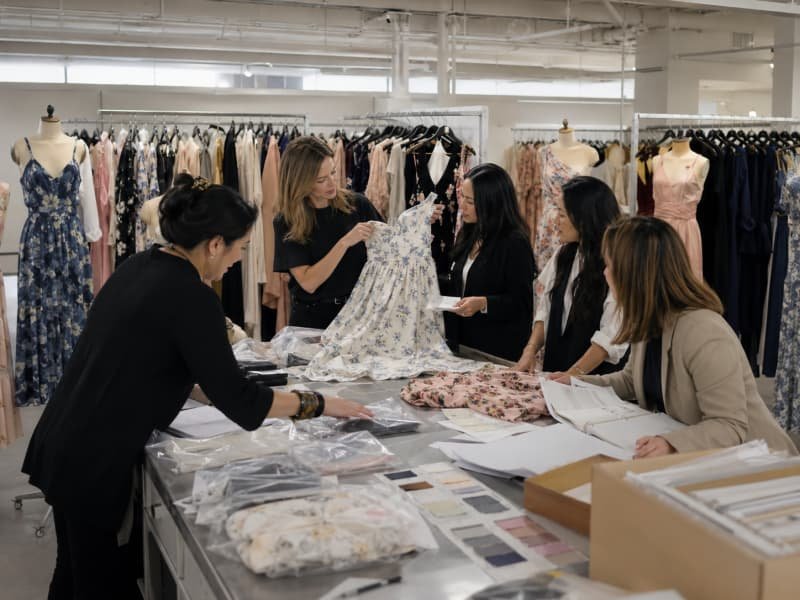
Australian Summer Event Program
Program: Resort celebrations, garden events and summer social occasions
Style Count: 22 styles
Combined Quantity: 58,400 garments
The program included printed maxis, embroidered cotton minis, chiffon midis, lightweight wrap dresses and resort-focused halter styles. Warm-weather comfort, packability, transparency and outdoor movement were major concerns.
Fabric review concentrated on breathability, handfeel, shrinkage, wrinkle behavior and lining weight. Light colors received daylight opacity checks. Maxi styles were reviewed for hem balance and movement, while halter and backless dresses required secure support without adding excessive internal weight.
Print artworks were developed across several colorways, with scale and placement reviewed against garment panels. Embroidered styles required motif direction and edge planning before cutting. Chiffon dresses used controlled layering and lining coverage to preserve movement without unwanted transparency.
Production planning grouped the 22 styles by fabric and process, allowing print, embroidery and standard sewing paths to move in parallel. Quality checkpoints focused on color, motif placement, mini length, strap strength, hem level and packing recovery.
The program structure supported a broad summer occasion offer without forcing every garment into the same material or construction method.
Frequently Asked Questions About Day Party Dress Manufacturing
A day party dress combines occasion-level visual appeal with daylight-appropriate fabric, coverage, comfort and movement. Design may use print, color, shape, cut-outs, draping or restrained decoration without becoming as heavy or formal as eveningwear.
Yes. Reference images can provide visual direction, but additional review is needed for fabric, measurements, fit, internal construction, lining, trims and production standards. A tech pack, original sample or size chart improves development accuracy.
Duolan can coordinate fabric sourcing across cotton, viscose, chiffon, crepe, satin, lace, mesh, embroidered woven materials and related dress fabrics. Final suitability depends on weight, drape, opacity, stretch, price, availability and bulk stability.
Yes. Nominated materials can be reviewed and coordinated according to project needs. Fabric specifications, order timing, delivery arrangement, inspection responsibility and replacement procedures should be confirmed before sampling or bulk production.
Control may include fabric opacity review, lining selection, double-layer construction, seam-position assessment and daylight checking. White, ivory, blush and pastel fabrics often require closer review than darker colors.
Yes. Duolan can develop patterns and grading from a supplied size chart and measurement specification. Critical points such as bust, underarm, waist, mini length, neckline and cut-out position may need additional confirmation.
Timing depends on style complexity, fabric sourcing, print or embroidery preparation, pattern requirements, revision scope and required sample stage. A project review is completed before the sample fee and timeline are confirmed.
Yes. The manufacturing system is designed to coordinate multi-style collection programs. Styles are classified by priority, complexity, fabric, process and bulk timing so samples and production can move through suitable routes.
Approved samples are transferred into production standards through confirmed materials, BOM, measurements, construction notes, PP references, first-piece checks, inline inspection and final packing requirements.
Send available references such as tech packs, sketches, product images, original samples, size charts, fabric ideas, target quantities, colorways, packaging needs and delivery timing. Incomplete projects can still begin with the strongest available information.

Start Your Day Party Dress Development Project
Share your day party dress direction with Duolan for a structured development and production review. Useful project information includes tech packs, reference images, sketches, original samples, size charts, fabric or print ideas, intended colorways, target quantities, launch timing and packaging requirements.
Our team will review the product category, silhouette, material direction, fit priorities, construction complexity and expected production path. For collection programs, include the number of styles, estimated quantity by style, sample priorities and required delivery window. Clear information allows a more accurate assessment of fabric sourcing, sample stages, quotation basis, production scheduling and quality-control needs.
Projects do not need to be fully complete before contact. Send the strongest available information, and Duolan can identify which technical, material or commercial points should be confirmed next.
- Product or collection type
- Tech pack, reference image or original sample
- Intended fabric, color or print direction
- Size range and fit standard
- Quantity by style or total program quantity
- Required sample stage
- Label and packaging requirements
- Target launch or delivery date
- Main quality or fit concerns


