 Skip to content
Custom Dress for High-Street Fashion Brands
Custom dress development and manufacturing for high-street womenswear brands building trend-led party dresses, occasionwear edits, resort capsules, work-to-evening styles, holiday ranges and repeat core dress programs.
Duolan supports commercial dress programs through trend review, fabric-route planning, sample development, fit refinement, PP approval, bulk production, QC, packing review and replenishment records.
- 15,000–35,000 samples per month support trend testing, commercial dress sampling, fit review and PP approval before bulk production.
- 3,000–8,000 styles developed monthly support multi-style womenswear programs, seasonal launches, repeat colors and commercial range updates.
- Regional manufacturing bases across Guangxi, Guizhou, Sichuan and Jiangxi support production allocation for trend-led dress programs and seasonal replenishment.
- 5 high-street dress development stages guide execution: trend review, fabric route, sample approval, bulk planning and replenishment records.
- 6 commercial control points protect high-street delivery: target price, fabric value, fit, color, workmanship and packing.
- 4 repeat style records support replenishment: approved sample, fabric card, color reference and production notes.
- 6 high-street dress formats can be planned: party, occasion, resort, work-to-evening, holiday and repeat core dresses.







High-Street Fashion Brands Duolan Works With
Duolan works with mature high-street womenswear brands needing stronger trend response, commercial dress development, target price control, sample-to-bulk execution, QC discipline and replenishment support. Strong alignment comes from brands prepared with style lists, trend references, cost targets, PP needs, order plans and repeat programs.
Commercial High-Street Dress Brands
Commercial high-street dress brands need trend-led styles converted into sellable garments at clear price levels.
Duolan supports dress range development through fabric-route review, sample refinement, PP locking, bulk QC and replenishment records.
Trend-led Ecommerce Womenswear Brands
Trend-led ecommerce brands depend on frequent updates, fast sampling, best-seller refresh and repeat color planning. Duolan supports commercial dress programs across sample stages, bulk production, QC, packing and shipment preparation.
Partywear and Going-out Retail Brands
Partywear and going-out brands often develop bodycon, mini, mesh, sequin, cut-out, halter and corset dresses.
Duolan reviews fit stability, coverage, surface quality, size consistency and bulk repeatability.
Occasionwear and Day-to-evening Brands
Occasionwear and day-to-evening brands need dresses suitable for office, dinner, wedding guest, cocktail, holiday and event settings. Duolan reviews satin, lace, sleeves, lining, zipper, hem balance and polished presentation.
Resort and Seasonal Fashion Brands
Resort and seasonal fashion brands need printed maxis, halter dresses, soft woven midis, vacation capsules and summer programs.
Duolan supports print scale review, shrinkage control, lining decisions, packing recovery and delivery planning.
Product, Sourcing and QC Teams Behind Retail Brands
Mature retail teams need suppliers able to follow trend boards, style files, target prices, PP samples, QC points, packing rules and replenishment plans. Duolan supports structured production communication from sample to repeat order.
Why High-Street Dress Brands Need a Different Manufacturer
High-street fashion brands do not only need dresses produced. They need trend ideas converted into commercial garments at the right price, with stable fit, reliable fabrics, controlled workmanship and replenishment potential.
A high-street dress can fail when development is slow, fabric replacement weakens the look, sample quality cannot survive bulk, or fit becomes unstable across a wider size range. Commercial fashion requires speed, cost control and repeatable quality in the same production path.
Duolan supports high-street dress brands through trend-to-sample development, target price planning, fabric value engineering, sample refinement, PP locking, bulk QC, packing accuracy and repeat production records.

High-street execution priorities
- Trend-to-product speed: Market references, seasonal colors and style signals need quick conversion into sample-ready dress programs.
- Commercial price balance: Fabric, trims, workmanship and packing need alignment with target cost and final garment value.
- Fabric route control: Alternative fabrics must preserve drape, shine, stretch, opacity, handfeel and photo effect.
- Sample-to-bulk consistency: Approved samples need PP standards, first-piece review, inline QC and packing checks.
- Wider fit coverage: XS–XL, XXS–XXL, petite, tall or extended sizes need stable proportion and movement.
- Replenishment memory: Repeat colors and hot-selling styles need approved samples, fabric cards, color references and production notes.
How High-Street Fashion Brands Choose a Dress Supplier
High-street fashion brands choose dress suppliers through commercial execution. Low price alone is not enough. Mature teams need a supplier able to balance trend speed, target cost, fabric value, sample quality, bulk consistency, delivery accuracy and replenishment potential.
Duolan is positioned for commercial dress programs where trend direction, sample approval, target price, production control and repeat planning need to work as one system.
Can the Supplier Turn Trends into Commercial Dresses?
High-street dress ranges often start from market references, social trend signals, runway influence, seasonal color, retail observation or competitor styles. A supplier needs to convert these signals into workable dresses.
Duolan reviews trend direction through silhouette, fabric mood, target price, product role, size range and production feasibility before sampling begins.
- Convert trend references into commercial styles.
- Review garment role within the range.
- Match silhouette with fabric route.
- Keep design appeal connected to bulk feasibility.
Can the Supplier Work Around a Target Price?
High-street programs usually carry clear price boundaries. Retail price, margin, fabric cost, trims, workmanship and packing all affect development decisions.
Duolan reviews target price through fabric route, construction, trim choice, lining, finishing and packing method.
Cost reduction should not remove the style value.
- Review fabric cost against final garment effect.
- Adjust trims and construction with purpose.
- Protect key visual details while controlling cost.
- Keep target price linked to bulk stability.
Can Fabric Alternatives Keep the Original Look?
Fabric substitution is common in high-street production. The risk comes when alternative fabric changes drape, shine, opacity, stretch, handfeel, shrinkage or photo effect.
Duolan compares fabric alternatives before sampling and bulk approval. The goal is to preserve commercial appearance while controlling cost and lead time.
- Compare drape, handfeel and fabric weight.
- Review transparency and lining needs.
- Check stretch, recovery and shrinkage.
- Keep approved swatches for bulk reference.
Can Samples Move Fast Without Losing Fit?
Trend windows can be short, but fast sampling should not ignore fit. Bust, waist, hip, length, neckline, straps, sleeves, slit and lining influence commercial wearability.
Duolan reviews first samples and fit samples against both trend direction and real wearing needs. Speed and proportion need to stay connected.
- Check key body lines before revision.
- Review fit from front, side and back.
- Track sample comments before PP approval.
- Keep commercial wearability visible during development.
Can Multi-style Programs Stay Organized?
High-street brands often launch several dresses together. Multi-style ranges need clear control over style codes, colorways, size ranges, PP status, label files, packing rules and delivery windows.
Duolan separates files by style, colorway, size range and production status so bulk programs stay organized.
- Link style code with tech pack and PP sample.
- Track colorways and size ranges separately.
- Match labels and packing with each style.
- Keep launch and replenishment needs visible.
Can Bulk Production Keep Commercial Quality?
A sample may look strong, but high-street success depends on bulk quality. Fabric, fit, color, workmanship, pressing and packing need to remain close to approved standards.
Duolan uses PP locking, first-piece review, inline QC, final inspection and packing review to protect bulk consistency.
- Compare first pieces with PP samples.
- Check fabric, color and measurements during production.
- Review workmanship and surface finish.
- Confirm packing condition before shipment.
Can Replenishment Start from Proven Standards?
Hot-selling dresses and repeat colors should not restart from zero. Replenishment needs approved sample records, fabric cards, color references, sewing notes and QC points.
Duolan preserves production memory by style so repeat orders and seasonal refresh programs can move from proven standards.
- Archive approved samples and fabric cards.
- Preserve color and trim references.
- Record sewing and QC notes.
- Support repeat colors and replenishment planning.

Where High-Street Dress Programs Usually Break Down
High-street dress programs usually break down when trend speed, target price, fabric route, fit control and bulk execution are handled separately. Commercial fashion needs every decision connected before sampling, PP approval and production.
Duolan structures high-street programs around trend direction, fabric value, fit review, PP standards, bulk QC, packing accuracy and replenishment records.
Trend Window Closes Before Samples Are Ready
Trend signals can move quickly. Slow fabric confirmation, delayed pattern work or repeated sample confusion can make a style miss the strongest sales window.
Duolan response: Plan development around trend board, fabric route, sample target, PP window and launch season.
Target Price Makes the Dress Look Cheap
A lower-cost decision can weaken the final garment when fabric, lining, trims or workmanship are reduced without protecting visual value.
Duolan response: Use fabric value engineering, trim choice, construction review and finishing balance to protect commercial appeal.
Fabric Replacement Changes the Whole Style
A fabric alternative may meet cost needs but change drape, shine, stretch, opacity, shrinkage or photo effect.
Duolan response: Review fabric route before sampling, then confirm approved swatch, bulk fabric reference and replacement risk.
Multi-style Launches Create File Confusion
Several styles, colorways, size ranges, labels, packing rules and delivery windows can move together. File confusion creates avoidable errors.
Duolan response: Manage each program by style code, colorway, size range, PP status and packing rule.
Sample Looks Good, Bulk Feels Weaker
Bulk production can lose sample quality through fabric variation, weak pressing, size drift, rough seams, zipper waves or poor packing.
Duolan response: Use PP locking, first-piece review, inline QC, final inspection and packing review to protect approved standards.
Fit Inconsistency Affects Wider Retail Sales
High-street brands sell to wider size ranges and body types. Fit cannot rely on one sample model or one middle size.
Duolan response: Strengthen critical POM review, fit sample correction, size-set checks, fabric behavior review and bulk measurement control.
Replenishment Loses Original Standard
Hot-selling styles can drift during repeat production when sample, fabric, color and QC records are missing.
Duolan response: Preserve approved samples, fabric cards, color references, production notes and QC points for repeat orders.
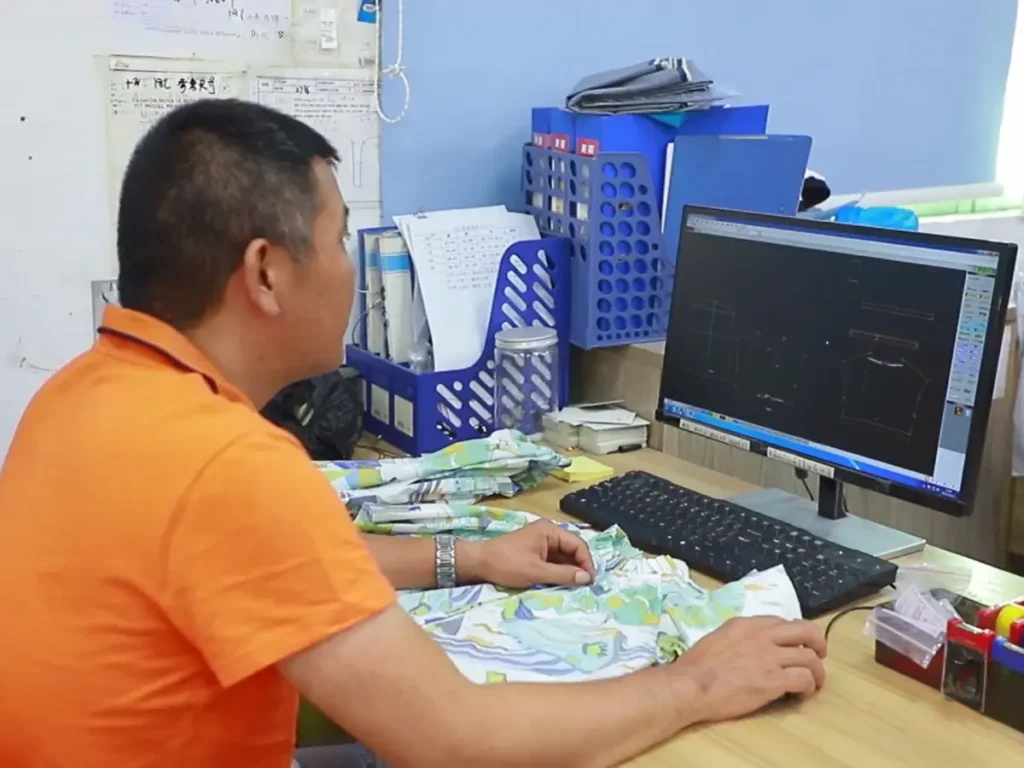
Trend-to-Commercial Dress Development System
High-street dress development starts with trend interpretation, then moves into commercial range planning, fabric value, fit refinement, PP locking and replenishment readiness. Duolan helps convert market direction into production-ready dress programs.
Trend Direction Review
Trend sources can include runway references, social trend signals, retail market observation, seasonal colors, occasion dressing, vacation mood or partywear demand. Duolan reviews these signals before sampling starts.
- Identify relevant trend cues.
- Separate visual inspiration from production requirements.
- Review season, market and price level.
- Connect trend direction with dress categories.
Commercial Style Translation
A trend needs conversion into garments able to sell across a wider market.
Mini, midi, maxi, bodycon, satin slip, mesh dress, occasion midi, resort maxi and holiday party dress all need different commercial decisions.
- Match silhouette with target wear occasion.
- Review fit, comfort and garment role.
- Identify hero styles and repeatable styles.
- Prepare development route by dress type.
Target Price and Fabric Route
Target price shapes material and construction choices.
Duolan reviews fabric base, lining, trims, stitching, finishing and packing in relation to final garment value.
- Compare fabric options against target cost.
- Review trims and details for value impact.
- Balance construction efficiency with appearance.
- Preserve visual quality during cost planning.
Sample and Fit Refinement
Sampling confirms proportion, fabric effect, comfort, size logic and commercial wearability. Speed matters, but every change should lead toward bulk readiness.
- Review first sample against trend and price goals.
- Correct fit and proportion before PP.
- Track sample comments by style.
- Confirm production risk before bulk release.
Bulk and Replenishment Readiness
Before bulk starts, PP standards, QC points, packing rules and reorder references need confirmation. High-street brands benefit when repeat colors and replenishment can start from approved records.
- Lock PP sample and production standards.
- Prepare QC points for bulk inspection.
- Confirm packing and shipment needs.
- Archive records for repeat programs.

Commercial Dress Programs Duolan Can Support
Duolan supports high-street dress programs across partywear, going-out, day-to-evening, occasionwear, resort, holiday, repeat core and material-sensitive commercial styles. Each program needs trend relevance, target price control, fit stability and replenishment potential.

High-Street Party Dress Programs
Party dress programs need strong visual appeal and stable fit. Duolan reviews bodycon shapes, mini lengths, mesh coverage, sequin comfort, cut-out placement and movement.

Going-out Mini Dress Programs
Going-out minis need proportion, comfort and repeatable sizing. Duolan reviews bust-waist-hip balance, hem length, lining, zipper, stretch recovery and surface finish.

Day-to-evening Dress Programs
Day-to-evening dresses need versatility across work, dinner and events. Duolan reviews fabric structure, sleeve comfort, wrinkle behavior, clean finish and packing condition.

Occasionwear Commercial Dresses
Occasionwear dresses need polished presentation at commercial price levels. Duolan reviews satin, lace, sleeves, lining tone, zipper smoothness and hem balance.

Resort and Vacation Dress Programs
Resort programs need print identity, soft movement and travel-ready delivery. Duolan reviews artwork scale, shrinkage, transparency, lining and packing recovery.

Holiday Dress Programs
Holiday programs need festive color and surface control. Duolan reviews sequin, velvet, satin, metallics, lace, labels, lining comfort and shipment timing.

Repeat Core Dress Programs
Repeat core programs need production memory. Duolan preserves approved samples, fabric cards, color references, sewing notes, QC points and packing rules.
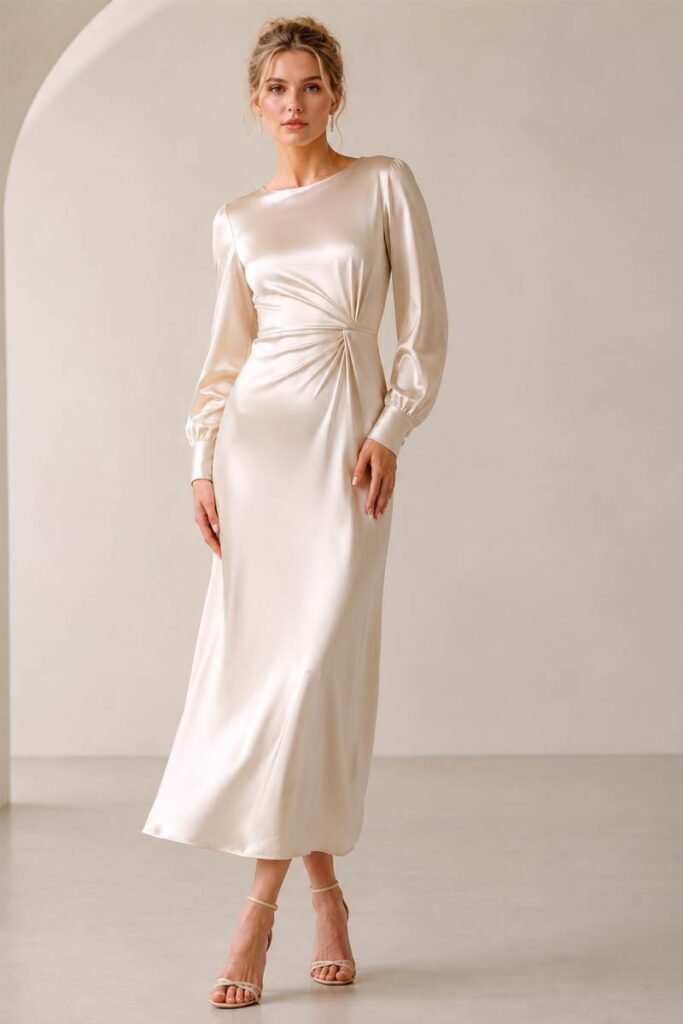
Satin Commercial Dresses
Satin dresses need shine and polish, yet expose sewing flaws quickly. Duolan reviews seam tension, shade, zipper waves, fold marks, lining and pressing.

Lace Detail Dresses
Lace detail dresses need close-up quality and controlled transparency. Duolan reviews lace placement, lining color, edge finish, sleeve comfort and symmetry.

Mesh and Sheer Dresses
Mesh and sheer styles need trend appeal with coverage and comfort. Duolan reviews transparency, stretch, lining map, seam visibility and movement.

Jersey / Bodycon Dresses
Jersey and bodycon dresses can become commercial best-sellers. Duolan reviews recovery, opacity, side seam balance, grading and size consistency.

Cut-out / Backless Dresses
Cut-out and backless styles need accurate placement and support. Duolan reviews opening shape, strap angle, edge stability, reinforcement, lining and PP standards.
Target Price and Fabric Value Engineering
High-street brands need cost control without losing garment value. Duolan reviews target price, fabric route, trims, construction, finishing and packing so commercial dresses keep visual appeal and bulk stability.
Target Price Breakdown
Target price affects fabric choice, lining, trims, workmanship, finishing, packing and production route. Every cost decision should protect the selling point of the dress.
- Review target cost before sampling.
- Identify key value areas in the design.
- Separate must-keep details from adjustable details.
- Keep development aligned with retail position.
Fabric Route Options
One design can move through different fabric routes: satin-touch, crepe, woven viscose, stretch jersey, lace mix, mesh overlay or printed woven.
- Compare appearance, handfeel and cost.
- Review drape, stretch and opacity.
- Check shrinkage and surface risk.
- Select fabric route before PP approval.
Trim and Detail Adjustment
Zippers, strap adjusters, metal rings, lace edges, sequins, drawcords, lining and hangtags all affect cost and appearance.
- Review trim function and visual value.
- Adjust detail level without weakening identity.
- Check supplier availability and lead time.
- Keep trims aligned with bulk production.
Construction Efficiency
Construction choices affect cost and consistency. Lining method, seam structure, opening design, pressing route and finishing can be optimized.
- Review sewing complexity before bulk.
- Reduce unnecessary production difficulty.
- Protect fit and garment stability.
- Keep construction clear for repeat production.
Value Protection
Cost control should not damage fit, drape, surface quality, photo effect or wearing experience. Commercial value comes from balanced decisions.
- Preserve garment appeal at target price.
- Review fabric effect after sample.
- Check finishing and packing presentation.
- Avoid cost cuts that create returns or claims.

Fabric Routes for High-Street Dress Programs
Fabric decisions shape trend effect, cost, fit, bulk quality and replenishment consistency. Duolan reviews material routes by dress category, price target, production risk and repeat potential.

Satin and Satin-touch
Satin works for party, occasion and holiday styles. It needs careful control over shine, shade, folds, needle marks, zipper waves and packing recovery.
- Review shine, drape and weight.
- Check seam tension and zipper behavior.
- Confirm lining and pressing method.
- Protect surface during packing.

Crepe and Structured Woven
Crepe and structured woven fabrics suit cocktail, work-to-evening and occasion styles.Body, pressing response and measurement stability matter.
- Match fabric body with silhouette.
- Review zipper and seam behavior.
- Confirm pressing method.
- Control measurements through bulk.

Lace and Lace Mix
Lace supports romantic, occasion and holiday styles.
Motif, lining, transparency and edge finish decide the final value.
- Review lace placement before cutting.
- Confirm lining tone with shell fabric.
- Check symmetry and edge quality.
- Inspect close-up details before bulk.

Mesh and Sheer Layers
Mesh and sheer layers work for going-out and trend-led styles. Coverage, stretch, transparency and comfort need careful review.
- Map transparency and lining zones.
- Review stretch and recovery.
- Check seam visibility and comfort.
- Test movement before PP approval.

Jersey / Stretch Bodycon
Jersey and stretch bodycon styles need stable recovery, opacity and sizing. They often become repeatable commercial styles.
- Review stretch direction and recovery.
- Check opacity under tension.
- Control side seam twisting.
- Track measurements across sizes.

Resort Woven / Viscose / Print
Resort fabrics need print accuracy, drape and packing recovery. Lightweight bases require shrinkage and transparency review.
- Review print scale on garment panels.
- Check shrinkage and color consistency.
- Confirm lining and coverage needs.
- Test fold recovery before shipment.

Sequin and Embellishment
Sequin and embellishment suit party and holiday programs. Direction, density, attachment, scratch points and packing need early control.
- Review sparkle direction and base fabric.
- Check attachment and lining comfort.
- Inspect surface during production.
- Use protected packing method.
Sample-to-Bulk Control for High-Street Dresses
High-street dress samples need commercial evaluation before bulk production. Duolan reviews price, fabric, fit, workmanship, PP standard and production risk before volume expands.
Commercial Sample Review
A sample should be judged by more than appearance.
Target price, fabric route, construction complexity, fit and bulk risk need review together.
- Check sample against range purpose.
- Review cost and construction impact.
- Identify high-risk materials or details.
- Confirm commercial wearability.
Fit and Size-set Review
High-street dresses serve wider size expectations. Fit review should go beyond one sample size, especially for bodycon, corset, cut-out, mini and mesh styles.
- Review critical POMs by dress type.
- Check bust, waist, hip and length.
- Use size set where risk is high.
- Track comments before PP approval.
PP Sample Locking
PP samples lock production standards. Fabric, trims, measurements, workmanship, labels, packing and QC points need confirmation before bulk.
- Lock production materials.
- Confirm key measurements and tolerance.
- Record workmanship and finishing notes.
- Link packing rules with style records.
First-piece Review
First-piece review confirms whether production lines understand the approved standard. Early review prevents repeated mistakes.
- Compare first piece with PP sample.
- Check fabric, fit and workmanship.
- Review trim placement and pressing.
- Correct issues before volume expands.
Bulk Consistency Review
Bulk consistency depends on checks during production. Measurements, color, workmanship, surface, pressing and packing need control before final release.
- Review measurements during sewing.
- Inspect surface-sensitive materials.
- Check labels and packing before carton.
- Preserve bulk references for repeat orders.
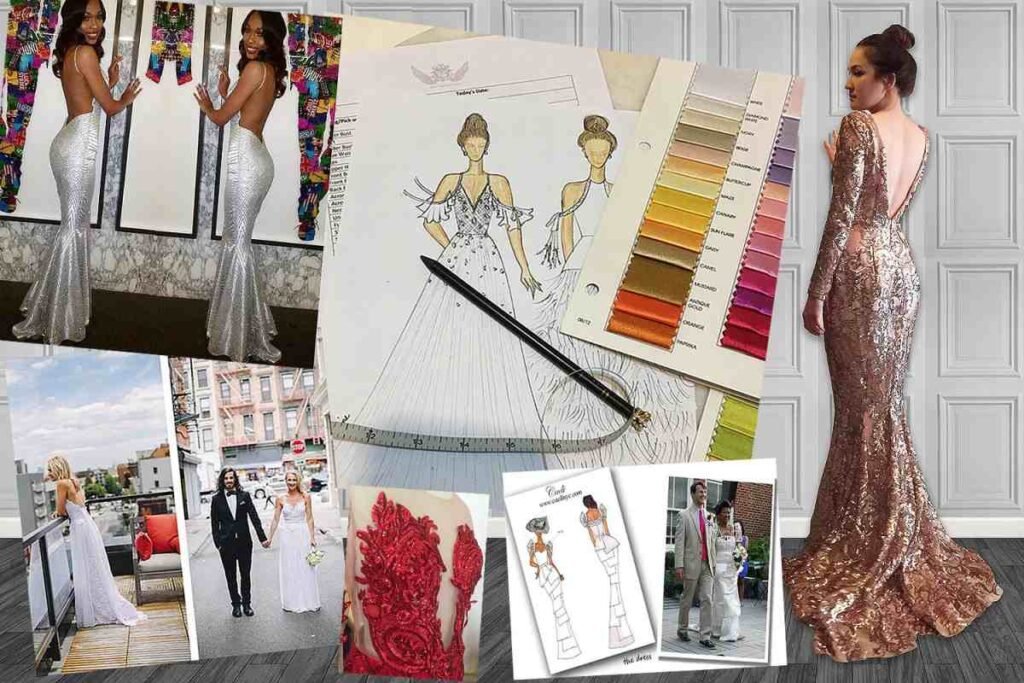
Multi-style Launch Planning and Production Coordination
High-street brands often launch dress ranges, not single styles. Duolan supports production planning across style count, complexity, fabric route, colorways, size ranges, packing rules and replenishment needs.
Style Count Planning
A dress range may include hero styles, commercial basics, trend pieces and replenishment candidates. Each group needs a clear development route.
- Define style roles before sampling.
- Track approval status by style.
- Separate high-risk styles from stable repeats.
- Keep launch season visible.
Style Complexity Sorting
Simple styles, complex styles, surface-sensitive styles and repeat styles need different timelines. Production sequence should reflect risk.
- Review sewing and QC complexity.
- Identify material-sensitive styles.
- Prioritize styles tied to launch timing.
- Move repeat styles through proven records.
Colorway and Size Range Control
Colorways and size ranges affect fabric, labeling, packing and QC. Confusion can grow quickly across multi-style launches.
- Track color codes by style.
- Review size spec and tolerance.
- Match labels with size and color.
- Keep color and size records clean.
Production Sequence Review
Production sequencing should account for fabric readiness, sample approval, sewing complexity, packing needs and shipment window.
- Align production order with material arrival.
- Group compatible fabric routes.
- Schedule QC for high-risk styles.
- Keep delivery date connected to line plan.
Launch and Replenishment Coordination
New launches and replenishment orders may move at the same time. Material and line priorities need clarity.
- Separate new development from repeat production.
- Review material availability for replenishment.
- Keep repeat color needs visible.
- Prepare line allocation for both launch and reorder.
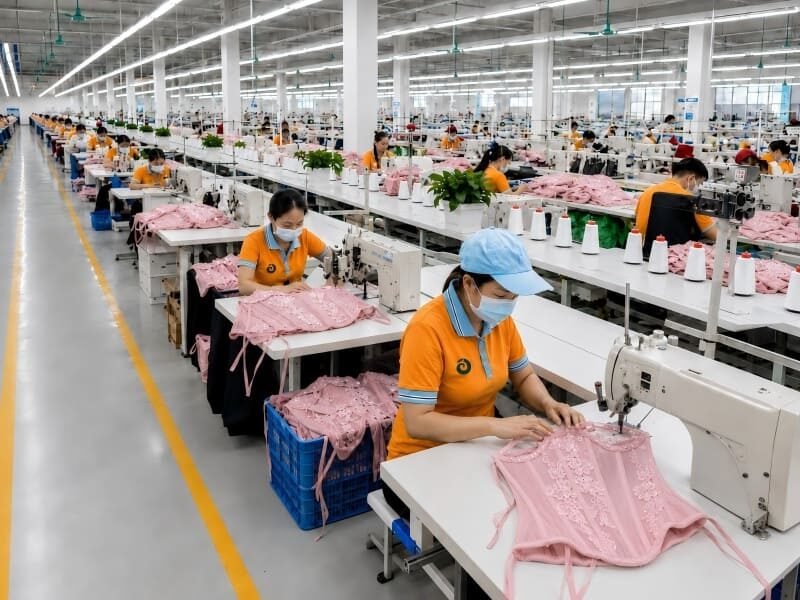
Fit Consistency for Wider Market Sizes
High-street dress brands sell across wider body types, size ranges and wearing occasions. Fit consistency protects commercial performance, reviews and repeat purchases.
Critical POM Review
Each dress type needs its own fit priorities. Satin slips, bodycon minis, resort maxis, lace occasion dresses and cut-out styles all carry different risks.
- Bust, waist, hip and length.
- Neckline, strap, armhole and sleeve.
- Slit, cut-out, lining and hem.
- Stretch, opacity and recovery zones.
Size Range Logic
XS–XL, XXS–XXL, plus extension, petite and tall ranges need clear grading logic. Mechanical grading can weaken proportion.
- Review size range before bulk.
- Check proportion across key sizes.
- Identify extended-size concerns early.
- Keep tolerance rules clear.
Fabric Behavior and Fit
Fabric affects garment fit. Stretch recovery, shrinkage, transparency, drape, lining and surface structure can change size experience.
- Test shrinkage and recovery.
- Check opacity under tension.
- Review lining stability.
- Connect fabric behavior with POM control.
Movement and Comfort
High-street dresses must work beyond a fitting stand. Walking, sitting, commuting, dining, dancing and event use all affect fit judgment.
- Review neckline and strap security.
- Check slit, hem and lining movement.
- Confirm comfort around armholes and waist.
- Test movement where style risk requires it.
Bulk Measurement Consistency
Bulk measurement drift can affect returns, ratings and repeat orders. Duolan reviews measurements during production and final inspection.
- Compare first pieces with PP sample.
- Check critical POMs during sewing.
- Review measurements across colorways.
- Preserve fit records for replenishment.

QC, Packing and Delivery for High-Street Dress Programs
High-street dress programs need QC and packing control before shipment. Garments may meet style expectations yet fail through surface defects, wrong labels, poor folding, carton errors or delivery delays.
Inline QC
Inline QC helps catch repeated issues before final inspection. Measurements, seam quality, trims, pressing, surface and high-risk details need review during production.
- Check critical POMs during sewing.
- Review seams, zipper, lining and hems.
- Track repeated defects by style.
- Escalate issues before quantity expands.
Fabric-specific QC
Different fabrics need different checks.
Satin, lace, mesh, sequin, jersey and printed woven each carry separate risk points.
- Check satin for shade and fold marks.
- Review lace placement and lining tone.
- Inspect mesh stretch and transparency.
- Check sequin surface and comfort.
Final Inspection
Final inspection confirms appearance, measurements, workmanship, labels, packing and quantities before shipment.
- Review garment appearance and measurements.
- Check trims and labels.
- Confirm workmanship and surface quality.
- Verify quantity and packing accuracy.
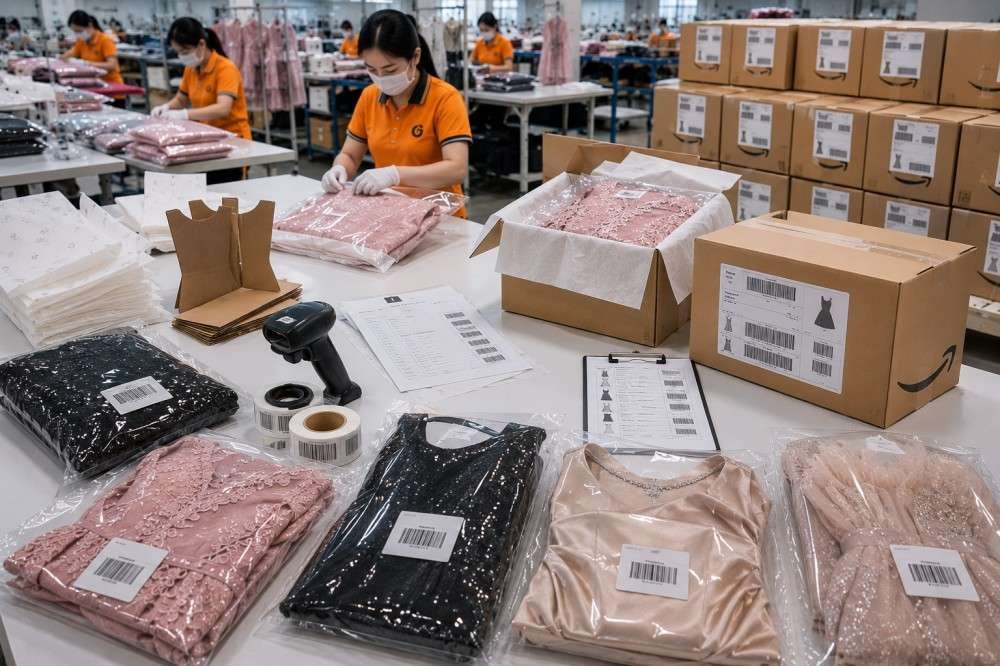
Packing Accuracy
Packing accuracy protects warehouse receiving and product presentation.
Labels, size stickers, barcodes, polybags, carton marks and packing lists need alignment.
- Match garment with label and sticker.
- Review fold method by fabric route.
- Check carton mark against packing list.
- Keep packing records by style.
Shipment Readiness
Delivery preparation needs shipment data, forwarder instructions, destination requirements and document readiness before goods leave.
- Confirm packing date and shipment window.
- Prepare carton and packing records.
- Review forwarder or warehouse requirements.
- Keep shipment handover organized.
High-Street Dress Production Risk Control Matrix
High-street dress programs combine trend speed, target price, fabric decisions, sample approval, bulk production, fit consistency, packing and replenishment. Duolan reviews these risks before production expands.
| High-street Dress Risk | Common Breakdown | Duolan Control Focus |
|---|---|---|
| Trend Delay | Trend window closes before sample approval | Trend-to-sample planning |
| Target Price Pressure | Cost reduction weakens final garment | Fabric value engineering |
| Fabric Alternative | Replacement changes drape or look | Fabric route and swatch review |
| Sample-to-bulk Drift | Bulk loses sample quality | PP locking and first-piece review |
| Multi-style Confusion | Files, colors or sizes mix | Style-code and colorway control |
| Fit Inconsistency | Wider size range loses balance | POM, fit sample and size-set review |
| Surface Weakness | Satin, lace, mesh or sequin defects show | Fabric-specific QC |
| Packing Error | Label, barcode or carton mismatch | Packing checklist and carton review |
| Replenishment Drift | Repeat order loses original standard | Approved sample and production archive |
Custom Dress for High-Street Fashion Brands case studies
Duolan supports high-street dress programs through trend review, fabric value engineering, sample refinement, PP locking, multi-style production, inline QC, packing review and replenishment records. Project details can be discussed by country, commercial focus, development challenge and Duolan response without exposing private brand information.
United States|High-Street Party Dress Range
A US commercial womenswear brand developed bodycon minis, satin party dresses and cut-out going-out styles. The program included 24 styles and approximately 72,000 pieces.
- Commercial Focus: Build trend-led partywear with strong visual appeal and commercial fit.
- Development Challenge: Trend speed, target price, fit consistency, satin surface and multi-color bulk needed close control.
- Duolan Response: Duolan reviewed fabric routes, refined samples, locked PP standards, applied inline QC and checked packing requirements.
- Program Value: Partywear launch moved forward with stronger sample-to-bulk control.

Australia|Resort Commercial Dress Capsule
An Australian high-street womenswear brand developed printed maxis, halter dresses and soft woven resort styles. The program included 22 styles and approximately 70,000 pieces.
- Commercial Focus: Build vacation-ready dresses with print identity, soft drape and accessible commercial value.
- Development Challenge: Print scale, shrinkage, transparency, fabric value and packing recovery affected production readiness.
- Duolan Response: Duolan reviewed artwork placement, confirmed fabric batches, adjusted lining decisions and checked packing recovery.
- Program Value: Resort styles moved into commercial bulk delivery with stronger fabric control.

United Kingdom|Occasionwear High-Street Edit
A UK high-street occasionwear brand developed lace cocktail dresses, satin midis and long sleeve occasion styles. The program included 16 styles and approximately 46,000 pieces.
- Commercial Focus: Deliver polished occasion dresses at a commercial price level.
- Development Challenge: Lace placement, sleeve comfort, lining tone, target price and fit review required balanced decisions.
- Duolan Response: Duolan mapped lace placement, revised fit, confirmed lining, reviewed value engineering and checked first pieces.
- Program Value: Occasionwear look remained protected while commercial production stayed feasible.

Europe|Seasonal Replenishment and Repeat Colors
A European high-street fashion brand managed repeat core dresses, seasonal colors and holiday capsule updates. Program scale ranged from 18–28 styles and approximately 50,000–86,000 pieces.
- Commercial Focus: Support replenishment across core styles, new colors and seasonal dress updates.
- Development Challenge: Repeat color, batch consistency, surface protection and multi-style scheduling created production pressure.
- Duolan Response: Duolan used approved sample archives, fabric references, inline QC, packing review and reorder records.
- Program Value: Repeat production and seasonal refresh gained clearer production memory.

FAQs About High-Street Dress Manufacturing
Duolan supports party dresses, going-out mini dresses, occasionwear edits, resort dresses, work-to-evening styles, holiday dresses, satin commercial dresses, lace detail dresses, mesh and sheer dresses, jersey bodycon dresses, cut-out dresses and repeat core dress programs.
Each program is reviewed through trend relevance, target price, fabric route, fit stability, PP approval, bulk QC, packing accuracy and replenishment potential.
Duolan is suitable for mature high-street womenswear brands, trend-led ecommerce brands, partywear retailers, occasionwear brands, resort and seasonal fashion brands, and sourcing or QC teams managing multi-style dress launches.
These brands usually need fast development, clear target price control, reliable sample-to-bulk execution, wider size consistency and repeat production records.
Duolan reviews trend references through silhouette, fabric mood, target price, product role, size range and production feasibility before sampling begins.
The goal is not only to copy a trend direction, but to translate it into a dress that can be sampled, fitted, produced, packed and repeated with commercial stability.
Yes. Duolan reviews target price through fabric choice, lining, trims, construction, finishing, packing method and production route.
Cost control is handled carefully so the key value of the dress — such as drape, shine, fit, surface effect or visual detail — is not removed during development.
Fabric substitution is common in high-street dress production. Duolan compares alternatives by drape, handfeel, weight, opacity, stretch, recovery, shrinkage, shine and photo effect.
Approved swatches and fabric references are kept for bulk production so fabric changes do not weaken the original commercial look.
Duolan supports first samples, fit samples, PP samples, size sets and repeat bulk references.
Samples are reviewed for trend direction, target price, fabric route, construction complexity, fit, workmanship and production risk before bulk production expands.
Duolan uses PP sample locking, first-piece review, inline QC, final inspection and packing review to protect approved standards.
Bulk production is checked against the approved sample for fabric, color, measurements, workmanship, surface finish, trims, labels and packing condition.
PP approval locks the production standard before bulk begins. It confirms fabric, trims, measurements, workmanship, labels, packing method and QC points.
For high-street programs, PP approval helps reduce sample-to-bulk drift, especially when styles involve satin, lace, mesh, jersey, sequin, cut-out construction or wider size ranges.

Send Your High-Street Dress Program Brief
A strong high-street dress program starts with trend direction, target price, fabric route, sample status, bulk quantity and replenishment plan. Duolan can review commercial direction, style files, cost targets, PP window, QC needs, packing rules and delivery requirements once project information is ready.
Share Your Commercial Direction
- Target market, retail price level, dress category, trend reference, launch season, style count, repeat plan and current production challenge.
- Range type, such as partywear edit, occasionwear program, resort capsule, day-to-evening line, holiday launch, repeat core group or seasonal refresh.
- Development priorities, such as trend speed, target price, fabric value, fit consistency, commercial finish or replenishment potential.
Share Your Style and Cost Files
- Style list, tech packs, reference images, target price, fabric direction, trim details, sample comments, colorways, size spec, label standard and packing standard.
- Sample status, such as first sample, fit sample, PP sample, approved sample, size set or repeat bulk reference.
- Product concerns around fabric substitution, handfeel, drape, color, fit, surface finish, packing condition or repeat consistency.
Share Your Bulk and Replenishment Needs
- Order quantity, size range, color ratio, PP approval window, QC standard, packing method, shipment target and replenishment or repeat color plan.
- Delivery details, including packing date, shipment method, carton rules, forwarder requirement, destination market and document needs.
- Replenishment needs, including approved sample archive, fabric card, color reference, production notes and future seasonal update plan.


