Skip to content
Custom Dress Manufacturer for Australian Designer-Led Fashion Brands
Original dress concepts developed into production-ready samples, controlled bulk orders and repeatable seasonal collections.
Duolan supports established Australian fashion labels with dress-focused development, sampling, bulk production and repeat-order coordination. Original concepts are reviewed for fabric behaviour, fit, structure, workmanship and production readiness before moving into controlled manufacturing.
- 10-30 styles commonly coordinated within one brand program
- 20,000-80,000 garments commonly planned across a multi-style order
- 30+ years of fashion dress development experience
- 16 owned womenswear factories plus 20+ long-term satellite factories
- 50+ quick-response and flexible production lines supporting launch and repeat programs
- SMETA 2-Pillar audited manufacturing system
Built for Australian Designer-Led Fashion Teams
Established Designer Labels
Contemporary Womenswear Brands
Occasionwear Specialists
Product Development Teams
Procurement Teams
Multi-Brand Fashion Groups
What Designer-Led Brands Need from Manufacturing
Design Interpretation
Dress Category Focus
Fabric-Silhouette Matching
Production-Ready Sampling
Bulk Consistency Control
Repeat Production Scalability
Where Original Dress Designs Lose Their Intent
Many development failures start before sewing. A clear control point should sit behind every major risk, from design translation and material choice to revision handling and bulk release. Duolan uses documented review stages to reduce avoidable uncertainty.
| Development risk | What can go wrong | Duolan control point | Expected project result |
|---|---|---|---|
| Design-to-sample mismatch | The sample follows visible details but misses proportion, fit intention or brand language. | Development brief review, reference analysis and clarification of visual priorities before pattern work. | A sample judged against agreed design objectives rather than a vague image comparison. |
| Fabric-silhouette mismatch | The material looks attractive as a swatch but collapses, stretches, marks or becomes transparent in the garment. | Fabric behaviour review covering drape, recovery, opacity, surface sensitivity, support and lining interaction. | Material choices aligned with silhouette, wearability, target quality and bulk feasibility. |
| Fit comments misunderstood | Several comments are applied without hierarchy, creating new balance problems or repeated sample rounds. | Revision Summary separating fit, visual preference, material change and production-related points. | Clearer revision objectives and better control of the next sample stage. |
| Sample not ready for bulk | A visually acceptable sample still contains unresolved measurements, construction methods or material substitutes. | Bulk Readiness Review covering approval status, BOM basis, measurements, workmanship and open decisions. | A defined PP or bulk path before production capacity is released. |
| Bulk differs from approval | Production teams use different materials, seam methods, measurements or trim positions from the approved version. | Material locking, first-piece confirmation, critical-operation notes and inline inspection. | More consistent replication of the approved fit, finish and construction standard. |
| Multi-style calendar loses control | Styles with different fabrics and complexity enter production without priority or timing logic. | Order breakdown by style, colour, size, quantity, process risk and launch deadline. | A production path and timeline matched to the collection calendar. |

A Dress-Focused Development and Manufacturing Partner
Duolan is built around fashion dresses, structured development and repeat production. The operating model connects creative interpretation with fabric sourcing, pattern development, sample review, production planning and controlled delivery.
Development Before Assembly
Duolan does not begin with a generic sewing answer. The team first identifies the dress category, silhouette, sample purpose, intended fit, fabric direction, support requirement, closure method and visual priorities. A satin slip dress, a corset mini and a layered mesh gown cannot follow the same development route. Early technical judgement helps avoid fabric substitutions, structural shortcuts and sample revisions that weaken the original concept.
Category Knowledge in Action
Dress-focused manufacturing requires experience with bust shaping, waist balance, hip ease, lining coverage, strap security, back exposure, slit movement, hem stability and decoration placement. Surface-sensitive satin needs clean handling and controlled pressing. Sequin styles need attachment stability and skin protection. Mesh requires consistent layering and coverage. Corset structures need support without distortion. Category knowledge turns abstract quality language into visible control points.
A Route Beyond Sampling
Sampling has commercial value only when the result can progress into production. Duolan links each development decision to a future standard: approved pattern, measurement specification, material reference, trim position, workmanship method, label requirement and packing instruction. When the collection enters bulk, the team reviews line allocation, first-piece verification, inline inspection and delivery sequencing. Repeat programs then benefit from preserved standards instead of restarting development.
Dress Categories Built for Distinct Brand Directions

Contemporary Midi Dresses
Midi dresses often carry the commercial centre of a collection. Proportion, waist placement, skirt volume, sleeve balance and hem movement must remain wearable across sizes. Duolan reviews whether the fabric supports the intended line, whether the closure disturbs the silhouette and whether finishing can stay clean across repeat production.

Occasion Dresses

Party Dresses
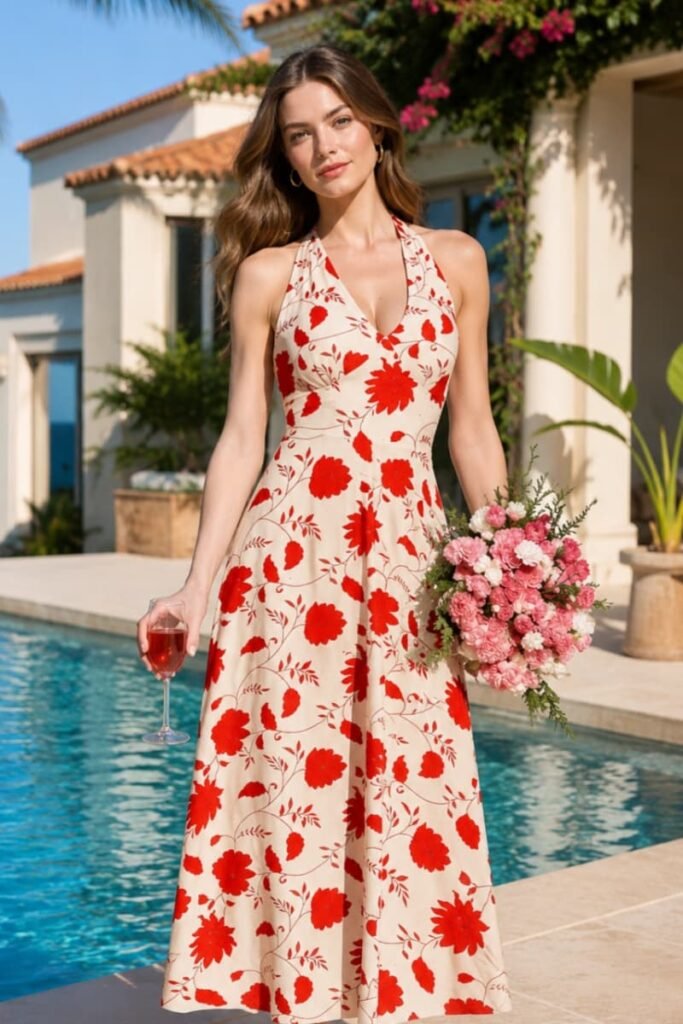
Resort Dresses

Going-Out Dresses

Structured Corset Dresses

Satin Draped Dresses

Mesh Embellished Dresses
Developing Collections, Not Isolated Dress Styles
Image Styles
Main Sales Styles
Margin Styles
Reorder Styles
Test Styles
Seasonal Timing
From Design Language to Production-Ready Dresses
Define the Non-Negotiables
The development review identifies which elements create the brand identity: silhouette, neckline proportion, waist position, skirt volume, cut-out geometry, back exposure, surface effect or signature trim. Those elements become primary evaluation points during pattern work and sampling. Without an agreed hierarchy, a sample may appear technically correct while losing the design character that made the style worth developing.
Separate Visible and Internal Solutions
Many production improvements can happen inside the garment without changing the external look. Lining construction, boning channels, facing width, closure support, elastic placement and stitch selection may be adjusted to improve wearability and consistency. Duolan explains when an internal change protects the design and when a proposed shortcut would alter the visual result.
Validate High-Risk Decisions
Certain decisions need evidence before approval. A stretch bodycon style may require recovery comparison. A satin drape may need a trial to confirm grain and seam placement. A corset neckline may require fit review on the intended sample size. A mesh dress may need coverage and lining verification. Duolan places those questions early, before they become expensive bulk corrections.
Convert Approval into Standards
Once the direction is accepted, visual approval is translated into production information: approved pattern, measurement points, fabric and lining references, trim specification, stitch and seam requirements, artwork or embellishment placement, construction notes, labels, packing and critical QC checks. The resulting standard supports production, inspection and future repeat orders.
Matching Fabric Behaviour with Dress Silhouettes

Drape and Fluidity

Stretch and Recovery

Opacity and Coverage

Surface Sensitivity

Structure and Support
Corsetry, fitted bodices and sculpted skirts need materials capable of holding shape. Shell fabric, interlining, cups, boning, elastic, lining and closure support work as one system. A decorative shell cannot replace an appropriate internal structure.

Embellishment Compatibility
Construction Details That Protect Design Intent

Bust Support

Boning Placement

Ruched Construction
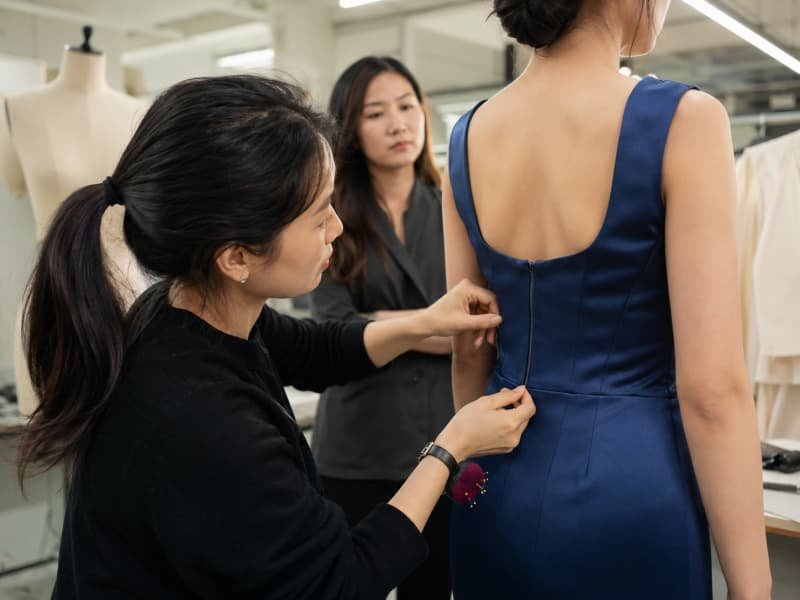
Invisible Zippers

Lining Coverage

Mesh Lace Joining

Sequin Attachment

Strap Closure Security
Turning Technical Information into Controlled Development
Tech Pack Review
Pattern Development
Version Control
Production Documentation

Fit and Grading for Australian Target Markets
No single size chart represents every Australian label. Fit should follow the brand block, intended silhouette, target wearer, fabric behaviour and product category. Duolan reviews measurements as part of the design rather than as isolated numbers.
Brand Size Blocks
Existing best-selling styles, approved blocks and return feedback provide a stronger base than a generic regional chart. Duolan can compare the new style with the brand’s own measurement logic and identify where design changes require new ease, balance or coverage decisions.
Sample Size Priorities
The base sample should represent the intended fit and allow useful review of bust, waist, hip, neckline, back, strap, length and movement. For bodycon and structured dresses, the chosen sample size must also reveal stretch recovery, support and closure stress.
Grading Logic
Grading is not equal enlargement in every direction. Cup position, neckline depth, strap length, cut-out placement, waist shaping, slit height and skirt volume may need controlled rules across sizes. Duolan reviews sensitive points before the size set or bulk grading is released.
Fit Evidence
Useful fit review may include measurement records, mannequin views, model photographs, side and back views, movement checks and marked-up comments. The goal is a clear decision on what is approved, what needs correction and which changes could affect production.
Samples Built for Decisions and Future Production
Development Brief
Feasibility Review
Fabric Preparation
First Sample
Fit Visual Review
Revision Sample
Structured Revision Control for Clearer Progress
Fit Adjustments
Fabric Trim Changes
Visual Preferences
Production Risks
Decision Pending
Revision Summary
Controlling the Transition from Sample to Bulk
Bulk production should not begin with a simple verbal approval. Duolan converts sample decisions into locked materials, documented workmanship, order breakdown, first-piece verification and quality checkpoints before the full run is released.
| Stage | What must be locked | Duolan action | Visible output |
|---|---|---|---|
| Sample approval | Fit direction, visual result, key measurements and unresolved comments | Confirm the approval status: fit confirmed, visual confirmed, PP basis or further refinement required | Sample Review Status |
| Material locking | Shell fabric, lining, trims, colour, artwork and surface process | Check references, availability, lot control and substitutions before production | Material Confirmation Basis |
| PP readiness | Workmanship method, construction sequence, labels, packing and critical quality points | Review whether the approved sample can become a production standard | Production Readiness Note |
| Order breakdown | Style, colour, size, quantity, complexity and deadline | Classify normal, complex, quick-response and high-risk styles, then select the production route | Production Path and Timeline |
| First-piece verification | Critical fit, structure, workmanship and appearance | Verify key operations or a pilot quantity before full release | First-Piece Confirmation |
| Inline control | Measurements, material use, visual finish and critical operations | Monitor risk-sensitive points during the production run | Progress and QC Updates |
| Final delivery | Final quality, labels, barcodes, packing, cartons and shipment requirements | Check garments and delivery details against the agreed standard | Final Quality and Packing Status |
Verifying High-Risk Styles Before Full Production

Bodycon Dresses

Corset Dresses

Halter Backless Styles

Satin Dresses

Sequin Dresses

Layered Mesh Dresses
Quality Control Across Fit, Fabric and Finish

Fabric Inspection

Pre-Production Review

First-Piece Check

Inline Inspection

Measurement Control

Final Appearance

Packing Accuracy

Shipment Readiness
Final quality, packing status, inspection requirements and shipment arrangements are reviewed together. Delivery is complete only when garments and shipment details meet the agreed standard.
A Manufacturing System for Multi-Style Programs
16 Owned Factories
20+ Satellite Factories
300 Sewing Lines
50+ Flexible Lines
12,000+ Workers
6.5M Monthly Capacity
Stable monthly capacity is approximately 6.5 million garments, with peak capacity reaching approximately 10 million across the broader system.
Scalable Production from Launch to Repeat Orders
A strong manufacturing relationship becomes easier with each approved style. Duolan uses preserved standards, order classification and production planning to support launch orders, replenishment and later seasonal programs.
Launch Order
Market Feedback
Repeat Order
Scale-Up Order
Larger quantities may require additional lines or coordinated factories. The production path is selected according to style complexity, material availability, delivery date and consistency requirements.
Seasonal Program

Structured Collaboration Between Australia and China
Clear Project Contact
Documented Confirmations
Staged Sample Updates
Visual Communication
Photos, videos, measurement views, detail close-ups and marked-up notes support remote review.
Visual evidence is selected around the decision required, not sent as an unstructured image dump.
Launch Calendar Planning
Shipping Coordination
Typical transit references are 3-7 days by express, 5-8 days by air and 20-35 days by sea, subject to route and customs conditions.
FOB, CIF, DDP and split shipments can be coordinated according to the project plan.

Compliance and Confidentiality for Brand-Level Projects
Established fashion labels need manufacturing discipline beyond product quality. Audit readiness, project documentation, design protection, inspection coordination and delivery records all influence supplier approval.
Social Audit Foundation
Duolan’s manufacturing system has completed SMETA and SMETA 2-Pillar audits. Relevant records can support supplier evaluation, while project-specific social or compliance requirements should be reviewed before production approval.
Standards Coordination
The team can coordinate project requirements related to BSCI, ISO 9001, AATCC, ASTM, OEKO-TEX, EN, China GB, GOTS and specific brand standards where applicable. Wording and documentation are matched to the actual project; standards are not presented as blanket certifications when they are not held directly.
Inspection and Records
Third-party inspection can be coordinated when required. Measurement records, production status, final quality, labels, barcodes, packing and shipment details can be organised to support internal approval and release.
Confidential Development
Tech packs, original samples, unreleased designs, patterns, labels, packaging and launch plans are treated as controlled project information. Images used for internal coordination or public marketing should protect brand identity, unreleased products, pricing and supplier details.
How to Evaluate a Designer Dress Partner
Dress Specialisation
Development Method
Factory Transparency
Bulk Transition
Multi-Style Control
Repeat Readiness
Dress Programs Managed from Development to Delivery

Contemporary Resort Program

Occasion Party Collection

Multi-Style Repeat Program
Region: Australia. Program: 26 styles and 72,000 garments combining repeat bestsellers, colour extensions and new seasonal dresses. Main challenge: preserving earlier fit while introducing new materials and splitting delivery into launch and replenishment windows. Duolan retained approved pattern and QC references for repeat styles, rechecked new fabric lots, classified new styles by risk and planned separate release dates. Repeat products moved faster through production readiness, while new corset and mesh styles received pilot verification. Result: a scalable order structure supporting both continuity and seasonal renewal.
Frequently Asked Questions for Australian Fashion Brands

Start Your Australian Dress Development Project
Share the information already available, whether it is a complete tech pack, a collection brief, reference images, original sample photos, a size chart or fabric direction. Duolan will review the dress category, development basis, fit and material priorities, likely production route and the information still needed before confirming sampling or bulk planning.
- Company or brand name and main market
- Product category and number of styles
- Tech packs, sketches, reference images or sample photos
- Target fabric, lining, trims and special processes
- Colourways, size range and target fit
- Estimated quantity by style or total program
- Sample purpose and required approval stage
- Target launch, warehouse or delivery date
- Label, packaging, inspection and shipping requirements