Skip to content

Custom Dress Manufacturer for Australian DTC Dress Brands
Dress development, sampling, fit control and scalable production for established Australian labels with defined launch calendars, active ecommerce channels and repeat-order plans.
- Dress programs structured around 10-30 styles, coordinated colourways and brand-led release calendars.
- Manufacturing planning suited to 20,000-80,000-piece brand orders across launch, replenishment and scale-up stages.
- 16 owned womenswear factories, 20+ coordinated satellite factories, 300 sewing lines and 50+ quick-response lines.
- Monthly development resources supporting 15,000-35,000 sample developments across multiple brands and product teams.
- Dedicated focus on occasion, party, going-out, vacation, bodycon, corset, satin, mesh and embellished dresses.
- China-based development and manufacturing support for Australian brands requiring stable fit, controlled bulk production and repeatable supply.
A Dress Manufacturing System Built for Brand Growth
16 Owned Factories
20+ Partner Factories
12,000+ Workers
300 Sewing Lines
50+ Quick Lines
15,000-35,000 Samples








Built for Established Australian DTC Dress Teams
DTC Dress Brands
Product Teams
Buying Teams
Sourcing Offices
Fashion Groups
Regional Leaders
What Australian DTC Dress Brands Need From Manufacturing
Distinct Product Direction
Photo-ready Samples
Stable Fit System
Launch Calendar Control
Test-to-scale Path
Repeat-order Consistency
Control the Risks Behind Every Dress Launch
Every risk needs a visible control point before sampling, bulk production, shipment or reorder. Early decisions reduce avoidable revisions, missed launch windows and bulk inconsistency.
| Dress Program Risk | Commercial Impact | Duolan Control Point | Evidence to Review |
|---|---|---|---|
| Design-to-sample mismatch | The sample misses the intended proportion, mood or market position. | Development review covering silhouette, fabric, structure, sample purpose and production feasibility. | Annotated reference, development note and sample brief. |
| Fabric and silhouette mismatch | Drape, recovery, support or surface appearance weakens the design. | Fabric behaviour review, swatch comparison, stretch or opacity checks and trim compatibility. | Swatches, lab dips, test panels and mannequin review. |
| Unstable fit and grading | Higher returns, inconsistent reviews and weak repeat purchase. | Base-size balance, fit comments, measurement control and graded-size review. | Size chart, measurement report and fit correction record. |
| Photo sample not bulk-ready | Campaign imagery represents a construction not suitable for scale. | Separate photo purpose from production readiness; confirm BOM, seams, support and repeatability. | Photo sample note, PP basis and bulk readiness checklist. |
| Sample-to-bulk difference | Bulk garments drift from the approved sample in colour, fit or finish. | Material locking, PP approval, first-piece confirmation, inline inspection and final comparison. | Approved sample, BOM, colour record and QC report. |
| Delayed launch calendar | Missed campaign, seasonal or warehouse receiving windows. | Back-planned timeline linking approvals, material readiness, production, inspection and freight. | Critical path schedule and milestone updates. |
| Reorder inconsistency | A bestseller returns with changed fit, colour or workmanship. | Pattern version locking, BOM reuse, material recheck, previous QC review and reorder approval. | Reorder file, colour comparison and batch review. |
Dress Programs Developed Around Real Selling Occasions
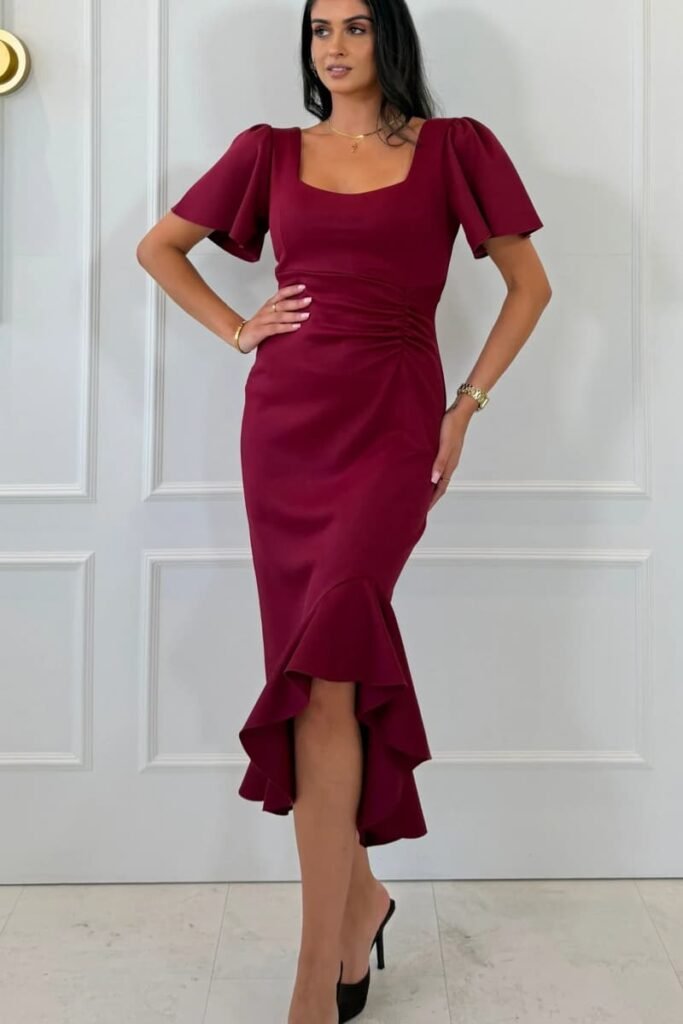
Occasion Dresses
Occasion dresses need refined proportion, controlled support and strong finishing at close viewing distance. Development usually reviews bust shaping, waist balance, lining coverage, zipper position and hem behaviour. Bulk standards should separate visual details from construction points so embellishment, pressing and packing remain consistent across sizes.

Party Dresses

Going Out Dresses

Vacation Dresses

Wedding Guest Dresses

Bodycon Dresses

Corset Dresses

Satin Mesh Sequin
Build a Cohesive Collection, Not Random Styles
Collection Role Structure
- Hero styles: strong visual identity and higher development attention.
- Commercial styles: wider wearability, price and conversion potential.
- Extension styles: colour, length, sleeve or neckline variations.
- Repeat styles: patterns and materials suitable for future replenishment.
Fabric and Colour Matrix
- Core colours: dependable shades with repeat potential.
- Campaign colours: visually strong shades linked to a launch story.
- Extension colours: controlled additions for later drops or reorders.
- Material families: shared fabrics with silhouette-specific construction.
Sample Priority and Launch
Sample priority should follow commercial purpose. Photo samples need visual completion for campaign dates. Fit samples need reliable measurements and construction. Salesman samples need close-view finishing. PP samples need locked materials, workmanship and packing references. Mixing every purpose into one sample often creates unclear approvals and repeated work.
A brand launching 18 styles may choose four campaign samples first, six fit-priority styles second and the remaining commercial extensions after key fabrics and blocks are confirmed. Duolan tracks each style by sample purpose, current status, pending decision and next milestone. The method protects the launch calendar while keeping later bulk standards clear.
- Campaign sample: prioritises visual presentation and styling.
- Fit sample: prioritises balance, movement and graded-size logic.
- PP sample: prioritises repeatable materials and workmanship.
- Reorder-ready style: retains approved production records.

From Design Direction to Production-ready Development
Tech Pack Development
Reference Image Development
Original Sample Review
Collection Mood Development
Fabric Decisions Protect Fit, Visuals and Bulk Quality

Drape and Surface Control
Satin, viscose, chiffon, crepe and light woven fabrics react differently to seams, pressing, bias cutting and lining. A glossy satin can reveal needle marks, seam tension and zipper waviness. A soft viscose can grow during hanging. Chiffon can shift during cutting and expose uneven hems. Fabric review therefore looks at weight, weave, finish, surface sensitivity, shrinkage, colour consistency and garment structure. For draped or bias-cut dresses, test panels can show how the material hangs, whether the lining restricts movement and how long the garment should rest before final hemming. Bulk planning also considers roll variation, cutting direction and protective handling. A visually similar substitute may create a very different silhouette, so approval should be based on the garment result, not swatch appearance alone.
- Review weight, handfeel, shine and surface sensitivity.
- Check seam impression, pressing response and zipper behaviour.
- Assess hang, growth and hem balance for bias-cut styles.
- Confirm bulk shade and roll consistency before cutting.

Stretch and Recovery
Bodycon, fitted and mesh dresses depend on both stretch and recovery. Two fabrics with the same fibre content can perform very differently because of knit structure, yarn, weight and finishing. Duolan reviews horizontal and vertical stretch, recovery after extension, opacity under tension, shrinkage and heat response. Pattern measurements must reflect the fabric behaviour. Excessive negative ease can distort prints, create transparency or pull zippers. Insufficient negative ease can weaken the intended shape. Size grading also needs review because larger sizes may require changed seam positions, stronger support or adjusted lining rather than simple proportional enlargement.
- Horizontal and vertical stretch percentage.
- Recovery after wear, pressing and repeated handling.
- Opacity at the expected wearing extension.
- Pattern ease and grading aligned with fabric behaviour.

Support and Coverage
Corset, halter, strapless and backless dresses need a coordinated support system. Main fabric, fusible, lining, cups, boning, elastic, tape and closure must work together. A heavy outer fabric may need stronger internal support, while a light satin may require a softer construction to avoid visible bulk. Coverage decisions also affect fit and returns. Side gaps, low necklines, armholes, back openings and sheer panels should be checked on a fit model or mannequin from multiple angles. Clear fit priorities help decide whether the garment is designed for bra compatibility, internal support, adhesive support or a deliberate fashion fit.
- Cup position and underbust shape.
- Boning path and side support.
- Lining coverage and skin comfort.
- Elastic, tape and closure stability.

Decorative Material Control
- Motif direction and placement map.
- Attachment density and repair standard.
- Skin-contact and underarm comfort.
- Protective folding and packing method.
Fit and Size Development for Australian Dress Markets
Base Size and Measurements
- Confirm body chart and garment chart separately.
- Define measurement method for every critical point.
- Identify fixed, graded and fabric-dependent measurements.
- Record tolerances only after fit and construction review.
Fit-critical Dress Points
- Bust apex and cup position.
- Waist balance and side-seam level.
- Armhole, neckline and side-gap coverage.
- Strap length, angle and load.
- Skirt fall, slit height and garment length.
Grading and Size Review
Grading should protect the design across the size range rather than enlarge every point at the same rate. Neckline depth, strap width, cup shape, boning position, slit height and embellishment placement may need controlled rules. Larger sizes can require stronger support or changed seam geometry. Small sizes can require reduced neckline or armhole exposure. For high-risk fitted or structured programs, Duolan can review selected graded sizes before bulk production. The chosen sizes depend on range width and construction risk. A size-set sample, measurement verification or graded pattern review can help identify problems before full cutting.
- Grade silhouette and support, not measurements alone.
- Check selected edge sizes where risk is higher.
- Keep decoration and seam positions visually balanced.
- Use approved measurement methods for bulk inspection.

Photo-ready and Production-ready Samples Serve Different Goals
DTC launches often need samples for campaign imagery before every bulk detail is locked. Clear sample purpose prevents visual approval from being mistaken for manufacturing approval.
Photo-ready Sample
Built to present silhouette, colour, drape, styling and surface detail for ecommerce imagery, campaign shoots or lookbooks. Review focuses on visual balance, model fit, garment movement and camera-facing details. Any temporary material, hand adjustment or unconfirmed construction should be recorded before the sample is treated as a production reference.
Production-ready Sample
Built to support PP approval and repeatable manufacturing. Review covers approved fabric and trims, measurements, construction, support, seams, labels, packing, BOM and workmanship references. The sample must be achievable across the planned size range and production quantity using the selected factory path.
A campaign sample can move ahead for photography while the PP path continues, provided open points are documented. Duolan records what is visually approved, what remains under fit or material review and what must be locked before bulk cutting.
A Controlled Sample Path for DTC Collections
Sampling becomes more predictable when materials, sample purpose, fit priorities and review responsibilities are defined before the first pattern is cut.
Brief Review
Feasibility Check
Material Direction
Pattern and Proto
Comments and Revision
PP and Bulk
A common first-sample planning range for established dress programs is approximately 7-15 working days after the development basis and required materials are ready. Complex corsetry, beading, specialty dyeing, custom prints or unavailable fabrics require a separately agreed schedule. Revision timing depends on comment clarity, material changes and structural scope.
Engineering Complex Dress Details for Repeatable Production
Corset and Bust Support
- Cup and apex alignment.
- Boning path and channel width.
- Underbust and side support.
- Closure strength and lining comfort.
Halter and Backless Stability
- Neck load and strap comfort.
- Side-gap and armhole control.
- Back opening and closure position.
- Symmetry and strap attachment strength.
Satin Construction Control
- Needle, thread and stitch density selection.
- Bias growth and hem balance.
- Zipper waviness and seam impression.
- Pressing and packing surface protection.
Mesh and Embellishment
- Mesh coverage and panel alignment.
- Sequin direction and bead density.
- Zipper clearance and seam reinforcement.
- Repair standard and protective packing.
How Approved Samples Become Controlled Bulk Production

Bulk Readiness Review
Before bulk starts, Duolan checks the sample status: fit confirmed, visual confirmed, PP basis or still pending refinement. The order purpose is also defined as a launch order, repeat order, replenishment or scale-up program. Those distinctions affect risk, capacity and inspection planning. The review covers fabric, lining, trims, colour, measurements, workmanship points, labels, packaging, quantity and launch date. Any open item is listed with an owner and deadline. A style should not move into full cutting while a major material, fit or construction point remains ambiguous.

Material and Standard Locking

First-piece Confirmation
Complex corset, satin, mesh, sequin or multi-process styles may begin with first-piece confirmation, pilot production or key-operation testing. The goal is to verify line interpretation, machine settings, sequence, support, measurement and finish before output increases. First-piece review gives sewing and QC teams a shared standard. Corrections can be made while the quantity is still limited. The method is especially valuable where hidden structure or surface sensitivity cannot be understood from a flat specification alone.

Inline and Final Verification
Inline inspection follows critical operations instead of waiting for finished garments. Measurement, symmetry, support, closures, decoration and seam quality are checked at suitable points. Final inspection compares finished goods with approved standards, required sample size, packaging and carton information. Production records connect issues with corrective action. Where one defect repeats, the response should address the operation, machine, handling or instruction behind it. The same record supports future reorders and prevents known problems from returning.
Private Label Systems Ready for DTC Delivery
Main Brand Label
Size Label
Care Content Label
Hangtag System
Barcode and SKU
Individual Packing
Carton Marking
Reorder Records

Quality Control Built Around Dress-specific Failure Points
Quality control becomes stronger when inspection points reflect the garment type, material and construction risk. Duolan combines material checks, production standards, inline review, measurement control and final appearance inspection.
Fabric and Material Inspection
Fabric inspection checks shade, width, surface, defects, stretch, handfeel and other agreed characteristics before cutting. Rolls may be separated by shade where necessary. Delicate satin, printed goods, mesh and embellished fabrics require additional handling and storage protection.
Trims are checked for colour, size, function and compatibility. Zippers, cups, boning, elastic, hooks, beads and labels should match the approved reference. Any alternative needs a controlled approval path.
Pre-production Standard Review
Before line production, approved sample status, BOM, measurements, workmanship, critical operations, labels and packing are reviewed with relevant teams. High-risk styles receive clear close-ups or operation notes. Complex points should be understood by production and QC before output begins.
A pre-production review also confirms inspection priorities. A bodycon style needs stretch and measurement control; a corset style needs support and symmetry; satin needs surface and pressing control; sequin products need attachment and comfort review.
Inline Workmanship Control
Inline checks focus on the stage where a defect can still be corrected efficiently. Seam quality, stitch balance, construction sequence, decoration, closure, reinforcement and measurements are checked during production. Findings should lead to operator guidance, machine adjustment, process correction or reinspection.
Inspection intensity can increase for newly introduced construction, complex styles or lines producing the product for the first time. Stable repeat orders can use historical issue records to focus attention on known risks.
Measurement and Fit Verification
Garment measurements are checked using an agreed method and tolerance. Fitted dresses need attention to bust, waist, hip, strap, length and openings. Structured dresses need support position and symmetry. Stretch garments should be measured without uncontrolled tension.
Where selected size-set samples are required, the review compares grading and appearance across sizes before broad cutting or during production. Measurement data should connect with the approved pattern version and sample.
Final Appearance and Packing
Final inspection covers workmanship, measurements, symmetry, surface condition, pressing, labels, barcode, folding, packing and carton information. Satin is reviewed for marks and waves; mesh for coverage and alignment; sequins for missing pieces and abrasion; corsets for shape and support; backless styles for straps and closures.
Packed garments are checked against the approved method. Protective materials, carton pressure and hanging requirements are reviewed according to product sensitivity and freight plan.
Back-plan Development From the Australian Launch Date
Commercial Milestone Mapping
Public holidays, fabric production, custom colour, print, embroidery, testing, inspection and freight method all affect the critical path. Duolan builds a project schedule after the style list, sample purpose, material readiness and target date are known.
Development Wave Planning
The approach also helps campaign teams receive visual samples earlier while production teams continue PP preparation. Every wave keeps its own status, comments, open points and next decision.
Production and Freight Path
A split shipment should never become a substitute for poor planning. It is most useful when campaign, launch or replenishment quantities have a clear priority and packing records can keep each shipment traceable.
Approval Discipline
Duolan provides staged updates so the brand team can see what is moving, what needs a decision and what may affect the target date. Clear approvals protect speed more effectively than repeated urgent messages after a milestone has passed.
Scale Multi-style Programs Without Losing Control
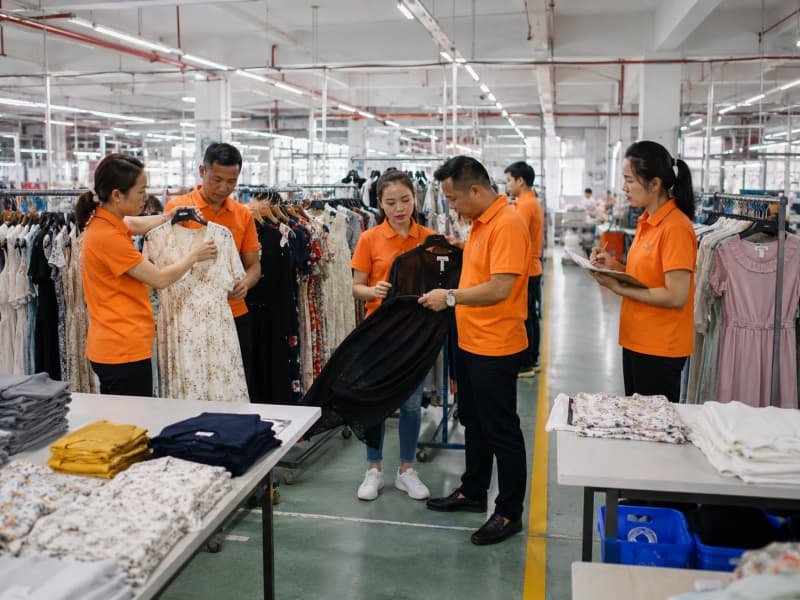
Owned Factory Control

Quick-response Production

Repeat and Scale-up
Repeat production can move faster when pattern, BOM, materials, measurements, workmanship and packing records are available. Scale-up orders still require capacity and material review because larger quantities can introduce new roll, shade, line and inspection risks. Duolan can separate launch, repeat and scale-up paths so a fast replenishment order does not disrupt a larger seasonal program or change the approved standard.

Special Process Coordination
Print, embroidery, dyeing, washing and decorative processes require external and internal milestones. Fabric availability, process sample, colour approval, panel placement, shrinkage and repair standards need to be aligned before sewing. Duolan coordinates long-term process resources and can route styles according to workmanship requirements. Production allocation remains linked to the approved development file rather than price or spare capacity alone.
Protect Bestselling Styles Across Reorders and Extensions
Reorder Reference Package
Material and Colour Recheck
Fit and Pattern Continuity
Bestseller Extensions
Prepare Dress Orders for Australian Market Delivery
Market readiness combines factory documentation, material information, labels, packing, shipping records and brand-specific requirements. Requirements are reviewed per program rather than assumed from a generic checklist.
| Preparation Area | Duolan Coordination | Brand Input Needed |
|---|---|---|
| Factory and social audit | SMETA and SMETA 2-Pillar audit foundation; coordination for agreed supplier review and social responsibility documentation. | Vendor manual, audit requirements and approval process. |
| Material and product testing | Coordination for agreed tests such as composition, colourfastness, shrinkage, pH or product-specific performance. | Testing standard, restricted substance requirements and market destination. |
| Care and content labels | Artwork review against confirmed fibre content, garment care, size coding, origin and required brand wording. | Final artwork, language, legal review and approval responsibility. |
| Barcode and packing | SKU structure, barcode placement, polybag, tissue, hanger, carton marks and warehouse packing ratios. | SKU list, barcode data, packing guide and fulfilment requirements. |
| Brand-specific standards | Implementation of agreed workmanship, measurement, testing, packaging and inspection requirements. | Quality manual, tolerances, approval samples and inspection level. |
| Shipping documentation | Commercial invoice, packing list, carton information and agreed shipping records prepared with the nominated logistics path. | Incoterm, consignee, forwarder, destination and document instructions. |
| Delivery planning | Courier, air, sea or split-shipment planning based on launch priority, carton volume and warehouse date. | Target receiving date, priority quantity and freight preference. |
Why Established DTC Dress Brands Choose Development-led Manufacturing
Dress-focused Development
Fit Fabric Judgment
Production-ready Sampling
Multi-style Planning
Reorder Standard Control
Documented Delivery
Dress Development Cases Built Around DTC Growth
Australian Occasionwear Collection
Main challenge: Several high-impact styles shared colours but used different base fabrics, making shade coordination difficult. Corset cup placement and backless stability also needed close fit review. A single development calendar would have held commercial styles behind the most complex garments.
Duolan response: The collection was divided into three waves. Four campaign styles moved first with documented open production points. Six fit-priority styles followed with base-size and selected graded-size review. Eight commercial extensions advanced after material families and core blocks were confirmed. Satin and mesh colours were controlled through separate lab-dip and bulk approval records. Corset styles received internal structure close-ups and first-piece confirmation before line output increased.
Result: All 18 styles entered bulk through defined PP or production-readiness paths. Twelve styles shipped in the first launch window, while six complex styles followed in a controlled second release. Pattern, BOM, colour, QC and packing records remained available for the next seasonal program.
- 18 styles / 42,600 garments.
- Six-size commercial range.
- Three development waves.
- Campaign and PP paths tracked separately.

Australian Resort Drop
Main challenge: Print placement, fabric opacity, shrinkage and colour relationships needed control across several silhouettes. The brand wanted a coherent collection without using one fabric weight for every style. Long dresses also required packing and carton planning to reduce crushing and excessive folds.
Duolan response: Fabrics were grouped by drape, opacity and silhouette need rather than print alone. Print strike-offs and colour standards were reviewed before sample cutting. High-risk halter and backless shapes moved first for fit; lower-risk relaxed styles followed after base materials were confirmed. The production plan separated lightweight printed goods, solid satin-like fabrics and knit support styles. Packing used silhouette-specific folding, tissue and carton ratios.
Result: Twenty-four styles moved through a shared colour and material matrix while retaining garment-specific construction. The order was packed in launch-priority groups, allowing the brand to receive campaign and first-release quantities before later colour extensions. Approved print, pattern and packing records supported a subsequent reorder discussion.
- 24 styles / 63,200 garments.
- Print and solid colour matrix.
- Staged release packing.
- Silhouette-specific material selection.

Bestseller Reorder Program
Program structure: 12 established styles, 28,800 garments in the first replenishment and a later 36,000-garment scale-up across new colours and updated size ratios. Products included bodycon midis, satin occasion dresses and two structured corset shapes.
Main challenge: The brand needed faster replenishment without accepting fit drift, colour inconsistency or silent material changes. Historical return feedback suggested improvements to strap length and lining coverage on two styles, while the core silhouettes needed to remain recognisable.
Duolan response: Pattern versions, BOMs, approved fabrics, measurement methods, QC points and packing records were reviewed before reordering. Two controlled fit changes were introduced as new pattern versions and approved before cutting. Repeat colours were compared with retained standards; new colours moved through lab-dip approval. Stable styles entered the repeat path, while changed styles received focused PP review.
Result: The 28,800-garment replenishment retained the approved brand standard while incorporating documented fit improvements. The later 36,000-garment order used the same production assets with updated colour and size information. Repeat and modified styles remained clearly separated, reducing confusion during production and inspection.
- 12 styles / 28,800 garments.
- 36,000-garment scale-up.
- Pattern versions controlled.
- New colours approved separately.

Frequently Asked Questions for Australian DTC Dress Brands

Start Your Australian DTC Dress Development Project
Share the material already available, even when the project file is not complete. Duolan will review the product direction, fit and fabric risks, sample purpose, production path and next information needed for a more accurate response.
A strong project review usually includes:
- Brand name, website and primary market.
- Tech pack, reference images or original-sample photographs.
- Dress category, number of styles and colourways.
- Target fabric, trims, prints, embroidery or decorative work.
- Size chart, fit priorities and any historical return feedback.
- Target quantity, size ratio and planned order stage.
- Campaign, warehouse receiving or launch date.
- Label, barcode, packing, testing and inspection requirements.
Duolan will organise the information into a development or production review covering feasibility, open decisions, sample path, quantity basis, timeline and evidence needed before the next stage. Project files are handled for development and manufacturing evaluation.