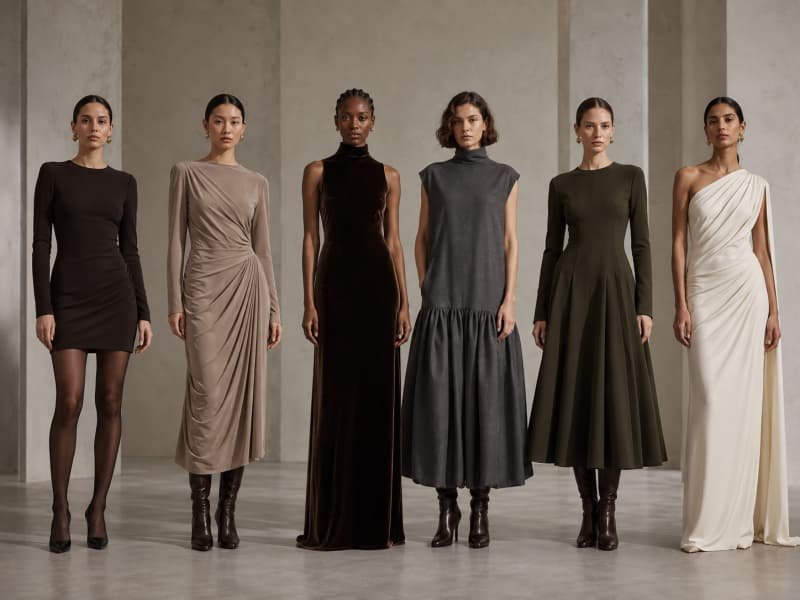
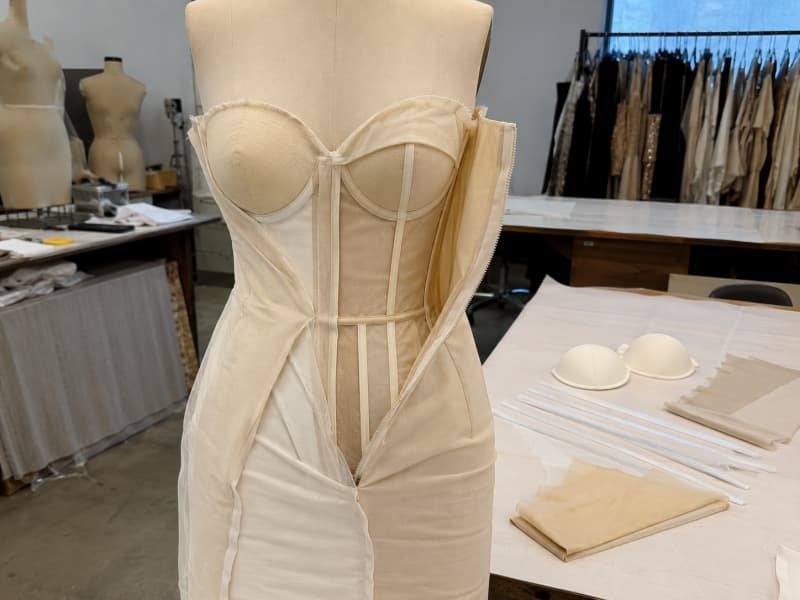
...

Custom Dress Manufacturer for Australian Established Fashion Brands

Dress-focused development, sampling and controlled bulk production for established Australian labels managing seasonal collections, repeat orders and brand-level quality.

  • 30+ years of dress development and manufacturing experience behind the Duolan production system.
  • 16 owned womenswear factories supported by 20+ long-term satellite manufacturing partners.
  • 300 sewing lines and 50+ quick-response lines for multi-style launches, replenishment and scale-up.
  • Brand programs commonly include 10-30 styles and 20,000-80,000 total pieces per order cycle.
  • SMETA audit and SMETA 2-Pillar audit records support formal supplier evaluation.

A Dress Manufacturing System Built for Brand Growth

Established Australian labels need more than available sewing capacity. They need development depth, controlled production paths and enough manufacturing flexibility to support launch orders, repeat styles and seasonal peaks without losing the approved product standard.

30+ Years Development

Duolan’s manufacturing foundation is supported by more than three decades of fashion product development experience. The leadership team entered fast-fashion research and development in 1996 and later built a manufacturing system around commercial dress design, fabric interpretation, pattern engineering, workmanship development and bulk execution. The value lies in accumulated judgement: how satin should fall, how fitted dresses should recover, where support structures must sit.

16 Owned Factories

Core dress programs can be assigned to 16 owned womenswear factories. Owned production gives Duolan closer control over styles where fit, construction, fabric handling or visual finish must remain aligned with approved samples. Production allocation is based on garment structure, fabric behaviour, workmanship requirements and delivery sequence rather than simply placing every style on whichever line is free.

20+ Satellite Partners

More than 20 long-term satellite manufacturing partners add capacity for repeat orders, rolling replenishment and peak-season production. Satellite allocation is managed as an extension of the production network, not as uncontrolled outsourcing. Material standards, approved samples, workmanship instructions, measurement specifications, quality checkpoints and packing requirements remain tied to the original project file.

300 Sewing Lines

A network of 300 sewing lines provides room to coordinate multiple dress styles, colourways and delivery waves. The scale is valuable when a collection contains fitted jersey dresses, satin occasion styles, mesh garments, embellished pieces and commercial repeats at the same time. Each category can follow a more suitable production route while the collection remains under one coordination structure.

50+ Response Lines

More than 50 quick-response and flexible lines support launch quantities, repeat orders and time-sensitive replenishment. Flexibility is not presented as an ultra-small order message. The purpose is to help established labels manage different commercial stages: initial launch, controlled market release, replenishment of proven styles and later volume expansion.

12,000+ Workers

The wider manufacturing network includes more than 12,000 workers across owned factories and regional supporting bases in Guangdong, Guangxi, Guizhou, Sichuan and Jiangxi. Regional capacity creates production resilience and allows project teams to match garment complexity, workmanship type and required delivery window with a suitable manufacturing route.

Built for Established Australian Fashion Teams
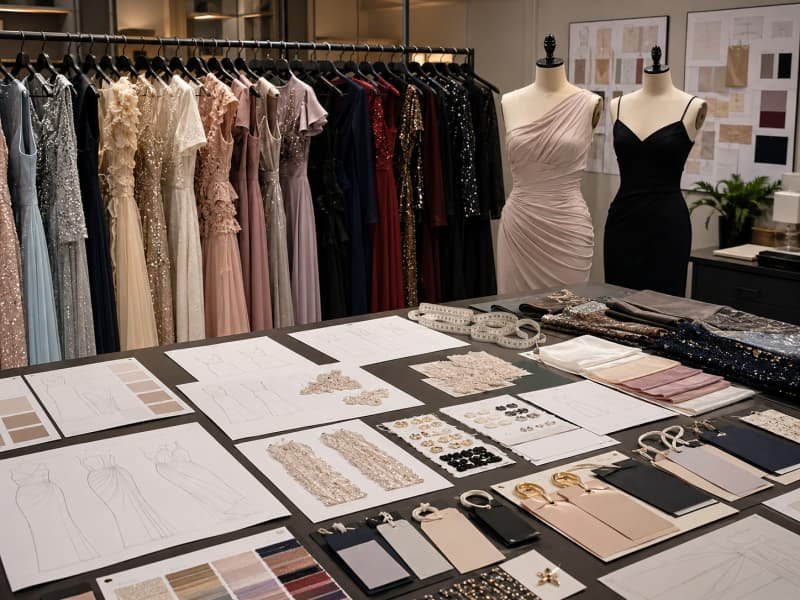
Duolan works best with organisations that already have a defined market position, a development calendar and a clear path from concept to launch. Each team receives information aligned with its actual responsibilities.

Established Fashion Brands

Established labels usually manage several collection drops, different dress categories and recurring commercial styles. They need a manufacturing partner able to remember previous fit decisions, material choices, workmanship standards and packaging rules. Duolan supports continuity through controlled project files, pattern records, revision summaries, approved material references rather than restarting every style from zero.

Buying and Production Teams

Commercial and production teams need clear costing bases, reliable timelines, organised sample comments and shipment visibility. Duolan structures the project around defined inputs and approvals: development brief, material direction, measurement basis, revision status, production readiness, quality plan and delivery schedule. The goal is fewer unclear handovers between design, sourcing, pattern, production and quality functions.
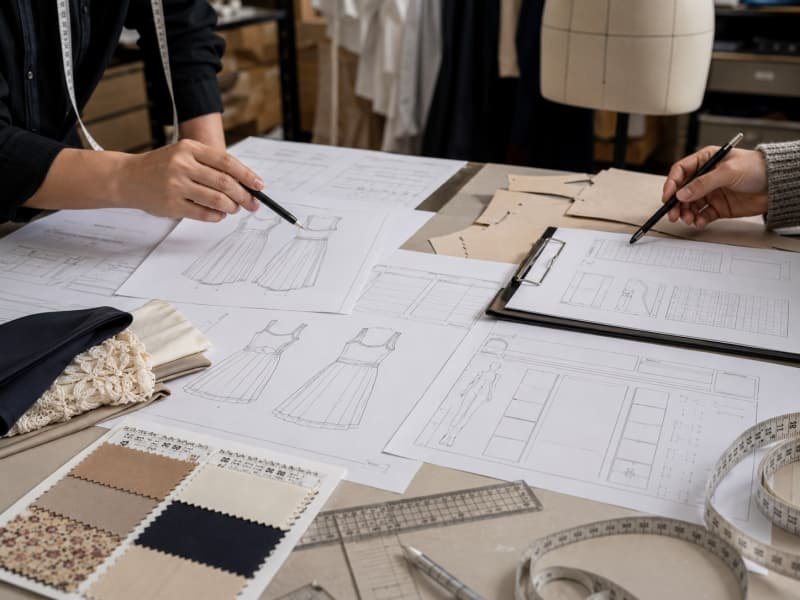
Product Development Teams

Product teams focus on whether design intent survives fabric sourcing, pattern development and production engineering. Duolan reviews silhouette, fit priority, drape, coverage, support, trim placement and workmanship feasibility before a style moves too far.

Comments are separated into fit, visual, material and production-related actions so revision work becomes progressively clearer.

Sourcing Offices

Sourcing offices and multi-brand groups often require audit records, capability information, factory ownership details, production allocation, testing coordination and consistent reporting.Duolan can support supplier review with manufacturing facts, SMETA records, development process information, factory evidence, quality checkpoints and project-specific production plans.

What Established Australian Brands Need From Manufacturing

The strongest supplier relationship protects product identity while keeping development, commercial planning and delivery connected. Six requirements shape most long-term dress programs for the Australian market.

Launch Calendar Discipline

Australian selling seasons, event periods and resort demand require development to work backwards from an intended launch date. Sampling, revisions, material booking, production, inspection, freight and warehouse receiving all need space in the schedule. Duolan builds project timing around the required market window instead of treating the ex-factory date as the only deadline.

Accurate Sample Direction

A first sample should allow meaningful decisions on silhouette, fit, fabric and construction. It should not merely prove that a garment can be sewn. Before development begins, Duolan clarifies the sample purpose, priority measurements, material direction and visual targets so the first version can move the project forward rather than create a new round of uncertainty.

Fabric and Fit Control

Dress performance depends on material behaviour and pattern balance working together. A fitted style may fail through weak recovery; a satin style may lose shape through unsuitable weight; a mesh style may expose more than intended. Duolan evaluates material characteristics alongside the desired silhouette and wear experience.

Multi-style Coordination

A collection of 10-30 styles cannot be managed as unrelated single pieces. Fabrics, trims, sample rounds, colour approvals, size ranges and launch dates create shared dependencies. Duolan groups related decisions, identifies common materials where suitable and tracks each style through a defined development and production status.

Sample-to-Bulk Consistency

The approved sample must become a usable manufacturing standard. Fabric lot, lining, trims, measurements, construction, stitch type, decorative placement, finishing and packing need to be locked before bulk begins. Duolan connects sample approval with production readiness rather than leaving production teams to reinterpret the sample later.

Repeat-order Stability

Repeat orders test whether a supplier has retained the original product knowledge. Pattern version, size specification, colour reference, material source, workmanship notes and known risk points must be checked again. Duolan prepares repeat production from archived project information and verifies changes before the line starts.

Manufacturing Around Australian Fashion Calendars

Australian fashion planning needs a reverse timeline that connects product development with the selling season. Duolan structures each project around the required delivery destination, collection launch and approval sequence.

Build Backward From Launch

A launch date is not a factory completion date. Retail intake, warehouse processing, ecommerce photography, campaign production, internal quality review and freight all sit between production and the selling moment. Duolan begins by identifying the required arrival window, then works backwards through shipping, final inspection, packing, production, pre-production confirmation, material readiness, sample approval and development.

For a standard dress program, bulk production commonly requires 20-30 days after all production conditions are ready. Simple constructions may take 15-20 days, while complex structures, heavy embellishment or specialised finishing may require 30-45 days. Lead time is confirmed against style complexity, material status, order structure and available capacity rather than promised as one universal number.

Plan Freight as Part of Product

Transport choice affects both timing and garment presentation. Express delivery commonly requires 3-7 days, air freight 5-8 days and sea freight 20-35 days under normal project conditions. Transit estimates still depend on route, booking space, customs handling and final destination. Satin, embellished and structured dresses may also require packing methods that reduce crushing, abrasion or decoration damage.

FOB, CIF, DDP and split-shipment arrangements can be evaluated according to the commercial plan. A launch may use air freight for campaign or priority stock while the remaining volume travels by sea. Delivery planning becomes more reliable when destination city, warehouse date and required document set are defined before production closes.

Dress Manufacturing Risks Established Brands Cannot Ignore

Most costly failures begin before the bulk line starts. Early identification gives design, development and production teams more options, while late discovery turns a manageable issue into missed launches, rework or unsellable stock.

Design Sample Mismatch

A sample may copy visible features yet miss the intended proportion, fit or attitude. Duolan reviews the visual objective and the technical basis together, including neckline depth, bust placement, waist balance, body length, skirt volume and fabric behaviour.

Fabric Silhouette Conflict

The selected fabric may not support the intended shape. Weight, drape, stretch, recovery, opacity and surface finish are assessed against the silhouette before material is locked for development.

Unstructured Fit Comments

Comments sent without hierarchy can create conflicting changes. Duolan organises feedback into fit, measurement, material, visual and production categories, then confirms the purpose of the next revision.

Sample Bulk Drift

Bulk can move away from the approved sample when materials, measurements or construction are not formally locked. A production readiness review connects the approved version with line instructions and quality checkpoints.

Material Substitution

Replacing a lining, zipper, elastic or decorative component may change fit, appearance or durability. Substitutions require review and approval when they affect the approved standard.

Multi-style Confusion

Large collections create version risk. Style numbers, colourways, samples, comments, trims and packaging requirements need disciplined records. Duolan keeps each style linked to its latest approved information.

Delayed Launch Window

Late materials, slow approvals and unclear production conditions often create more delay than sewing. Project schedules identify dependencies early and separate brand approvals from factory execution time.

Repeat-order Variation

A repeat may differ through fabric lots, colour batches, pattern revisions or new production allocation. Archived standards and repeat readiness checks reduce unwanted change between seasons.

How Professional Teams Evaluate a Dress Manufacturer

A reliable assessment goes beyond price, minimum quantity and a few sample photographs. The strongest evaluation connects product specialisation, development method, production control, compliance and repeat-order capability.

Evaluation AreaEvidence Worth ReviewingWhy It Matters
Dress SpecialisationRelevant categories, construction knowledge, fit and fabric examplesDress projects need category-specific judgement, not generic sewing capacity
Development ProcessBrief review, feasibility note, pattern path, sample updates, revision summaryA structured method reduces unclear samples and repeated corrections
Material CapabilityFabric behaviour review, sourcing base, trim options, bulk availabilityMaterial decisions drive silhouette, cost, quality and production timing
Sample-to-Bulk ControlApproved sample status, BOM lock, PP basis, first-piece confirmationBulk should reproduce the agreed product rather than reinterpret it
Manufacturing StructureOwned factories, production allocation, flexible capacity, line planningCapacity must suit multi-style launches, replenishment and scale-up
Quality SystemMaterial checks, inline control, measurements, final inspection, packing checksQuality must be controlled throughout production, not inspected only at the end
Audit and StandardsSMETA records, test coordination, brand-specific requirementsFormal supplier approval needs documented social and quality foundations
Delivery ManagementReverse timeline, freight planning, documents, split shipment optionsArrival at the required market window is the commercial result
Repeat-order ReadinessPattern archive, specification version, material record, QC historyStable repeats protect fit, colour and workmanship across seasons

Why Dress Specialisation Protects Brand Value

Dresses combine visual impact, body fit, material movement and finishing in one product. Small technical errors often become highly visible on the wearer, in campaign imagery and across repeated production.

Silhouette Is an Engineered Result

A dress silhouette is created by the relationship between pattern shape, seam placement, grain direction, material weight, stretch, lining and internal support. A generic pattern can match a measurement chart and still fail visually. Bust position may sit too low, waist shaping may pull forward, a bias panel may twist, or skirt volume may collapse because the chosen fabric lacks body.

Duolan evaluates the intended look before pattern work progresses. The team identifies which dimensions control the silhouette, where ease must be added or removed, how fabric behaviour affects balance and which construction points need early testing. Fitted, corset, halter and backless styles receive particular attention because small errors in support or position can affect both appearance and wear security.

Surface Quality Changes Perceived Value

Occasion and party dresses are judged closely. Puckered satin seams, uneven gathering, exposed lining, unstable zippers, rough sequin edges or inconsistent hems can reduce perceived value even when the garment technically passes basic inspection. Workmanship standards therefore need to reflect the fabric and the selling context.

Duolan’s product review identifies high-visibility zones and handling risks. Satin may need controlled seam pressure and careful pressing; mesh needs clean joining and coverage control; sequins require edge management and lining protection; velvet requires nap direction consistency. The aim is a garment that presents correctly on a model, hanger, ecommerce image and retail floor.

A Development Partner, Not a Generic Factory

Duolan is organised around fashion dress development and controlled manufacturing for established labels. The role begins before production and continues through repeat orders.

Product Direction Before Costing

Reliable costing depends on understanding the product. A reference image without fabric, construction, measurements or quantity cannot support a dependable production price. Duolan first reviews the dress direction, expected quality level, material basis, development route and order structure. Early review identifies details likely to affect cost or lead time, including corset support, bias cutting, heavy ruching, layered mesh, hand-applied decoration, specialised printing or non-standard trims.

Development Records Before Scale

A strong first sample is valuable only when the knowledge behind it is retained. Duolan builds a controlled record around the style: development basis, pattern version, measurement specification, fabric and trim reference, revision notes, approved appearance and production cautions. Those records support PP confirmation, bulk manufacturing and later repeats.

Manufacturing Decisions Before Capacity Claims

Large capacity alone does not guarantee a suitable production route. Duolan matches styles to factories and lines according to garment complexity, fabric handling, workmanship skill, quantity and delivery plan. Core styles can remain under owned-factory control, while rolling repeats and additional volume can use qualified satellite capacity under the same approved standards.

Partnership Beyond Shipment

Delivery closes one order, not the relationship. Project records, quality findings, fit preferences, material performance and packing feedback become inputs for the next collection. Established labels gain more value when each completed program makes future development faster and more stable.

Custom Dress Categories for Australian Fashion Markets

Duolan develops commercial dress programs across occasion, party, vacation and fitted fashion categories. Each category is approached through its own fit, material, construction and production risks rather than a single generic dress method.

Occasion Dresses

Occasion dresses need a polished silhouette, controlled support and strong visual finish. Duolan develops mini, midi and maxi directions using satin, chiffon, mesh, lace, velvet and structured woven fabrics. Key work includes neckline balance, bust coverage, waist shaping, lining, slit position, drape and camera-ready finishing. Programs can support wedding guest, cocktail, formal social .

Party Dresses

Party dresses often combine fitted silhouettes, shine, texture and high-impact detailing. Development may involve sequins, metallic fabrics, mesh panels, ruching, cut-outs, corset elements, asymmetric lines and short hems. Duolan reviews wear stability, movement, lining protection, zipper load and decorative placement so the style remains attractive in photography and reliable in repeated wear.

Vacation Dresses

Vacation collections need lightness, packability, movement and clear seasonal colour. Common directions include printed maxis, halter dresses, backless dresses, cut-out styles, linen-look dresses and fluid resort silhouettes.

Material opacity, strap security, shrinkage, print placement, hem behaviour and packing recovery receive early attention.

Going Out Dresses

Going out styles rely on fit, proportion and visual identity. Body-skimming shapes, mini lengths, open backs, halter necks and cut-out details must remain secure while preserving the intended attitude.
Duolan tests stress points, coverage, fastening position, seam placement and fabric recovery before production standards are fixed.

Wedding Guest Dresses

Wedding guest collections may include refined satin midis, floral maxis, draped dresses, asymmetric necklines and elegant fitted shapes.  Duolan supports coordinated colour stories, varied silhouettes and consistent finishing across a collection while keeping the category separate from specialist bridal gown production.

Cocktail Dresses

Cocktail dresses require sharper proportion, cleaner finishing and a strong relationship between fabric and body shape.
Structured bodices, draped skirts, ruching, lace, mesh and satin are common. Development focuses on bust fit, waist definition, skirt movement, lining and closure stability.

Bodycon Dresses

Bodycon performance depends on stretch percentage, recovery, opacity, seam strength and negative ease. A fabric may look suitable on a roll yet become transparent, bag at the seat or grow in length during wear. Duolan reviews stretch direction, lining needs, key measurements and recovery before the fit is approved.

Corset Dresses

Corset dresses require technical control over cup placement, boning position, waist suppression, panel balance, zipper load and internal comfort. The sample must prove both appearance and repeatable construction. Duolan evaluates whether the desired support can be produced consistently at the planned quantity.

Satin Dresses

Satin highlights every seam and pressing decision. Weight, weave, shine, drape and snag sensitivity affect the result. Duolan pays attention to seam tension, grain direction, bias behaviour, puckering, lining, pressing temperature, handling and protective packing.

Mesh Dresses

Mesh designs require decisions on transparency, stretch, lining coverage, printed placement, joining method and edge finish. Layering can change colour and stretch. Duolan develops the outer layer and lining as a system so the approved coverage and fit remain stable.

Sequin Dresses

Sequin garments need controlled cutting, seam clearing, attachment security, edge comfort and lining protection. Decorative density can change garment weight and drape. Duolan reviews sequin direction, motif alignment, stitch path, replacement method, seam allowance and packing protection before bulk.

Fashion Dress Sets

Coordinated sets may combine a dress with overlays, shrugs, detachable sleeves or matching separates. Multiple pieces create added risks in colour matching, sizing, trim consistency and packing. Duolan controls component references and ensures every set is packed and labelled correctly.

From Individual Styles to Complete Dress Collections

A collection needs commercial structure, not a long list of unrelated dresses. Duolan helps organise silhouettes, fabrics, colours and development stages around a clear launch objective.

Seasonal Drop

A seasonal drop may combine hero styles, dependable commercial shapes and visual support pieces. Duolan reviews development priority, material readiness and production complexity so the collection can move through sampling without every style competing for attention at the same time.

Occasionwear Collection

Occasion lines often require coordinated colour, varied coverage and different levels of formality. A balanced range may include fitted minis, satin midis, flowing maxis and embellished statement pieces. Shared fabrics or trims can support consistency while each silhouette keeps a distinct role.

Partywear Line

Partywear programs need strong visual rhythm. Shine, mesh, cut-outs, corset shapes, ruching and mini lengths should feel related without becoming repetitive. Duolan evaluates the workload of high-detail pieces and keeps commercially repeatable styles in the production mix.

Resort Collection

Resort and vacation ranges need fabric movement, print direction, easy packing and wear security. Halter, backless, printed and fluid silhouettes can be planned around common colour stories or material families to simplify sourcing and production.

Event Edit

An event edit is usually narrower and deadline-sensitive. Product roles should be clear: campaign statement, high-conversion commercial option, alternative coverage and repeatable colour. Sampling and production can be prioritised around the launch event rather than treating all styles equally.

Capsule Program

A capsule collection benefits from controlled SKU count and strong internal connection. Repeated fabrics, coordinated lengths and shared trims can reduce development complexity while preserving variety. Duolan helps identify which elements can be standardised and which details must remain style-specific.

Fabric and Trim Direction Before Dress Sampling

Material selection controls silhouette, fit, cost, lead time and production stability. Duolan reviews fabric behaviour and trim function before the sample becomes the only place where problems are discovered.

Satin

Satin should be selected by more than colour and shine. Weight, weave density, fluidity, snag sensitivity, crease recovery and bias behaviour influence the entire garment. Duolan compares the required silhouette with handling, lining, pressing and bulk availability before development is locked.

Mesh

Mesh varies in stretch, recovery, hole size, softness, printability and transparency. Duolan checks stretch direction, recovery after tension, coverage zones, joining method, edge finish and compatibility with the base fabric. Printed mesh also needs motif placement and colour approval across layered sections.

Lace

Lace requires decisions on motif scale, direction, edge use, joining, backing and placement. A large repeat may suit a maxi dress but create awkward breaks on a fitted mini. Duolan reviews cutting efficiency, seam visibility, scallop placement, lining colour and consistency before bulk material is ordered.

Chiffon

Chiffon gives movement but can shift, distort and fray during production. Grain control, layer alignment, seam type, hem method and lining are critical. Duolan assesses opacity, static tendency, colour depth, print registration and pressing response before selecting the development route.
Stretch Jersey

Stretch Jersey

Stretch jersey needs measurable recovery, not stretch alone. Weak recovery creates bagging at the waist, seat and knees. Duolan checks direction, stretch ratio, opacity under extension, surface stability, shrinkage and seam compatibility. Pattern ease is then developed around the actual material rather than a generic bodycon block.

Structured Woven

Corset, fitted and tailored dresses may need woven fabrics with controlled body and dimensional stability. Weight, stretch content, fusible compatibility, seam bulk and pressing response affect the result. Duolan reviews whether the material can hold panel shaping and internal support without becoming rigid or uncomfortable.

Velvet

Velvet requires nap direction control, shade awareness, gentle handling and specialised pressing.
Cutting all panels in the correct direction is essential for consistent colour.
Seam marks, pile crushing and packaging pressure are considered from sample development through shipment.

Sequin and Embellishment

Sequins, beads, pearls and stones add weight, abrasion risk and repair requirements. Duolan reviews base fabric strength, decoration density, attachment method, seam clearing, motif direction, edge comfort, lining and packing protection. Decorative ideas are assessed for repeatable bulk execution rather than sample appearance alone.

Technical Control Across Complex Dress Categories
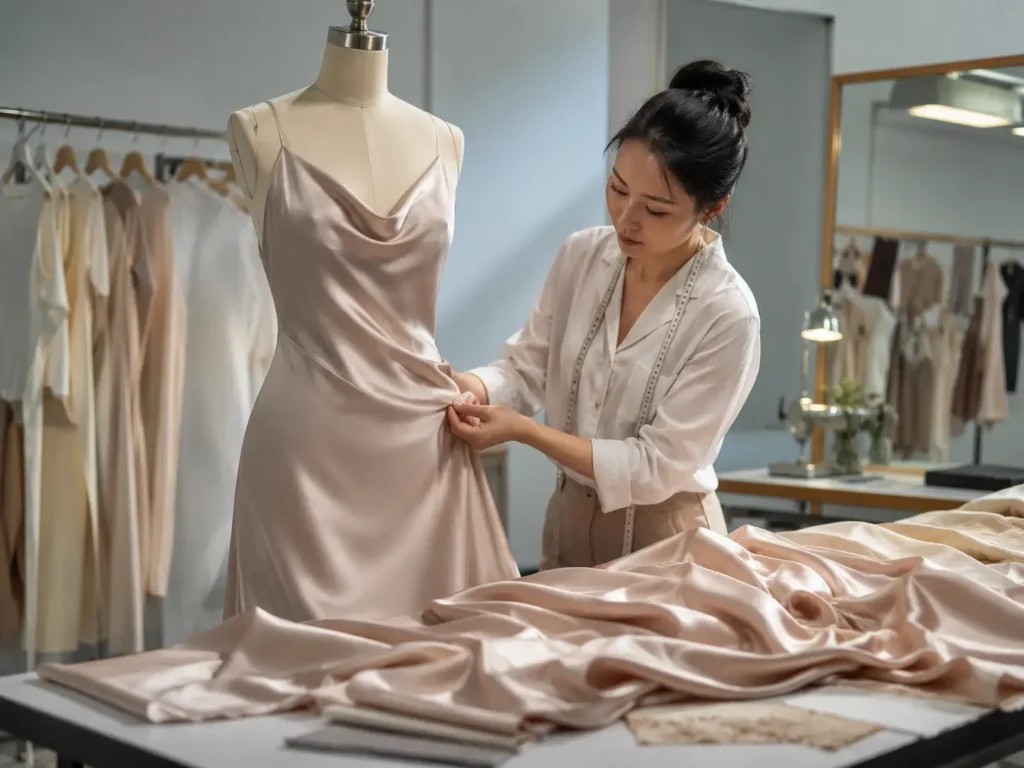
Complex dresses need category-specific checkpoints. The same inspection list cannot protect satin, corset, mesh and sequin styles equally well.

Satin Control

Primary risks include puckered seams, shine variation, needle marks, biased twisting, pressing damage and packing creases. Duolan aligns thread, needle, stitch density, seam handling, grain direction, pressing method and protective packing with the selected satin. High-visibility seams and draped areas are reviewed during sampling and first-piece confirmation.

Bodycon Control

Primary risks include transparency, poor recovery, unstable length, seam grin and inconsistent compression. Duolan evaluates fabric stretch in both directions, recovery, opacity under extension, negative ease, lining, key body measurements and seam performance. Measurement control focuses on bust, waist, hip, body length, hem opening and strap or sleeve positions.

Corset Control

Primary risks include incorrect cup position, distorted boning, uneven panel tension, zipper stress and uncomfortable internal edges. Duolan reviews panel geometry, bust support, waist balance, boning type and position, lining, seam allowance, fastening and stress points. A corset sample must prove wear stability and production repeatability.

Mesh Control

Primary risks include unintended exposure, uneven layer colour, seam distortion, print mismatch and weak recovery. Duolan controls mesh orientation, lining coverage, stretch relationship, joining, edge finish and motif placement. The outer layer and lining are measured together where their interaction controls fit.

Sequin Control

Primary risks include decoration loss, scratching, broken needles, uneven motif direction and bulky seams.
Duolan plans sequin clearing, seam path, replacement, lining protection, edge finish and final inspection zones. Packing is designed to reduce abrasion and crushing during transport.

Halter and Backless Control

Primary risks include neck pressure, bust instability, strap stretch, gaping and insufficient movement security. Duolan evaluates strap width, attachment reinforcement, neckline geometry, back opening, support method, closure position and fabric recovery. Fit review includes movement, not only static mannequin appearance.

Start With the Development Information Available

A complete tech pack is valuable, but established teams may begin different styles with different information. Duolan creates a structured development basis from the strongest material available.

Tech Pack

A tech pack can establish construction, measurements, materials, trims, artwork, labels and packing. Duolan reviews completeness, contradictions and production feasibility before pattern development or final costing.

Reference Images

Reference images communicate style direction but may hide construction and scale. Duolan identifies uncertain areas, proposes a workable development basis and requests priority measurements, material direction and intended fit.

Original Sample

An original garment can provide proportion, construction and finishing references. Duolan records measurements, analyses pattern logic, checks material behaviour and confirms which features should be copied, improved or changed.

Sketch and Moodboard

Sketches and moodboards are useful for collection direction. Duolan translates shape, surface, colour and styling into development questions covering fabric, fit, length, support, closure, lining and workmanship.

Fabric Idea

A fabric direction can lead product development when silhouette and material are closely connected. Duolan evaluates suitable dress categories, pattern behaviour, finishing needs and production risks around the proposed material.

Collection Brief

A collection brief helps organise multiple styles. Product role, launch date, target quantity, price position, colour direction, size range and priority styles create a clearer development sequence.

Pattern and Measurement Discipline for Consistent Fit

Pattern quality is not demonstrated by software alone. Reliable fit comes from clear measurement logic, material understanding, controlled revisions and grading that preserves the intended silhouette.

Build Around the Fit Priority

Every dress has measurements that control its identity. A corset dress depends on cup, underbust, waist and panel position. A bodycon dress depends on stretch-adjusted bust, waist, hip and body length. A halter dress depends on neckline geometry, strap length, armhole and back opening. Duolan defines the fit priority before judging the sample.

Base size is confirmed alongside the target body or fit model reference. Garment measurements are then connected to fabric behaviour and intended ease. The team distinguishes fixed measurements, functional measurements and visual measurements. Some points can accept normal production tolerance; critical support and coverage areas may require tighter project-specific control.

Grade Without Losing Proportion

Grading is not equal expansion in every direction. Neckline depth, strap position, cup placement, waist suppression, slit height and decorative placement may need controlled movement across sizes. Duolan develops grade rules around the approved base pattern and reviews whether larger and smaller sizes preserve the same visual balance.

Measurement specifications are version-controlled after revisions. A pattern change affecting seam shape, panel position or garment length is reflected in the specification rather than remaining only in a sample-room note. During bulk, measurement checks use the approved points and tolerance instructions. Repeat orders begin from the latest approved pattern and specification, with any new fabric behaviour reviewed before cutting.

A Structured Dress Sample Development Process

Sampling is organised as a sequence of decisions. Each stage has a defined purpose, input and output, giving design and production teams a clearer route toward approval.

Brief Review

Duolan reviews brand position, product category, sample purpose, target quantity, intended launch, available files and priority risks. The project begins with a shared definition of what the sample must prove.

Feasibility Check

Pattern, material, support, decoration and bulk execution risks are assessed before development. Missing information and high-risk details are identified early, with options proposed where needed.

Fabric Direction

Available fabric references are reviewed for weight, drape, stretch, recovery, opacity, colour and bulk availability. Lining and critical trims are considered with the shell fabric.

Pattern Development

The pattern is created from the approved basis, with attention to fit priority, silhouette, construction and fabric behaviour. Complex areas may be tested before the full garment is completed.

First Sample

The first version is evaluated for proportion, material response, construction and the stated sample purpose. Photos, measurements and key observations support the review.

Fit Review

Fit comments are separated from visual preferences and material questions. Critical measurement changes, balance issues and wear security are identified in a structured review.

Revision Round

Revisions are summarised by category, applied to the pattern and specification, then checked against the next sample objective. Production-related risks remain visible rather than being postponed.

Bulk Readiness

Once the direction is approved, Duolan confirms sample status, material basis, measurements, BOM, workmanship, PP requirements, quality checkpoints and production conditions.

Turning Fit Comments Into Controlled Revisions

The quality of a revision depends on how comments are interpreted, prioritised and recorded. A long email forwarded directly to a sample room rarely creates the clearest result.

Separate Comment Types

Duolan divides feedback into fit adjustment, measurement change, fabric or trim issue, visual preference, construction concern and production-related risk. Separation prevents a visual request from accidentally changing fit, or a fit correction from being treated as a simple measurement edit.

Comments are checked for dependencies. Raising a neckline may affect strap length and armhole shape. Reducing waist may change zipper load and skirt balance. Adding lining may change stretch and drape. Where two instructions conflict, the project team requests a decision rather than guessing.

Record the Revision Basis

A revision summary identifies what will change, what remains unchanged, what needs further approval and what may affect bulk production. Pattern and measurement updates follow the same version. Photos or marked diagrams can clarify areas such as bust shape, waist position, side seam balance, back gaping, slit height or hem sweep.

The next sample is given a clear target: fit approval, visual approval, material confirmation or production preparation. A revision should narrow uncertainty. Duolan avoids repeated rounds where every version introduces new untracked changes. Once the sample is approved, final comments are reflected in the production file before bulk readiness review.

Samples Developed for Approval and Bulk Readiness

Different sample stages answer different questions. Clear status prevents a visually approved garment from entering production before material, measurements or workmanship are ready.

First Sample

Tests the initial interpretation of design, fabric, pattern and construction. The result identifies whether the development direction is sound and what requires revision.

Fit Sample

Focuses on body balance, ease, support, coverage, mobility and key measurements. Material may still require confirmation, but fit decisions are documented against the sample purpose.

Revised Sample

Incorporates agreed changes and verifies whether comments were resolved. Revision summaries and updated specifications keep each change traceable.

Photo-ready Sample

Prioritises visual finish for campaign or ecommerce review. It may require final colour, fabric and surface quality, while production readiness still needs separate confirmation.

PP Sample

Represents the approved production basis using confirmed materials, trims, labels, workmanship and packing details. Deviations are recorded before bulk begins.

Production Basis

Combines approved sample status, pattern version, measurement specification, BOM, artwork, construction notes, quality checkpoints and packing instructions into one controlled manufacturing reference.

Controlling Approved Samples Into Bulk Production

Sample approval becomes commercially valuable only when every approved decision is transferred into materials, line instructions, measurements, quality controls and packing. Duolan uses a controlled readiness process before production starts.

Lock the Product Standard

The project team confirms which sample is approved and what type of approval it represents. The latest pattern version, measurement specification, shell fabric, lining, trims, colour references, artwork, labels and packing instructions are collected into the production basis. Open points are listed with owners and deadlines rather than left inside email threads.

Material locking is especially important for dresses. A change in stretch, weight, shine, lining or zipper can alter fit and appearance. Bulk lots are compared with the approved basis where required. Decorative placement, ruching distribution, pleat direction, boning, cup position, slit height and hem method are defined as production checkpoints.

Confirm Before Full Output

Production allocation is selected according to construction, fabric handling, order quantity and timing. A pre-production review aligns merchandising, technical, material, production and quality teams. First-piece or pilot confirmation checks the actual line result before volume output grows.

Inline control then focuses on high-risk points while correction is still possible. Measurement trends, seam appearance, decoration, lining, zipper function and pressing are checked during production. Final inspection verifies finished garments, labels, barcodes, packing and shipment preparation against the approved project file.

Workmanship Standards Protecting Dress Presentation

Dress quality is judged through high-visibility details. Duolan defines workmanship standards around the material, construction and selling context rather than relying on one generic inspection list.

Neckline and Armhole

Necklines and armholes must sit cleanly without gaping, twisting, stretched edges or visible lining. Stabilisation, seam allowance, understitching, binding and pressing are selected according to fabric and shape. Halter, plunge, asymmetric and sleeveless styles receive additional fit and movement review.

Zipper Installation

Zippers influence fit, seam appearance and wear security. Installation must remain straight, balanced and smooth without rippling or exposing teeth. Corset and fitted styles need reinforcement around high-load areas. Invisible zipper position, top closure and lining attachment are checked together.

Lining Attachment

Lining controls opacity, comfort, structure and internal finish. It should not pull the shell, roll outward, create bulk or restrict stretch.
Duolan reviews lining pattern, length, attachment points, seam treatment and compatibility with the outer fabric.

Seam and Stitching
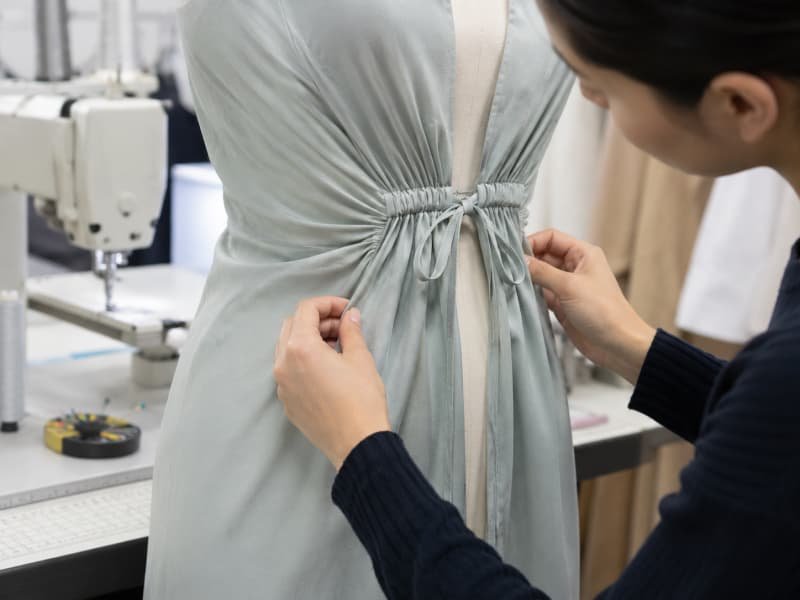
Stitch type, density, thread and needle must suit the fabric. Satin needs smooth seams without puckering; mesh needs controlled stretch; jersey needs elasticity; embellished fabrics need planned stitch paths. High-stress seams receive reinforcement according to design and material.

Gathering and Pleating

Gathering and pleating create silhouette and visual rhythm. Distribution, direction, depth and symmetry must be defined. Bulk standards identify reference points so volume and placement remain consistent across garments and sizes.
Hem, Slit and Movement​

Hem and Slit

Hem method affects drape, weight and appearance. Narrow rolled hems, blind hems, cover stitching or faced hems are chosen according to fabric and style. Slits require stable height, clean corners, reinforcement and consistent lining treatment.

Corset Structure

Boning, cups, interfacing, panel seams and internal edges must work as one support system. Duolan checks position, symmetry, flexibility, comfort, zipper load and visual smoothness. Bulk production follows defined component and assembly standards.

Sequin and Decoration

Decorative garments need secure attachment, clean seams, protected skin contact and controlled motif direction. Loose pieces, rough edges and missing decoration are checked in high-risk zones. Protective packing reduces abrasion during shipment.

Private Label and Packaging Execution for Australia

Labels and packaging complete the product specification. Duolan integrates supplied brand requirements into the BOM, approval process, quality checks and shipment preparation.

Main Label

Brand name, material, colour, dimensions, fold type and placement are confirmed before bulk. Attachment method must suit the neckline, lining and wearer comfort.

Size Label

Size format and placement follow the approved range. Size labels are checked against garment measurements, barcode information and pack ratios to prevent assortment errors.

Care Label

Care, fibre, origin and supplied market information are reviewed for layout and legibility. Final legal wording remains the brand’s responsibility unless separate compliance support is agreed.

Hangtag

Paper, print, finish, string, seal and attachment point are approved. Hangtags should not damage delicate satin, mesh, lace or embellished surfaces.

Barcode Label

Barcode data, style, colour, size and quantity must match the packing list. Scannability and placement are checked before cartons close.

Polybag

Bag size, thickness, warning text, ventilation and closure are specified according to brand instructions and destination needs. Garments are folded to reduce pressure on structure and decoration.

Tissue Protection

Tissue can protect satin, sequins, stones and hardware from abrasion. Placement is defined around high-risk surfaces rather than added without purpose.

Garment Hanger

Hanger type, clips, shoulder support and size markers are confirmed for retail-ready programs. Structured and heavy dresses may need additional support.

Carton Mark

Style, colour, size, quantity, destination and handling marks must match shipment documents. Carton strength and dimensions are selected around garment type and freight method.

Ecommerce Pack

Direct-to-warehouse and ecommerce programs may need clean individual presentation, barcode visibility, compact folding and protection against moisture or crushing.

Retail-ready Pack

Store programs may require hangers, size markers, swing tags, security devices, specific folds or assortment packing. Requirements are included before final inspection.

Shipment Documents

Packing lists, commercial documents and requested shipping records are coordinated with the agreed Incoterm and freight route. Split shipments are documented by delivery wave.

A Manufacturing Network for Multi-style Programs

Duolan’s manufacturing structure is designed to allocate styles by product need while maintaining common project standards across development, production, quality and delivery.

Owned-factory Control

Core styles, technically sensitive garments and priority programs can be placed within owned factories for closer production coordination. The allocation supports faster communication between pattern, sample, technical and production teams.

Flexible Launch Capacity

More than 50 quick-response and flexible lines provide options for launch quantities, replenishment and time-sensitive styles. The commercial purpose is controlled responsiveness within an established program, not a lowest-quantity sales message.

Satellite Scale-up

Long-term satellite partners provide additional capacity for repeat orders and higher-volume phases. Approved standards, material references and quality checkpoints remain controlled through Duolan’s project system.

Special-process Support

Printing, dip dyeing, embroidery, washing and related special processes are supported by established partner resources. Projects are matched with process facilities according to required effect, consistency and timeline.

Regional Capacity Buffer

Supporting bases across several Chinese regions create options during seasonal peaks and large production windows. Allocation considers labour skill, garment complexity, timing and logistics rather than capacity alone.

Central Project Coordination

One manufacturing program can include several production routes without forcing the brand team to manage disconnected suppliers. Development status, approvals, materials, production and shipment information remain centrally coordinated.

Planning Styles, Quantities and Repeat Production

Commercial planning should reflect fabric minimums, colour structure, size distribution, workmanship load and launch timing. Duolan evaluates the order as a program rather than quoting each garment in isolation.

Planning AreaInformation NeededManufacturing Decision
Style CountNumber of styles, priority groups, shared fabrics or trimsDevelopment sequence and sample workload
Quantity StructureTotal pieces, quantity by style and colourProduction route and material booking
Size RangeBase size, grade range, ratio by marketPattern grading, marker planning and inspection sample
Material StatusNominated, sourced, custom-developed or openLead time, minimums, testing and bulk reservation
WorkmanshipStandard, structured, embellished or special processFactory and line allocation, cost and timeline
Launch DateRequired warehouse arrival and destinationReverse schedule, freight plan and delivery waves
Repeat PotentialCore style, seasonal style or campaign itemPattern archive, material continuity and replenishment plan
Packing RouteEcommerce, retail-ready, hanging or flat packLabelling, carton planning and final inspection basis

Quality Control From Fabric to Final Shipment

Quality is built through connected checkpoints. Final inspection alone cannot correct fabric mismatch, cutting errors, unstable measurements or construction drift after thousands of pieces are complete.

Material Inspection and Approval

Bulk fabric is reviewed against the approved basis for relevant characteristics such as colour, handfeel, width, visible defects, weight, stretch, recovery or surface direction. Project-specific testing and third-party coordination are arranged when required. Lining, zippers, elastic, boning, cups, labels and decoration are verified before release.

Cutting and First-piece Control

Marker, grain direction, nap, print placement, shade grouping and cut component identification are managed according to material and style. A first-piece or pilot confirmation checks actual line output against the production basis before volume grows. High-risk areas are corrected while changes remain manageable.

Inline Measurement and Workmanship

Inline inspection tracks critical measurements and construction points during sewing. Focus areas vary by category: bust support and boning for corset dresses, stretch and recovery for bodycon, seam appearance for satin, coverage for mesh, and decoration security for sequin garments. Findings are fed back to the line for immediate correction.

Finishing and Pressing Control

Thread cleaning, pressing, shaping, stain review, zipper function and surface protection affect final presentation. Pressing method and temperature follow the fabric. Velvet, satin, mesh and decorated garments receive handling suited to their surface risk.

Final Inspection and Packing

Finished garments are checked against approved measurements, workmanship, appearance, labels, barcode data and packing instructions. Carton assortment, quantities, marks and shipment documents are reconciled before release. Third-party inspection can be coordinated according to brand requirements.
packing (1)

Audit, Compliance and Australian Delivery Support

Formal brand programs need documented manufacturing foundations and clear delivery coordination. Duolan supports audit review, product testing arrangements and project-specific requirements without overstating certifications beyond their actual scope.

SMETA Audit Foundation

Duolan’s factory system has completed SMETA audit and SMETA 2-Pillar audit, with a social audit record available for supplier review. Relevant documents can be discussed during formal qualification, subject to confidentiality and current record status.

Brand-specific Standards

Manufacturing can be organised around approved specifications, inspection criteria and supplied quality manuals. Requirements connected with BSCI, ISO 9001, AATCC, ASTM, OEKO-TEX, EN, China GB standards, GOTS materials or other specific programs can be reviewed according to project scope. 

Testing Coordination

Fabric, colour, dimensional stability, physical performance, restricted substances or garment construction tests may be coordinated through nominated or qualified third parties. The required market, product category, test method and acceptance level should be confirmed before testing begins.

Australian Labelling Support

Duolan can execute supplied fibre, care, origin, size, barcode and packaging instructions for the Australian destination. Brand teams remain responsible for final legal wording and market approval unless separate compliance services are agreed. Label files, translations and placement should be approved before bulk.

Freight and Incoterms

FOB, CIF, DDP and split-shipment options can be evaluated for Australian destinations. Express delivery normally takes 3-7 days, air freight 5-8 days and sea freight 20-35 days under normal conditions, subject to route, customs and booking availability.

Shipment Visibility

Packing lists, carton marks, delivery waves, freight booking and required commercial documents are coordinated before dispatch.
Priority goods can be separated from sea freight where campaign, launch or warehouse timing requires a mixed plan.

Dress Programs for Established Fashion Brands

The following anonymised profiles reflect the scale and operating patterns of mature dress programs. Brand names and proprietary designs are withheld; quantities illustrate realistic project structures handled across collection development and bulk execution.

Australian Occasionwear Collection

Region: Australia

Program: 18 occasion and wedding guest styles across satin, mesh and structured woven fabrics

Order Structure: 36,800 pieces across 4 colour families and a graded size range

Challenge: The range combined draped satin, mesh layering, corset support and asymmetric necklines. Several styles shared colour direction but required different lining and construction paths. The brand also needed production to align with a fixed event-season warehouse window.

Approach: Duolan grouped styles by fabric and construction risk, prioritised hero styles for early sample review, separated fit comments from visual comments, locked satin and lining references before bulk, and used first-piece confirmation for corset and mesh categories. Production was arranged in two coordinated waves to protect the arrival plan.

Result: All 18 styles moved through controlled sample, PP and bulk stages under one collection file. The brand retained pattern and BOM records for future colour extensions and repeat planning.

Australian Ecommerce Dress Drop

Region: Australia

Program: 26 party, going out and bodycon styles for a high-frequency ecommerce launch calendar

Order Structure: 64,500 pieces with varied quantities by style, colour and commercial priority

Challenge: The range required simultaneous development of jersey, mesh, satin and sequin styles. Fast-moving feedback created version risk, while several fitted styles needed stronger recovery and better bust-to-waist balance before production.

Approach: Duolan created style-level revision summaries, identified critical fit measurements, separated material substitutions for approval, and prioritised the highest-volume commercial styles for earlier production readiness. Inline checks focused on recovery, opacity, neckline stability, sequin comfort and measurement trends.

Result: The collection shipped in planned waves, with priority launch stock separated from the main freight plan. Approved pattern and measurement records created a clearer base for repeat styles and later colour additions.

Multi-market Seasonal Program

Region: Australia, United States and Europe

Program: 14 fashion dress styles including vacation maxis, satin midis, halter minis and embellished occasion pieces

Order Structure: 52,400 pieces across three destination groups

Challenge: One collection needed different packaging, barcode and delivery instructions by market. Material availability, print placement and embellished workmanship had to remain consistent while shipment dates varied.

Approach: Duolan used one approved product basis with destination-specific packing files, controlled print and decoration references, allocated styles according to workmanship needs, and completed final checks by shipment group. Freight planning combined air delivery for campaign stock with sea freight for the main quantities.

Result: Product standards remained aligned across the three destination groups while labels, packing and documents followed separate market instructions. Project records were retained for repeat-order evaluation.

Frequently Asked Questions for Australian Fashion Brands

Yes. Development can begin from a tech pack, reference image, original sample, sketch, moodboard, fabric direction or collection brief. Duolan first confirms the sample purpose, fit priorities, material basis, missing details and production risks, then proposes a development path.
Core categories include occasion, party, vacation, going out, wedding guest, cocktail, bodycon, corset, satin, mesh, sequin, mini, midi and maxi dresses, plus coordinated fashion dress sets. Bridal gowns are not positioned as a core category.
Minimums depend on fabric, colour, construction, decoration, size range, material requirements and production conditions. Multi-style programs with shared fabrics or trims may support a more efficient order structure than isolated single-style requests.
Reference production time is 15-20 days for simple styles, 20-30 days for standard styles and 30-45 days for complex styles after all production conditions are ready. Final timing depends on materials, approvals, quantity, workmanship and capacity allocation.
Comments are organised into fit, measurement, material, visual and production-related actions. A revision summary records what changes, what remains and what needs approval. Pattern and measurement files are updated with the agreed revision.
Duolan confirms the approved sample status, pattern, measurements, BOM, materials, trims, artwork, workmanship, labels and packing before production. First-piece confirmation and inline quality checkpoints connect the approved version with bulk output.
Yes. Programs commonly involve 10-30 styles and 20,000-80,000 total pieces. Styles are grouped by material, construction, priority and launch timing, with separate status tracking and shared decisions coordinated where suitable.
The manufacturing system has SMETA and SMETA 2-Pillar audit records. Brand-specific quality manuals, third-party testing and requirements connected with recognised standards can be reviewed according to the project and actual certificate scope.
Yes. FOB, CIF, DDP and split-shipment plans can be evaluated. Normal reference transit is 3-7 days by express, 5-8 days by air and 20-35 days by sea, subject to route, customs and booking conditions.
Send product category, available technical files, reference images, number of styles, target quantities, size range, fabric direction, required launch or warehouse date, destination city, packaging needs and any audit or testing requirements.

Send Your Australian Dress Program for Review

Share the information already available, whether it is a complete tech pack, a collection brief, reference images, original sample photos or an early material direction. Duolan will review the development basis, dress category, fit priorities, fabric and trim risks, likely sampling path, production conditions and delivery requirements. Clear project information allows a more useful discussion of feasibility, order structure, costing basis and timeline.

Please include:

  • Company and brand name
  • Product category and number of styles
  • Tech packs, sketches, references or sample photos
  • Target quantity by style or total program quantity
  • Size range and market fit requirements
  • Fabric, colour and trim direction
  • Required launch or warehouse arrival date
  • Australian destination city or warehouse
  • Label, packaging, testing and audit requirements
  • Current stage: development, sample revision, supplier evaluation or bulk production

Start Your Apparel Development Project

OEM/ODM Manufacturing Support for Fashion Brands

Share your collection details, estimated quantities, target market, development timeline, and technical requirements. The production team will review your request and provide a tailored manufacturing solution based on your product category, fabric selection, construction needs, and delivery schedule.

Fashion Manufacturing Support with Scalable Production Capacity

From sample development to bulk production, Duolan supports fashion brands with confidential OEM/ODM manufacturing, stable quality management, flexible production planning, and coordinated multi-factory execution for seasonal and capsule collections.

Need Direct Assistance?

Seraphinite AcceleratorOptimized by Seraphinite Accelerator
Turns on site high speed to be attractive for people and search engines.