...

Custom Dress Manufacturer for Australian Premium Fashion Brands

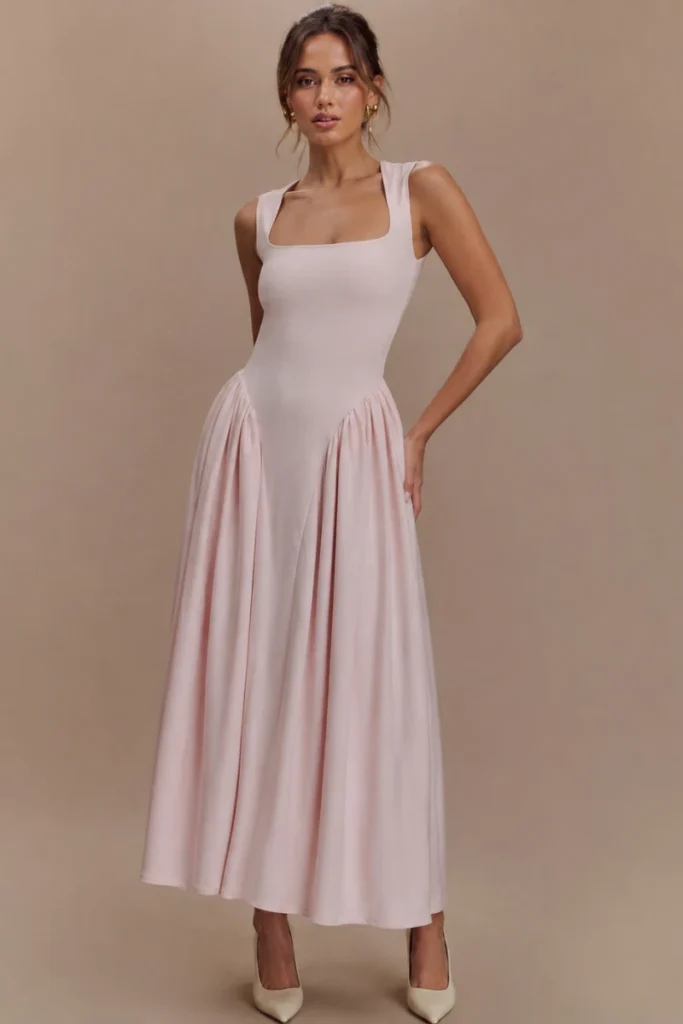
Dress-focused development, production-ready sampling and controlled bulk manufacturing for established Australian fashion brands and product teams.

  • Nearly 30 years of dress development experience: built around fashion-driven womenswear, fitted silhouettes, occasionwear, partywear and commercially structured dress collections.
  • 16 owned womenswear factories and 20+ satellite factories: supporting core-style control, multi-style allocation, repeat production and capacity expansion across seasonal programs.
  • 300 sewing lines and 50+ quick-response lines: providing separate production paths for complex styles, launch programs, repeat orders and scaled volume.
  • Typical brand programs cover 10-30 styles and 20,000-80,000 pieces: requiring coordinated sampling, material control, production planning, inspection and branded delivery rather than isolated garment making.
  • SMETA audit and SMETA 2-Pillar audit records: with project-based support for brand manuals, material documents, testing, inspection and market-specific compliance requirements.

Duolan works from design direction, tech packs, reference garments or collection briefs. Each program is reviewed for fabric behavior, fit, support structure, workmanship, production readiness and launch timing before sampling or bulk production begins.

What Australian Premium Fashion Brands Expect From Manufacturers

Premium dress programs are judged by product finish, development discipline and repeatability. Strong manufacturing support protects the intended silhouette, fabric character, wearing experience and launch calendar across sampling, bulk production and repeat orders.

Distinct Brand Language

Premium collections need more than generic trend replication. Product teams expect a supplier to recognise the brand’s silhouette language, degree of femininity, level of structure, use of cut-outs, surface finish and target retail position. Development decisions should preserve the intended identity while removing details that create avoidable fit, durability or production risk.

Fabric-Led Finish

Fabric weight, drape, recovery, transparency, surface shine and pressing sensitivity directly influence perceived value. A satin slip dress, structured corset dress and mesh-layered occasion style require different material logic. Fabric approval should therefore connect visual direction with fit, construction, sewing behavior, care requirements and repeatable bulk availability.

Accurate Fit Control

Australian brands often maintain their own size charts, grading rules and fit blocks. A suitable manufacturer must work from those standards, translate fit comments into pattern actions and distinguish critical measurements from flexible ones. Bust balance, waist placement, hip contour, neckline stability and hem fall require more attention than a simple measurement checklist.

Production-Ready Samples

A strong sample supports internal review, fit approval, photography, sales presentation or bulk preparation. Sample purpose must be defined before work starts. A visually attractive prototype is not automatically a production standard; material direction, construction methods, measurements, trims and workmanship points must be converted into a controlled basis for manufacturing.

Documented Quality

Premium quality cannot depend on final inspection alone. Approved samples, BOM details, measurement specifications, workmanship notes, material references, packaging instructions and inspection checkpoints create the working standard. Records should remain usable for first production, repeat orders, additional colours and future style extensions.

Reliable Launch Support

Seasonal collections operate around resort, holiday, party, wedding-guest, graduation and event calendars. Development, material booking, sample revisions, PP approval, bulk production, inspection, packing and freight need to be planned backwards from the required delivery window. Speed matters, but disciplined approvals matter more than rushed production.

Built for Established Australian Fashion and Product Teams

Duolan is structured for organisations with clear product direction, collection calendars, sampling requirements and planned production. Each team receives information aligned with its role rather than one generic sales response.

Premium Fashion Brands

Suitable for established labels developing recognisable dress collections across occasion, party, resort, vacation, wedding-guest and going-out categories. Support covers product interpretation, fabric and trim development, sampling, production planning, branded packaging and repeat-order continuity.

Buying Teams

Buying and merchandising teams require clear quotations, style-level timelines, approval records, PP standards, inspection checkpoints and delivery coordination. Duolan organises each program by style, colour, size, quantity, material readiness, construction risk and target delivery window.

Product Development Teams

Design and development teams receive support on fabric behavior, silhouette, pattern balance, structure, lining, closures, embellishment and production feasibility. Comments are translated into visible sample changes and documented revision actions rather than handled as informal messages.

Sourcing Offices

Sourcing teams can evaluate factory structure, audit records, product specialisation, material resources, production paths, inspection support and shipment readiness.
Capability information can be organised for vendor onboarding, project review and longer-term supply planning.

Control the Risks Behind Premium Dress Development

Every project risk needs a defined control point. Duolan reviews design, fabric, fit, sampling, bulk standards, quality and delivery before unclear decisions become expensive revisions, production delays or repeat-order inconsistency.

Project RiskDuolan ControlOperational Result
Design-to-sample mismatchDesign and feasibility reviewClarify silhouette, wearability, material direction, construction logic and sample purpose before pattern work begins.
Fabric and silhouette mismatchFabric behavior assessmentReview drape, weight, stretch, recovery, opacity, surface finish, shrinkage and pressing sensitivity against the intended shape.
Fit comments misunderstoodPattern and measurement correctionTranslate comments into pattern actions, point-of-measure changes, balance adjustments and fit priorities.
Sample cannot enter bulkProduction-readiness reviewConfirm construction sequence, material availability, workmanship repeatability, tolerances and critical checkpoints.
Sample-to-bulk inconsistencyPP sample and BOM lockAlign approved sample, materials, trims, measurements, construction notes, labels and packaging before production release.
Multiple styles become disorganisedStyle-level timeline planningSeparate each style by complexity, approval status, material readiness, production path and delivery priority.
Launch timing becomes compressedCritical-path planningWork backwards from delivery and launch dates, protecting material, PP, inspection, packing and freight buffers.
Repeat orders lose the original standardReorder file preservationRetain approved patterns, BOMs, measurements, workmanship notes, material references and quality records for reuse.

Why Premium Dress Programs Need More Than Sewing Capacity

A factory can sew a garment without understanding how a dress should fit, drape, support the body, present under lighting or remain consistent across colours and repeat orders. Duolan connects development judgement with organised manufacturing.

Dress-Focused Development

  • Product experience covers mini, midi and maxi dresses, occasionwear, partywear, fitted dresses, resort dresses, vacation dresses, going-out styles and related fashion pieces.
  • Development decisions consider silhouette, body balance, fabric behavior, lining, support, closure, trim, visual finish and target wearing occasion.
  • Complex directions such as corset, bustier, halter, backless, mesh-layered, satin, sequin and embellished dresses receive risk-focused review before sampling.

Commercial Collection Thinking

  • A collection is reviewed as a group of styles rather than unrelated garments.
  • Hero pieces, commercial silhouettes, colour extensions, length options and repeatable styles can be planned around a coherent launch story.
  • Fabric, colour, workmanship and price architecture are considered together so visual ambition remains compatible with production and retail positioning.

Sample-to-Bulk Discipline

  • Sampling records feed into PP approval, BOM control, measurement standards, construction notes and QC checkpoints.
  • Complex styles may require first-piece or pilot verification before full release.
  • Bulk production begins only after material direction, workmanship points, labels, packaging and launch requirements are sufficiently aligned.

Scalable Manufacturing Structure

  • Owned factories provide direct control for core and sensitive products; satellite factories provide allocation flexibility for repeat and scale-up orders.
  • Different styles can follow different production paths according to fabric, structure, workmanship, quantity and timing.
  • Quick-response lines and volume lines support launch programs, seasonal drops, repeat production and larger collection rollouts within one organised network.

Custom Dress Categories for Premium Australian Collections

Duolan concentrates on dress-led womenswear with strong visual, fit and occasion requirements. Each category is developed around its own fabric, pattern, support, finishing and bulk-control priorities.

Mini Dresses

Mini lengths demand controlled hem balance, seat coverage, movement security and proportion. Product development can include fitted, A-line, draped, ruched, cut-out, strapless, long-sleeve or asymmetric directions. Critical checks include rise during movement, lining length, zip placement, skirt flare, seam stability and grading across the size range.

Midi Dresses

Midi dresses rely on balanced body length, waist placement and hem position. Satin, jersey, woven, mesh and structured fabrics behave differently at this length. Development focuses on vertical proportion, slit height, walking ease, skirt fall, lining coverage and the relationship between body fit and lower-skirt movement.

Maxi Dresses

Maxi programs require control over fabric weight, drape, seam twist, sweep, floor clearance and transport creasing. Resort and occasion styles may use bias cuts, panels, gathers, tiers, cut-outs or high slits. Bulk standards should define finished length by size, hanging method, pressing, packing and carton handling.

Occasion Dresses

Occasionwear combines visual impact with comfort and movement. Neckline stability, bust support, waist definition, lining, closure quality and finishing must remain consistent under close inspection. Development may include cocktail, formal, semi-formal, wedding-guest, graduation and social-event directions without moving into bridal-gown manufacturing.

Party Dresses

Party dresses often combine body-conscious fits, shine, mesh, sequins, cut-outs, ruching or decorative trims. Product risk sits in stretch recovery, transparency, embellishment comfort, seam strength, zipper movement and repeatable visual placement. Pilot verification is valuable when structure and surface work interact.

Cocktail Dresses

Cocktail silhouettes need polished proportion and premium finishing at shorter lengths. Internal construction, clean necklines, stable waist seams, discreet closures, lining control and pressing quality strongly affect the result. Fabric choice should support both close-up presentation and practical movement during events.

Wedding Guest Dresses

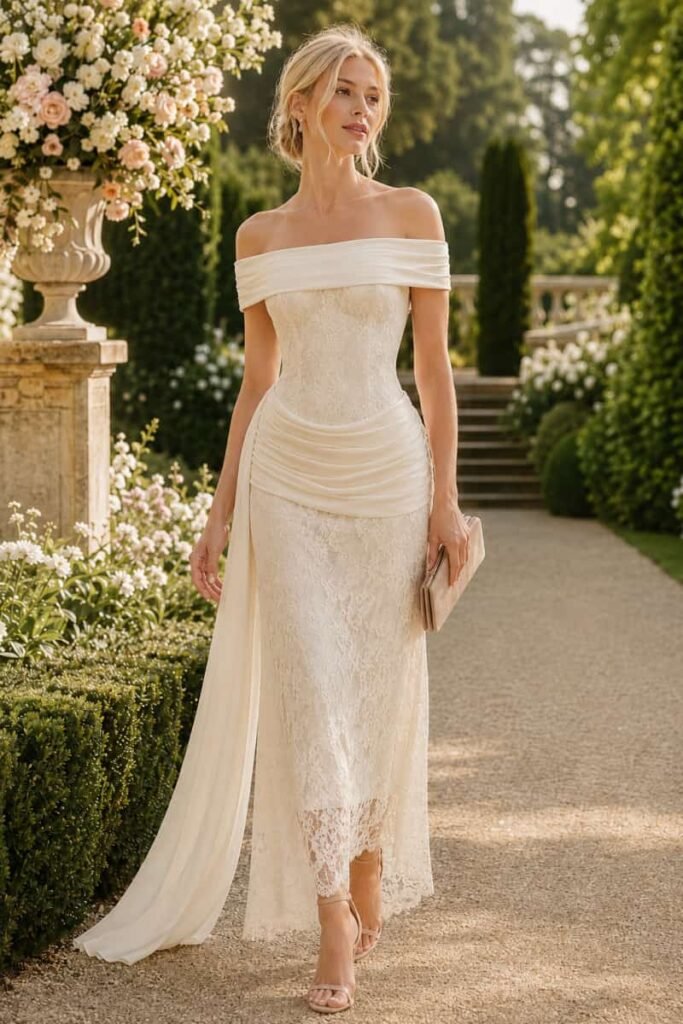
Wedding-guest ranges may include fluid satins, romantic prints, refined mesh, lace, draped jerseys and structured woven silhouettes. Development should protect elegance without creating bridal-level construction. Colour, print scale, lining, opacity, movement and seasonality need coordinated decisions for a coherent edit.

Resort Dresses

Resort collections often depend on relaxed elegance, warm-weather comfort, print direction and packability. Linen blends, cotton, viscose, lightweight woven fabrics and fluid silhouettes can be developed with controlled transparency, shrinkage, seam finish and post-packing recovery. Colour stories and coordinated sets support stronger collection merchandising.

Vacation Dresses

Vacation dresses need visual appeal, comfort and easy wear across daytime, dining and event settings. Key points include breathable materials, secure cut-outs, adjustable straps, lining in critical areas, non-restrictive movement and suitable care instructions. Product planning can combine commercial silhouettes with stronger photography-led pieces.

Going Out Dresses

Going-out styles frequently use fitted shapes, asymmetric lines, cut-outs, draping, open backs, halter necks and body-contouring fabrics. Development focuses on support, coverage, strap security, elastic recovery, side-seam balance and fit under movement. Visual finish must remain stable across the full size range.

Bodycon Dresses

Bodycon production depends on stretch percentage, recovery, GSM, opacity, compression and seam behavior. Pattern reduction cannot be handled as a simple fixed formula across all fabrics. Sample fitting should evaluate bust, waist, hip and hem tension, while bulk control should monitor fabric lots, relaxation and measurement after finishing.

Corset Dresses

Corset and bustier directions require controlled cup position, boning layout, neckline shape, under-bust balance, waist support, lining and closure engineering. Development must consider comfort, movement, grading and production repeatability. Critical construction points should be confirmed through sample review, PP approval and first-piece verification before scale release.

Build Cohesive Dress Collections, Not Isolated Styles

A premium collection needs a clear relationship between silhouettes, colours, fabrics, occasions, price points and delivery priorities. Duolan helps organise multi-style programs so development and production move as one coordinated plan.

Hero Styles

Visually distinctive dresses create campaign impact and define the collection mood. These styles often carry higher fabric, fit or workmanship risk, so early material tests, construction review and sample prioritisation are essential.

Commercial Styles

Core silhouettes translate the collection direction into more accessible products. Fit, comfort, repeatability and material availability receive stronger weighting, supporting reliable sales volume and repeat production.

Length Extensions

Mini, midi and maxi options can extend one design language without treating every version as a simple length change. Proportion, slit placement, skirt volume, lining and grading need separate evaluation.

Colour Architecture

Colour planning connects campaign shades, commercial colours and repeatable core tones. Lab dips, material lot control, lining shades, trim finishes and cross-style consistency require one coordinated approval path.

Fabric Families

Using related fabric families across several styles can improve collection cohesion, production planning and repeat potential. Each silhouette still needs its own weight, drape, stretch, opacity and construction assessment.

Launch Priorities

Photo samples, press styles, hero products, commercial products and repeat candidates may follow different timelines. Style-level priorities prevent complex development from delaying the entire drop.

Match Fabric Performance to the Intended Dress Effect

Fabric sourcing is not a catalogue exercise. Material selection must support silhouette, fit, price position, wearing comfort, sewing stability, care requirements and repeatable bulk supply. Duolan reviews physical behavior before a fabric becomes a production risk. Material requests are strongest when the brief includes fabric name or reference, composition, approximate weight, stretch direction, opacity, handfeel, colour, quantity, target retail position and launch timing. Nominated materials can also be reviewed for production suitability and supply risk.

Satin and Shine Control

  • Assess surface lustre, weight, drape,snag risk, needle marking and sensitivity to pressing.
  • Check whether the fabric supports a slip, corset, draped rather than choosing satin by appearance alone.
  • Confirm colour-lot stability, lining interaction, seam construction and packing method to reduce shine marks and permanent creasing.

Viscose and Cupro Drape

  • Review fluidity, shrinkage, seam slippage, recovery after hanging and susceptibility to water or pressure marks.
  • Allow adequate fabric relaxation and pattern balance for long skirts, bias effects and asymmetric draping.
  • Confirm care instructions and dimensional expectations before grading and bulk cutting.

Linen and Natural Blends

  • Balance natural texture with shrinkage, wrinkling, opacity and seam stability.
  • Assess whether blend content improves recovery and production consistency without losing the desired handfeel.
  • Plan garment washing or finishing only after colour, measurement and appearance effects are understood.

Mesh and Sheer Layers

  • Measure stretch direction, recovery, transparency, snag resistance and shade interaction with lining or body panels.
  • Control edge finishing, seam visibility, neckline stability and the transition between sheer and opaque zones.
  • Confirm coverage under daylight, event lighting and photography conditions.

Bodycon Knit Fabrics

  • Review GSM, stretch percentage, recovery, opacity, compression and growth after wear.
  • Develop pattern reduction according to actual material behavior instead of applying  one generic  negative-ease rule.
  • Monitor fabric-lot consistency, relaxation, cutting direction and measurement after finishing.

Sequin Base Materials

  • Assess embellishment density, base-fabric stability, weight, skin contact, seam allowance clearance and needle damage.
  • Plan sequin removal, seam finishing, lining and reinforcement before sample construction.
  • Confirm placement, fallout tolerance, repair method and packing protection for bulk production.

Lace and Embroidery

  • Coordinate motif scale, placement, direction, edge finishing, transparency and colour matching with lining.
  • Consider whether engineered placement, all-over fabric or appliqué gives the best combination of appearance and repeatability.
  • Confirm cutting consumption and motif matching before cost and production planning are finalised.

Colour and Batch Control

  • Use lab dips, strike-offs, swatches and approved material references according to the project.
  • Review outer fabric, lining, zipper tape, thread and decorative trim under consistent light.
  • Plan lot allocation by style and colour to reduce visible differences across one collection or repeat order.

From Design Direction to Production Feasibility

A design can enter development from a tech pack, sketch, reference image, original garment, moodboard or mixed brief. The first task is not quoting; it is identifying what must be clarified before time and material are committed.

Design Interpretation

Review the intended occasion, silhouette, fit level, visual finish, target price position and role within the collection. Separate essential brand elements from details that can be adjusted for wearability, durability or production stability.

Technical Feasibility

Assess fabric behavior, support structure, closure, lining, seam construction, trim placement and order scale. Highlight details that may work in one prototype but become unstable across bulk production.

Development Path

Confirm the sample purpose, required material work, pattern route, special-process tests, likely revision points and approval sequence. A concise feasibility note gives the design team a clear starting basis before sampling begins.

  • Useful submission files: Tech pack, graded or base-size measurements, reference images, original-sample photos, fabric swatches, colour standards, trim references, previous fit comments and target launch date.
  • Typical review output: Confirmed direction, open questions, material concerns, fit risks, construction concerns, recommended sample stage and the information needed before pricing or timing can be finalised.

Pattern and Fit Control for Market-Ready Dresses

Duolan works from the brand’s target-market size chart, fit block and comments whenever available. Pattern development connects measurements with fabric behavior, structure, body balance and wearing security rather than treating all points equally.

Size Standard Review

Confirm base size, points of measure, measurement method, grading range, fit model information and tolerance priorities. Conflicting measurements are clarified before the pattern is treated as an approved basis.

Pattern Balance

Evaluate front-to-back balance, shoulder position, neckline, bust level, waist seam, hip line, side seam, skirt fall and hem level. Visual balance can reveal issues not visible in a flat measurement sheet.

Fabric Interaction

Woven, stretch woven, jersey, mesh, satin and bias-cut materials require different pattern behaviour. Stretch and drape influence ease, recovery, seam shape and finished measurements.

Support Structure

Corset, strapless, halter and backless dresses may require cups, boning, elastic, grip tape, internal straps, interlining or reinforced seams. Support must remain secure without creating visible distortion.

Fit Comment Translation

Comments are grouped by fit, measurement, proportion, material, construction and visual finish. Each comment should lead to a recorded pattern, specification or workmanship action.

Grading Consistency

Grading protects the intended silhouette across sizes. Bust position, neckline coverage, strap length, waist placement, slit height and skirt proportion may need rules beyond simple linear expansion.

Production-Ready Sampling With Structured Revision Control

Sampling is organised around the decision the sample must support. A prototype validates direction, a fit sample validates wearing, a photo sample supports campaign work, a salesman sample supports presentation, and a PP sample establishes the production basis.

Sample Development Path

1. Brief review: Confirm style basis, sample purpose, target size, material direction, construction priorities and launch timing.

2. Material preparation: Source or review outer fabric, lining, trims, colour references and special-process requirements.

3. Pattern development: Create or adapt the base pattern using the brand specification, reference garment and material behavior.

4. First sample: Build the first version for silhouette, fit, construction and visual assessment.

5. Review and comments: Record fit, measurement, fabric, construction, visual and production-related actions.

6. Revision sample: Apply agreed changes and compare the revised version against the comment summary.

7. PP or bulk readiness: Lock material, measurements, workmanship, labels, packaging and inspection points before production release.

Planning Reference for Timing

After files and material direction are sufficiently clear, simple dress samples commonly require about 7-10 working days.

Structured, embellished, engineered-print, corset, sequin or special-process styles commonly require about 12-20 working days.

Revision timing is confirmed after comments, material changes and construction changes are reviewed.
Final timing is stated in the sample proposal rather than promised before technical review.

Revision Control

  • Use version names such as V1, V2 and PP rather than replacing comments in informal chat threads.
  • Identify which comments change pattern, measurements, material, trims, construction, appearance or production method.
  • Keep an unresolved-point list so no decision disappears between sampling stages.
  • State which sample becomes the reference for photography, sales review or bulk production.
  • Carry confirmed information into the BOM, specification, workmanship and QC documents.

Construction Details That Define Premium Dress Quality

Premium quality is created through small construction decisions that protect shape, comfort and visual finish. Each detail below should be reviewed in sampling and converted into a repeatable production standard.

Neckline Stability

Necklines must sit cleanly without gaping, rolling or stretching. Control may involve stay tape, understitching, interlining, elastic, binding, pattern correction or seam-support choices. Strapless and asymmetric necklines require movement testing, not only mannequin presentation.

Bust Support

Cup position, under-bust seam, dart shape, lining, elastic and internal support determine whether a fitted dress feels secure. Support must match the outer fabric and size range. Excess stiffness can distort the silhouette; insufficient support can create instability and return risk.

Boning Placement

Boning should follow the intended body contour, avoid uncomfortable pressure points and remain concealed under the outer fabric. Channel width, end treatment, seam allowance and attachment method affect comfort, durability and visible smoothness.

Lining Coverage

Lining controls opacity, comfort, static, seam protection, colour depth and movement. Length, stretch, shade, handfeel and connection points must suit the shell fabric. Sheer, lace, sequin and high-slit styles need coverage mapped by body area.

Zipper Installation

Zipper type, length, tape colour, top finish, seam reinforcement and pressing influence both appearance and function. Fitted styles require enough stability around the zip to prevent rippling, catching or seam distortion.

Seam and Edge Finish

Seam choice depends on fabric weight, transparency, stretch, fray tendency and skin contact. Clean finishes should not add unwanted bulk. Exposed edges, mesh joins, satin seams and decorative fabrics need different construction plans.

Ruching and Draping

Ruching density, anchor points, seam control and underlayer construction determine whether drape remains intentional across sizes. Bulk operators need clear placement references rather than relying on individual interpretation.

Hem and Pressing

Hem depth, reinforcement, weighting, stitch choice and pressing method influence skirt fall. Satin, bias, mesh and embellished fabrics need tailored finishing and hanging time. Packing should preserve the approved finish rather than introduce permanent creases.

Special Processes for Fashion-Driven Dress Collections

Decorative techniques must remain compatible with fabric, fit, comfort, care, cost and bulk repeatability. Duolan coordinates established process resources and confirms strike-offs, samples, placement and production standards before scale release.

Digital Printing

Suitable for detailed artwork, gradients and lower screen limitations. Review fabric base, colour profile, strike-off, repeat scale, placement, colour fastness and bulk-lot consistency before garment cutting.

Screen Printing

Useful for controlled colour blocks and repeat patterns at suitable volume. Ink system, handfeel, stretch, curing, registration and panel placement need confirmation against the garment construction.

Embroidery

Thread type, stitch density, backing, motif scale and placement affect drape and comfort. Heavy embroidery can distort lightweight fabrics, so stabilisation and shrinkage behaviour should be tested early.

Sequin Work

Sequin size, orientation, density, attachment, seam clearance and skin contact influence production method. Lining, repair standards, fallout checks and protective packing are defined before bulk release.

Beading and Pearls

Decorative weight, attachment strength, spacing and placement require controlled templates and workmanship references. Stress areas need reinforcement, while inside surfaces need protection against irritation.

Rhinestone Application

Stone size, glue or heat-transfer method, temperature, pressure and placement determine durability and surface quality. Application tests should be performed on the actual fabric and construction area.

Pleating and Draped Effects

Pleat type, depth, heat setting, fabric composition and post-process shrinkage affect finished dimensions. Pattern allowance and production sequence should be verified before final pricing.

Dyeing and Finishing

Garment dye, dip dye, wash effects and surface finishing can change colour, handfeel and measurements. Test pieces should confirm appearance, shrinkage, care and repeatability before bulk processing.

Protect the Approved Sample Through Bulk Production

A strong sample can still fail in production when materials, trims, measurements, construction, placement, quality criteria or packing are not converted into an executable standard. Duolan carries approved decisions into the manufacturing path before release.

Fabric Batch Difference

Confirm approved quality, composition, weight, stretch, colour, surface and handfeel. Allocate lots carefully across styles and colours, and recheck sensitive materials before cutting.

Trim Replacement

Lock zipper, lining, cups, boning, elastic, buttons, hooks, labels and decorative parts by specification. Any substitution requires review rather than silent replacement.

Measurement Deviation

Translate the approved fit into a clear measurement specification, measuring method and tolerance logic. Control fabric relaxation, cutting, sewing, finishing and pressing effects.

Construction Difference

Convert sample-room methods into production instructions. Critical seams, support structures, draping, ruching, closures and finishing points receive line briefing and first-piece verification.

Undefined QC Standard

Align inspection with approved sample, measurement specification, workmanship criteria, material standard, defect priorities, label manual and packing instructions.

Packing Difference

Confirm folding, hanger use, tissue, polybag, barcode, hangtag, carton quantity and carton marks before production ends, preventing avoidable shipment delays.

A Manufacturing Network Built for Multi-Style Programs

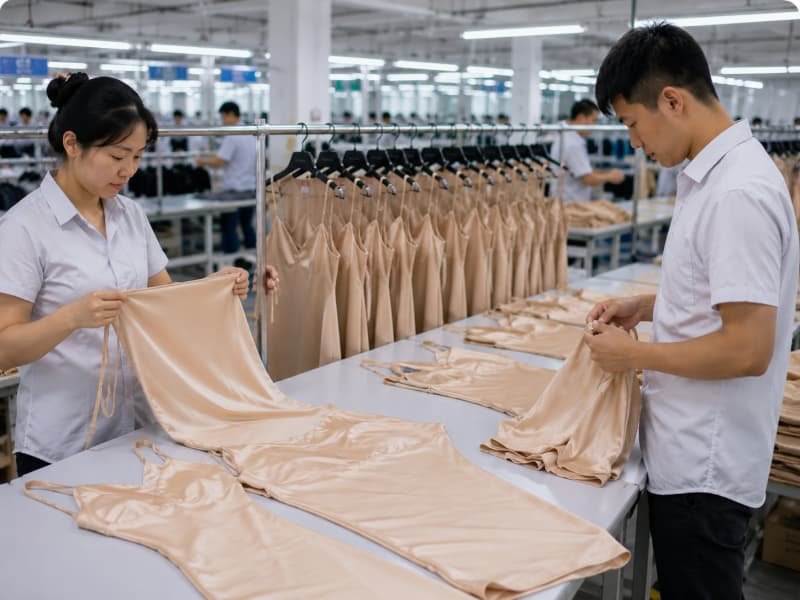
Scale is useful only when it improves control, allocation and delivery. Duolan combines owned-factory control with satellite capacity, quick-response lines and regional manufacturing support for different product and order conditions.

16 Owned Factories

Core styles, development-sensitive products and key programs can be assigned within Duolan’s owned womenswear manufacturing system, protecting communication, sample transfer and production oversight.

20+ Satellite Factories

Long-term satellite partners provide flexible allocation for repeat orders, capacity peaks, specialised processes and scaled programs. Allocation is based on product suitability rather than available space alone.

12,000+ Supporting Workers

Regional manufacturing bases across Guangxi, Guizhou, Sichuan, Jiangxi and other supporting locations provide capacity buffering and multi-location production support for larger schedules.

300 Sewing Lines

Multiple lines allow style-level allocation, parallel production and separation between standard, complex and timing-sensitive products. Program planning considers fabric, construction, quantity and launch priority.

50+ Quick-Response Lines

Flexible lines support launch quantities, repeat orders, urgent replenishment and styles requiring closer coordination. Quick-response does not remove PP, material or quality controls.

High Development Density

The manufacturing system supports approximately 15,000-35,000 monthly sample-development pieces or development instances and around 3,000-8,000 style-development workflows, subject to complexity and project mix.

Normal stable monthly output across the wider manufacturing system is stated at approximately 6.5 million garments, with peak expansion stated at approximately 10 million garments. Program capacity is confirmed by product mix, materials, workmanship, approval status and required delivery window rather than by headline volume alone.

Quality Control From Development to Final Packing

Quality management begins before fabric is cut. Duolan connects development judgement, material confirmation, production standards, process inspection and packing verification so risks are controlled at the stage where corrective action remains possible.

Design Risk Review

Identify fit, fabric, support, transparency, seam, embellishment and production risks before sampling or quotation is finalised.

Material Control

Check outer fabric, lining, trims, colours, stretch, weight, shrinkage, surface and lot consistency according to project needs.

Sample Standard

Use development, fit, revision and PP samples for defined decisions. Record approved measurements, construction and visual details.

Pre-Production Check

Confirm BOM, material lots, pattern, size specification, workmanship, placement, labels, packaging and inspection requirements.
Inline-QC-And-First-Piece-Confirmation dl

First-Piece Verification

Sensitive styles may receive first-piece or pilot review for fit, structure, workmanship and production method before full release.

Inline Inspection

Inspect critical measurements, sewing, construction, placement and workmanship during production rather than waiting until completion.

Final Inspection

Review appearance, measurements, function, colour, trims, workmanship, labels and quantity under the agreed inspection basis.
Packaging Material Readiness​

Packing and Reorder Records

Verify folding, polybags, barcodes, hangtags, cartons and marks; preserve approved files and quality lessons for repeat production.

Compliance Support for Established Australian Fashion Brands

Supplier approval requires evidence, documentation and willingness to follow brand requirements. Duolan provides verified audit information where available and coordinates project-specific material, testing, labelling, inspection and packing requirements without overstating certification coverage.

Audit Records

Duolan’s factory system has completed SMETA audit and SMETA 2-Pillar audit processes and maintains a SMETA social-audit record. Current reports and scope should be reviewed during vendor onboarding.

Brand Manual Review

Quality manuals, restricted-substance requirements, label standards, packing manuals and inspection rules are most effective when shared before sampling and material booking.

Testing Coordination

Fabric, colour, dimensional, performance or product testing can be coordinated according to material, product, destination and brand requirements. Test scope and laboratory are confirmed by project.

Material Documents

Available support may include composition, material specifications, supplier declarations, swatches, colour records, test reports and related documentation depending on the selected material source.

Standards Support

Projects can be aligned with requirements related to BSCI, ISO 9001, AATCC, ASTM, OEKO-TEX, EN, China GB, GOTS and specific brand standards where applicable. Support does not mean every material or factory automatically carries every certification.

Third-Party Inspection

Independent inspection, pre-shipment review and client-nominated quality processes can be incorporated into the schedule when requirements are defined early enough.

A Structured Workflow for Cross-Border Brand Teams

Clear records reduce repeated explanations, missed comments and late approvals. Duolan organises communication around defined outputs, responsible actions and next decisions across development, production and delivery.

Project Brief Review

Review brand direction, website or collection context, product category, target quantity, price position, launch date and available technical files. Identify the most sensitive risks before requesting unnecessary information.

Feasibility Note

Summarise confirmed direction, open questions, fabric concerns, fit priorities, special-process needs and the recommended development path.

Sample Proposal

State the sample basis, included work, material assumptions, sample stage, estimated timing, approval points and factors that may change the plan.

Revision Summary

Group comments by fit, measurement, material, construction, visual finish and production. Keep unresolved points visible until approved.

Bulk Start Confirmation

Confirm approved sample status, BOM, materials, measurements, workmanship, labels, packaging, inspection and production path before release.

Production and Delivery Updates

Provide staged updates through material readiness, cutting, sewing, inline control, finishing, final inspection, packing and shipment preparation.

Communication can be supported through email, WhatsApp, WeChat, voice calls, video calls and online meetings. Images, videos, annotated files and structured summaries help overseas teams review progress without relying on vague status messages.

Delivery Planning Around Australian Launch Calendars

Delivery timing should be calculated from the selling window rather than treated as one factory promise. Material readiness, sample approval, production complexity, inspection, packing and freight all affect the required schedule.

Indicative Production Planning

Production TypePlanning ReferenceConditions
Simple styles15-20 daysMaterials and packaging ready; limited special processing; approved PP basis.
Regular styles20-30 daysStandard material procurement, cutting, sewing, finishing, inspection and branded packing.
Complex styles30-45 daysCorset, sequin, heavy embellishment, engineered print, special dyeing or higher pilot requirements.
Multi-style programsPlanned by critical pathStyles may run in parallel or staged groups according to approvals, materials, complexity and launch priority.
Repeat productionConfirmed after material reviewApproved pattern and BOM shorten preparation, but new fabric lots, colours, trims and packing still require confirmation.

Dress Programs Managed From Development to Reorder

The following anonymised program profiles reflect the scale and operating conditions commonly handled within Duolan’s brand projects. Client identities remain confidential; order details are presented to show how style count, materials, approvals and production paths are managed.

Australian Premium Occasionwear Program

  • Region and profile: Australia; established premium occasionwear label with seasonal event edits.
  • Program scale: 18 styles, 42,600 pieces, 3-5 colours per selected style and a graded size range based on the brand specification.
  • Product mix: satin midi dresses, corset mini dresses, mesh-layered occasion dresses, asymmetric styles and fitted wedding-guest silhouettes.
  • Main challenge: different fabrics required different fit and construction logic, while photography samples and production approvals had to follow one launch calendar.
  • Duolan approach: style-level risk review, fabric-behaviour testing, separate sample priorities, revision summaries, PP standard transfer, first-piece verification for corset and mesh styles, and lot planning for satin colours.
  • Program result: the collection moved through staged development and bulk release without treating all 18 styles as one production block; repeatable files were retained for colour extensions and reorder evaluation.

Resort and Vacation Dress Drop

  • Region and profile: Australia and New Zealand market focus; premium resort label supplying ecommerce and selected retail accounts.
  • Program scale: 24 styles, 68,400 pieces across mini, midi, maxi and coordinated set directions.
  • Product mix: printed viscose dresses, linen-blend dresses, relaxed halter styles, cut-out vacation dresses and fluid maxi silhouettes.
  • Main challenge: print strike-offs, colour approval, shrinkage, transparency and multi-style material timing needed coordination before the campaign date.
  • Duolan approach: grouped fabric families, strike-off review, lining and opacity decisions by body zone, length and hem control, priority photo samples, staged PP approvals and parallel production allocation.
  • Program result: hero prints and commercial solids followed separate approval paths while sharing a coordinated colour story, packing standard and launch schedule.
Case 03 Australia Celebrity Resort Capsule

Party and Going-Out Collection

  • Region and profile: international fast-fashion dress label with strong Australian online sales.
  • Program scale: 12 styles, 25,200 pieces, including launch quantities and pre-planned repeat capacity.
  • Product mix: sequin minis, ruched mesh dresses, fitted jersey styles, corset silhouettes, open-back dresses and high-slit occasion pieces.
  • Main challenge: embellishment comfort, stretch recovery, support, transparency and visual consistency created different bulk risks across the collection.
  • Duolan approach: sequin seam-clearing method, lining review, recovery testing, fit-priority comments, boning and closure confirmation, pilot checks for the highest-risk styles and critical-point inline inspection.
  • Program result: each style received a specific production path, allowing complex visual pieces and commercial fitted styles to move within one coordinated program.
Australian Partywear and Fitted Apparel​

Frequently Asked Questions About Custom Dress Manufacturing

Yes. Reference images can support an initial review, but development becomes more accurate when the brief also includes intended fabric, target size, fit direction, quantity, colourways and launch date. Duolan identifies which details can be interpreted visually and which need technical confirmation before pattern work starts.
Yes. Tech packs are reviewed for measurements, construction, materials, trims, artwork, labels and packaging. Conflicting or incomplete information is clarified before sampling or quotation. Existing approved patterns, blocks or grading rules can also be incorporated when supplied.
Yes, subject to material source, quantity, timing and performance requirements. Support may include fabric sourcing, nominated-fabric review, alternatives, lab dips, strike-offs, custom colours, lining and trim coordination. Final suitability is assessed against silhouette, fit, care and bulk stability.
Duolan works from the brand size chart, fit block and comments whenever available. Base-size patterns are reviewed for balance, support and material behavior. Grading rules protect critical positions such as bust level, neckline, waist, strap length, slit height and overall proportion across sizes.
Sample stages may include first prototype, fit sample, revision sample, photo-ready sample, salesman sample and PP sample. The correct stage depends on the decision required. Sample timing and fee are confirmed after reviewing style complexity, material preparation and approval needs.
Approved results are transferred into BOM details, measurements, workmanship notes, material standards, placement references, labels, packing instructions and inspection checkpoints. Sensitive styles may receive first-piece or pilot verification before full production release.
Yes. Programs are separated by style complexity, materials, approval status, production path and delivery priority. Duolan’s wider manufacturing system supports multi-style development, parallel production, staged releases, repeat orders and scaled collection programs.
Available information depends on the selected factory, material, test scope and project. Duolan can provide verified audit records where available and coordinate material specifications, testing, inspection, care labels, packing requirements and brand-specific documentation.
Orders can be coordinated by express, air or sea freight under agreed trade terms. Branded labels, hangtags, barcodes, polybags, carton marks and packing requirements are confirmed before final packing. Freight method is selected around volume, delivery window and cost.
Send company or brand information, product type, tech pack or reference, target fabric, quantity, colourways, size range, launch date, quality requirements and label or packing needs. Duolan will review development basis, key risks and the suitable sampling or production path before confirming next steps.

Send Your Dress Collection for Development Review

Share enough information for a meaningful development and production review. A tech pack is useful, but an initial assessment can also begin from reference images, an original garment, fabric direction, size standards or a collection brief. Include the intended product category, number of styles, target quantity, colours, size range, quality expectations and launch date. Duolan will review fabric, fit, structure, workmanship, sampling needs, bulk readiness and delivery conditions before proposing the next step. Complex or multi-style projects receive a clearer response when files are organised by style and approval priority. Design files, brand information and project details are handled as confidential working materials. For established programs, audit requirements, testing, inspection, labels, packaging and freight conditions can be reviewed early so they do not become late-stage delays.

  • Company / Brand Name and Website
  • Country and Primary Sales Market
  • Product Type and Number of Styles
  • Tech Pack, Reference Images or Original Sample Photos
  • Target Fabric, Colourways and Size Range
  • Target Quantity and Launch Date
  • Quality, Compliance and Inspection Requirements
  • Labels, Packaging and Delivery Requirements
  • Name, Email and Tel / WhatsApp
  • Upload Your Files and Message
Fabric Choices for Office Work dress

Start Your Apparel Development Project

OEM/ODM Manufacturing Support for Fashion Brands

Share your collection details, estimated quantities, target market, development timeline, and technical requirements. The production team will review your request and provide a tailored manufacturing solution based on your product category, fabric selection, construction needs, and delivery schedule.

Fashion Manufacturing Support with Scalable Production Capacity

From sample development to bulk production, Duolan supports fashion brands with confidential OEM/ODM manufacturing, stable quality management, flexible production planning, and coordinated multi-factory execution for seasonal and capsule collections.

Need Direct Assistance?

Seraphinite AcceleratorOptimized by Seraphinite Accelerator
Turns on site high speed to be attractive for people and search engines.