Skip to content

Custom Dress Manufacturer For Australian Sample-to-bulk Production
Dress-focused development and manufacturing from technical review and sample refinement to controlled bulk delivery for Australian fashion programs.
- 30+ years of fast-fashion dress development and manufacturing experience behind the Duolan production system.
- 16 owned womenswear factories and 20+ coordinated satellite factories support controlled allocation by style complexity.
- 300 sewing lines and 50+ flexible quick-response lines support multi-style development, launch orders, repeat orders and scale-up programs.
- Typical brand programs contain 10-30 styles and 20,000-80,000 garments, managed through style, colour, size and construction-level planning.
- Reference bulk lead times: 15-20 days for simple styles, 20-30 days for regular styles and 30-45 days for complex styles after approvals and material readiness.
Who We Support Across Australian Fashion Programs
Duolan works with established fashion organisations that require clear development, disciplined sampling and dependable transition into bulk production. Each program is reviewed against product direction, launch timing, material readiness, order structure and long-term supply needs.
Established Fashion Brands
Dress-focused Ecommerce Brands
Fashion Buying Teams
Product Development Teams
Australian Sourcing Offices
Global Brands Selling Australia
What Strong Dress Manufacturers Should Prove Before Sampling
Dress Category Depth
Technical File Control
Revision Discipline
Bulk Readiness
Scale Organisation
Australian Delivery Fit
Where Sample-to-bulk Dress Programs Commonly Lose Control
Most bulk differences begin before sewing starts. Unlocked materials, vague fit comments, incomplete files or an undefined production reference can turn an approved sample into colour, measurement, workmanship or packing variation across the order.
| Risk | Possible Bulk Result | Duolan Control |
|---|---|---|
| Fabric batch difference | Colour, handfeel, weight, stretch, recovery or shine changes | Approve bulk fabric standard; review lab dip, swatch, batch and fabric behaviour before cutting |
| Unconfirmed trim replacement | Different zipper, lining, cup, boning, eyelet or elastic performance | Lock BOM, supplier reference, colour, size, finish and approved substitute rules |
| Fit comments not translated | Bust, waist, hip, neckline, strap or length deviations | Update pattern, POM, measurement spec and revision record together |
| Sample workmanship not industrialised | Production line uses a different seam, fold, support or finishing method | Issue construction notes, workmanship reference and first-piece verification |
| Placement not controlled | Print, lace, sequin, bead or embroidery position varies | Set placement points, artwork scale, tolerance and inspection method |
| PP standard unclear | Different teams follow different references | Confirm PP or golden sample, BOM, measurements, packing and QC checklist |
| Packing details released late | Wrong label, barcode, bag, fold, carton mark or garment protection | Approve packing specification before final production and carton preparation |
Custom Dress Categories Developed for Australian Fashion
Product capability is organised by silhouette, wearing occasion, material behaviour and production sensitivity. Every category receives a different development route, because a satin slip dress, corset mini and printed resort maxi cannot share one generic standard.
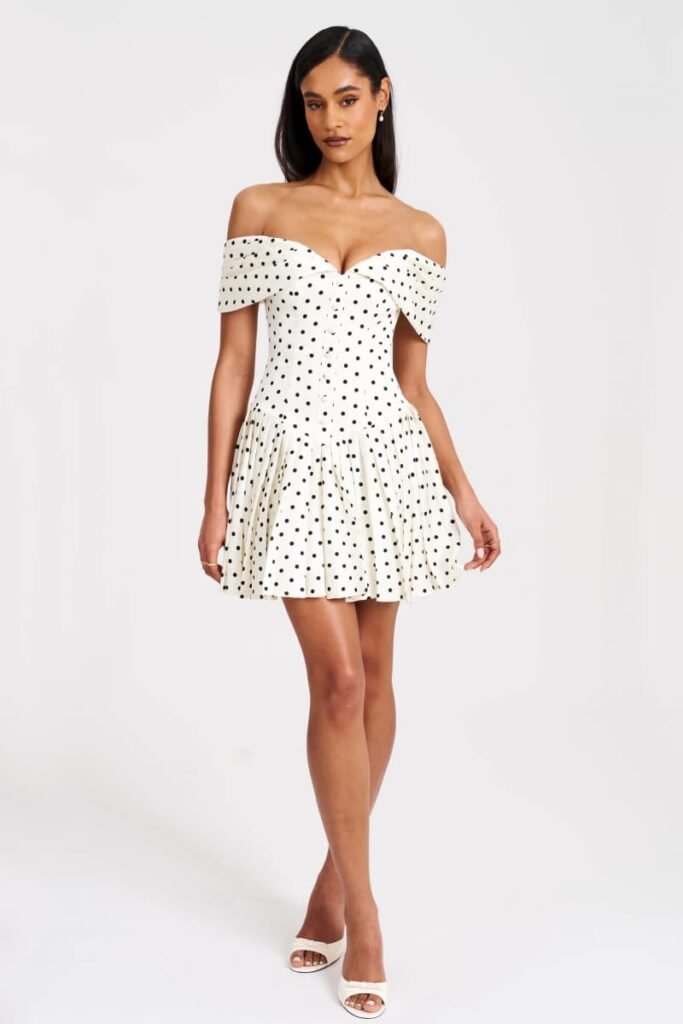
Mini Dresses

Midi Dresses

Maxi Dresses

Party Dresses

Occasion Dresses

Going-out Dresses

Resort Dresses

Structured Dresses
Development Can Start From Different Project Inputs
Complete Tech Pack
Reference Images
Original Garment
Sketches Or CAD
Size Specification
Collection Brief
Tech Pack Review Before Dress Sampling Begins
Design And Specification Alignment
Material And BOM Readiness
Construction And Workmanship Feasibility
Labels Packing And Launch Requirements
Care labels, brand labels, size labels, hangtags, barcodes, polybags, protective tissue, folding, carton marks and destination instructions need to connect with the garment and shipping plan. Satin, sequin, beaded and long maxi dresses may require different protection from compact jersey styles. Labels also depend on fibre content, care instructions, destination market and brand manual. Launch dates are reviewed against sample rounds, material approval, PP confirmation, bulk production, inspection, packing and freight. A quote becomes more reliable when these elements are known early, because they influence both unit cost and critical path timing.

Fabric Lining And Trim Decisions Shape Bulk Results
Material selection controls silhouette, fit, visual finish, sewing behaviour, comfort and repeatability. Duolan evaluates the full material system rather than treating main fabric, lining and trims as separate purchasing items.
Fabric Behaviour Must Match Silhouette
Drape, weight, stretch, recovery, opacity, surface texture and dimensional stability determine whether a fabric can produce the intended dress. Satin may deliver fluid shine but can expose seam tension, needle marks and pressing damage. Chiffon provides movement but may require layered coverage, narrow hemming and controlled panel matching. Jersey supports fitted silhouettes only when weight, stretch direction and recovery are suitable across the intended size range. Lace introduces motif placement, seam joining and edge finishing decisions. Sequined materials add weight, skin-contact risk, cutting loss and packing pressure. Duolan compares fabric behaviour with silhouette, support needs, price architecture and bulk route before final approval. Where the nominated material is unsuitable or unstable, alternatives are evaluated against appearance, handfeel, performance, availability and repeat potential.
Lining Is A Structural Decision
Lining influences opacity, support, comfort, movement, seam visibility and shape. A lining that is too rigid may distort a fluid outer fabric; a lining that stretches differently from the shell may pull at seams or change fit; a short lining can become visible through light fabrics; an unsuitable colour may alter the appearance of mesh, lace or pale satin. Structured bodices may require multiple internal layers for support and clean finishing, while resort dresses may need lightweight coverage that does not reduce movement. Lining length, attachment points, stretch compatibility, anti-static behaviour and seam allowance are therefore reviewed during sample development rather than added at the end.
Trim Performance Goes Beyond Appearance
Zippers, elastics, cups, boning, hooks, eyelets, drawcords, sliders and decorative hardware affect both wearing performance and production stability. An invisible zipper must suit the fabric weight and seam structure. Elastic requires controlled modulus and recovery. Boning must provide support without creating sharp pressure or visible ridges. Eyelets and lacing need reinforcement to prevent tearing. Cups require position, depth, thickness and grading decisions. Approved trims are recorded with colour, size, finish, supplier reference and usage location. Where a replacement is needed, Duolan checks function and construction impact before requesting approval.
Colour And Bulk Material Control
Colour approval can involve lab dips, strike-offs, printed panels, embroidery thread, lace, lining, zipper tape and metal finishes. Matching is evaluated under agreed lighting and against the product, not only a loose swatch. Printed resort styles need scale, repeat, placement and colour balance; embellished styles need base colour and decoration alignment; pale occasion dresses need attention to opacity and lining tone. Before cutting, bulk materials are reviewed against approved references. Batch differences, shrinkage, stretch and visual defects are considered when planning marker placement, cutting and inspection.
Pattern Fit Measurement And Grading Control

Base Size And Fit Priorities

Pattern Correction After Fit Review

Measurement Method And Tolerance

Grading Across The Size Range
Grading is not a uniform enlargement. Neckline depth, cup, strap, armhole, waist-to-hip balance, slit height and skirt sweep may require different rules. Stretch fabrics also change how body measurements translate into garment measurements. Duolan reviews whether grading protects the intended silhouette and coverage across sizes. When a style is highly structured or revealing, additional size-set review may be recommended before bulk release. The final grade rule, measurement spec and pattern version remain connected for future reorders.
A Controlled Dress Sample Development Process
Sampling is organised by decision stage. Each sample should answer a defined question about shape, fit, material, appearance or production readiness, allowing approvals to progress without mixing unfinished issues into the next stage.
Feasibility Review
Material Preparation
Pattern Development
First Sample
Fit And Revision
PP Or Bulk-ready
Bulk Readiness Review Before Production Release
Bulk production begins after the approved sample and all connected standards are aligned. The review separates confirmed items from pending decisions and identifies whether the order requires first-piece, pilot, special-process or multi-factory controls.
| Review Area | Items To Confirm | Controlled Output |
|---|---|---|
| Approval status | Fit confirmed, visual confirmed, PP basis or pending refinement | Clear release status and unresolved point list |
| Order purpose | Launch order, repeat order or scale-up order | Production route suited to commercial purpose |
| Materials | Main fabric, lining, trims, colour, batch and approved substitutes | Locked BOM and bulk material reference |
| Fit and measurements | Approved POMs, measuring methods, grading, tolerance | Production measurement standard |
| Construction | Seams, support, lining, closure, embellishment and finishing | Workmanship instruction and first-piece focus |
| Branding and packing | Labels, hangtags, barcode, bag, fold and carton mark | Packing specification and release points |
| Production allocation | Style complexity, quantity, process route and timing | Production Path and Timeline Plan |
| Quality plan | Material, first-piece, inline, final and packing checkpoints | QC checklist linked to approved sample |
First-piece And Pilot Verification Before Full Release
First-piece Confirmation
Pilot Production
Critical Process Validation
Special processes such as pleating, embroidery, sequin attachment, beadwork, print placement, dyeing, washing or structural support may be verified through local trials or process samples before the main run.
- Typical review points: measurements, neckline, bust support, waist balance, zipper, lining, seam quality, embellishment, hem and pressing
- Release decision: approved, conditionally approved with correction, or held for re-verification
- Documented output: first-piece or pilot confirmation note with open actions and responsible stage

Production Planning for Multi-style Dress Programs
Australian fashion programs often contain 10-30 styles, several colourways and broad size combinations. Duolan divides the order into controlled production paths rather than treating the full quantity as one undifferentiated block.
Order Breakdown By Style Colour Size
The confirmed order is separated by style, colour, size and quantity so material demand, production loading and inspection can be planned accurately. Shared fabrics or trims are identified across the collection, while style-specific components remain controlled. The breakdown also reveals where colour or size combinations create inefficient cutting or line changes. For orders between 20,000 and 80,000 garments, order architecture matters as much as total capacity. A balanced plan can protect priority styles, reduce material confusion and keep campaign or warehouse dates visible throughout production.
Complexity And Risk Classification
Each style is classified by construction, material behaviour, special process, fit sensitivity and approval status. Regular dresses may follow a standard line route. Structured bodices, heavy embellishment, delicate satin, bias cutting, complex draping, print placement or layered mesh may require pilot checks, specialist operators or a separate process line. Fast-response styles are not automatically placed on the quickest line; the route must still suit fabric and workmanship. Classification helps allocate technical attention where variation would be most expensive.
Factory And Line Matching
Duolan uses owned factories for core control and coordinates satellite capacity for flexible allocation, repeat volume and seasonal peaks. Factory matching considers garment category, operator skill, machinery, special-process access, quantity and delivery timing. A collection may remain in one controlled factory when style relationships and visual consistency are dominant, or be divided when categories require different expertise. Division is only effective when approved samples, BOMs, measurement standards, workmanship notes and QC points remain unified across all locations.
Timeline From Approval To Delivery
The production plan works backward from the required delivery or launch date. Material booking, PP approval, pilot or first-piece, cutting, sewing, finishing, inline checks, final inspection, packing and freight buffers are scheduled as separate milestones. Reference bulk timing after approvals and material readiness is 15-20 days for simple styles, 20-30 days for regular styles and 30-45 days for complex styles. Final timing depends on quantity, colour count, size range, special processes, material availability, inspection and shipping method.
Workmanship Controls for Complex Fashion Dresses
Bodice Support
Boning Layout
Lining Construction
Zippers Closures
Stretch Seams
Draping Gathering
Embellishment Security
Hemming Finishing
Hem method depends on fabric weight, transparency, stretch and intended movement. Narrow hems, blind hems, bonded finishes, coverstitch or faced hems require different control. Final pressing must preserve silhouette without shine, flattening or seam impressions.
Special Process Control Beyond Basic Sewing
A process is suitable only when it supports product appearance, commercial price, lead time and bulk consistency. Duolan evaluates process suitability and builds inspection around the points most likely to change across production.

Printing Dyeing And Colour Effects

Embroidery Lace And Placement

Sequins Beading And Decorative Hardware

Pleating Washing And Surface Finishing

Quality Checkpoints From Materials to Final Release
Quality control is distributed across development, materials, cutting, production, finishing and packing. The approved sample, BOM, measurements, workmanship instructions and packing specification provide one linked reference for each inspection stage.
Incoming Material Review
Main fabric, lining, trims and packaging materials are reviewed against approved references. Depending on the product, checks may include colour, width, weight, stretch, recovery, shrinkage, opacity, surface defects, print, lace or embellishment condition. Critical trims such as zippers, elastic, cups, boning and eyelets are checked for size, colour, function and construction suitability. Material issues are separated before cutting because later correction is more disruptive and expensive.
Cutting And First-piece Control
Cutting control covers marker, grain, nap, print direction, panel matching, shade grouping, numbering and sensitive surface handling. The first production garment connects cutting, sewing, support structure, lining, closure, measurements and finishing. It is compared with the approved reference and critical points are corrected before the full line proceeds. For complex dresses, first-piece release may be combined with a controlled pilot quantity.
Inline Inspection And Process Feedback
Inline inspection focuses on defects that can multiply if they are not corrected early. Measurements, seam quality, skipped stitches, stretch seam performance, puckering, lining, zipper, boning, gathering, placement and embellishment are checked according to style risk. Feedback is returned to the line while the order remains in production. The purpose is not only to count defects, but to identify the process causing them and protect the remaining quantity.
Final Inspection Packing And Release
Final inspection reviews appearance, measurements, construction, colour, finishing, labels, barcodes, folding, bags, garment protection and carton marks. Satin, long maxi, sequined or embellished garments may need specific handling before packing. Shipment release is linked to the agreed inspection plan and destination requirements. Third-party inspection can be coordinated when required. Packing and documentation are treated as part of product quality because incorrect labels or carton information can delay receiving even when garments are correctly made.
Manufacturing Capacity With Controlled Allocation
Scale creates value only when it is organised. Duolan combines owned-factory control, coordinated capacity, quick-response lines and specialised supply-chain resources to support multi-style dress programs, repeat orders and seasonal volume.
16 Owned Factories
20+ Satellite Factories
12,000+ Workers
300 Sewing Lines
50+ Flexible Lines
6.5M Monthly Capacity
15K-35K Samples
Special Process Network
Multi-region Support
Compliance Documentation and Brand Manual Execution
SMETA Audit Foundation
Project-specific Standards
Material Documentation
Label Execution
Third-party Inspection
Confidentiality Control
Packaging and Delivery Coordination to Australia
Sample Delivery
Bulk Packaging
Freight Coordination
Reference transport timing is 5-8 days by air and 20-35 days by sea, subject to route, booking, customs and final destination. FOB, CIF, DDP, split shipment and nominated forwarder coordination can be reviewed according to the program.
- Timing discipline: inspection, packing, documentation and freight buffers are included in the launch calendar
- Shipment flexibility: single shipment, phased shipment or warehouse-specific allocation can be discussed
- Commercial terms: standard payment terms are generally 30% deposit and 70% before shipment, with coordination possible for established rolling programs
Australian-market Dress Programs Managed From Sample to Bulk
Occasionwear Program - 18 Styles 36,000 Garments
The program included satin midi dresses, mesh overlays, draped bodices and structured mini dresses across several colourways. The main challenge was keeping fit, sheen, lining tone and bodice structure consistent while styles moved through different sample rounds. Duolan separated the range into regular, fit-sensitive and high-workmanship groups. Satin and mesh materials were reviewed against drape, opacity and seam appearance.
Structured styles received cup, boning, closure and lining checks. Revision summaries linked comments to pattern and measurement changes. Before bulk release, approved materials, measurements, construction and packing were locked through a production-readiness review. First-piece confirmation focused on neckline, bust support, waist position, zipper and pressing. The 36,000-garment order then moved through controlled line allocation, inline checks and final packing review against the brand manual.

Resort Collection - 12 Styles 24,000 Garments
The collection combined printed maxi dresses, lightweight midi styles, adjustable straps and layered sheer constructions. Key risks included print scale, colour approval, lining coverage, shrinkage and long-hem handling. Duolan reviewed strike-offs and print direction before cutting, then aligned lining colour and length with the outer fabric. Shared fabrics and trims were identified across the 12 styles to simplify control without making the range look repetitive. Sample sequencing prioritised campaign styles and long-lead printed materials.
Bulk production used shade grouping, panel direction checks and controlled pressing. Packaging included long-garment folding and protective tissue to reduce transport creasing. The 24,000-garment order was planned around air and sea delivery options, allowing critical launch styles to move earlier while the balance followed the main shipment.

Going-out Program - 26 Styles 68,000 Garments
The program included bodycon, corset, halter, backless, sequin and mesh dresses with strong visual requirements. A single production route would have created unnecessary risk, so styles were classified by fit sensitivity, internal structure, stretch behaviour and decoration. Bodycon styles received stretch seam and recovery checks. Corset styles used controlled cup, boning and closure standards. Sequin and mesh styles required placement, skin-contact, lining and packing controls.
Duolan used pilot or first-piece verification for higher-risk styles and maintained shared measurement, BOM, workmanship and QC references across the allocated lines. Inline inspection focused on problems that could multiply quickly, including seam wave, support distortion, loose decoration and transparency. The 68,000-garment program was released in stages according to approval, material and line readiness.

Protecting Repeat Orders and Future Collection Consistency
A completed order creates the production baseline for the next colour, size extension, replenishment or seasonal collection. Duolan preserves approved references so repeat production begins from known standards rather than rebuilding decisions from memory.
Approved Reference Set
Reorder Change Review
Production Learning Record
Frequently Asked Questions About Australian Sample-to-bulk Production
Manufacturing is organised through Duolan facilities and coordinated factories in China. The service is designed for Australian brands and international labels selling into Australia, with development, documentation, quality and delivery coordinated around the program.
Yes. Drawings, measurements, BOM, construction, labels, packing, quantity and timeline are reviewed together. Conflicts or missing instructions are listed for confirmation before pattern work, sampling or final quotation.
Yes. Reference images can establish silhouette and detail direction. Fabric, measurements, fit, internal structure, trims and hidden construction still require confirmation because images do not provide a complete production standard.
Programs may include first prototype, fit sample, revised sample, salesman or photo sample, PP sample and production-ready reference. The required stages depend on product complexity and the decisions each sample must confirm.
Sampling time is confirmed after style complexity, material readiness, sample purpose and special processes are reviewed. Separate dates are normally set for first sample, review, revision and PP stages instead of applying one fixed promise to every style.
After approvals and material readiness, reference timing is 15-20 days for simple styles, 20-30 days for regular styles and 30-45 days for complex styles. Quantity, colour count, processes, inspection and shipment can change the final schedule.
Approved sample, BOM, measurements, materials, workmanship, labels, packing and QC points are aligned before release. Higher-risk styles may also receive first-piece or pilot verification before the full production run.
Yes. Multi-style programs are separated by style, colour, size, quantity, complexity, material and process route. Production priority and line allocation are planned against approvals and launch timing.
Yes. Inspection can be coordinated according to the required standard, order status, factory access and timing. Inspection requirements should be shared early so they are included in the production and shipment plan.
Tracked courier, air freight and sea freight can be coordinated. Reference transit timing is 3-7 days by courier, 5-8 days by air and 20-35 days by sea, subject to route, customs and destination.

Send Your Dress Program for Manufacturing Review
Share the available project information and Duolan will review the development basis, material direction, fit and construction risks, sample path, production readiness, order structure and delivery timing. Complete files support a more accurate response, yet a project can also begin from reference images, an original garment, sketches or a collection brief.
Useful information includes:
- Company name, brand website and contact role
- Dress categories and number of styles
- Tech pack, reference images, original sample information or collection brief
- Target fabrics, colourways, size range and measurement standard
- Estimated quantity by style or total program quantity
- Required sample stage and target launch or warehouse date
- Compliance, inspection, label, barcode and packing requirements
- Preferred delivery term and Australian destination