Skip to content

Custom Dress Manufacturer for Australian Seasonal Collection Production
Dress-focused development and manufacturing for Australian fashion brands planning seasonal drops, multi-style collections, controlled sampling, and scalable bulk delivery.
- Seasonal programs commonly involve 10-30 styles with coordinated silhouettes, fabrics, colours, sample stages, and one shared launch window.
- Brand orders are often planned at 20,000-80,000 pieces across the full collection, with style-level quantities matched to commercial role and production risk.
- Duolan is supported by 16 owned womenswear factories, 20+ satellite factories, 300 sewing lines, and 50+ quick-response lines.
- Development covers collection review, fabric and trim sourcing, pattern engineering, fit correction, photo-ready samples, PP samples, bulk production, QC, packing, and shipment coordination.
- SMETA and SMETA 2-Pillar audit records support vendor qualification for established fashion groups and high-standard product teams.
Seasonal Dress Production for Established Australian Fashion Teams
Fashion Brand Teams
Buying and Merchandising
Product Development Teams
Sourcing Offices
Sourcing offices and multi-brand groups need supplier transparency, reliable documentation, factory coordination, quality checkpoints, and disciplined communication. Duolan can support capability review, factory visits, sample-room visits, production-line visits, online meetings, English communication, staged updates, and customer-specific testing coordination. The manufacturing network allows different styles to be routed according to construction, material, quantity, and timing rather than forcing an entire collection through one unsuitable production line.
Australian Seasonal Calendars Need Earlier Production Decisions
Spring Summer Drops
Autumn Winter Edits
Autumn and winter programs can involve heavier crepe, velvet, dense jersey, layered mesh, longer sleeves, full lining, richer surface effects, and deeper colour ranges. Weight, recovery, seam bulk, pressing behaviour, lining balance, and packing recovery should be reviewed before pattern confirmation.
Material lead time and special finishing can become the critical path even when sewing capacity is available.
Resort and Vacation
Holiday Party Season
Wedding Guest Events
Wedding guest, cocktail, graduation, birthday, and formal-event programs often combine refined silhouettes with strong colour stories.Fit security, bust support, lining coverage, neckline stability, split position, hem balance, and movement matter as much as front-view appearance.
Event deadlines also leave little room for late fit changes or material substitution.
Transitional Releases
Transitional drops can bridge seasons with adaptable weights, layering options, colour continuity, and repeatable commercial fits. They are useful for extending successful shapes into new sleeves, lengths, colours, and fabrics. Duolan can preserve pattern, BOM, colour, workmanship, and QC records so validated styles can be developed into later seasonal versions without starting from zero.
Build a Commercial Seasonal Dress Collection, Not a Product List
Define the Collection Structure
A dress collection should not begin with an uncontrolled list of references. The first development discussion should clarify the market, selling period, channel, planned style count, target price architecture, expected volume, campaign timing, and brand silhouette. From there, the range can be divided into product roles.
- Hero styles create the strongest campaign image and normally receive earlier sample attention.
- Commercial core styles carry broader sales potential and need dependable fit, material availability, and scalable construction.
- Entry styles protect price architecture without lowering the overall visual standard.
- Occasion crossover styles extend the collection into party, event, wedding guest, or evening use.
- Repeat candidates use stable fabrics, clear workmanship, and patterns suitable for colour or length extensions.
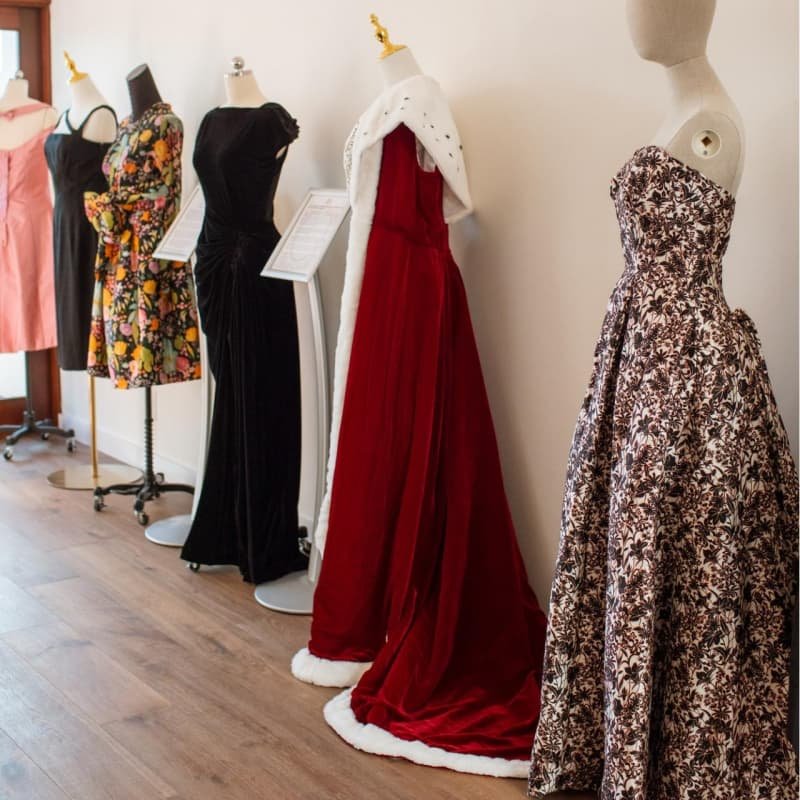
For collections of 10-30 styles, development priority matters. A complex corset dress should not follow the same calendar as a simple stretch-jersey midi. Photo samples, fit samples, material tests, and PP approvals can be sequenced by product role so campaign and production work move in parallel without losing control.
Balance Silhouettes and Materials
Protect Repeat Potential
A seasonal collection should also prepare for what happens after launch. Successful styles may need repeat colours, extended sizes, faster replenishment, or a related version for the next drop. Duolan records pattern versions, approved measurements, BOM details, colour standards, critical workmanship, packing instructions, and quality notes. Reorder planning then begins from confirmed product assets rather than reconstructing decisions from old messages. Repeat potential influences early development choices. A visually impressive detail may be suitable for a campaign piece but too unstable for a high-volume repeat. A shared fabric across four commercial dresses may improve continuity and reduce material fragmentation. A validated base block may support several neckline or length variations while maintaining fit consistency. These decisions make a collection easier to scale without reducing design value.
Custom Dress Categories for Australian Seasonal Programs

Resort Vacation Dresses

Party Going-Out Dresses

Occasion Dresses
Occasion collections need refined proportion, secure fit, clean lining, controlled drape, and consistent presentation across sizes. Satin, crepe, lace, mesh, and embellished fabrics may appear in one range. Pattern balance at bust, waist, hip, neckline, armhole, split, and hem needs to remain aligned with the intended wearing occasion.

Satin Slip Dresses

Bodycon Fitted Dresses
Body-conscious styles rely on stretch, recovery, GSM, opacity, pattern reduction, seam choice, and size grading. Chest, waist, hip, thigh, hem, neckline, and armhole need coordinated fit rather than isolated measurements. Fabric replacement without pattern adjustment can change the full wearing result, so bulk material must be checked against the approved sample direction.

Corset Structured Dresses
Corset and bustier dresses need accurate cup position, boning layout, waist shaping, back stability, closure strength, lining, edge finishing, and wearer comfort. Internal construction must support the outer silhouette without creating visible bulk.
Complex structured styles may require local trials, fit review, and production-line preparation before full release.

Mesh Lace Dresses
Mesh and lace bring transparency, stretch, directional pattern, edge-finish, seam, and lining challenges. Coverage zones must be defined from the start. For lace, motif placement and joining can affect both appearance and material consumption.
For mesh, stretch direction and recovery affect fit across sizes. Sample and bulk layers need clearly recorded standards.

Sequin Embellished Dresses
Control Seasonal Collection Risks Before They Reach Bulk
A seasonal launch is exposed when design, material, sample, production, and freight decisions are treated separately. Duolan links each major risk to an operating control before the collection enters full production.
| Collection Risk | Likely Impact | Duolan Control Point | Evidence or Output |
|---|---|---|---|
| Design direction is interpreted differently across styles | Mixed visual language and repeated sample changes | Collection brief review and style-role definition | Development priority note |
| Fabric does not support the intended silhouette | Poor drape, weak support, transparency, or unstable fit | Fabric behaviour and trim review | Swatch comparison and material recommendation |
| Fit comments are not converted into measurable actions | Repeated revisions and inconsistent grading | Pattern correction, POM review, revision summary | Updated pattern and comment response |
| Photo samples are treated as production standards | Campaign timing improves, but bulk risk remains hidden | Separate photo-ready and PP purposes | Sample status record |
| Bulk materials differ from approved sample direction | Colour, weight, stretch, handfeel, or surface changes | Material locking and incoming inspection | Material confirmation summary |
| Complex styles enter production without validation | Line disruption, rework, and late completion | First-piece or pilot verification | First-piece approval record |
| Multi-style orders are scheduled as one block | High-risk styles delay commercial styles | Style-level production path planning | Production path and timeline plan |
| Final inspection begins too late | Limited recovery time before shipment | Inline checks and completion buffers | QC update and corrective action record |
| Freight is arranged after production finishes | Launch date loses shipping buffer | Backward planning from warehouse date | Delivery and booking plan |
Plan Development Backward From the Australian Launch Date
Start With the Commercial Deadline
Protect the Approval Sequence
A compressed calendar cannot be solved by removing essential approvals. The safer approach is to identify which activities can run in parallel and which decisions must remain sequential. Fabric sourcing, basic pattern work, packaging artwork, label review, and production-capacity planning may progress together. Full bulk cutting should not begin before the agreed production basis is clear. Duolan can prioritise hero styles for photo samples, move commercial core styles through fit review, test high-risk workmanship early, and prepare material and packaging information before final PP approval. Staged updates show what is complete, what is pending, what needs brand confirmation, and which delay could affect the warehouse date.
Build the Critical Path
- Brief and feasibility review: 1-3 working days after complete project information is received.
- Standard first sample planning: commonly 7-12 working days after suitable materials are ready.
- Structured or heavily embellished sample planning: commonly 12-20 working days, depending on trials and special processes.
- Revision planning: commonly 5-10 working days after consolidated comments and materials are available.
- Bulk production planning: often 25-45 days after PP basis, materials, packaging, quantity, and production path are confirmed.

Submit a Collection Brief for Structured Project Review
What Your Team Can Send
A collection review can begin with one or more of the following: tech packs, design sketches, reference images, original sample photos, physical samples, moodboards, fabric swatches, target composition, colour direction, size charts, fit comments, target quantities, price positioning, packaging instructions, campaign dates, and warehouse deadlines. Clear information improves the accuracy of sample planning, quotation basis, material evaluation, and lead-time discussion.
What Duolan Reviews
The review covers collection structure, style complexity, fabric behaviour, trim needs, pattern and fit priorities, special-process feasibility, sample purpose, production risk, capacity path, quality checkpoints, and launch timing. The next response can include a feasibility note, recommended sample sequence, missing information, initial risk points, and the proposed next stage. The aim is not to issue a generic price from a reference picture, but to build a development basis suitable for decision-making.
Fabric Planning for Australian Seasonal Dress Collections
| Material Direction | Suitable Dress Programs | Main Performance Value | Key Production Risk | Duolan Review Focus |
|---|---|---|---|---|
| Chiffon and lightweight woven | Resort, vacation, tiered maxi, occasion layers | Movement, lightness, soft volume | Transparency, seam slippage, snagging, uneven hems | Lining, seam type, edge finish, hang time, pressing |
| Satin and stretch satin | Slip, cowl, party, occasion, bias-inspired dresses | Lustre, fluid drape, premium visual finish | Needle marks, seam puckering, shade difference, packing creases | Weight, grain, tension, pressing, packing recovery |
| Crepe | Occasion, midi, fitted woven, tailored dresses | Controlled drape, cleaner surface, versatile weight | Shrinkage, seam impression, batch variation | Structure, pre-treatment, lining, pressing route |
| Viscose and rayon blends | Resort, printed maxi, relaxed midi, warm-weather drops | Breathability, print clarity, fluid handfeel | Shrinkage, distortion, colourfastness, seam strength | Composition, shrinkage control, print process, care label |
| Cotton and linen blends | Day dresses, resort, casual premium programs | Natural texture, breathability, seasonal relevance | Creasing, shrinkage, colour variation, seam bulk | Blend ratio, wash result, finish, construction allowance |
| Stretch jersey | Bodycon, ruched, asymmetric, commercial fitted dresses | Recovery, comfort, close fit, repeatability | Opacity, growth, rolling, inconsistent stretch | GSM, stretch direction, recovery, pattern reduction |
| Mesh and lace | Party, occasion, layered, corset, statement dresses | Transparency control, texture, visual layering | Runs, edge damage, motif mismatch, stretch variation | Coverage map, lining, placement, seam and edge method |
| Sequin and embellished fabrics | Holiday, party, event, campaign styles | High visual impact and occasion value | Shedding, breakage, skin irritation, weight, packing damage | Attachment, reinforcement, lining, seam clearance, handling |
Material Selection Follows the Silhouette
The same fabric can perform differently across a slip dress, corset dress, ruched bodycon, full maxi, or structured mini. Duolan evaluates drape, structure, support, stretch, recovery, opacity, skin feel, surface, and pressing response against the intended shape. When a nominated fabric is unstable, unavailable, or commercially unsuitable, alternative materials can be compared through swatches, local trials, or sample versions without removing the core product value.
Bulk Material Needs a Confirmed Standard
Approved sample appearance is protected by material locking. Before cutting, production fabric can be checked against the approved swatch, lab dip, PP sample, BOM, or recorded material direction. Review points may include colour, handfeel, GSM, width, stretch direction, recovery, opacity, print, motif, surface, and roll-to-roll shade. Defective or inconsistent rolls can be isolated for confirmation before they enter the cutting process.

Pattern, Measurement, and Fit Control for Fashion Dresses
A strong dress pattern converts design intention into proportion, support, movement, and repeatable sizing. Duolan’s pattern and fit work considers fabric behaviour, target market, wearing occasion, construction, and size grading together.
Develop the Base Size Around the Garment
A base size is not only a table of numbers. The pattern must carry the intended silhouette through bust, waist, hip, neckline, armhole, shoulder, side seam, back, split, and hem. A fitted dress may need controlled negative ease based on stretch and recovery. A woven satin dress may need wearing ease without losing the visual line. A corset dress may need stronger cup, waist, and back balance. A halter or backless dress must distribute tension without exposing or shifting critical areas.
Duolan can follow a brand-supplied measurement specification, approved block, original sample, or fit direction. The first pattern establishes POM positions and construction logic. Sample feedback is then converted into measurable pattern changes rather than vague visual instructions. Measurement priorities can be marked by size and product type so production inspection focuses on dimensions that influence fit most strongly.
Adjust the Pattern When the Fabric Changes
Fabric substitution often requires pattern adjustment. A heavier stretch knit may hold the body differently from a lighter jersey. A satin with less give needs different ease from stretch satin. A mesh layer can restrict or add recovery depending on direction. Lace motif placement may influence seam position. Lining can change drape, support, and comfort.
Duolan reviews stretch percentage, recovery, GSM, thickness, drape, shrinkage, surface friction, and opacity before using an existing pattern with a new material. Fit is checked on the intended sample size, while comments are separated into measurement, pattern balance, visual proportion, support, comfort, and workmanship. The revision summary records what changed and why.
Grade Sizes Without Losing the Design Language
Size grading must preserve more than chest, waist, and hip increments. Neckline depth, cup position, strap length, armhole, waist placement, split height, garment length, and support zones may need product-specific rules. A mini dress also needs length safety across sizes. A corset style needs cup and back stability. A bodycon dress needs controlled stretch distribution. A maxi needs balanced hem and length grading.
Duolan can work with compact or extended size ranges according to the approved brand specification. Size-set or graded samples can be introduced when style risk, market requirement, or order scale justifies them. Final measurements and tolerances are linked to the approved pattern, fabric, and workmanship rather than copied from an unrelated style.
A Controlled Sample System for Seasonal Dress Development
First Prototype
Fit Sample
Revised Sample
Photo-Ready Sample
Salesman Sample
PP Sample
Construction Details That Protect Fit, Comfort, and Appearance

Neckline Armhole Control

Bust Cup Support

Boning Structure

Lining Coverage

Zipper Closure

Stretch Seam Control

Hem Drape Balance

Embellishment Attachment
Sequins, pearls, beads, crystals, appliques, trims, and decorative hardware must remain secure without damaging the base material or wearer. Attachment density, seam clearance, reinforcement, backing, edge treatment, repair method, and packing protection are reviewed before bulk.
Special Process Support for Fashion-Driven Dress Collections
Print Development
Embroidery Applications
Dye and Gradient
Pleating and Texture
Crystal Hot-Fix
Wash Finishing
Washing and finishing can change colour, shrinkage, handfeel, drape, seam appearance, and measurement. Duolan works with 2-3 regularly coordinated factories in major special-process areas such as printing, dyeing, embroidery, and washing, allowing the production route to be selected by project need.

Transfer the Approved Sample Into a Bulk-Ready Standard
An approved-looking sample is not enough. Before production starts, Duolan converts the confirmed version into a manufacturing basis covering material, measurement, construction, quality, packing, and launch requirements.
Confirm the Sample Status
The first step is to identify what has actually been approved. A sample may be fit-confirmed, visually confirmed, accepted as PP basis, approved for photography only, or still pending refinement. Treating every approval as equal creates bulk risk. Duolan records the status and separates remaining decisions before release.
The order purpose also matters. A launch order, repeat order, scale-up order, and new-colour order require different checks. Repeat work may reuse approved patterns and workmanship, but fabric availability, colour, trim substitution, size ratio, packaging, and previous QC findings still need review.
Lock Production-Critical Details
Before line release, Duolan confirms fabric batch, lining, trims, colour, measurements, tolerance priorities, workmanship points, labels, hangtags, barcode, polybag, folding, hanger, carton, and special-process requirements. High-risk areas are highlighted for first-piece and inline inspection. Material and workmanship confirmation prevents the approved sample from being interpreted differently by separate departments.
For complex dresses, the production basis may include photos, section diagrams, seam references, placement measurements, boning positions, cup specifications, lining coverage, embellishment maps, print placement, and closure details. A clear instruction is more reliable than assuming the production line can copy every sample detail by sight.
Issue the Bulk Start Confirmation
Duolan can provide a concise Production Readiness Note or Bulk Start Confirmation identifying approved standards, pending items, risk points, first-piece requirements, and the selected production path. The order does not move forward simply because a sample has arrived at an acceptable visual stage. Production begins after the relevant decisions are aligned for manufacturing.
Match Every Style to the Right Production Path
A seasonal order is not one production block. Duolan breaks the program down by style, colour, size, quantity, fabric, construction, special process, risk level, and target completion date before allocating lines and factories.
Classify the Styles
Each dress is classified according to the work it requires. Standard commercial dresses may use stable materials and familiar construction. Fit-sensitive dresses need stronger pattern, first-piece, and measurement control. Material-sensitive dresses may rely on shade, drape, print, stretch, or surface handling. Craft-sensitive dresses may involve boning, cups, lace placement, sequins, crystals, embroidery, pleating, or washing. Repeat styles can reuse confirmed assets but still require material and version checks.
This classification makes priorities visible. A 24-style program with 42,000 pieces may include six campaign-led styles, ten commercial core styles, four structured styles, and four repeat extensions. Production can be sequenced so one complex item does not hold back the whole collection.
Allocate Manufacturing Resources
Core owned factories can carry high-control products and styles closely linked to development. Stable volume lines can handle confirmed commercial dresses. Quick-response lines can support test quantities, launch follow-up, or urgent replenishment where materials and standards are ready. Satellite factories can provide additional capacity for repeat, scale-up, or seasonal concentration. Printing, embroidery, washing, and other special-process resources are inserted into the route at planned points.
Duolan’s multi-region manufacturing base includes supporting resources in Guangxi, Guizhou, Sichuan, Jiangxi, and the South China apparel supply cluster. The value is not geographic spread alone; it is the ability to match product complexity and deadline to an appropriate route while maintaining central development and quality standards.
Create a Style-Level Timeline
The Production Path and Timeline Plan can show material readiness, sample status, PP basis, cutting date, first-piece check, sewing, inline QC, finishing, final inspection, packing, and shipping priority for each group of styles. Brand teams can see which item is on the critical path and which decisions are required to protect the shared delivery window.

Manufacturing Capacity Built for Multi-Style Seasonal Programs
16 Owned Factories
20+ Satellite Factories
300 Sewing Lines
50+ Quick Lines
More than 50 quick-response and flexible lines support test stages, launch quantities, replenishment, and timing-sensitive work when materials and standards are ready.
Quick response is used as a production tool, not as a reason to remove essential approvals.
6.5M-10M Capacity
12,000+ Workers
Quality Control Built Around Dress-Specific Failure Points
Fabric and Material Inspection
First-Piece and Pilot Verification
The first completed garment from a line can reveal construction interpretation, seam method, measurement, support, placement, pressing, and visual issues.
Complex corset, satin, mesh, lace, sequin, embellished, or fit-sensitive dresses may need a first-piece or limited trial before full release. Critical operations can be corrected while the production volume is still small.
Inline Control by Style Risk
Inline checks focus on the points most likely to affect the garment result. Satin needs seam and surface handling. Bodycon needs stretch, recovery, opacity, and measurement. Corset needs cup, boning, waist, closure, and back stability. Mesh needs coverage, seam, edge, and lining. Sequin needs attachment, comfort, seam clearance, shedding, and handling. Printed resort styles need shade, placement, seam appearance, and hem balance.
Final Inspection and Packing Check
Preserve Standards for Reorders

Packing and Delivery Planning for Australian Launch Windows
Label Coordination
Garment Packing
Carton Planning
Final Packing Inspection
Freight Options
Warehouse Deadline
Compliance, Transparency, and Long-Term Supplier Fit
Audit Foundation
Duolan’s factory system has completed SMETA audit and SMETA 2-Pillar audit and holds related social audit records. Available records can be discussed during supplier evaluation.
Additional requirements should be reviewed by project, factory, market, and product rather than presented as blanket certifications.
Standards Coordination
Production teams can coordinate brand requirements and relevant quality or testing frameworks, including BSCI-related expectations, ISO 9001 management references, AATCC methods, ASTM methods, OEKO-TEX requirements, EN standards, China GB standards, GOTS-related material requirements, and specific brand protocols where applicable.
Direct Project Communication
Factory Visit Support
Qualified brand teams can arrange factory, sample room, production line, inspection, and packing visits.
Focused visits can be prepared around development capability, product category, manufacturing path, quality system, or an active order. Video verification can support earlier stages before travel.
Dress-Focused Experience
Repeat Program Support
Long-term seasonal work benefits from preserved patterns, BOM versions, colour records, approved samples, fit comments, QC points, packaging instructions, and production history. Duolan is structured to support repeated development, launch orders, replenishment, scale-up, and later seasonal extensions rather than treating every project as a one-time transaction.
Seasonal Collection Production Cases Across Australian Programs
Resort Collection Rollout
Region: Australia
Brand profile: Established ecommerce and resortwear brand
Program: 22 styles, 38,400 pieces across printed maxis, halter midis, open-back dresses, fluid slips, and coordinated sets
Challenge: Six shared print stories, lightweight fabrics with transparency risk, campaign samples required before the main PP sequence, and one warehouse deadline for the full drop.
Duolan approach: The range was divided into hero, core, and repeat candidates. Print strike-offs and lining decisions were prioritised. Photo-ready samples moved separately from PP review. Shared materials were grouped for colour continuity, while open-back and halter styles received additional fit-security checks. Production was split by fabric and construction rather than by style number alone.
Project result: All 22 styles moved through one coordinated production calendar. The main bulk order was released in staged groups, allowing commercial core styles to enter production while the final high-risk styles completed first-piece verification. The structure also created a reusable base for later colour extensions.

Party Occasion Drop
Region: Australia
Brand profile: Regional partywear and occasionwear brand
Program: 14 styles, 27,600 pieces across satin, mesh, sequin, corset, and fitted dresses
Challenge: One collection combined five very different technical risks: satin seam appearance, mesh coverage, sequin shedding, corset support, and stretch-fit consistency. A single generic QC checklist would not protect the range.
Duolan approach: Each style received a risk profile and separate first-piece priorities. Satin lines used surface and pressing controls. Mesh dresses used coverage maps and lining references. Sequin styles used attachment and packing protection. Corset dresses locked cup, boning, waist, zipper, and back support. Body-conscious dresses locked GSM, stretch direction, recovery, and key measurements.
Project result: Production moved through three matched routes rather than one line. High-risk styles were verified before full release, while standard commercial dresses continued without waiting. QC records were grouped by product risk, giving the brand team clearer approval and correction visibility.

Repeat Seasonal Program
Region: Australia
Brand profile: Multi-channel fashion brand with repeat and seasonal extension needs
Program: 28 styles, 68,000 pieces including repeat colours, new sizes, revised lengths, and eight new seasonal styles
Challenge: The brand needed continuity across existing sellers while adding new colours, extended sizing, and fresh silhouettes. Old and new work had to arrive under one delivery plan without losing fit or colour consistency.
Duolan approach: Existing pattern numbers, BOM versions, approved measurements, colour records, QC notes, and packaging instructions were reviewed first. Repeat styles reused validated production assets after material rechecking. New sizes received grading and selected size-set review. New styles followed a separate development path but shared fabrics and trims where commercially suitable.
Project result: Repeat styles entered capacity planning earlier than new developments, protecting the launch calendar. Shared material planning reduced fragmentation, while selected fit and first-piece checks controlled the expanded size range. The brand retained a clearer product file for future replenishment and seasonal reuse.

Frequently Asked Questions for Seasonal Dress Production

Start Your Australian Seasonal Dress Production Review
Send the available collection information and Duolan will review the development basis before confirming the next commercial and technical step. A useful project review considers more than a reference image or target price. It connects the intended dress result with fabric, fit, construction, sample purpose, quantity, production route, quality standard, packaging, and launch deadline.
Please include as much of the following as available:
- Company name, market, website, and main sales channel
- Collection type and planned launch or warehouse date
- Number of styles, colourways, and estimated total quantity
- Tech packs, sketches, reference images, or original sample photos
- Fabric composition, handfeel, weight, stretch, opacity, or nominated swatches
- Size range, base size, measurement specification, and fit priorities
- Special construction such as cups, boning, mesh, lace, sequins, print, embroidery, or pleating
- Required sample stage: prototype, fit, photo-ready, salesman, revision, or PP
- Label, hangtag, barcode, packing, inspection, and freight requirements
- Current concern, including fit, material, cost structure, sample timing, bulk consistency, or delivery
After review, Duolan can respond with the project fit, missing information, initial risk points, recommended sample path, quotation basis, and production-timing discussion. Files may be sent by email or discussed through WhatsApp, video meeting, or a scheduled factory visit.