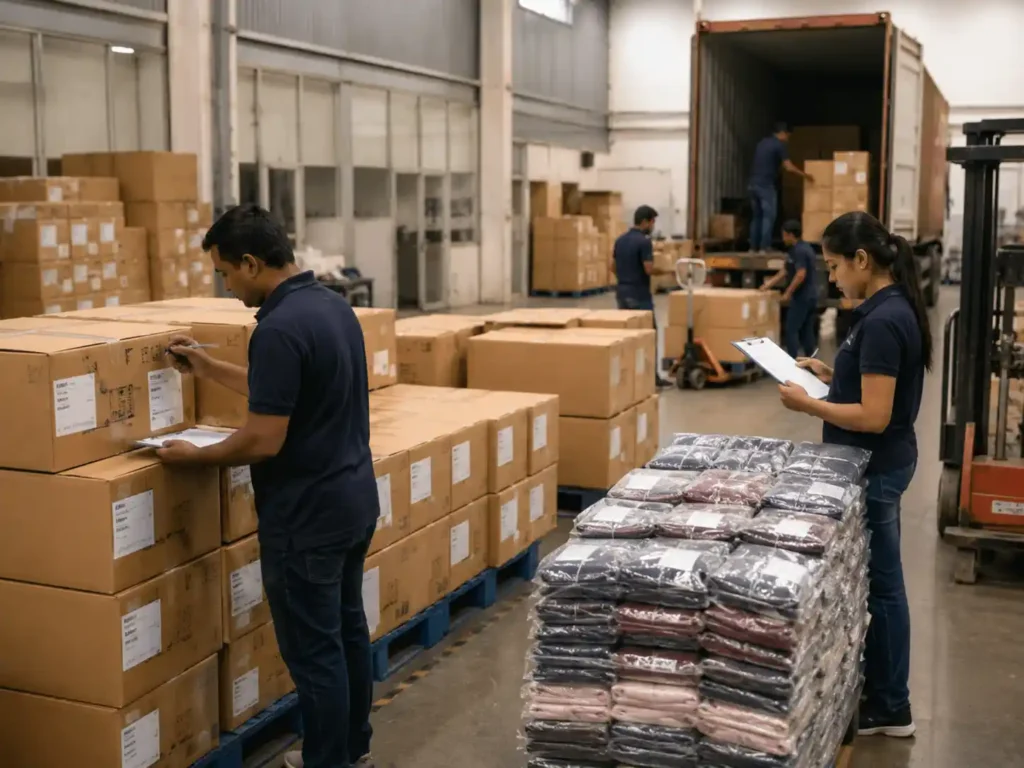
Custom Dress Manufacturer for Brands Improving Delivery Reliability
Controlled dress development, production planning and shipment coordination built around brand launch dates and repeatable delivery standards.
Duolan supports established fashion brands managing multi-style dress programs where a missed approval, late fabric, weak production path or packing error can disrupt an entire launch calendar.
- 10-30 styles commonly managed within one brand order, with total order volumes generally ranging from 20,000 to 80,000 garments.
- 16 owned womenswear factories and 20+ coordinated satellite factories for core control, capacity balancing and repeat-order expansion.
- Approximately 300 sewing lines, including 50+ flexible and quick-response lines for different product and delivery priorities.
- Reference bulk production ranges: 15-20 days for simpler styles, 20-30 days for standard styles and 30-45 days for complex styles, subject to material readiness and project requirements.
- Bulk readiness review, production-path planning, milestone updates, inline quality control, final packing checks and shipment coordination are connected within one project flow.
Who Benefits From Delivery-focused Dress Manufacturing
Established Fashion Brands
The working method suits brands that expect clear documentation, measurable milestones and continuity between first orders and repeat production.
Buying and Production Teams
Duolan reviews quantity, style complexity, approved standards, critical dates, inspection requirements and packing instructions before confirming the most suitable production route.
Product Development Teams
Duolan connects sample comments, pattern adjustments, material direction and workmanship decisions with the final production standard, reducing gaps between development and bulk.
Sourcing Offices and Groups
Sourcing offices and multi-brand groups require visibility across several programs, suppliers and shipment windows. They need clear responsibility for materials, production progress, inspection, packing, documents and freight coordination.
Duolan can support supplier evaluation, factory allocation, quality documentation, multi-style planning and structured updates for regional or global supply programs.
What Reliable Dress Delivery Really Requires
Launch-date Alignment
Production-ready Approval
Material Readiness
Visible Milestones
Quality-complete Shipment
Early Exception Response
How Duolan Builds Reliability Into Every Project
Delivery control starts before a production line is selected. Eight connected stages help align product decisions, material status, capacity, quality and shipment requirements around one agreed delivery route.

Brief Review
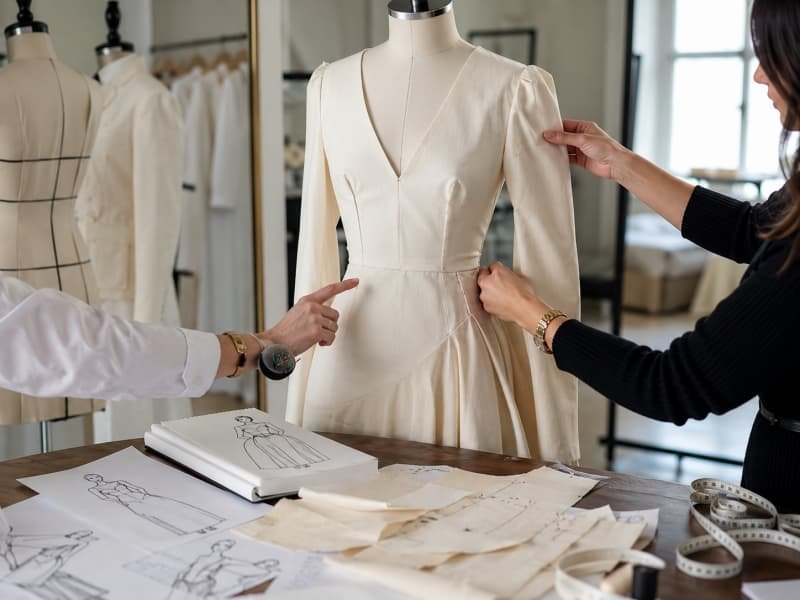
Risk Assessment
Fabric behavior, silhouette, fit, support structure, special workmanship, custom trims, testing and packing are assessed for time and execution risk. Complex items are separated from routine work instead of being hidden inside one general lead time.

Sample Alignment
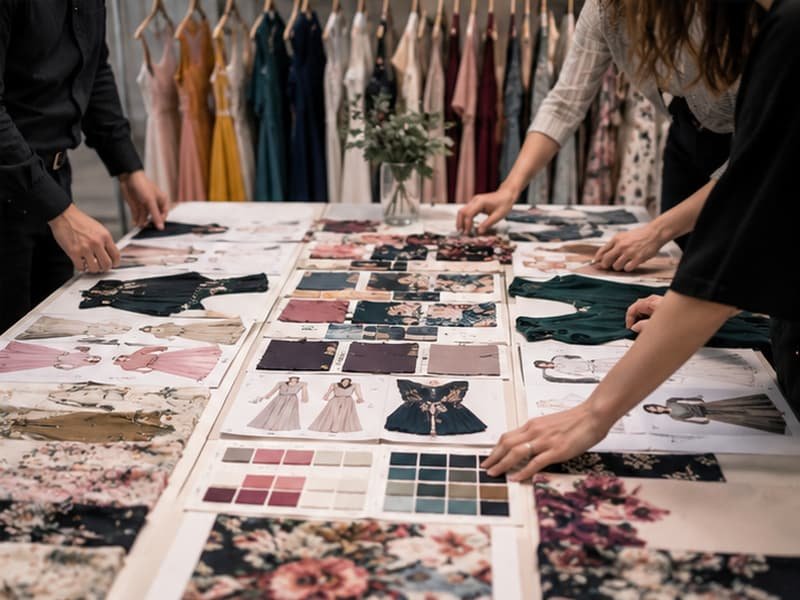
Material Locking

Production Path
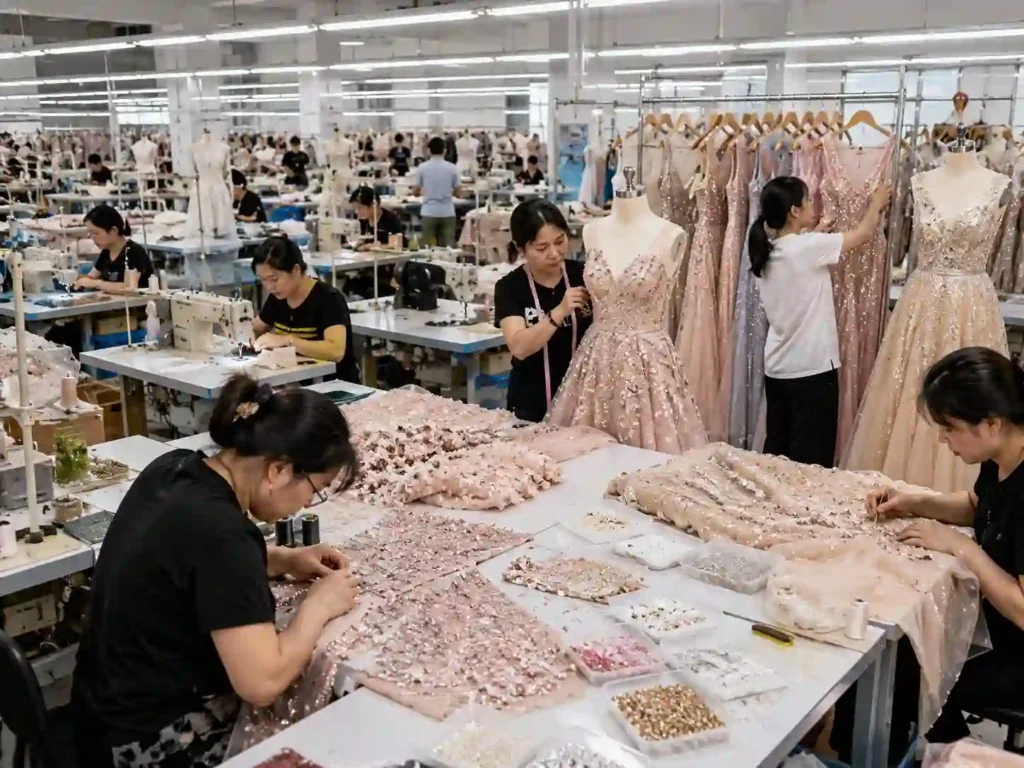
Capacity Allocation
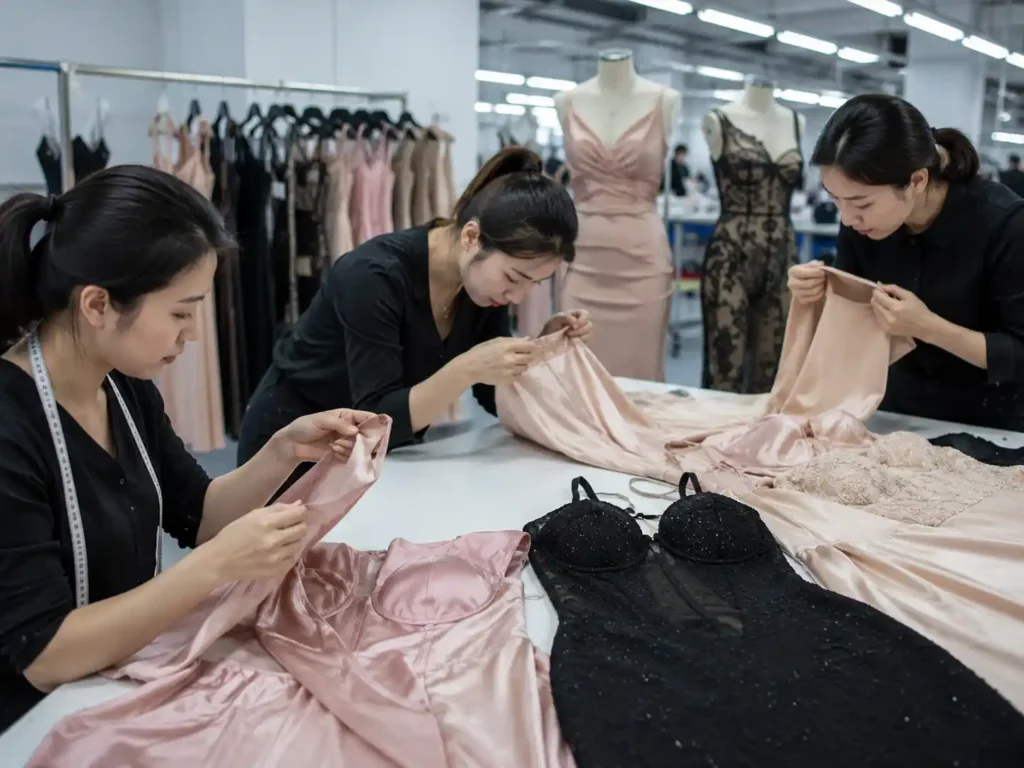
Quality Protection
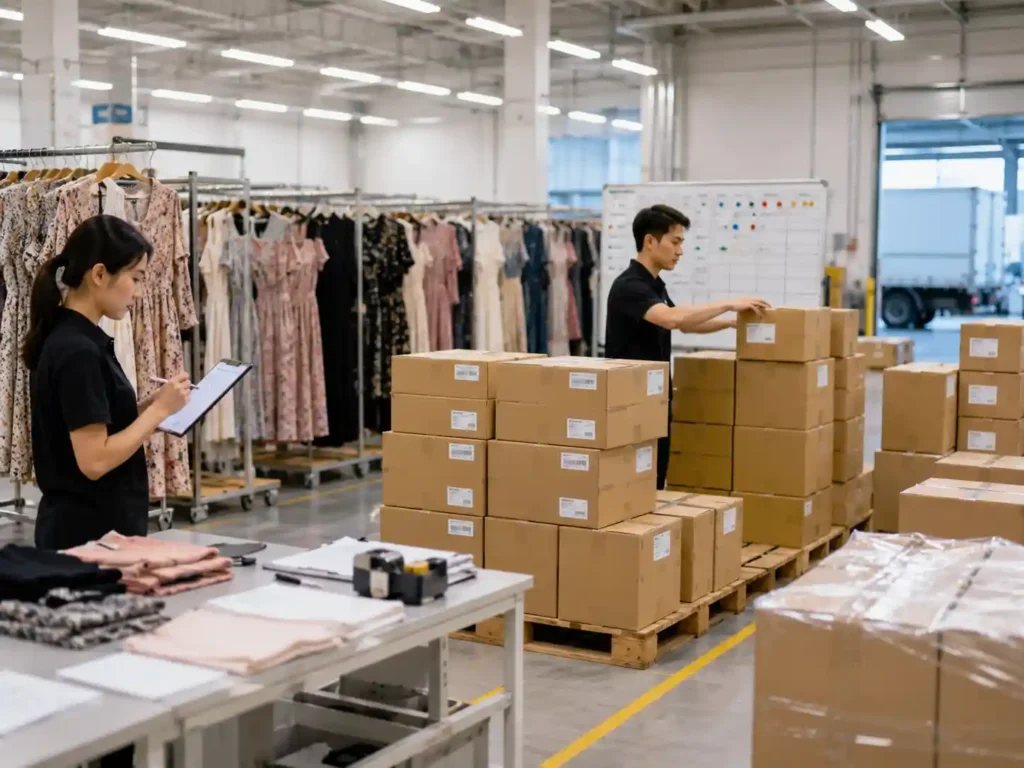
Shipment Coordination
Where Custom Dress Delivery Commonly Breaks Down
Late Sample Decisions
Unready Materials
Weak PP Standards
Wrong Line Allocation
Late Quality Rework
Packing and File Errors
Incorrect barcodes, carton ratios, assortment, carton marks or shipping documents can delay warehouse receiving even when garments are complete. Packing and document preparation must follow the same controlled timeline as production and inspection.
Delivery Planning for Different Dress Categories
Reliable timelines depend on product knowledge. Each dress direction creates different material, construction, inspection and packing risks, so one generic production schedule cannot serve every collection.

Satin Dresses

Sequin Dresses

Mesh Dresses
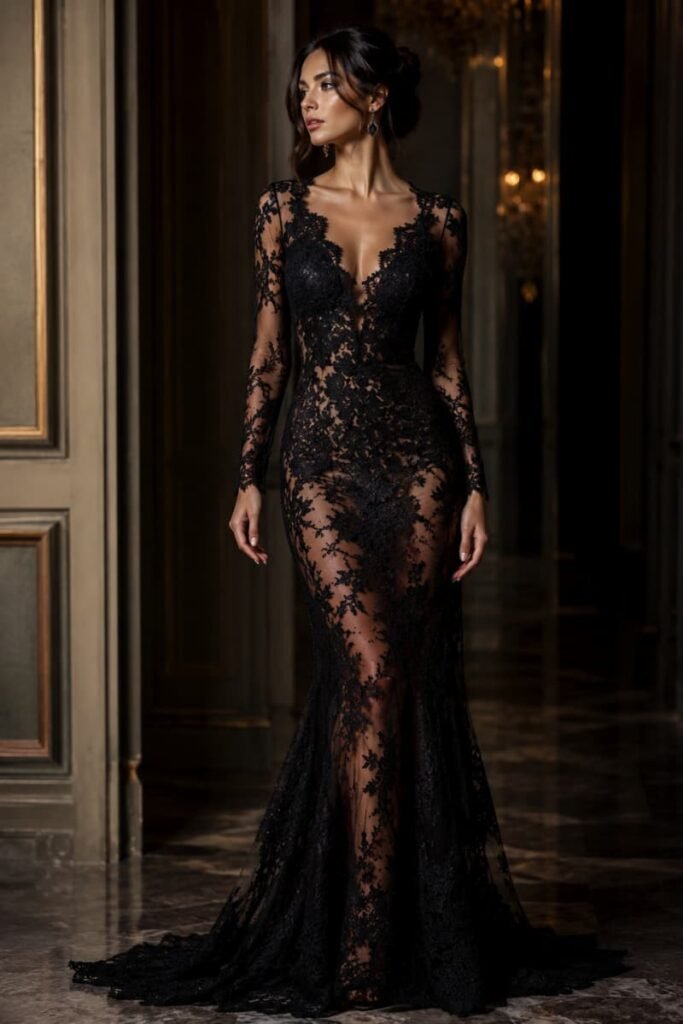
Lace Dresses

Corset Dresses

Bodycon Dresses

Party Dresses

Occasion Dresses
Planning Backward From the Brand Launch Date
Start With the Required Market Window
Build Approval and Material Buffers
Protect Quality and Freight Time
Production should not consume every available day. Inspection, correction, packing, carton checks, document review and booking need protected time. A schedule with no quality or freight buffer may look fast on paper but creates expensive recovery decisions later. Where launch timing is fixed, Duolan can review alternatives such as earlier material locking, style prioritization, separate factory routes, staged production, partial air shipment or split delivery. Any adjustment is evaluated against garment quality, cost and operational feasibility.
Keeping Sample Development Aligned With Bulk Delivery
Sample time is part of delivery time. Each sample must answer a defined question and move the style closer to a repeatable production standard rather than creating another uncontrolled revision cycle.
First Prototype
Fit Sample
Revision Sample
Photo-ready Sample
Salesman Sample
PP Sample
Bulk Readiness Review Before Production Starts
Confirm the Current Approval Status
The review distinguishes fit confirmed, visual confirmed, PP basis and still pending refinement. A style may look commercially acceptable while one production-sensitive point remains open, such as lining coverage, boning position, seam allowance, label placement or zipper specification.
Separating approval types prevents a visual “yes” from being interpreted as permission to produce every detail unchanged.
Lock the Production Standard
The working standard covers fabric, lining, trims, color, measurements, workmanship, labels, packaging, inspection requirements and destination needs. Each element must either be approved or clearly identified as pending with an agreed resolution path.
For complex dresses, critical construction points may be supported by close-up photos, measurement diagrams, workmanship notes or a sealed reference sample.
Match the Order to the Right Route
Core styles and high-risk styles may remain within owned factories for closer control. Suitable repeat or scale-up styles can use additional capacity after standards are confirmed.
Issue a Clear Start Basis
The outcome can be summarized through a Bulk Start Confirmation or Production Readiness Note. The record lists approved references, remaining actions, material status, planned route and key timeline assumptions.
A documented start basis reduces later disputes, protects production discipline and gives brand teams a clear point from which delivery performance can be measured.
Material Readiness Before Bulk Production
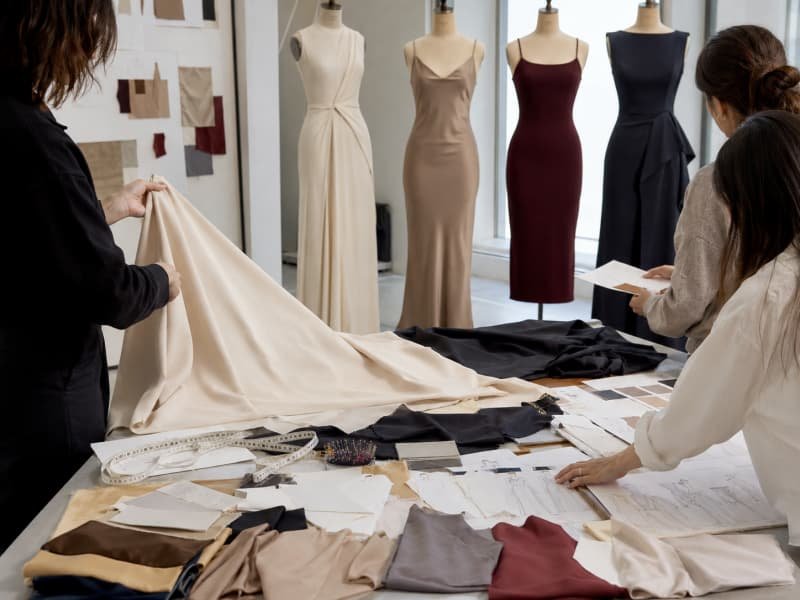
Main Fabric
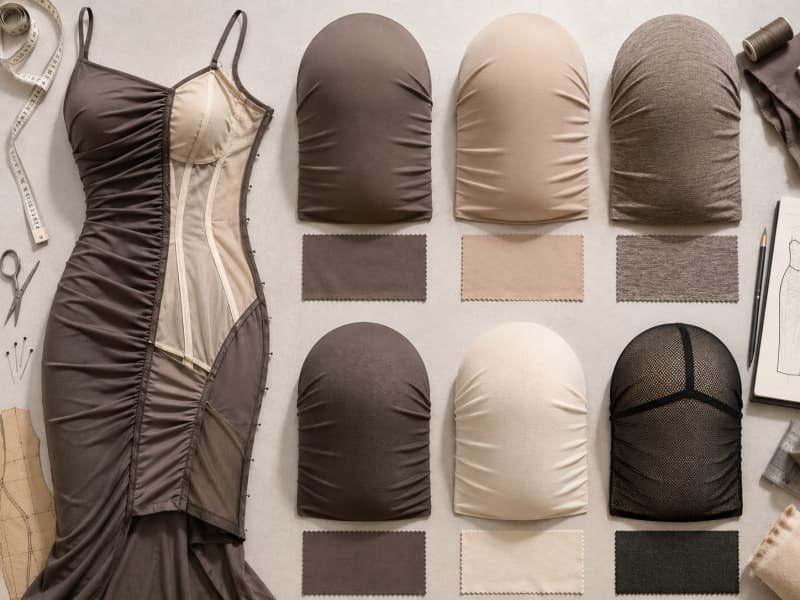
Lining System

Closures and Support
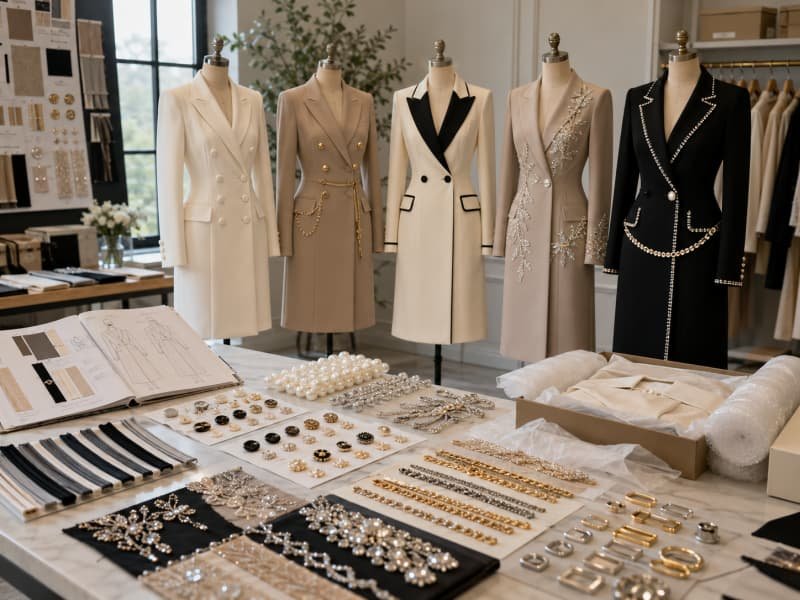
Decorative Trims

Labels and Packaging

Alternative Planning
When a material creates schedule or availability risk, Duolan can review close alternatives by appearance, weight, stretch, handfeel, price position and bulk availability. No substitution should enter production without approval. The purpose is to create options early, not to replace materials silently.
How We Build the Right Production Path
Break the Order Down Before Scheduling
Select the Appropriate Manufacturing Route
Set Milestones Around Critical Operations
Keep One Coordinated Responsibility Chain
Project management connects development, merchandising, materials, factory planning, quality, packing and logistics. Changes are recorded against the agreed production basis so one team does not act on an outdated version. For multi-factory programs, shared standards, reference samples, measurement rules, workmanship notes and inspection criteria support consistency across all production points.
Capacity Planning for Reliable Dress Delivery
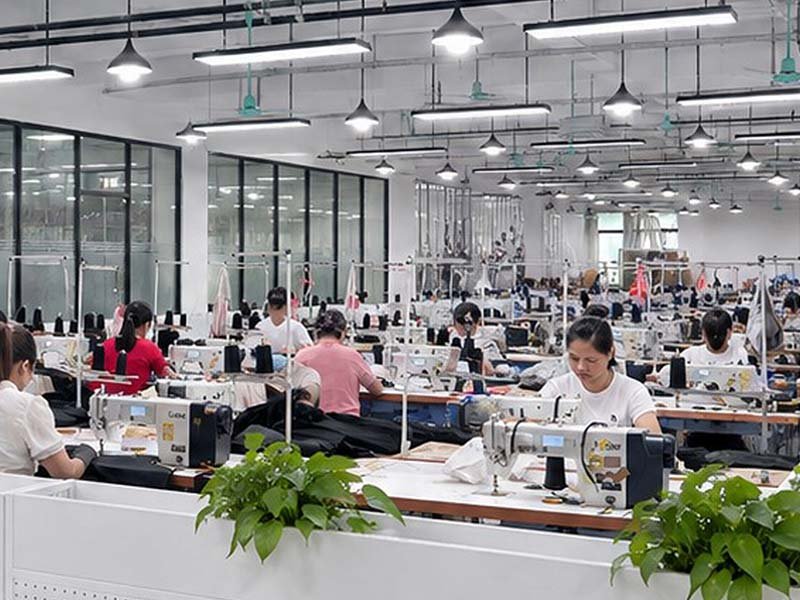
Owned Factory Control
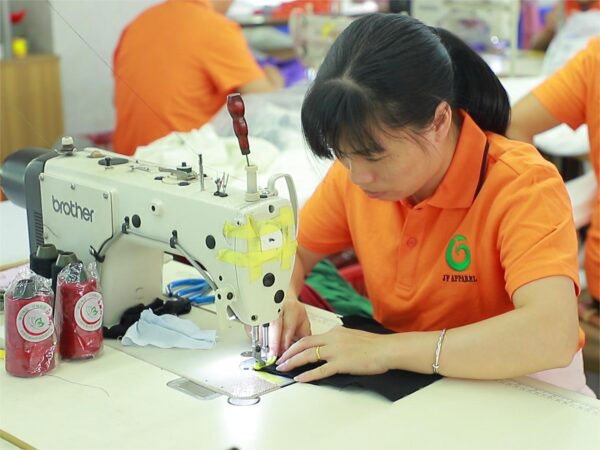
Stable Bulk Lines
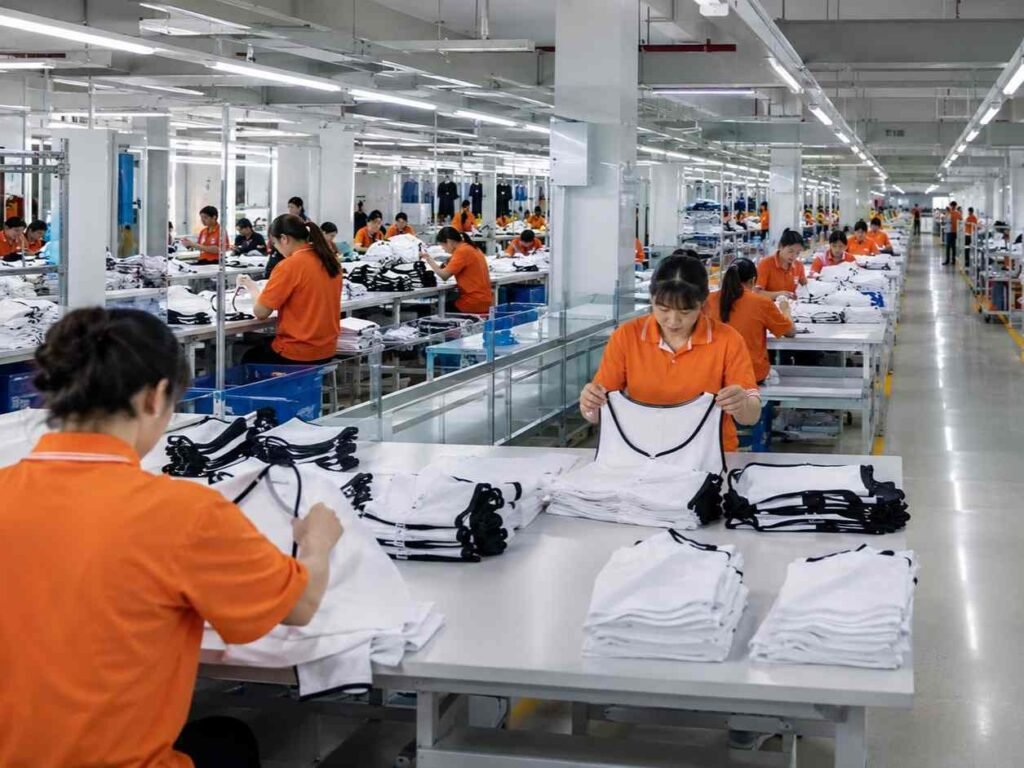
Flexible Line Support
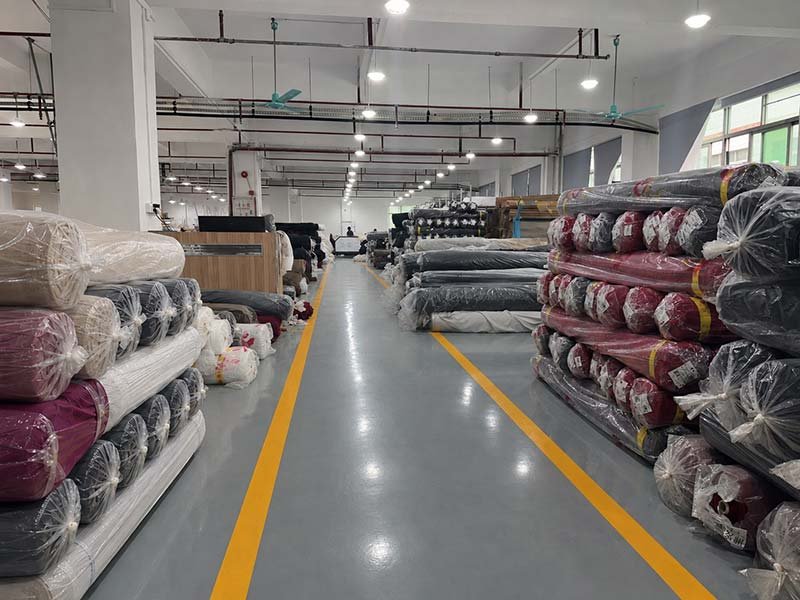
Satellite Capacity
Coordinating Multiple Styles Without Losing Control

Hero Styles

Core Sales Styles
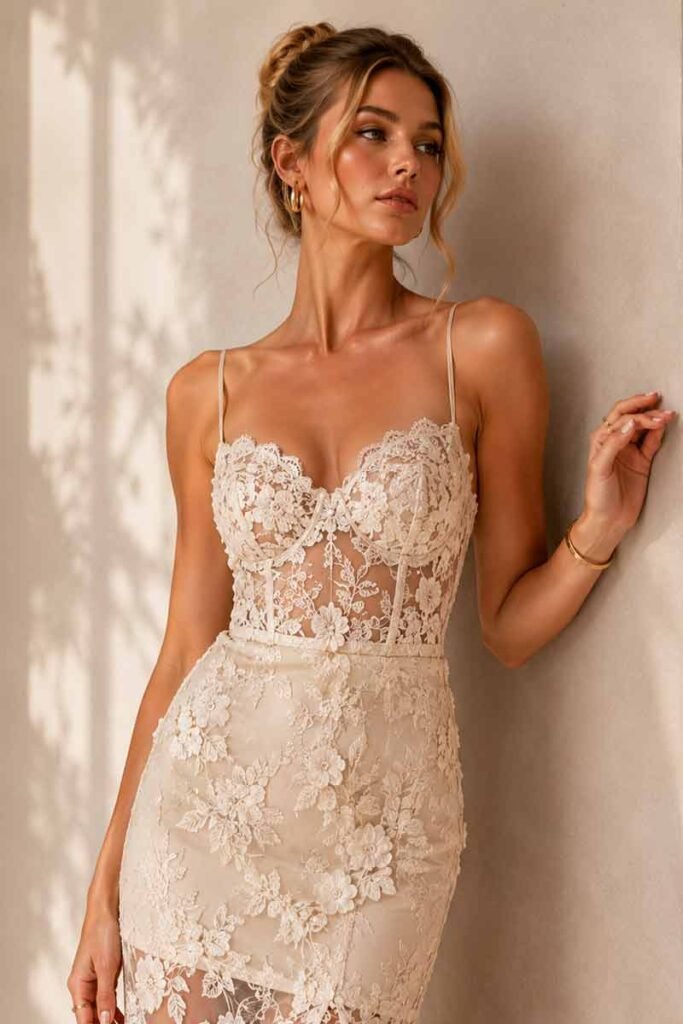
Complex Craft Styles

Supporting Styles
Collection-supporting styles can follow a simpler route where construction and materials allow. Their timing is coordinated with hero and core styles to maintain a coherent launch.

Urgent Launch Styles

Repeat and Scale Styles
Production Timeline From Approval to Shipment
A reliable lead time is built from visible stages. The schedule below shows how approvals, materials, production, quality and packing connect before dispatch. Actual duration depends on style complexity, material status, quantity, inspection and freight requirements.
| Stage | Control Focus | Output or Decision | Schedule Risk if Late |
|---|---|---|---|
| 1. Bulk readiness | Approval status, material direction, workmanship, packing | Bulk Start Confirmation | Production begins with unresolved standards |
| 2. Material booking | Fabric, lining, trims, labels, packaging | Confirmed sourcing plan | Reserved capacity cannot be used |
| 3. Material arrival | Quantity, color lot, width, defects, test needs | Material readiness status | Cutting and line start shift |
| 4. Cutting preparation | Marker, shrinkage, relaxation, size ratio | Cutting release | Measurement or consumption errors |
| 5. First-piece check | Fit, construction, workmanship, measurements | First-piece approval | Defects spread across production |
| 6. Sewing production | Output, operation balance, standards | Daily production progress | Bottlenecks remain hidden |
| 7. Inline inspection | Measurements, appearance, workmanship | Corrective actions | Late rework near shipment |
| 8. Finishing | Thread cleaning, pressing, embellishment repair | Finished garment standard | Appearance fails final review |
| 9. Final inspection | Quantity, quality, measurements, safety where applicable | Final quality status | Shipment release is delayed |
| 10. Packing | Labels, barcodes, ratios, polybags, cartons | Packing status summary | Warehouse receiving problems |
| 11. Booking and files | Forwarder, documents, carton data, incoterm | Shipment release plan | Missed booking or document hold |
| 12. Dispatch | Handover, tracking, split-shipment sequence | Dispatch confirmation | Delivery sequence becomes unclear |
Reference production ranges after materials and approvals are ready: 15-20 days for simpler styles, 20-30 days for standard styles and 30-45 days for complex styles. Longer material development, testing, handwork, special finishing or third-party inspection may extend the total calendar.
Visible Production Updates for Brand Teams
Material Status
Cutting Status
First-piece Review
Sewing Progress
Quality and Finishing
Packing and Dispatch
Quality Control That Protects the Delivery Schedule
Feasibility Review
Material Inspection
PP Standard
First-piece Confirmation
Inline Inspection
Finishing Control
Final Inspection
Packing Inspection
Labels, hangtags, barcodes, size stickers, polybags, assortment, carton marks and carton quantities are checked before shipment release.
Final Quality and Packing Readiness Before Shipment
Production completion is not the final delivery decision. Duolan verifies garment status, packing accuracy, document readiness and destination requirements before cartons are released for shipment.
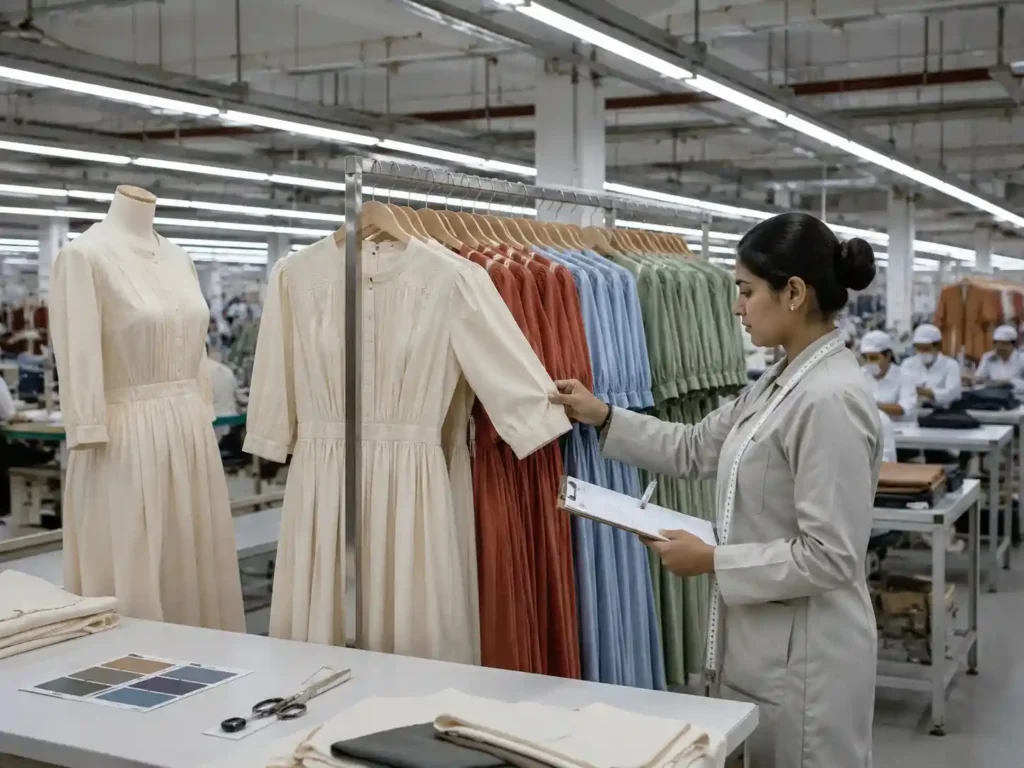
Garment Release Status
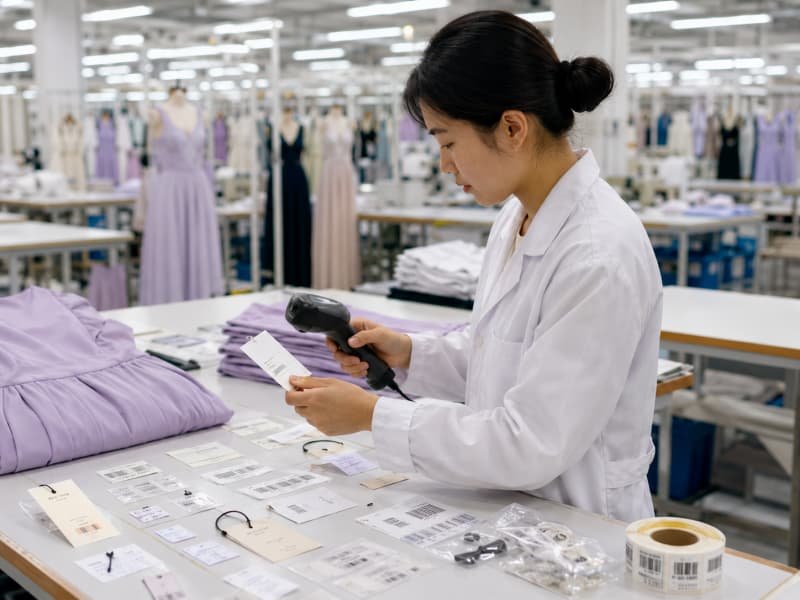
Label and Barcode Control
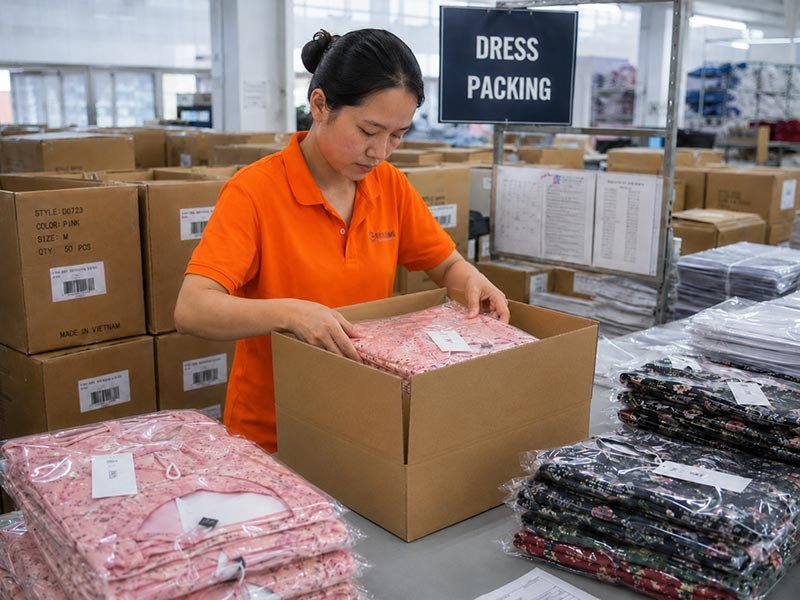
Packing and Cartons
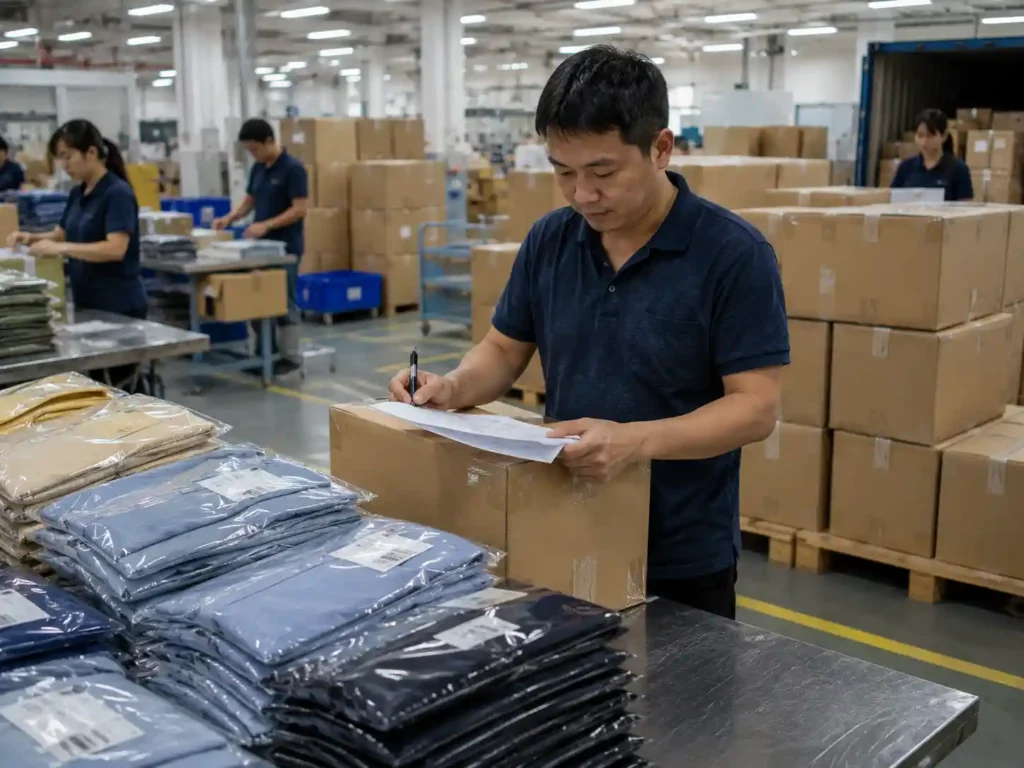
Shipment Release Files
Shipment Planning Around Cost and Delivery Priorities
Express
Air Freight
Sea Freight
FOB
CIF
DDP
Split Shipment
Designated Forwarder
Duolan can coordinate booking, carton data, documents and handover with a brand-appointed forwarder, overseas warehouse or third-party receiving point.
Manufacturing Infrastructure Behind Reliable Delivery
Dress-focused Expertise
Owned Factory Network
Satellite Factory Support
More than 20 long-term satellite factories add capacity for suitable categories, seasonal peaks, scale orders and production buffering under coordinated references and quality expectations.
Production Line Base
Approximately 300 sewing lines provide a broad production base, while more than 50 flexible and quick-response lines support selected urgent, repeat and replenishment programs after readiness review.
Supply-chain Resources
Long-term fabric, trim, accessory and special-process resources support printing, embroidery, washing and other dress-related processes.Mature South China material markets strengthen sourcing and development response.
Compliance Foundation
Duolan factories have completed SMETA audit and SMETA 2-Pillar audit. Project teams can coordinate relevant quality, testing, social responsibility and material requirements according to brand and market needs.
Delivery Evidence Brand Teams Can Review
Planning Evidence
Material Evidence
Production Evidence
Quality Evidence
Packing Evidence
Shipment Evidence
Packing lists, booking milestones, split-shipment plans, forwarder handover records and dispatch confirmations can show how production moved into delivery.
Custom Dress Delivery Projects Managed With Control

US Partywear Program
Region: United States. Program: 18 party and going-out dress styles, 42,600 garments across satin, mesh and sequin directions. Delivery challenge: several fabrics and special trims followed different approval dates, while five hero styles were needed earlier for a fixed promotional window.
Control actions: styles were divided into hero, core and supporting groups; sequin and mesh styles followed separate trial and quality routes; PP status and material arrival were tracked by style; five priority styles entered owned-factory production first; remaining styles followed the confirmed line plan. Packing and barcode checks were completed by style group.
Result: priority quantities shipped in the first planned batch, with the balance following under the agreed split-delivery structure. The collection retained one measurement, workmanship and packing standard across both batches.
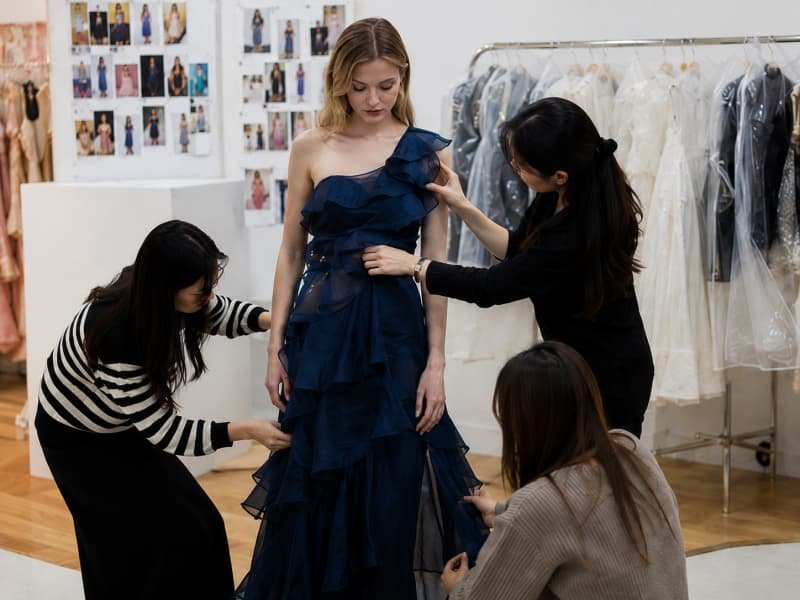
European Occasionwear Order
Region: Western Europe. Program: 24 occasion and wedding-guest dress styles, 68,400 garments. Delivery challenge: corset, satin and lace styles required different construction routes, while third-party inspection and warehouse booking dates allowed limited movement.
Control actions: corset styles received production-readiness review, support-component confirmation and first-piece checks; lace and satin fabrics were grouped by arrival risk; complex styles were allocated earlier starts; inline inspection findings were closed before final finishing; packing manuals and carton ratios were verified before the third-party inspection window.
Result: the program moved through one coordinated inspection and packing plan, reducing the risk of late style-level rework or incomplete assortment at the warehouse receiving stage.

Repeat Ecommerce Collection
Region: North America. Program: 12 repeat and updated fitted-dress styles, 27,800 garments. Delivery challenge: previous bestsellers required faster replenishment, but new colors, revised size ratios and two material changes meant the earlier production record could not be reused without review.
Control actions: previous patterns, BOMs, QC findings and packing files were compared with the new order; unchanged styles moved to a repeat route; revised materials received fresh shrinkage, stretch and color checks; flexible lines were assigned after material readiness; the highest-demand colors were packed first for staged dispatch.
Result: repeat-production knowledge shortened planning without skipping new-order checks, while staged dispatch supported inventory priorities across the receiving network.
How Brands Evaluate a Reliable Dress Manufacturer
A supplier should be evaluated through evidence connected to product, capacity, quality and delivery. The framework below helps brand teams compare manufacturers beyond a general promise of fast production or on-time shipment.
| Evaluation Area | What to Check | Duolan Evidence Direction |
|---|---|---|
| Dress development | Ability to assess silhouette, fabric, fit, structure and production feasibility | Development review, sample records, revision summaries |
| Sample control | Clear purpose for prototype, fit, photo, salesman and PP samples | Sample route, approval status, PP basis |
| Material coordination | Specification, approval, lead time, inspection and alternatives | Fabric and trim cards, BOM, readiness status |
| Production discipline | Order breakdown, line selection, first-piece control and milestones | Production Path & Timeline Plan |
| Capacity planning | Suitable capacity by category, complexity, quantity and date | Owned factories, flexible lines, coordinated satellite capacity |
| Quality management | Early prevention, inline control, final inspection and packing checks | QC checkpoints, inspection records, corrective actions |
| Delivery management | Realistic dates, visible progress, exception response and shipment planning | Milestone updates, packing status, dispatch confirmation |
| Compliance readiness | Audit foundation and ability to follow project-specific requirements | SMETA record and relevant project documentation |
Frequently Asked Questions About Reliable Dress Delivery
Start Your Custom Dress Delivery Review
Share the information available for your dress program, even when several points are still under development. Duolan will review product category, style complexity, sample status, material readiness, order structure, quality requirements, target delivery date and destination before discussing a workable development and production route. A complete tech pack is useful, but reference images, original sample photos, size charts, fit comments, fabric direction, BOM files or packing manuals can also support an initial review. Formal timing and quotation depend on the final product basis, quantity and material status.
- Company name, website, market and responsible contact
- Dress categories and number of styles
- Total quantity and quantity per style, color and size
- Target launch date, warehouse date or required ex-factory date
- Current sample or PP approval status
- Fabric, lining, trim and special-workmanship direction
- Quality, inspection, packing and barcode requirements
- Destination, incoterm, forwarder and preferred shipment method
- Files: tech pack, BOM, size chart, sample photos, label artwork and packing manual