Skip to content
Custom Dress Manufacturer for Brands Moving Beyond Trading Companies
Direct manufacturing control for established fashion brands without giving up structured development, communication, quality management, or scalable delivery support.
- 16 owned womenswear factories: core dress programs can remain under direct manufacturing control.
- 20+ satellite factories: repeat orders and volume growth can be allocated through a coordinated production network.
- 300 sewing lines and 50+ flexible lines: multi-style programs can be planned by complexity, timing, and production path.
- 15,000-35,000 sample units or style iterations monthly: high development density supports seasonal and recurring dress programs.
- 6.5 million stable monthly units: production capacity extends to 10 million units during peak periods across the wider manufacturing system.
- 30+ years of fashion development experience: dress fit, fabric behavior, decorative workmanship, and commercial execution guide each project.
Direct Manufacturing Control Without Losing Coordination
More Direct Technical Decisions
Fit comments, fabric concerns, structure changes, and workmanship questions are routed closer to pattern, sampling, material, production, and quality teams. Fewer interpretation layers help preserve design intent when a style moves from reference image or tech pack into pattern development, revision, PP approval, and bulk execution.
One Organized Project Path
A primary project contact coordinates development records, material confirmations, sample stages, bulk readiness, production updates, inspection points, packing requirements, and delivery preparation. Brand teams gain manufacturing visibility without having to manage every workshop, trim supplier, or production line independently.
Built for Established Fashion Brands and Product Teams
Fashion Brand Teams
Buying and Sourcing Teams
Product Development Teams
Multi-brand Groups
Occasionwear Specialists
Recurring Program Partners
Signs an Intermediary-Led Model Is Limiting Growth

Indirect Fit Communication

Unclear Factory Identity
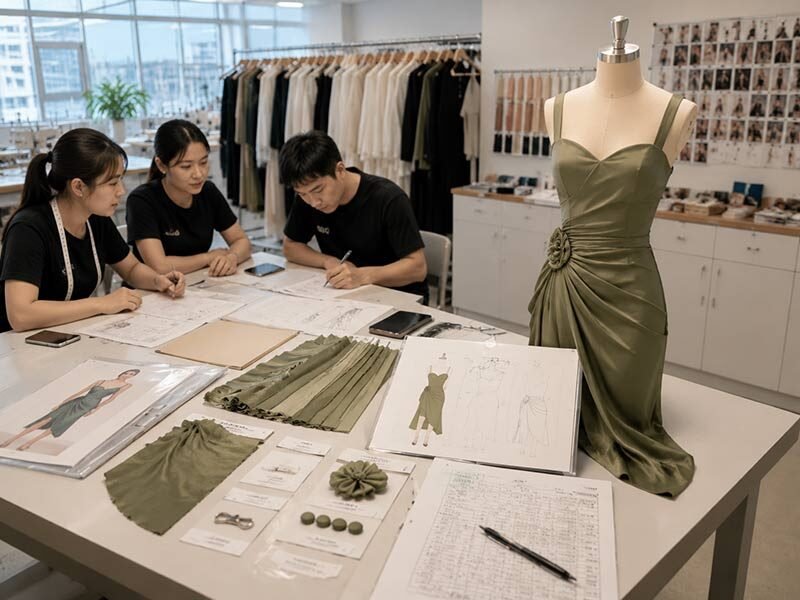
The brand receives a quote and a sample but lacks clarity on where the garment will be produced, which team will run bulk, or whether the production route may change.
Sample-Bulk Disconnect

Opaque Cost Movement

Slow Revision Loops

Weak Reorder Continuity
What Brands Risk During a Supplier Transition
Communication Gap
Material Coordination Gap
Development Gap
Quality Ownership Gap
Scale Gap
Delivery Gap
What Direct Manufacturing Should Actually Deliver
Development Access
Factory Visibility
Cost Explainability
Sample Continuity
Scale Discipline
Long-Term Records
Trading Company Model vs Direct Manufacturing Partnership
Both models can serve a purpose. The better choice depends on product complexity, internal team capability, order structure, and the level of manufacturing visibility required. The comparison below focuses on dress programs with recurring development and bulk production.
| Decision Area | Intermediary-Led Model | Direct Manufacturing Partnership |
|---|---|---|
| Technical communication | Comments may pass through commercial layers before reaching pattern or production teams. | Fit, fabric, structure, and workmanship questions move closer to responsible technical teams. |
| Factory visibility | Actual production location and allocation may be less visible. | Factory path, production route, and quality responsibility can be reviewed before bulk. |
| Cost understanding | Final price may be clear while production-level drivers remain less visible. | Cost can be discussed through fabric, trims, complexity, loss, color, size, volume, and packing. |
| Sample-to-bulk control | Sample and bulk responsibility may be split across separate parties. | Approved sample decisions are converted into production and QC standards within one system. |
| Project coordination | Strong commercial coordination may reduce internal workload. | Coordination remains available while technical and manufacturing access becomes more direct. |
| Reorder stability | Repeat programs may depend on the intermediary rebuilding the same supply route. | Pattern, material, workmanship, and packing records can remain within the manufacturing program. |

Why Duolan Fits the Next Supply Stage
Duolan is built around dress development and coordinated manufacturing rather than general product trading. The operating focus covers fashion dresses, occasionwear, partywear, going-out styles, vacation dresses, fitted silhouettes, structured dresses, fashion sets, and refined tops connected to dress-led collections.
Dress-Focused Development
Nearly three decades of fashion development experience support decisions around silhouette, proportion, fabric behavior, fit, decoration, market relevance, and bulk feasibility. The team understands why a visually attractive reference can fail in wear, construction, cost, or repeat production unless early decisions are corrected.
Integrated Manufacturing Organization
Sixteen owned womenswear factories provide core manufacturing control. More than twenty long-term satellite factories add flexible capacity for repeat orders, production peaks, and scale-up programs. Regional manufacturing bases and mature South China material resources support broader allocation options.
Structured Project Management
Project work is organized through brand review, feasibility notes, sample proposals, staged updates, sample review notes, revision summaries, bulk start confirmation, production path planning, quality and packing summaries, and next-step recommendations.
Manufacturing Scale Behind Duolan
Scale matters when development volume, style count, repeat frequency, and delivery windows rise together. Duolan combines sample development density, flexible production lines, core factory control, and group-level capacity for large recurring programs.
16 Owned Factories
20+ Satellite Factories
300 Sewing Lines
50+ Flexible Lines
15,000-35,000 Samples
6.5-10 Million Units
Controlled Factory Allocation Across Every Dress Program

Core Development and Priority Styles

Repeat and Scale-Up Orders

Special Process Routing
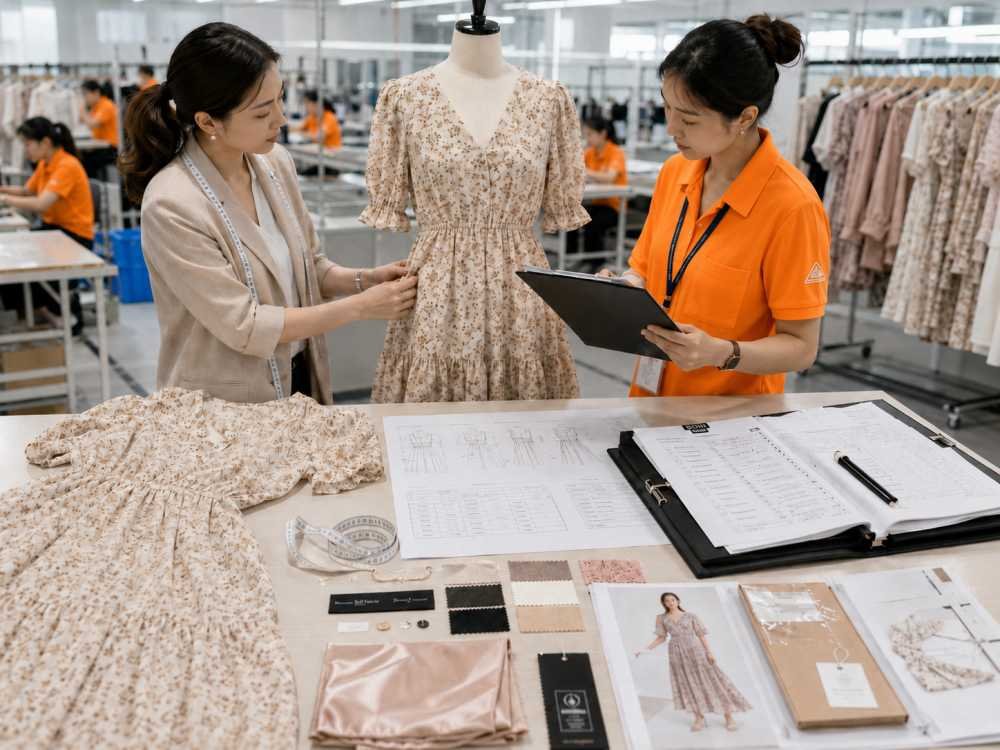
Central Standards
One Project Team From Brief to Shipment
Commercial Coordination
Product Development
Pattern and Sample
Material Coordination
Production Planning
Quality and Delivery
Clear Visibility Across Development and Production
Development Brief
Feasibility Note
Sample Proposal
Revision Summary
Bulk Start Confirmation
Production Updates
QC and Packing Summary
Reorder File
We Review the Brand Before the Style
Brand and Market Review
Project Stage Review
Risk Priority Review
Commercial Direction Review
Custom Dress Categories Built for Commercial Collections

Party Dresses

Occasion Dresses

Going-Out Dresses

Vacation Dresses

Bodycon Dresses

Corset Dresses

Satin Dresses

Mesh and Sequin
Development Control for Fit-Sensitive and Complex Dresses
Corset and Bustier Structure
- Cup position: cup height, width, shape, and under-bust relationship must suit the sample size and grading direction.
- Boning route: boning location must support the silhouette without twisting, showing through, or causing discomfort.
- Closure balance: zipper, hook-and-eye, lace-up, elastic, or panel structures must hold the garment securely during movement.
- Bulk feasibility: construction steps, seam allowances, lining, pressing, and quality checks must be repeatable on production lines.
Bodycon Stretch Engineering
- Fabric performance: stretch percentage, direction, recovery, thickness, shrinkage, and opacity influence pattern reduction and comfort.
- Contour control: bust, waist, hip, hem, side seam, and center lines must remain balanced without unwanted drag or twisting.
- Lining logic: full, partial, power-mesh, or no lining changes compression, coverage, recovery, and seam behavior.
- Size extension: grading must preserve body contour rather than simply adding equal increments to every point.
Halter and Backless Stability
- Load path: neck, shoulder, bust, side seam, waist, and back closure share garment weight differently depending on the design.
- Coverage control: neckline depth, side exposure, back opening, and underarm shape must match the intended wearing level.
- Support solution: cups, elastic, tape, lining, grip, boning, ties, or adjustable hardware may be needed to stabilize the silhouette.
- Movement review: the sample should be checked for shifting, gaping, strap pressure, and closure movement in real wear.
Satin and Bias-Cut Control
- Grain direction: straight, cross, or bias placement changes drape, stretch, seam behavior, and hanging length.
- Sewing tension: needle, thread, seam type, feed, and handling influence puckering and visible stitch lines.
- Pressing discipline: temperature, pressure, timing, and protective methods must avoid shine, crushing, and edge marks.
- Hanging stability: bias garments may lengthen after hanging, so hem and length review should account for settling behavior.
Mesh Coverage and Layering
- Transparency map: coverage zones should be defined across bust, underarm, waist, hip, slit, and back areas.
- Stretch relationship: outer mesh and lining must move together without pulling, bubbling, or exposing unintended areas.
- Seam and edge support: necklines, armholes, cut-outs, and closures may require stabilizing tape, elastic, binding, or layered construction.
- Color matching: mesh, lining, thread, elastic, and trims should be reviewed under relevant lighting because slight shade differences remain visible.
Sequin Comfort and Security
- Attachment method: sewn, embroidered, bonded, or mixed constructions create different risks in shedding, edge damage, and production handling.
- Skin contact: seam placement, lining, binding, and sequin clearance affect comfort around underarm, neckline, side seam, and hem.
- Pattern placement: motif direction and cut-line planning should preserve visual flow and avoid random loss at major seams.
- Inspection method: bulk checks should include missing areas, loose attachments, sharp edges, seam damage, and visible shade or density changes.
Fabric, Lining and Trim Decisions Near Production

Fabric Drape and Weight

Stretch and Recovery

Opacity and Lining

Closures and Support

Color and Batch Control

Decorative Components

Commercial Alternatives

Material Lock Before Bulk
Tech Pack Review Before Pattern Cutting
Information We Check
- Design views: front, back, side, internal structure, artwork, placement, and construction details.
- Measurements: sample size, points of measure, finished garment dimensions, tolerance, and size-chart logic.
- Materials: fabric, lining, trims, closures, support components, labels, and packaging references.
- Construction: seam types, stitch requirements, edge finishes, pleats, gathers, ruching, drape, reinforcement, and pressing.
- Decoration: print, embroidery, beadwork, sequins, rhinestones, lace, appliques, motif position, and approval method.
- Commercial inputs: quantity, colors, size breakdown, target date, target price position, inspection, packing, and delivery terms.

When the Tech Pack Is Incomplete
Feasibility Output

Pattern, Measurement and Fit Engineering
Dress fit depends on proportion, fabric, support, construction, and intended wearing ease. Duolan translates comments into pattern and specification changes rather than relying only on surface alterations to the sample garment.
Bust-Waist-Hip Balance
Fitted dresses require coordinated shaping across bust width, cup or dart position, under-bust, waist, high hip, full hip, side seam, and center lines. An isolated measurement change can disturb the full silhouette.
Neckline and Armhole
Neckline depth, width, curve, gaping control, armhole shape, underarm coverage, and strap placement influence fit, support, and visual confidence in halter, one-shoulder, corset, and backless styles.
Vertical Proportion
Shoulder-to-waist, bust level, waistline height, skirt length, slit height, hem balance, and back length control the garment’s visual proportion and wearing safety across mini, midi, and maxi silhouettes.
Closure Placement
Zipper position, hook-and-eye, lace-up panels, ties, buttons, elastic zones, and adjustable hardware affect entry, tension distribution, and stability.
Pattern Correction
Wrinkles, twisting, gaping, drag lines, uneven hems, unstable slits, and displaced seams are traced back to pattern balance, grain, ease, support, or construction before the revised sample is made.
Measurement Control
Approved points of measure, measuring method, sample-size reference, tolerance, and production inspection method should use the same definitions. Clear measurement discipline reduces argument and variation during bulk.
Grading From Sample Size to Full Size Range
Proportion, Not Simple Enlargement
Fabric-Sensitive Rules
XS-XL or Wider Programs
Commercial Size Balance
PP and Bulk Measurement
High-Risk Style Checks
Sample Development With a Defined Approval Purpose
First Prototype
Fit Sample
Revision Sample
Photo-Ready Sample
Salesman Sample
PP Sample
Revision Control That Turns Comments Into Action
Comment Classification
Fit comments may require pattern correction; measurement comments require specification updates; fabric concerns may require substitution or construction changes; visual comments may change proportion, placement, or finish; production concerns may require a more repeatable method.
Action Record
Pre-Sample Alignment
Review Delivery
Workmanship Planning for Fashion-Led Dress Details

Seam Selection

Neckline and Armhole

Ruching and Gathering

Slits and Openings

Zippers and Closures

Hems and Pressing

Internal Support

Bulk Repeatability
Decorative Processes That Survive Bulk Production

Sequin Application

Beading and Pearls

Rhinestones and Heat Fix

Embroidery
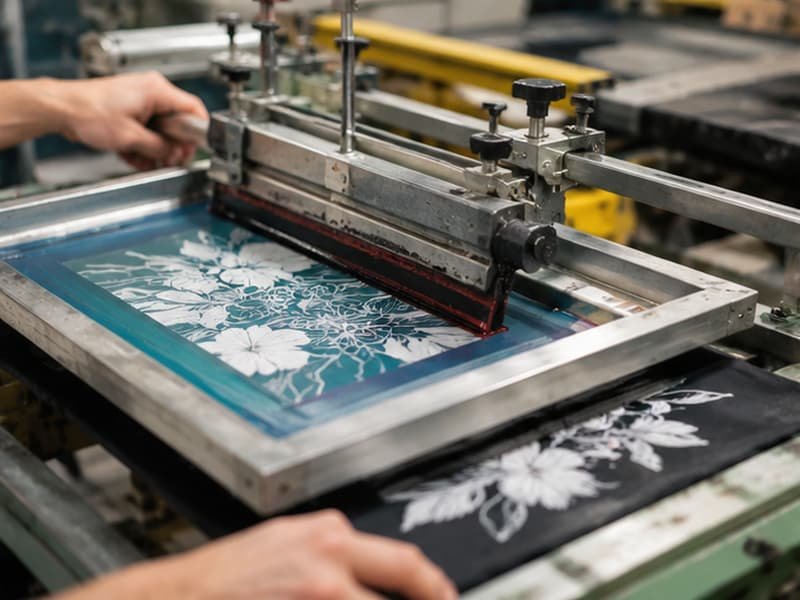
Print and Dye Effects

Combined Techniques

Process Trial

Production Inspection
Controlled Transition From Approved Sample to Bulk
Approval Status
Material Lock
Specification Lock
Production Path
Quality Path
Bulk Start Output
Transparent Costing Without Lowest-Price Positioning
Direct manufacturing should improve cost understanding, not reduce every decision to the cheapest unit price. Duolan explains how product choices influence cost and where adjustments can improve commercial viability without removing the qualities that make the garment sell.
| Cost Driver | Production Effect | Review Direction |
|---|---|---|
| Fabric specification | Composition, width, weight, stretch, finish, color, and loss affect material cost and garment result. | Confirm selling value, bulk stability, and viable alternatives. |
| Lining and support | Lining, cups, boning, elastic, tape, and internal panels affect comfort, shape, labor, and materials. | Protect support and coverage before simplifying internal construction. |
| Style complexity | Panels, cut-outs, drape, ruching, pleats, asymmetry, closures, and difficult seams raise operation time. | Separate visible selling details from low-value complexity. |
| Decoration | Sequins, beads, rhinestones, embroidery, print, applique, and placement add materials, trials, labor, and inspection. | Optimize density, method, or area while preserving visual identity. |
| Color structure | Many colors can increase dyeing, material minimums, setup, shade management, and stock exposure. | Concentrate color use or share materials across a collection. |
| Size breakdown | Extended ranges and uneven ratios affect grading, material consumption, cutting, and inspection. | Cost from the actual size curve rather than an average assumption. |
| Order volume | Volume changes material purchasing, line efficiency, setup, allocation, and packing economics. | Review style quantity, color quantity, total program size, and repeat forecast together. |
| Packing and delivery | Labels, hangtags, bags, inserts, cartons, inspection, split shipment, and freight add direct cost. | Align packing and freight with channel, warehouse, and launch needs. |
Quality Responsibility From Fabric to Packing

Incoming Materials
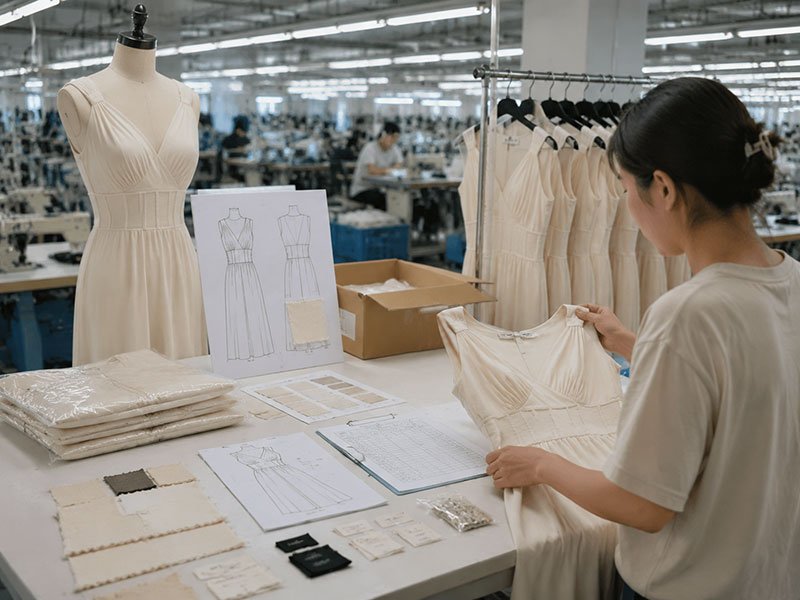
Pre-Production Alignment

First-Piece Control
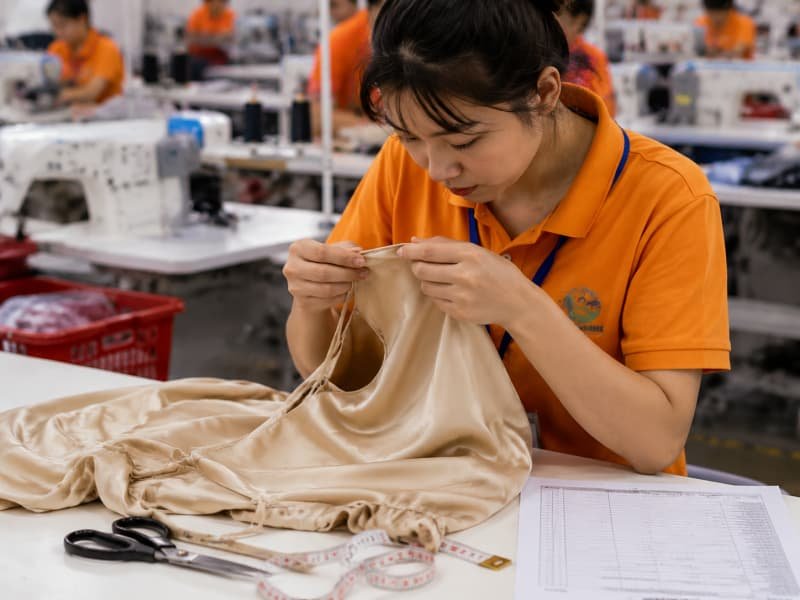
Inline Inspection

Final Appearance

Packing Accuracy
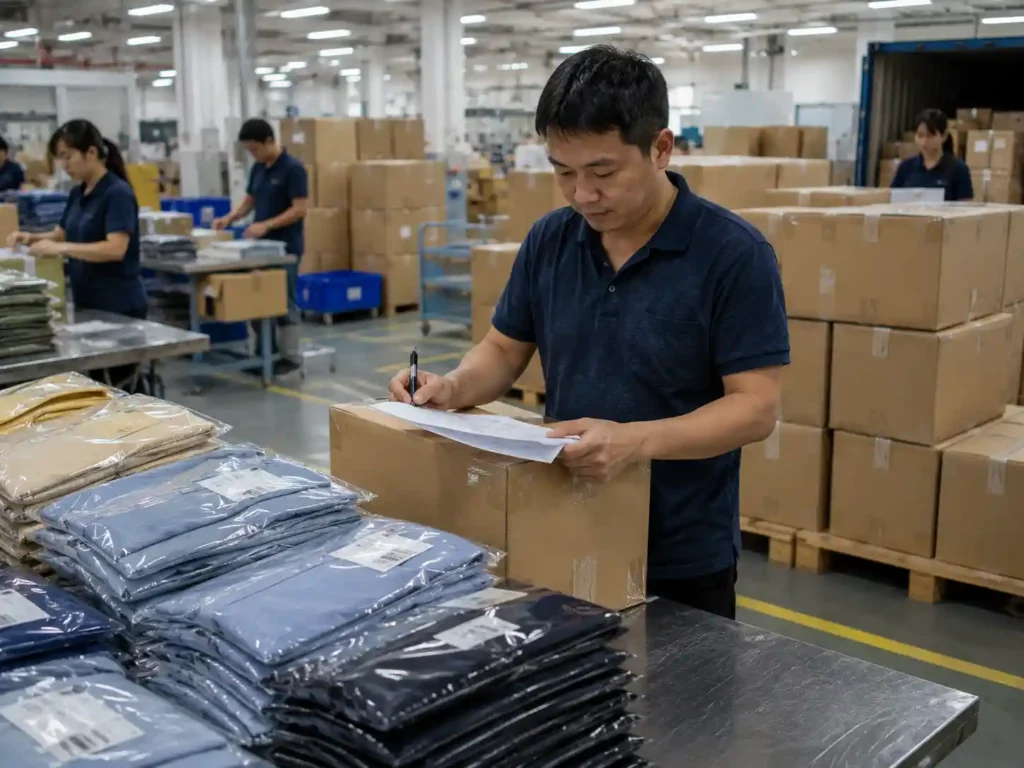
Shipment Readiness

Reorder Consistency
Brand Transition Case Studies
US Occasionwear Brand - 18 Styles, 42,000 Pieces
The brand needed a closer development relationship after repeated fit comments were passing through several contacts. The program included fitted midi dresses, corset silhouettes, satin styles, and mesh-panel occasion pieces across four color groups.
- Primary challenge: fit interpretation, support construction, material confirmation, and clear ownership before bulk.
- Duolan action: brand and range review, risk grouping by style, staged fit samples, annotated revision summaries, material locking, and PP-based bulk readiness checks.
- Production route: high-risk corset and mesh styles remained under tighter core-factory control while lower-risk commercial styles followed matched lines.
- Program result: the brand received one coordinated development and production path across all 18 styles, with clearer approval records and fewer interpretation layers.

UK Going-Out Brand - 24 Styles, 68,000 Pieces
The collection combined bodycon mini dresses, halter styles, open backs, ruching, satin, sparkle, and asymmetrical details. The main concern was whether approved samples could be repeated consistently across a large multi-style order and staggered delivery plan.
- Primary challenge: sample-to-bulk consistency across stretch, satin, decoration, and several line types.
- Duolan action: style-by-style production planning, fabric and lining lock, grading review, first-piece checks, inline measurement, decoration inspection, and split-shipment coordination.
- Production route: styles were grouped by material and construction risk instead of being placed under one identical schedule.
- Program result: production reporting became more transparent by style group, giving the brand clearer control over priorities and warehouse timing.

European Multi-Brand Group - 12 Styles, 28,000 Pieces
A group managing several labels required a more accountable manufacturing relationship while keeping design files, fit standards, labels, and packing rules separated by brand. The order covered occasion dresses, vacation maxis, refined tops, and coordinated sets.
- Primary challenge: brand separation, document control, differing fit directions, and packaging accuracy within one manufacturing program.
- Duolan action: separate project codes, controlled files, brand-specific sample reviews, independent size and label standards, factory allocation, and final packing verification.
- Production route: styles were assigned by complexity while one central team coordinated approvals and delivery.
- Program result: the group gained a repeatable structure for future drops without merging standards across labels.

Verify the Manufacturing System Before You Commit
Audit and Compliance Foundation
The manufacturing system has completed SMETA audit and holds a SMETA 2-Pillar social audit record.
Project teams can also coordinate requirements connected to brand-specific quality systems, testing standards, social responsibility, product documentation, and market requirements.
Factory and Process Verification
A supplier review can include factory structure, pattern capability, material resources, cutting, sewing, special processes, quality control, packing and production records. Video meetings, process videos, photographs, and on-site visits can support verification according to confidentiality and project status.
Design and File Protection
Unreleased designs, tech packs, artwork, labels, samples, pricing, and project records should be handled under controlled access.
NDA support, project coding, limited file circulation, and separated brand records help reduce unnecessary exposure.
Repeat and Scale-Up Support
Delivery Options

Frequently Asked Questions About Direct Manufacturing

Evaluate Duolan for Your Next Dress Program
Share the materials already available for a focused development and manufacturing review. A tech pack is helpful, while reference images, original sample photos, fabric direction, size chart, fit comments, style list, quantity, and launch date can also support an initial assessment. Duolan will review fit, material and structure risks, sample path, bulk readiness, production timing, QC, packing, and delivery planning.
- Brand profile: company, website, target market, price position, and main dress categories.
- Development basis: tech pack, reference image, original sample, design sketch, size chart, or prior comments.
- Program structure: style count, quantity, colors, size range, repeat plan, labels, and packing.
- Product priorities: fabric, fit, support, decoration, QC, compliance, and supplier-transition concerns.
- Timeline: sample deadline, campaign date, warehouse date, launch date, and preferred freight method.