...

Custom Dress Manufacturer for Brands Replacing Unstable Suppliers

Move existing dress programs into a controlled development and manufacturing system built for fit accuracy, bulk consistency, production visibility, and repeat orders.

  • Review existing tech packs, approved samples, measurement files, BOM records, and quality concerns before production moves.
  • Support 10-30 styles per collection program, with common brand order totals ranging from 20,000 to 80,000 garments.
  • Coordinate core styles through 16 owned womenswear factories and expansion capacity through 20+ long-term satellite factories.
  • Use 50+ quick-response and flexible lines for development priorities, test launches, replenishment, and selected urgent production paths.
  • Protect sample-to-bulk standards through material locking, PP approval, first-piece review, inline control, and final packing checks.

When Supplier Instability Becomes a Brand Risk

Unstable production rarely begins with one dramatic failure. The first signs usually appear as recurring delays, inconsistent samples, unexplained substitutions, unclear production status, and repeat orders that no longer match the approved standard.

Sample Delays

A late first sample can still be corrected. Repeated sample delays create a deeper problem: fit reviews, photography, sales meetings, and PP approval all move closer to the production deadline. Duolan reviews the development basis before sampling, confirms the purpose of each sample, identifies missing information, and separates fit, visual, material, and construction decisions. The aim is to prevent every revision from restarting the entire development cycle.

Bulk Differences

A strong sample has little commercial value when bulk production changes the fabric, fit, lining coverage, seam finish, embellishment density, or pressing result. Duolan converts the approved version into a production basis supported by measurement files, BOM details, workmanship notes, material references, PP confirmation, and QC checkpoints. Bulk consistency depends on multiple locked standards, not one sample hanging in the production room.

Material Substitution

Unexpected fabric or trim changes can alter drape, opacity, stretch recovery, support, color, handfeel, and final cost. Before cutting, incoming materials are checked against the confirmed direction. When an original material is unavailable, alternatives are compared by composition, weight, width, stretch, visual effect, supply continuity, and production risk before approval.

Revision Confusion

Fit comments can be lost when different versions move between merchandising, pattern, sample, and production teams. Duolan organizes comments by style, version, sample purpose, and approval status. Each revised sample should answer a defined set of comments, allowing product teams to see what changed, what remains open, and what becomes the next production basis.

Capacity Uncertainty

A supplier may handle samples well but struggle when 10-30 styles enter production together. Capacity planning must consider style complexity, material readiness, special processes, size-color combinations, launch priority, and required delivery windows. Duolan assigns different production paths instead of placing every style into one undifferentiated schedule.

Missed Launch Windows

Late fabric, slow revisions, delayed PP approval, rushed production, and compressed inspection can turn a seasonal collection into stranded inventory. Duolan works backward from the required launch or shipping date, highlights decisions that control the critical path, and protects time for production checks, packing, inspection, and logistics.

Built for Established Fashion Brands Changing Suppliers

Duolan supports established fashion operations with active development calendars, defined product standards, multi-style programs, and clear production objectives. The working model is designed around project transfer, structured development, bulk execution, and repeat-order continuity.

Fashion Brand Teams

Brands with an established silhouette language, price position, seasonal calendar, and approved product standards need more than basic garment assembly. Duolan reviews how the collection should look, fit, perform, and move into production. Existing styles can be evaluated for redevelopment, correction, continued production, or transfer into a stronger manufacturing route.

Product Development Teams

Development teams need accurate interpretation of design intent, fabric behavior, fit priorities, workmanship, and sample comments. Duolan can work from tech packs, reference garments, approved samples, measurement specifications, or mixed information. Early review identifies areas where a new sample may look close but still fail bulk readiness.

Buying and Sourcing Teams

Procurement teams require clear factory capability, production planning, quality controls, documentation support, and realistic risk communication. Duolan can prepare capability information, manufacturing routes, sample plans, production milestones, and project review notes for internal supplier evaluation.

Multi-brand Groups

Multi-brand operations often manage different price points, style groups, launch dates, and order depths. A structured manufacturing network allows core styles, complex styles, replenishment programs, and seasonal collections to follow production paths matched to risk and commercial priority.

Occasionwear Programs

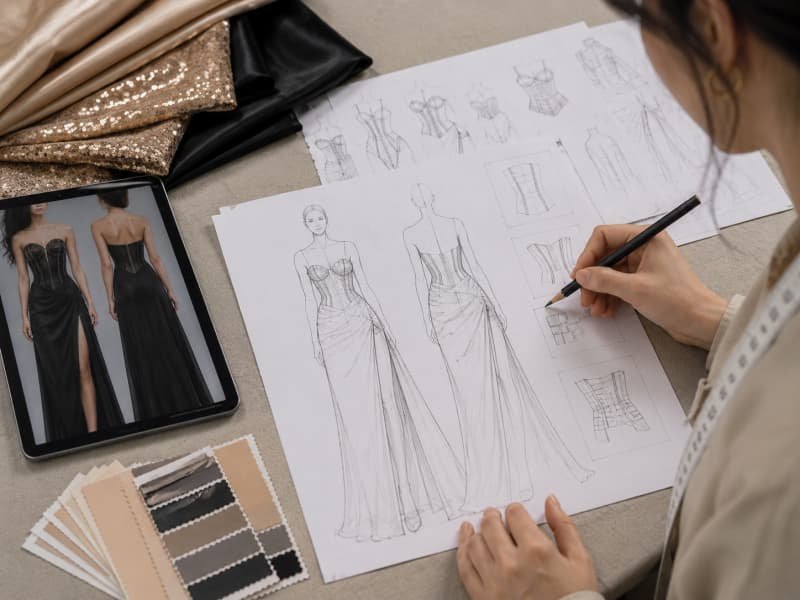
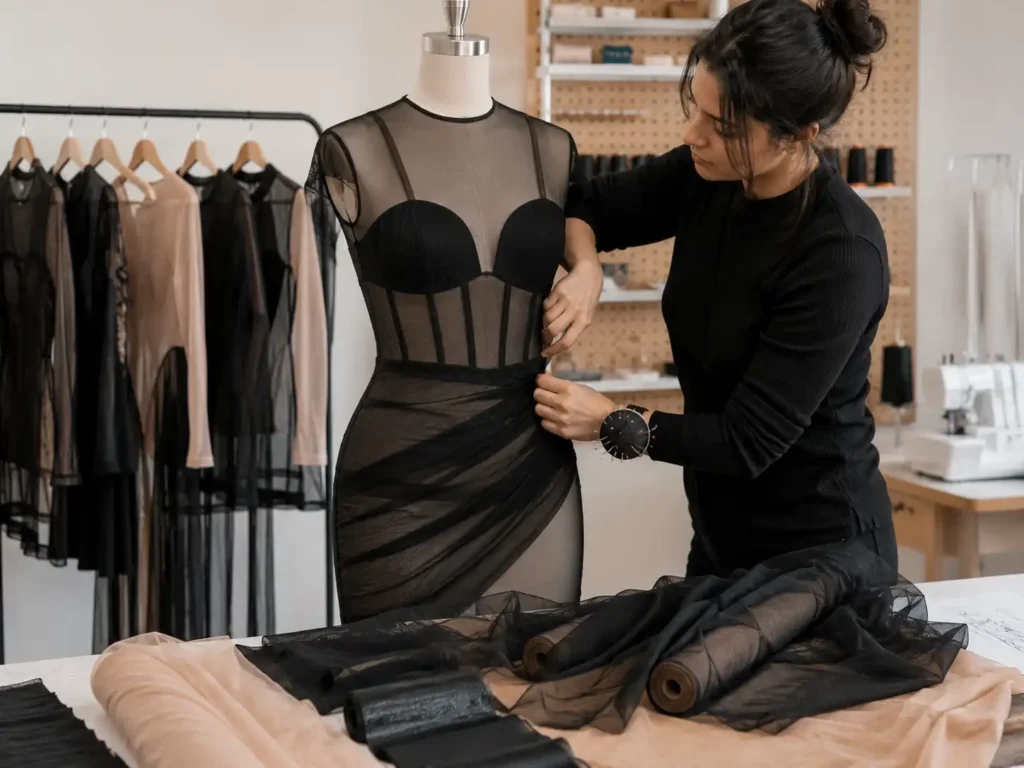
Party, occasion, fitted, satin, mesh, lace, corset, sequin, halter, and backless dresses require specialized control over support, transparency, lining, stretch, embellishment, pressing, and visual finish. Supplier replacement is safer when the new manufacturing partner understands dress-specific failure points before sampling begins.

Repeat-order Operations

Bestsellers should not be rebuilt from memory. Patterns, BOM records, material references, measurement tolerances, workmanship notes, PP references, QC records, label files, and packing requirements should remain available for the next order. Duolan treats confirmed information as a production asset for repeat runs.

Signs Your Current Dress Supplier Needs Reassessment

A supplier change should be based on recurring evidence rather than one isolated disagreement. The following warning signs often indicate that current production controls no longer support the brand’s commercial requirements.

Repeated Sample Slippage

First samples, fit revisions, photo samples, or PP samples consistently miss agreed review dates, leaving no buffer for bulk production, inspection, and shipping.

Uncontrolled Bulk Changes

Approved materials, measurements, construction details, trims, colors, or finishing methods are altered without documented review and approval.

Inconsistent Repeat Orders

A reordered style returns with different fit, handfeel, color, lining, workmanship, or packaging even though the commercial specification has not changed.

Unclear Production Status

Progress becomes visible only after repeated follow-up. Material delays, line changes, process failures, or capacity conflicts are disclosed too late for corrective planning.

Weak Comment Execution

Fit notes and technical corrections are acknowledged but not fully reflected in the next sample. Old comments reappear because no controlled revision record exists.

Unstable Capacity Promises

Delivery dates change after orders are placed because the assigned line, subcontracting route, or material schedule was never secured.

Reactive Quality Control

Problems are discovered during final inspection rather than at fabric receipt, first-piece review, critical operations, or inline production.

Poor Documentation Support

Audit records, testing coordination, labeling files, packing details, inspection documents, or shipment records cannot be prepared consistently for internal approval.

What You Can Transfer to Duolan

A supplier replacement project can begin from complete technical files or a combination of existing samples and partial records. Duolan reviews available information, identifies gaps, and defines what must be confirmed before redevelopment or production.

Tech Pack

Provide construction pages, artwork placement, seam details, grading notes, labels, packing instructions, and revision history where available. Duolan checks whether the document reflects the latest approved product rather than an early development version.
Golden Sample​

Original Sample

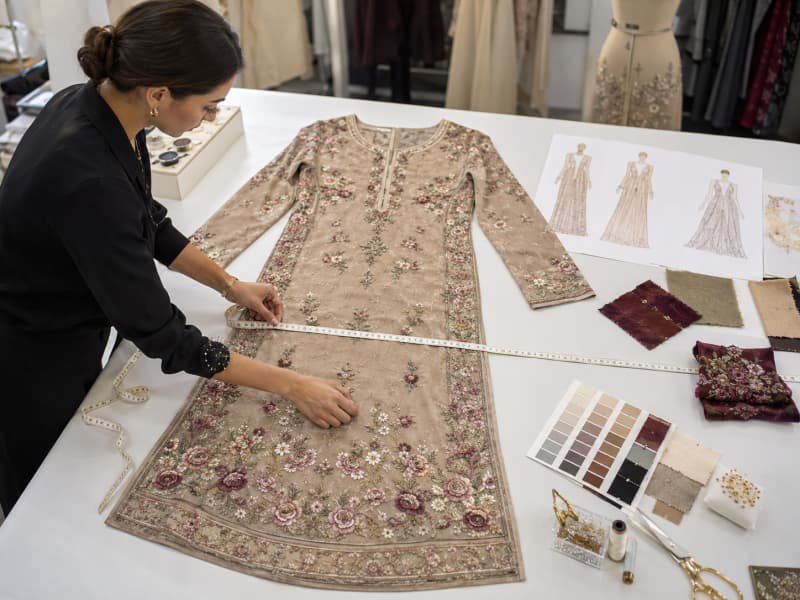
A physical garment reveals proportions, internal construction, support, seam treatment, pressing, and finishing details that may not appear in written files. Measurements and workmanship still need to be documented before production can be controlled.

Approved Sample

An approved fit, photo, PP, or golden sample can serve as an important visual and structural reference. The approval stage must be identified clearly because each sample type carries a different level of production authority.
Fit Comment to Measurement Update​

Measurement Specification

Point-of-measure definitions, base-size measurements, tolerances, and grading rules help preserve fit across sizes. Duolan reviews whether written measurements match the supplied garment and intended fabric behavior.

Fit Comments

Previous comments show the design history and unresolved risks. Comments are sorted into fit, balance, length, support, construction, material, visual, and workmanship categories before the next sample begins.
BOM and Material Reuse

BOM and Trim Records

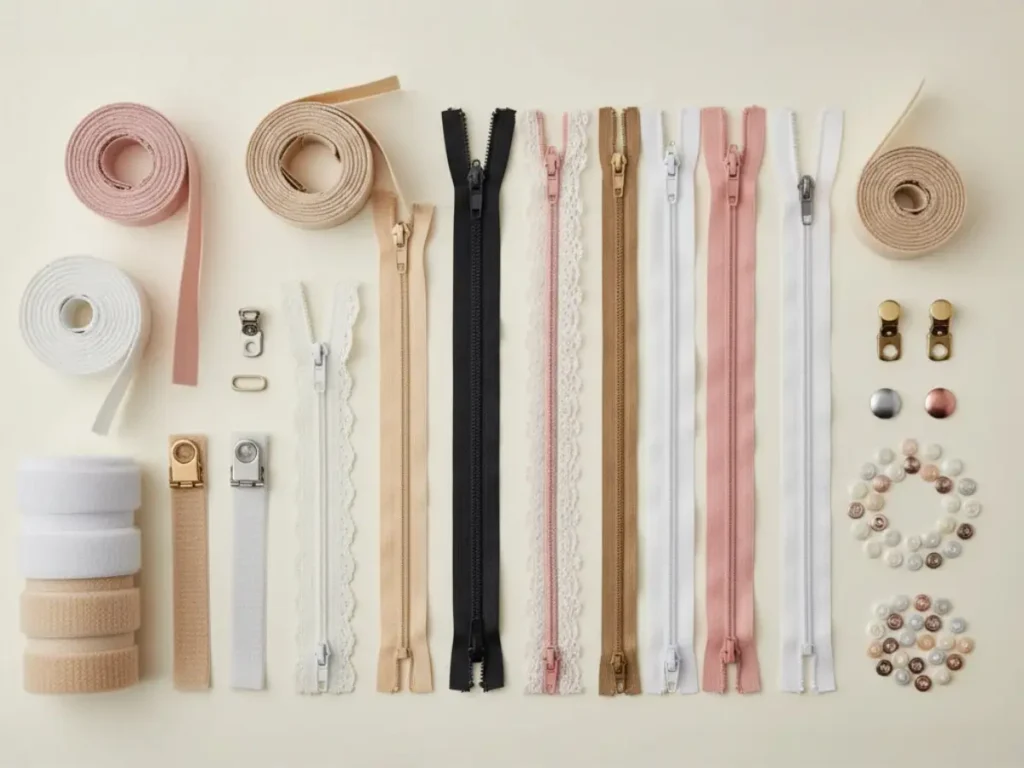
Fabric codes, lining, zippers, cups, boning, elastic, hooks, labels, packaging, and special decorations are reviewed for availability, specification, and replacement risk.
factory Innovative Packaging Solutions for Women’s Fashion clothing dl

Packaging Standards

Folding, polybags, hangers, tissue, labels, barcode placement, carton ratios, carton marks, and shipment requirements should be transferred early enough to avoid late-stage repacking.

QC Records

Previous measurement reports, defect records, inspection photos, return reasons, and corrective notes reveal where production failed and where stronger controls are required.

A Controlled Supplier Transition in Seven Stages

A stable handover protects product standards before purchase orders move. Duolan organizes supplier replacement as a sequence of technical decisions, sample evidence, production readiness, and controlled release.

Project Intake and Confidentiality

The first review covers product category, style count, target quantity, size range, colorways, current stage, required shipping date, known quality concerns, and available files. NDA arrangements can be discussed before unreleased designs, patterns, samples, or commercial information are shared.

Document and Sample Review

Tech packs, physical samples, measurement sheets, BOM records, fit comments, and QC history are compared. Duolan identifies which references are approved, which conflict, and which rely on undocumented knowledge from the former supplier.

Feasibility and Gap Note

Each style is reviewed for fabric, fit, construction, workmanship, special-process, testing, and production risks. A gap note clarifies missing information, required confirmations, proposed sampling stages, and items that may affect cost or timing.

Standard Reconstruction

Patterns, measurements, material direction, internal construction, key workmanship, support components, and visual details are rebuilt into a clearer development basis. Original features are preserved where technically sound; unstable or non-repeatable details are flagged for review.

Sample Validation

Sampling verifies silhouette, fit, fabric behavior, construction, finishing, and production feasibility. Revisions are controlled by version, with open and completed comments clearly separated. High-risk dresses may require an additional pre-production or pilot validation.

Bulk Readiness Review

Before production commitment, Duolan confirms the approved basis, materials, measurements, workmanship, labels, packing, testing needs, line route, and QC checkpoints. Unresolved points remain visible rather than being absorbed into production assumptions.

Controlled Production Release

Fabric inspection, first-piece confirmation, inline checks, final review, packing verification, and shipment coordination protect the approved result. Repeat-order files preserve the final pattern, BOM, material references, workmanship notes, and quality records.

We Review What Is Usable, Missing, or Unclear

Supplier replacement often exposes hidden information gaps. Duolan evaluates whether current files can support redevelopment, quotation, sampling, or production, then separates confirmed standards from assumptions.

Approved Information Must Be Identified

A tech pack may contain several revision dates, while the physical sample reflects later changes. A measurement sheet may not match the approved garment. A BOM may list materials that were substituted during production. Duolan compares references and asks which item carries final approval. The review may classify information as confirmed, outdated, conflicting, incomplete, or unavailable.

Hidden Standards Need Reconstruction

Many successful styles depend on knowledge held by one pattern maker, sample technician, or production supervisor. When the supplier relationship ends, undocumented decisions disappear. Duolan converts visible garment details and available records into measurable standards: seam position, elastic length, cup placement, boning length, strap angle, lining coverage, opening stability, pressing method, embellishment spacing, and acceptable tolerance.

Unclear Points Stay Open Until Confirmed

A responsible handover does not turn uncertainty into a production promise. When fabric composition is unknown, fit intent is unclear, or a special process cannot be duplicated safely, the issue is listed for confirmation. Options may include material testing, garment measurement, component replacement, trial construction, or an additional sample stage. Clear open-point management is safer than allowing assumptions to move into bulk production.

Reconstruct Existing Styles Without Blind Copying

A replacement garment must preserve the commercial identity of the original while becoming measurable, repeatable, and suitable for the new production route. Visual similarity alone is not enough.

Silhouette and Proportion

Duolan reviews overall length, neckline depth, shoulder position, bust shaping, waist placement, hip balance, skirt volume, slit position, and hem movement. Photographs can distort proportion, so physical samples and measurements provide a stronger basis. The goal is not only to copy dimensions but to understand which proportions create the intended market look.

Internal Construction

Lining attachment, under-bust support, boning channels, cup position, elastic tension, zipper reinforcement, seam allowance, binding, facing, and clean-finishing methods affect comfort and production stability. Internal details are mapped into a construction route that can be repeated across sizes and production lines.

Fabric Behavior

Pattern shape cannot be separated from fabric behavior. Stretch, recovery, bias movement, weight, drape, thickness, surface friction, transparency, and pressing response may require pattern or construction adjustments. A pattern copied from one material may fail when a substitute behaves differently.

Workmanship Definition

Terms such as “clean finish” or “premium stitching” are too broad for production.

Duolan defines seam type, stitch density, edge treatment, reinforcement, topstitch position, gathering balance, trim attachment, pressing standard, and visible defect limits where relevant.

Production Feasibility

Some details look strong on a one-off sample but are unstable in a 20,000-80,000-piece program. Dense embellishment, sharp cut-outs, narrow satin seams, unsupported necklines, or hand-dependent finishing may require construction refinement. Duolan proposes changes only where needed to protect fit, appearance, wearability, and repeatability.

Dress Categories We Can Review and Rebuild

Duolan focuses on fashion dresses and related collection pieces where fabric, fit, construction, and visual execution must remain controlled from sample through bulk production.

Party Dresses

Key controls include silhouette impact, movement, lining, trim security, surface decoration, comfort, photography finish, and repeated color consistency across a multi-style drop.

Occasion Dresses

Occasionwear often combines refined drape, fitted areas, complex necklines, internal support, and elevated finishing. Production standards must protect visual polish across sizes and order batches.

Bodycon Dresses

Stretch direction, recovery, opacity, seam stability, body contour, grading, and measurement tolerance determine whether bulk production fits consistently without excessive strain or transparency.

Satin Dresses

Satin requires control over bias movement, seam impression, puckering, snagging, pressing, shade, shine direction, handling, and packing. Material and cutting discipline strongly affect the final result.

Mesh and Lace Dresses

Coverage, stretch, lining, seam visibility, pattern matching, edge finishing, appliqué placement, and damage prevention must be confirmed before bulk cutting and assembly.

Corset Dresses

Cup position, under-bust level, boning placement, waist balance, closure strength, support, lining, and comfort need technical review across sizes rather than visual copying from one base sample.

Sequin Dresses

Sequin direction, density, missing pieces, seam bulk, skin contact, lining, weight, thread security, repair standards, and packing protection require process-specific controls.

Halter and Backless Dresses

Strap angle, neckline stability, support, closure, adhesive or undergarment compatibility, coverage, and movement must be tested because small pattern changes can alter wearability.

Rebuild Material Standards Before Bulk Production

Material replacement is not a visual matching exercise. Fabric and trims must support the approved silhouette, fit, price position, care requirements, launch timing, and repeat-order plan.
Review ItemOriginal ReferenceDuolan ReviewApproval Decision
Main FabricSwatch, garment, code, or compositionComposition, GSM, width, stretch, recovery, drape, handfeel, opacity, color, finishKeep, source equivalent, or redevelop
LiningExisting lining or garment interiorCoverage, stretch, weight, friction, color, transparency, seam compatibilityConfirm lining type and placement
Support ComponentsCups, boning, elastic, interfacingPosition, firmness, recovery, comfort, heat response, wash behaviorApprove component specification
ClosuresZipper, hooks, snaps, buttonsLength, color, strength, teeth, puller, installation methodConfirm supplier and construction
Decorative TrimsSequins, stones, beads, lace, appliquéDensity, attachment, weight, skin contact, repair risk, bulk availabilityApprove sample and bulk standard
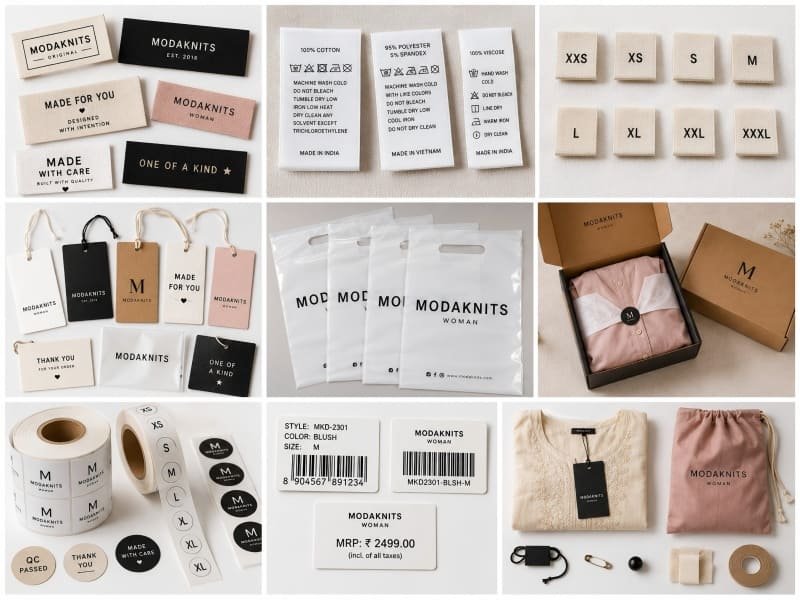
Labels and PackingMain label, care label, hangtag, barcode, polybagMaterial, wording, placement, market requirement, scanning, packing sequenceLock approved artwork and method

Original Material Still Available

When the original source remains accessible, Duolan checks whether the supplied bulk matches the approved swatch or garment. Color, handfeel, weight, width, stretch direction, opacity, surface defects, and batch variation should be reviewed before cutting. A known material code is useful only when the delivered batch is verified.

Equivalent Material Required

When the previous material cannot be sourced, replacement begins with performance and garment effect. A close color match can still fail if the fabric hangs differently, stretches less, shines more, becomes transparent, or reacts poorly to pressing. Sample approval should use the proposed production material whenever possible.

Repeat-order Availability

A replacement supplier must consider future availability, not only first-order approval. Material lead time, repeat dyeing, batch consistency, minimum production quantity, and supplier continuity influence whether a bestseller can be replenished without repeating the entire development process.

Restore Fit Standards Across Sizes and Repeat Orders

Fit continuity depends on a controlled pattern version, measurement method, tolerance, fabric behavior, and grading logic. Supplier replacement is risky when any of those elements remain undocumented.

Re-establish the Base Size

The base size is measured on the supplied garment and compared with the latest specification. Duolan reviews bust, under-bust, waist, high hip, low hip, shoulder, neckline, armhole, strap, rise where relevant, skirt length, slit, opening, and hem. Measurement method matters: a curved seam, stretched elastic, or bias-cut panel can produce different results depending on how the garment is laid and measured.

Convert Fit Comments into Pattern Actions

Comments such as “lift the bust,” “reduce gaping,” “clean the waist,” or “improve the back” must be translated into pattern changes. The pattern team may adjust dart intake, cup position, neckline contour, strap angle, side-seam balance, waist suppression, back width, or lining support. Each action should link to a defined comment rather than an undocumented visual adjustment.

Control Size Grading

A good sample in one size does not prove the range will fit. Grading must consider body growth, style ease, stretch, support, strap length, cup placement, neckline coverage, slit height, and garment length.

Corset, bodycon, halter, mesh, and cut-out dresses often need more than uniform numeric increments.

Set Measurement Tolerances

Tolerances should reflect product structure and fit sensitivity. A fitted waist, cup position, strap length, or neckline opening may need tighter control than a flowing skirt width. Duolan links measurement checks with visual review because a garment can fall within a broad tolerance and still look unbalanced.

Preserve the Approved Version

After approval, the production pattern, grading, measurement sheet, fit comments, and PP basis should be version locked. Repeat orders begin with a review of material, pattern, size range, and any commercial changes rather than an uncontrolled restart.
SMETA Record​

Dress-specific Risks We Review Before Sampling

Complex dresses fail for different reasons. Duolan reviews each category through fabric behavior, internal structure, wearability, workmanship, and bulk repeatability before confirming the sampling route.
Australian Satin PP Control​

Satin Control

  • Check grain and shine direction before cutting.
  • Review bias movement, seam slippage, puckering, and pressing marks.
  • Confirm handling and packing methods that reduce snagging and deep creases.
  • Compare bulk shade and handfeel against the approved material reference.

Bodycon Control

  • Confirm stretch percentage, recovery, opacity, and weight.
  • Balance negative ease with comfort and seam stability.
  • Review grading around bust, waist, hip, armhole, and hem.
  • Control over-stretching during sewing and pressing.
4Mesh Edge Control (1)

Mesh Control

  • Confirm lining coverage and color relationship.
  • Check stretch direction, seam visibility, and raw-edge behavior.
  • Prevent runs, holes, distortion, and uneven tension.
  • Review appliqué, embroidery, or trim attachment on delicate areas.

Corset Control

  • Position cups, boning, under-bust, waist, and closure accurately.
  • Test support and comfort in the intended size range.
  • Reinforce stress points without creating visible bulk.
  • Confirm lining, channel construction, and top-edge stability.

Sequin Control

  • Define sequin direction, density, and repair limits.
  • Remove or manage sequins inside seam allowances.
  • Protect skin-contact areas with suitable lining and seam treatment.
  • Check missing pieces, weight distribution, and packing protection.

Halter and Backless Control

  • Review strap angle, neckline tension, support, and closure security.
  • Test coverage during movement, not only on a static mannequin.
  • Confirm internal support without exposing unwanted structure.
  • Protect neckline and back openings from stretching during production.

Structured Sampling for Supplier Transition Projects

Sampling should answer specific commercial and technical questions. Duolan defines the purpose of each sample, the material basis, review priorities, and the next approval gate before work begins.

Define the Sample Purpose

A development sample tests design translation. A fit sample checks balance and measurements. A photo sample prioritizes visual finish. A PP sample confirms the production basis. One garment should not be expected to answer every question when materials, patterns, or construction are still changing.

Confirm the Development Basis

Sampling may begin from a tech pack, original sample, approved sample, reference image, previous measurement sheet, or combined information. The team identifies which reference controls silhouette, fit, construction, materials, and finishing. Conflicting references are resolved before cutting whenever possible.

Set Review Priorities

Each style receives a short list of critical points. A satin bias dress may prioritize drape, seam quality, neckline stability, and length. A corset dress may prioritize cup position, support, waist balance, boning, and closure. Focused priorities produce clearer comments and faster decisions.

Use Controlled Revision Cycles

Revisions are recorded by version and comment category. Completed changes, open decisions, and newly discovered issues remain visible. Two unrelated comment rounds should not be mixed without confirming which direction has priority.

Connect Sampling to Production

The sample team records material decisions, pattern revisions, workmanship risks, and production notes needed later. A strong sample becomes the basis for PP approval and bulk readiness rather than an isolated prototype.

From Fit Comments to Traceable Sample Revisions

Revision control protects design intent when several teams review the same style. Duolan separates comments by function, translates each point into an action, and records the result against the next sample version.

Organize Comments by Category

Fit comments should not be buried inside long emails with color, fabric, packing, and costing questions. Duolan can group feedback into silhouette, measurement, balance, neckline, bust, waist, hip, length, construction, fabric, workmanship, trim, color, and presentation. Clear categories make responsibility and progress easier to track.

Resolve Conflicting Directions

A request to tighten the waist may conflict with comfort or zipper strain. Raising a neckline may affect strap length and armhole shape. Changing fabric can alter every previous fit decision. Duolan flags linked effects before implementing comments that could create new problems.

Record the Action Taken

“Done” is not enough. A revision summary can state the action: reduced front neckline opening by an agreed amount, repositioned cup, added support tape, changed seam construction, adjusted side seam balance, or replaced lining. The next sample is then reviewed against the stated action.

Lock the Approved Version

Once approved, the pattern version, measurements, material direction, construction details, and open exceptions are recorded. Production should not revert to an earlier sample or unapproved file because a line team received the wrong version. 

Bulk Readiness Before Production Commitment

A confirmed sample does not automatically mean production is ready. Duolan performs a structured review to verify whether the product, materials, files, and production route can support the planned quantity and delivery window.

Confirm the Approval Basis

The team identifies which garment and files control production: approved fit sample, photo sample, PP sample, tech pack revision, BOM, measurement sheet, workmanship note, color approval, and packing guide. Any conflict must be resolved before release.

Lock Materials and Components

Main fabric, lining, zipper, cups, boning, elastic, hooks, trims, labels, and packaging are reviewed for final specification, color, supplier, lead time, and bulk availability. High-risk materials may require batch checking or an additional production-material sample.

Confirm Fit and Grading

Base-size approval, measurement tolerances, grading, strap lengths, support positions, neckline coverage, slit height, and overall length are reviewed.
Size-range risks receive attention before markers and cutting begin.

Define Workmanship Standards

Construction route, seam type, stitch control, reinforcement, edge finish, pressing, embellishment, repair limits, and visible quality points are summarized for production. Complex operations may require a first-piece or pilot confirmation.

Plan the Production Route

Style complexity, quantity, materials, special processes, delivery priority, and quality risk determine the factory, line type, sequence, and QC plan.
A 20-style collection may follow several production routes rather than one shared schedule.

Protect Final Delivery

Labels, barcodes, folding, polybags, hangers, carton ratios, carton marks, inspection, and logistics requirements are confirmed before final production.

Late packaging decisions can delay shipment even when garments are finished.

Production Planning Based on Style Risk and Timing

A replacement supplier must protect both product quality and commercial timing. Duolan plans production around style risk, material status, special processes, order depth, and delivery priority.

Separate Styles by Production Risk

A simple jersey mini dress and a boned, embellished occasion dress should not share the same planning assumptions. Styles are grouped by material sensitivity, fit complexity, construction difficulty, handwork, testing needs, and required approval stages.

Match Orders to Production Paths

Core styles and technically sensitive styles can remain under tighter control in owned factories. Replenishment, selected volume programs, and suitable styles can use coordinated satellite capacity after standards are confirmed. Special processes such as printing, dip dyeing, embroidery, washing, or embellishment are scheduled with established partners.

Build a Multi-style Calendar

Programs commonly contain 10-30 styles and 20,000-80,000 total garments. Planning covers material readiness, sample approval, PP confirmation, cutting, line start, critical operations, inline review, finishing, packing, inspection, and shipment. Priority styles can move earlier without hiding risk in later styles.

Protect Bottleneck Operations

A collection can be delayed by one shared process: custom fabric, printing, embroidery, embellishment, pleating, washing, special trim, or hand finishing. Bottlenecks are identified early and linked to approval dates, capacity reservations, and alternative routes where feasible.

Keep Schedule Changes Visible

When materials, comments, approvals, or quantities change, the production effect is reviewed rather than absorbed silently. Revised dates, affected styles, and recovery options should remain clear to both teams.

6.Launch Timeline (1)

Lock Production-critical Details Before the Line Starts

A stable production result begins with confirmed standards. Duolan turns approved design decisions into materials, measurements, construction, workmanship, labeling, and packing controls before the first full production run.

Main Fabric Lock

Confirm supplier, composition, GSM, width, color, stretch, handfeel, drape, opacity, finish, approved swatch, and accepted bulk batch.

Lining and Support Lock

Confirm lining coverage, color, stretch, cups, boning, elastic, interfacing, support tape, and internal construction.

Trim and Closure Lock

Confirm zipper, hooks, buttons, snaps, eyelets, straps, buckles, decorative trims, labels, and replacement rules.

Measurement Lock

Confirm base size, point-of-measure method, tolerance, grading, length, slit, neckline, strap, cup, waist, and hip requirements.

Construction Lock

Confirm seam route, stitch type, edge finish, reinforcement, clean finishing, topstitch, pressing, and special handling.

Decoration Lock

Confirm placement, density, color, orientation, attachment, repair limits, skin-contact treatment, and bulk process.

Labeling Lock

Confirm main label, care label, size label, origin information, hangtag, barcode, price ticket, and placement.

Packing Lock

Confirm folding, tissue, polybag, hanger, sticker, assortment ratio, carton quantity, carton marks, and shipping presentation.

Verify High-risk Styles Before Full Production Release

First-piece confirmation and selected pilot production reduce the cost of discovering problems after thousands of garments have entered the same operation.

Confirm the First Complete Garment

The first complete production garment is compared with the approved basis for fabric, color, measurements, fit, construction, workmanship, trims, pressing, and presentation. A production-line garment can expose issues not visible in a sample-room environment.

Test Critical Operations

High-risk operations may be reviewed separately before full line release. Examples include cup and boning assembly, satin neckline sewing, mesh-to-lining joining, sequin seam preparation, zipper installation, halter strap reinforcement, cut-out stabilization, and embellishment placement.

Use Pilot Quantities Where Needed

Pilot production can be considered for styles with new materials, complex support, difficult grading, dense embellishment, or significant previous quality failures. A small controlled run provides stronger evidence on line repeatability, finishing, measurement, and packing than one isolated sample.

Release Only After Correction

When a first-piece or pilot review reveals risk, the team corrects the method, updates instructions, and reconfirms the result.

Full production release follows a controlled decision rather than schedule pressure alone.

Keep Bulk Production Aligned with Approved Standards

Sample-to-bulk control requires a connected set of references. Duolan uses approved samples, measurements, BOM details, workmanship records, material approvals, QC checkpoints, and packing standards together.

Control PointApproved BasisProduction ControlEvidence
Fabric and ColorApproved swatch, lab dip, or sampleBatch, shade, handfeel, GSM, stretch, opacity, and defect review before cuttingFabric inspection and comparison photos
Fit and MeasurementsApproved garment and measurement sheetBase-size verification, tolerance control, grading review, and size checksMeasurement reports by size
ConstructionTech pack, sample, and workmanship notesFirst-piece approval, operation instructions, reinforcement, and seam checksFirst-piece record and line photos
Special CraftApproved strike-off, panel, or garmentPlacement, density, attachment, appearance, and repair-limit checksProcess sample and inline records
Visual FinishPP or approved visual samplePressing, drape, symmetry, lining coverage, and presentation reviewFinished garment comparison
Labels and PackingApproved artwork and packing guidePlacement, barcode, folding, polybag, ratio, carton, and carton-mark checksPacking photos and carton records
Repeat OrderLocked pattern, BOM, PP basis, and QC recordChange review before production and batch comparisonReorder review summary

Quality Control You Can See During Production

Quality confidence grows when production evidence is available before final inspection. Duolan applies control points from material receipt through packing, with attention to dress-specific fit, surface, support, and visual risks.

Pre-production Review

The production team checks the approved basis, BOM, measurements, construction, critical workmanship, labels, packing, and open exceptions before cutting or line release. High-risk points are highlighted for the factory and QC team.

Fabric Inspection

Incoming fabric is compared for color, shade, handfeel, GSM, width, stretch direction, opacity, drape, and visible defects. Rolls with stains, snags, holes, weaving defects, printing faults, mesh runs, lace damage, or missing sequins can be isolated before cutting.

First-piece Confirmation

The first complete garment is reviewed against the approved standard. Fit, measurements, construction, trim position, support, decoration, pressing, and appearance are corrected before full production proceeds.
Inline Quality Checks (1)

Inline Quality Checks

QC focuses on operations where defects can spread quickly: neckline shape, cup and boning position, zipper, seam quality, lining, stretch handling, gathering, embellishment, symmetry, pressing, and measurement. Issues are recorded and corrected while production remains active.

Final Garment Review

Finished garments are checked for visual appearance, measurement, workmanship, stains, damage, color, trim security, pressing, labels, and presentation. Inspection scope can be aligned with brand requirements or third-party arrangements.

9 Packaging and Global Delivery Planning

Packing and Shipment Check

Barcode, size-color assortment, folding, polybag, hanger, labels, carton quantity, carton marks, carton condition, and shipment documents are checked before release. Packing errors can create retail disruption even when garment quality is acceptable.

Protect Launch Timelines with Structured Production Updates

Reliable delivery depends on early decisions, visible milestones, and honest escalation. Duolan aligns development and production updates with the dates that control a collection launch.

Work Backward from the Required Date

Planning begins with the requested shipping or launch date, then works backward through inspection, packing, finishing, production, PP approval, material arrival, sample revisions, and development. The schedule identifies where brand approvals affect the critical path.

Track Milestones by Style Group

A 10-30-style program rarely moves at one speed. Material-ready styles, complex styles, special-process styles, and repeat styles can follow separate milestones. Progress reports should show which group is on track, waiting for approval, facing material risk, or requiring recovery action.

Escalate Risk Before the Deadline

Material failure, late approval, line conflict, special-process delay, or quality correction should be disclosed when the effect becomes visible. Early escalation creates options: resequence styles, split delivery, change a process, secure alternative capacity, or revise the commercial date.

Protect Inspection and Logistics Buffer

A schedule that ends when sewing finishes is incomplete. Finishing, pressing, packing, internal review, third-party inspection, document preparation, booking, and transport require protected time. Compressing every downstream step increases error and airfreight risk.

A Dress-focused Manufacturing System Built for Continuity

Duolan combines dress development expertise with owned-factory control, satellite capacity, quick-response lines, and regional manufacturing coordination. The structure supports multi-style programs, repeat orders, selected replenishment, and larger production releases.

16 Owned Factories

Owned womenswear factories provide direct control for core styles, complex dresses, development-sensitive programs, and production standards that require close technical coordination.

20+ Satellite Factories

Long-term satellite partners add flexible capacity for suitable styles, rolling orders, replenishment, and volume expansion after specifications and quality expectations are confirmed.

12,000+ Workers

The wider manufacturing network supports different product categories, line routes, special processes, and delivery requirements across regional production bases.

300 Sewing Lines

Multiple lines allow style groups to be planned by construction, quantity, complexity, material, and timing rather than forcing every order through one bottleneck.

50+ Flexible Lines

Quick-response and flexible lines support development priorities, selected test programs, first orders, replenishment, and commercial timing where style and material readiness allow.

15,000-35,000 Monthly Samples

High sample-development capacity supports collection programs, multi-style reviews, revision cycles, and parallel development for brands with frequent launch calendars.

One Structured Communication Path for Every Project

Supplier replacement becomes unstable when information moves through disconnected conversations. Duolan organizes project records so development, production, quality, and delivery decisions remain traceable.

Project Brief

The brief records product category, style count, quantity, size range, colorways, target market, current supplier issue, available files, development stage, and required date.

Feasibility Note

The note identifies material, fit, construction, workmanship, timing, testing, packing, and production risks before quotation or sampling moves too far.

Revision Summary

Sample comments are grouped by version and category. Completed actions, open decisions, and newly discovered issues remain visible.

Production Timeline

Milestones cover material readiness, PP approval, cutting, line start, critical operations, inline review, finishing, packing, inspection, and shipment.

Quality Updates

Photos, measurement records, first-piece findings, inline observations, corrections, and packing evidence can support remote review.

Escalation Path

When a risk affects cost, quality, approval, or delivery, the responsible contacts and decision deadline should be clear. Problems should not disappear into informal chat history.

Protecting Existing Samples, Tech Packs, and Unreleased Styles

Supplier transition requires access to valuable product information. Duolan can support confidentiality controls around physical samples, technical files, patterns, material details, pricing information, and unreleased collection content.

NDA Support

NDA requirements can be discussed before sensitive design files, launch plans, commercial details, or unreleased garments are transferred. Brand-specific terms should be reviewed by authorized representatives.

Controlled File Use

Files should be shared only with the team required for development, costing, production planning, or quality review. Internal circulation can be limited according to project stage and technical need.

Sample and Asset Handling

Original garments, approved samples, patterns, artwork, trims, and proprietary components should be logged, stored, used for the agreed project, and returned or retained according to written instructions.

Anonymous Evidence

Development and manufacturing capability can be demonstrated through anonymized details, process images, or de-branded samples without exposing labels, unreleased designs, commercial terms, or identifiable brand assets.

Version and Access Discipline

Controlled file naming, dated revisions, defined approval references, and restricted sharing reduce the risk of an outdated tech pack or sample reaching production.

Long-term Record Protection

Repeat-order continuity depends on preserving final patterns, BOM records, approved materials, workmanship notes, measurement standards, QC history, and packing files under controlled access.

Representative Dress Supplier Transition Programs

The following program profiles use anonymized operating ranges aligned with established fashion collections. Final publication should use verified brand-approved outcomes, photographs, and records from completed Duolan projects.

US Partywear Program

Program scope: 18 styles, 36,000 garments, multiple satin, mesh, fitted, and embellished dresses across five color groups.
Previous risk profile: repeated sample delays, inconsistent lining coverage, size variation in fitted styles, and missing embellishment during bulk production.
Transition control plan:

  • Review approved samples, tech packs, fit comments, and inspection findings
  • Rebuild measurement methods for fitted areas
  • Confirm satin, mesh, lining, and embellishment standards
  • Separate high-risk styles for PP and first-piece review
  • Use inline checks for fit, lining, decoration, and pressing

Commercial objective: restore a controlled development-to-bulk route for a multi-style seasonal drop without treating every style as one production risk.
European Occasionwear Program

Program scope: 24 styles, 62,000 garments, including corset, lace, halter, backless, midi, and long occasion dresses.
Previous risk profile: version confusion, late material substitutions, inconsistent cup and boning positions, and unclear delivery status across several factories.
Transition control plan:

  • Create a style-by-style gap note
  • Lock sample purpose and approval basis
  • Reconfirm support components and internal construction
  • Divide styles by technical risk and factory route
  • Track material, PP, line, QC, and packing milestones separately

Commercial objective: support a larger collection through visible status, controlled support construction, and production routes matched to complexity.

Multi-market Reorder Program

Program scope: 12 established styles, 28,800 garments, repeated in new colors and selected size extensions for US and European channels.
Previous risk profile: changing handfeel, color variation, inconsistent measurements, trim substitutions, and repeat orders that no longer matched the original bestseller.
Transition control plan:

  • Re-measure approved garments and lock pattern versions
  • Rebuild BOM, material, trim, label, and packing records
  • Compare new material batches against approved references
  • Review grading and size-extension risk
  • Preserve QC and packing records for subsequent reorders

Commercial objective: turn proven styles into repeatable production assets rather than restarting development for every order.

Frequently Asked Questions About Replacing Dress Suppliers

Yes. A review can begin from tech packs, original samples, approved samples, measurement sheets, BOM records, fit comments, packing files, and QC history. The team first identifies which references are current and what information must be rebuilt.
A physical sample provides valuable information on silhouette, fit, construction, support, and workmanship. Measurements, materials, tolerances, grading, labels, and packing still need to be documented before reliable bulk production.
Many transferred styles require verification because factory methods, materials, patterns, and production routes change. The required stage may be a redevelopment sample, fit sample, PP sample, or selected first-piece confirmation depending on the available evidence and risk.
The team can review original fabric references and source available equivalents. Matching covers composition, GSM, width, stretch, recovery, drape, handfeel, opacity, color, finish, supply continuity, and garment effect. Exact duplication cannot be promised when the original source or specification is unavailable.
Duolan compares the supplied garment with measurement files, confirms the base size and measurement method, translates fit comments into pattern actions, reviews grading, sets relevant tolerances, and locks the approved pattern and size standard before production.
The production basis combines approved samples, patterns, measurements, BOM details, material approvals, workmanship notes, PP confirmation, first-piece review, inline checks, final review, and packing standards.
Yes, subject to style complexity, material readiness, quantity, special processes, required dates, and available capacity. Multi-style programs are divided by risk, factory route, line plan, and approval status rather than managed as one undifferentiated order.
Duolan is structured for established collection programs and repeat production. Current brand programs commonly contain 10-30 styles with total quantities in the 20,000-80,000-piece range, while final planning depends on style depth and production complexity.
The team reviews the required date, sample stage, material status, style risk, available capacity, QC buffer, packing, and logistics before confirming a route. Urgency does not remove required approvals or quality controls.
Inspection can be coordinated according to agreed brand requirements, inspection scope, timing, factory access, and shipment plan. Internal QC records can support preparation and corrective action before the external inspection.
Duolan’s manufacturing foundation includes SMETA audit experience and a completed SMETA 2-Pillar audit record. Additional testing, documentation, labeling, restricted-substance, or brand-manual requirements should be confirmed for the target market and project.
Confidentiality arrangements can be discussed before sensitive files, samples, patterns, pricing, or unreleased collection information are shared. Final NDA terms require authorized review and agreement.
Send the product category, style count, target quantity, size range, colorways, available tech packs or samples, current supplier problem, required shipping date, quality concerns, and any testing, labeling, or packing requirements.
Quotation depends on the confirmed product basis, material, construction, workmanship, size-color complexity, quantity, testing, labeling, packing, delivery, and development work required. A reliable quotation follows technical review rather than visual estimation alone.

Start a Supplier Transition Review

Replacing an unstable dress supplier requires more than a price comparison. Share the available product evidence and the main production concerns, and Duolan will review the development basis, information gaps, material and fit risks, sampling route, bulk-readiness requirements, and possible production path.

Useful information includes:

  • Company or brand name and primary market
  • Product category and number of styles
  • Target quantity by style or collection
  • Existing tech packs, original samples, or approved samples
  • Size range, colorways, and intended launch or shipping date
  • Current supplier problems and previous QC findings
  • Fabric, trim, workmanship, labeling, and packing requirements
  • Required audits, testing, third-party inspection, or documentation

Upload files through the inquiry form or contact Duolan directly. Sensitive project information can be reviewed under an agreed confidentiality process.


Start Your Apparel Development Project

OEM/ODM Manufacturing Support for Fashion Brands

Share your collection details, estimated quantities, target market, development timeline, and technical requirements. The production team will review your request and provide a tailored manufacturing solution based on your product category, fabric selection, construction needs, and delivery schedule.

Fashion Manufacturing Support with Scalable Production Capacity

From sample development to bulk production, Duolan supports fashion brands with confidential OEM/ODM manufacturing, stable quality management, flexible production planning, and coordinated multi-factory execution for seasonal and capsule collections.

Need Direct Assistance?

Seraphinite AcceleratorOptimized by Seraphinite Accelerator
Turns on site high speed to be attractive for people and search engines.