Skip to content
Custom Dress Manufacturer for Brands Standardizing Dress Production
Standardize every approved detail before it reaches the production line.
Duolan helps established fashion brands convert design direction, fit standards, materials, workmanship, quality requirements, and packing rules into controlled production records for sampling, bulk manufacturing, and repeat orders.
- 8 linked standards covering product files, fit, materials, workmanship, quality, packing, delivery, and reorder control.
- Brand programs commonly involve 10-30 styles and 20,000-80,000 total pieces per order cycle.
- 7 control gates from development review and PP approval through inline inspection, final packing, and reorder preservation.
- 16 owned womenswear factories, 20+ long-term satellite factories, around 300 sewing lines, and 50+ quick-response and flexible lines.
Built for Structured Dress Programs and Repeat Production
Established Fashion Brands
Product Development Teams
Buying and Sourcing Teams
Occasionwear Specialists
Multi-brand Fashion Groups
Long-term Supply Programs
Why Dress Production Loses Consistency as Brands Scale
Version Drift
Sample-Bulk Gaps
Material Substitution
Measurement Conflict
Quality Judgment Gaps
Reorder Reset
Eight Standards Behind Repeatable Dress Production
Product File Standard
Style code, technical drawing, construction notes, colorways, size range, label plan, packing plan, and version status form the working identity of every style. Missing or conflicting information is reviewed before quoting, sampling, or bulk release.
Pattern and Fit Standard
Measurement Standard
Points of measure, measuring method, target values, tolerance, relaxed or stretched condition, and critical dimensions create a common language for fit approval and final inspection.
Material Standard
Workmanship Standard
Sample Approval Standard
Quality and Packing Standard
Reorder Preservation Standard
Compare Transactional Production with Controlled Manufacturing
A supplier may produce an attractive sample and still lack the structure needed for repeatable bulk orders. The comparison below focuses on how decisions are reviewed, recorded, approved, and carried into production.
| Control Area | Transactional Production | Controlled Brand Production |
|---|---|---|
| Project Intake | Files are accepted and quoted with limited technical review. | Product intent, sample purpose, missing data, risk points, and production route are reviewed first. |
| Tech Pack | Documents are passed to the sample room as received. | Conflicts, missing specifications, version status, BOM links, and critical points are checked. |
| Sample Revision | Comments are forwarded as a general list. | Comments are grouped into fit, measurement, material, visual, construction, and production actions. |
| PP Approval | One garment is approved mainly by appearance. | PP basis is linked to pattern, measurements, BOM, workmanship, labels, and packing requirements. |
| Bulk Start | Production begins after price and quantity confirmation. | Bulk readiness is reviewed before materials, line allocation, and checkpoints are released. |
| Quality Control | Most issues are checked near completion. | Material, cutting, first-piece, inline, finishing, measurement, and final packing points are controlled. |
| Reorder | Requirements are explained again. | Approved files, production findings, and packing records are reviewed and reused. |
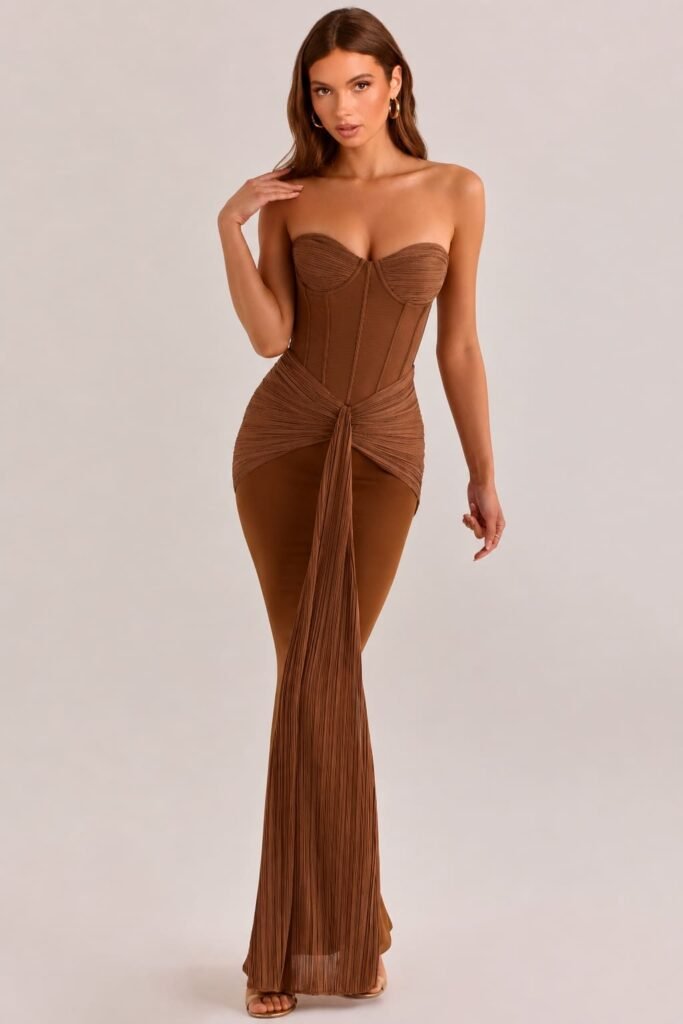
Dress Categories Need Different Production Standards
Bodycon Dresses

Satin Dresses

Corset Dresses

Mesh Dresses
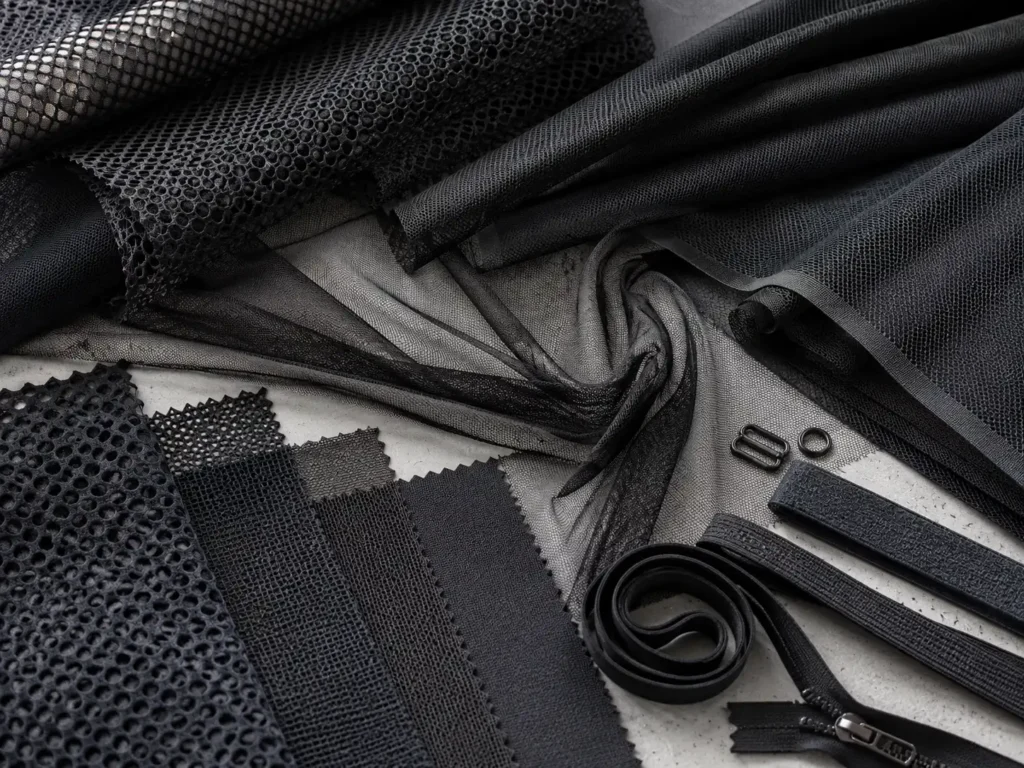
Mesh control includes stretch direction, print placement, transparency, seam stability, lining coverage, neckline recovery, panel alignment, and skin comfort.
Printed or layered mesh also needs strike-off, placement, shade, and cutting references before bulk production.

Sequin Dresses

Halter Dresses

Backless Dresses

Occasion Dresses
From Brand Brief to Repeatable Dress Production
Development Review and Risk Mapping
Project intake starts with product type, design direction, target market, price position, sample purpose, expected quantity, size range, colorways, materials, launch timing, and known concerns. Duolan reviews whether the design, material, structure, and proposed production route support the intended result.
Technical Alignment and Sample Planning
Technical drawings, measurement sheets, BOM, reference images, original samples, fabric ideas, and packaging requirements are organized into a usable development basis. Sample stages are defined according to the decision needed: prototype, fit review, visual review, salesman sample, photo sample, or PP basis.
Pattern, Material, and Construction Development
Pattern work, material sourcing, trim matching, fit priorities, structure, workmanship trials, and special-process tests move forward together.
High-risk points receive extra review before they become expensive changes in later stages.
Revision and Production Readiness
Comments are categorized, technical files are updated, and the next sample has a defined purpose. Before bulk starts, approved sample status, BOM, measurements, workmanship, color, packing, order structure, and quality checkpoints are reviewed.
Production, Quality, and Packing Control
Orders are broken down by style, color, size, quantity, complexity, material, and delivery priority. First-piece review, inline checkpoints, finishing, measurement inspection, label verification, packing checks, and final status records connect the approved standard to shipment.
Reorder and Collection Extension
Final files, approved references, material history, production issues, corrective actions, and packing records are preserved. Reorders begin with a change review rather than a complete restart, supporting color extensions, length changes, related silhouettes, and seasonal programs.
Turning Tech Packs into Executable Production Standards
File Completeness and Conflict Review
A project review checks flat sketches, construction callouts, measurement specifications, BOM, fabric requirements, trims, colorways, labels, packaging, target quantity, and delivery expectations. Conflicting information is flagged before sampling. Examples include a drawing showing one neckline while construction notes describe another, or a BOM naming a zipper length that does not match the pattern. Review points include:
- Style code and file version.
- Front, back, and internal construction views.
- Fabric and lining descriptions.
- Trim specifications and placement.
- Measurement points and tolerances.
- Artwork, print, lace, or embellishment placement.
- Label, barcode, and packing instructions.
- Approval status and open questions.
Production Translation
Design language must become actions for :
- pattern
- cutting
- sewing
- finishing
- inspection
- packing
Terms such as “clean finish,” “soft drape,” “secure support,” or “minimal bulk” need technical interpretation. Duolan connects visual expectations with measurable references, approved materials, construction methods, and inspection points.
For example, “clean corset neckline” may require cup position, boning route, seam allowance, edge support, lining turn, topstitch visibility, and pressing method to be documented. A sketch alone cannot carry all of those decisions.
Version Control and Update Discipline
Each confirmed change should appear in the correct file. Fit comments may change pattern measurements. A fabric replacement may change seam handling or lining. A new zipper may change opening length and top closure. A packaging update may affect folding and pressing. Revision control prevents an old file from reaching a later stage. Recommended version fields:
- Issue date.
- Revision code.
- Change description.
- Responsible function.
- Approval status.
- Linked sample stage.
- Bulk-use confirmation.

Standardizing Measurements, Grading, and Fit Tolerances
Measurement Control by Dress Type
| Dress Type | Critical Measurements | Measurement Condition | Main Production Risk |
|---|---|---|---|
| Bodycon | Bust, waist, hip, body length, hem opening | Relaxed and stretched where required | Fit shift caused by fabric stretch or recovery change |
| Corset | Cup width, cup height, underbust, waist, back opening | Flat, structured, and closure aligned | Support and cup position vary across sizes |
| Halter | Neckline length, strap length, bust width, back drop | Strap placed at approved wearing position | Neck pressure, bust shift, or unstable back opening |
| Backless | Side length, back depth, tape length, waist position | Garment aligned to approved support points | Gaping, slipping, or visible internal support |
| Satin Slip | Bust, waist, hip, strap, body length, bias drop | Garment rested before measurement | Bias growth, seam distortion, or length variation |
| Mini Dress | Body length, waist position, hem opening, slit | Measured from defined HPS or neckline point | Inconsistent visual length or restricted movement |
Base Size and Grading Logic
A base size needs an approved fit purpose. Grading should preserve silhouette, support, neckline coverage, waist placement, hip balance, slit height, and garment length rather than enlarge every point mechanically. Complex corset, halter, backless, and bodycon styles may need differentiated grade rules around cups, straps, support panels, or stretch zones.
Tolerance and Inspection Method
Tolerance should reflect product function and risk. Critical support measurements usually need tighter control than low-risk decorative dimensions. Measuring methods should define garment position, point location, whether a curve follows the seam, whether elastic is relaxed, and whether a bias garment rests before measurement.
Building Repeatable Fit Through Controlled Pattern Development
Pattern Corrections Must Address Causes
A sample problem should be traced to its source. A gaping neckline may come from neckline shape, strap position, bust shaping, fabric recovery, lining tension, or closure placement. Removing width at one seam may hide the symptom while creating another problem.Duolan reviews fit comments through related factors:
- Bust, waist, and hip balance.
- Shoulder and strap position.
- Neckline and armhole shape.
- Side-seam direction.
- Center-front and center-back balance.
- Waistline and hem level.
- Support, ease, and movement.
- Fabric stretch, drape, and recovery.
Fit Comments Need File Updates
A successful sample revision should update the pattern, measurement specification, and relevant construction notes. When comments stay only in an email or marked photo, the approved result may not reach grading, bulk cutting, or final inspection.
A controlled revision record can include:
- Comment category.
- Technical cause.
- Pattern action.
- Measurement change.
- Material or workmanship effect.
- New sample objective.
- Approval status.
Locking Fabric Performance Before Bulk Production

Satin and Lustrous Wovens
Mesh and Stretch Materials

Jersey and Bodycon Fabrics

Lace, Chiffon, Crepe, and Layered Fabrics
Lace requires motif direction, scallop use, placement, transparency, joining method, and lining decisions. Chiffon needs control of grain, layer movement, seam finish, hem method, and handling.
Crepe varies in drape, texture, recovery, and pressing response. Layered garments need coordinated shrinkage and movement between shell, lining, and support materials.
Trims and Components Must Remain Repeatable
Closures and Zippers
Cups and Support Components
Decorative Trims
Brand Labels and Packaging Components
BOM Lock and Alternative Approval
Trim Card as Line Reference
Workmanship Standards Define the Finished Garment

Seam Construction and Allowance

Necklines, Armholes, and Openings

Lining and Internal Construction

Hem, Pressing, and Final Appearance
Special Processes Need Trial, Approval, and Bulk Control
Printing and Placement
Embroidery and Lace Placement
Pleating and Ruching
Beading and Rhinestones
Dyeing and Surface Finish
Sequin Construction
Standardization Starts Before the First Sample
Define the Decision Required
A prototype may test overall design and construction. A fit sample evaluates balance, measurements, and wearing effect. A salesman or photo sample may prioritize presentation. A PP sample confirms the production basis. Each stage needs different materials, detail level, and approval criteria.Before development, the team confirms: Product type and intended occasion, Target silhouette and fit priority, Sample purpose, Base size and size range, Fabric and trim direction, Visual finish requirements, Expected order scale, Launch and approval timing.
Review Feasibility Before Cost Accumulates
Some design details look simple in a sketch but create high production risk. Deep necklines, backless support, corset cups, bias satin, layered mesh, dense sequins, print placement, and special dyeing need early evaluation.
Duolan reviews whether the intended material, pattern, support, workmanship, and process can achieve the desired result at the planned production scale. Where needed, options are compared before the first sample.
Build a Sample Plan, Not Only a Sample Fee
A clear sample proposal can state what is included, what needs confirmation, what material route will be used, which risks require trial work, what approval points are expected, and how the sample can move toward production readiness. Lead time is set after style complexity and material readiness are reviewed. Standard woven or stretch dresses usually follow a shorter route than corset, sequin, custom-print, dyeing, or heavily embellished styles. Clear files and early material confirmation improve schedule control more than a rushed start.
Converting Comments into Controlled Sample Revisions
Fit Adjustments
Material Adjustments
Visual Adjustments
Visual preferences such as a cleaner neckline, softer drape, fuller ruching, lower shine, denser decoration, or stronger shape need measurable or reference-based actions. Marked photos, approved swatches, close-up images, or revised construction notes can reduce subjective interpretation.
Production-related Issues
Revision Summary
Next-round Objective
Locking the PP Sample as the Production Basis

What the PP Basis Should Confirm
- Final silhouette and fit direction.
- Approved pattern version.
- Size specification and tolerance.
- Shell fabric, lining, and trims.
- Color and surface finish.
- Construction and workmanship.
- Decoration placement and security.
- Labels and branded components.
- Folding, polybag, and carton requirements.
- Open points, if any, with written disposition.

Golden Sample and Supporting Records
- Approved sample photographs.
- Pattern version reference.
- Final measurement sheet.
- Locked BOM.
- Fabric and trim card.
- Workmanship detail sheet.
- Label and packing confirmation.
- Approval date and authority.
Reviewing Production Readiness Before Bulk Starts
Approval Status Review
Material Readiness
Technical Readiness
Order Structure
Risk and Trial Decision
Bulk Start Confirmation
Matching Each Style to the Right Production Path
Style and Order Decomposition
Every order is organized by style code, color, size, quantity, material, construction, special process, delivery group, and approved status. A 20-style program may contain simple satin slips, structured corset minis, printed mesh midis, sequin party dresses, and lined bodycon styles. Each group needs different preparation and line conditions.
Multi-style Visibility
Project updates should show the status of each style rather than one general percentage. A program can track sample approval, material readiness, pattern status, PP status, line allocation, cutting, sewing, finishing, inspection, packing, and shipment preparation by style or delivery group.
Timeline Built from Approval Gates
Factory and Line Matching
Controlling Quality Before Problems Spread Across Bulk
Incoming Material and Shade Control
Cutting and Bundle Control
First-piece Confirmation
Inline Checkpoints
Inline checks focus on product-specific risks. Satin may require seam and pressing review. Corset styles require cup, boning, and support checks. Mesh needs coverage, alignment, and seam stability. Sequin styles need direction, missing pieces, seam clearing, and lining protection.
Corrective Action and Re-inspection
Production Records
Confirming Final Quality, Labels, and Packing Accuracy

Product Inspection

Defect Classification

Label and Barcode Verification

Folding and Polybag Standard

Carton and Assortment Control

Shipment Readiness Summary
A final quality and packing summary can record inspection status, corrective action status, packing completion, quantity confirmation, document readiness, and shipment preparation. Third-party inspection can be coordinated according to project requirements.
Preserving Approved Standards for Repeat Orders
Final Pattern Record
BOM and Material History
Workmanship and PP Reference
Quality Findings
Change Review
Collection Extension
Manufacturing Capacity Built Around Dress Programs
30+ Years Dress Experience
16 Owned Factories
20+ Satellite Factories
12,000+ Workers
Around 300 Sewing Lines
50+ Flexible Lines
Compliance Records and Quality Documentation Support
SMETA Audit Record
Brand-specific Requirements
Testing Coordination
Where required, material or product testing can be coordinated according to AATCC, ASTM, OEKO-TEX related requirements, EN requirements, China GB standards, GOTS-related material documentation, or specific brand and market needs.
Quality Records
Supplier Evaluation Support
Transparent Qualification Language
Representative Dress Standardization Programs
United States Occasionwear Program
Program profile: 18 styles, 42,000 pieces, 5 color families, sizes XS-XXL.
Initial condition:
The brand managed satin, corset, mesh, and fitted occasion dresses through several internal teams. Fit comments, material changes, and visual approvals were stored in separate files. Several styles had approved samples, but production references did not consistently show which pattern, BOM, and construction version was final.
Standardization work:
Duolan grouped the range by fit and construction risk, then created a style status list covering sample purpose, pattern version, size specification, BOM, PP status, and open issues. Corset styles received cup, boning, support, and back-closure checkpoints. Satin styles received grain, seam, pressing, and packing controls. Mesh styles received transparency, lining, stretch, and placement references.
Bulk route:
The 18 styles were divided into development-sensitive, standard woven, and high-risk structured groups. PP approval packages, pre-production points, first-piece checks, critical measurements, and final packing rules were linked to each group.
Program result:
The brand received a clearer production basis for all styles, a controlled release route into bulk, and preserved records for repeat colors and related occasion silhouettes.

European Partywear Program
Program profile: 24 styles, 68,000 pieces, 4 delivery groups, sizes XXS-XXL.
Initial condition:
The range included sequin minis, ruched mesh dresses, embellished midis, and structured party dresses. Main risks included decoration variation, skin comfort, lining coverage, zipper handling, heavy surface weight, and late process approvals.
Standardization work:
Duolan separated material approval, craft trials, and garment approval. Sequin direction, seam clearing, missing-piece limits, neckline and armhole finishing, lining protection, and packing layers were defined. Ruching ratios and anchor points were recorded. Embellishment samples were reviewed for placement, weight, attachment, and reverse-side comfort before PP approval.
Bulk route:
Special-process work was scheduled before line start, with trial panels and approved process references. Styles were allocated by construction and delivery group. Inline checks focused on decoration, zipper areas, seam security, measurements, symmetry, and visual finish.
Program result:
The partywear range moved into four controlled production waves with separate checkpoints for special processes, line production, final appearance, and protective packing.

Australian Resort Dress Program
Program profile: 12 styles, 28,000 pieces, 3 print stories, sizes 6-16.
Initial condition:
The collection combined printed maxi dresses, halter midis, satin slips, and lightweight sets. Main concerns were print scale, panel placement, color consistency, neckline security, maxi movement, fabric transparency, and launch timing.
Standardization work:
Artwork scale, repeat direction, strike-offs, color references, cutting placement, lining coverage, strap measurements, neckline tension, and hem methods were confirmed by style. Shared fabrics and trims were organized across the collection while preserving each silhouette’s construction needs.
Bulk route:
Printed styles followed a placement and shade-control route. Halter styles received strap, bust, and back-opening checkpoints. Satin styles received seam, pressing, and packing references. Delivery milestones were planned around campaign and warehouse timing.
Program result:
The collection received one connected standard covering print approval, fit, materials, construction, inspection, packing, and repeat-order records for future resort extensions.

Frequently Asked Questions About Standardized Dress Production

Send Your Dress Production Standards for Review
Share the files and project information already available. Duolan will review the product direction, standardization gaps, sample or bulk status, material and fit risks, production route, and next approval steps. Clear information allows a more useful response on development scope, quotation basis, production feasibility, and timing.
Useful project information includes:
- Company or brand name and website.
- Product category and style list.
- Tech packs, reference images, or original sample photos.
- Fabric, lining, and trim direction.
- Size range, base size, and measurement standard.
- Target quantity by style, color, and size.
- Current sample or production status.
- Known fit, quality, or consistency concerns.
- Label, barcode, and packing requirements.
- Target launch, warehouse, or delivery date.
- Existing QC manual or supplier standard.
Available materials do not need to be perfect before review. Send the current version, and Duolan will identify what should be clarified before sampling, bulk release, or repeat production.