Skip to content
Custom Dress Manufacturer for Bridesmaid Dress Brands
Custom bridesmaid dress development and manufacturing for fashion brands building coordinated wedding party ranges around color, fabric, fit, formal presentation, private label execution and repeat shade stability.
Duolan supports bridesmaid dress programs from color palette review, fabric matching and multi-style sample development to PP approval, bulk color control, retail packing, wedding-season delivery and replenishment records.
- 30+ years of dress development background support formalwear silhouettes, fit review, fabric choices and collection planning.
- 3,000–8,000 monthly style development flows support multi-style bridesmaid dress ranges and seasonal wedding party programs.
- 15,000–35,000 monthly sample cycles support color samples, fit samples, photo samples, salesman samples and PP samples.
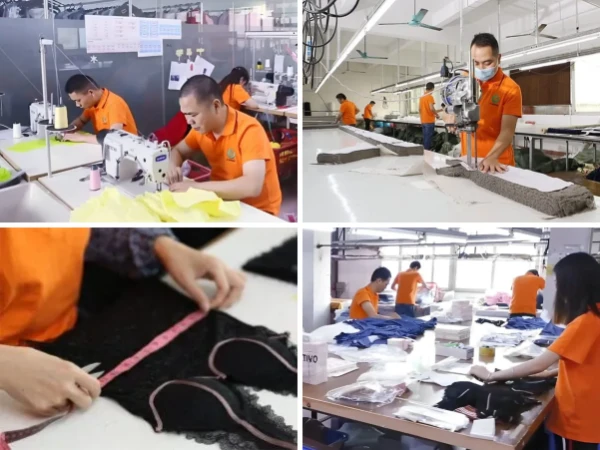
- 300 sewing lines plus 50+ flexible lines support launch orders, replenishment runs and repeat bridesmaid programs.
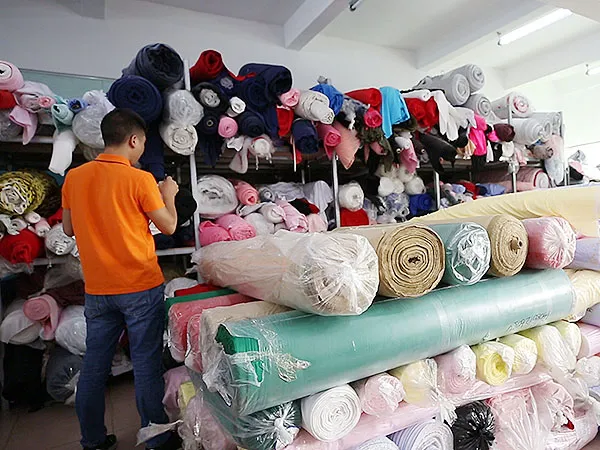
- South China fabric and Humen trim resources support chiffon, satin, velvet, tulle, crepe, lace, lining and accessory matching.
- Stable process partners for printing, dip dyeing, embroidery and washing support color, surface and fabric development needs.
- 10–30 styles and 20,000–80,000 pieces reflect a mature dress program scale Duolan can support across brand orders.







Bridesmaid Dress Brands Duolan Works With
Duolan works with established bridesmaid, formalwear, wedding party and occasion dress brands building coordinated dress ranges rather than single custom pieces. Strong bridesmaid programs need color discipline, fabric matching, size stability, sample clarity, retail packaging and replenishment memory.
DTC Bridesmaid Dress Brands
DTC bridesmaid brands need strong color swatches, accurate size charts, photo-ready samples and reliable wedding-season delivery. Duolan supports online bridesmaid programs where shoppers compare color cards, select different silhouettes and expect stable fit across sizes.
- Color cards and fabric choices are reviewed before sample route planning.
- Photo samples and PP samples are separated for visual approval and bulk standard.
- Fit, length, lining and garment recovery are reviewed before production release.
Bridal Boutique Private Label Programs
Bridal boutique groups and formalwear retailers often need private label bridesmaid ranges with display samples, hangtags, garment bags and replenishment options. Duolan supports boutique-facing programs requiring clean presentation and stable repeat files.
- Salesman samples can be prepared for boutique review or showroom display.
- Main labels, size labels, care labels and hangtags are reviewed before packing.
- Garment bag, hanger, folded packing and carton split can follow retail channel needs.
Formalwear and Occasion Dress Labels
Formalwear and occasion dress brands may expand into bridesmaid categories from cocktail, event or wedding party ranges. Duolan helps translate formal dress strengths into coordinated bridesmaid programs with controlled fabric, color and fit.
- Satin, chiffon, crepe, velvet, lace and tulle routes can be reviewed by price level and visual mood.
- Bridesmaid-specific color and length control are added before PP approval.
- Replenishment records help support core shades and seasonal palettes.
Wedding Party Dress Retailers
Wedding party retailers need same-color multi-style execution. One wedding group may choose halter, one-shoulder, wrap, slip and A-line styles in the same shade. Duolan supports color, fabric, pattern and SKU discipline across these coordinated ranges.
- One color can be reviewed across several silhouettes and fabric bases.
- Style-color-size records are aligned before label and packing execution.
- Bulk fabric shade is compared against approved references before cutting.
Inclusive Fit Bridesmaid Brands
Inclusive bridesmaid brands need plus-size, petite, bump-friendly and bra-friendly options with stable fit and secure wear. Duolan reviews grading, bust support, strap tension, lining coverage, maxi length and hem balance across extended size ranges.
- Plus-size grading is reviewed by proportion, support and garment balance.
- Petite and maxi lengths are checked for hem, side seam and front-back balance.
- Bump-friendly and bra-friendly structures can be planned during pattern review.
Replenishment-Focused Bridal Retail Brands
Replenishment-focused brands need core colors, proven silhouettes and repeat order files protected. Duolan supports repeat programs through fabric archives, color cards, BOM records, PP notes, label files, packing methods and QC history.
- Approved colors and fabric bases remain connected with each style.
- Pattern and BOM records support future colors and repeat runs.
- Reorder QC notes help protect shade, fit, label and packing continuity.
Why Bridesmaid Dress Brands Need a Different Manufacturer
Bridesmaid dress manufacturing is not single-gown customization. A bridesmaid range must create one coordinated wedding party look across different bodies, silhouettes, sizes and sometimes fabric textures. A dusty blue chiffon maxi, satin cowl dress and velvet winter style may share one palette, yet each fabric reflects light, depth and movement differently.
A normal dress factory may focus on sewing quality by style. A bridesmaid dress program needs color systems, fabric routes, same-shade multi-style planning, inclusive fit, bulk shade control and replenishment records. The wedding date adds pressure. A delayed delivery, wrong shade, weak grading or replacement batch can affect a full bridal party.
Duolan approaches bridesmaid programs as coordinated dress ranges. Color palette, fabric selection, swatch card, lab dip, lining tone, silhouette mix, sample stage, PP standard, label file, packing method and repeat shade record are reviewed together. The goal is a bridesmaid range ready for photos, fittings, retail delivery and future replenishment.
Bridesmaid manufacturing priorities
- Color coordination: Swatches, lab dips, bulk fabric and PP samples need connected records.
- Fabric matching: Chiffon, satin, velvet, tulle, crepe and lace show color in different ways.
- Multi-style development: One shade may need A-line, halter, wrap, strapless, slip and cowl versions.
- Inclusive fit: Bust, waist, hip, length, strap and lining need review across broad size ranges.
- Wedding-season timing: Bridal retail windows and wedding dates require better production planning.
- Private label execution: Labels, hangtags, garment bags, polybags and carton records need early setup.
- Reorder control: Core colors and repeat styles need color archives, BOM records and QC notes.
How Bridesmaid Brands Choose a Manufacturer
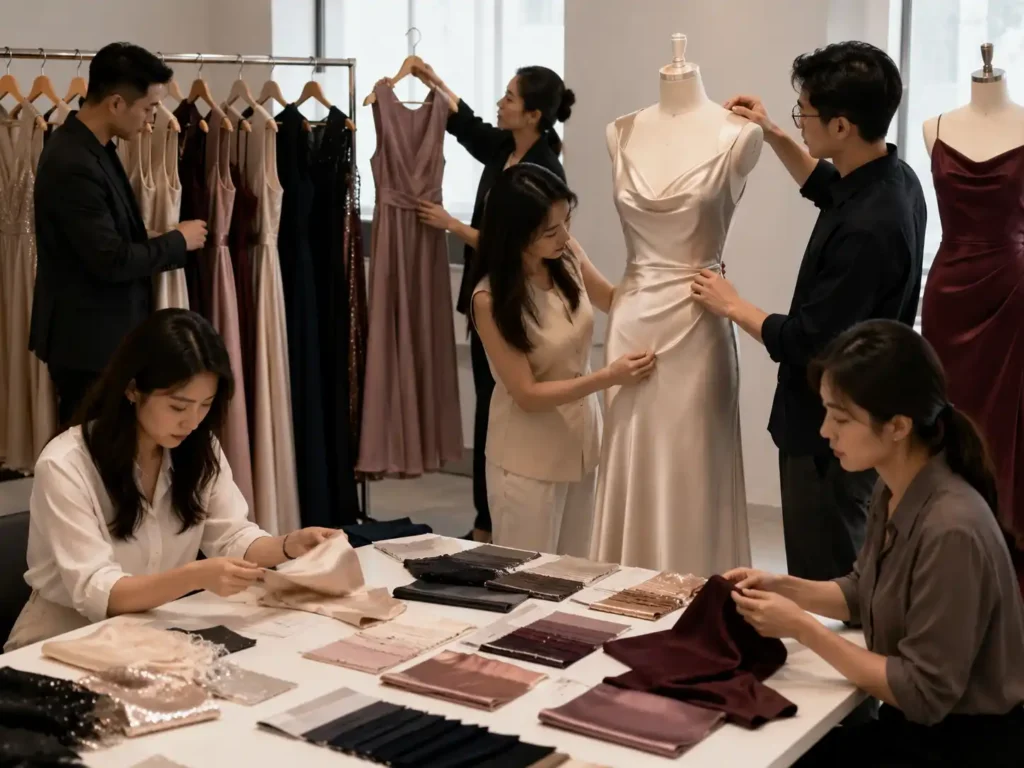
Bridesmaid dress brands need a manufacturer able to manage color, fabric, fit, sample purpose, private label execution and repeat shade records across coordinated wedding party ranges. Duolan supports programs where one palette may need several fabrics, silhouettes, size groups and retail packing routes.
Color Swatch System
A bridesmaid range starts with color discipline. Brand teams need swatches, lab dips, approved fabric references, lining tone and repeat shade records before sample and bulk decisions become reliable. Duolan reviews color direction by fabric base and wedding palette use, helping reduce shade confusion between samples, production and replenishment.
- Build core shade records around swatch cards, lab dips, bulk fabric notes and PP sample references.
- Review pale colors such as ivory, champagne, blush, sage, dusty blue and mauve with lining tone.
- Compare approved shade, bulk fabric and repeat fabric before cutting or replenishment starts.
- Preserve shade notes by fabric base, order season, style group and approved sample stage.
Same Color Across Fabrics
Chiffon, satin, velvet, tulle, crepe and lace can carry the same color name while showing different depth, shine and transparency. A strong manufacturer must judge acceptable shade harmony, not force an unrealistic exact match across different surfaces. Duolan reviews fabric behavior before palette approval.
- Chiffon may appear softer and lighter, especially over pale lining or layered skirt panels.
- Satin may appear brighter due to shine, seam direction and light reflection during photography.
- Velvet may appear deeper because of pile direction, weight and pressure marks after packing.
- Tulle and lace require lining review because layering changes color perception quickly.
Same-Color Multi-Style Range
Bridesmaid brands often sell one color across A-line, slip, halter, wrap, one-shoulder, strapless, cowl and plus-size friendly silhouettes. Duolan reviews each style as part of one coordinated wedding party range, not as isolated dress development.
- Map neckline, strap, waist, skirt fall and hem level across related silhouettes.
- Keep color and lining records connected across every style sharing one palette.
- Review fit and length standards so different styles still photograph as one coordinated group.
- Lock each style’s construction notes before PP approval and bulk shade release.
Inclusive Fit and Grading
A bridesmaid group includes different heights, bust sizes, body shapes and support needs. Mechanical grading can damage a dress shape when plus-size, petite, bump-friendly or bra-friendly versions need more careful proportion review. Duolan checks grading by garment zone and fabric behavior.
- Review bust height, strap tension, neckline coverage and lining support across extended size ranges.
- Check waist placement, hip ease and skirt sweep for plus-size and fitted silhouettes.
- Adjust maxi length, hem balance and side seam length for petite and long-length requirements.
- Preserve approved grading notes for repeat colors, new styles and replenishment orders.
Sample Purpose and Approval
Color sample, fit sample, photo sample, salesman sample, PP sample and golden sample serve different decisions. Duolan separates these sample routes so brand teams do not approve bulk production from the wrong reference.
- Use color samples to check palette direction, lining influence and fabric surface behavior.
- Use fit samples to review body balance, strap stability, length, movement and support.
- Use photo and salesman samples for ecommerce, boutique, showroom and range presentation.
- Use PP samples to lock fabric, shade, workmanship, labels, packing and QC control points.
Private Label and Packing Readiness
Bridesmaid dress programs often move through DTC, bridal boutique, showroom, wholesale or formalwear retail channels. Labels, hangtags, care labels, garment bags, hangers, polybags, barcode tickets and carton records must be reviewed before final packing.
- Match main label, care label and size label with style, fabric content and size range.
- Pair hangtag and barcode ticket with exact style, color and size records.
- Review garment bag, hanger or folded packing according to channel and fabric sensitivity.
- Archive label, ticket and packing versions for replenishment and repeat color programs.
Reorder Shade Continuity
Core bridesmaid colors may return season after season. Replenishment should not restart from memory. Duolan keeps swatches, lab dips, fabric cards, PP notes, BOM records, label versions, packing files and QC comments connected with approved styles.
- Compare repeat fabric with earlier approved shade and bulk fabric notes before cutting.
- Confirm whether a repeat color uses the same label, barcode and packing file.
- Use previous QC notes for shade, length, fit, lining and packing review.
- Preserve reorder files for core colors, seasonal shades and boutique replenishment.
Where Bridesmaid Dress Programs Break Down
Bridesmaid dress programs usually fail when color, fabric, fit, sample approval, private label files or replenishment records are handled like ordinary fashion dress production. Duolan keeps wedding party coordination at the center of development, PP approval, bulk QC and final packing.
Same Color Varies Across Fabrics
Dusty blue, sage, champagne, mauve, blush or terracotta can look different on chiffon, satin, velvet, tulle and crepe. A mixed-fabric wedding party may lose visual harmony when shade behavior is not reviewed early.
Duolan response: Same-color review compares fabric surface, transparency, shine, pile direction, lining tone and bulk shade before range approval.
- Review shade behavior across every selected fabric base before sample confirmation.
- Compare swatches and lab dips under consistent lighting and against approved color references.
- Confirm lining tone for pale shades, sheer fabrics, lace layers and soft tulle overlays.
- Record acceptable shade range by fabric base for bulk and replenishment use.
Fabric Batch Shifts During Bulk
A first sample can match the palette, while a later bulk roll or replenishment batch shifts slightly. Bridesmaid shade drift is more visible because several dresses appear together in ceremony photos and group styling.
Duolan response: Lab dip, bulk fabric, PP sample and repeat shade records are compared before cutting and reorder production.
- Match bulk shade against approved swatch, lab dip or PP sample before production release.
- Review fabric roll consistency before cutting same-color multi-style ranges.
- Keep batch notes attached to fabric card, BOM and approved sample file.
- Add shade comparison to QC records for repeat color programs.
Multi-Style Range Loses Proportion
Different bridesmaid styles can drift in bust position, waist height, strap angle, neckline depth, skirt fall or hem length. A wedding group may then look less coordinated even when shade and fabric are correct.
Duolan response: Silhouette mapping connects fit standards across A-line, slip, halter, wrap, one-shoulder, strapless, cowl and plus-size friendly styles.
- Review bust, waist, hip and length relationship across every style in one palette.
- Keep hem balance and skirt fall aligned across maxi and midi silhouettes.
- Adjust support, lining and strap angle according to neckline structure.
- Move approved fit notes into PP records before bulk approval.
Inclusive Grading Changes Shape
Plus-size, petite, bump-friendly and bra-friendly bridesmaid styles need more than basic size scaling. Poor grading can weaken bust support, neckline security, waist balance, lining coverage and skirt movement.
Duolan response: Inclusive grading is checked by body zone, fabric behavior and wedding-day wear needs.
- Review bust support, strap tension and neckline coverage across extended size ranges.
- Check skirt sweep, waist position and hem balance after grading changes.
- Confirm lining coverage for sheer chiffon, tulle, lace and pale satin shades.
- Preserve approved grading notes for future repeat colors and new silhouette extensions.
Fabric Choice Weakens Wedding Presentation
Chiffon can become transparent, satin may crease, velvet can crush, tulle may appear bulky and lace can look less refined if fabric route and packing method are not reviewed together. Wedding presentation depends on fabric behavior long after sewing is finished.
Duolan response: Fabric route, lining, sample purpose, pressing and packing are reviewed before PP approval.
- Chiffon needs opacity, static, lining and batch shade review.
- Satin needs seam tension, zipper wave, shine direction and fold mark control.
- Velvet needs pile direction, pressure protection, hanger review and carton density control.
- Tulle and lace need layer balance, lining tone, edge finish and close-up quality review.
Private Label Files Arrive Too Late
Labels, hangtags, garment bags, hanger needs, polybags, barcode tickets and carton details can delay shipment when confirmed after bulk finishing. Bridesmaid brands also need these files for boutique display and replenishment consistency.
Duolan response: Label and packing files enter the development route before final inspection.
- Confirm main label, size label, care label and hangtag requirements during PP preparation.
- Pair barcode tickets with style-color-size records before packing begins.
- Review garment bag, hanger or folded packing according to channel and fabric surface.
- Archive label and packing versions for repeat colors and boutique replenishment.
Wedding Season Leaves Little Buffer
Bridesmaid delivery windows are less forgiving than ordinary fashion launches. Bridal boutiques, try-on schedules, wedding dates and seasonal peaks leave limited room for late correction, shade disputes or relabeling work.
Duolan response: Wedding-season planning connects sample route, PP approval, production milestones, QC, packing and shipment buffer.
- Review target delivery window before sample route and fabric booking decisions.
- Lock PP shade, fit, label and packing requirements before production grows.
- Plan extra attention for peak wedding season, boutique delivery and repeat color needs.
- Preserve timeline notes for replenishment and seasonal repeat planning.

Duolan Bridesmaid Dress Development System
Duolan manages bridesmaid dress programs through a route connecting color, fabric, silhouette, fit, sample standard, private label execution, bulk QC and replenishment records.
Step 1|Color Palette and Fabric Direction Review
A bridesmaid program begins with palette and fabric direction. Brand teams may send color cards, swatches, lab dips, reference dresses, fabric base preferences, retail price range and wedding-season calendar. Duolan reviews whether planned shades can work across chiffon, satin, velvet, tulle, crepe, lace or lining choices. Early review helps avoid color systems that look strong on screen yet become difficult to match in bulk or replenishment.
Step 2|Silhouette and Size Range Mapping
After color and fabric direction are clear, Duolan maps the dress range. A bridesmaid line may include A-line maxis, satin slips, halter gowns, one-shoulder styles, strapless dresses, wraps, cowl necks and plus-size friendly silhouettes. Each shape has different support, fabric use, neckline, lining and length needs. Duolan reviews which silhouettes can share color standards and which need separate development attention.
Step 3|Swatch, Lab Dip and Material Confirmation
Swatches and lab dips guide color approval before sampling and bulk. Duolan reviews main fabric, lining, trims, shade depth, transparency, shine, pile direction and bulk fabric risk. For pale shades such as ivory, champagne, blush, sage and dusty blue, lining tone can change garment appearance. Approved material decisions are connected with BOM and sample records.
Step 4|Sample Route Planning
Bridesmaid samples need clear roles. Color samples help confirm palette. Fit samples check body balance. Photo samples support ecommerce and campaign imagery. Salesman samples support boutique or showroom review. PP samples lock production standard. Golden samples preserve repeat style and color memory. Duolan separates these sample roles so approvals happen at the right stage.
Step 5|PP Standard and Bulk Color Lock
Before bulk production, PP sample approval locks fabric, shade, lining, trims, measurements, workmanship, labels, packing and QC points. Bulk fabric is compared with approved swatch, lab dip or PP sample. For same-color multi-style programs, shade, fit and length notes remain connected across different silhouettes before cutting starts.
Step 6|Wedding Season Production and Reorder Archive
Production planning considers wedding-season timing, boutique delivery windows, DTC launch dates and replenishment needs. After shipment, Duolan preserves color cards, lab dips, fabric records, pattern versions, BOM, PP notes, label files, packing methods and QC comments. Repeat production can use earlier records to reduce shade drift, fit changes and packing confusion.
Bridesmaid Dress Programs Duolan Supports
Duolan supports bridesmaid dress programs built around color coordination, fabric selection, multi-style silhouettes, inclusive fit and retail-ready execution.

Chiffon Bridesmaid Dresses
Chiffon bridesmaid dresses are light, formal and widely used across wedding seasons. Duolan reviews opacity, lining, drape, static, pleating, hem balance and batch shade consistency. Chiffon works well for A-line maxis, halter styles, wrap dresses and soft wedding party ranges when color and lining are controlled.

Satin Bridesmaid Dresses
Satin bridesmaid dresses suit modern bridal parties and evening weddings. Duolan reviews shine, fabric weight, bias fall, seam marks, zipper waves, slit height, pressing and fold recovery. Satin programs need careful PP approval and packing method so garments arrive polished.

Velvet Bridesmaid Dresses
Velvet bridesmaid dresses are strong for fall and winter weddings. Duolan reviews pile direction, color depth, cutting direction, weight, strap support, pressure marks and hanger protection. Velvet shade and surface control matter because wedding groups often appear together in photos.

Tulle and Soft Layer Dresses
Tulle and soft layer dresses create romantic volume. Duolan reviews layer count, transparency, lining, waist thickness, skirt fullness, hem finish and packing recovery. Tulle programs need balance so the dress feels soft rather than bulky.
Color Swatch and Fabric Matching System
Color is the foundation of a bridesmaid dress program. Duolan reviews palette, swatch cards, fabric bases, lab dips, lining tones and repeat shade records before color decisions move into sample approval or bulk production.
Swatch Card Planning
Swatch cards help brides, bridal parties, boutique teams and ecommerce shoppers compare shades before placing an order. Duolan supports swatch planning around core colors, seasonal palettes and fabric categories. A strong swatch system connects color name, fabric base, lining tone, approval date and repeat shade notes.
- Organize core shades for long-term replenishment across chiffon, satin, velvet, tulle and crepe.
- Add seasonal colors without losing earlier palette records or approved shade references.
- Connect swatch files with style groups, fabric bases, order season and approved samples.
- Support boutique display, DTC swatch programs and online product education through consistent shade naming.
Same Color Across Fabrics
One shade behaves differently across chiffon, satin, velvet, tulle, crepe and lace. Duolan reviews color depth, light reflection, transparency, pile direction and surface texture before same-color multi-fabric approval. The goal is coordinated wedding party harmony rather than unrealistic shade sameness across incompatible surfaces.
- Chiffon may appear softer, lighter and more affected by lining or layered skirt panels.
- Satin may appear brighter due to shine, seam direction and studio lighting reflection.
- Velvet may appear deeper because pile direction changes shade and surface depth.
- Tulle and lace depend heavily on lining, layer count and motif density.
Lab Dip and Bulk Shade Review
Lab dip approval gives direction, but bulk fabric still needs review. Duolan compares lab dip, approved swatch, PP sample and bulk fabric before cutting. When a shade carries high wedding party importance, bulk shade review helps reduce visible mismatch between sample, launch order and repeat order.
- Compare shade under consistent light before approving bulk fabric for cutting.
- Review bulk rolls against approved swatch or PP sample before same-color production begins.
- Record accepted shade range by fabric base, color name and order season.
- Keep bulk shade notes connected with BOM, PP sample and replenishment records.
Lining Tone Matching
Light bridesmaid shades are highly sensitive to lining. Ivory, champagne, blush, sage, dusty blue, mauve and pale pink can shift when lining tone is warmer, cooler, lighter or darker. Duolan reviews lining fabric with outer fabric before sample approval.
- Match lining tone with main fabric shade, coverage needs and final garment appearance.
- Add opacity review for chiffon, tulle, lace and pale satin ranges.
- Check lace and tulle colors with lining layers before PP approval.
- Record lining version, color note and fabric pairing in approved sample files.
Colorway and Style Mapping
A bridesmaid palette must connect color, fabric and silhouette. One shade may work well for chiffon A-line styles but look too bright on satin slips or too deep on velvet gowns. Duolan maps colorways against fabric route, silhouette role and retail channel before bulk planning.
- Link each colorway with recommended fabrics, dress silhouettes and lining options.
- Separate core colors, seasonal shades, maid-of-honor colors and limited capsule shades where needed.
- Review color name, SKU, hangtag and swatch record before ticketing or packing.
- Keep colorway mapping available for new silhouettes and later replenishment.
Reorder Shade Archive
Reorders need color memory. Duolan preserves swatches, lab dips, bulk fabric notes, PP sample references, BOM records and QC comments. When a core shade returns, earlier records help compare new fabric against approved standards before production starts.
- Compare new bulk fabric with earlier swatch, lab dip and PP sample notes.
- Confirm whether repeat shade uses the same fabric base, lining tone and trim version.
- Add previous shade issues to next-order QC review.
- Keep reorder shade files linked with pattern, BOM, label and packing records.
Same-Color Multi-Style Development Matrix
Same-color multi-style development needs fabric, fit and silhouette control. Duolan reviews each bridesmaid style by fabric direction, development focus and main risk before sampling and PP approval.
| Bridesmaid Style | Fabric Direction | Development Focus | Main Risk Controlled |
|---|---|---|---|
| A-Line Maxi | Chiffon, crepe, satin | Skirt fall, lining, waist balance | Uneven length and weak drape |
| Slip Dress | Satin, charmeuse, crepe satin | Bias fall, seam tension, neckline | Seam marks and poor fit |
| Halter Dress | Chiffon, satin, stretch crepe | Neck tension, bust support, back fit | Neck discomfort and weak support |
| One-Shoulder Dress | Chiffon, satin, crepe | Shoulder balance, neckline stability | Twisting and uneven neckline |
| Strapless Dress | Satin, structured crepe | Grip, boning, cup support | Slipping and bust instability |
| Wrap Dress | Chiffon, crepe, soft woven | Tie length, overlap, coverage | Gaping and inconsistent fit |
| Cowl Neck Dress | Satin, stretch satin | Neckline drape, bust coverage | Excess openness and poor drape |
| Plus-Size Maxi | Chiffon, crepe, matte satin | Grading, support, length | Shape loss after grading |
Fit, Size Range and Inclusive Grading Control
Bridesmaid fit must support different bodies within one coordinated wedding group. Duolan reviews fit through bust support, waist balance, length, grading, lining and wear security across selected silhouettes and fabric routes.
Bust and Strap Support
Bridesmaid dresses often use halter, spaghetti strap, strapless, one-shoulder, cowl neck, off-shoulder and backless details. Duolan reviews bust height, strap angle, neckline security, inner structure, cup needs, lining support and bra-friendly options. Support planning is especially important for extended size ranges and wedding-day comfort.
- Check strap tension around neck, shoulder, side bust and back opening.
- Review bust shape with neckline depth, lining coverage and cup or padding choice.
- Add grip, boning or inner support review for strapless and structured styles.
- Keep support notes attached to fit sample, PP sample and grading records.
Waist and Hip Balance
A bridesmaid range must flatter different body types without losing group coordination. Duolan reviews waist placement, hip ease, skirt fall, seam position and fabric movement. A waistline too high, low or bulky can affect the full wedding party look across sizes.
- Review waist position by silhouette, fabric weight and size range.
- Check hip ease for fitted satin, crepe, wrap and bias-cut styles.
- Control overlap, fold depth and tie placement for wrap and ruched dresses.
- Confirm lining and outer fabric movement together before PP approval.
Maxi Length and Hem Control
Maxi length is central to bridesmaid dresses. Duolan reviews front length, back length, side seam length, hem balance, skirt sweep and heel-friendly proportion. Petite and plus-size versions may need extra review to preserve shape and movement.
- Check hem balance after fitting, pressing and fabric relaxation.
- Control chiffon and tulle layer length separately to avoid uneven edges.
- Review satin and crepe maxis for smooth fall, side seam balance and clean sweep.
- Preserve length notes by size range, heel assumption and repeat order plan.
Plus-size Grading
Inclusive grading needs proportion control. Duolan reviews bust, waist, hip, strap, neckline, armhole, lining, skirt sweep and garment length instead of simply adding width. Plus-size bridesmaid styles need secure support and elegant fall across formal wedding settings.
- Add separate review for bust support, neckline coverage and strap strength.
- Adjust skirt sweep, waist balance and side seam length where grading changes shape.
- Check lining coverage for light shades and sheer outer fabrics.
- Use approved grading notes during PP review and future replenishment.
Petite Grading
Petite bridesmaid dresses need careful scale control. Strap length, neckline depth, slit height, waist position, skirt sweep and hem length may need adjustment beyond overall shortening. Duolan reviews petite proportions so smaller sizes still match the same wedding party style language.
- Review neckline, strap and armhole scale for smaller frames.
- Adjust maxi length and hem sweep without losing skirt movement.
- Check slit height, waist position and tie length for proportion.
- Keep petite notes separate from standard size corrections.
Bump-Friendly and Bra-Friendly Options
Some bridesmaid brands include bump-friendly or bra-friendly styles. Duolan reviews empire waist options, adjustable straps, stretch panels, wrap coverage, lining and support. Comfort and security must be planned early because these requirements cannot be added only at final packing.
- Review waist placement and skirt volume for bump-friendly silhouettes.
- Add adjustable strap, wrap or stretch panel review where suitable.
- Keep bra strap coverage and neckline security aligned with brand style.
- Confirm lining, opacity and comfort before PP approval.
Bridesmaid Fabric Routes and Cost Balance
Bridesmaid fabric choices shape color, drape, comfort, price level, wedding season and packing method. Duolan reviews fabric routes by visual value, fit stability, shade control and bulk feasibility.

Chiffon Route
Chiffon remains a core bridesmaid fabric for its light movement and formal softness. Duolan reviews opacity, lining, static, pleating, drape, hem finish and shade consistency. Chiffon programs need batch control because multiple dresses often appear side by side in the same wedding party.
Satin Route
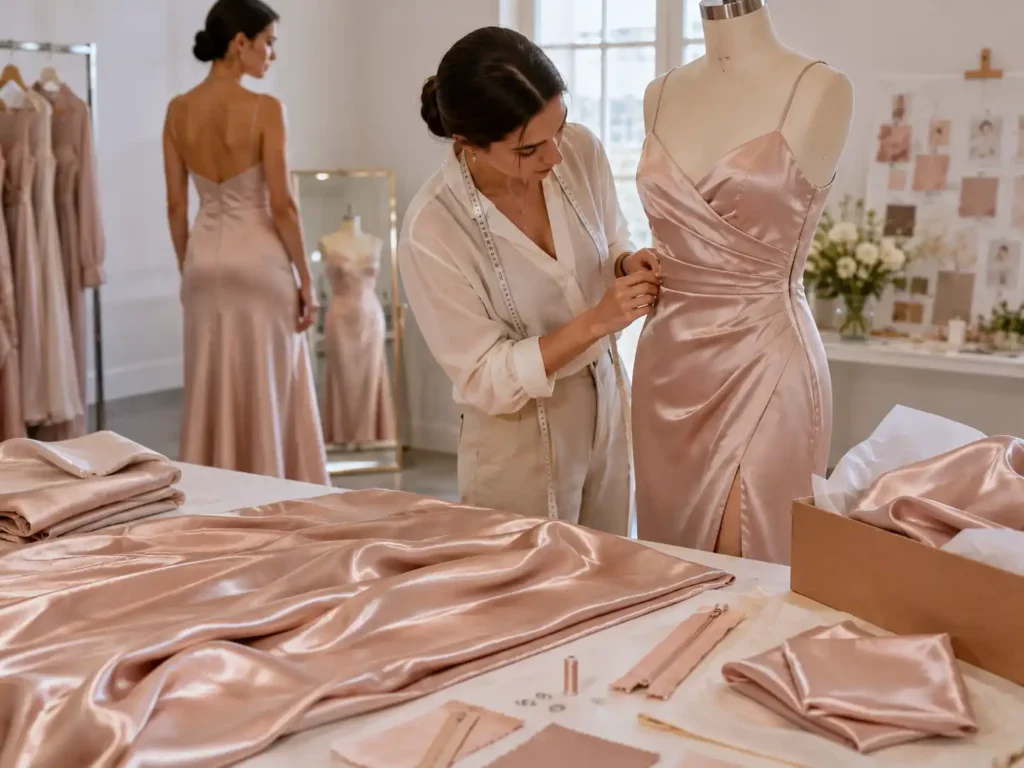
Satin supports modern, polished bridesmaid ranges. Duolan reviews shine, fabric weight, seam tension, zipper waves, pressing, lining, slit height and fold recovery. Satin may raise visual value, yet packing and sewing control become more important.

Velvet Route
Velvet works well for fall and winter bridesmaid programs. Duolan reviews pile direction, shade depth, fabric weight, cutting direction, pressure marks and hanger packing. Velvet shade often appears rich in photos, but surface and carton pressure need careful control.

Tulle Route
Tulle creates romantic softness and volume. Duolan reviews layer count, transparency, waist bulk, lining, hem finish and packing recovery. Tulle can add emotional value to a bridesmaid range when volume remains controlled and comfortable.

Crepe and Matte Route
Crepe and matte fabrics support modern, simple bridesmaid lines. Duolan reviews drape, stretch, opacity, wrinkle resistance, seam quality and cost balance. Matte routes can work well for brands seeking less shine and stronger wearability.

Lace and Detail Route
Lace and detail routes suit elevated bridesmaid, maid of honor or special capsule styles. Duolan reviews motif placement, lining tone, edge finish, seam bulk and close-up quality. Detail styles need cost and fit review before entering bulk planning.
Private Label, Boutique Display and Retail Packing
Bridesmaid dress brands often sell through ecommerce, bridal boutiques, showrooms, wholesale or formalwear retail. Duolan supports private label and retail packing details that keep garments ready for display, delivery, replenishment and wedding-season handling.
Main Label and Size Label
Main labels and size labels must match brand line, size chart, garment type and order file. Duolan reviews label artwork, material, placement, stitching and comfort. Size label accuracy is especially important across broad bridesmaid size ranges and repeat color orders.
- Match main label version with brand line, dress range and production order.
- Match size labels with approved size chart, grading file and garment measurement standard.
- Review label placement for comfort, clean finishing and boutique presentation.
- Preserve approved label records for repeat colors, new silhouettes and replenishment runs.
Care Label and Fabric Content
Care label accuracy matters for chiffon, satin, velvet, tulle, lace, crepe and blended fabrics. Duolan reviews content, wash care, lining information and brand-required wording when provided. Delicate bridesmaid fabrics need clear care communication for retail teams and end wearers.
- Check fabric and lining content before care label approval.
- Review wash symbols and written care instructions for delicate or embellished fabrics.
- Keep care label files linked with each style, fabric base and order season.
- Update label records when fabric base, lining or trim route changes.
Hangtag and Barcode Ticket
Hangtags, barcode tickets and price tickets support retail handling, boutique replenishment and DTC warehouse preparation. Duolan reviews tag artwork, attachment method, style-color-size pairing and placement. Tickets should not damage delicate surfaces or create handling issues.
- Pair barcode ticket with exact style, color, size and SKU record.
- Keep hangtag placement away from lace edges, mesh panels, satin surfaces and sequin areas.
- Confirm tag version by order, channel, season or brand range.
- Archive ticket files for repeat colors and boutique replenishment.
Garment Bag, Polybag and Hanger
Bridesmaid programs may need garment bags, hanger packing, folded packing or boutique-ready delivery. Duolan reviews garment surface, fabric route, shipping method and retail channel before packing method is confirmed. Packing must protect appearance, shade grouping and handling accuracy.
- Garment bags can support boutique delivery, showroom display and formalwear retail handling.
- Hanger packing helps protect presentation for chiffon, satin, velvet and long formal styles.
- Polybag packing supports ecommerce and warehouse routes when sticker pairing is accurate.
- Folded packing needs fold recovery review for satin, velvet, tulle and long maxi dresses.
Boutique Display Readiness
Bridal boutiques and showrooms often need dresses to arrive clean, organized and easy to display. Duolan reviews garment presentation, hangtag visibility, hanger balance, garment bag clarity, sample status and carton grouping for boutique-facing orders.
- Review salesman samples and display pieces for fabric surface, finish and hanger presentation.
- Group boutique cartons by style, color, size or allocation plan when required.
- Keep garment bag, hanger and hangtag details consistent across display and replenishment pieces.
- Preserve boutique display notes for future sample sets or repeat orders.
Reorder Label Version Control
Reorders need label continuity. Duolan checks whether a repeat order uses the original label, updated brand label, new barcode, new hangtag or channel-specific ticket. Version records reduce confusion across bridal retail replenishment and seasonal shade updates.
- Compare repeat label files with earlier approved versions before production starts.
- Confirm whether new colors require new SKU, barcode or hangtag details.
- Keep old and new label versions separated by order season and channel.
- Use archived label notes during packing QC and shipment preparation.
PP Sample, Color Lock and Bulk QC
Bridesmaid bulk production needs strong control over shade, fit, length, labels and packing. Duolan uses PP approval and bulk QC to protect the approved wedding party standard.
PP Sample as Bulk Standard
PP sample approval locks fabric, color, lining, trims, measurements, workmanship, labels, packing and QC points. For bridesmaid programs, PP approval must include shade reference, lining tone, dress length, strap support and final presentation. The PP sample becomes the shared production and inspection reference.
Color Batch Review
Color batch review compares bulk fabric with approved swatch, lab dip or PP sample. Duolan checks shade, handfeel, surface, transparency, pile direction and lining effect before cutting. Same-color multi-style programs receive extra review when several fabrics or silhouettes share one palette.
First-Piece Review
First-piece review checks early production against PP standard. Duolan reviews bust, waist, hip, length, strap placement, zipper, lining, hem, color, labels and workmanship. Corrections can be made before larger output grows.
Inline QC for Wedding Party Consistency
Inline QC checks consistency while production is active. Bridesmaid programs need review across sizes, colors and styles: shade coordination, hem balance, strap support, lining coverage, surface condition and measurements all matter when garments are worn together.
Final QC and Packing Review
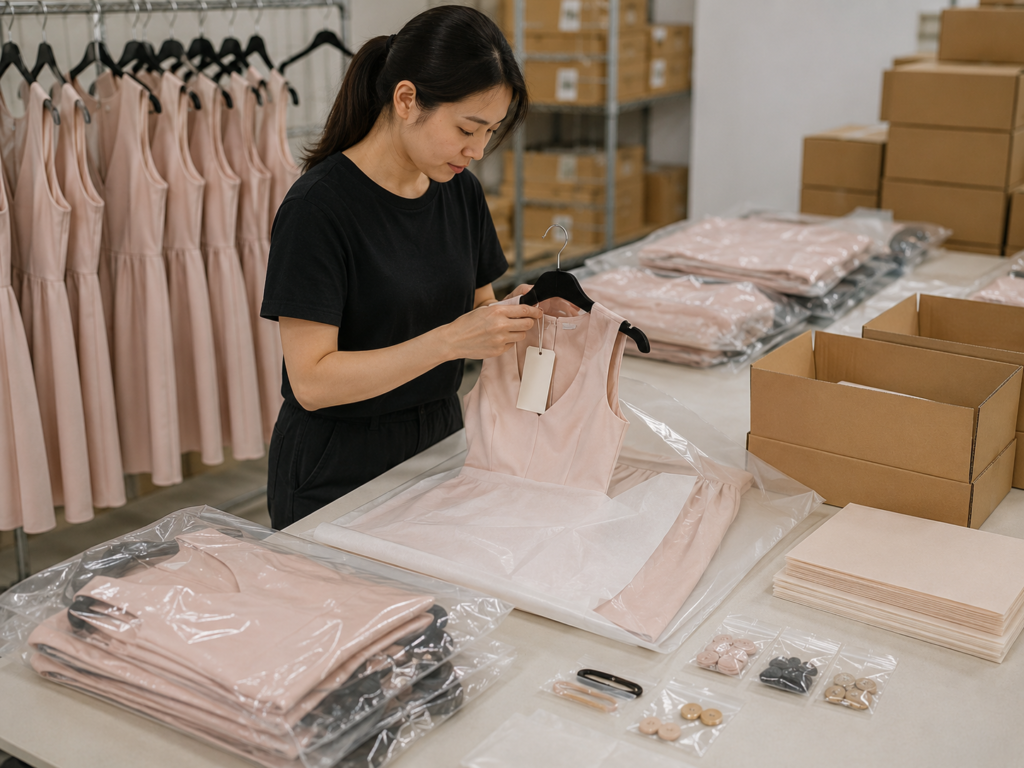
Final QC reviews finished dresses before shipment. Duolan checks shade, surface, measurements, labels, hangtags, care labels, size labels, packing method, carton records and garment recovery. Packing is reviewed by fabric route to protect presentation during transit.
Wedding Season Delivery and Replenishment Control
Bridesmaid programs need strong timing and repeat shade control because wedding calendars, boutique delivery windows and replenishment needs leave limited room for late correction.
| Program Stage | Bridesmaid Brand Concern | Duolan Control Focus |
|---|---|---|
| Color Planning | Wedding palettes need stable shades | Swatch and lab dip review |
| Sample Stage | Fit, photo and salesman needs differ | Sample type separation |
| PP Approval | Bulk must follow approved standard | PP sample and BOM lock |
| Bulk Fabric | Color batch may shift | Bulk shade comparison |
| Production | Multiple styles need coordination | Style-color-size tracking |
| Packing | Dresses may crease or snag | Fabric-specific packing method |
| Delivery | Wedding season timing is fixed | Production and shipment buffer |
| Reorder | Same color may need replenishment | Color and fabric archive |
Dress Manufacturer for Bridesmaid Dress Brands case studies
Duolan can discuss comparable bridesmaid dress programs by region, fabric route, range structure and production response while protecting private brand information. These records show how color, fit, sample stage and replenishment control can support mature bridal retail programs.
United States|Chiffon Bridesmaid Collection
A US DTC bridesmaid brand developed chiffon maxis and same-color multi-style ranges across 22 styles and approximately 64,000 pieces. The program needed inclusive sizing, photo samples, PP color lock and wedding-season delivery.
- Program Focus: Chiffon maxi dresses, same-color multi-style development, fit samples and PP shade records.
- Development Challenge: Several silhouettes needed one palette while supporting broader size coverage.
- Duolan Response: Duolan organized swatch review, fit sample notes, PP color lock, length control and packing standards.
- Program Result: The range gained stronger shade consistency, fit direction and replenishment readiness.

United Kingdom|Satin Bridesmaid Capsule
A UK formalwear brand developed satin slip, halter, cowl neck and one-shoulder bridesmaid styles across 18 styles and approximately 46,000 pieces. The program focused on evening wedding palettes and polished surface presentation.
- Program Focus: Satin shine, seam marks, zipper waves, neckline drape and lab dip comparison.
- Development Challenge: Satin needed refined surface control across several silhouettes in related shades.
- Duolan Response: Duolan reviewed satin weight, lining, sewing tension, PP sample and folded packing method.
- Program Result: The capsule gained cleaner satin finish and better sample-to-bulk presentation.

Australia|Boutique Bridesmaid Retail Program
An Australian bridal boutique group developed bridesmaid display and retail styles across 24 styles and approximately 72,000 pieces. The order required salesman samples, hangtags, garment bags, hanger packing and replenishment notes.
- Program Focus: Boutique display, private label, sample presentation, garment bag and carton split.
- Development Challenge: Retail presentation needed to stay clean across boutique handling and future replenishment.
- Duolan Response: Duolan built label files, sample display standards, packing route and reorder records.
- Program Result: The boutique program gained clearer retail execution and stronger replenishment preparation.

Europe|Repeat Color Bridesmaid Program
A European wedding party brand repeated core bridesmaid colors and added new seasonal shades across 26 styles and approximately 68,000 pieces. The program required color continuity, fit memory and repeat order control.
- Program Focus: Core shades, new color edits, pattern reuse, BOM archive and repeat QC.
- Development Challenge: Seasonal colors needed updates without losing approved fit and fabric behavior.
- Duolan Response: Duolan reused fabric cards, lab dips, pattern records, PP notes, packing method and QC files.
- Program Result: Repeat production moved with stronger shade control and fewer repeated development questions.

Bridesmaid Dress Manufacturing FAQs
Duolan supports custom bridesmaid dress programs for DTC bridesmaid brands, bridal boutique private labels, formalwear retailers, wedding party dress brands, inclusive fit brands and replenishment-focused bridal retail programs.
The support can cover chiffon dresses, satin bridesmaid dresses, velvet styles, tulle dresses, lace details, same-color multi-style ranges, plus-size programs, petite options and repeat color collections.
A brand can prepare color swatches, lab dips, fabric references, style sketches, tech packs, size charts, sample comments, trim details, label files, packing requirements and target wedding-season delivery windows.
If the range is still early, Duolan can first review color direction, fabric route, silhouette mix, size range and sample purpose before planning the development route.
Bridesmaid dresses are often worn together in one wedding party, so shade differences become more visible in photos, fittings and retail presentation.
Duolan reviews swatches, lab dips, bulk fabric, lining tone, PP samples and repeat shade records together to help keep color direction stable across samples, bulk production and replenishment orders.
Yes, but the same color may look different on chiffon, satin, velvet, tulle, crepe or lace.
Chiffon can appear softer, satin may look brighter, velvet can appear deeper, and tulle or lace may change depending on lining and layer count. Duolan reviews color harmony by fabric base rather than treating every surface as visually identical.
Duolan reviews each silhouette within the same palette, including A-line, slip, halter, wrap, one-shoulder, strapless, cowl neck and plus-size friendly styles.
Color, lining, fit, dress length, neckline, strap position, label records and packing requirements are connected across the range so different styles can still work as one coordinated wedding party collection.
Bridesmaid dress programs may require color samples, fit samples, photo samples, salesman samples, PP samples and golden samples.
Color samples support palette review. Fit samples check body balance and movement. Photo and salesman samples support ecommerce, boutique or showroom presentation. PP samples lock production standards. Golden samples help preserve repeat style and color memory.
PP approval confirms the final production standard before bulk manufacturing.
For bridesmaid programs, PP approval should lock fabric, shade, lining tone, trims, measurements, workmanship, labels, packing method and QC points. The approved PP sample becomes the reference for production and inspection.
Duolan reviews inclusive sizing through bust support, strap tension, neckline coverage, waist balance, hip ease, skirt sweep, maxi length, lining coverage and movement comfort.
Plus-size, petite, bump-friendly and bra-friendly options may need separate proportion review instead of simple mechanical grading.
Send Your Bridesmaid Dress Program Brief
A strong bridesmaid dress program starts with color, fabric, style range, size coverage, sample purpose, retail channel and wedding-season timing. Duolan can review your palette, fabric direction, silhouettes, fit needs, private label files and replenishment plan before recommending a development route.
Share Your Color and Fabric Direction
- Color palette, swatch card, lab dip, fabric base, chiffon, satin, velvet, tulle, crepe, lace preference, lining tone and repeat shade needs.
- Core colors, seasonal shades, wedding palette themes, fabric mixing rules and shade sensitivity concerns.
- Existing swatches, approved color references, fabric cards or previous bulk shade comments.
Share Your Bridesmaid Dress Range
- Style count, silhouettes, same-color multi-style plan, size range, plus-size needs, petite needs, bump-friendly direction and bra-friendly requirements.
- Sample needs such as color sample, fit sample, photo sample, salesman sample, PP sample, golden sample or replenishment sample.
- Fit concerns around bust support, strap stability, maxi length, lining coverage, hem balance or grading.
Share Your Retail and Delivery Plan
- DTC, bridal boutique, showroom, wholesale, formalwear retail or marketplace channel.
- Target quantity, wedding-season window, launch timing, delivery deadline, private label needs, hangtags, barcode files, garment bags, hanger packing, polybag rules and carton requirements.
- Replenishment plan, core colors, repeat styles, previous QC notes, approved sample photos or color continuity concerns.