Skip to content
Custom Dress Manufacturer for Category-Expanding Fashion Brands
Custom dress development and manufacturing for established fashion brands expanding from tops, sets, resortwear, swim-adjacent ranges, activewear, going-out wear or multi-category womenswear into commercial dress lines.
Duolan helps brands move from category idea to first dress capsule, fit validation, fabric route setup, PP approval, first bulk production, SKU control, repeat style planning and long-term dress category expansion.
- 3,000–8,000 styles developed monthly support first dress capsule testing, category expansion and multi-style womenswear development.
- 15,000–35,000 samples monthly support first samples, fit samples, photo samples, PP samples and first-bulk validation.
- 300 sewing lines plus 50+ flexible lines support category entry, first bulk production, repeat colors and future dress-line scaling.
- 6 category-entry checkpoints guide expansion: brand DNA, dress role, fabric route, fit validation, PP approval and first-bulk feedback.
- 5 dress category paths can be planned: party, occasion, resort, holiday and work-to-evening dresses.
- 4 expansion records protect future scaling: approved sample, fabric card, fit notes and first-bulk QC record.
- 3 production stages need separate control: first dress capsule, first commercial bulk and repeat category extension.
Category-Expanding Fashion Brands Duolan Works With
Fashion Brands Expanding from Tops or Sets into Dresses
Resortwear or Swim-adjacent Brands Adding Dress Lines
Activewear / Athleisure Brands Adding Going-out Dresses
Premium Ecommerce Brands Building First Dress Capsule
Multi-category Womenswear Labels Expanding Dress Depth
Multi-category labels with a small dress offer often need broader structure across party, occasion, resort, holiday and wedding guest. Duolan helps build category roles, material routes, fit notes and commercial scaling paths.
Product, Design, Sourcing and QC Teams
Why Category-Expanding Fashion Brands Need a Different Dress Manufacturer
Category expansion into dresses is not simply adding more styles. A brand entering dresses must protect existing identity while solving new garment risks around proportion, support, lining, length, movement, closure, fabric behavior and SKU growth.
A strong first dress capsule should reveal category potential without confusing brand direction. Too many unrelated silhouettes make results hard to read. A focused capsule can show which dress body, fabric route, length, neckline and wearing scene deserve future investment.
Duolan supports category-expanding brands through brand DNA review, capsule role planning, fit and fabric setup, sample status control, PP approval, first bulk QC, SKU discipline and repeat style records for future category scaling.
- Brand DNA transfer: Existing silhouette, color mood, fabric level and lifestyle codes need translation into dress categories.
- Capsule role clarity: Hero dress, commercial dress, fit-test style, photo style and repeat candidate need separate roles.
- Dress-specific risk review: Bust, waist, hip, length, strap, sleeve, slit, lining, zipper and movement need early validation.
- Fabric-to-category setup: Party, occasion, resort, holiday and work-to-evening dresses need different material routes.
- First bulk learning: Initial production should leave fit, fabric, color, QC, packing and reorder records.
- Category scaling path: Successful dress bodies can become repeat colors, new fabric versions, seasonal refreshes and full style families.
How Category-Expanding Fashion Brands Choose a Dress Manufacturer
1|Can the Manufacturer Translate Existing Brand DNA into Dresses?
- Translate fitted, relaxed, resort, polished, sensual or minimal codes into dress silhouettes.
- Keep fabric quality level aligned with existing products.
- Preserve recognizable color and surface direction.
- Avoid generic market styles lacking connection to brand identity.
2|Can the First Dress Capsule Test the Right Category Direction?
- Use hero styles to express the new dress direction.
- Use commercial styles to test broader sell-through potential.
- Use fit-test styles to validate body proportions and comfort.
- Use repeat candidates to prepare future category scaling.
3|Can Dress Fit Risks Be Identified Before Bulk?
- Review critical POMs around bust, waist, hip, length, neckline and slit.
- Test movement for bodycon, cut-out, maxi, halter and fitted styles.
- Check size logic before scaling beyond sample size.
- Record fit comments for future repeat styles.
4|Can Fabric Routes Match the New Category Role?
- Use stretch and recovery checks for bodycon and going-out dresses.
- Use drape, shrinkage and fold recovery checks for resort dresses.
- Use shine, seam and surface checks for satin occasion styles.
- Use pressure and comfort checks for velvet, sequin and embellished holiday styles.
5|Can Sample Roles Stay Clear During Category Entry?
- Use first samples for direction and structure.
- Use fit samples for measurement and movement validation.
- Use photo samples for content and visual alignment.
- Use PP samples for final production, QC and packing standards.
6|Can First Bulk Become a Learning Base for Category Scaling?
- Record first-piece findings and inline QC issues.
- Save approved fabric, color, fit and packing references.
- Capture production risks by dress type.
- Prepare repeat color or refresh notes for successful bodies.
7|Can the Supplier Help Build Repeatable Dress Families?
- Build style families from approved silhouettes.
- Use repeat colors before moving into unrelated new styles.
- Review new fabric versions against original fit.
- Preserve category records for future scaling.
Where Category-Expansion Dress Programs Usually Break Down
Category-expansion dress programs often fail when brand identity, fit risk, material selection, sample roles, first bulk data and scaling plans are handled separately. A strong entry path needs clear product roles and controlled learning.
The Dress Line Does Not Feel Like the Original Brand
A new dress line may look like generic market styles instead of a natural product extension. Color, fabric, proportion, detail level and wearing scene may disconnect from the existing brand.
Duolan response: Development begins with brand DNA, core wearer, existing product language, fabric level and acceptable design boundaries.
- Review current bestsellers before sketch or sampling.
- Identify brand codes worth translating into dresses.
- Keep new dress silhouettes aligned with existing visual language.
- Avoid trend copying without brand connection.
First Capsule Contains Too Many Unrelated Styles
A first capsule mixing mini, maxi, party, work, holiday and resort directions at random creates unclear performance signals.
Duolan response: First capsule planning separates hero dress, commercial dress, fit-test style, material route test and repeat candidate.
- Keep style count focused enough for meaningful review.
- Assign every dress a category entry purpose.
- Separate visual experiments from commercial styles.
- Preserve repeat candidates for next development round.
Fit Risk Is Underestimated
A brand successful in tops or sets may underestimate dress fit complexity. Dresses require control over length, bust, waist, hip, lining, slit, straps, closures and movement.
Duolan response: Fit samples, critical POMs, movement review and size logic support early validation.
- Check bust-waist-hip balance before PP approval.
- Review walking, sitting and fitting-room comfort.
- Test stretch and recovery for fitted styles.
- Record fit risks before first bulk expands.
Fabric Choice Looks Right but Sells Wrong
Some materials look strong during sampling but create bulk problems: transparency, stiffness, wrinkles, heavy weight, weak recovery, poor drape or rough skin contact.
Duolan response: Satin, lace, mesh, printed woven, crepe and stretch knit routes receive handfeel, drape, opacity, shrinkage and packing review.
- Test material against the intended dress role.
- Review lining and coverage before PP approval.
- Check surface and pressing behavior during first-piece review.
- Record material response for future category scaling.
Photo Sample and PP Standard Are Confused
Photo samples may use styling adjustments or finishing choices designed for imagery. Using them as bulk standards can create cost, fit and construction errors.
Duolan response: Sample status control separates first sample, fit sample, photo sample and PP sample.
- Record photo-only changes before PP review.
- Keep image preparation separate from production approval.
- Use PP sample as final guide for bulk.
- Archive sample roles for future reference.
First Bulk Has No Feedback Loop
After first bulk, many teams move straight into the next design round without saving fit, material, QC, packing or sales feedback.
Duolan response: First-bulk review files preserve production and product learning.
- Record first-piece and inline QC findings.
- Save fabric, color, fit and packing records.
- Review claim or return feedback where available.
- Use learning notes before repeat color or second capsule.
Successful Styles Cannot Scale into a Category
A few dresses may sell well, yet lack of records prevents repeat color, new fabric or style-family development.
Duolan response: Approved samples, fabric cards, fit notes, color references, QC records and packing rules are preserved for repeat family building.
- Identify scalable silhouettes early.
- Keep material and fit references tied to each success.
- Test new versions against original approved garments.
- Build category architecture from proven bodies.

Category Entry Development System for New Dress Lines
Existing Brand and Category Base Review
- Review existing bestsellers, fit attitude, fabric level and color mood.
- Identify why current shoppers already buy the brand.
- Map adjacent product strengths into potential dress categories.
- Define category boundaries before sample work begins.
Dress Category Direction Mapping
- Match new dress direction with current brand lifestyle.
- Choose category route before material sourcing expands.
- Review competitor influence without copying market templates.
- Keep category path focused for first capsule learning.
First Capsule Role Planning
- Define hero dress, commercial dress, fit validation style and repeat candidate.
- Choose enough variety to learn, not so much variety results become unclear.
- Separate category signal styles from future expansion styles.
- Connect capsule roles with sample and PP timelines.
Fit and Fabric Route Setup
- Set fit priorities before pattern correction begins.
- Review critical POMs, stretch, shrinkage, opacity and drape.
- Confirm lining and closure decisions by dress type.
- Keep fabric route connected with PP and first-bulk plans.
First Bulk and Category Feedback Record
- Record fit corrections, material behavior and QC issues.
- Preserve packing, label and SKU rules.
- Identify strong styles for repeat color or style-family extension.
- Use first-bulk review before planning next category depth.
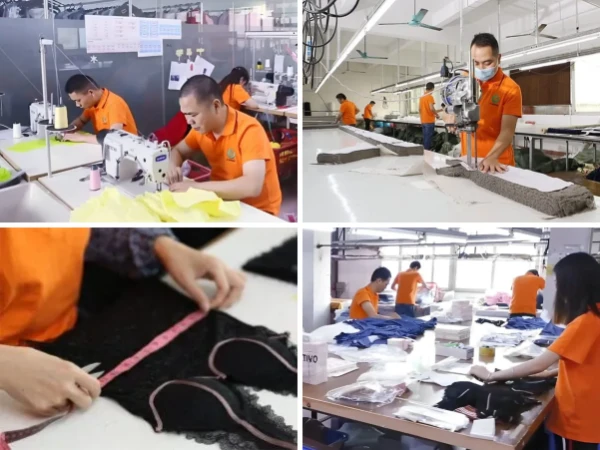
Dress Category Paths Duolan Can Support for Expanding Brands

First Party Dress Capsule
Party capsules suit brands already strong in going-out, sets or social-led styling. Duolan reviews bodycon recovery, mini length, mesh coverage, cut-out placement, opacity and movement comfort.

First Occasion Dress Line
Occasion lines suit brands moving toward wedding guest, cocktail or event dressing. Duolan reviews satin finish, lace mapping, sleeve comfort, lining tone, hem balance and PP accuracy.

Resort Dress Expansion

Wedding Guest Dress Entry

Holiday Dress Capsule
Holiday capsules suit brands adding festive occasion and party value. Duolan reviews velvet, sequin, metallic surface, jewel tones, lining comfort, carton pressure and gift-ready packing.

Going-out Dress Extension

Work-to-Evening Dress Category

Satin Dress Category Test

Lace and Mesh Dress Extension

Printed Maxi Dress Expansion

Bodycon and Cut-out Dress Entry

Repeat Core Dress Family
Brand DNA Transfer into a New Dress Category
Silhouette Translation
- Convert fitted brand codes into bodycon, slip, cut-out or structured dress routes.
- Convert relaxed resort codes into maxis, halters and soft woven dresses.
- Convert minimal codes into clean crepe, satin or day-to-evening silhouettes.
- Preserve recognizable proportions across the new category.
Color and Fabric Mood
- Review current palette before choosing new category colors.
- Match dress fabric quality with established product level.
- Use surface, shine, print or texture carefully to extend brand mood.
- Avoid material choices creating an unexpected price or quality jump.
Wearer Lifestyle Match
- Map dresses to current lifestyle moments such as vacation, dinner, party, wedding guest, work or content creation.
- Avoid entering categories lacking natural link with current purchase behavior.
- Build first capsule around occasions already close to brand identity.
- Use fit and fabric decisions tied to real wear, not only visual references.
Detail Boundary
- Define acceptable exposure, decoration and surface strength.
- Keep details aligned with existing design language.
- Review high-risk details through fit and movement.
- Use stronger details on hero styles, not every style.
Product Role Continuity
- Link dress categories with existing product stories.
- Build dress roles around familiar wardrobe moments.
- Preserve styling compatibility with existing collections.
- Prepare repeat families where category fit feels natural.
First Dress Capsule Validation: Fewer Styles, Clearer Signals
Hero Dress
- Carry the strongest silhouette, color or surface message.
- Connect clearly with existing brand identity.
- Review construction and fabric risk before PP approval.
- Preserve hero details during first bulk.
Commercial Dress
- Use a more accessible fit and material route.
- Reduce unnecessary construction complexity.
- Review size range and comfort before bulk.
- Prepare for repeat color or reorder if performance is strong.
Fit Validation Dress
- Review bust, waist, hip, length, strap, sleeve and slit placement.
- Test stretch, lining, zipper and movement comfort.
- Record fit notes for later styles.
- Use sample feedback before scaling the category.
Fabric Route Test Style
- Test satin, lace, mesh, printed woven, crepe, stretch knit or velvet by category role.
- Review handfeel, drape, opacity, shrinkage and packing recovery.
- Compare fabric behavior against target price and brand feel.
- Archive material notes for future expansion.
Repeat Candidate
- Choose a silhouette with stable fit and clear commercial role.
- Preserve approved sample and material route.
- Record version ideas for future development.
- Use first-bulk feedback before repeating.

Fit, Fabric and Construction Setup for Category Entry
Dress Fit Priorities
- Review bust-waist-hip balance, garment length, neckline, strap and sleeve.
- Check slit height, back shape, zipper position and movement.
- Identify critical POMs by dress category.
- Record fit feedback for future style families.
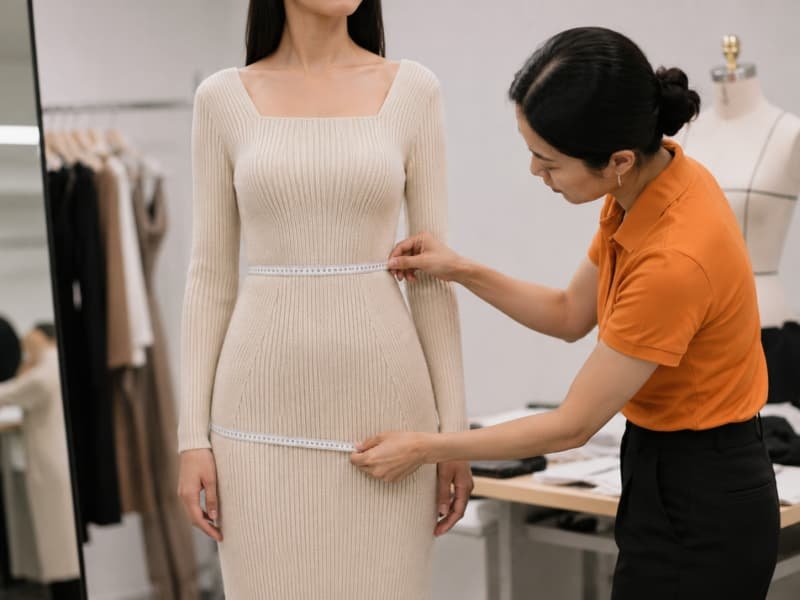
Fabric-to-Category Match
Each dress category needs a specific fabric route. A strong party material may fail in resort use, while a soft resort fabric may lack occasion polish.
- Match satin, lace, mesh, printed woven, crepe, velvet and sequin with category role.
- Review drape, stretch, weight, opacity and recovery.
- Test material behavior before PP approval.
- Preserve fabric notes for category scaling.

Lining and Coverage Decisions
- Check transparency before photo and PP samples.
- Match lining tone with outer fabric and wearer expectations.
- Review lining weight and comfort against garment movement.
- Record coverage decisions by style.

Closure and Wearing Comfort
Zippers, buttons, elastic, straps, sleeves and back structures influence trial experience and return risk.
- Test zipper smoothness and body access.
- Check strap tension, sleeve opening and waist comfort.
- Review skin contact around lace, mesh, sequins and trims.
- Correct construction before bulk production begins.

Construction Cost Boundary
- Identify handwork, surface and structure cost drivers early.
- Reduce construction risk where visual value is limited.
- Keep hero styles elevated while commercial styles remain scalable.
- Confirm PP feasibility before first bulk commitment.

Sample-to-PP Path for First Dress Category Launch
First Direction Sample
- Review silhouette, fabric route, construction and brand connection.
- Identify category risks before more styles enter sampling.
- Check whether the style belongs in hero, commercial or test role.
- Record early changes before fit sample begins.
Fit Sample
- Review bust, waist, hip, length, strap, sleeve, slit and zipper.
- Test movement for fitted, maxi, halter, cut-out and mesh styles.
- Record critical POMs and correction reasons.
- Use fit findings across future capsule styles.
Photo / Listing Sample
- Review color, fabric texture, surface, pressing and close-up details.
- Mark photo-only adjustments separately.
- Compare photo sample with PP before bulk release.
- Preserve product notes for listing and size guidance.
PP Sample
- Confirm production fabric, trims, measurements and workmanship.
- Attach label, packing and QC points to PP records.
- Use PP sample for first-piece and inline QC.
- Archive PP sample for repeat style development.
Sample Status Record
- Mark samples as direction, fit, photo, internal review or PP.
- Track comments by style code and category role.
- Separate sample remarks from bulk approval notes.
- Preserve records for future category scaling.
First Bulk Execution and Category Data Discipline
First Bulk as Category Test
- Track production response across fabric, fit, size and workmanship.
- Compare first bulk with PP sample and photo sample expectations.
- Record which dress roles perform best from a production standpoint.
- Preserve findings before repeat or expansion decisions.
Style-color-size Matrix
- Build style-color-size records before bulk packing.
- Connect color names with approved references.
- Keep size range and style role visible in production files.
- Prepare data for repeat color and reorder planning.
SKU and Packing Logic
- Pair SKU with style, color and size.
- Match labels, hangtags, polybags and carton rules with each style.
- Review carton grouping by category or launch plan.
- Archive packing rules for repeat orders.

First-piece and Inline QC
First bulk needs stronger production monitoring because the category is still new for the brand.
- Compare first piece with PP sample and fit notes.
- Inspect length, lining, closure, transparency, surface and movement risk.
- Track repeated issues by fabric or construction.
- Correct problems before full quantity expands.
First-bulk Review Record
First bulk should leave a usable record for category scaling.
- Save QC issues, material behavior, packing notes and claim points.
- Record fit improvements needed for the next capsule.
- Identify styles suitable for repeat color or seasonal refresh.
- Build a category file before next development begins.
From First Capsule to Full Dress Category Scaling
Repeat Color Extension
- Test new colors on approved fabric base.
- Review lining, trims, thread and packaging compatibility.
- Compare shade under photo and bulk conditions.
- Preserve color references for future runs.
Fabric Version Extension
- Compare new fabric with original fit and drape.
- Review shrinkage, opacity, stretch and surface risk.
- Adjust lining or construction only where needed.
- Record version changes clearly for reorder.
Length and Sleeve Variation
- Convert mini, midi and maxi versions with proportion review.
- Add sleeve, halter, strapless or long-sleeve variation carefully.
- Check movement and size logic after pattern change.
- Preserve original and updated POM records separately.
Seasonal Refresh
- Use sales and fit feedback before new seasonal details are added.
- Keep construction risk controlled during refresh.
- Review fabric and color route before PP approval.
- Archive refreshed sample and production notes.
Category Architecture
- Build category families from proven styles.
- Separate statement pieces from repeatable volume styles.
- Preserve SKU, fit and fabric records by family.
- Use production memory to guide future expansion.
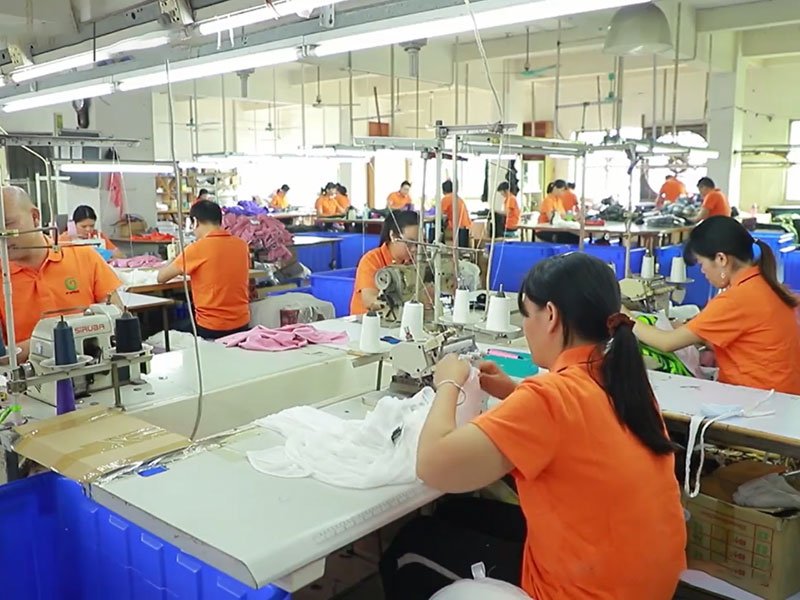
Category-Expansion Dress Program Risk Control Matrix
Category-expansion dress programs combine brand DNA transfer, capsule validation, fit risk, material setup, sample roles, SKU discipline, first bulk quality and future scaling. Duolan reviews these risks before first commercial bulk begins.
| Category Expansion Risk | Common Breakdown | Duolan Control Focus |
|---|---|---|
| Brand DNA Drift | New dresses feel disconnected from the original brand | Brand language and category base review |
| Capsule Scatter | First capsule contains too many unrelated styles | Capsule role planning |
| Fit Underestimation | Dress fit risks appear after first bulk | Fit sample and critical POM review |
| Fabric Mismatch | Material looks good but fails in wear or bulk | Fabric-to-category route review |
| Sample Role Confusion | Photo sample treated as PP standard | Sample status control |
| SKU Complexity | New dress category creates messy style-color-size data | Style-color-size file setup |
| First Bulk Weakness | Commercial bulk weaker than approved sample | PP locking and first-piece review |
| Category Learning Loss | First-bulk feedback not recorded | First-bulk review file |
| Scaling Failure | Successful styles cannot become repeat families | Repeat style and category scaling records |
Category-expanding Dress Program Case Studies
United States|Going-out Brand Expanding into Party Dresses
- Expansion Focus: Build a first party dress capsule connected to an existing going-out audience.
- Category Challenge: Brand DNA transfer, fit validation, stretch recovery, first capsule structure and PP-to-bulk consistency needed close control.
- Duolan Response: Duolan reviewed category roles, corrected fit samples, checked stretch recovery, locked PP standards and inspected first pieces.
- Program Value: First party dress capsule gained clearer fit signals and stronger category direction.

United Kingdom|Premium Tops Brand Adding Occasion Dresses
A UK premium tops brand entered occasion dresses through satin midis, lace cocktail dresses and wedding guest styles. The program included 14 styles and approximately 38,000 pieces.
- Expansion Focus: Translate refined top-category identity into polished occasionwear.
- Category Challenge: New dress fit, satin handfeel, lace placement, color naming and photo sample-to-PP control needed alignment.
- Duolan Response: Duolan reviewed fabric routes, mapped lace placement, preserved color references, recorded fit notes and controlled sample status.
- Program Value: Occasion dress entry gained stronger material discipline and sample-to-bulk clarity.

Australia|Resortwear Brand Building a Dress Category
- Expansion Focus: Build a resort dress category from an existing vacation and swim-adjacent base.
- Category Challenge: Print scale, shrinkage, halter support, lining decision and first-bulk packing recovery created risk.
- Duolan Response: Duolan reviewed artwork placement, confirmed fabric batches, checked halter fit, adjusted lining and tested packing recovery.
- Program Value: Resort dress expansion gained stronger fabric control and category readiness.

Europe|Multi-category Label Scaling Repeat Dress Families
A European multi-category label expanded from a small dress offer into repeat core dresses, holiday colors, occasion updates and work-to-evening extensions. Program scale ranged from 20–30 styles and approximately 56,000–84,000 pieces.
- Expansion Focus: Turn first dress capsule results into repeat style families and broader category architecture.
- Category Challenge: Repeat style structure, fabric replacement, color continuity, PP standard and category data records needed long-term control.
- Duolan Response: Duolan archived approved samples, reviewed substitute fabrics, preserved color references, recorded QC points and prepared repeat style notes.
- Program Value: First capsule-to-category scaling gained clearer production memory.
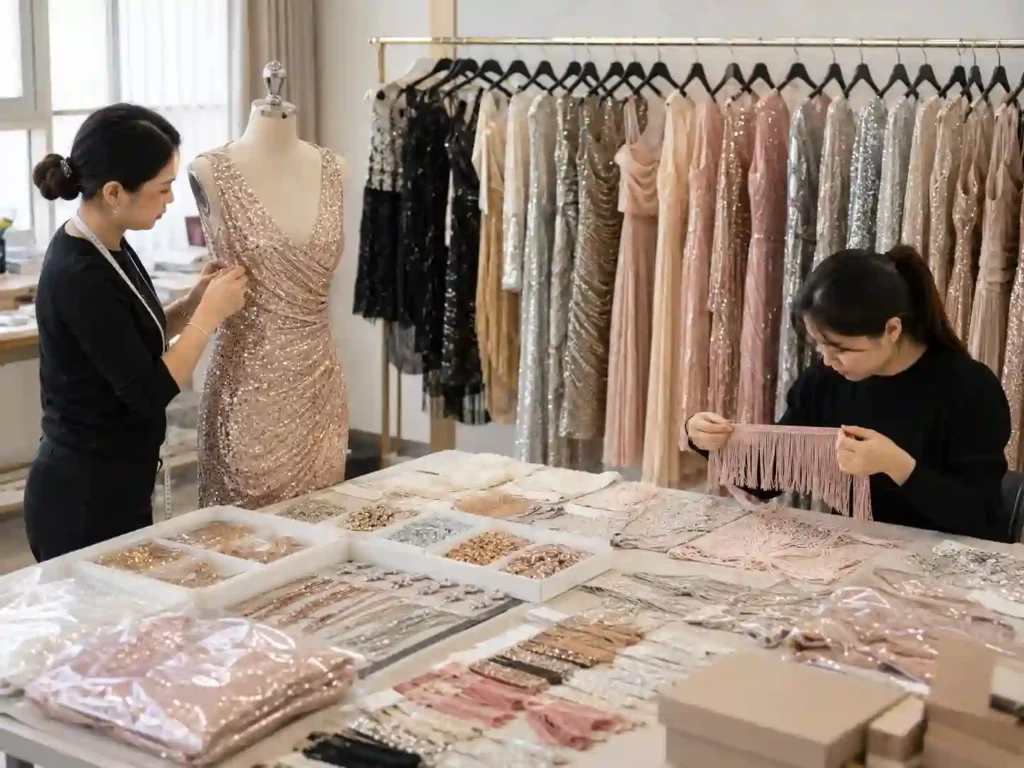
Send Your Category Expansion Dress Brief
A strong category expansion project starts with existing brand base, target dress path, first capsule role, fit priorities, fabric route, PP window, first-bulk quantity, SKU rules and future scaling plan. Duolan can review current product strengths and proposed dress direction once project files are ready.
Share Your Existing Brand Base
- Current core category, target market, existing bestsellers, brand style direction, wearer lifestyle, current size range, current fabric level and reason for expanding into dresses.
- Existing product strengths, such as fitted tops, matching sets, resortwear, swim-adjacent pieces, activewear, going-out styles or multi-category womenswear.
- Development priorities, such as brand DNA transfer, category entry risk, fit setup, fabric route, first capsule validation or repeat style planning.
Share Your Dress Category Plan
- Target dress category, style count, first capsule direction, reference images, tech packs, fit concerns, fabric direction, launch date and first-bulk target.
- Sample stage, such as direction sample, fit sample, photo sample, PP sample, approved bulk reference or repeat candidate.
- Product concerns around length, bust support, stretch recovery, lining, transparency, zipper comfort, slit height, print scale, satin shine or packing recovery.
Share Your Bulk and Scaling Needs
- Order quantity, colorways, size range, PP approval window, QC standard, SKU rule, packing rule, repeat color plan and category scaling plan.
- Production details, including first commercial bulk, repeat color, seasonal refresh, fabric substitution, label files, carton rules and shipment target.
- Long-term needs, including repeat dress family, new fabric version, length variation, style-family development and future category architecture.