 Skip to content
Custom Dress Manufacturer for Color Story Development
Translate seasonal color direction into coordinated fabrics, production-ready dress samples, controlled bulk manufacturing, and repeatable collection standards.
Duolan supports established fashion brands, product teams, sourcing offices, and apparel groups developing color-led dress collections.
- Develop color direction across 10-30 coordinated dress styles.
- Review color behavior across satin, mesh, chiffon, lace, velvet, jersey, crepe, sequins, and linings.
- Connect Pantone references, physical swatches, lab dips, sample garments, PP approval, and bulk production.
- Coordinate color, silhouette, fabric, trims, workmanship, size specifications, and launch timing under one development path.
- Support multi-style programs with total order volumes commonly planned between 20,000 and 80,000 garments.
Manufacturing and case facts:
- 10-30 coordinated dress styles can be reviewed under one color matrix for seasonal palette planning and production allocation.
- 20,000-80,000 garments are commonly planned for established multi-style dress programs requiring color, fabric and size coordination.
- A United States partywear color program covered 18 styles and 42,000 garments across burgundy, emerald, midnight blue, black, champagne and silver directions.
- A European resort palette program covered 24 styles and 68,000 garments across three print stories, five solid directions and multiple fabric groups.
- A United Kingdom occasionwear repeat program covered 12 styles and 26,400 garments, requiring retained swatches, new lab dips and updated material checks.
Color Story Development Beyond Pantone Matching
Collection Color Direction
- Collection mood and intended wearing occasions
- Target market and expected retail positioning
- Main silhouettes and fabric categories
- Commercial colors versus image-driving colors
- Color balance across mini, midi, maxi, fitted, fluid, and structured dresses
Fabric Color Translation
- Whether the selected fabric can express the intended color depth
- How gloss or transparency changes visual perception
- Whether a lining shifts the outer fabric color
- Whether trims require an exact match or a coordinated match
- Whether the selected color remains suitable for bulk dyeing and repeat orders
Production Color Standard
A color direction becomes production-ready only when the approval basis is clear. Depending on the project, the approved basis may include a physical reference, Pantone code, lab dip, print strike-off, approved fabric cutting, sample garment, or PP sample. Duolan records:
- Approved main fabric color
- Lining and trim color relationships
- Approved print or embellishment colors
- Shade comments and pending adjustments
- Sample status and bulk readiness
- Reference materials retained for repeat review
Clear standards reduce interpretation gaps between development, cutting, sewing, inspection, and reorder production.
Built for Structured Fashion Collection Development
Established Fashion Brands
- Seasonal or capsule collection briefs
- Existing brand palettes
- Style plans and product roles
- Target quantities by style and color
- Size charts and fit standards
- Launch calendars and delivery requirements
Product Development Teams
- Color feasibility
- Fabric suitability
- Silhouette compatibility
- Lining and trim coordination
- Sample purpose
- Size and fit priorities
- Production risks
- Approval sequence
Buying and Sourcing Offices
- Supplier manuals
- Brand color standards
- Approved swatches
- BOM files
- Measurement specifications
- Inspection requirements
- Packaging manuals
- Nominated fabric or trim suppliers
Fashion Groups and Retail Programs
Multi-brand groups and regional fashion retailers often develop 10-30 styles under one seasonal direction, with different quantities, color distributions, delivery windows, and production priorities. Duolan’s manufacturing structure supports:
- Multi-style sample development
- Parallel fabric and trim sourcing
- Different production routes by style complexity
- Planned shipment groups
- Commercial and image-led style allocation
- Repeat production for successful colors
- Scale-up orders following initial launch performance
Six Capabilities Behind a Commercial Color Story

Collection Planning Support
- Hero styles
- Commercial volume styles
- Continuity products
- Campaign-focused products
- Seasonal return styles
- Color distribution across the line
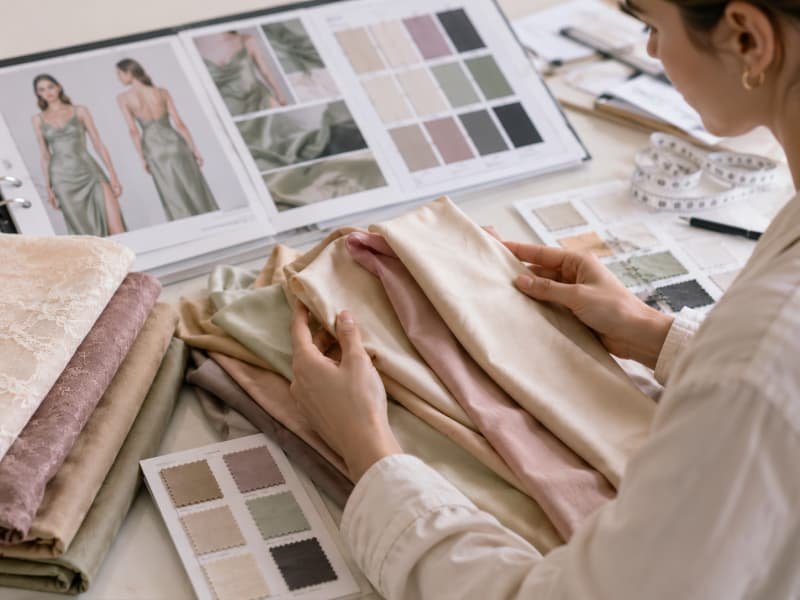
Material Development
- Composition
- Weight
- Surface
- Stretch
- Transparency
- Drape
- Bulk availability
- Dyeing or printing suitability
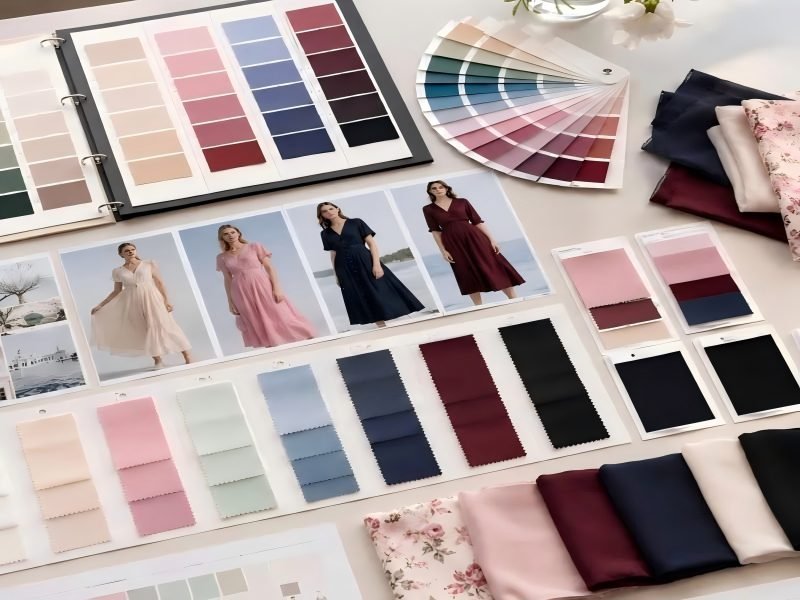
Physical Color Approval
- Pantone reference
- Original garment
- Fabric cutting
- Lab dip
- Print strike-off
- Approved sample
- PP sample
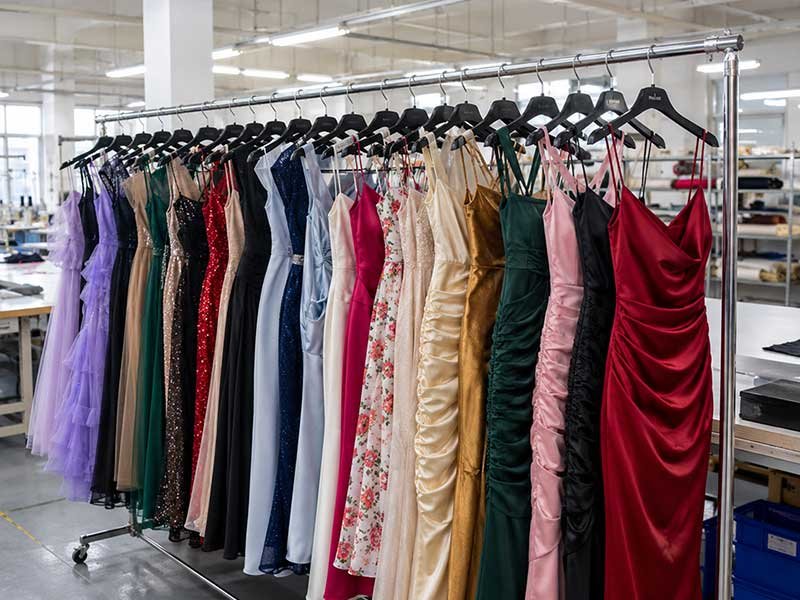
Multi-style Coordination
- Exact-match requirements
- Tonal coordination
- Complementary trim colors
- Lining influence
- Material-specific shade targets
- Style-level color allocation

Bulk Color Control
- Material batch identification
- Shade review before cutting
- Separation of different shade lots
- Main fabric and lining comparison
- Trim and thread verification
- Finished garment appearance review
- Approved sample comparison

Reorder Continuity
A repeat order may require a new dye lot, new material supply, or different production timing. Absolute identity between separately produced dye lots should not be promised without review. Duolan retains and rechecks:
- Approved color references
- Fabric information
- BOM details
- Trim standards
- Sample comments
- Production records
- Historical shade decisions
Color Risks Worth Solving Before Bulk Production
Screen-to-Fabric Mismatch
- Pantone code
- Physical color chip
- Original garment
- Approved fabric cutting
- Material sample
- Existing brand standard
Unbalanced Collection Palette
- Main palette
- Supporting neutrals
- Accent colors
- Carryover colors
- Product-specific exceptions
- Visual relationships between styles
Sample-to-Bulk Shade Drift
- Bulk material confirmation
- Approved swatch comparison
- Shade-lot review
- Cutting release
- PP or first-piece review
- Finished garment inspection
Same Shade, Different Surface
Lining and Trim Mismatch
A main fabric may be correct while the lining, zipper tape, sewing thread, lace, elastic, shoulder strap, hook, button, or embellishment appears visually disconnected. Some components require close matching.
Others require tonal coordination because the material cannot reproduce the same color in the same way. The required relationship should be defined before bulk purchasing.
Reorder Dye-lot Variation
A later order may use a new material batch or new dye lot. A previous Pantone number alone may not reproduce the original garment appearance. Repeat review should compare:
- Historical approved swatch
- New lab dip
- Material construction
- Surface finish
- Lining
- Trim
- Completed garment appearance
From Creative References to Production Instructions
Duolan organizes the available design information, open decisions, approval standards, and manufacturing requirements before color development moves into sampling.
| Brand Input | Duolan Review | Development Output |
|---|---|---|
| Seasonal moodboard | Mood, market, occasion, color relationships | Refined color direction and open-point list |
| Pantone references | Fabric suitability and likely visual shift | Lab dip or material sourcing plan |
| Physical color swatch | Color depth, undertone, surface relationship | Physical approval basis |
| Reference garment | Color, fabric, lining, trims, construction | Development notes and matching priorities |
| Dress sketches | Silhouette, fabric behavior, color role | Style-color allocation recommendation |
| Tech packs | BOM, construction, measurements, colorways | Sample plan and clarification list |
| Fabric ideas | Weight, drape, stretch, transparency, availability | Fabric options and risk notes |
| Print artwork | Repeat, scale, base color, placement, technique | Strike-off and print approval path |
| Collection plan | Style count, color count, quantity distribution | Multi-style development schedule |
| Launch calendar | Approval dates, production path, shipping needs | Critical-path timeline |
| Historical bestseller | Previous materials, colors, fit, sales role | Reorder or extension development basis |
| Target quantities | Style, color, size, order stage | Capacity and production-route review |
Building Color Direction Across Dress Categories
Different dress categories carry different commercial roles, fabric behaviors, fit requirements, and visual expectations. Color allocation should respond to those differences.
Party and Going-out Dresses
Party and going-out collections often depend on strong visual impact. Saturated shades, dark jewel colors, metallics, black, red, deep blue, burgundy, emerald, and high-contrast combinations can create campaign value, but surface materials greatly influence the result.
Development points include:
- Bodycon shapes: Dark or saturated colors may support opacity and contour, while pale shades can reveal lining, seams, underlayers, and stretch variation.
- Ruched dresses: Gather density changes color depth because overlapping fabric creates darker areas and more shadow.
- Cut-out designs: Skin exposure changes the apparent color balance of the garment.
- Sequined styles: Sequin reflection, base fabric, thread, and lining must be considered together.
- Mesh styles: The outer mesh and inner layer create a combined color rather than two isolated colors.
- Photography: Flash, club lighting, studio lighting, and social content may present reflective surfaces differently.
A strong partywear palette therefore balances camera impact, wearer comfort, material availability, and bulk execution.

Occasion and Cocktail Dresses
Occasionwear color development often requires more controlled refinement. Champagne, sage, burgundy, navy, blush, dusty blue, plum, and muted jewel tones may look premium only when undertone, fabric weight, lining, and surface finish are aligned.
Duolan reviews:
- Whether the color makes the fabric appear rich or flat
- Whether satin shine creates uneven highlights
- Whether lining alters the outer color
- Whether lace and ground fabric remain coordinated
- Whether the color supports the intended dress length and silhouette
- Whether trims appear tonal, contrasting, or distracting
- Whether the same shade can remain commercially acceptable across several materials
Occasion collections also benefit from continuity colors that can return across seasons without requiring a completely new visual identity.

Resort and Vacation Dresses Color Coordination Development
Resort collections frequently combine printed maxi dresses, lightweight halter styles, fluid sets, open-back silhouettes, and bright seasonal solids. Color development needs to connect:
- Print base colors
- Dominant motif colors
- Solid companion styles
- Lightweight fabric transparency
- Lining or underlayer shades
- Accessories and trims
- Campaign location and seasonal mood
A printed hero style can lead the palette, while selected colors from the artwork can be carried into solid dresses. The approach creates a coordinated line without repeating the same print across every product.

Satin and Slip Dresses
Satin creates movement, reflection, and tonal change across the garment. A color can appear lighter on highlighted areas and deeper in folds. Pale satin can reveal seam allowance, lining, and construction; dark satin can show pressure marks, scratches, and uneven finishing.
Color review should consider:
- Matte versus high-shine surface
- Lightweight versus heavier construction
- Stretch or non-stretch quality
- Garment drape
- Bias-cut behavior
- Lining requirement
- Seam appearance
- Packing and handling
The color standard needs to be evaluated on both the fabric and completed silhouette.

Mesh and Layered Dresses
Mesh color is inseparable from the layer beneath it. Skin-tone lining may create a sheer illusion, tonal lining can deepen the color, and contrasting lining can transform the whole visual direction.
Key decisions include:
- Mesh color
- Lining color
- Number of layers
- Transparency level
- Embroidery or flocking color
- Binding and seam finish
- Coverage zones
- Size-related stretch behavior
The approved result should describe the complete layered combination rather than the outer mesh alone.

Structured and Corset Dresses Color Planning
Corset, bustier, sculpted, and fitted dresses use color across several hidden and visible materials. Main fabric, lining, power mesh, cups, boning channels, binding, zipper, elastic, and thread may all affect the final appearance.
Color planning needs to support:
- Clean outer presentation
- Concealed functional components
- Consistent cup and bodice appearance
- Stable color under stretch
- Balanced seam visibility
- Size grading
- Light-color opacity
- Bulk workmanship control
A visually simple structured dress may therefore require a more detailed color BOM than a fluid unlined style.

Give Every Color a Commercial Role
Core Brand Color
A recognizable brand color can appear in several drops, provided fabric and product placement remain appropriate. Repetition creates continuity while new silhouettes keep the line current.
Development questions include:
- Is the color already associated with the label?
- Which fabrics reproduce it reliably?
- Which styles can carry it each season?
- Does the brand retain a physical standard?
- Can the color support future replenishment?
Seasonal Main Color
Duolan considers:
- Market timing
- Dress category
- Skin-tone appeal
- Material availability
- Print coordination
- Photography
- Color quantity distribution
- Repeat potential
Image-driving Color
A hero color needs:
- Strong fabric expression
- Reliable sample appearance
- Clear lighting review
- Coordinated trims
- Suitable packing
- Production feasibility
Commercial Neutral
Black can vary from blue-black to warm black. Cream can move toward yellow, pink, grey, or green. Navy can appear too bright or nearly black. Material surface and lining influence every result.
Accent Color
Accent colors require careful quantity planning because fragmented material orders can affect sourcing and production efficiency.
Continuity Color
A continuity shade connects one collection with the next. It can support repeat silhouettes, proven fabrics, ongoing online listings, regional programs, or permanent occasionwear colors.
Maintaining a retained physical reference and prior production record improves repeat evaluation.
How Dress Fabrics Change the Same Color

Satin: Reflection Changes Perceived Depth
Satin reflects light according to weave, yarn, finish, garment angle, and surrounding lighting. Important review points include:
- Surface level: Matte satin creates softer tonal movement; high-shine satin creates stronger contrast between highlighted and shadowed areas.
- Fabric weight: Lightweight satin may appear more translucent and may show seam allowance or lining. Heavier satin often produces a deeper, more stable appearance.
- Stretch: Stretch satin can change shade when tension opens the structure around the bust, waist, hip, or thigh.
- Bias cutting: Fabric direction changes reflection and may make panels appear different even when cut from the same roll.
- Handling: Scratches, pressure, steam, pressing, and packing may alter surface appearance.

Mesh: Outer and Inner Layers Form One Color
Mesh carries open spaces, stretch, and transparency. The visible result comes from the mesh, the lining, the wearer’s skin tone, and any embroidery or surface treatment. A nude lining under black mesh creates a different product from black lining under black mesh. A tonal lining can deepen the shade. A lighter lining may make the mesh appear brighter. Two layers of mesh can create more saturation than one. Development points include:
- Mesh color and undertone
- Lining color
- Layer count
- Stretch under wear
- Coverage zones
- Binding and seam color
- Embroidery or flocking
- Size-related transparency
- Flash photography

Chiffon: Layering Creates Tonal Depth
Chiffon is lightweight, translucent, and responsive to movement. A single layer often appears much lighter than the same color in gathers, pleats, ruffles, or multiple layers. Color development should therefore consider:
- Single-layer areas
- Double-layer bodices
- Gathered sections
- Pleated panels
- Skirt volume
- Lining color
- Hem treatment
- Print base color
- Light transmission
A chiffon dress may intentionally use tonal variation as part of the design. The approval basis should define whether the goal is an even appearance or a layered, dimensional result.

Lace: Ground Fabric and Pattern Must Work Together
Lace color involves more than the visible motif. Ground net, embroidery thread, cord, eyelash edge, backing fabric, lining, applique, and seam construction all influence the final look. For tonal lace, every component should appear coordinated without creating an obvious mismatch. Duolan checks:
- Motif color
- Ground net color
- Lining or underlayer
- Edge finish
- Thread color
- Applique placement
- Panel joining
- Bulk availability
- Shade variation between lace lots

Velvet: Pile Direction Changes Light and Shade
- Confirmed pile direction
- Consistent panel orientation
- Surface pressure review
- Color appearance under movement
- Seam and pressing method
- Protection during packing
- Lot separation
- Finished garment comparison

Sequins and Metallic Surfaces: Color Moves with Light
Sequined fabrics may use colored sequins, transparent sequins over a colored ground, reversible sequins, metallic films, matte finishes, iridescent coatings, or embroidery combinations. Color decisions include:
- Sequin face color
- Reverse color
- Ground fabric
- Stitching thread
- Lining
- Beads or rhinestones
- Metal trims
- Light reflection
- Density
- Direction
From Reference Color to Approved Sample Garment
Reference Review
- Pantone code
- Physical chip
- Original garment
- Fabric cutting
- Brand color standard
- Digital moodboard
- Print artwork
Lab Dip Development
Comments should be specific:
- More blue
- Less yellow
- Deeper
- Cleaner
- Warmer
- Less saturated
- Closer to physical swatch
Physical Approval
Where several materials share one color story, approval can define exact matches, tonal matches, or coordinated shades rather than treating every component as identical.
Fabric Base Selection
An unsuitable base fabric can prevent the intended color result even when the dyeing direction is technically close.
Sample Garment Review
- Drape
- Fold depth
- Transparency
- Lining influence
- Stretch
- Seam visibility
- Pleats
- Gathers
- Panel direction
- Surface reflection
Bulk Readiness Confirmation
Before bulk material purchasing or production begins, the project team confirms:
- Approved main fabric
- Approved lining
- Trim color
- Thread color
- Print or decoration
- Sample status
- Remaining comments
- Bulk reference
- Inspection basis
- Repeat-order file requirements
Coordinate Every Visible and Hidden Color Component
Lining Coordination
Duolan reviews:
- Tonal versus contrasting lining
- Main-fabric transparency
- Stretch compatibility
- Handfeel
- Weight
- Coverage areas
- Seam visibility
- Size-related tension
Thread and Zippers
Control points include:
- Tonal thread selection
- Visible topstitch color
- Concealed zipper tape
- Metal finish
- Zipper pull shape
- Seam opening exposure
- Colorfastness requirements
- Bulk availability
Lace, Elastic, and Straps
Lace trim, elastic, binding, adjustable straps, bra components, hooks, eyes, and internal support materials may come from different suppliers and use different dyeing processes.
Some components cannot reproduce the main fabric exactly. Duolan defines whether each item requires:
- Close match
- Tonal match
- Concealed color
- Intentional contrast
- Metal coordination
- Skin-tone relationship
Decorative Hardware
Buttons, buckles, eyelets, chains, stones, rhinestones, beads, and metal trims influence the visual temperature of the collection.
Possible finishes include:
- Bright gold
- Matte gold
- Silver
- Gunmetal
- Black nickel
- Antique finishes
- Painted surfaces
- Enamel colors
Finish, durability, attachment method, garment weight, and surrounding fabric should be reviewed together.
Extend the Color Story Beyond Solid Fabrics

All-over Print
- Artwork colors
- Base fabric color
- Repeat size
- Pattern scale
- Fabric width
- Print method
- Color penetration
- Panel joining
- Bulk continuity

Placement Print
Placement prints depend on the relationship between artwork position and garment construction. Important points include:
- Front and back position
- Size grading
- Neckline and seam placement
- Cutting tolerance
- Color density
- Fabric stretch
- Print durability
- Bulk registration

Sequin and Beading
- Main surface color
- Ground fabric
- Sequin direction
- Bead combination
- Stone finish
- Edge areas
- Comfort zones
- Packing protection
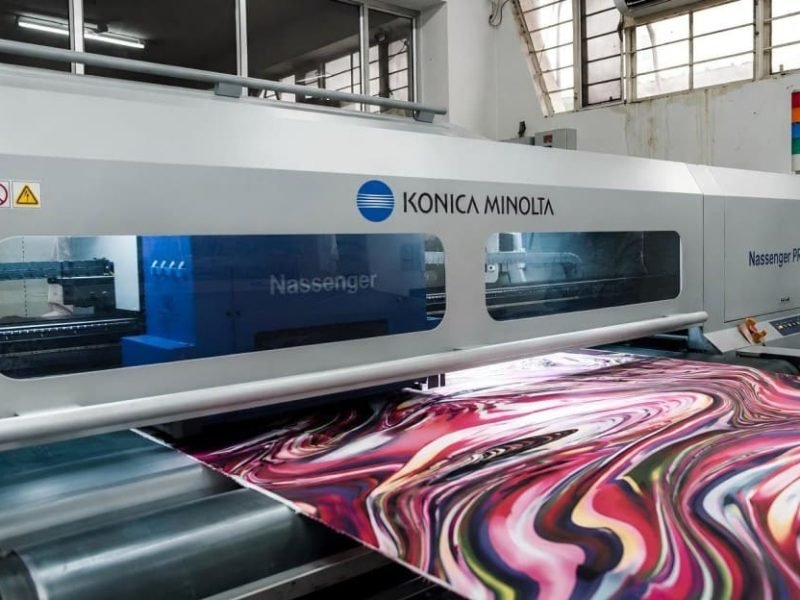
Digital Print
Digital printing supports detailed artwork and multiple colors, but the final result changes according to fiber content, fabric surface, preparation, and finishing. A print strike-off should be reviewed for:
- Color balance
- Fine detail
- Ground shade
- Saturation
- Motif scale
- Fabric handfeel
- Garment appearance

Embroidery Color
Metallic Finishes
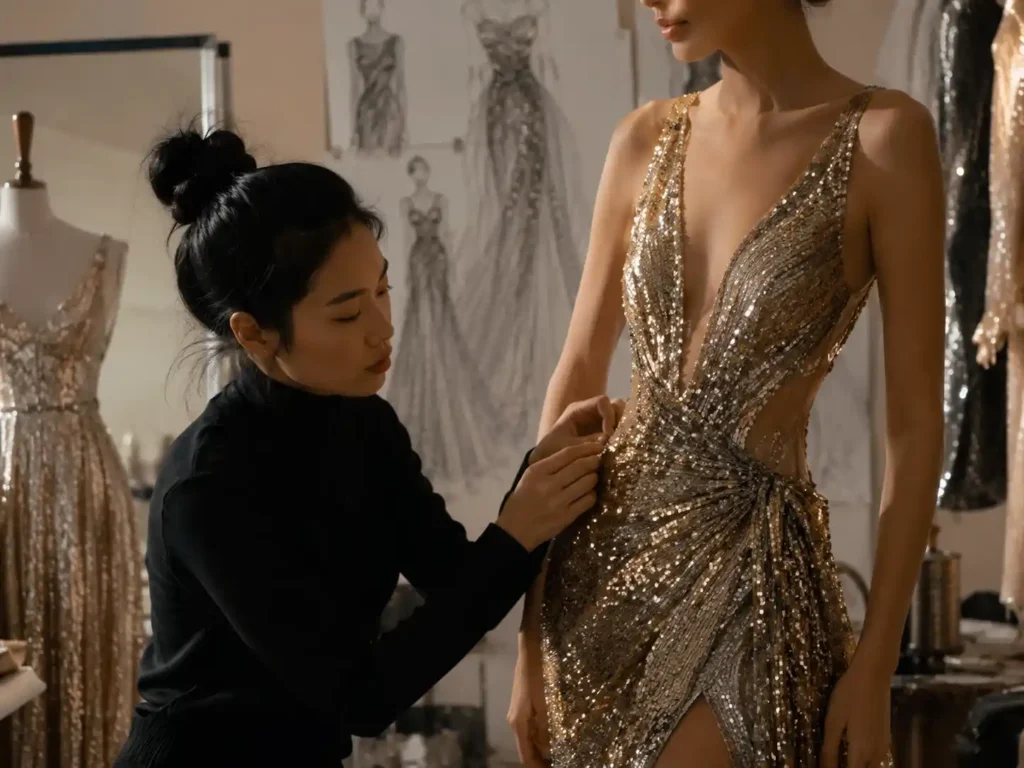
Foil, metallic thread, coated surfaces, studs, chains, and hardware may use warm, cool, bright, matte, antique, or iridescent effects. Metallic color should be reviewed beside the main fabric, under intended lighting, and after attachment to confirm the final relationship.
Color Decisions Must Support Design and Fit
Silhouette Changes Color Distribution
- Dress length
- Skirt volume
- Drape
- Panel direction
- Gathers
- Pleats
- Ruching
- Cut-outs
- Open-back areas
- Sleeve volume
- Bodice structure
Stretch Changes Opacity and Shade
Stretch fabrics can appear lighter when tension opens the knitted structure. The effect may be strongest around the bust, waist, hip, thigh, or seat. Development needs to consider:
- Fabric stretch percentage supplied by the mill
- Recovery
- Garment ease
- Base sample size
- Target size range
- Lining or power-mesh layer
- Seam tension
- Color under extension
- Opacity under movement
Duolan follows the brand’s size chart, base size, fit comments, and grading rules. Size development is not handled by enlarging every area equally; silhouette, support, coverage, and fabric behavior need to remain balanced.
Structured Dresses Require Hidden Color Planning
Corset, bustier, halter, strapless, and sculpted dresses may include cups, boning, channels, power mesh, elastic, tape, binding, underlayers, and closures. For light or semi-sheer colors, hidden components can become visible. Development checks:
- Cup color
- Boning channel
- Power-mesh tone
- Lining
- Elastic
- Zipper tape
- Seam allowance
- Internal binding
- Support panels
A clean outer color depends on disciplined internal construction.
Fit Comments Can Affect Color Appearance
A sample color may look correct, yet fit changes can alter how the material reflects light or stretches over the body. Examples include:
- Bust tension lightening a stretch fabric
- Waist correction changing ruching density
- Skirt-volume adjustment changing color depth
- Lining changes altering transparency
- Cup-position correction moving seam shadows
- Strap adjustment changing bodice tension
- Hem-length change altering print balance
Color approval and fit approval should therefore be connected on fit-sensitive styles.
Develop Samples for Decisions, Not Display Alone
Define the Sample Purpose First
- First prototype: Confirms the initial interpretation of silhouette, material, color direction, and construction.
- Fit sample: Focuses on measurements, balance, movement, support, coverage, and size standards.
- Revised sample: Applies structured comments from the previous review.
- Photo-ready sample: Prioritizes approved visual appearance for campaign, e-commerce, or showroom use.
- Salesman sample: Supports sales presentation and range review.
- PP sample: Establishes the pre-production basis for bulk manufacturing.
Development Capacity for Multi-style Programs
Duolan’s manufacturing network is structured for high-density fashion development. Monthly sample development capacity ranges from approximately 15,000 to 35,000 sample units across the wider system, supporting several brands, product categories, and development stages. For a single collection containing 10-30 styles, the relevant advantage is not the headline capacity alone. The real value lies in:
- Parallel style review
- Fabric and trim coordination
- Separate risk classification
- Sample-stage tracking
- Comments management
- Production-path planning
- Transition from selected styles into bulk
Garment Review Converts Comments into Standards
- Main fabric shade
- Lining effect
- Trim color
- Print color
- Silhouette
- Measurements
- Opacity
- Stretch
- Support
- Seam appearance
- Embellishment
- Packing sensitivity
Sample Planning Includes Color Approval Points
- Reference color source
- Fabric sourcing status
- Lab dip requirement
- Print strike-off requirement
- Lining decision
- Trim matching
- Pattern work
- Sample size
- Fit priorities
- Workmanship risks
- Approval checkpoints
- Revision path
Workmanship Protects the Intended Color Appearance
Cutting Direction and Shade Separation
- Fabric face
- Nap or pile direction
- Print direction
- Panel orientation
- Shade lot
- Roll number
- Placement requirements
- Matching points
- Layer height
- Defect areas

Sewing Quality Affects Surface Appearance
Needle size, thread tension, stitch density, seam construction, machine handling, and operator technique influence the visible result. Color-sensitive risks include:
- Needle marks on satin
- Seam grin on stretch fabric
- Puckering on lightweight materials
- Exposed dark seam allowance under pale fabric
- Mismatched thread
- Distorted mesh
- Damaged sequins
- Uneven lace joining
- Visible lining at openings
- Pressure marks around closures
Duolan identifies important workmanship points during development and transfers them into production instructions.

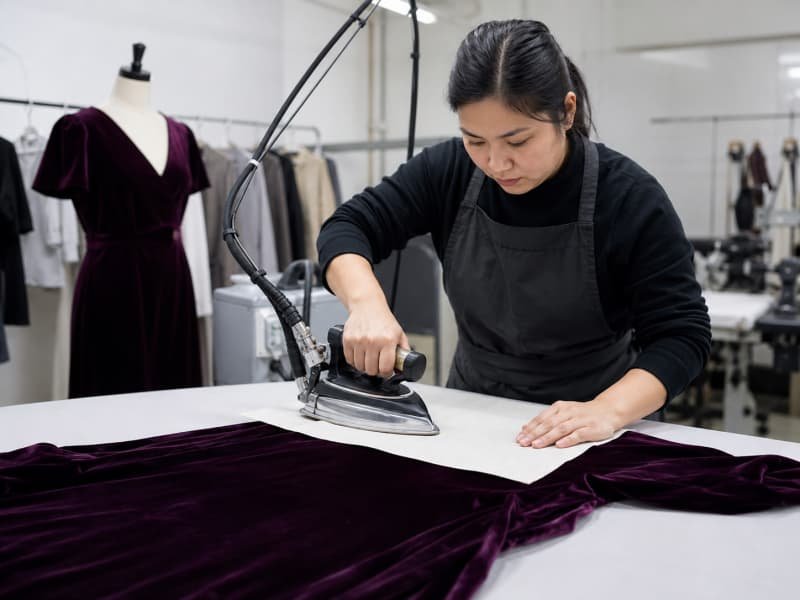
Pressing and Finishing Need Material Discipline
- Pressing temperature direction
- Protective pressing method
- Avoiding shine marks
- Avoiding water marks
- Restoring pile
- Protecting metallic surfaces
- Removing handling marks
- Maintaining pleats or gathers
- Final hanging or folding method
Packing Can Change Visual Quality
Dark and pale garments may transfer color when unsuitable materials are combined. Sequins can scratch adjacent surfaces. Velvet can develop pressure marks. Satin can crease. Metallic trims can damage delicate fabrics. Packing planning considers:
- Individual protection
- Tissue or separating layer
- Folding direction
- Hanger requirement
- Garment bag
- Moisture protection
- Carton pressure
- Color separation
- Embellishment protection
- Warehouse and shipping method

Control Color Through Every Production Stage
Approved Standards Enter the Production File
Before bulk starts, the team confirms which physical or documented references govern the order.
The production basis can include:
- Approved lab dip
- Approved bulk fabric cutting
- Physical brand swatch
- Pantone reference
- Approved print strike-off
- Approved trim board
- Approved sample
- PP sample
- BOM
- Color comments
- Packing instructions
Each standard must be identified clearly so sourcing, production, and inspection teams work from the same version.
Bulk Fabric Is Reviewed Before Cutting
Review points can include:
- Color
- Shade variation
- Lot information
- Fabric face
- Width
- Weight
- Stretch
- Transparency
- Surface defects
- Print defects
- Stains
- Snags
- Finishing
- Bulk quantity
First Pieces Confirm Production Interpretation
The review can cover:
- Main fabric appearance
- Lining
- Thread
- Zipper
- Trims
- Measurements
- Construction
- Seam quality
- Pressing
- Embellishment
- Labeling
- Packing direction
Shade Lots Are Managed During Cutting
Where visible variation exists, material may need to be grouped by shade before cutting. The objective is to avoid mixing noticeably different sections within one garment or coordinated set.
Cutting control may include:
- Roll identification
- Shade grouping
- Marker planning
- Bundle identification
- Style-color-size separation
- Panel orientation
- Print placement
- Defect avoidance
- Bundle transfer records
Inline and Final Checks Protect Consistency
Inline control focuses on production-stage risks before they spread across the order. Final review checks completed garments against approved standards and shipment requirements.
Color-related checks include:
- Main material consistency
- Correct colorway
- Lining and trim coordination
- Visible shade variation
- Panel mismatch
- Printing or embroidery color
- Stains
- Pressing marks
- Surface damage
- Assortment accuracy
- Packing by color
Repeat Orders Return to the Retained Standard
For replenishment or seasonal return styles, Duolan reviews the historical file together with current material conditions.
The repeat basis can include:
- Approved swatch
- Previous sample
- BOM
- Pattern
- Construction notes
- Trim specification
- Packing standard
- Prior shade comments
- Current lab dip
- New bulk material review
A new dye lot is assessed against the retained standard rather than assumed to be identical.
Manufacturing Capacity for Multi-style Color Programs
30+ Years Development Experience
- Fabric suitability
- Silhouette
- Color expression
- Decorative balance
- Construction risks
- Sample feasibility
- Bulk transition
16 Owned Womenswear Factories
- Development
- Pattern
- Sample
- Production planning
- Workmanship
- Quality control
- Shipment
300 Sewing Lines
- Standard styles
- Fit-sensitive styles
- Material-sensitive styles
- Craft-sensitive styles
- Repeat orders
- Quick-response orders
- Multi-style collections
- Scale-up programs
20+ Satellite Factories
- Style complexity
- Fabric
- Craft
- Quantity
- Delivery date
- Production readiness
- Factory suitability
- Quality requirements
12,000+ Workers
50+ Flexible Lines
More than 50 quick-response and flexible lines support development transitions, test programs, time-sensitive styles, repeat demand, and product groups requiring closer scheduling. Duolan does not rely only on available capacity. Line selection also considers material readiness, workmanship, fit sensitivity, color count, style complexity, and delivery sequence.
Compare Color Execution with Collection Development
A color development partner connects creative direction, material behavior, sample approval, bulk standards, production control, and repeat-order continuity.
| Basic Color Matching Service | Duolan Development Approach |
|---|---|
| Receives one Pantone number | Reviews palette, product role, material, and market direction |
| Matches one fabric in isolation | Evaluates color across satin, mesh, chiffon, lace, velvet, jersey, lining, and trims |
| Treats every material as an exact-match target | Defines exact, tonal, complementary, or concealed relationships |
| Approves a flat lab dip only | Reviews lab dip, physical swatch, sample garment, and bulk basis |
| Handles each style separately | Plans color allocation across 10-30 coordinated styles |
| Selects trims after fabric confirmation | Coordinates lining, thread, zippers, lace, elastic, hardware, and decoration |
| Checks color at final inspection | Controls references, incoming material, shade lots, cutting, first pieces, inline production, and final garments |
| Starts production after sample approval | Runs a bulk-readiness review covering fabric, color, measurements, workmanship, trims, and packing |
| Treats a repeat order as a new order | Reuses retained standards, BOM, sample records, and historical comments |
| Quotes without a structured brief | Reviews design files, quantities, colorways, size standards, sample purpose, and launch calendar before confirming the path |
Color Story Programs Developed for Fashion Collections
The following anonymized cases reflect project structures commonly handled for established fashion labels. Brand names and unreleased product information remain confidential.
United States Partywear Collection - 18 Styles, 42,000 Garments
A United States partywear label planned an 18-style holiday collection covering fitted minis, ruched midis, corset dresses, mesh-over-lining designs, sequined statement pieces, and satin occasion styles. Total planned production reached 42,000 garments across six main color directions and sizes XS-XL.
Initial challenge:
The brand supplied a seasonal moodboard and Pantone references, but the same burgundy, emerald, midnight blue, black, champagne, and silver directions appeared very different across satin, stretch mesh, sequin embroidery, linings, and metallic trims.
Key risks included:
- Burgundy satin appearing warmer than burgundy mesh
- Nude lining shifting the mesh color
- Silver sequins conflicting with zipper and hardware finishes
- Pale champagne showing internal bodice components
- Dark stretch fabrics becoming lighter under tension
- Six colors being divided across too many styles without a clear commercial hierarchy
Duolan development approach:
The collection was divided into three product roles:
- Six image-driving styles
- Eight commercial volume styles
- Four continuity and repeat-potential styles
Color relationships were defined by material rather than forcing every surface into an artificial exact match. The development file included:
- Main fabric color references
- Mesh and lining combinations
- Sequin ground-color decisions
- Zipper, thread, and hardware direction
- Style-color allocation
- Sample review priorities
- Bulk color references

Burgundy and emerald became the principal seasonal colors. Black and midnight blue supported commercial volume. Champagne and silver were concentrated in campaign-focused products.
Manufacturing control:
Bulk planning separated the order by style, color, size, material readiness, and workmanship risk. Shade-lot review occurred before cutting. Early production pieces were compared with approved samples before the remaining units moved through the lines.
Result:
All 18 styles entered PP and production review under one color matrix. The 42,000-garment order was arranged in two planned shipment groups. The brand retained the color and material records for a later repeat review of four successful styles.
European Resort Collection - 24 Styles, 68,000 Garments
A European resortwear label developed a 24-style collection containing printed maxi dresses, halter dresses, lightweight midis, open-back dresses, fluid sets, and selected solid-color pieces. Planned production totaled 68,000 garments across eight main color directions and sizes EU 34-44.
Initial challenge:
The collection mood was based on coastal blue, coral, sand, botanical green, cream, and sunset tones. Print artwork had already been created, but the solid styles did not coordinate with the prints. Several digital references also appeared too bright when transferred onto lightweight chiffon and viscose-blend fabrics.
The product team needed to connect:
- Three printed stories
- Five solid-color directions
- Lightweight semi-transparent fabrics
- Tonal linings
- Matching ties and straps
- Campaign hero pieces
- Commercial midi and maxi dresses
Duolan development approach:
The print artwork was reviewed first to identify dominant, supporting, and accent colors. Selected artwork colors were then adapted into solid fabric directions rather than copied without material adjustment.
The process covered:
- Print strike-off review
- Base-fabric color
- Motif scale
- Chiffon layering
- Lining combinations
- Solid companion shades
- Style-color distribution
- Trim and thread coordination

Coastal blue and botanical green were assigned to higher-volume solid styles. Coral and sunset tones were used selectively for hero dresses. Sand and cream supported continuity products and balanced the stronger colors.
Manufacturing control:
Printed and solid materials followed separate approval paths before being brought together for a full collection review. The production schedule grouped styles by print readiness, fabric availability, workmanship, and required shipment date.
Result:
The 24-style collection moved into bulk under a coordinated print-and-solid palette. All 68,000 garments were organized by style, color, size, and delivery window. The retained print strike-offs, physical swatches, and material records provided a clear basis for future resort extensions.
United Kingdom Occasionwear Reorder - 12 Styles, 26,400 Garments
A United Kingdom occasionwear label returned with a 12-style repeat and extension program based on proven midi, maxi, satin, lace, and fitted occasion dresses. The new order totaled 26,400 garments across burgundy, sage, navy, and champagne, with sizes UK 6-18.
Initial challenge:
The original production materials were no longer available from the same dye lots. New satin and lace supplies needed to remain visually coordinated with prior online listings, retained store samples, and existing campaign imagery.
Risks included:
- New burgundy satin appearing too red
- Sage lace carrying a greyer undertone
- Champagne lining making the outer satin too yellow
- Navy thread and zipper tape appearing brighter than the main fabric
- New material construction changing drape and color depth
- Repeat styles being mixed with four newly developed silhouettes
Duolan development approach:
Historical approved swatches, retained sample references, BOM records, and prior comments were reviewed before new lab dips were assessed.
The repeat path included:
- Comparison with historical physical standards
- New material construction review
- Lab dip comments
- Lace and ground-fabric coordination
- Lining reassessment
- Zipper and thread confirmation
- Fit check on replacement materials
- Separate status records for repeat and new styles

The goal was not an unsupported promise of perfect identity between separate dye lots. The goal was a commercially acceptable, coordinated result based on retained physical standards and current production materials.
Manufacturing control:
Repeat styles reused approved patterns, measurement rules, workmanship points, and packing standards where materials remained compatible. New styles followed a separate sample and PP path.
Result:
Twelve styles moved into the 26,400-garment production program with four confirmed color families. Eight repeat styles retained their established construction standards, while four new styles were added under the same seasonal color direction. The project file was preserved for later replenishment review.
Color Story Development Frequently Asked Questions

Start Your Dress Color Story Project
Send Duolan the available collection materials for a structured review of color direction, fabric behavior, sample requirements, production feasibility, and bulk planning. A complete tech pack is helpful but not required for the first assessment. Moodboards, sketches, reference garments, fabric ideas, Pantone codes, physical swatches, artwork, prior samples, size charts, and launch plans can all provide a useful development basis.
For a faster review, include:
- Collection type and target market
- Planned number of dress styles
- Planned colors or color families
- Pantone codes or physical color references
- Preferred fabrics and trims
- Print or embellishment artwork
- Sample purpose
- Base sample size and size range
- Quantity by style and color
- Target launch date
- Required delivery window
- Current development stage
- Main color, fabric, fit, or production concerns
After receiving the files, Duolan will review the product direction, available references, material requirements, open decisions, sampling path, bulk-readiness factors, and suitable production route before confirming the next step.


