 Skip to content
Custom Dress Manufacturer for Dress Line Development
Custom dress manufacturing support for complete line development, from brand direction and fabric sourcing to samples, PP approval, bulk production, delivery, and reorder records.
Duolan helps established fashion brands develop complete dress lines across premium ecommerce, occasionwear, resort, partywear, office-to-evening, capsule, and reorder programs. Each line is reviewed through style roles, fabric direction, tech packs, pattern needs, sample stages, fit comments, PP standards, production route, QC focus, shipment timing, and future repeat potential.
- 10–30 styles supported across many mature brand orders requiring complete dress line execution.
- 20,000–80,000 pieces handled per brand order across current cooperation ranges.
- 3,000–8,000 monthly style workflows support multi-style development, sample review, and production tracking.
- 15,000–35,000 monthly sample capacity supports first, fit, photo-ready, salesman, PP, and golden samples.
- 6 development stages aligned across line review, fabric direction, tech pack, sample, PP, and bulk release.
- 5 production records prepared across pattern, BOM, PP sample, QC notes, and reorder file.
Built for Dress Line Development Teams
Premium Ecommerce Dress Brands
- Duolan supports dress lines across party minis, satin midis, mesh bodycon styles, slips, occasion dresses, resort edits, and core reorders.
- Photo-ready samples, fit samples, salesman samples, and PP samples can follow separate deadlines.
- Line planning improves when hero styles, volume styles, and reorder candidates are separated before sampling begins.
Contemporary Womenswear Labels
Contemporary womenswear labels need balance across daily wear, office-to-evening, resort, occasion, and refined capsule styles. A dress line should feel cohesive while allowing enough silhouette range.
- Duolan reviews mini, midi, maxi, fitted, relaxed, soft tailored, slip, wrap, and shirt dress directions as one development flow.
- Fabric families, trim choices, color story, and pattern logic help preserve a unified brand language.
- Approved records help move styles into bulk, reorder, and color extension programs.
Occasionwear Brands
Occasionwear dress lines often cover wedding guest, cocktail, graduation, homecoming, holiday, party, semi-formal, and formal-inspired moments. Each style needs a clear commercial role and delivery path.
- Duolan reviews satin, chiffon, lace, crepe, mesh, sequin, and corset-inspired styles by material risk and sample priority.
- Color story, lining tone, drape, photo sample timing, and PP deadlines need early review.
- Occasion line development must connect sales window, sample path, QC timing, and shipment plan.
Resort and Vacation Dress Brands
- Duolan reviews print strike-off, fabric drape, shrinkage, opacity, packing needs, and shipping window.
- Resort lines benefit from early material planning because print and fabric approvals can slow development.
- Approved patterns and fabric groups can support future resort color drops and repeat styles.
Category-Expanding Fashion Brands
Established fashion brands expanding into a stronger dress category need structure before sampling. A new dress line should fit existing brand language while creating new commercial space.
- Duolan reviews brand mood, target market, style count, fabric direction, price position, and launch timeline.
- Existing fit standards, fabric preferences, and retail feedback can guide first sample planning.
- Strong records help a category expansion become repeatable instead of one isolated launch.
Product, Technical and Sourcing Teams
- Duolan supports review around line sheet, tech packs, fabric direction, color story, target quantity, sample goal, and delivery window.
- Style roles help teams avoid treating all dresses equally during development and bulk planning.
- Strong line records help connect product decisions with production execution.

Why Dress Line Development Needs Manufacturing Input
A dress line is not only a style list. Every dress carries fit needs, fabric behavior, cost pressure, material lead time, sample purpose, production risk, QC difficulty, and future reorder value. A hero dress may deliver strong launch visuals but require earlier fabric testing. A core midi may drive volume but needs stable pattern, fabric, sizing, and workmanship. A reorder style should create production memory from the first run.
Duolan treats dress line development as a bridge between product direction and manufacturing execution. Brand mood, line sheet, tech pack, fabric sourcing, pattern work, fit samples, photo-ready samples, PP approval, factory allocation, QC, packing, shipment, and reorder records all need one connected path. Early manufacturing input helps prevent strong design ideas from becoming difficult to quote, sample, produce, inspect, or replenish.
A strong dress line should feel cohesive, commercial, and production-ready. The goal is not only more styles. The goal is a product system with clear roles, controlled materials, approved standards, and scalable execution.
Dress Line Types Duolan Develops

Premium Ecommerce Dress Line
- Suitable for party dresses, occasion midis, satin slips, mesh bodycon styles, cut-out minis, and social-event looks.
- Duolan reviews visual finish, photo-ready sample timing, fabric readiness, PP sample, size range, and packing method.
- Strong launch samples should connect with production standards instead of remaining only visual references.

Occasion Dress Line
Occasion dress lines usually combine wedding guest, cocktail, graduation, semi-formal, soft evening, and formal-inspired styles.
- Duolan reviews satin shine, chiffon transparency, lining tone, crepe drape, lace placement, and color approval.
- Occasion styles need clear sample deadlines because sales windows are less forgiving.
- PP approval protects fit, finish, and fabric standards before bulk release.

Party Dress Line
- Duolan reviews stretch recovery, lining coverage, sequin loss, seam strength, support structure, and packing protection.
- High-risk styles should move earlier than lower-risk support styles.
- QC planning needs to begin before production pressure increases.

Resort Dress Line
- Duolan reviews print scale, strike-off approval, shrinkage, fabric drape, length balance, and packing method.
- Printed ranges need clear records for color, placement, and bulk fabric behavior.
- Early fabric planning helps protect sea freight and delivery windows.

Office-to-Evening Dress Line
- Duolan reviews fabric body, wrinkle behavior, movement comfort, size range, color extension, and reorder records.
- Core patterns can support several seasons when BOM and PP standards remain stable.
- Clean workmanship and pressing standards matter strongly for refined daily wear.

Capsule Dress Line
Capsule dress lines need fewer styles with stronger identity. The line should feel complete without becoming scattered.
- Duolan reviews shared fabrics, color palette, silhouette balance, trim consistency, and pattern reuse.
- Capsule programs benefit from clear hero, core, and support style roles.
- Repeatable pattern and BOM records protect future capsule updates.

Fabric-Led Dress Line
- Duolan reviews weight, handfeel, drape, opacity, recovery, care, and QC risk before matching styles.
- Fabric family planning can simplify sourcing, cost control, and sample coordination.
- Styles should fit the fabric, not force the fabric into the wrong shape.

Reorder-Ready Dress Line
- Duolan records pattern version, BOM, PP sample, golden reference, QC notes, packing method, and shipment details.
- Reorder candidates need material continuity and future capacity visibility.
- Strong records support repeat orders, color extensions, and line refreshes.
Dress Line Development Map Before Sampling
Line review should happen before sample work begins. Duolan reviews product role, style count, fabric direction, file readiness, sample path, cost structure, bulk feasibility, and reorder value early.
| Development Area | Common Line Risk | Duolan Review Focus |
|---|---|---|
| Line Direction | Styles lack clear product role | Hero, core, support, occasion, reorder logic |
| Style Count | Too many styles move without priority | Style grouping, sample order, risk level |
| Fabric Direction | Materials feel scattered | Fabric family, cost, MOQ, lead time, QC risk |
| Tech Pack Readiness | Files remain incomplete or inconsistent | Flats, BOM, POM, construction, label, packing |
| Sample Path | Every style follows the same route | First, fit, photo-ready, salesman, PP sample |
| Cost Structure | Visual ideas exceed target price level | Fabric, trims, workmanship, QC complexity |
| Bulk Feasibility | Strong samples become hard to scale | Production route, material readiness, QC needs |
| Reorder Potential | Line lacks long-term product memory | Pattern, BOM, PP, golden, QC record |
From Brand Direction to Dress Line Architecture
A dress line begins with brand direction, then becomes a structure of silhouettes, fabrics, prices, samples, and production records. Duolan supports brands by turning direction into a line architecture ready for development.
Brand Mood and Market Position
- Duolan reviews target market, price position, styling language, wearing occasions, and existing product feedback.
- Brand mood should guide silhouette, fabric, color, trim, and sample priorities.
- A clear direction helps avoid scattered styles and weak line identity.
Style Role Planning
Each dress needs a role. Hero styles, core volume styles, commercial support pieces, occasion drivers, color extensions, and reorder candidates should not follow identical development logic.
- Duolan separates roles before sample planning.
- High-risk hero styles may need earlier fabric and construction review.
- Core styles need stronger pattern, BOM, and reorder records.
Silhouette Framework
A strong dress line usually needs balance across mini, midi, maxi, bodycon, A-line, slip, wrap, shirt, halter, strapless, and soft tailored silhouettes.
- Duolan reviews whether silhouettes overlap too much or leave key gaps.
- Silhouette choice should align with wearing occasion and fabric behavior.
- A balanced framework helps protect line depth and brand coherence.
Fabric Direction
Fabric direction connects style value with production reality. Satin, crepe, chiffon, linen blends, jersey, mesh, lace, sequin, and compact knits all carry different costs and risks.
- Duolan reviews fabric families by style role, price layer, lead time, and QC need.
- Shared fabric direction can reduce sourcing complexity.
- High-risk fabrics should be tested earlier.
Price Layer
A mature dress line needs price layers. Hero styles can carry more cost; core styles need stable production efficiency; support styles need controlled construction.
- Duolan reviews fabric cost, trim load, workmanship, packing, and QC complexity by style.
- Price logic should support margin, launch value, and bulk stability.
- Reorder styles need cost and material continuity.
Production Route
- Duolan reviews which styles need first sample, fabric trial, fit sample, photo-ready sample, salesman sample, or direct PP route.
- Risk-sensitive styles need earlier development.
- Production planning becomes stronger when route decisions begin before sampling.
Fabric Sourcing and Material Direction for Dress Lines
Fabric direction shapes the full line. Duolan reviews materials by role, cost, lead time, sample behavior, QC risk, and future reorder value.

Satin and Matte Satin
Satin supports slip dresses, occasion midis, party styles, wedding guest pieces, and minimal evening looks. Shine, drape, and seam quality need strong control.
- Duolan reviews satin weight, surface glow, bias behavior, seam tension, lining, and packing pressure.
- Matte satin and charmeuse may serve different price and styling roles.
- Satin planning helps align drape, color, and finish across several styles.
Crepe and Soft Wovens
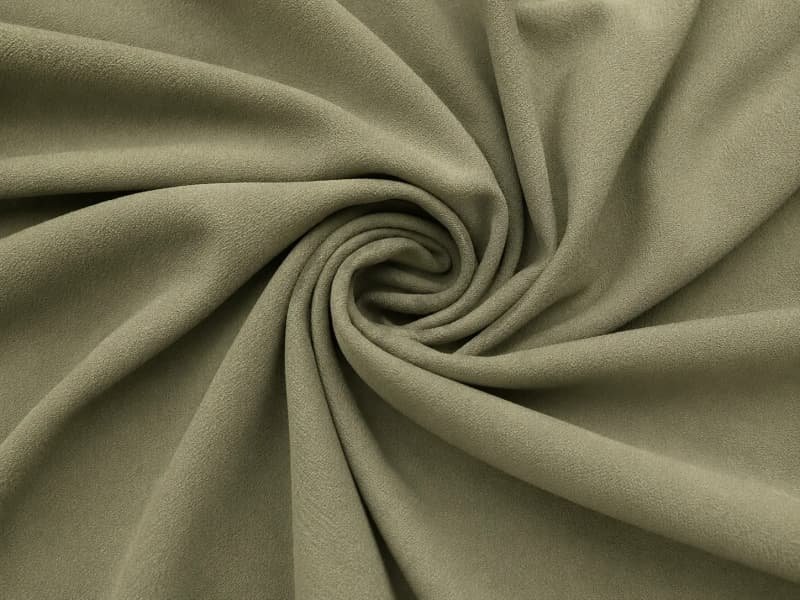
- Duolan reviews weight, drape, seam pressing, wrinkle behavior, opacity, and lining needs.
- Crepe can support core volume styles and repeatable silhouettes.
- Strong crepe records help protect future color extensions.

Chiffon and Georgette
Chiffon and georgette support soft occasion dresses, wedding guest styles, overlays, feminine midis, and flowy sleeves. Transparency and lining matter.
- Duolan reviews sheerness, lining tone, layering, hem movement, seam strength, and static behavior.
- Soft fabrics need careful cutting and pressing to prevent twisting or uneven fall.
- Best for occasion capsules with coordinated color stories.
Jersey and Ponte
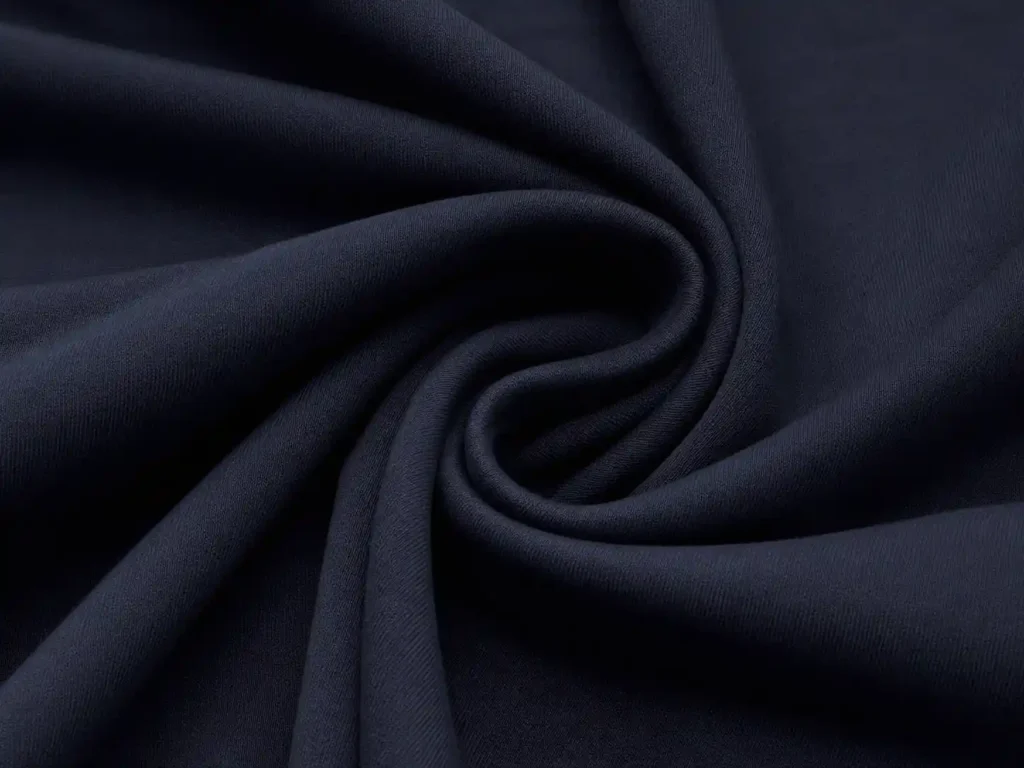
- Duolan reviews stretch return, transparency, seam tension, pilling risk, and garment pressure.
- Ponte can provide cleaner structure than lightweight jersey.
- Stretch-led lines need careful size and measurement control.

Linen and Cotton Blends
Linen and cotton blends support resort, day dress, shirt dress, summer capsule, and refined casual programs. Care and shrinkage matter early.
- Duolan reviews shrinkage, wash stability, color fastness, fabric body, seam strength, and pressing response.
- Natural fabrics need clear tolerance planning before production.
- Best for breathable seasonal lines and relaxed wardrobe programs.

Mesh, Lace and Embellished Materials
- Duolan reviews lining, motif placement, transparency, seam thickness, decoration durability, and packing protection.
- High-risk fabrics need earlier sample review and stronger QC planning.
- Embellished styles should be assigned carefully inside a commercial line.
Tech Pack, Line Sheet and Development File Review
Line Sheet Review
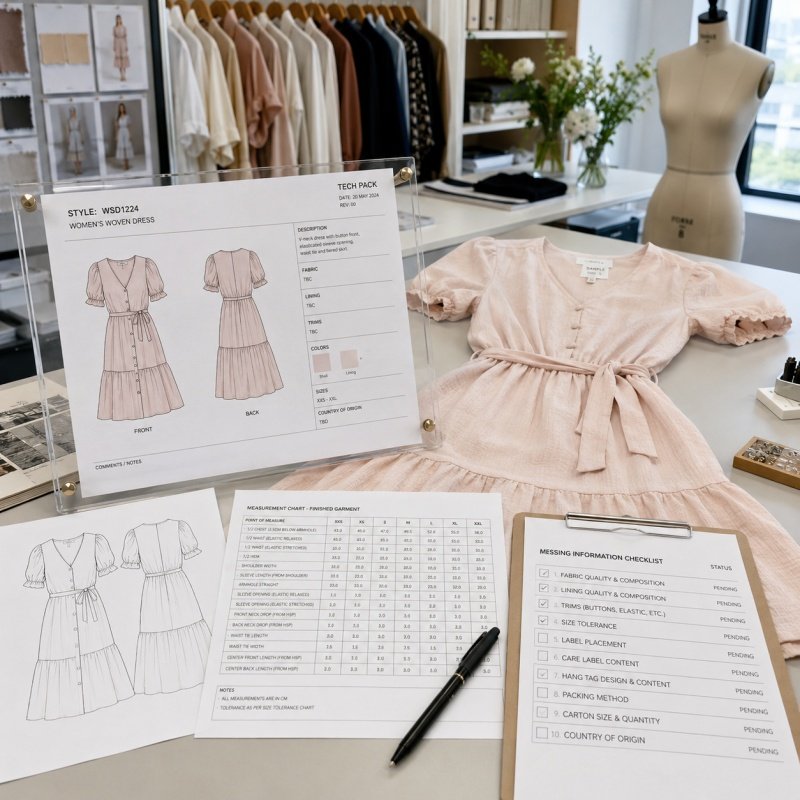
Line sheet review gives the full program view. Style number, style name, dress category, colorways, fabric direction, target quantity, price level, and delivery window should be visible.
- Duolan reviews whether style count, categories, colors, and fabric plans align with launch timing.
- Line sheet review helps identify missing product roles and high-risk styles.
- Strong line sheets support sample priority and bulk planning.
Tech Pack Review
- Duolan checks whether files are complete enough for costing, pattern, sampling, and material sourcing.
- Dress-specific areas such as neckline, bust, waist, hip, slit, lining, zipper, and hem need careful reading.
- Incomplete tech packs can delay sample start.
Reference and Original Sample Review
References help clarify shape, finish, fabric, and fit expectations when files are incomplete or when a style is supplier-transfer work.
- Duolan compares references with tech packs to identify gaps.
- Original sample photos can help clarify construction, fit, lining, and trims.
- Reference review reduces assumptions during sample development.
Development Gap List
- Duolan separates missing data by urgency and impact.
- Material and POM gaps usually need early action.
- Gap review helps prevent repeated sample delays.
Sample Priority Notes
- Sample priority protects important line decisions.
- High-risk materials should not wait until late development.
- Priority notes help teams manage several styles without losing control.
Sample Calendar for Dress Line Development
Step 1|Line Brief Review
Step 2|Style Grouping
Step 3|First Sample Planning
Step 4|Fit and Development Review
Step 5|Photo-Ready and Salesman Samples
Step 6|PP Sample and Line Lock
Fit, Pattern and Size Consistency Across a Dress Line

Base Size
Base size sets the fit foundation for the line.
- Duolan reviews sample size, target size range, fit model standard, and intended body line.
- Stretch, woven, structured, and bias-cut styles need different base-size assumptions.
- Strong base-size decisions reduce repeated fit corrections.

POM Mapping
POM mapping gives each style measurable control points.
- Duolan reviews bust, waist, hip, front length, back length, strap length, armhole, neckline drop, slit height, hem sweep, and lining length.
- Dress categories need more detail than generic garment specs.
- POM clarity supports fit review and QC.

Silhouette-Specific Fit
- Duolan reviews fabric behavior, movement comfort, support, and garment purpose.
- Fit notes should reflect wearer scenario, not only flat measurements.
- Silhouette-specific review protects brand consistency without forcing every dress to fit identically.
Grading Rule
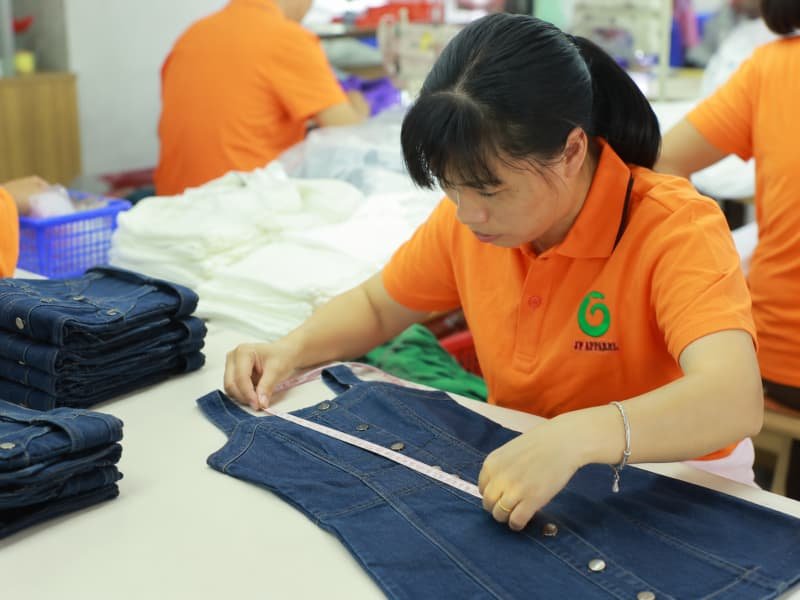
- Duolan checks bust, waist, hip, length, straps, slit, neckline, and hem sweep across sizes.
- Extended sizes can lose balance when grading is too generic.
- Grading notes help maintain fit language in bulk.

Size Set Review
- Duolan can review selected sizes for measurement, appearance, comfort, and grading behavior.
- Risk-sensitive areas include neckline, bust, hip, strap, slit, length, and lining.
- Size set comments should feed PP approval.

PP Measurement Lock
- Duolan records final POM, tolerance, measurement method, and high-risk points.
- Approved standards help reduce size drift during bulk production.
- Measurement records support future reorders and color extensions.
Sample Types for Dress Line Development
Different samples serve different line decisions. Duolan separates sample purpose so style selection, fit review, fabric direction, campaign presentation, PP approval, and future reorder planning do not become confused.
| Sample Type | Main Purpose | Dress Line Development Value |
|---|---|---|
| First Sample | Confirm silhouette and construction | Tests whether each style deserves further development |
| Fit Sample | Review body fit and measurement | Protects fit language across the line |
| Fabric Trial | Compare material behavior | Helps decide fabric direction and price layer |
| Photo-Ready Sample | Support campaign or ecommerce | Protects visual launch and hero styles |
| Salesman Sample | Support showroom or internal line review | Helps teams judge the line as a full product group |
| PP Sample | Lock bulk production standard | Connects approved style to production execution |
| Golden Sample | Create long-term reference | Supports reorder, QC comparison, and future line updates |
Cost, Complexity and Production Feasibility Review
Fabric Cost
- Duolan reviews fabric width, loss, shrinkage, availability, color, and bulk consistency.
- Higher-cost materials should support clear style value.
- Shared fabric families can improve development efficiency.
Construction Level
- Duolan reviews corset structure, cut-outs, ruching, pleats, boning, lining, gathered seams, and embellishment.
- Complex work should be assigned carefully to hero or high-value styles.
- Core styles need production stability.
Trim Load
Trim volume can quietly increase cost and sourcing risk.
- Duolan reviews zippers, buttons, cups, boning, elastic, labels, hangtags, barcodes, polybags, and cartons.
- Unique trims across too many styles can slow production.
- Trim BOM should be confirmed before PP approval.
QC Difficulty
- Duolan reviews transparency, shade variation, sequin loss, stretch recovery, slit height, lace placement, print alignment, and surface defects.
- High-risk styles need earlier inspection planning.
- QC focus should match product risk, not only order quantity.
Bulk Efficiency
Bulk efficiency comes from aligned fabric families, repeat construction, shared trims, and stable patterns.
- Duolan reviews which styles can share production logic.
- Pattern and material reuse can support stability and reorder speed.
- Efficiency should protect execution without weakening brand identity.
Reorder Logic
- Duolan reviews pattern records, BOM, PP sample, golden reference, QC notes, packing method, and material continuity.
- Reorder candidates should avoid unstable materials or fragile construction.
- A strong line creates future production assets.
From Dress Line Approval to Bulk Production
Step 1|Line Approval Review
Step 2|Pattern and BOM Lock
Step 3|Factory Allocation
Step 4|PP and Bulk Release
Step 5|Production Tracking
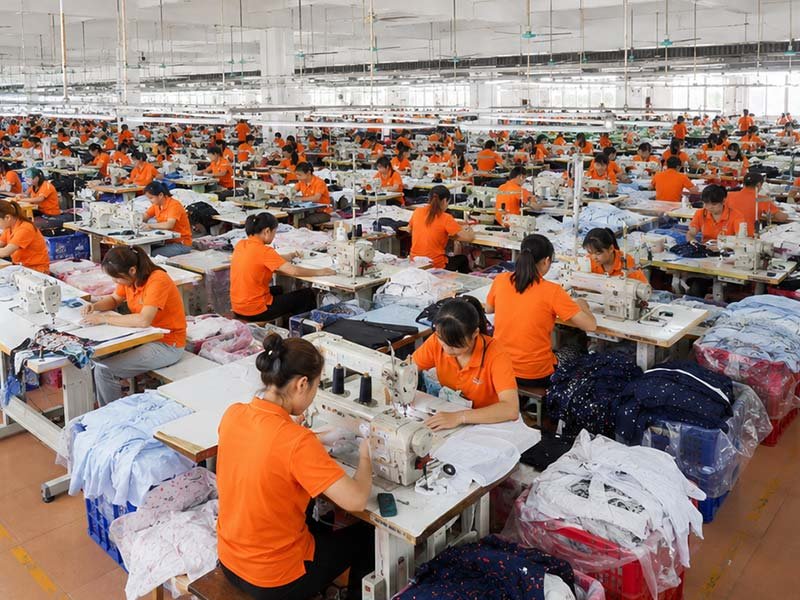
Line production needs tracking across cutting, sewing, pressing, inspection, packing, and shipment for each style. Duolan monitors style progress and identifies delays while correction remains possible. Multi-style programs benefit from visible progress rather than late discovery near delivery.
Step 6|Delivery and Reorder Record
Anonymous Dress Line Development Case Studies

US Premium Ecommerce Dress Line
A US premium ecommerce dress brand developed party minis, satin midis, mesh bodycon styles, and occasion dresses for a major launch. The line needed strong visual impact while avoiding sample confusion and production overload.
- Project difficulty: Party, occasion, bodycon, satin, and mesh styles moved together, creating risk around sample priority, fabric spread, transparency, stretch recovery, cut-out placement, and QC load.
- Duolan solution: Styles were grouped into hero styles, core volume styles, high-risk styles, and reorder candidates. High-risk materials and campaign pieces moved earlier in sample planning.
- Order scale: 14–20 styles with approximately 35,000–55,000 pieces across launch colors and size ranges.
- Control focus: Satin seam smoothness, mesh lining coverage, bodycon recovery, cut-out placement, PP samples, bulk QC, packing protection, and delivery tracking.

Australian Occasion Dress Line
- Project difficulty: Color, lining, fabric drape, and photo-ready sample needs were high. Independent style-by-style development would have weakened the full occasion line.
- Duolan solution: Styles were grouped by color story, fabric family, occasion level, sample deadline, and PP risk. Lab dips, lining tone, and photo-ready samples were coordinated before PP approval.
- Order scale: 18–25 styles with approximately 45,000–70,000 pieces across occasion colors and size groups.
- Control focus: Chiffon transparency, satin shine, lining tone, lab dips, photo-ready samples, PP samples, packing method, and shipment window.

UK Core Dress Line and Reorder Program
- Project difficulty: Core styles needed stable patterns, fabric continuity, trim matching, size consistency, and reorder delivery without restarting development every season.
- Duolan solution: Pattern records, BOM files, PP and golden references, QC notes, packing standards, and reorder review were created for key styles.
- Order scale: 10–16 styles with approximately 20,000–40,000 pieces across core silhouettes and seasonal color extensions.
- Control focus: Crepe batch control, zipper sourcing, lining quality, size tolerance, color extensions, final QC, packing, and reorder timing.
FAQ for Dress Line Development Manufacturing
Send Your Dress Line Development Brief
Share your line sheet, style list, tech packs, reference images, original samples, fabric direction, color story, target price level, sample priority, quantity plan, launch timeline, delivery window, packing requirements, and reorder expectations. Duolan can review the program around line structure, fabric sourcing, sample path, fit control, PP approval, production route, QC standards, delivery coordination, and repeat potential.
A useful line brief may include:
- Dress line direction, style count, product roles, price level, and target market.
- Dress categories, silhouettes, fabric direction, color story, and trim requirements.
- Sample goal, PP deadline, target quantity, size range, packing method, and delivery window.
- Reorder expectation, core style list, color extension plan, and future production needs.


