Skip to content
Custom Dress Manufacturer for Fabric-Led Fashion Brands
Custom dress development and manufacturing for fashion brands building collections around fabric texture, print direction, drape, shine, stretch, transparency, surface detail and material-led product identity.
Duolan turns fabric direction into dress silhouettes, sample standards, fit decisions, production-ready construction and controlled bulk manufacturing for satin, mesh, lace, sequin, velvet, printed woven, jersey, chiffon, crepe and structured fashion dresses.
- 30+ years of dress R&D experience support fabric, silhouette, fit and production decisions.
- 15,000–35,000 monthly sample cycles support first samples, fit samples, photo samples and PP samples.
- 3,000–8,000 monthly style development flows support multi-fabric collections and parallel dress programs.
- 2–3 stable partners per process support printing, dip dyeing, embroidery and washing development.
- 16 owned womenswear factories protect core control for complex fabric-sensitive dress styles.
- 300 sewing lines plus 50+ flexible lines support launch orders, repeat runs and seasonal capacity.
- South China fabric and Humen trim resources support faster material matching and accessory coordination.







Fabric-Led Fashion Brands Duolan Works With
Material-Driven Dress Labels
- Fabric direction is reviewed against dress length, silhouette, lining, zipper, strap and body fit.
- Material behavior is matched with sample purpose, retail price level and bulk production route.
- Fabric notes remain connected with BOM, PP sample, QC points and repeat production records.
Print-Led Resort Brands
- Print scale is reviewed against body length, side seams, hem sweep and key visual zones.
- Shrinkage, fabric handle, lining needs and fold recovery are checked before bulk release.
- Color card, artwork file, PP sample and carton method remain tied to reorder planning.
Satin Occasionwear Brands
- Satin is checked for shine direction, crease sensitivity, seam marks and needle risk.
- Pattern and construction are adjusted for bias lines, bust balance, waist shaping and skirt fall.
- Packing method is reviewed to reduce fold marks, pressure lines and front-panel damage.
Mesh and Lace Brands
- Lining color, stretch, coverage and seam placement are reviewed with the main fabric.
- Lace motifs and mesh panels are checked against bust, waist, hip and neckline zones.
- Snag risk, trim contact, hangtag position and packaging friction are reviewed before shipment.
Sequin and Surface Brands
- Embellished fabric is reviewed for weight, stretch restriction, scratch points and seam bulk.
- Lining and construction are selected to reduce skin irritation and structural distortion.
- Surface loss, carton density and packing pressure are checked before final release.
Product and Sourcing Teams
- Fabric swatches, moodboards, reference styles and target price level are reviewed together.
- Each sample stage receives a clear purpose instead of producing a visual prototype only.
- Bulk readiness connects fabric standard, pattern notes, BOM, QC focus and packing plan.
Why Fabric-Led Brands Need a Different Manufacturer
Fabric-led dress development begins before cutting. A fabric may look premium on a hanger yet fail after drape, stretch, lining, seam tension, body movement or packing pressure enters the project. A strong manufacturer must read fabric behavior before choosing the pattern route, sample target and bulk method.
A satin midi can lose refinement through zipper waves and pressing marks. A printed maxi can lose balance when artwork scale ignores side seams and hem sweep. A mesh party dress can look powerful in a reference image yet feel unsafe without correct lining coverage. A sequin mini can look commercial but become too heavy, sharp or unstable in repeated production.
Duolan treats fabric as the first technical decision in custom dress development. Material review, silhouette matching, pattern adjustment, sample purpose, PP locking, bulk QC and packing method are connected from the beginning, so the final dress can keep the intended fabric value in samples, launch orders and repeat runs.
- Material behavior: Drape, stretch, recovery, opacity, shine, pile, surface texture and shrinkage are reviewed before pattern work begins.
- Silhouette suitability: Satin, mesh, lace, velvet, sequin, jersey and printed woven fabrics require different dress structures.
- Lining and trim support: Main fabric quality can fail when lining, zipper, boning, pads, eyelets or hangtags are mismatched.
- Sample purpose: First sample, fit sample, photo sample, PP sample and golden sample need different review standards.
- Bulk continuity: Fabric batch, color reference, cutting direction, construction method and packing need consistent control.
- Repeat memory: Fabric swatches, BOM, PP notes, QC findings and packing records support future colors and reorders.
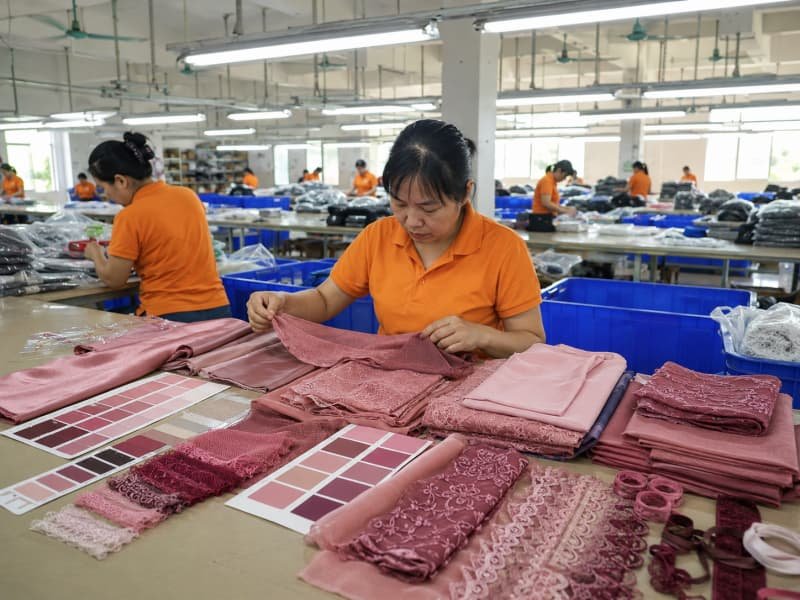
How Fabric-Led Brands Choose a Dress Manufacturer
1|Can the Manufacturer Read Fabric Before Sampling?
- Satin may need seam tension review, lining selection and careful pressing.
- Mesh and lace may need coverage, lining tone and edge control.
- Sequin and velvet may need surface direction, weight control and packing review.
- Jersey may need stretch recovery, opacity and grading checks.
2|Can Fabric Direction Become the Right Dress Shape?
- Soft satin may work for slip dresses and occasion midis.
- Structured woven may support corset, strapless and tailored dress shapes.
- Printed woven may suit resort maxis, halters and vacation dresses.
- Stretch jersey may suit bodycon and fitted party dresses only after recovery review.
3|Can Pattern Work Adjust to Material Behavior?
- Bias satin needs different handling from structured crepe.
- Stretch mesh needs coverage and tension control.
- Sequin fabric may need seam allowance and lining revision.
- Velvet needs cutting direction and pressure-sensitive handling.
4|Can Trims and Lining Protect the Main Fabric?
- Lining must match opacity, stretch, weight and garment comfort.
- Zippers must avoid waves on satin, velvet and fitted silhouettes.
- Boning and pads must support corset and strapless fabric direction.
- Hangtags and packaging must avoid snagging lace, mesh and embellished surfaces.
5|Can Samples Use Production-Relevant Materials?
- First sample checks fabric direction and basic shape.
- Fit sample checks body balance and movement.
- Photo sample checks visual surface and campaign readiness.
- PP sample locks production fabric, trims, workmanship and QC notes.
6|Can Bulk Repeat the Approved Fabric Effect?
- Lab dip or color reference supports shade consistency.
- Fabric inspection and cutting direction protect surface-sensitive materials.
- First-piece review checks fabric behavior under production conditions.
- Final inspection reviews garment surface, pressing, measurements and packing.
Where Fabric-Led Dress Programs Break Down
Beautiful Fabric, Wrong Silhouette
- Match soft fabrics with drape-sensitive silhouettes.
- Use structured fabrics for support-driven dresses where needed.
- Check motif, shine, pile and grain direction before pattern placement.
- Confirm sample purpose before final fabric route.
Sample Fabric Fails in Bulk
- Compare bulk fabric against approved swatch and sample.
- Check color, weight, stretch, surface and shrinkage.
- Record fabric source, batch notes and replacement limits.
- Use PP standard during first-piece and final inspection.
Stretch Fabric Changes Fit
- Check stretch direction and recovery before pattern finalization.
- Review fabric tension around bust, waist, hip and hem.
- Match lining stretch with main fabric movement.
- Confirm grading across size range before production scale-up.
Lining Conflicts with Main Fabric
- Match lining tone with sheer, lace and white fabrics.
- Check stretch compatibility for mesh, jersey and fitted styles.
- Control lining length, seam position and opacity zones.
- Review comfort near underarm, bust, side seam and hem.
Print Scale Loses Balance
- Review print position across front, back and side seams.
- Check scale against mini, midi and maxi proportions.
- Confirm fabric shrinkage before placement approval.
- Preserve artwork and color records for repeat orders.
Surface Detail Becomes Production Risk
Sequin, bead, metallic, velvet, lace and embroidered fabrics create strong visual value but also bring sewing loss, weight, pressure, friction and packing risks. Duolan response: Surface process is reviewed through cutting, sewing, lining, QC and packing before garment output grows.
- Check sequin loss, bead security and stitch paths.
- Reduce scratch points through lining and seam method.
- Control velvet pile direction and pressure marks.
- Separate surface-sensitive garments during packing where needed.
Duolan Fabric-to-Dress Development System
Fabric Direction Review
Silhouette and Fabric Matching

Pattern, Lining and Trim Setup
Sample Route Planning
Bulk Readiness Review
Fabric-Led Dress Programs Duolan Supports

Satin Slip Dresses

Mesh Detail Dresses

Lace Overlay Dresses

Sequin Party Dresses

Printed Resort Maxis

Stretch Bodycon Dresses

Velvet Holiday Dresses

Structured Corset Dresses
Style-to-Fabric Matching Matrix
Fabric-led development works best when each dress direction is matched with suitable material behavior before sampling begins. The matrix below helps brand teams review fabric choice through garment result, production risk and Duolan control focus.
| Dress Direction | Suitable Fabric Direction | Development Focus | Main Risk Controlled |
|---|---|---|---|
| Slip and Bias Dresses | Satin, crepe satin, silky woven | Drape, bias fall, lining, seam tension, zipper waves | Poor fall, seam marks and weak surface finish |
| Bodycon and Fitted Dresses | Stretch jersey, ponte, power mesh | Recovery, opacity, grading, waist and hip balance | Size distortion, transparency and shape loss |
| Corset and Strapless Dresses | Structured woven, support satin, lace overlay | Cup position, boning, grip, lining, back closure | Weak support, slipping and fit failure |
| Lace Occasion Dresses | Lace, embroidered mesh, soft lining | Motif, edge, coverage, lining tone, close-up finish | Uneven placement and low-value finishing |
| Sequin Party Dresses | Sequin, metallic, bead surface fabric | Weight, lining, seam bulk, zipper stress, comfort | Surface loss, scratch points and bulk distortion |
| Printed Resort Dresses | Printed woven, chiffon, rayon blend | Print scale, shrinkage, side seams, hem sweep | Artwork imbalance and length distortion |
| Velvet Holiday Dresses | Velvet, velour, textured knit | Pile direction, pressure, cutting direction, packing | Crushed surface and shade inconsistency |
| Soft Day-to-Evening Dresses | Crepe, soft woven, stable knit | Structure, sleeve comfort, pressing, recovery | Wrinkling, weak shape and size instability |
Material Review Board Before Sampling
A material review board helps fabric-led brands make sharper decisions before sample money and launch time are spent. Duolan reviews main fabric, color, lining, trims, surface process and garment purpose together, so the sample route begins from a stronger development base.
Main Fabric Swatches
- Handfeel is compared with target garment mood and brand price level.
- Drape is reviewed against skirt length, hem sweep and body movement.
- Stretch and recovery are tested for fitted, mesh and jersey styles.
- Surface risk is noted for satin, velvet, sequin, lace and metallic fabrics.
Color and Shade Direction
Color behaves differently across satin, mesh, lace, velvet, jersey and printed woven. A rich tone on one fabric may look flat or uneven on another. Duolan reviews color cards, lab dips, shade references, print artwork and fabric surface together before sample direction is locked. For multi-color collections, shade names, fabric bases and visual hierarchy are recorded so the collection keeps a coherent material story.
- Satin shades are reviewed under shine and light reflection.
- Mesh and lace shades are reviewed with lining tone.
- Velvet is reviewed for pile direction and color depth.
- Printed fabrics are checked for artwork scale and repeat accuracy.
Lining and Support Materials
- Lining shade is checked for white, lace, mesh and sheer fabrics.
- Stretch compatibility is reviewed for bodycon and fitted silhouettes.
- Support materials are matched with bust, waist and back structure.
- Comfort zones around underarm, side seam and bust are reviewed early.
Trim and Accessory Cards
- Zipper type is reviewed against fabric weight and seam tension.
- Eyelets and drawcords are checked for stress zones and reinforcement needs.
- Label and hangtag placement is reviewed for fabric safety.
- Packing materials are selected according to surface risk and garment presentation.
Fabric Behavior, Pattern and Fit Control
Fabric-led dress development becomes serious when pattern and fit decisions respond to material behavior. Duolan reviews fabric movement through body zones, seam positions, stretch direction, coverage, skirt fall and garment recovery before bulk standards are locked.
Drape and Skirt Fall
- Slip dresses need controlled bias fall, smooth side seams and clean hem balance.
- Resort maxis need enough movement without losing print placement or skirt proportion.
- Occasion midis need polish through fabric weight, lining and pressing method.
- Soft fabrics are reviewed on body form or hanger to check front, side and back balance.
Stretch and Recovery
- Waist, hip and bust zones are reviewed under tension.
- Mesh and jersey are checked for transparency after stretch.
- Cut-out positions are reviewed for stability and comfort.
- Size grading is adjusted according to fabric behavior, not measurement charts alone.
Opacity and Coverage
- Light fabrics are checked over lining and under different light conditions.
- Mesh and lace placements are reviewed around bust, waist, hip and back openings.
- Lining length is adjusted for garment function and visual balance.
- Seam allowances are reviewed for visibility through sheer fabrics.
Surface and Seam Sensitivity
- Satin needs seam tension and pressing control.
- Velvet needs pile direction and pressure review.
- Sequin fabrics need seam bulk and lining comfort review.
- Lace and embroidery need motif and edge control.
Shrinkage and Production Stability
Fabric-led programs must protect final measurements after cutting, sewing, pressing and finishing. Shrinkage, relaxation, fabric roll variation and after-treatment can change garment length, fit and hem balance. Duolan records fabric behavior into PP notes and QC points before bulk production.
- Fabric relaxation is reviewed before cutting where needed.
- Shrinkage risk is considered for printed woven, rayon blend, jersey and washed fabrics.
- Garment length and hem sweep are checked after pressing.
- Repeat orders use fabric notes and PP standards from earlier production.

Custom Fabric, Print and Surface Process Support
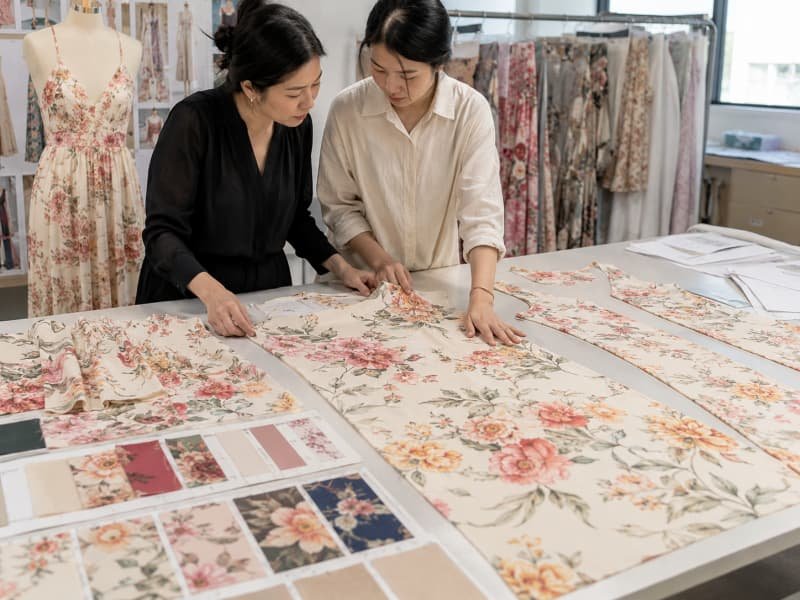
Print Development

Dip Dye Effects
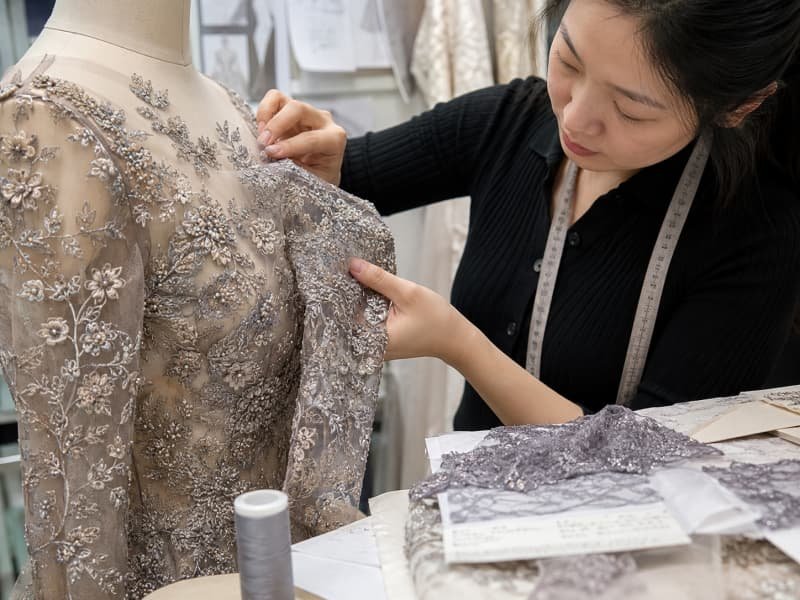
Embroidery Direction

Lace and Mesh Surface

Sequin and Bead Work

Washed and Soft Finish
Production-Ready Samples Around Fabric Direction
First Sample|Material Direction and Shape
Fit Sample|Body Balance and Wear Security
Photo Sample|Visual Surface and Campaign Use
PP Sample|Production Standard Lock
Golden Sample|Repeat and Collection Memory

Bulk Fabric Consistency and QC Control
Bulk production must protect the material value approved during sampling. Duolan connects fabric inspection, cutting direction, first-piece review, inline QC, final inspection and packing control so fabric-led dresses keep their approved look, fit and surface condition across production.
Fabric Batch Review
- Compare bulk fabric with approved swatch, lab dip or PP sample reference.
- Check surface-sensitive fabrics for crease, damage, pile or sequin loss.
- Record replacement limits before substitutes enter production.
- Keep fabric batch notes connected with QC and reorder records.
Cutting and First-Piece Control
- Confirm cutting direction for velvet, satin shine and directional textures.
- Check print and motif placement against pattern zones.
- Review first piece against PP sample, fabric card and construction notes.
- Correct fabric-related fit or surface issues before line output increases.
Inline QC for Fabric-Sensitive Dresses
- Satin styles are checked for seam marks and pressing risk.
- Mesh and lace styles are checked for coverage and snagging.
- Stretch styles are checked for recovery and measurement stability.
- Embellished styles are checked for surface loss and comfort risks.
Final Inspection and Packing Review
- Check surface condition after pressing and before polybagging.
- Review fold lines, hanger pressure and carton density.
- Match garment, label, size and packing records before sealing.
- Preserve final QC notes for repeat orders and future collection planning.
Fabric-Led Dress Risk Control Matrix
Fabric-led dress development carries risks across material selection, sample approval, pattern balance, production fabric, surface handling and repeat orders. Duolan reviews these risks before they reach bulk cost, launch delay or brand reputation loss.
| Fabric-Led Risk | Common Breakdown | Duolan Control Focus |
|---|---|---|
| Wrong Fabric Direction | Dress loses shape, mood or intended value | Fabric behavior review before sampling |
| Drape Failure | Hem, skirt fall or bias line feels wrong | Pattern adjustment and drape testing |
| Stretch Instability | Fitted style loses recovery or becomes transparent | Stretch, opacity and grading review |
| Lining Conflict | Outer fabric looks cheaper or feels unsafe | Lining tone, weight and stretch matching |
| Surface Damage | Satin, velvet, lace or sequin loses finish | Surface-aware sewing and packing control |
| Print Imbalance | Artwork looks wrong after cutting | Print scale, repeat and placement review |
| Bulk Batch Drift | Shade, weight or handfeel changes | Fabric batch and PP standard control |
| Weak Support | Corset or strapless dress slips or collapses | Boning, cup, lining and grip review |
| Reorder Drift | Repeat run loses original material value | Fabric card, BOM and golden sample archive |
Fabric-Led Dress Program Case Studies
United States|Satin and Mesh Occasion Line
- Fabric Focus: Satin shine, mesh transparency, lace overlay, lining tone and zipper smoothness.
- Development Challenge: Satin showed seam sensitivity, mesh needed coverage control, and lace required motif alignment across bust and waist zones.
- Duolan Response: Duolan reviewed fabric weight, lining color, zipper method, sample corrections, PP standard and final surface QC.
- Program Result: The order gained clearer material standards for launch production and repeat color review.

Australia|Printed Resort Dress Collection
An Australian resort brand developed printed maxis, halter dresses and soft woven vacation styles across 24 styles and approximately 72,000 pieces. The collection relied on print scale, lightweight drape and strong visual consistency.
- Fabric Focus: Printed woven, rayon-blend drape, color card, artwork repeat and fold recovery.
- Development Challenge: Print placement needed to work across side seams, dress length, hem sweep and packing recovery.
- Duolan Response: Duolan reviewed artwork scale, fabric shrinkage, pattern placement, sample movement and carton method.
- Program Result: The resort line achieved stronger print proportion and more stable garment presentation at delivery.

United Kingdom|Stretch Party Dress Program
A UK partywear brand developed fitted minis, cut-out dresses, mesh styles and sequin event pieces across 18 styles and approximately 46,000 pieces. The line needed strong visual impact while protecting stretch recovery and comfort.
- Fabric Focus: Stretch jersey, power mesh, sequin surface, lining coverage and size grading.
- Development Challenge: Fitted styles needed opacity, recovery and secure body fit across several fabric bases.
- Duolan Response: Duolan checked stretch direction, revised pattern tension, reviewed lining and controlled seam stress during production.
- Program Result: The partywear program gained stronger fit control across visual styles and repeated production notes.

Europe|Repeat Fabric Direction Program
A European fashion brand managed repeat satin, velvet, lace and soft crepe dress directions across 26 styles and approximately 64,000 pieces. The project required material continuity across new colors, repeat styles and seasonal edits.
- Fabric Focus: Satin base, velvet pile, lace tone, crepe structure, color continuity and packing memory.
- Development Challenge: Repeat orders needed to preserve fabric effect while allowing new shade and style extensions.
- Duolan Response: Duolan maintained fabric cards, BOM records, PP notes, golden sample references and reorder QC comments.
- Program Result: Repeat production gained stronger material memory and smoother next-season development.

Send Your Fabric-Led Dress Development Brief
A strong fabric-led dress program starts with the material story, but it succeeds only when fabric behavior, silhouette, sample purpose, production standard and bulk control move together. Duolan can review your fabric direction, dress categories, sample stage, target quantity, launch timing and production needs before recommending a development route.

Share Your Fabric Direction
- Fabric swatches, composition, weight, handfeel, shine, texture, stretch, opacity, surface detail, print artwork, color card, lab dip, trim direction or reference material.
- Fabric concerns such as transparency, shrinkage, seam marks, stretch recovery, pile direction, surface loss, lining color, print placement or packing pressure.
- Target product mood, such as refined satin, soft resort, sheer party, structured corset, textured holiday or lace occasion direction.
Share Your Dress Program
- Planned styles, such as satin slip dresses, printed resort maxis, mesh party dresses, lace occasion dresses, sequin event dresses, stretch bodycon dresses or velvet holiday styles.
- Sample stage needed, including first sample, fit sample, photo sample, PP sample, golden sample, revised sample or repeat production reference.
- Fit and construction priorities, such as bust support, waist placement, neckline stability, back opening, slit height, hem sweep, lining coverage or zipper smoothness.
Share Your Production Plan
- Target quantity, size range, colorways, delivery window, launch schedule, quality requirements, packing method, label needs, reorder plan and fabric continuity expectations.
- Current project status, such as new collection, fabric replacement, supplier transition, repeat order, category extension or sample-to-bulk preparation.
- Files available for review, such as tech pack, reference image, original sample, measurement chart, BOM, artwork, color card or previous sample comments.