 Skip to content
Custom Dress Manufacturer for Fashion Holding Companies
Dress-focused development and manufacturing for multi-brand fashion groups managing different identities, fit standards, price bands, launch calendars, and production volumes.
- 16 owned womenswear factories supported by 20+ coordinated satellite factories
- 300 sewing lines, including 50+ quick-response and flexible production lines
- 3,000-8,000 style development and sampling processes supported each month
- Stable monthly capacity of about 6.5 million garments, with additional peak and reserve capacity
- One coordinated route from brand brief, fabric review, pattern and sampling to bulk production, quality control, packing, and repeat orders
Built for Fashion Groups Managing Multiple Dress Brands
Fashion Holding Companies
Multi-brand Fashion Groups
Group Buying Teams
Product and Sourcing Offices
What a Group-level Dress Supplier Must Control
Brand-specific Execution
Parallel Collection Management
Production Allocation
Central Visibility
Repeat-order Stability
Risk-based Coordination
Group projects contain many interdependent decisions. A late color approval can delay fabric; a changed lining can affect fit; an unconfirmed zipper can stop production; a packaging revision can delay shipment. Duolan identifies which decisions sit on the critical path and communicates the effect of delay before the schedule becomes unrecoverable. Risk reduction comes from clear confirmation, not optimistic promises.
Where Multi-brand Dress Programs Commonly Lose Control
Complexity rises quickly when several labels, teams, styles, materials, and launch windows share one supply base. A controlled system links every major risk to a specific operating action and a visible project result.
| Group Risk | Common Failure | Duolan Control Action | Expected Project Result |
|---|---|---|---|
| Brand identity dilution | Different labels begin to look and fit alike | Separate brand brief, fit direction, material level, and approval file | Each label keeps its own product language |
| Sample comment confusion | Fit, visual, and construction comments are mixed across versions | Style code, sample stage, comment category, revision summary, and open-question list | Fewer repeated errors and clearer approvals |
| Capacity conflict | Several labels need production during the same selling window | Style-level risk classification and production-path planning | Priority styles receive suitable lines and realistic timing |
| Material inconsistency | Sample fabric, bulk fabric, lining, or trims change without full review | Material locking, shade and hand-feel review, BOM confirmation, and pre-production check | More stable appearance and bulk repeatability |
| Sample-to-bulk deviation | Approved appearance is not translated into production standards | PP basis, first-piece review, measurement control, workmanship checkpoints, and inline QC | Closer bulk alignment with approved direction |
| Reorder variation | Later batches use different patterns, trims, or workmanship | Reorder file preservation and previous-issue review | Better consistency across repeat orders |
| Compliance delay | Labels, testing, or packing rules are confirmed too late | Requirement review before bulk start | Fewer shipment and warehouse interruptions |
| Confidentiality failure | Files or unreleased designs are shared too broadly | Brand-separated access, controlled visual use, and agreed confidentiality handling | Stronger protection for unreleased collections |
Duolan’s Role Inside a Multi-brand Supplier Portfolio
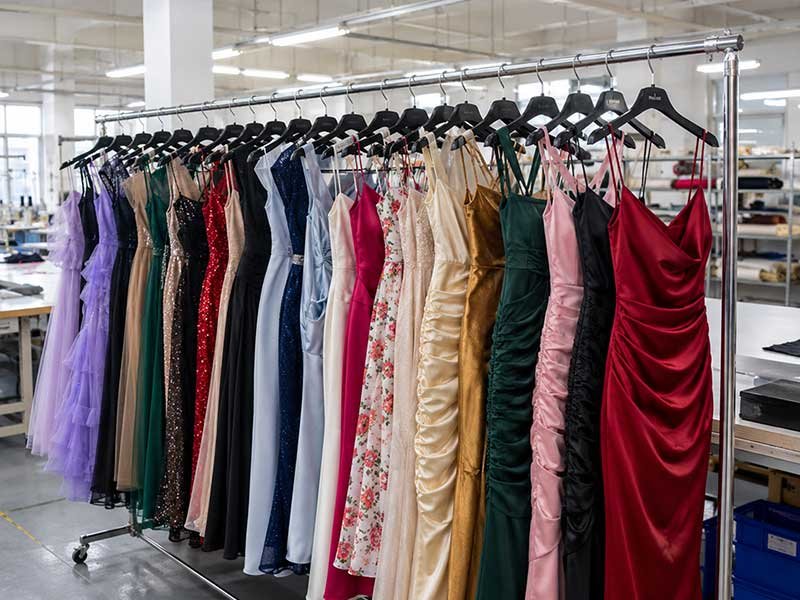
Dress Category Specialist
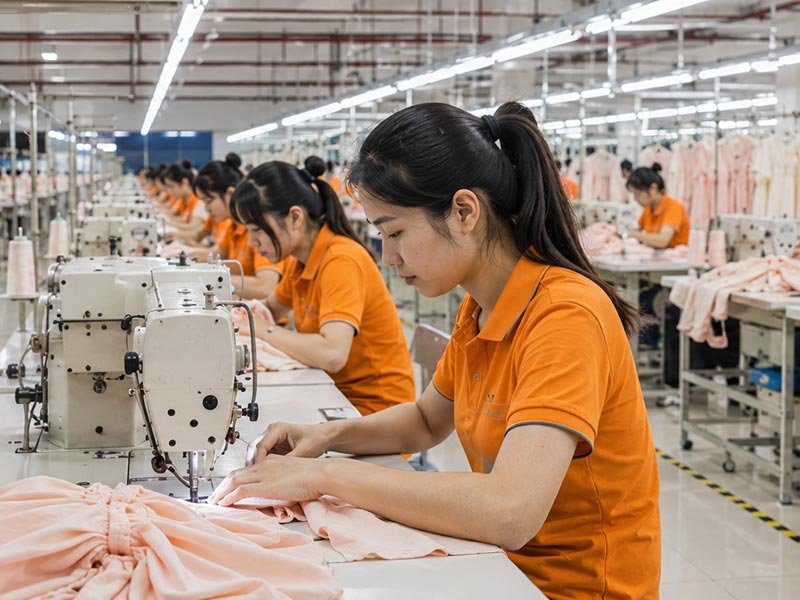
Multi-project Manufacturing System

Brand-level Development Partner
Why Fashion Groups Still Need Dress Specialists
Material Behavior Shapes the Product
Structure Must Work on the Body
Production Must Preserve the Design
A beautiful sample has limited value if production cannot repeat it. Complex dresses need bulk-ready construction methods, stable seam allowances, clear pressing standards, approved trims, measurable tolerance, and inspection points linked to visible risk. Decorative work also needs production logic: bead density, sequin direction, lace matching, drape placement, ruching distribution, and embroidery location must be repeatable at scale. Duolan develops samples with production transfer in mind, helping group teams move from creative approval to controlled manufacturing.
Protect Brand Files, Versions, and Unreleased Designs
Brand-separated Files
Version-controlled Development
Controlled Visual Use
Clear Comment Ownership
Production File Locking
Reorder Record Preservation
Dress Categories for Multi-brand Fashion Portfolios

Mini Dresses

Midi Dresses

Maxi Dresses

Bodycon Dresses

Corset Dresses

Satin Dresses

Mesh Dresses

Sequin Dresses

Party Dresses

Occasion Dresses

Vacation Dresses

Fashion Sets
Build Distinct Collections Across the Brand Portfolio
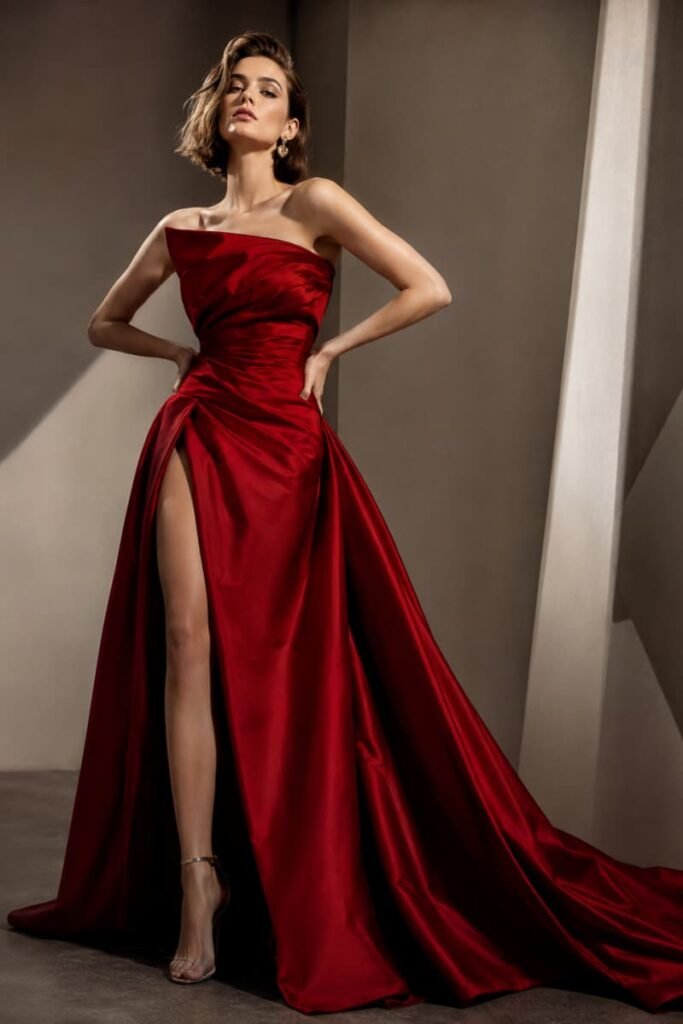
Hero Image Styles

Commercial Core Styles

Entry-price Styles

Premium Control Styles
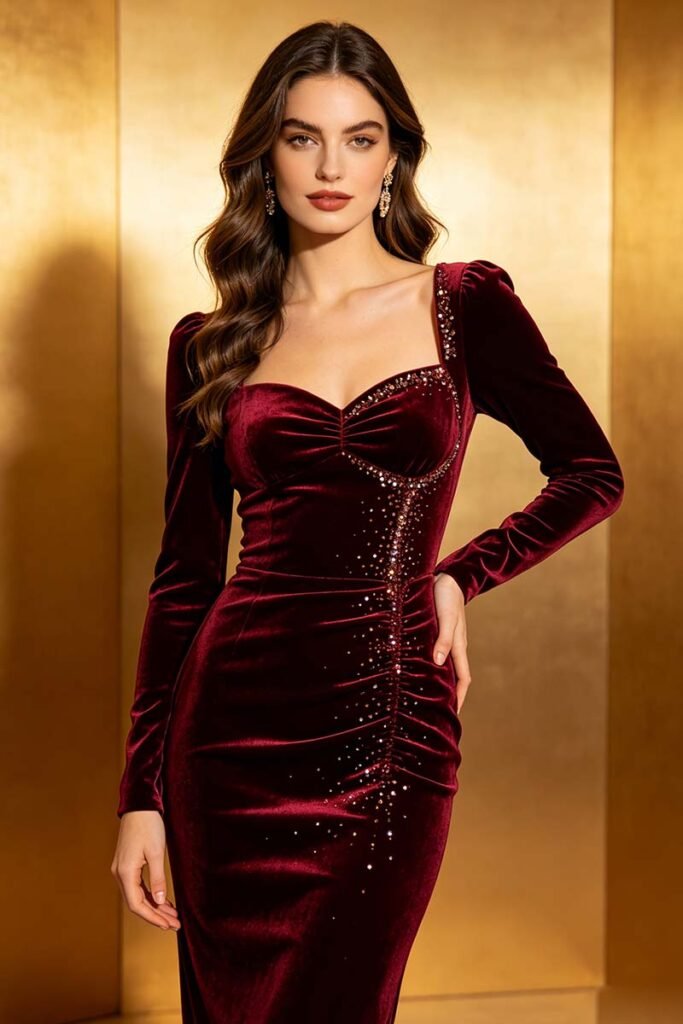
Seasonal Statement Styles

Reorder Candidates
Fabric and Trim Planning by Brand Position
Premium and Contemporary Labels
Commercial Fast-fashion Labels
Material Locking for Bulk
Sample fabric should not become a vague reference for production. Before bulk start, the working file should :
- confirm composition
- weight or relevant construction
- color standard
- finish
- stretch direction
- lining
- trims
- labels
Shade, hand feel, surface behavior, and cutting performance may need review before release. When a nominated material becomes unavailable, replacement evaluation should cover garment effect, fit, workmanship, cost, timing, and reorder consequences rather than selecting the closest visual swatch.

Separate Fit and Size Standards for Every Brand
Base Size and Measurement Logic
Pattern Balance and Fit Review
Grading Across the Size Range
Grading should preserve the intended proportion, support, coverage, and movement across sizes. Fixed increases applied to every area can create low armholes, misplaced cups, excessive neckline opening, unstable straps, or distorted skirt volume. Brand-specific grade rules may be required for bust, waist, hip, length, strap, neckline, sleeve, and support structures. Larger sizes may need additional engineering rather than simple scaling. Approved grade rules should enter the production file and remain available for repeat orders.
From Group Brief to Production-ready Dress Programs
Brand and Project Intake
Feasibility and Material Review
Pattern and First Sample
Revision and Approval Path
Bulk Readiness and Production Transfer

Manage Several Brands and Sample Tracks in Parallel
Brand-separated Queues
Sample Purpose Control
Priority Style Planning
Comment Translation
Open-question Discipline
Revision Summaries
Cost Architecture Across Different Brand Positions
What Drives Dress Cost
Build a Portfolio Price Ladder
Optimize Without Weakening the Product
Cost optimization should begin with a clear value hierarchy. Duolan can compare alternative fabric weights, shared trims, lining options, panel engineering, embellishment placement, construction methods, and packaging formats. Every change should be checked for visual, fit, comfort, production, and timing effects. A cheaper fabric that changes drape or transparency may create more returns and weaker brand perception. A simpler construction can be valuable when it preserves the intended look and improves production stability.
A Manufacturing Network Built for Portfolio Scale

Sixteen Owned Factories

Twenty-plus Satellite Factories

Three Hundred Sewing Lines
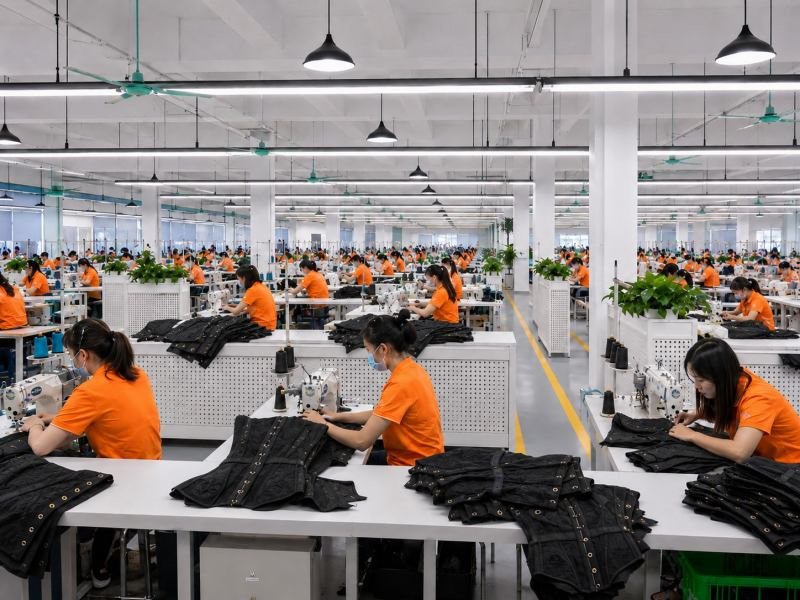
Flexible Production Lines

Multi-region Capacity

Material and Process Resources
Production Scheduling Around Launch and Warehouse Dates
Classify Every Style Before Scheduling
Styles can be grouped as standard production, fit-sensitive, material-sensitive, craft-sensitive, repeat, rapid replenishment, or multi-style collection orders. A clean jersey dress and a corset sequin mini should not share the same planning assumptions. Classification helps determine whether a style needs trial construction, special-line experience, first-piece review, additional inline checks, or longer finishing time. It also helps identify which styles can run in parallel and which should follow a staged release.
Work Backward From the Selling Window
Group teams should confirm the launch date, campaign or showroom date, warehouse arrival, inspection window, packing confirmation, production period, PP approval, and material lock. A style intended for holiday or graduation sales has limited recovery time if an early decision is delayed. Duolan can prepare a production path and timeline based on the critical sequence rather than giving one generic lead-time promise for every dress.
Classify Every Style Before Scheduling
Styles can be grouped as standard production, fit-sensitive, material-sensitive, craft-sensitive, repeat, rapid replenishment, or multi-style collection orders. A clean jersey dress and a corset sequin mini should not share the same planning assumptions. Classification helps determine whether a style needs trial construction, special-line experience, first-piece review, additional inline checks, or longer finishing time. It also helps identify which styles can run in parallel and which should follow a staged release.
| Stage | Reference Window | Main Conditions |
|---|---|---|
| Simple dress production | 15-20 days | Materials ready, stable construction, standard packing |
| Standard dress production | 20-30 days | Normal fit, lining, trims, and multi-size production |
| Complex dress production | 30-45 days | Corset, mesh, satin, sequin, embroidery, or special finishing |
| Express delivery | 3-7 days | Destination, customs, parcel size, and carrier service |
| Air freight | 5-8 days | Flight space, customs, cargo preparation, and destination handling |
| Sea freight | 20-35 days | Port pair, sailing schedule, customs, and inland delivery |
Move Approved Samples Into Controlled Bulk Production
Bulk Readiness Review
First-piece and Trial Verification
Production Standard Transfer
Dress-specific Quality Control Across Every Production Stage
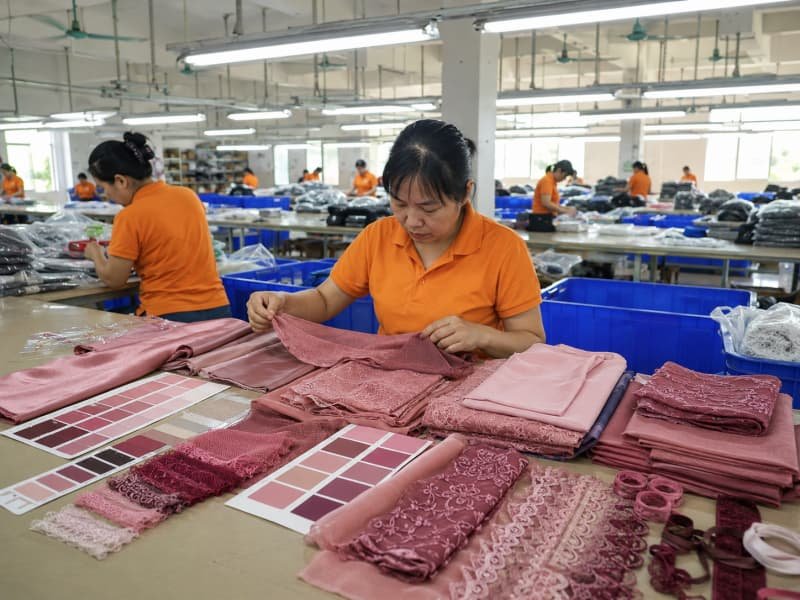
Fabric Incoming Review
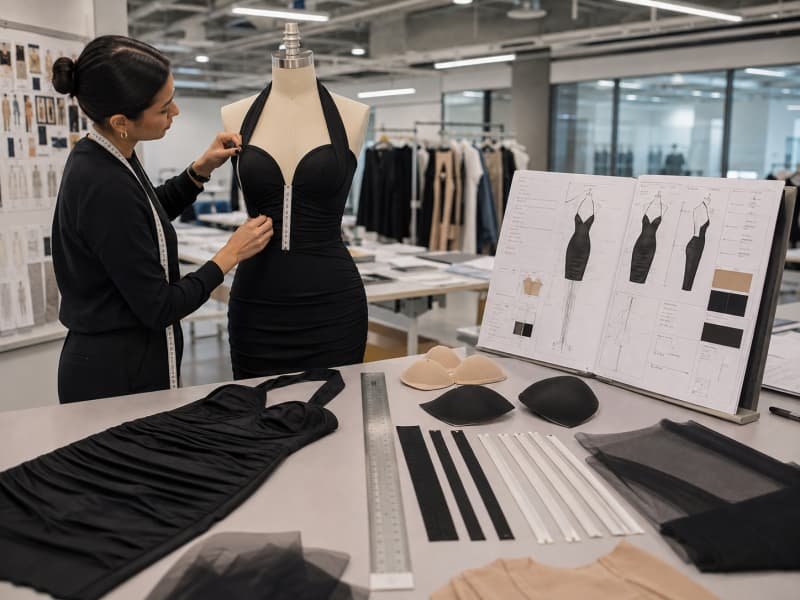
Pre-production Confirmation

First-piece Inspection

Inline Measurement Control

Workmanship Inspection

Fit-sensitive Checks

Surface-sensitive Checks

Final Inspection

Packing Verification
Preserve Standards for Reorders and Portfolio Growth
Approved Pattern Reuse
BOM and Material Records
Previous QC Findings
Color and Style Extensions
Replenishment Planning
Scaling Production Volume
Compliance and Vendor Onboarding for Group Programs
SMETA Audit Basis
Quality Requirements
Testing Coordination
Testing may cover fiber content, colorfastness, dimensional stability, restricted substances, seam performance, decoration security, or other market and product needs. Standards such as AATCC, ASTM, EN, China GB, OEKO-TEX-related requirements, GOTS-related material requirements, or specific group protocols can be coordinated according to the project.
Label and Packing Rules
Vendor Information Pack
Factory Visit Support
Group teams may visit factories, sample rooms, pattern rooms, production lines, quality areas, and packing operations. Visits can be planned around the scope of the program so the team sees the facilities and processes most relevant to the intended dress categories.
Communication and Reporting for Multi-team Cooperation
English Project Communication
Development Updates
Bulk Production Updates
Cross-team Comment Control
Visual Evidence
On-site Collaboration
Factory visits, sample-room reviews, production-line visits, QC review, and packing review can be arranged for key programs. On-site meetings can focus on current project risks, future capacity, technical development, and longer-term sourcing plans.
Multi-brand Dress Programs Managed With Clear Standards
United States Multi-brand Group
A United States fashion group placed a 24-style dress program across three labels with a combined order quantity of 68,400 pieces. The portfolio included bodycon minis, satin midis, mesh occasion dresses, and commercial black fitted styles. Each label used a different size chart, fit direction, trim level, and packaging method. The main risk was comment crossover between teams and a shared launch window.
Duolan separated the program by label, sample purpose, material group, and production risk. Seven higher-risk styles entered early fit and material review. Stable commercial styles followed a faster sampling route. A brand-specific approval file was maintained for measurements, material, trims, workmanship, labels, and packing. Bulk production was divided between core lines and flexible capacity based on complexity and delivery priority. Group-level reporting showed sample status, material readiness, PP approval, and production progress without merging brand standards.
The 24 styles moved into production under separate QC focus points. Bodycon products received stronger measurement and recovery checks, while satin and mesh styles received focused surface, lining, and handling control. The program supported one consolidated group relationship while preserving three distinct product identities.

European Occasionwear Portfolio
A European holding group developed 18 occasion and party styles for two labels, totaling 42,600 pieces. The range used satin, mesh, lace, sequins, corset structures, and draped silhouettes across midi and maxi lengths. One label required a polished contemporary finish, while the second used stronger embellishment and body-contour details. Several materials looked similar in photos but behaved differently during sewing and fitting.
Duolan organized fabric review by drape, opacity, stretch, support, surface sensitivity, and bulk availability. High-risk corset, sequin, and layered mesh styles received construction trials and first-piece attention. Each label used separate fit and workmanship standards. The contemporary label emphasized clean seams, refined lining, and controlled drape. The party label emphasized support, security, embellishment stability, and visual impact.
Production release followed PP and material locking. Inline inspection plans were adjusted by style risk. Satin styles were checked for puckering and pressure marks, sequins for comfort and missing decoration, and corsets for symmetry and support placement. The structure allowed the group to use shared sourcing oversight without flattening the differences between the two labels.

Regional Group Scale-up
A regional fashion group launched 13 styles with an initial order of 27,800 pieces across two labels. Strong sales led to a repeat program of 31,200 pieces covering core colors, two new colors, and three style extensions. The first order established fit, pattern, BOM, material, workmanship, and packaging references. The repeat order needed faster planning without accepting silent changes in fabric or construction.
Duolan began the repeat program with availability review and previous quality findings. Approved patterns and grade rules were reused. New colors were checked against material minimums, shade standards, and delivery timing. Three extensions involving sleeve and length changes received targeted pattern review rather than full redevelopment. Stable repeat styles returned to familiar production routes, while extensions received first-piece confirmation.
The repeat program benefited from preserved records and known production risks. Group teams received a clearer replenishment path, fewer repeated development questions, and more reliable alignment between the original release and the expanded range. The project showed how a successful dress style can grow across colors and variations without losing the approved brand standard.

Eight Standards for Evaluating a Dress Manufacturer
Dress Expertise
Brand Understanding
Check how the supplier records target market, fit direction, price band, material level, and visual priorities. A suitable partner should distinguish labels within the same group rather than pushing one factory standard across every brand.
Sample Control
Material Coordination
Production Discipline
Quality Consistency
Compliance Readiness
Reorder Scalability
Frequently Asked Questions for Fashion Holding Companies

Start a Multi-brand Dress Manufacturing Review
Duolan works with established fashion groups, buying teams, product development teams, and sourcing offices that need clear dress specialization, structured sampling, production planning, quality control, and repeat-order support. A useful first review should show how the group is organized, which labels are involved, what each label develops, and when the products need to reach the market.
Please include the information available now:
- Holding company and brand portfolio overview
- Target markets and sales channels
- Dress categories and style count
- Tech packs, reference images, or original samples
- Brand-specific size charts and fit direction
- Fabric, trim, color, and workmanship requirements
- Order quantity by style, color, and size
- Target campaign, launch, and warehouse dates
- Compliance, testing, labeling, and packing manuals
- Current need: sample development, supplier evaluation, bulk production, repeat order, or scale-up
Duolan will review category fit, development basis, material risk, sample path, manufacturing route, quality focus, capacity planning, and the next decision needed before a formal program begins.


