...

Custom Dress Manufacturer for Fashion Retail Groups

Dress-focused development and scalable production for multi-brand retail programs, seasonal collections, repeat orders and controlled global delivery.

  • Retail programs commonly include 10-30 styles and 20,000-80,000 pieces per brand order.
  • 30+ years of fast-fashion dress development experience support fabric, fit, construction and commercial decisions.
  • 16 owned womenswear factories, 20+ satellite factories, 300 sewing lines and 50+ quick-response lines support different production paths.
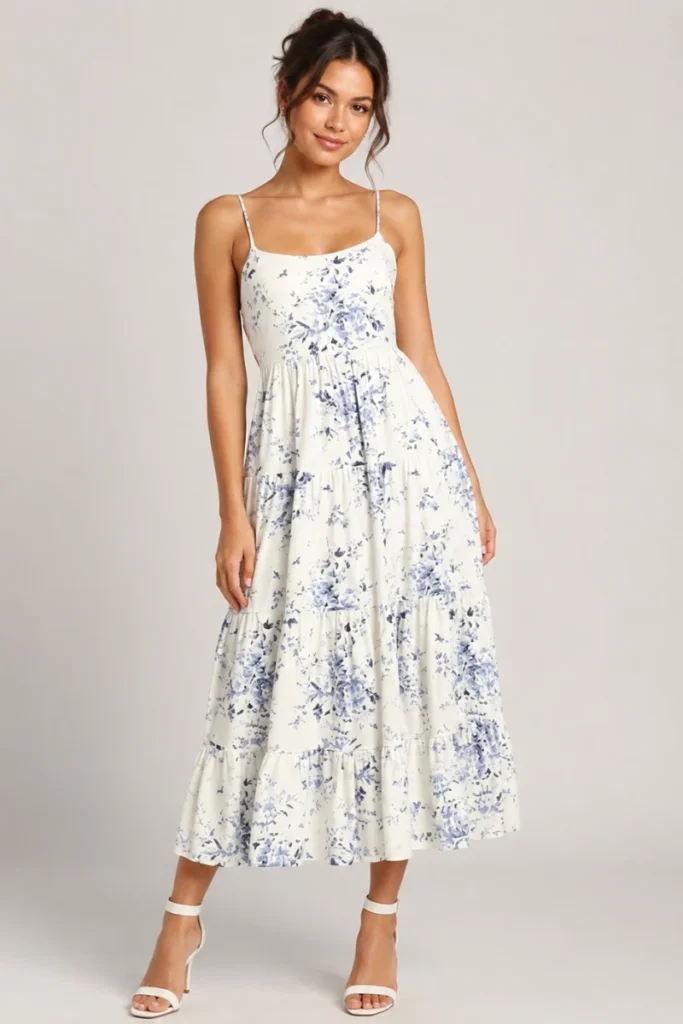
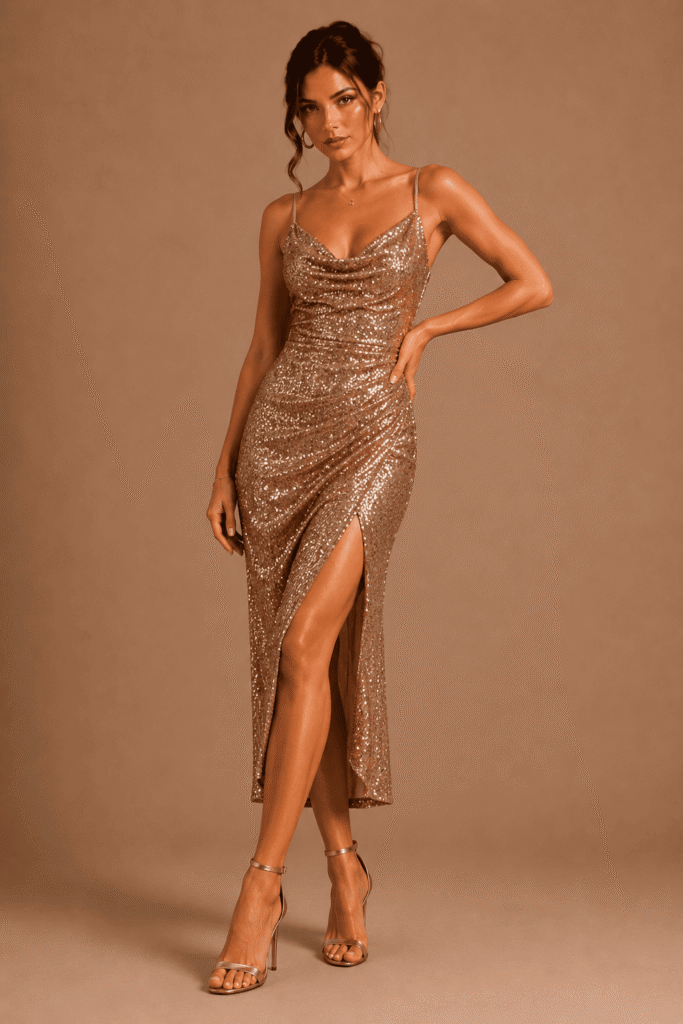
  • Mini, midi, maxi, party, occasion, vacation, going-out, bodycon, satin, mesh, sequin and corset dress programs can be developed within one coordinated system.

Manufacturing Capacity Built for Retail Group Programs

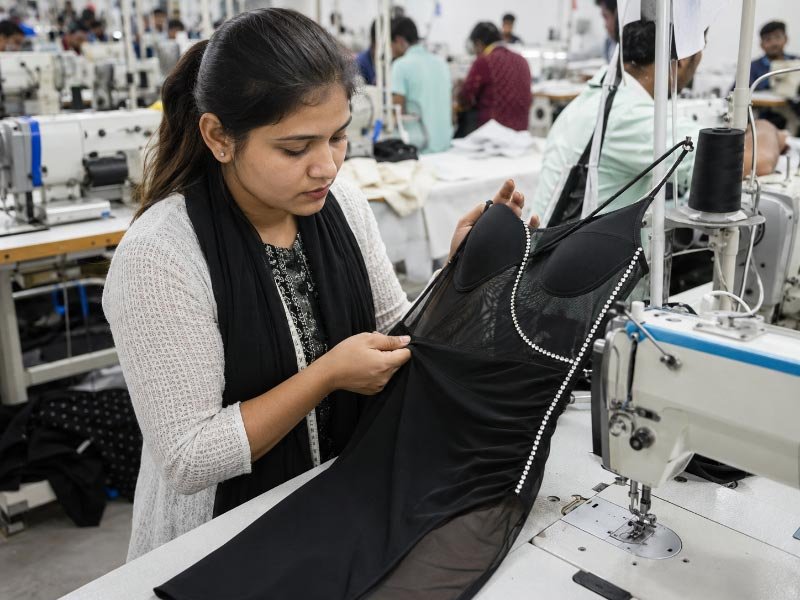
Fashion retail groups need more than factory scale. Capacity must be organized around core styles, complex constructions, launch orders, repeat orders and replenishment. Duolan combines owned factories for tighter control with satellite capacity for planned expansion, while keeping product development, quality standards and delivery requirements connected.

30+ Years Development

Dress development experience began in fast-fashion product research and commercial womenswear projects. The accumulated knowledge covers silhouette, fabric behavior, fit, decorative workmanship, sample judgment and production feasibility. Experience matters most when a design looks attractive on paper but creates risk in fit, construction, cost or bulk replication.

16 Owned Factories

Owned factories provide stronger control for core styles, complex dresses, first production runs and projects requiring close sample-to-bulk coordination. Production paths can be selected according to fabric behavior, construction sensitivity, workmanship level and delivery priority instead of assigning every style to one general line.

20+ Satellite Factories

Long-term satellite factories provide additional flexibility for repeat orders, seasonal peaks and volume expansion. Allocation follows confirmed standards rather than simple capacity availability. Approved samples, material specifications, workmanship points, measurement rules, labels and packing requirements must remain aligned before production is divided.

300 Sewing Lines

A broad line structure supports multi-style programs in which basic commercial dresses, fitted silhouettes, embellished partywear and structured occasion dresses require different handling. Line matching considers construction difficulty, operator skill, material sensitivity and target timing.

50+ Quick-response Lines

Quick-response lines support launch orders, selected test styles, repeat production and urgent replenishment when materials and production standards are ready. Speed is planned around confirmed inputs; it does not replace fit approval, material locking, first-piece checks or quality control.

12,000+ Supporting Workers

Regional manufacturing resources across several production bases provide capacity buffering for concentrated seasonal demand. The value lies in coordinated allocation, not headcount alone. Core control points remain linked through project review, production planning, QC checkpoints and packing confirmation.

Built for Multi-brand Fashion Retail Organizations

Duolan works best with retail organizations that manage clear brand positions, defined product calendars and ongoing dress programs. Different teams may carry different responsibilities, yet all require one controlled path from product direction to approved sample, bulk release and delivery.

Multi-brand Fashion Groups

A multi-brand group may manage several consumer profiles, price bands and visual directions at the same time. Duolan separates brand standards by silhouette, fit, fabric, workmanship, label, packing and quality requirements, while coordinating shared resources where appropriate. Shared fabric families, common trims or aligned delivery windows can improve efficiency without making different brands look identical.

Fashion Retail Chains

Retail chains need commercial styles that can move through store, e-commerce and regional channels with consistent labeling, packaging and size presentation. Dress programs may include core volume styles, visual statement pieces, seasonal edits and repeatable silhouettes. Production planning must connect assortment role with order depth and delivery priority.

Buying and Product Teams

Buying teams often focus on cost, margin, delivery and assortment performance, while product teams focus on design translation, fit, fabric, sample comments and construction. Duolan organizes technical and commercial decisions so important information does not disappear between departments or sample versions.

Sourcing and Vendor Offices

Sourcing teams require factory background, compliance information, production planning, quality control records and reliable communication. Duolan supports project review through email, WhatsApp, voice calls, video meetings, document comments and scheduled updates. Factory and sample-room visits can also be arranged for qualified projects.

What Retail Groups Need From a Dress Partner

Retail groups need a supplier that can understand a collection, control many moving parts and preserve approved standards through repeated production. Each requirement below affects sell-through timing, margin protection, internal approval and supply continuity.

Brand-level Product Alignment

Every style must fit a defined consumer, occasion, price position and visual language. Development starts by reviewing the brand direction, target market, main dress categories, expected selling situation and role of each style. Product alignment reduces the risk of technically acceptable samples that still feel wrong for the brand.

Multi-style Development

A 10-30 style program needs priorities, sample stages, fabric status, comments ownership and approval dates. Duolan separates hero styles, commercial styles, repeat styles and supporting styles so the most important decisions are made early and the entire program does not wait for one complex design.

Controlled Sample Approval

Samples must help internal teams approve silhouette, fit, material, color, workmanship and commercial feasibility. A prototype, fit sample, photo sample and PP sample serve different purposes. Clear stage definitions reduce repeated comments and prevent a visual sample from being treated as a production standard.

Scalable Bulk Production

Approved designs must be converted into factory-ready standards before volume starts. Fabric, lining, trims, measurements, workmanship, labels and packing requirements are reviewed together. Core styles, complex styles and urgent styles may follow different production paths while remaining under one project structure.

Reorder and Replenishment

Repeat production becomes faster and safer when the first order leaves reusable files: approved pattern, grading rule, BOM, material standard, workmanship points, QC checklist, packing specification and production history. Reorders are not treated as copies without review; material batches and current requirements still need confirmation.
9 Packaging and Global Delivery Planning

Retail-ready Delivery

Finished garments must arrive with correct labels, barcodes, size stickers, polybag information, carton marks and packing lists. Delivery planning may involve express, air, sea, split shipments, nominated forwarders or several receiving locations. Production is complete only when garments and shipping requirements match the agreed standard.

Where Multi-style Dress Programs Lose Control

Most losses begin before a visible defect appears. Unclear brand direction, mixed sample comments, late material decisions and weak bulk standards can delay launch dates or create inconsistency across styles. Duolan links each risk to a specific control action.

Design Translation Risk

A reference image may show mood but not construction. Before sampling, Duolan reviews silhouette, intended fit, fabric behavior, support needs, lining coverage, closure, comfort and production feasibility. Questions are raised before pattern work begins, not after a sample has already consumed time and material.

Material Mismatch

Fabric can change drape, stretch, opacity, structure and sewing behavior. Satin may show needle marks; mesh may need lining coverage; jersey may lose recovery; sequins may add weight and abrasion. Material direction is reviewed against the desired appearance, target price and bulk stability.

Comment Version Confusion

Retail programs may involve design, technical, buying and merchandising teams. Comments are grouped by sample version, issue category and approval status. Revision notes distinguish completed changes, pending decisions and recommendations so an old instruction does not re-enter a later sample.

Sample-to-Bulk Difference

A beautiful sample cannot guide a production line without measurable standards. Approved sample status, BOM, size specification, workmanship notes, color standard, label placement and packing details are checked before bulk release. High-risk points are included in first-piece and inline inspections.

Multi-factory Variation

Capacity expansion can create variation when standards are not fully locked. Duolan decides which styles should remain in owned factories and which repeat or scale-up styles can move to satellite capacity. Production transfer requires the same approved materials, construction references and QC points.

Launch Calendar Compression

Late sample approval, late lab dips, delayed trims or unresolved packing instructions can compress production and inspection. Timelines are planned backward from the target delivery and launch window. Complex styles are started earlier, while simpler commercial styles may move through a shorter path after confirmation.

How Retail Groups Should Evaluate a Dress Manufacturer

A strong supplier review goes beyond price, factory size and a fast reply. Retail groups should examine whether the manufacturer can turn brand direction into a controlled sample, preserve approved standards in bulk and support repeat production without losing product identity.

Dress Category Depth

Ask for evidence across the dress categories being purchased, not a general womenswear portfolio. A supplier handling satin slip dresses, structured corset dresses, fitted jersey styles and embellished partywear must understand different fabric, fit and workmanship risks.

Development Judgment

Look for questions raised before sampling: target market, wear occasion, fit direction, fabric behavior, support, lining, price position and sample purpose. Development judgment is visible when a team identifies conflicts early and proposes workable alternatives.

Pattern and Fit

Review how the supplier handles body balance, garment ease, stretch compensation, neckline stability, strap position, bust support, waist shaping, hip contour, slit height and hem movement. A size chart alone does not prove fit capability.

Sample Discipline

Check whether sample stages are defined, comments are recorded and revisions are summarized. A reliable sample room should explain why a change is needed, what has been modified and whether the new version is suitable for photography, fit approval or production preparation.

Material Control

Confirm how fabric, lining, trims, color and surface effects are approved and locked. Material substitutions should never happen silently. Lab dips, swatches, trim boards, BOM records and batch checks are stronger evidence than a long supplier list.

Bulk Readiness

Ask how the supplier decides an approved sample is ready for production. A formal review should cover fit status, material readiness, measurements, workmanship, labels, packing and remaining risks. Complex styles may need first-piece or pilot confirmation.

Quality System

Review incoming material inspection, pre-production review, first-piece confirmation, inline checks, final inspection and packing verification. Quality control should focus on product-specific risks rather than only general appearance.

Delivery Coordination

Evaluate production updates, shipment documents, split-shipment management and communication with nominated forwarders or receiving warehouses. Reliable delivery requires schedule discipline and clear responsibility from bulk start to final handover.

Dress Categories for Multi-channel Retail Assortments

Duolan develops dress programs around selling occasion, silhouette, fabric behavior and production repeatability. Each category can serve a different assortment role, from high-volume commercial styles to visual statement pieces and seasonal hero products.

Mini Dresses

Mini dresses require careful control of body length, hem safety, movement, neckline balance and proportion. Styles may range from fitted going-out silhouettes to structured party pieces or relaxed vacation shapes. Fabric weight, stretch and lining are selected according to coverage and intended wear.

Midi Dresses

Midi dresses often carry strong commercial value across occasion, day-to-evening and contemporary collections. The main development points include waist position, skirt fall, slit placement, drape, lining length and proportion across size grading. Fabric behavior becomes especially visible over a longer body length.

Maxi Dresses

Maxi dresses need controlled garment length, hem sweep, movement and weight distribution. Chiffon, satin, jersey, mesh and printed woven fabrics each require different handling. Volume must look fluid without becoming heavy, and the skirt must remain balanced after lining and trim are added.

Party Dresses

Party dresses rely on visual impact, secure wear and production-sensitive details. Common elements include fitted contours, cut-outs, sequins, rhinestones, ruching, corset structures and short hems. Strong appearance must be supported by lining, closure, edge finishing and comfort control.

Occasion Dresses

Occasion dresses need polished silhouette, refined finish and dependable fit for longer wear. Satin surfaces, lace placement, draping, boning, cups, pleats and embellishment require early feasibility review. A high visual standard must remain repeatable across sizes and production batches.

Vacation Dresses

Vacation collections usually need lighter fabrics, movement, breathability, prints and easy styling. Development should consider opacity under strong light, packing recovery, strap security, elastic comfort and the ability to coordinate several styles through shared color or fabric stories.
Going-out Dresses​

Going-out Dresses

Going-out styles often combine body-conscious fit, cut-outs, halter necks, backless structures, mesh panels and bold surface effects. Pattern engineering, stretch behavior and hidden support determine whether the dress looks confident in photography and remains secure during real wear.

Bodycon Dresses

Bodycon development depends on bust-waist-hip balance, fabric recovery, seam placement, lining, opacity and movement. Stretch percentage alone is not enough. Recovery after wear, compression level, edge stability and grading behavior must be tested against the intended fit direction.

Build a Commercial Collection, Not a Style List

A retail dress program needs structure. The strongest assortments balance visual impact, reliable sales potential, repeatability and price architecture. Duolan works from the brand’s defined direction and supports the fabric, fit, sample and production decisions needed to make the collection coherent.

Hero Styles

Hero styles create campaign impact and carry the strongest design message. They may use distinctive draping, embellishment, cut-outs, corset construction or premium surface effects. Development starts early because fabric trials, fit reviews and workmanship tests can affect both cost and launch timing.

Commercial Core

Commercial core styles should be easy to understand, fit the target consumer and deliver the planned margin. Construction is refined to protect appearance without adding unnecessary complexity. Fabric availability, grading, repeatability and replenishment potential are considered before bulk confirmation.

Repeatable Styles

Repeat styles benefit from stable patterns, proven materials, confirmed trims and established QC points. They form a dependable base for future color updates, fabric variations or regional allocations. Production history is kept so later orders do not restart from the beginning.

Visual Statement Styles

Statement products attract attention online and in-store, but every visible detail must justify its cost and production risk. Decorative density, structure, labor time, packing protection and repair exposure are reviewed before the style is placed into the main order.

Supporting Styles

Supporting styles connect the assortment through color, fabric, neckline or silhouette without competing with hero products. They can use shared materials and trims to improve purchasing efficiency while preserving enough variation for a balanced retail edit.

Reorder Candidates

Reorder candidates are selected according to material continuity, construction stability, margin, seasonal relevance and production speed. A strong repeat candidate should be capable of returning in new colors or quantities without reopening major fit and workmanship decisions.

Different Brand Lines Need Different Product Standards

A retail group may operate premium, contemporary, trend-led and commercial lines under one organization. Product standards should not be flattened into one factory rule. Duolan separates the fit, fabric, construction and delivery logic for each brand position.

Premium Occasion Line

Premium occasion dresses require controlled drape, clean internal construction, secure support and consistent decorative finish. Material sheen, seam impression, lining quality, boning, cups and closure details receive greater attention because minor imperfections remain visible in formal styling and close photography.

Trend-led Party Line

Trend-led party collections move quickly and often use fitted silhouettes, cut-outs, mesh, sequins and bold trims. Development focuses on translating visual direction into construction that can be produced at the planned scale without sacrificing wear security or delaying the launch calendar.

Commercial Dress Line

Commercial lines need reliable fit, broad styling relevance and cost discipline. Materials and workmanship are selected for stable production, acceptable care performance and repeat potential. Extra details are evaluated by whether they improve perceived value or only increase labor and risk.

Resort and Vacation Line

Resort lines benefit from coordinated prints, lighter fabrics, relaxed movement and travel-friendly finishing. Opacity, packability, elastic comfort, strap adjustment and print placement are reviewed so the collection remains visually fresh and wearable across several styles.

Contemporary Fashion Line

Contemporary collections often depend on elevated minimalism, balanced proportions and refined fabric behavior rather than heavy decoration. Pattern lines, drape, edge finishing and garment balance must be controlled carefully because understated products reveal construction quality more clearly.

Regional Retail Program

Regional programs may require adapted sizes, labels, care information, packaging and delivery allocation. Duolan can follow brand-specific standards for US, UK, EU, AU or other markets, using the approved size chart and packaging manual as the operating basis.

Plan Dress Assortments Across Price Bands and Channels

Retail value is created by balancing visual impact, material quality, construction time, order depth and expected selling price. Duolan reviews how each style contributes to the assortment rather than applying the same cost logic to every design.

Entry Commercial

Entry commercial dresses require disciplined construction and stable materials. Visual value can come from silhouette, color, print, ruching or clean fit rather than costly decoration. Key priorities include efficient sewing, manageable fabric consumption, straightforward packing and dependable repeat production.

Core Retail

Core retail styles carry much of the sales plan, so fit, fabric hand, appearance and margin must remain balanced. Materials should support the intended silhouette without creating excessive shrinkage, color variation or sewing difficulty. Construction details are selected for repeatable quality.

Premium Statement

Premium statement dresses may justify special fabric, complex draping, structured support, embellishment or intensive finishing. Cost evaluation covers more than material price; it includes cutting loss, workmanship minutes, special processes, inspection intensity and protective packing.

Repeat Program

Repeat programs benefit from material continuity, approved patterns, locked trims and stored production standards. Colors or order quantities may change, but the fit and workmanship base remains controlled. Reorder planning should begin before the original material or trim becomes unavailable.

Fabric Direction Built Around Silhouette and Retail Positioning

Fabric selection determines drape, stretch, opacity, support, surface appearance, sewing method and bulk stability. Duolan reviews materials against the intended garment result, not only composition and price. Sample fabric should represent the planned production direction closely enough to support accurate decisions.

Satin

Satin requires attention to weight, weave, surface shine, snagging, needle marks, seam impression, drape and color variation. A lightweight satin may need carefully selected lining and seam allowance control, while a heavier satin may support structure but change movement. Cutting direction and pressing method affect visual consistency.

Chiffon

Chiffon creates movement but introduces transparency, shifting during cutting, seam puckering and edge-finishing challenges. Layer count, lining coverage, print direction and gathering density must be planned before sampling. Longer skirts also require careful hem leveling after the garment has relaxed.

Mesh

Mesh must be judged by stretch direction, recovery, transparency, surface softness, snagging and compatibility with lining. Power mesh can provide support, while decorative mesh may need stabilization. Panel placement and seam type affect comfort, coverage and visual continuity across sizes.

Lace

Lace development considers motif scale, edge shape, placement, transparency, stretch and joining method. Large motifs may require engineered placement or partial handwork, while narrow lace trims need color and width consistency. Lining color can change the final appearance more than expected.

Jersey

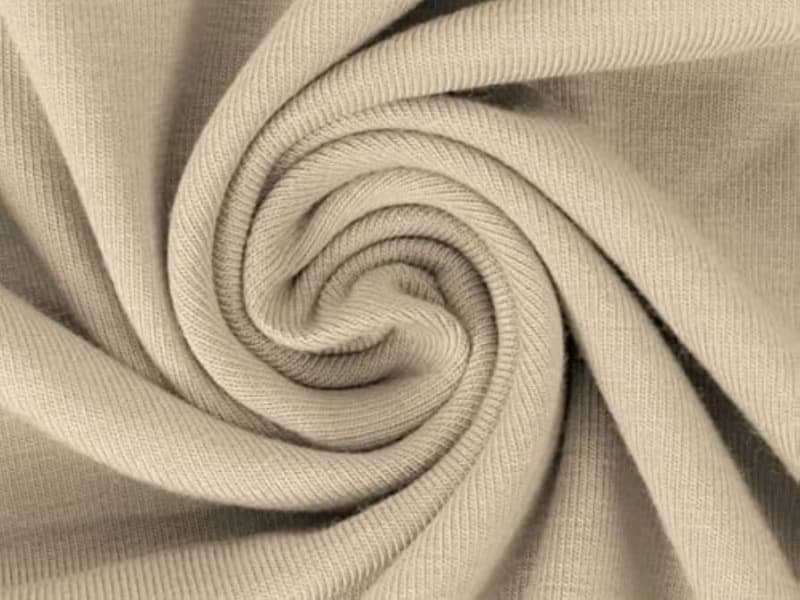
Jersey performance depends on stretch, recovery, weight, opacity, torque, shrinkage and seam behavior. Bodycon styles require enough recovery to maintain shape after wear, while draped jersey needs controlled weight and fluidity. Needle, thread and seam selection influence surface appearance and comfort.

Stretch Woven

Stretch woven fabrics support cleaner tailoring with greater movement than rigid cloth. Development checks crosswise stretch, recovery, pressing response and seam stability. The pattern must account for actual fabric performance so fitted dresses remain comfortable without losing the intended sharp silhouette.

Sequin Fabric

Sequin fabric is evaluated by base cloth, stretch, sequin direction, density, weight, shedding, abrasion and edge comfort. Cutting loss, seam clearing, zipper areas, armholes and lining protection require extra planning. Packaging must prevent crushing and surface-to-surface damage.

Printed Woven

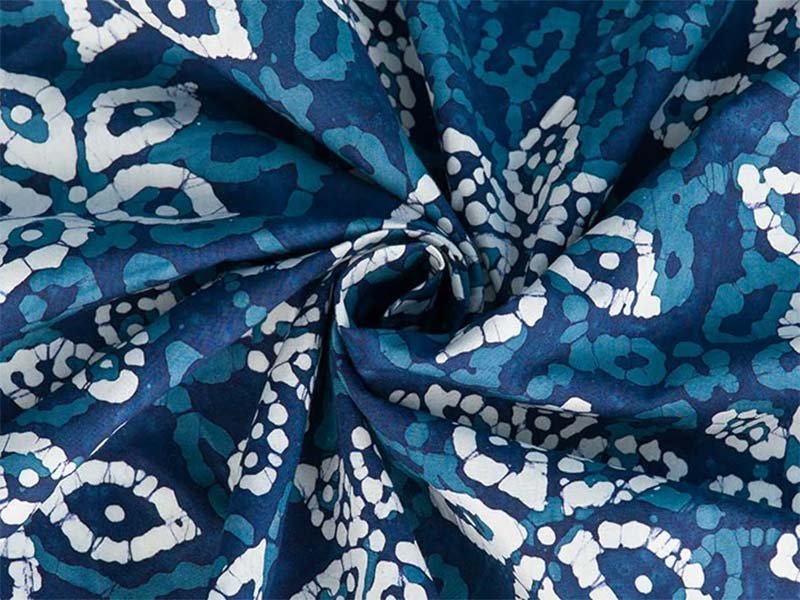
Printed woven fabrics require color consistency, repeat control, motif direction and placement planning. Larger repeats can increase consumption, while border prints need engineered cutting. Lab dips, strike-offs or approved print standards help protect color and pattern continuity across production lots.

Complex Dress Details Engineered for Repeatable Production

Decorative and structural details must look refined in the sample and remain stable across thousands of garments. Duolan reviews placement, weight, attachment, comfort, sewing sequence, inspection method and packing protection before a special detail is approved for bulk.

Sequins

Sequin direction and density influence reflection, weight and cutting efficiency. Seam allowances may need clearing before sewing, and exposed edges require protection from scratching. Inspection covers missing sequins, direction, shedding, zipper areas and consistency between panels.

Beading

Pearls, stones, bugle beads and metal elements add weight and local stress. Attachment method, backing support, spacing, replacement tolerance and hand feel are assessed. Heavy placement near necklines or armholes can affect comfort and garment balance.

Rhinestones

Rhinestone application requires control of stone size, color, adhesive or setting method, heat exposure and placement accuracy. Testing focuses on adhesion, surface marking and packing pressure. Dense motifs should be evaluated for production time and repair risk.

Embroidery

Embroidery can distort lightweight fabric when stitch density, backing and thread tension are not balanced. Motif placement must align with pattern pieces and garment proportions. Bulk inspection checks puckering, skipped stitches, thread color, edge cleanliness and consistency.

Pleating

Pleats affect width, length, movement and heat response. Pattern allowances and finished measurements must account for the selected pleating method. Packing and steaming instructions are planned to preserve the shape through transit and store handling.

Boning and Cups

Support comes from the combined system of pattern, fabric stability, interlining, cups, boning, closure and anti-slip elements. Boning position must follow body curves without causing pressure. Cup position and neckline stability are reviewed across grading sizes.

Ruching and Draping

Ruching and draping require controlled volume, anchor points, direction and seam distribution. Small changes in fabric weight or stretch can alter the appearance. A clear construction reference helps operators reproduce the intended folds without flattening or overbuilding them.

Cut-outs and Straps

Cut-outs, halter ties and narrow straps must remain secure during movement. Edge stabilization, strap angle, length adjustment, attachment reinforcement and skin comfort are reviewed. A visual design should not create pulling, gaping or repeated consumer adjustment.

Turn Design Direction Into Commercially Viable Dresses

A strong design must survive several tests: visual appeal, fit, wearability, target cost, repeatability and delivery timing. Duolan reviews the relationship between silhouette, fabric, construction and order plan before development moves too far.

Protect the Visual Idea

The first responsibility is understanding which design elements carry the intended look. It may be the neckline, waist placement, drape direction, back detail, surface shine or body contour. Those elements should remain protected while less visible construction points are adjusted for stability and production.

A satin slip dress may depend on clean bias drape and a narrow neckline. Adding heavy lining or overly rigid seams could destroy the effect. A corset mini may depend on a precise upper-body shape, but support must come from pattern, cups, boning, interlining and closure working together. A sequin party dress may need sparkle and density, yet weight, scratching and packing cannot be ignored.Commercial review asks which details are essential, which can be simplified and which may create cost without enough retail value.

Confirm Production Feasibility

Production feasibility is checked before bulk quotation becomes final. Duolan reviews fabric availability, color minimums, trim supply, pattern complexity, sewing sequence, special processing, inspection needs and packing protection. Styles with high fit or workmanship sensitivity may need a first-piece or pilot stage before full release.

Order structure also changes feasibility. A 20-style program with 3 colors each creates different material, sample and line-planning needs from a 10-style program with deeper volume.

Shared materials can improve purchasing efficiency, but only when fabric behavior suits each silhouette. Complex styles should not block the entire collection, so sample and production priorities are separated.

From Technical Files to a Clear Development Path

Development can begin from a complete tech pack, an original sample, reference images, a flat sketch or a collection brief. Duolan reviews the available information, identifies missing decisions and recommends the correct route before sample work starts.

Tech Pack Review

A complete tech pack should define construction, measurements, materials, trims, artwork, labels and finishing. Duolan checks whether the written details match the intended silhouette and whether any instruction creates a conflict with fabric behavior, fit or production. Unclear points are listed for confirmation.

Reference Development

Reference images communicate mood, proportion and visual details, but they rarely provide enough technical information for accurate production. Duolan converts the visible direction into questions about fabric, support, lining, closure, measurements, internal construction and wearability before preparing a development proposal.

Original Sample Review

An original sample can be measured, examined and improved. Review covers pattern balance, garment measurements, fabric behavior, workmanship, internal construction, comfort and bulk feasibility. Replication is handled according to ownership and confidentiality requirements, with improvement points agreed before sampling.

Collection Brief Review

A collection brief may include target consumer, occasion, price band, color story, fabric direction, style count, launch date and expected quantities. Duolan helps organize the development sequence, identify high-risk products and plan which styles should reach fit, photo or PP approval first.

Fit, Pattern and Grading Across Retail Size Systems

Dress fit is a three-dimensional result, not a row of measurements. Pattern shape, garment ease, fabric stretch, support, body balance and wear movement must work together. Duolan can follow an established block or develop from a nominated sample size and approved size chart.

Pattern Balance and Fit Direction

Development starts by defining whether the style should be bodycon, fitted, regular, relaxed, structured or draped. Bust, underbust, waist, high hip, low hip and body length are considered together. A fitted dress may need negative ease in stretch fabric, while a rigid satin dress requires comfort allowance without losing shape.

Neckline, armhole, strap angle, back opening, slit height and hem movement receive category-specific attention. Halter styles need stable neck and bust balance. Backless styles need secure side and waist control. Corset dresses need cup and boning positions aligned with the body. Mini dresses need safe length across grading sizes.

Size Chart, Grading and Measurement Control

Duolan can work from US, UK, EU, AU or brand-specific size systems. A nominated sample size might be US 4, UK 8, AU 8 or the brand’s standard M, depending on the project. Grading rules are then built around approved proportions, fabric behavior and critical points of measure.

Measurement tolerances should reflect product sensitivity. A loose skirt can accept more variation than a fitted bust, strap length or corset waist. Critical points are identified for sample review and bulk inspection. Repeat orders retain the approved block, grading rule and measurement history so fit does not drift from one season to the next.

1.Aligning the Fit Model With the Brand Base Size

A Structured Sample Path for Internal Approval

Sample timing becomes reliable when the development basis, material direction, fit priority and sample purpose are clear. Exact timing is confirmed after technical review because a simple commercial dress and a structured embellished dress should not follow the same schedule.

Project Review

Reference files, target market, quantity, price position, sample purpose and launch date are reviewed first. Missing information is listed so development does not begin from conflicting assumptions.

Fabric Preparation

Swatches, lab dips, print standards, linings and trims are prepared or reviewed. Material choices must be close enough to the bulk direction to support accurate fit and appearance decisions.

Pattern Development

Pattern work translates the approved design direction into garment structure. Drape, stretch, support, seam placement and construction sequence are considered before cutting.

First Prototype

The first prototype tests silhouette, proportion, construction and material direction. It is not automatically a final fit or photo sample. Internal review is completed before dispatch.

Fit Sample

The fit sample focuses on body balance, ease, measurements, support, length and movement. Comments are recorded by point and linked to the correct version.

Revised Sample

Revisions are completed against the approved comment set. A revision summary explains the main changes and any remaining decisions that could affect production.

Photo or Sales Sample

A photo or sales sample prioritizes visual finish, final fabric direction and brand presentation. It should not be used as a production basis unless measurements and construction are also confirmed.

PP and Bulk Review

The PP sample or approved production basis confirms material, color, measurements, workmanship, labels and packing. A bulk-readiness review follows before cutting is released.

Control Multi-style Development Without Losing Visibility

Retail programs commonly involve 10-30 styles, several colorways, multiple sample stages and different launch priorities. A clear tracker prevents urgent messages from replacing project control.

Development Status by Style

Each style can be tracked by design review, material status, pattern status, first sample, fit comments, revision, PP status and bulk readiness. Status should show the next decision, not only the latest activity. A style waiting for color approval has a different risk from a style waiting for fit comments.

Program priority is also visible. Hero campaign styles, long-lead embellishment and complex fit products may start first. Commercial styles using available materials can move later without threatening the final delivery. One difficult product should not stop all other styles from progressing.

Ownership, Timing and Risk Flags

Comments should identify owner, due date and approval status. Fabric, fit, artwork, label and packing decisions can belong to different teams, so responsibility must remain clear. Risk flags are added for late materials, unresolved construction, missing size specs, special processes, delayed approvals or delivery compression.

A typical retail program may be divided into several production paths: core controlled styles in owned factories, quick-response styles on flexible lines and deeper repeat quantities through satellite capacity after standards are locked. The tracker connects those paths to one launch calendar.

Translate Fit Comments Into Controlled Revisions

Sample comments only create value when they are specific, version-controlled and connected to the intended result. Duolan separates visual, fit, material and production comments so one change does not create a new problem elsewhere.

Measurement Comments

Measurement changes are linked to clear points of measure, target values and affected pattern areas. Bust, waist, hip, length, strap and slit comments are checked together so isolated adjustments do not distort the garment balance.

Visual Comments

Visual comments may cover drape, neckline shape, ruching, pleat direction, hem sweep, color, shine or embellishment placement. Reference images and marked-up photos help define the intended result more accurately than general instructions.

Construction Comments

Construction comments address seam type, edge finishing, lining, boning, cups, closures, reinforcement and internal cleanliness. Production feasibility is reviewed before a sample-only technique becomes the approved standard.

Revision Summary

Each revision summary records major changes, pending decisions and any recommendation requiring approval. The latest accepted version becomes the working basis. Earlier comments remain traceable but cannot silently overwrite later decisions.

Turn Approved Samples Into Production Standards

Sample approval is not the final step before cutting. Duolan runs a production-readiness review to confirm which decisions are fully approved, which remain open and what must be locked for repeatable manufacturing.

Approval Status

The current sample is identified as fit confirmed, visual confirmed, PP basis or still pending refinement. A photo-ready sample may look correct but still lack final measurements or packing details.

Material Lock

Fabric, lining, trims, color, artwork and surface effects are confirmed against approved references. Any alternative requires review before use. Batch and shade considerations are included where relevant.

Measurement Basis

The approved size chart, grading rules, critical measurements and tolerances become the bulk reference. High-risk points are identified for first-piece and inline checks.

Workmanship Standard

Construction details, seam type, stitch appearance, reinforcement, support, lining coverage, embellishment and pressing are translated into clear production points.

Label and Packing

Main labels, care labels, hangtags, barcodes, size stickers, polybags, folding, carton marks and packing ratios are confirmed before final production release.

Production Path

Styles are assigned according to complexity, materials, quantity, delivery priority and required control. Complex products may receive pilot confirmation before the full run begins.

A Multi-factory System for Core Styles and Scale-up

Duolan does not treat every factory as interchangeable. Owned factories, quick-response lines, satellite capacity and special-process partners have different roles. Allocation follows the product and order structure.

Core Style Control

Core styles, first production runs and products with sensitive fit or construction remain under tighter control. Sample information, production standards and QC points are kept close to the main project team.

Complex Style Routing

Corset, satin, sequin, mesh, backless and highly detailed dresses are matched with lines familiar with the required workmanship. Complexity is defined by construction and material behavior, not by appearance alone.

Quick-response Production

Selected launch styles, urgent repeats and replenishment can enter quick-response lines when materials, patterns and workmanship standards are ready. Flexible capacity works best after uncertainty has been removed.

Satellite Scale-up

Repeat and scale-up quantities can be distributed to long-term satellite factories after approval standards are stable. Production transfer is supported by material, measurement, workmanship and packing references.

Special Process Coordination

Printing, embroidery, dyeing, washing and related processes are coordinated with established partners. Each special process is connected to the garment timeline because delayed artwork, color or testing can affect the whole order.

Unified Quality Points

Factory allocation does not change the approved quality standard. First-piece checks, inline inspection, final inspection and packing verification use the same critical points across production locations.

Plan Launch Orders, Reorders and Volume Expansion

Different order stages require different decisions. A launch order needs enough flexibility for market entry, while a repeat or scale-up order should benefit from stored standards and stronger material planning.

Launch Order

A launch order confirms commercial fit, product quality and supply performance in real operating conditions. The focus is on approved styles, controlled color and size splits, realistic delivery and the ability to preserve standards for later production.

Test Order

A selected test order may concentrate on key styles or channels before a wider rollout. Material minimums, color structure and packing still need to support efficient production. Test orders are planned as part of a potential repeat path, not as isolated samples.

Repeat Order

Repeat production uses approved patterns, grading, BOM, workmanship and QC records. Current material batches, colors, labels and delivery dates are reviewed again. The aim is faster preparation without assuming every input remains unchanged.

Scale-up Order

Scale-up may require additional lines or factory allocation. Before expansion, Duolan confirms whether the product standard is stable enough to transfer, which materials can support the quantity and where extra inspections are needed.

Quality Control Across Styles, Colors, Sizes and Factories

Dress quality must be controlled around the risks of each product. Fit, drape, transparency, support, embellishment, surface appearance, measurements, labels and packing can all change the final result even when general sewing looks acceptable.

Material Inspection

Fabric is checked for shade, defects, width, weight, hand feel, stretch, recovery, print or surface consistency according to the project. Trims and labels are reviewed against approved references before use.

Pre-production Review

The production team reviews approved sample status, BOM, measurements, workmanship, color, label and packing requirements. Special risks are explained before line start.

First-piece Confirmation

The first completed garment is checked against the production basis. Fit-sensitive and construction-sensitive areas are reviewed before the line continues at full speed.

Inline Inspection

Inline checks identify measurement drift, seam appearance, component placement, embellishment, lining, pressing and workmanship issues while correction is still possible. Frequency increases for high-risk products.

Final Inspection

Finished garments are checked for appearance, measurements, workmanship consistency, safety requirements where applicable and agreed quality criteria. Third-party inspection can be coordinated when required.

Packing Verification

Care labels, hangtags, barcodes, size stickers, folding, polybags, ratios, carton marks and packing lists are checked before shipment. A correct garment with incorrect retail information is not ready for delivery.

Verify High-risk Styles Before Full Production Release

Complex dresses should not move directly from one approved sample into thousands of pieces without confirming the real production method. First-piece or pilot verification helps expose fit, material and workmanship issues before volume expands.

Satin Dresses

Pilot review checks seam impression, puckering, pressing marks, shine direction, drape and lining influence. Handling methods are adjusted before large quantities enter sewing and finishing.

Corset Dresses

Cup position, boning, neckline stability, zipper strength, waist balance, interlining and comfort are reviewed together. Different sizes may need support adjustments rather than simple proportional enlargement.

Bodycon Dresses

Fabric recovery, seam stretch, opacity, contour and hem stability are tested on the production material. The first piece confirms whether the approved pattern behaves correctly after line sewing and pressing.

Mesh Layered Dresses

Layer alignment, coverage, transparency, stretch, seam comfort and snagging are checked. Lining and mesh must remain balanced without twisting or changing the intended visual depth.

Sequin Dresses

Sequin direction, shedding, seam clearing, edge comfort, zipper areas, missing elements and packing pressure are reviewed. Production handling can be corrected before surface damage spreads through the order.

Halter and Backless

Strap security, neck load, side control, bust support, closure strength and movement are checked on the first piece. Hidden reinforcement should protect wearability without becoming visible.

Audit, Testing and Compliance Support for Retail Programs

Retail programs may require social compliance records, product testing, material documents and market-specific labeling. Duolan separates existing audit records from project-specific testing and supplier documentation so information remains accurate.

SMETA Audit Record

The manufacturing system has completed SMETA audit work, including SMETA 2-Pillar. Relevant records can support vendor evaluation and social responsibility review according to project needs.

Brand Requirements

Quality manuals, restricted-substance requirements, workmanship standards, packing manuals and inspection procedures can be reviewed before production. Brand-specific instructions become part of the project standard.

Material Documentation

Material suppliers may provide composition, test or certification documents according to the selected fabric and market requirement. Availability is confirmed by project rather than assumed for every material.

Product Testing

Testing can be coordinated around AATCC, ASTM, EN, China GB or other required methods depending on product, destination and brand protocol. Test scope is confirmed before submission.

Third-party Inspection

Independent inspection can be arranged when required. Timing, sampling level, inspection standard and report handling should be agreed before the final production stage.

Label Compliance

Care information, fiber content, country of origin, warnings, barcode and language requirements are reviewed against the final market instructions supplied by the retail group.

Private Label, SKU and Retail-ready Packaging Control

Private-label delivery must connect brand identity with warehouse accuracy and product protection. Duolan coordinates labels, tickets, barcodes, stickers, folding, polybags and cartons according to the approved packing manual.

Main Labels

Main-label material, size, color, placement and attachment method are confirmed before production. Placement must remain comfortable and consistent across sizes.
Care Label​

Care Labels

Fiber content, care symbols, country of origin, language and brand-specific information are checked against approved artwork. Label softness and seam placement also affect wearer comfort.

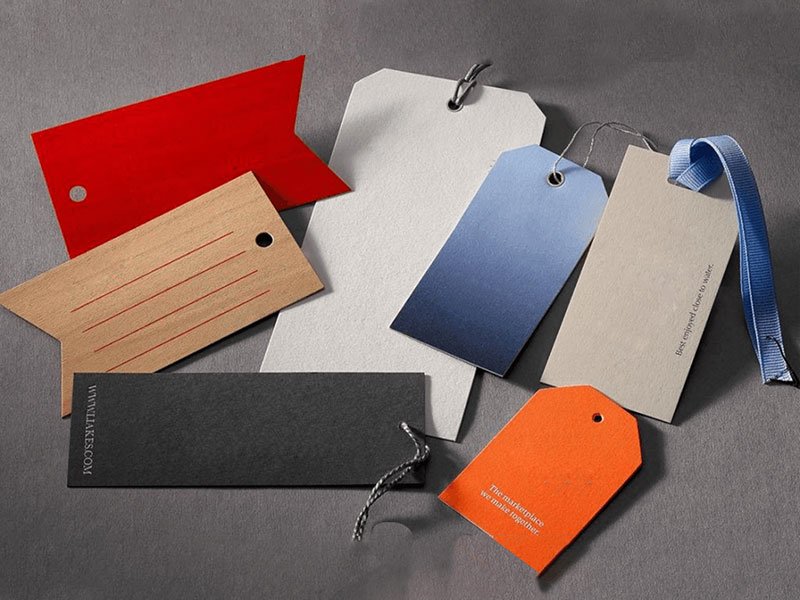
Hangtags

Hangtags may carry branding, pricing, product information or campaign content. String, seal, pin or attachment location is selected to avoid garment damage.

Barcodes and SKU

Barcode, style code, color code, size code and SKU data must match the packing list and retail system. Verification reduces receiving errors and store allocation problems.

Polybag Information

Polybag size, warning text, ventilation, recycled-material requirement, sealing and stickers are confirmed according to garment type and market instructions.

Folding and Protection

Satin needs protection from creasing and pressure. Sequins and rhinestones need abrasion barriers. Corset structures need shape protection. Pleats need controlled folding and steaming instructions.

Carton Marks

Carton size, gross weight, style, color, size ratio, destination, purchase order and handling marks are confirmed before packing. Split shipments require clear batch identification.

Packing Verification

Packing ratios, quantities, labels, accessories and documents are checked before cartons close. Final status can be summarized with inspection and packing evidence for project teams.

Production and Delivery Planning Around Launch Dates

Lead time is planned by style complexity, material readiness, approval timing, packing and delivery method. The ranges below are common references for bulk production and transportation; final timing is confirmed after project review and calendar back-planning.

StageTypical Planning ReferenceMain Conditions
Sample developmentConfirmed after technical reviewFile completeness, fabric preparation, fit scope, construction and revision rounds
Simple bulk styles15-20 daysMaterials and packing ready, straightforward construction, approved production basis
Regular bulk styles20-30 daysStandard fabric and trims, normal fit and workmanship, scheduled QC
Complex bulk styles30-45 daysSpecial materials, structure, embellishment, pilot checks or added inspection
Express delivery3-7 daysDestination, shipment size, customs and carrier service
Air delivery5-8 daysBooking, airport route, customs and receiving arrangement
Sea delivery20-35 daysPort route, booking, customs, destination and seasonal congestion

Cost, MOQ and Quotation Built From Project Conditions

A reliable quotation starts from the product structure and order plan, not from one reference image. MOQ and unit cost are evaluated through fabric, color, trims, construction, size breakdown, packing, testing, delivery timing and repeat potential.

FactorCost or MOQ ImpactReview Focus
FabricConsumption, minimum order, color minimum, cutting lossWeight, width, stretch, print repeat, shade and bulk availability
Lining and trimsAdded material, matching and supplier minimumsCoverage, support, color, hardware, labels and replacement risk
ConstructionSewing time and skill levelCorset, draping, cut-outs, bias cutting, pleating and layered structures
EmbellishmentLabor, loss, inspection and packingSequins, beading, rhinestones, embroidery and repair allowance
Size and color splitProduction balance and material fragmentationNumber of size points, colorways, ratios and style depth
PackingMaterials, labor and destination rulesTickets, barcodes, folding, protection, cartons and split shipments
Testing and inspectionLaboratory and third-party costsMarket requirement, product risk and brand protocol
Delivery dateCapacity and logistics pressureMaterial readiness, production path, shipment method and buffer

Retail Dress Programs From Development to Repeat Production

The examples below reflect the scale and structure commonly handled in current brand cooperation: 10-30 styles and 20,000-80,000 pieces per brand order. Brand names and identifying product information remain confidential.

U.S. Multi-brand Retail Group

Program structure: 18 dress styles, 54,000 pieces, four color families, six size points and three planned delivery waves.

The assortment combined satin midi dresses, bodycon going-out styles, mesh panels and commercial mini dresses. The main challenge was controlling several sample stages while different internal teams reviewed fit, color, cost and visual direction. Duolan separated the program into hero, commercial and repeat candidates, then tracked fabric status, sample version, comments and approval dates by style.

Before bulk release, satin surfaces, mesh coverage, stretch recovery, critical measurements and packing protection were locked. Complex styles received first-piece confirmation, while repeatable commercial styles entered a faster production path. Split delivery planning matched campaign timing and warehouse priorities.

European Fashion Retail Chain

Program structure: 12 styles, 28,800 pieces, five colorways, two seasonal drops and mixed store plus e-commerce packing requirements.

The collection included occasion midi dresses, chiffon maxis, fitted jersey styles and embellished party dresses. Different fabric families created separate opacity, drape, fit and care-label requirements. Duolan used one collection tracker but assigned different technical priorities to each product group.

Chiffon layers and hems were reviewed after hanging, fitted jersey styles were checked for recovery, and embellished products received attachment and abrasion controls. Barcode, price ticket, size sticker and carton details were verified against the packing manual before shipment. Production standards were retained for color extensions and repeat planning.

Global Online Fashion Group

Program structure: 26 styles, 76,000 pieces, seven fabric families, several launch dates and planned replenishment for selected styles.

The program contained mini, midi, vacation, party and going-out dresses. Style count and material variety created risk in sample priority, trim availability and production allocation. Duolan grouped styles by complexity, material lead time and expected commercial role, allowing early approval of core styles while structured and embellished pieces continued through additional review.

Approved patterns, BOMs, grading rules, workmanship points and packing standards were stored by style. Replenishment candidates were identified according to material continuity and production stability. Later quantities could use the existing technical base after current color, material and delivery requirements were reconfirmed.

US Partywear Collection pearl mini (1)

Frequently Asked Questions for Fashion Retail Groups

Yes. Brand standards can be separated by product direction, fit, fabric, workmanship, size chart, labels, packing and quality requirements. Shared resources are used only where they support efficiency without weakening each brand’s identity.
Yes. Multi-style projects are tracked by priority, material status, sample version, comments, approval date and bulk readiness. Programs commonly include 10-30 styles, with complex and long-lead products started earlier.
Sample timing is confirmed after reviewing file completeness, fabric preparation, fit scope, construction difficulty, sample purpose and expected revision rounds. A fixed number is not applied to every style because a basic commercial dress and a structured embellished dress require different work.
Yes. Existing blocks, size charts and grading rules can be followed. When information is incomplete, Duolan can help define the sample size, critical measurements, garment ease and grading logic for the target market and fabric behavior.
Comments are linked to the correct sample version and grouped by fit, measurement, visual appearance, material and construction. Revision summaries identify completed changes, pending decisions and any production concern requiring approval.
Duolan reviews approval status, materials, measurements, workmanship, labels, packing and remaining risks. The approved sample is supported by BOM, size specification, production points and QC checkpoints before cutting is released.
Simple styles commonly require 15-20 days, regular styles 20-30 days and complex styles 30-45 days after production conditions are ready. Final timing depends on materials, quantity, packing, approval and line planning.
Yes. Approved patterns, grading rules, material references, workmanship standards, QC points and packing files are retained. Current material batches, colors, quantities and delivery requirements are reviewed again before repeat production.
Factory allocation follows product complexity and approved standards. Material inspection, pre-production review, first-piece confirmation, inline checks, final inspection and packing verification use the same critical quality points.
Send the company or brand information, product categories, tech packs or references, style count, fabric direction, colorways, size range, target quantities, target delivery date, labels, packing and quality requirements. Partial information can be reviewed, with missing decisions identified for the next step.

Send Your Retail Dress Program for Project Review

Share the information already available, whether it is a collection brief, tech pack, original sample, reference images or a confirmed bulk requirement. Duolan will review the product direction, fabric and fit risks, style complexity, sample path, production structure, MOQ logic, quotation basis and delivery feasibility before recommending the next step.

For a more accurate review, include:

  • Company or brand name and website
  • Main retail markets and sales channels
  • Number of brands or product lines involved
  • Dress categories and expected style count
  • Tech packs, reference images or original sample information
  • Fabric direction, colorways and size range
  • Target quantity by style, color and size when available
  • Required sample stage or bulk production status
  • Target delivery or launch date
  • Label, barcode, packing and inspection requirements

Start Your Apparel Development Project

OEM/ODM Manufacturing Support for Fashion Brands

Share your collection details, estimated quantities, target market, development timeline, and technical requirements. The production team will review your request and provide a tailored manufacturing solution based on your product category, fabric selection, construction needs, and delivery schedule.

Fashion Manufacturing Support with Scalable Production Capacity

From sample development to bulk production, Duolan supports fashion brands with confidential OEM/ODM manufacturing, stable quality management, flexible production planning, and coordinated multi-factory execution for seasonal and capsule collections.

Need Direct Assistance?

Seraphinite AcceleratorOptimized by Seraphinite Accelerator
Turns on site high speed to be attractive for people and search engines.