 Skip to content
Custom Dress Manufacturer for Inclusive Sizing Fashion Brands
Custom inclusive-size dress development and manufacturing for fashion brands building straight-to-extended size ranges with stable fit, body-proportion grading, fabric recovery and repeatable bulk standards.
Duolan supports inclusive-size dress programs from size range review, segmented grading and fit sampling to PP approval, bulk measurement control, retail packing, seasonal replenishment and long-term size records.
- 30+ years of dress development background support multi-body dress fit, sample revisions, production standards and long-running style programs.
- 3,000–8,000 monthly style development flows support inclusive-size capsules, core size expansion and seasonal size-range updates.
- 15,000–35,000 monthly sample cycles support base size samples, curve fit samples, size set samples, photo samples, salesman samples and PP samples.
- 300 sewing lines plus 50+ flexible lines support extended-size bulk orders, replenishment runs and repeat dress production.
- South China fabric and Humen trim resources support ponte, stretch crepe, jersey, knit, woven, lining, elastic, zippers, labels and packing materials.
- 10–30 styles and 20,000–80,000 pieces match mature inclusive-size dress program order structures.
- 500–630 bulk merchandising and follow-up staff support size files, sample records, production tracking, packing files, delivery coordination and repeat order follow-up.








Inclusive Sizing Fashion Brands Duolan Works With
Duolan works with established fashion brands developing dress ranges across straight, curve, plus and extended sizes. Strong inclusive-size programs need segmented grading, multiple fit checks, fabric recovery, coverage control, accurate size labels, bulk measurement discipline and repeatable style memory.
Size-Inclusive Dress Brands
Size-inclusive dress brands need different body ranges to share one design language. Duolan supports inclusive midi dresses, wrap dresses, ponte styles, ruched dresses and occasion silhouettes where proportion, coverage and comfort must remain stable across sizes.
- Size ranges are reviewed by base size, curve size, grading route and garment role.
- Neckline, bust, waist, hip, sleeve, slit and hem balance are checked before PP approval.
- Core styles keep pattern, BOM, grading notes, fabric, label, packing and QC records for future runs.
Contemporary Brands Expanding Size Range
Contemporary womenswear brands often expand successful dress styles into curve or extended sizes. Duolan helps review whether existing patterns, fabrics and construction can carry wider size ranges without losing fit, proportion or brand expression.
- Existing core styles are reviewed before direct size extension.
- Fabric stretch, opacity and recovery are checked against wider size needs.
- New curve samples can confirm risk before full bulk planning.
Premium Ecommerce Dress Brands
Premium ecommerce dress brands depend on size reviews, return control and repeatable garment quality. Duolan supports inclusive-size programs with size set samples, SKU records, barcode files, accurate size labels, polybags, carton plans and replenishment archives.
- Style-color-size data stays connected with label, ticket, barcode and carton records.
- Photo samples and size set samples serve different approval needs.
- Repeat size records help preserve fit across seasonal replenishment.
Occasion and Party Dress Brands Adding Curve Sizes
Occasion and party dress brands need more than attractive silhouettes. Bodycon, ruched, wrap, slip, maxi and fit-and-flare dresses need recovery, coverage and movement safety across size ranges. Duolan reviews fabric pressure, neckline, lining, slit, hem and seam strength before bulk production.
- Stretch recovery is checked for fitted and ruched styles.
- Lining and opacity receive extra review on light or body-skimming fabrics.
- Movement comfort is reviewed around dancing, walking, sitting and photography.
Workwear and Lifestyle Brands With Wider Size Needs
Workwear and lifestyle brands need inclusive dresses suitable for offices, travel, daily wear and long workdays. Duolan supports ponte midis, stretch crepe sheath dresses, shirt dresses, wrap dresses and easy-care styles where sitting comfort, button placement and size stability matter.
- Sitting, walking and arm movement can be reviewed during fit sampling.
- Button, bust, belly, hip and sleeve zones receive style-specific checks.
- Core workwear styles can keep size records for repeat orders.
Repeat Core Style Inclusive Brands
Inclusive fashion brands often rely on proven core styles across seasons. Duolan supports repeat programs through pattern lock, BOM reuse, grading records, fabric cards, PP notes, size label files, packing rules and QC history.
- Core midis, wrap dresses, ponte styles and shirt dresses can return using approved records.
- Seasonal color edits can follow earlier fit and grading standards.
- Replenishment checks use previous PP, measurement and packing notes.
Why Inclusive Sizing Brands Need a Different Manufacturer
nclusive sizing is not simply adding numbers to a size chart. A dress encompasses the bust, waist, abdomen, hips, back width, shoulder width, sleeve length, armhole, neckline, slit, skirt length, and hem. The dimensions for each area vary across standard, curvy, plus-size, and extra-large sizes.
A wrap dress may require added overlap and adjustments to the neckline. A fitted dress may require greater elasticity and higher sun protection. A shirt dress may require adjustments to button placement, a more fitted abdomen, and modified sleeves. A slip dress may require adjustments to the bias-cut hem and lining. A midi skirt may require length adjustments without compromising proportions.
Duolan views the production of full-size dresses as a complete sizing system. Before production begins, all stages undergo comprehensive review, including segmentation and grading, multiple fitting samples, fabric performance, coverage, mobility, pre-production approval, batch measurement control, size labels, and replenishment documentation.
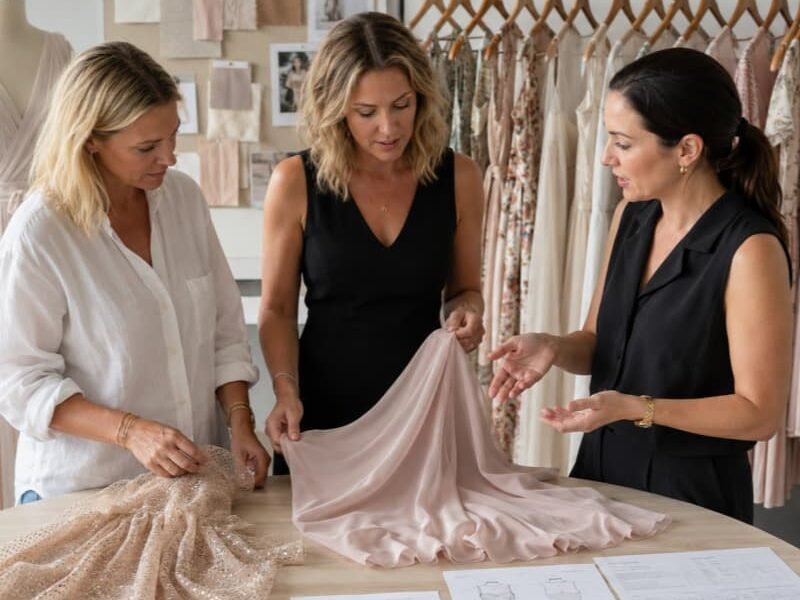
Inclusive-size manufacturing priorities
- Segmented grading: Straight, curve, plus and extended sizes may need different pattern decisions.
- Multi-size fit validation: Base size, curve fit, size set and PP samples serve separate approval goals.
- Design proportion: A style should keep the same visual language across size ranges.
- Fabric recovery: Stretch, opacity, support and wash stability affect comfort and reviews.
- Coverage safety: Neckline, slit, wrap overlap, lining and hem need movement-based checks.
- Bulk measurement discipline: Larger size ranges need stronger tolerance, inline QC and size file control.
- Repeat size memory: Pattern, grading, fabric, PP and QC records protect future replenishment.
How Inclusive Sizing Brands Choose a Manufacturer
A strong inclusive-size dress manufacturer understands body-proportion grading, not only garment assembly. Duolan supports fashion teams needing multiple fit stages, fabric performance review, coverage control, PP discipline, retail file accuracy and repeat size continuity.
Can the Manufacturer Manage Segmented Grading?
One grading rule rarely serves the full range. Duolan reviews bust, waist, hip, belly, shoulder, sleeve, back width, armhole, slit, hem and length by style type. Straight, curve and extended sizes may require separate decisions around ease, support and proportion.
- Base size logic is reviewed before pattern expansion, especially for fitted dresses, wrap styles and structured workwear silhouettes.
- Curve and extended ranges receive proportion-specific checks across bust position, waistline, belly room, hip curve and back width.
- Grading comments stay linked with pattern, spec sheet and PP records so approved changes remain visible during production.
- Core styles preserve size logic for repeat orders, seasonal color edits and later fabric updates.
Can Multiple Fit Samples Be Reviewed?
Mature inclusive programs need more than one approved sample. Duolan supports base samples, curve fit samples, size set samples, photo samples, salesman samples and PP samples. Each sample stage serves a different decision.
- Base sample checks first pattern, construction, fabric direction and design proportion before wider validation begins.
- Curve fit sample checks bust coverage, belly comfort, hip ease, armhole movement, neckline security and garment balance.
- Size set sample checks grading, measurement consistency, fabric recovery and visual continuity across selected sizes.
- PP sample locks bulk material, construction, tolerance, labels, packing method and inspection focus.
Can Dress Proportions Stay Consistent Across Ranges?
A style should not become a different design in extended sizes. Duolan reviews neckline scale, waistline, sleeve length, skirt sweep, slit, trim position and print placement so the garment keeps its intended look.
- Waist and neckline positions are checked across size steps before PP approval.
- Skirt sweep, slit height and hem length are reviewed for balance, coverage and movement.
- Trim, ruching, tie length, button spacing and seam placement stay proportional across size ranges.
- Photo review can compare front, side and back views across base, curve and extended samples.
Can Fabric Support Stretch, Recovery and Opacity?
Inclusive sizing places more pressure on fabric behavior. Duolan reviews ponte, jersey, knit, stretch crepe, woven with ease, lining and elastic by recovery, opacity, thickness, support, shrinkage, pilling and wash stability.
- Stretch fabrics are checked for rebound, panel direction and long-wear shape retention.
- Pale, fitted or thin styles receive opacity checks before fabric approval.
- Linings are reviewed for comfort, coverage, breathability and garment drape.
- Bulk fabric behavior is compared with approved samples through handfeel, stretch and surface review.
Can Movement Comfort Be Tested?
Fit should survive real movement. Duolan reviews sitting, walking, raising arms, turning, stairs, dancing and photography positions when style risk requires it. Movement can reveal issues hidden in a standing sample.
- Sitting review checks belly ease, hip space, back seam comfort, slit opening and hem behavior.
- Arm movement review checks sleeve width, armhole depth, back width and strap stability.
- Walking review checks wrap overlap, skirt sweep, lining drag and slit safety.
- Event-style dresses can be reviewed for dancing, stair movement and photo posture where relevant.
Can Bulk Measurement Tolerance Stay Controlled?
Large size ranges increase measurement complexity. Duolan controls bust, waist, hip, armhole, sleeve, skirt length, slit, hem and elastic recovery through size files, PP samples, first-piece review, inline checks and final inspection.
- Measurement points are defined by garment risk, not copied mechanically across all dress types.
- First-piece review compares bulk garments against PP sample, approved size chart and tolerance file.
- Inline checks track high-risk zones such as bust, hip, armhole, slit, hem and elastic recovery.
- Final inspection reviews measurement, workmanship, fabric recovery, label accuracy and packing status.
Can Repeat Styles Keep Size Memory?
Repeat inclusive styles should not restart from zero. Duolan preserves pattern, grading notes, BOM, fabric cards, PP sample, measurement reports, label files, packing rules and QC comments for future replenishment.
- Approved pattern and grading records remain connected with fabric, trim and label versions.
- Repeat colors can follow earlier fit standards while fabric batch and shrinkage still receive review.
- Reorder notes capture size complaints, QC findings, packing comments and improvement points.
- Core inclusive styles gain stronger continuity when measurement reports and PP records remain active.

Where Inclusive-Size Dress Programs Break Down
Inclusive-size dress programs often fail when size expansion is handled as math instead of product engineering. Duolan reviews grading, fit, fabric, coverage and measurement risk before bulk production.
Grading Looks Mathematical but Not Human
A size chart may look complete while the garment still fails at bust, belly, hip, back width, sleeve or armhole. Human body proportions do not expand evenly, especially across fitted, wrap, shirting, knit and occasion silhouettes.
Duolan response: Grading review considers body zones, garment role and fabric behavior.
- Review bust, waist, hip and belly ease separately rather than treating width increase as one simple rule.
- Check shoulder, sleeve and back width by size range, especially for work dresses and occasion sleeves.
- Adjust skirt length, hem sweep and slit placement by proportion and movement needs.
- Keep grading comments connected with pattern, spec sheet and size set records.
One Sample Size Controls the Whole Range
One approved sample cannot represent a full inclusive range. Problems in curve or extended sizes may appear too late, causing costly revisions, weak reviews or urgent production changes close to launch.
Duolan response: Sample routes can include base, curve, size set and PP stages.
- Use base sample for design, construction, fabric direction and first fit.
- Use curve sample for proportional fit, coverage, neckline, belly, hip and sleeve review.
- Use size set sample for grading, measurement and tolerance checks.
- Use PP sample for final bulk standard, label, packing and inspection approval.
Design Proportion Changes Across Sizes
A dress can look refined in smaller sizes but heavy, long, wide or misplaced in extended sizes. Detail placement, waistline, neckline, ruching and slit height may drift when grading is not reviewed visually.
Duolan response: Proportion review compares front, side, back, hem and detail placement across ranges.
- Check waistline and neckline scale on base, curve and extended samples.
- Review slit, hem and skirt sweep by size to prevent heavy or unsafe proportions.
- Keep trim, tie, button and ruching placement proportional.
- Compare sample photos where visual consistency matters for ecommerce or campaign use.
Stretch Fabric Loses Recovery
Bodycon, ruched, ponte, jersey and knit dresses can bag at hip, belly, knee, waist or hem when recovery is weak. Poor rebound affects fit confidence, photography, wear comfort and repeat purchase value.
Duolan response: Fabric recovery review covers stretch, rebound, thickness, seam stability and wash behavior.
- Test stretch direction against garment panels before pattern finalization.
- Review recovery after wearing, tension or folding where style risk requires it.
- Match pattern ease with fabric power instead of relying on stretch alone.
- Add recovery notes to PP, BOM and QC records for bulk follow-up.
Coverage Fails in Real Movement
Wrap openings, low necklines, high slits, sheer areas and clingy fabrics can create exposure risk during movement. Coverage must be checked beyond standing poses and front-view approval.
Duolan response: Movement review checks sitting, walking, turning and arm movement.
- Review wrap overlap, neckline security and bust coverage in seated and standing positions.
- Check slit height while walking, sitting and climbing stairs.
- Confirm opacity under light and after fabric stretch.
- Adjust lining, facing, strap angle or seam placement where coverage requires it.
Size Set Approval Comes Too Late
Late size set review leaves little room for pattern, fabric or construction changes. Costs rise when fit issues appear after fabric booking, trim ordering or bulk preparation.
Duolan response: Size set needs are discussed before bulk planning.
- Identify high-risk styles early, including bodycon, wrap, slip, ruched, shirting and fitted work dresses.
- Plan sample stages around fit risk, fabric behavior and size range width.
- Review grading before production pressure grows.
- Lock size standards with PP sample, measurement file and tolerance confirmation.
Repeat Orders Lose Fit Consistency
Reorders drift when pattern versions, grading rules, fabric lots and QC reports are not preserved. Inclusive core styles need stable size memory across seasons, color edits and replenishment runs.
Duolan response: Replenishment archives preserve approved fit, fabric and measurement standards.
- Compare repeat order fabric against previous handfeel, stretch and shrinkage records.
- Check pattern version and grading notes before cutting new bulk fabric.
- Reuse approved PP sample, tolerance file, label and packing rules where applicable.
- Record size-related feedback after each order for the next production cycle.

Duolan Inclusive-Size Dress Development System
Duolan manages inclusive-size dress programs through a route connecting size range, fabric behavior, segmented grading, multi-size samples, PP approval, bulk measurement checks and repeat records.
Step 1|Size Range and Brand Fit Review
An inclusive-size program starts with size architecture. Brand teams may provide target size range, current size chart, base size, curve size target, fit model notes, main sales markets, return pain points and price level. Duolan reviews whether the program requires straight-to-plus expansion, curve capsule development, full inclusive range planning or core style correction.
Step 2|Fabric Recovery and Coverage Review
Fabric must support the full size range. Duolan reviews ponte, jersey, stretch crepe, tailored knit, woven, viscose blend, lining, elastic and zipper options by stretch, recovery, opacity, shrinkage, wash stability, surface and wearer comfort. Fabric review is linked with coverage, pressure points and garment role.
Step 3|Segmented Pattern and Grading Planning
Each dress type carries different grading risk. Duolan reviews sheath, wrap, bodycon, ruched, shirt dress, slip, midi, maxi, fit-and-flare and occasion silhouettes by bust, waist, hip, belly, shoulder, sleeve, slit, hem and movement needs. Grading notes stay attached to pattern and specification records.
Step 4|Base, Curve and Size Set Sample Review
Sample stages are separated by decision purpose. Base sample checks initial design and construction. Curve fit sample checks body-proportion fit, coverage and comfort. Size set sample checks grading and measurement consistency. Photo sample checks visual consistency. PP sample locks production standard.
Step 5|PP Sample and Bulk Size Standard
PP sample approval locks fabric, pattern, segmented grading, measurements, tolerance, lining, trims, workmanship, labels, packing and QC points. For inclusive-size dresses, PP records also capture stretch recovery, opacity, movement comfort and size range comments.
Step 6|Replenishment and Size Archive
After bulk shipment, Duolan preserves pattern, BOM, size chart, grading notes, fabric records, PP sample, measurement reports, QC comments, label files, packing method and reorder details. Repeat inclusive styles can return with stronger size continuity.
Inclusive-Size Dress Programs Duolan Supports
Duolan supports inclusive-size dress programs built around segmented grading, fabric recovery, body-proportion fit, coverage safety, movement comfort and repeat size continuity.

Inclusive Midi Dresses
Inclusive midi dresses suit lifestyle, workwear, ecommerce core styles and light occasion programs. Duolan reviews waist placement, skirt length, hem balance, sitting comfort, side view and size-range proportion so the midi silhouette stays consistent across sizes.

Wrap Dresses Across Size Ranges
Wrap dresses offer flexible fit, yet require strong control. Duolan reviews overlap, tie length, neckline security, waist position, bust coverage, seated comfort and fabric recovery. The wrap should feel adjustable without gaping.

Bodycon and Ruched Dresses
Bodycon and ruched dresses need recovery, opacity and comfort across size ranges. Duolan reviews fabric power, ruching ratio, side seam control, belly and hip space, lining, transparency and garment rebound before PP approval.

Fit-and-Flare Dresses
Fit-and-flare dresses need balanced waist, bodice fit and skirt volume. Duolan reviews bust support, waistline, skirt sweep, hem weight, lining and size-range proportion so extended sizes remain elegant without bulk.

Shirt Dresses and Work Dresses
Shirt and work dresses need button placement, bust comfort, belly ease, hip balance, sleeve fit, armhole comfort, shrinkage and pressing control. Duolan reviews these zones before size set and PP approval.

Slip and Bias Dresses
Slip and bias dresses need careful fit across body curves. Duolan reviews bias fall, bust height, hip cling, lining, neckline, strap placement, opacity and hem balance. Soft drape must remain smooth across sizes.
Segmented Grading and Multi-Size Fit Validation
Segmented grading and fit validation form the center of an inclusive-size dress program. Duolan reviews size logic, pattern changes, sample stages and measurement standards before bulk production begins.
Base Size and Curve Size Planning
A single base size may not control the full range. Duolan reviews whether a program needs one base sample or separate straight, curve and extended reference points. Style type, fabric stretch, target market and fit risk guide the sample route.
- Review current size chart, existing return comments and target size range before sampling.
- Identify base size, curve reference and extended-size validation needs by silhouette.
- Match sample stages with garment risk, fabric pressure and launch timing.
- Keep size logic linked with pattern files, spec sheets and future reorder records.
Non-Linear Grading Logic
Body proportions do not scale evenly. Duolan reviews bust, waist, hip, belly, shoulder, sleeve, armhole, back width, skirt length and hem sweep separately. Grading decisions are made by garment zone, not only by size increment.
- Adjust ease by body zone, fabric behavior and dress type.
- Review neckline scale, strap length, armhole depth and slit height across ranges.
- Check sleeve, back width and upper-arm comfort for workwear and occasion styles.
- Preserve grading notes for PP approval, measurement checks and repeat runs.
Size Set Sample Review
Core styles, fitted styles, stretch styles, wrap dresses and slip dresses may need size set review. Duolan checks proportion, coverage, movement, measurements and finish across selected sizes before bulk release.
- Compare front, side and back balance across selected sizes.
- Check bust, waist, belly, hip, armhole, sleeve and hem consistency.
- Review movement in high-risk styles, including sitting, walking, turning and arm lifting.
- Confirm measurement tolerance and inspection focus before PP approval.
Fit Comment Translation
Fit comments must become production instructions. Duolan links comments with pattern updates, spec revisions, fabric notes, lining decisions, construction changes and PP records. Clear translation helps prevent approved changes from disappearing in bulk.
- Separate comments by pattern, grading, fabric, workmanship, lining, trim and packing impact.
- Convert subjective fit notes into measurable adjustment points where possible.
- Keep old and revised measurements visible during sample comparison.
- Add approved changes into PP records, size files and QC checkpoints.
Bulk Measurement Tolerance Control
Wide size ranges need disciplined measurements. Duolan reviews bust, waist, hip, armhole, sleeve, skirt length, slit, hem and elastic recovery through size files, first-piece checks, inline inspection and final QC.
- Define high-risk measurement points by dress silhouette and fabric route.
- Use first-piece review to compare production output with PP sample and tolerance file.
- Apply inline checks before large quantities move through sewing and finishing.
- Preserve measurement reports for repeat orders, claims review and future size updates.

Inclusive-Size Dress Fit Risk Matrix
Inclusive-size dress development depends on matching silhouette, size-range challenge and fit validation method. Duolan reviews each route by main body-zone risk and bulk control needs.
| Dress Direction | Size-Range Challenge | Fit Validation Focus | Main Risk Controlled |
|---|---|---|---|
| Wrap Dress | Bust and waist variation | Overlap, neckline, tie length | Gaping and exposure |
| Bodycon Dress | Stretch pressure changes | Recovery, opacity, ease | Cling and deformation |
| Ruched Dress | Ruching ratio changes | Ruching length, side seam, hip | Uneven visual balance |
| Shirt Dress | Button and torso fit | Bust pull, belly room, sleeve | Gaping and pulling |
| Slip Dress | Bias fall across sizes | Bust, hip, lining, neckline | Cling and transparency |
| Midi Dress | Length and proportion | Waist, hem, sitting comfort | Heavy or awkward length |
| Fit-and-Flare | Waist and skirt volume | Waistline, skirt sweep, balance | Too bulky in extended sizes |
| Ponte Dress | Recovery after wear | Hip, knee, waist, hem | Shape loss |
Fabric Recovery, Opacity and Coverage Control
Inclusive-size dresses place more pressure on fabric behavior. Duolan reviews recovery, coverage, stress points, lining and wash stability before fabric enters bulk production.
Stretch Recovery Review
Ponte, jersey, knit and stretch crepe need strong recovery after wearing and movement. Duolan reviews stretch direction, rebound, thickness, seam stability and garment shape retention. Poor recovery can create bagging at hip, belly, knees, waist or hem.
- Check stretch and rebound by garment zone rather than fabric surface alone.
- Match pattern ease with fabric recovery so fitted styles do not rely only on stretch power.
- Review bodycon, ruched and ponte styles after tension where risk is higher.
- Add recovery notes to PP, BOM and QC files for bulk comparison.
Opacity and Light Test
Opacity matters across size ranges. Pale colors, fitted silhouettes, stretch fabrics, slip dresses, mesh panels and bodycon styles need light checks. Duolan reviews transparency under natural and indoor light, plus movement where relevant.
- Check bust, hip, belly and back zones under light and movement.
- Review lining tone, lining length and attachment method.
- Compare opacity after stretch on fitted or light-colored styles.
- Lock opacity notes before PP approval and fabric booking.
Lining and Coverage Planning
Lining should support comfort, coverage and drape. Duolan reviews lining weight, stretch, breathability, shade, length and attachment method. Poor lining can add heat, bulk or restriction in extended sizes.
- Match lining with outer fabric, wearer movement and garment role.
- Avoid heavy lining where comfort, drape and breathability matter.
- Use lining to protect pale, sheer, clingy or bias-cut garments.
- Review lining behavior during sitting, walking and arm movement.
Seam Strength and Stress Points
Inclusive-size dresses need attention at stress points. Duolan reviews side seams, waist seams, armholes, zipper areas, slits, back closures, straps and shoulder points. Stress-zone review helps protect comfort and durability.
- Check seam tension on stretch, woven and bias-cut dresses.
- Review zipper placement, zipper waves and back closure strength.
- Inspect strap, halter, shoulder and armhole pressure points.
- Add reinforcement or construction changes where garment stress requires it.
Wash and Wear Stability
Core inclusive styles often repeat across seasons. Duolan reviews wash shrinkage, color fastness, pilling risk, seam recovery, stretch retention and garment shape after care. Stable care behavior supports repeat purchase confidence.
- Review shrinkage and garment shape before finalizing size files.
- Check pilling and surface change for ponte, jersey and knit styles.
- Confirm care label wording against actual fabric and lining behavior.
- Keep wash and wear notes available for repeat production.

Proportion, Coverage and Movement Control Across Sizes
Inclusive-size fit must work in motion. Duolan reviews neckline, bust, waist, belly, hip, sleeve, back width, hem and slit through size range and movement needs.
Neckline and Bust Coverage
V-neck, wrap, cowl, square neck, halter and strapless styles need different coverage and support across sizes. Duolan reviews neckline depth, bust position, strap angle, facing, lining and movement security.
- Check neckline from front, side and seated views.
- Review bust coverage in standing, seated and bending positions where relevant.
- Adjust wrap overlap, strap placement, facing or lining where needed.
- Preserve neckline and coverage notes in PP records.
Waistline and Belly Comfort
Waistline placement affects proportion and comfort. Duolan reviews waist seam, darts, elastic, ties, side seams, ruching and belly ease across size ranges. Inclusive fit needs comfort without losing shape.
- Review waistline position on straight, curve and extended samples.
- Check belly ease during sitting, walking and turning.
- Adjust darts, side seams, ruching or elastic tension where comfort requires it.
- Keep waist and belly notes connected with pattern and grading records.
Hip, Seat and Sitting Ease
Hip measurement alone does not guarantee sitting comfort. Duolan reviews seat ease, back seam, side seam, hem opening, slit behavior and fabric recovery during sitting and walking.
- Check hip and seat comfort while seated and moving.
- Review back seam tension and side seam balance on fitted or bias-cut styles.
- Confirm slit and hem behavior during walking and stairs.
- Compare garment recovery after sitting where fabric risk is high.
Armhole, Sleeve and Back Width
Armhole, sleeve width, back width and shoulder placement influence comfort and reviews. Duolan checks upper-arm space, sleeve movement, underarm comfort, back tension and strap placement, especially for workwear and occasion dresses.
- Review arm lifting, typing posture, blazer layering and bag-carrying movement where relevant.
- Check sleeve width and armhole depth across selected sizes.
- Adjust back width or shoulder position when pulling appears.
- Keep sleeve and armhole notes visible for PP and QC checks.
Hem, Slit and Length Proportion
Length and slit height need range-specific review. Duolan checks hem balance, slit position, lining length, skirt sweep and movement. Extended sizes should not feel heavier, longer or less refined than smaller sizes.
- Review hem length and sweep by style role, size range and fabric weight.
- Check slit height for movement, sitting and coverage.
- Match lining length with outer skirt and transparency needs.
- Adjust hem proportion before PP approval when visual balance drifts.

Photo Sample, Size Set Sample and PP Sample Review
Inclusive-size programs need sample stages with clear roles. Duolan separates photo sample, base fit sample, curve fit sample, size set sample, salesman sample and PP sample approvals so design consistency and production stability both receive review.
Photo Sample for Design Consistency
Photo samples help compare design language across sizes. Duolan reviews front view, side view, back view, waistline, neckline, hem, detail placement, fabric surface and proportion. Visual consistency protects brand identity across the range.
- Check whether the design mood stays consistent across selected sizes.
- Review detail placement, neckline scale, waistline and hem balance.
- Compare fabric drape, opacity and surface behavior in images.
- Keep photo notes separate from PP approval to avoid confusing visual comments with production locks.
Base Fit Sample Review
Base fit sample confirms first pattern, construction, fabric and design proportion. Duolan reviews bust, waist, hip, shoulder, sleeve, skirt, neckline and overall balance before moving into wider validation.
- Check primary design intent, construction path and fabric suitability.
- Confirm key measurement points before expanded grading.
- Identify early risks around neckline, sleeve, waistline, slit and lining.
- Record changes for curve sample or size set planning.
Curve and Extended Fit Sample Review
Curve or extended fit samples reveal proportional issues hidden in a straight-size sample. Duolan reviews bust, belly, hip, armhole, back width, slit, coverage and movement comfort before size set or PP planning.
- Review coverage, movement and comfort in key body zones.
- Check whether silhouette and detail placement remain visually aligned with base sample.
- Adjust grading, ease, lining, neckline or seam placement before size set approval.
- Keep comments traceable in pattern, size and PP records.
Size Set Sample Approval
Size set approval helps confirm grading and measurement consistency. Duolan checks selected sizes for front-back balance, bust, waist, hip, sleeve, hem length, slit and fabric recovery. High-risk styles benefit from earlier size set review.
- Compare selected sizes against approved size chart and tolerance file.
- Review side view, back view, hem and movement behavior.
- Check consistency of labels, hangtags and packing needs by size range.
- Use size set findings before large-scale cutting or production release.
PP Sample as Inclusive-Size Standard
PP sample locks bulk fabric, segmented grading, measurements, tolerance, construction, lining, labels, packing and QC points. PP records become the shared reference for production and inspection.
- Confirm approved fabric, color, lining, trims and workmanship.
- Lock size rules, tolerance, sample comments and inspection focus.
- Check label, size label, care label, barcode and packing rule alignment.
- Preserve PP sample and notes for repeat inclusive programs.
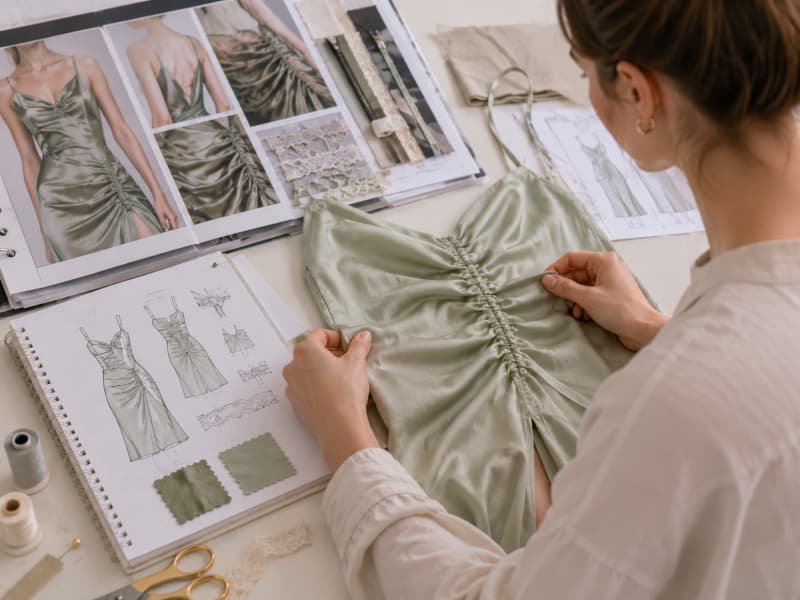
Private Label, Size Labels and Retail Packing
Inclusive-size dress programs need accurate labels, SKU files and packing control. Duolan aligns main labels, size labels, care labels, barcodes, polybags and carton records before shipment.
Main Label and Size Label System
Main labels, size labels and size naming must match the brand’s size chart and sales channel. Duolan reviews size codes, international conversions, label placement and style-color-size accuracy before packing.
- Match size labels with confirmed size chart, size naming and channel requirements.
- Review size naming across straight, curve, plus and extended ranges.
- Keep label versions linked with production records, PP sample and packing files.
- Archive size label files for replenishment and seasonal range updates.
Care Label for Stretch and Recovery Fabrics
Ponte, jersey, knit, stretch crepe and viscose blends need accurate care communication. Duolan reviews washing, drying, steaming, ironing and handling instructions against fabric and lining records.
- Confirm care wording after fabric, lining and wash behavior are reviewed.
- Match fiber content with approved material records.
- Review label placement for comfort on fitted and lightweight dresses.
- Preserve care label versions for repeat orders and fabric updates.
Barcode and SKU Accuracy by Size Range
Inclusive programs create more SKU combinations. Duolan reviews barcode files, ticket placement, polybag stickers and carton labels to prevent wrong size shipments or warehouse confusion.
- Pair each barcode with exact style, color, size and label version.
- Separate similar size codes or close colorways during ticketing.
- Check polybag stickers against garment labels before carton loading.
- Keep SKU and barcode archives available for replenishment.
Packing Method by Fabric and Size
Different sizes and fabrics create different packing needs. Duolan reviews folded packing, hanger options, polybag size, tissue, carton density and garment recovery by size range and fabric route.
- Review folded packing for wrinkle, pressure and recovery risk.
- Use hanger or garment cover options for styles needing shape protection.
- Adjust polybag size and carton density by garment volume.
- Keep fitted, delicate or embellished styles away from damaging pressure.
Replenishment Packing Archive
Repeat inclusive styles benefit from proven packing rules. Duolan keeps label files, size labels, barcode rules, fold method, carton grouping and QC notes attached to approved styles for future runs.
- Reuse approved packing rules when style, fabric and channel remain stable.
- Update records when new sizes, colors or fabric bases are added.
- Compare repeat carton grouping with previous handover notes.
- Preserve packing photos or carton records where brand teams require review.
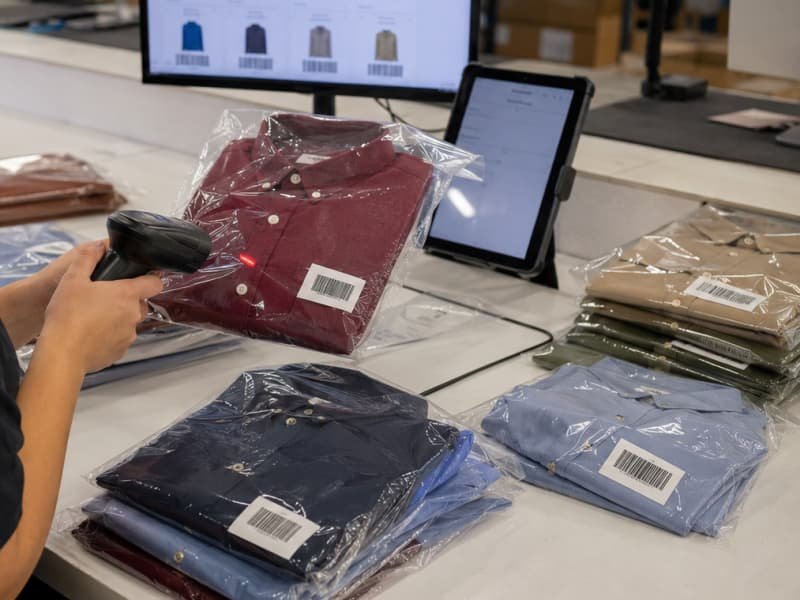
Inclusive-Size QC and Bulk Measurement Control
Inclusive-size dresses need QC around grading, fabric recovery, coverage, sample approval, measurement tolerance, packing accuracy and repeat records. Duolan connects PP files, size standards and bulk checks before shipment.
| Control Stage | Inclusive-Size Risk | Duolan Control Focus |
|---|---|---|
| Size Range Review | Wrong base size logic | Size range and fit strategy review |
| Grading Review | Linear grading distorts fit | Segmented grading and pattern review |
| Fabric Review | Stretch or opacity fails | Recovery, coverage and lining control |
| Fit Sample Review | Curve size problems appear late | Base, curve and size set review |
| PP Approval | Bulk size rules unclear | PP sample, BOM and tolerance lock |
| Production QC | Measurement drift across sizes | Inline QC and size measurement checks |
| Packing | Size mix or carton pressure issues | SKU, label and packing method control |
| Replenishment | Repeat size fit changes | Pattern, grading and QC archive |
Custom Dress Manufacturer for Inclusive Sizing Fashion Brands case studies
Duolan can discuss comparable inclusive-size dress programs by region, size range focus, fabric route and production response while protecting private brand information. These records show how wider-size dress ranges move from fit development to repeat production.
United States|Straight-to-Extended Dress Capsule
A US premium ecommerce dress brand developed midi dresses, wrap styles, bodycon dresses and ruched occasion pieces across 22 styles and approximately 64,000 pieces. The program covered straight, curve and extended size ranges.
- Program Focus: Midi, wrap, bodycon and ruched dresses across wider size ranges.
- Development Challenge: Fit, recovery and coverage needed stronger control beyond one base sample.
- Duolan Response: Duolan reviewed segmented grading, curve fit samples, size set checks, fabric recovery, PP samples and bulk measurement records.
- Program Result: The capsule gained stronger size consistency and clearer replenishment standards.

United Kingdom|Inclusive Workwear Dress Program
A UK contemporary workwear brand developed ponte midis, stretch crepe sheath dresses and shirt dresses across 18 styles and approximately 46,000 pieces. The range focused on office comfort and long-term core style repeat.
- Program Focus: Ponte midi, stretch crepe sheath, shirt dress and core black / navy styles.
- Development Challenge: Sitting comfort, button placement, armhole ease and slit height needed size-range review.
- Duolan Response: Duolan reviewed seated fit, placket stability, sleeve comfort, lining, tolerance records and repeat files.
- Program Result: The range kept professional polish with stronger fit continuity across sizes.

Australia|Curve Occasion Dress Range
An Australian occasionwear brand developed wrap dresses, slip dresses, fit-and-flare shapes and soft occasion styles across 24 styles and approximately 72,000 pieces. The program focused on curve fit and event movement.
- Program Focus: Wrap dress, slip dress, fit-and-flare and soft occasion silhouettes.
- Development Challenge: Neckline coverage, bust-waist-hip proportion and soft fabric drape needed extra validation.
- Duolan Response: Duolan reviewed coverage, body proportion, bias fall, lining, photo samples and size set approval.
- Program Result: The range gained stronger movement comfort and cleaner design consistency.

Europe|Repeat Inclusive Core Styles
A European mature fashion brand repeated midis, ponte dresses and seasonal color edits across 26 styles and approximately 68,000 pieces. The program required long-term size memory and stable replenishment.
- Program Focus: Repeat midi, new color edits, core ponte dress and inclusive replenishment.
- Development Challenge: Seasonal updates needed fresh color without losing approved grading and fit.
- Duolan Response: Duolan reused pattern, BOM, grading notes, fabric cards, PP notes, label versions, packing rules and QC records.
- Program Result: Replenishment moved faster with stronger size-range continuity.

FAQs for Inclusive-Size Dress Manufacturing
An inclusive-size dress manufacturer supports dress programs built across straight, curve, plus and extended size ranges.
For Duolan, this means reviewing size architecture, segmented grading, fit samples, fabric recovery, coverage, PP approval, bulk measurements, size labels, retail packing and replenishment records before production moves into bulk.
Duolan works with size-inclusive dress brands, contemporary womenswear brands expanding their size range, premium ecommerce dress brands, occasion and party dress brands adding curve sizes, workwear and lifestyle brands with wider size needs and repeat core style inclusive brands.
These brands usually need stable fit, proportional grading, fabric performance, accurate size labels and repeatable production standards.
Inclusive sizing is not just adding larger numbers to a size chart.
Bust, waist, belly, hip, shoulder, sleeve, armhole, back width, neckline, slit, skirt length and hem sweep do not expand in the same way. Duolan reviews these body zones by dress type, fabric route and size range so the garment keeps its fit, comfort and design proportion across sizes.
Segmented grading means different parts of the size range may need different pattern and fit decisions.
Straight, curve, plus and extended sizes may require separate review around bust position, waist placement, belly ease, hip curve, back width, sleeve comfort, neckline scale, slit height and hem proportion.
One approved sample cannot represent a full inclusive range.
A dress may look balanced in the base size but create issues in curve or extended sizes, such as neckline gaping, belly tightness, hip cling, sleeve restriction, short lining, weak recovery or heavy hem proportion.
Duolan can support base samples, curve fit samples, size set samples, photo samples and PP samples, each with a separate approval purpose.
Duolan supports inclusive midi dresses, wrap dresses, bodycon dresses, ruched dresses, fit-and-flare dresses, shirt dresses, work dresses, slip dresses, bias dresses, knit dresses, ponte dresses, jersey dresses and repeat core inclusive styles.
Each category is reviewed according to its fit risk, fabric behavior, coverage needs, movement comfort and size-range proportion.
Duolan reviews neckline depth, bust coverage, wrap overlap, slit height, lining length, opacity, strap placement, facing and hem behavior.
Coverage is checked beyond a standing front view, especially for wrap dresses, V-neck styles, bodycon dresses, slip dresses, sheer fabrics, pale colors and fitted silhouettes.
Duolan reviews ponte, jersey, knit, stretch crepe and other stretch fabrics by rebound, thickness, opacity, seam stability, shape retention, shrinkage, wash behavior and garment recovery.
This helps reduce risks such as bagging at the belly, hip, knee, waist or hem after wear.

Send Your Inclusive Sizing Dress Program Brief
A strong inclusive-size dress program starts with clear size range, body fit goals, fabric performance, sample route, size label system, packing expectations and repeat plan. Duolan can review the project direction before recommending a development and production route.
Share Your Size Range and Fit Direction
- Target size range, current size chart, base size, curve or extended size target, fit model notes, sales market and main fit concerns.
- Program type such as straight-to-plus expansion, curve capsule, full inclusive range, core style correction or repeat size update.
- Product role such as midi dress, wrap dress, bodycon, ruched dress, shirt dress, ponte style, slip dress or repeat core silhouette.
Share Your Fabric, Style and Fit Validation Needs
- Fabric preference, stretch recovery need, opacity requirement, lining preference, size set needs, fit sample stage and photo sample target.
- Fabric routes such as ponte, jersey, knit, stretch crepe, woven with ease, viscose blend, lining or elastic support.
- Fit concerns around bust, belly, hip, armhole, sleeve, back width, neckline, slit, hem, sitting comfort or movement coverage.
Share Your Retail and Replenishment Plan
- Style count, target quantity, sample stage, photo sample deadline, PP approval target, launch window and delivery needs.
- Label files, size label system, hangtags, barcodes, folded or hanger packing, carton instructions and replenishment plan.
- Available files such as tech pack, size chart, grading notes, fabric swatches, sample photos, BOM, packing notes or previous QC comments.


