 Skip to content
Custom Dress Manufacturer for Merchandising Calendar Development
Coordinate dress development, samples, approvals, production and delivery around the key dates in a seasonal collection.
Duolan connects merchandising plans with controlled manufacturing milestones. The workflow links collection priorities, material readiness, sample stages, PP approval, production allocation, quality checkpoints, packing and cargo handover, so dress programs can move toward the required campaign, warehouse and launch dates without losing product control.
- 10-30 dress styles can be managed through structured sample, approval and production stages within one seasonal program.
- Brand programs ranging from 20,000 to 80,000 garments can be coordinated by style priority, material route and delivery window.
- 16 owned factories, 20+ satellite factories, around 300 production lines and 50+ flexible lines support wave-based allocation for launch, repeat and scale-up orders.
- An anonymized US holiday partywear program covered 24 styles and 48,600 garments across satin, sequin, mesh and fitted silhouettes.
- An anonymized regional going-out and vacation program covered 28 styles and 72,400 garments across two sales regions.
How Duolan Aligns Merchandising and Manufacturing Calendars

Your Brand Defines Direction
Your merchandising, design and product teams establish the selling season, retail launch, product architecture, target price position and commercial priorities. Duolan uses those inputs to review the feasibility of each proposed dress before sample work begins. Useful starting information includes:
- Target launch and warehouse receiving dates
- Collection theme and priority styles
- Estimated quantities by style
- Target market and fit direction
- Fabric, color and embellishment direction
- Photo-shoot or showroom deadlines
- Required inspection and packaging standards
Clear commercial priorities allow development resources to be assigned where they protect the launch plan most effectively.

Duolan Builds Execution
Duolan translates the approved commercial plan into development and manufacturing milestones. The resulting path covers fabric sourcing, pattern development, sample rounds, approval gates, PP confirmation, material readiness, production allocation, quality checks, packing and cargo handover. Project outputs may include:
- Development feasibility notes
- Sample sequence and estimated timing
- Material approval requirements
- Production Path and Timeline Plan
- Bulk Start Confirmation
- Quality and packing checkpoints
- Shipment readiness confirmation
The goal is not merely finishing garments. The goal is delivering approved garments within a controlled route toward the required sales window.








Built for Calendar-driven Fashion Teams
Merchandising Teams
- Launch-date reverse planning
- Collection priority mapping
- Delivery-window alignment
- Reorder preparation
Product Development Teams
- Tech pack and reference review
- Fabric and trim direction
- Pattern and fit priorities
- Revision records
- Production-readiness review
Buying and Sourcing Teams
- Sample accuracy
- Material stability
- Production capacity
- Inspection readiness
- Delivery discipline
- Repeat-order consistency
Multi-brand Fashion Groups
Multi-brand groups often manage separate labels, price positions and launch calendars under one sourcing structure. Duolan can classify projects by style complexity, quantity, material readiness and delivery priority, then assign suitable development and manufacturing routes.Support may include:
- Parallel collection development
- Separate brand specifications
- Multi-wave bulk scheduling
- Shared material coordination
- Reorder standard preservation
Where Dress Launch Calendars Commonly Lose Time
Incomplete Development Brief
- Design-basis review
- Missing-information list
- Sample-purpose confirmation
- Fit-priority clarification
- Required-date confirmation
Late Material Direction
- Fabric source and availability
- Color approval method
- Trim development time
- Bulk material requirements
- Substitution risks
Unclear Sample Purpose
A fit sample, photo sample and PP sample answer different questions. Treating one sample as an all-purpose approval often creates hidden gaps before production. Duolan defines whether each sample must validate:
- Visual direction
- Fit and measurements
- Campaign presentation
- Sales review
- Production standard
Repeated Fit Revisions
- What changes
- Why it changes
- Which measurements move
- What remains approved
Late PP Approval
Bulk production should not begin while material, measurements, workmanship or packing standards remain unresolved. A delayed PP approval compresses sewing, inspection and logistics buffers. Duolan uses a production-readiness review to confirm:
- Approved production basis
- Locked material direction
- Critical workmanship points
- Size and tolerance basis
- Packing requirements
Unreserved Capacity
- Core-factory allocation
- Flexible-line requirements
- Multi-line production
- Special-process coordination
- Wave-based delivery
Compressed Quality Window
- Correction and rechecking
- Measurement review
- Appearance inspection
- Label and barcode checks
- Carton verification
Missing Logistics Buffer
Production completion is not the same as inventory being ready for launch. Final inspection, packing, cargo handover, departure schedules, customs, transport and warehouse intake all require time. Duolan separates:
- Factory completion
- Cargo-ready date
- Departure target
- Estimated arrival
- Warehouse receiving
- Retail or online launch
Dress Construction Changes the Critical Path

Material-sensitive Dresses
Satin, chiffon, velvet, mesh and lace react differently during cutting, sewing, pressing, packing and transport. The calendar must allow time for fabric review, color confirmation, lining selection and workmanship testing. Examples include:
- Satin surface and pressure marks
- Chiffon transparency and seam control
- Mesh stretch and lining coverage
- Velvet direction and shade appearance
- Lace placement and edge finishing
A material decision made too late can affect both sample accuracy and the bulk production route.

Fit-sensitive Dresses
- Bust balance
- Cup and boning position
- Waist shaping
- Strap tension
- Back opening
- Hip contour
- Grading review

Craft-sensitive Dresses
Sequins, beads, pearls, rhinestones, embroidery, pleating and placement prints introduce additional sampling, handling and inspection stages. Decorative density and attachment methods also affect labor allocation and material loss. The manufacturing path may require:
- Artwork or placement approval
- Craft sample
- Localized construction test
- Lining and skin-contact review
- First-piece confirmation
- Special packing method
Inputs Needed for a Reliable Production Calendar
Target Launch Date
Provide the planned online release, retail drop, event season or campaign date. When the launch date is fixed, Duolan can work backward through warehouse receiving, transportation, packing, inspection, production and sampling.
Also identify:
- Hard deadline or preferred date
- Regional launch differences
- Promotional event dates
- Reorder expectations
- Acceptable delivery waves
Warehouse Delivery Window
- Destination country
- Warehouse location
- Required receiving window
- Forwarder arrangement
- Delivery terms
- Split-shipment acceptance
Collection Structure
- Campaign styles
- Commercial core styles
- Entry-price styles
- Test styles
- Reorder candidates
- Color extensions
Style Development Basis
- Flats and detail drawings
- Measurement specifications
- BOM
- Construction notes
- Original sample photos
- Previous fit comments
Quantity Forecast
- Material planning
- Production allocation
- Color grouping
- Size ratio planning
- Packing estimation
- Reorder capacity review
Fabric Direction
- Physical swatch
- Approved garment
- Fabric image
- Target composition
- Weight range
- Stretch requirement
Sample Requirements
State what the sample must achieve and when it is needed. A photo sample may prioritize campaign appearance, while a fit sample must provide a reliable basis for measurement and pattern review.
Select the required stage:
- First prototype
- Fit sample
- Revised sample
- Photo-ready sample
- Salesman sample
- PP sample
Approval Responsibilities
Identify who approves fit, fabric, color, artwork, trims, PP standard, packaging and final inspection requirements. Undefined responsibility often causes long pauses between technical completion and formal approval.
The program should record:
- Approver by category
- Expected review period
- Required submission format
- Escalation contact
- Final approval method
Quality and Packing Standards
- Approved sample
- Size specification
- QC standard
- Label placement
- Barcode data
- Packing ratio
- Carton instructions
From Launch Date to Manufacturing Milestones

Project Feasibility
- Style complexity
- Material availability
- Required sample stages
- Approval speed
- Production capacity
- Special processes
- Delivery route

Sample Development
- Prototype
- Fit review
- Revision
- Photo sample
- Salesman sample
- PP sample

PP Approval
The PP stage confirms the basis intended for bulk. Approval should cover more than appearance and should identify fabric, color, trims, measurements, workmanship, labels and packing standards. Unresolved PP issues can delay:
- Cutting release
- Line preparation
- Special-process booking
- QC standard preparation
- Packing-material confirmation
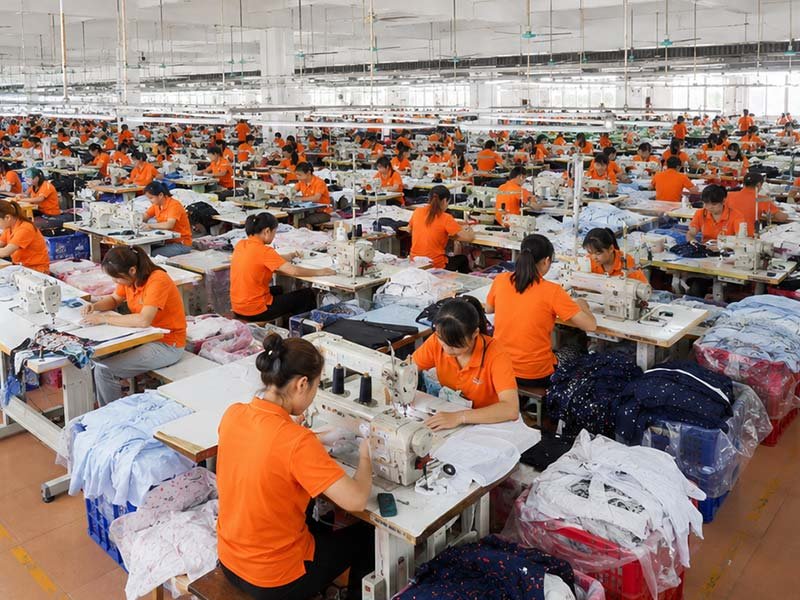
Bulk Production
- Single-line production
- Multiple-line production
- Wave-based production
- Multi-factory coordination
- Priority-style sequencing

Packing Completion
- Packaging material production
- SKU preparation
- Carton assortment
- Final packing checks
- Cargo handover preparation

Final Inspection
- Appearance and workmanship
- Measurement sampling
- Color and material
- Label and barcode
- Packing quantity
- Carton marks

Freight Departure
The cargo-ready date must align with realistic vessel, flight or courier schedules. Freight selection also affects how much buffer is needed after packing. Possible routes include:
- Express courier
- Air freight
- Sea freight
- Rail or truck where applicable
- Partial air plus main sea shipment

Warehouse Receiving
Warehouse receiving should include sufficient time for unloading, quantity checks, SKU intake and distribution. A cargo arrival date immediately before launch leaves no room for receiving discrepancies. Duolan records:
- Required receiving window
- Warehouse appointment rules
- Carton and SKU requirements
- Shipping-document needs
- Delivery-wave priorities

Retail Launch
- When must products be saleable?
- Are campaign images required earlier?
- Will every style launch together?
- Can selected styles release first?
- Is replenishment expected after launch?
Planning Reference Table
The ranges below are working references for calendar construction, not fixed promises. Final timing is confirmed after reviewing design complexity, material status, sample purpose, approval route and production volume.
| Stage | Planning Reference | Main Variables |
|---|---|---|
| Initial project review | 2-4 working days | File completeness, style count, design questions |
| Fabric and trim sourcing | 5-15 working days | Stock availability, custom color, special trims |
| Standard first sample | 7-12 working days | Pattern complexity, fabric readiness, construction |
| Complex first sample | 12-20 working days | Corsetry, sequins, beading, mesh or lace work |
| Sample revision | 5-10 working days | Comment scope, pattern change, new material |
| PP sample | 5-10 working days | Approved base, bulk material and trim readiness |
| Bulk material preparation | 10-25 working days | Dyeing, printing, custom trim and quantity |
| Bulk manufacturing | 25-45 working days | Style mix, quantity, process load and line plan |
| Final QC and packing | 3-7 working days | Inspection result, packing complexity, SKU count |
Plan the Collection Before Scheduling Every Style
Campaign Styles
- Early feasibility review
- Priority material sourcing
- Dedicated photo-sample deadline
- Clear visual approval criteria
- Controlled transition into bulk
Commercial Core Styles
- Base-size fit validation
- Stable fabric selection
- Clear BOM and workmanship
- Size grading review
- Repeat-order records
Test Styles
- Defined test purpose
- Controlled production quantity
- Preserved pattern and BOM
- Clear quality standard
- Reorder route prepared
Reorder Candidates
Styles expected to return across seasons need more than archived photos. Pattern, measurements, fabric standards, trim references, workmanship notes, label data and QC requirements should remain traceable. Recommended treatment:
- Approved pattern preservation
- Material reference retention
- PP and QC record
- Colorway extension plan
- Familiar production-route review
Dress Programs Managed by Product-specific Critical Paths

Satin Dresses
Calendar-critical controls include:
- Fabric and color approval
- Grain and cutting direction
- Seam and pressing test
- Lining selection
- Packing-fold review
- Bulk surface inspection

Sequin Dresses
Calendar-critical controls include:
- Sequin fabric approval
- Placement and seam review
- Lining and anti-scratch design
- First-piece confirmation
- Shedding inspection
- Protective packing

Corset Dresses
Calendar-critical controls include:
- Support-structure review
- Pattern and cup fitting
- Boning-position confirmation
- Closure test
- Fit revision
- Pilot or first-piece review

Bodycon Dresses
Calendar-critical controls include:
- Stretch-direction review
- Recovery and opacity check
- Base-size fit
- Seam and stitch selection
- Grading control
- Bulk measurement review

Mesh Dresses
Calendar-critical controls include:
- Mesh stretch review
- Lining coverage map
- Print strike-off
- Seam and edge test
- Size-grade alignment
- Bulk print consistency

Lace Dresses
Calendar-critical controls include:
- Lace pattern review
- Motif-placement plan
- Lining and skin-tone check
- Edge-finishing decision
- Cutting approval
- Bulk placement inspection

Printed Dresses
Calendar-critical controls include:
- Artwork review
- Strike-off approval
- Color assessment
- Panel-placement plan
- Sample-garment review
- Bulk print lock

Pleated Dresses
Calendar-critical controls include:
- Pleat-type confirmation
- Fabric suitability
- Finished-dimension review
- Heat or finishing test
- Bulk-process booking
- Packing protection

Embellished Dresses
Calendar-critical controls include:
- Placement artwork
- Attachment sample
- Weight and comfort review
- Labor-capacity planning
- Inspection criteria
- Protective packing
Dress Complexity Planning Matrix
| Dress Direction | Main Calendar Driver | Approval Needed Before Bulk |
|---|---|---|
| Satin | Fabric surface, pressing and packing | Bulk fabric, seam finish and packing fold |
| Sequin | Craft time, shedding and lining | Placement, attachment and skin-contact protection |
| Corset | Fit, support and internal structure | Cup, boning, closure and PP fit |
| Bodycon | Stretch, opacity and grading | Fabric performance and graded measurements |
| Mesh | Transparency, print and lining | Coverage map, print and seam standard |
| Lace | Motif placement and edge handling | Placement plan, lining and finishing |
| Printed | Artwork, repeat and color | Strike-off and garment print position |
| Pleated | Process result and finished dimensions | Pleat standard and size result |
| Embellished | Attachment time and handling | Placement, attachment and packing protection |
Fabric Decisions Protecting the Launch Calendar
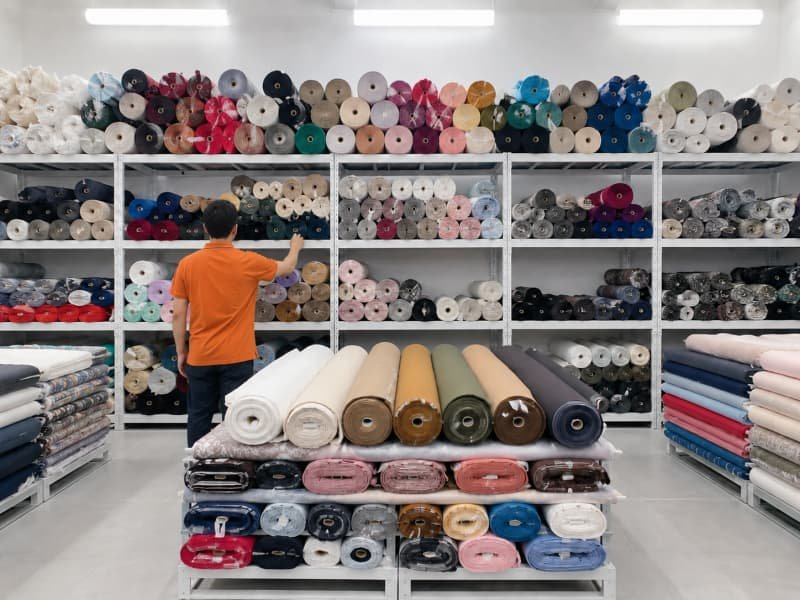
Stock-supported Fabrics
Duolan reviews:
- Current bulk availability
- Lot and shade consistency
- Width and usable yield
- Stretch and recovery
- Lining compatibility
- Reorder availability

Custom-colored Fabrics
Custom color requires a defined approval path. Pantone references, physical swatches and previous garments can guide development, but the final appearance also depends on fiber, weave, shine and transparency.
Calendar allowances may include:
- Lab dip preparation
- Color review
- Revised lab dip
- Bulk dyeing
- Shade control
- Trim-color matching

Printed Fabrics
Printed fabric needs artwork, repeat, color, base-material and garment-placement coordination. Digital, screen, all-over and placement printing follow different approval routes.
Required controls may include:
- Artwork file review
- Repeat confirmation
- Strike-off
- Fabric-hand-feel review
- Sample-garment approval
- Bulk print reference

Decorative Fabrics
Duolan reviews:
- Decoration density
- Fabric stability
- Cutting direction
- Seam-area handling
- Lining requirements
- Bulk inspection method

Structural Trims
Boning, cups, elastic, underwire, zippers, hooks, eyelets, straps and closures influence fit and production timing. Similar-looking trims can behave differently in wear and bulk sewing.
Important confirmations include:
- Size and specification
- Strength and recovery
- Color matching
- Supplier lead time
- Attachment method
- Replacement availability

Brand and Packing Trims
Duolan coordinates:
- Artwork and position
- Material and print method
- Barcode information
- Size and color stickers
- Packing ratio
- Carton marks
Every Sample Stage Requires a Clear Decision
First Prototype
- Overall silhouette
- Length and volume
- Neckline and opening
- Fabric behavior
- Major construction
- Missing design information
Fit Sample
The fit sample evaluates how the pattern works on the intended body form or fit model. Visual approval alone should not replace measurable fit comments. Review priorities may include:
- Bust balance
- Waist position
- Hip contour
- Armhole and neckline
- Strap position
- Length and movement
- Ease and support
Revised Sample
A revised sample should respond to a documented comment set rather than a collection of informal messages. Duolan records major changes and reviews whether any adjustment affects fabric, trims or production feasibility. Revision control includes:
- Comment consolidation
- Pattern correction
- Measurement update
- Construction adjustment
- Material replacement
- Remaining open points
Photo-ready Sample
- Photo appearance
- Pressing and finishing
- Correct visible trims
- Campaign deadline
- Model fit
- Difference from PP standard
Salesman Sample
- Number of sample sets
- Color representation
- Required sizes
- Label presentation
- Delivery destinations
- Final decision deadline
PP Sample
- Fabric and color
- Trims and closures
- Measurements
- Workmanship
- Visible appearance
- Labels
- Production notes
Turn Design Direction Into Measurable Production Standards

Tech Pack Review
- Sketch and measurement conflict
- Undefined fabric performance
- Missing lining length
- Unclear zipper specification
- Incomplete construction notes
- Missing tolerance or grading basis
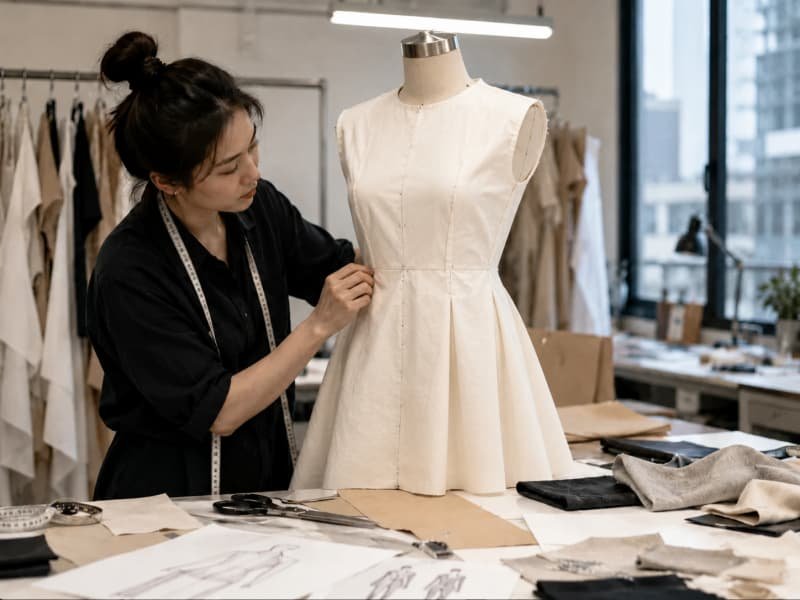
Pattern Development
- Bust shaping
- Waist contour
- Hip balance
- Skirt fall
- Neckline stability
- Back opening
- Strap and sleeve position

Fit Correction
- Armhole
- Neckline
- Side seam
- Cup position
- Waist balance
- Closure alignment

Grading and Size Range
Duolan follows the approved brand size chart and grading rules rather than applying one generic size system. A six-size range such as XS-XXL or US 0-10 requires point-by-point grading logic. Key measurement areas include:
- Bust, waist and hip
- HPS and garment length
- Armhole and neckline
- Strap length
- Slit position
- Hem circumference
Extended sizes or highly fitted styles may require dedicated fit validation.
Approval Gates Keep the Critical Path Controlled
Development Basis Approved
- Reference or tech pack
- Sample stage
- Base size
- Fabric direction
- Main construction
- Open questions
- Review deadline
Fit Direction Approved
- Approved base-size fit
- Revised measurement spec
- Pattern changes
- Remaining fit risks
- Grading direction
- Photo-sample differences
Production Basis Approved
- PP basis
- Bulk fabric and trims
- Critical construction
- Measurement tolerance
- Quality checkpoints
- Packing requirements
Shipment Basis Approved
Packing and shipment preparation require final SKU, barcode, ratio, carton and documentation information. Required confirmation may include:
- Packing method
- Labels and barcodes
- Carton assortment
- Carton marks
- Delivery terms
- Forwarder details
- Inspection requirement
Production Scheduling by Style, Risk and Deadline

Standard Production Styles
Scheduling inputs include:
- Confirmed PP basis
- Ready materials
- Quantity by size
- Standard construction
- Packing requirement
- Delivery priority

Fit-sensitive Styles
Corset, bodycon, halter, strapless and backless styles may require familiar lines, closer first-piece review and stronger measurement control.
Scheduling considerations include:
- Pattern maturity
- Support structure
- Fabric behavior
- Critical measurements
- Operator familiarity
- Inline fit checkpoints
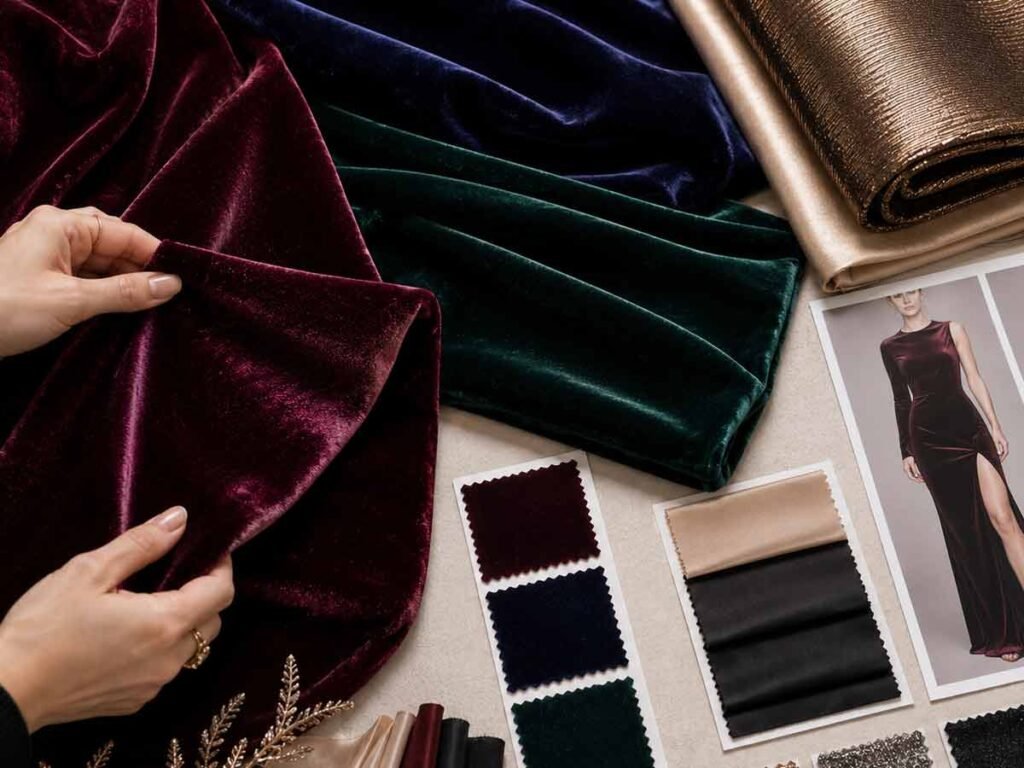
Material-sensitive Styles
Satin, mesh, lace, velvet and chiffon require production routes equipped for surface, transparency, stretch, motif or pressing risks.
Scheduling considerations include:
- Fabric handling
- Cutting direction
- Lining preparation
- Pressing method
- Surface protection
- Packing method

Craft-sensitive Styles
Sequin, beaded, rhinestone, embroidered, printed and pleated dresses require coordination with specialized process capacity before sewing-line dates are confirmed.
Scheduling considerations include:
- Craft-material readiness
- Outsourced process booking
- Inspection standard
- Process return date
- Assembly sequence
- Repair allowance
Multi-style Programs
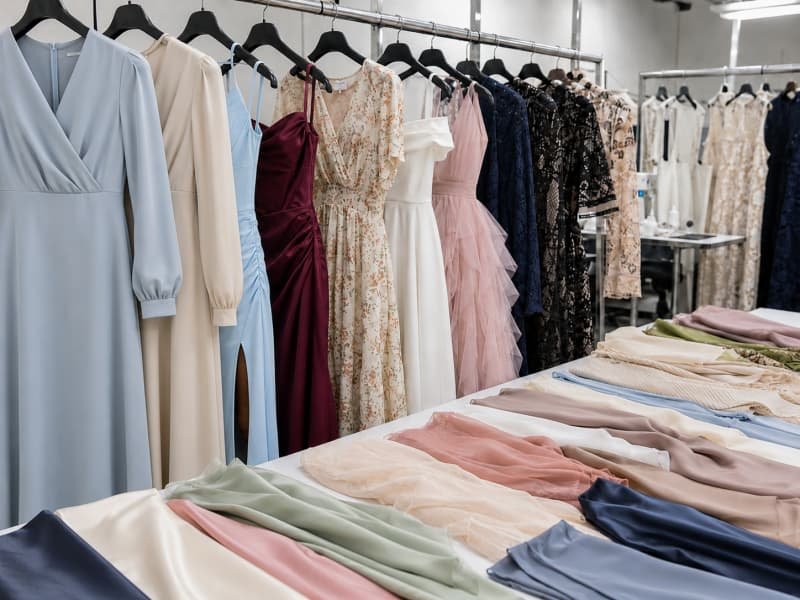
Collections containing 10-30 styles may be divided into priority waves rather than released to production at one time. Different groups can proceed according to material and PP readiness.
Possible structure:
- Campaign wave
- Core commercial wave
- Complex-style wave
- Replenishment-ready wave
- Separate cargo handover

Repeat and Scale-up Orders
Repeat orders can reuse approved patterns, BOMs, workmanship records and quality points, but current material availability and line suitability still require review.
Scale-up planning considers:
- Previous order records
- Material continuity
- Color extension
- Quantity increase
- Production-route capacity
- Revised delivery window
Manufacturing Capacity Built for Brand-level Dress Programs
30+ Years Development Background
The value lies in informed decisions around:
- Design feasibility
- Fabric suitability
- Fit and construction
- Commercial product balance
- Craft execution
- Sample-to-bulk transition
16 Owned Factories
Owned manufacturing resources provide stronger control for core projects, complex dress development and production paths requiring closer coordination.
Core-factory value includes:
- Development continuity
- Pattern and sample connection
- Line familiarity
- Critical-process control
- Production discipline
- Quality traceability
20+ Satellite Factories
Long-term satellite manufacturing resources provide additional flexibility for volume expansion, repeat orders and process-based allocation.
The network supports:
- Seasonal demand peaks
- Multi-style production
- Regional capacity buffering
- Repeat-order expansion
- Production-wave planning
- Suitable factory matching
300 Production Lines
The broader manufacturing structure includes approximately 300 production lines, more than 50 quick-response and flexible lines, and over 12,000 supporting workers across associated production regions.
Capacity value includes:
- Multi-line scheduling
- Core and flexible production
- Test-to-scale pathways
- Parallel style execution
- Replenishment support
- Delivery-risk buffering
Coordinate Multiple Styles Without Losing Visibility
Parallel Sample Development
- Style-level status
- Sample-stage identification
- Material readiness
- Open-comment tracking
- Approval owner
- Next required action
Staggered Bulk Release
Approved styles can enter production in waves while later styles continue through PP or material confirmation. Staggered release protects ready styles from unnecessary delay. Possible waves include:
- Early campaign styles
- Main commercial styles
- Complex craft styles
- Late-approved colors
- Separate freight priorities
- Reorder-ready styles
Reorder Preparation
A successful first order should leave behind usable records for future replenishment. Duolan preserves approved pattern, measurements, BOM, material references, workmanship points and quality records. Reorder review still confirms:
- Current material availability
- Shade continuity
- Quantity change
- Size-ratio change
- Production-route suitability
- Updated delivery deadline
Workmanship Details Protecting Bulk Consistency
Seam Construction
- Seam type
- Stitch density
- Thread direction
- Allowance width
- Reinforcement
- Pressing effect
Lining Integration
Lining affects opacity, comfort, structure and drape. Incorrect lining length, stretch or attachment can change the outer garment even when the shell is correct. Control points include:
- Lining composition
- Stretch compatibility
- Coverage
- Hem position
- Neckline and armhole
- Support connection
Closure Installation
Zippers, hooks, eyelets, buttons and lacing influence fit, dressing comfort and appearance. Closure specifications should be locked before production. Control points include:
- Zipper length and type
- Color
- Seam alignment
- Back or side position
- Hook reinforcement
- Lacing stability
Internal Support
Corset and structured dresses rely on cups, boning, elastic, interlining and stabilizing tape. Poor positioning can distort the bust, waist or neckline. Control points include:
- Cup size and shape
- Boning length
- Boning channel
- Under-bust position
- Waist support
- Edge stabilization
Hems and Slits
Hem finish affects fall and visual quality. Slits require reinforcement and accurate placement to protect movement and durability. Control points include:
- Hem depth
- Invisible finish
- Curved-edge handling
- Slit height
- Slit reinforcement
- Lining relationship
Final Appearance
Pressing, thread cleaning, surface condition and garment shape determine how the finished dress presents before packing. Final workmanship review includes:
- Symmetry
- Seam appearance
- Surface marks
- Decoration alignment
- Pressing shape
- Loose threads
- Visible stains
Decorative Processes Planned for Repeatable Production
Decorative work must balance visual impact, comfort, attachment strength, labor capacity and bulk repeatability before entering the production calendar.

Sequin Application
Production controls include:
- Sequin density
- Seam-area clearing
- Attachment stability
- Skin-contact protection
- Shedding review
- Protective packing

Beads and Pearls
Production controls include:
- Placement artwork
- Attachment method
- Weight distribution
- Stress-point review
- Repair standard
- Inspection frequency

Rhinestone Application
Production controls include:
- Stone size and layout
- Base-fabric suitability
- Application test
- Bond-strength review
- Heat-effect check
- Packing protection

Embroidery
Production controls include:
- Artwork and scale
- Thread color
- Stitch density
- Stabilizer
- Panel distortion
- Bulk placement reference

Printing
Production controls include:
- Artwork file
- Repeat or placement
- Strike-off
- Color standard
- Panel alignment
- Bulk print reference

Pleating and Finishing
Production controls include:
- Fabric suitability
- Process sample
- Dimensional change
- Color result
- Garment measurement
- Packing and recovery
Quality Checks Positioned Throughout the Calendar

Material Inspection
Review areas include:
- Color and shade
- Hand feel
- Width and weight
- Stretch and recovery
- Surface defects
- Trim specification

Pre-production Review
Pre-production preparation includes:
- PP basis
- Critical measurements
- Construction notes
- Material standard
- Decorative details
- Packing requirements
- QC focus points

First-piece Check
Checks may include:
- Fit-related measurements
- Seam appearance
- Support structure
- Decoration placement
- Zipper and lining
- Pressing result
Inline Inspection
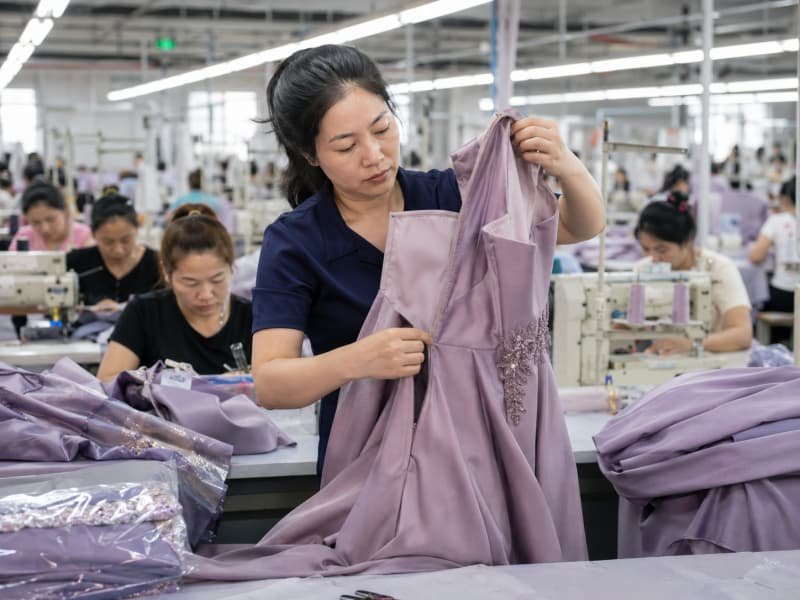
Inline inspection identifies recurring defects while production remains active. The aim is not only finding defects but correcting the process causing them.
Dress-specific checks include:
- Measurement deviation
- Seam puckering
- Lining exposure
- Transparency
- Uneven gathering
- Decoration loss
- Surface marks

Final Inspection
Final inspection reviews finished quantity, workmanship, measurements, appearance and required specifications before cargo release. Third-party inspection can also be coordinated according to project requirements.
Review areas include:
- Workmanship
- Measurements
- Color and material
- Labels and barcodes
- Packing
- Carton assortment
- Documentation
Packing and Shipment Readiness
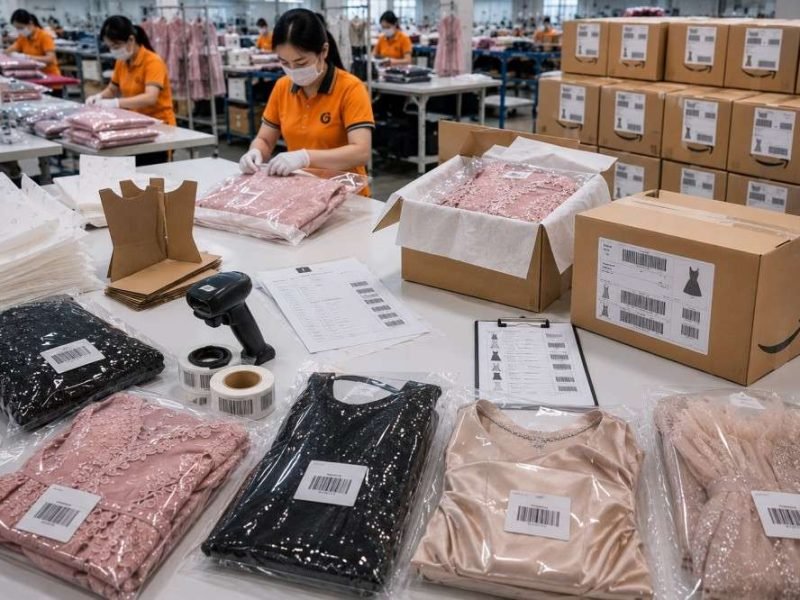
Readiness checks include:
- Garment count
- Size and color
- Polybag and label
- Barcode
- Carton marks
- Packing list
- Cargo status
Delivery Planning Continues Beyond Sewing Completion
Product Protection
Packaging should protect the surface, structure and decorative work of each dress. Folding methods suitable for basic jersey may damage satin, sequins, pleats or corsetry.
Protection options may include:
- Tissue layers
- Individual polybags
- Zipper bags
- Internal support
- Controlled folding
- Hanging
- Protective boxes
Brand and SKU Execution
Execution includes:
- Main and size labels
- Care labels
- Hangtags
- Style and color codes
- Barcodes
- Size stickers
- SKU verification
Carton and Shipment Preparation
Preparation includes:
- Assortment ratio
- Carton quantity
- Carton dimensions
- Gross and net weight
- Shipping marks
- Packing list
- Forwarder handover
Delivery Route
Express, air and sea routes carry different timing, cost and risk profiles. Split delivery may protect launch priorities when campaign styles or initial stock are required earlier.
Possible structures include:
- Full air shipment
- Full sea shipment
- Priority air plus main sea
- Multiple delivery waves
- Separate regional shipments
- Designated forwarder handover
Project Visibility Before Delays Become Launch Problems
Project Start Confirmation
The brand team receives clarity on:
- What was received
- What is missing
- What can begin
- What requires confirmation
- Proposed next milestone
- Main feasibility risk
Sample Development Update
Updates may cover:
- Fabric or trim status
- Pattern progress
- Construction question
- Sample completion target
- Risk requiring approval
- Visual review material where useful
Bulk Production Update
Updates may cover:
- Material arrival
- Cutting or line start
- First-piece status
- Inline findings
- Completion forecast
- Packing progress
- Cargo-ready target
Formal Record Control
Email supports formal approvals and document transfer. WhatsApp or WeChat can accelerate clarification, while video meetings support complex fit, construction or scheduling discussions.
Formal records should preserve:
- Approved comments
- Material decisions
- PP confirmation
- Delivery changes
- Packing requirements
- Final shipment information
Calendar-led Dress Programs at Commercial Order Scale
US Holiday Partywear Program
A recognized US fashion label planned a holiday partywear drop containing 24 styles and 48,600 garments across satin, sequin, mesh and fitted silhouettes. Campaign photography required selected styles before the full PP sequence was complete, while bulk cargo needed to leave within an eleven-week manufacturing window after priority approvals.
The main risk came from treating all styles as one development group. Duolan separated the range into campaign, commercial core and craft-sensitive groups.
Actions included:
- Priority fabric review for campaign styles
- Separate photo-sample and PP objectives
- Early sequin and mesh process tests
- Three production waves
- Style-level QC checkpoints
- Priority air shipment for campaign stock
Priority styles reached the planned photography stage without forcing unresolved craft styles into bulk. Main production moved through three controlled waves, preserving inspection and packing time before cargo handover.

European Occasionwear Program
A European occasionwear label developed 16 styles and 31,200 garments combining satin, lace, corsetry and embellished details. The initial range included several styles where lining, bust support and decorative placement could not be approved independently. Duolan established a fourteen-week development-to-cargo path after the commercial range was confirmed. Actions included:
- Shared fabric direction across selected styles
- Base silhouette grouping
- Separate corset fit review
- Lace-placement and lining maps
- PP gates by product family
- Material and workmanship lock before cutting
- Two production and delivery waves
The grouped approach reduced duplicated fabric development and prevented late corset revisions from delaying simpler satin and lace styles. Each wave entered production only after its own PP and material basis was ready.

Regional Fast-fashion Program
- Four style-priority groups
- Print and color approvals scheduled first
- Separate fit blocks for bodycon and structured styles
- Four production waves
- Regional carton and barcode plans
- Preserved pattern, BOM and QC records
- Reorder capacity review before launch

Merchandising Calendar Frequently Asked Questions

Build Your Dress Production Calendar With Duolan
Send Duolan the information already available for your seasonal collection, capsule, partywear range, occasionwear program or recurring dress order. A complete tech pack supports faster evaluation, but an initial review can also begin from reference images, sketches, original sample photos, fabric ideas or a collection brief. Our team will assess style complexity, material direction, sample requirements, approval stages, production routing and delivery risks before proposing the next development or manufacturing step.
For a more accurate review, include:
- Company or brand name
- Target market and sales region
- Collection or drop name
- Number of styles
- Estimated total quantity
- Colorways and size range
- Target fabric or trim direction
- Required sample stage
- Warehouse receiving date
- Target launch date
- Packing and inspection requirements
- Tech pack, image or sample files
Your design files and commercially sensitive project information will be handled as confidential development materials.


