Skip to content
Custom Dress Manufacturer for Multi-Style Dress Programs
Dress program development for fashion brands managing multiple styles, fabrics, samples, approvals, bulk production and repeat orders.
Duolan supports multi-style dress programs across occasionwear, partywear, resort, satin, corset, feminine, editorial and retail-ready dress lines. Each program is reviewed through style grouping, fabric mapping, sample stages, PP approval, production allocation, QC standards, delivery planning and reorder continuity.
- 3,000–8,000 monthly style workflows support multi-style development, sample tracking and internal coordination.
- 15,000–35,000 monthly sample capacity covers first, fit, photo, PP and golden samples.
- 10–30 styles per cooperating brand program match real seasonal, capsule and launch planning.
- 20,000–80,000 pieces per brand order support launch orders, repeat orders and scaled production.
- 50+ quick-response lines support test styles, reorder needs and fast production adjustments.
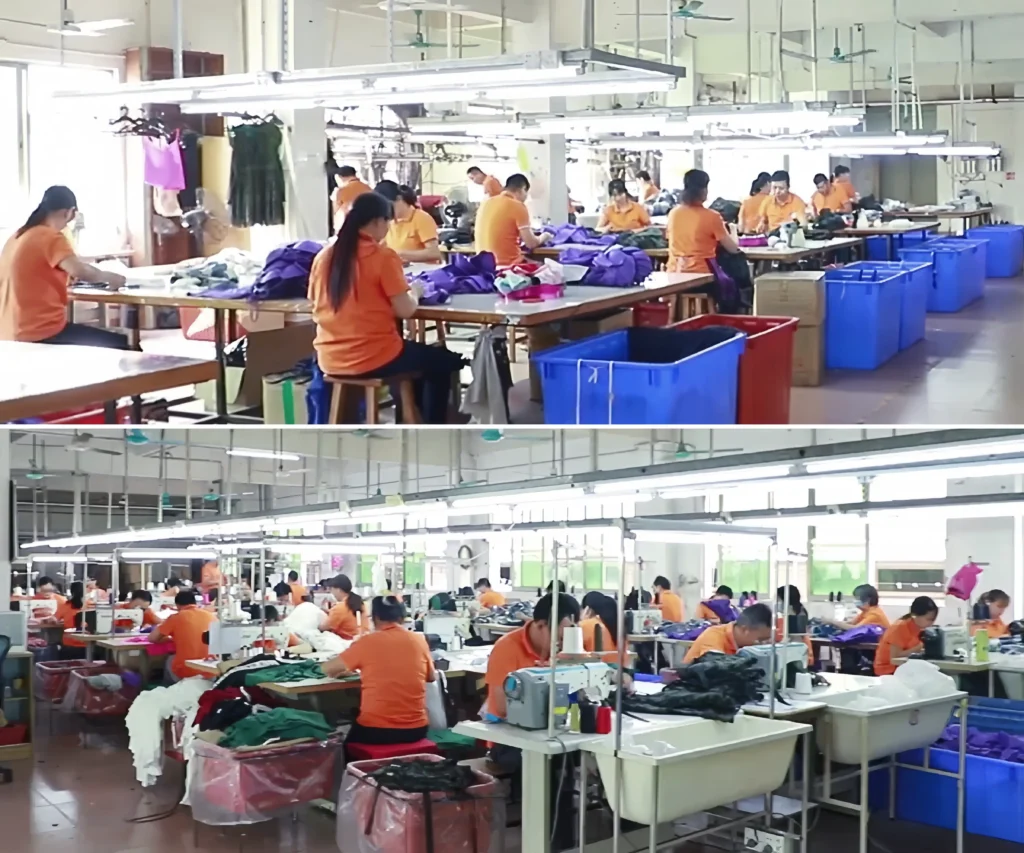
- 300 sewing lines support production allocation across different dress groups and delivery windows.







Built for Polished Feminine BraBuilt for Multi-Style Dress Programsnds
Fashion brands planning multi-style dress programs need more than single-style sampling. Duolan supports teams managing line plans, fabric groups, sample rounds, PP approvals, production allocation, QC records, delivery timing and repeat orders across multiple dress categories.
Premium Ecommerce Brands
Premium ecommerce brands often launch multiple dress styles across campaign, social content, product drops and repeat sales. Duolan helps organize dress programs around sample purpose, fabric grouping, size range, bulk timing and final presentation.
- Multiple styles can be separated by hero styles, commercial styles, support styles and reorder styles.
- Photo-ready samples and PP samples are managed separately so visual samples do not replace production standards.
- Approved patterns, BOM records, QC notes and golden samples can support repeat launches and related styles.
Occasionwear Brands
Occasionwear programs often include wedding guest dresses, cocktail dresses, graduation styles, homecoming looks and social-event silhouettes.
Duolan helps align style diversity with fit, fabric, lining, finishing and quality requirements.
- Satin, lace, chiffon, crepe, mesh and sequin groups can follow different development paths.
- Fit-sensitive styles receive earlier sample review around bust, waist, hip, slit and garment length.
- PP approval protects refined appearance before bulk production begins.
Partywear Brands
Partywear programs often move quickly and involve bodycon, corset, mesh, cut-out, sequin, halter, backless and mini dress categories.
Each group has different risk around fit, support, stretch, lining and surface detail.
- High-risk styles can be prioritized for fit samples and construction review.
- Embellished, mesh and corset styles can be separated from simpler silhouettes during production planning.
- QC focus can vary by style group while still protecting a unified brand standard.
Resort Dress Brands
Resort and vacation dress programs often include printed maxis, halter midis, soft woven dresses, lightweight minis and color stories. Duolan supports fabric, print, lining, shrinkage, color and packing review.
- Print stories can be organized by motif scale, color family, fabric base and launch timing.
- Lightweight fabrics are reviewed for drape, transparency, seam strength and packing creases.
- Reorder planning can use approved print records, fabric records and pattern references.
Multi-Brand Fashion Groups
Fashion groups managing several labels need supplier systems able to separate brand identity, price band, fit logic, fabric direction and delivery schedule. Duolan can organize programs by brand line and production path.
- Different brand lines can maintain different fit standards, material levels and finishing details.
- Shared resources such as fabric groups, trims and construction methods can reduce repeated work.
- Production records support future drops across related dress categories.
Sourcing and Product Teams
Sourcing and product teams need clear program visibility, not scattered style communication. Duolan supports line review, style grouping, sample tracking, fabric mapping, PP approval, production allocation and QC coordination.
- Each style can carry clear status across sample, comment, approval, production and shipment stages.
- Material and construction decisions can be documented before bulk cutting.
- Delivery coordination can follow launch calendar, packing plan, carton grouping and shipping route.
Why Multi-Style Dress Programs Fail
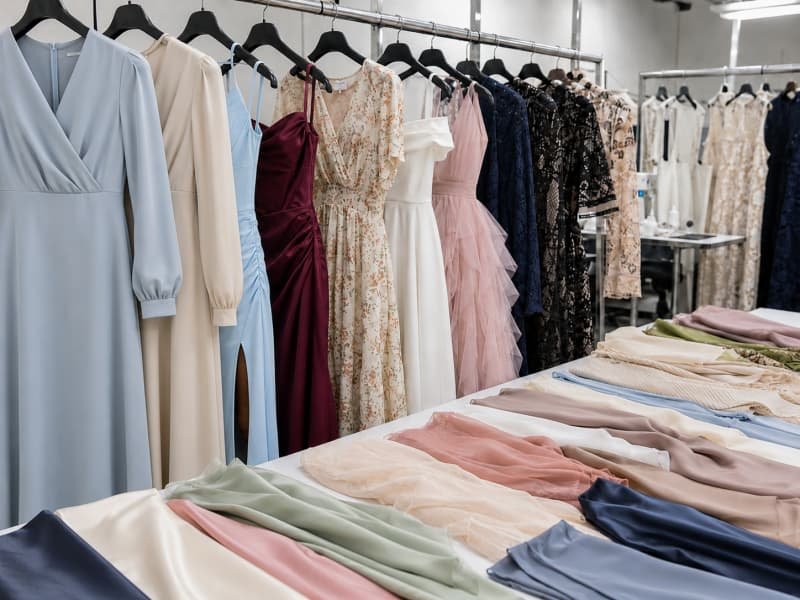
A 12–25 style dress program may include satin slips, mesh bodycon dresses, lace minis, chiffon midis, sequin party styles, halter dresses, corset structures and resort prints. Every style carries its own fabric behavior, sample path, fit concern, PP requirement, QC focus and delivery pressure. When styles move without structure, a full launch can become difficult to control.
Duolan approaches multi-style programs through organized development instead of isolated style handling.
Style grouping, fabric mapping, sample prioritization, revision tracking, PP sample approval and production allocation help reduce confusion. Strong management protects the launch calendar, improves sample clarity and keeps bulk production closer to approved standards.
Dress Program Types Duolan Can Support
Multi-style dress programs need product breadth and production discipline. Duolan supports different dress program types while keeping style grouping, fabric direction, sample route, PP approval and QC requirements clear across each line.

Occasion Dress Programs
Occasion dress programs can include wedding guest styles, cocktail dresses, graduation looks, homecoming dresses and social-event silhouettes. These styles often require refined fabrics, controlled fit and polished finishing.
- Review satin, lace, chiffon, crepe, mesh and lining options by occasion level.
- Prioritize fit review around neckline, bust, waist, slit, garment length and hem balance.
- Use PP samples and golden samples to protect refined appearance during repeat orders.

Partywear Dress Programs
Partywear dress programs often involve bodycon, corset, mesh, sequin, cut-out, backless, halter and mini dress styles. Duolan reviews each style by fit risk, fabric behavior and production feasibility.
- Separate stretch-led, corset-supported, embellished and sheer styles during development.
- Confirm lining, support, opening placement, seam tension and movement safety before bulk.
- Organize QC points by style risk rather than applying one generic inspection focus.

Resort Dress Programs
Resort programs may include printed maxis, vacation midis, halter dresses, soft woven styles and lightweight day-to-dinner silhouettes.
Print, drape, shrinkage and packing receive careful attention.
- Review print scale, color rhythm, fabric base, lining, shrinkage and handfeel.
- Group styles by fabric family and print story to simplify material approval.
- Protect soft fabrics through pressing, folding, hanger or flat-pack decisions.

Satin Dress Programs
Satin programs can include slip dresses, bias midis, satin minis, draped styles and occasion-ready looks. Satin needs extra attention to shine, puckering, pressing and packing.
- Review satin weight, gloss level, bias behavior, opacity and lining requirement.
- Control seam tension, hem balance, strap placement, waist skim and garment length.
- Confirm packing standards early to reduce crease marks and surface damage.

Corset Dress Programs
Corset programs often involve bustier minis, structured midis, lace-up backs, mesh overlays and soft corset silhouettes. Internal structure and outer appearance must work together.
- Review cup position, boning, lining, zipper, back stability and waist shaping.
- Separate corset-supported styles from lighter styles during sample and production planning.
- Use fit samples and PP samples to confirm support before bulk cutting.

Feminine Dress Programs
Feminine programs can include lace, ruffle, chiffon, floral, puff sleeve and soft occasion styles.
These styles depend on lightness, detail balance and clean finishing.
- Review lace placement, ruffle volume, sleeve shape, lining tone and soft color consistency.
- Match fabric weight with romantic detail scale and garment purpose.
- Control delicate finishing through sample refinement and final QC.
From Line Plan to Production-Ready Program
Step 1|Line Plan Review
Duolan begins by reviewing style count, dress categories, target occasions, price bands, fabric direction, priority styles, sample purpose and launch schedule.A multi-style program needs a clear map before sample work begins. Hero styles, commercial styles, support styles and reorder candidates may need different timing. Early review helps the team understand which styles require fit samples, photo samples, PP samples, special materials, complex construction or earlier production planning.
Step 2|Style Grouping
Styles are grouped by fabric, fit risk, construction complexity, launch priority and production path. Satin dresses may need one sample route, corset dresses another, sequin or mesh styles another.
Grouping prevents a 20-style program from becoming 20 disconnected conversations. It also helps determine which styles move first, which styles need more testing and which styles can enter production quickly after PP approval.
Step 3|Fabric and Trim Mapping
A multi-style program can include satin, mesh, lace, chiffon, crepe, sequin, jersey, woven prints, lining, zippers, trims, boning, labels and packing.
Duolan maps materials by style and by group so approvals remain clear. Fabric mapping helps reduce wrong material use, color drift, trim mismatch and repeated sourcing confusion. Material records also support costing, PP sample approval, QC and reorder planning.
Step 4|Sample Stage Planning
Each sample type serves a different purpose. First samples confirm direction, fit samples confirm wearing result, photo-ready samples support campaign or ecommerce shoots, salesman samples support line review, PP samples lock production standards and golden samples support repeat orders. Duolan helps plan which styles need which sample stage, preventing visual samples from being mistaken for production-ready standards.
Step 5|Bulk Readiness Review
Before production, each style needs a readiness check. Duolan reviews approved sample, pattern version, size spec, grading direction, BOM, approved fabric, trims, construction method, PP sample and QC points. Styles with open issues should not enter cutting. Bulk readiness review protects production teams from unclear standards and helps reduce sample-to-bulk differences.
Step 6|Production and Delivery Coordination
Production planning is organized by style group, factory capability, line allocation, quantity, delivery window, QC stage and packing method. Core styles, complex styles, quick-response needs and repeat orders may follow different production paths. Duolan coordinates production and delivery so the full program supports launch timing, not only individual style completion.
Style Grouping for Multi-Style Dress Development
Multi-style dress programs perform better when styles are grouped before heavy sample work begins. Duolan uses grouping to align design direction, material handling, sample priority, technical risk, production path and delivery timing.
Fabric Groups
Satin, mesh, lace, chiffon, sequin, crepe, jersey and woven print groups carry different risks. Fabric grouping helps organize shrinkage review, lining selection, color approval, drape checking, seam method, pressing and packing. A satin group may need puckering control, while a mesh group may need transparency and recovery review. Grouping keeps material decisions easier to track.
Fit Risk Groups
Bodycon, corset, halter, strapless, backless and cut-out styles often need earlier review. These styles affect bust, waist, hip, neckline, armhole, opening placement and wearing safety. Duolan separates high-fit-risk styles so fit samples, pattern corrections, size sets or PP reviews can happen before simpler styles create false progress.
Launch Priority Groups
Not every style carries equal launch importance. Campaign hero styles, core commercial styles, supporting styles and reorder styles may need different timelines. Duolan reviews launch priority so photo samples, marketing styles, showroom styles and bulk-first styles move according to business needs. Priority grouping helps protect launch calendars.
Grouping by Architectural Complexity
Simple styles, complex structural styles, decorative styles, tulle styles, and styles made of special fabrics require different sampling and production processes. Sequined mini skirts, corset dresses, and chiffon midi skirts should not follow a uniform timetable. Duran categorizes styles based on production risk to avoid rework later.
Production Path Groups
Some styles fit core factories; mature repeat styles may suit satellite factories; urgent reorder styles may use quick-response lines; special-process styles may need embroidery,
printing, washing or finishing partners. Production path grouping helps align quantity, complexity, labor skill, QC focus and delivery timing.

Program Risk and Duolan Control
Multi-style programs carry system risk. Duolan connects program risks with clear control actions across style grouping, sample priority, material records, PP approval, production planning and delivery coordination.
| Program Risk | What Goes Wrong | Duolan Control Focus |
|---|---|---|
| Too many styles move together | Samples, comments and approvals become confusing | Style grouping, sample priority, revision tracking |
| Fabric directions are scattered | Wrong fabric, trim or lining affects multiple styles | Fabric mapping, trim records, BOM confirmation |
| Sample stages are unclear | Photo sample and PP sample get mixed | Sample purpose, approval path, PP locking |
| Fit standards vary by style | Size and proportion become inconsistent | Base size, grading review, measurement control |
| Bulk standards are not locked | Approved samples cannot be repeated | PP sample, construction sheet, QC checkpoints |
| Delivery becomes fragmented | Launch calendar loses control | Production allocation, packing plan, shipment coordination |
Fabric and Trim Management Across Styles
Multi-style dress programs need material control across many fabric and trim directions. Duolan reviews main fabrics, linings, trims, colors, prints, cost bands and approval records so each style carries clear material standards before PP approval and bulk production.
Main Fabric Groups
A full dress program may include satin, crepe, mesh, lace, chiffon, sequin, jersey and woven prints. Each material group needs separate review for handfeel, drape, opacity, stretch, weight, pressing, cutting and sewing behavior.
- Satin groups need shine, puckering and packing review.
- Mesh and lace groups need lining, placement and transparency review.
- Sequin and embellished groups need weight, seam bulk, comfort and loss-rate review.
Lining Strategy
Lining affects coverage, comfort, cost, fit and appearance. Duolan reviews lining color, stretch, thickness, opacity, handfeel and attachment method by style group. Pale chiffon, mesh, lace and satin styles often need different lining logic.
- Light colors need lining tone and opacity checking.
- Stretch styles need lining compatibility with garment movement.
- Structured styles may need lining support rather than only coverage.
Trim Coordination
Multi-style programs often include zippers, eyelets, elastic, boning, buttons, bows, straps, thread, labels and packing trims. Duolan maps trims to each style to avoid confusion during PP sample and production.
- Zipper, thread and lining color should match approved fabric.
- Boning, elastic and eyelets must match construction function.
- Labels and packing requirements need style-level confirmation.
Color and Print Control
Color and print decisions must stay organized across one program. Lab dips, strike-offs, print scale, motif placement, color families and trim matching all affect final brand coherence.
- Print scale is reviewed by garment length, panel shape and body position.
- Soft color groups need lining, thread and trim match.
- Approved color records help reduce bulk shade confusion.
Cost Band Management
A multi-style program often includes hero styles, commercial styles and price-friendly styles. Duolan reviews material cost, construction difficulty, detail level and production speed to support balanced line planning.
- High-cost styles may carry campaign or brand-image value.
- Core styles often need repeatable construction and stable margins.
- Lower-cost support styles should still protect brand quality.
Material Approval Records
Each style needs approved records for fabric, lining, trims, label, packaging and replacement restrictions. Material records protect PP approval, QC, production allocation and future repeat orders.
- Approved swatches and trim cards reduce sourcing confusion.
- BOM records help production teams follow exact standards.
- Reorder programs benefit from stored material decisions.
Sample Coordination for Multi-Style Programs
Sample management can decide whether a multi-style program moves smoothly or becomes fragmented. Duolan separates sample types, priorities and revision records so every style keeps a clear development path.
First Sample Coordination
First samples confirm initial garment direction. Duolan reviews silhouette, fabric suitability, construction possibility, detail scale, lining need and main correction points. In a multi-style program, first samples help identify which styles are ready for refinement and which styles need material or pattern changes before more sample rounds begin.
Fit Sample Coordination
Fit samples receive priority for high-risk styles such as bodycon, corset, halter, strapless, backless and cut-out dresses. Duolan reviews bust, waist, hip, neckline, armhole, length, slit, support and wearing movement. Early fit work helps prevent late comments from delaying entire launch groups.
Photo-Ready Sample Coordination
Photo-ready samples support campaign shoots, ecommerce launch images and marketing schedules. Duolan focuses on surface quality, drape, color, pressing, detail finish and final styling appearance. Hero styles and campaign styles may need earlier photo sample timelines than standard commercial styles.
Salesman Sample Coordination
Salesman samples support showroom review, line presentation, internal buying meetings and wholesale discussions. These samples need near-view quality, rack appeal, clean finishing and reliable handfeel. Duolan reviews inside construction, trims, labels, garment hang and garment handling before presentation use.
PP Sample Coordination
PP samples lock production standards for every style. Duolan confirms fabric, trims, lining, construction, measurements, labels, packing and QC focus. A multi-style program should not move into bulk using unclear samples because each style has different production risks.
Golden Sample Reference
Golden samples preserve approved standards for repeat orders, color extensions and future related styles. Duolan uses golden references to support reorder accuracy, QC comparison and style memory. Successful multi-style programs become easier to repeat when approved records are kept clearly.
Fit and Size Consistency Across Multiple Styles
Multi-style programs need brand-level fit logic. A satin slip, mesh bodycon, corset mini and chiffon midi will not fit the same way, yet all styles should still feel like they belong to the same brand. Duolan reviews fit across style families rather than treating every dress as unrelated.
Base Size Standard

A consistent base size helps keep development stable. Duolan reviews target size, model body, size range, garment ease and brand fit expectation before sample correction. When base size logic is clear, different dress categories can still maintain a recognizable fit identity.
Fit Family Grouping

Styles can be grouped as body-skimming, structured, relaxed, stretch-led, corset-supported or drape-led. Each fit family needs different measurement focus and sample review. Grouping helps prevent a brand from receiving one style too tight, another too loose and another out of proportion.
Key Measurement Review

Multi-style fit control includes bust, waist, hip, length, neckline, armhole, back width, slit height and hem sweep. Duolan reviews key points by style category. A halter dress, corset dress and chiffon midi may share brand identity while needing different technical priorities.
Grading Control

Grading should protect the garment idea across sizes. A larger size may need adjusted support, coverage or length balance; a smaller size may need neckline and slit control. Duolan reviews grading direction for fit-sensitive styles before production.
Size Set Review

High-risk styles may need size set samples. Bodycon, corset, halter, strapless, mesh and cut-out styles can change significantly after grading. Size set review helps confirm proportion, coverage, support and movement before bulk production.
Repeat Fit Memory

Successful fit records can support future related styles. Pattern versions, measurement notes, sample comments and golden standards help new styles start with better direction. Repeat fit memory reduces repeated corrections across seasonal dress programs.
Bulk Readiness Review Before Production
Step 1|Approved Sample Review
Duolan reviews every approved sample before bulk preparation. Sample comments, open risks, construction notes, fabric concerns, fit issues and PP requirements are checked style by style. A multi-style program should not enter production because one or two styles are ready. Each garment needs confirmed standards before cutting starts.
Step 2|Pattern and Size Spec Locking
Pattern version and size spec must be locked for every style. Duolan confirms main pattern, lining pattern, grading rule, key measurement points and tolerance focus.
High-risk styles receive extra attention around bust, waist, hip, neckline, slit, opening placement, support structure and garment length.
Step 3|BOM and Material Confirmation
Each style needs confirmed fabric, lining, trims, labels, packaging and replacement restrictions. Duolan checks BOM records before production allocation. Multi-style programs often fail when similar fabrics or trims are confused, so material confirmation protects style identity and QC consistency.
Step 4|PP Sample Approval
PP sample approval converts development work into production standard. Duolan confirms final fabric, trims, construction, measurement, label, packing and finishing standards for each style.
Photo-ready samples are not treated as PP samples unless all production requirements are also locked.
Step 5|Production Allocation
Production allocation depends on style complexity, quantity, fabric behavior, construction method, delivery date and line capability.
Duolan separates core styles, complex styles, repeat styles and quick-response needs so each garment enters a suitable production path.
Step 6|QC and Delivery Plan
Before production begins, QC and delivery plans are aligned by style group. Duolan confirms inline inspection, final inspection, packing method, carton grouping, barcode needs, shipment route and launch deadline.
Delivery planning protects the full program, not only single-style completion.
QC Standards for Multi-Style Dress Production
Multi-style dress QC must protect each garment’s own standard while keeping brand-level consistency. Duolan checks fabric, cutting, sewing, fit, details, PP comparison and packing across style groups.
| QC Area | Duolan Checks | Program Risk Controlled |
|---|---|---|
| Fabric QC | Color, weight, drape, stretch, opacity, print | Material mismatch across styles |
| Cutting QC | Grainline, size marker, print, lace, sequin placement | Distorted panels and style deviation |
| Sewing QC | Seam, lining, zipper, boning, elastic, trimming | Inconsistent workmanship |
| Fit Measurement | Bust, waist, hip, length, neckline, slit, hem | Uneven brand fit standard |
| Detail QC | Lace, ruffle, pleat, embroidery, bow, cut-out | Detail quality varies by style |
| PP Comparison | Approved sample, BOM, construction, measurement | Sample-to-bulk deviation |
| Packing QC | Hanger, fold, polybag, carton, barcode, style grouping | Mixed styles and launch delivery issues |
Duolan Manufacturing System for Multi-Style Programs
Duolan’s manufacturing structure supports programs involving many styles, fabric groups, sample stages and delivery needs. Core factories handle key styles, complex construction and high-control programs. Satellite factories support mature styles, repeat production and volume flexibility. Quick-response lines support test styles, urgent reorders and timing-sensitive adjustments. Sewing lines can be allocated by dress group, construction type, order size and delivery plan.

Sample capacity supports first, fit, photo-ready, salesman, PP and golden samples across multiple development cycles. Style workflows help organize pattern updates, fabric records, sample comments, BOM confirmation,
production preparation and QC coordination. Fabric, trim, pattern, sample, process, production, QC, packing and delivery teams work around program logic rather than one isolated garment.
For fashion brands managing seasonal or launch dress programs, Duolan’s value lies in controlled movement from line plan to samples, samples to PP, PP to bulk, bulk to delivery and delivery to repeat order planning.
Custom Dress Manufacturer for Multi-Style Dress Programs case studies
Duolan protects private brand work. Program notes below describe region, product direction, scale, project difficulty, and Duolan’s control method without exposing confidential names, unreleased garments, or brand marks.
US Premium Ecommerce Program
A US premium ecommerce dress brand developed a mixed partywear and occasionwear program. Styles included bodycon, mesh, satin, corset, halter, and cut-out directions.
- Program range: 12–18 styles across fitted, mesh, satin, and structured dress groups, with approximately 30,000–50,000 pieces planned across launch and repeat needs.
- Project difficulty: Style groups carried very different risks. Mesh styles needed lining and transparency control, satin styles needed seam and pressing control, corset styles needed support review, and bodycon styles needed fit consistency.
- Duolan solution: Styles were separated by fabric group, fit risk, and sample priority. Fit-sensitive styles moved into earlier sample review, while satin and mesh groups received separate fabric, lining, and finishing checks.
- Production control focus: PP samples, BOM records, fit comments, key measurements, and QC points were locked by style before bulk allocation, helping reduce confusion across multiple dress groups.

Australian Resort and Party Program
An Australian brand developed resort prints alongside party styles. The program included printed maxis, halter midis, satin minis, lace-up dresses, and mesh styles.
- Program range: 15–25 styles across resort, print, satin, and partywear groups, with approximately 40,000–70,000 pieces planned for seasonal launch and reorder planning.
- Project difficulty: Resort prints and party styles moved under one launch calendar, but fabric behavior varied widely. Printed woven styles needed print placement and shrinkage review, while satin and mesh party styles needed fit, lining, and surface control.
- Duolan solution: The program was organized by fabric story and production path. Print groups were reviewed through scale, placement, color rhythm, and fabric base, while partywear groups were prioritized for fit, support, and PP sample approval.
- Production control focus: Fabric mapping, print records, photo-ready sample tracking, production scheduling, packing method, and reorder references helped keep resort and party styles aligned within one program.

UK Occasion Dress Program
A UK occasionwear brand developed wedding guest, graduation, cocktail, and soft formal dresses. Styles included lace midis, chiffon dresses, crepe midis, soft corsets, and slit dresses.
- Program range: 10–16 styles across lace, chiffon, crepe, and soft occasion silhouettes, with approximately 20,000–40,000 pieces planned for controlled launch production.
- Project difficulty: Soft occasion styles needed refined appearance across different fabrics. Lace styles required placement control, chiffon styles needed lining and transparency review, crepe styles needed clean structure, and slit dresses needed movement safety.
- Duolan solution: Each style group received separate sample comments, material approval, and QC focus. Lace and chiffon styles were checked for lining tone and hem balance, while crepe and slit styles were reviewed for silhouette, fit, and movement.
- Production control focus: PP samples, size consistency, lining control, fabric approval records, final inspection, packing standards, and golden sample references supported launch production and future repeat orders.

FAQ for Multi-Style Dress Programs
Yes. Duolan supports multi-style dress programs covering line review, style grouping, fabric mapping, sample coordination, PP approval, bulk production, QC and repeat orders. Programs may include occasion, partywear, resort, satin, corset, feminine, editorial and retail-ready styles. Clear line sheets and tech packs help the team organize priority and risk.
Duolan commonly works with cooperating brand programs involving 10–30 styles. Actual development planning depends on style complexity, fabric readiness, sample purpose, approval speed, target quantity and delivery window. Styles can be grouped by fabric, fit risk, construction complexity, launch priority and production path.
Yes. Duolan can separate hero styles, campaign styles, commercial core styles, support styles and reorder styles. Sample planning may include first samples, fit samples, photo-ready samples, salesman samples, PP samples and golden samples. Priority planning helps protect launch calendars and avoid scattered sample development.
Fabric and trim approvals can be organized by style and by material group. Duolan reviews main fabric, lining, zipper, elastic, boning, lace, trim, label, thread and packing details. Approved material records help support BOM confirmation, PP approval, QC and repeat production.
Yes. Photo samples support campaign or ecommerce imagery, while PP samples lock production standards. Duolan keeps sample purpose clear so visual approval does not replace production approval. PP samples confirm final fabric, trims, measurements, construction, labels, packing and QC points before bulk production.
Fit is controlled through base size review, fit family grouping, key measurement points, grading direction and sample comments. Different styles may follow different fit logic, but brand identity should remain consistent. High-risk styles such as bodycon, corset, halter, strapless and cut-out dresses may need earlier fit review.
Yes. Repeat orders can use approved pattern versions, BOM records, material approvals, PP samples, golden samples and QC notes. Successful styles can also support related silhouettes, color extensions and future seasonal drops. Clear records improve reorder accuracy and reduce repeated development work.
Production allocation depends on style complexity, fabric behavior, quantity, construction method, delivery date and factory capability. Core factories, satellite factories and quick-response lines can support different program needs after standards are confirmed. Complex styles and mature repeat styles may follow different production paths.
Sample-to-bulk differences are reduced by locking pattern version, size spec, BOM, fabric, trims, construction method, PP sample, QC points, pressing and packing before bulk begins. Duolan reviews each style separately while keeping program-level consistency across fit, materials, workmanship and delivery.
Please prepare line sheet, tech packs, style count, dress categories, fabric direction, color or print plan, sample purpose, target size range, quantity per style, priority styles, launch date and current project stage. Reference samples, fabric swatches and previous comments are also useful.

Send Your Multi-Style Dress Line Plan
Share your line sheet, tech packs, style count, dress categories, fabric groups, color and print plan, sample needs, size range, quantity per style, launch timing and priority styles. Duolan can review your program around style grouping, material mapping, sample route, PP approval, bulk readiness, QC planning, delivery coordination and repeat order potential.
A strong program brief may include:
- Style list, dress categories, hero styles, commercial styles, reorder styles and launch timing.
- Fabric groups, trims, color stories, print direction, size range and sample requirements.
- Quantity per style, delivery window, packing needs, shipping plan and production stage.